Chapter 16: Body Composition & Nutrition for Sport
 Call Kai
 Learn
Learn Practice Test
 Spaced Repetition
 Match
Match Flashcards
 Knowt Play
1/13

There's no tags or description
Looks like no tags are added yet.
Name | Mastery | Learn | Test | Matching | Spaced | Call with Kai |
|---|
No analytics yet
Send a link to your students to track their progress
14 Terms
What is body composition?
Body composition refers to the body’s chemical and molecular makeup, describing what the body is made of in terms of its different tissues and components.
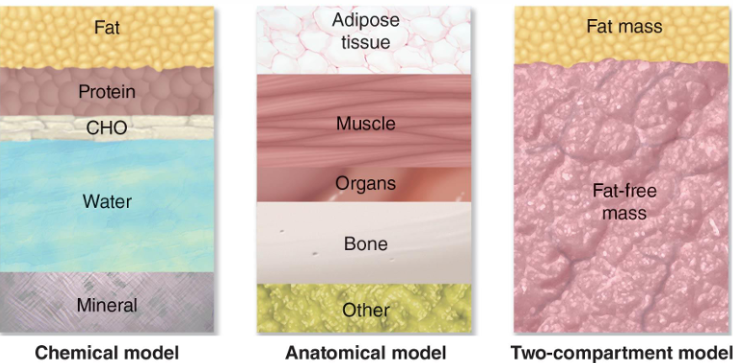
Why is body composition important for assessing fitness, and what are common methods used to measure it?
Body composition provides more detailed information about fitness than height and weight alone, since higher percent body fat is generally associated with decreased performance.
It can be measured using several methods, including:
Densitometry / hydrostatic weighing
DEXA (dual-energy X-ray absorptiometry)
Air plethysmography
Skinfold measurements
Bioelectrical impedance
How does densitometry (hydrostatic weighing) assess body composition, and what are its main limitations?
Densitometry measures body density using hydrostatic (underwater) weighing. It works because muscle is denser than water (sinks) while fat is less dense than water (floats), allowing estimation of body fat percentage from overall body density. It is one of the most commonly used methods.
However, it has limitations:
Lung air volume can affect buoyancy and skew results
Converting body density to percent body fat requires assumptions
Fat-free mass density varies between individuals, which can reduce accuracy

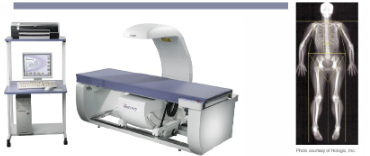
What is DEXA scanning and what are its strengths and limitations for assessing body composition?
Dual-energy X-ray absorptiometry (DEXA) is a method that uses low-dose X-rays to quantify bone mineral content, fat mass, and lean soft tissue.
It is considered highly precise and reliable, but it is also expensive and technically demanding, which limits its widespread use.
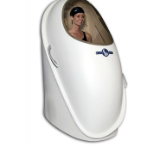
What is air plethysmography (Bod Pod) and what are its advantages and limitations?
Air plethysmography (Bod Pod) is a densitometry technique that measures body composition by using air displacement instead of water to estimate body volume and density.
It is easy and comfortable for the subject, but it is expensive and requires skilled operation, making it less accessible despite being a valid method for assessing body composition.
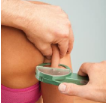
How does skinfold testing assess body composition and how accurate is it?
Skinfold testing is the most widely used field method for estimating body composition. It measures the thickness of subcutaneous fat at multiple sites (usually at least three) using calipers. These measurements are then entered into equations (often quadratic regression equations) to estimate body fat percentage.
It is reasonably accurate, especially when performed by a trained technician.
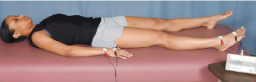
How does bioelectrical impedance analysis (BIA) estimate body composition, and how accurate is it?
Bioelectrical impedance analysis (BIA) estimates body composition by sending a small electrical current through the body using electrodes placed on the hand, wrist, foot, and ankle. The current flows from proximal to distal sites.
Because fat-free mass conducts electricity well (due to high water content) and fat tissue is a poor conductor, resistance to the current is used to estimate body composition.
It is reasonably accurate, but results can vary depending on hydration and other factors, so it is considered less precise than methods like DEXA
How do fat-free mass and percent body fat influence sport performance?
Fat-free mass (FFM), which includes muscle, is an important factor for athletes. Increased FFM generally improves power, strength, and muscular endurance, but it can reduce aerobic endurance because there is more body mass to carry.
Percent body fat represents fat as a proportion of body weight. Fat is considered “dead weight” for performance but also serves as an energy store. In most sports, lower body fat improves performance, especially in endurance and speed activities. However, higher fat levels can be advantageous in certain sports like sumo wrestling, swimming, and weight lifting.
What are weight standards in sport, and what are the risks of misusing them?
Weight standards are guidelines used to suggest an “optimal” body size and composition for performance in a given sport, often based on elite athletes. However, they can be misleading because elite athlete physiques do not always define what is optimal for everyone.
Improper use of weight standards can lead to serious issues, such as the belief that greater weight loss always improves performance. This can reduce performance, increase injury risk, and contribute to eating disorders.
In weight-class sports (e.g., wrestling and boxing), athletes may engage in extreme weight loss (“making weight”) to compete in a lower category. Competing in a class that is too low can negatively affect health, performance, and safety.
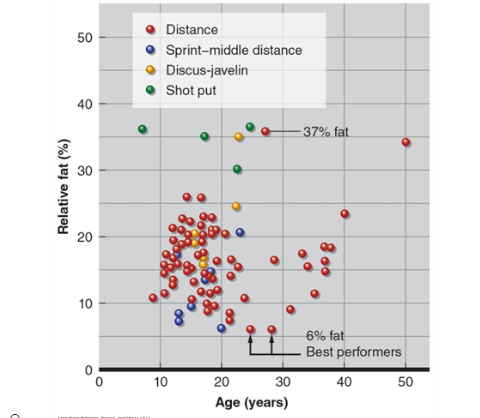
What is the relative Body Fat in Elite Female Track and Field Athletes?
What are the risks associated with severe weight loss in sport?
Severe weight loss in sport—often through dehydration, fasting, or extreme caloric restriction—can lead to multiple serious health and performance risks. Losing just 2–4% of body weight as water can significantly impair performance and increase the risk of kidney and cardiovascular dysfunction, and in extreme cases, death.
It can also cause chronic fatigue, reduced energy substrate availability, and increased risk of injury, often resembling overtraining or chronic fatigue syndrome.
In some athletes, pressure from weight standards can contribute to eating disorders such as anorexia nervosa and bulimia nervosa, which are more common in women in lean sports.
Additionally, severe energy deficiency can lead to menstrual dysfunction, including delayed menarche, oligomenorrhea, or amenorrhea, typically due to energy intake being lower than energy expenditure.
What are the effects of severe weight loss on bone health and what is the female athlete triad?
Severe weight loss and low energy availability can lead to bone mineral loss, especially when associated with athletic amenorrhea. This significantly increases injury risk, with conditions like anorexia associated with up to a 7× higher fracture rate.
The female athlete triad consists of:
Disordered eating or low energy availability
Menstrual dysfunction (amenorrhea or irregular cycles)
Low bone mineral density
It is commonly seen in athletes involved in lean physique or endurance sports, such as figure skating, dance, gymnastics, running, swimming, cycling, and cross-country skiing.
What are appropriate vs inappropriate uses of weight standards in sport?
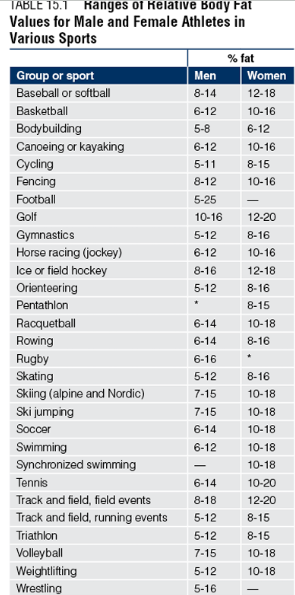
Appropriate weight standards focus on body composition (especially percent body fat) rather than total body weight, and they should consider sex differences and optimal body fat ranges for performance and health.
Inappropriate use of weight standards can harm athlete health by encouraging unsafe weight loss or assuming a single “ideal” body weight applies to everyone.
Limitations include measurement error in body composition testing and the fact that not all athletes perform best at a theoretically “ideal” composition, meaning individual variation is important.
What is the safest and most effective way to achieve optimal body composition for sport performance?
The safest approach to achieving optimal weight is to avoid fasting and crash diets, since they mainly cause water and muscle loss rather than fat loss, and ketosis can further increase water loss.
Instead, optimal weight loss should focus on reducing fat mass while maintaining or increasing fat-free mass (FFM) through a combination of moderate caloric restriction and regular exercise.
Recommended guidelines include:
Creating a caloric deficit of ~200–500 kcal/day
Losing no more than 0.5–1 kg (1.1–2.2 lbs) per week
Slowing weight loss further when approaching the target weight to preserve performance and lean mass