Advanced Vocabulary: Roots, Synonyms, and Contexts for Language Learners
 Call Kai
 Learn
Learn Practice Test
 Spaced Repetition
 Match
Match Flashcards
 Knowt Play
1/73

There's no tags or description
Looks like no tags are added yet.
Name | Mastery | Learn | Test | Matching | Spaced | Call with Kai |
|---|
No analytics yet
Send a link to your students to track their progress
74 Terms
Miscreant
A person who behaves badly or in a way that breaks the law.

Incredulous
Unwilling or unable to believe something.

Credence
Belief in or acceptance of something as true.

Credulity
A tendency to be too ready to believe that something is real or true.
Concurrent
Existing, happening, or done at the same time.
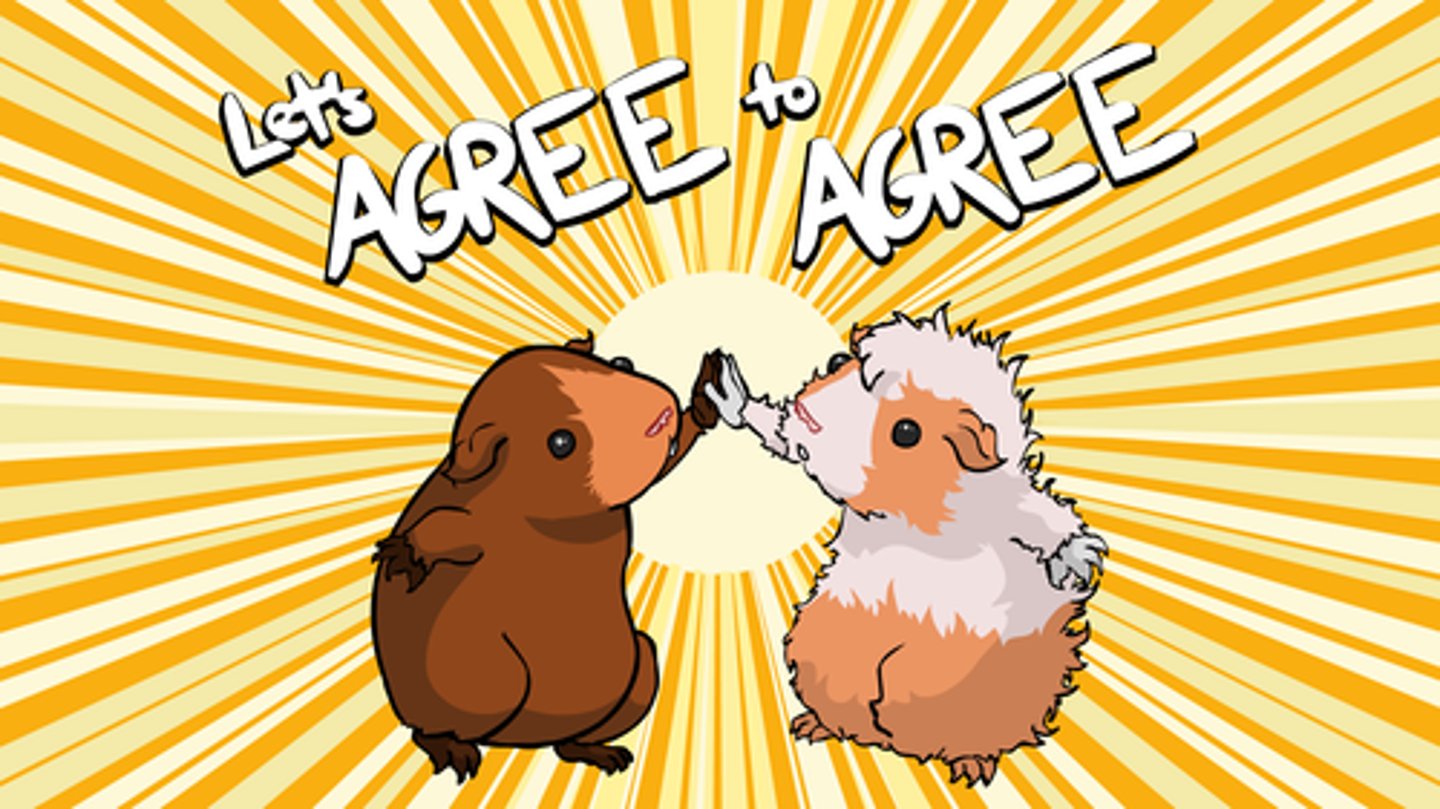
Concur
To agree or have the same opinion.
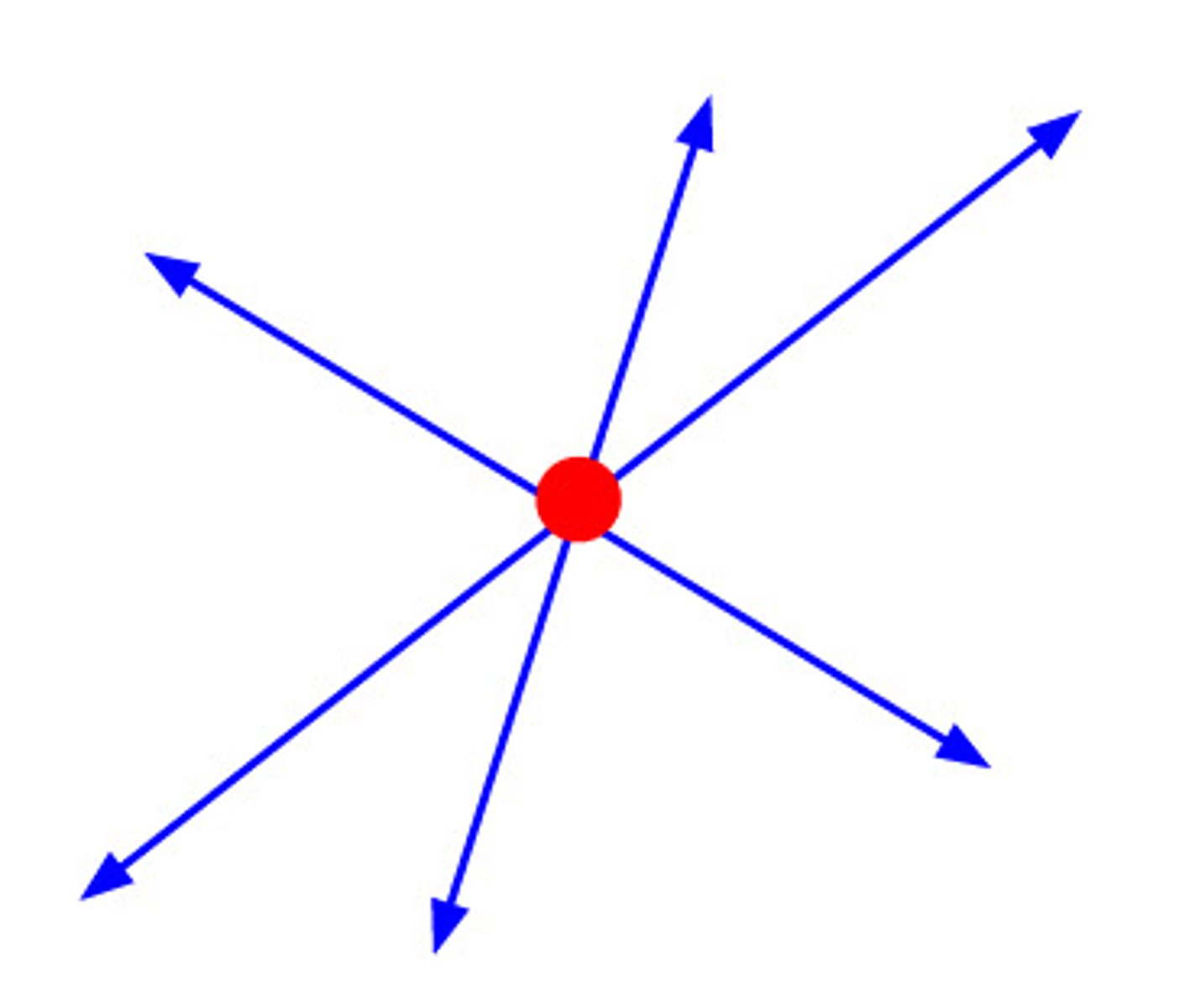
Concourse
A large open area inside a public building, especially an airport or train station.

Recourse
A source of help or support in a difficult situation.

Endemic
Regularly found and restricted to a particular area or people.

Epidemic
A widespread occurrence of an infectious disease in a community at a particular time.
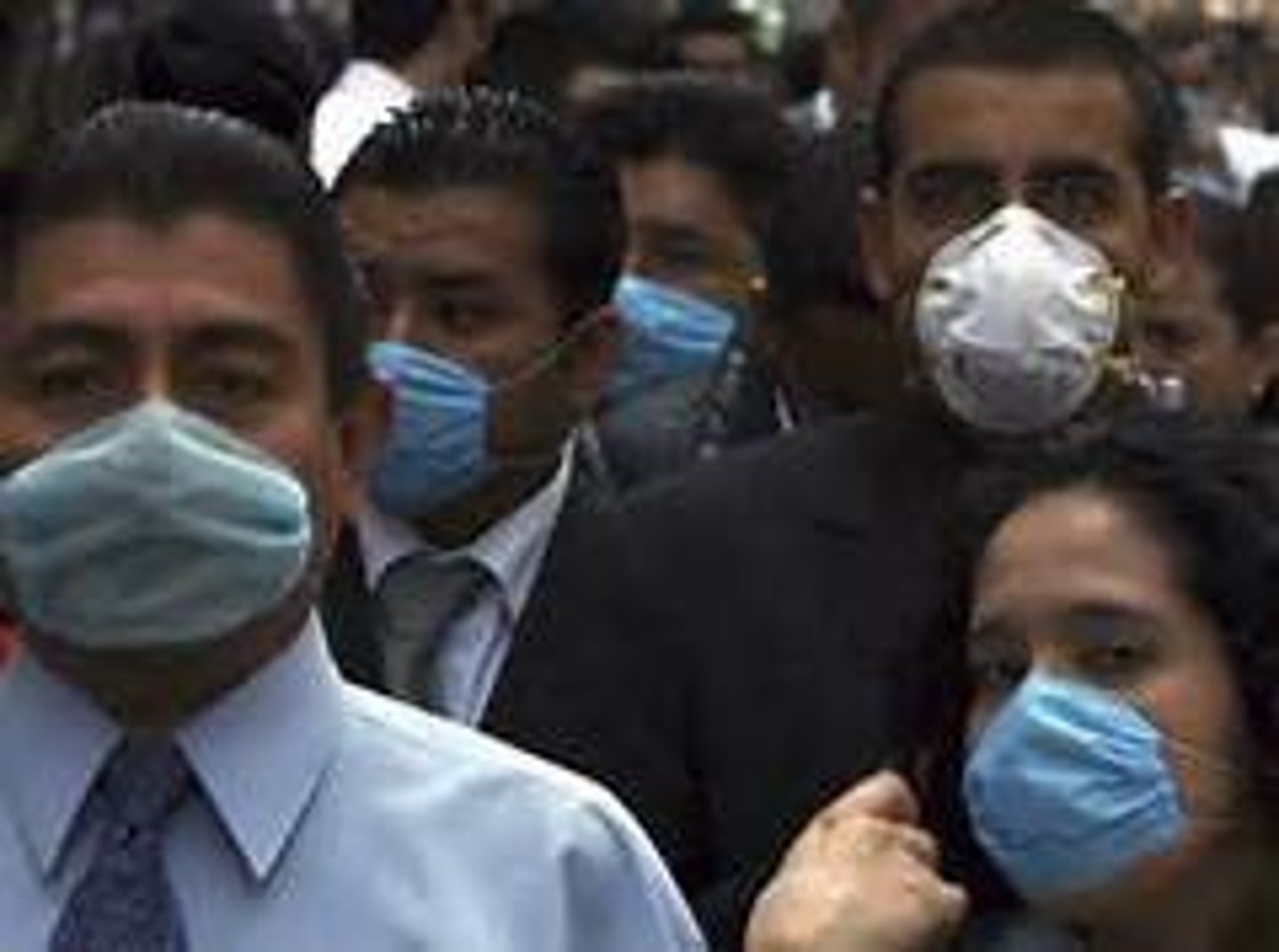
Pandemic
An epidemic that has spread across a large region, typically affecting a large number of people.
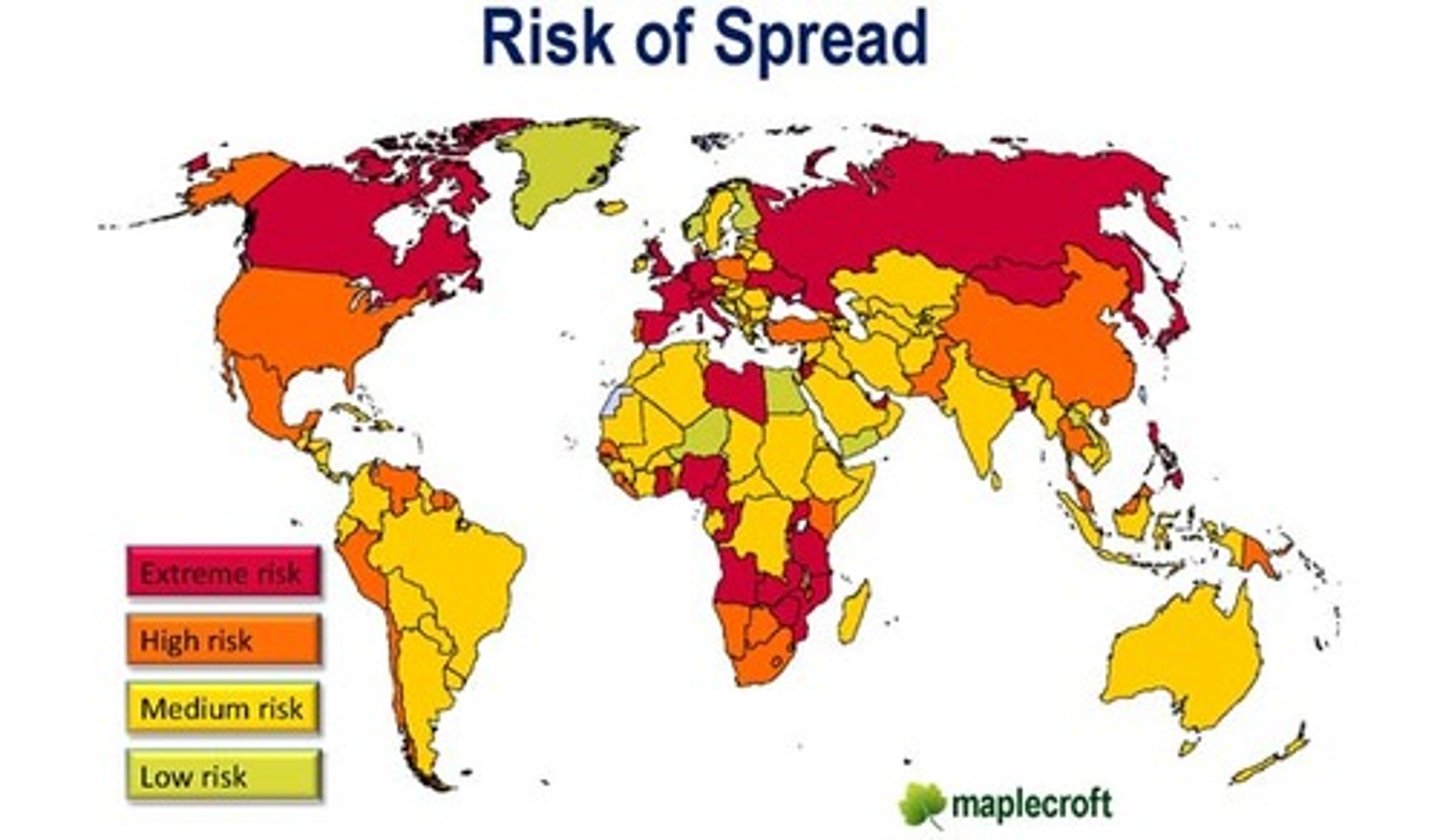
Demagogue
A political leader who seeks support by appealing to popular desires and prejudices rather than by using rational argument.
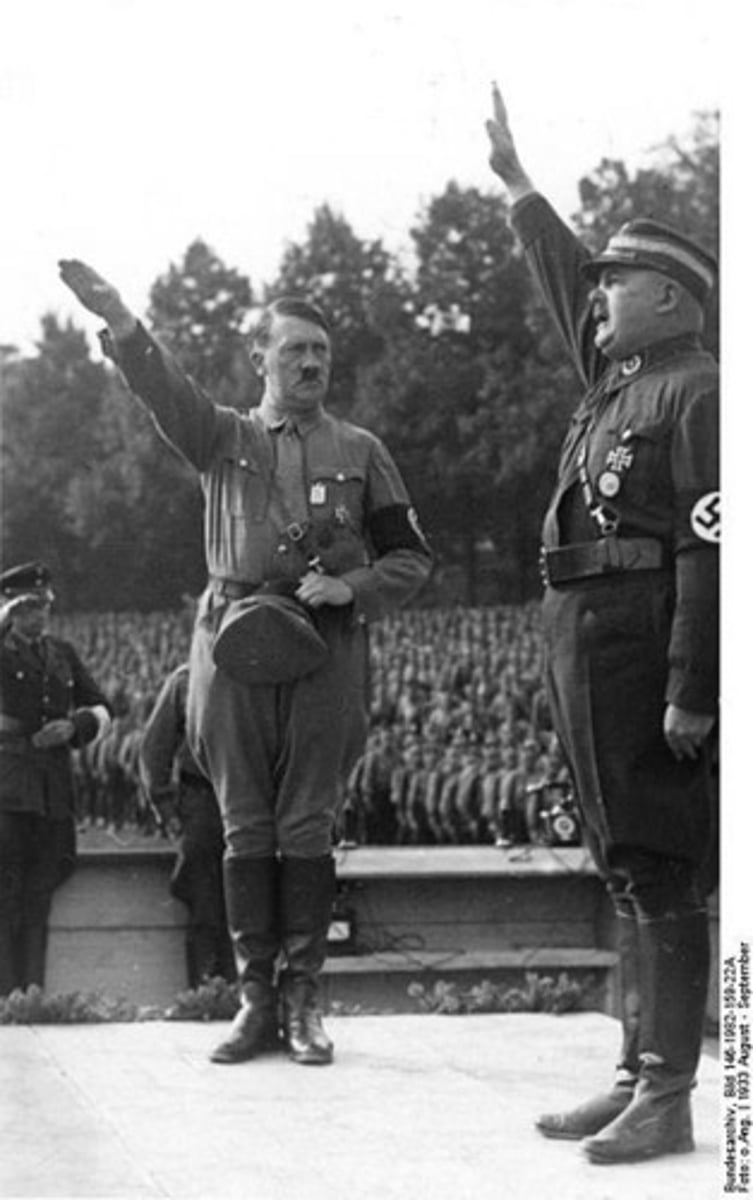
Predict
To say or estimate that a specified thing will happen in the future.

Addict
A person who is addicted to a particular substance, typically an illegal drug.

Dictatorial
Of or typical of a ruler with total power; tyrannical.

Edict
An official order or proclamation issued by a person in authority.
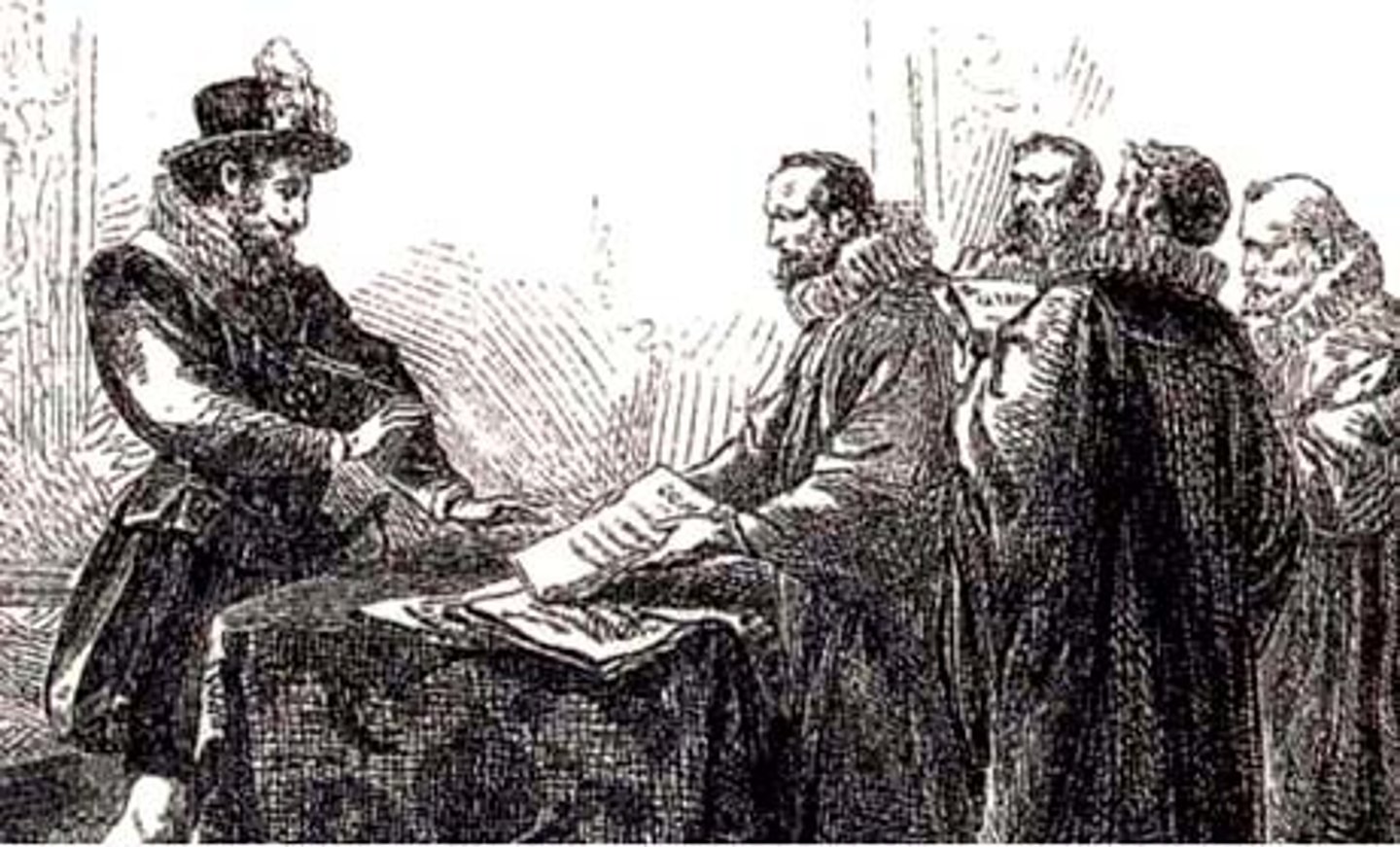
Contradict
To assert the opposite of a statement made by someone.

Disseminate
To spread or disperse something, especially information, widely.
Disparity
A great difference.
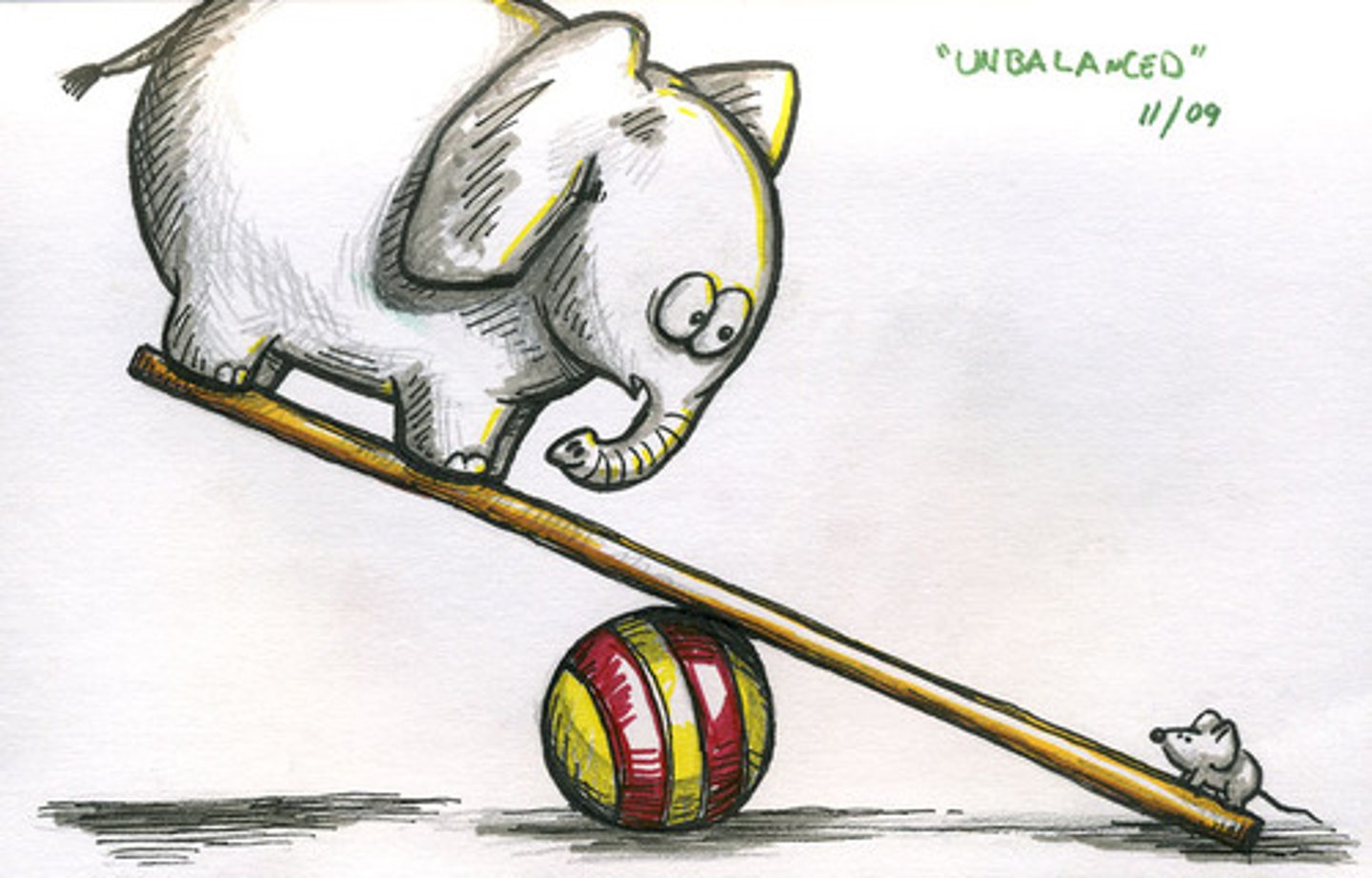
Dissent
(v.) to disagree; (n.) disagreement
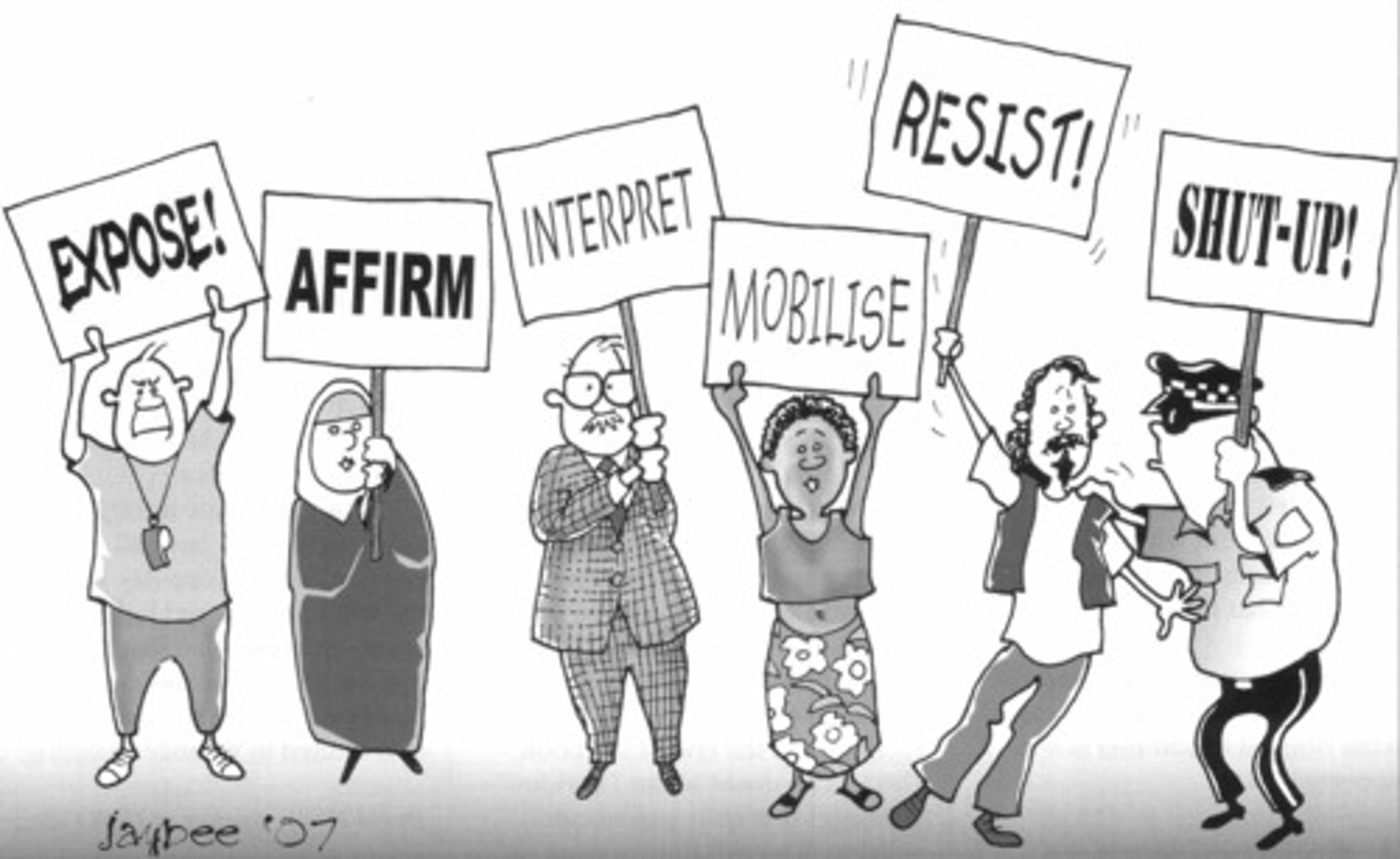
Discordant
(adj.) Lacking harmony or agreement; clashing, harsh, or disagreeable

Disconsolate
Without consolation or comfort; unhappy.
Disparate
Essentially different in kind; not allowing comparison.

Equate
To consider one thing to be the same as or equivalent to another.

Equanimity
Mental calmness, stability, or composure, especially in a difficult situation.

Equable
Not easily disturbed or angered; calm and even-tempered.

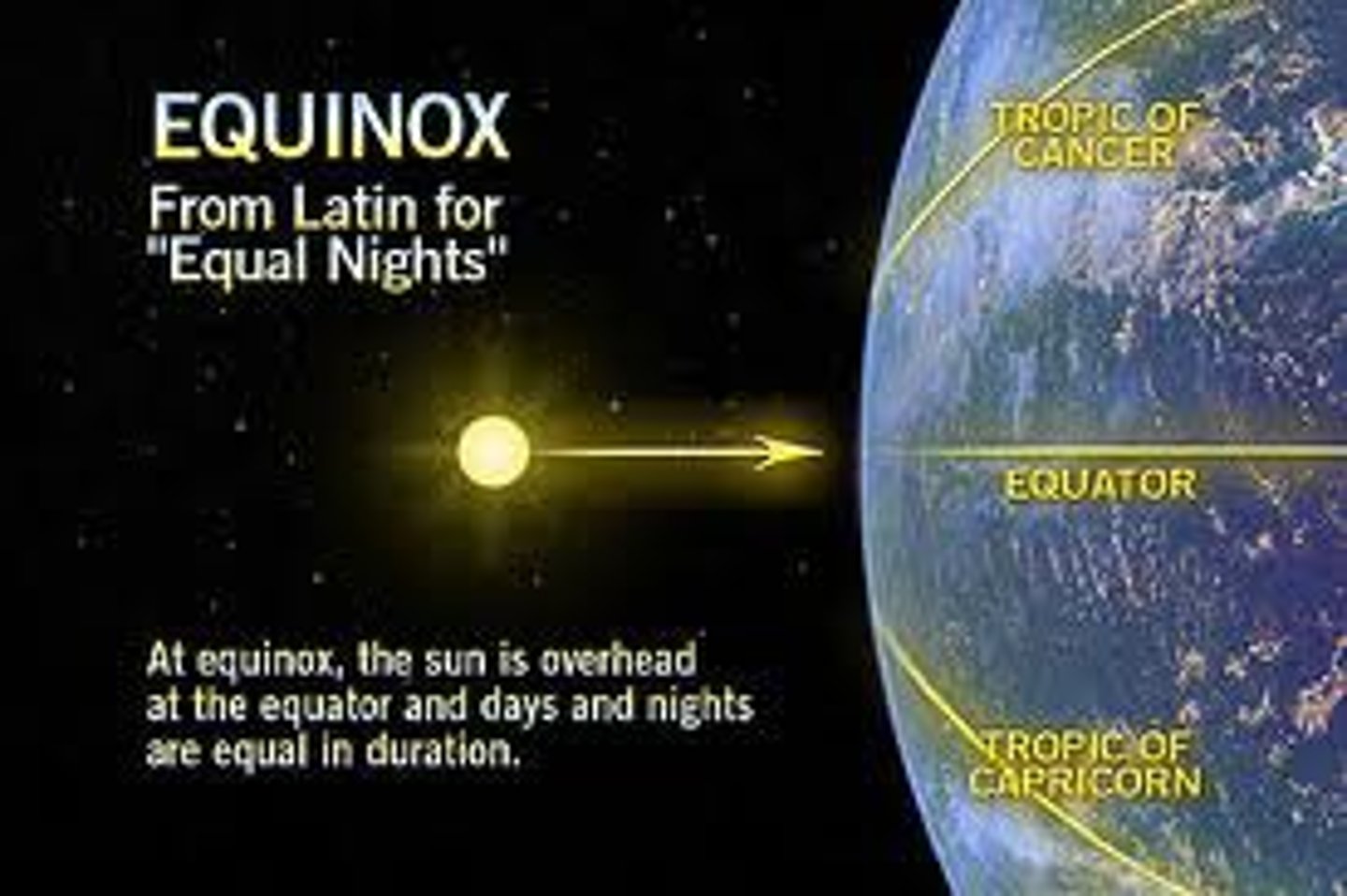
Equinox
The time or date (twice a year) at which the sun crosses the celestial equator, when day and night are of equal length.
Equivocate
To use ambiguous language so as to conceal the truth or avoid committing oneself.
Euphonious
Pleasant to hear; harmonious.

Euphony
The quality of being pleasing to the ear, especially through a harmonious combination of words.

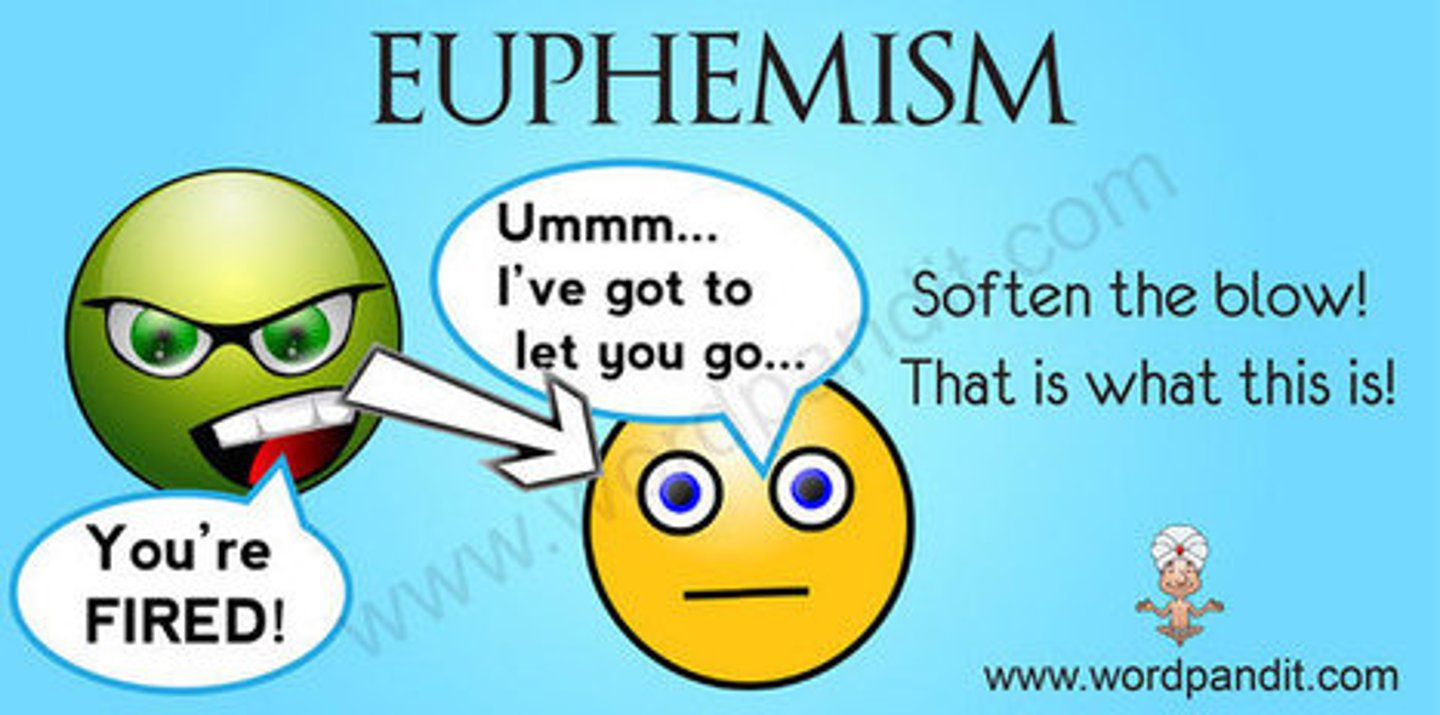
Euphemism
A mild or indirect word or expression substituted for one considered to be too harsh or blunt.
Expurgate
To remove matter thought to be objectionable or unsuitable from a book or account.

Efface
To erase a mark from a surface.

Expatiate
To speak or write at length or in detail.

Emolument
A salary, fee, or profit from employment or office.

Excoriate
To criticize severely and publicly.
Emit
To produce and discharge something, especially gas or radiation.

Diffident
Modest or shy because of a lack of self-confidence.

Perfidious
Deceitful and untrustworthy.
Confidant
A person with whom one shares a secret or private matter.
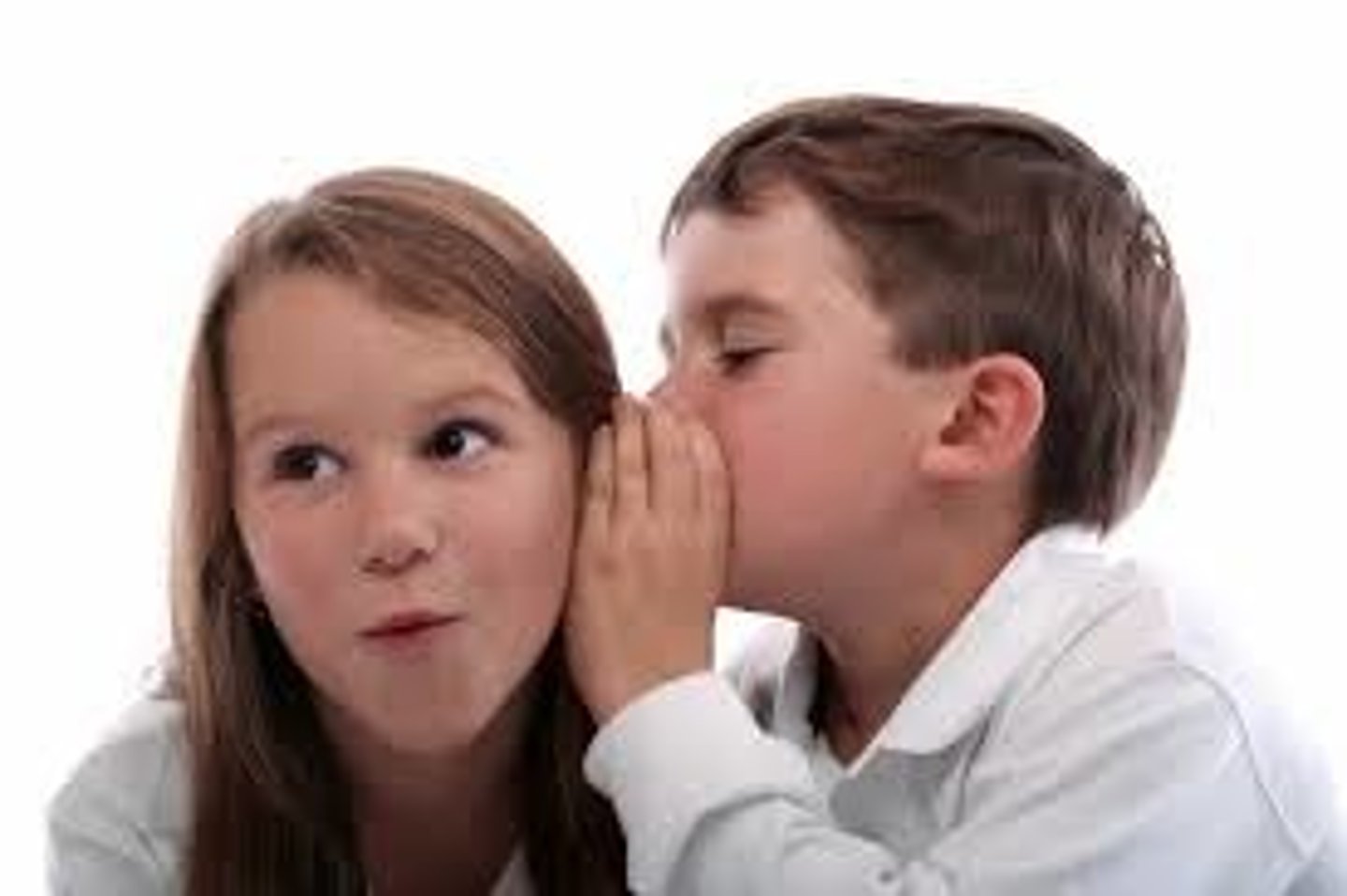
Infidel
A person who does not believe in a particular religion, especially Christianity.
Confident
Feeling or showing certainty about something.

Confide
To tell someone about a secret or private matter while trusting them not to repeat it to others.

Genial
Friendly and cheerful.

Genesis
The origin or mode of formation of something.

Generate
To produce or create something.

Program
A planned series of events, activities, or performances.
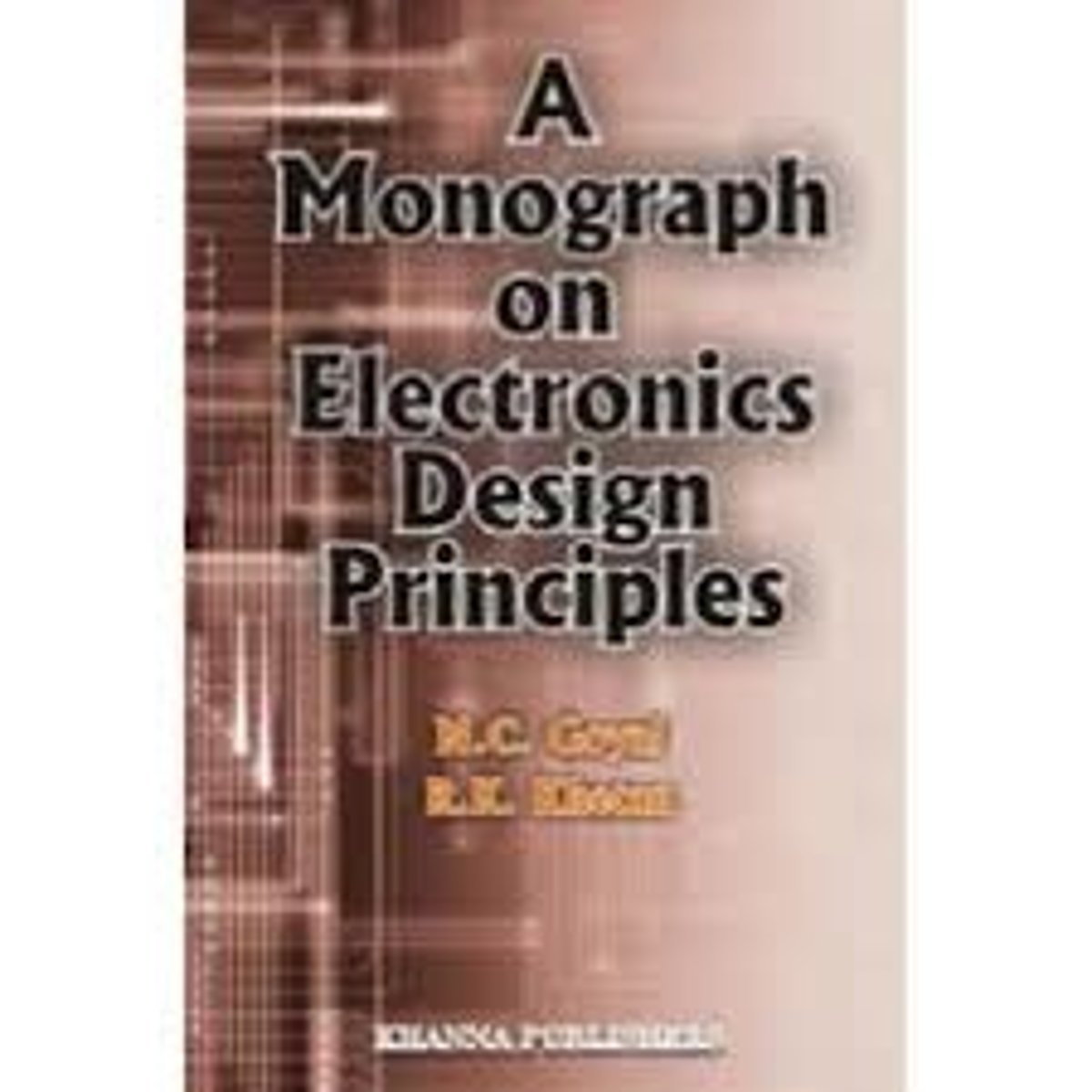
Monograph
A detailed written study of a single specialized subject or an aspect of it.
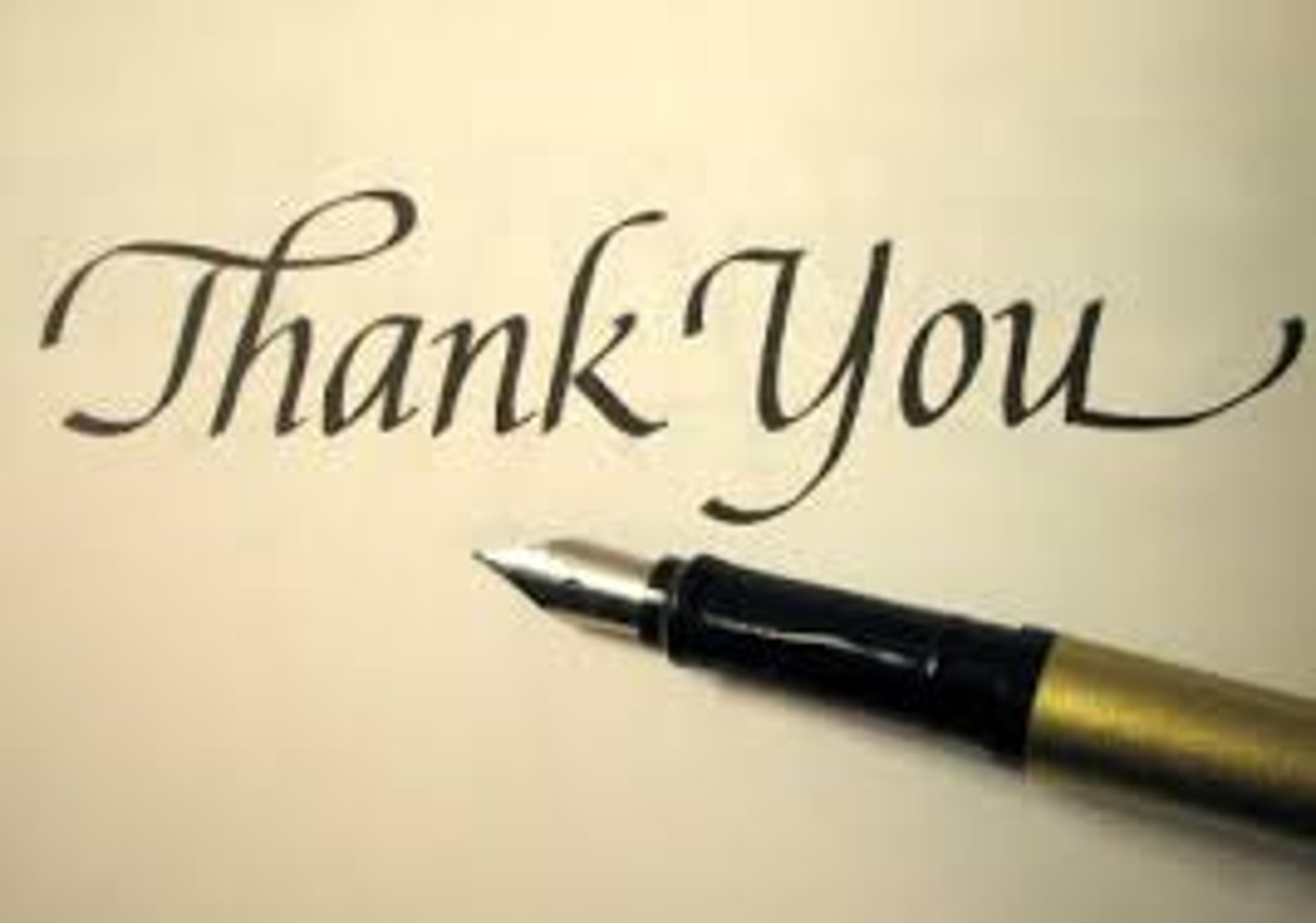
Calligraphy
Decorative handwriting or handwritten lettering.
Diagram
A simplified drawing showing the appearance, structure, or workings of something.
Monogram
A motif made by overlapping or combining two or more letters, typically the initials of a name.

Prologue
A separate introductory section of a literary or musical work.
Monologue
A long speech by one actor in a play or movie, or as part of a theatrical or broadcast program.

Dialogue
Conversation between two or more people as a feature of a book, play, or movie.

Epilogue
A section or speech at the end of a book or play that serves as a conclusion.
Analogous
Comparable in certain respects, typically in a way that makes clearer the nature of the things compared.
Loquacious
Tending to talk a great deal; talkative.

Colloquial
Used in ordinary or familiar conversation; not formal or literary.

Colloquium
An academic conference or seminar.
Eloquent
Fluent or persuasive in speaking or writing.
Apathy
Lack of interest, enthusiasm, or concern.

Empathy
The ability to understand and share the feelings of another.

Sympathy
Feelings of pity and sorrow for someone else's misfortune.
Apathetic
Showing or feeling no interest, enthusiasm, or concern.

Antipathy
A deep-seated feeling of aversion (dislike)
Pathetic
Arousing pity, especially through vulnerability or sadness.
Preposterous
Contrary to reason or common sense; utterly absurd or ridiculous.

Postlude
A concluding piece of music, especially one performed at the end of a church service.

Posterity
All future generations of people.

Preponderant
Having greater power, influence, or effect than something else.

Precedent
An earlier event or action that is regarded as an example or guide to be considered in subsequent similar circumstances.

Preeminent
Surpassing all others; very distinguished in some way.

Prelude
An action or event serving as an introduction to something more important.
Recurrent
happening repeatedly