RADT153 - Unit 4 - Drug Administration & Life-Sustaining Accessories
 Call Kai
 Learn
Learn Practice Test
 Spaced Repetition
 Match
Match Flashcards
 Knowt Play
1/51

There's no tags or description
Looks like no tags are added yet.
Name | Mastery | Learn | Test | Matching | Spaced | Call with Kai |
|---|
No analytics yet
Send a link to your students to track their progress
52 Terms
drug
substances capable of producing physical and/or psychological responses in the body
medication
are drugs, after administered, are used to cure, prevent, or treat illness or discomfort
- therapeutic (desirable)
- adverse (undesirable)
5 RIGHTS of drug administration
1. right patient
2. right drug
3. right amount/dose
4. right route
5. right time
percentage of radiographic procedures that requires contrast media
30%
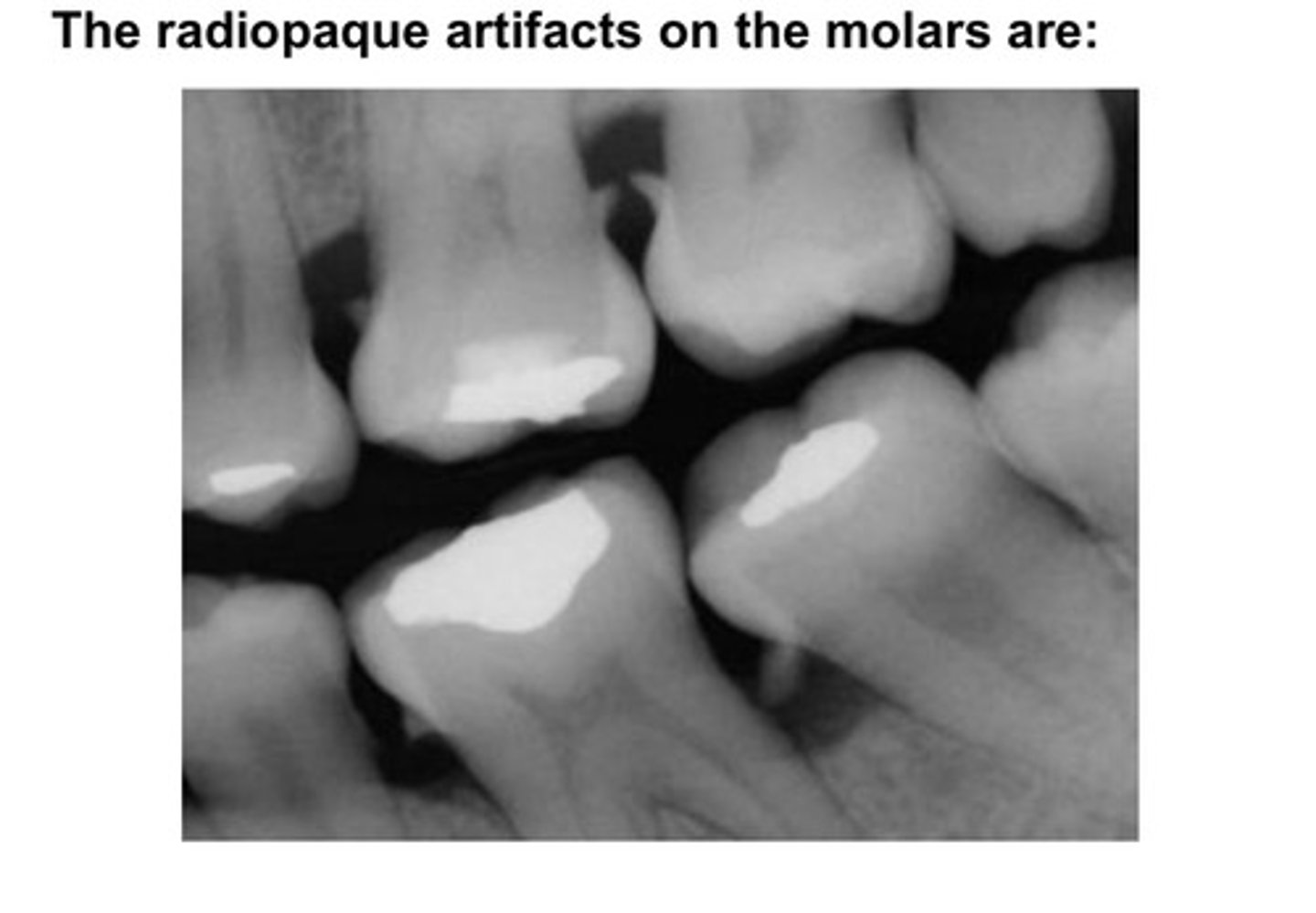
radiopaque
anatomy is filled or outlined by POSITIVE contrast agent; appears WHITE on the radiograph
- is like bone, very solid and dense; appears white
- when we give contrast media, we are giving it that opaque look
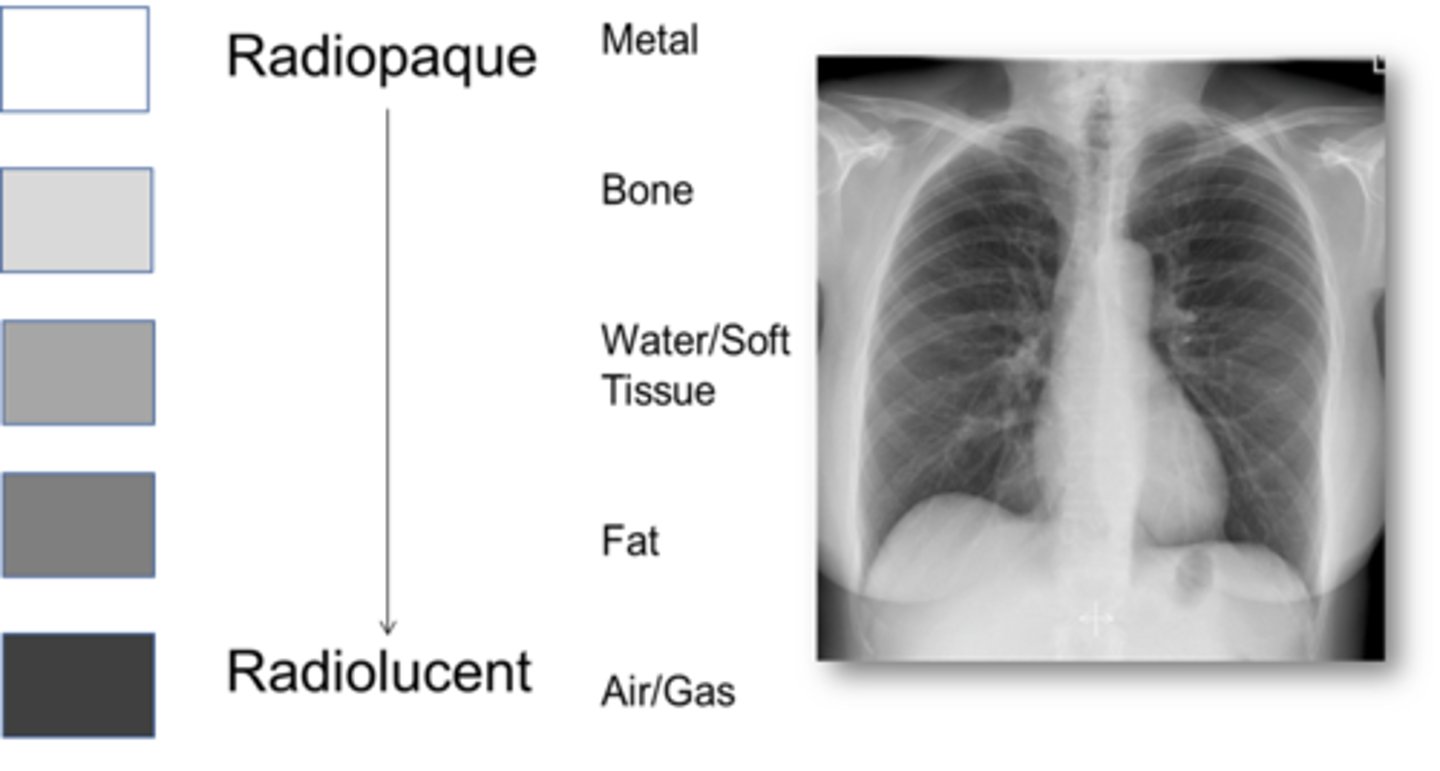
radiolucent
anatomy is filled or outlined by NEGATIVE contrast agent; appears DARK on the radiography
atomic number for iodine
53
atomic number for barium
56
- is radiopaque
- absorbs xrays
bolus in contrast media
large dose/amount in a short period of time; one time
infusion in contrast media
a dose over a long period of time
2 classifications of iodinated contrast based on its molecular structure
1. ionic
2. non-ionic
ionic contrast media
- thicker, viscous, syrupy
- contains more iodine
- more iodine = greater chance the PT has an allergic reaction and goes through physiological changes
PRO = structures are better visualized under x-ray
non-ionic contrast media
- safer, less toxic for the PT, not as thick
CON = harder to see structures under x-ray
how many times should you verify the label before administering drug/contrast?
what 3-4 things do you verify?
3 times
- name
- strength
- dose
- expiration date
any PT given contrast media needs to be observed for a minimum of ___ before going home
1 hour
- PO
- IM
- IV
- STAT
- VO
- SC OR SQ
- ID
- BID
- GTT
- CC
- by mouth
- intramuscular
- intravenous
- at once, immediately
- verbal order
- subcutaneous
- intradermal
- twice a day
- drop
- cubic centimeter
- ac
- pc
- hs
- PRN
- q
- qd
- tid
- q2hrs
- mL
- before meals
- after meals
- at bedtime
- as necessary
- every
- every day
- three times a day
- every 2 hours
- milliliter
3 different routes of drug administration
1. enteral - GI tract. ORAL is the most efficient and cost effective way
2. parenteral - involves some break in the skin; injection; IV needle; intramuscular
3. topical
6 complications of intramuscular injections
- abscess
- nercrosis
- skin slough
- nerve damage
- prolonged pain
- periostitis
do you ever recap a needle?
NEVER; CHOOSE NO
most common site for venipuncture
median cubital vein; area around the elbow
where can a radtech start the IV
anywhere in upper extremity; fingers to shoulders or arm
is oxygen a drug?
yes, must be prescribed by physician
PaO2
- partial pressure of O2
- measures amount of actual O2 in arterial blood
HCO3
- amount of bicarbonate in arterial blood
- controls the pH
SaO2
saturation / percentage of hemoglobin with oxygen in arterial blood; want to be 97% and above
hypoxemia
- low levels of O2 in blood
- decreased PaO2 (partial pressure)
- anything less than 90% saturation (SaO2) is hypoxemia
finger probe measuring O2 levels fluctuates because....?
we are breathing in how much pure O2?
- fluctuates b/c the air we breathe is not 100% O2
- only breathe in 25% of pure O2
how to place an O2 tank?
in a holder/stand; lay on its side; NEVER leave standing
non-rebreather mask
- constant 100% concentration
- has VALVE to prevent CO2
- HIGHER level of O2 to PT
partial rebreather mask
- constant, but variable 60-90%
- NO VALVE
3 types of urinary procedures we do in radiology
1. cystography
2. ureteral stent placement (OR/IR)
3. retrograde pyelography (OR)
which procedure does PT have to be knocked out in?
stent placement
what is a pigtail catheter
- runs through the bladder, into the ureter, and into the kidney
- done under anesthesia and under surgery
why is a cystogram done in radiology?
- b/c you're only looking at the bladder
- it's uncomfortable but not as painful as a stent or retrograde
4 different catheters for urinary system
- Straight catheter
- Indwelling urinary catheter
- Suprapubic catheter
- Condom catheter
foley catheter and what type of lumen does it have
- inserted and left in place to allow for continuous drainage or urine
- inflate the balloon
- double lumen
alcock catheter has what lumen type
- deliver meds or irrigate
triple lumen
double lumen catheter
- inflatable balloon
- continuous drainage of urine into a receptacle or drainage bag
triple lumen
provides a passage for continuous irrigation of the bladder
a urine drainage bag has to be ____ than the bladder for the bladder to drain
lower
NG tubes
- polyurethane, silicone, or rubber
- inserted through the nasopharynx into the stomach, duodenum, or jejunum
= in addition for its use in diagnosis of:
1. gastric decompression
2. drainage and secretions
3. feedings (nutrition & meds)
4. control bleeding
- levin, sump, nutriflex, moss, and sengstaken-blakemore
NE tubes
- polyurethane, silicone, or rubber
- inserted through the nasopharynx into the duodenum and small intestines by means of peristalsis
- in addition for its use in diagnosis of:
1. feeding
2. gastric and intestinal decompression
3. relieves obstructions in the small intestine
- cantor, harris, and miller-abbott
how are tube positions verified?
the correct tube placement position requires verification by calling x-ray, fluoroscopy, or sending to labs using pH balance sample
tracheostomy
- create a hole in the upper airway
- can be connected to a ventilator
- CON = PT fearful of choking
positive pressure ventilation
- O2 being pumped into the lungs
- increases the PT's airway pressure through an endotracheal or tracheostomy tube
- positive pressure allows air to flow INTO the airway until the ventilator breath is terminated
- the airway pressure drops to 0, and the elastic recoil of the chest wall and lungs push the tidal volume - the breath - out through passive exhalation
negative pressure ventilation
- pulls O2 out of the lung
- AKA iron lungs
- most common in homes and polio wings of hospitals
- the vacuum (negative pressure) action replicates the human breathing causing the chest wall to inflate and deflate
- does not require an artificial airway
chest tube and drainage-- pressure in the pleural cavity is normally ____ than ____ ____, but disease or injury can alter this
lower; atmospheric pressure
pneumothorax
air in the pleural cavity causing 1 or both lungs to collapse
hemothorax
blood in the pleural cavity preventing lungs to expand normally
pleural effusion
fluid in the pleural cavity
most common places for drainage tubes to be placed are
wounds and operative sites