GWS Exam III: Gender, Research, Ethical, & Social Implications
 Call Kai
 Learn
Learn Practice Test
 Spaced Repetition
 Match
Match Flashcards
 Knowt Play
1/71

Earn XP
Description and Tags
Gender - Time & Space; Biological basis of Gender, Gender Identity; Sex Bias in Research; Gender Dysphoria and Health
Name | Mastery | Learn | Test | Matching | Spaced | Call with Kai |
|---|
No analytics yet
Send a link to your students to track their progress
72 Terms
outdated/human bias terminology
• Heterosexual*
• Homosexual*
• Transgendered/transsexual
• Female to male (FTM)
• Male to female (MTF)
• Biologically female/male
• Gender identity disorder
• Sex reassignment surgery
current/alternative terminology
• Different-sex behavior
• Same-sex behavior
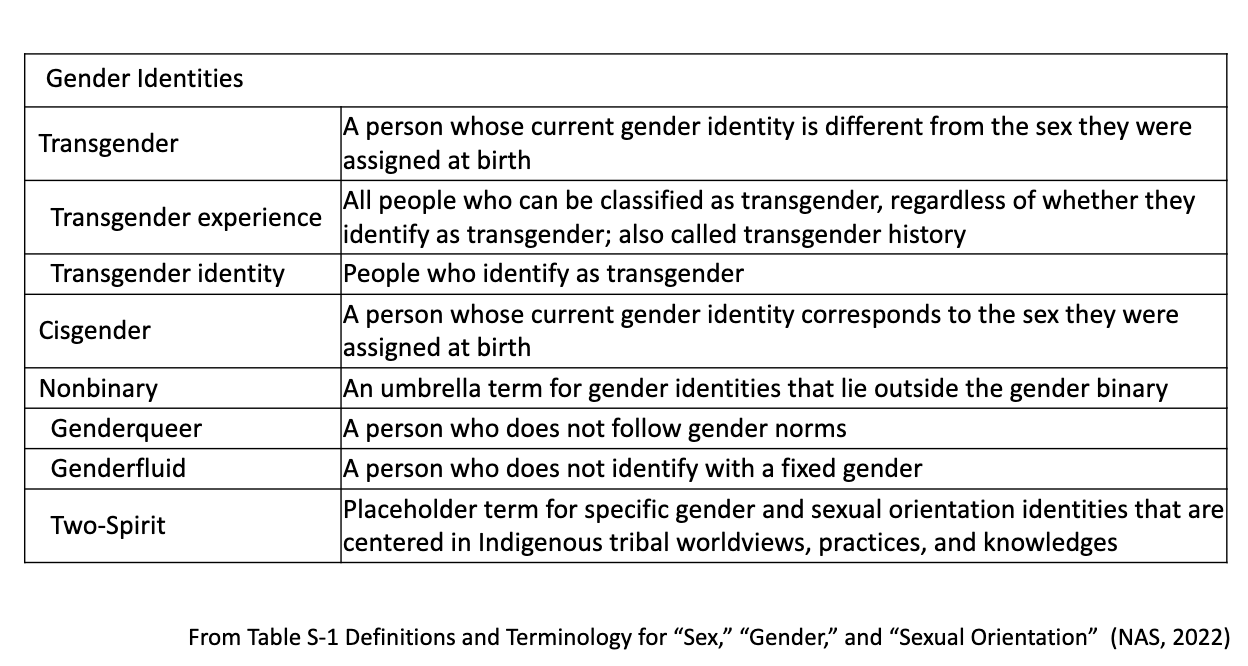
• Transgender
• Trans man/trans masculine
• Trans woman/trans feminine
• Assigned female/male at birth (AFAB/AMAB)
• Gender dysphoria
• Gender affirming surgery
understanding gender, gender role, and gender identity time line
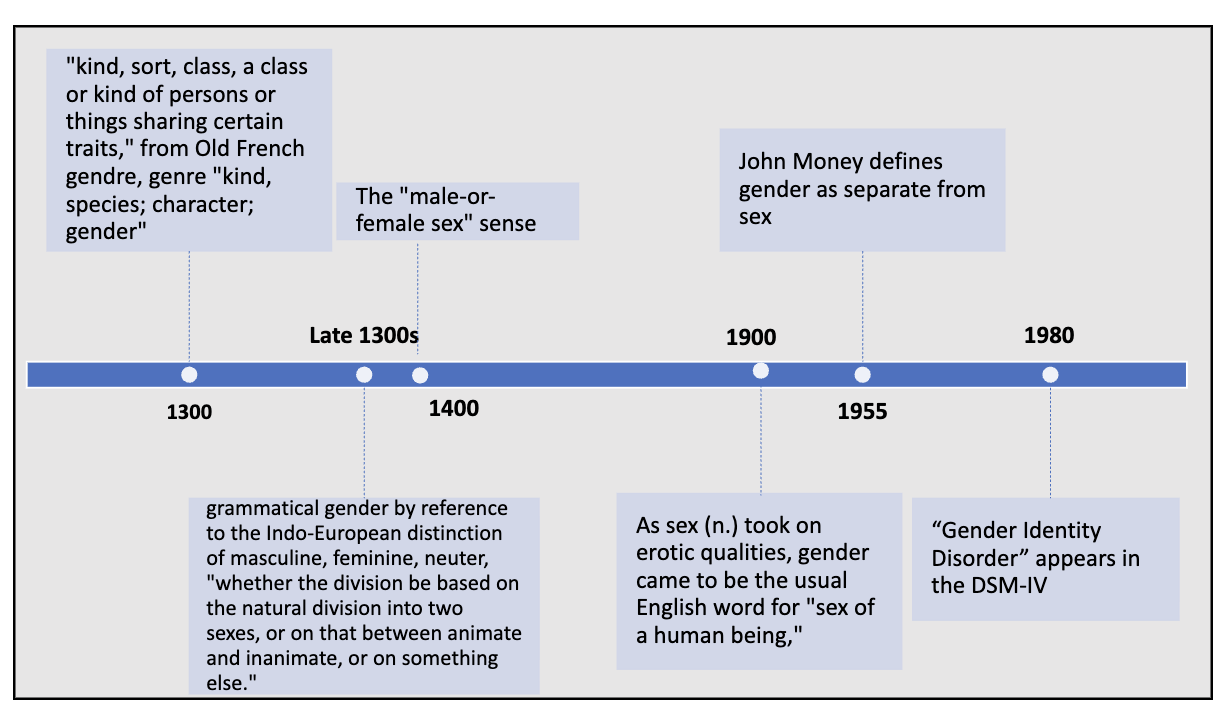
who is john money? what is his importance?
john money - psychologist, sexologist (1955)
“gender role is used to signify all those things that a person says or does to disclose himself or herself as having the status of boy or man, girl or woman, respectively.”
who is stoller & greenson? what’d they say?
psychologists, 1964
“gender identity starts with the knowledge and awareness, whether conscious or unconscious, that one belongs to one sex and not the other..”
feminist studies of the 70s and LGBTQ+ voices of the 90s, 2000, and 2020
Feminist Studies of the 70s
Rubin (1975) described gender as a socially imposed division of the sexes used to oppress women.
Sex differences real but gender socially constructed and therefore changeable
LGBTQ+ voices of the 90s
Feinberg (1993) fiction Stone Butch Blues, a genderqueer narrative whose protagonist rejects binary gender norms
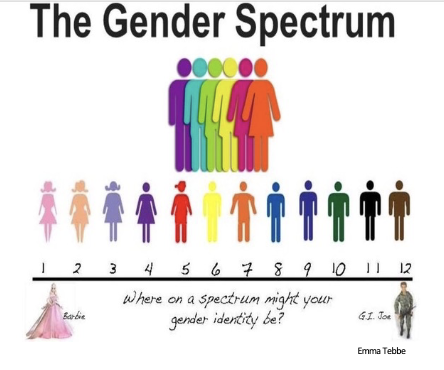
Ushered in a shift in discussions from a gender binary to a gender spectrum
2000s
Creation of terms such as non-binary, agender, and gender fluid to describe how people feel about themselves.
2022
Biomedical/health care definition of gender
biomedical definition of gender
“...measurement issues are not purely academic: they can have severe consequences for sexual and gender minorities in health care and other areas in which measures of sex/gender and sexual orientation are often used for determining appropriate and necessary care.”
National Academies of Sciences, Engineering, and Medicine charged by the National Institutes of Health to examine:
measurement of sex, gender identity, and sexual orientation
recommend specific measures for use in surveys and research, administrative, clinical, and other health settings.
transparent development
Working Committee: Composed of representatives from U.S. Census Bureau and Disciplines of Medicine, Sociology, Psychiatry, Public Health, and Law
Outside experts: provided testimony and reviews of final document and recommendations
example of gender definition
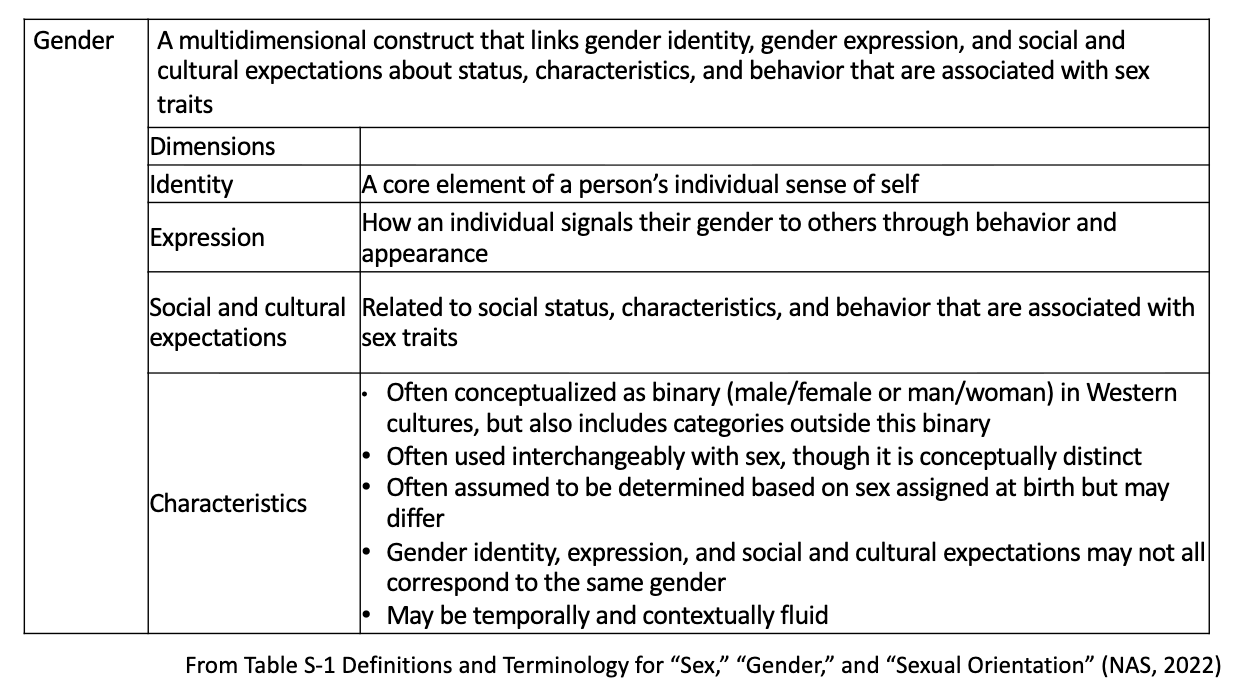
example of gender identities
what has been happening in 2025? 2026?
2025
executive order
“defending women from gender ideology extremism and restoring biological truth to the federal government”
2026
international olympic committee via a working group
“protection of the female (women’s) category in olympic sport and guiding considerations for international federations and sports governing bodies”
gender
Eurocentric, different-sex behavior perspective
feminine gender sterotypes
1. Caregivers
2. Passive*
3. Should raise the children
4. Quitters
5. Nurses, teachers
6. Need help from men
7. Young women are innocent or naïve
8. Weak
9. Too emotional for leadership
masculine gender sterotypes
Leaders
2. Good at math
3. Boys don’t read books
4. Boys shouldn’t play with dolls
5. Doctors
6. “Boys will be boys”
7. Don’t cry
8. Use aggression to solve problems
9. Providers for their family
gender in native american communities
• More fluid and variation among groups
• Mojave, Navajo – 4 genders
• Lakota – 3 genders
• Two-spirit gender is common among indigenous communities
• Haudenosaunee Confederacy – gender binary (?) with greater emphasis on balance of “feminine” & “masculine” traits within individuals
• Sexual orientation is separate from gender in all cases
understanding two-spirit gender(s) of indigenous people
Haudenosaunee Confederacy People of the Longhouse
• Mohawk, Oneida, Onondaga, Cayuga, Seneca, Tuscarora Nations
• Oldest, participatory democracy
• All individuals have a say regardless of sex or gender
gender in idonesia, south Sulawesi
Five gender categories recognized
Makkunrai (cisgender female), oroani (cisgender male), calalai (transgender female), calabai (transgender male), bissu (both female & male)
Sexual orientation is separate from gender in all cases
“All bissu are calabai, but not all calabai are bissu.”
Bissu are carriers of special knowledge
Chosen by and act as intermediates to the gods
Rites of passage ceremonies (birth, deaths, weddings)
Tend to be asexual
define gender
A multidimensional construct that links gender identity, gender expression, and social and cultural expectations about status, characteristics, and behavior that are associated with sex traits (NAS 2022)
psychology definitions of gender
The socially constructed roles, behaviors, activities, and attributes a given society considers appropriate for boys and men or girls and women
psychology definitions of gender identity
The person’s internal sense of being male, female or something else; the expression of which is communicated through behavior, clothing, hairstyle, voice or body characteristics
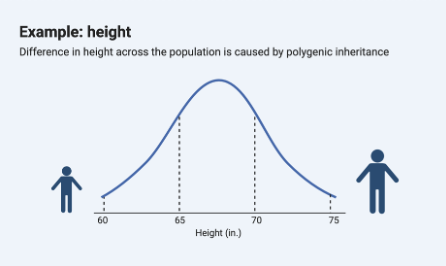
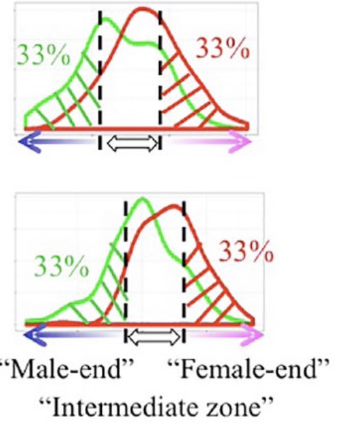
gender identity as a polygenic trait
Gender Identity as a multifactorial, complex or polygenic trait
Many genetic variants contribute in an additive fashion
Nongenetic factors (environment)
Result: Continuous distribution
mosaic brain hypothesis
• No “male” and “female” brain, i.e., not a strict interpretation of Brain Organization Theory
• Brains as a mixture of unique and changing features, some more common in AFAB and other more common in AMAB
• Result: lots of overlap among different gender identities
• Grey matter volume differences of two regions with the largest observed sex differences (left hippocampus – top, left caudate – bottom).
biological bases of variation in gender identity
Major Contributing factors to formation of Gender Identity
1. Hormones during sexual development
2. Neuroanatomic and neurodevelopment
3. Genetic and epigenetic
hormones during sexual development
Brain differentiation – second half of gestation
“priming of the brain” aka Brain Organization Theory
Estrogen receptors play a big role
Conversion of testosterone to estradiol leads to male-sex pattern behavior
Lack of stimulation of estrogen receptors leads to female–sex pattern behavior
Full effects not seen until puberty
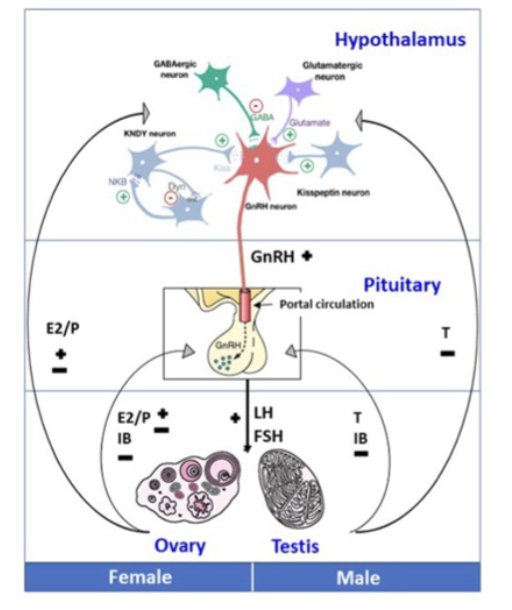
Hypothalamus-Pituitary-Gonadal Axis
Gonadotropin Releasing Hormone (GnRH) travels via portal circulation to anterior pituitary
GnRH stimulates Luteinizing Hormone (LH) and Follicle Stimulating Hormone (FSH) production
LH & FSH act in males on the testes and in females on the ovaries to produce testosterone and estradiol/progesterone (E2/P), respectively.
Negative and positive feedback loops
Kohlberg’s Theory of Gender Development
Three stages:
1. Gender Labelling – 2-3 yo
2. Gender Stability – 3-4 yo
3. Gender Persistence – 4-5 yo
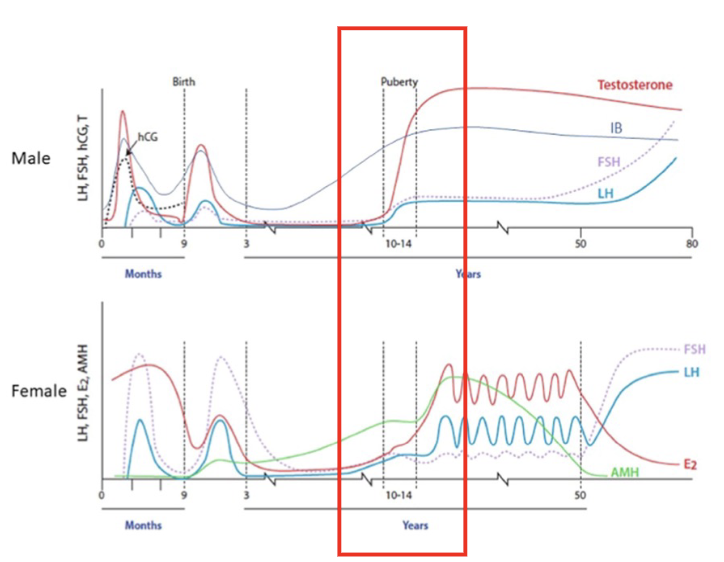
Hypothalamic-Pituitary-Gonadal (HPG) axis – fetal and postnatal life
1 – HP axis development initiated early in fetal life
2 – HP axis reactivated early in infant life
3 – HPG axis activated at puberty
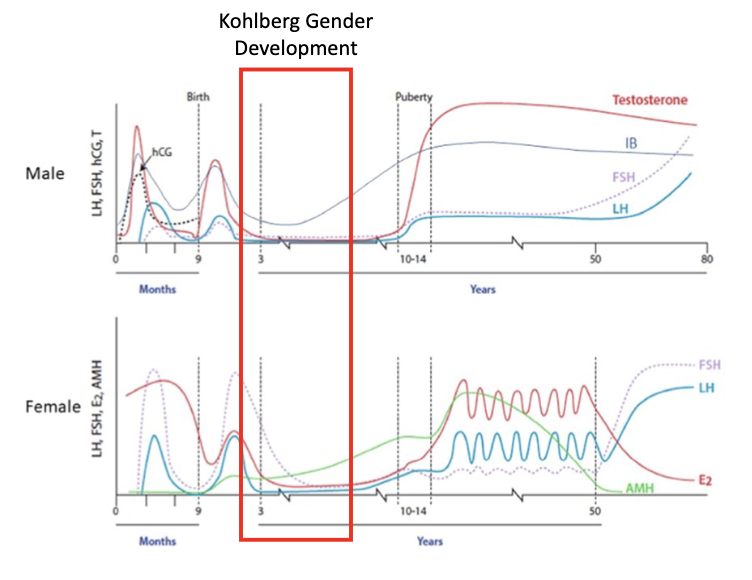
*AMH - regulation of ovarian function, produced by granulosa cells
neuroanatomic and neurodevelopment
Most sex differences are small at the group level, but may be able to differentiate regions within the brain among cisgender individuals, e.g., gray matter volume differences
Mosaic brains more common in cisgender & transgender individuals
Specific brain structures do not differ consistently between cisgender & transgender individuals
Impossible to establish linear correlation between behavior & anatomy
However, functional brain networks related to sex and gender may be encoded differently in the brain
genetic
Heritability of gender identity: Identical vs fraternal twin studies, h = 0-77% across children, adolescents, and adults
Problems: conflates sexual orientation with gender identity.
Candidate genes – many identified, additive effects, differs between trans men and trans women, sample size issues
E.g., Androgen Receptor, Estrogen Receptors (alpha and beta)
Heritability
proportion of phenotypic variation arising from genetic influences
epigenetic
A pattern in which modification to chromatin (DNA and associated proteins) alters gene expression resulting in monoallelic gene expression
Epigenetic changes are caused by modifications to chromatin
Typically occur during oogenesis, spermatogenesis or early embryonic development
Involves specific molecular modifications, or epigenetic mark: e.g., DNA methylation.
Epigenetic regulation of gender identity through silencing of gene expression via methylation
Sex-specific methylation patterns occur in numerous types of cells
Hormonal treatment naïve transgender individuals exhibit different methylation patterns from cisgender individuals both overall and in genes involved in brain development
Gender-Affirming Hormone Therapy (GAHT) changes methylation of AR, ER alpha & beta genes within 6 months
biological basis for gender
Making or becoming a human is a complex process involving biological, social, and environmental factors
Contributions of hormones, genes and the environment are difficult to quantify, but people are trying!
sex bias in mouse studies
• Assumption: There is a significantly higher level of variability in a female vs a male
• Are free-cycling female mice more variable than males?
• Females are significantly less variable than males (Prendergast et al. 2014)
• Hormonal, metabolism-related and morphological traits females are significantly less variable than males
• Other categories female variability didn’t exceed variability seen in males
housing impacts
• Group-housed
• More variability, in general
• More variability in males
• Males fight
• Establish dominance hierarchies – activates glucocorticoid & sympathetic responses in subordinates
• Females don’t fight
• Single-housed animals exhibit less variability
gender of the experimenter
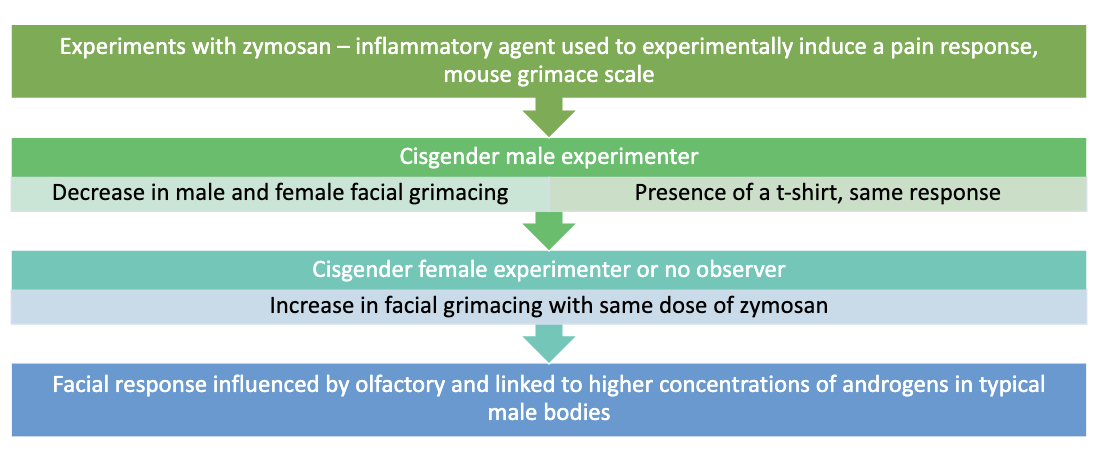
bias in biomedical research
1997-2000
10 prescription drugs withdrawn from market by FDA because of a greater health risk for women
40% were developed & prescribed for BOTH female & males
Antihistamines, cardiovascular & gastrointestinal therapies caused severe arrhythmia mostly in females
zolpidem, aka ambien
Pharmaceutical trials on male rodents to determine dosage for both AMAB and AFAB humans
Same dosage prescribed, but recent research is mixed.
South Korea (Joung, 2023)
Higher reporting risks in AFAB for parasomnia (brain partially awake) including sleepwalking (somnambulism) and nightmares (paroniria), and cardiovascular disorders including coronary thrombosis
AMAB were more likely to report cognitive disorders such as delirium, insomnia related disorders, and movement disorders
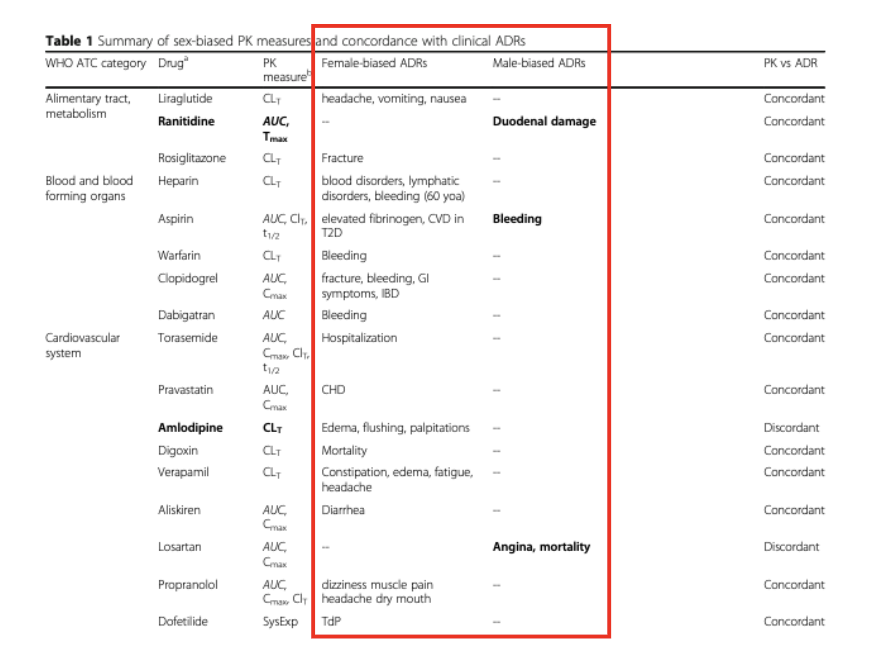
revitalization act of 1993: National Institute of Health requires that AFAB participate in clinical drug trials
2012 - some responses to the sex bias
Endocrinology requires manuscripts to include
Sex of animals
Sex of animals from which cell lines are derived
American Physiological Society
Same data for animals and humans (sex or gender), as well
National Institutes of Health (US)
Provides grant supplements to include female test subjects
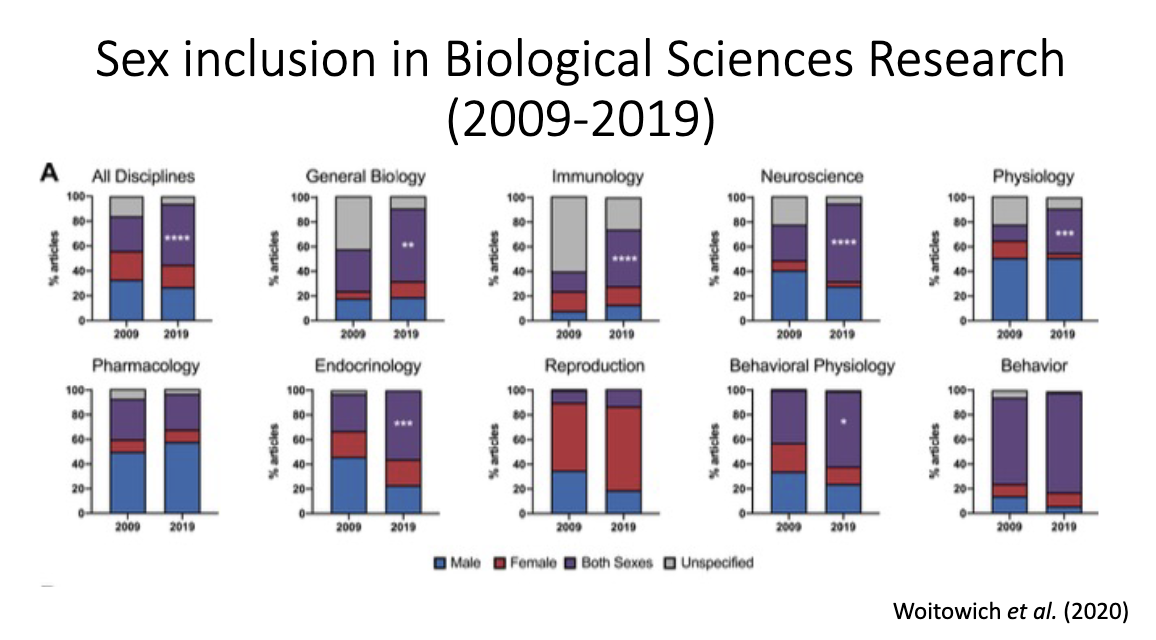
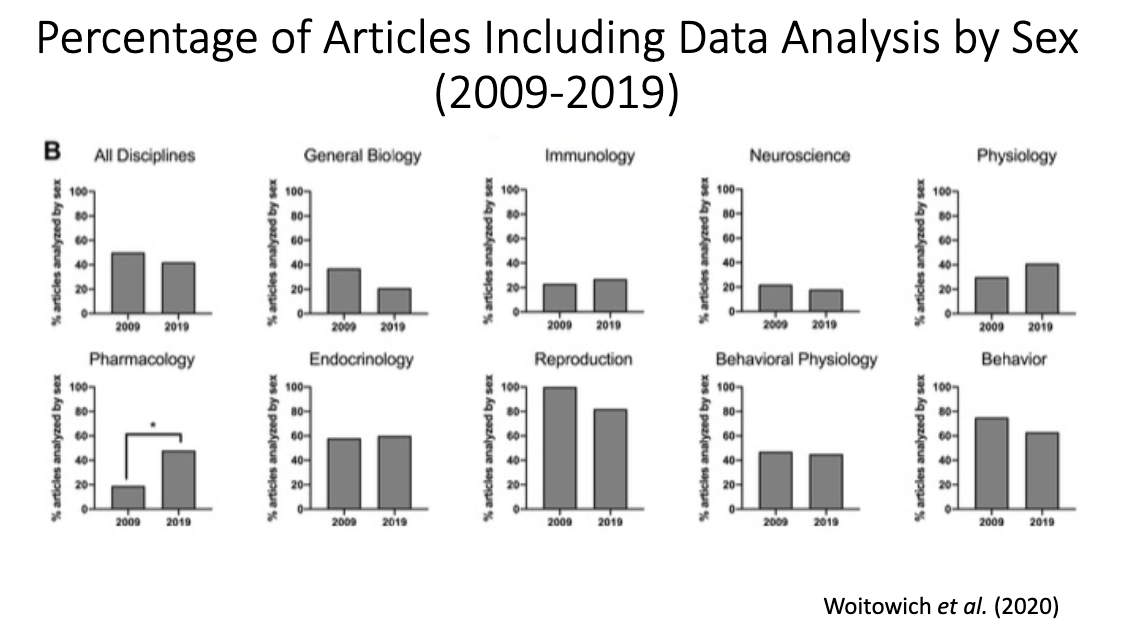
sex inclusion in biological sciences research & percentage of articles including data analysis by sex (2009-2019)
differences between AFAB & AMAB?
pharmacokenetics
Study of how drugs move through the body: Absorption, Distribution, Metabolism, Excretion
In general, drug clearance is linked to sex-specific expression of metabolic enzyme systems physiological differences
x chromosome differences
Glomerular filtration rate:
Impacts renal clearance of drugs
lower in AFAB compared to AMAB
In general, AFAB exhibit lower values in
Gastric emptying time
Gastric pH
Plasmavolume
Body mass index
Average organ blood flow
Total body water differences
Physiology impacted by menstruation, pregnancy, menopause
cell sex differences - hormonally independent
X-linked genes
Protective & susceptibility genes for cardiovascular, metabolic, and immune related disorders
Dosage compensation via X-inactivation (only one X is expressed in each cell)
AMAB with 1 X chromosome – more likely to be affected by X-linked recessive disorders, e.g., hemophilia A, Duchenne muscular dystrophy, or complex, neurodevelopmental conditions, such as Autism spectrum disorder (> 20 X-linked gene variants associated with ASD)
AFAB with 2 X chromosomes have theoretical advantages, but sex differences studies have avoided the X because of complex hormonal interactions
AFAB and AMAB cells respond differently to stressors, such as ethanol, camptothecin (topoisomerase I inhibitor)
Different responses in cell proliferation, differentiation, and apoptosis
epigenomics & gene expression
epigenomics
Epigenetic modifications can be inherited, originate in utero, during childhood, or older age
Involve methylation of CpG islands within the genome and can modulate gene expression
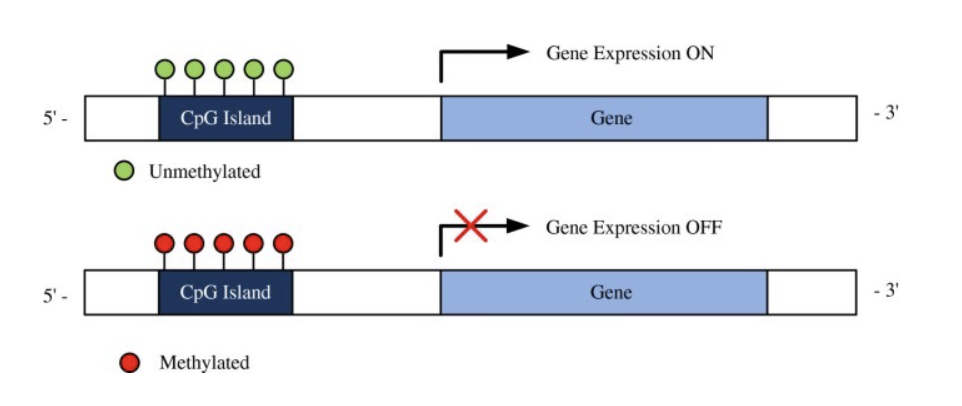
Methyltransferase genes contain estrogen response elements (EREs) in their promoters; therefore, hormones can play a role in sex specific methylation
Many genes possess androgen response elements (AREs) in their promoters, as well
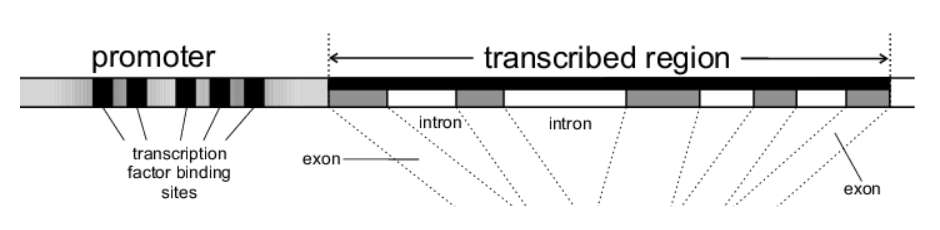
Sex specific chromatin remodeling
Feminization of male mice modified chromatin, potentially a hormone dependent mechanism (Ling et al. 2010)
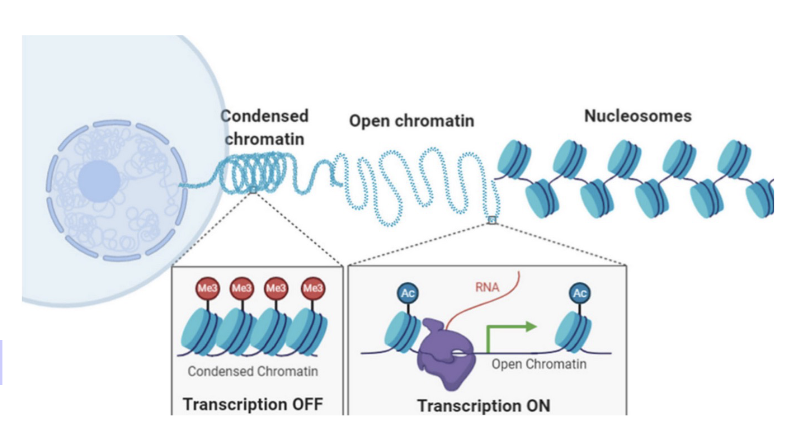
gene expression differences
Minority of expression differences in AMAB and AFAB are associated with the X & Y chromosomes, but...
Sex differences in expression have been documented in brain, heart, kidney, thyroid and colon tissues
transgenic mice example
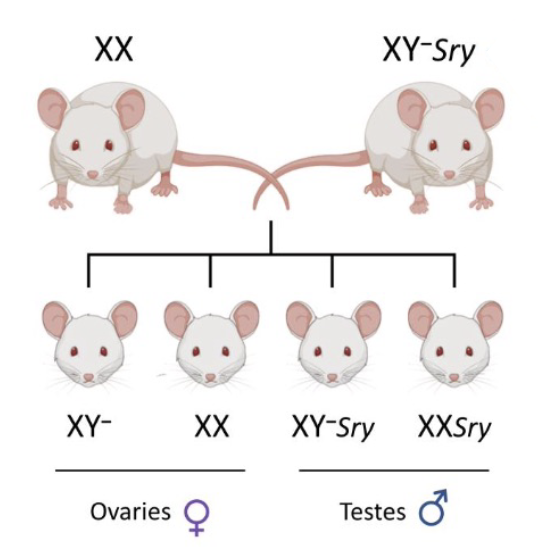
Four core genotypes Mice Model, aka Transgenic
XY- or XX = no Sry gene in the genome
XY- Sry or XX Sry = Sry gene moved to an autosome
More aggression & less parental care behaviors in XY- and XY- Sry individuals
Other sex-linked genes may play role in determining differences, may not all be up to hormonal control.
Identification of Sex differences in:
• Alzheimer’s disease risk
• Pain stimuli response
• Habit formation
• Autoimmune disease susceptibility
• Sodium appetite, fluid balance and electrolyte level
• Natural ability to lower blood pressure
• Ethanol intake
gender behavior impact on genetics & epigenetics
Professional choices can influence exposure to chemicals, pollutants and stress
Nutrition, patterns of risk behavior
Biological events such as pregnancy, lactation, menopause and andropause are correlated to hormonal changes
Hormones can affect transcription and methylation patterns
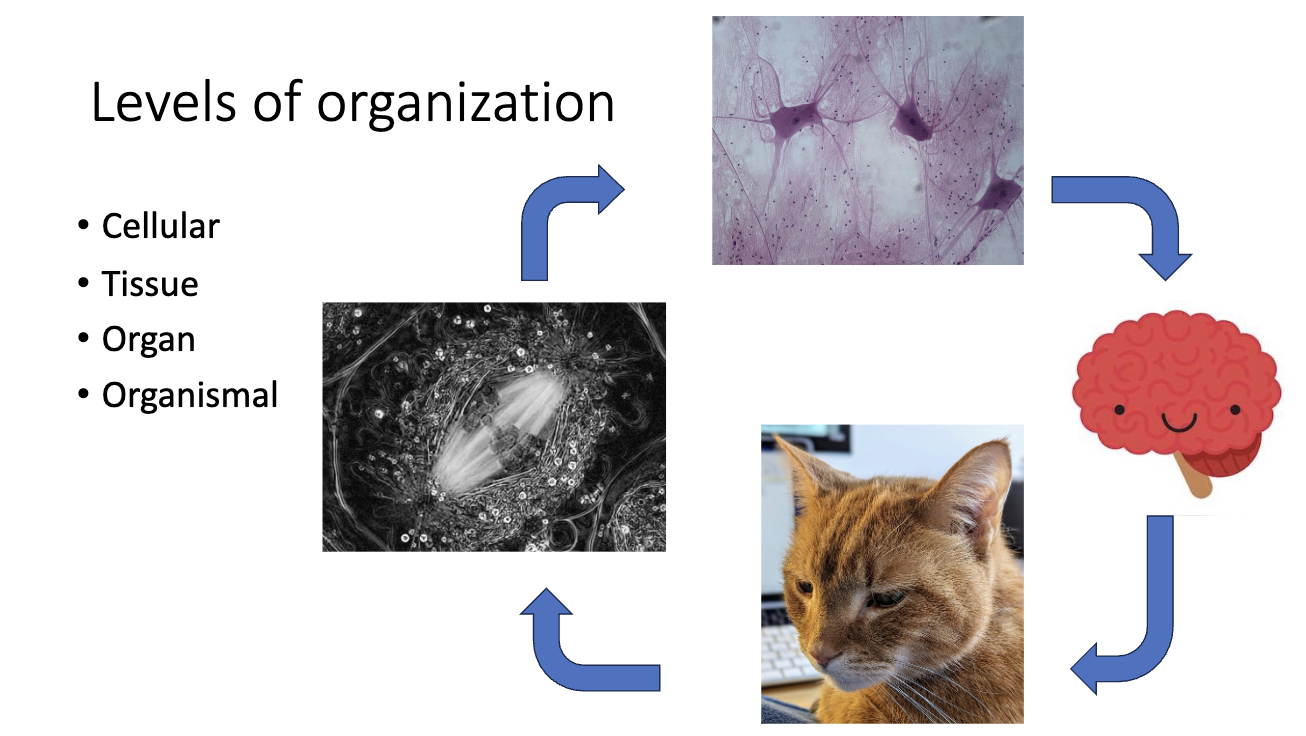
levels of organization
gender dysphoria
marked incongruence between their experienced or expressed gender and the one they were assigned at birth (DSM- 5). Not related to sexual orientation
gender affirming care
any treatment, such as psychotherapeutic, medical, or surgical treatments, that have the goal of reducing symptoms of gender dysphoria
• Puberty blockers – gonadotropin releasing hormone agonists (GnRHa)
• Gender affirming hormone treatments (GAHT)
Hypothalamic-Pituitary- Gonadal (HPG) axis – fetal and postnatal life
1 – HP axis development initiated early in fetal life
2 – HP axis reactivated early in infant life
3 – HPG axis activated at puberty
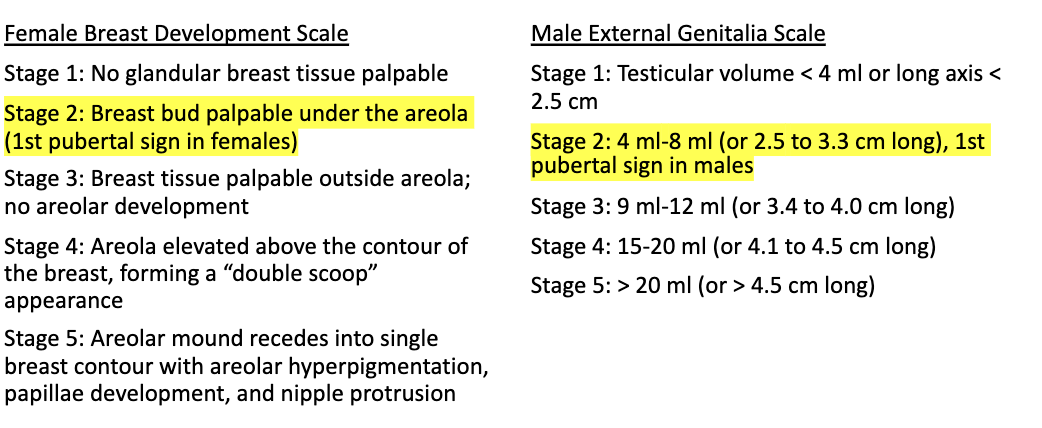
tanner stages
Used by clinical practitioners as an objective classification system allowing users to track development and sequencing of secondary sex characteristics during puberty
Pubic Hair Scale (both males and females)
Stage 1: No hair
Stage 2: Downy hair (at puberty)
Stage 3: Scant terminal hair
Stage 4: Terminal hair that fills the entire triangle overlying the pubic region
Stage 5: Terminal hair that extends beyond the inguinal crease onto the thigh
specific sex tanner stages
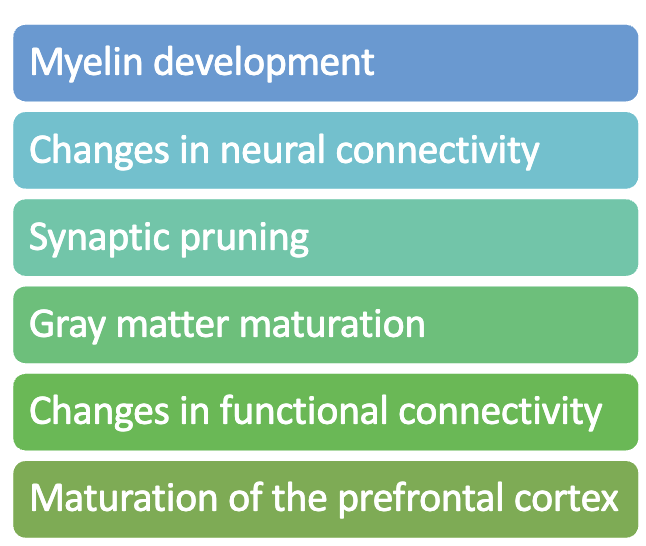
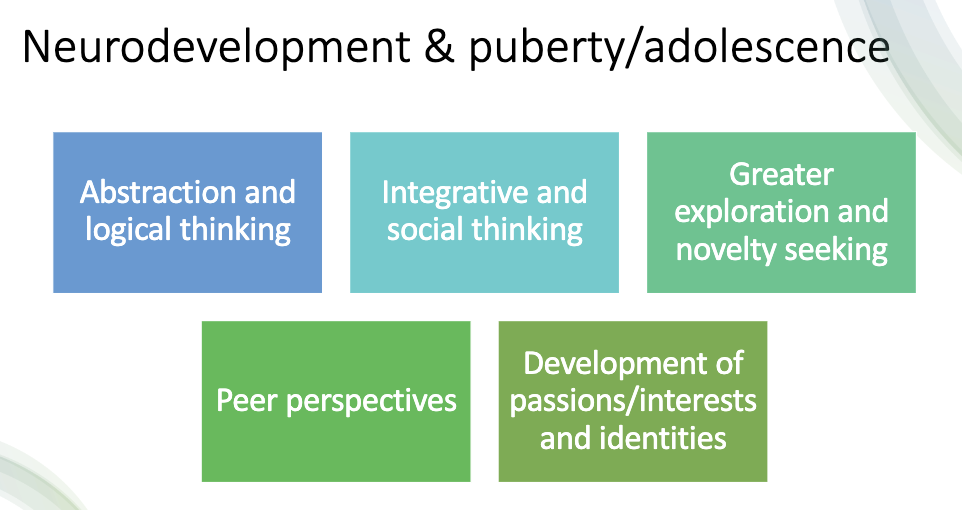
neurodevelopment, puberty/adolescence
*adolescence until 25 yrs old
*synaptic pruning - sometimes can be affected by ASD
Summary of proportions of transgender & gender diverse people in the general population (SOC 8, 2022)
Health systems-based studies: 0.02–0.1%
Survey-based studies of children and adolescents: 1.2–2.7% (transgender), 2.5–8.4% (all transgender & gender diverse)
Survey-based studies of adults: 0.3–0.5% (transgender), 0.3–4.5% (all transgender & gender diverse)
SOC 8, 2022 = Standards of Care for the Health of Transgender and Gender Diverse People, Version 8 , >100 authors, international
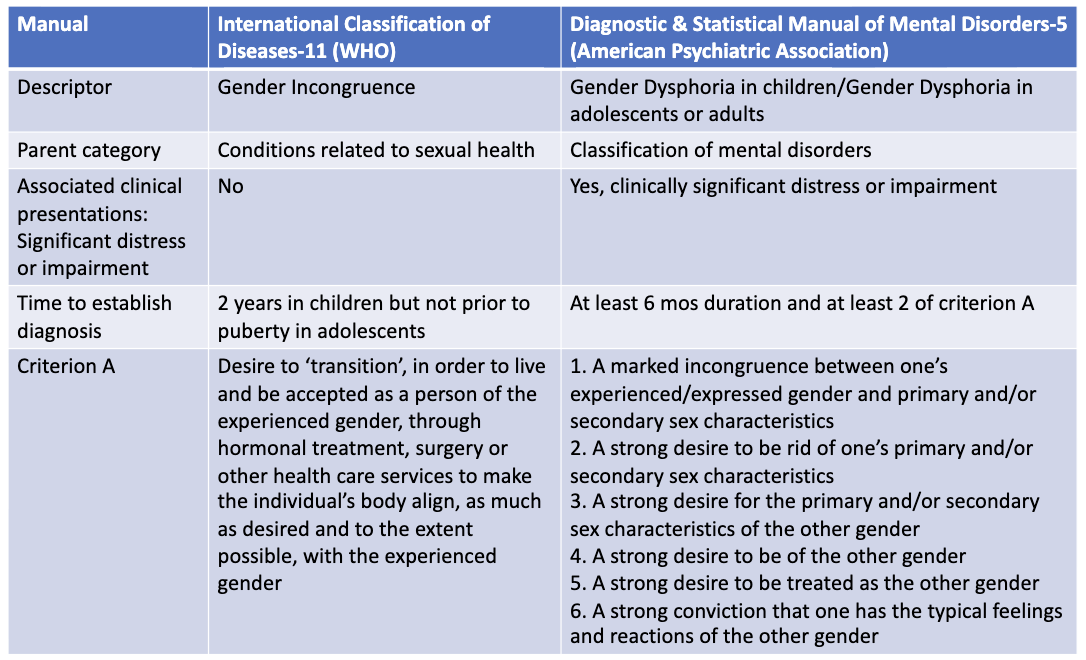
World Professional Association for Transgender Health (WPATH)
Gender diversity in Children - principles underlying standards of care
1. Gender diversity is an expected aspect of general human development
2. Not a pathology or mental health disorder
3. Diverse gender expression is not equivalent to gender incongruence or transgender identity
4. Guidance from multiple health practitioners can be useful
5. Conversion therapies are harmful
WPATH & Endocrine Society: Recommended Criteria for use of puberty blockers (i.e., Gonadotropin Releasing Hormone agonists (GnRHas) in adolescents
a. Gender diversity/incongruence is marked and sustained over time;
b. Meets the diagnostic criteria of gender incongruence in situations where a diagnosis is necessary to access health care;
c. Demonstrates the emotional and cognitive maturity required to provide informed consent/assent for the treatment;
d. Mental health concerns (if any) that may interfere with diagnostic clarity, capacity to consent, and gender-affirming medical treatments have been addressed; sufficiently so that gender-affirming medical treatment can be provided optimally.
e. Informed of the reproductive effects, including the potential loss of fertility and the available options to preserve fertility;
f. Reached Tanner stage 2.
gonadotropin releasing hormone (GnRH)
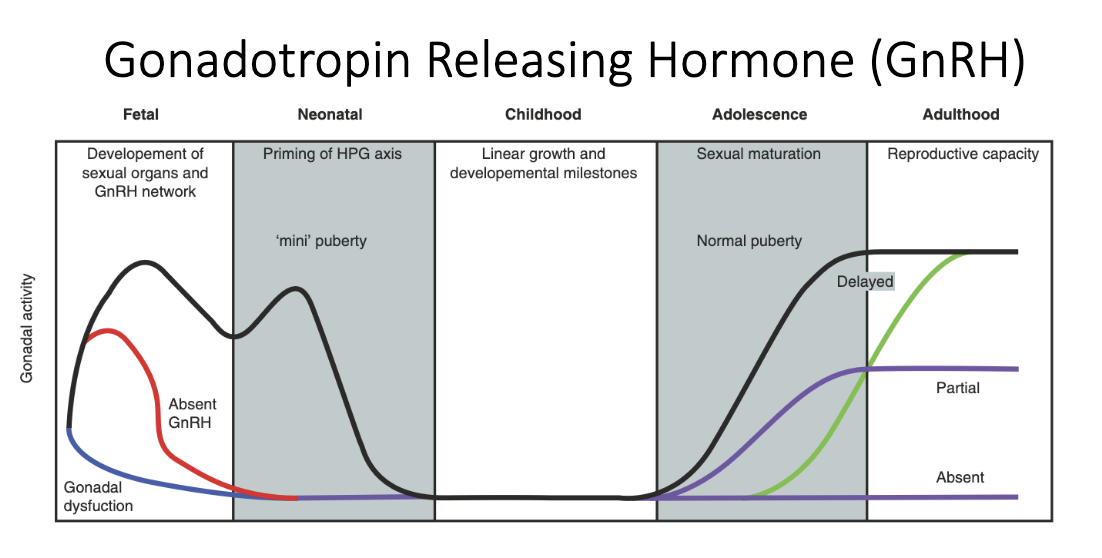
puberty blockers in animal models
• Detrimental impact on learning, development of social behaviors, response to stress in mammals
• Sex-specific effects observed
• Brain structure effects – overall volume, functional connectivity, neuronal density
The Cass Review - Commissioned by the United Kingdom’s National Health Service
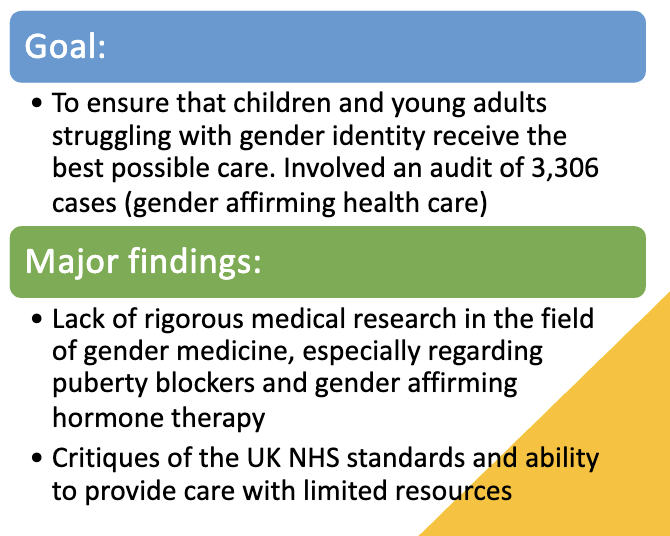
Puberty blockers (GnRH agonists) in adolescents
• No conclusive evidence of positive or negative impacts of pubertal suppression on neurodevelopment
• No conclusive evidence of positive or negative impacts on psychological health
• Use of puberty blockers does not always lead to gender affirming hormone treatment (Nos et al., 2022)
• Impacts on physical health...none on BMI, blood pressure, metabolic measures
• Does delay puberty as hormone levels are impacted
Bone health risks
• Majority of adult bone mass gained by age 20 with bone mass peaking at 30 and decreasing thereafter
• Initiation of pubertal suppression at older ages more likely to have lower bone mineral density scores
• Puberty blockers decelerate growth
• Puberty blockers may cause bone loss in transgender youth, but likely restored or improved with gender affirming hormone treatment (Giacomelli & Meriggiola, 2022)
WPATH Recommended Criteria for use of Gender Affirming Hormone Treatment (GAHT)
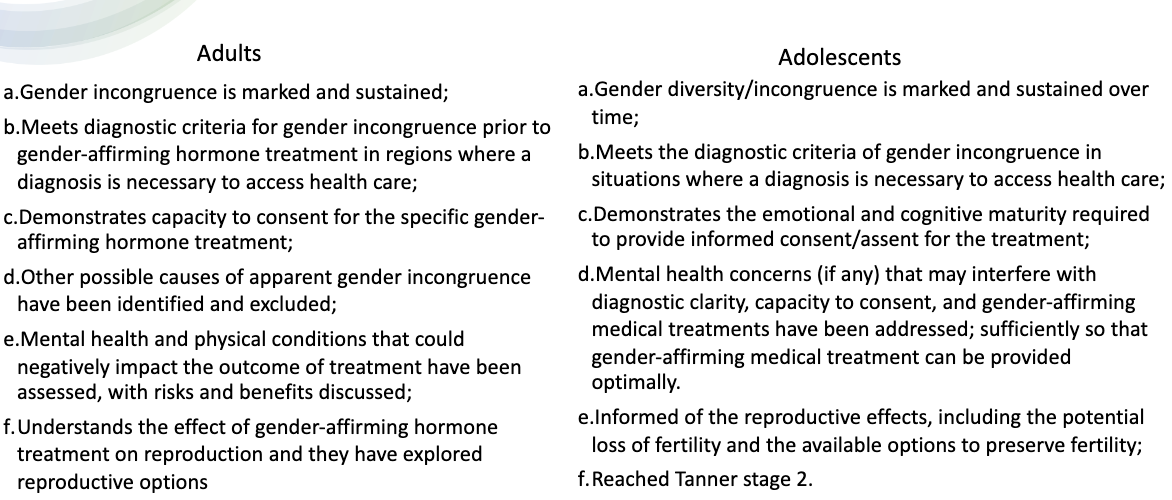
Gender Affirming Hormone Treatment (GAHT)
Goal: Match sex steroid levels associated with individual’s gender identity, however, optimal targets not established
• Testosterone for trans man
• Estrogen & testosterone lowering medications for transgender female
Hormone monitoring – frequent to yearly
Trans man - Serum testosterone levels (400-700ng/dL)
• Monitor hematocrit/hemoglobin for erythrocytosis
Trans woman – Serum testosterone lower than 50ng/dL
Serum estradial levels (100-200pg/mL)
• Monitor potassium (serum electrolytes) and creatinine level (kidney function)
Health Risks
Estrogen – increased incidence of cardiovascular disease and venous thromboembolism, gallstones, liver toxicity, weight gain, lipid imbalance
Testosterone – increased adverse cardiovascular risks and related events, such as increased myocardial infarction, blood pressure, decreased HDL-cholesterol, and excess weight. In addition, risk of polycythemia, polycystic ovary syndrome, acne, alopecia, sleep apnea.
Decreased fertility
Monitoring of health care required throughout lifetime
elite sports overseen by
the international olympic committee
world athletics (formerly the International Association of Athletics Federations (IAAF); track and field sports
how is sex determined?
anatomy
DNA
hormones
timeline of understanding how sports are divided by sex and how “sex” is determined
1928: First Olympic Games in which women could compete in track and field events
1936: Following the Berlin games, president of US Olympic Committee, Avery Brundage, demands “examination for sex ambiguities in all women competitors.”
1944: beginning of sex testing.. anatomy
International Association of Athletics Federations (IAAF) requires competitors in women’s events to submit medical certificates to verify their sex.
Process not trusted.
Too easy to cheat when certificate is coming from a doctor in the athlete’s home country.
1966: Despite objections, IAAF requires competitors in women’s events to form a “nude parade” past three gynecologists. At the Commonwealth Games, they undergo gynecological exams to prove their sex.
1967-1990s: beginning of DNA-based testing methods
IAAF begins chromosome assessment by swabbing the cheek of all participants in women’s events. (International Olympic Committee followed suit for 1968 Olympic Games.)
barr body testing - evidence of second X chromosome

SRY gene testing
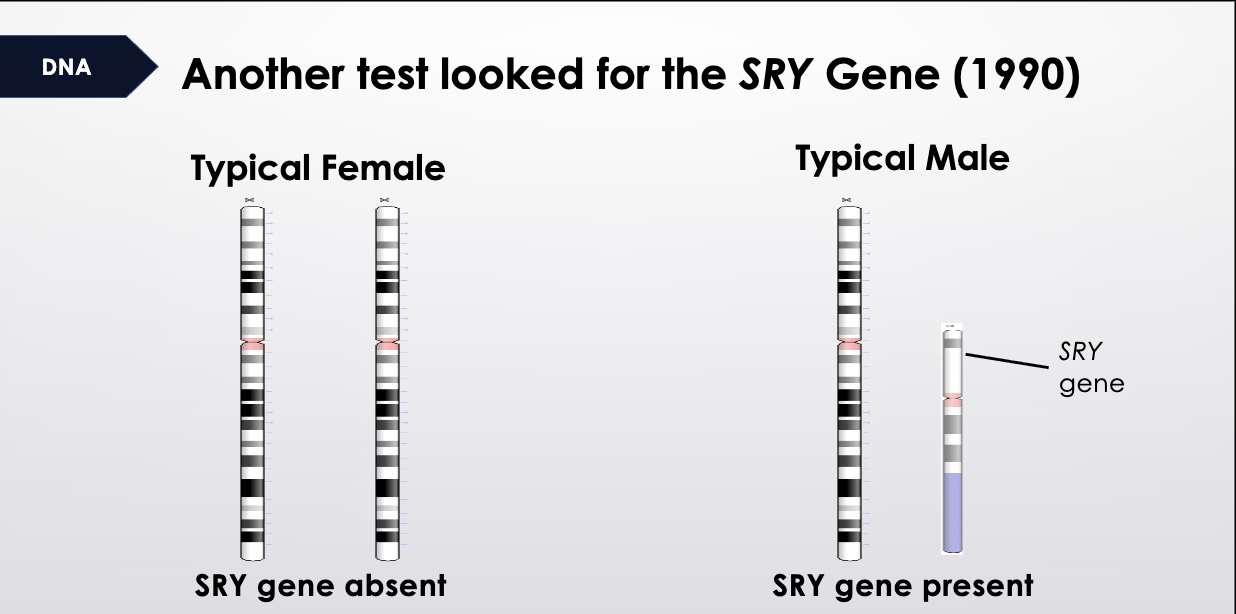
1992: IAAF ends compulsory chromosomal testing
1999: IOC discontinues compulsory sex testing
*BOTH IAAF & IOC reserve the right to examine athletes if someone were to “challenge” their femaleness.
2000: beginning of hormone based testing
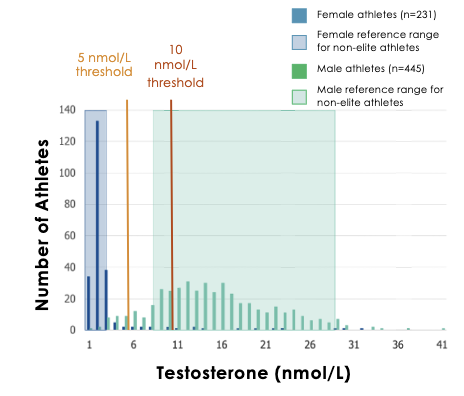
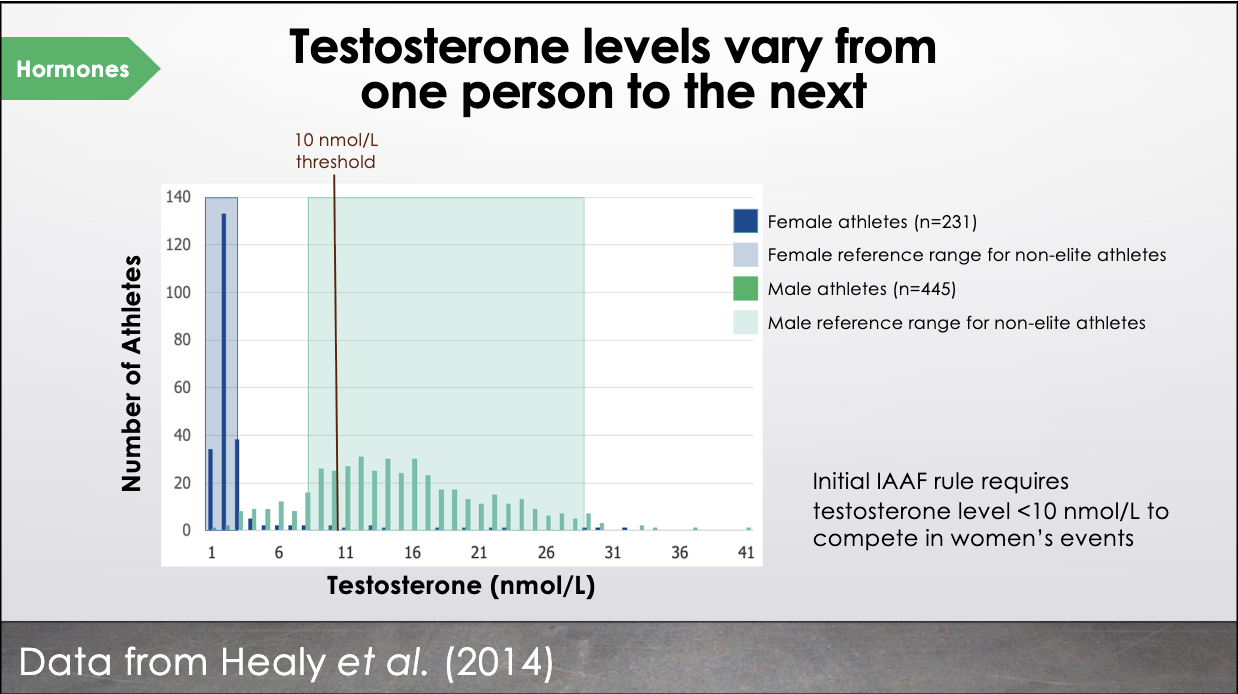
Testosterone levels used to determine eligibility to compete in women’s events
2014: Chand brought legal challenges against IAAF
2015: Court suspended 10 nmol/L limit and ordered IAAF to provide scientific evidence of testosterone improving performance
2019: hormone-based tests became the current standard
Court ruled that, although setting a testosterone limit for eligibility is discriminatory, it is “necessary, reasonable, and proportionate”.
All legal challenges exhausted and the IAAF rule stood.
*IAAF becomes World Athletics
2025: world athletics book of rules: regulations for the implementation of eligibility rule (female category)
An Athlete must demonstrate their eligibility to compete in the female category by means of SRY testing (sex-determining region Y gene analysis) of an Athlete’s buccal cells (i.e., cheek swab testing) or blood sample.
a. If the SRY test is negative, the Athlete will be permitted to compete in the female category.
b. If the SRY test is positive, the Athlete will not be permitted to compete in the female category pending further medical assessment by World Athletics.
c. An Athlete who fails to undergo SRY testing as requested by World Athletics will not be eligible to compete in the female category.
important women as milestones
Ewa Kłobukowska - 1967
María José Martínez-Patiño - 1986
Caster Semenya - 2009
Dutee Chand - 2014
understanding IAAF studies in 2018 and thus the new regulations
The IAAF study looked at 21 women’s events. They found that competitors with the highest testosterone levels performed significantly* better in 5 of those events (the number in parentheses shows how much of an advantage):
1. Hammer throw (4.53% further)
2. Pole vault (2.94% higher)
3. 400m hurdles (2.78% faster)
4. 400m (2.73% faster)
5. 800m (1.78% faster)
The IAAF decided to apply a new 5 nmol/L testosterone limit on:
1.Hammer throw (4.53%)
2.Pole vault (2.94%)
3.400m hurdles (2.78%)
4.400m (2.73%)
5.800m (1.78%)
6.1500m (no significant advantage)
7.1 mile (not included in the study)
Ewa Kłobukowska
Polish Olympic sprinter, has an intersex variation called “genetic mosaicism”, caused by an aneuploidy, with some cells chromosomally XX and some XXY.
In 1967, she became the first athlete to fail the “gender verification tests” of athletics authorities due to her “extra” chromosome and was stripped of her medals and world records.
María José Martínez-Patiño
Spanish hurdler María José Martínez-Patiño disqualified after a sex verification test indicated she had X and Y chromosomes.
Protested the disqualification based on having Androgen Insensitivity Syndrome (AIS) and was eventually reinstated.
Now a professor and has written extensively on AIS and sex testing in sports.
testosterone variation studies
Caster Semenya
South African 800m Olympic and world champion Caster Semenya was disqualified from competition due to naturally elevated testosterone in 2009.
Dutee Chand
Indian Olympian and national 100m champion Dutee Chand was disqualified due to naturally elevated testosterone in 2014.
what did the 2019 new hormone-based tests mean for chand & semenya?
Athletes had these options:
1. Lower testosterone levels via medication or surgery
a. Dutee Chand may compete - new regulations do not apply to the 100m event
b. Caster Semenya must keep testosterone level below 5 nmol/L to run the 800m
2. Participate in an event not covered by the regulation
3. Enter only non-international competitions (not covered by the rule)
4. Compete in the men’s division
5. Possibly compete in another, distinct, third division that does not yet exist
barr body
a small, densely staining structure in the cell nuclei of female mammals, consisting of a condensed, inactive X chromosome. It is regarded as diagnostic of genetic femaleness
gonadotropin releasing hormone (GnRH)
a hormone produced in the hypothalamus that stimulates the pituitary gland to release follicle-stimulating hormone (FSH) and luteinizing hormone (LH), which are essential for regulating puberty, reproduction, and sexual development. It acts on ovaries to produce estrogen/progesterone and on testes for testosterone
gonadotropin releasing hormone agonist (GnRHa)
*aka puberty blockers
a class of medication that suppresses sex hormone production (testosterone/estrogen) by overstimulating GnRH receptors in the pituitary gland, leading to downregulation. Used to treat prostate cancer, endometriosis, precocious puberty, and in gender-affirming care, they effectively "switch off" ovaries or testicles