Concept 34.5: Amniotes are tetrapods that have a terrestrially adapted egg
 Call Kai
 Learn
Learn Practice Test
 Spaced Repetition
 Match
Match Flashcards
 Knowt Play
1/16

Name | Mastery | Learn | Test | Matching | Spaced | Call with Kai |
|---|
No analytics yet
Send a link to your students to track their progress
17 Terms
Amniotes
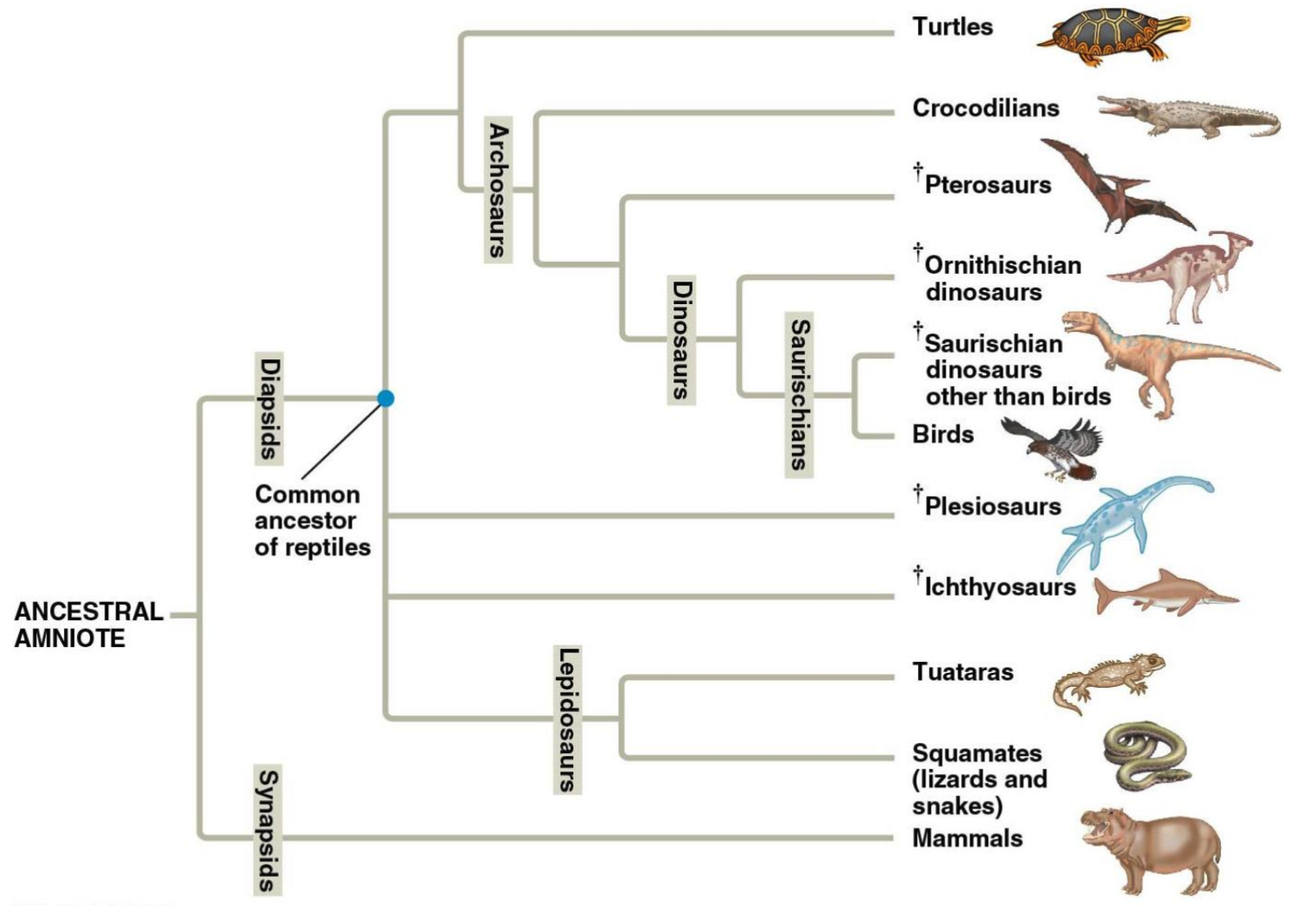
Tetrapods whose living members are the reptiles (including birds) and mammals
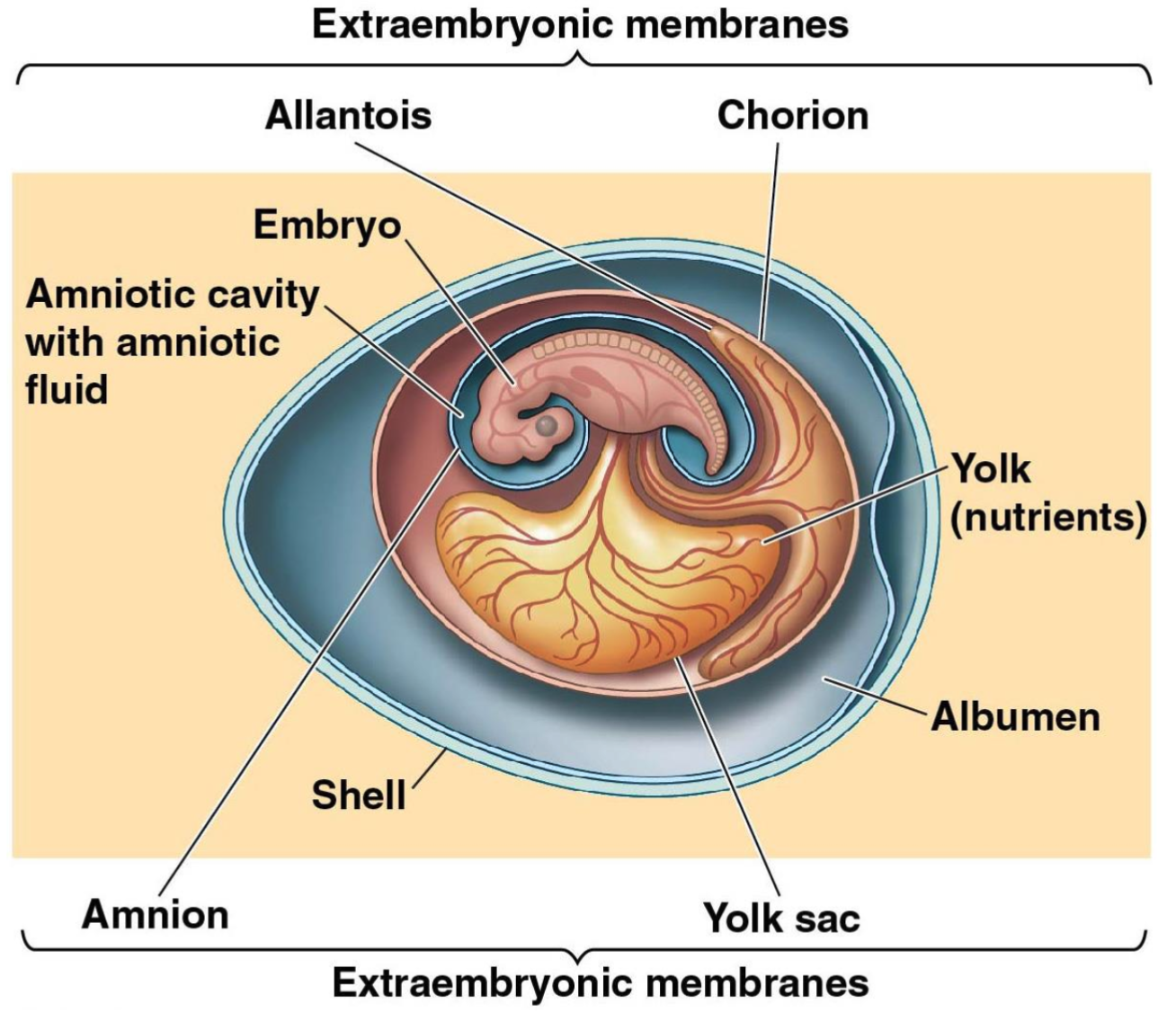
Named for their amniotic egg, containing four embryo-protecting membranes and reducing dependence on water for reproduction
Amniotic egg
An egg type in amniotes reducing water dependence for reproduction and has four membranes of the amnion, chorion, yolk sac, and allantois
These often have shells when produced by reptiles to slow dehydration
Many mammals have lost the eggshell, developing within the mother’s body instead
Amnion
A fluid-filled sac that surrounds, bathes, and cushions the embryo as the other membranes function in gas exchange, nutrient transfer, and waste storage
Rib cage
A body part in amniotes that improved breathing efficiency through the ventilation of the lungs
This allowed for less dependency on gas exchange through the skin, causing lower permeability and enabling better water conservation
Reptiles
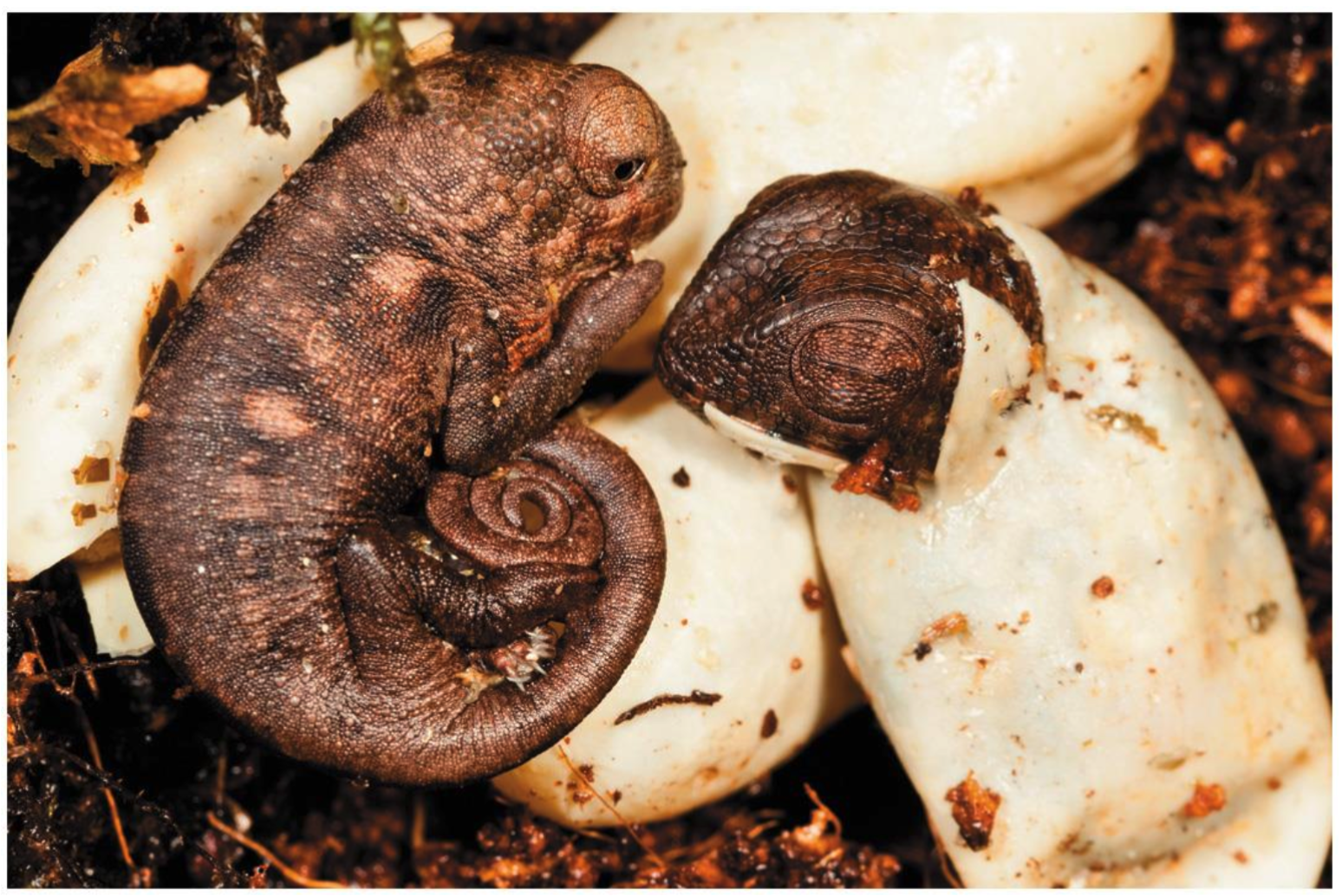
A group a member of the amniotes including tuataras, lizards, snakes, turtles, crocodilians, and birds; many share some characteristics:
Scales containing keratin to prevent desiccation and abrasion
Shelled eggs to prevent drying out
Internal fertilization before the secretion of the shell
Being ectothermic, except for birds which are endothermic
Ectothermism
Being able to absorb external heat as the main source of body heat; seen in most reptiles except birds
Temperature is regulated through behavioral adaptations, like basking in the sun or shade
Endothermism
Being able to maintain body temperature through metabolic activity
Seen in birds as reptiles that do not exhibit ectothermism
Pterosaurs
The first tetrapods to exhibit flapping flight, originating in the late Triassic
Filled ecological roles that would later be played by birds after their extinction, about 66 mya
Dinosaurs
Land-based tetrapods that diversified into a vast range of shapes and sizes
Herbivorous members evolved diverse adaptations for defense
Theropods were bipedal carnivores including Tyrannosaurus rex
Many were agile and fast moving; and some lived in groups, protected eggs, or were endothermic
Went extinct about 66 mya potentially from an asteroid or comet impact
Theropods
Bipedal carnivorous dinosaurs including Tyrannosaurus rex and the ancestors of birds
Turtles
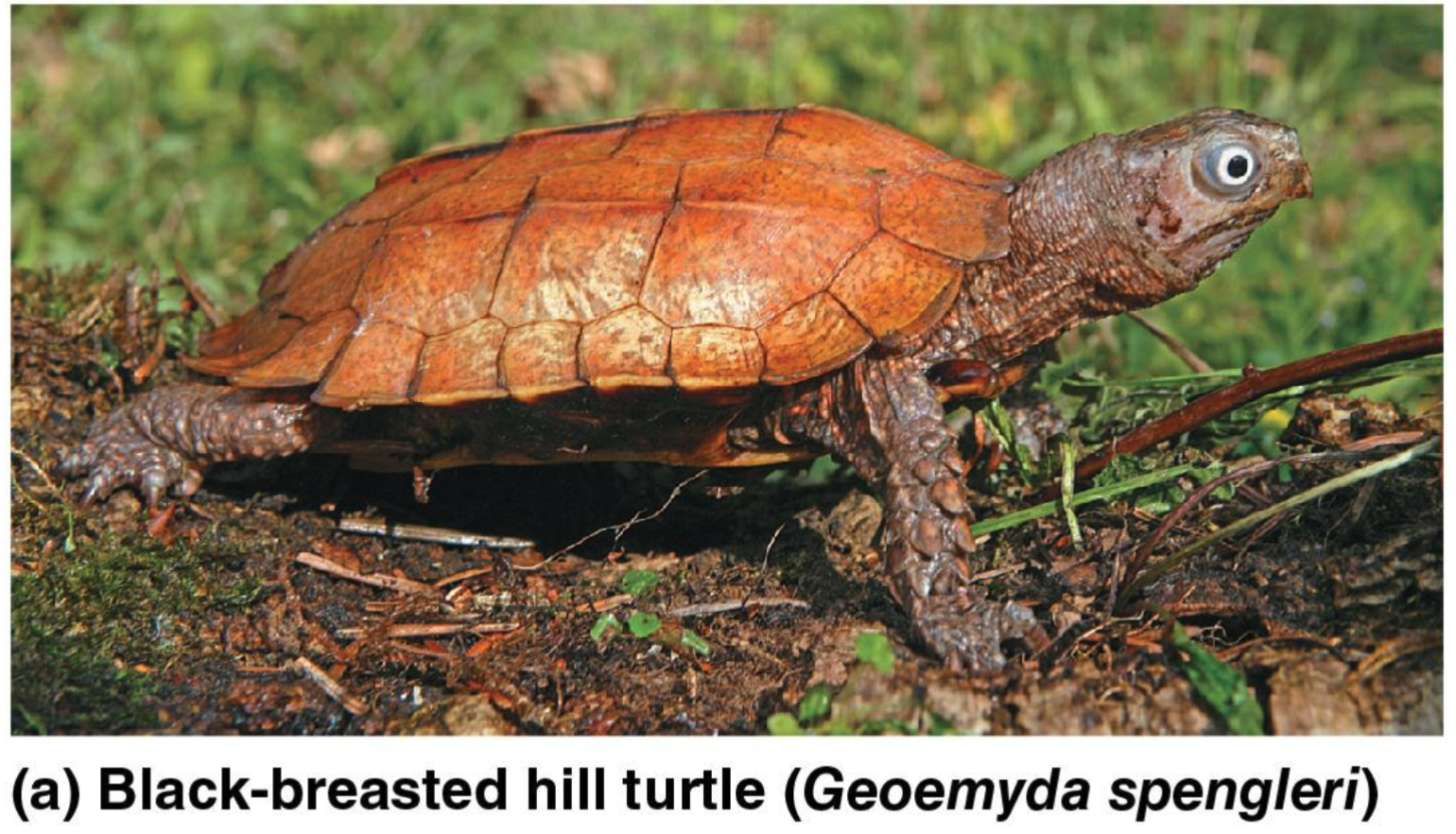
Group of tetrapods containing 351 species, most closely related to crocodilians and birds
Their boxlike shell was acquired in stages over millions of years, made of upper and lower shields fused to the vertebrae, clavicles and ribs
The earliest could not retract their head into their shell
They have adapted to a variety of environments, like deserts, ponds, rivers, or the sea, but can be threatened by human development
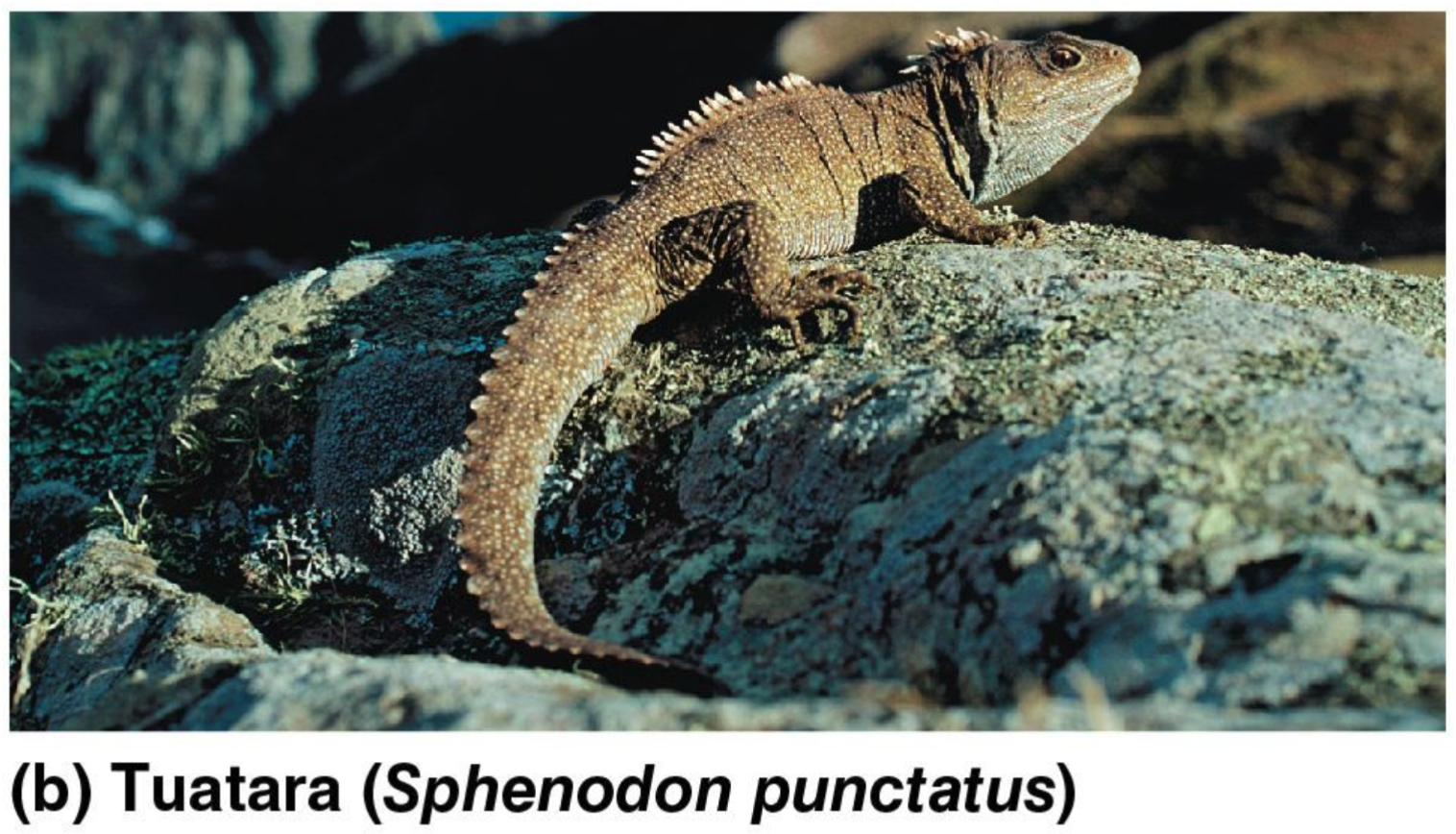
Lepidosaurs
Tetrapod group represented by a single lizard-like species called the tuatara, restricted to 30 islands off the coast of New Zeealand and threatened by rats which consume their eggs
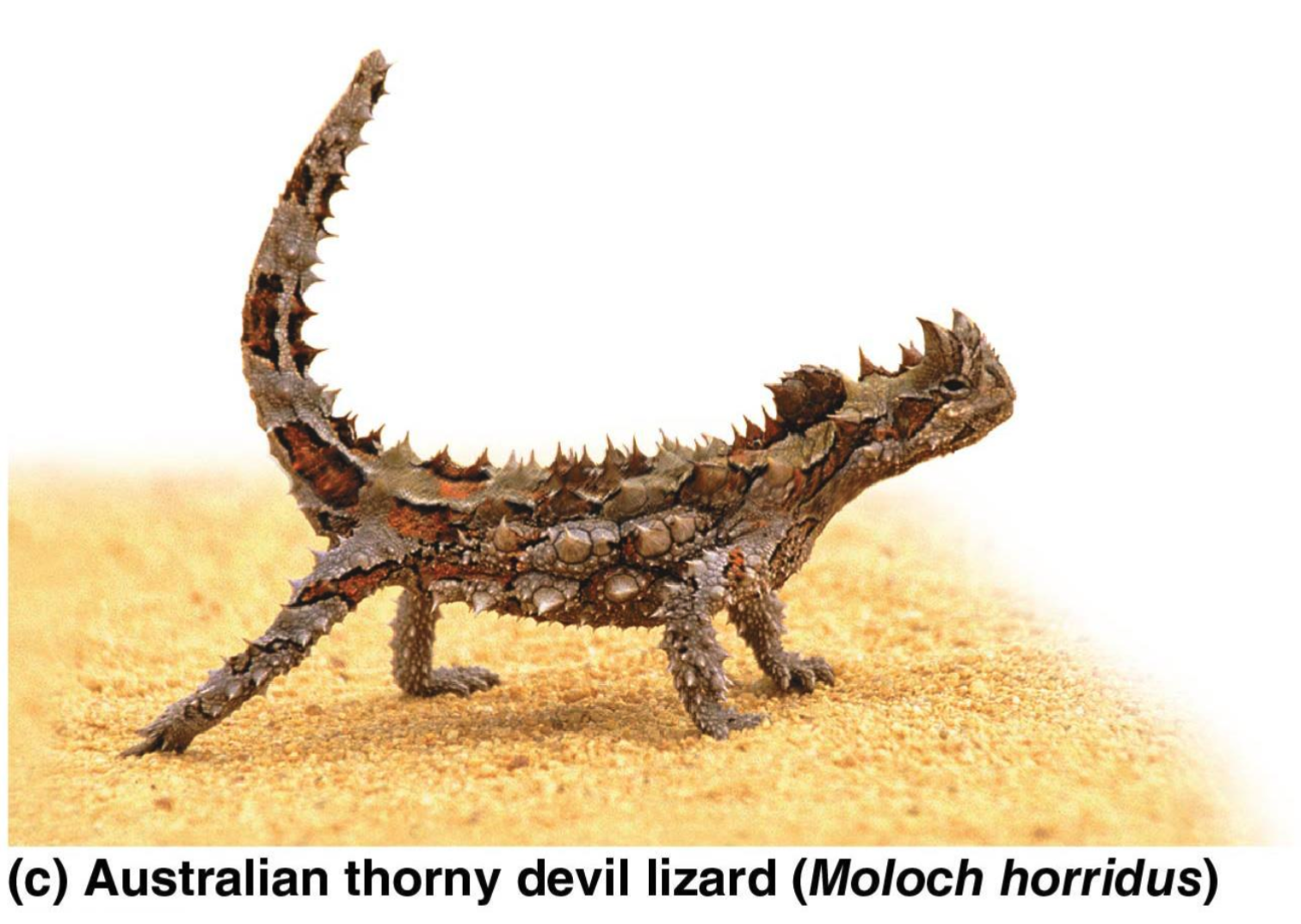
Squamates
Group of amniotes that includes all ~10,425 species of lizards and snakes, ranging in size from 16 mm to 3 m long
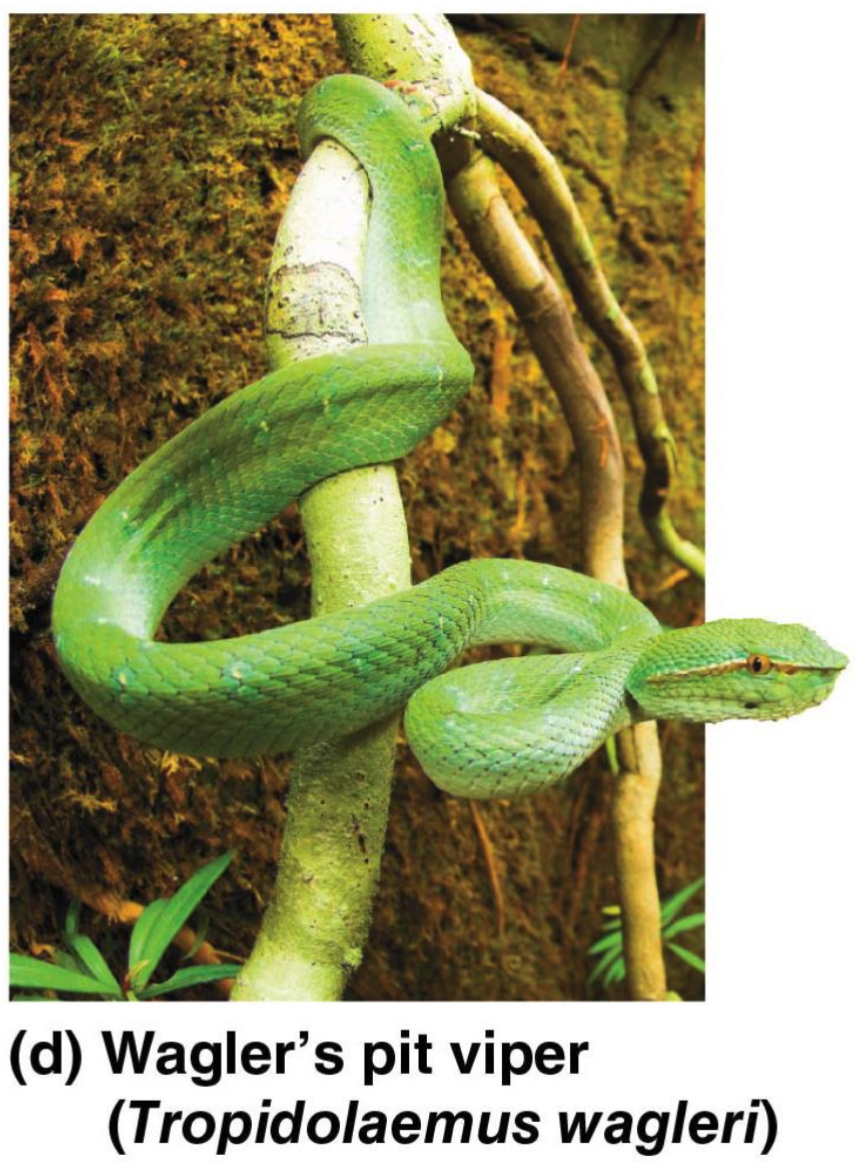
Snakes
Descended from lizards with legs; these move on land by producing waves of lateral bending from head to toe or via belly scales to grip and pull from the ground
These are carnivorous and have adaptations to aid in preying, such as chemical sensors, vibration sensitivity, heat-detecting organs, tongue flicking, toxic venom, and loosely articulated jawbones and skin for swallowing
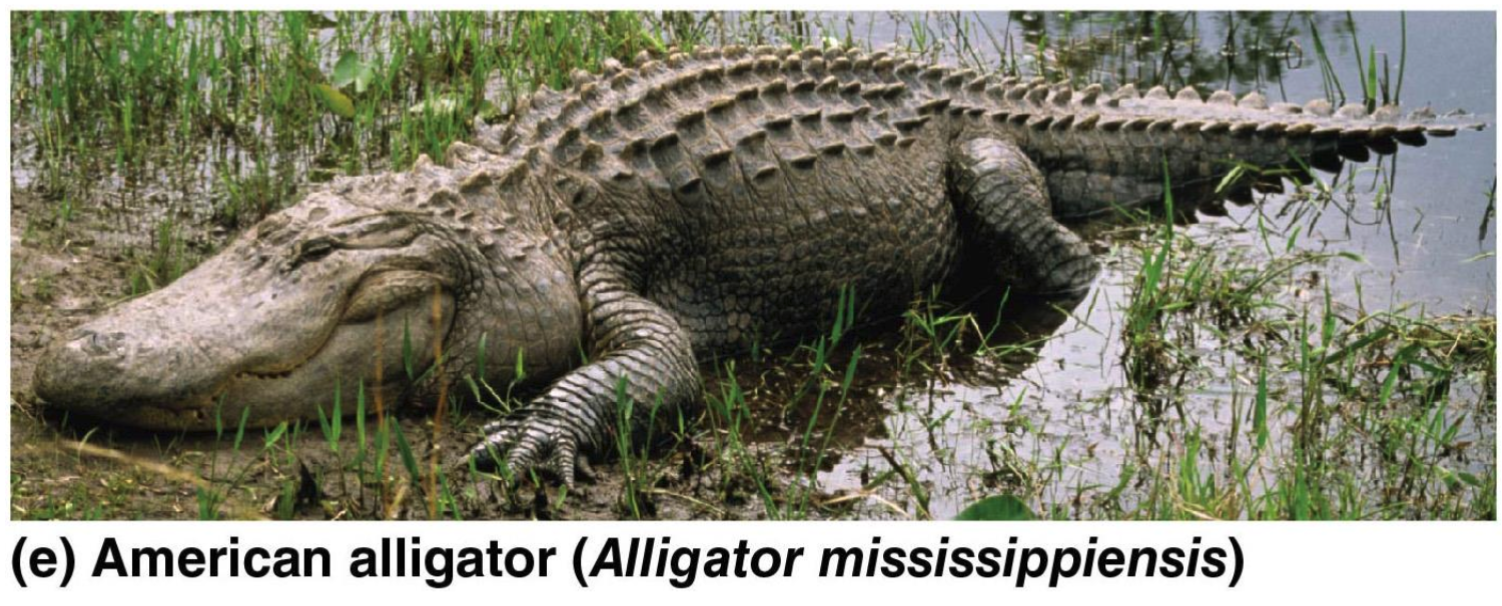
Crocodilians
Tetrapod group that includes all alligators and crocodiles; early species were small terrestrial quadrupeds before becoming larger and aquatic
The 24 species of these are restricted to warm regions of the globe
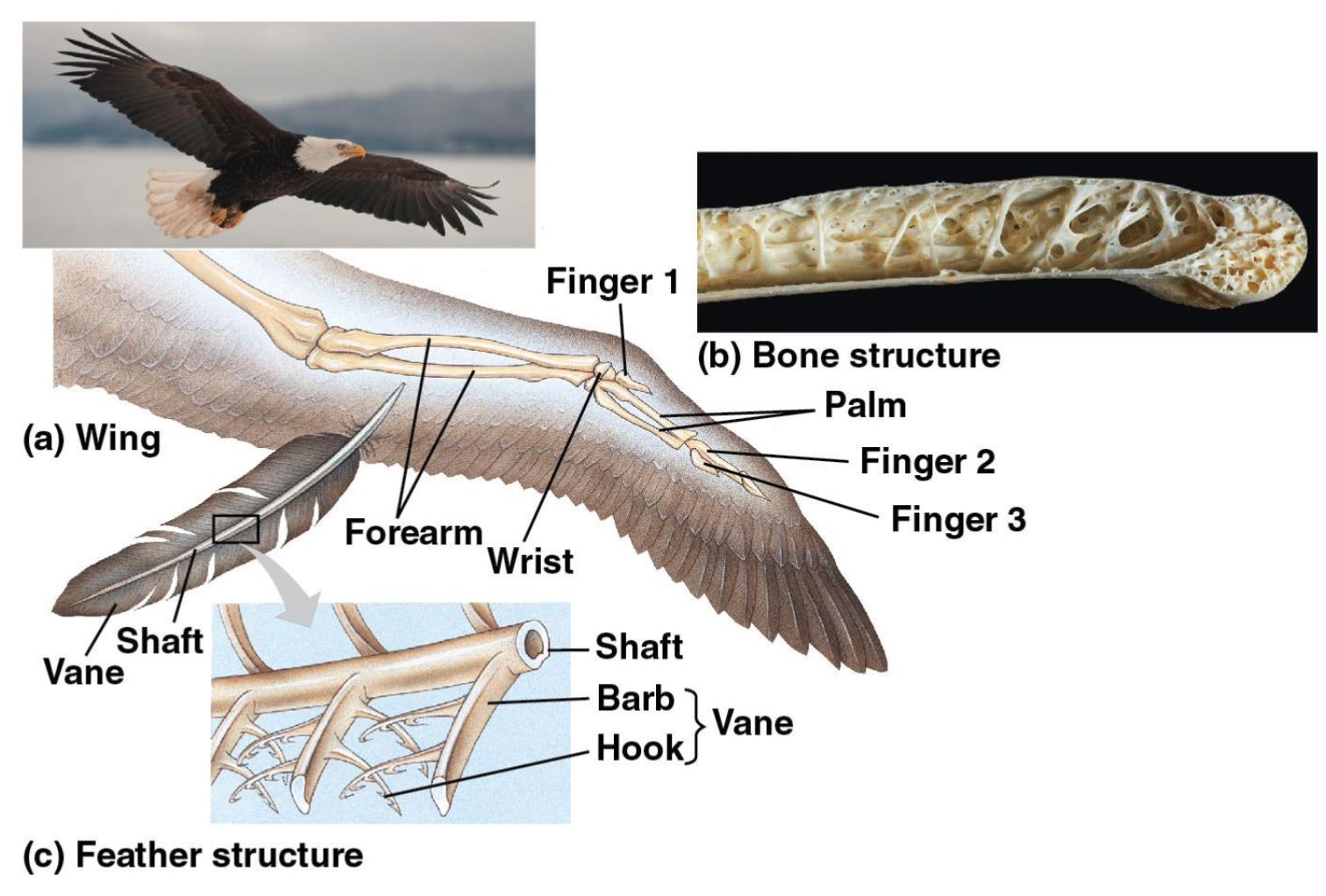
Birds
Archosaurs with extensive modifications in their adaptation to flight; this group has about 10,000 species
Adaptations include having no urinary bladder, only one ovary, small gonads, toothless mouths, and air-filled bones with honeycombed internal structures
They also have color vision, acute eyesight, and fine muscle control to support flight for hunting, escape, and migration
Large amounts of energy are dedicated to flight; feathers and some fat can insulate against heat loss while efficient respiratory and circulatory systems supply oxygen to tissues
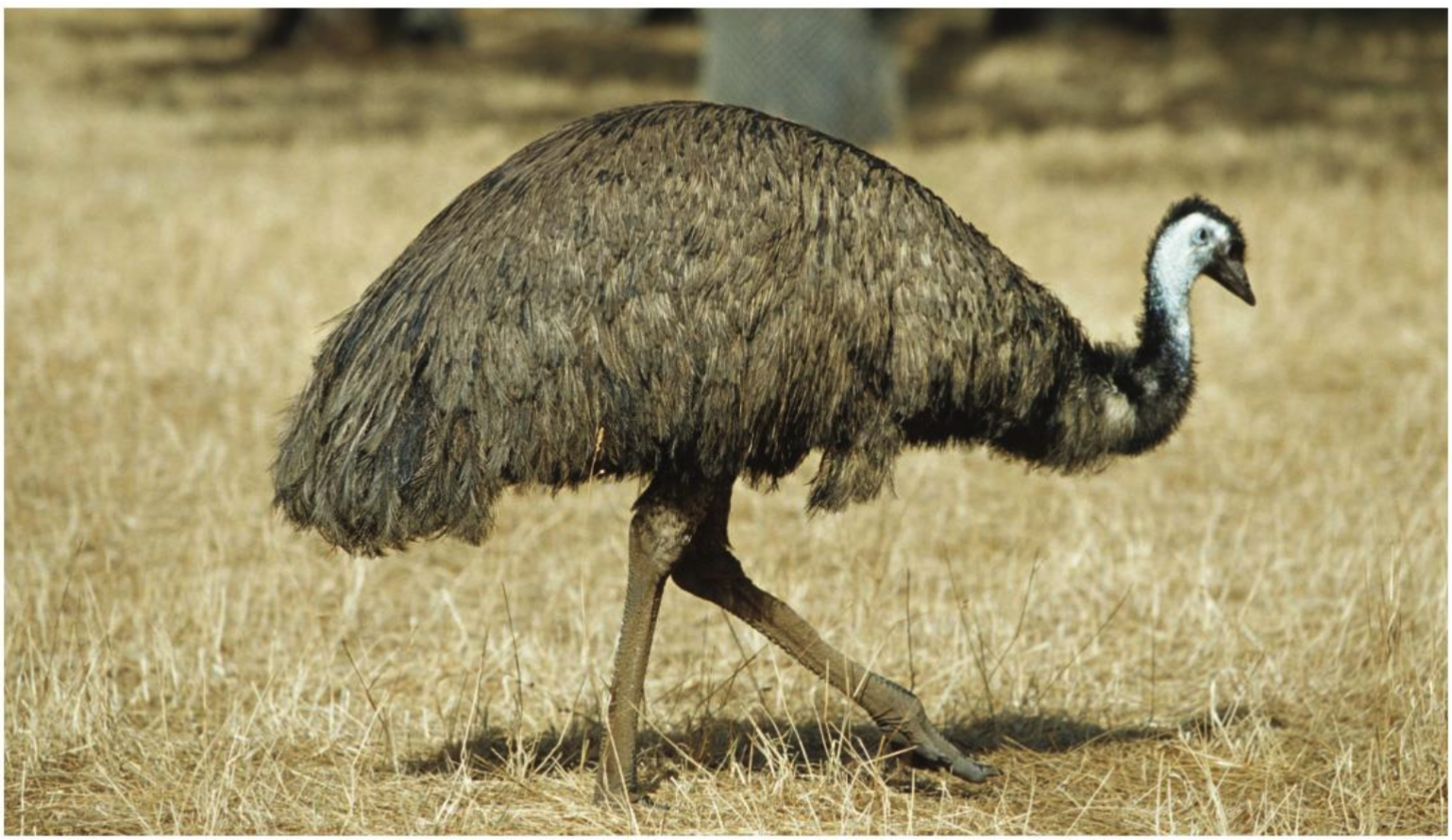
Ratites
An order of flightless birds including the ostrich, rhea, kiwi, cassowary, and emu