Fetal Pig Dissection Flashcards
 Call Kai
 Learn
Learn Practice Test
 Spaced Repetition
 Match
Match Flashcards
 Knowt Play
1/50

There's no tags or description
Looks like no tags are added yet.
Name | Mastery | Learn | Test | Matching | Spaced | Call with Kai |
|---|
No analytics yet
Send a link to your students to track their progress
51 Terms
Function of Teeth?
Teeth are used for mechanical breakdown of food, aiding in digestion by chewing and grinding.
Function of Tongue?
The tongue helps manipulate food for chewing and swallowing, and it is also involved in taste sensation.
Function of Hard Palate?
The hard palate forms the roof of the mouth, separating the oral cavity from the nasal cavity and providing a rigid surface for food manipulation during chewing.
Function of Soft Palate?
The soft palate is located at the back of the roof of the mouth and helps close off the nasal passages during swallowing, preventing food from entering the nasal cavity.
Function of Epiglottis?
The epiglottis is a flap of tissue that seals off the trachea during swallowing, preventing food and liquids from entering the airway and directing them to the esophagus.
Function of Lungs?
The lungs are responsible for the exchange of oxygen and carbon dioxide during respiration, facilitating the intake of oxygen for the body and the removal of carbon dioxide.
Function of Heart?
The heart is a muscular organ that pumps blood throughout the body, supplying oxygen and nutrients to tissues while removing carbon dioxide and waste products.
Function of Pulmonary Trunk?
The pulmonary trunk is a major blood vessel that carries deoxygenated blood from the right ventricle of the heart to the lungs for oxygenation, splitting into the left and right pulmonary arteries.
Function of Aorta?
The aorta is the main artery that carries oxygenated blood from the left ventricle of the heart to the rest of the body, branching into smaller arteries that supply blood to various organs and tissues.
Function of Diaphragm?
The diaphragm is a large, dome-shaped muscle located just below your lungs and heart. It serves as the primary muscle for breathing, separating your chest cavity from your abdomen
Function of Larynx?
The larynx (voice box) is a vital organ in the neck that serves three primary functions: airway protection, respiration, and phonation. Located between the pharynx and trachea, it acts as a gatekeeper, vital for producing voice, breathing, and safely swallowing food
Function of Trachea?
The trachea (windpipe) is a vital passageway that connects your larynx (voice box) to your lungs. Its primary function is to transport oxygen-rich air into the lungs and expel carbon dioxide out of the body during breathing, while also filtering, warming, and humidifying the air you inhale.
Function of Thyroid Gland?
The thyroid is a small, butterfly-shaped gland in your neck that acts as the body's central thermostat. Its primary function is to control your metabolism—the rate at which your body transforms food into energy—which in turn regulates heart rate, body temperature, weight, and digestion.
Function of Thymus Gland?
The thymus gland is a specialized organ of the immune and endocrine systems located in your upper chest, just behind the breastbone. Its primary function is to mature and "train" white blood cells called T-cells (T-lymphocytes), which protect your body from viruses, infections, and abnormal cells.
Function of Esophagus?
The primary function of the esophagus is to act as a muscular conduit that transports food, liquids, and saliva from the throat to the stomach. It achieves this through specialized muscle movements and valves without relying on gravity.
Function of Umbilical Vein?
The umbilical vein is a critical fetal blood vessel that carries oxygenated, nutrient rich blood from the placenta directly to the developing fetus.
Function of Liver?
The liver is the body's largest internal organ, performing over 500 vital functions. Its primary roles include filtering and detoxifying the blood, metabolizing carbohydrates, fats, and proteins, storing essential nutrients like vitamins and glycogen, and producing bile required for digestion.
Function of Gallbladder?
The gallbladder is a small, pear-shaped organ located under the liver that acts as a storage reservoir.
Function of Stomach?
The stomach is a muscular, J-shaped organ that acts as a temporary reservoir while performing:
Function of Small Intenstine?
The small intestine is the workhorse of your digestive tract. Its primary job is to break down semi-solid food into a liquid and absorb nearly all the nutrients, vitamins, and minerals your body needs to function.
Function of Pancreas?
The pancreas is a vital organ located in the upper abdomen that acts as both a digestive and hormonal powerhouse. It fuels the body by converting food into cellular energy and maintains blood sugar balance.
Function of Spleen?
The spleen is a fist-sized organ located in the upper-left part of your abdomen. Its primary roles are to act as a master filter for the blood, help the immune system fight infections, and manage blood cell storage and recycling.
Function of Large Intenstine (colon i think)?
The primary function of the large intestine (or colon) is to absorb remaining water and electrolytes from indigestible food matter, convert liquid waste into solid stool, and temporarily store feces until it is eliminated from the body.
Function of Bladder?
The bladder is a hollow, muscular organ that acts as a reservoir for urine. Located in the pelvis, it collects urine from the kidneys and stores it until the body is ready to eliminate it through urination.
Function of Ureter?
The primary function of the ureters is to transport urine from the kidneys to the urinary bladder. They are a pair of narrow, muscular tubes that use rhythmic contractions to move fluid waste and maintain a continuous, one-way flow of urine while preventing dangerous backups.
Function of Kidney?
Kidneys are vital organs that act as your body’s natural filtration system. They are essential for balancing fluids, regulating blood pressure, and maintaining overall health.
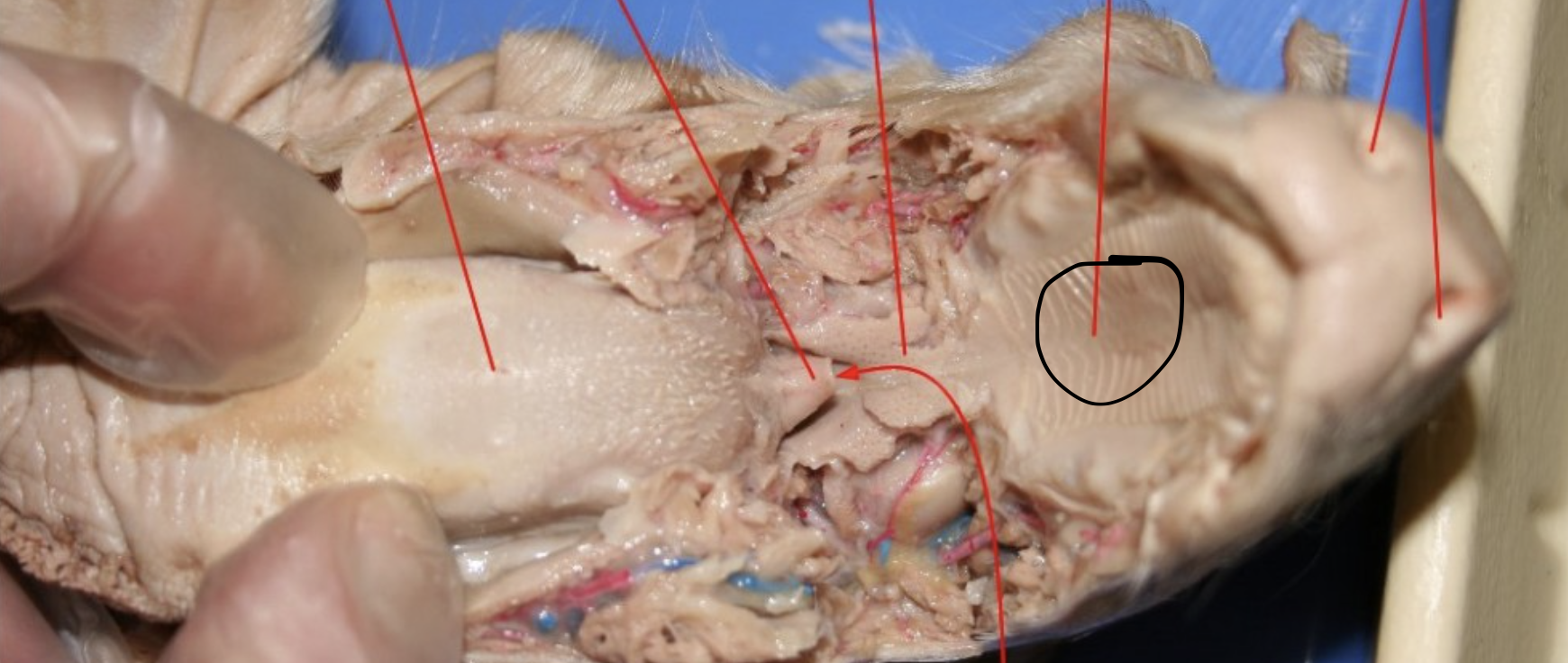
Identify the circled organ
Hard Palate
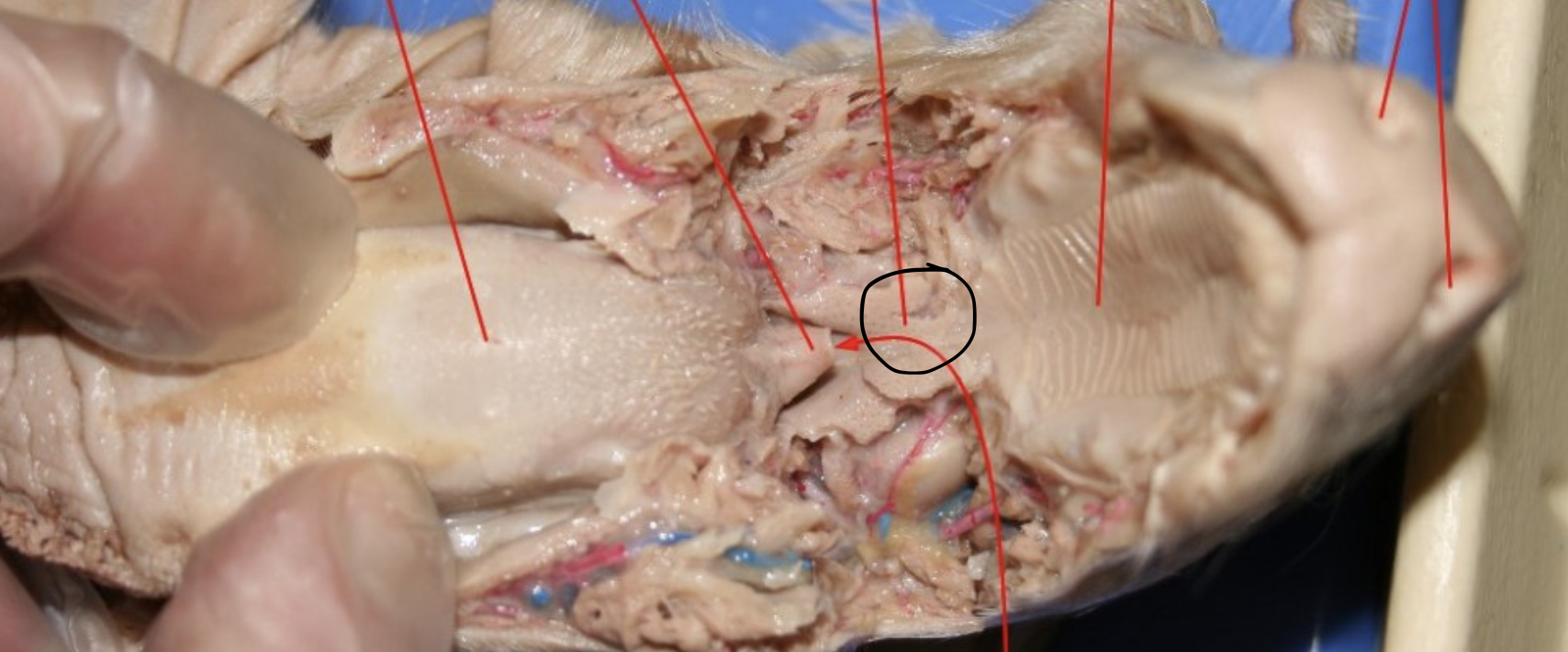
Identify this Organ
Soft Palate
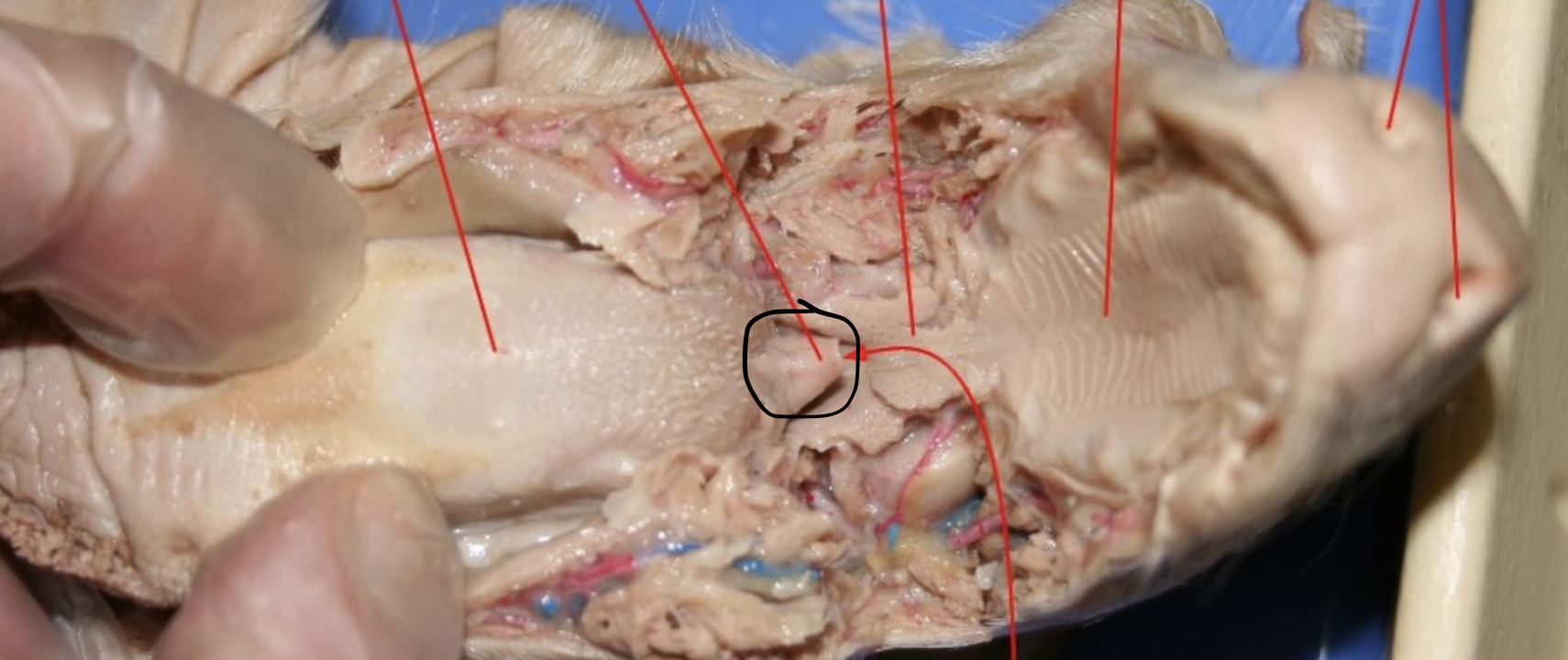
Identify this Organ
Epiglottis
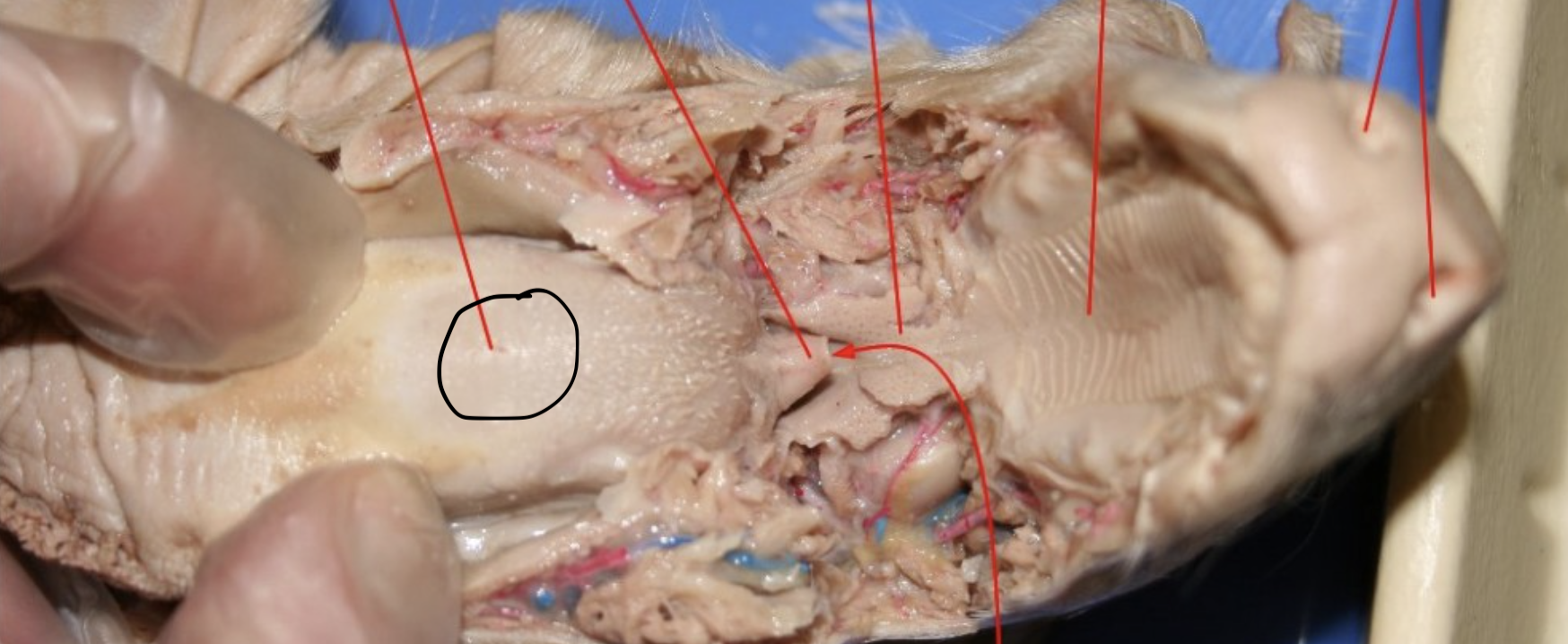
Identify this Organ
Tongue
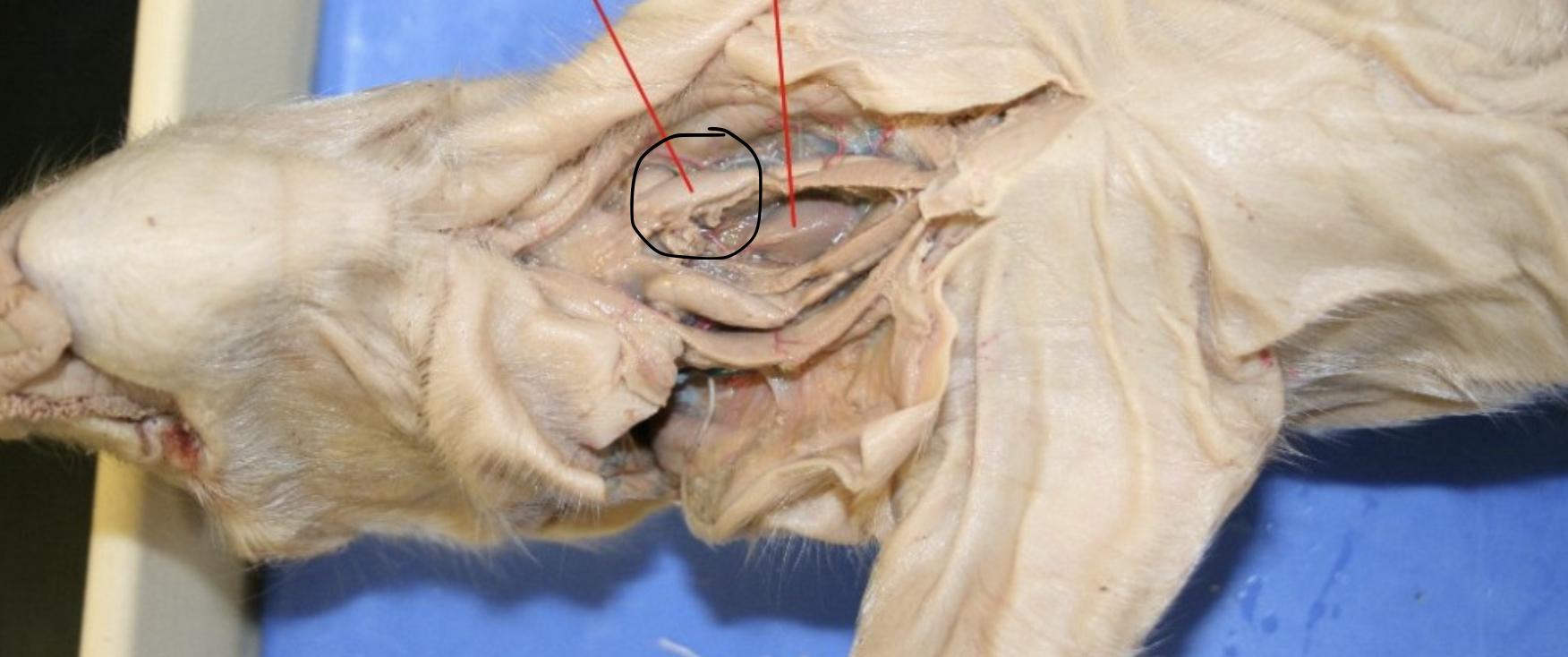
Identify this Organ
Thymus Gland
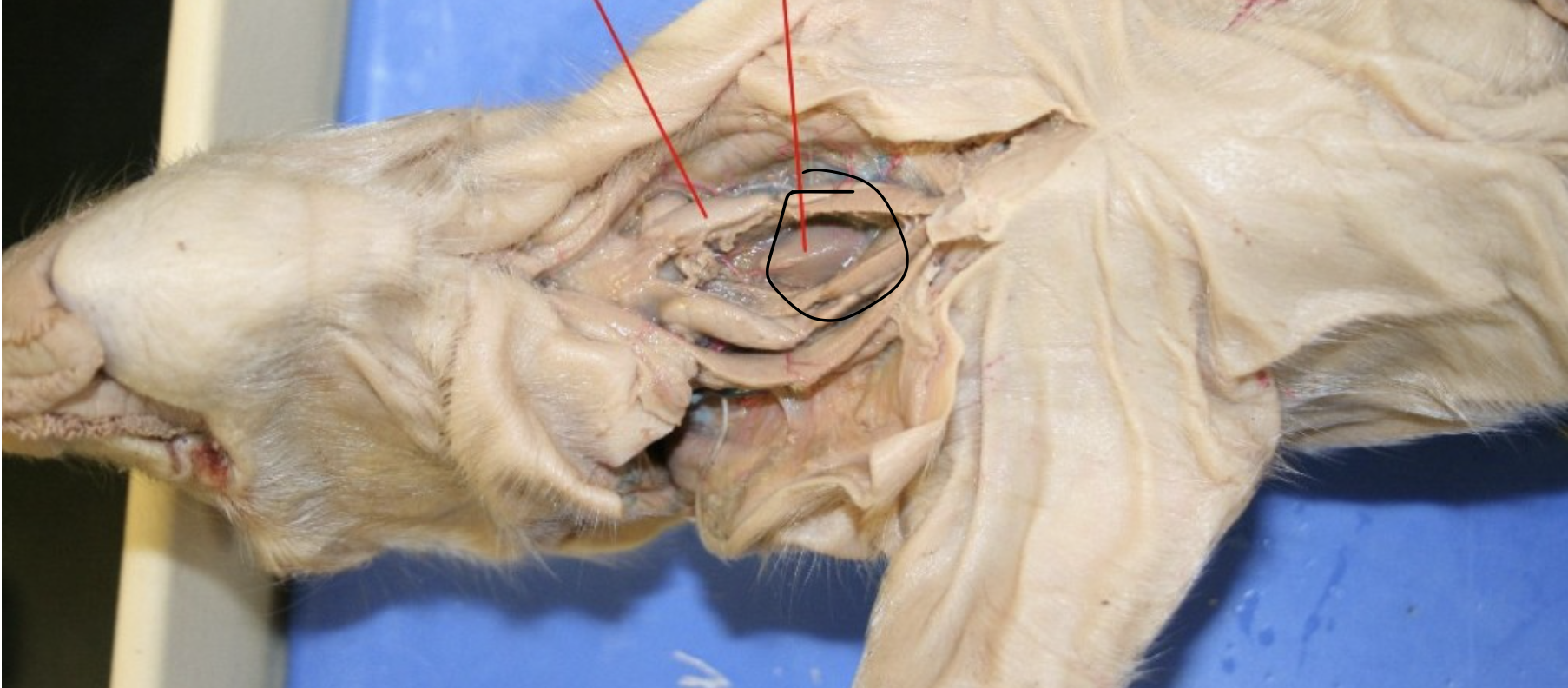
Identify this Organ
Thyroid Gland
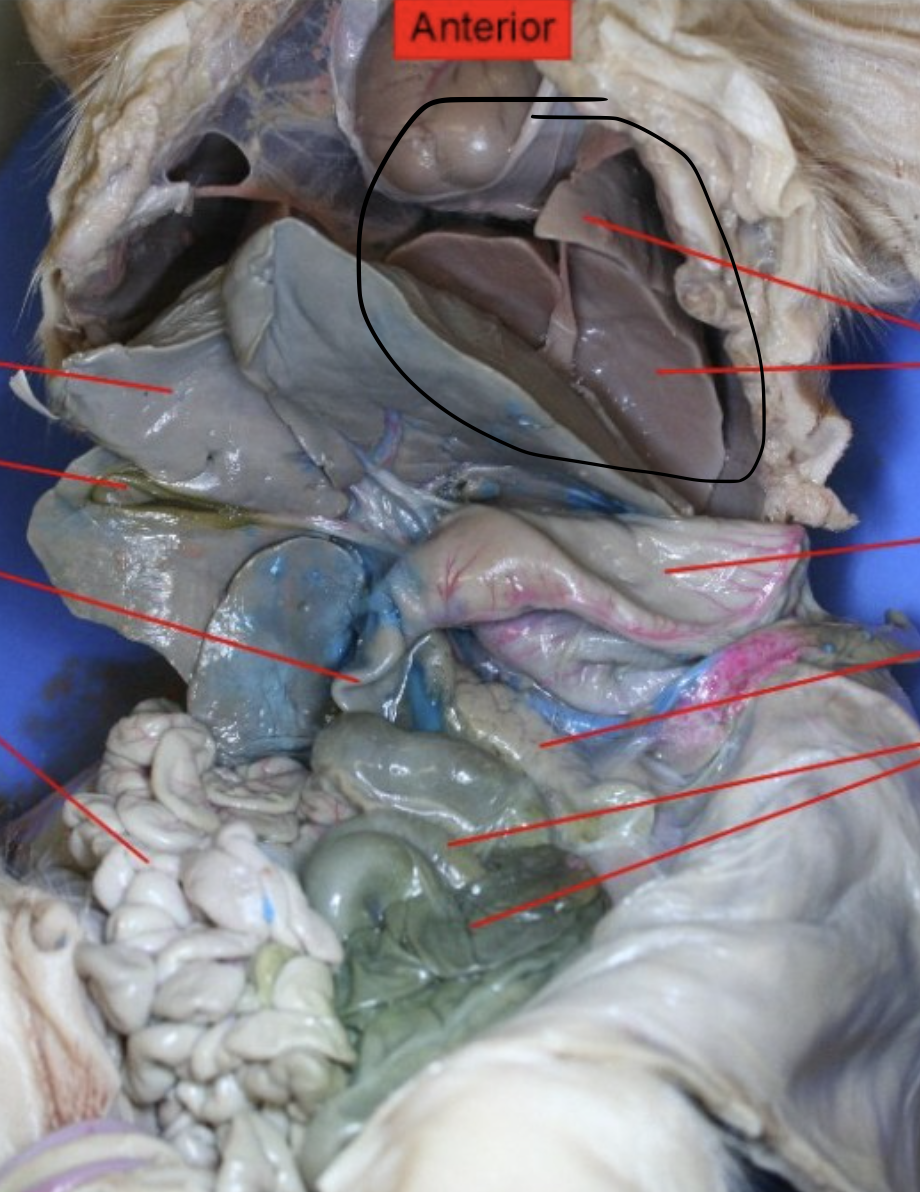
Identify this Organ
Lungs
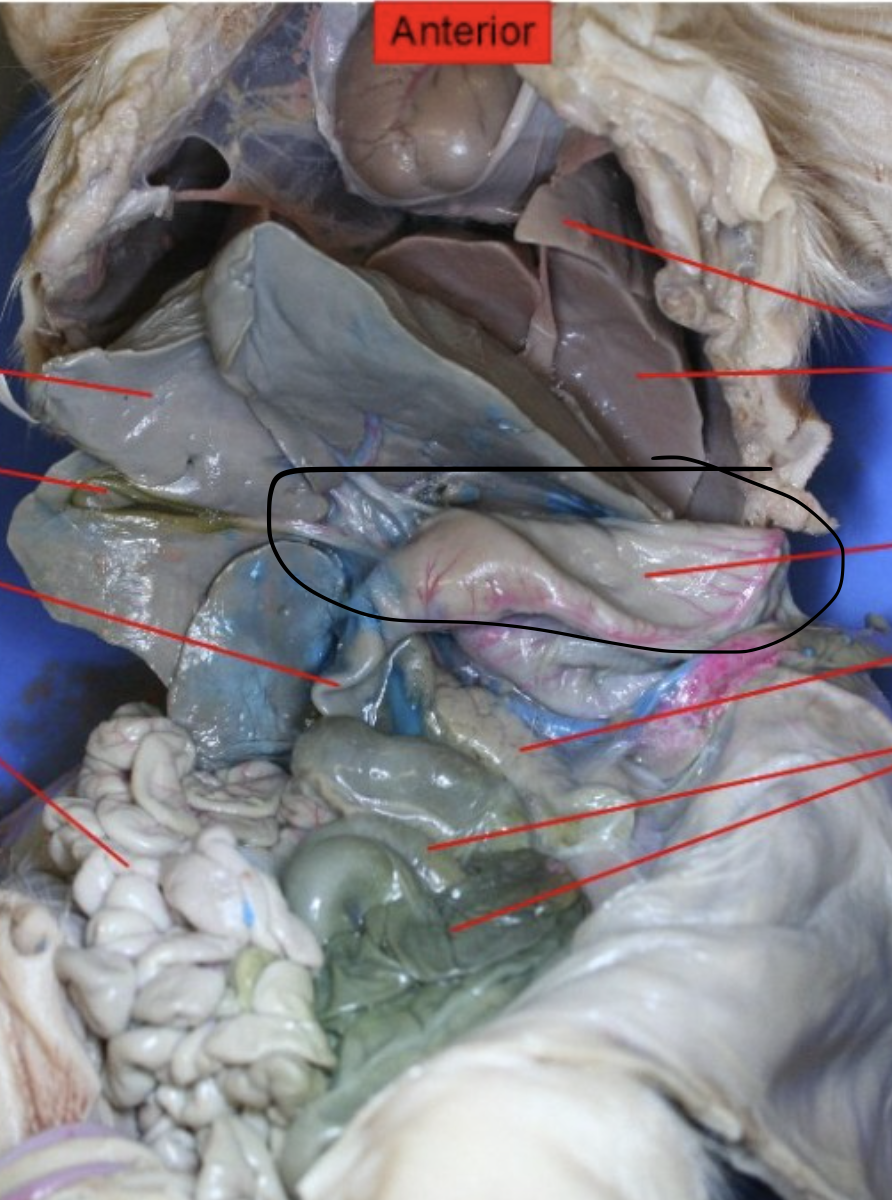
Identify the Organ
Stomach
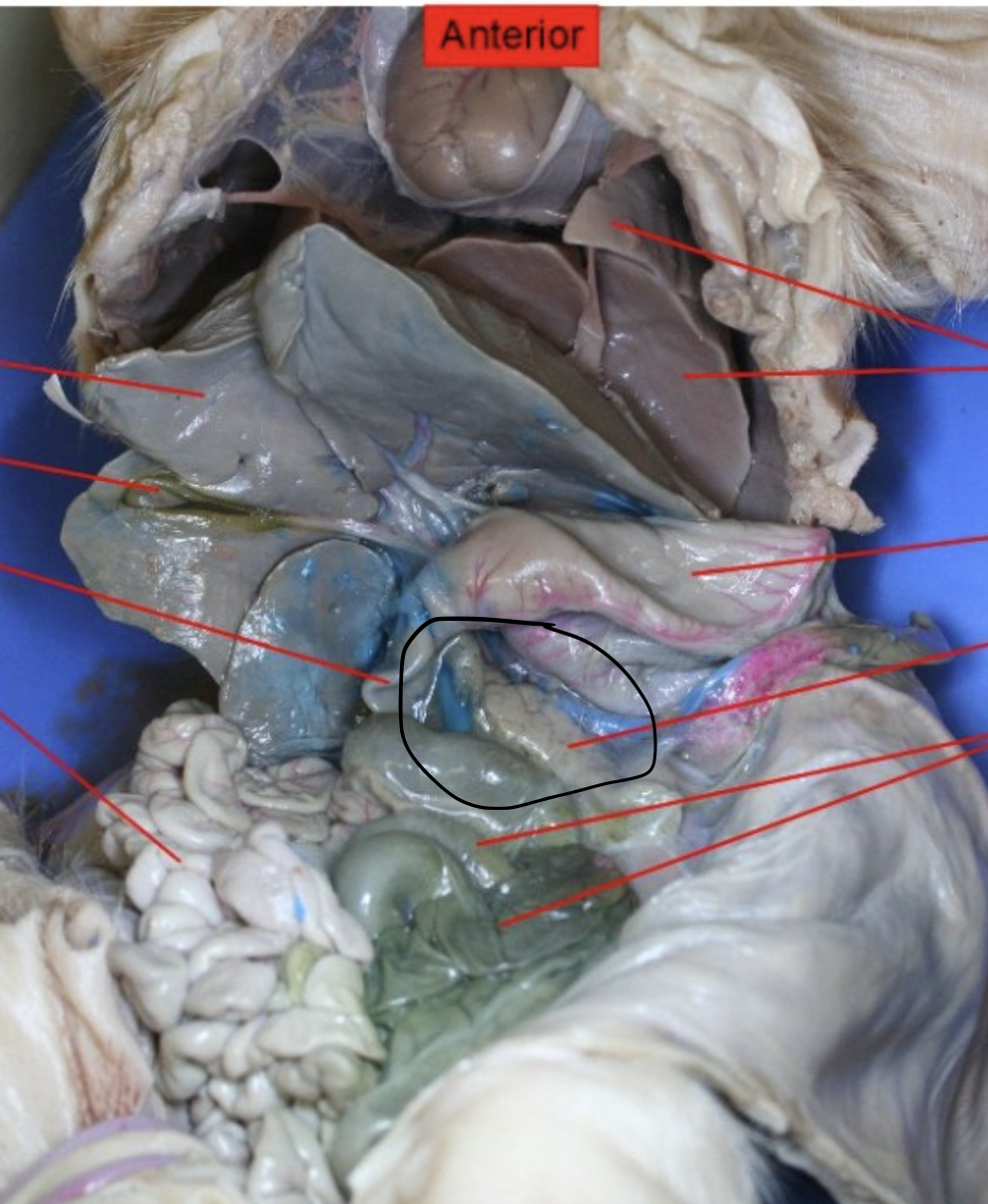
Identify the Organ
Pancreas
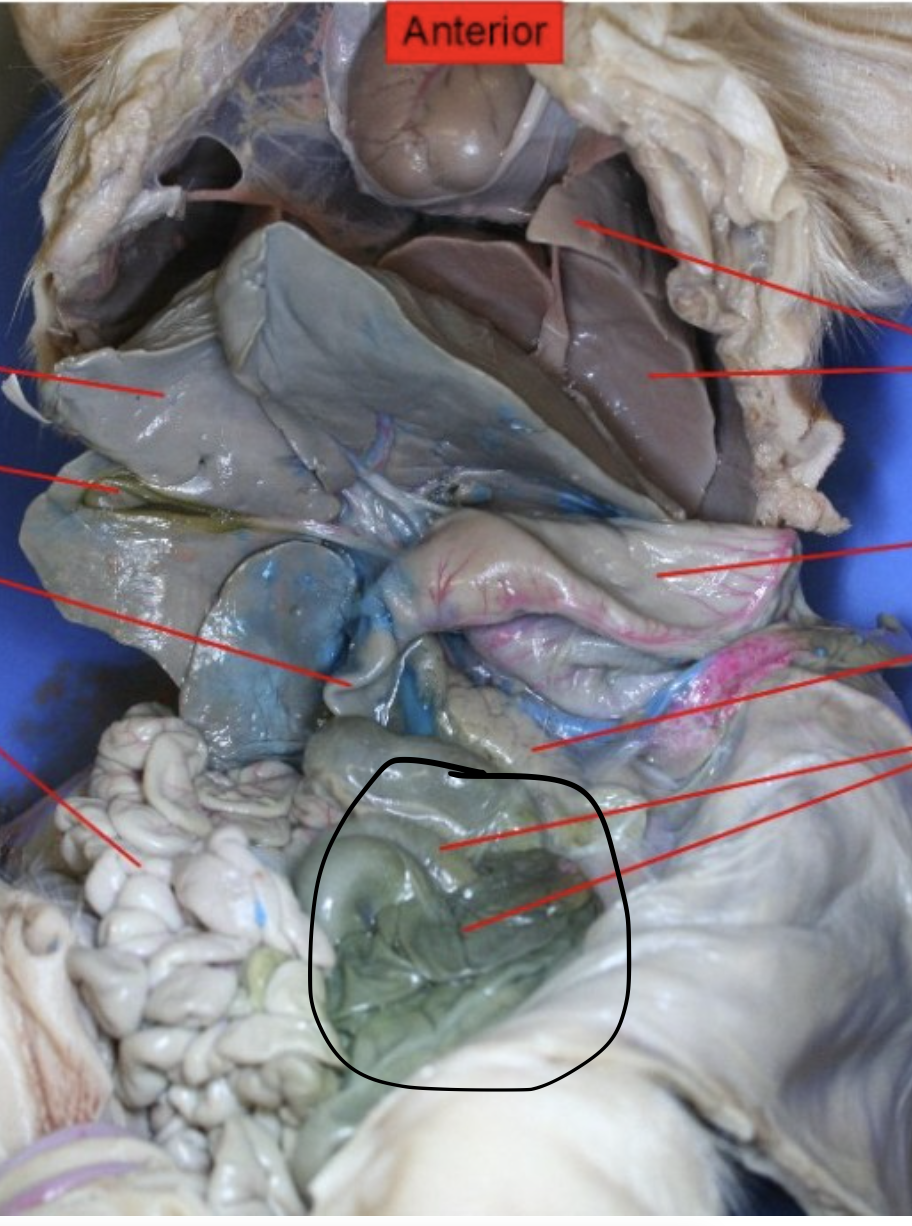
Identify the Organ
Large Intestine
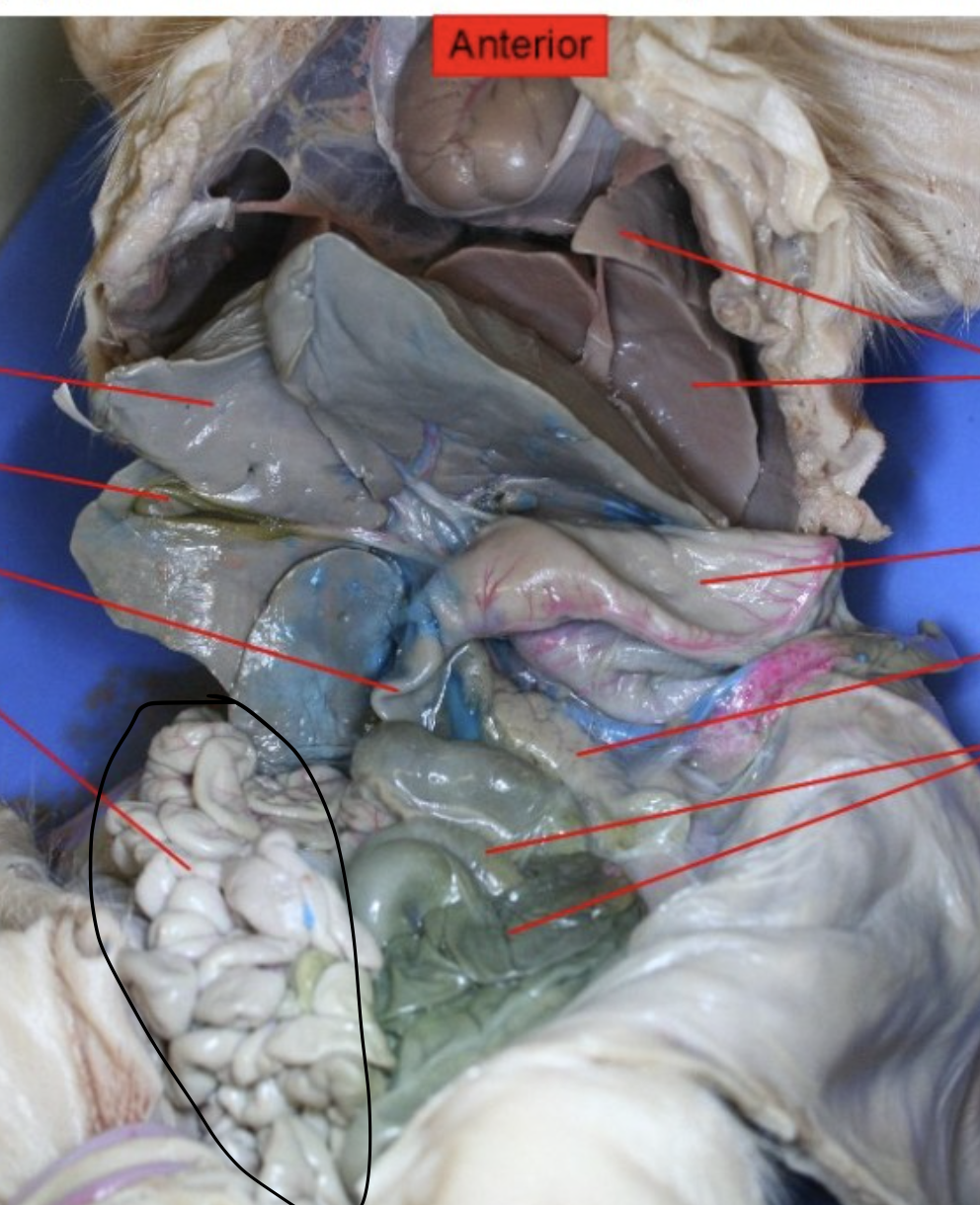
Identify the Organ
Small Intestine
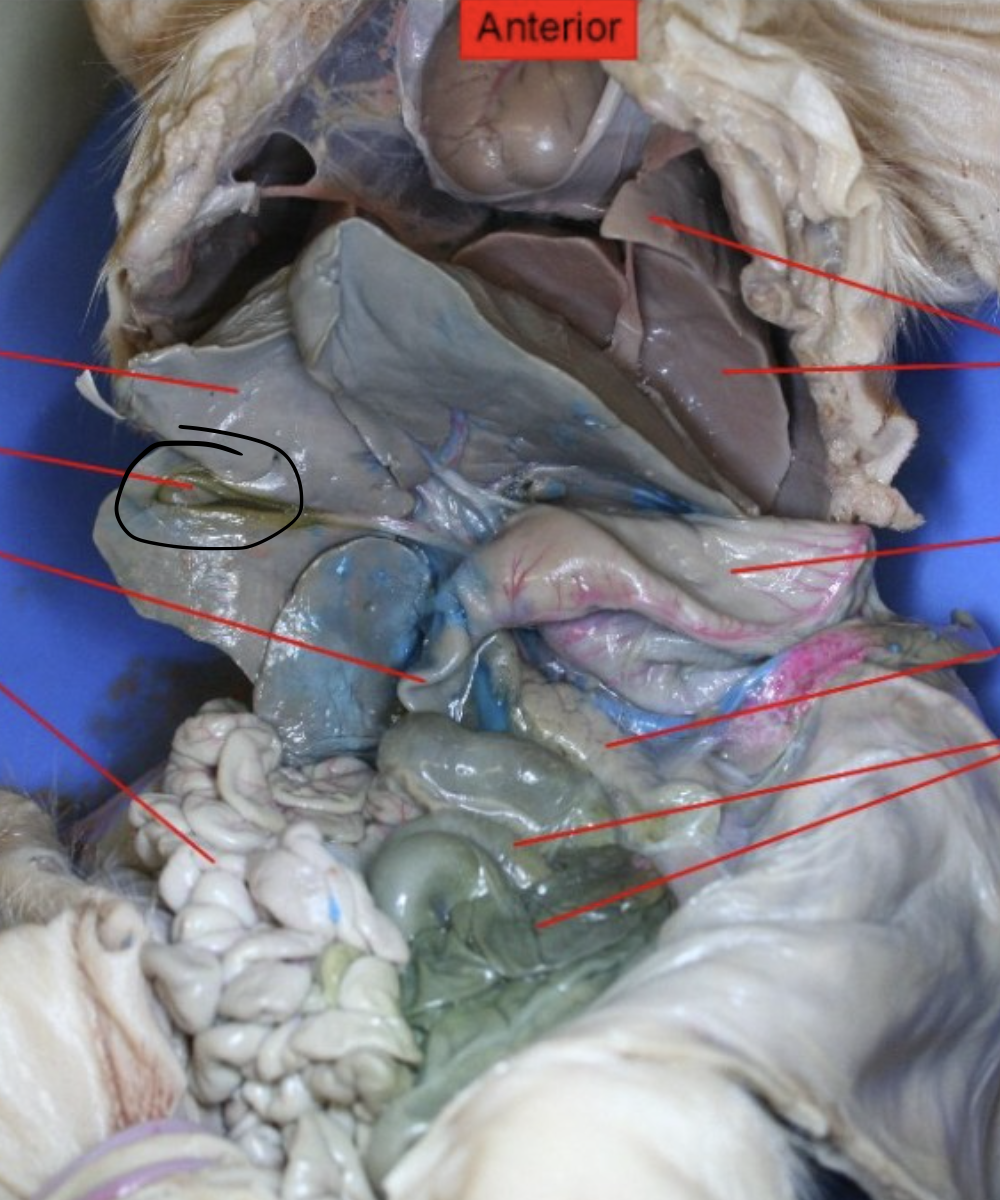
Identify this Organ
Gallbladder
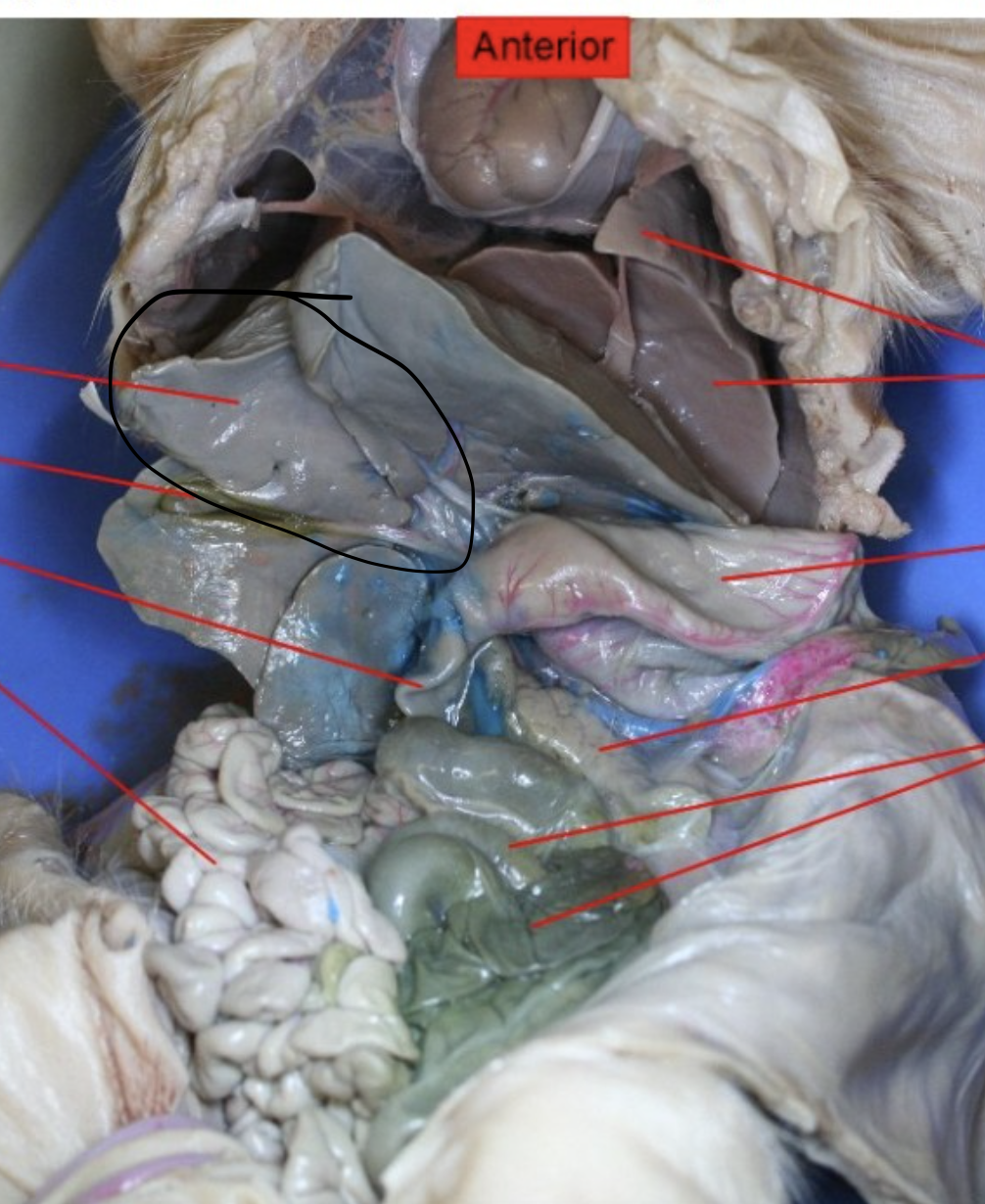
Identify this Organ
Liver
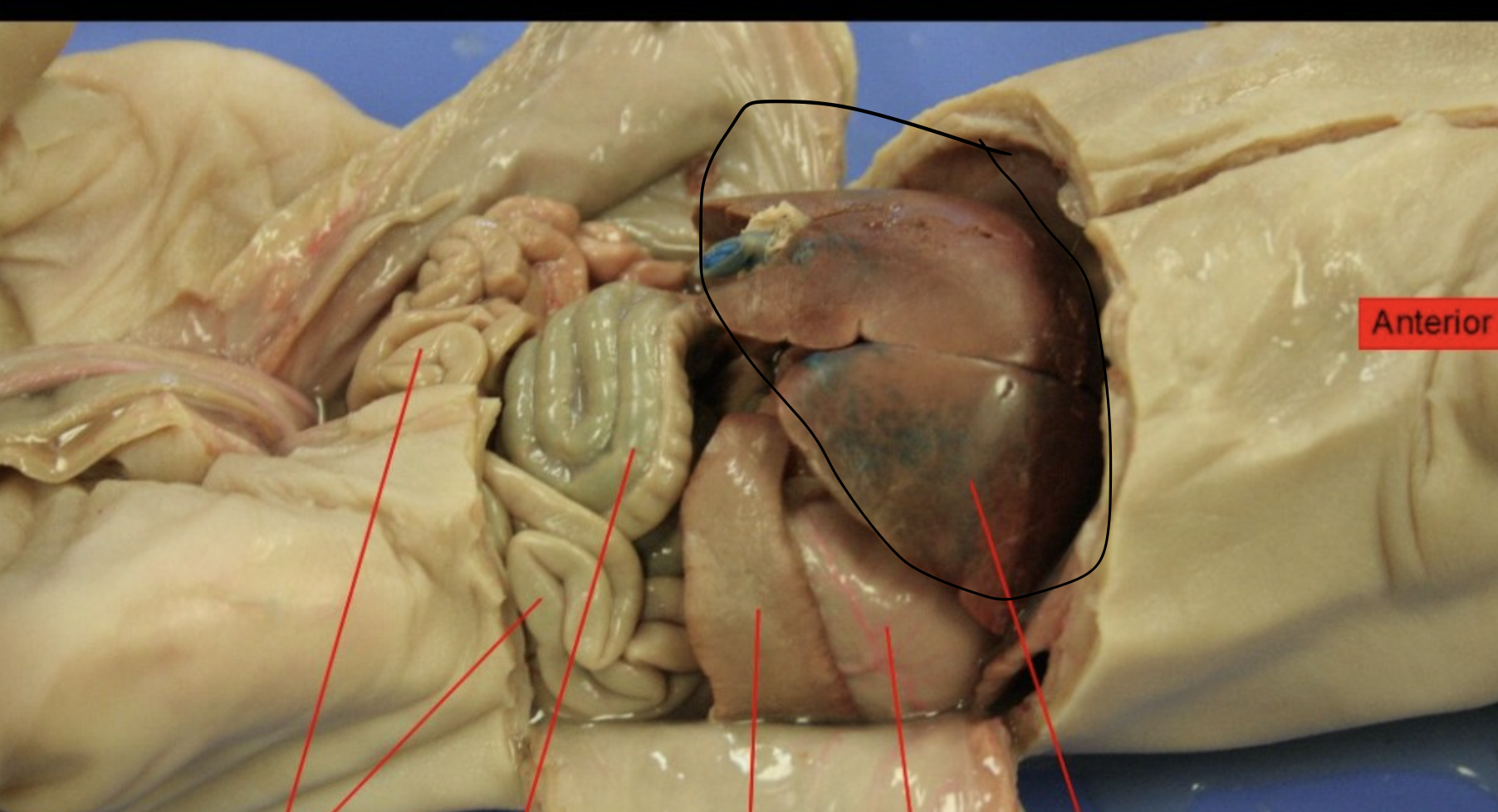
Identify this Organ
Liver
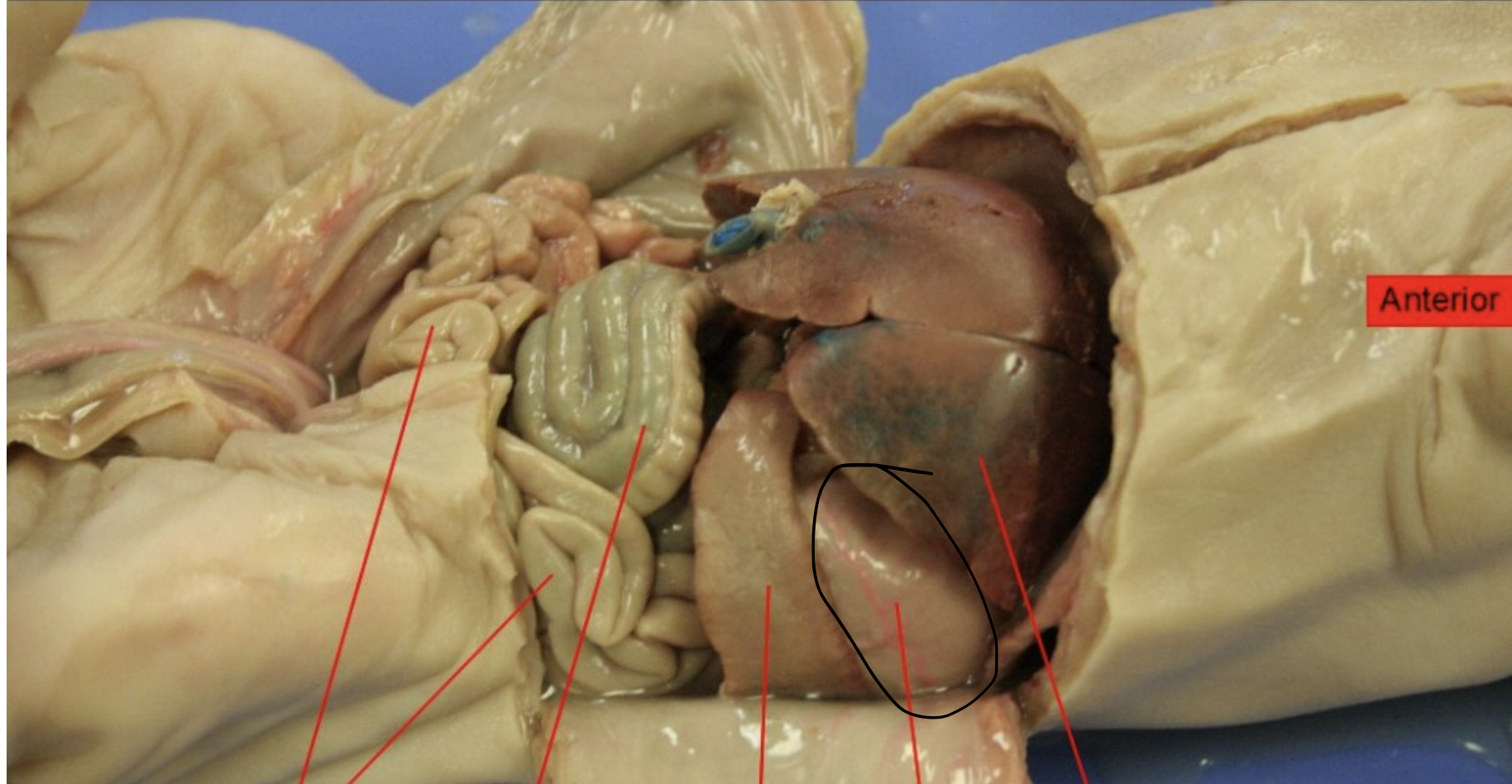
Identify this Organ
Stomach
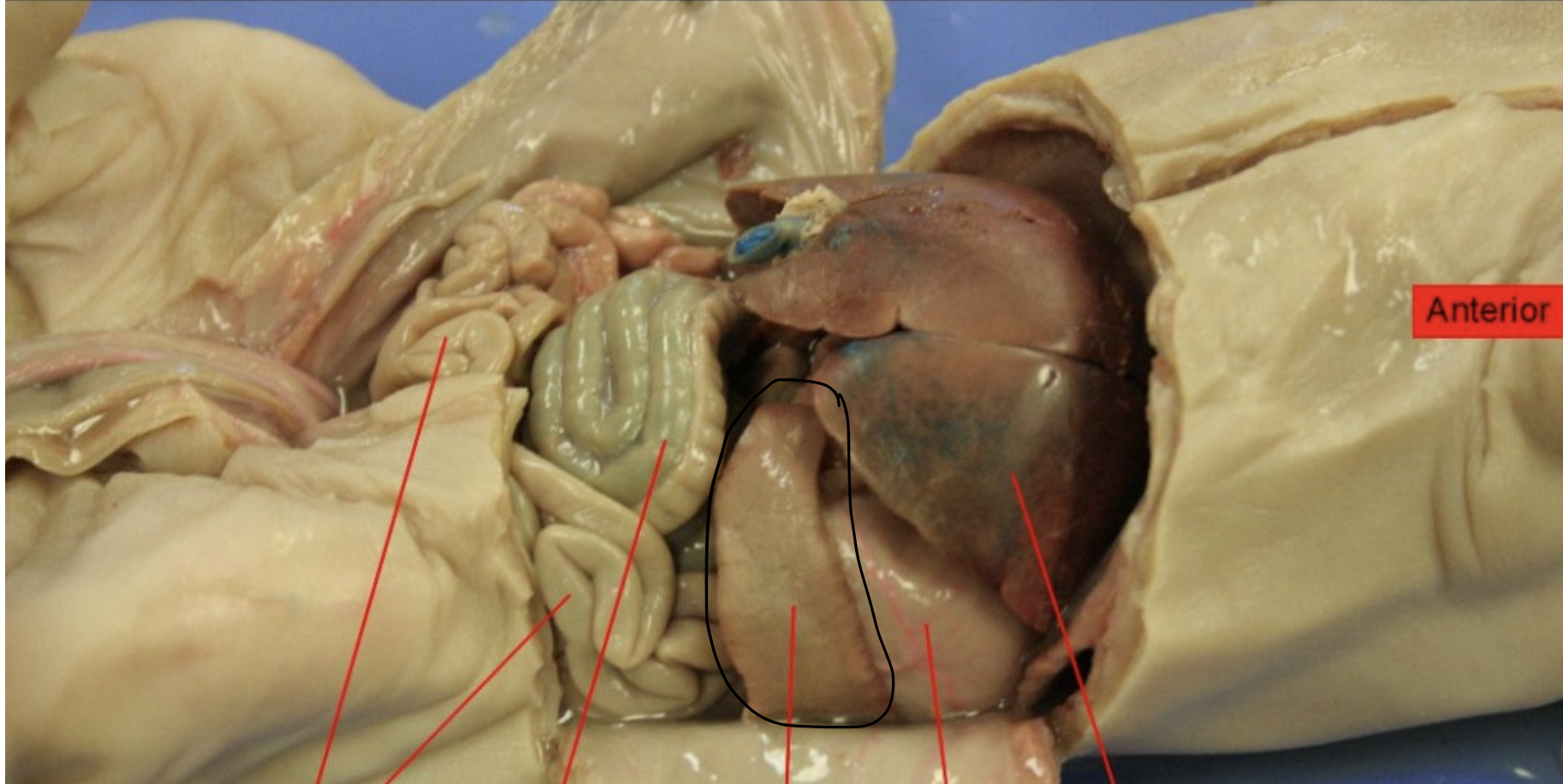
Identify this Organ
Spleen
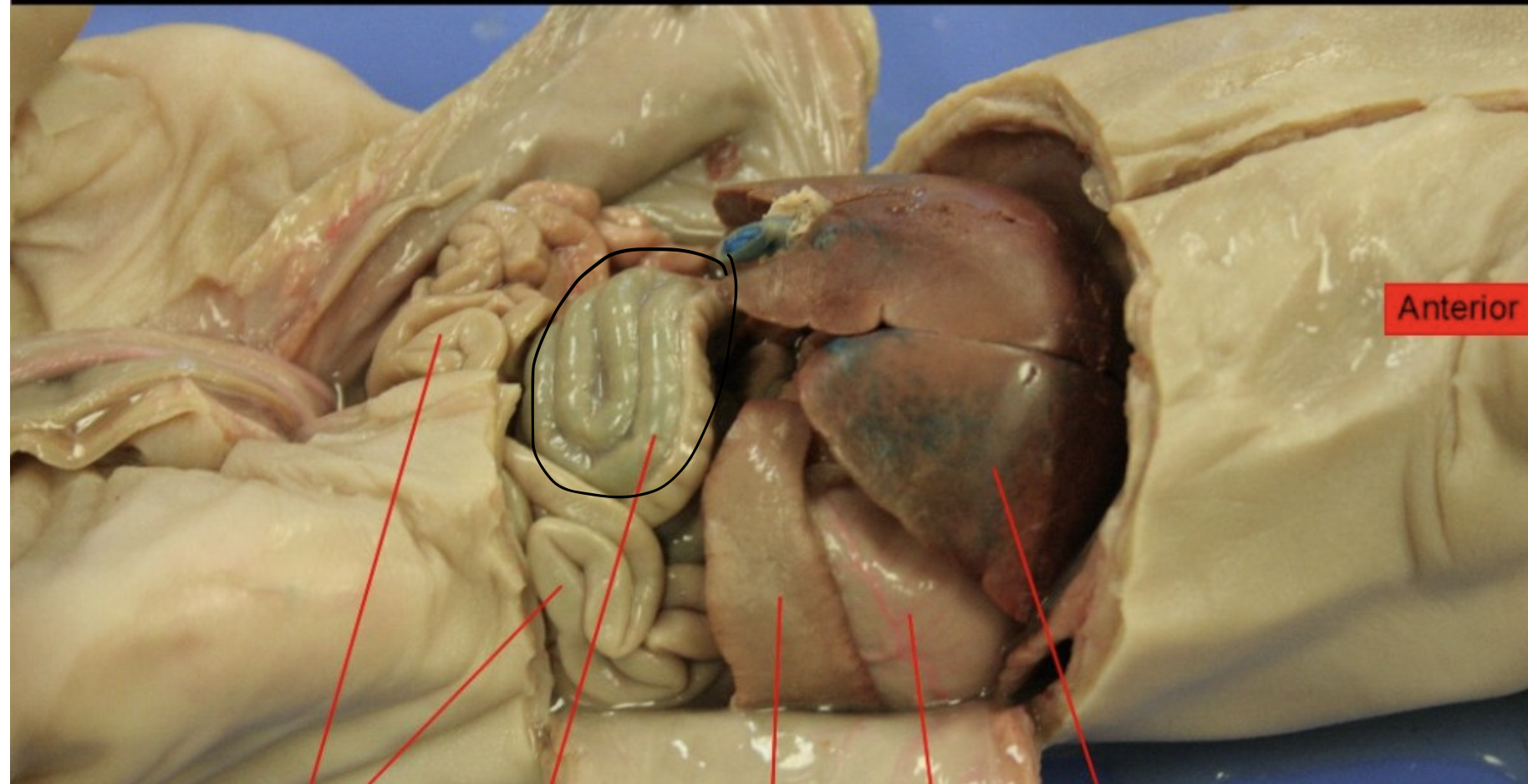
Identify this Organ
Large Intestine
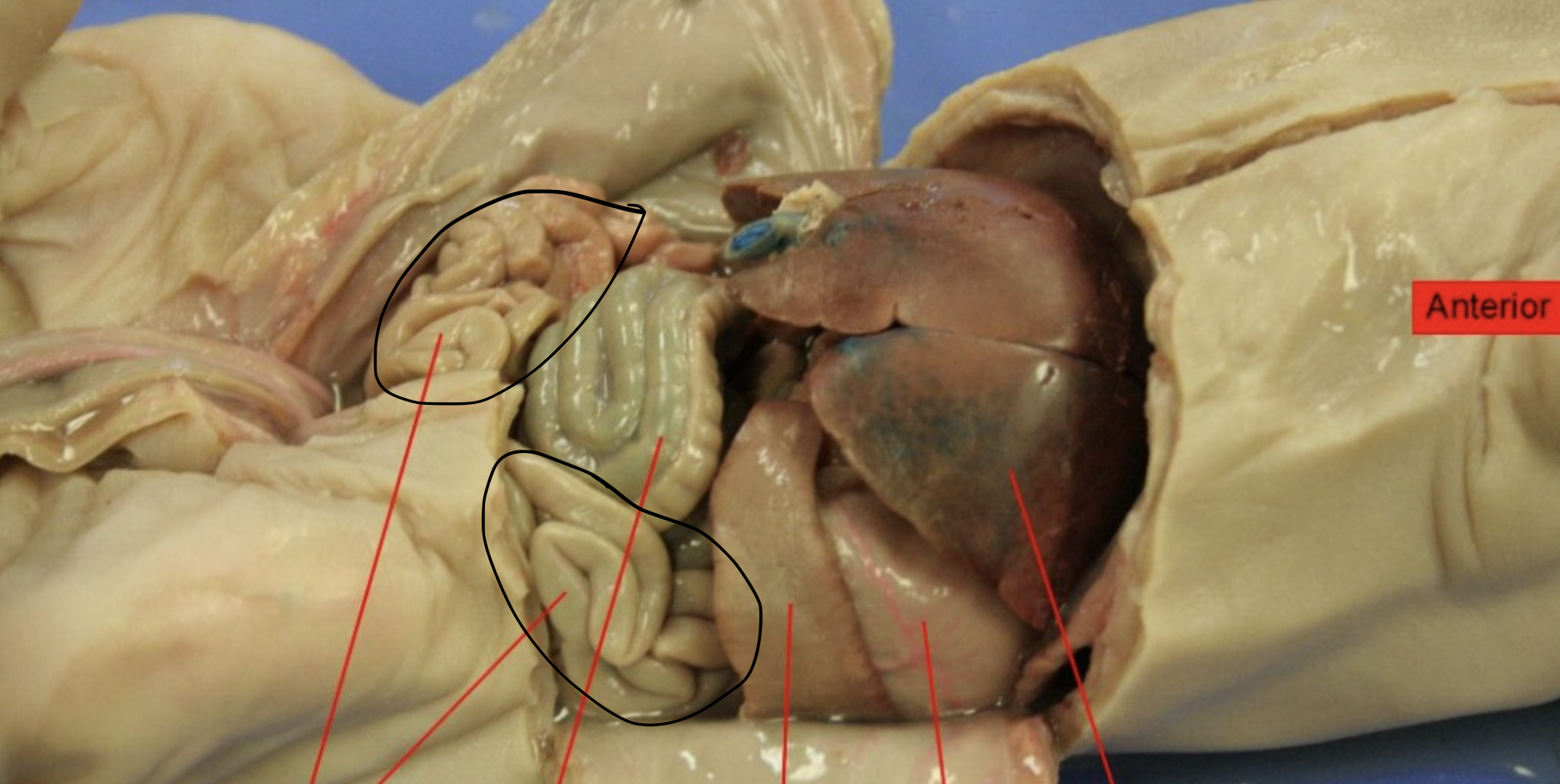
Identify this Organ
Small Intestine
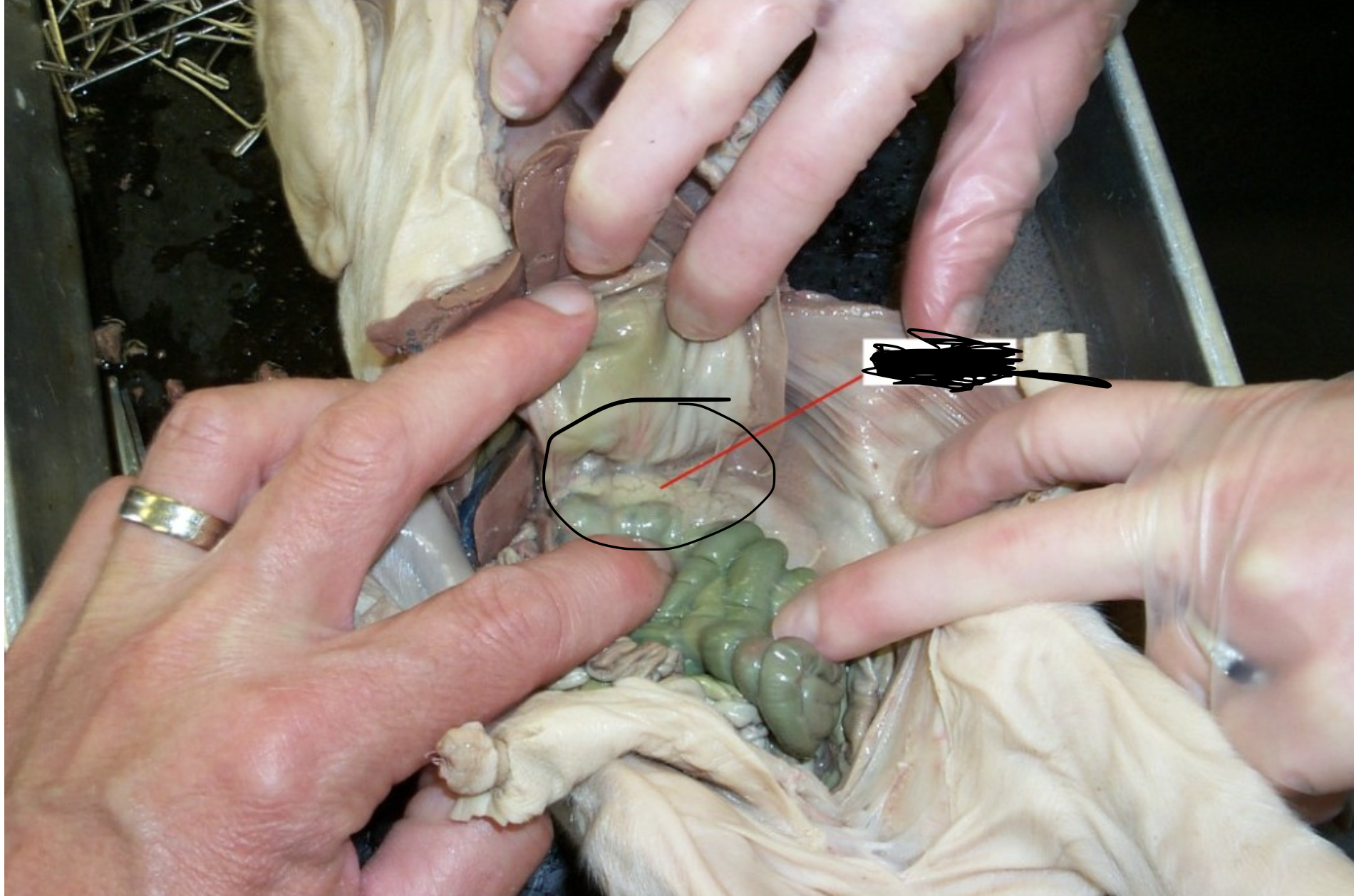
Identify this Organ
Pancreas (behind/under the stomach)
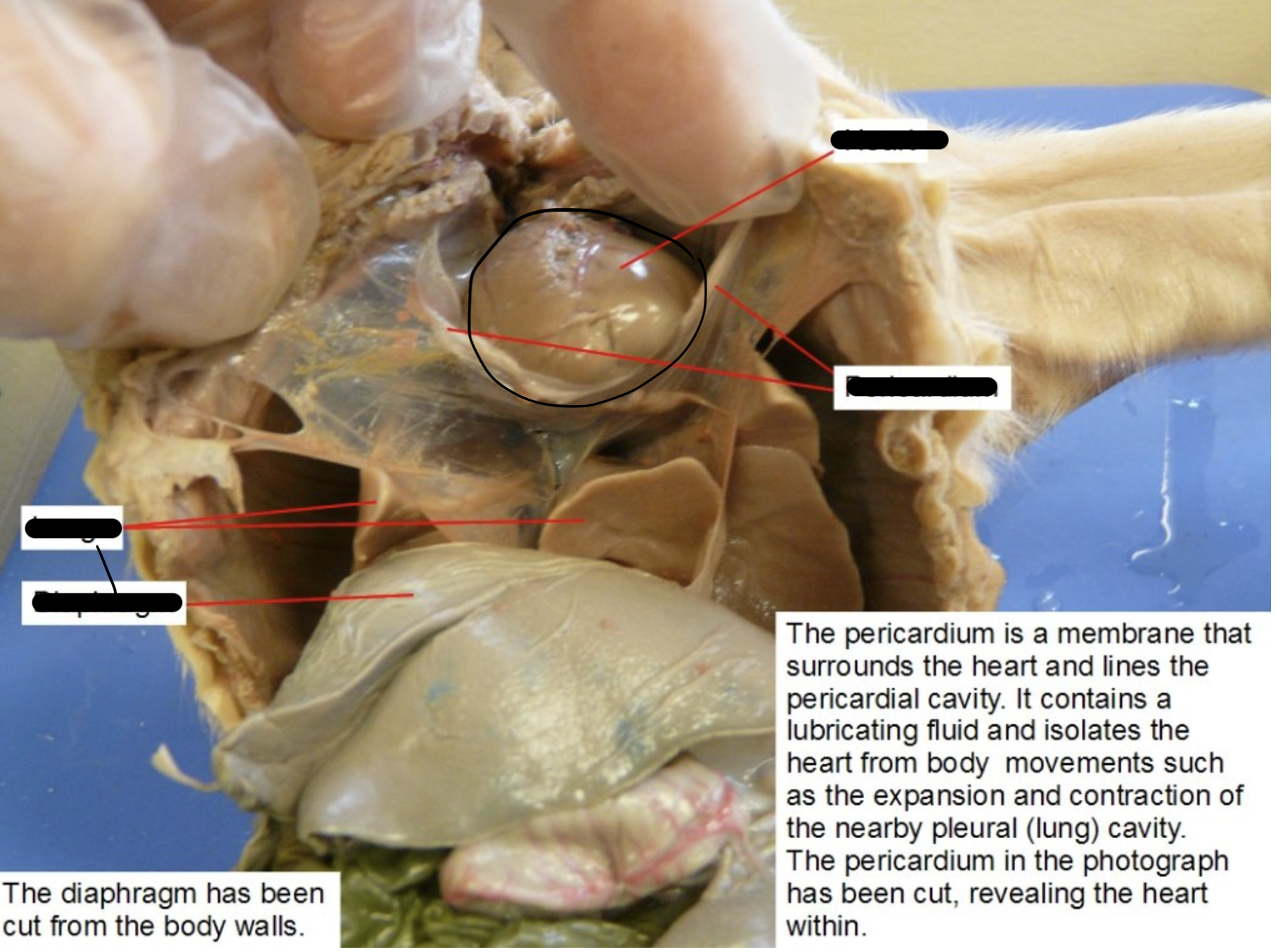
Identify this Organ
Heart
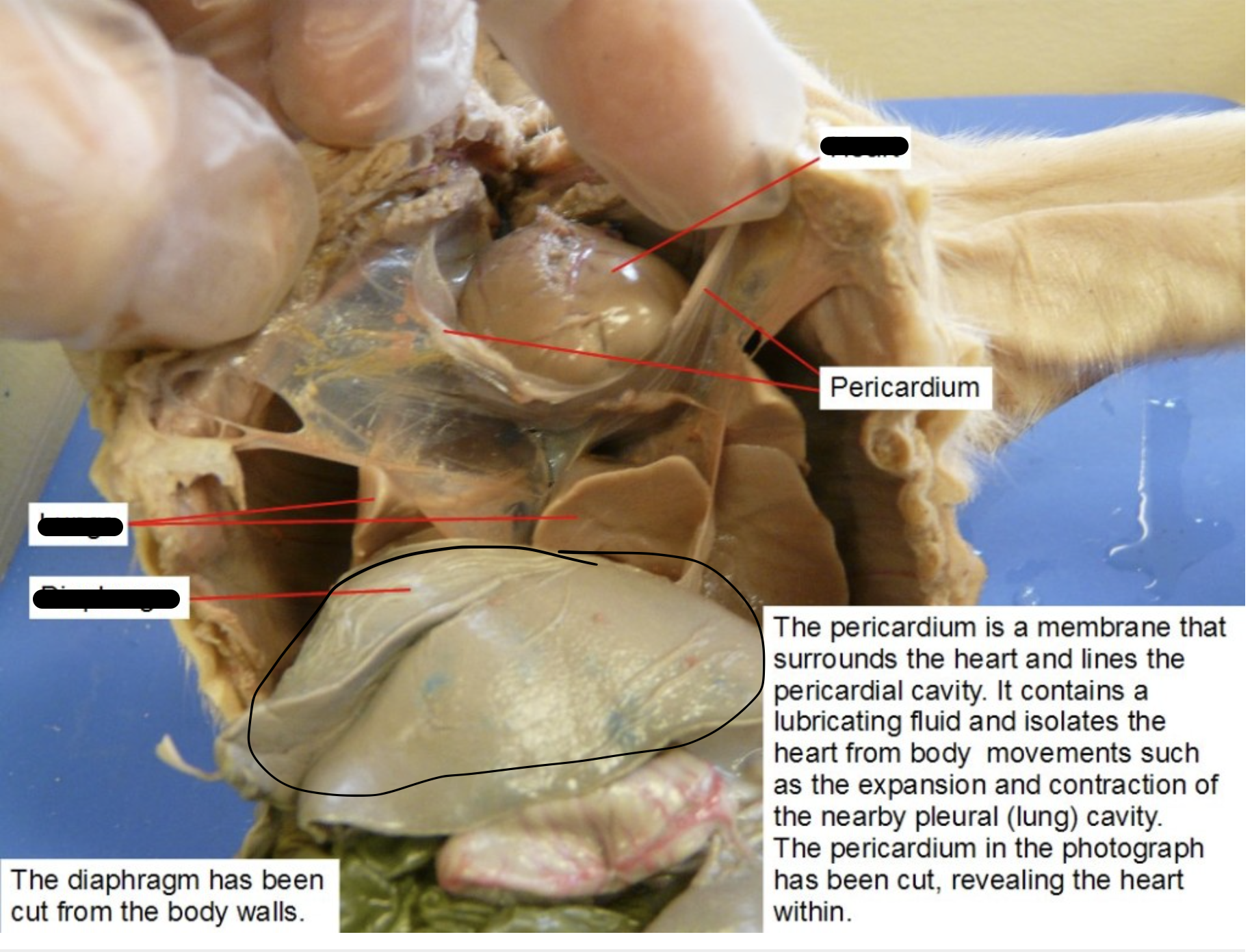
Identify this Organ
Diaphragm
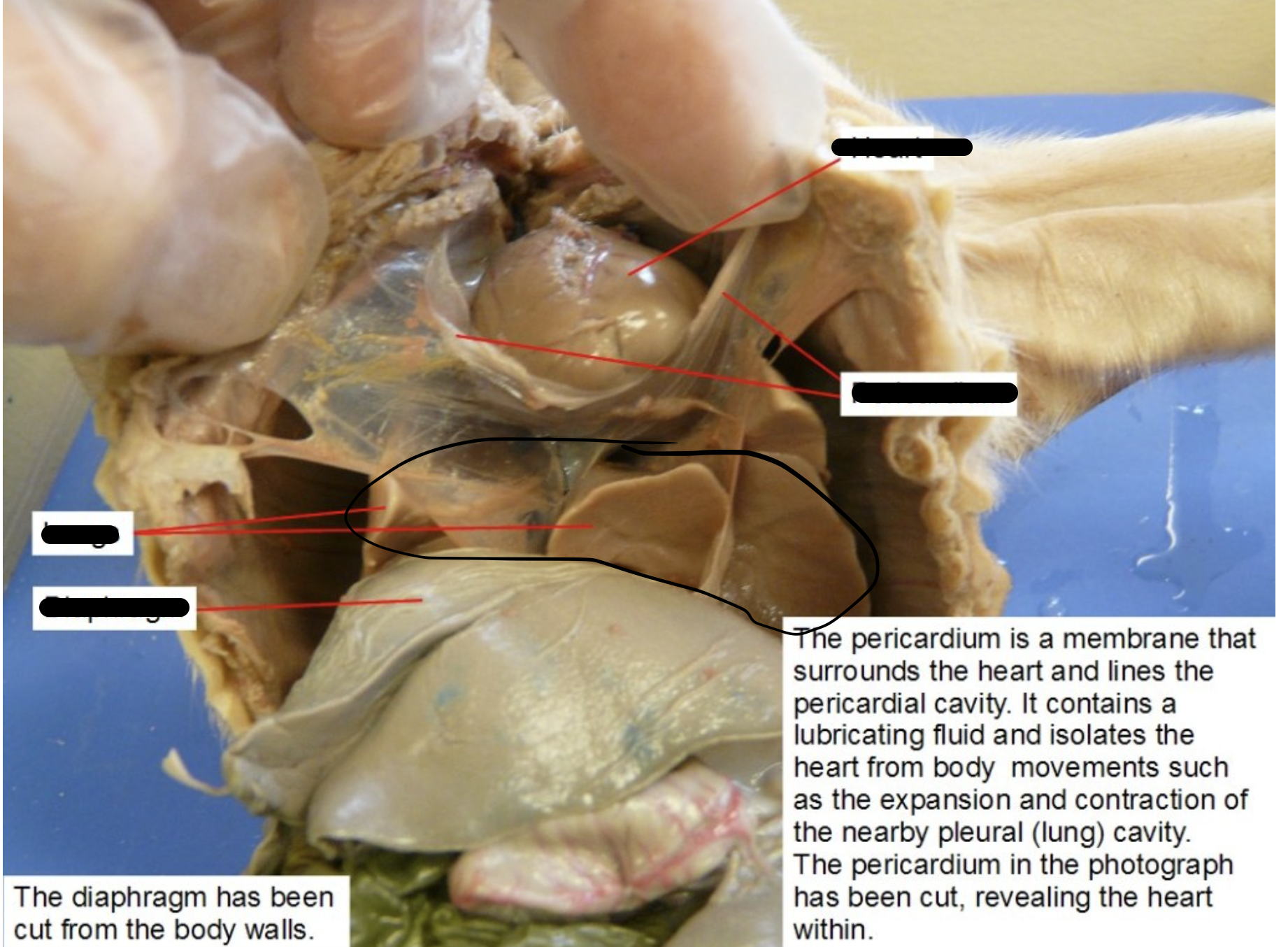
Identify this Organ
Lungs
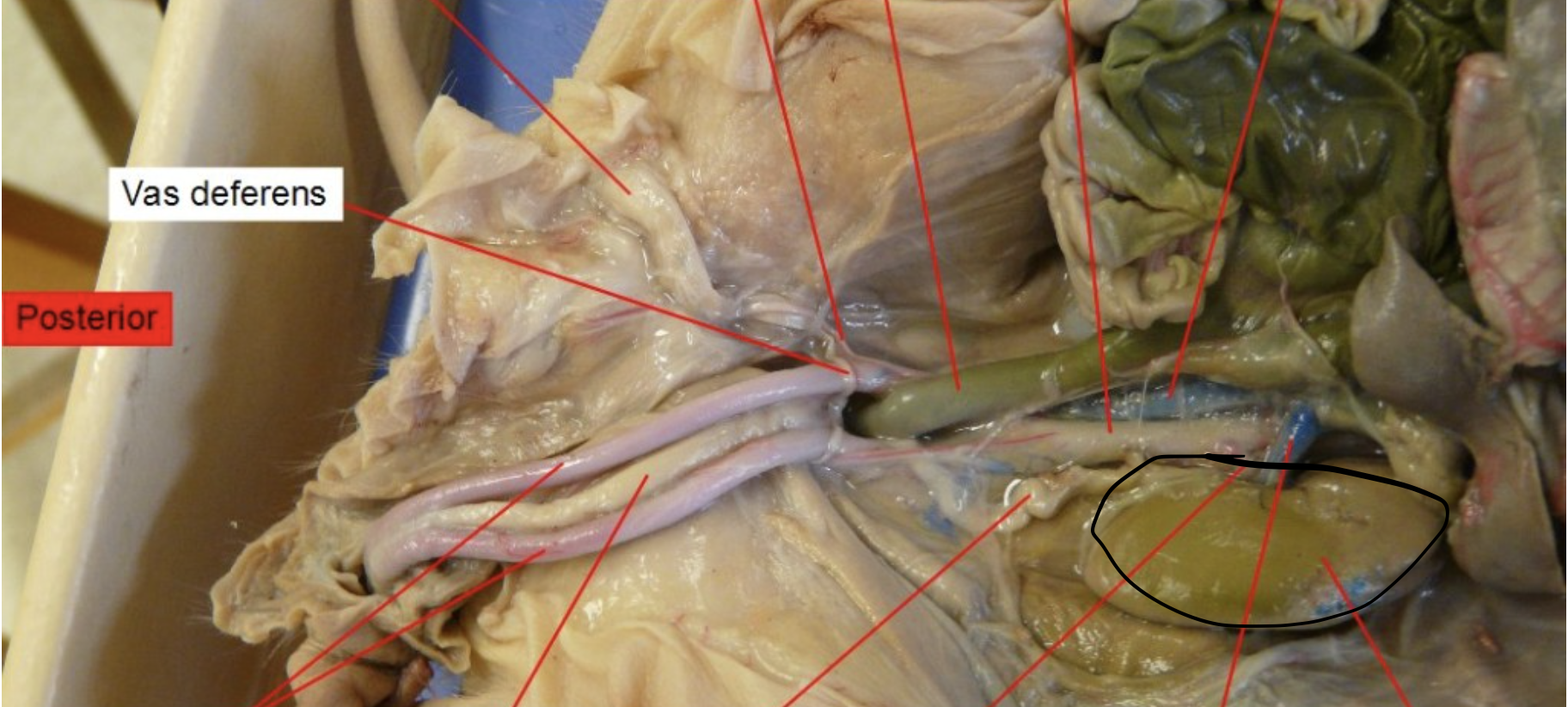
Identify this Organ
Kidney
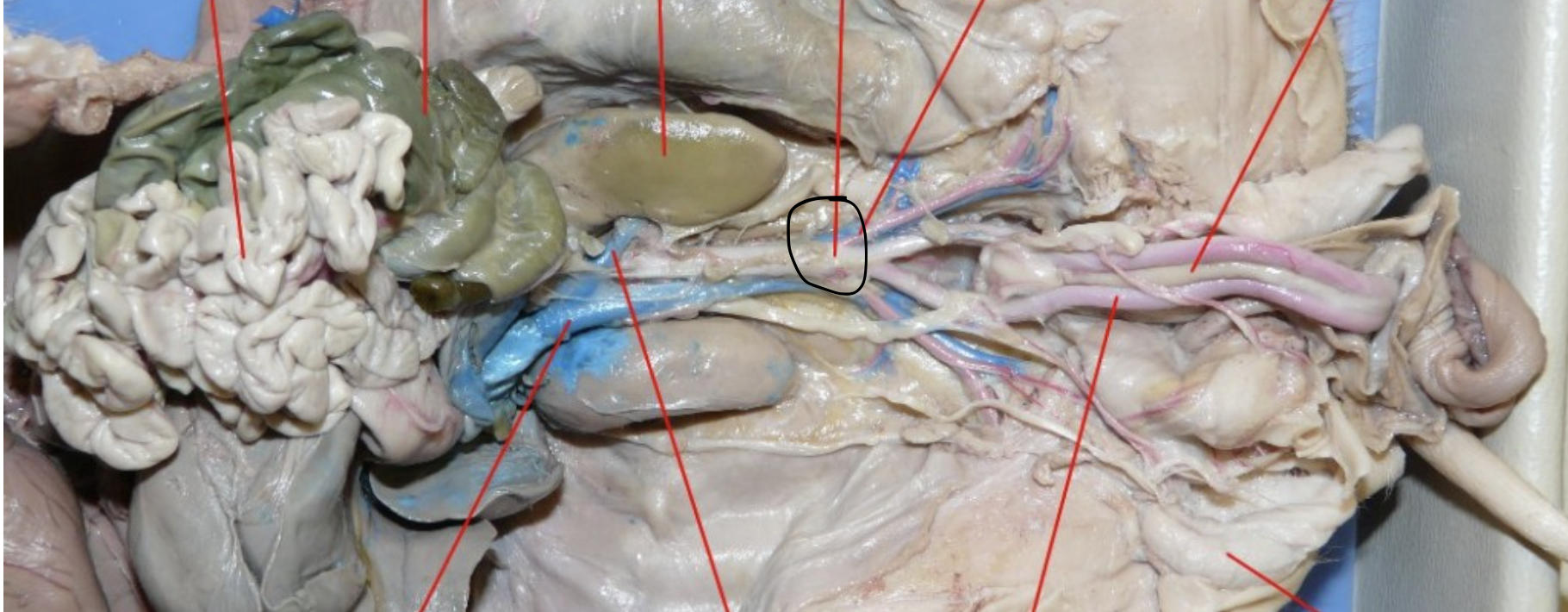
Identify this Organ
Ureter
Identify this Organ