6.2. Physiology: Cardiovascular system
 Call Kai
 Learn
Learn Practice Test
 Spaced Repetition
 Match
Match Flashcards
 Knowt Play
1/29

There's no tags or description
Looks like no tags are added yet.
Name | Mastery | Learn | Test | Matching | Spaced | Call with Kai |
|---|
No analytics yet
Send a link to your students to track their progress
30 Terms
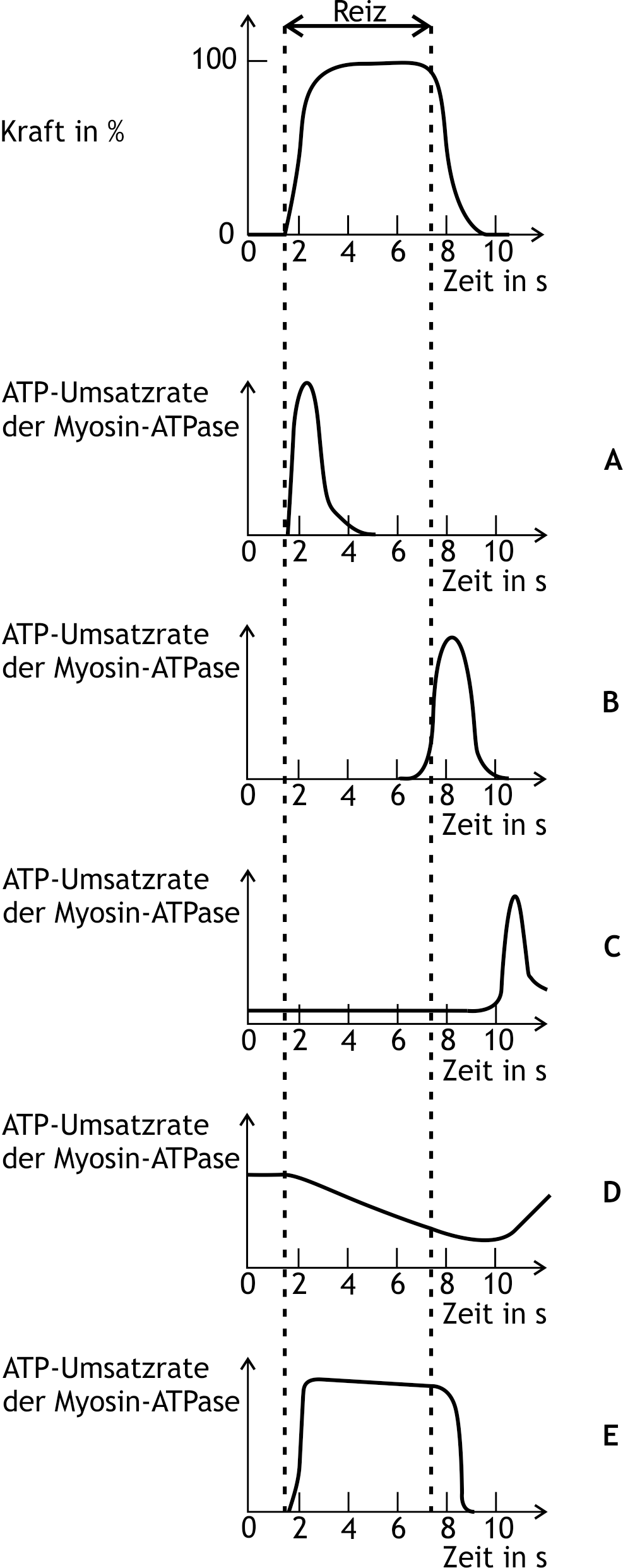
1. The upper graph shows the force development of an isolated skeletal muscle during tetanic stimulation.
Which of the graphs A to E below best represents the temporal change in the turnover rate of myosin ATPase (linearly scaled representation)?
A. (A)
B. (B)
C. (C)
D. (D)
E. (E)
E. (E)
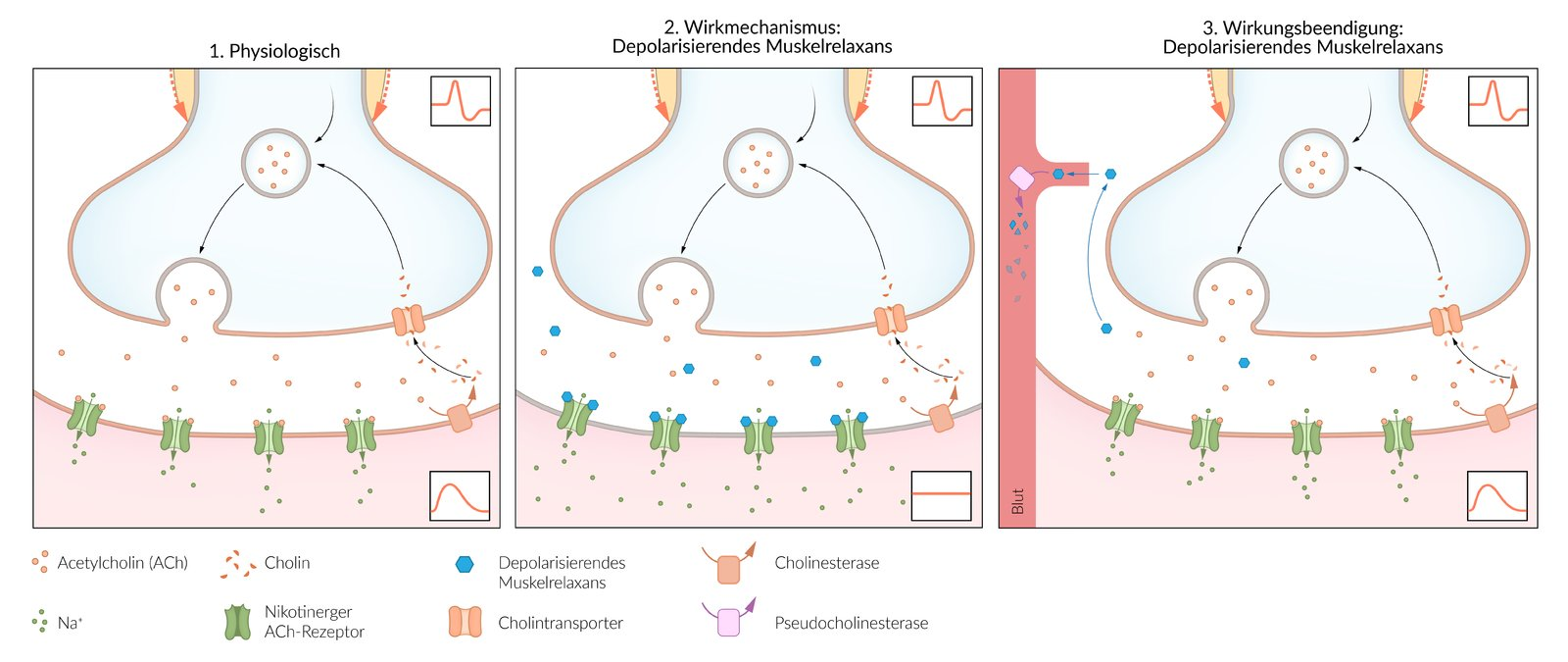
2. The use of muscle relaxants plays an important role in surgery. A special type of muscle relaxants are depolarizing muscle relaxants (e.g., succinylcholine).
Depolarizing muscle relaxants most likely relax a skeletal muscle fiber through a
A. Sustained depolarization of all T-tubules by more than 60 mV
B. Sustained depolarization of the end plate
C. Continuous contraction with about 20% of the maximal tension
D. Irreversible blockade of cholinesterase
E. Series of action potentials
B. Sustained depolarization of the end plate
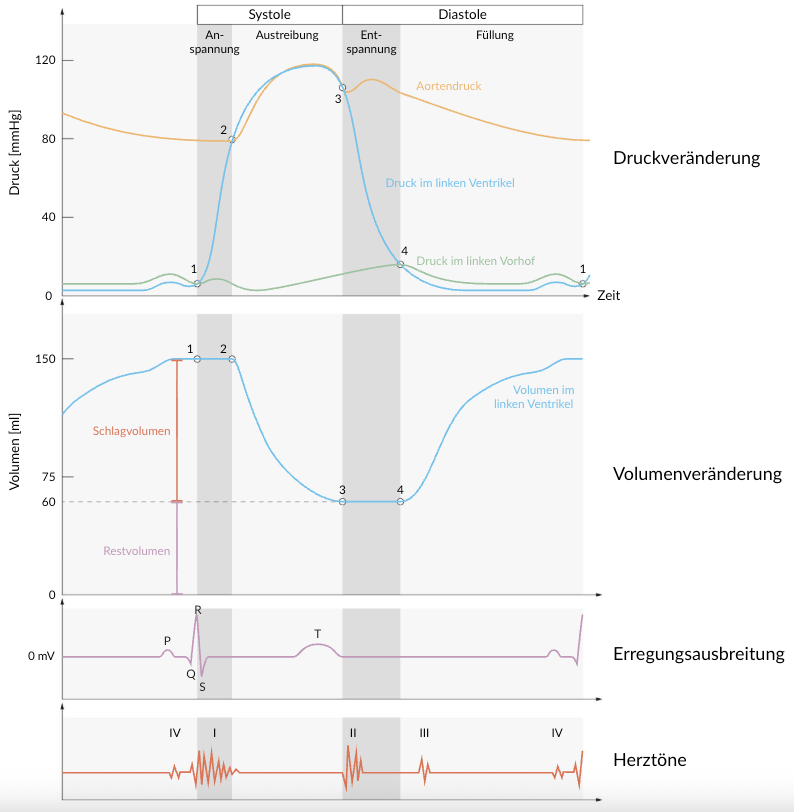
3. Using specific measurement techniques, systolic and diastolic pressures and volumes in the heart can be measured and used for diagnosis.
Which statement about the left ventricle of a healthy adult is most likely correct?
A. At the end of diastole, about 70 mL of blood is contained within it.
B. At the end of systole, about 150 mL of blood is contained within it.
C. During the isovolumetric contraction phase, the pressure rises to about 80 mmHg.
D. During the relaxation phase, the pressure decreases from about 120 mmHg to not less than 80 mmHg.
E. During the filling phase, the pressure rises to about 80 mmHg.
C. During the isovolumetric contraction phase, the pressure rises to about 80 mmHg.
4. Which of the following cardiac findings is most typical for a 30-year-old endurance athlete?
A. Increased arterial blood pressure at physical rest
B. Isolated right ventricular hypertrophy
C. Smaller stroke volume than the average of untrained individuals of the same age, sex, and body weight at the same workload
D. Maximum ejection fraction of the left ventricle 35–45%
E. Resting heart rate lower than 60/min
E. Resting heart rate lower than 60/min
5. An intact pacemaker current If is a prerequisite for normal sinoatrial node function of the heart.
Which statement about If is typically correct?
A. If consists mainly of a potassium influx.
B. If is increased by acetylcholine.
C. If is increased by cAMP.
D. If is inhibited by hyperpolarization.
E. If is mediated by voltage-activated calcium channels.
C. If is increased by cAMP.
6. For an action potential in ventricular cardiomyocytes that is triggered during the relative refractory period, the following applies compared to action potentials triggered outside this phase:
A. The excitation threshold for its initiation is lowered.
B. It has a reduced maximal rate of rise.
C. Its amplitude is unchanged.
D. Its total duration is increased.
E. Its plateau phase is prolonged.
B. It has a reduced maximal rate of rise.
7. A patient suffers from frequently occurring ventricular extrasystoles.
Which of the following ion channel disturbances is most likely to be the cause of such rhythm disturbances?
A. Increased activity of outward-rectifying potassium channels
B. Decreased activity of inward-rectifying potassium channels
C. Decreased activity of HCN channels
D. Decreased activity of voltage-activated calcium channels
E. Decreased activity of voltage-activated sodium channels
B. Decreased activity of inward-rectifying potassium channels
8. Palpatory examination of the radial pulse reveals a markedly irregular pulse rhythm with fluctuating pressure amplitude.
Which ECG finding most likely explains these symptoms?
A. First-degree AV block
B. Ventricular fibrillation
C. Left axis deviation
D. Sinus tachycardia
E. Atrial fibrillation
E. Atrial fibrillation
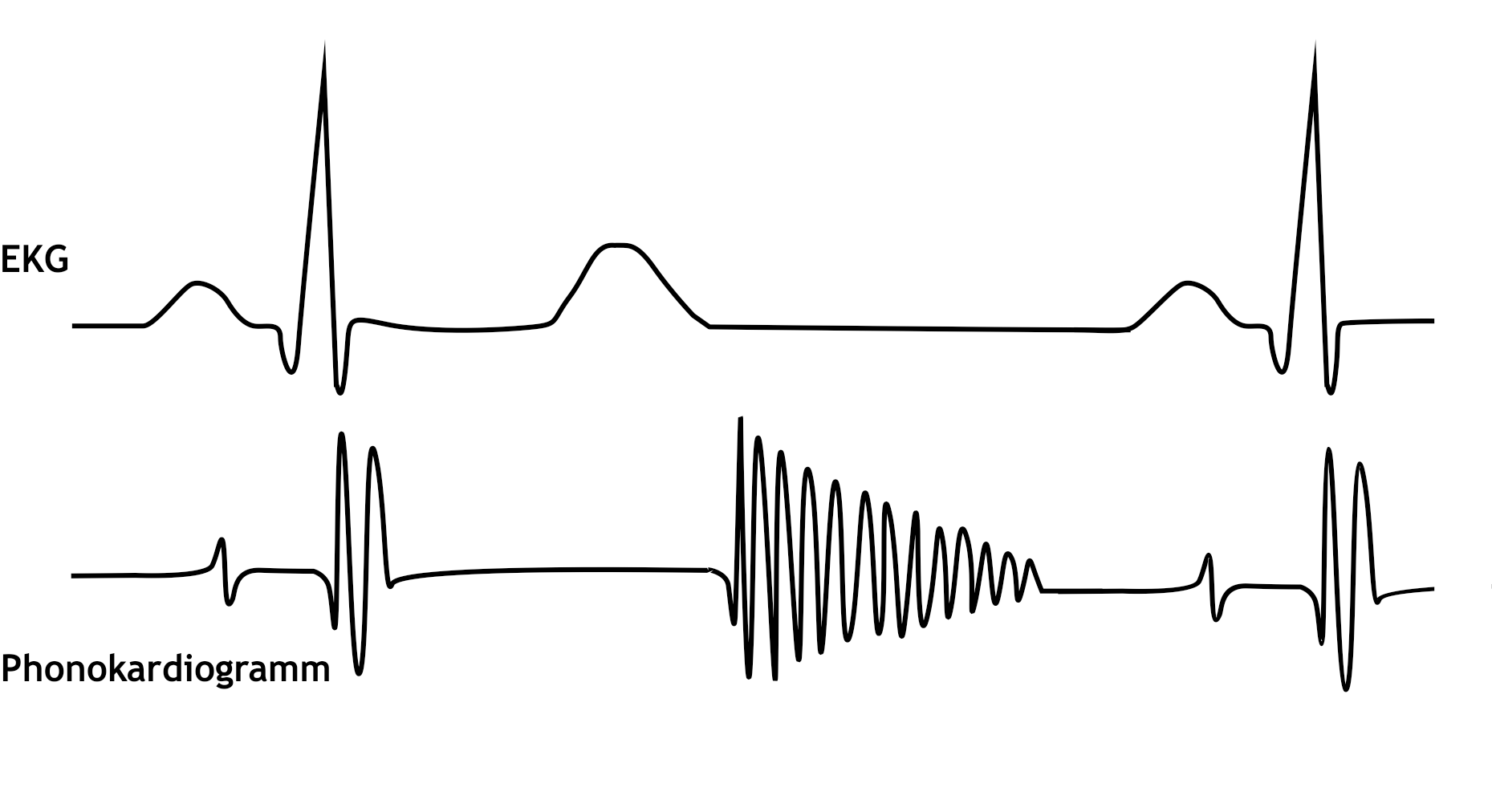
9. A 60-year-old man undergoes a cardiological examination. An electrocardiogram and a phonocardiogram are recorded simultaneously.
Which conclusion from these two recordings is most likely correct?
A. There is no indication of heart disease.
B. There is suspicion of aortic valve insufficiency.
C. There is suspicion of mitral valve insufficiency.
D. There is suspicion of pulmonary valve stenosis.
E. There is suspicion of a ventricular septal defect.
B. There is suspicion of aortic valve insufficiency.
10. Cardiac valve defects are possible causes of heart failure. During the cardiological examination of an adult patient with suspected valvular disease, a systolic blood pressure of 170 mmHg and a diastolic blood pressure of 60 mmHg are measured at the upper arm at rest. The end-diastolic volume in the left ventricle at rest is 160 mL.
These findings most likely indicate a(n):
A. Aortic valve insufficiency
B. Aortic valve stenosis
C. Ventricular septal defect
D. Mitral valve insufficiency
E. Mitral valve stenosis
A. Aortic valve insufficiency
11. A patient is receiving medication for the treatment of arterial hypertension that blocks AT₁ receptors (angiotensin II receptor subtype 1).
Which change in the blood plasma is most likely to occur during treatment?
A. Increased aldosterone concentration
B. Decreased angiotensin I concentration
C. Increased angiotensin II concentration
D. Decreased angiotensinogen concentration
E. Decreased renin activity
C. Increased angiotensin II concentration
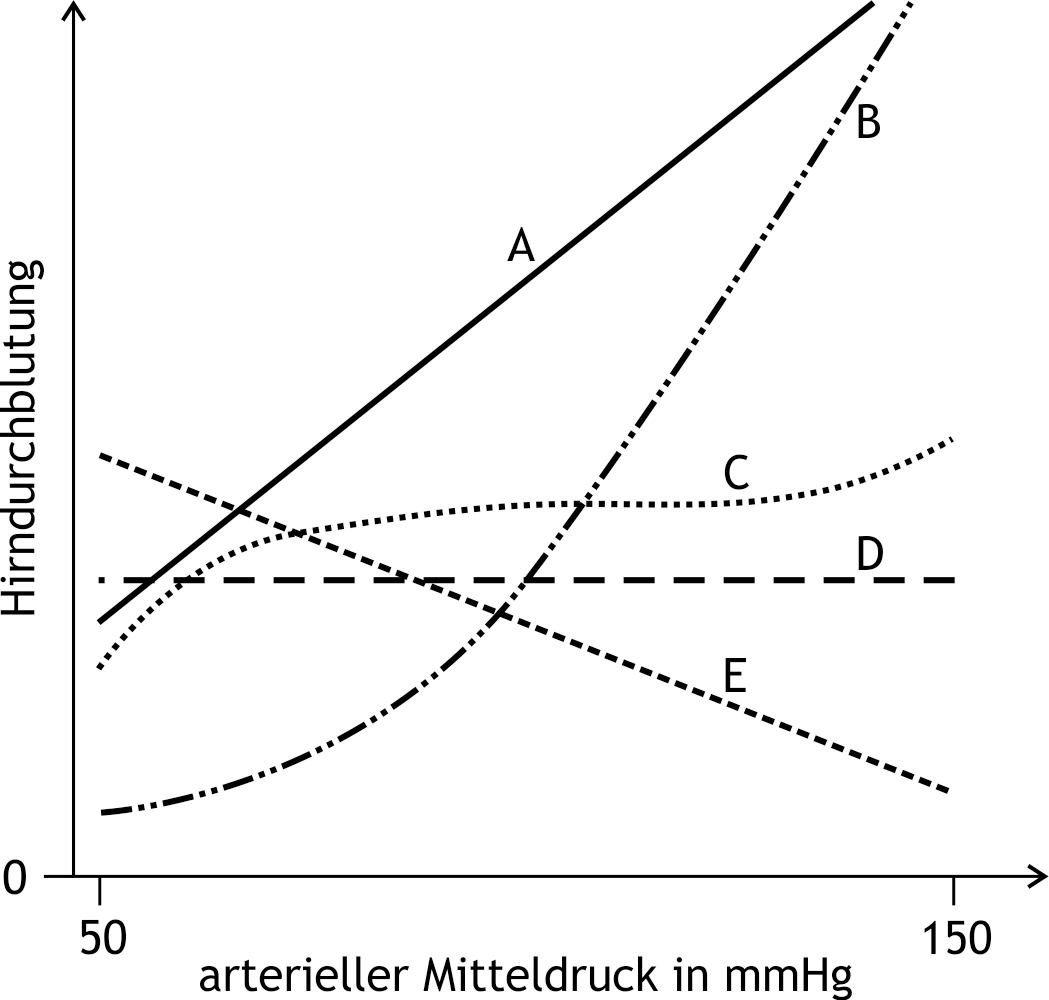
12. Which of the graphs A to E schematically, with linearly scaled axes, best represents the dependence of cerebral blood flow on mean arterial pressure (in the range between 50 and 150 mmHg)?
A. (A)
B. (B)
C. (C)
D. (D)
E. (E)
C. (C)
13. Which of the following parameters typically decreases the most with increasing age (in an untrained 80-year-old compared to his condition as an untrained 20-year-old of the same body weight)?
A. Resting heart rate
B. Heart size
C. Maximum heart rate
D. Residual lung volume
E. Systolic blood pressure
C. Maximum heart rate
14. Insufficient production of saliva leads to various symptoms such as dry mouth, dental caries, and bad breath.
Which statement about the physiological production of saliva is typically correct?
A. Basolateral Cl⁻ uptake into glandular acinar cells occurs via symport with Na⁺ and K⁺.
B. Back-diffusion of water from the primary saliva into the interstitium is prevented by tight junctions between the glandular acinar cells.
C. Loss-of-function mutations of Cl⁻ channels in glandular acinar cells promote primary saliva production.
D. Na⁺ enters the primary saliva mainly through apical Na⁺ channels.
E. More than 90% of the water enters the primary saliva through aquaporins.
A. Basolateral Cl⁻ uptake into glandular acinar cells occurs via symport with Na⁺ and K⁺.
15. Hepatic bile and gallbladder bile show characteristic differences in concentration.
For which of the listed bile components is the concentration lower in gallbladder bile than in hepatic bile?
A. Calcium
B. Chloride
C. Cholesterol
D. Bile pigments
E. Bile acids
B. Chloride
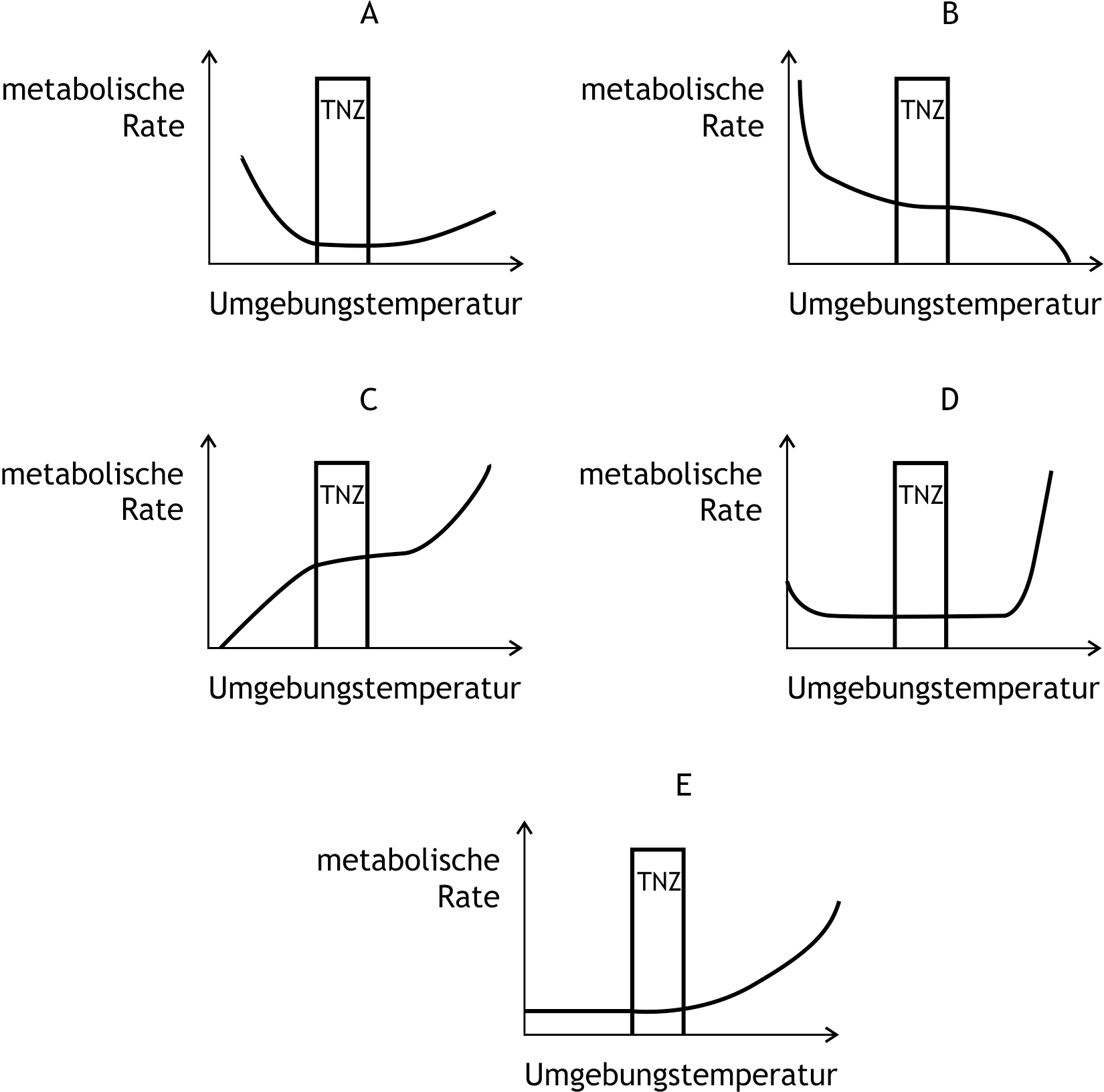
16. In a graph, the relationship between the metabolic rate of an adult human and the ambient temperature is to be represented schematically (with linearly scaled axes). TNZ symbolizes the temperature range of the thermoneutral zone.
Which of the graphs A to E best represents this relationship?
A. (A)
B. (B)
C. (C)
D. (D)
E. (E)
A. (A)
17. Which statement about mineral balance and bone mineralization is correct?
A. Calcitriol inhibits intestinal phosphate absorption.
B. Estrogen deficiency promotes bone demineralization.
C. Mechanical immobilization promotes bone mineralization.
D. Parathyroid hormone stimulates renal phosphate reabsorption.
E. Stimulation of the Ca²⁺ receptor (CaSR, calcium-sensing receptor) in the parathyroid glands increases parathyroid hormone secretion.
B. Estrogen deficiency promotes bone demineralization.
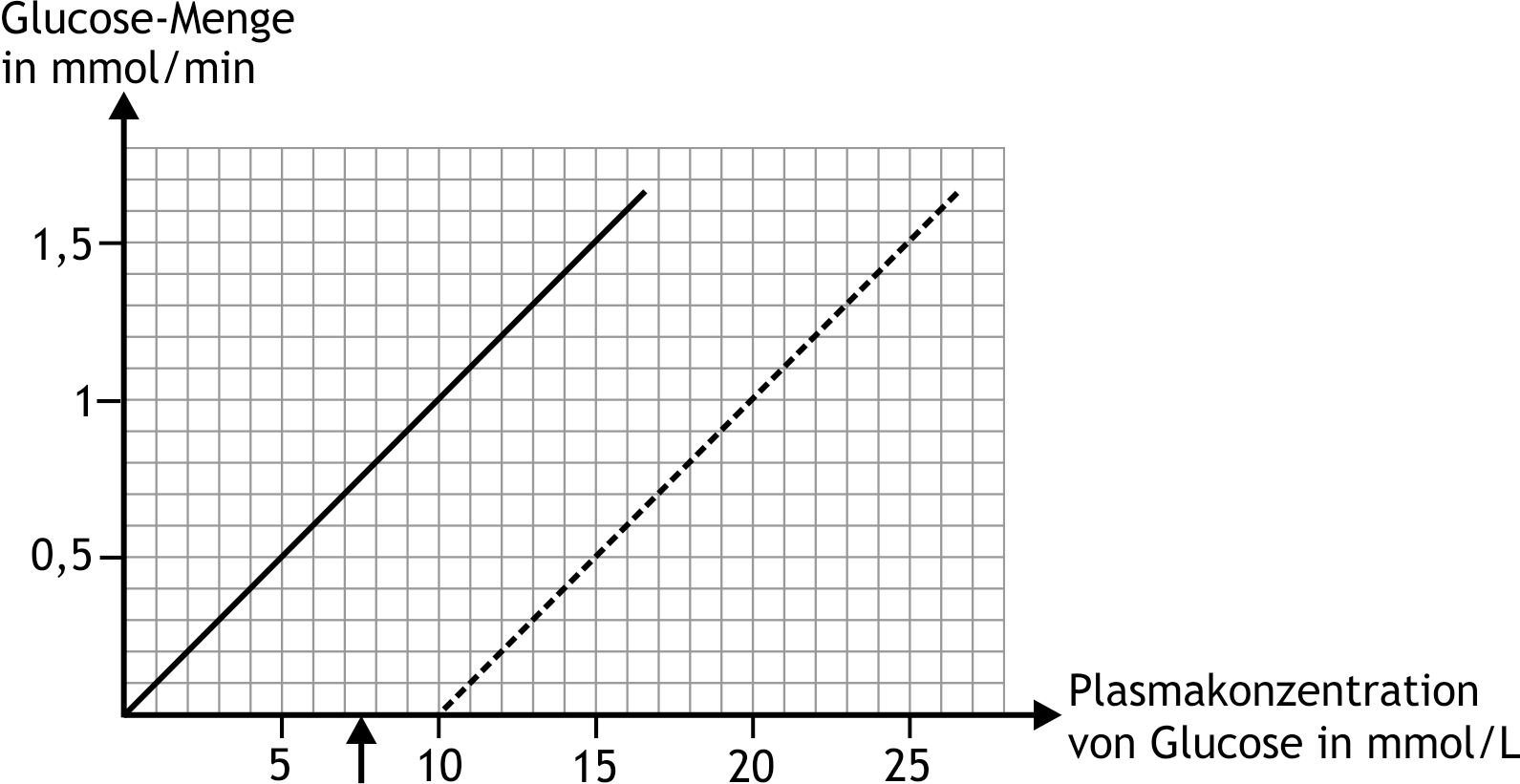
18. The following graph schematically shows, as a solid line, the amount of glucose filtered glomerularly per minute, and as a dashed line, the amount of glucose excreted renally per minute, each as a function of the glucose concentration in the blood plasma.
At the plasma concentration indicated by the arrow, the tubular glucose reabsorption reaches a relative value, in percent of its maximal transport rate, that lies within the range of:
A. 0–20%
B. 20–40%
C. 40–60%
D. 60–80%
E. 80–100%
D. 60–80%
19. Which statement about ammonium/ammonia excretion in the kidney is most likely correct?
A. The main part of renal NH₄⁺ production from glutamine occurs in the thin segment of the loop of Henle.
B. Diffusion of NH₃ into the cell leads to a transient acidification of the cytosol.
C. Direct diffusion through lipid membranes without the aid of transport proteins/channels is easier for NH₄⁺ than for NH₃.
D. In the thick ascending limb of the loop of Henle, NH₄⁺ is reabsorbed.
E. NH₃ is an important proton donor (Brønsted acid) in urine.
D. In the thick ascending limb of the loop of Henle, NH₄⁺ is reabsorbed.
20. In a patient with Bartter syndrome, there is a genetic defect of the Na⁺, K⁺, 2Cl⁻ cotransporter in the ascending limb of the loop of Henle. The activity of this transporter is severely reduced.
Which of the following changes is most likely to result from this condition?
A. Hyperkalemia
B. Hypercalcemia
C. Hypertonic overhydration
D. Non-respiratory (metabolic) alkalosis
E. Decreased renin activity in the blood plasma
D. Non-respiratory (metabolic) alkalosis
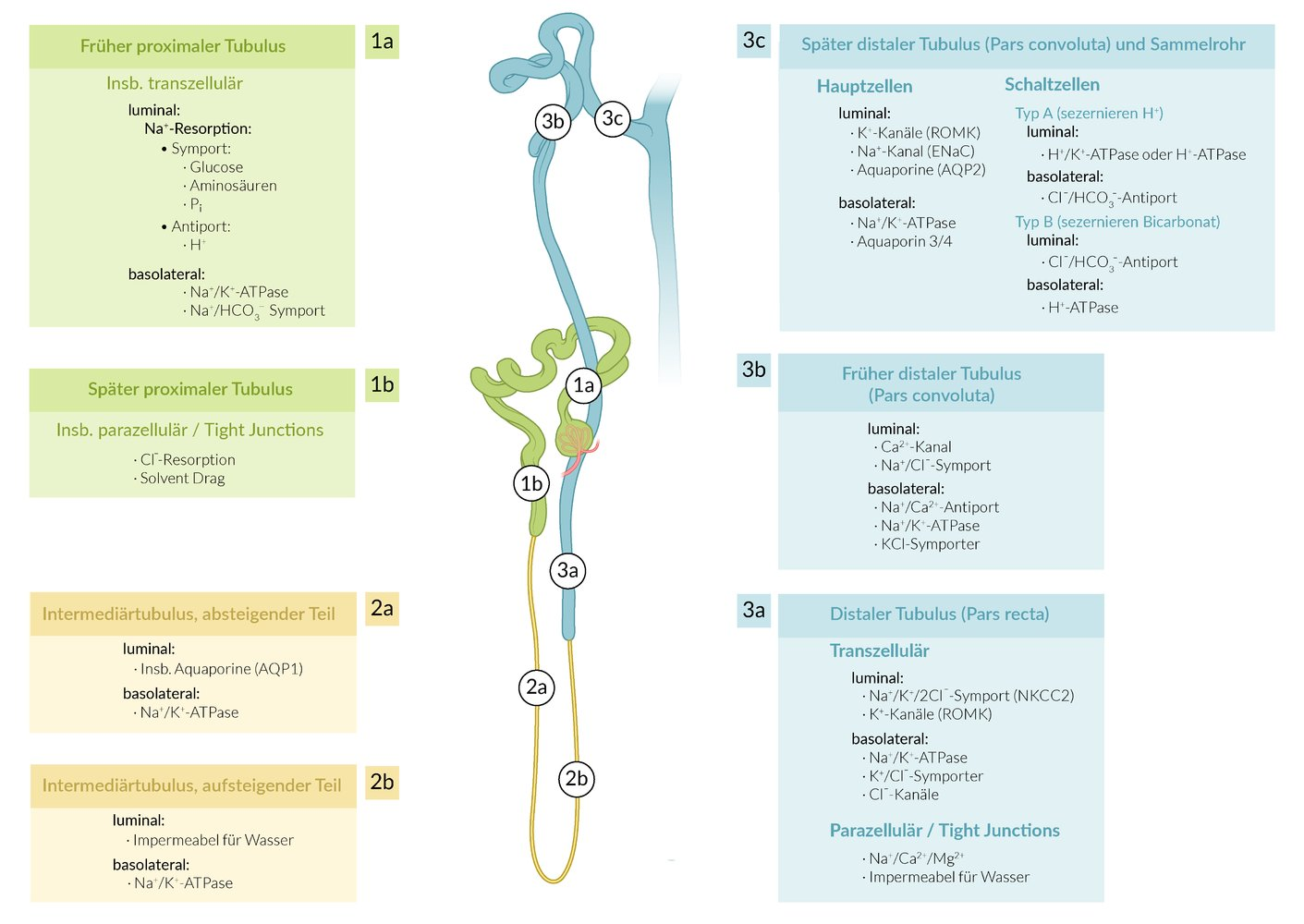
21. Which statement about the neuronal regulation of the musculature of the lower urinary tract is correct in adults?
A. Neural activation of the m. detrusor vesicae occurs via autonomic fibers of the nervi splanchnici pelvici.
B. Peristalsis of the ureters is triggered by nicotinic cholinergic innervation of the smooth muscle cells.
C. Nicotinic acetylcholine receptors on smooth muscle cells of the urinary bladder wall mediate signal transmission from the nervi splanchnici pelvici.
D. During micturition, activation of α₁-adrenoceptors of the m. sphincter internus promotes bladder emptying.
E. An increase in bladder volume to 50 mL typically triggers activation of the m. detrusor vesicae via stimulation of stretch receptors in the bladder wall.
A. Neural activation of the m. detrusor vesicae occurs via autonomic fibers of the nervi splanchnici pelvici.
22. When determining hormone concentrations in blood plasma (e.g., for the diagnosis of endocrinological disorders), the differing plasma half-lives of hormones are of importance.
Which of the following hormones generally has the longest plasma half-life?
A. Adrenaline
B. Glucagon
C. Insulin
D. Oxytocin
E. Thyroxine
E. Thyroxine
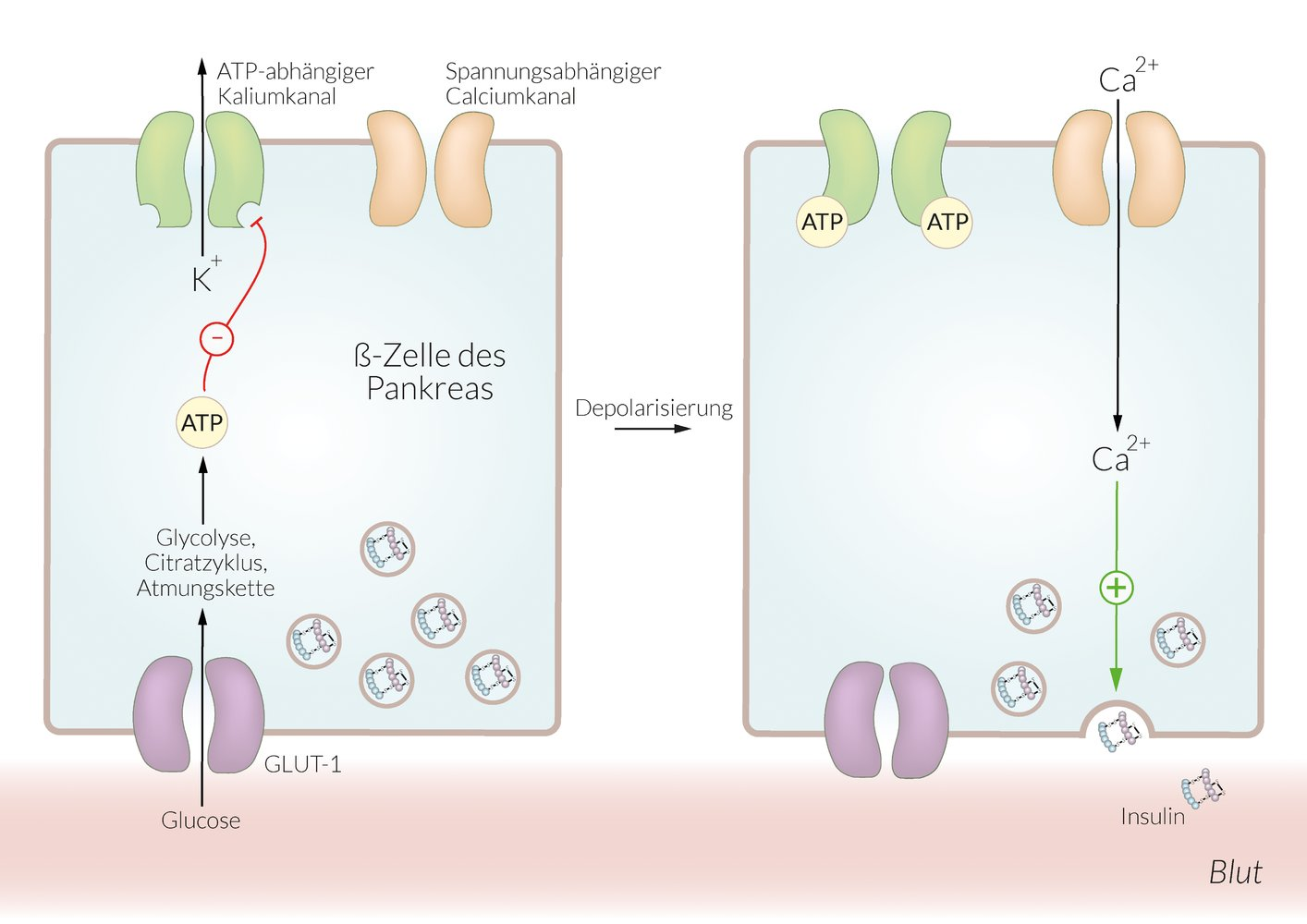
23. Insulin release from the β-cells of the pancreas plays a key role in controlling blood glucose levels.
Which of the following changes in or on the β-cell is most likely to lead to increased insulin secretion?
A. Decreased density of GLUT2 glucose transporters in the cell membrane
B. Inhibition of ATP-sensitive K⁺ channels
C. Inhibition of voltage-gated, depolarization-activated Ca²⁺ channels
D. Intracellular conversion of ATP to ADP
E. Intracellular reduction of cAMP formation
B. Inhibition of ATP-sensitive K⁺ channels
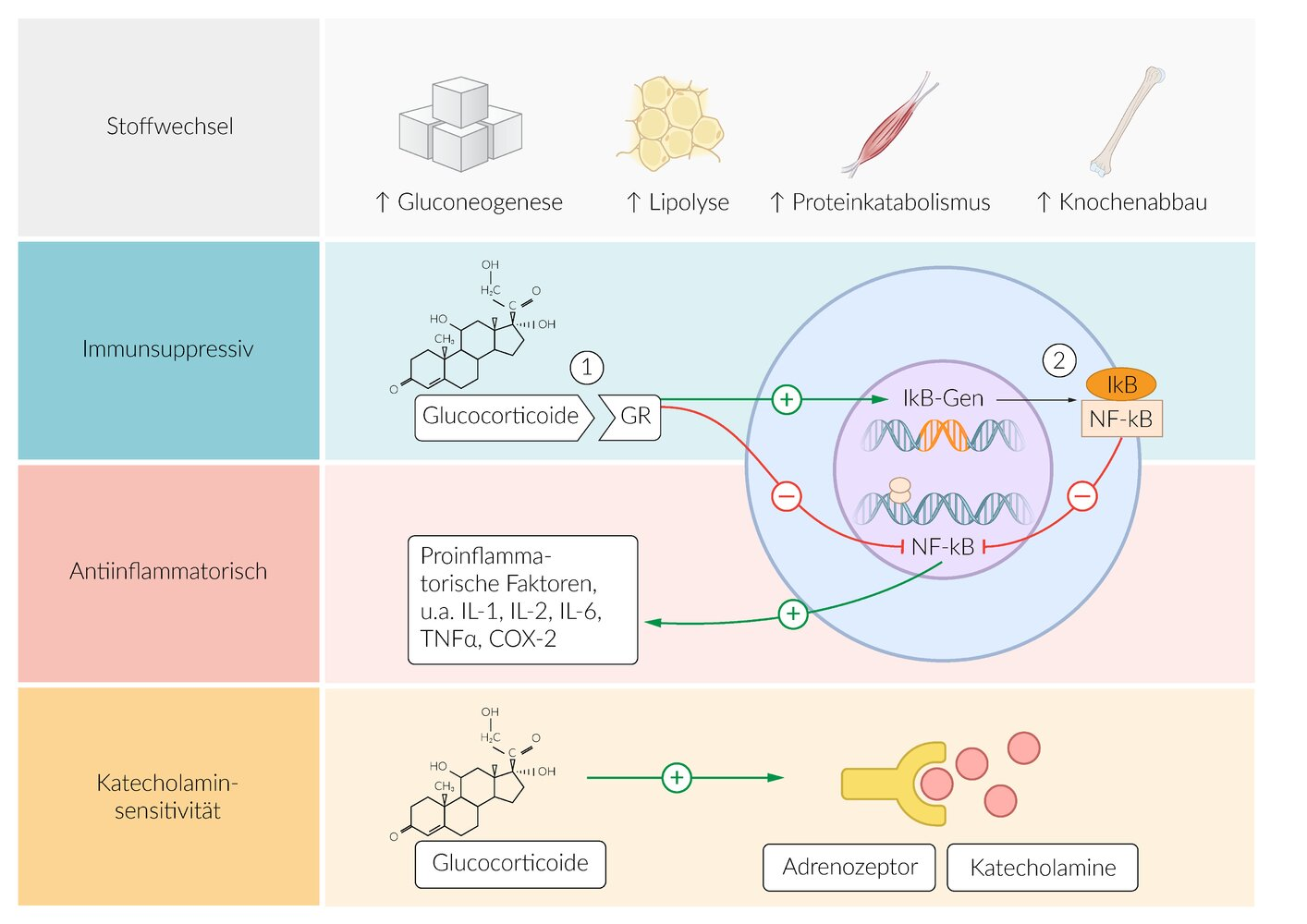
24. Which of the following effects is most likely caused by autonomous overproduction of glucocorticoids (Cushing syndrome)?
A. Accelerated growth (in children)
B. Decrease in blood pressure
C. Hypoglycemia
D. Lymphopenia
E. Reduction of total peripheral vascular resistance in the systemic circulation
D. Lymphopenia
25. Which statement about testosterone is correct?
A. In males, testosterone production begins for the first time at puberty.
B. FSH inhibits testosterone production.
C. Testosterone initiates the expression of the “sex-determining region of the Y gene” (SRY).
D. Testosterone promotes the secretion of anti-Müllerian hormone in the adult male.
E. Testosterone inhibits the release of LH (luteinizing hormone) in the pituitary gland.
E. Testosterone inhibits the release of LH (luteinizing hormone) in the pituitary gland.
26. Endocrine-active neoplasms produce clinical symptoms through uncontrolled, excessive release of the hormones they produce.
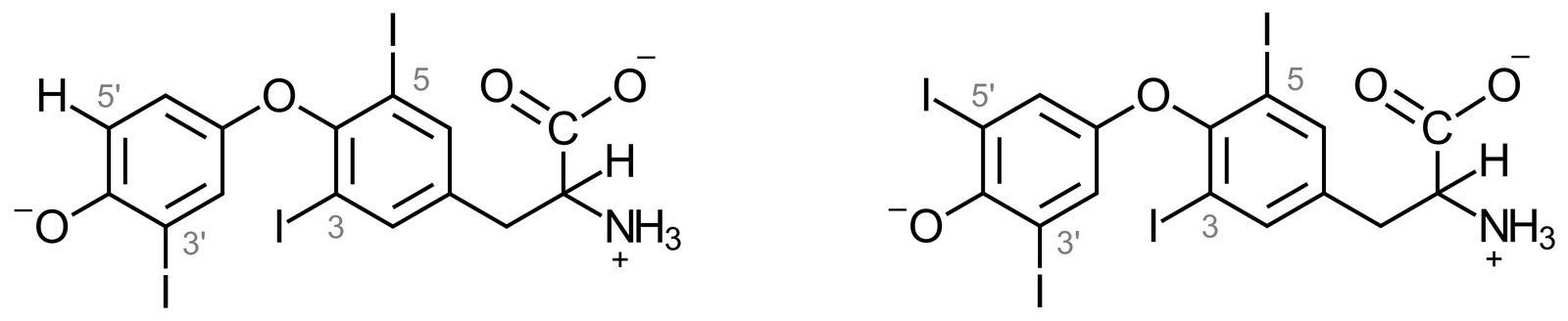
Which of the following findings or symptoms most strongly suggests an endocrine-active neoplasm that produces thyroid hormones?
A. Bradycardia
B. Weakened deep tendon reflexes
C. Weight gain
D. Increased basal metabolic rate
E. Constipation
D. Increased basal metabolic rate
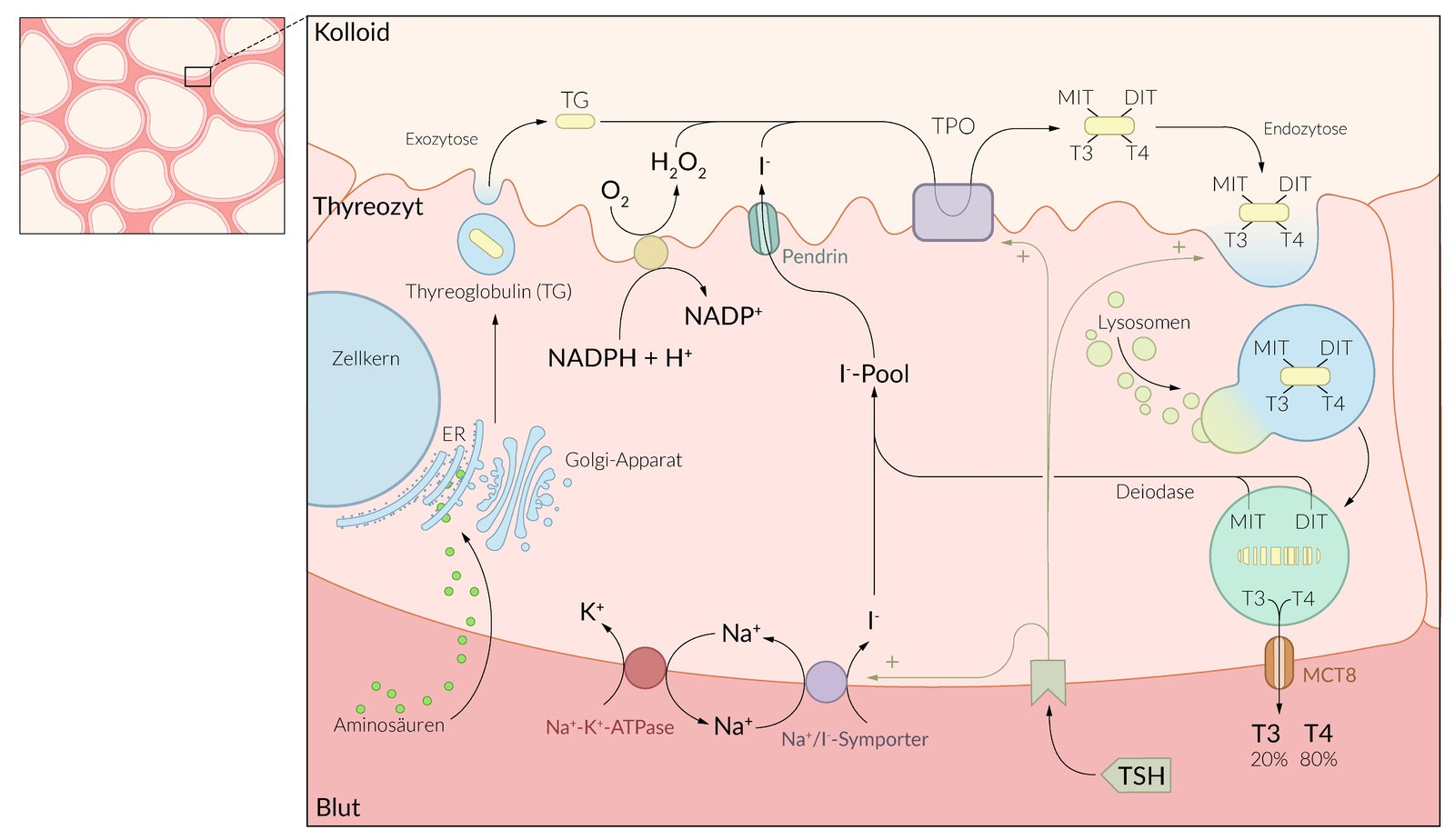
27. Thyroid-stimulating hormone (TSH) is of central importance in the diagnosis of thyroid disorders.
Which statement about TSH is correct?
A. A decreased TSH concentration in blood plasma excludes hypothyroidism.
B. TSH promotes the endocytosis of colloid from the follicular lumina of the thyroid gland.
C. TSH promotes the release of TRH (thyrotropin-releasing hormone).
D. TSH inhibits the growth of the thyroid gland.
E. TSH inhibits the formation of cAMP in the follicular epithelial cells of the thyroid gland.
B. TSH promotes the endocytosis of colloid from the follicular lumina of the thyroid gland.
28. Which statement about the release of somatostatin or the physiological effect of somatostatin in the gastrointestinal tract is correct?
A. Gastrointestinally active somatostatin is mainly released by the adenohypophysis.
B. Somatostatin inhibits gastric acid secretion.
C. Somatostatin increases gastrin release.
D. Somatostatin increases glucagon release.
E. Somatostatin stimulates pepsinogen release.
B. Somatostatin inhibits gastric acid secretion.
29. Atrial natriuretic peptide (ANP) causes relaxation in vascular smooth muscle cells through:
A. Activation of phosphodiesterases
B. Activation of protein kinase G
C. Activation of Rho kinase
D. Inhibition of myosin light-chain phosphatase
E. Increased phosphorylation of the myosin light chain
B. Activation of protein kinase G
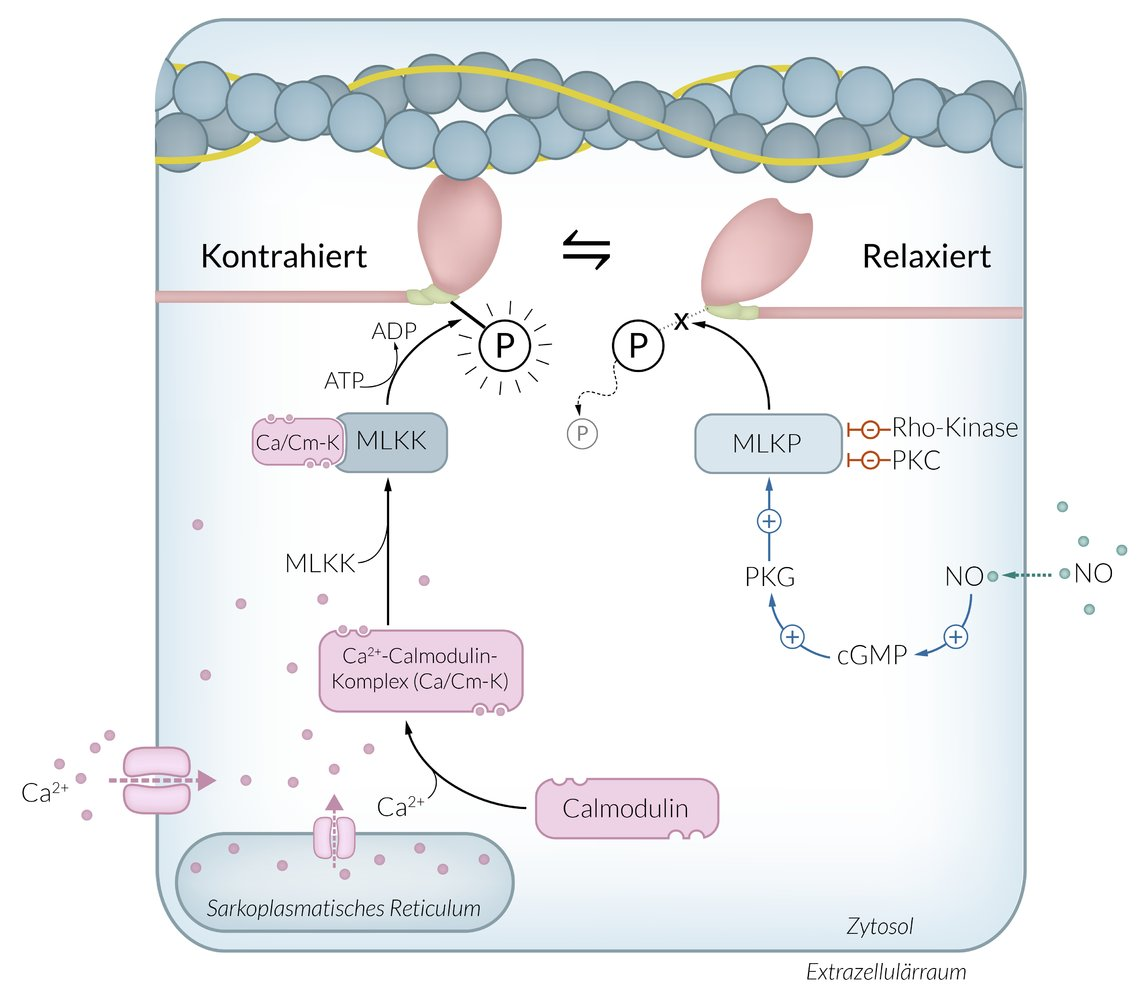
30. The maintenance of water balance is primarily regulated by antidiuretic hormone (ADH). A deficiency of, or reduced response to, ADH leads to diabetes insipidus.
Which statement about the release or effect of ADH is correct?
A. ADH increases the water permeability of the renal collecting duct mainly by incorporating aquaporin 3 and 4 into the basolateral membrane.
B. ADH secretion increases after drinking 1.5 L of mineral water.
C. A decrease in blood volume by 20% increases ADH release.
D. Nephrogenic diabetes insipidus is caused by insufficient renal ADH secretion.
E. Nicotine inhibits ADH secretion in the hypothalamus.
C. A decrease in blood volume by 20% increases ADH release.