3.7 exchange surfaces and breathing
 Call Kai
 Learn
Learn Practice Test
 Spaced Repetition
 Match
Match Flashcards
 Knowt Play
1/62

There's no tags or description
Looks like no tags are added yet.
Name | Mastery | Learn | Test | Matching | Spaced | Call with Kai |
|---|
No analytics yet
Send a link to your students to track their progress
63 Terms
do small organisms or large organisms have a larger SA:V ?
small organisms
why is it it good that single celled organisms have a large SA:V?
sufficient diffusion across the cell membrane to meet the needs of the organism
why do large multicellular organisms have exchange surfaces?
have small SA:V
not enough substances can diffuse in and out to supply the whole organism
what are root hair cells specialised for?
absorbing water and minerals
what are a few adaptations of root hair cells
large surface area so can absorb water and minerals
mitochondria for respiration
how is the spongy mesophyll adapted?
air spaces
to increase the rate of diffusion of gases
how is the lower epidermis adapted?
lots of stomata
for gas exchange as CO2 diffuses into leaf and CO2 diffuses out
how is the alveoli adapted?
each alveoli is made of a single layer of flat cells, providing a short diffusion distance
a good blood supply maintains a concentration gradient by taking the O2
what are features of an efficient exchange surfaces?
thin for short diffusion distance
large surface area so lots of a substance can diffuse at once
good blood supply to maintain a concentration difference
what does goblet cells do?
secrete mucus to trap microbes and dust
what does cilia do?
waft the trapped mucus
what are structural parts of the trachea?
ciliated epithelium with goblet cells
elastin fibres
c-shaped cartilage
smooth muscle
what are structural parts of the bronchi?
ciliated epithelium with goblet cells
elastin fibres
smooth muscle
small piece of cartilage
what are structural parts of the bronchiole?
ciliated epithelium with some goblet cells
smooth muscle and elastin fibres
what are structural parts of the alveoli?
elastin fibres
alveolar epithelium
capillary
what is the purpose of cartilage?
strong and flexible
prevent them collapsing when the pressure drops when you breathe out
what is the purpose of smooth muscle?
allows the diameter to be controlled
what is the purpose of elastin fibres?
when you breathe in elastin fibres are stretched
these recoil to help push the air out during exhalation
what sizes of bronchioles have smooth muscle?
large
medium
what sizes of bronchioles have elastin fibres?
large
medium
small
what sizes of bronchioles have goblet cells?
large
what sizes of bronchioles have epithelium with cilia?
large
medium
what is inspiration?
breathing in
what is the process of inspiration?
external intercostal and diaphragm muscles contract
ribcage moves up and out, increasing the volume of the thorax
the lung pressure decreases
air is forced into lungs
This is an active process and requires energy
what is expiration?
breathing out
what is the process of expiration?
external intercostal and diaphragm muscles relax
ribcage moves down and in
thorax volume decreases causing pressure to increase
air is forced out of lung
A passive process - no energy is required
what is forced expiration?
active process
internal intercostal muscles contract pulling ribcage down and in
what are parts of a spirometer?
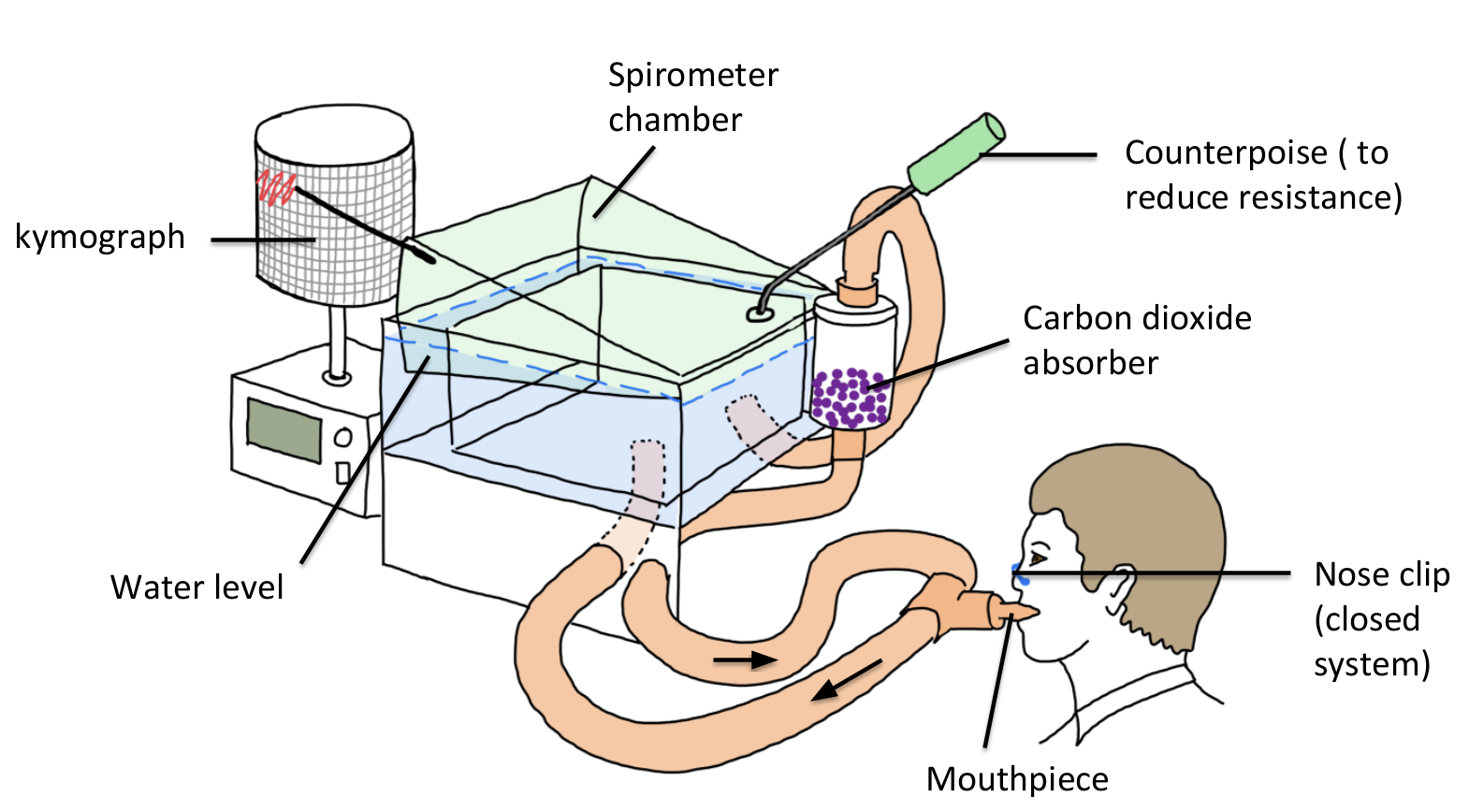
why is a spirometer trace slanting down into successive cycles?
O2 is removed from spirometer
CO2 that you breathe out is absorbed so the chamber doesn’t rise as high
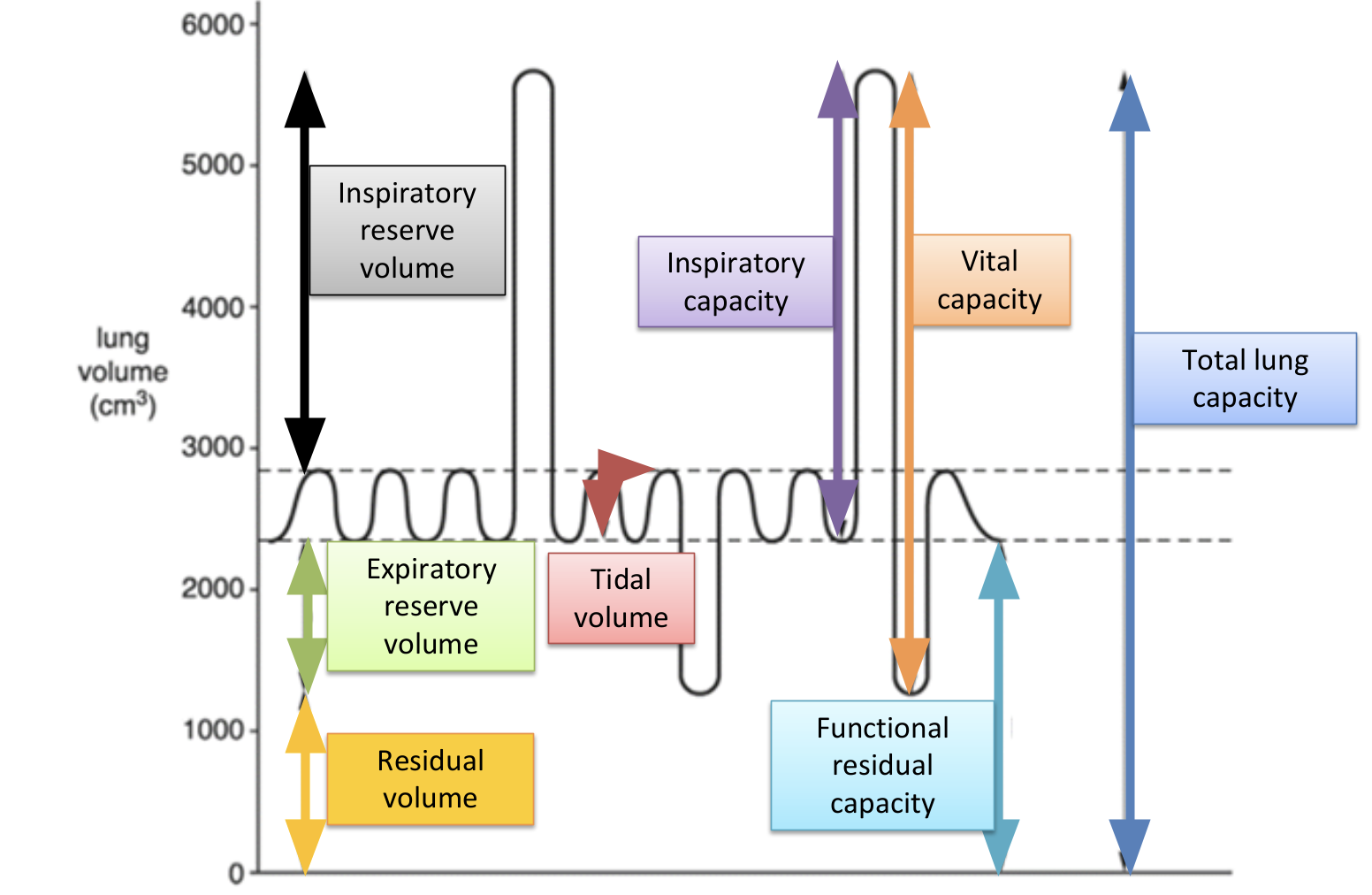
what is tidal volume?
volume of air in each breath (about 0.4 dm3) at rest
what is vital capacity?
the maximum volume of air that can be breather in or out
what is breathing rate (ventilation rate)?
how many breaths are taken per unit of time (usually per minute)
what is oxygen uptake?
the rate at which person uses up oxygen (dm3/min)
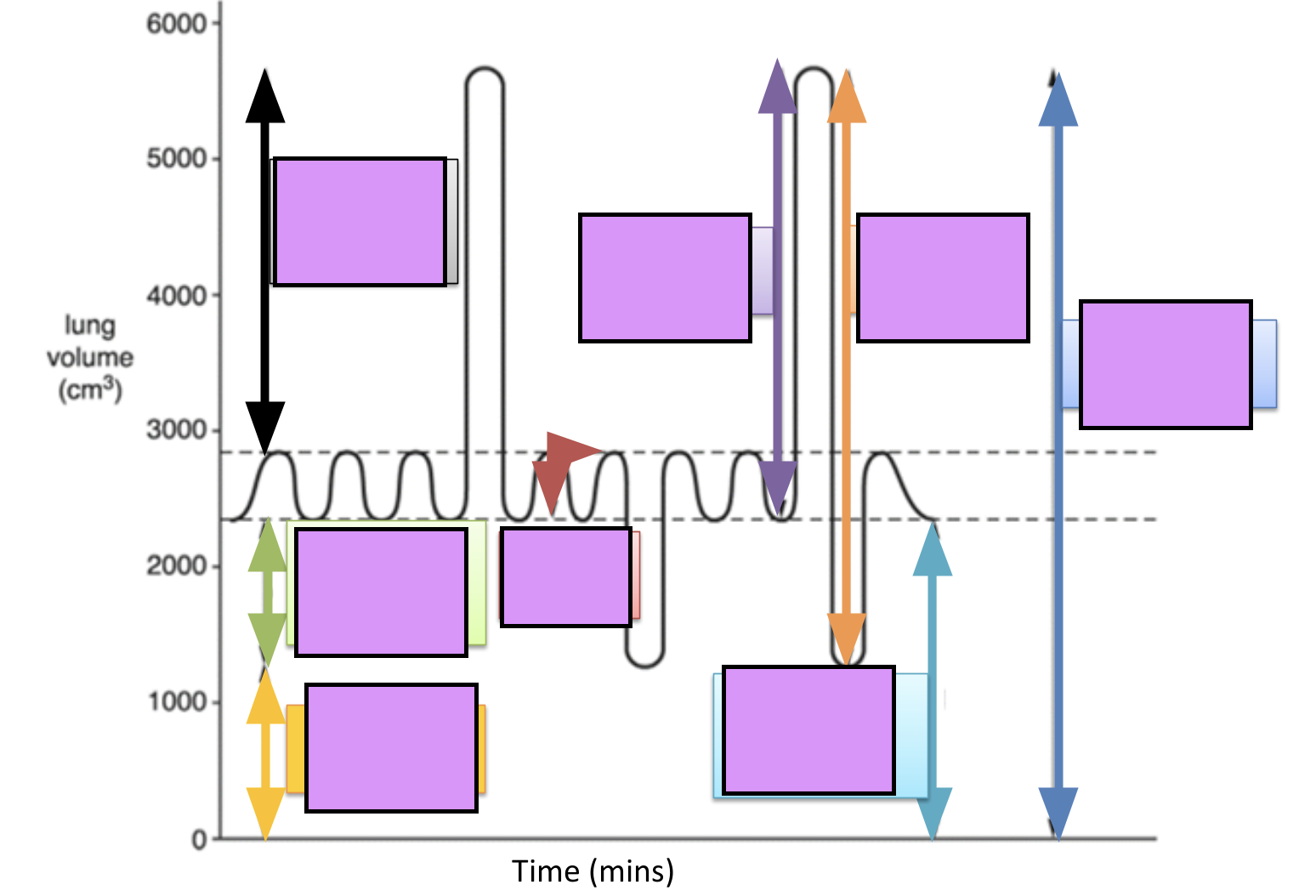
label a lung volume graph
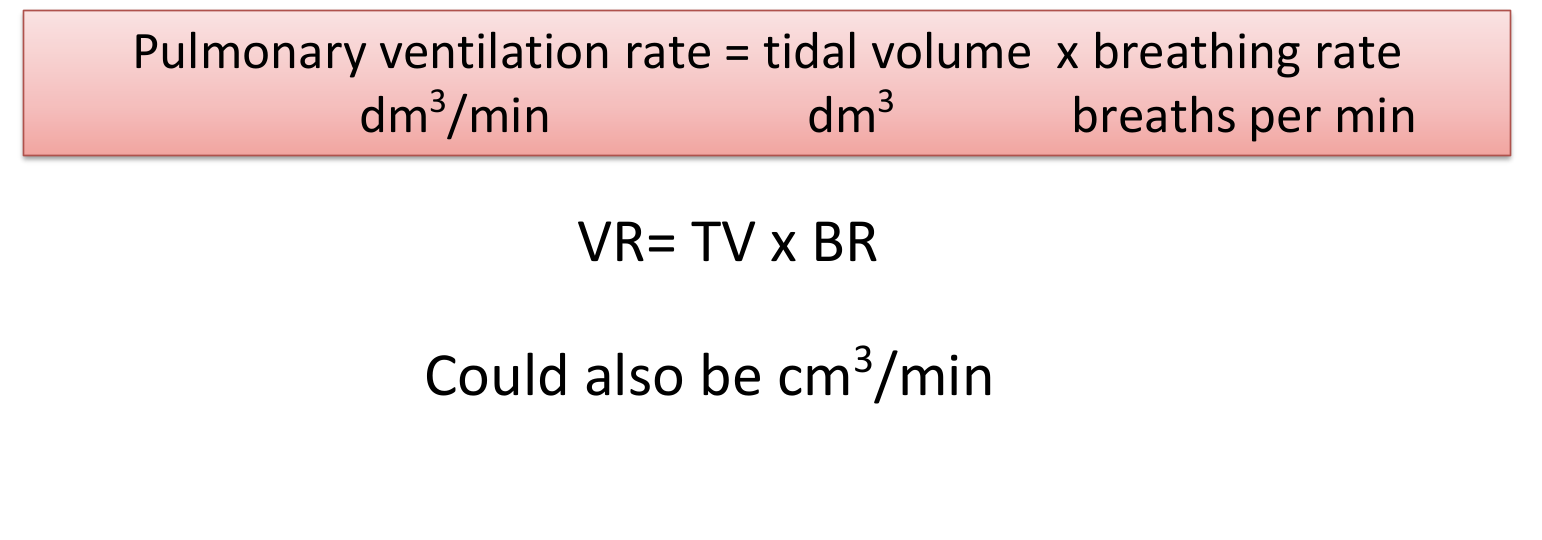
what is pulmonary ventilation?
measure of lung function
the volume of air taken into the lungs in one minute
what is the equation for pulmonary ventilation?
why do fish have to pass large volumes of water over their gas exchange systems relative to volume of air ventilated by land animals?
air has 20.9% oxygen
water has 0.5% oxygen
therefore more water is needed than air to get the same amount of oxygen
what is the suction pump phrase?
inspiration
water in
buccal cavity extended
what is the pressure pump phase?
expiration
water out
buccal cavity closed
why can fish extract as much as 80% of available oxygen though gills?
very large surface area for gaseous exchange
short diffusion distance across the gaseous exchange systems
high concentration gradient between the blood in the gills and water passing over them
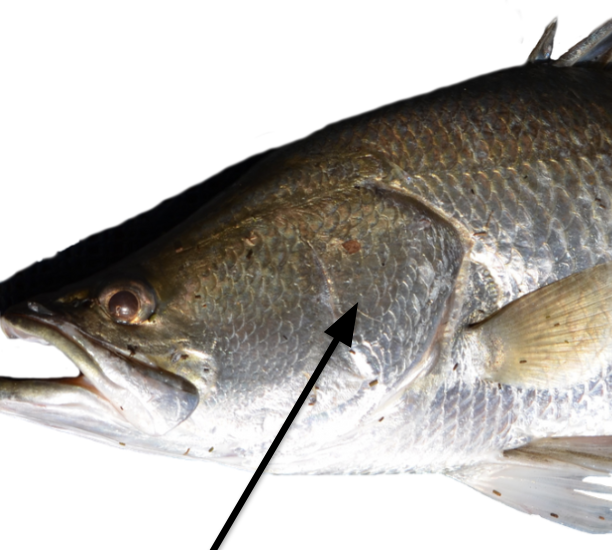
label this
operculum flap (gill cover)
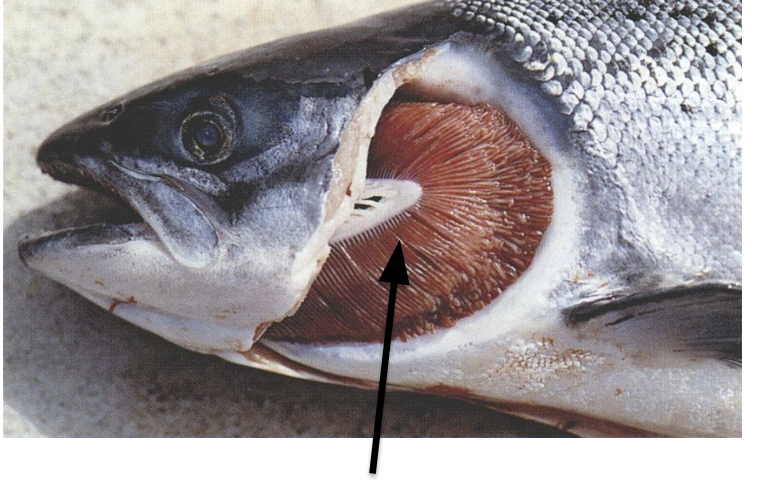
label this
gill filaments
usually 4 gill arches on each side of the fish
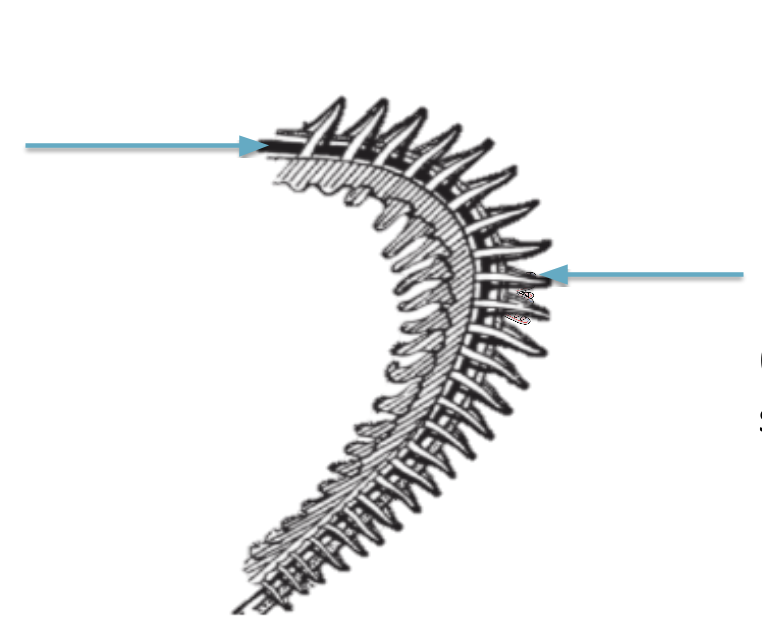
label this
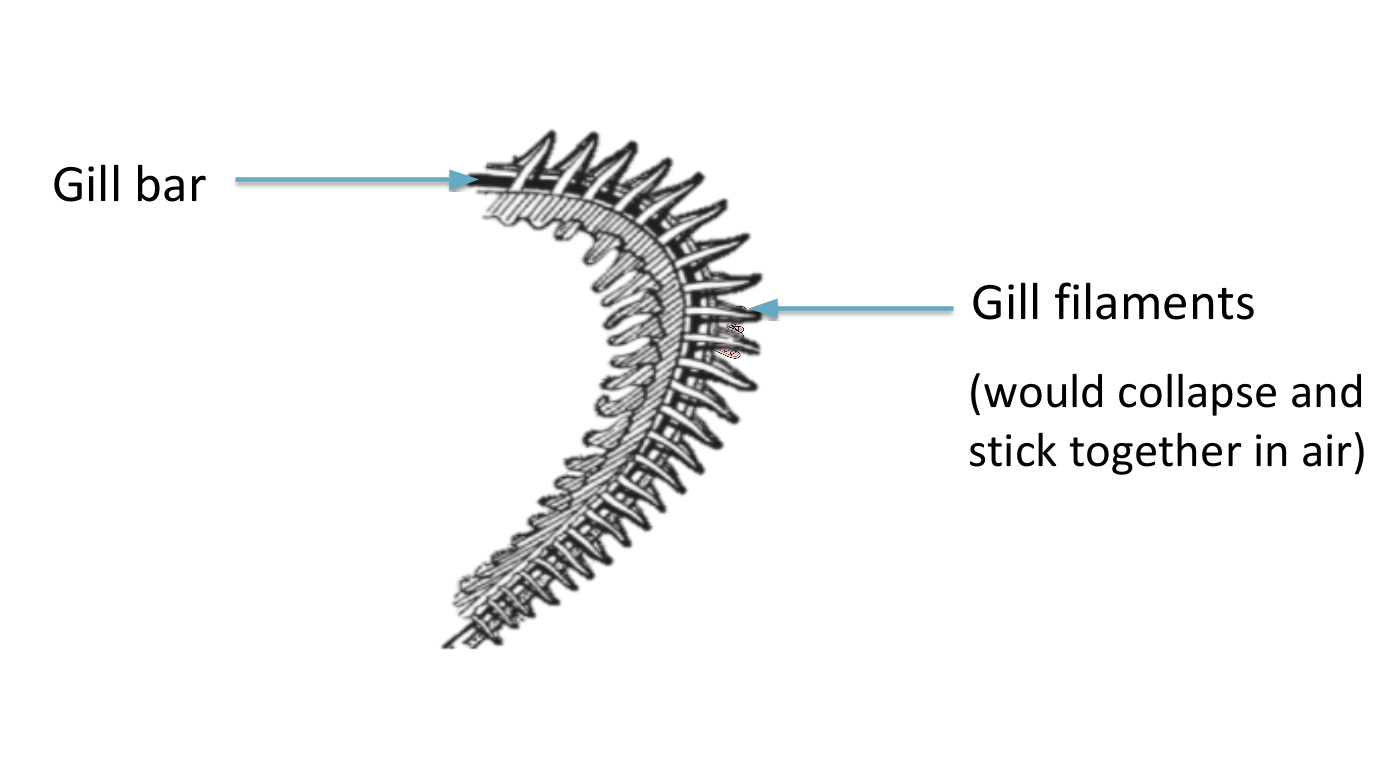
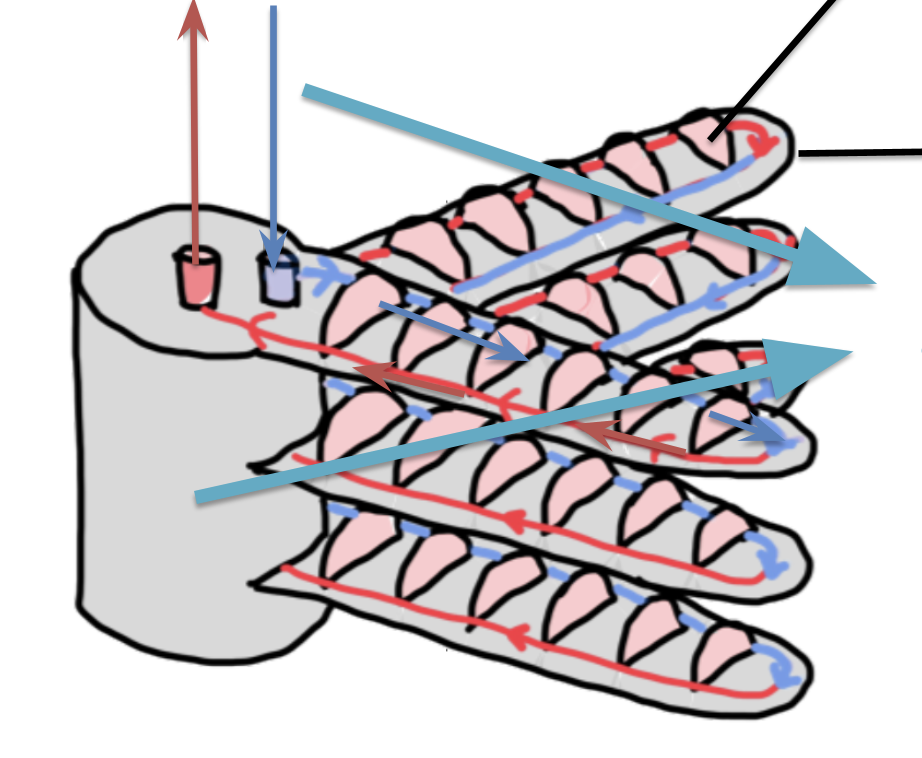
label this
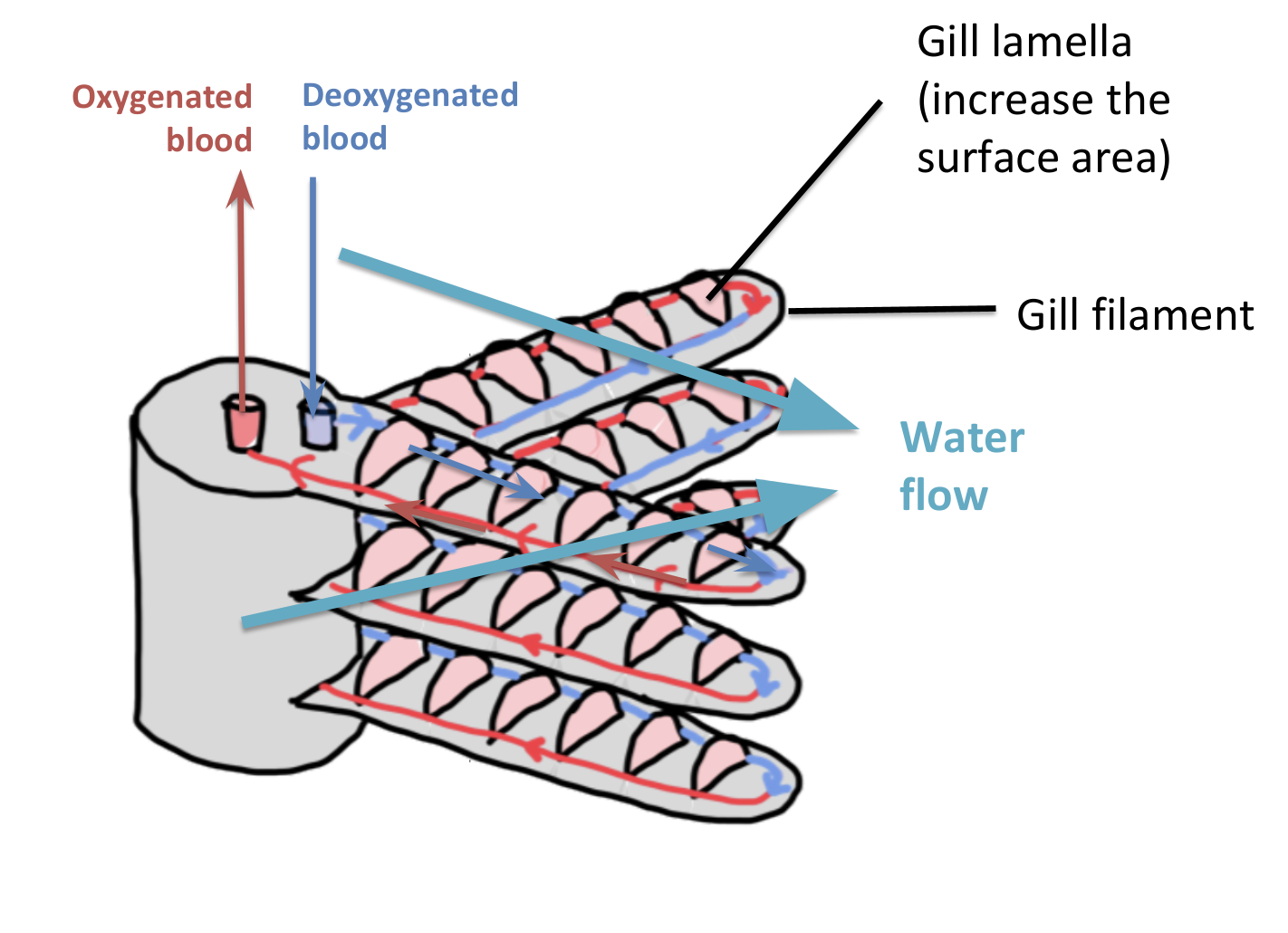
why are gill lamellae very thin?
short diffusion distance between blood and seawater
how is concentration gradient maintained in exchange system in fish? (counter current exchange)
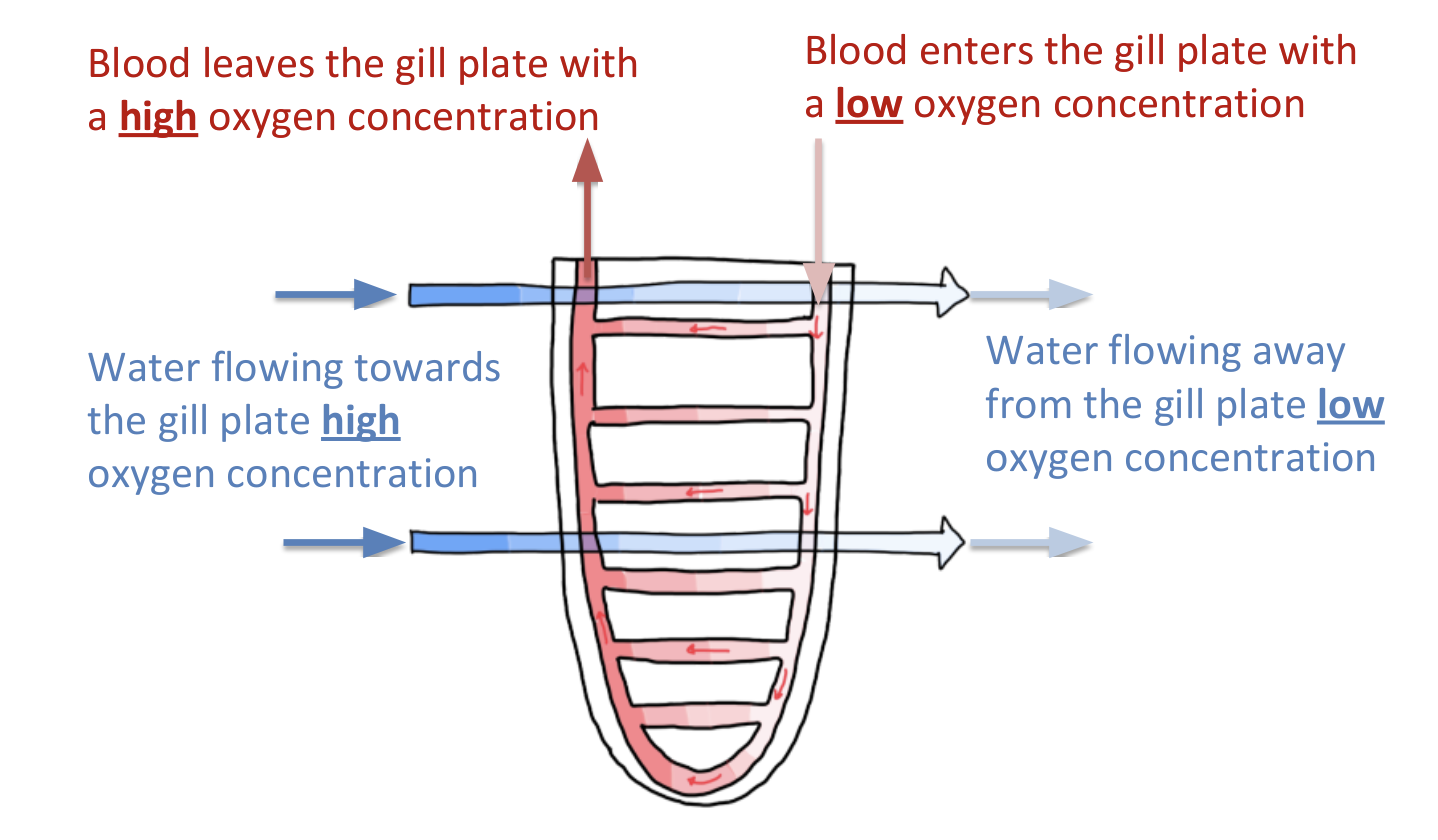
why is counter current exchange system good?
relatively constant rate of diffusion
concentration gradient is maintained along the whole length of lamellae
always favours the movement of oxygen from water into blood
concurrent exchange (parallel) is used in dogfish why is this bad?
blood and water moves in same direction so only 50% of oxygen is absorbed
do fish blood contain haemoglobin?
yes
why do fish blood contain haemoglobin?
helps to carry oxygen away from he gills and maintain a high concentration gradient
is the cuticle permeable or impermeable?
impermeable
what is the purpose of the cuticle?
prevent water loss from the body cells to the surroundings
what is the problem with the cuticle? How can it be solved?
oxygen and carbon dioxide are unable to move through it
spiracles
what are spiracles?
small holes in he cuticle for gas exchange
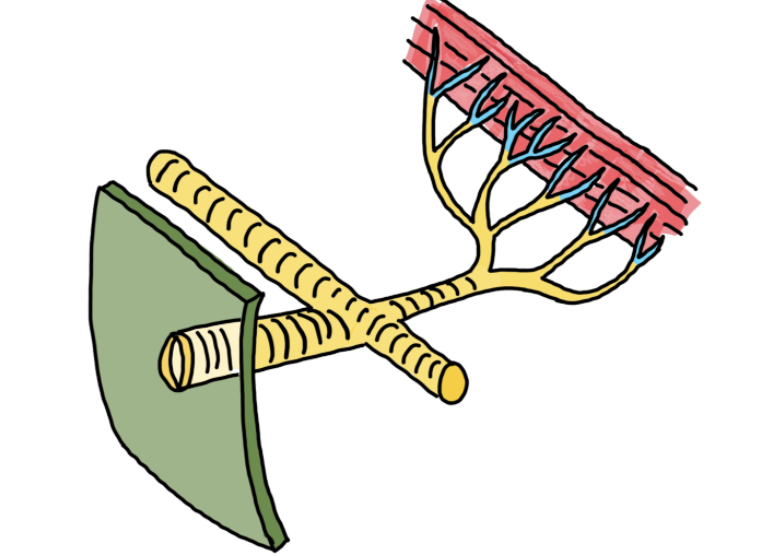
label this of insect gas exchange structure
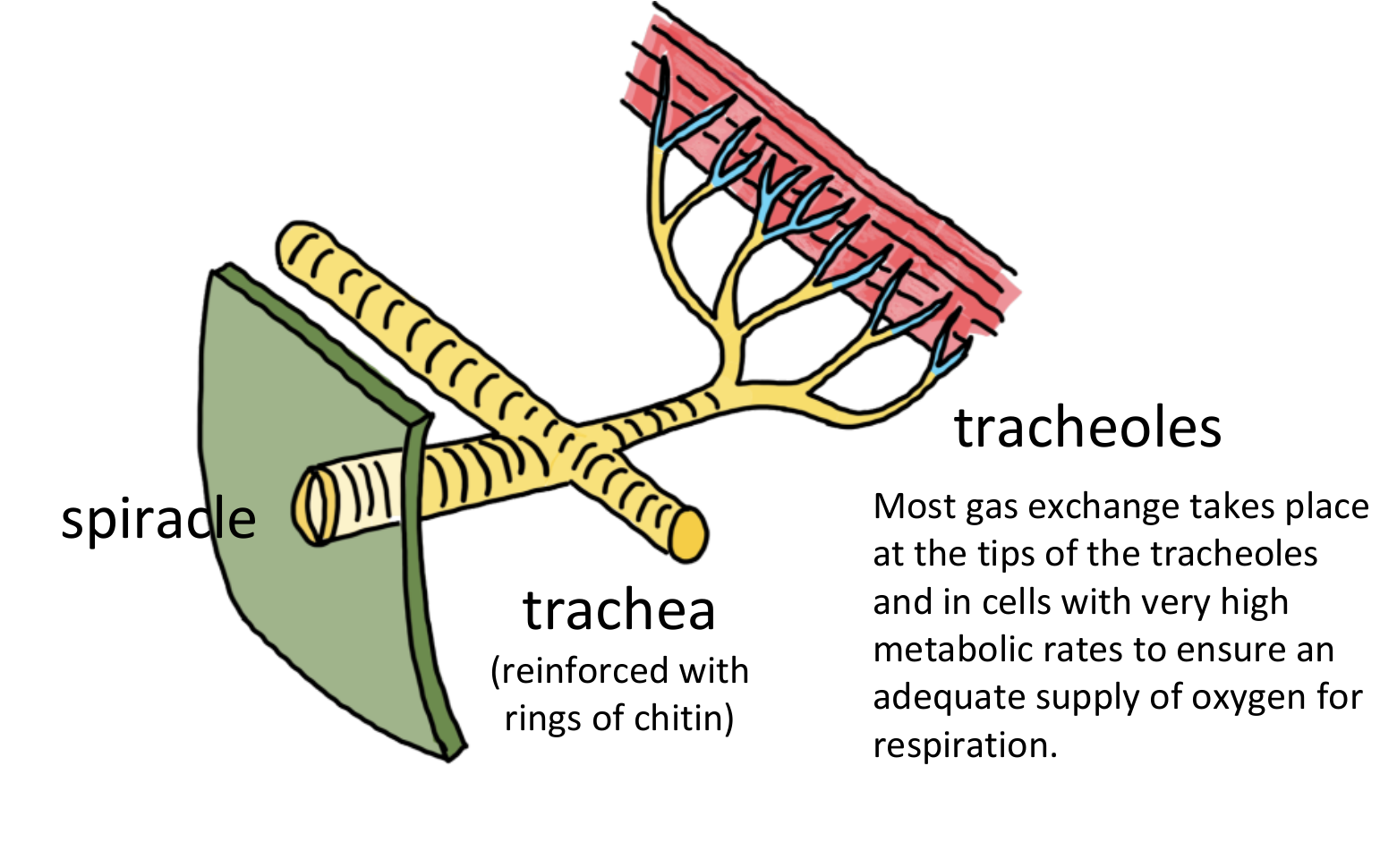
what do tracheoles contain?
tracheal fluid
what happens related to tracheoles as activity increases?
fluid is removed form tracheoles as muscle cells produce lactic acid which lowers water potential of the cells
meaning gas exchange occurs nearer the cell=faster
how is the concentration gradient created in a insect gas exchange system?
when cells are actively respiring, O2 is used up
the conc of O2 towards the end of tracheoles falls
this creates a diffusion gradient for O2 towards the cells
what do CO2 produced by cells make a diffusion gradient with?
atmosphere
how does expiration take place for larger insects?
muscles contract and flatten the body
volume of the tracheal system decreases
air is forced out
how does inspiration take place for larger insects?
passive
when body segments return to original shape
air is forced in
why do some insects have ability to close spiracles using valves?
reduce water loss
or prevent excess oxygen from entering their cells
why is there a limit on the size of insects?
due to tracheal system, all oxygen is obtained by diffusion
efficient over small distances but only effective up to 1cm