Macbeth- Background and Literary Terms
 Call Kai
 Learn
Learn Practice Test
 Spaced Repetition
 Match
Match Flashcards
 Knowt Play
1/19

There's no tags or description
Looks like no tags are added yet.
Name | Mastery | Learn | Test | Matching | Spaced | Call with Kai |
|---|
No analytics yet
Send a link to your students to track their progress
20 Terms
Aside
a short speech directed to the audience or another character that is not heard by the other characters on stage

Blank verse
verse without rhyme, especially that which uses iambic pentameter
Comic relief
humorous scenes included in a serious drama to provide a reduction in emotional intensity; it breaks the tension and prepares the audience for events to come
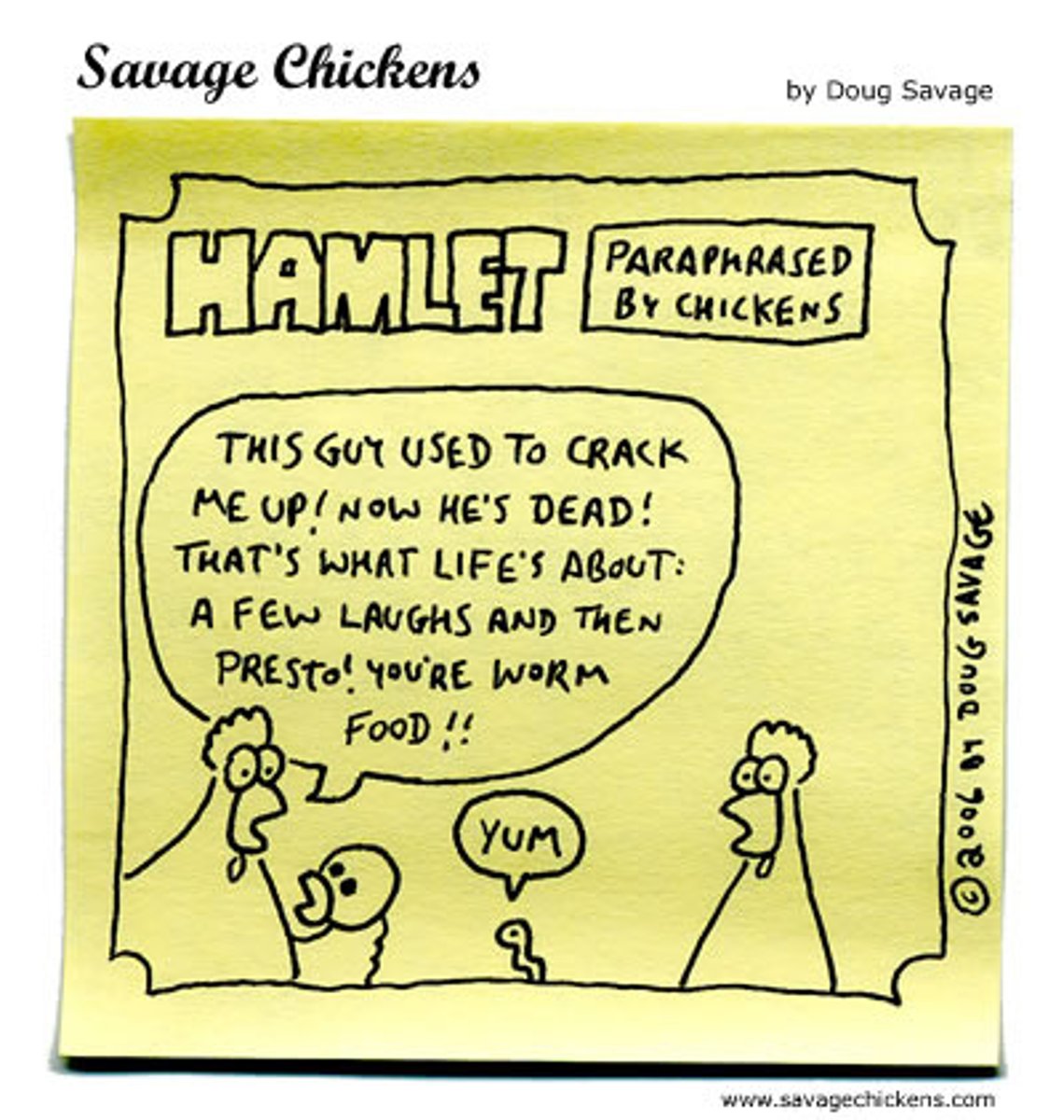
Dramatic irony
when the reader or viewer knows something that the character does not
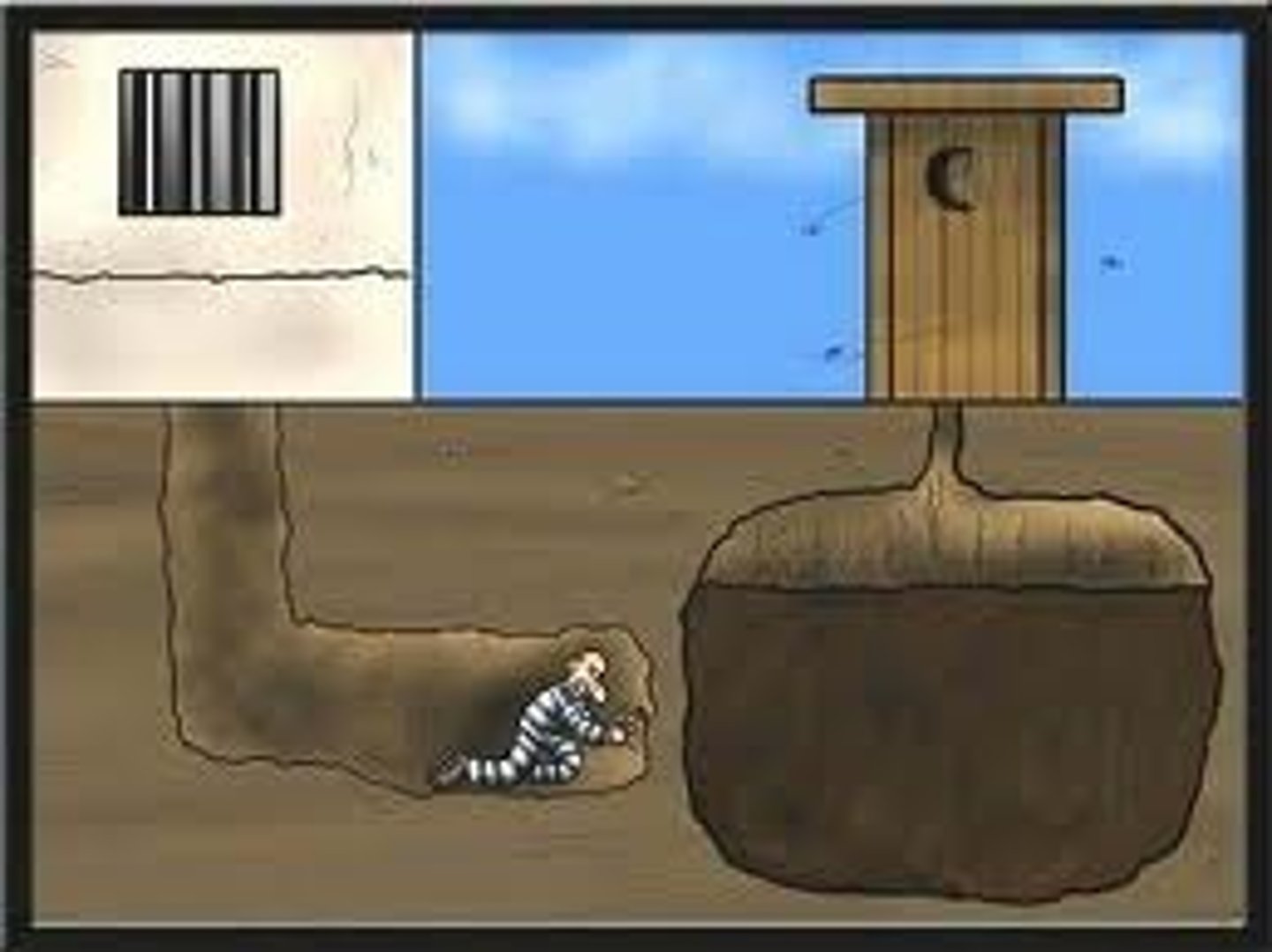
Foreshadowing
a writer's use of hints or clues to indicate events that will occur later in the story
Tragedy
a dramatic work that presents the downfall of a dignified character
Monologue
(n.) a speech by one actor; a long talk by one person
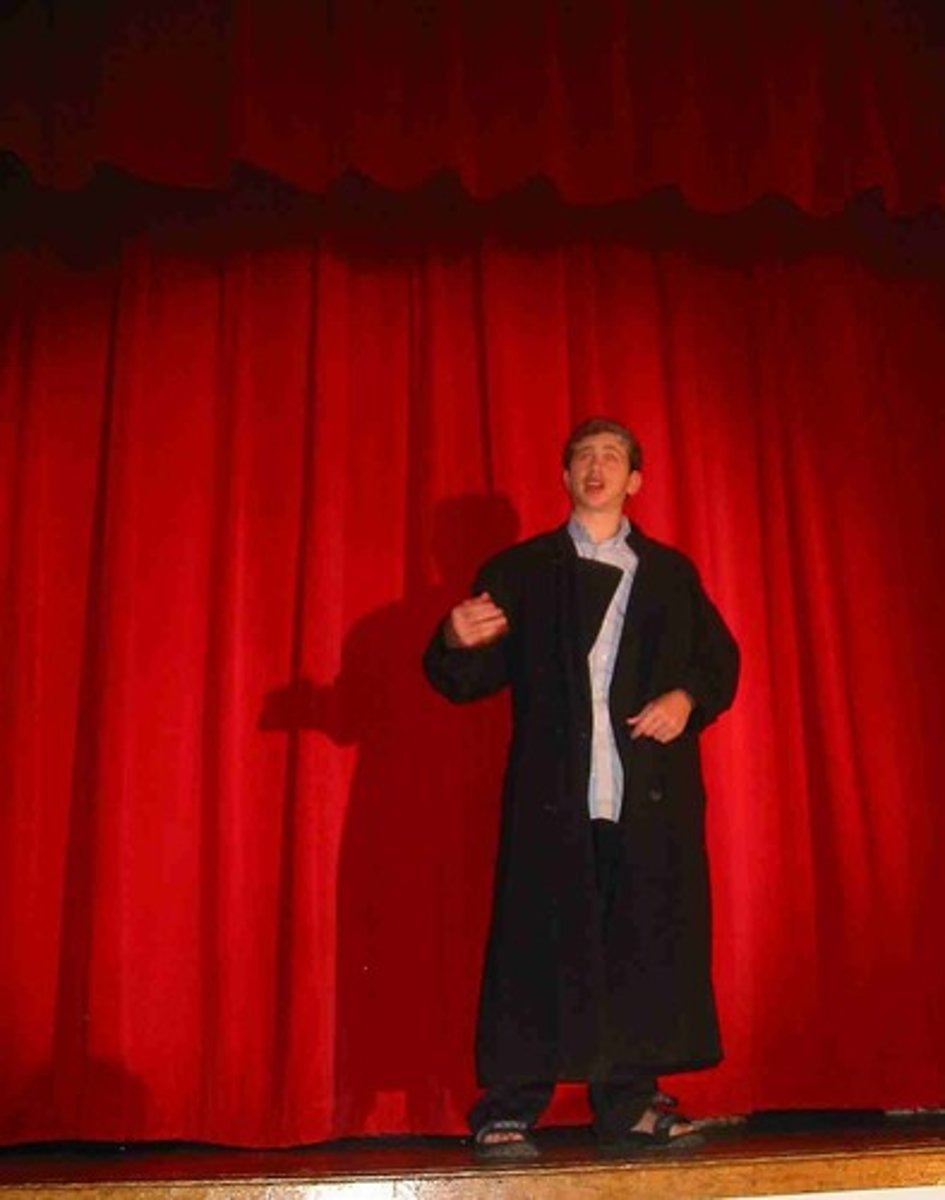
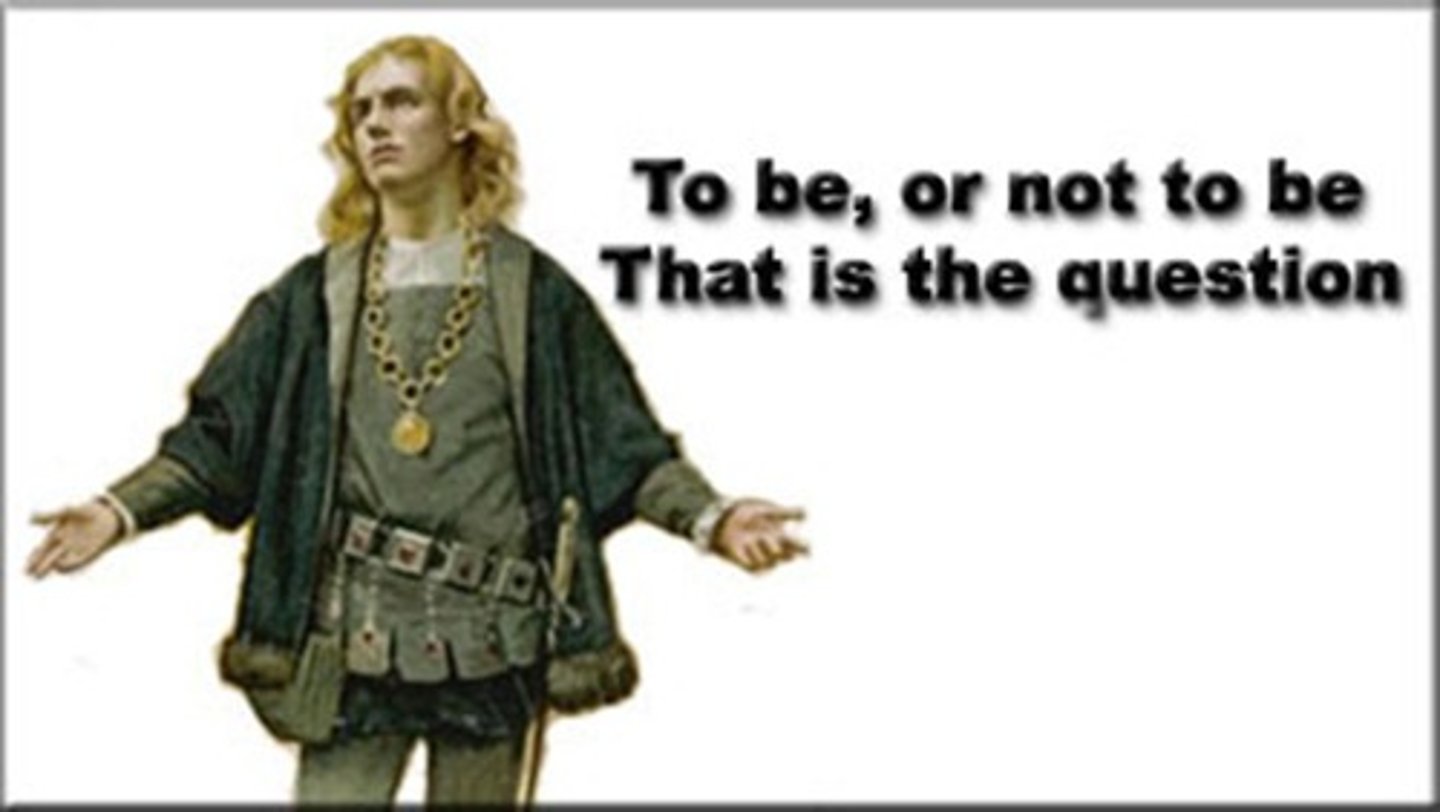
Soliloquy
a speech in a dramatic work in which a character speaks his or her thoughts aloud; the purpose is to reveal a character's inner thoughts, feelings, and plans
Sonnet
a poem of fourteen lines using any of a number of formal rhyme schemes, typically having ten syllables per line

Tragic flaw
the defect that brings about or contributes to the tragic hero's downfall
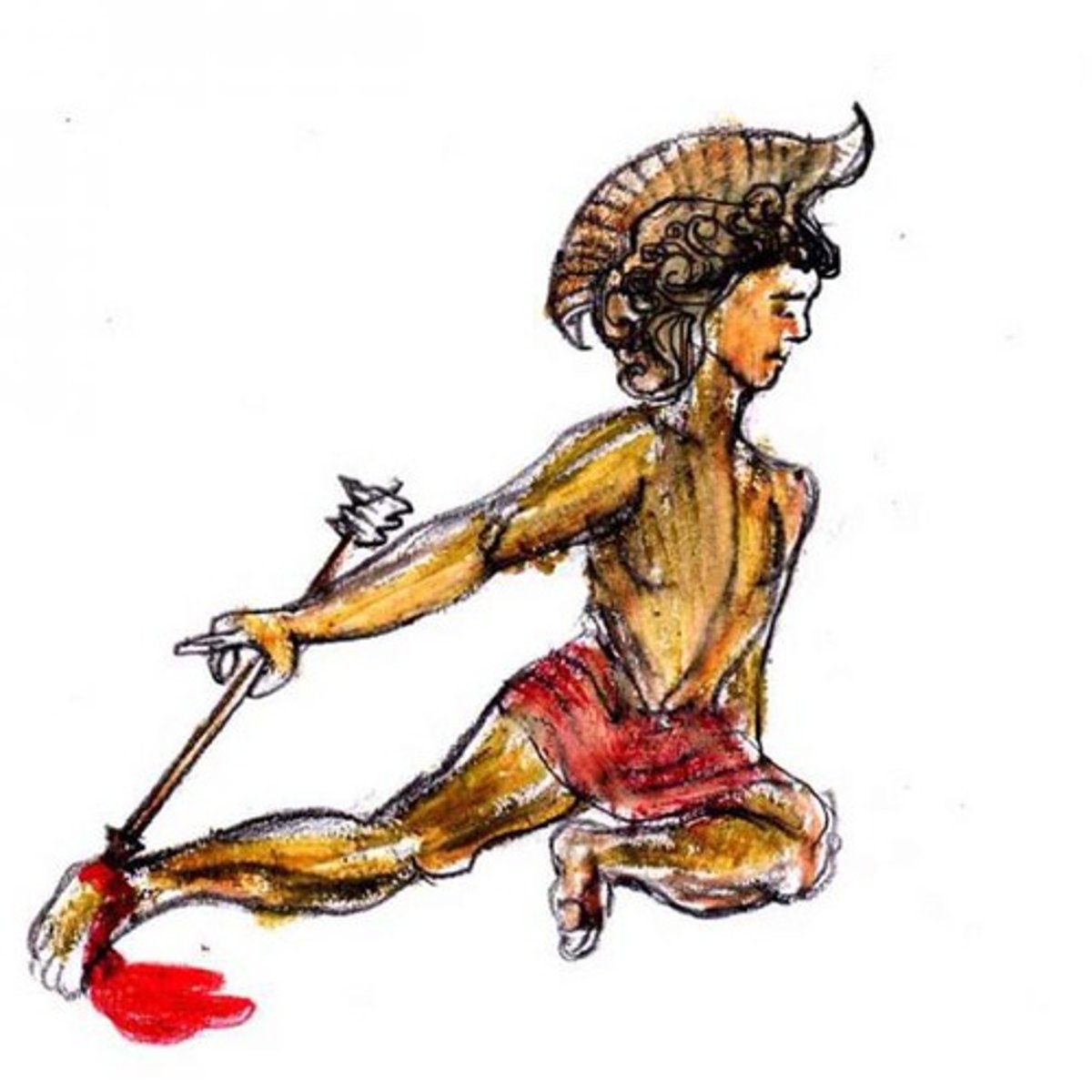
Tragic hero
a literary character who makes a judgment error that inevitably leads to his/her own destruction
Iambic pentameter
the most common meter used in English poetry; a metrical pattern of five feet
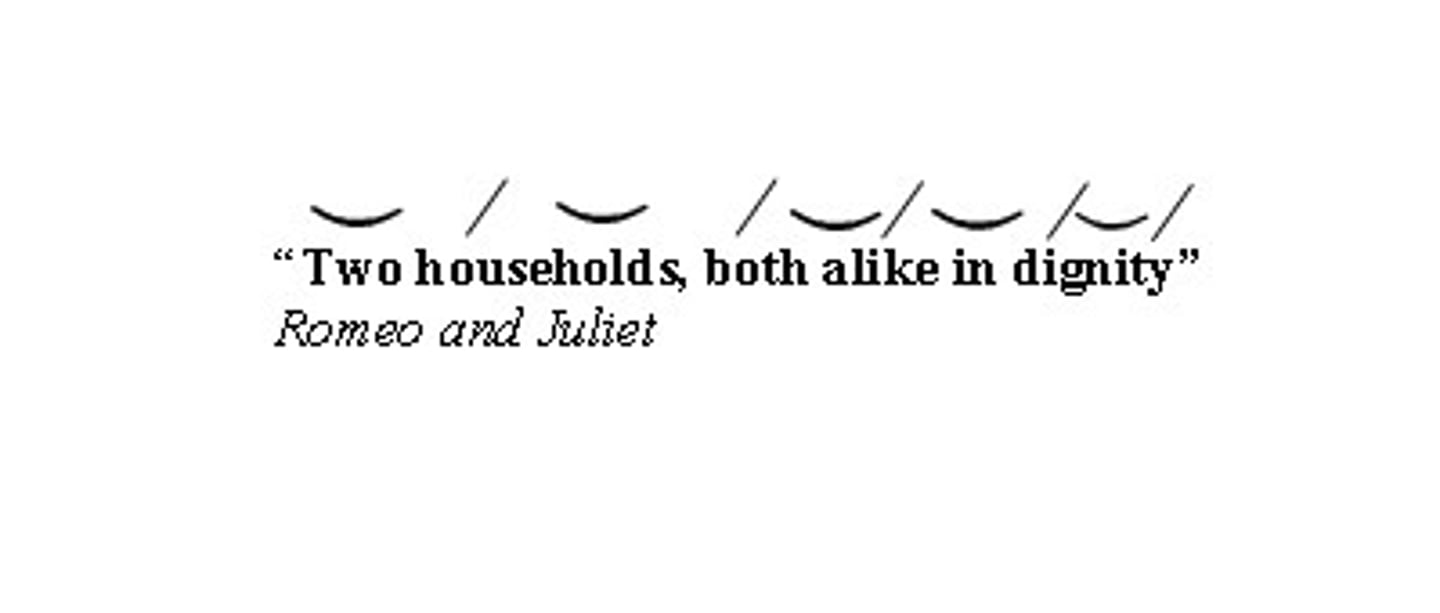
Verbal irony
when a writer or character says something but means another

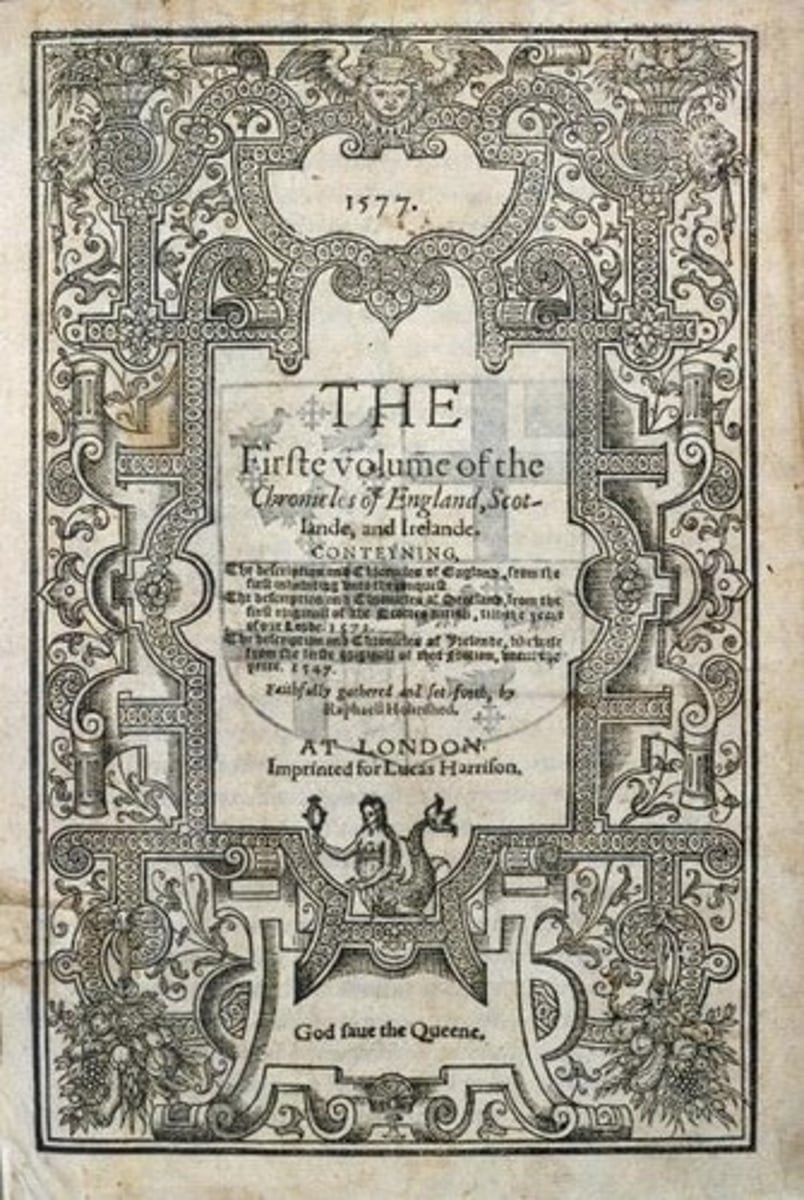
Holinshed's Chronicles
The source of the play; a history of the UK
James I/ VI
English and Scottish king who commissioned Shakespeare to write the play
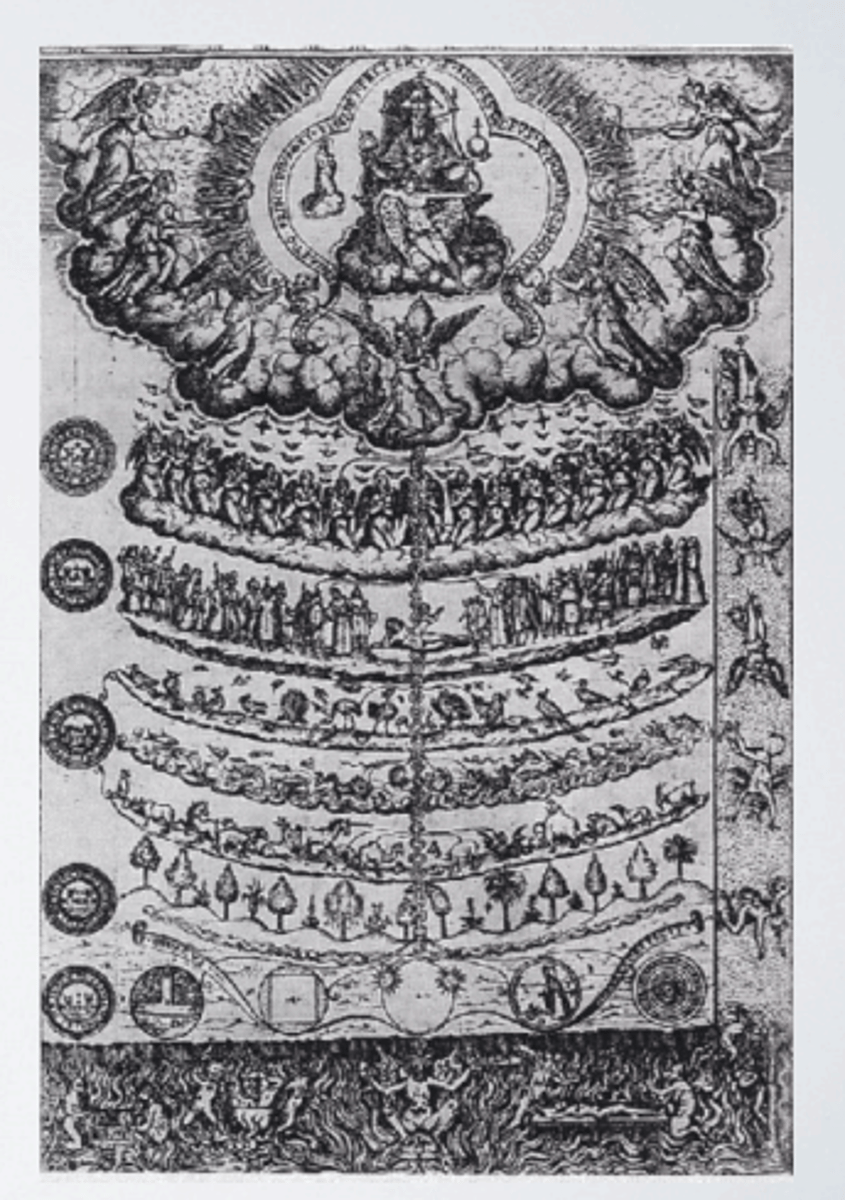
Great Chain of Being
a strict, religious hierarchical structure of all matter and life, believed to have been decreed by God.
Divine Right of Kings
the belief that kings were chosen and received their power from God
The Gunpowder Plot
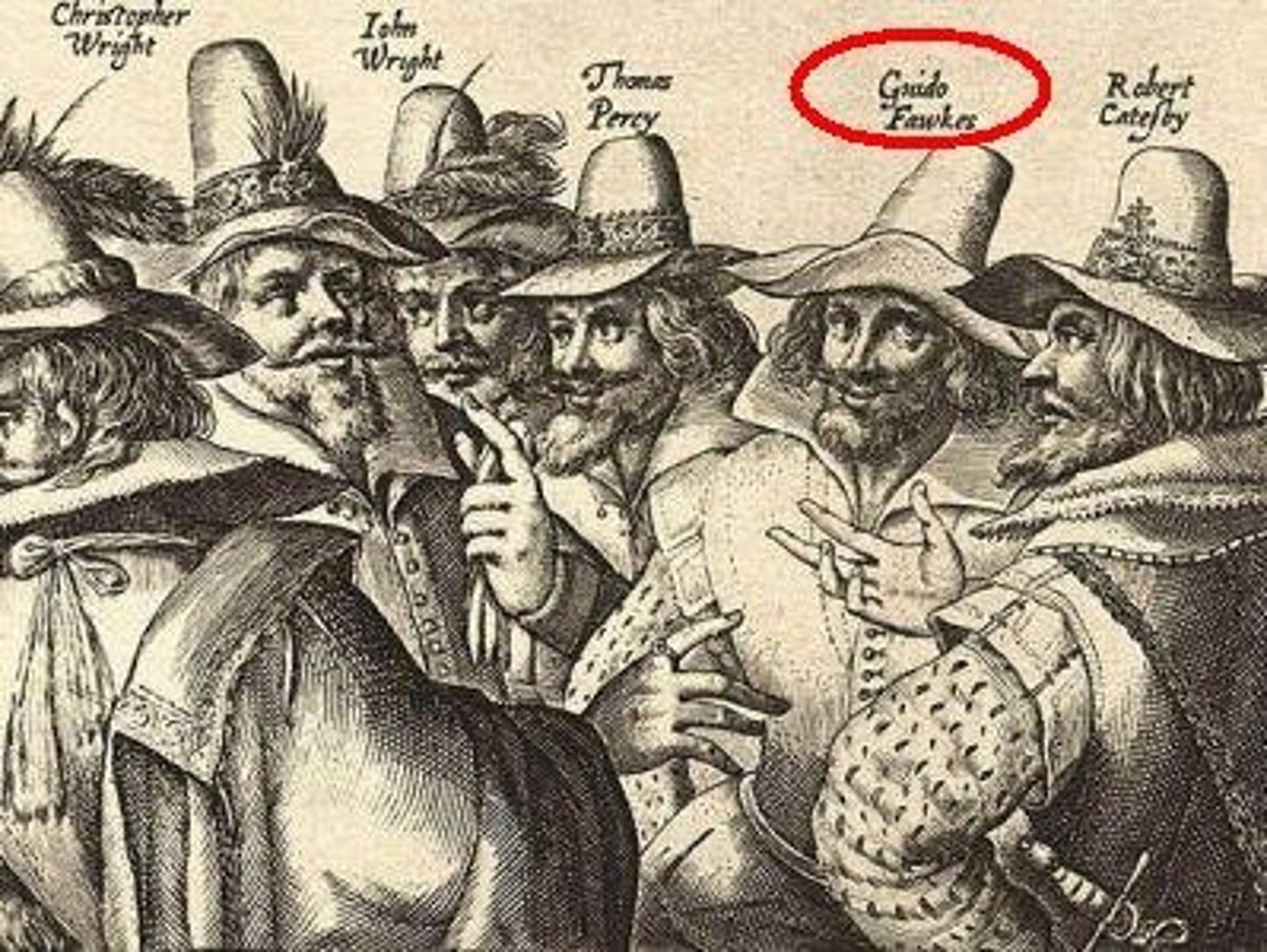
a conspiracy in 1605 in England to blow up James I and the Houses of Parliament to avenge the persecution of Catholics
Equivocation
the use of ambiguous language to conceal the truth
The Daemonology
James' treatise on sorcery and witchcraft