IPR 2) Psychological Statistics and Scientific Rigour (Semester 1)
 Call Kai
 Learn
Learn Practice Test
 Spaced Repetition
 Match
Match Flashcards
 Knowt Play
1/26

Earn XP
Description and Tags
Vocabulary-style flashcards covering t-tests, statistical assumptions, non-parametric alternatives, correlation, and scientific rigour based on lecture notes.
Name | Mastery | Learn | Test | Matching | Spaced | Call with Kai | Chat |
|---|
No analytics yet
Send a link to your students to track their progress
27 Terms
t-test
A test used to compare the means of two groups to see if the differences between them are because of chance.
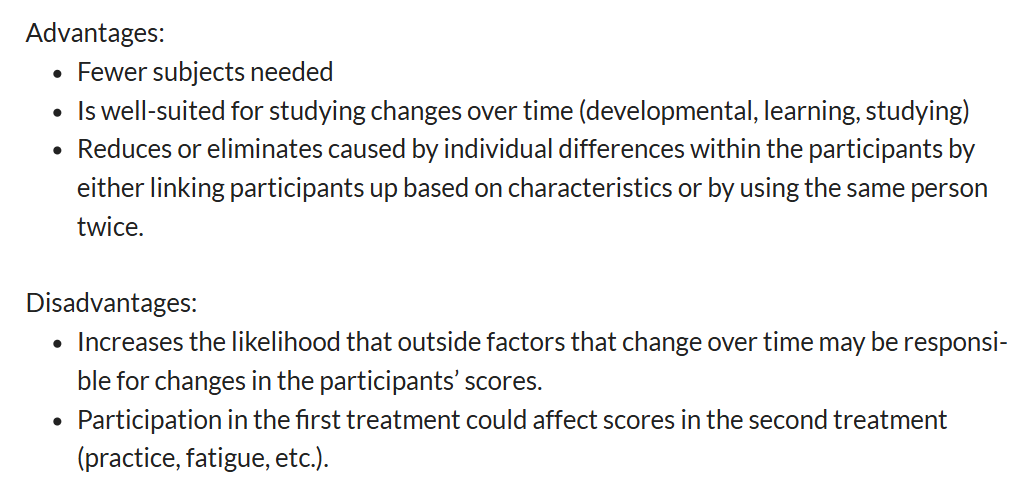
Repeated Measures t-test
A statistical t-test used in psychology to compare the means of two related sets of scores.

t-test Formula
The difference between the means divided by the variability or error.
Practice effect
A limitation of repeated testing where people might do better the second time simply because they have practiced the task.
Fatigue effect
A problem in testing where participants might do worse on a subsequent task because they have become tired.

Counterbalancing
A technique to reduce bias where half the participants do the tasks in one order and the other half do them in the opposite order.

Significant difference threshold
The point at which a result is considered significant, typically when p<0.05.

One-Sample t-test
A test that compares the mean of a group to a known meaning of a population.

Non-significant result
A result that does not provide enough evidence of a difference, though it does not necessarily mean the groups are identical.
t-test Assumptions
The requirements that data be normal, interval or ratio level, free of outliers, and have equal variances.
Non-parametric tests
Tests that use ranked data instead of raw scores, used when standard t-test assumptions are not met.
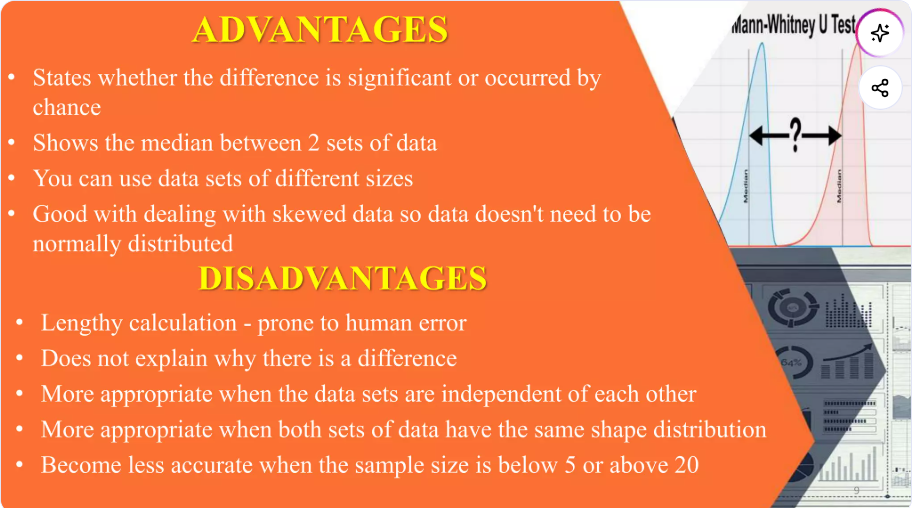
Mann-Whitney U Test
A non-parametric statistical test used to determine if there is a significant difference between the distributions of two independent groups.
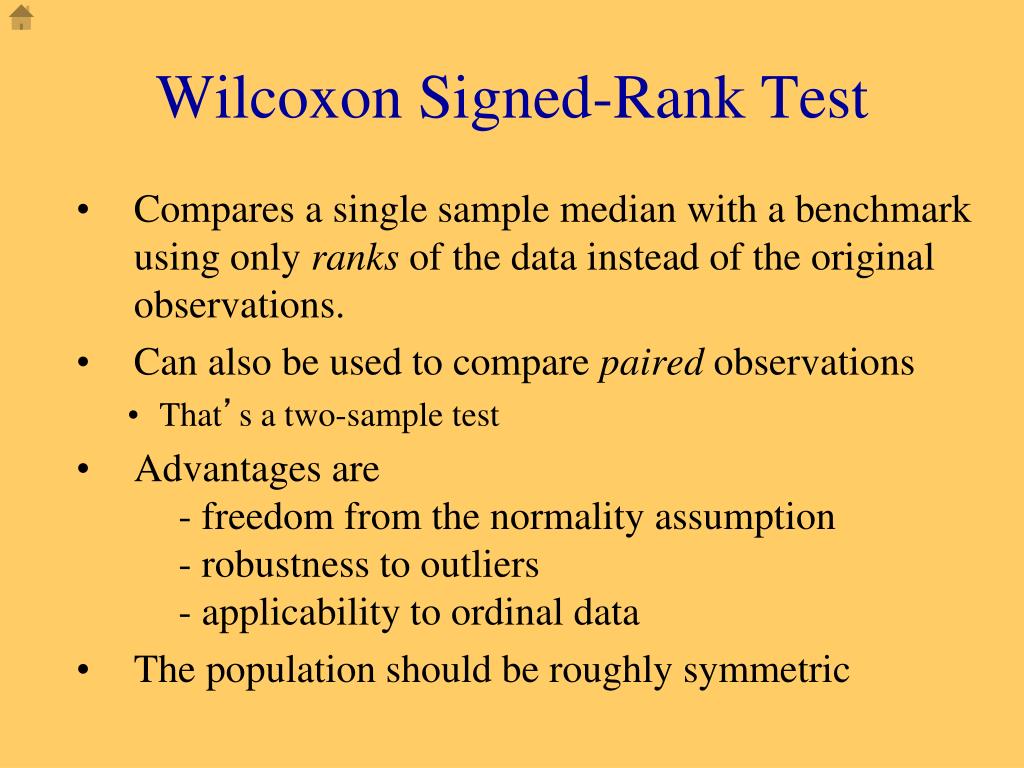
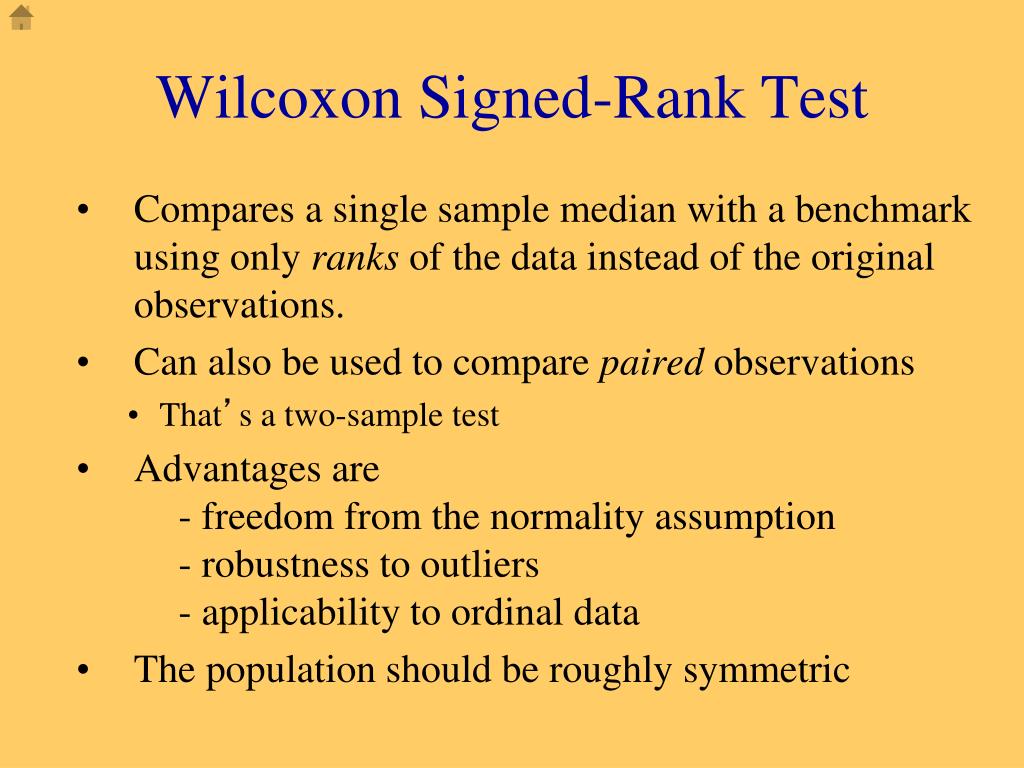
Wilcoxon Signed-Rank Test
A non-parametric test used to compare two related, paired samples to determine if there is a statistically significant difference in their medians or distributions
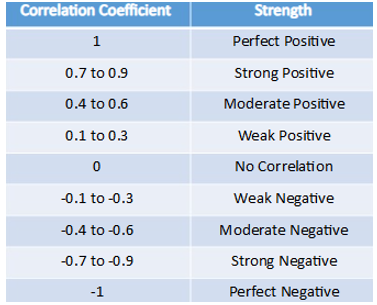
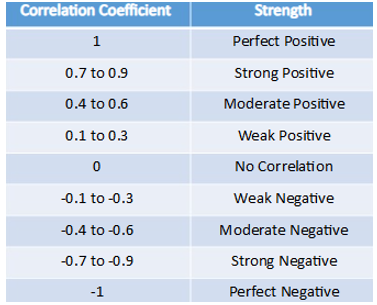
Correlation
A relationship between two continuous variables
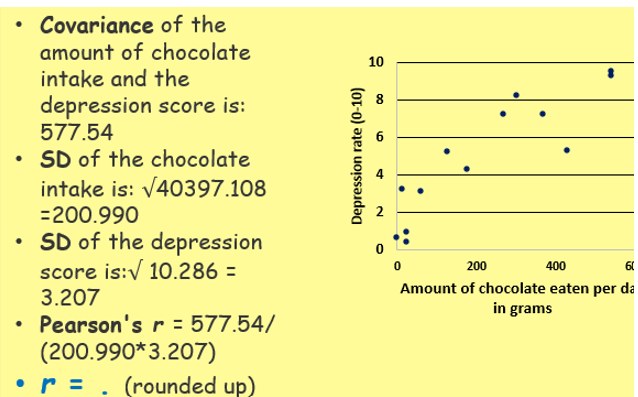
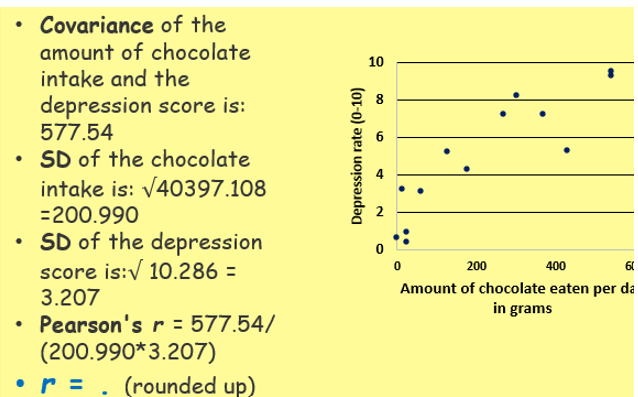
Covariance
A measure that tells us the direction of a relationship between variables and is dependent on the scale of measurement.
Scientific rigour
The practice of doing research ethically and responsibly, following best practices to avoid fraud or data manipulation.
Reproducibility and replication
Efforts and history of attempts to repeat research to verify if results can be found again.
Statistical Power
The ability to detect an effect that exists, which is often tied to the size of the sample.
Effect Size vs. Sample Size
If an effect is small, more participants will be needed; if the effect is large, fewer participants are needed.
Standard Power Level
A target usually set at 80%, meaning there is an 80% chance of finding an effect that exists.
Psychological effect size
Most effects in psychology are considered small, requiring large numbers of participants, such as 200, to detect.

Interval or Ratio level/data
The numerical, specific levels of measurement required of data to meet the assumptions of a standard t-test. Ratio data has a true ‘zero point', so negative values are impossible.

Ordinal (ranked) data
The type of data used by non-parametric tests like the Mann-Whitney U or Wilcoxon tests.
Data peeking
An analysis decision that can affect final results and inflate the likelihood of achieving a significant result.
Informed Consumer
A person who evaluates science by looking at sample size, replication efforts, and data availability.

Accept alternative hypothesis (H1) or reject null hypothesis
If the p-value is below your threshold of significance (typically p < 0.05), then you can reject the null hypothesis.


Accept null hypothesis (H0)
You accept (or "fail to reject") the null hypothesis when your p-value is greater than your chosen significance level. This usually means p > 0.05.
