Unit 7
 AP Practice
 Call Kai
1/79

Earn XP
Description and Tags
Name | Mastery | Learn | Test | Matching | Spaced | Call with Kai | Chat |
|---|
No analytics yet
Send a link to your students to track their progress
80 Terms
Jean-Baptiste Lamarck was an early evolutionist. He saw humans as the ultimate product of a goal-oriented evolution--that organisms gradually evolve into complex forms as the result of an innate desire to strive for complexity and perfection.
The mechanism he supported was called inheritance of acquired characteristics. He believed that evolution occurred as organisms used body parts in ways that physically changed them, then those body parts were inherited by offspring.
Which of these examples counters Lamarck's idea?
The offspring of an amputee has a child with normal limbs.
Darwin drew very remarkable conclusions from his research on the Galapagos Islands. What two principles were not part of his book, On the Origin of the Species by Natural Selection?
Mutations are the source of genetic variation.
DNA is the heritable material responsible for traits.
Evolution has occurred
All of these are true.
In order for traits to be heritable they must exist in ______.
gamete cells
Which of the following statements provides the best explanation for the presence of very small hind limb bones in whales?
Whale hind limb bones develop as a result of shared ancestry with terrestrial mammals.
IDKWhich of the following statements best summarizes organic evolution as it is viewed by modern evolutionists?
It is the differential survival and reproduction of certain phenotypes.
Competition for food would probably be most severe between two
closely related species in similar niches
In Darwinian terms, the fittest individuals of a species are those that
leave the greatest number of reproducing descendants
Stickleback fish are found in both marine and freshwater habitats. The marine fish have no scales but have hardened, armorlike plates along their sides. The plates are thought to protect sticklebacks from certain predators.
Which of the following best explains the changes in the phenotype frequencies of the stickleback population in Loberg Lake?
Predation in the marine environment is different from predation in Loberg Lake.
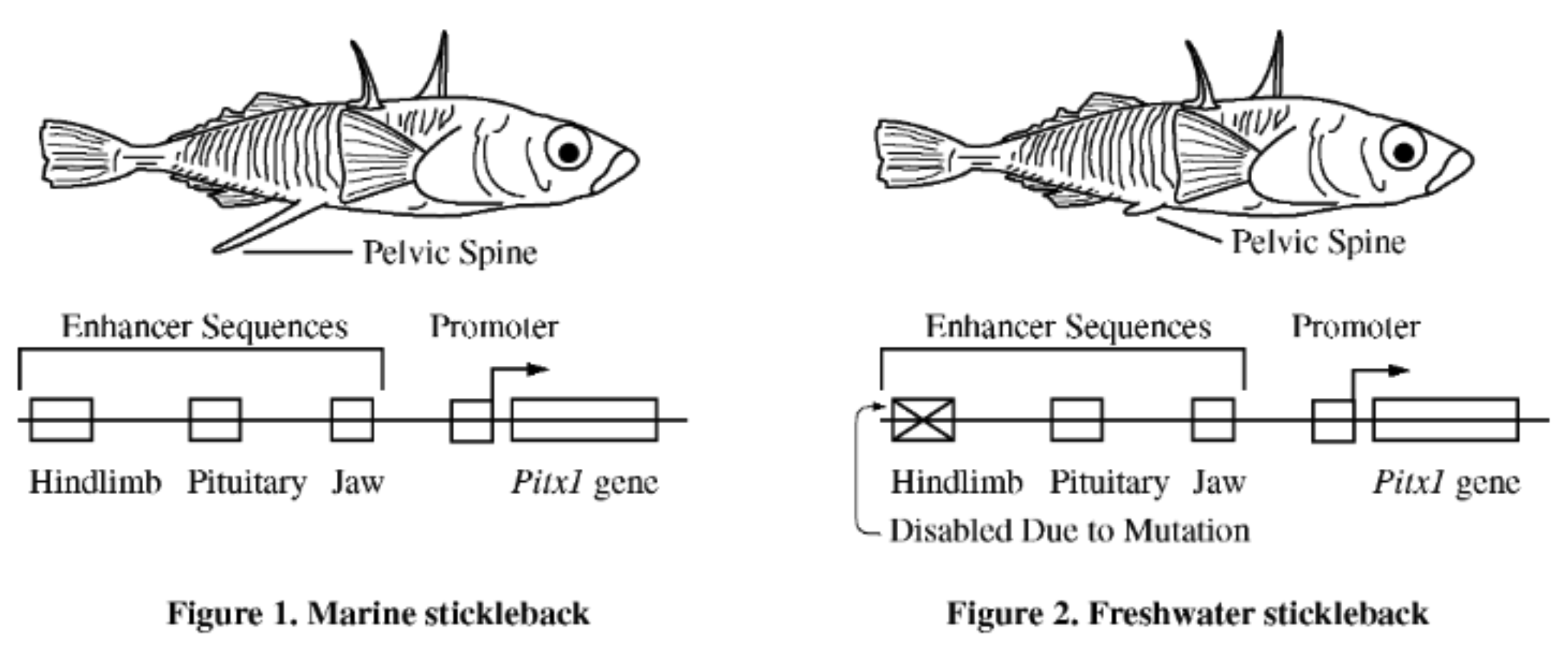
The three-spined stickleback (Gasterosteus aculeatus) is a small fish found in both marine and freshwater environments. Marine stickleback populations consist mostly of individuals with pronounced pelvic spines, as shown in Figure 1. Individuals in freshwater stickleback populations, on the other hand, typically have reduced pelvic spines, as shown in Figure 2.
Which of the following describes a possible selective mechanism to explain why freshwater sticklebacks typically have reduced pelvic spines?
Reduced pelvic spines increase the likelihood of escaping predators in freshwater environments.
Stickleback fish are found in both marine and freshwater habitats. The marine fish have no scales but have hardened, armorlike plates along their sides. The plates are thought to protect sticklebacks from certain predators.
To evaluate the reliability of the results, it would be best to know which of the following?
The number of males in each sample
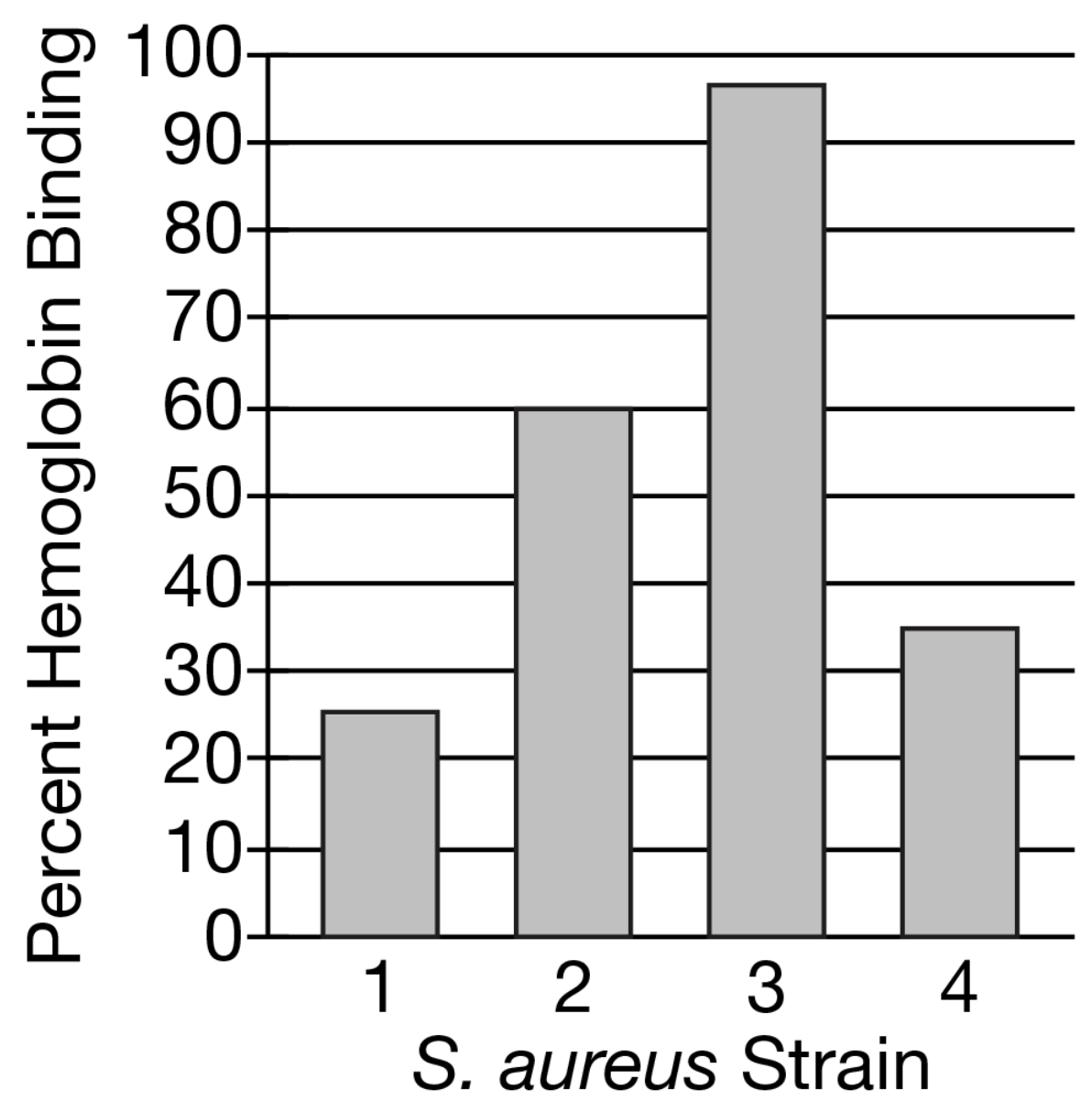
Staphylococcus aureus is a pathogenic bacterium that can infect a wide range of host species, including humans. S. aureus has a particular protein that binds with hemoglobin from the host organism. Hemoglobin is the iron-containing protein used to transport oxygen in the blood. Since iron is important for growth, S. aureus have evolved the ability to absorb the iron from the host's hemoglobin.
Which of the following processes is most consistent with the differences in the amino acid sequences listed in Table 1?
Each strain is best adapted to a specific host species.
A species of snail lives in the intertidal zone along the coast of New England. The dark-colored variety of the species is more common in northern New England, the light-colored variety is more common two hundred miles away in southern New England, and both varieties are commonly found together in central New England. Which of the following best explains the observed distribution pattern of the snails?
Dark-colored snails absorb more solar energy and so survive more readily in the colder northern waters.
Evolutionary fitness is measured by
reproductive success
In humans, one allele of the APOE gene, called APOE–ε2, can result in a high tolerance of cholesterol. Cholesterol is a vital substance for humans but may lead to heart disease in an older adult with a history of high cholesterol diets. High cholesterol diets are becoming more prevalent in the United States. Currently only about 2% of humans carry the APOE–ε2 allele.
Which of the following states a valid null hypothesis about the future distribution of APOE alleles in future generations in the United States?
The variant protects an individual from a condition that is only common among humans beyond reproductive age, so the frequency of the allele will likely not change much in the future because it is not influenced by natural selection.
The study of the changes in the genetic makeup of a population from one generation to the next, or over the course of only a few generations, is called _______.
microevolution
In a population of flowering plants, there are two alleles for flower color. One is dominant and is represented A, the other is recessive and is represented a.
The allele frequency of A is 0.7.
How do you calculate the frequency of heterozygous individuals in the population?
2 (0.7 x 0.3)
The Hardy-Weinberg equation describes the:
genotype frequency of a large population at equilibrium
In a population of 1000 flowering plants there are two possible alleles for flower color, one dominant and one recessive. 400 plants are homozygous dominant, 200 plants are heterozygous, and 400 plants are homozygous recessive.
What is p in this population, if p represents the frequency of the dominant allele?
0.5
True or false? Mutations that affect somatic cells, such as damage to epithelial cell DNA caused by X-rays or UV light, can result in mutations that are inherited by offspring.
False
True or false? Individuals that survive much longer than other individuals in the population are those best suited to thrive in the environment and have the greatest reproductive fitness.
False
Which of the following is not an explanation for why genetic diversity isn't eliminated in the presence of strong selective pressures?
Homozygote advantage; the dominant homozygous phenotype confers a significant advantage in the population
Which of the following defines directional selection?
A form of natural selection that works to shift phenotypes toward one extreme
Which of the following would most reduce the chances of a species going extinct in the event of extreme environmental change?
High genetic variation
A process that tends to add new alleles to a gene pool is ______.
mutation
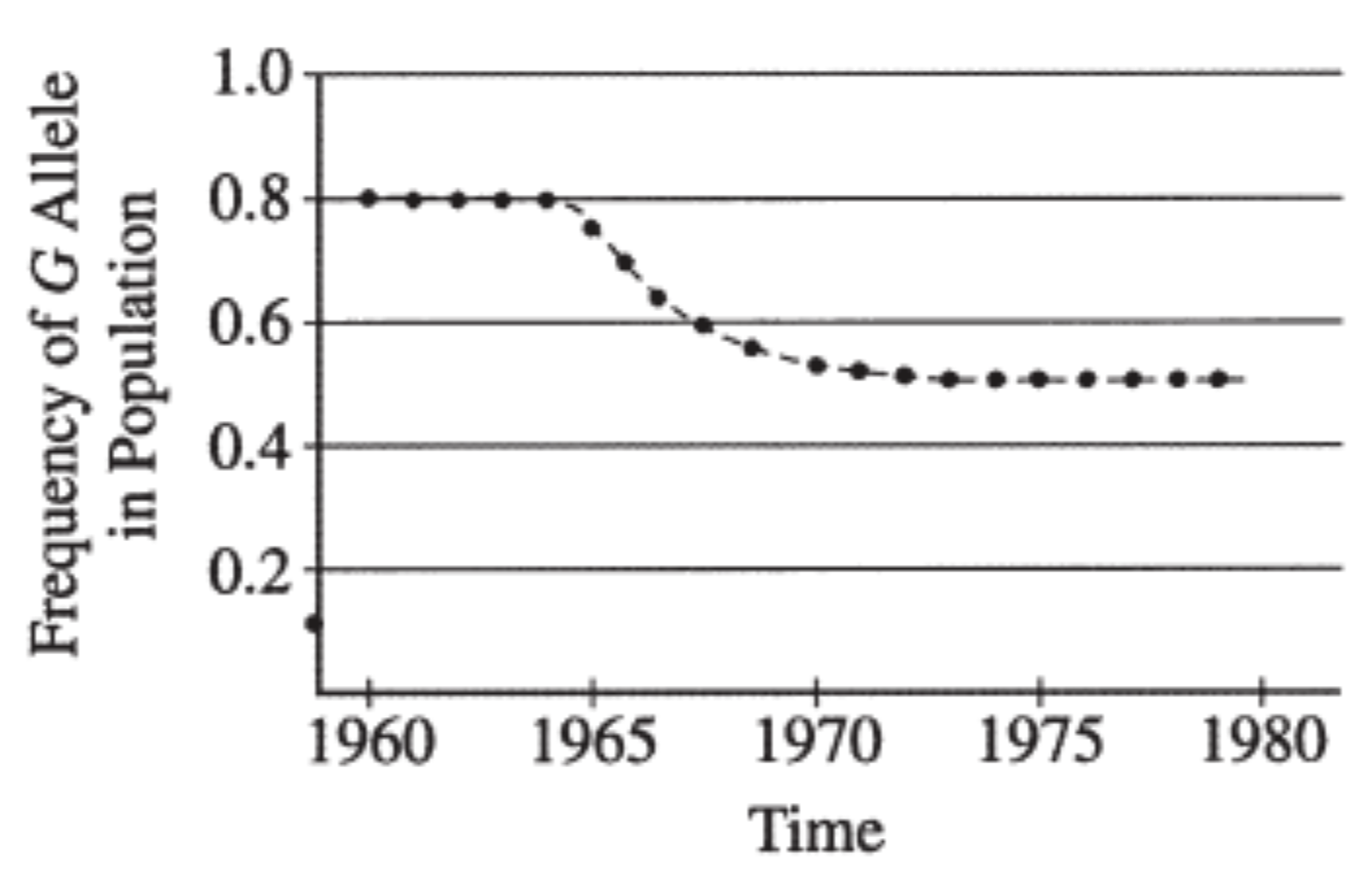
A moth's color is controlled by two alleles, G and g, at a single locus. G (gray) is dominant to g (white). A large population of moths was studied, and the frequency of the G allele in the population over time was documented, as shown in the figure below. In 1980 a random sample of 2,000 pupae was collected and moths were allowed to emerge.
Which of the following is the most likely reason for the observed differences in the frequency of the G allele between 1965 and 1972?
Selection against gray phenotypes
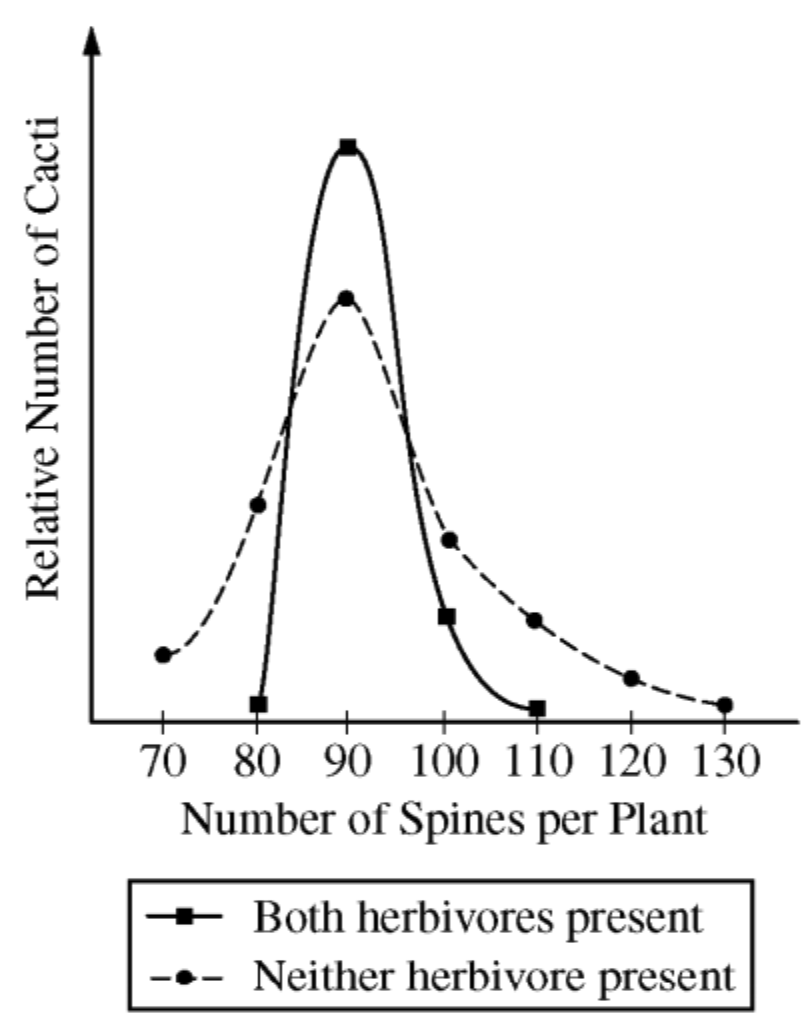
In a species of cactus, the number of spines on a plant is genetically determined. The graph above shows frequency distributions for populations of the cactus species growing in the presence or absence of two herbivores: peccaries (a New World pig) and wasp larvae. Which of the following best accounts for the different frequency distributions in the graph?
Peccaries eat cacti with a smaller number of spines, and wasp larvae eat cacti with a greater number of spines.
Which of the following factors is the most effective in changing the allele frequency in a natural population?
Selection
Table 1 shows a trend of increasing milk yield for cows. Part of the increase in milk production can be attributed to improved nutrition and health protocols for dairy cows.
Based on the information provided, which of the following best describes the source of the rapid increase in milk production from 1976 to 2015?
Starting in the 1970s, farmers increased the selective breeding of cows and bulls for offspring that produced more milk.
Two species of fish that live in extremely cold environments produce near-identical antifreeze glycoproteins, called AFGPs. Scientists have determined the origins of the AFGP gene in both species. Selected characteristics of the two fish species are provided in Table 1.
Based on the information in Table 1, which of the following statements best describes the production of nearly identical AFGPs in these two species of fish?
The fish live in environments with similar selective pressures, and those that produce AFGPs are better able to survive.
The California newt, Taricha torosa, lives in the coastal areas around Los Angeles. Which of the following is a valid null hypothesis relating fitness to survival of a bottleneck event in a coastal area where a small, isolated population of California newts resides?
Surviving the bottleneck event will be random, so any change in the allelic frequencies of the salamander population is not attributed to fitness.
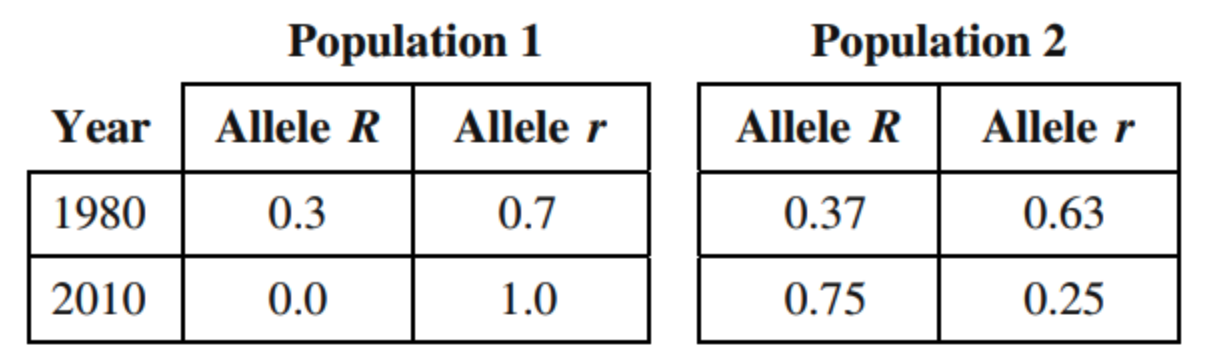
The table shows the changes in allele frequencies of a specific gene in two populations of randomly mating small mammals after 30 years. The populations inhabit adjacent equatorial islands that have similar topography and climate. Which of the following is the most reliable conclusion that can be drawn from analysis of the data above?
Genetic drift has occurred in population 1.
In a certain flock of sheep, 4 percent of the population has black wool and 96 percent has white wool. Assume that the population is in Hardy-Weinberg equilibrium.
What percentage of the population is homozygous for white wool?
64%
Nine percent of a population is homozygous recessive (aa) at a certain locus. Assuming that the population is in Hardy-Weinberg equilibrium, which of the following is closest to the frequency of the recessive allele (a)?
0.30
In a large, isolated population of an insect species, a specific gene locus has one dominant allele (A) and one recessive allele (a). The genotype frequencies of the gene were collected for ten generations, as shown in Table 1.
Which of the following could best account for the change in genotypic frequencies over the ten generations?
The population is not exhibiting random mating between individuals.
Reduced hybrid viability is a barrier to speciation that occurs when
hybrid offspring are very weak and fail to survive to reproductive maturity.
In ______ speciation, one population turns into two or more overlapping populations that eventually evolve to have reproductive barriers between them.
sympatric
Evolution on a very small scale can be described as ______
microevolution
Mechanical isolation is a reproductive barrier that refers to
morphological differences in the sex organs between different species which physically prevent them from interbreeding.
Following mass extinction events
speciation occurs very rapidly.
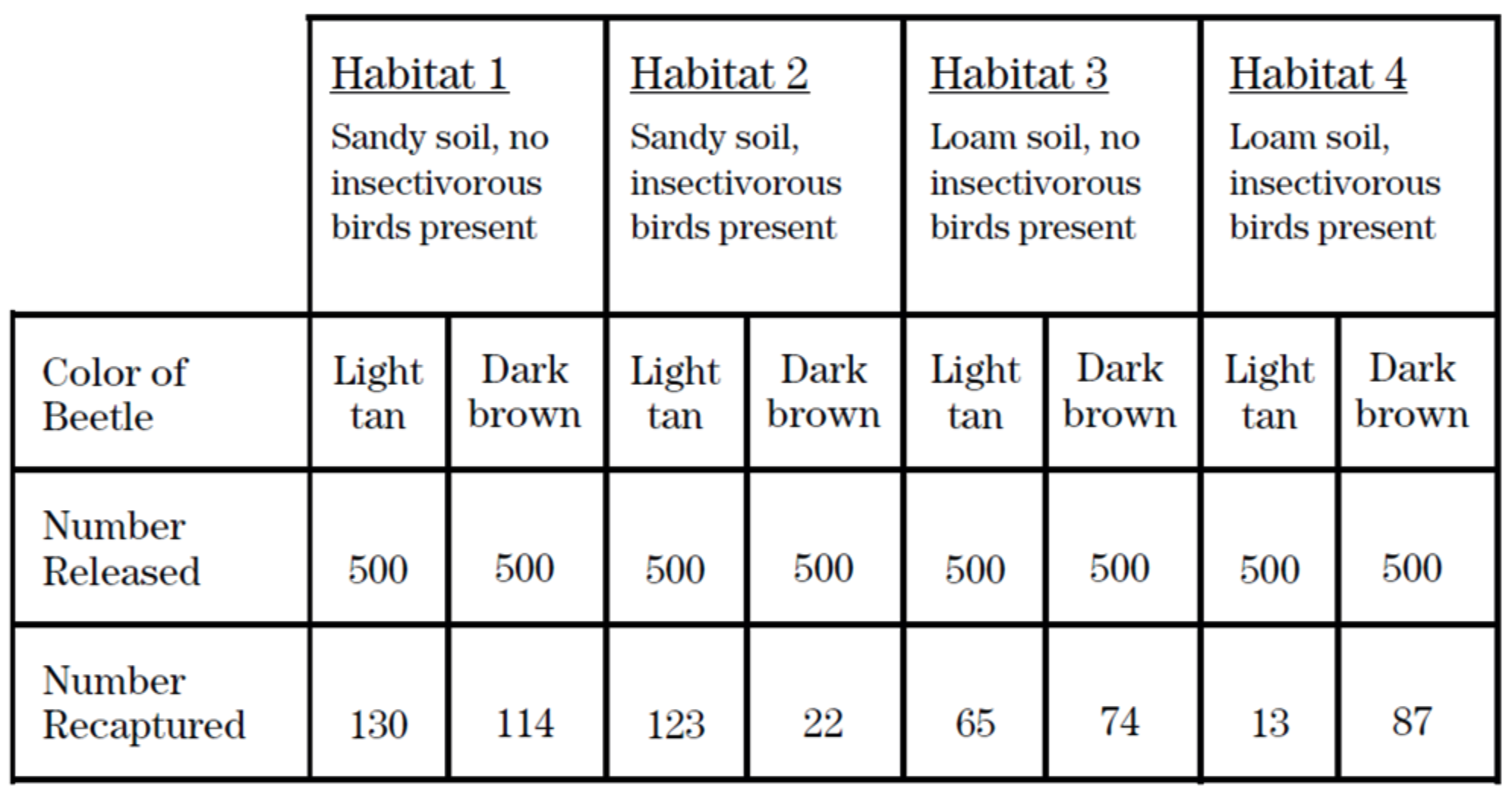
Individuals of a particular species of ground beetle are either light tan or dark brown. Light-tan beetles are predominant in habitats with light-colored sandy soils, and dark-brown beetles are predominant in habitats with dark-colored loam soils. In an experiment designed to determine the survival rates of light-tan beetles and dark-brown beetles in different habitats, 500 light-tan beetles and 500 dark-brown beetles were released in each of four habitats. Each beetle had been marked with a small spot of red paint on the underside of its abdomen before it was released. One week after the beetles had been released, any marked beetles that could be found were recaptured. The results are presented in the table below. It is assumed that differences in the numbers of beetles recaptured are directly related to differences in survival rates.
Which of the following can be inferred from the data in the table?
Insectivorous birds are predators of this species of ground beetle.
A survey reveals that 25 percent of a population of 1,000 individuals have attached earlobes (are homozygous recessivefor the trait). For the following questions, assume that the population fits the parameters of the Hardy-Weinberg law.
Unlike most natural populations, this population is best characterized in which of the following ways?
There is genetic equilibrium.
The table above shows the types and properties of nitrogen-containing wastes produced by several vertebrates. Which of the following is the best evolutionary explanation of the data?
Ammonia secretion requires a large volume of water and was therefore selected against in terrestrial vertebrates.
Low doses of antibiotics are often added to livestock feed to increase production. Studies have shown that bacterial populations constantly exposed to the sublethal doses can evolve resistance to the antibiotics. A research group claimed that when a population of bacteria are constantly exposed to sublethal doses of streptomycin, their fitness declines due to the increased energy requirements for survival in the presence of the antibiotic. For subsequent studies, the researchers wish to determine whether adding a low, sublethal dose of an additional antibiotic causes further decline in the fitness of the bacteria.
Which of the following best represents the next step the researchers should take with respect to experimental design?
Group 1: low dose of streptomycin + no dose of additional antibiotic
Group 2: low dose of streptomycin + low dose of additional antibiotic
On a large volcanic island, researchers are studying a population of annual herbaceous plants. Which of the following observations best supports the prediction that speciation will occur within the existing plant population?
Lava has separated the population into two areas: an upland forest and a lowland marsh.
Rhagoletis pomonella is a parasitic fly native to North America that infests fruit trees. The female fly lays her eggs in the fruit. The larvae hatch and burrow through the developing fruit. The next year, the adult flies emerge.
The divergence between the two populations of Rhagoletis must have occurred very rapidly because
the apple tree was imported into North America with European settlement approximately 200 years ago
Female European corn borer moths (Ostrinia nubilalis) produce the sex pheromone 11−tetradecenyl acetate (11−TDA), which attracts males of their species. 11−TDA can be produced in two forms, E and Z, each with a different three-dimensional shape. Researchers have discovered two different strains of the European corn borer moth living in the same area. Females of the E strain produce primarily the E form of 11−TDA and females of the Z strain produce primarily the Z form of 11−TDA. Males of both strains are more attracted to the form of 11−TDA produced by the females of the same strain.
Which of the following best predicts a long-term effect of the differences between the E and Z strains?
The difference between the forms of the sex pheromone 11−TDA produced by E and Z strains will act as a prezygotic reproductive barrier leading to sympatric speciation.
The students are sampling a site in search of fossils from the Devonian period. Based on the chart, which of the following would be the most reasonable plan for the students to follow?
Looking in sedimentary layers next to bodies of water in order to find marine fossils of bivalves and trilobites
Scientists want to determine whether the rapid economic growth in China between 1950 and 2000 caused a mass extinction of animal species during that time period. A mass extinction event is considered to occur when the rate of species extinction far exceeds the background extinction rate. The scientists collected data on the number of extinctions of selected vertebrate species in China between 1950 and 2000, as shown in Table 1. Extinction rates were ascertained by measuring the average percent of species lost (PSL).
Which of the following is the null hypothesis most relevant for evaluating the data in Table 1?
There is no significant difference between the extinction rate of animals between 1950 and 2000 in China and the background extinction rate.
Paleoclimatic analysis has generated a claim that there is a possible correlation between an extinction event around 29 million years ago that allowed grasslands to become abundant and the adaptive radiation of several groups of butterflies.
Which of the following proposes the best alternative hypothesis for the claim?
Evidence of rapid speciation among butterfly species 29 million years ago is evenly distributed among all environments of that period.
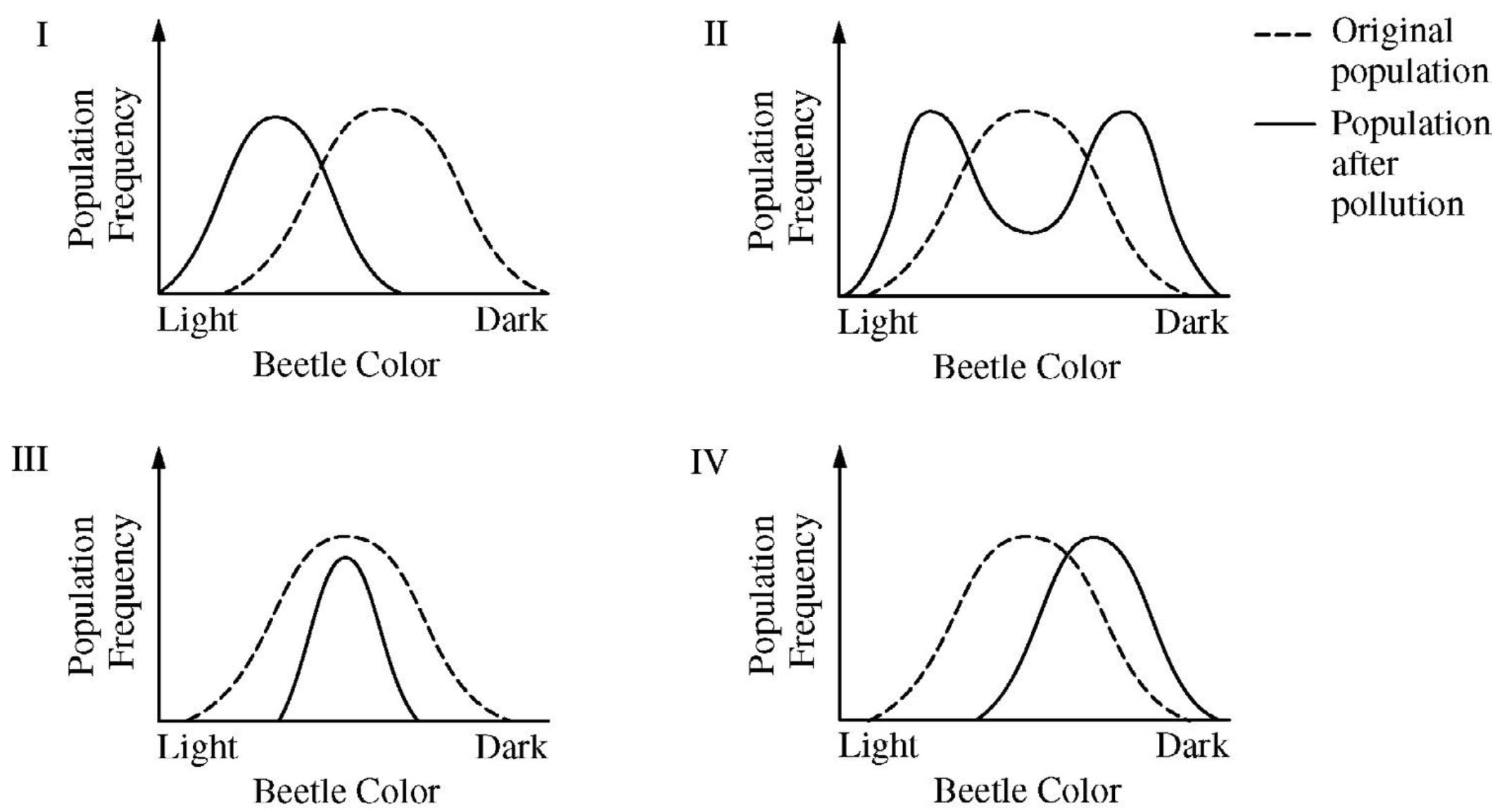
In a hypothetical population of beetles, there is a wide variety of color, matching the range of coloration of the tree trunks on which the beetles hide from predators. The graphs below illustrate four possible changes to the beetle population as a result of a change in the environment due to pollution that darkened the tree trunks.
Which of the following includes the most likely change in the coloration of the beetle population after pollution and a correct rationale for the change?
The coloration in the population shifted toward more darker-colored beetles, as in diagram IV. The lighter-colored beetles were found more easily by the predators than were the darker-colored beetles.
Ellis-van Creveld syndrome is a recessive genetic disorder that includes the characteristics of short stature and extra fingers or toes. In the general population, this syndrome occurs in approximately 1 in 150,000 live births. In a particular isolated population, however, the incidence of this syndrome among live births is 1 in 500.
Assume that both the isolated population and the general population are in Hardy-Weinberg equilibrium with respect to this syndrome. Which of the following best describes the difference between the frequency of the allele that causes the syndrome in the general population and the frequency of the allele in the isolated population?
The frequency of the Ellis-van Creveld allele is 0.0447 in the isolated population and 0.0026 in the general population, which suggests that genetic drift has occurred in the isolated population.
The table above shows the types and properties of nitrogen-containing wastes produced by several vertebrates. Which of the following is the best evolutionary explanation of the data?
Ammonia secretion requires a large volume of water and was therefore selected against in terrestrial vertebrates.
Low doses of antibiotics are often added to livestock feed to increase production. Studies have shown that bacterial populations constantly exposed to the sublethal doses can evolve resistance to the antibiotics. A research group claimed that when a population of bacteria are constantly exposed to sublethal doses of streptomycin, their fitness declines due to the increased energy requirements for survival in the presence of the antibiotic. For subsequent studies, the researchers wish to determine whether adding a low, sublethal dose of an additional antibiotic causes further decline in the fitness of the bacteria.
Which of the following best represents the next step the researchers should take with respect to experimental design?
Group 1: low dose of streptomycin + no dose of additional antibiotic
Group 2: low dose of streptomycin + low dose of additional antibiotic
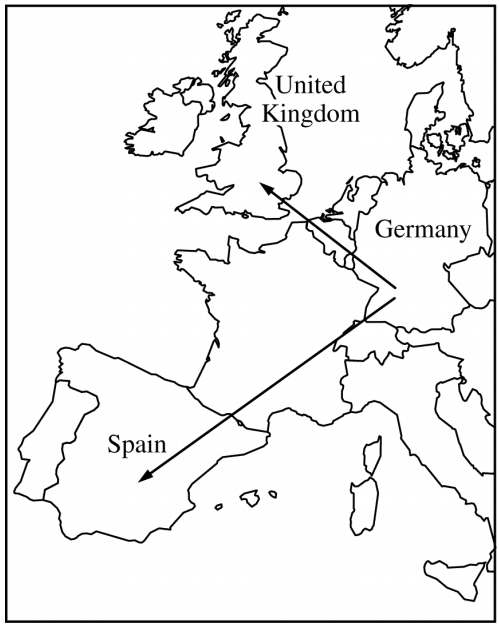
Blackcap birds (Sylvia atricapilla) migrate out of Germany before wintertime. Prior to the 1960s, all members of a particular blackcap population flew to Spain, which had an abundant natural food source. Now, some members of the same blackcap population fly to the United Kingdom, where food placed in feeders by humans is abundant. The blackcaps return to the same forests in Germany to nest during the breeding season.
Some blackcaps that migrate to the United Kingdom have become distinguishable by certain physical and behavioral traits from blackcaps that migrate to Spain. Which of the following best predicts the effect on the blackcap population if humans in the United Kingdom continue to place food in feeders during the winter?
The blackcaps that migrate to the United Kingdom will become reproductively isolated from the blackcaps that migrate to Spain, resulting in speciation in the blackcap population.
Which of the following statements best expresses the concept of punctuated equilibrium?
Evolutionary changes consist of rapid bursts of speciation alternating with long periods in which species remain essentially unmodified.
The appearance of a fertile, polyploid individual within a population of diploid organisms is a possible source of a new species. If this individual is capable of reproducing to form a new population, scientists would consider this to be an example of
sympatric speciation
Some scientists claim that amphibians are currently experiencing a period of mass extinction.
Which of the following should be included in an alternative hypothesis that would best support this claim?
The current extinction rate of amphibians compared with the background rate of extinction as determined by the fossil record
Scientists want to determine whether the rapid economic growth in China between 1950 and 2000 caused a mass extinction of animal species during that time period. A mass extinction event is considered to occur when the rate of species extinction far exceeds the background extinction rate. The scientists collected data on the number of extinctions of selected vertebrate species in China between 1950 and 2000, as shown in Table 1. Extinction rates were ascertained by measuring the average percent of species lost (PSL).
Which of the following is the null hypothesis most relevant for evaluating the data in Table 1?
There is no significant difference between the extinction rate of animals between 1950 and 2000 in China and the background extinction rate.
Paleoclimatic analysis has generated a claim that there is a possible correlation between an extinction event around 29 million years ago that allowed grasslands to become abundant and the adaptive radiation of several groups of butterflies.
Which of the following proposes the best alternative hypothesis for the claim?
Climate analysis conducted by sampling pollen preserved in amber shows an increase in grass pollen 29 million years ago, which indicates there was an increase in grasslands that correlates to an increase in butterfly speciation during the same time period.
The different species of finches on the Galapagos Islands are believed to have arisen as a result of natural selection acting on populations of finches that had experienced ______.
geographic isolation
Using what you know about binomial nomenclature and taxonomy, what is the species name of the puffin, Fratercula arctica?
arctica
Speciation has occurred when individuals from two different populations
experience gametic incompatibility.
The word ______ refers to the orderly classification of organisms into categories, based on characteristics used to assess their similarities and differences.
taxonomy
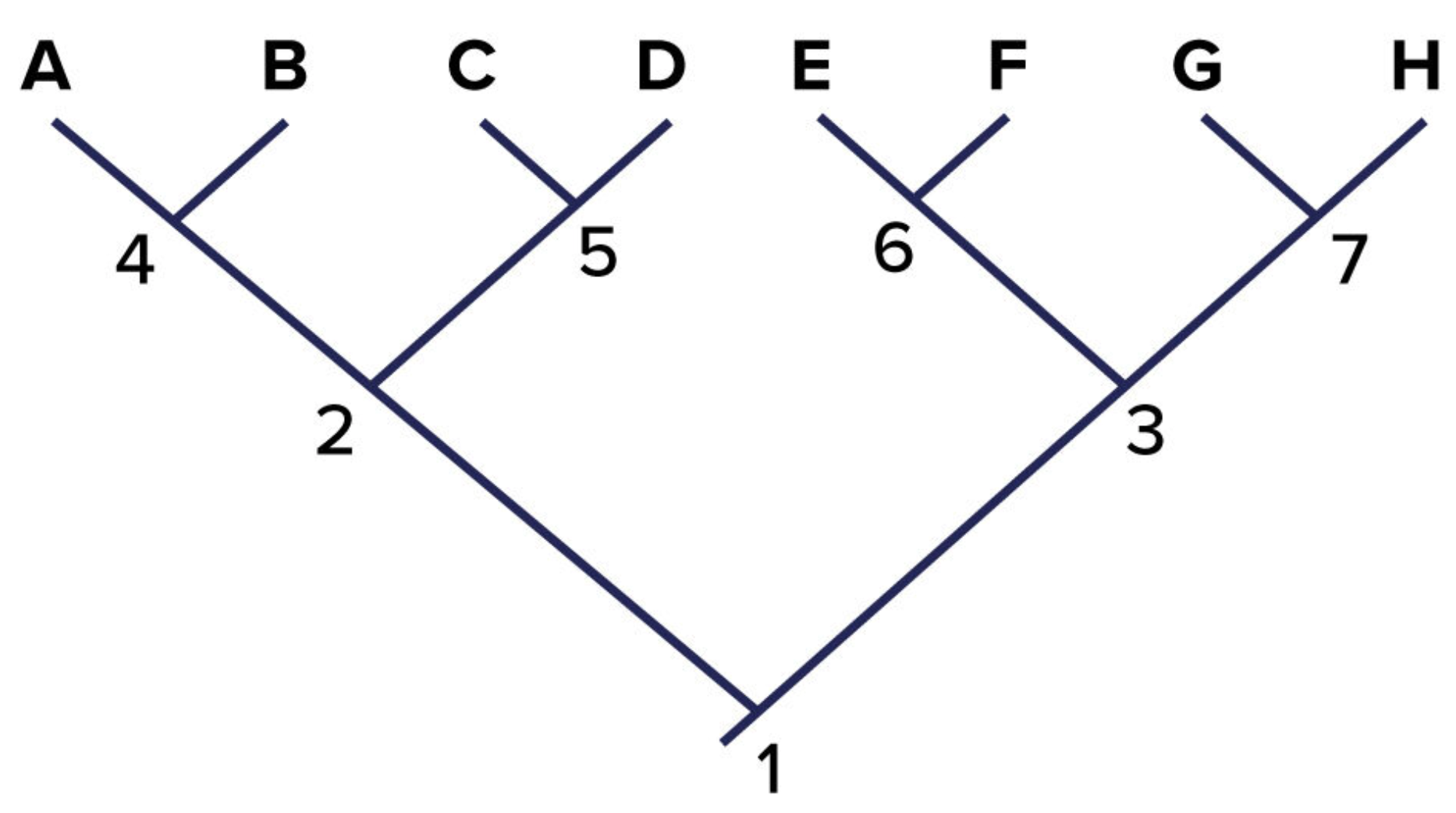
Which species on this cladogram is/are the most recent in evolutionary time?
Species A through H are equally recent
Which of the following has NOT contributed to our understanding of phylogeny?
Comparisons of analogous structures resulting from convergence
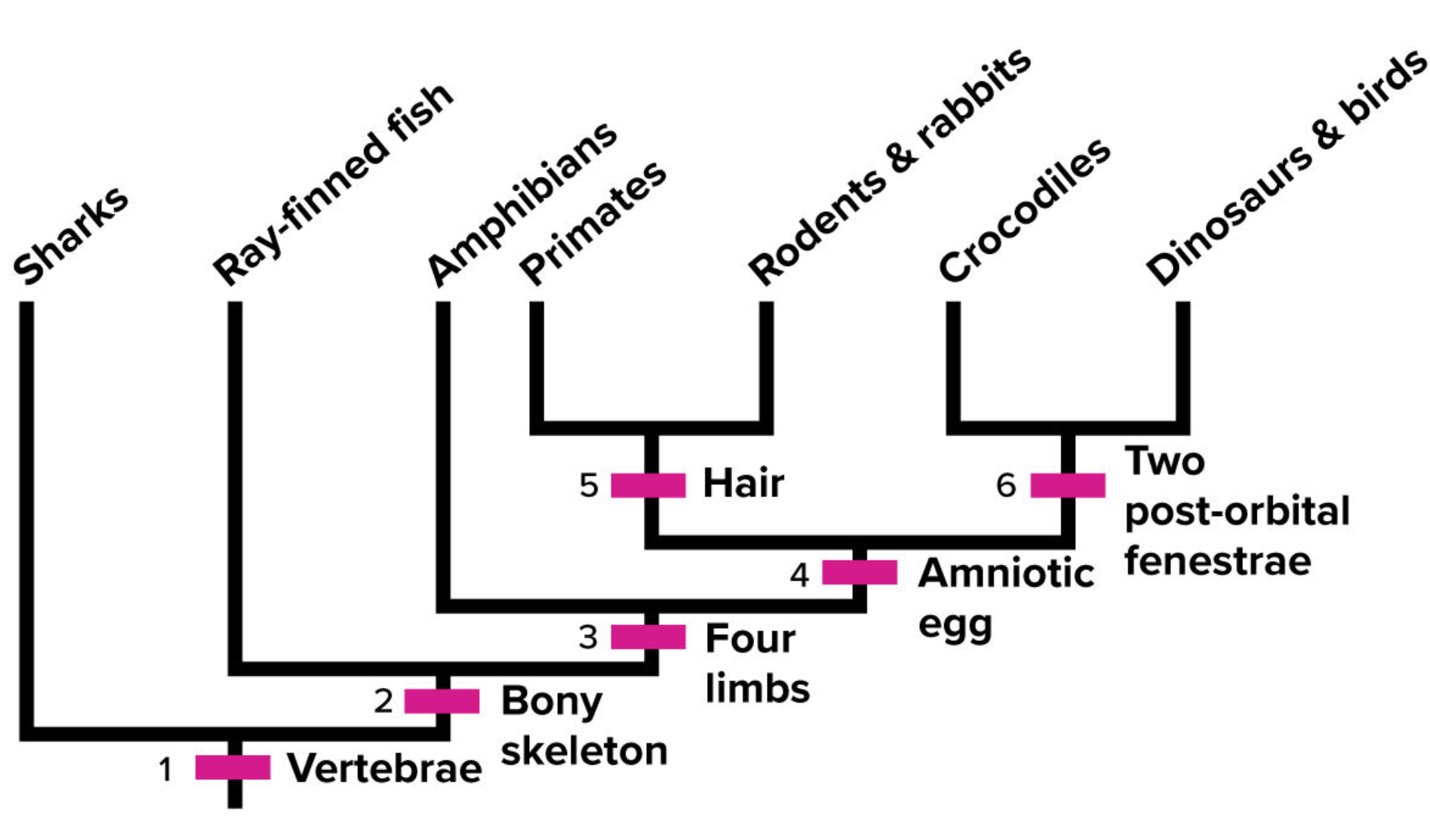
Which of these organisms does not have an ancestor with a bony skeleton?
Shark
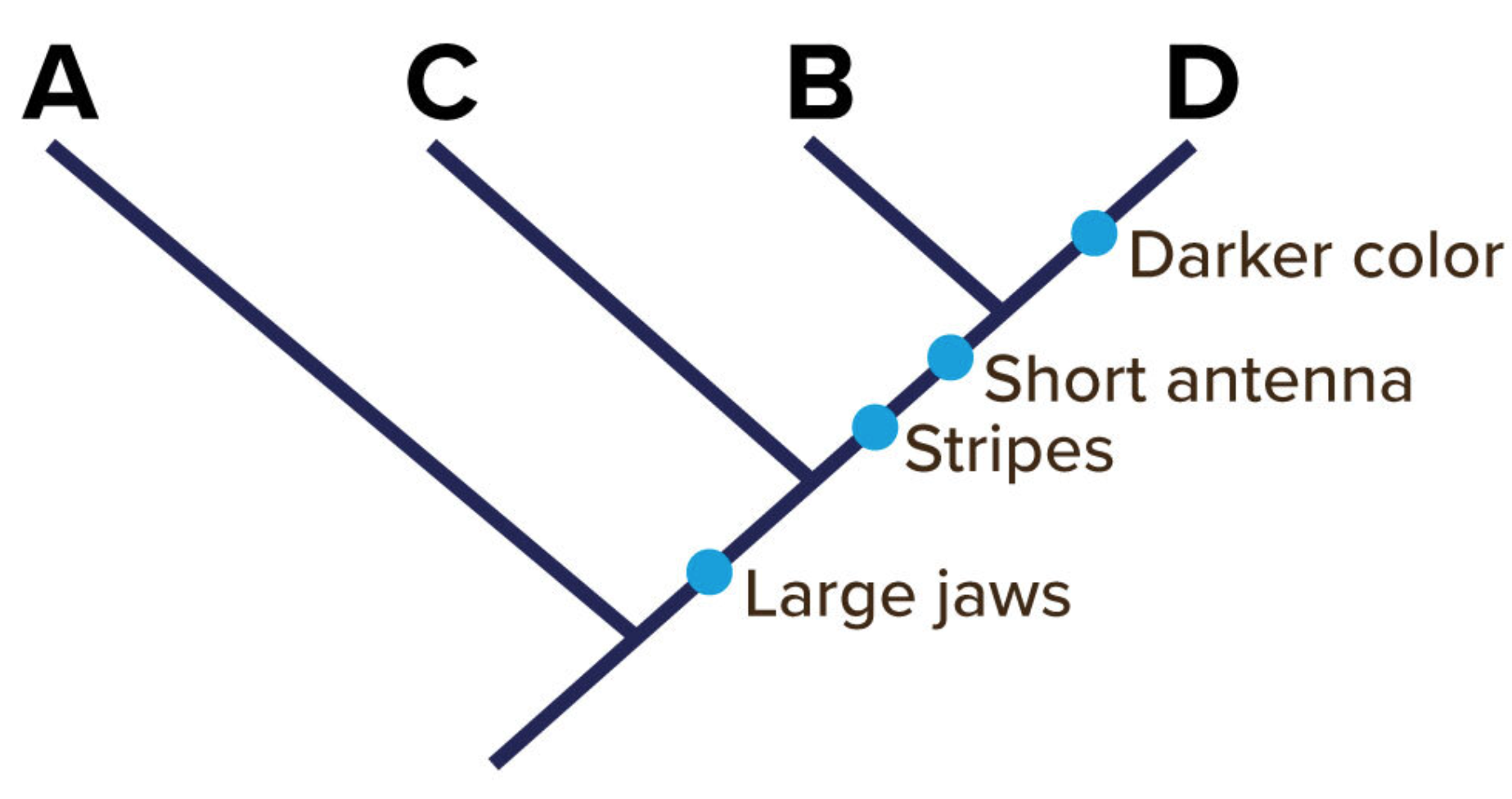
Which organism(s) on this cladogram do NOT have short antenna? (Select all that apply.)
A
C
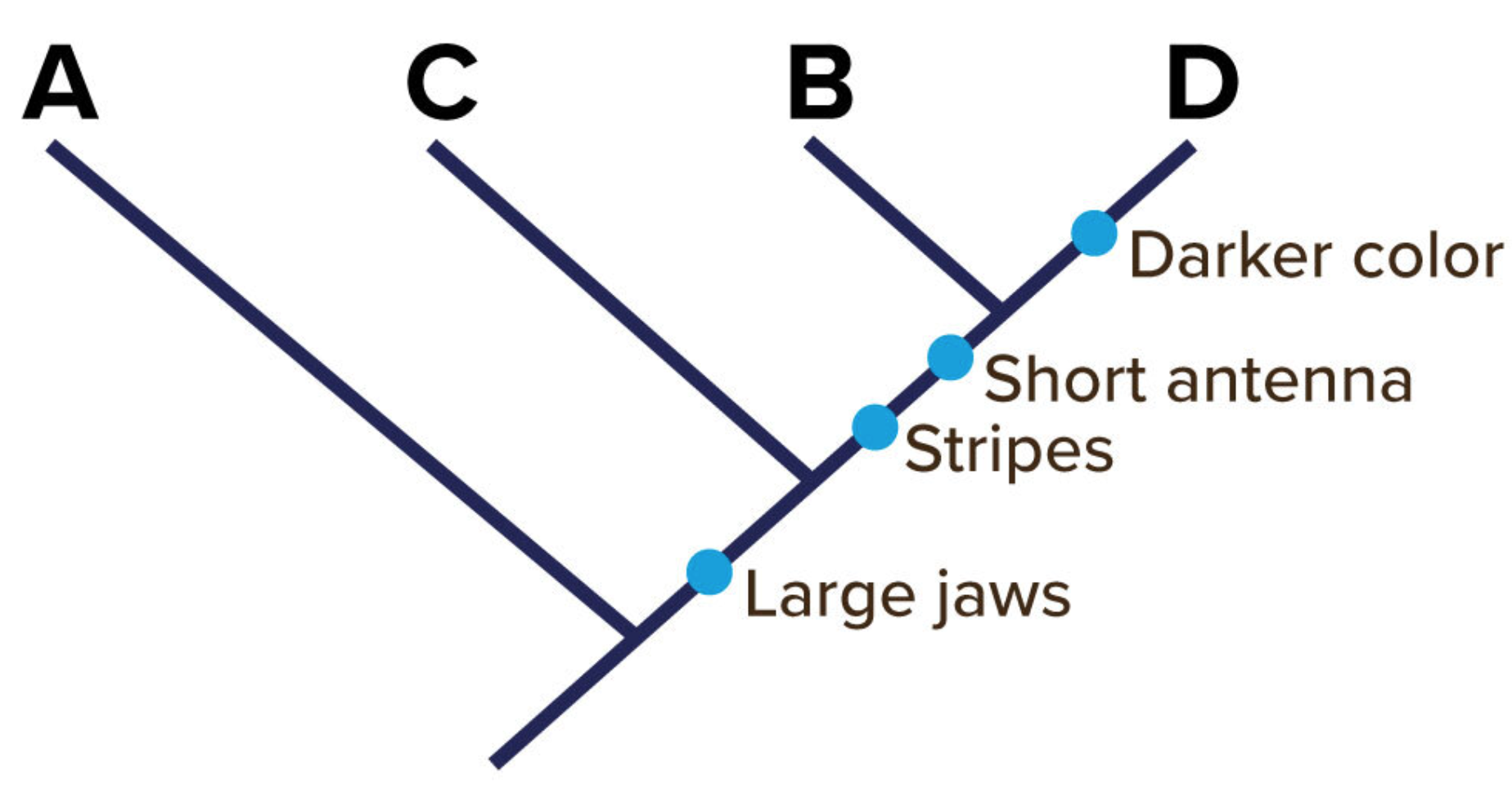
Which organism(s) on this cladogram do NOT have darker color? (Select all that apply.)
A
C
B
Which statement is false regarding phylogenetic trees and cladograms?
phylogenetic trees and cladograms show all phenotypic variants within a particular population
Spirogyra (a green alga), a moss, a spruce tree, and an apple tree. Table 1 compares several characteristics in the organisms (+ indicates the trait is present, − indicates the trait is absent).
Which of the following rows of data listed in table 1 best supports the possibility of a common ancestor for the organisms listed there?
Cell wall composed of cellulose
The wing of a bat, the flipper of a whale, and the forelimb of a horse appear very different, yet detailed studies reveal the presence of the same basic bone pattern. These structures are examples of
homologous structures
The amino acid sequence of cytochrome c is exactly the same in humans and chimpanzees. There is a difference of 13 amino acids between the cytochrome c of humans and dogs, and a difference of 20 amino acids between the cytochrome c of humans and rattlesnakes.
Which of the following statements is best supported by these data?
The human is apparently more closely related to the chimpanzee than to the dog or rattlesnake.
Which of the following pieces of evidence best supports the hypothesis that birds and crocodilians (crocodiles and alligators) are more closely related to each other than they are to other organisms?
The skulls of birds and crocodilians have an opening that is absent in the skulls of other reptiles.
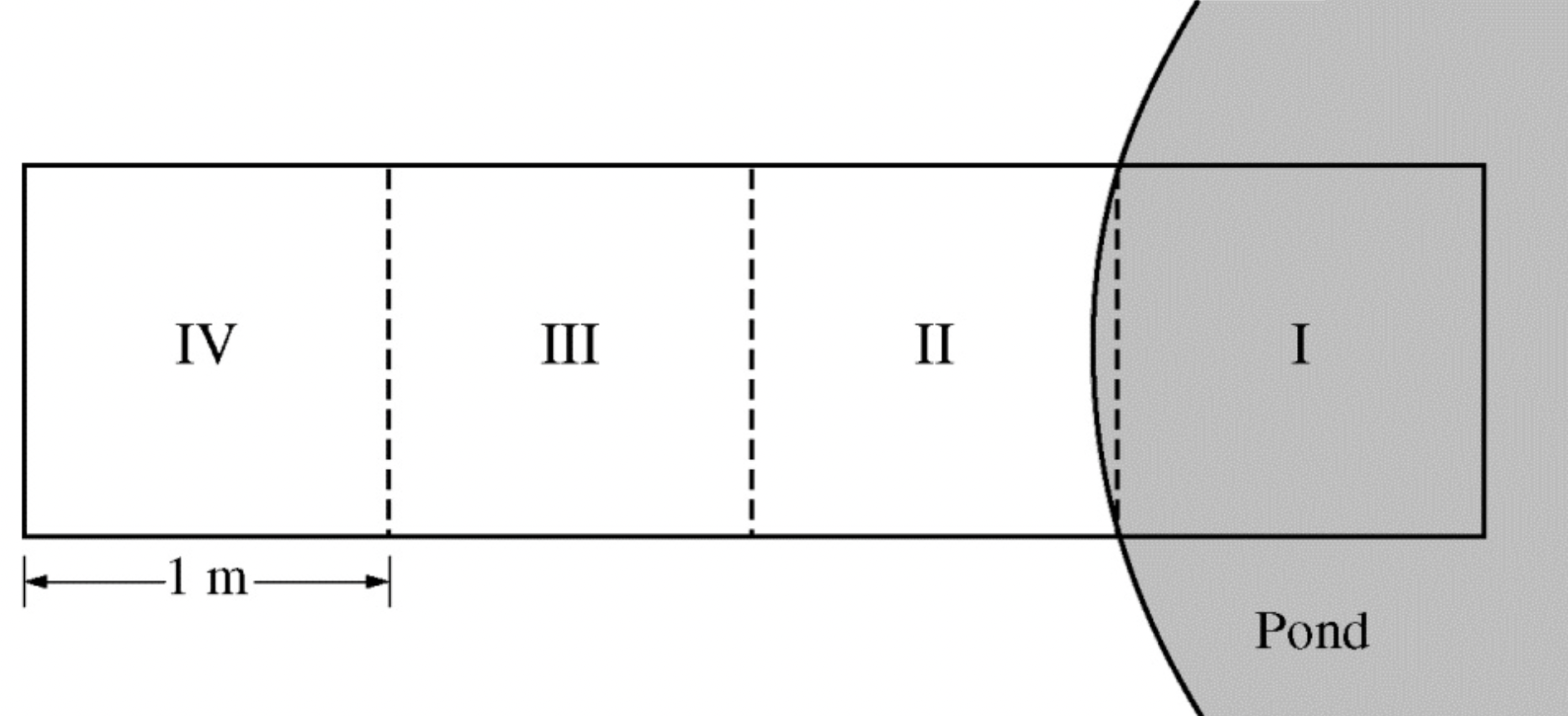
Researchers investigated the habitat preferences of two species of garter snakes, Thamnophis sirtalis and Thamnophis atratus. To create a choice chamber, the researchers built a meshed enclosure and positioned one end of the enclosure at the edge of a small pond. Zone I of the enclosure was located in the water, whereas zone IV of the enclosure was located 2–3 meters away from the water, as represented in the figure below. Snakes inside the enclosure were able to move freely between zones.
Both species of garter snakes prey on the California newt, Taricha torosa, a small amphibian that produces a potent neurotoxin (TTX) in its skin. However, neither species of garter snake is affected by TTX. The resistance to TTX is associated with mutations in the SCN4A gene. Which of the following best supports a claim that TTX resistance arose independently in T. atratus and T. sirtalis?
The two species of snakes have different genetic mutations in the SCN4A gene.
A number of different phylogenies (evolutionary trees) have been proposed by scientists. These phylogenies are useful because they can be used to
evaluate which groups of organisms may be most closely related
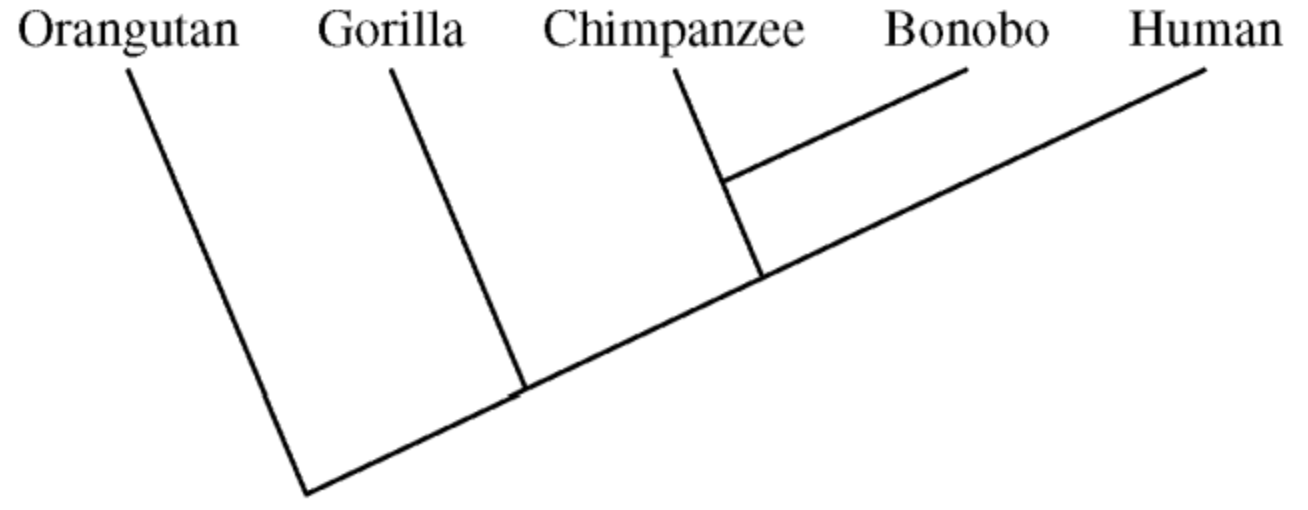
The TAS2R38 gene encodes a receptor protein that influences the ability to taste bitterness. The gene has two alleles: a dominant, wild-type allele that enables an individual (taster) to taste bitterness and a recessive, mutant allele that interferes with the ability of an individual (nontaster) to taste bitterness. Three single nucleotide mutations in the coding region of the TAS2R38 gene are associated with the nontaster allele. The nucleotides present at the three positions are shown in the table below.
Which of the following best describes the likely evolution of the TAS2R38 locus in the gorilla population?
Gorillas who could taste bitter toxins were more likely to survive and reproduce than nontasters.
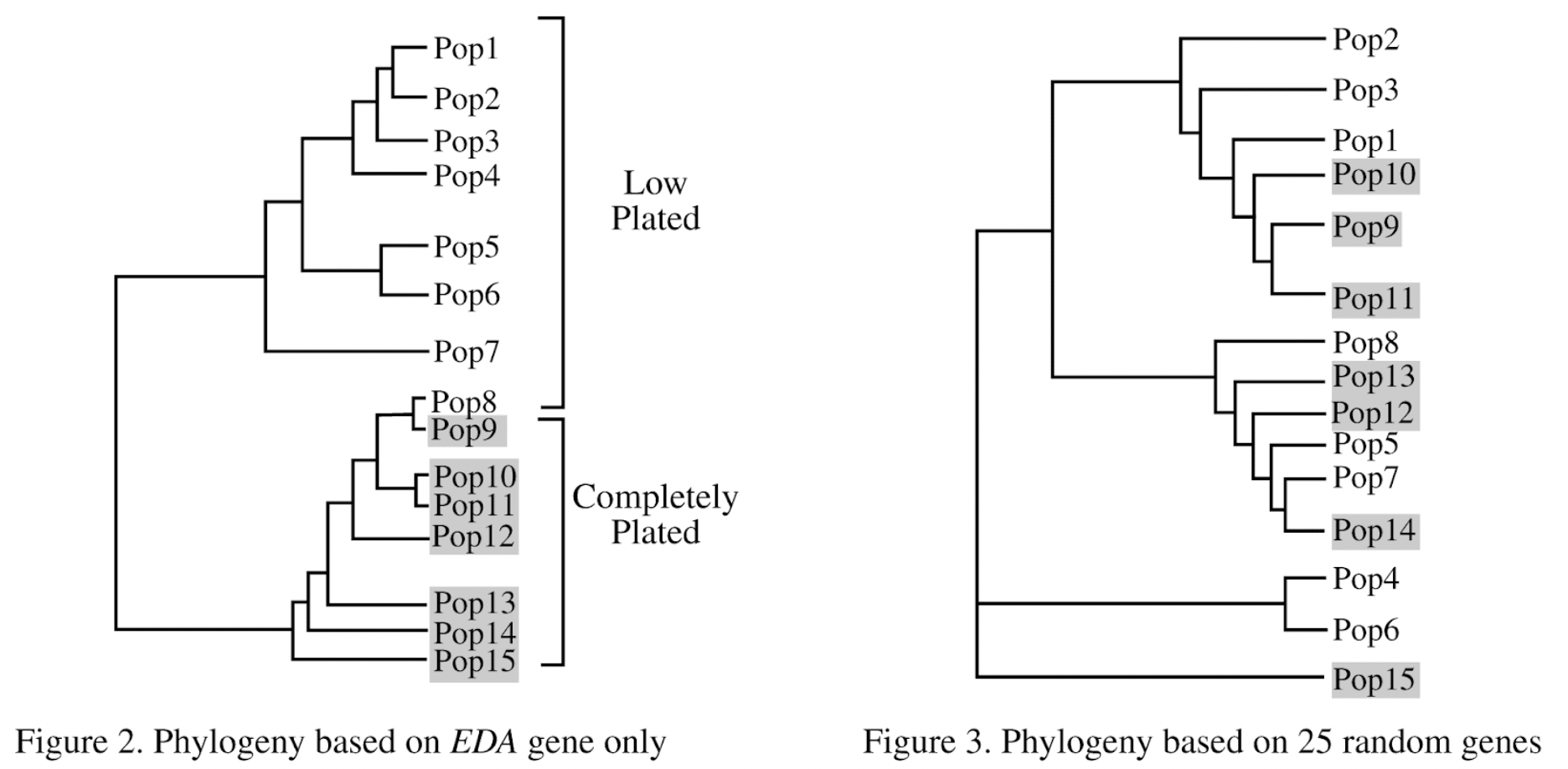
The three-spined stickleback (Gasterosteus aculeatus) is a small fish found in both marine and freshwater environments. Marine stickleback populations consist mainly of individuals with armor-like plates covering most of their body surface (completely plated). Approximately 10,000 years ago, some marine sticklebacks colonized freshwater environments. After many generations in the freshwater environments, the freshwater stickleback populations lacked the armor plating (low plated) typical of marine stickleback populations.
Evolution of a new trait typically takes many generations. Yet a dramatic shift in the extent of armor plating in the Lake Washington stickleback population occurred in the 50 years following the cleanup of the lake. Which of the following best describes the mechanism of the rapid evolution of the armor phenotype in the Lake Washington sticklebacks?
New selective pressures favored individuals with the plated phenotype, causing the plated allele frequency in the population to quickly increase.
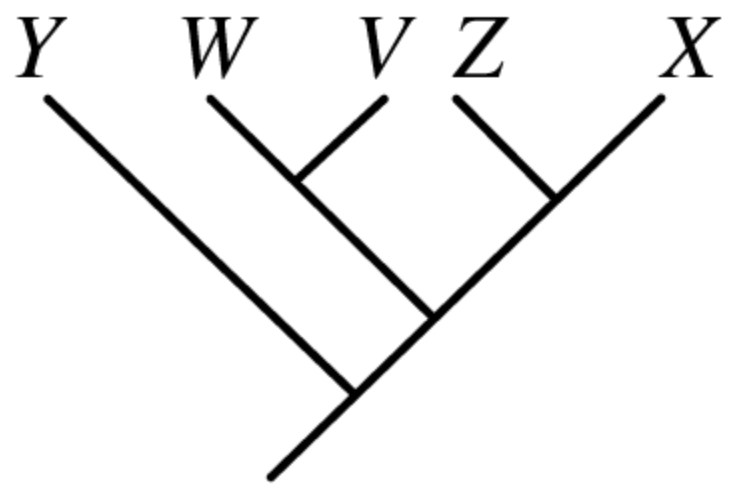
Data regarding the presence (+) or absence (-) of five derived traits in several different species are shown in the table below.
Which of the following cladograms provides the simplest and most accurate representation of the data in the table?
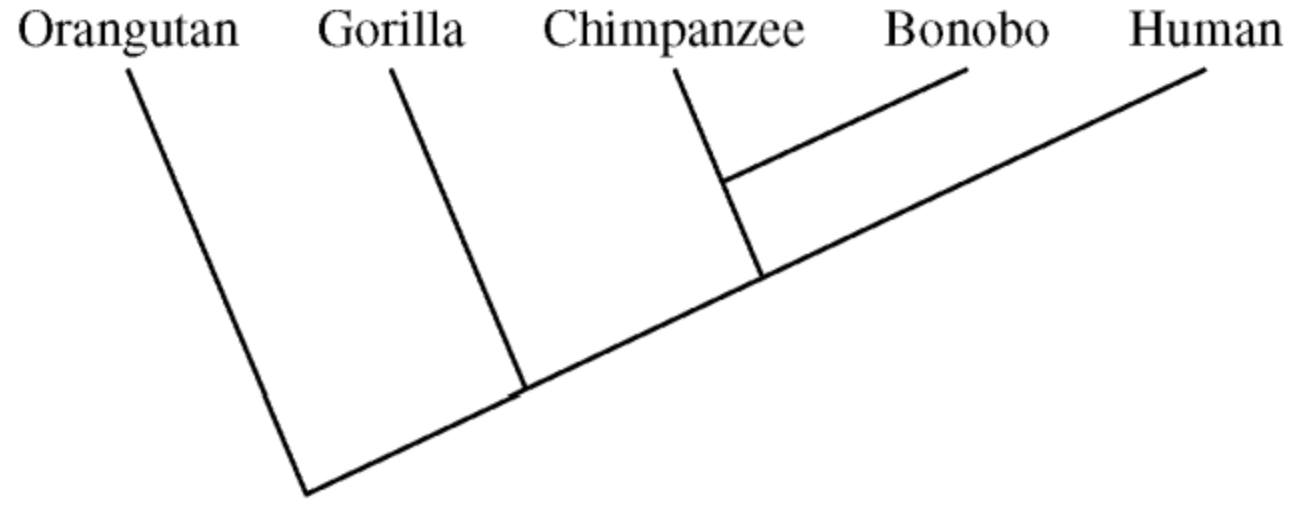
The TAS2R38 gene encodes a receptor protein that influences the ability to taste bitterness. The gene has two alleles: a dominant, wild-type allele that enables an individual (taster) to taste bitterness and a recessive, mutant allele that interferes with the ability of an individual (nontaster) to taste bitterness. Three single nucleotide mutations in the coding region of the TAS2R38 gene are associated with the nontaster allele. The nucleotides present at the three positions are shown in the table below.
In a sample of 2,400 people, 1,482 were found to have the dominant (taster) phenotype. Assuming that the population is in Hardy-Weinberg equilibrium, approximately how many individuals in the sample are expected to be heterozygous for TAS2R38?
1,133