Medical Terminology (Chabner) Digestive System
 Call Kai
 Learn
Learn Practice Test
 Spaced Repetition
 Match
Match Flashcards
 Knowt Play
1/78

There's no tags or description
Looks like no tags are added yet.
Name | Mastery | Learn | Test | Matching | Spaced | Call with Kai |
|---|
No analytics yet
Send a link to your students to track their progress
79 Terms
anus
an/o

p.t. the anus
anal
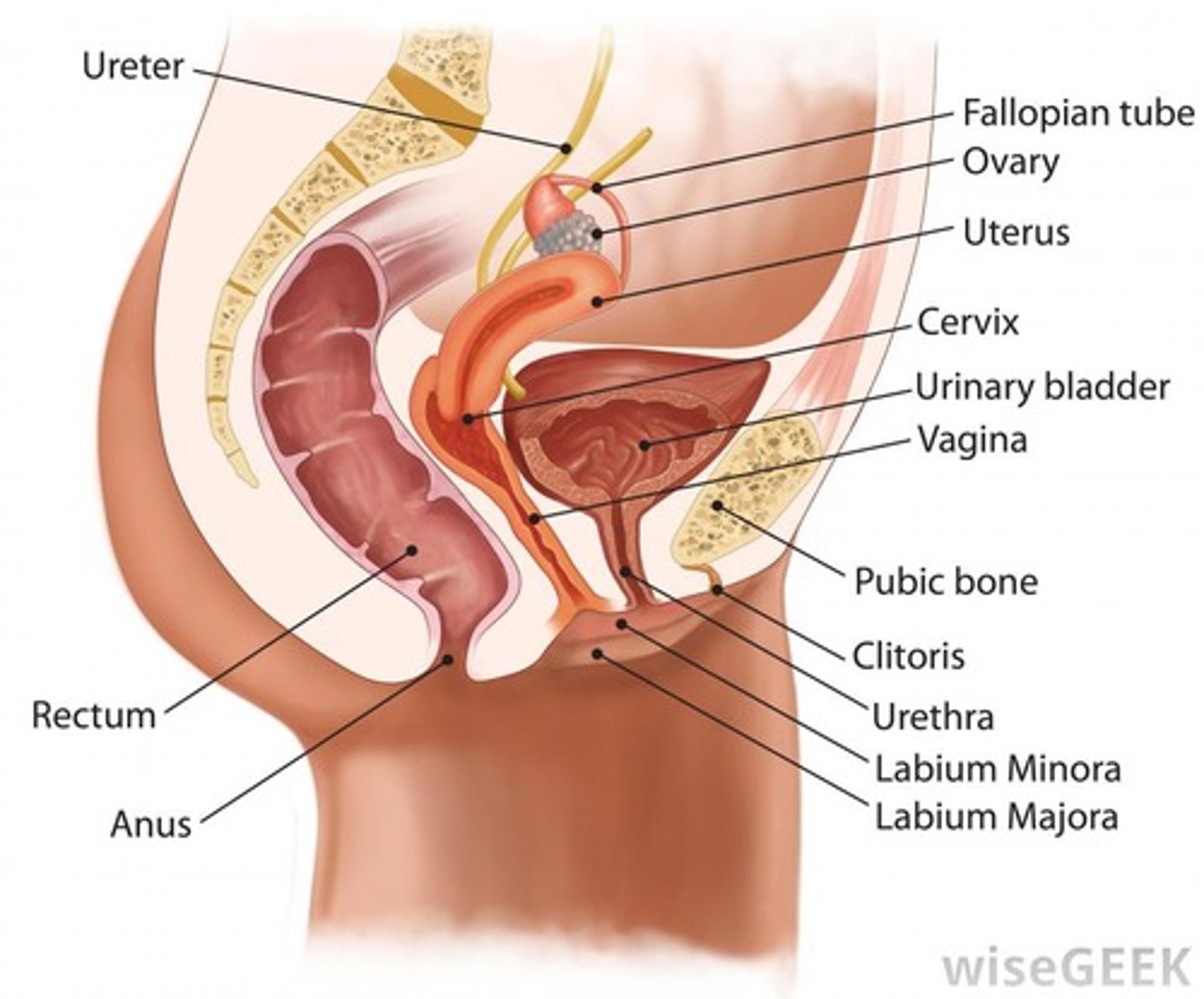
appendix
append/o
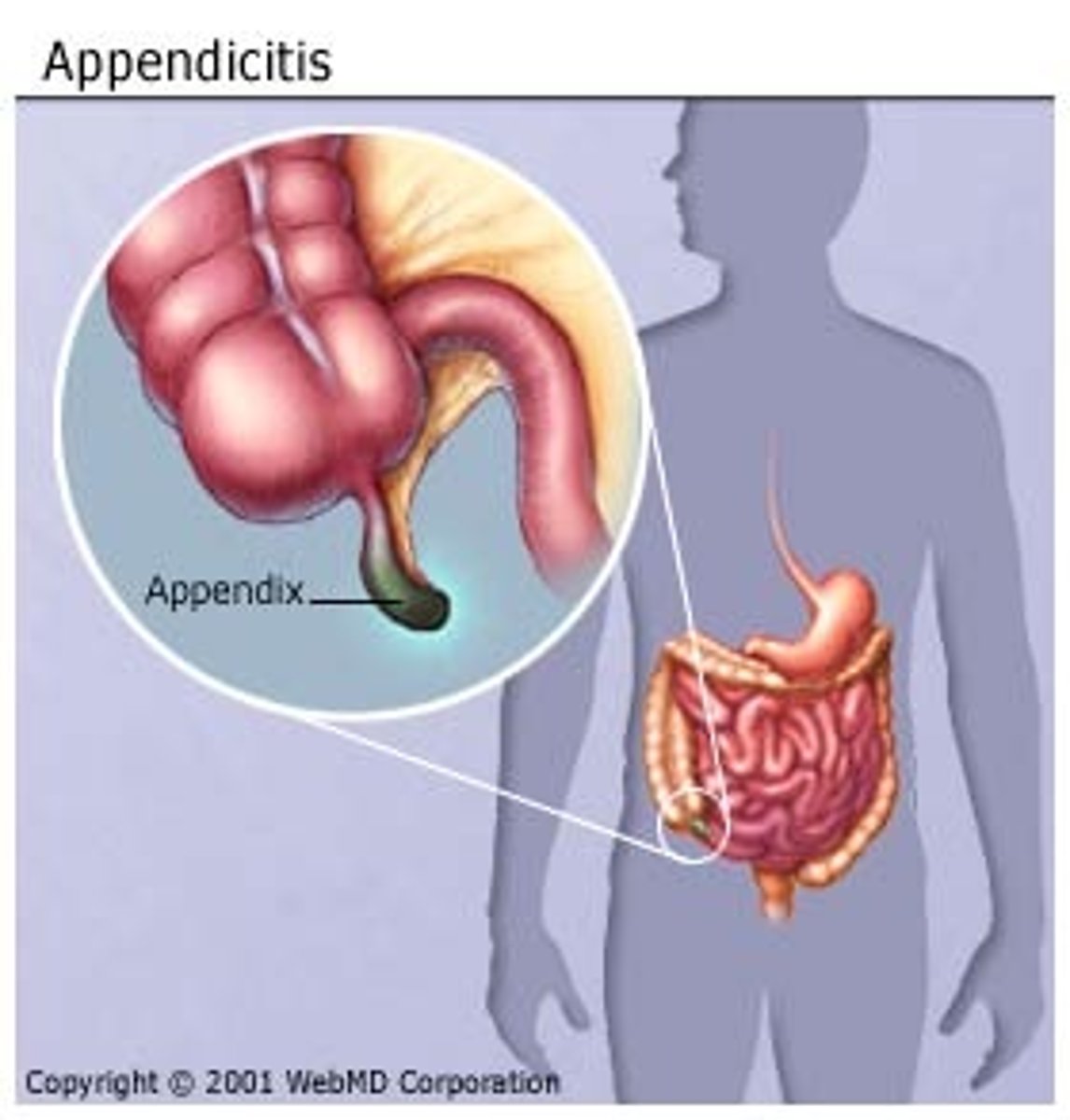
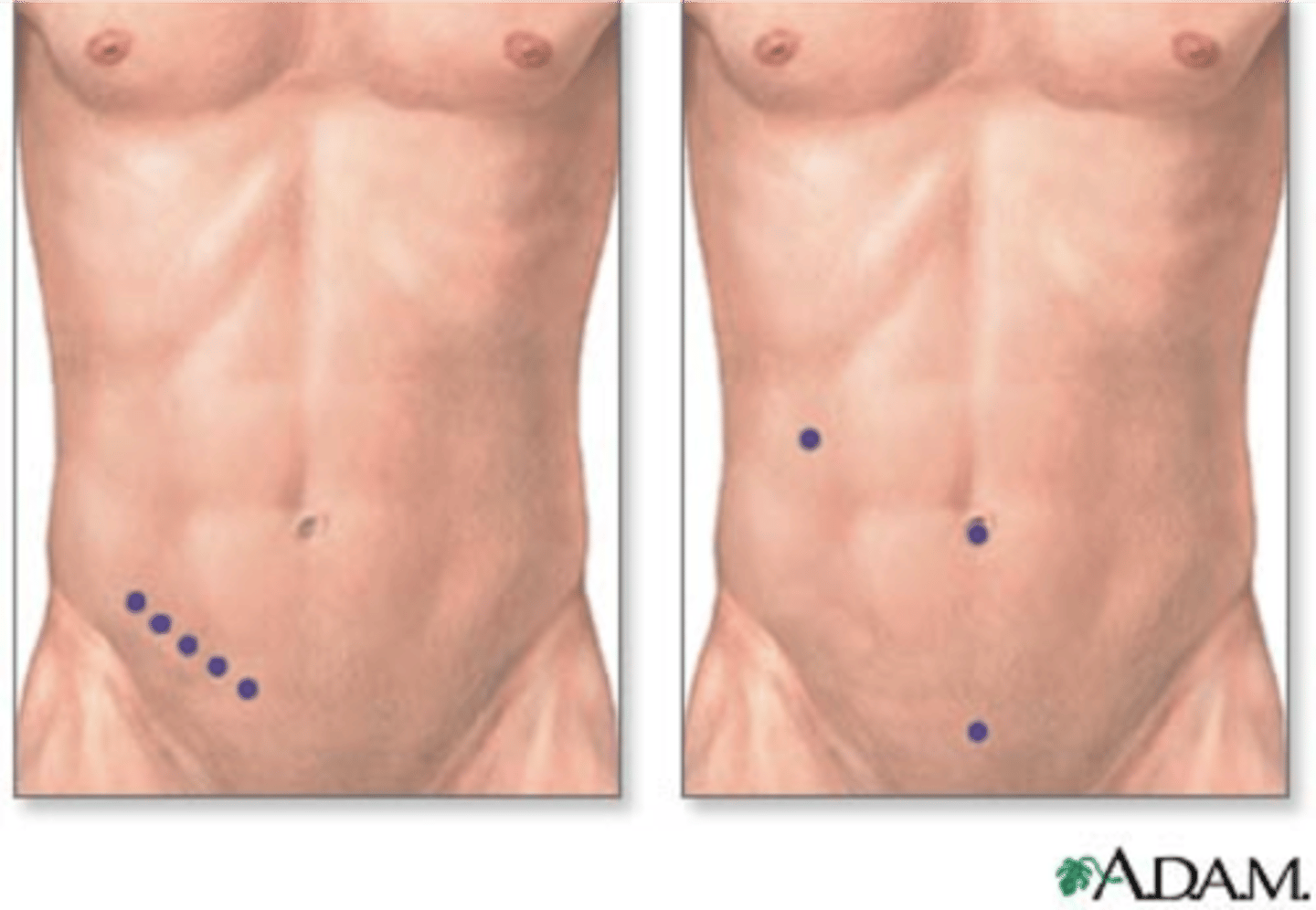
removal of the appendix
appendectomy
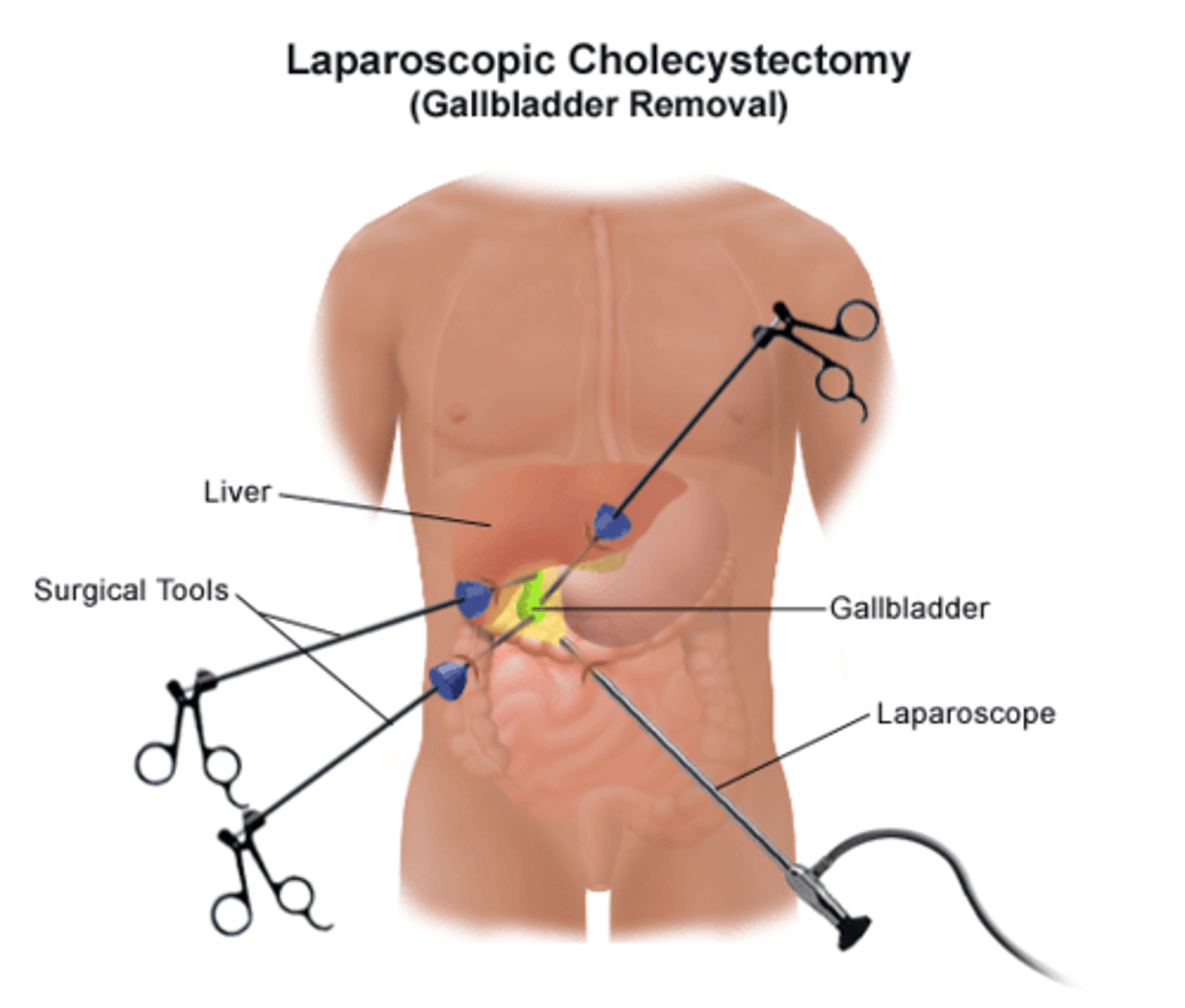
gallbladder
cholecyst/o
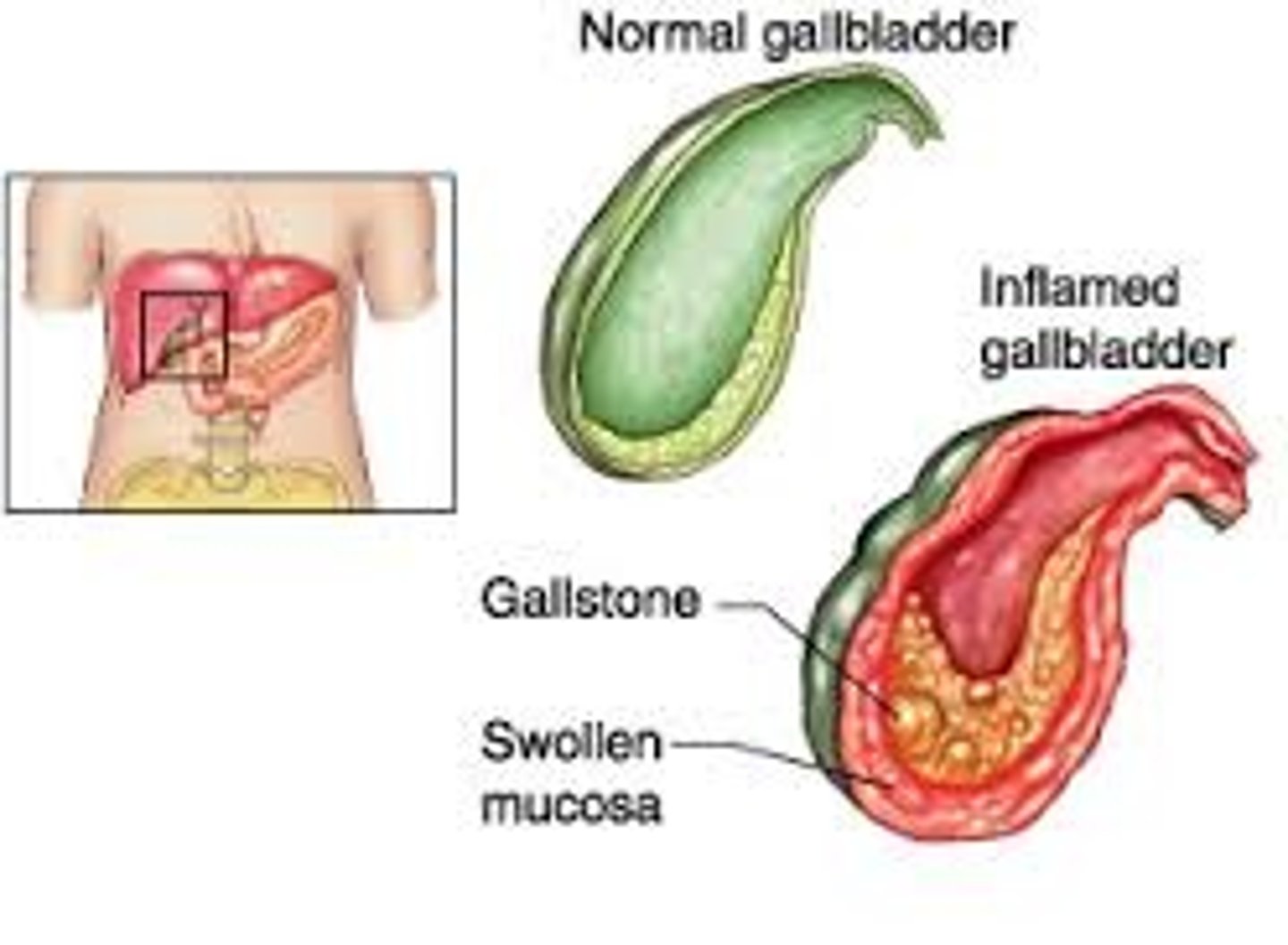
removal of the gallbladder
cholecystectomy
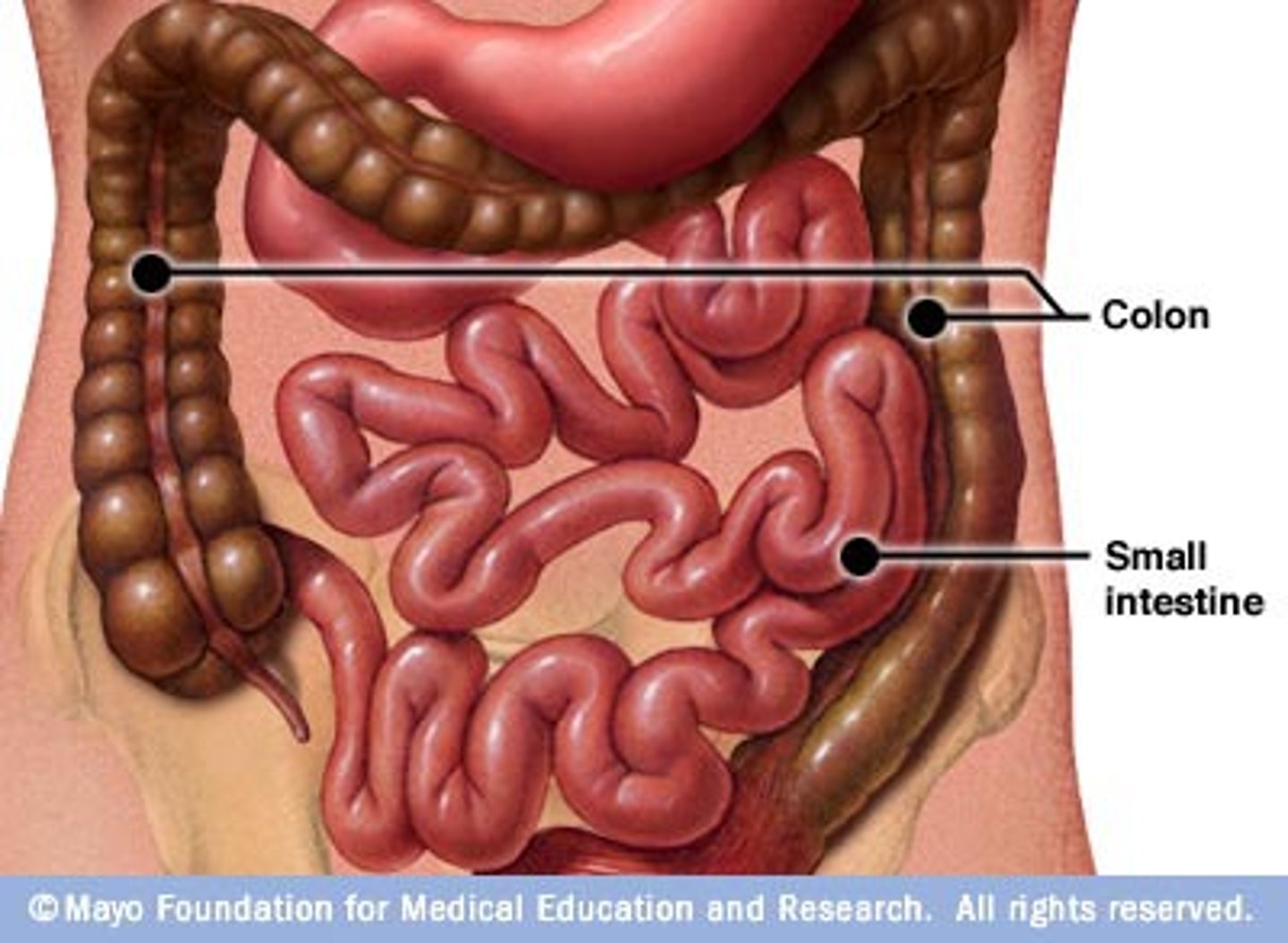
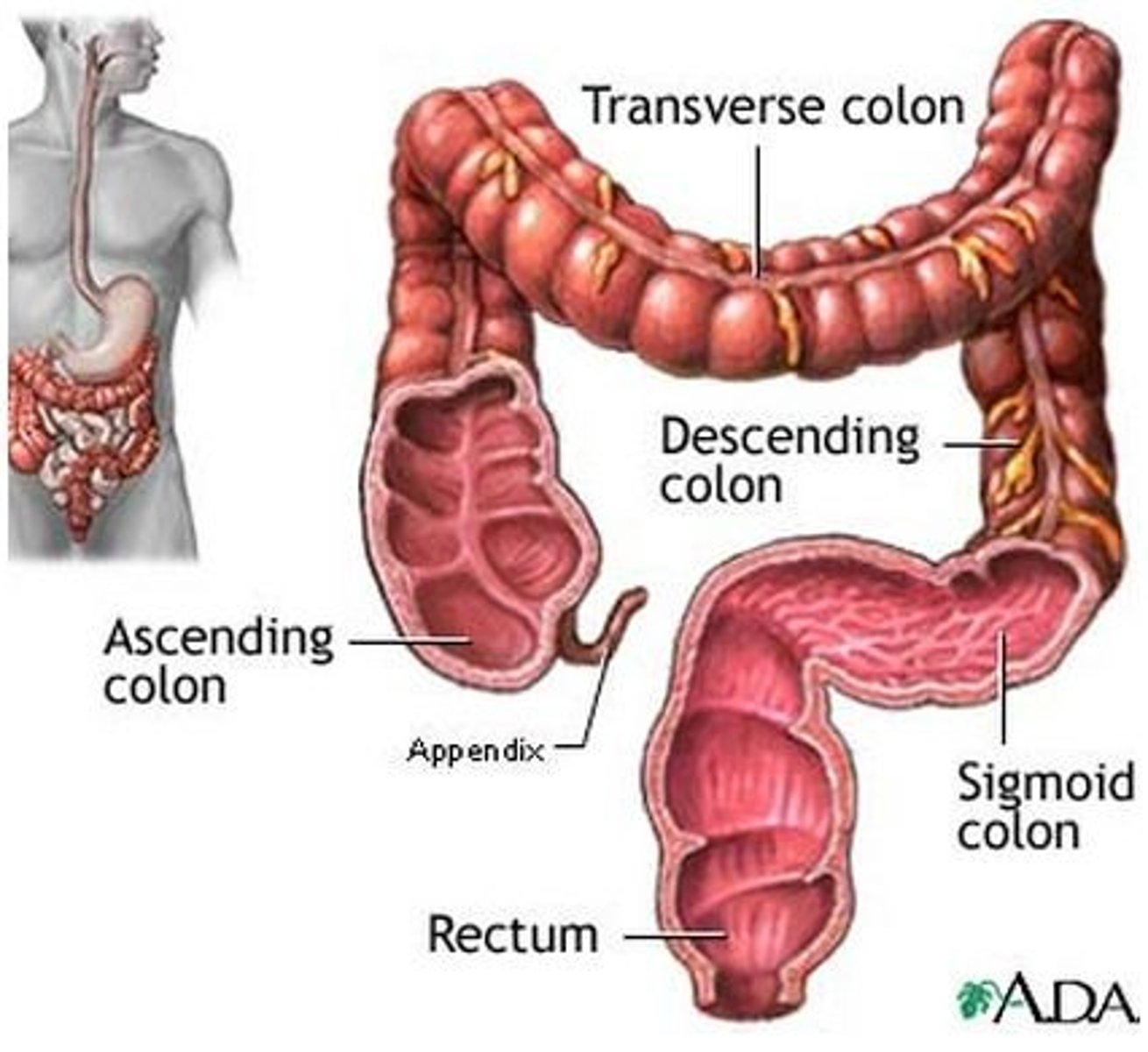
colon (large intestine)
col/o
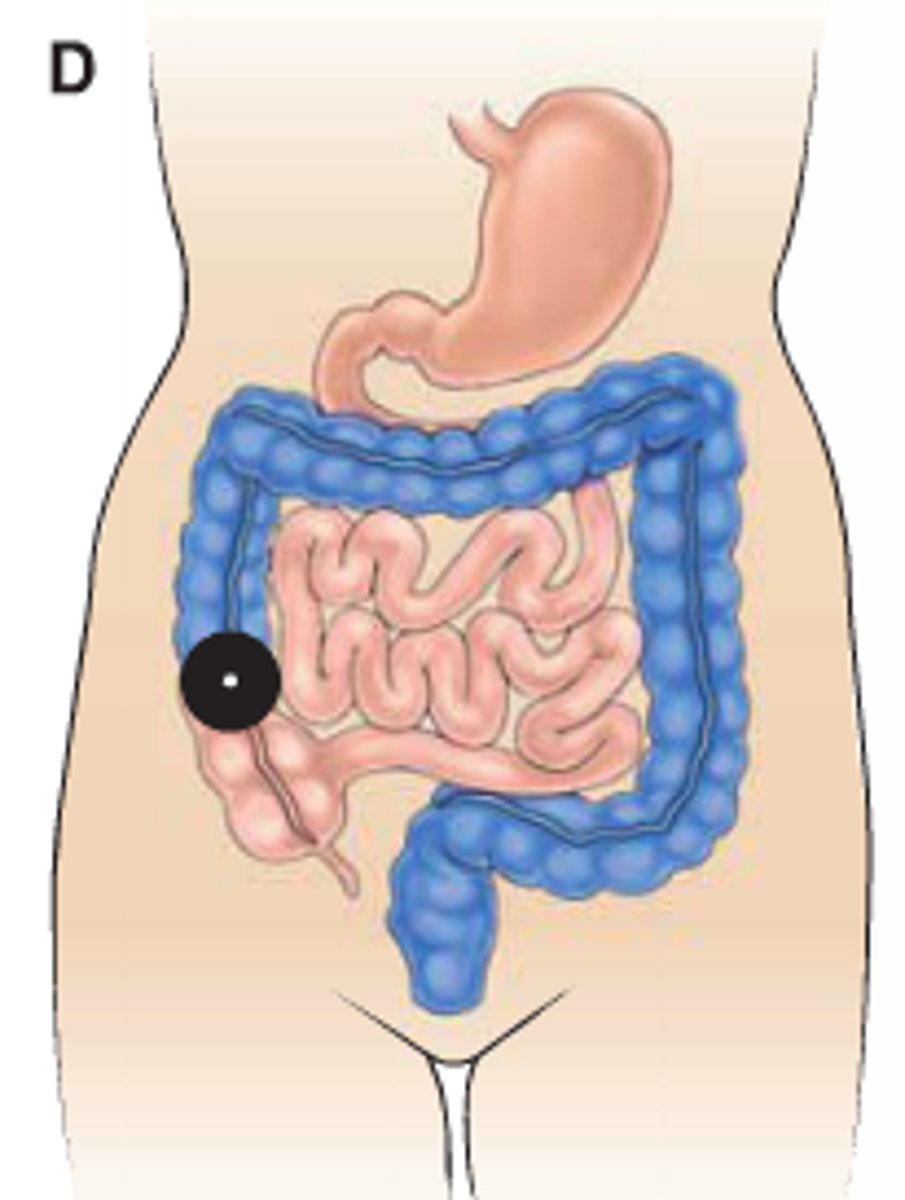
opening of the colon to the outside of the body
colostomy
colon
colon/o
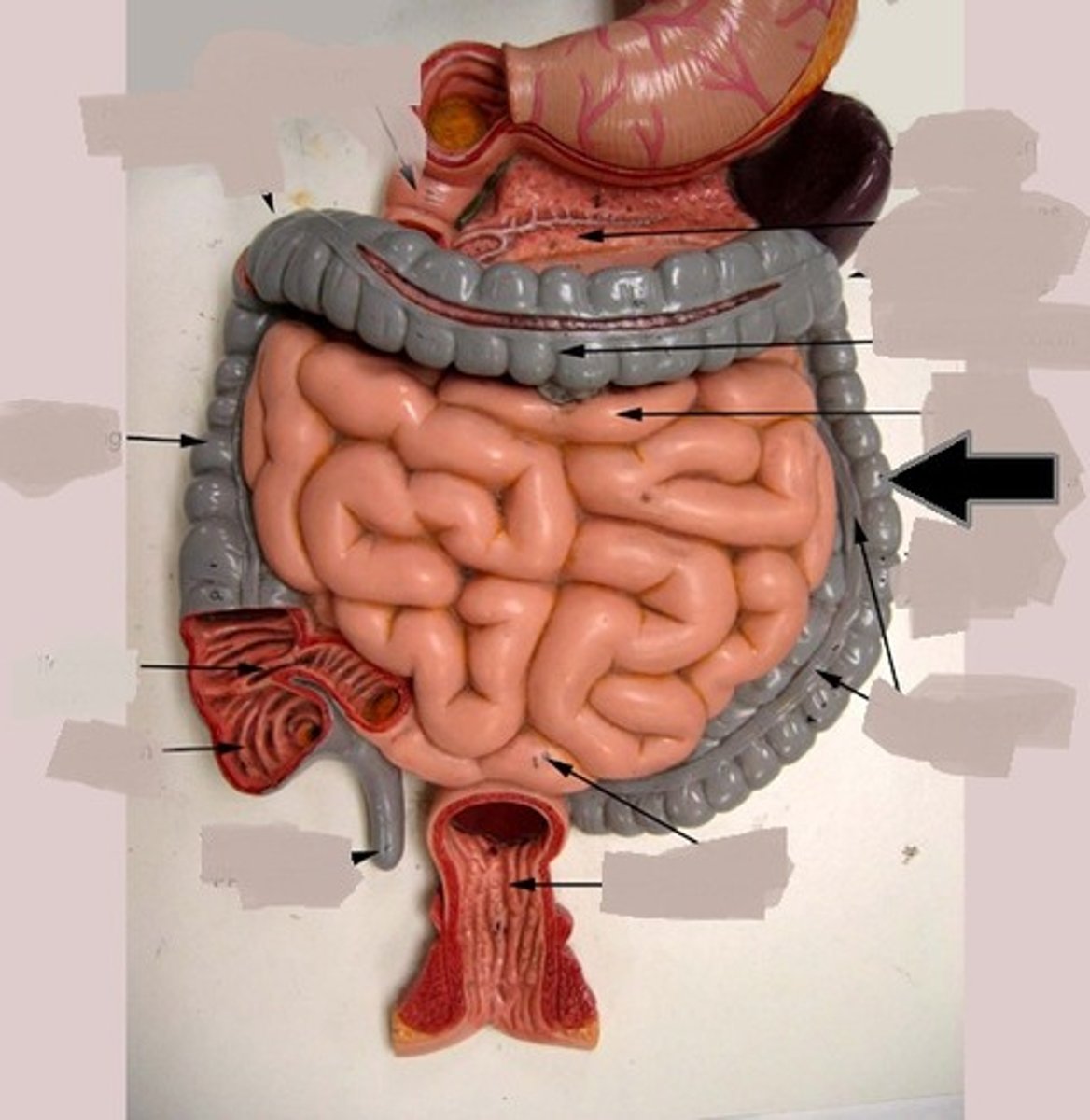
v.e. of the colon
colonoscopy
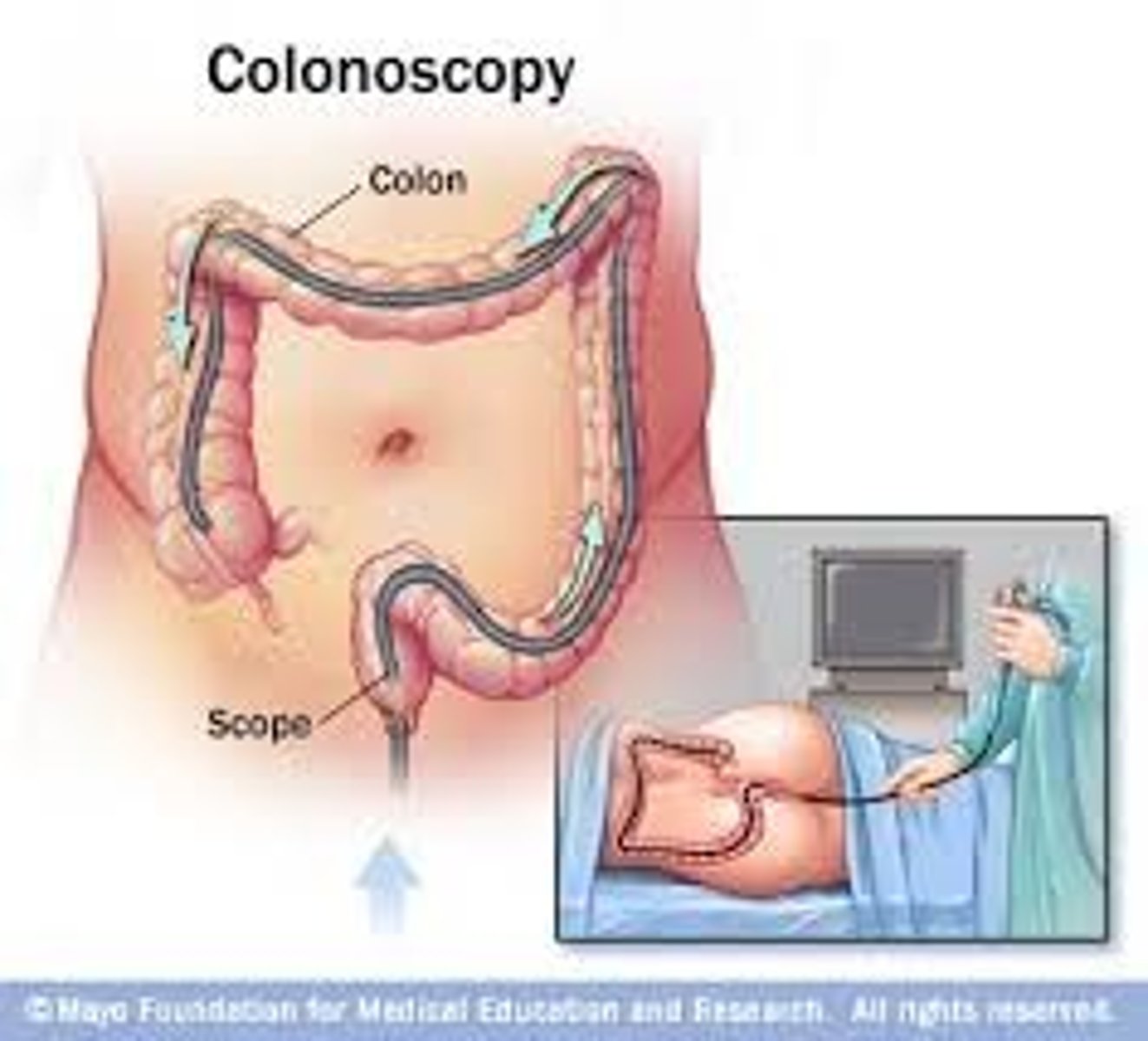
duodenum (1st part of the small intestine)
duoden/o
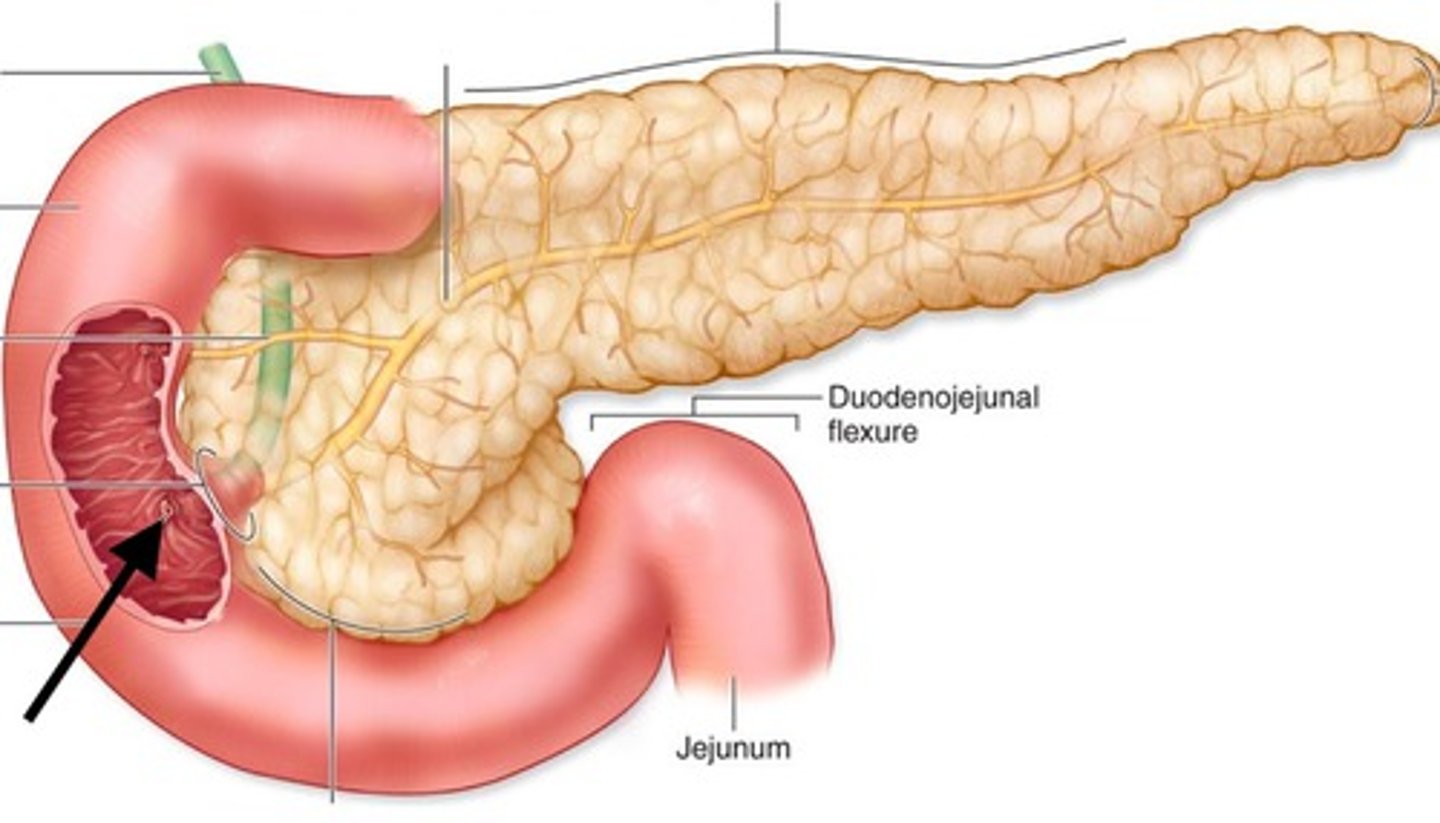
p.t. the duodenum (1st part of the small intestine)
duodenal
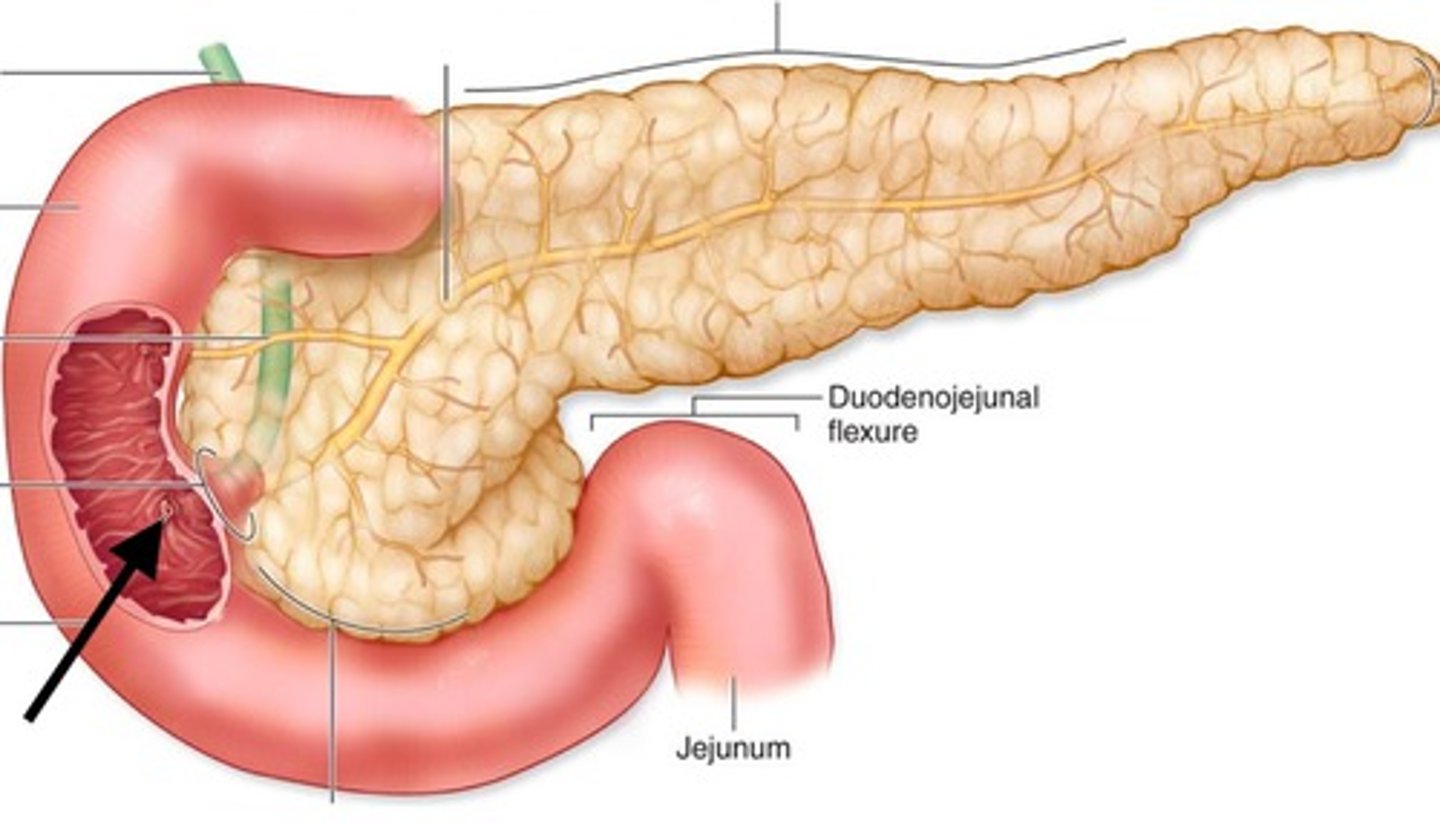
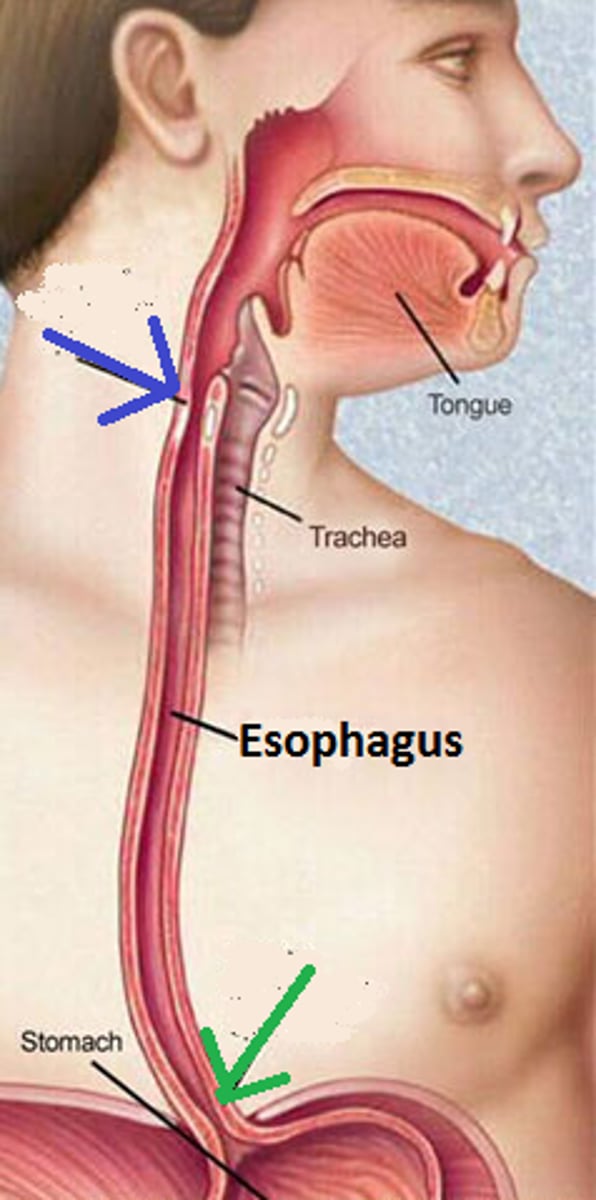
esophagus
esophag/o
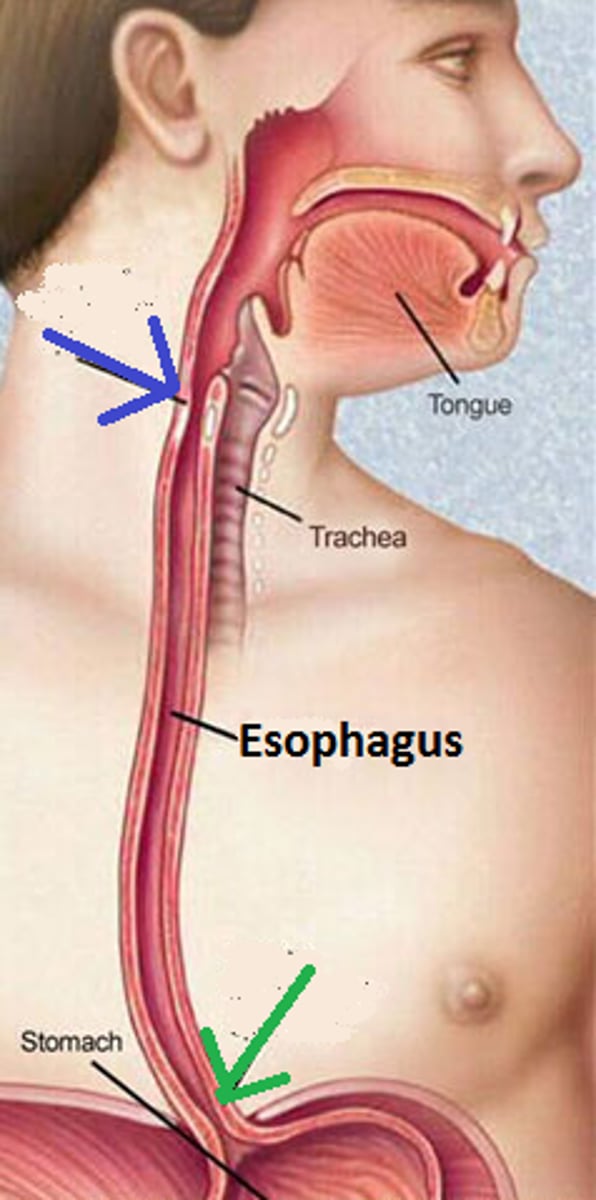
p.t. the esophagus
esophageal
stomach
gastr/o
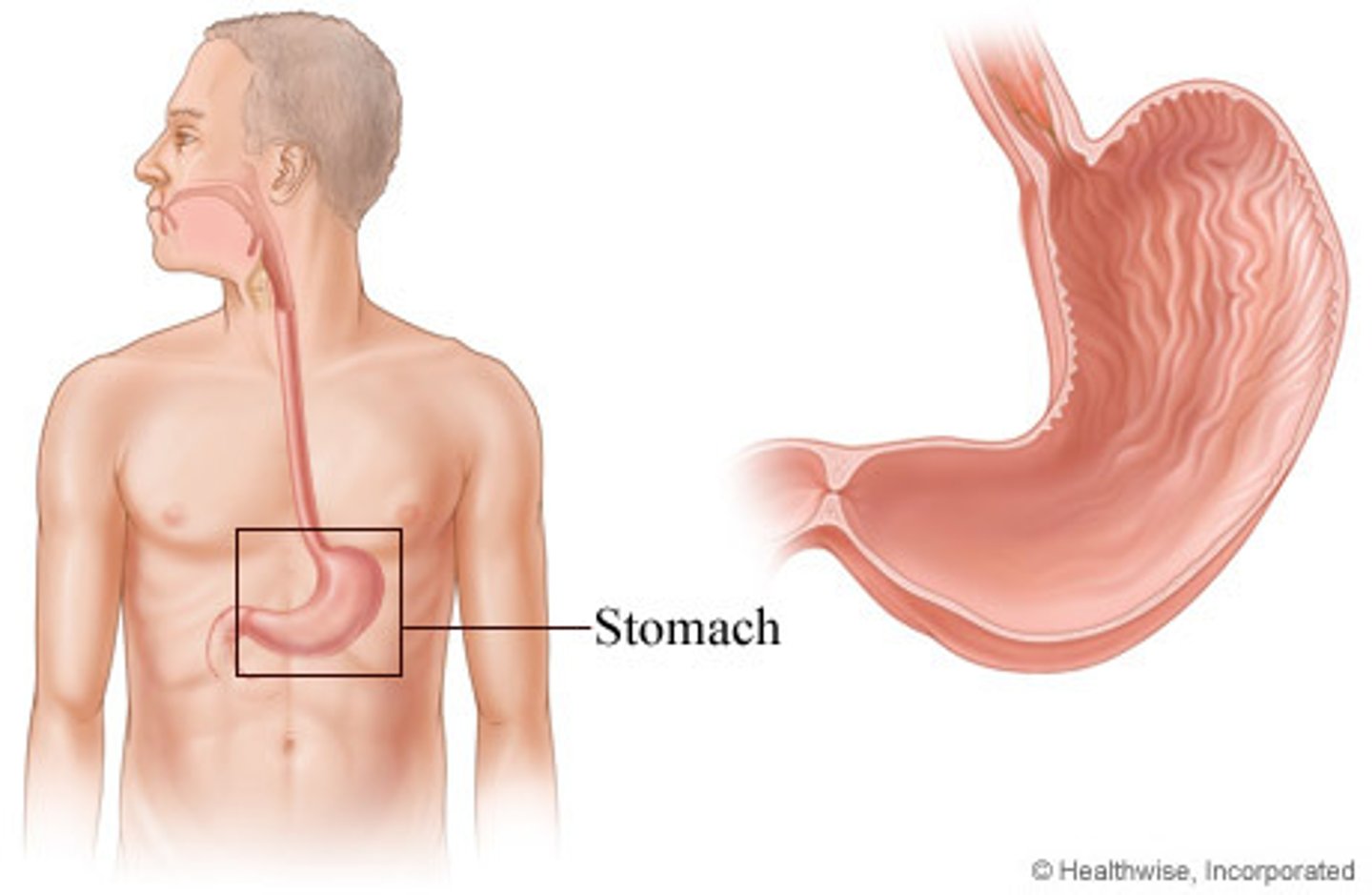
stomach pain
gastralgia

liver
hepat/o
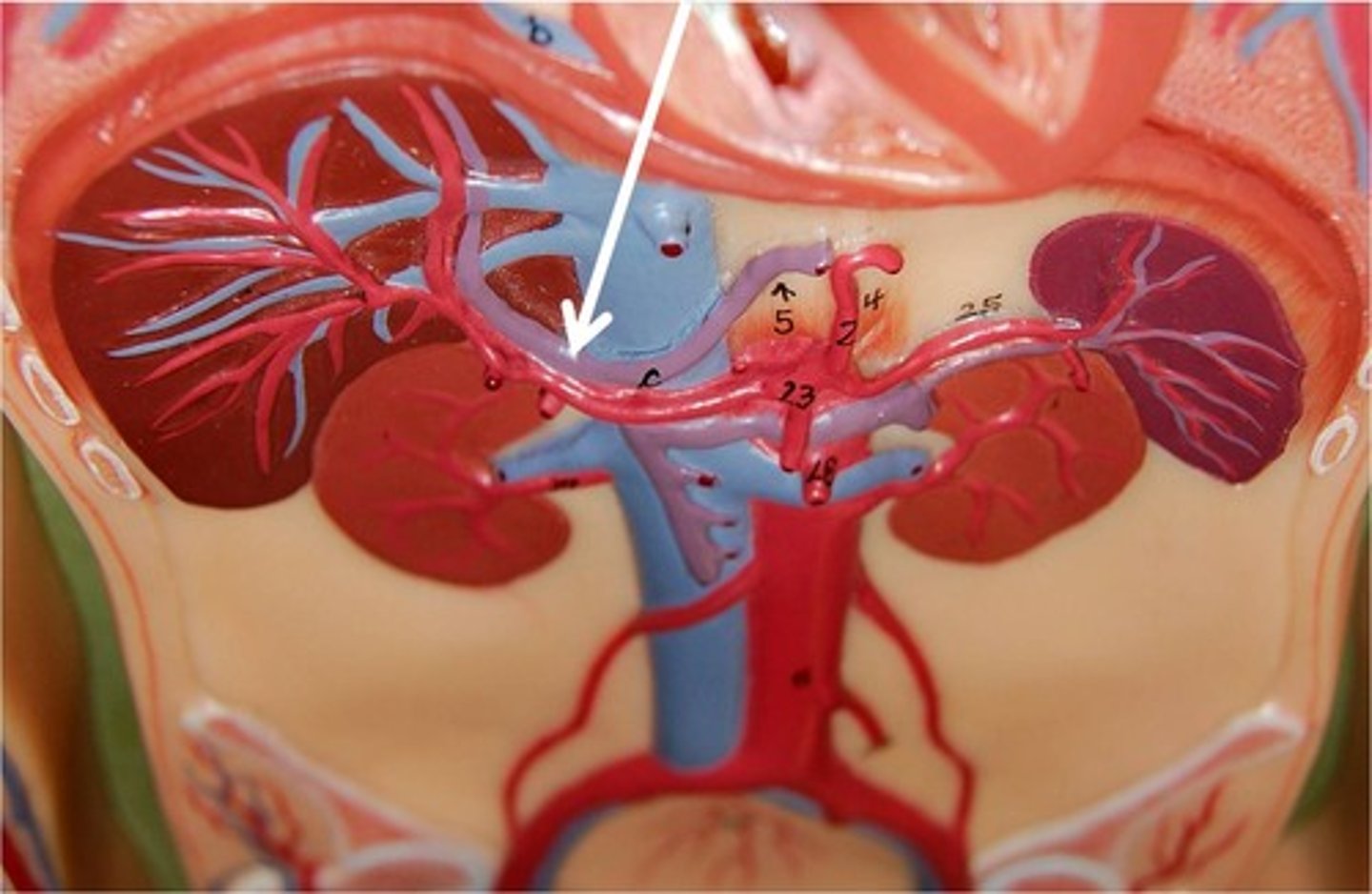
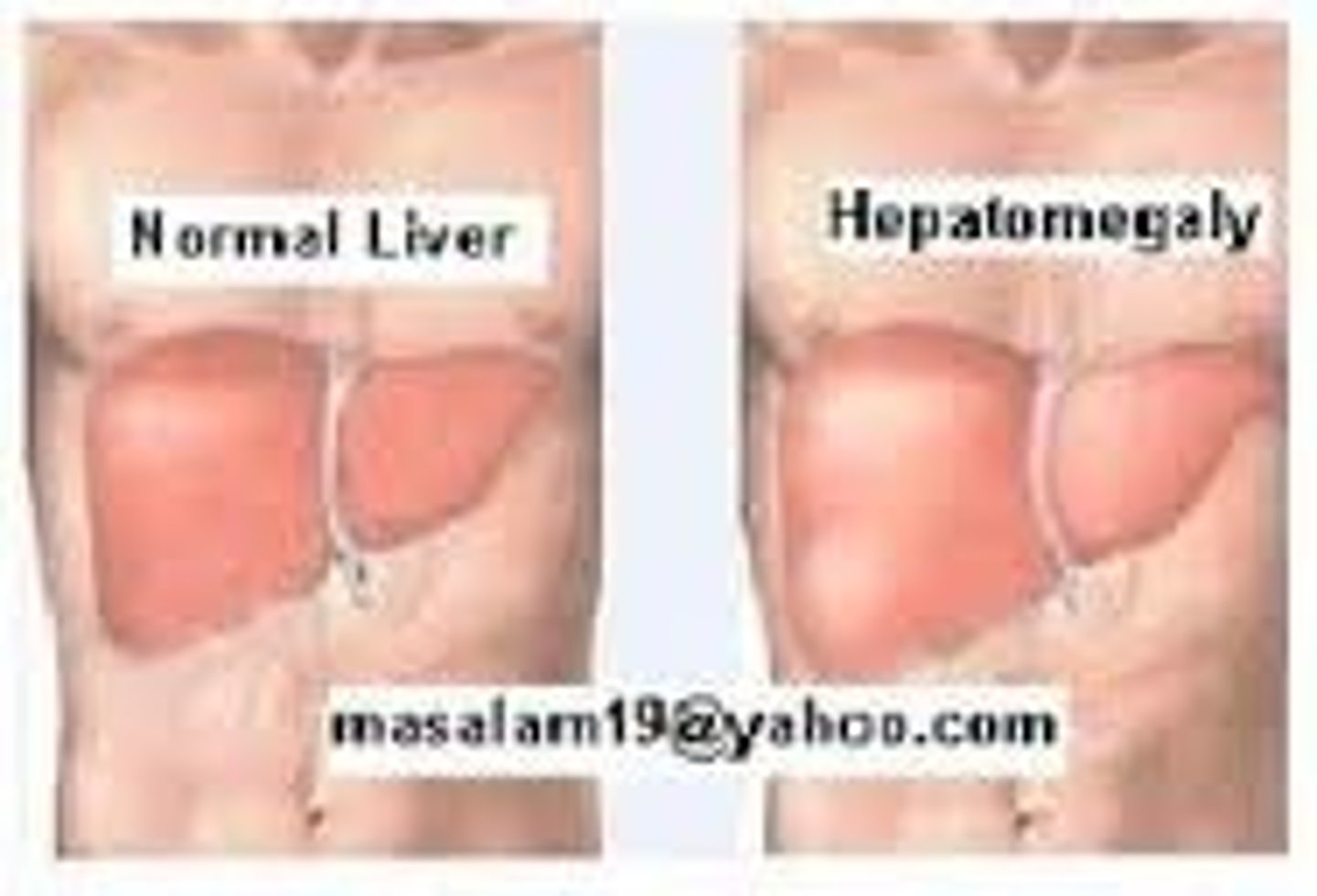
enlargement of the liver
hepatomegaly
ileum
ile/o
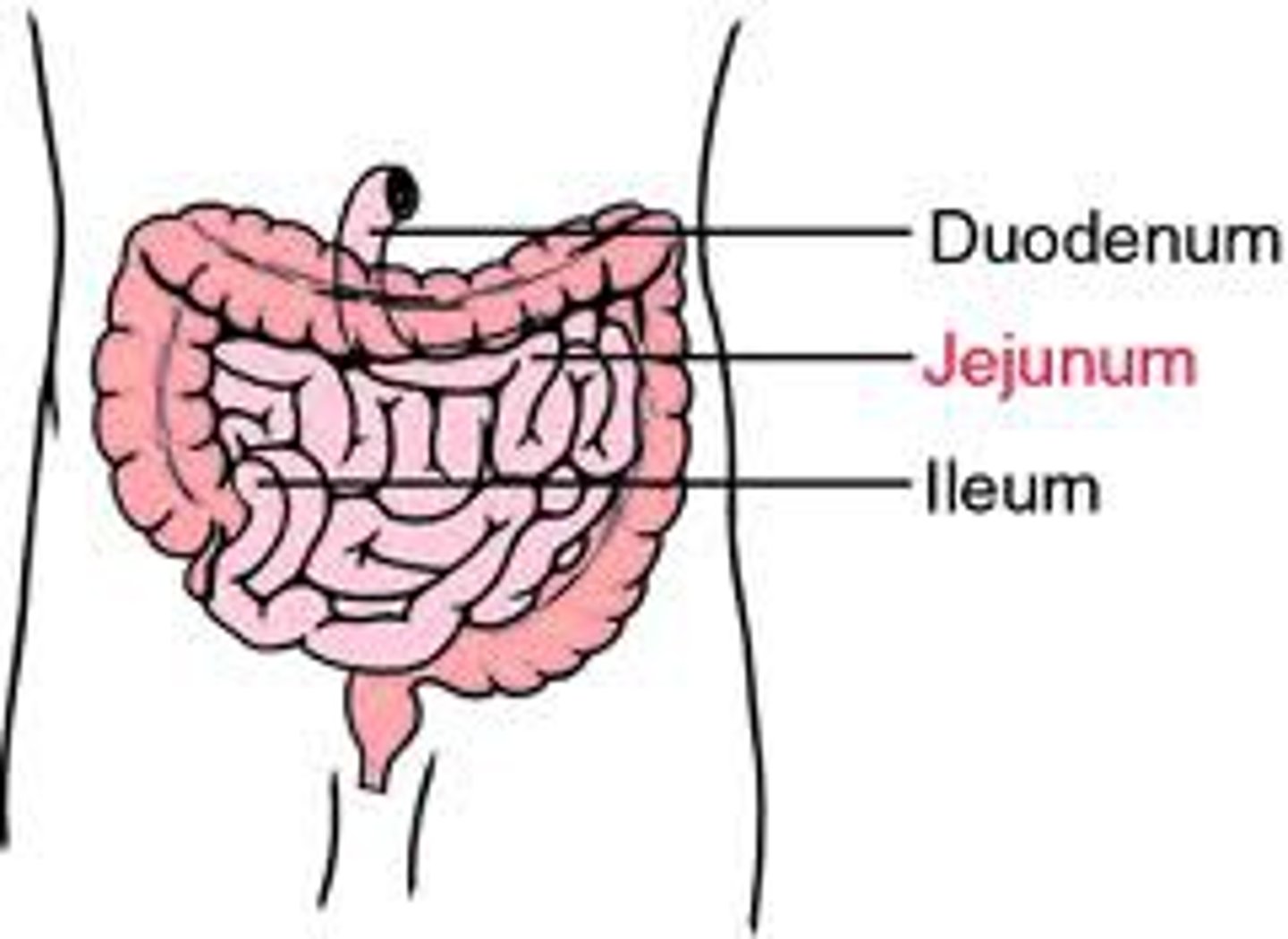
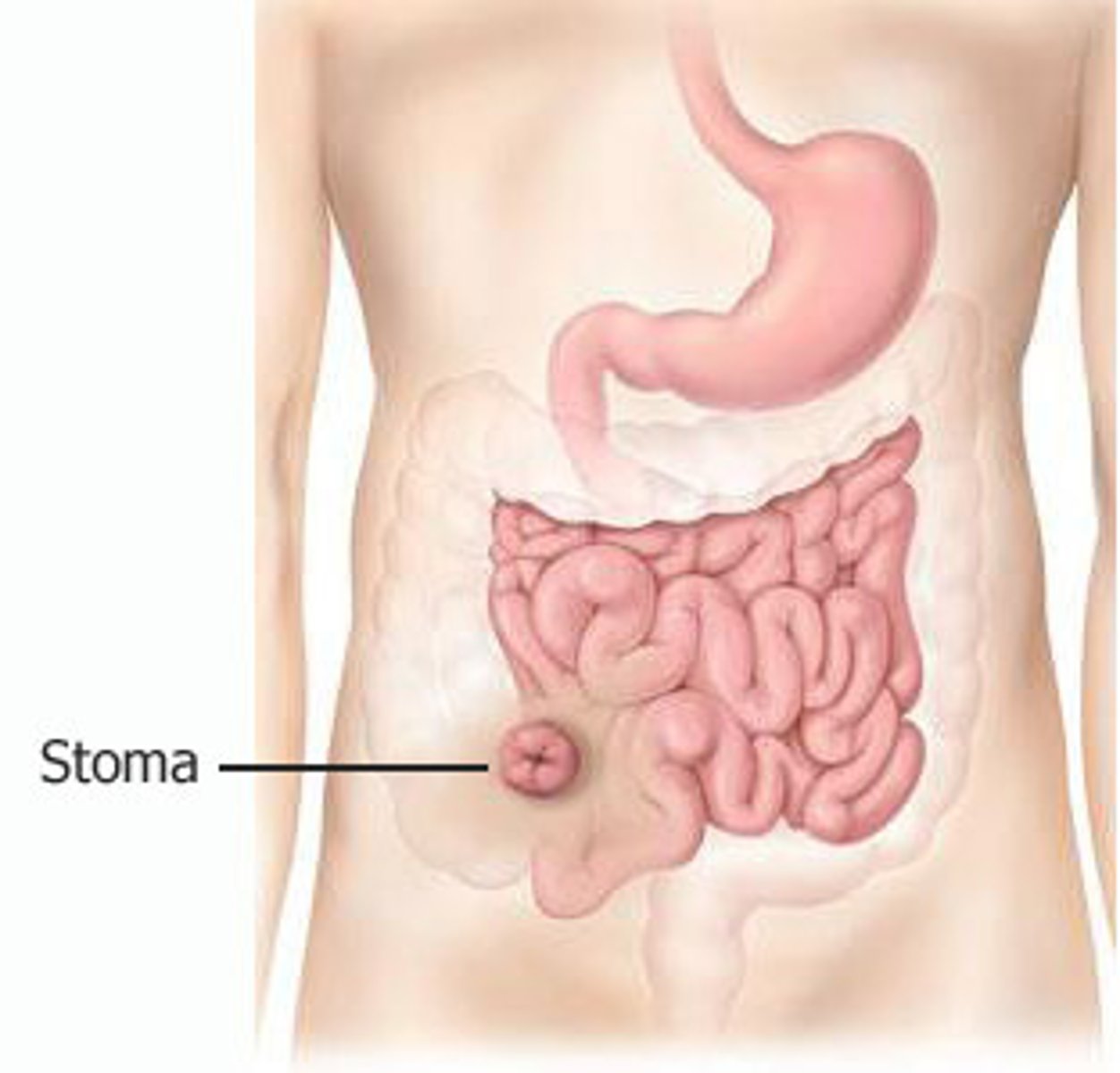
new opening of the ileum to the outside of the body
ileostomy
jejunum (2nd part of the small intestine)
jejun/o
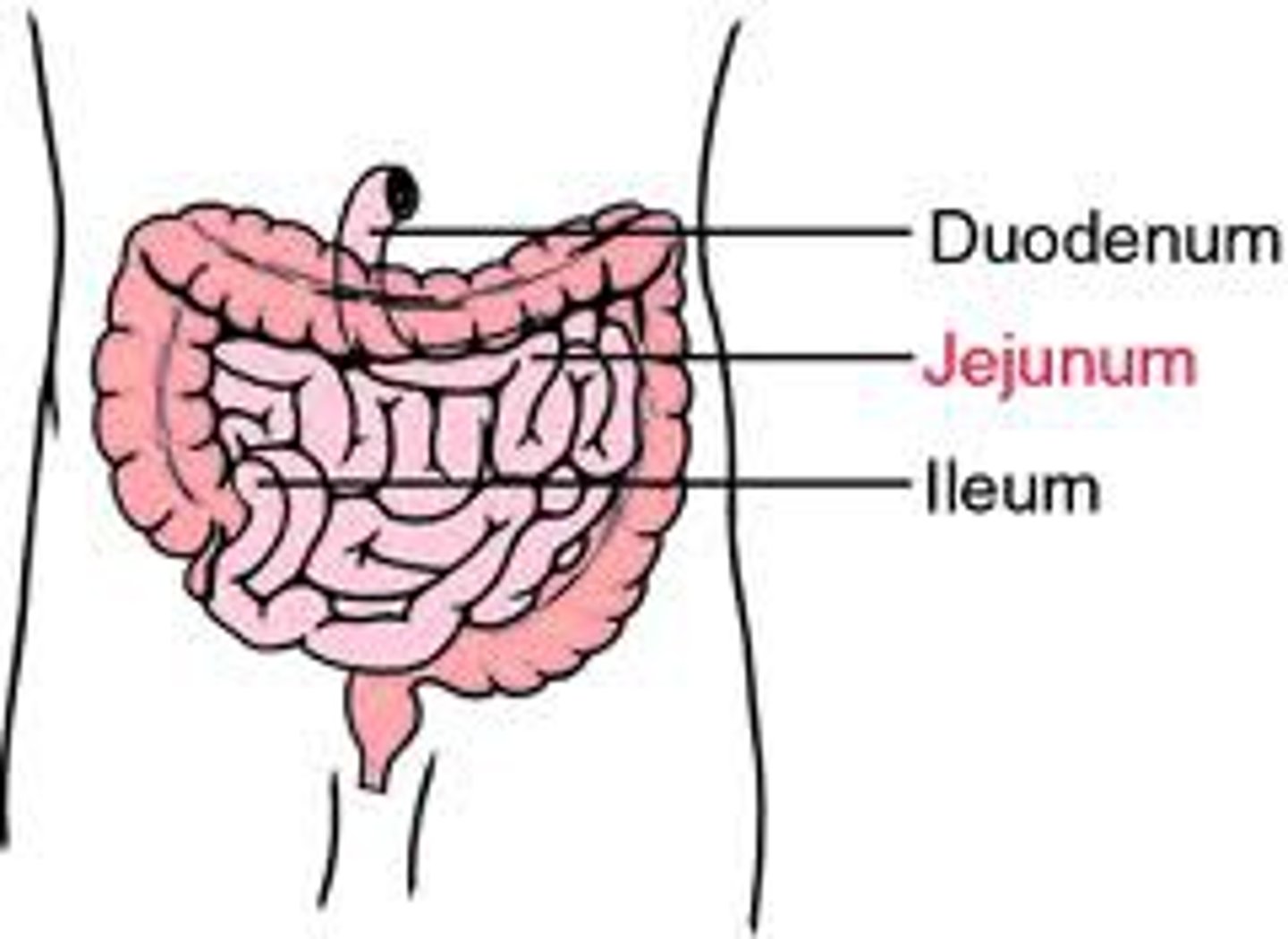
new surgical opening between the stomach and the jejunum. procedure is called anastomosis.
gastrojejunostomy
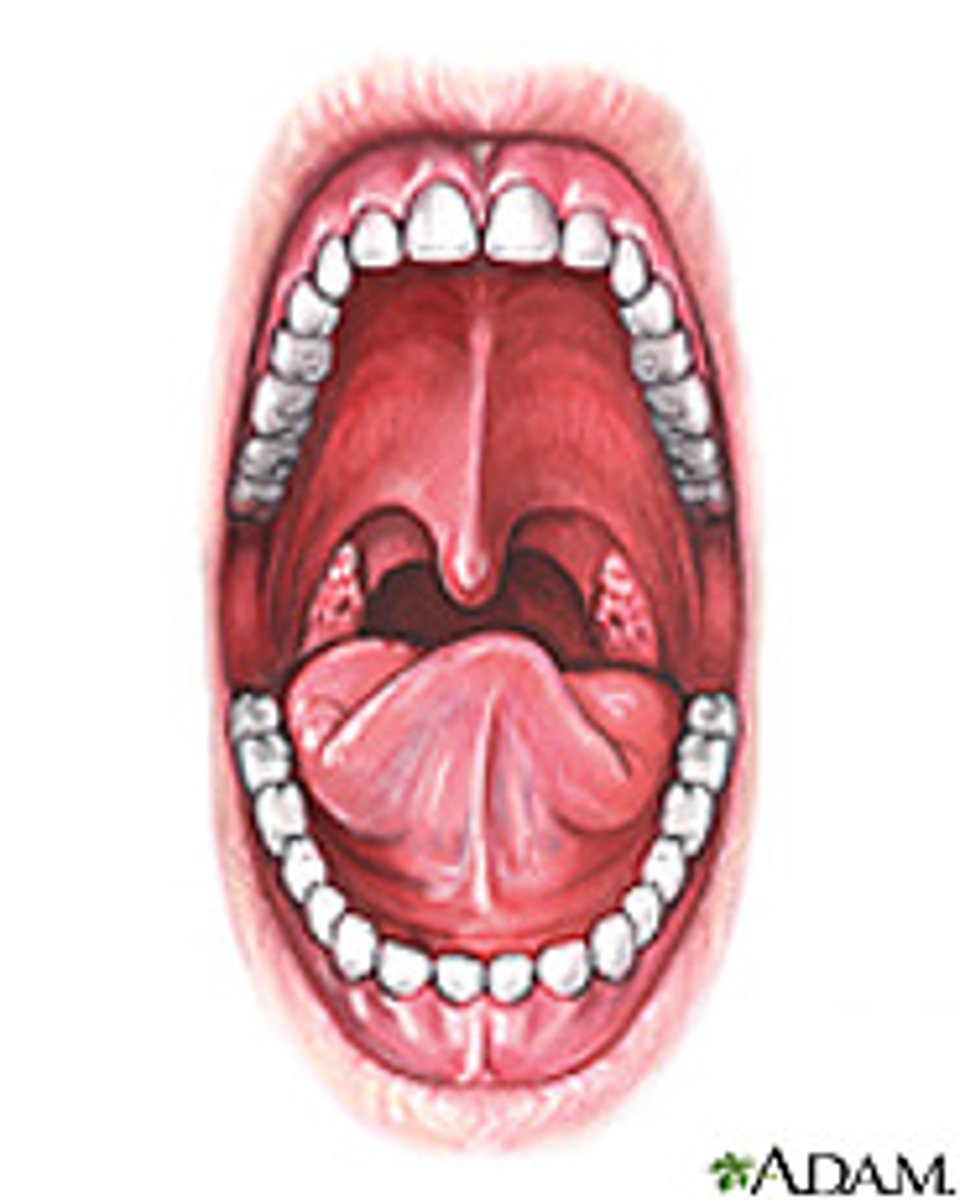
mouth
or/o
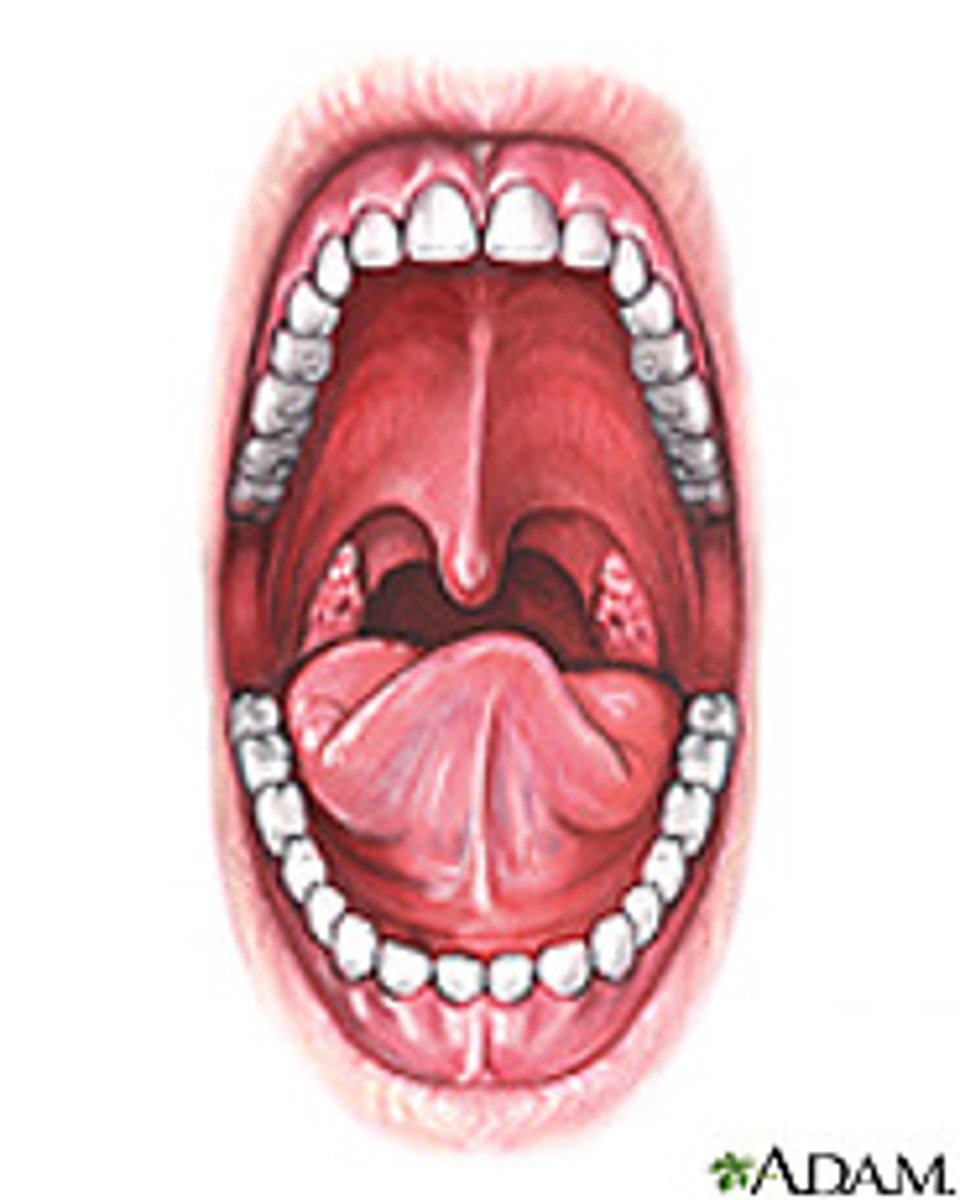
p.t. the mouth
oral
pancreas
pancreat/o
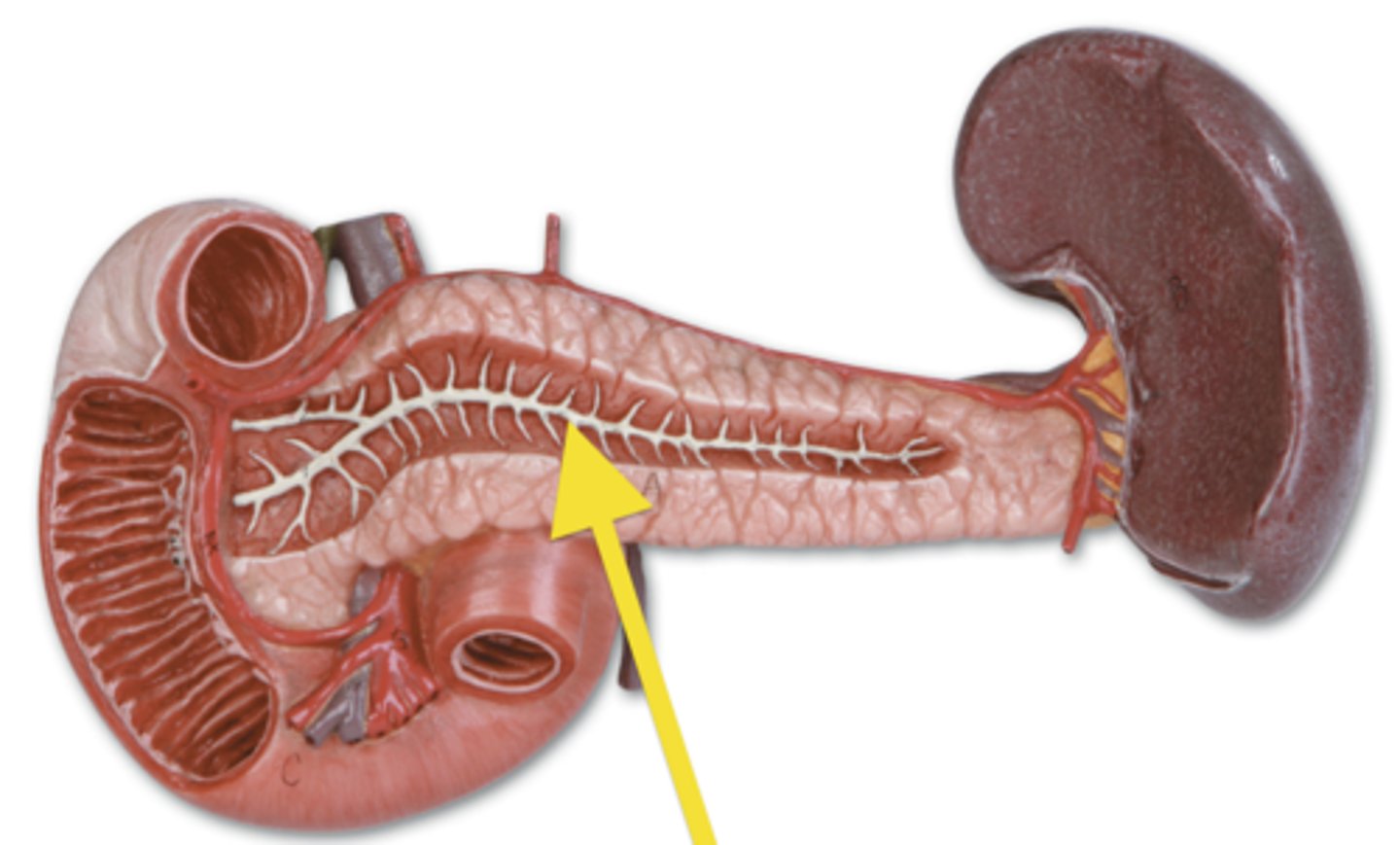
infl. of the pancreas
pancreatitis
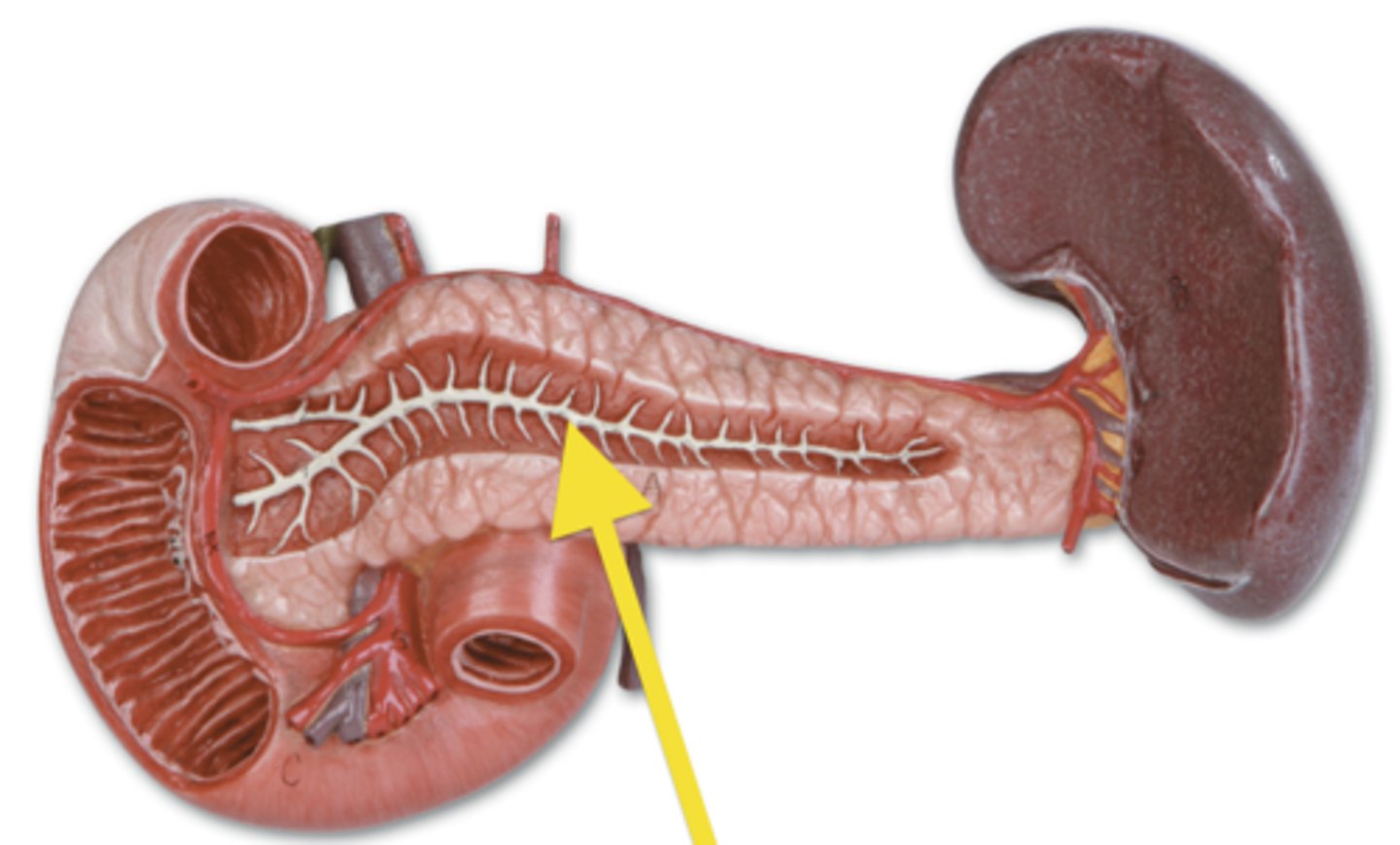
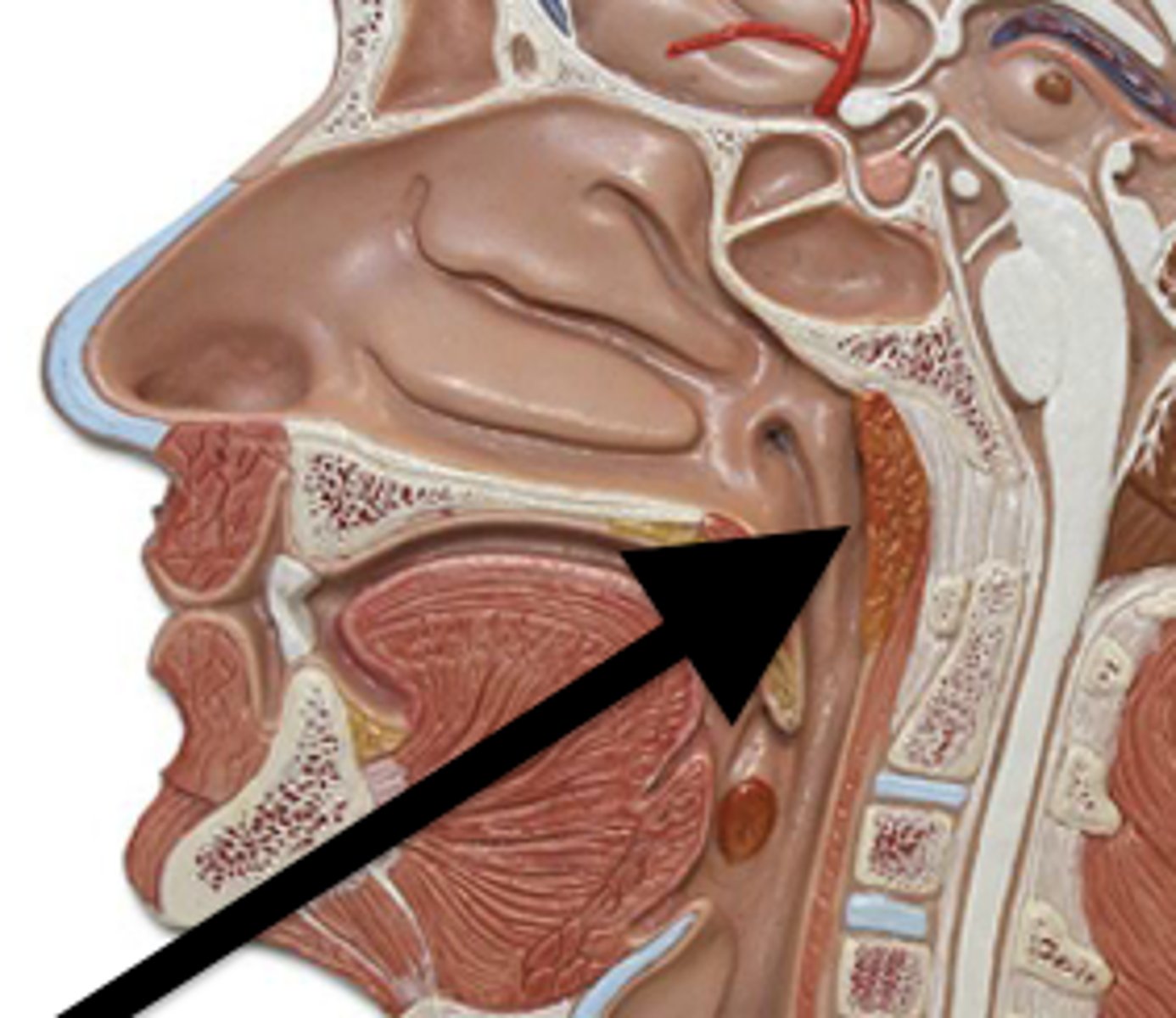
pharynx (throat)
pharyng/o
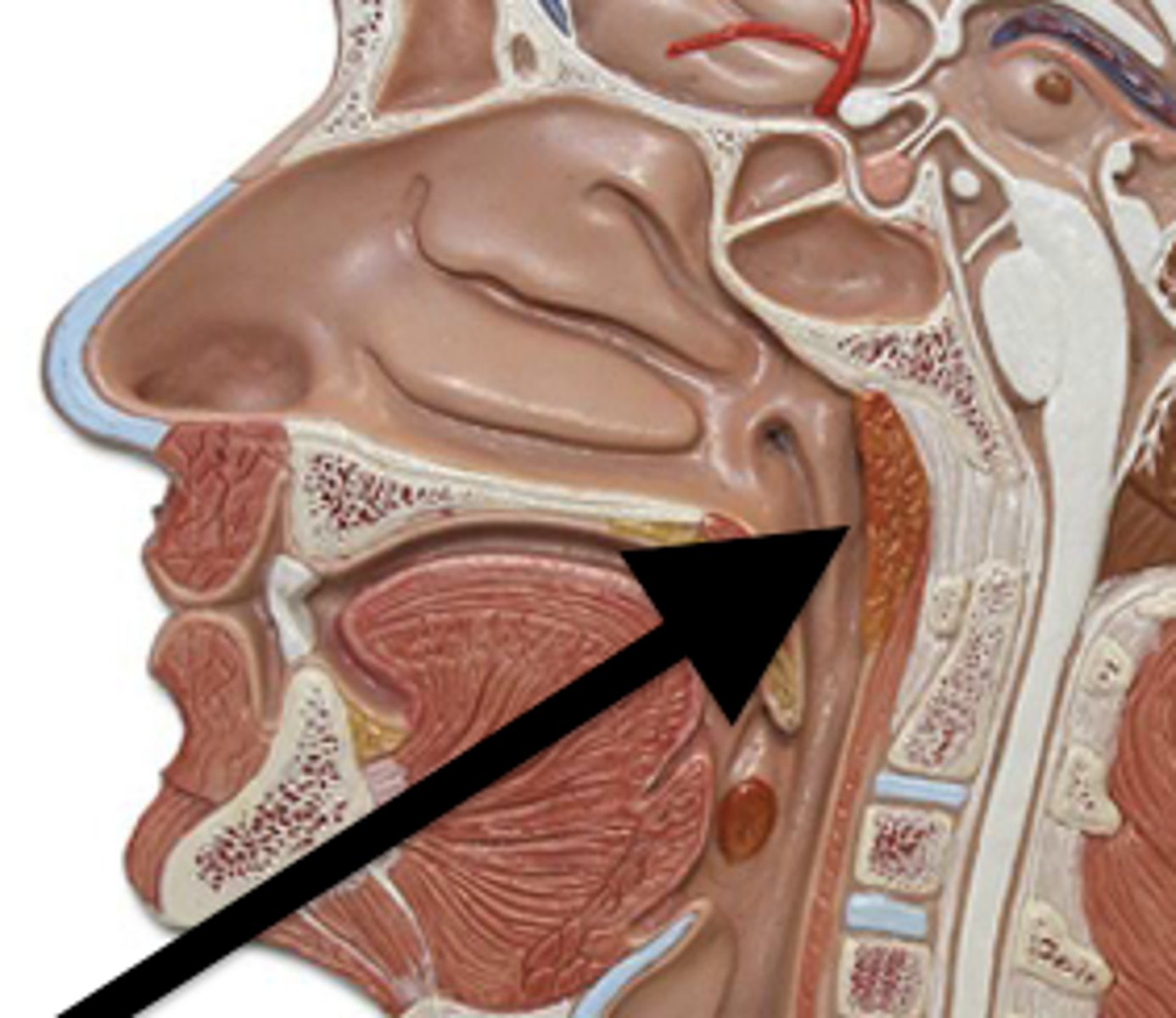
p.t. the pharynx (throat)
pharyngeal
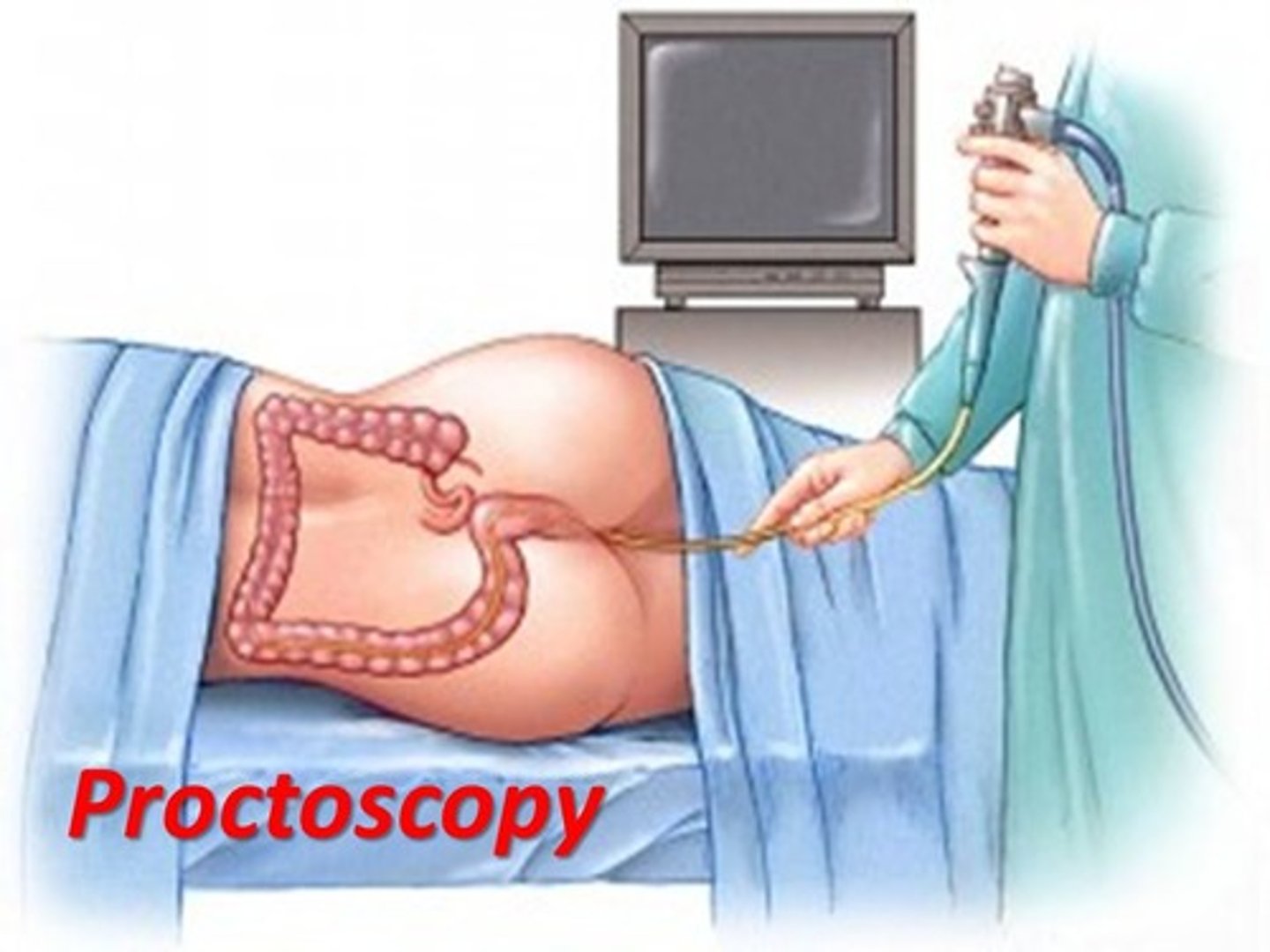
anus and rectum
proct/o
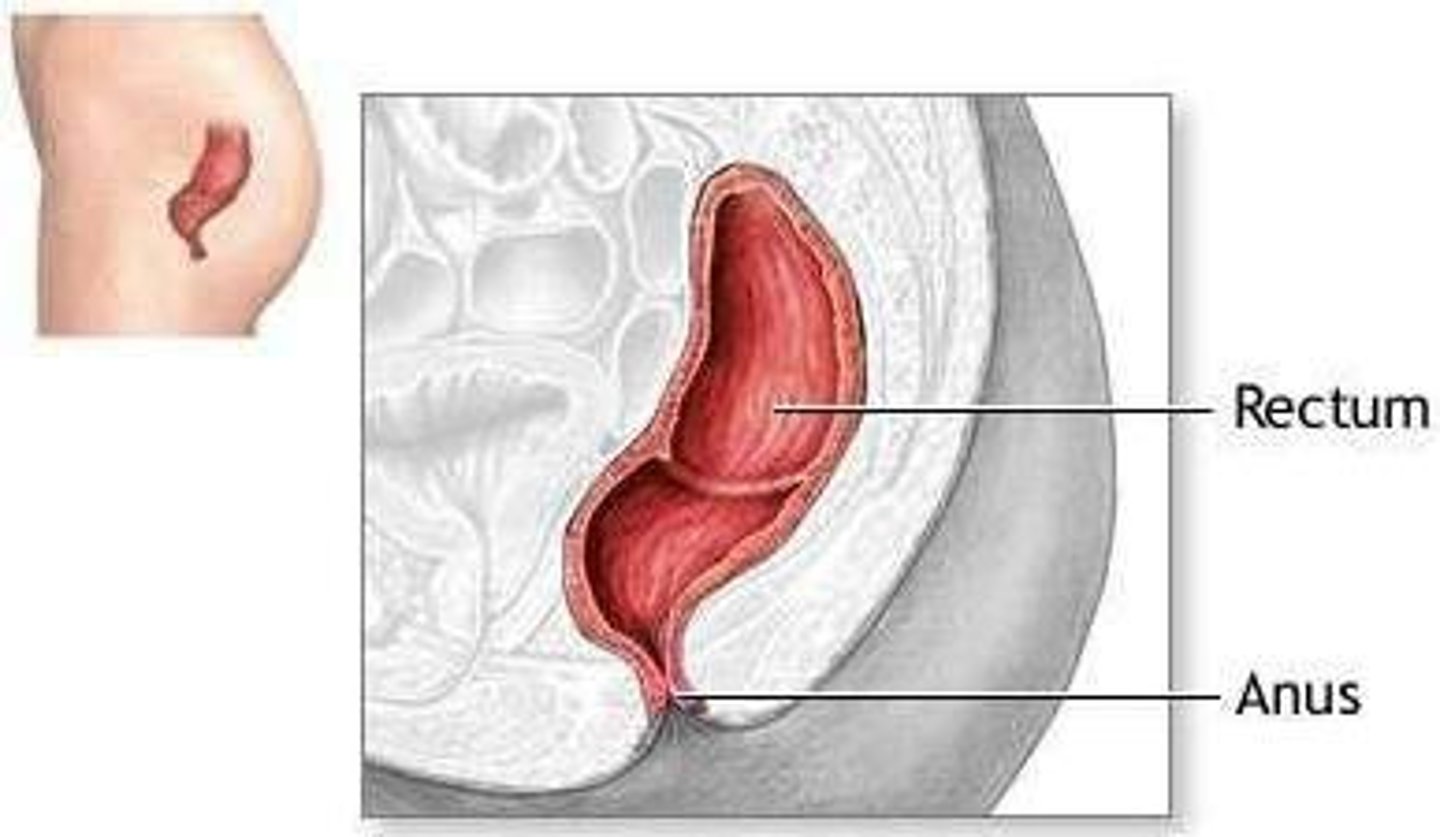
inspection of the anus and rectum with a proctoscope (endoscope)
proctoscopy
rectum
rect/o
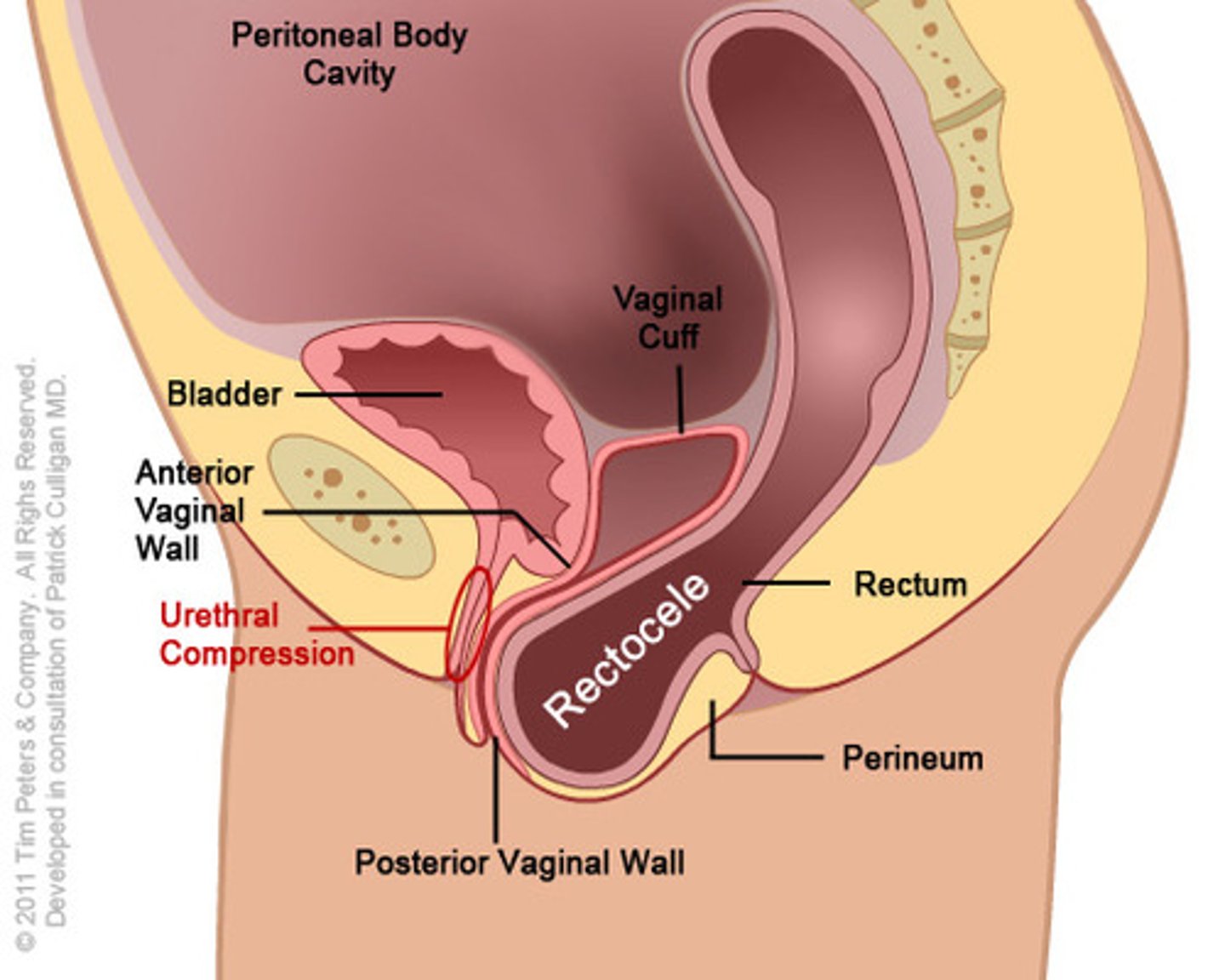
hernia (protrusion) of the rectum into the vagina
rectocele
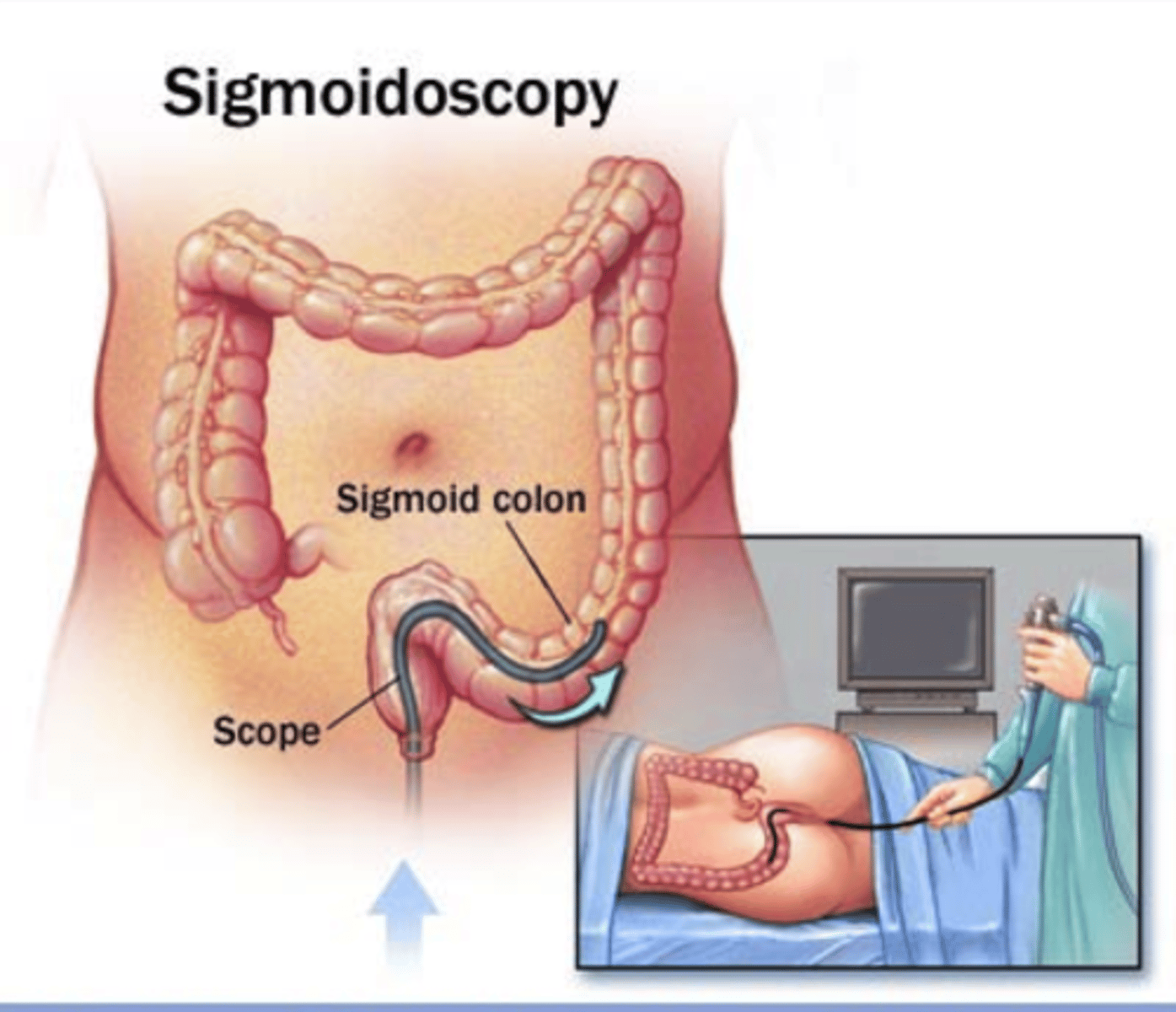
sigmoid colon (S shaped lower portion of the colon)
sigmoid/o
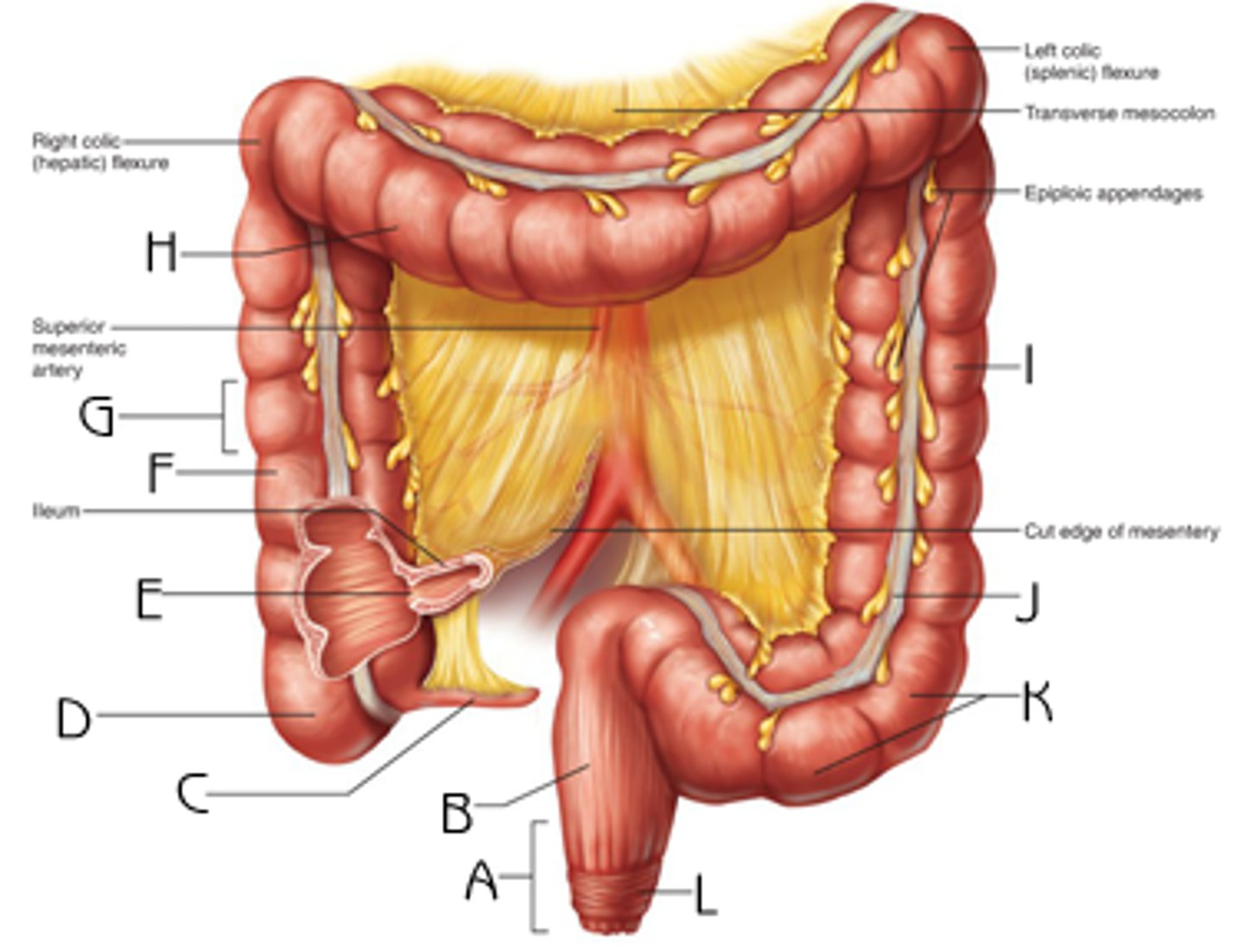
v.e. of the sigmoid colon with an endoscope inserted through the anus and rectum.
sigmoidoscopy
mouth
stomat/o
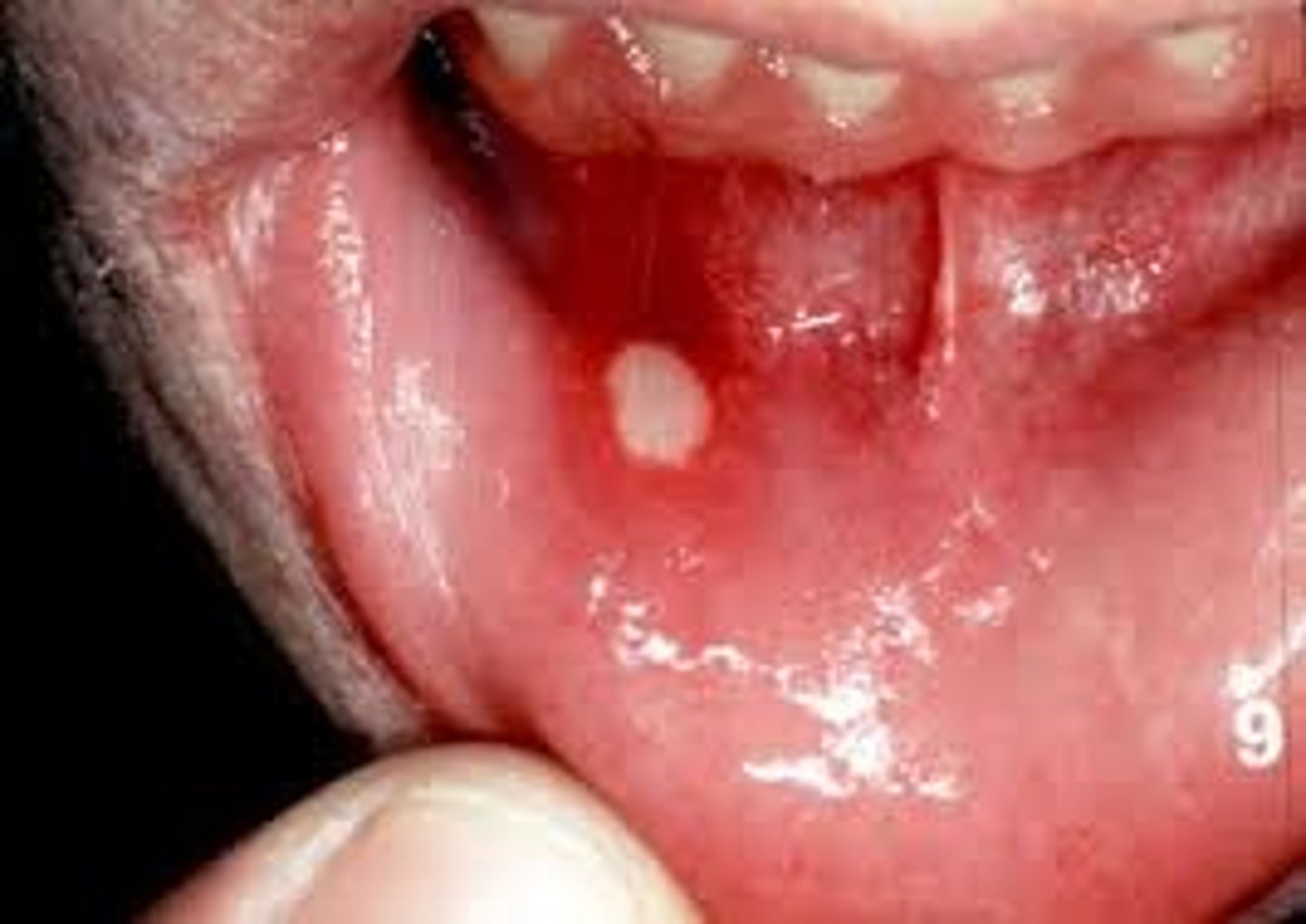
infl. of the mouth
stomatitis
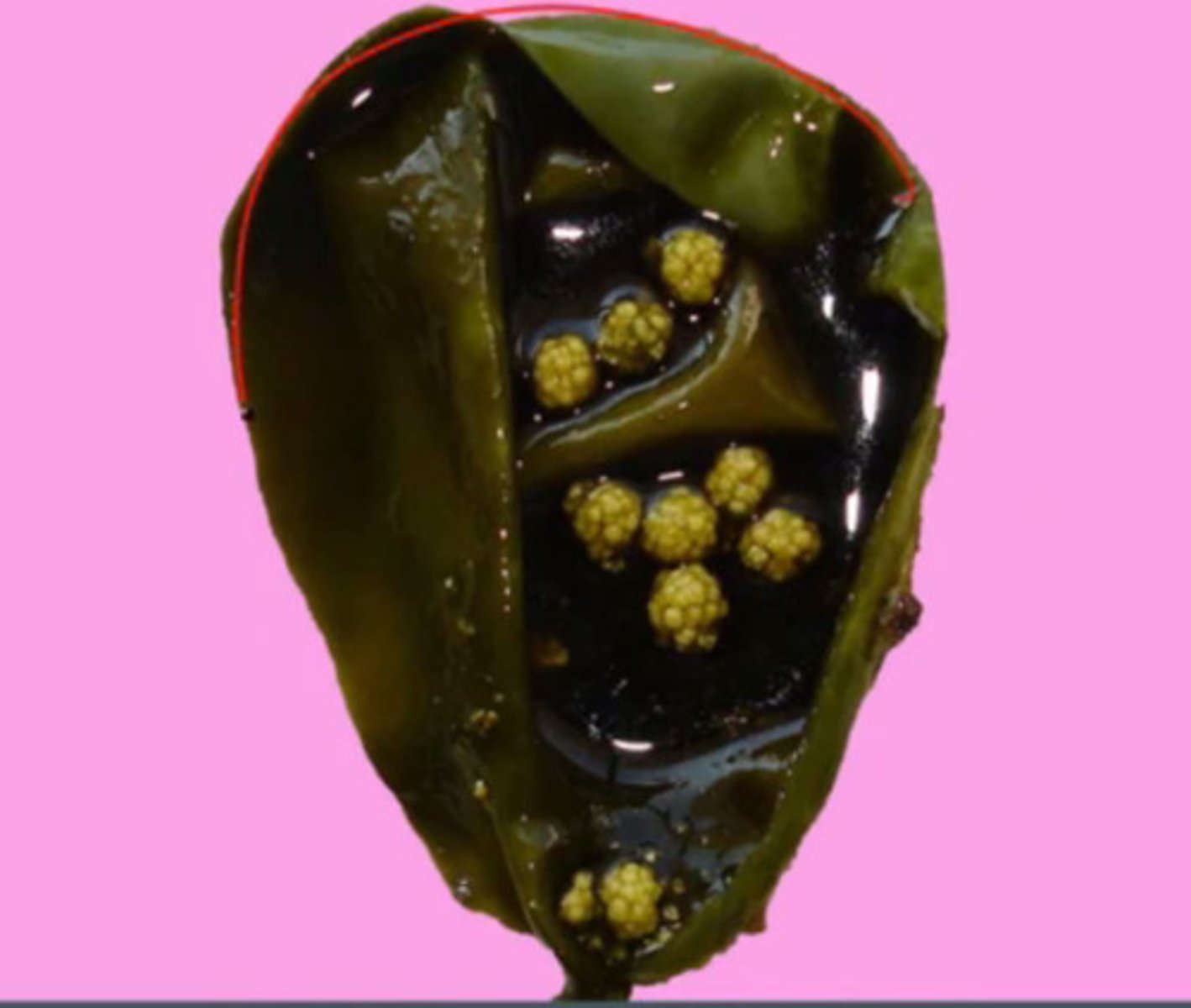
abnormal condition of gallstones
cholelithiasis
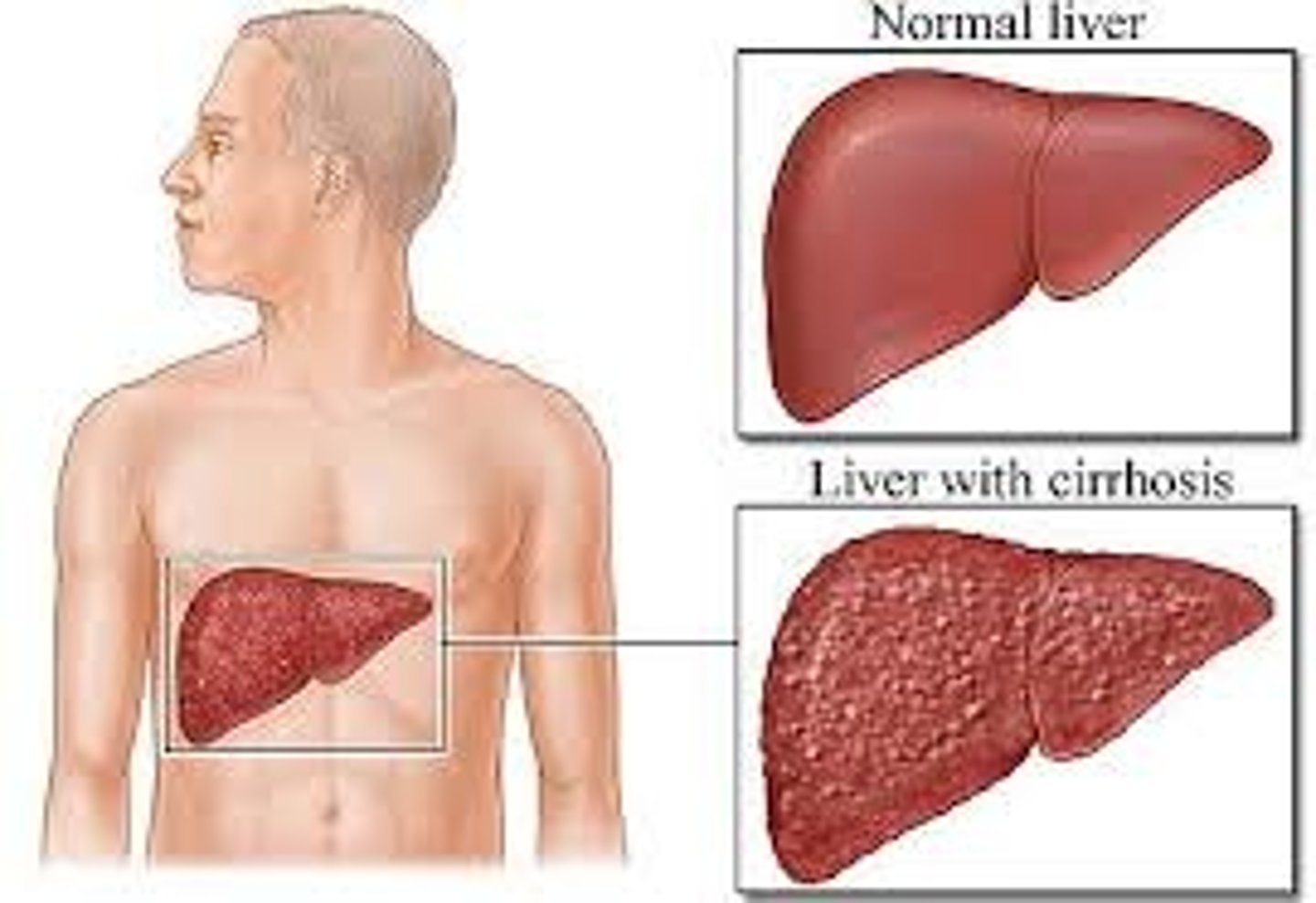
chronic disease of the liver with degeneration of liver cells
cirrhosis
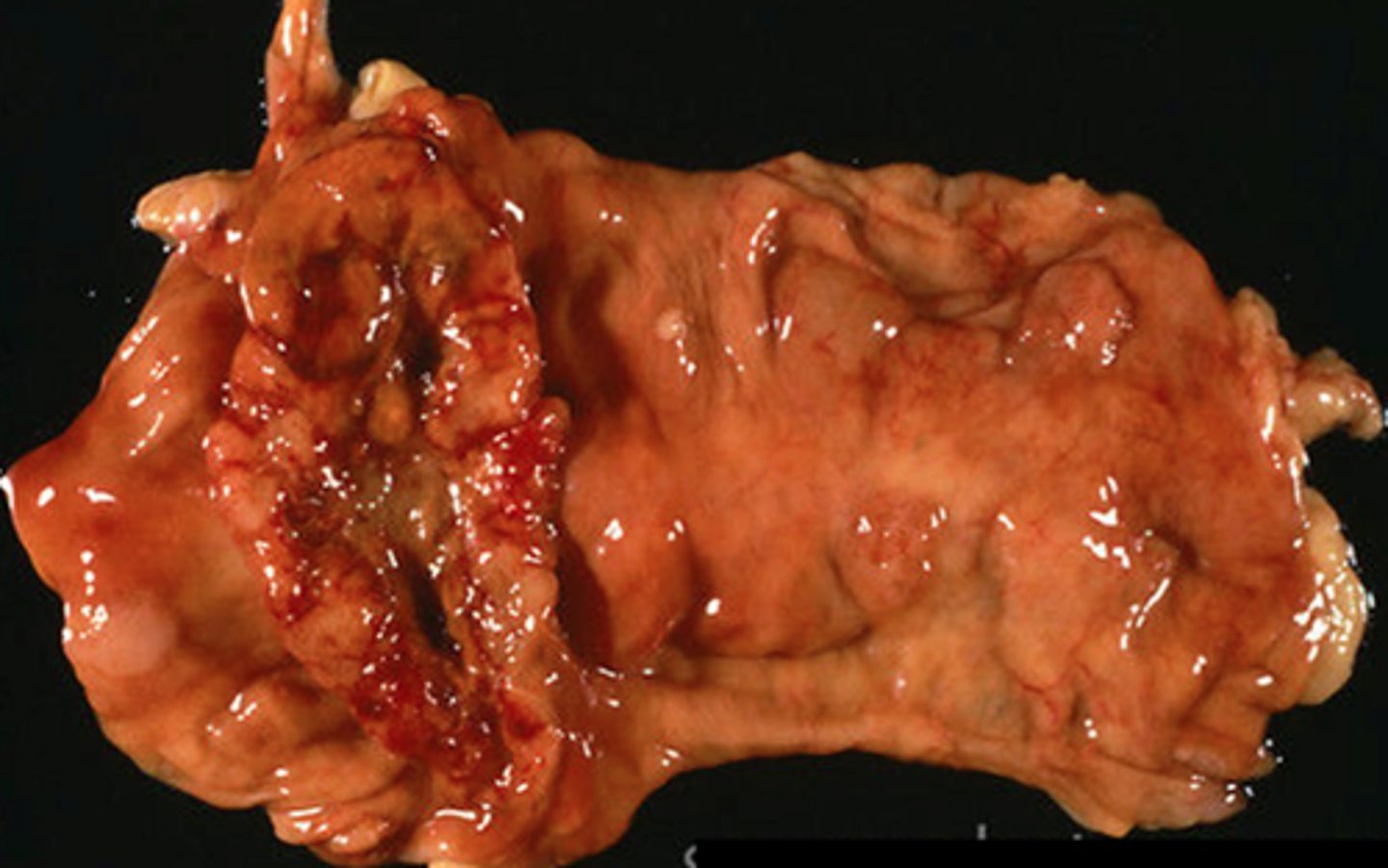
condition in which polyps protrude from the mucous membrane lining the colon
colonic polyposis
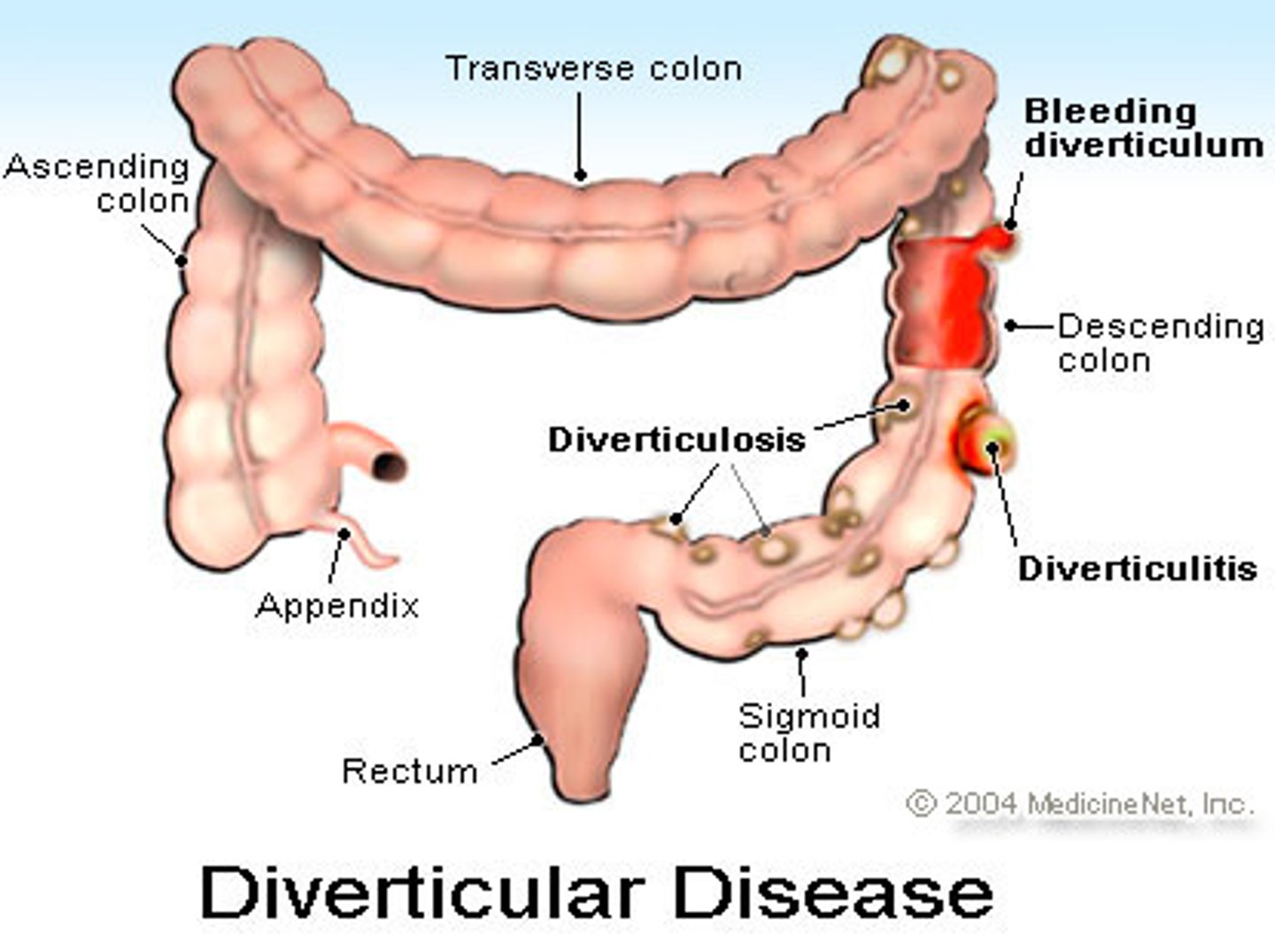
abnormal condition of small pouches or sacs (diverticula) in the wall of the intestine (often the colon)
diverticulosis
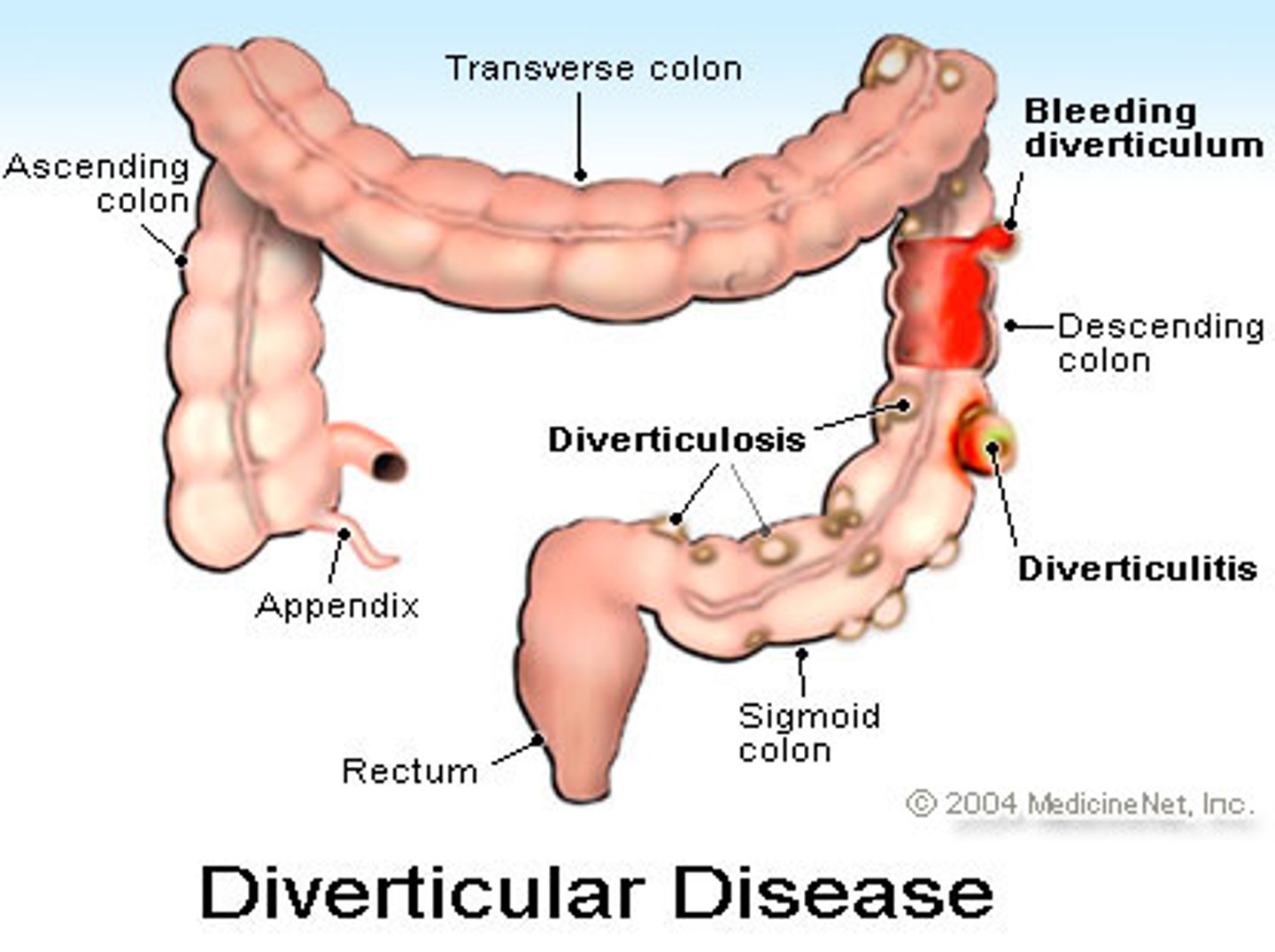
infl. and infection within diverticula
diverticulitis
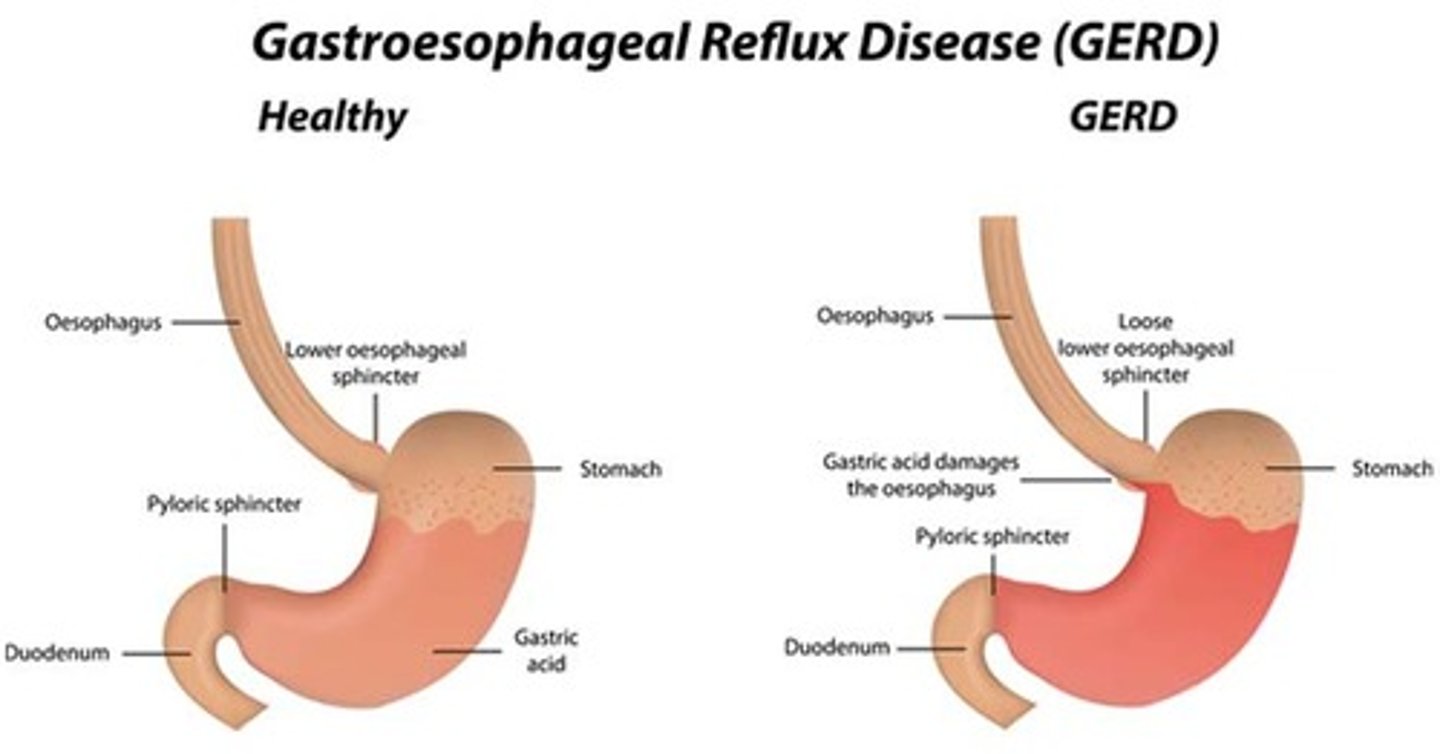
a condition in which contents of the stomach flow back into the esophagus
gastroesophageal reflux disease (GERD)
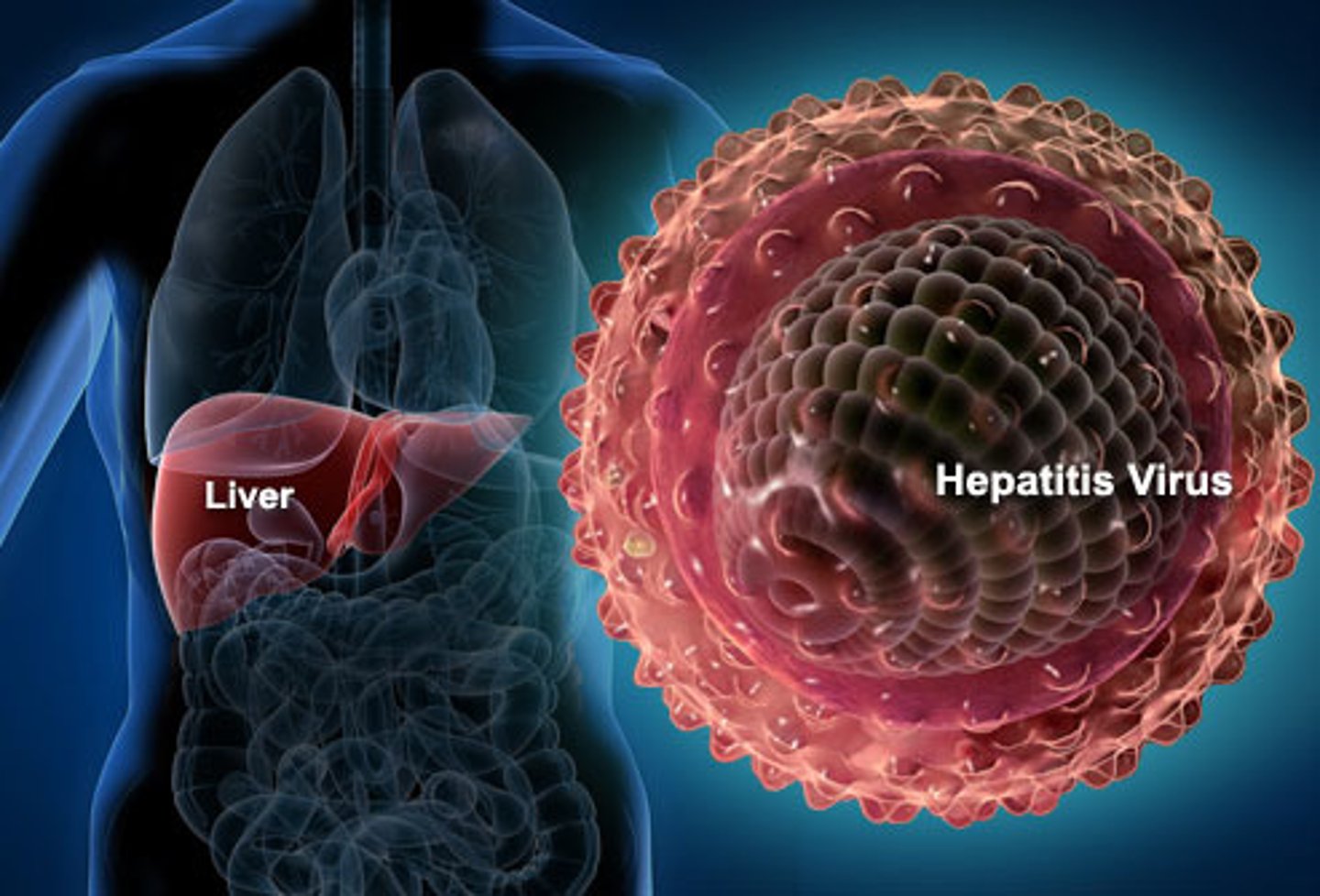
infl of the liver
hepatitis
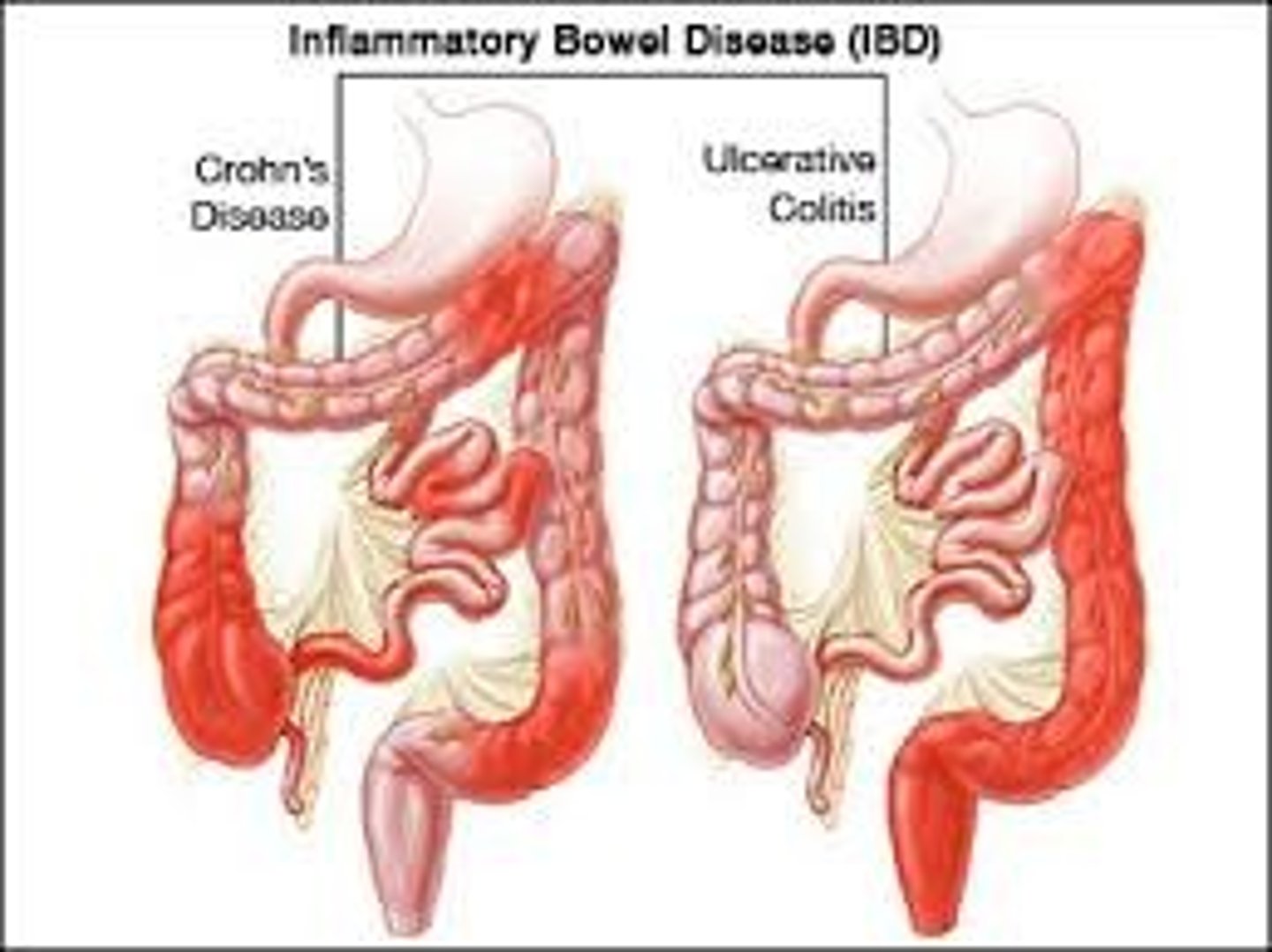
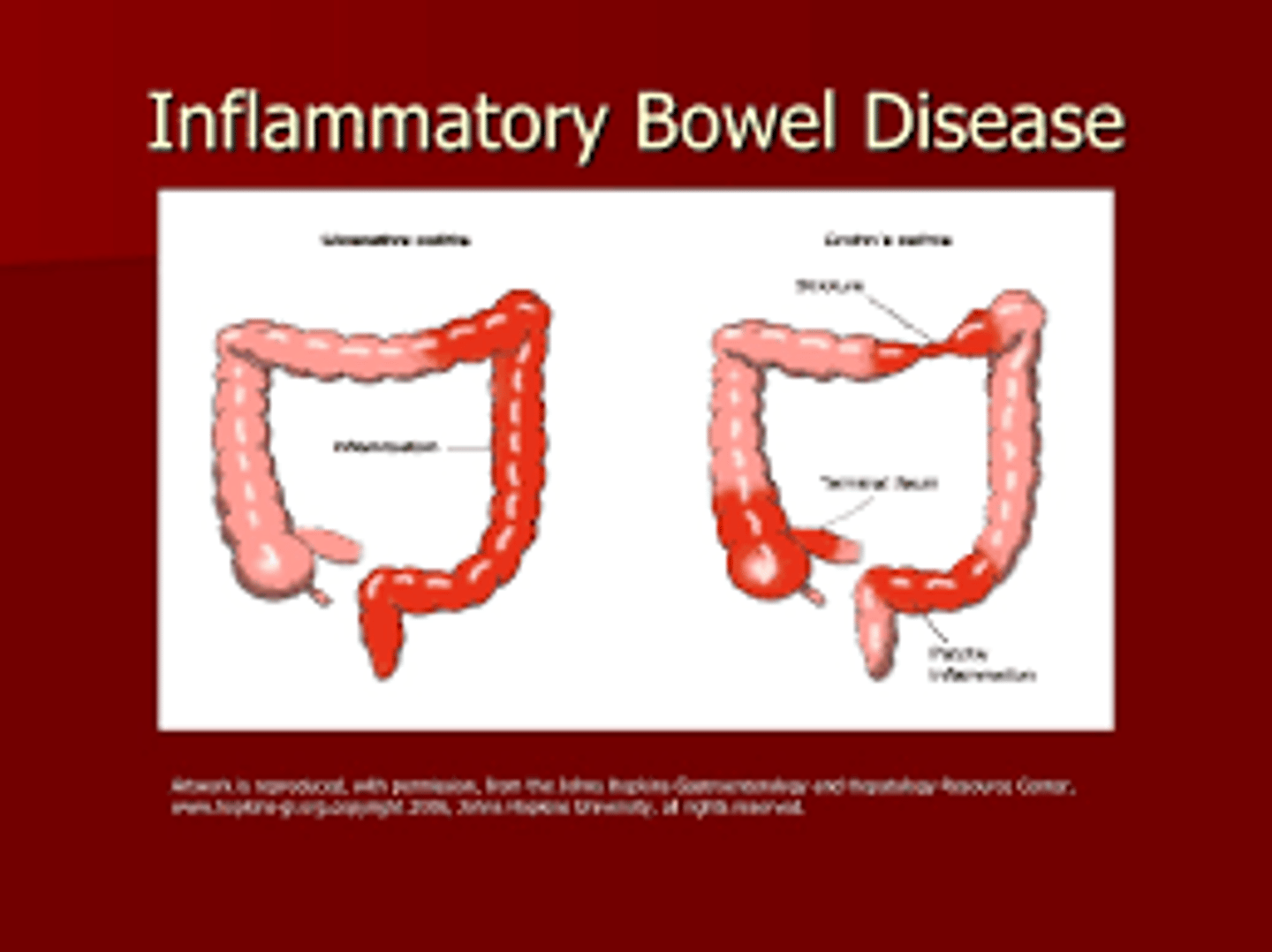
infl. of the terminal (last) portion of the ileum (Crohn disease) or infl. of the colon (ulcerative colitis)
inflammatory bowel disease (IBD)
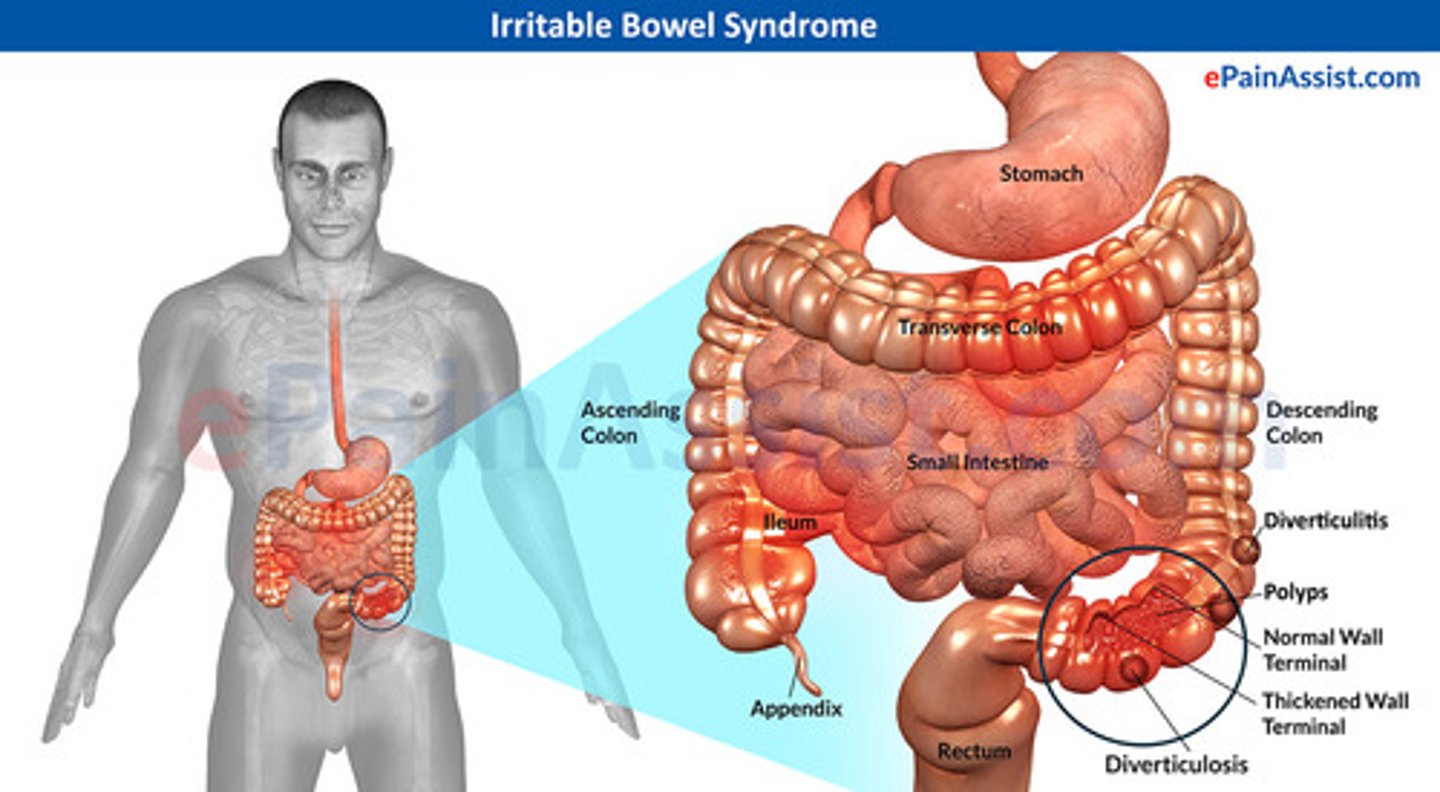
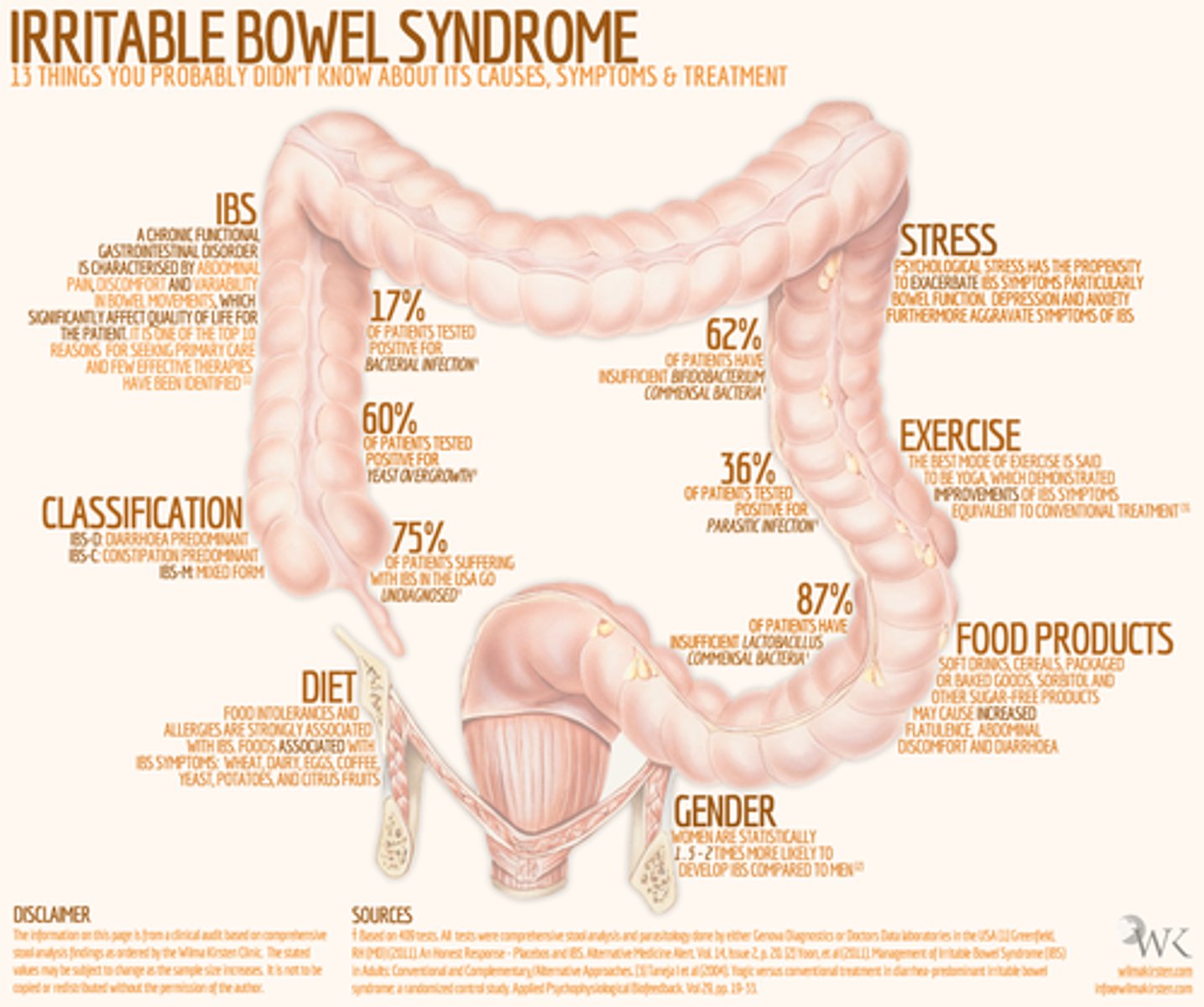
signs and symptoms are cramping, abdominal bloating, constipation, and diarrhea.
Irritable bowel syndrome (IBS)
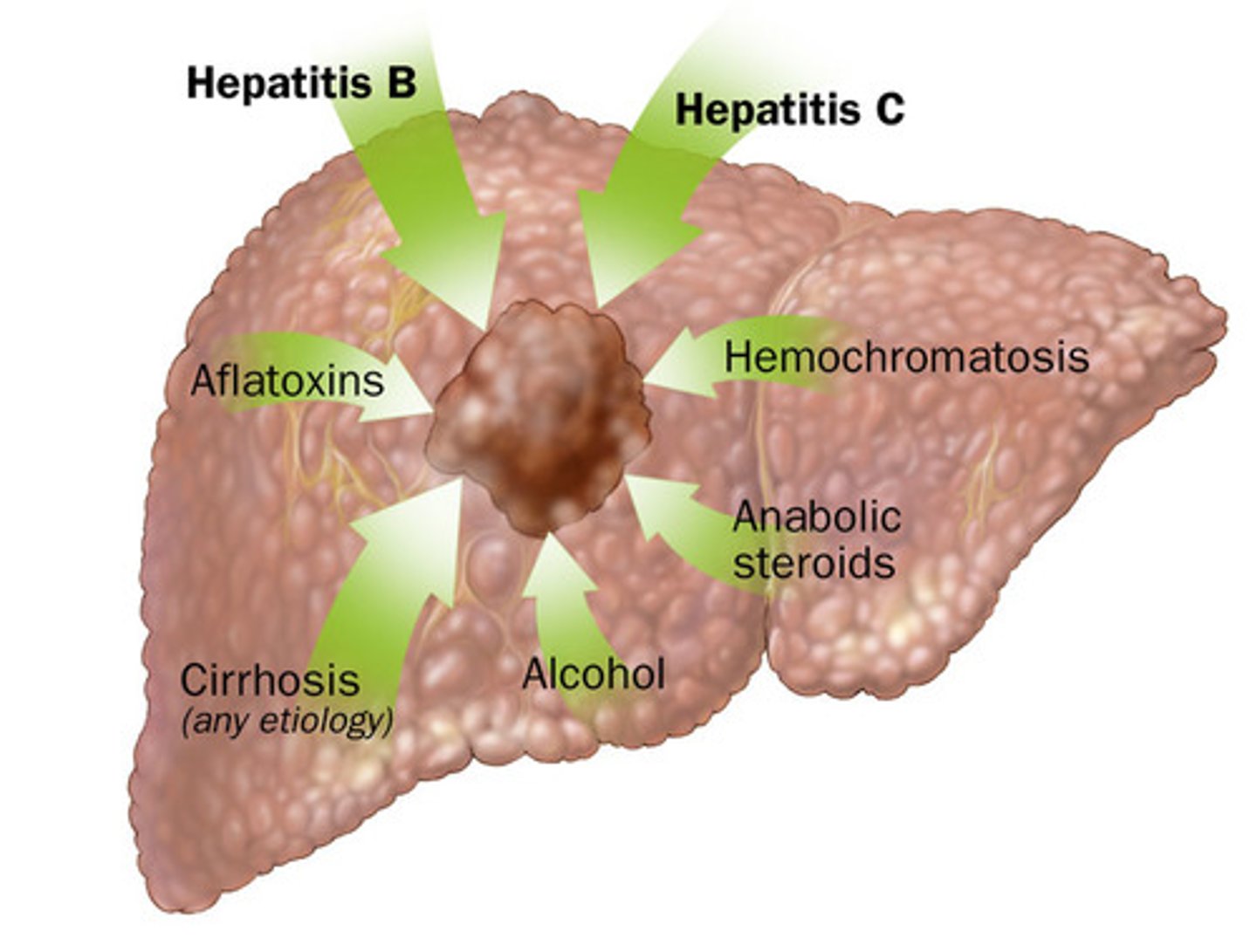
cancer (primary) of the liver
hepatocellular carcinoma
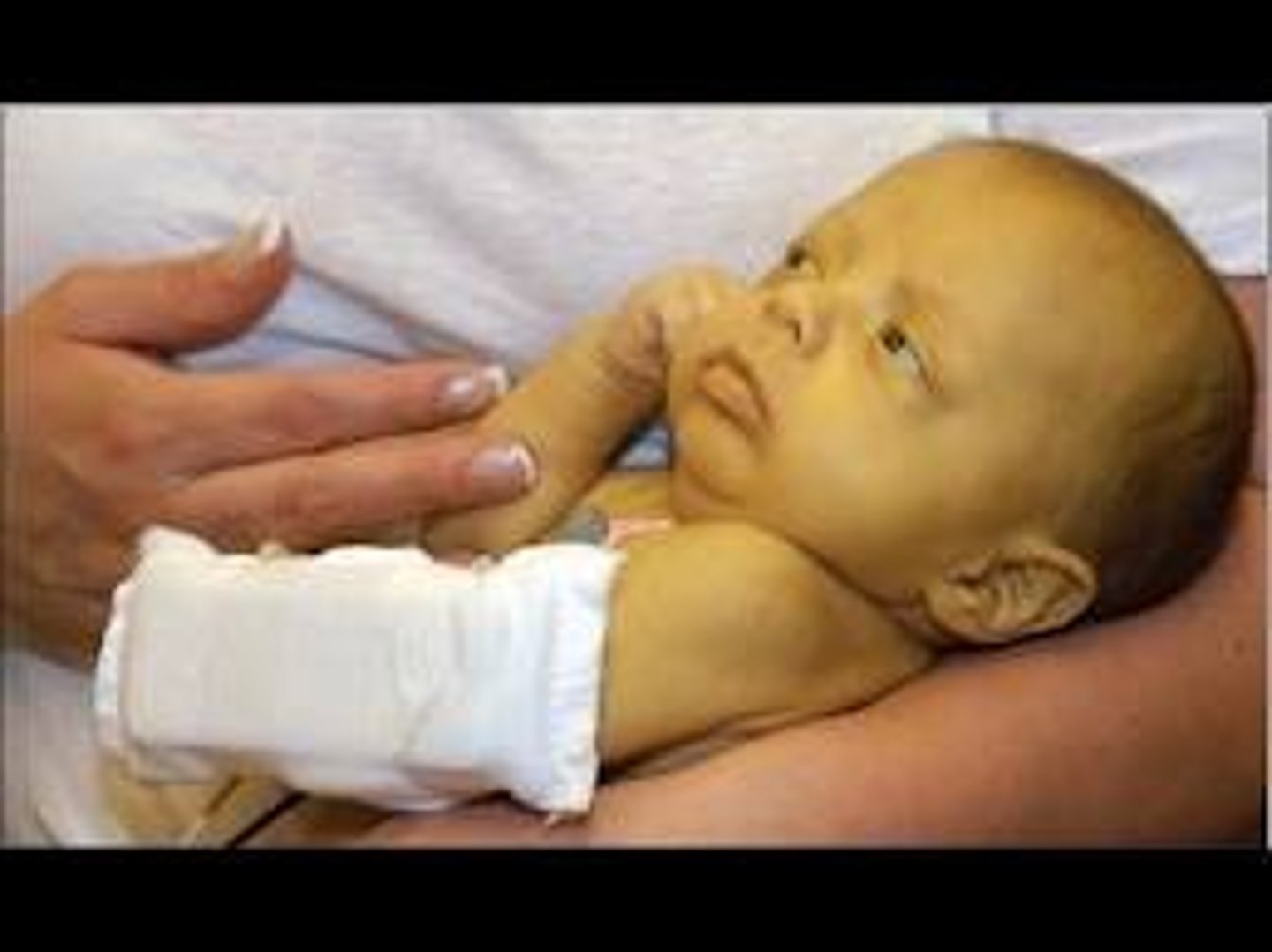
yellow-orange coloration of the skin and other tissues, from high levels of bilirubin in the bloodstream (hyperbilirubinemia)
jaundice
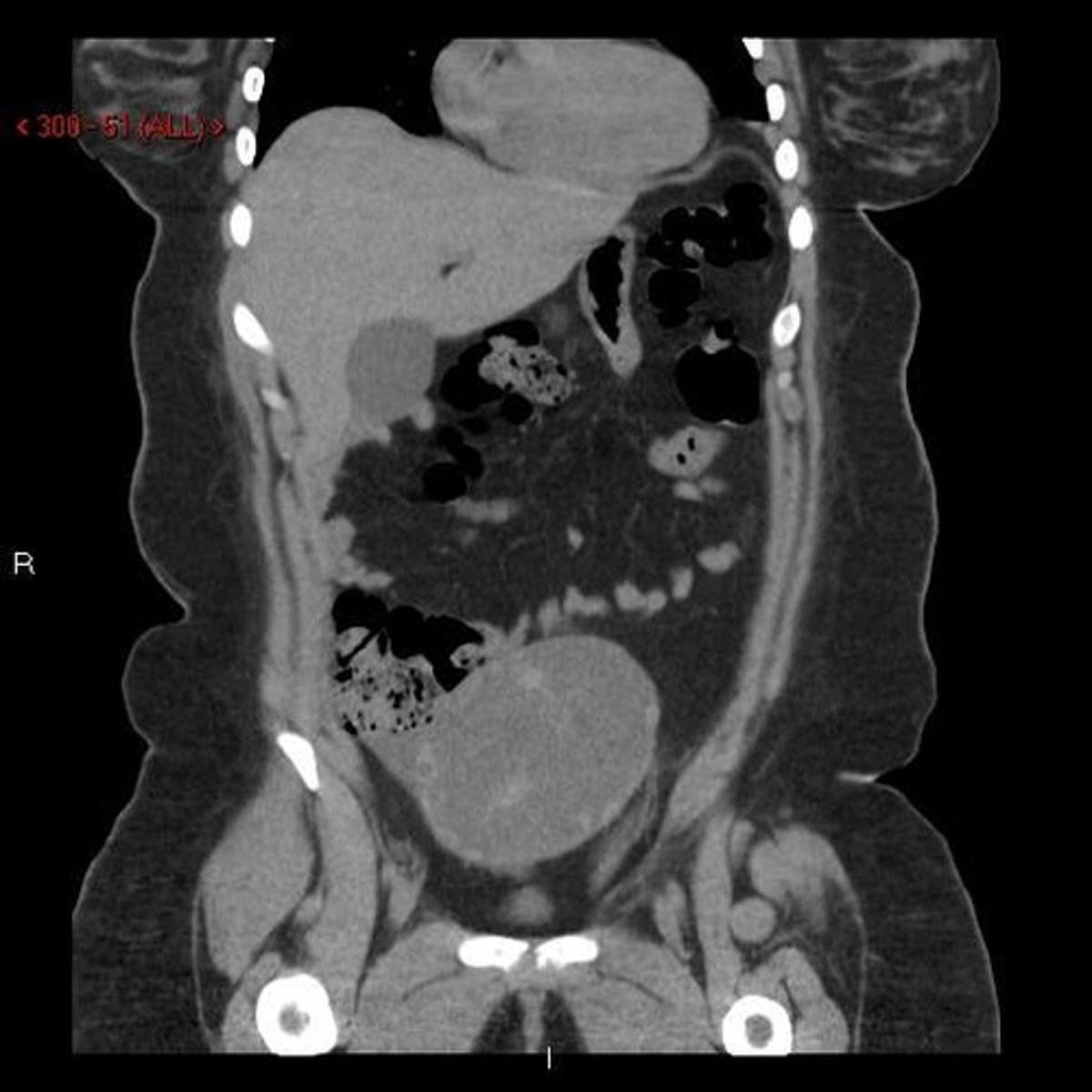
a series of cross-sectional x-ray images that show abdominal organs
abdominal computed tomography (CT) scan
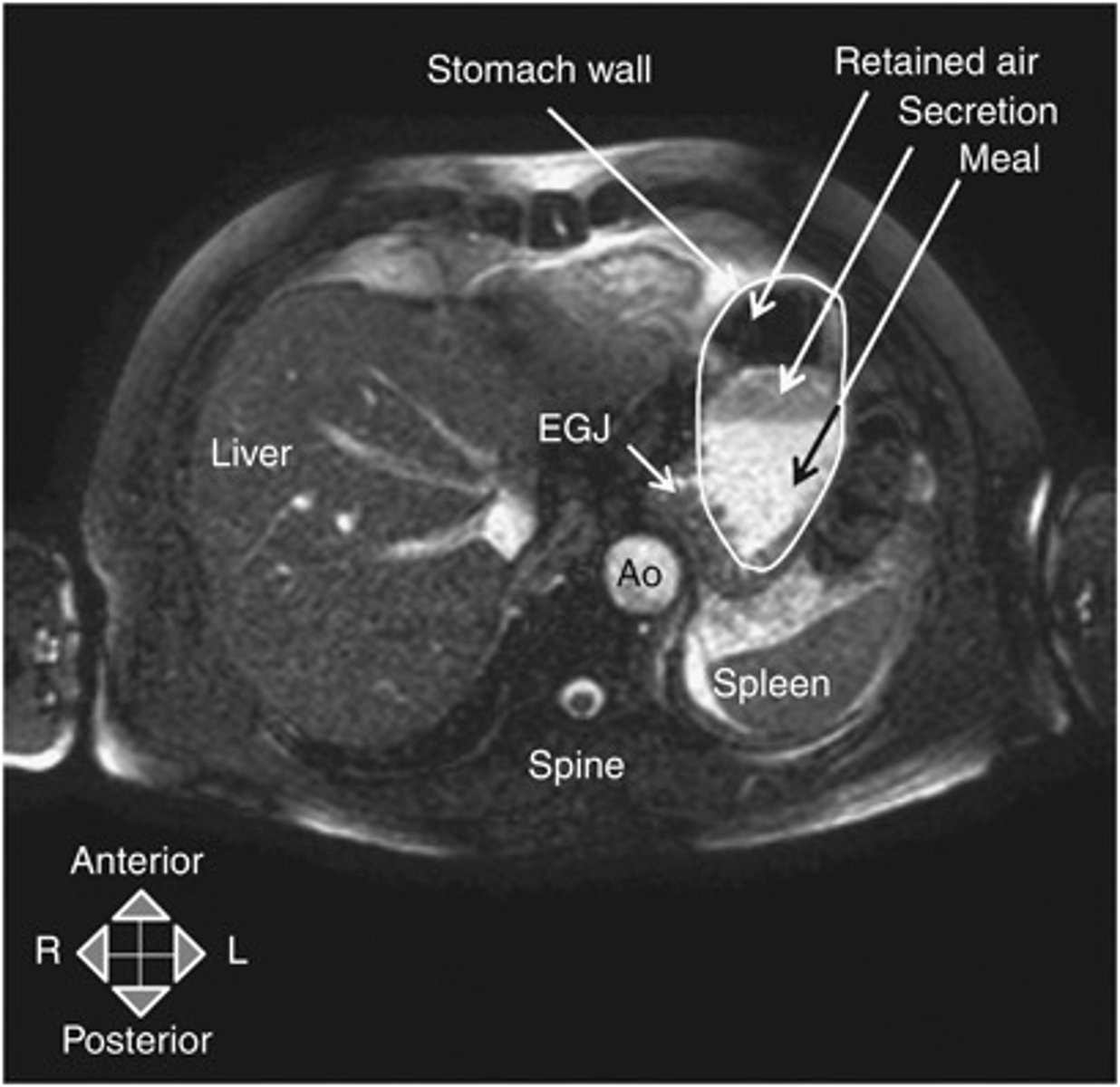
Magnetic waves create images of abdominal organs in all three planes of the body.
abdominal magnetic resonance imaging (MRI)
x-ray examination of the bile ducts
Cholangiography
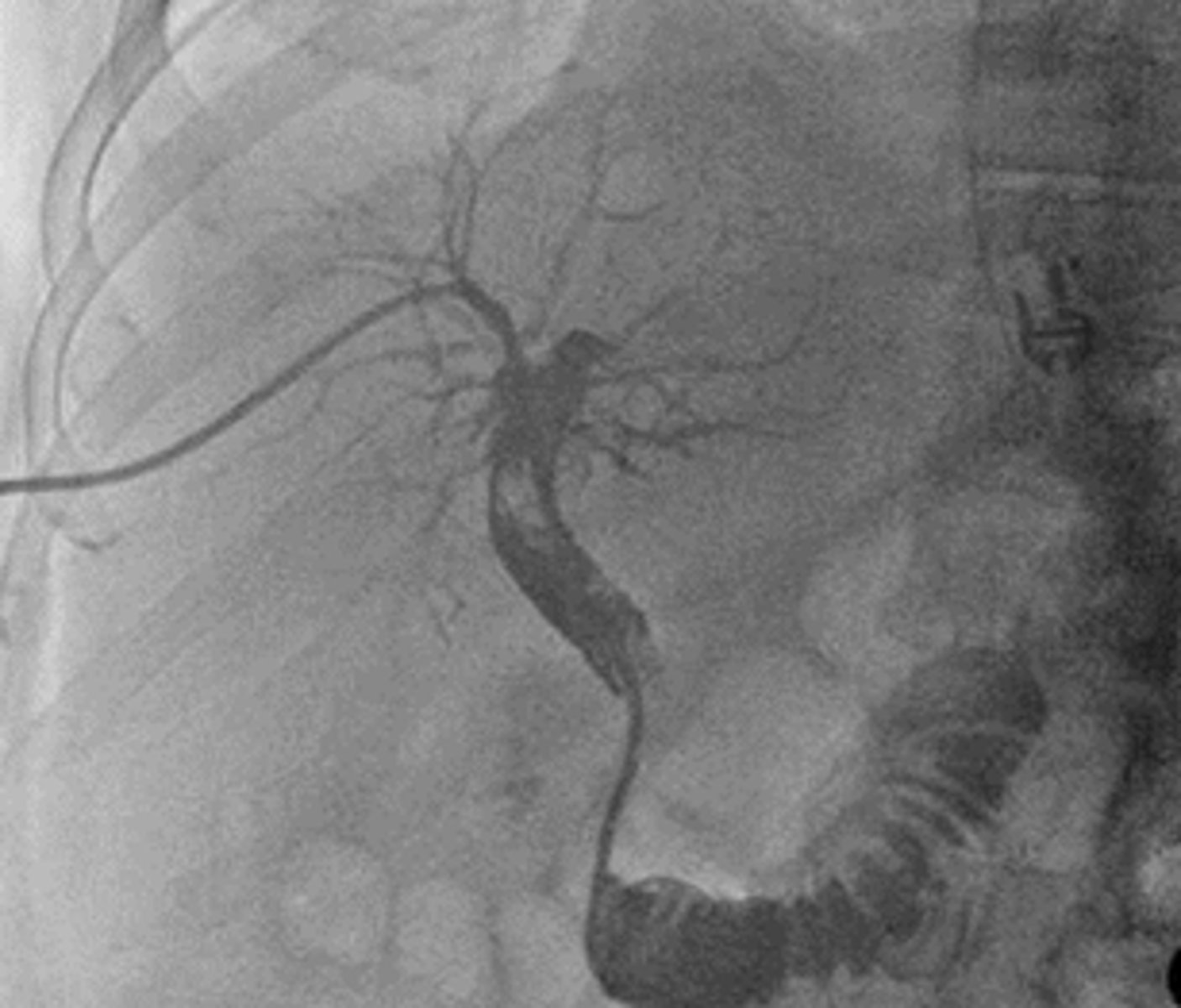
bile ducts
cholangi/o
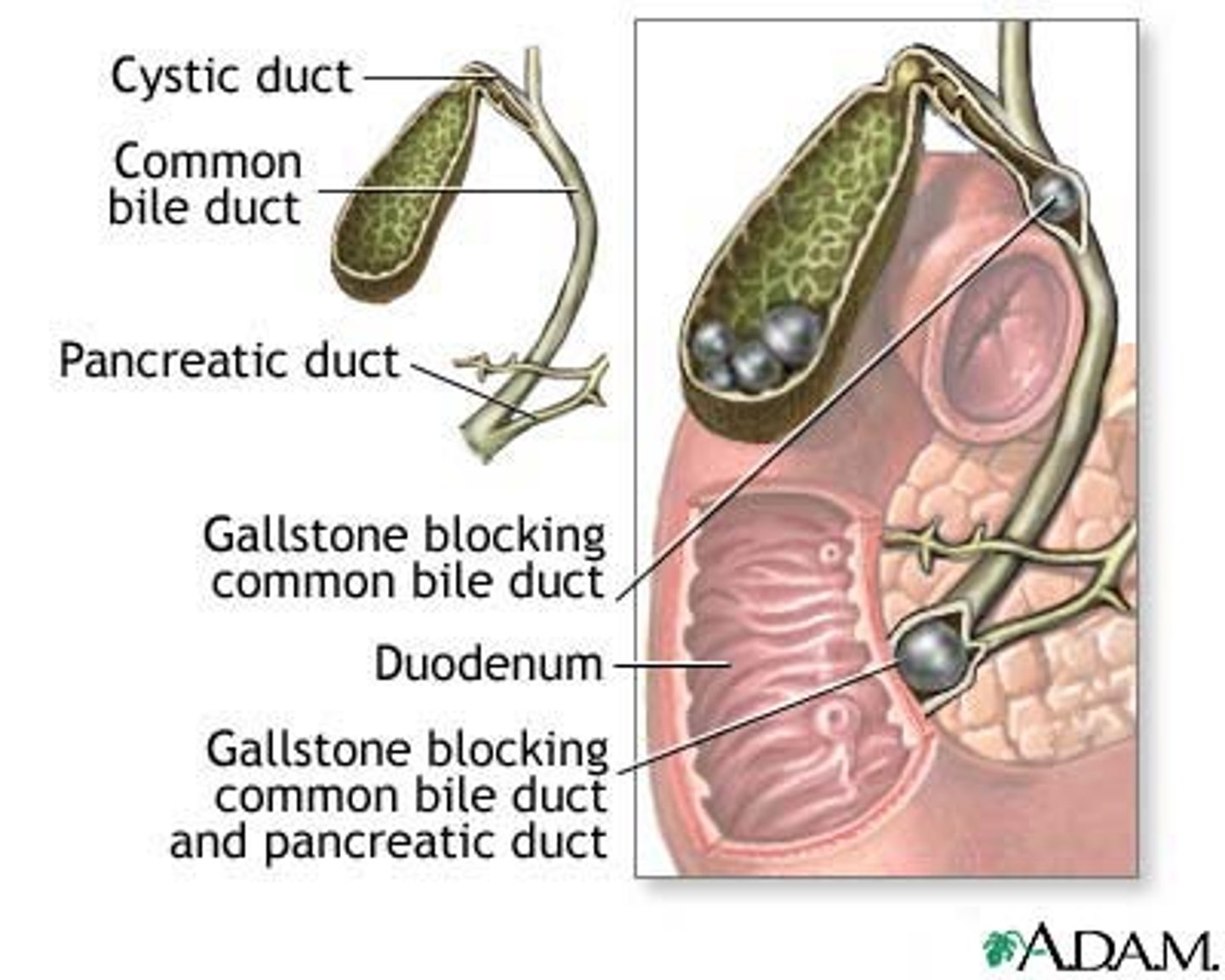
v.e. of the gastrointestinal tract (colonoscopy)
gastrointestinal endoscopy
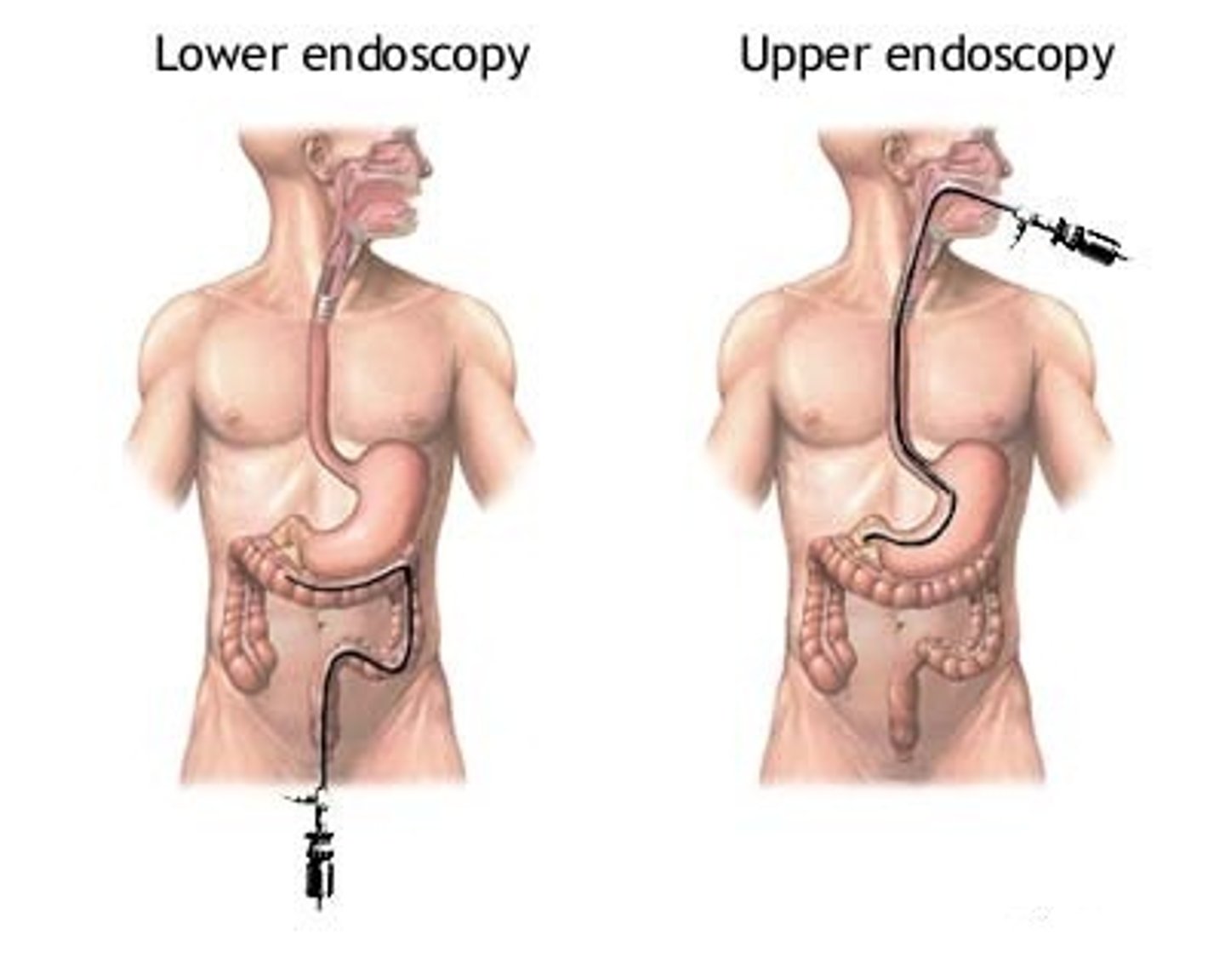
v.e. of the esophagus
esophagoscopy
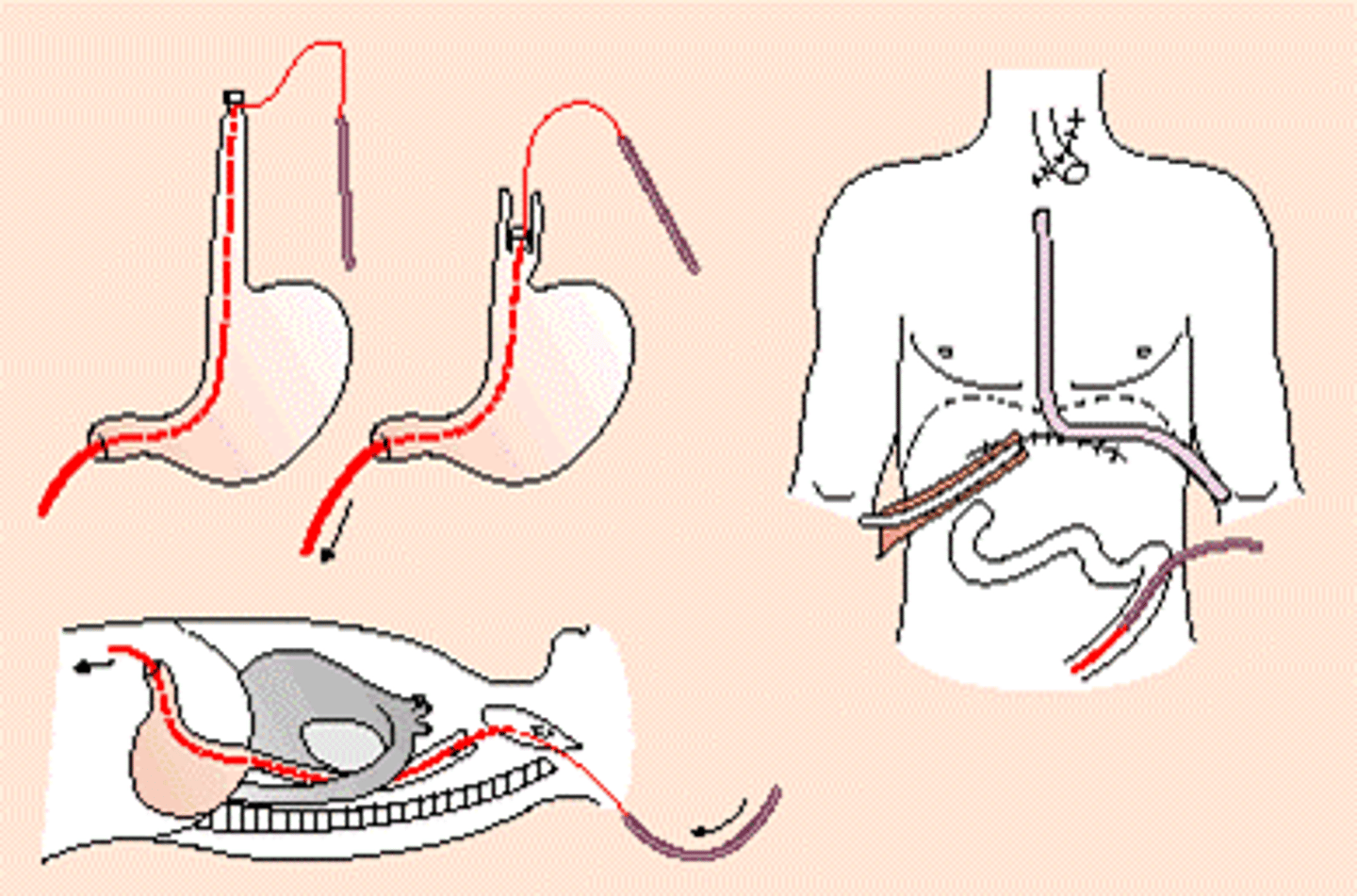
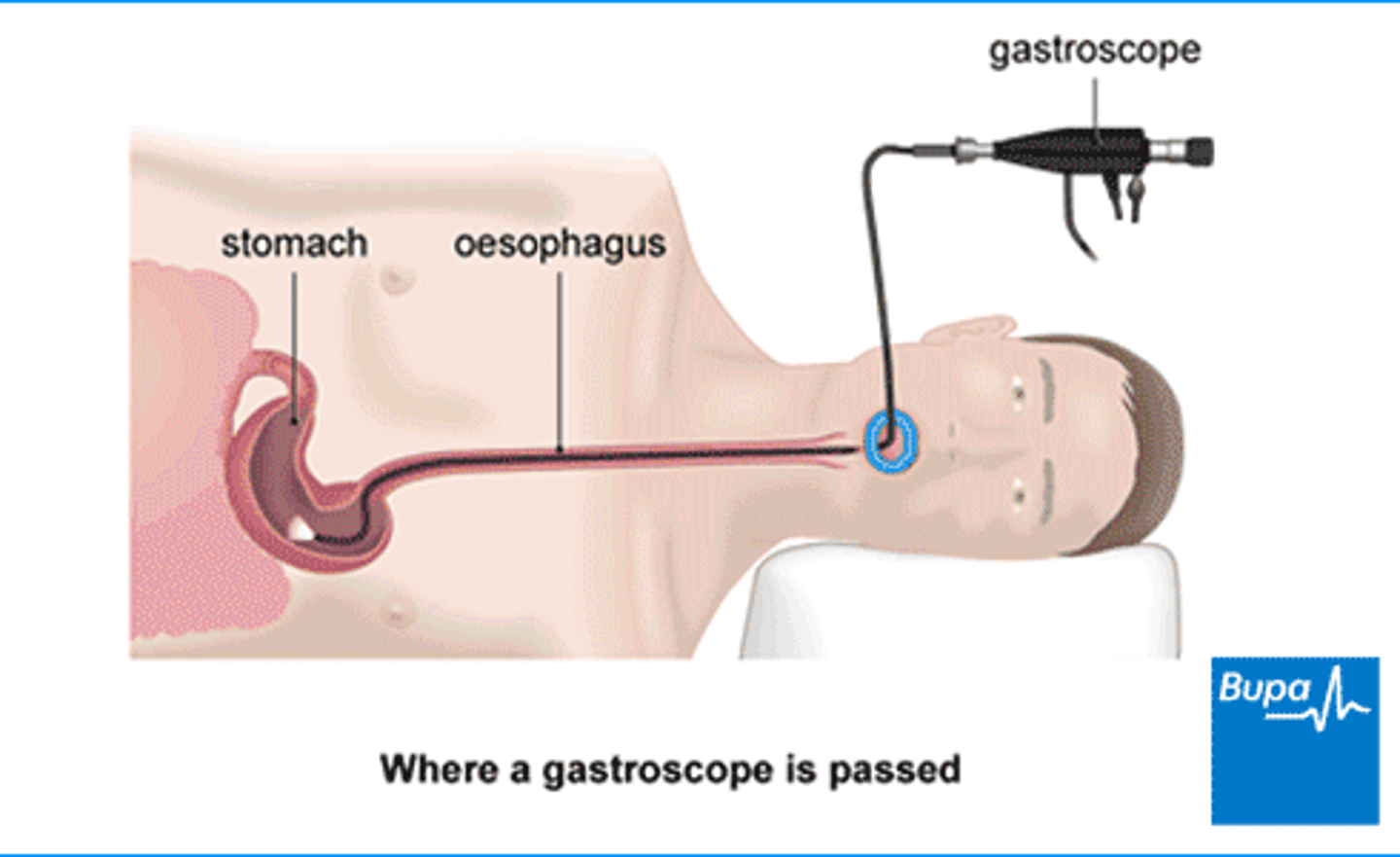
v.e. of the gastrointestinal tract with an endoscope
gastroscopy
feces are tested for blood; stool guaiac test. Important screen test for colon cancer.
hemoccult test
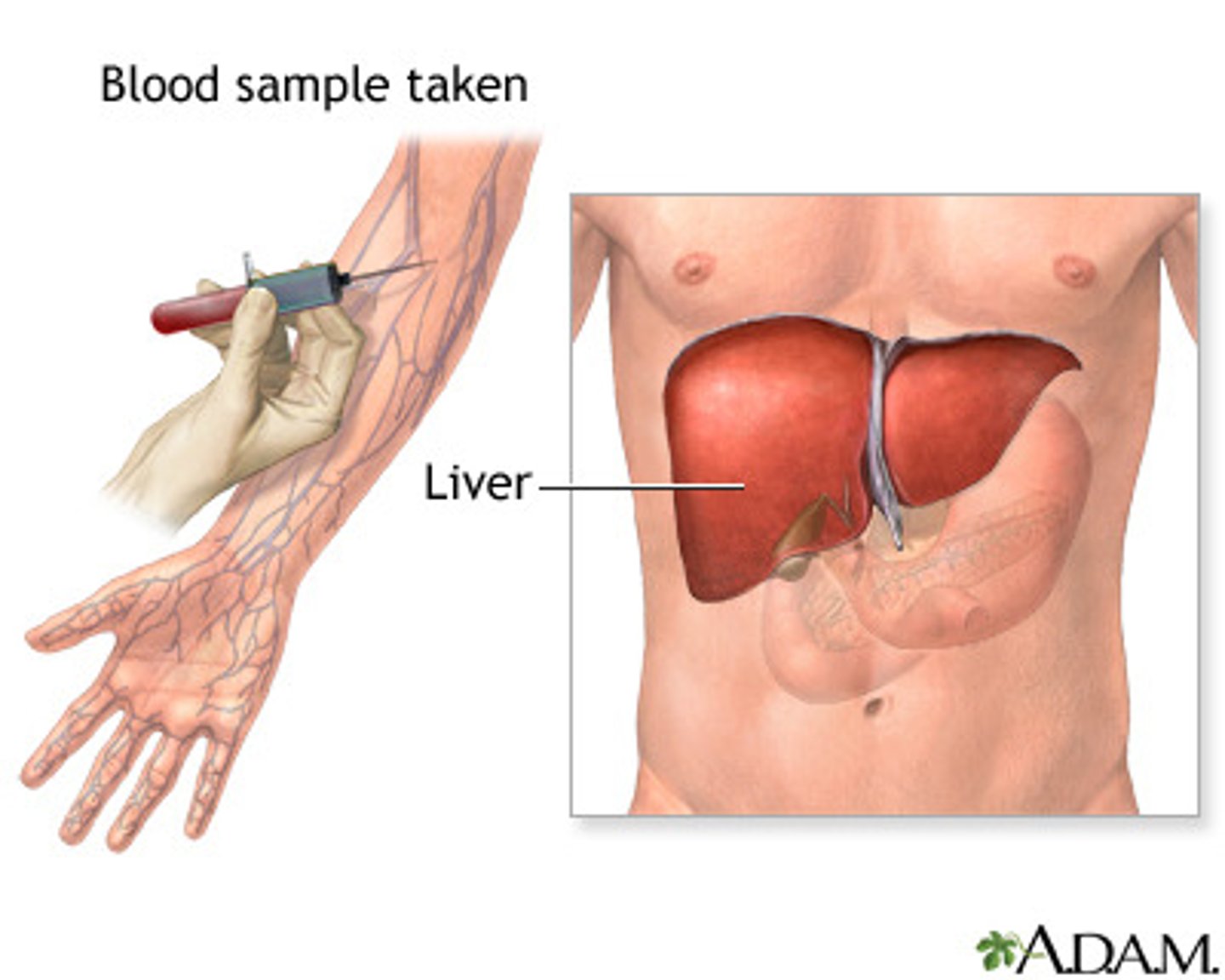
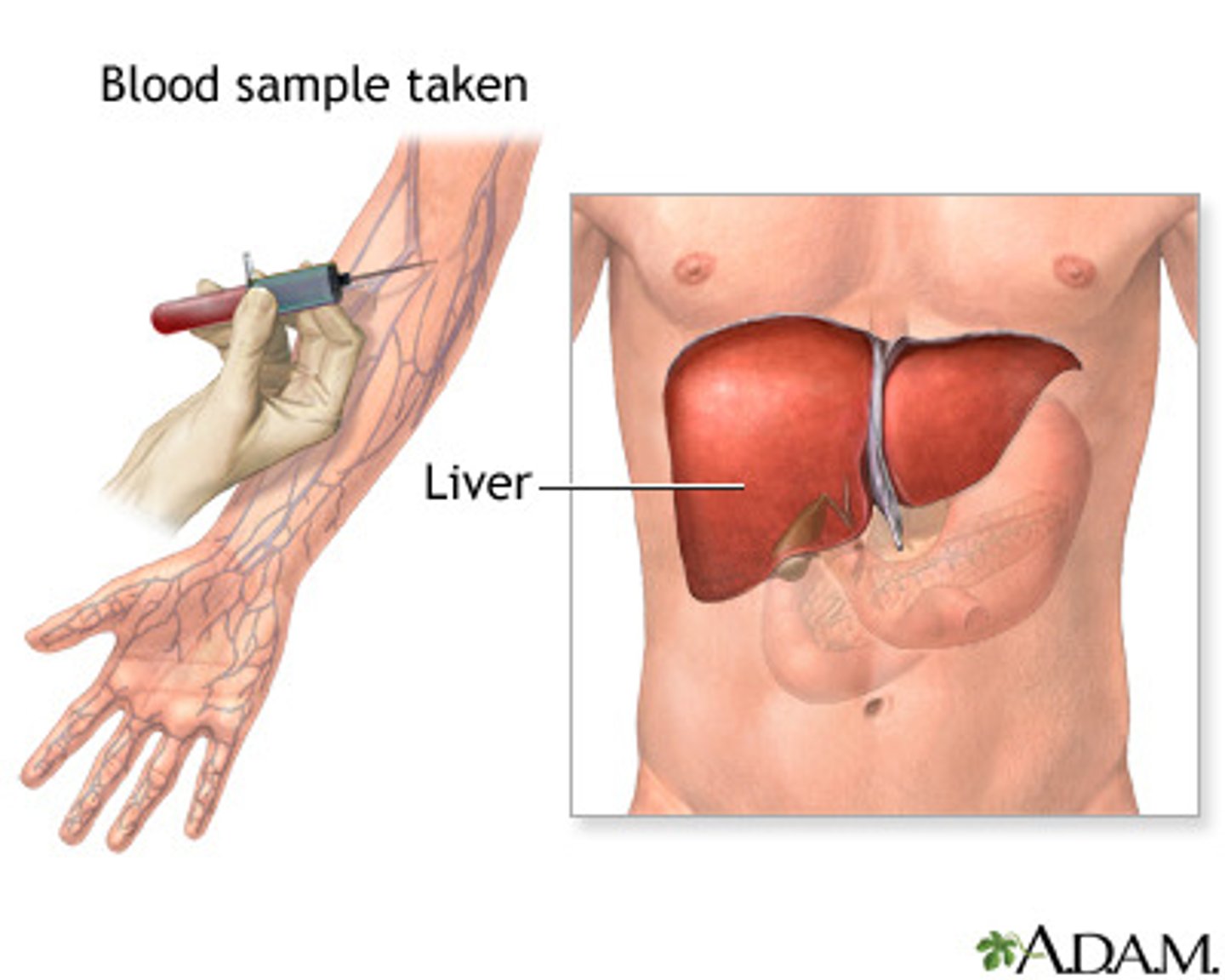
measurements of liver enzymes and other substances in the blood. Enzyme levels increase when the liver is damaged (as in hepatitis)
Liver function test (LFTs)
feces are placed in a growth medium (culture) to test for microorganisms (such as bacteria)
Stool culture
CT scans, MRI, and computers are used to produce two- and three-dimentional images of the colon. also called CT colonography.
virtual colonoscopy
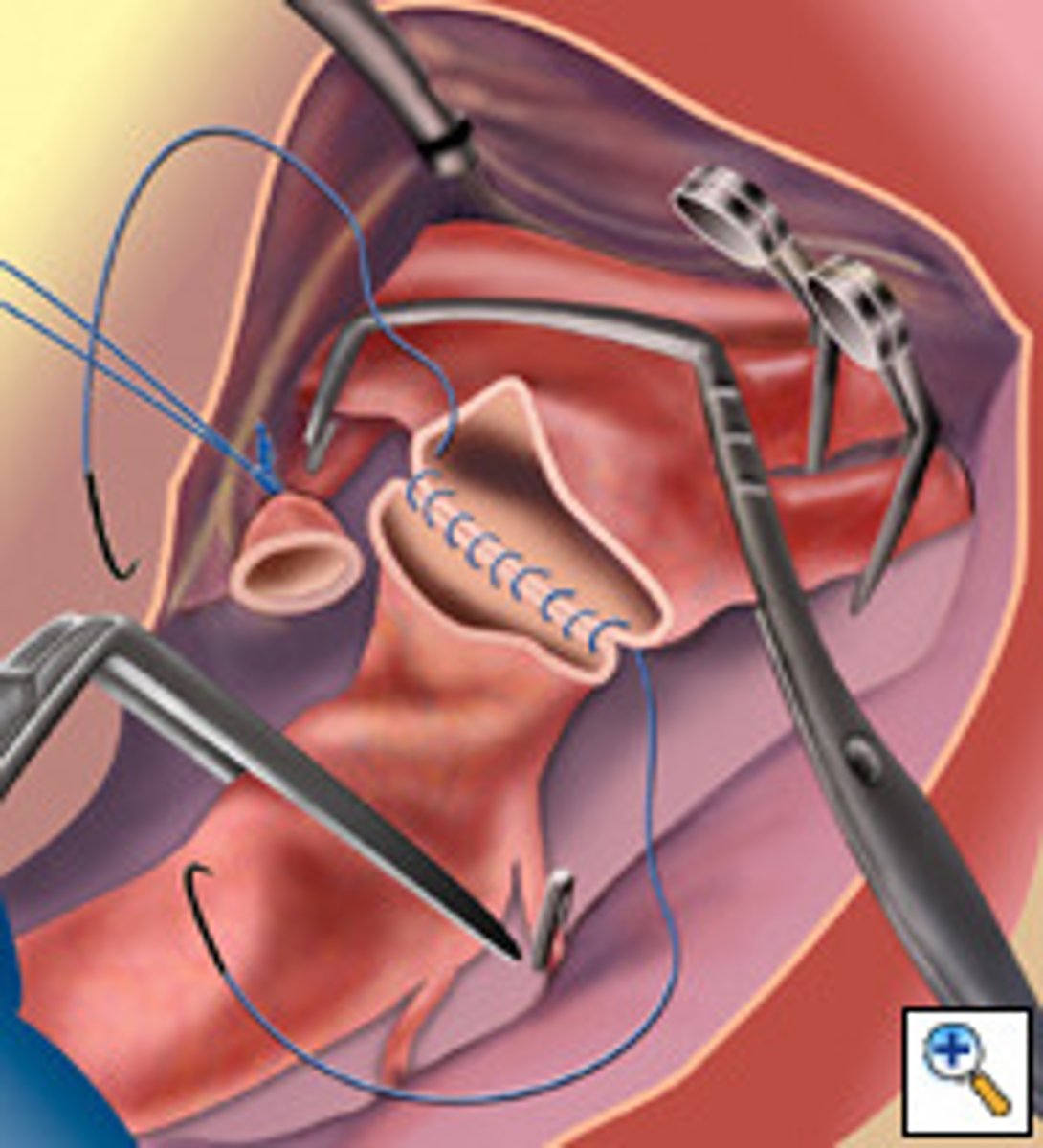
surgical creation of an opening between two gastrointestinal organs (cholecystejejunostomy)
anastomosis
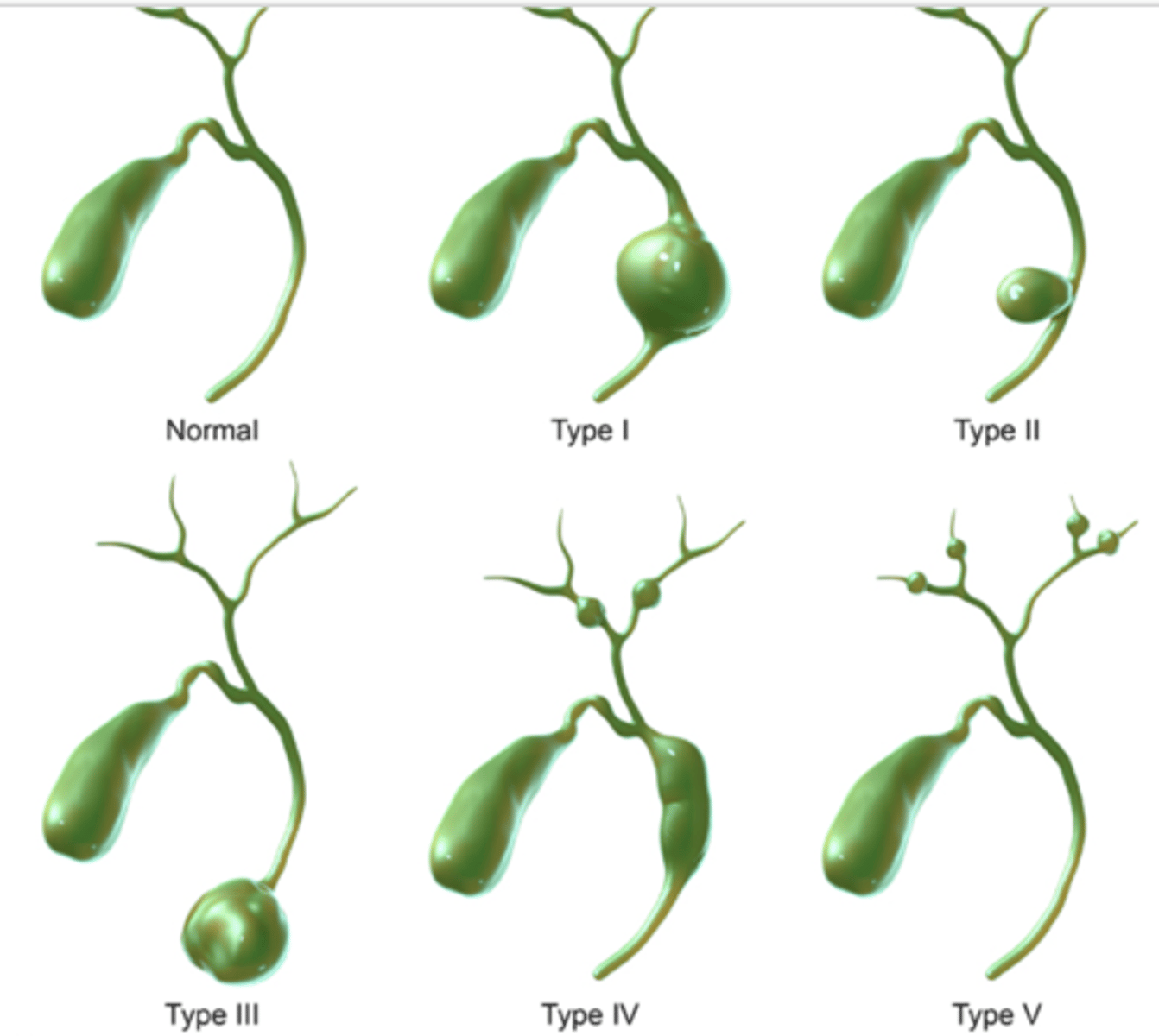
common bile duct
choledoch/o
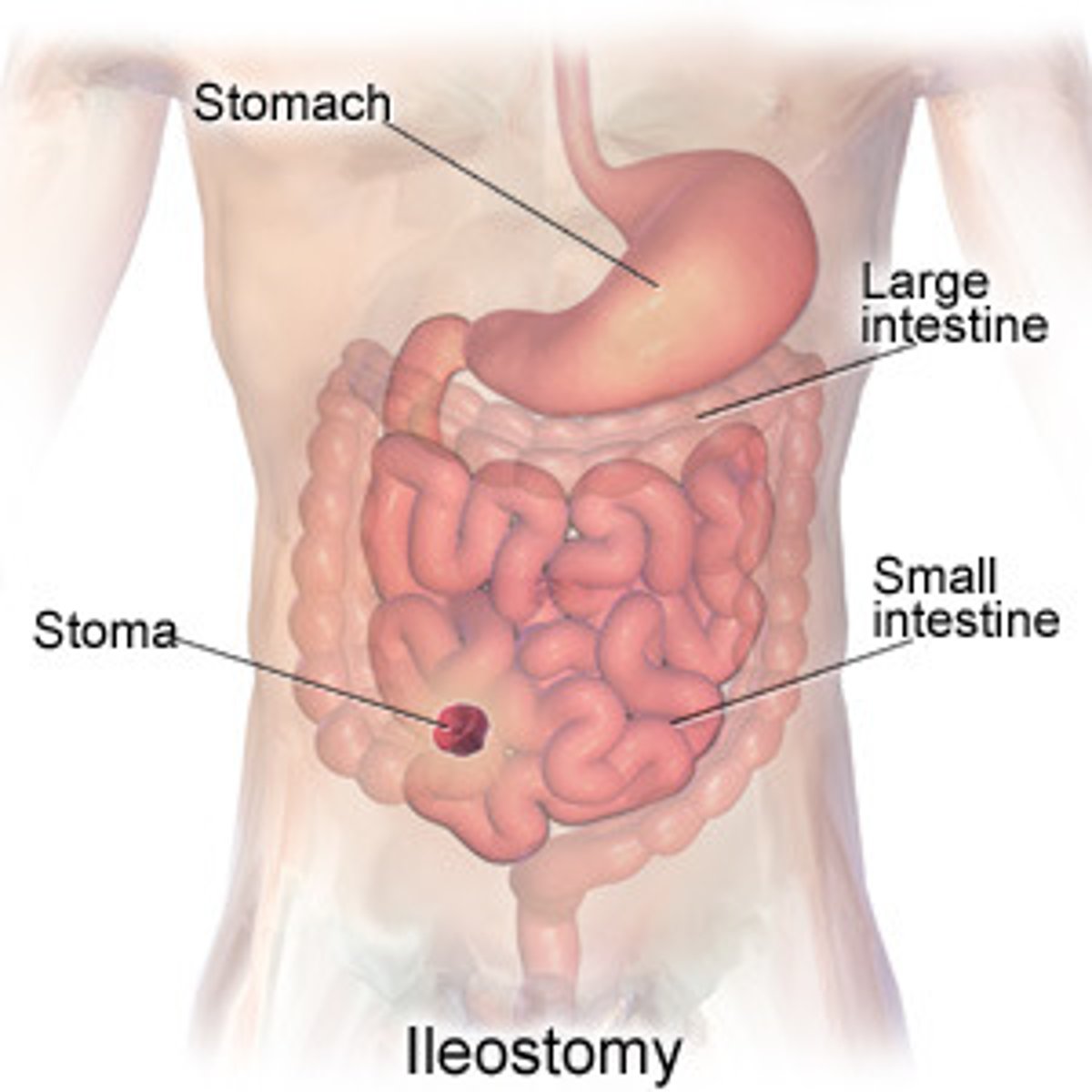
surgical creation of a new opening of the ileum to the outside of the body.
ileostomy
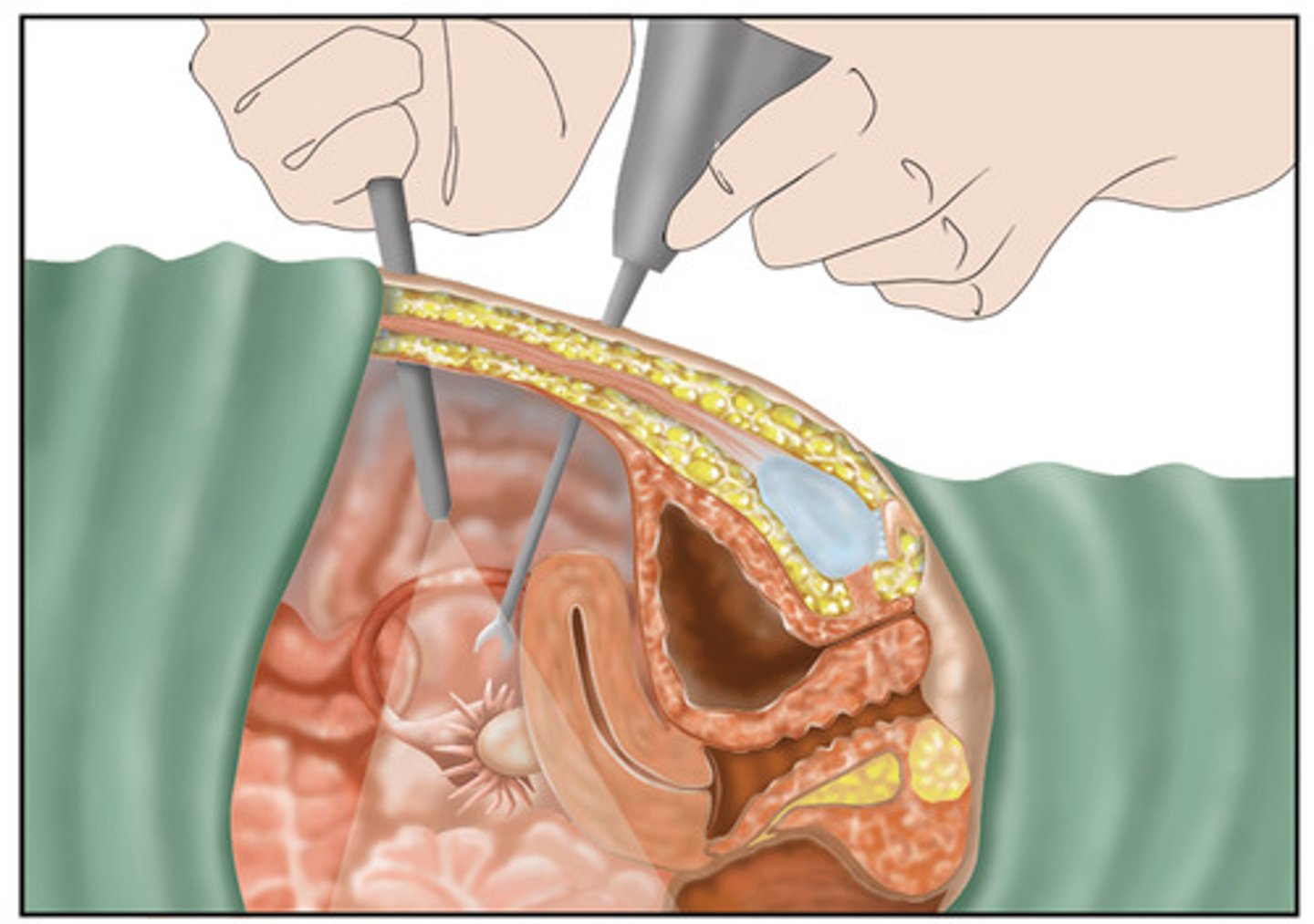
removal of organs or tissues via a laparoscope
laparoscopic surgery
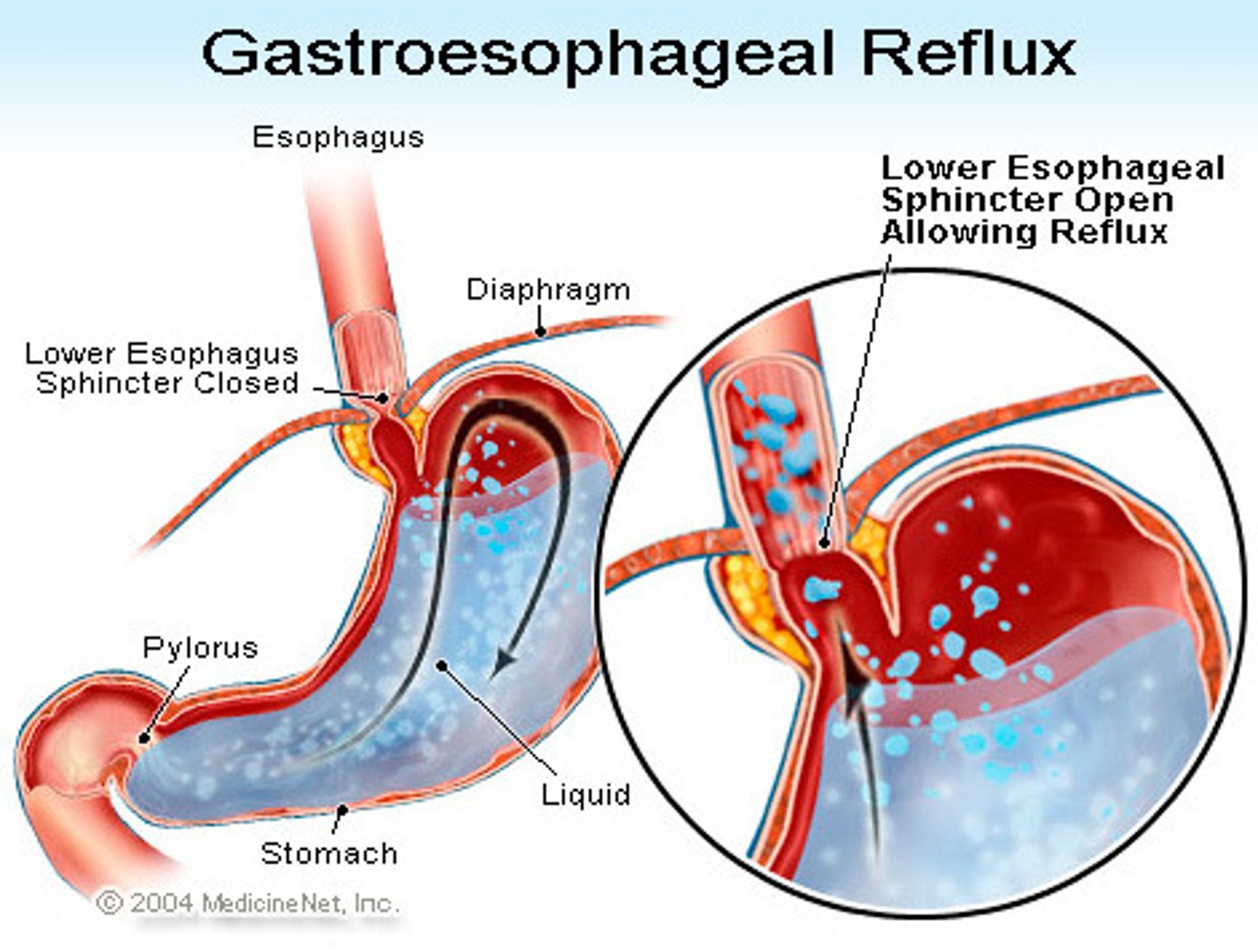
Gastroesophageal reflux disease
GERD
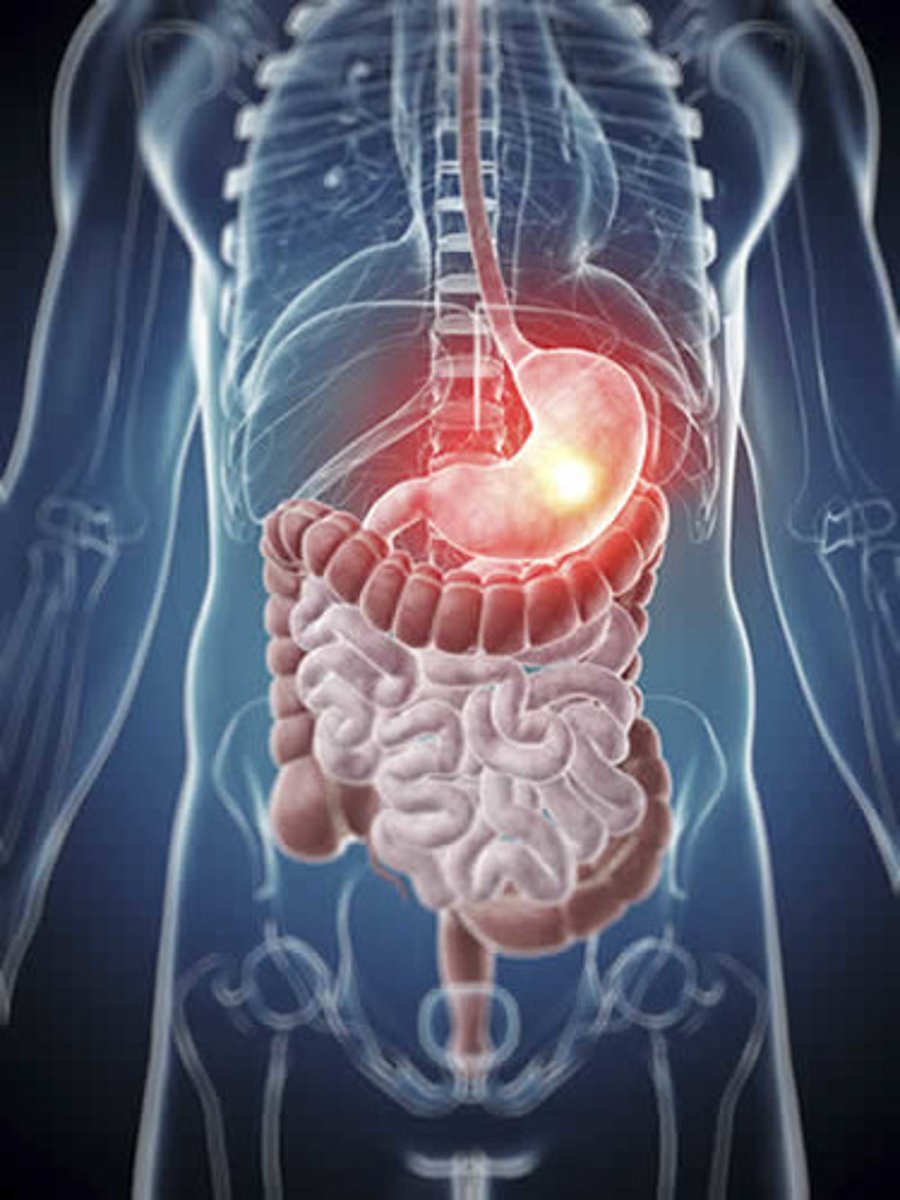
gastrointestinal
GI
inflammatory bowel disease (Crohn disease and ulcerative colitis)
IBD
irritable bowel syndrome
IBS
liver function tests (ALT, AST, bilirubin)
LFTs
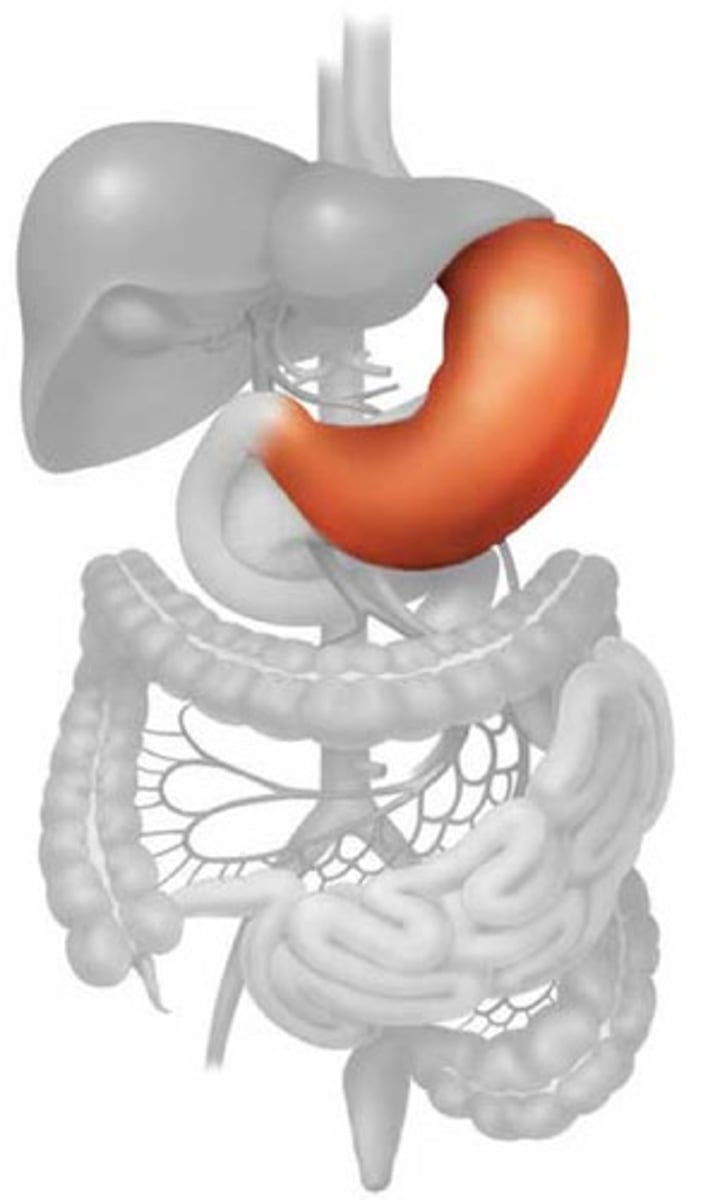
organ that receives food from the esophagus and sends it to the intestine
stomach
opening that is the beginning of the digestive system
mouth
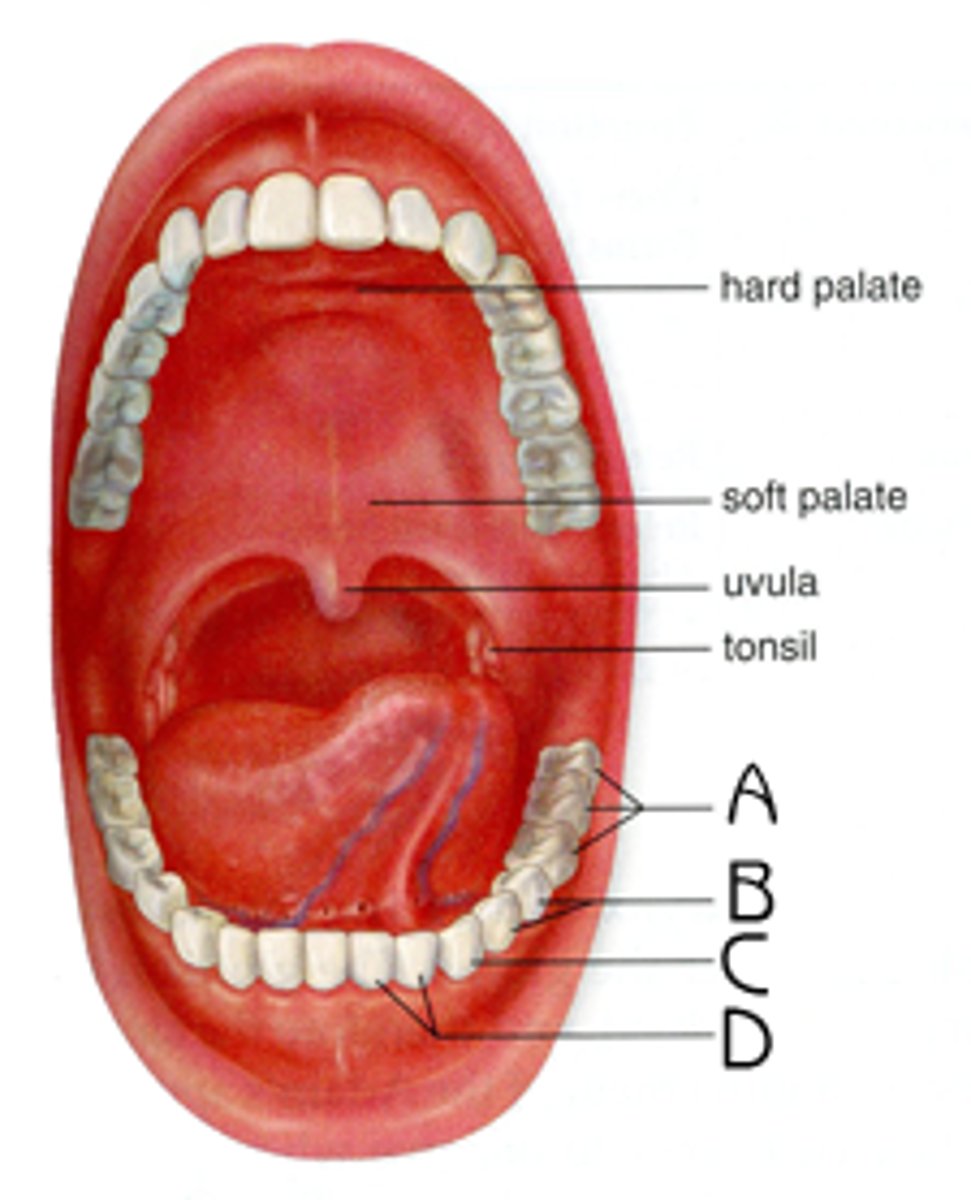
S shaped lower portion of the colon
sigmoid colon
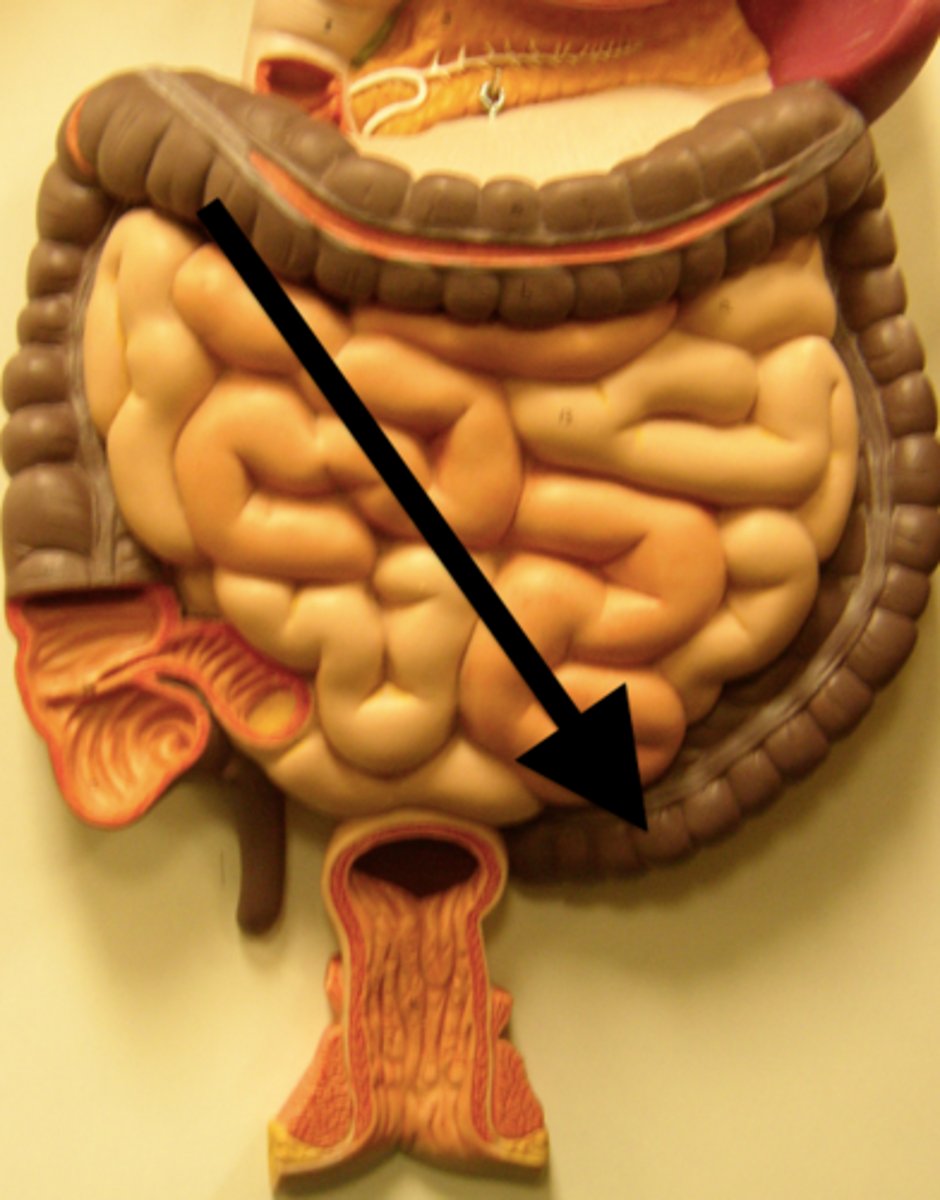
final section of the colon
rectum
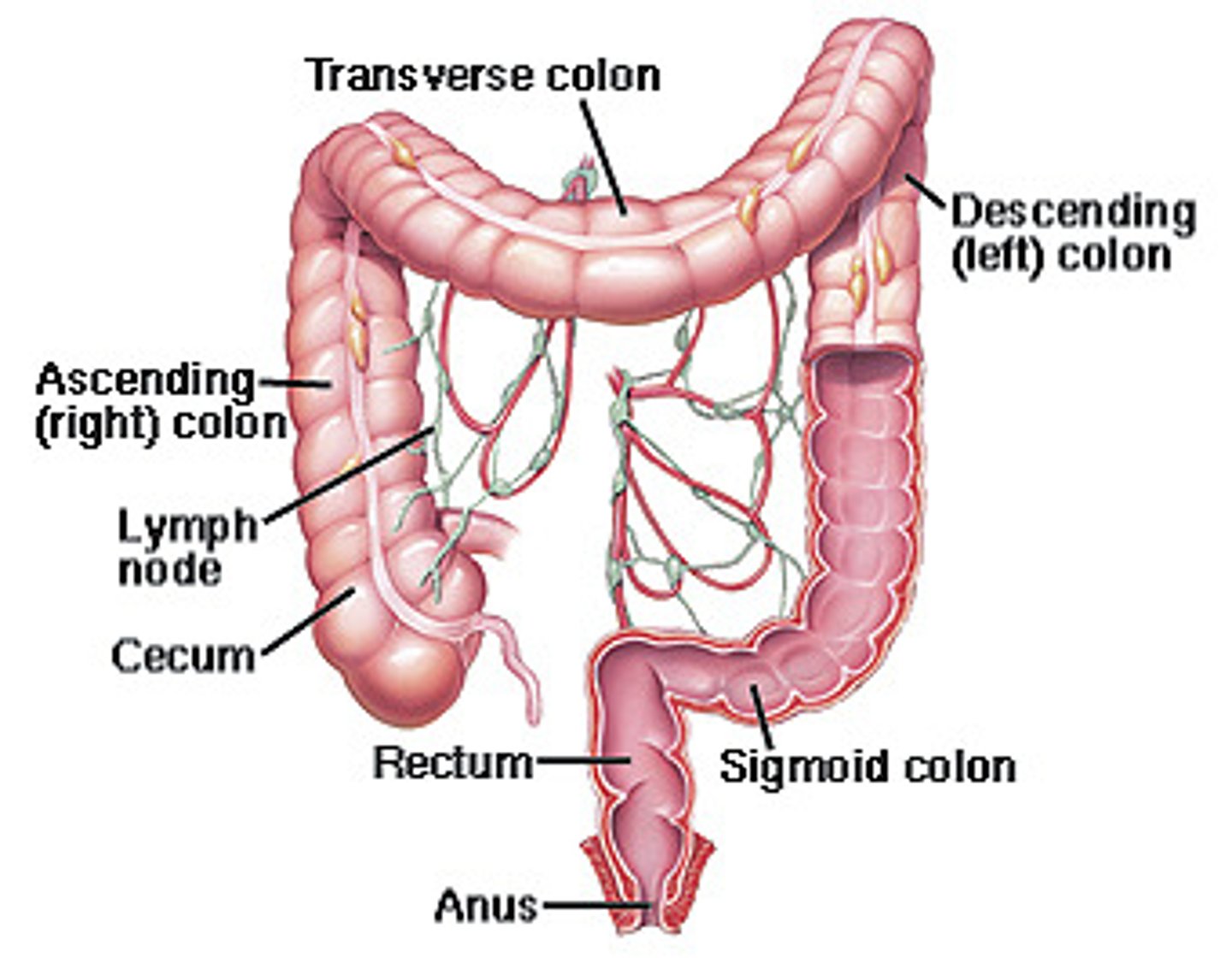
opening of the colon to the outside of the body
anus
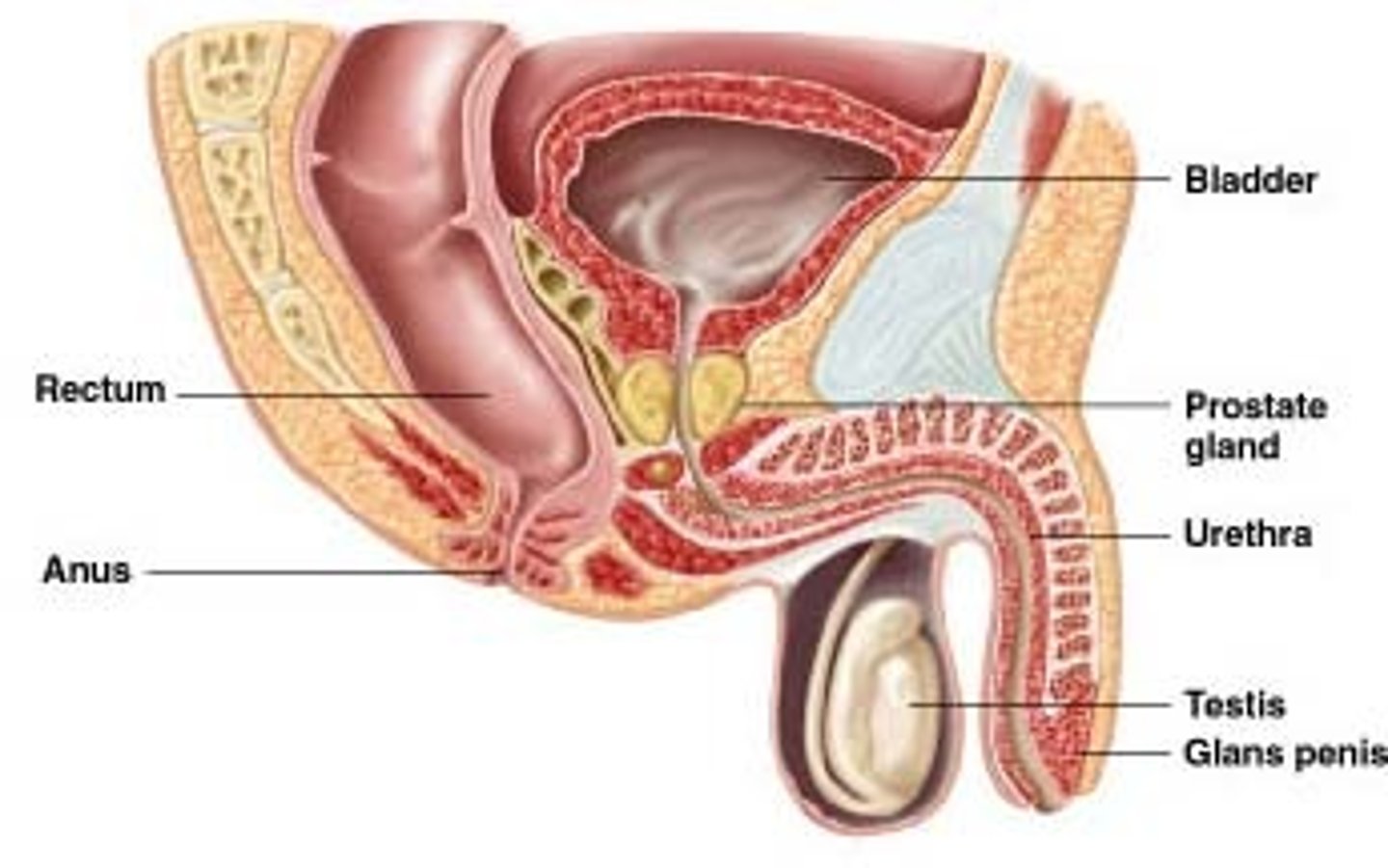
small sac that hangs from the beginning of the large intestine
appendix
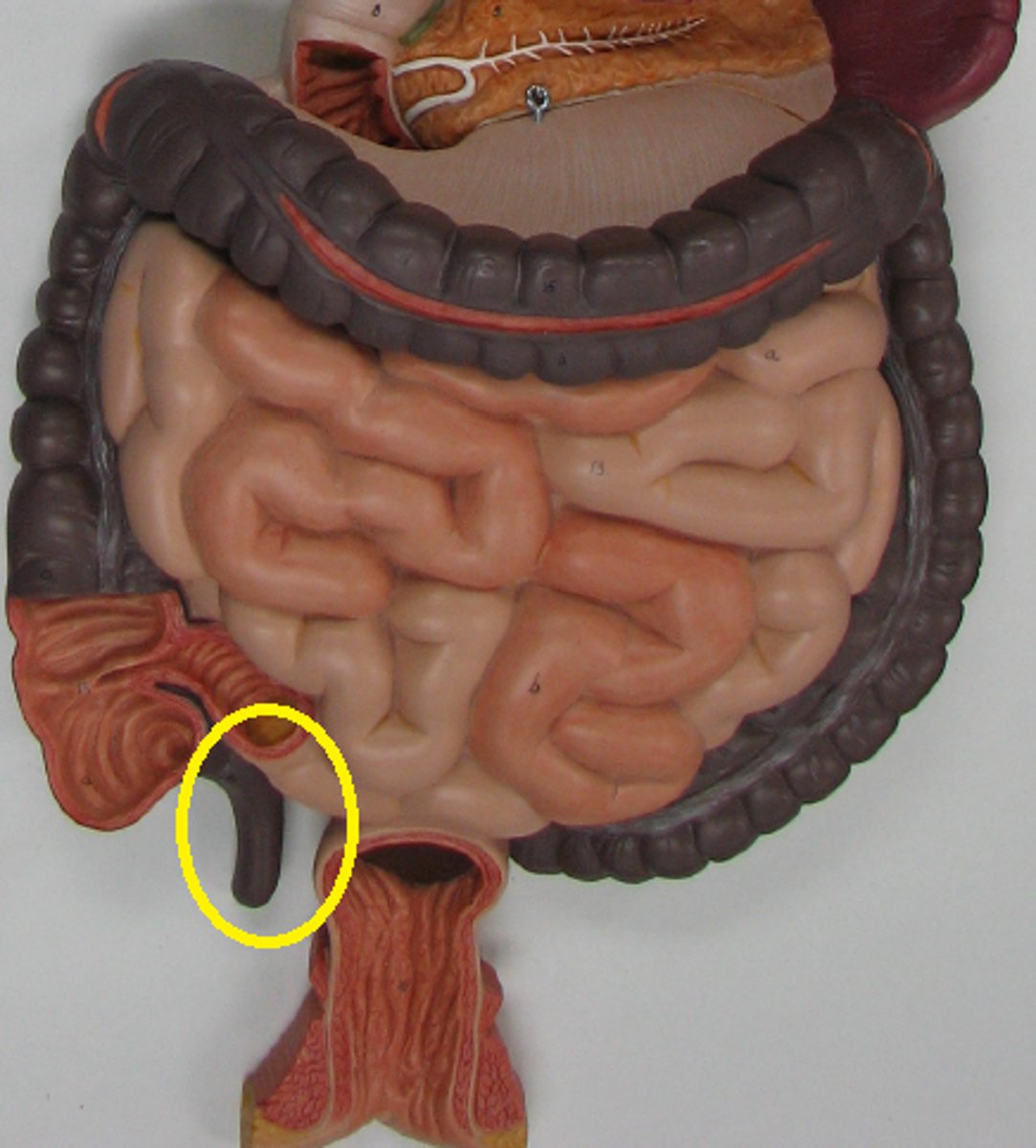
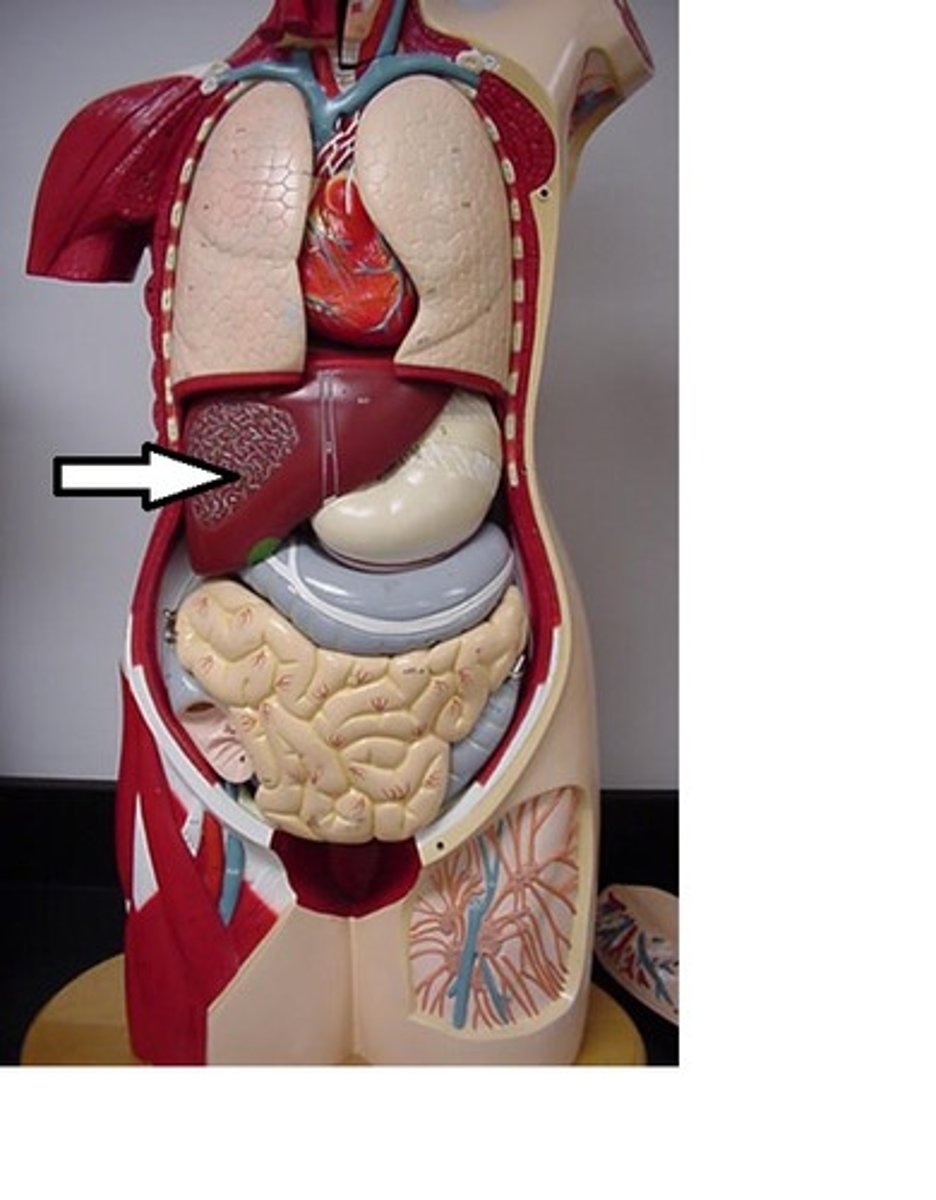
organ that makes bile, stores sugar, and produces proteins to clot blood
liver
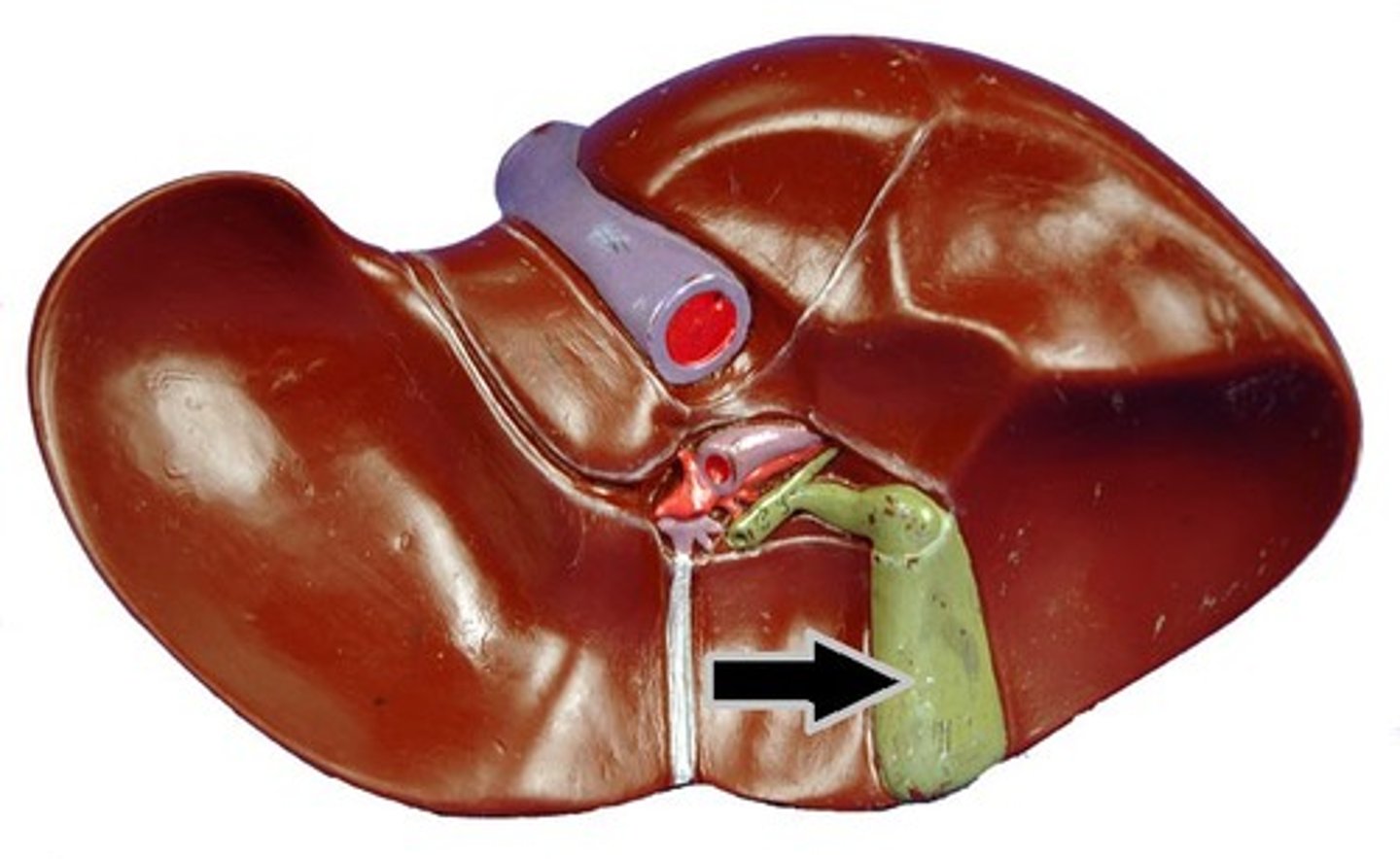
sac that stores bile
gallbladder
tube that carries bile from the liver and gallbladder to the intestine
common bile duct
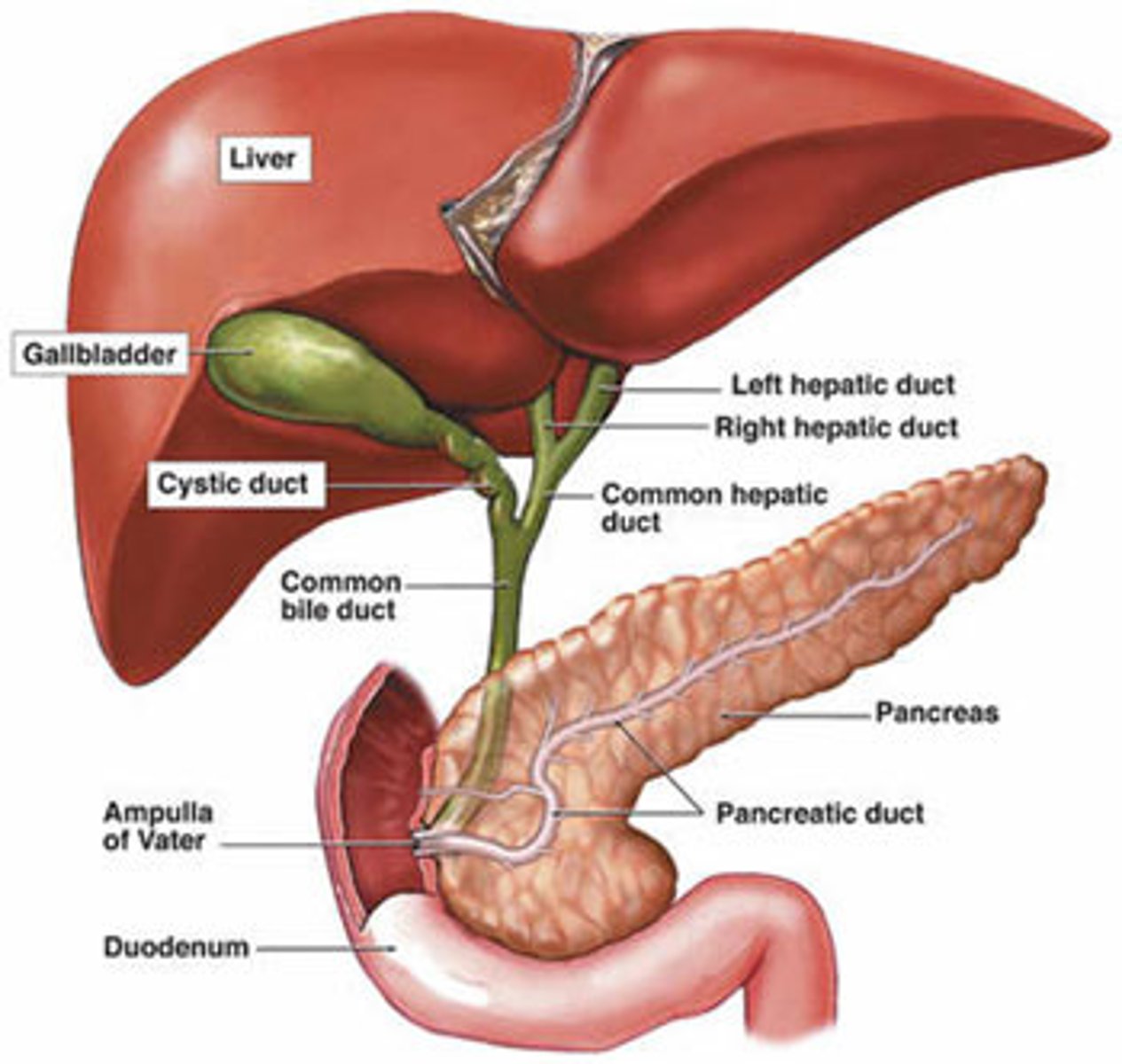
gland that makes both digestive juices and insulin (hormone)
pancreas
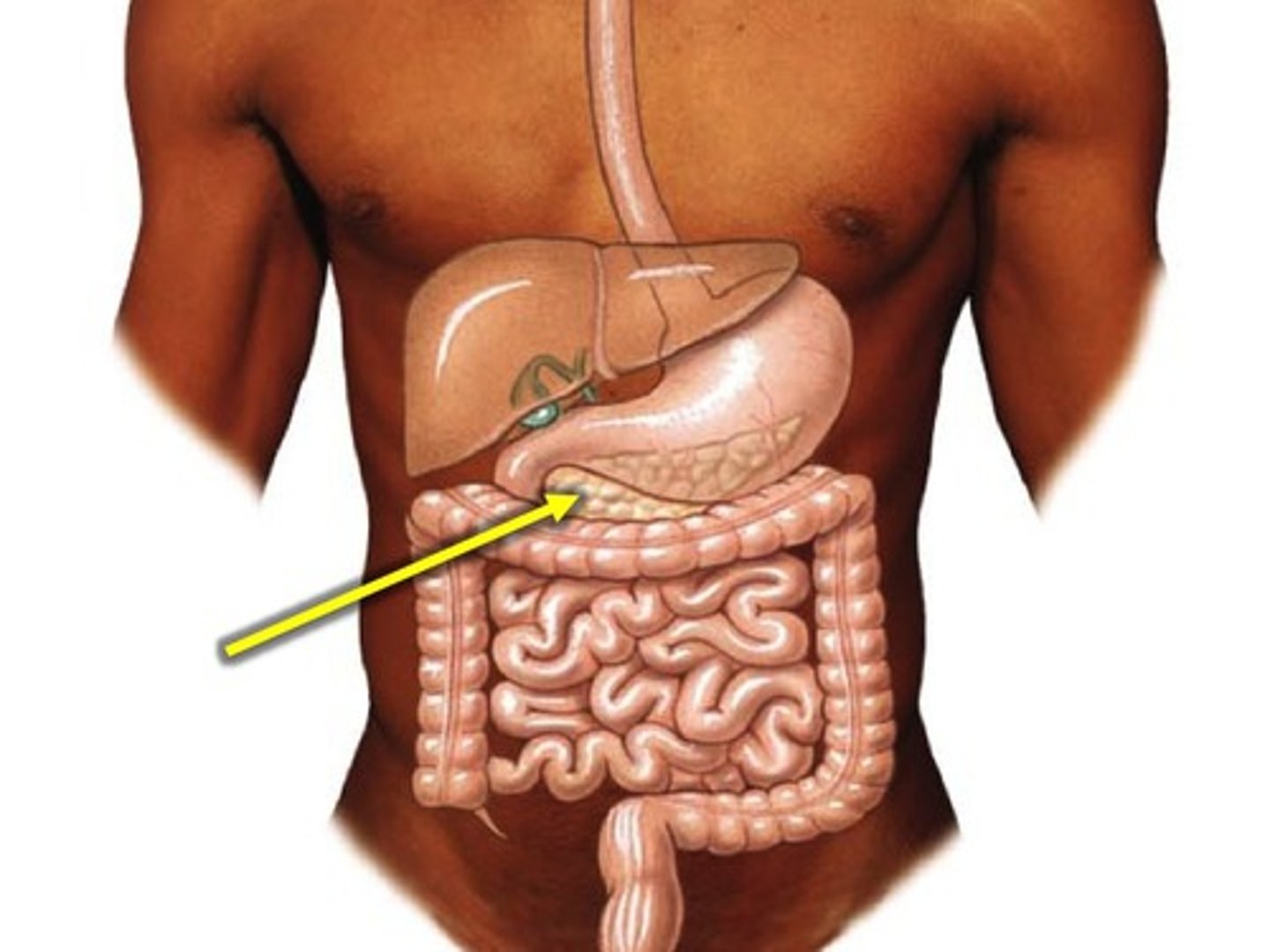
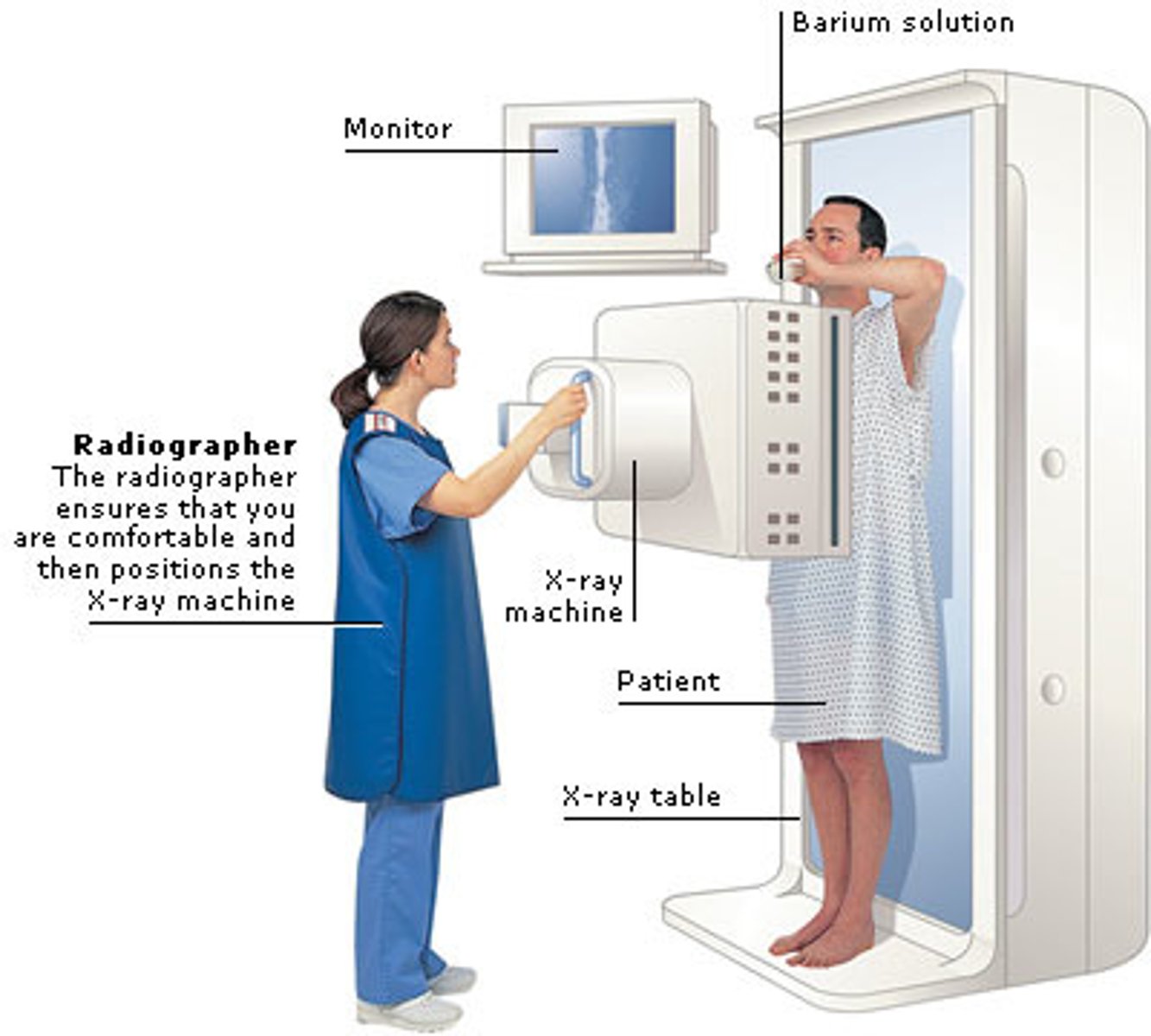
x-ray images of the GI tract obtained after introduction of a radiopaque liquid into the rectum or mouth
barium test
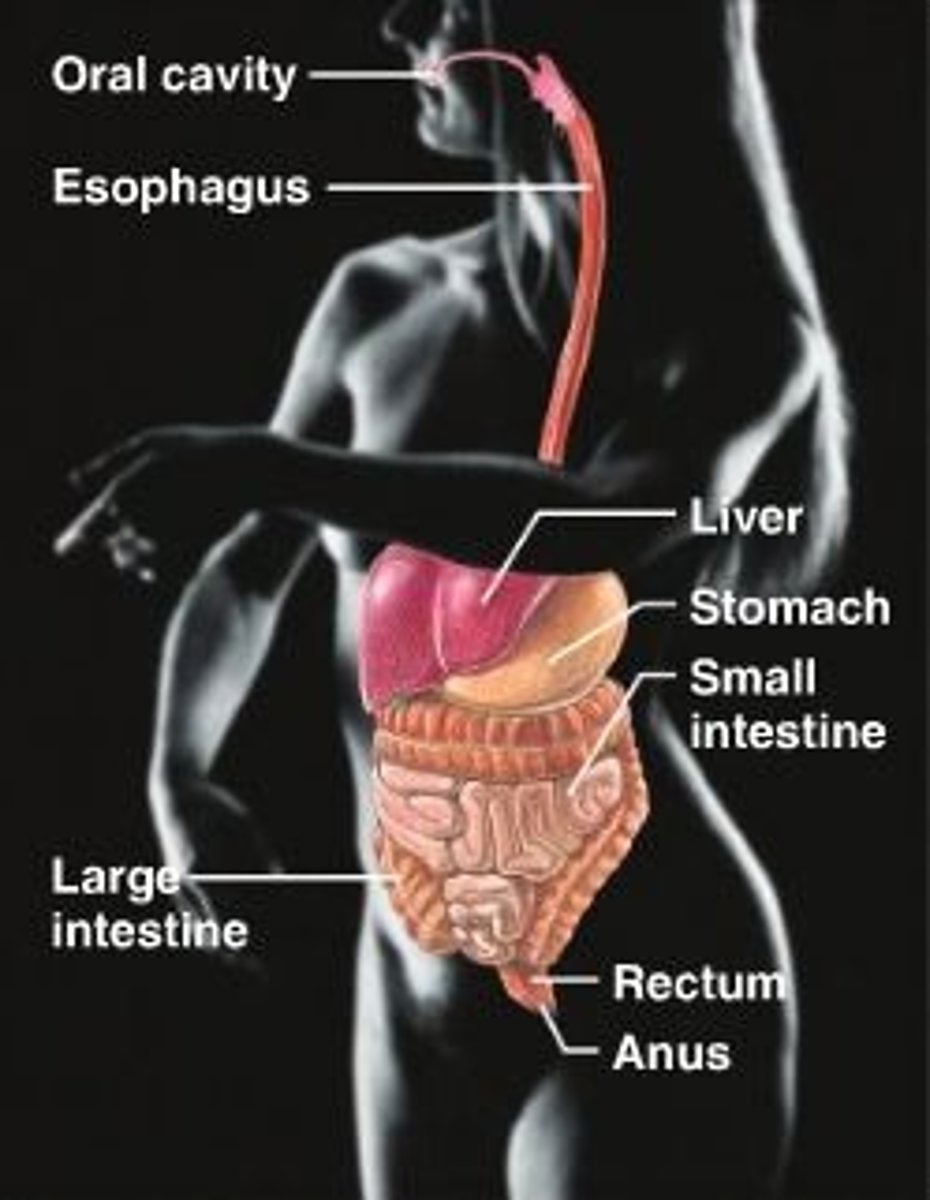
The Digestive system consists of the gastrointestinal tract plus the accessory organs of digestion (the tongue, salivary glands, pancreas, liver, and gallbladder).Digestion involves the breakdown of food into smaller and smaller components, until they can be absorbed and assimilated into the body.
Digestive System