Social and Physical Development
 Call Kai
 Learn
Learn Practice Test
 Spaced Repetition
 Match
Match Flashcards
 Knowt Play
1/12

There's no tags or description
Looks like no tags are added yet.
Name | Mastery | Learn | Test | Matching | Spaced | Call with Kai |
|---|
No analytics yet
Send a link to your students to track their progress
13 Terms
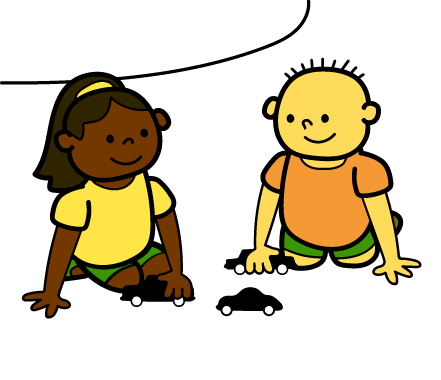
Assoicate Play
Playing with peers in an loosely-organized manner; ages 3-4 years
Environment
the physical surroundings and emotional climate in which a child develops
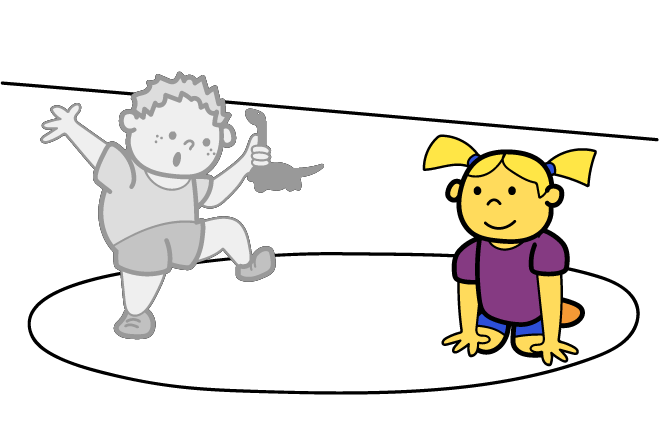
Spectator Play
Watching others play without engaging; ages 2-2.5 years
Temperament
the genetic factors that determine how individuals approach and learn about the world
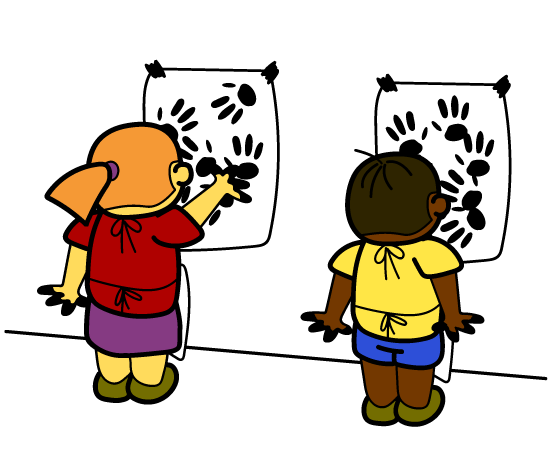
Parallel Play
Playing a similar activity alongside a peer without interaction; ages 2.5-3 years
Cooperative Play
Playing with peers by creating rules or guidelines for the activity together; ages 4 and up
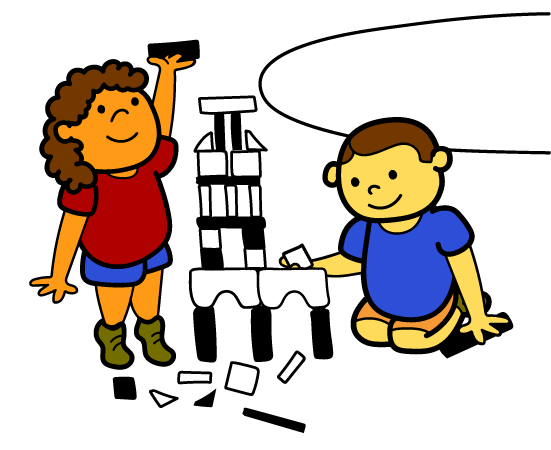
Prosocial Behavior
behavior that helps others or contributes to society. Ex: Volunteering, donating, helping
Personality
the patterns of behaviors and attitudes that make an individual distinctive from others
Character
the learned emotional, cognitive, and behavior patterns that influence thoughts, emotions, and behaviors
Anxious-Ambivalent Attachment
occurs when children feel anxiety when their parents or caregivers are gone; Even when they return, the children are not comforted or reassured by their presence
Secure Attachment
occurs when children feel they can rely on their parents or caregivers; they miss their parents when away and greet their return with enthusiasm and happiness
Anxious-Avoidant Attachment
occurs when children tend to avoid their parents and show no innate preference for either their parents or strangers
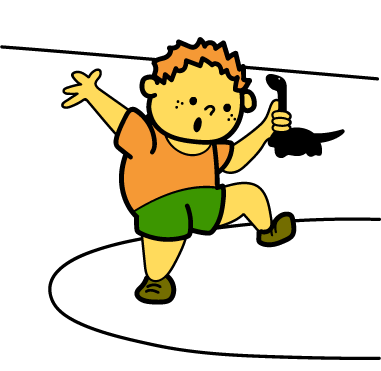
Solitary Play
Playing independently or alone; ages 0-2 years