H&S: EXAM PREPERATION QUESTIONS
 View linked note
 Call Kai
 Learn
Learn Practice Test
 Spaced Repetition
 Match
Match Flashcards
 Knowt Play
1/44

There's no tags or description
Looks like no tags are added yet.
Name | Mastery | Learn | Test | Matching | Spaced | Call with Kai |
|---|
No analytics yet
Send a link to your students to track their progress
45 Terms
Briefly explain the purpose of an inspection carried out by an HSE Inspector.
To make sure that a company is following the health and safety laws, identify hazards, investigate accidents and ensure workers are protected from risks.
List four key tasks performed by a Health and Safety Officer in a small engineering company.
Carry out risk assessments
Inspect the workplace to check safety procedures
Record and investigate accidents and incidents
Provide health and safety training to employees
Which two key organisations were established by the Health and Safety at Work Act 1974 and what is the relationship between these two organisations?
Health and Safety Commission (HSC)
Health and Safety Executive (HSE)
The HSC sets policies and strategy, whilst the HSE enforces the law and provides guidance.
Explain the purpose of an enforcement notice issued by a UK local authority to an engineering company.
It requires a company to correct health and safety breaches within a specific time to comply with legal requirements.
Explain the purpose of the CE mark.
Shows that a product meets the EU safety, health and environmental protection standards and can be sold in Europe.
What regulations relate to:
The provision of adequate lighting and ventilation in the workplace?
Workplace (Health, Safety and Welfare) Regulations 1992.
The use of warning signs in the workplace?
Health and Safety (Safety Signs and Signals) Regulations 1996
The storage, handling and disposal of hazardous substances?
Control of Substances Hazardous to Health (COSHH) Regulations 2002
State four duties of employers under the Health and Safety at Work Act 1974.
Provide a safe working environment
Provide training, supervision and information
Maintaining safe equipment and machinery
Explain what is meant by a 'reportable dangerous occurrence'. Why is it necessary to report such an incident?
Reportable dangerous occurrences - a serious near-miss incident that could have caused injury - must be reported under RIDDOR so authorities can investigate hazards and prevent future accidents.
Explain why it is necessary to carry out a periodic review of a risk assessment.
Work conditions can change
New hazards can be made
To make sure areas are being regulated properly
Give three examples of physical hazards present in a typical engineering environment.
Vibration
Machinery moving
Wet floors
Give three examples of biological hazards present in a typical engineering environment.
Bacteria
Viruses
Mould
List four factors that need to be considered when planning to lift a heavy object manually.
Weight of load
Distance to be moved
Strength of person
When using manual handling, explain why maximum load weight must be reduced as distance from the body increases.
The centre of gravity moves away - increasing strain
A larger turning movement - higher risk of injury
Briefly explain the responsibilities of a fire warden or fire marshal.
Ensure the safe evacuation of people
Report to the emergency services if needed
Help people to the assembly points
The Manual Handling Operation Regulations 1992 suggest a three-stage approach to manual handling. What are the three stages?
Avoid the need for manual handling
Assess the risk
Reduce the risk by finding safer methods of handling
List four statutory duties of employers in relation to manual handling.
Carry out risk assessments
Provide training
Provide suitable equipment
reduce the risk of injury
Where would you expect to find detailed information on a hazardous chemical substance?
The MSDS
What is a permit to work and why would you need one?
Authorising high risk work
To make sure hazards are identified and controlled
Give an example of
a safe condition sign
Fire exit
a warning sign.
Electrical hazard sign
In what way do these signs differ?
The fire exit shows a safe root and the hazard sign shows danger
List three different types of fire extinguisher and give an example of where each type would be used.
Water - paper
Carbon dioxide - electrical fires
Foam - flammable liquids
Explain why the safe working load (SWL) of lifting equipment is important.
Prevents overloading - avoids accidents
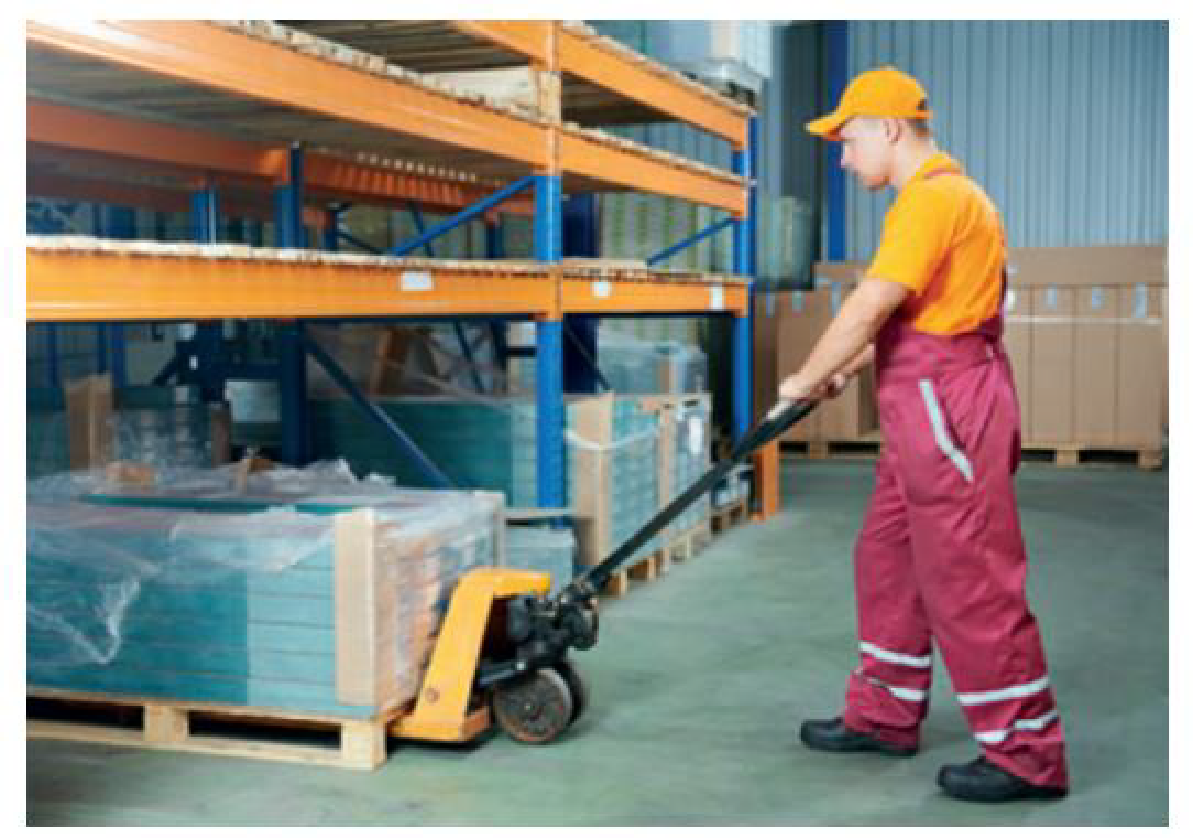
Identify the lifting aid shown in the image. Describe a typical application for this device.
- A manual pallet truck - moves heavy loads across flat surfaces.
Briefly describe the operation of a ratchet hoist.
A lever and ratchet - prevents slipping backwards
State two advantages of a wire rope sling compared with a chain sling
Lighter and easier to handle
More flexible
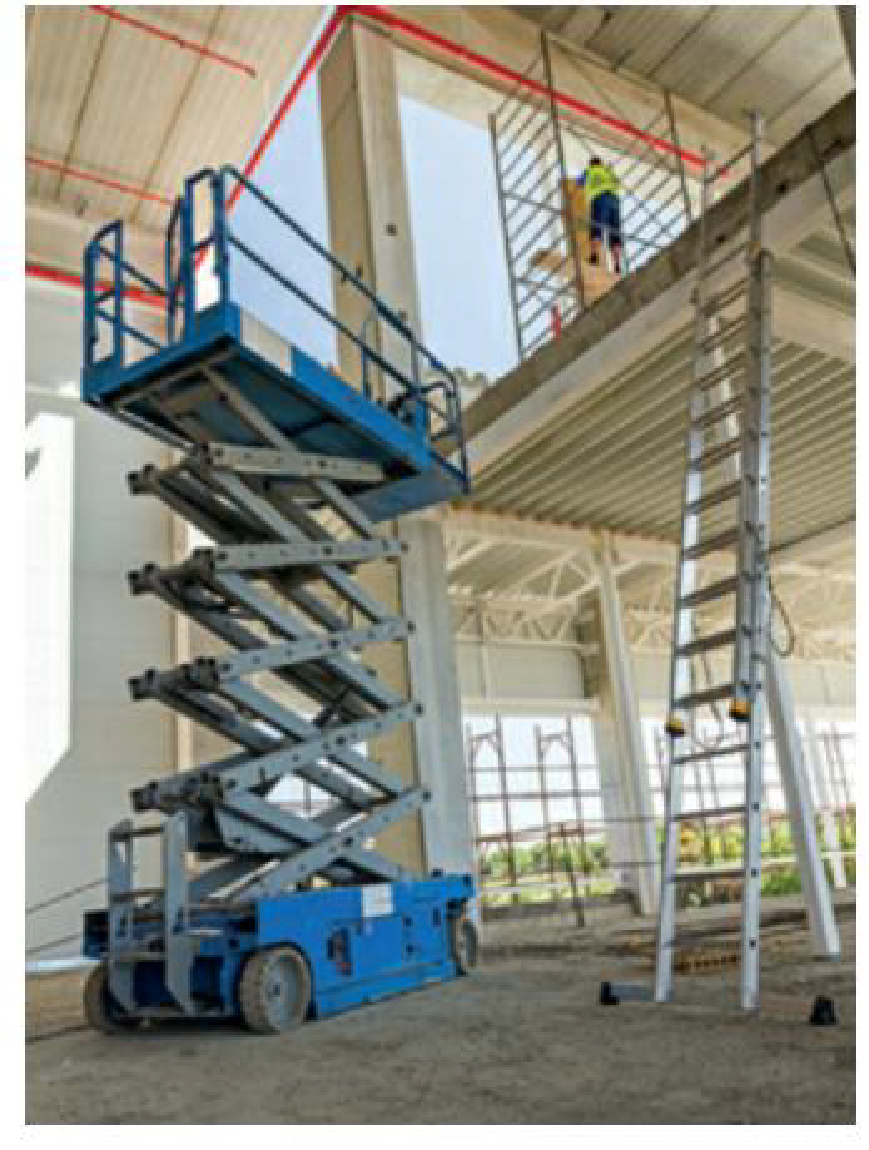
Identify the lifting aid shown in the image. Describe a typical application for this device.
A scissor lift - used to safely raise workers and their tools for tasks elevated off the ground.
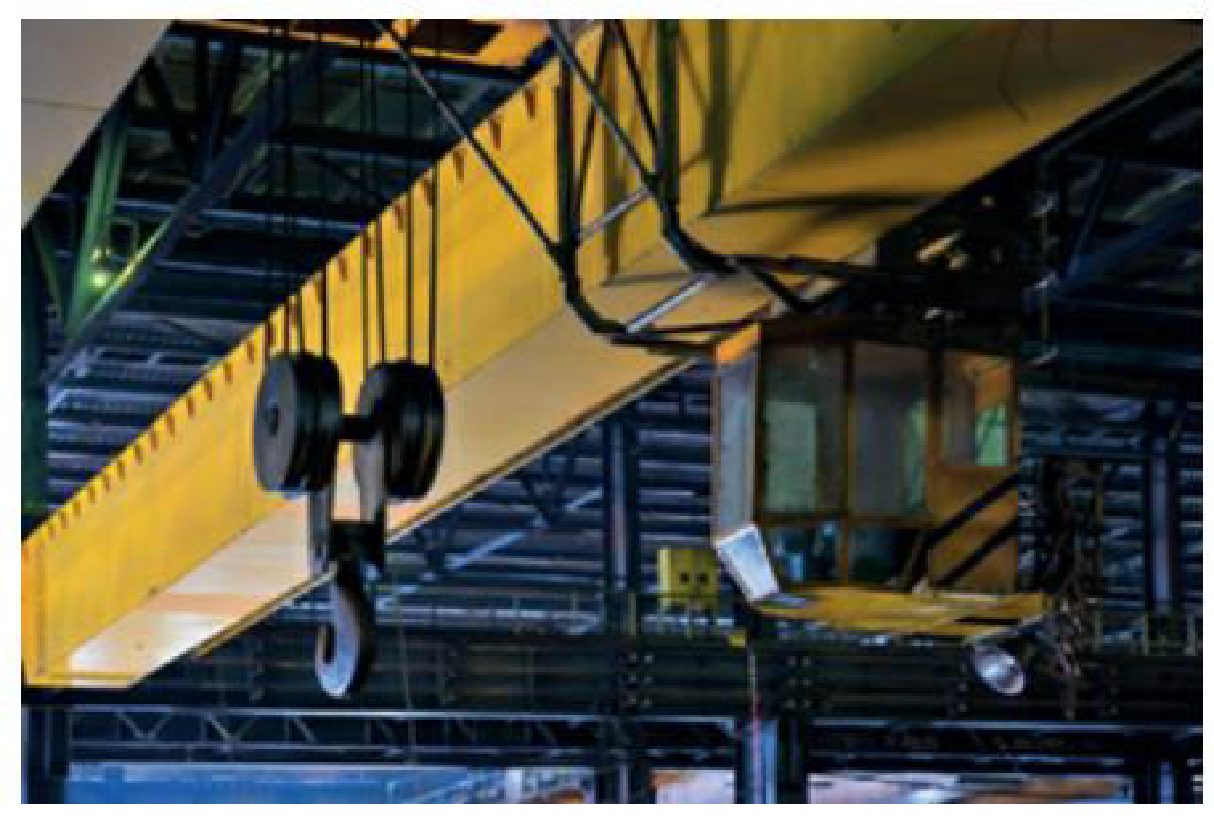
Identify the lifting aid shown in the image. Describe a typical application for this device.
- A chain block - used to lift or lower heavy loads.
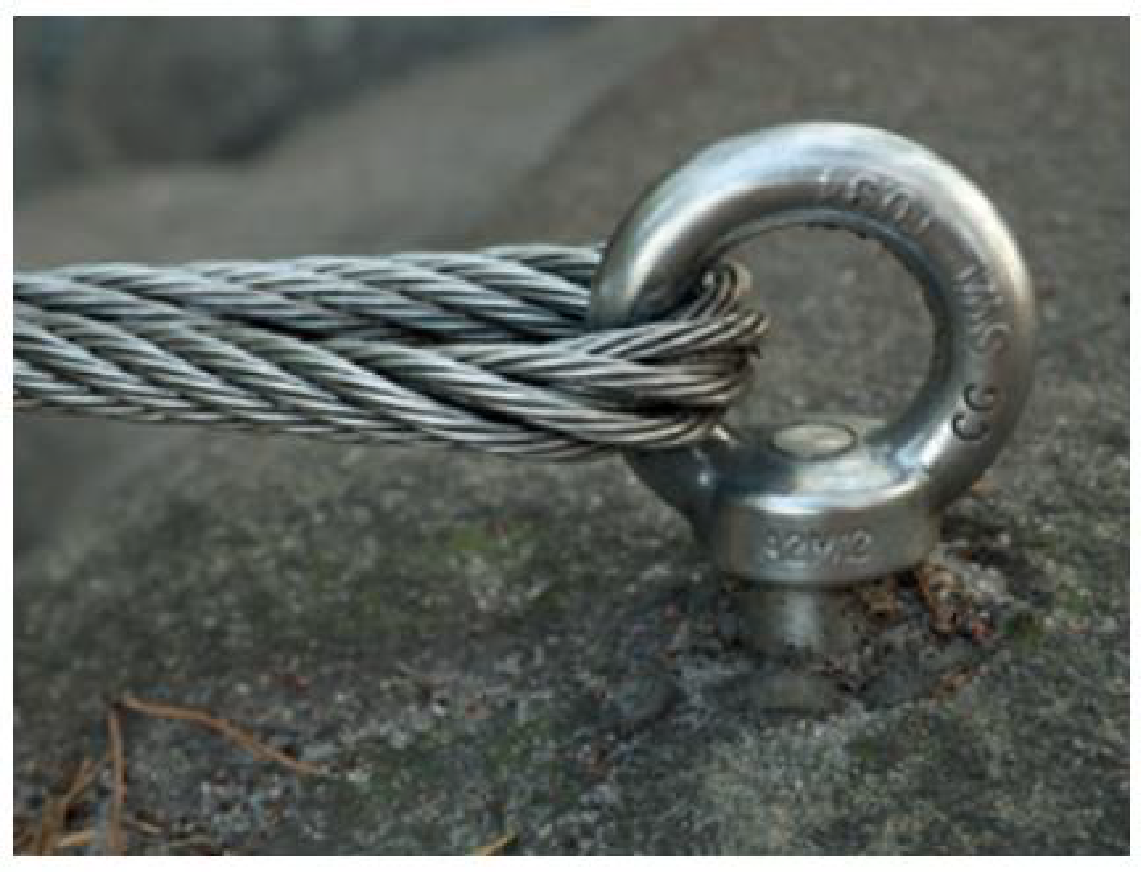
Identify the lifting aid shown in the image. Describe a typical application for this device.
- A wire rope sling - used with cranes or hoists to lift heavy loads.
Identify the lifting aid shown in the image. Describe a typical application for this device.
- A swivel hook - attached to the end of a crane or hoist to connect to slings.
Describe the basic content and application of the Environmental Protection Act.
Controls waste and pollution
Requires safe handling, storage and disposal of waste
Explain the main features of:
The Pollution Prevention and Control Act
Requires permits for industrial processes
Limits emissions and pollution
The Controlled Waste Regulations
Classifies waste
Controls disposal and collection of waste
The Clean Air Act
Controls air pollution
Emission limits and smokeless zones
Describe the basic content and application of an environmental management system (EMS).
Environmental policy
Planning
Implementation
Checking
Management review
What impact is an EMS likely to have on the day-to-day operation of an engineering company? Explain your answer.
More monitoring and checks
Improved efficiency
Less waste and pollution
Legal compliance
List four different types of hazardous waste likely to be produced by a typical engineering company.
Oils
Solvents
Batteries
Chemicals
List the six factors that constitute the 'waste hierarchy'.
Prevent
Minimise
Re-use
Recycle
Recover
Dispose
What is an 'alternative source of energy' and how does it differ from a conventional fossil fuel energy source?
Energy is not based on fossil fuels
It has lower emissions and is renewable
Describe four different alternative energy sources. Give one advantage and one disadvantage of each of these sources.
Solar energy - renewable but depends on sunlight
Wind energy - low emissions but isnt constant
Tidal energy - predictable but is expensive
Geothermal energy - reliable but is location dependent
Compare and contrast the environmental impact of each of the following energy sources: MSHW
Tidal
Low emissions
Can disrupt water ecosystems
Wind
Clean energy
Noise impact
Waste incineration
Reduces landfill waste
Produces emissions