22. Quail and Zebra Finches
 Call Kai
 Learn
Learn Practice Test
 Spaced Repetition
 Match
Match Flashcards
 Knowt Play
1/138

There's no tags or description
Looks like no tags are added yet.
Name | Mastery | Learn | Test | Matching | Spaced | Call with Kai |
|---|
No analytics yet
Send a link to your students to track their progress
139 Terms
Who Covers research Birds?
Guide, PHS, Ag Guide, AWA (if not bred for use in research - so like wild caught birds)
What does Lacey Act cover?
applies only to "injurious birds" and Lacey act doesn't apply to research birds or psitticines imported for any reason
injurious = invasive or otherwise harmful
Does the PHS Policy apply to live embryonated eggs?
NO; applicable to offspring only after hatching
Birds lack a __________ so the lungs do not change size when bird breathes since they are firmly attached to ribs and thoracic vertebrae. Their ribs have hooked bones that lock to strengthen the rib cage and a deep sternum (keel) that provides attachment of the pectoral muscles. They rely on movement of the ______________ to expand air sacs and draw air in.
diaphragm; sternum
What is the function of crop, proventriculus and gizzard in birds?
crop- stores and moistens feed
proventriculus- glandular stomach (HCl and gastric juices) that provides the enzymatic breakdown
gizzard- muscular stomach that grinds the food
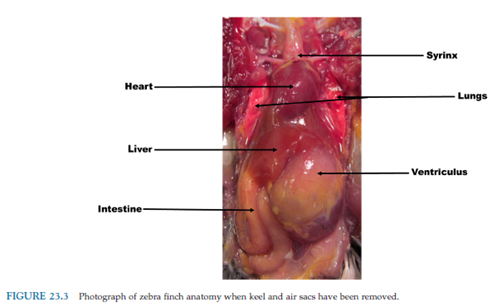
Which side of oviduct and ovary are functional in females birds?
In females birds only the left oviduct and ovary are functional.
Where is albumin and egg shell deposited? How long can they store sperm?
magnum (albumin is deposited)
isthmus and uterus (egg shell and pigment added).
store sperm 10-22 days in uterovaginal junction
If placing an IO catheter in birds which bones can be used?
do NOT do it in the Humerus/femur (common spots in mammals). Use distal ulna or proximal tibiotarsus bones for catheters instead.
Big bones are pneumatic
What is the sex chromosome in avian spp.?
Males are ZZ and females are ZW
What is the function of bursa of fabricuis?
hematopoiesis and necessary for B cell maturation.
What does uropygial gland (preen gland) do?
gland located laterally to the tail feather attachment that secretes oil used to waterproof or preen feathers
What is the incubation period for chicken?
21
What is the incubation period for Japanese quail?
16d
What is the incubation period for Zebra finch?
11-14d
Euthanasia methods for embryonated eggs at or >80% incubation & neonates
Decapitation
Inhaled gases through air cell (large end) of shell + decapitation
prolonged exposure to CO2 (>20m)
Additional method of euthanasia for embryonated eggs <80% incubated
cooling (4 hrs at <4C)
freezing
Euthanasia method for neonate chicks (poultry ONLY)
Maceration (up to 72hr old)
CO2 exposure (day of hatch - 75% for 5 minutes, pips/newly hatched need 80-90%)
What is an acceptable euthanasia method in bird?
Barbiturates - IV - then intraceolomic, IO, or intracardiac (must be sedated first, never humerus or femur avoid air sac)
What are acceptable w/ conditions euthanasia methods in LAB bird?
Inhaled anesthetics (sole or two step)
CO2 (>40% adults, neonates need >80-90%)
CO
N2, Ar (including mixtures w/ CO2) - no aversion
Physical:
cervical dislocation (<200g or up to 2.3kg chicken)
Blunt force trauma (turkeys and broilers too large for cervical dislocation)
decapitation (<200g, no limit for poultry)
gunshot (if not captive)
PCB or NPCB - must be made for species (poultry generally)
Poultry (production): blunt force trauma, electrocution, PCB, NPCB
What are acceptable w/ conditions euthanasia methods in POULTRY?
Inhaled anesthetics (sole or two step)
CO2 (>40% adults, neonates need >80-90%)
CO
N2, Ar (including mixtures w/ CO2) - no aversion
Reduction in atmospheric pressure (Low Atmospheric pressure stunning) (vacuum chamber)
Physical:
cervical dislocation (2.3kg chicken)
Blunt force trauma (turkeys and broilers too large for cervical dislocation)
decapitation (no limit)
gunshot (if not captive)
PCB or NPCB - must be made for species
Electrocution (individual bird only)
What are the adjunct methods of euthanasia in birds?
Requirement - unconsciousness first
KCl or Magnesium sulfate - IV or intracardiac
Exsanguination
Thoracic compression (lab only)
When is thoracic compression an unacceptable method of euthanasia in birds?
if production animal
lab animal MUST be unconscious first
What does White Carneau (100% affliction) pigeon serve as a model in research?
Atherosclerosis
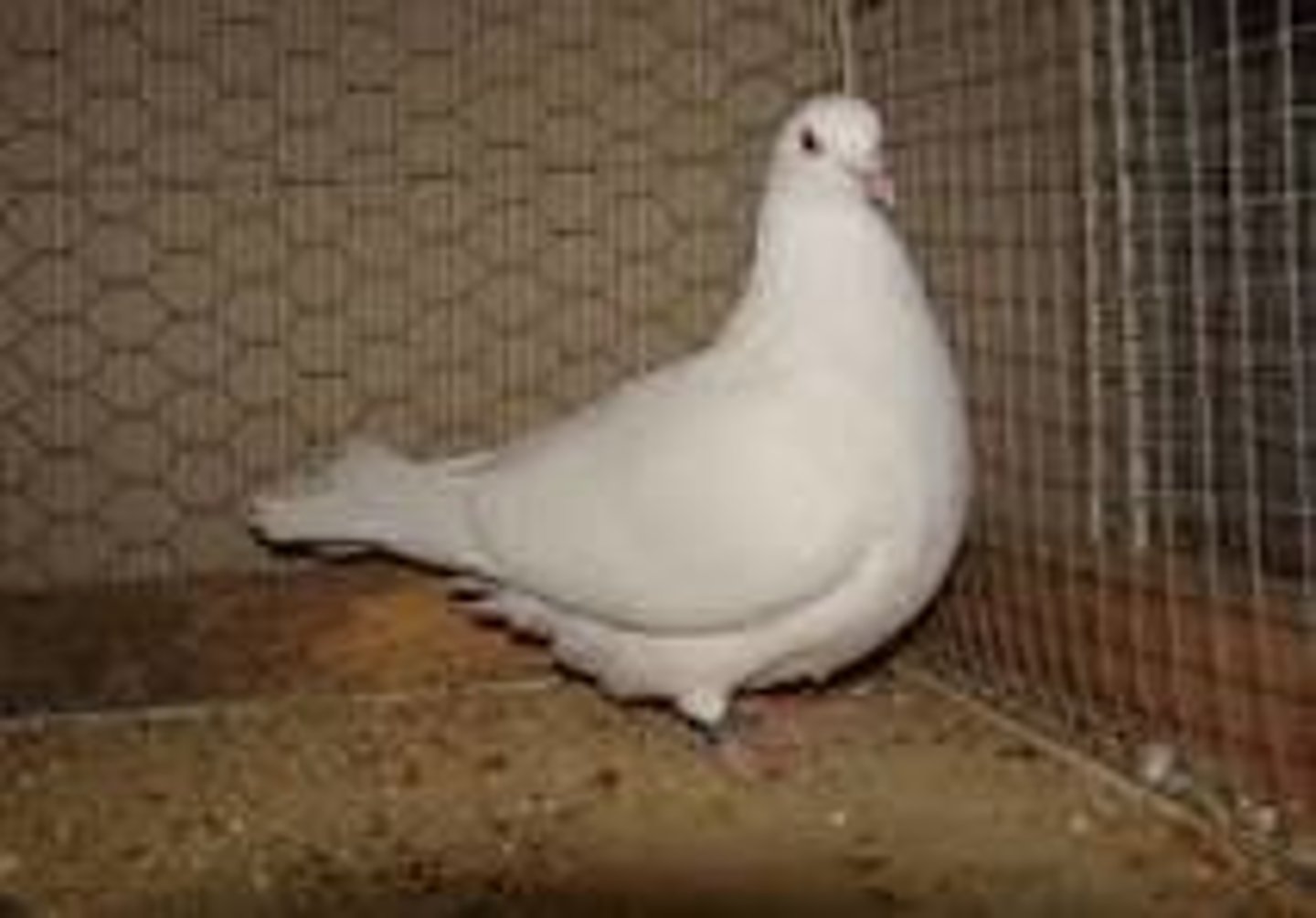
Which pigeon serve as a control to White Carneau (100% affliction) pigeon?
Show Racer pigeon- useful for genetic comparisons of the two in regards to atherosclerosis
What are the common research uses for Anas platyrhynchos – Duck?
Muscular dystrophy
Avian influenza
Spontaneous amyloidosis
What are the common research uses for Melopsittacus undulatus – Budgerigar?
Nutrition, Anesthesia, Physiology, Parasitology, Infectious and metabolic diseases (pathogenesis and treatment of Klebsiella pneumonia and Aspergillosis)
Auditory research (Complex sound discrimination, vocal learning)
What are the common research uses for Japanese Quail (Coturnix japonica)?
Aging (senescence) immunology, endocrinology, developmental & reproductive biology
Hypothalamic systems exhibit neuroplasticity
Dynamic bone physiology => Osteoporosis
Hypercholesterolemia w/ vascular lesions and xanthomatosis
Glycogen storage Dz
Myotonic dystrophy
Acid maltase deficiency (Pompe’s disease) = inherited build-up glycogen in cells
Poultry Pathogens
Salmonella pullorum, E. coli, M. avium
Visual System
Developmental pathology retina/optical nerve
Spontaneous glaucoma, cataracts, retinal degeneration
What is the relationship of Japanese Quail (Coturnix japonica) with European Common Quail (coturnix coturnix)?
closely related
produce fertile hybrids in captivity
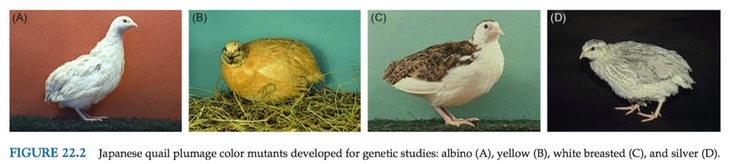
Quail coat colors - albino (A), yellow (B), white breasted (C), and Silver (D)
What is the "Quiver" in Japanese quail? model for which human disorder?
Neurofilament-deficient mutant exhibits wide-spread tremors
The noradrenaline and 5-hydroxytryptamine (serotonin) in the quivers brain differs from normal quail and can be used as parkinsons model.
What is the function of cloacal gland in Japanese quail? The size of this gland correlates with what photoperiod?
Male secretes white foamy material
Retained by ♀ for sperm motility
↑ gland size 🡪 ↑ photoperiod
By what age does sexual dimorphism appear in Japanese quail?
4-6 week
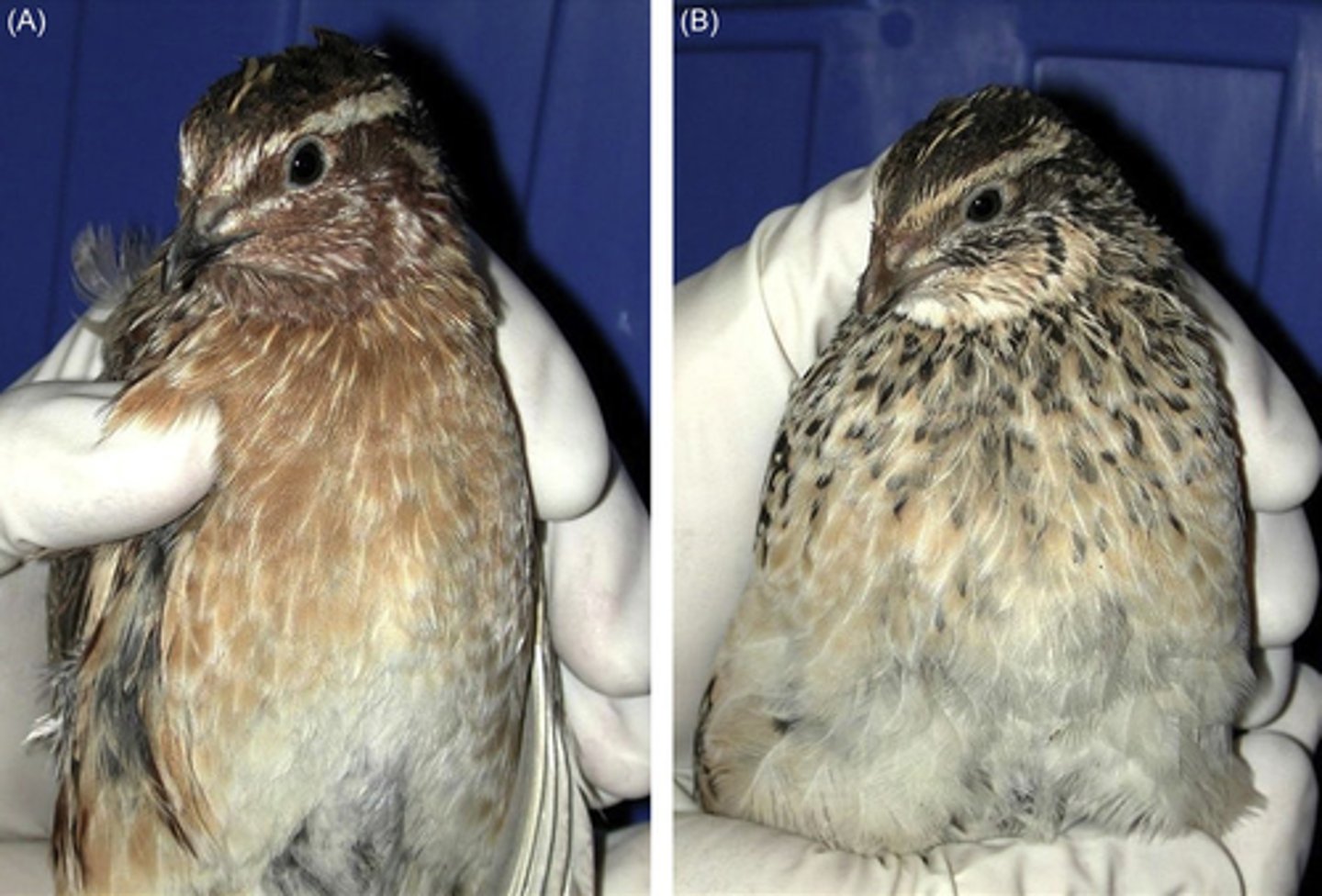
left of the picture is male, right is female
Males are smaller than females
females have light tan feather and black speckling on their chest and throat, males have a rusty brown throat and breast feathers
Can sex on day one via cloaca
Foam production from the cloacal gland is influenced by the bacterial in the cloacal gland. Which Abx will cause the decrease bacteria and affect fertility?
fluoroquinolones
Why is it beneficial to have a solid floor w/ substrate (wood chips) for Japanese quail?
terrestrial bird and like to forage
Will adding perches in quail housing environment be beneficial?
No, Little time on elevated surfaces 🡪 perches NO value
What enrichment is needed in quail housing for health skin/feather? What abnormal behavior can happen if this material is not provided?
Dust bathing - (late afternoon > AM or early afternoon)
'Vacuum dust bathing' - behavior w/out suitable material
What is the mating preference in Japanese quails?
polygamy to monogamy
females house continuously w/ male higher fertile egg rate
introduce female to male cage
What is a pecking order in Japanese quail?
increased stocking density, multi male groups 🡪 ↑ injuries
Why is it difficult to establish an inbred Japanese quail line?
Susceptible to inbreeding depression
The minimum space recommendations for quail are ______ ft squared floor area per animal. Cage height should be sufficient for the animals to stand erect with their feet on the floor.
0.25
3 multiple choice options
Quails have a vertical escape panic response and this can lead to serious head injuries if cage ceilings are too high. What is the ideal cage height?
ideal height is between 20-25 cm, another 30cm in height.
What is the recommended housing temperature for quails?
22-25°C (72-77°F) ideal per BB
"The Guide" 16-27°C (61-81°F) for poultry
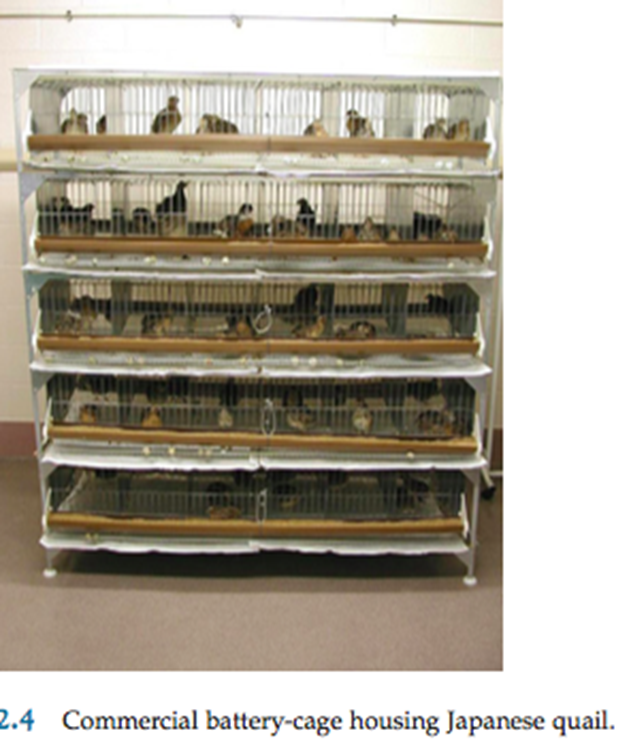
What complication is associated with housing quails in Battery cage?
- pododermatitis caused by wire bar floor
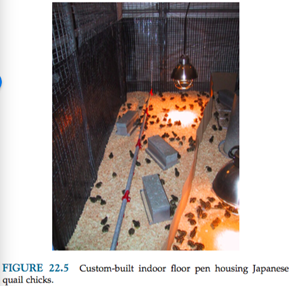
Brooding temperature for 1 day old chicks should be between ___-____ F degrees and gradually reduced to____-____ F by the third week
90-95F; 75-80⁰F
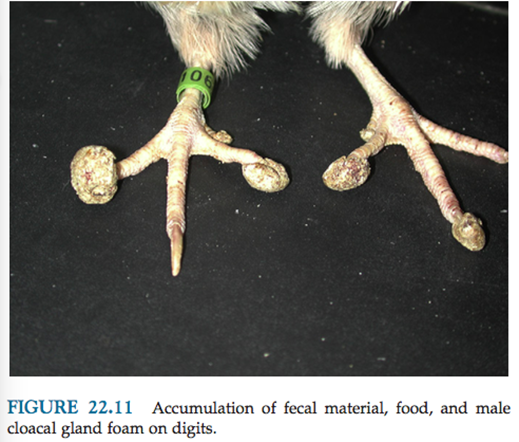
Use of small solid bottom cages coupled with a wheat based high gluten diet and bedding mixed with male cloacal gland secretion can result in _____
the accumulation of food on the digits and can lead to TOE BALLS
AVOID ↑ wheat feeds
Which vein is the most common vessel for blood collection in quails?
Jugular v.
What complications are associated with meloxicam injectable and ketoprofen in quails?
Meloxicam: can cause injection site muscle necrosis, Ketoprofen: low bioavailability and short half-life
What photoperiod is needed for quail breeding?
Artificial light of 12h or more 🡪 year round breeding
Short day lengths 🡪 gonadal regression and breeding cessation
What age do quail become sexually mature? male vs. female? mating ratio?
Sexual maturity at 6-8 wks of age
Short-day lengths 🡪 delayed maturation
♀ puberty 48.8 d, sexual maturity 54.2 d
♂ puberty 32.6 d, sexual maturity 42.4 d
1:3 Optimal ♂:♀ ratio
What egg storing condition can be used without ↓ hatchability?
Wash eggs, store @13°C (55°F), 65% humidity, turn daily
Eggs may be stored at ~11°C for up to 15 days, 21°C for up to 10 days, and 27°C for up to 5 days w/out ↓ hatchability
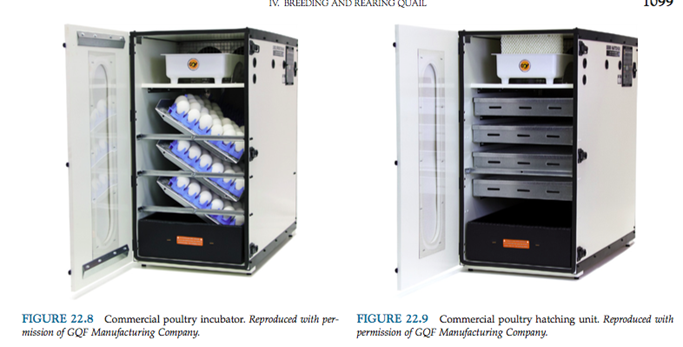
What is the temperature for hatching incubators for quail?
Forced-air incubator
Automatic egg-turning 90° angle once/hr
Transfer eggs to hatching incubator on day 16
38°C (100°F)/50-65% humidity optimal
No food or water is needed in first 24hours after hatching
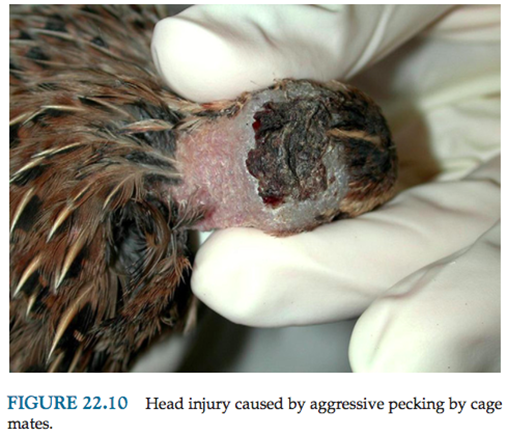
Quail- Trauma conspecific pecking = MOST FREQUENT where is the common site for such trauma?
Back of head / neck area; mostly between males
Trimming the beaks and nails every 4wks can reduce number of pecking related injuries.
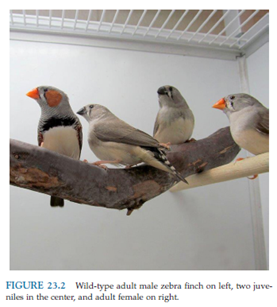
Zebra finches sexual dimorphism
1. Adults have orange beak (beak is black until 1mo and gradually changes)
2. Wild-type adult male zebra finches have orange cheek patches, fine black-and-white barring on the throat and upper breast with a subjacent solid black band, and chestnut-colored flanks speckled with white spots
3. females are gray in these areas
What are the research uses of zebra finches?
Acoustic Communication
What is the development of zebrah finch song by age? which gender sings more?
1. male zebra finches learn songs by imitating the vocalizations an adult (usually father)
2. Early singing in juveniles → 30–40 days post-hatch (dph) w/ babbling vocalizations called subsong.
3. plastic song stage → 45 and 75 dph w/ more structured - variable & recognizable prototype syllables emerge à few weeks and they are distinct song syllables
4. adulthood (80–90 dph) → song is fairly stereotyped sequence of three to seven syllables (tutor song - sung in repeated linear sequence AKA song motif)
5. Young males refine their songs until the majority of birds produce a good copy of the tutor song
vocal behavior = sexually dimorphic
Which transcription factor knockdown leads to deficits in vocal learning in zebra finch?
FOXP2 transcription factor
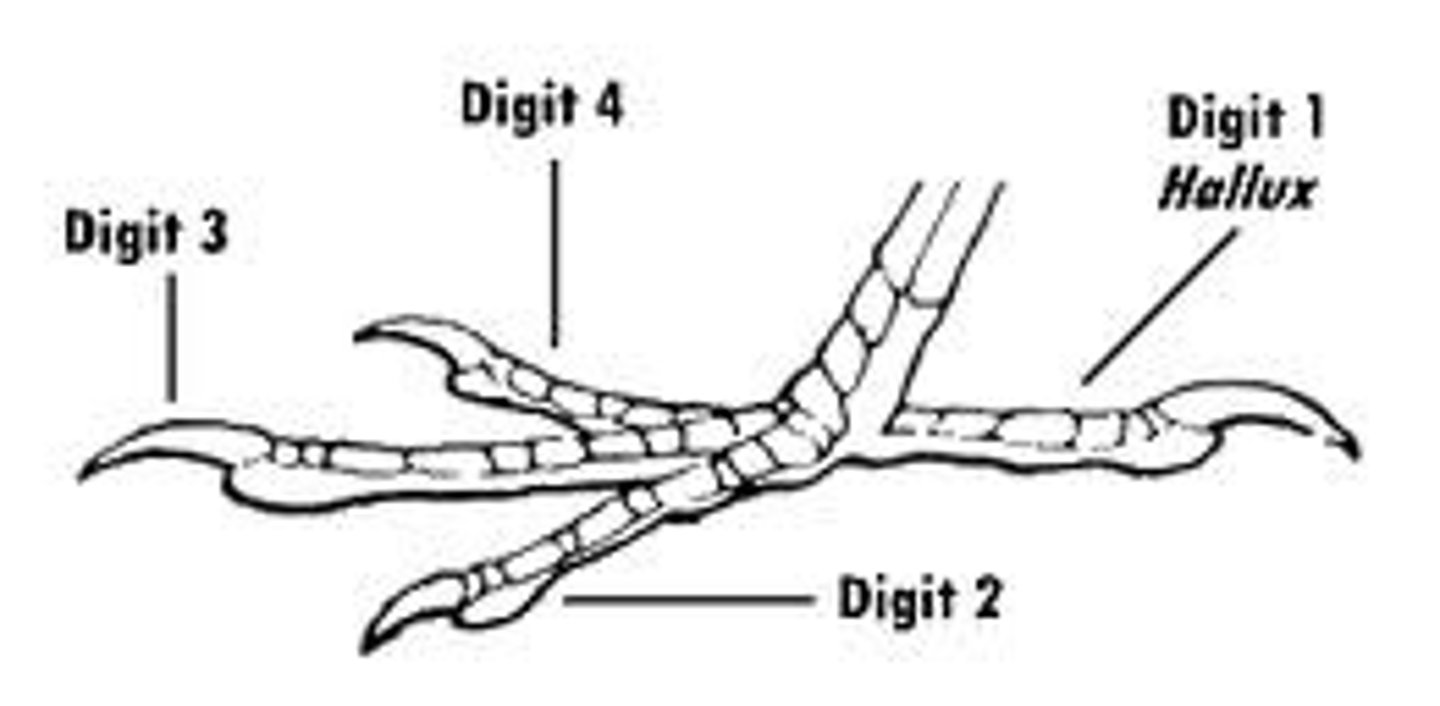
What is Anisodactylous (zebra finches)?
3 claw forward, 1 back
How do zebra finches select mating partner? Type of breeding?
Song, redness of beak, ♂ social dominance
Strong pair bonds - yr round breeding - both parents participate in care
Pair at 6-9 mo for breeding
What type of housing is recommended in zebra finches?
Aviary housing preferred, unless frequent capture is necessary (stressful)
Conspecific aggression most common clinical issue
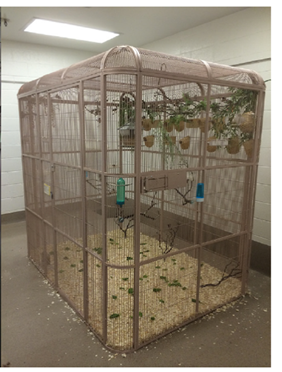
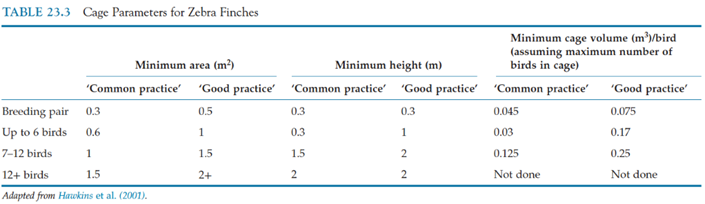
What is the recommended floor space and cage height for housing zebra finches?
Guide does NOT address minimum cage space/bird
Common US practice is 1ft3 cage volume per bird
Space between bars for Zebrafinches?
~1cm apart
What floor is recommended in zebra finches housing?
solid floor w/shavings because they Forage/eat off ground
How often should the cage bedding be changed in zebra finches?
twice/week
Are perches essential in zebra finches housing?
Yes
For breeding what additional enrichment recommended?
Nest boxes and nesting material (avoid loos thread, blue color is preferred)
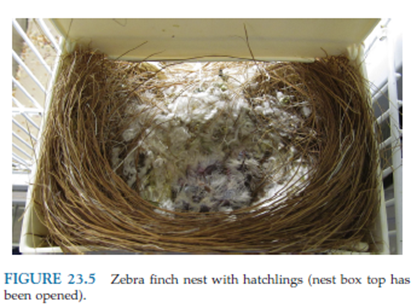
Mandatory resting period for Zebrafinches is necessary. This should be done how often? How is it accomplished?
2 30 day periods/year
remove all nest material and boxes
What other features are beneficial in the zebra finch housing?
Water bath / sand baths (water preferred - if used replace weekly or daily)
What does Cuttlebones provide zebra finches?
source of calcium
Grit is or is not recommended for ZF?
controversial - doesn’t affect food intake or digestability, limit amount of grit and monitor for impaction
How often should water holder be sanitized?
Weekly
What is the housing temperature for zebra finches? Humidity?
70-80°F (21-27°C) - as close to 75F as possible
30-70%
What is the recommended light level in zebra finches?
500 lux
What is the reason for Emergency lighting in zebra finches housing?
zebra finches will not eat in dark
White noises are beneficial in naked mole rat. It's also beneficial in zebra finches (T/F)
NO low frequency vibrations or white noise
Acoustic social stimulation is good though
Why should low frequency vibrations or white noise be avoided in zebra finches?
a. females’ preference for their pair-bonded males, compared with extra-pair males, decreased SIGNIFICANTLY as the amplitude of environmental noise was increased
b. presumed that bonded males’ pair maintaining calls were masked or distorted
Can toe clips be used in zebra finches to do genotyping?
NO TOE CLIPS, PERCHING BIRDS
What are some common sites for performing injections in zebra finches?
SQ route preferred - interscapular and inguinal area
IM pectorals
Intracoelomic -lower 1/3 on midline to avoid air sacs
Fluids: SQ, crop gavage, distal ulna IO
Where can blood collection be performed in zebra finches?
R. jugular / basilic v. => small amount
Cardiac puncture (terminal, larger amounts)
Are Zebra finches territorial?
only of nest itself - about 20cm diameter
Agnostic behavior of ZF?
a. bill fences – jabbing or pecking at the head of an opponent
b. displacement – driving an individual off of its perch
c. chase – following an individual after it has been displaced
What can be used to treat dystocia/egg binding in zebra finches?
Ca gluconate IM q 3-6 hours + fluids, intracloacal prostaglandin E2 gel
manual removal
What is Yolk Coelomitis in zebra finches?
eggs without the shell (will not show up on rads)- yolks get so large, break and cause a peritonitis
yellow discoloration of coelom
Euthanize if large amount of yolk
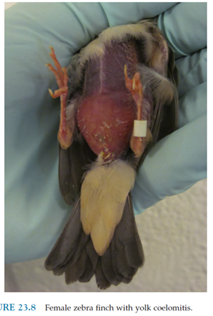
What other disease in zebra finches presents similarly clinically to egg binding/dystocia?
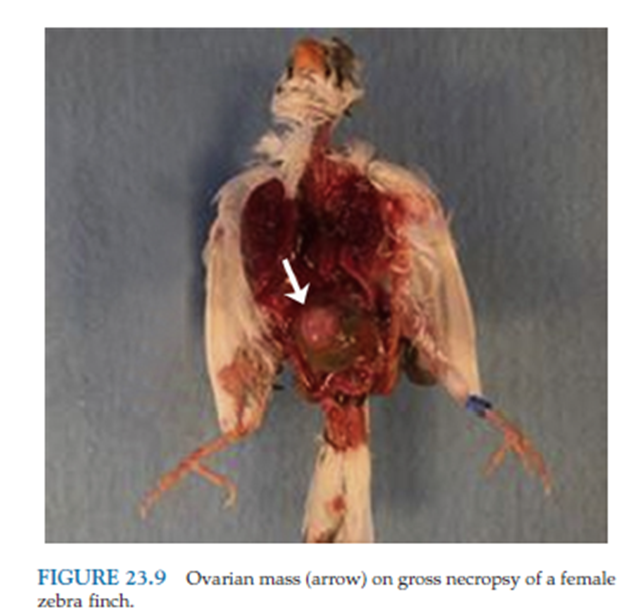
overian tumor
o 4% mortality
o Hydropericardium, mild to mod hepatomegaly, splenic and kidney congestion
Fowl adenovirus serotype 4 - hydropericardium syndrome
o Aerosol transmission suspected, highly contagious
o Severe illness in chicks < 6 wks
o CS: anorexia, ruffled feathers, open mouth breathing, rales, sneezing, nasal/ocular discharge, death; older animals asymp.
o Gross path: tracheal opacity, thickening of trachea causing partial obstruction, mucosal exudate
Histo: large basophilic IN inclusions, necrotizing prolif. Bronchitis, hepatic/splenic/cloacal bursa necrosis
Quail Bronchitis Virus (QBV) - adenovirus
Budgies: acute lethargy, crop stasis, hemorrhage, feather abnormalities
Others: often fatal if < 4 mo
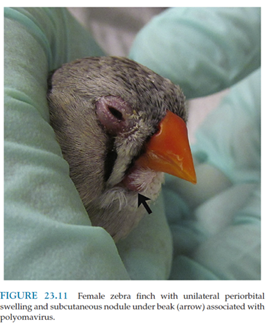
Zebra Finches: unilateral periorbital swelling, SQ nodules neck, thorax, wings
Avian polyomavirus
"Egg Drop Syndrome" REPORTABLE
spread through vertical transmission through the egg
CS: decreased egg production, decreased eggshell pigment, thin/soft shelled egg
Duck adenovirus A
transmission - direct
Quail: lethargy, anorexia, ↓weight, soft feces, lime green urates
Chickens: depression/death, transient unilateral paralysis
Necropsy: tumors various organs + enlarged nerves
Diffuse or nodular lymphoid tumors
Fish eye - irregular pupil with neoplastic cell filtration
Marek's Dz (Range Paralysis) - Alphaherpesvirus Lymphoproliferative Dz
How is Marek's Dz (Range Paralysis) transmitted?
highly contagious, shed from feather follicles, and transmitted by direct contact
● retrovirus, immunosuppression, runting, lymphomas
o Japanese quail natural host
o Direct contact transmission
o Immunosuppression, runting syndrome, high mortality, acute reticulum cell neoplasia, T-cell and/or B-cell lymphomas
o Histo: similar to avian lymphoid leucosis and Marek’s dz
Reticulendotheliosis Virus
o arbovirus (Alphavirus, family Togaviridae)
o Transmission: arthropod vectors (mosquito Culisetta melanura) or feather picking and cannibalism
o CS: depression, tremor, paralysis, torticollis, death
o Gross: duodenal catarrhal enteritis
ZOONOTIC
Eastern Equine Encephalomyelitis?
o Fecal oral and vertical transmission
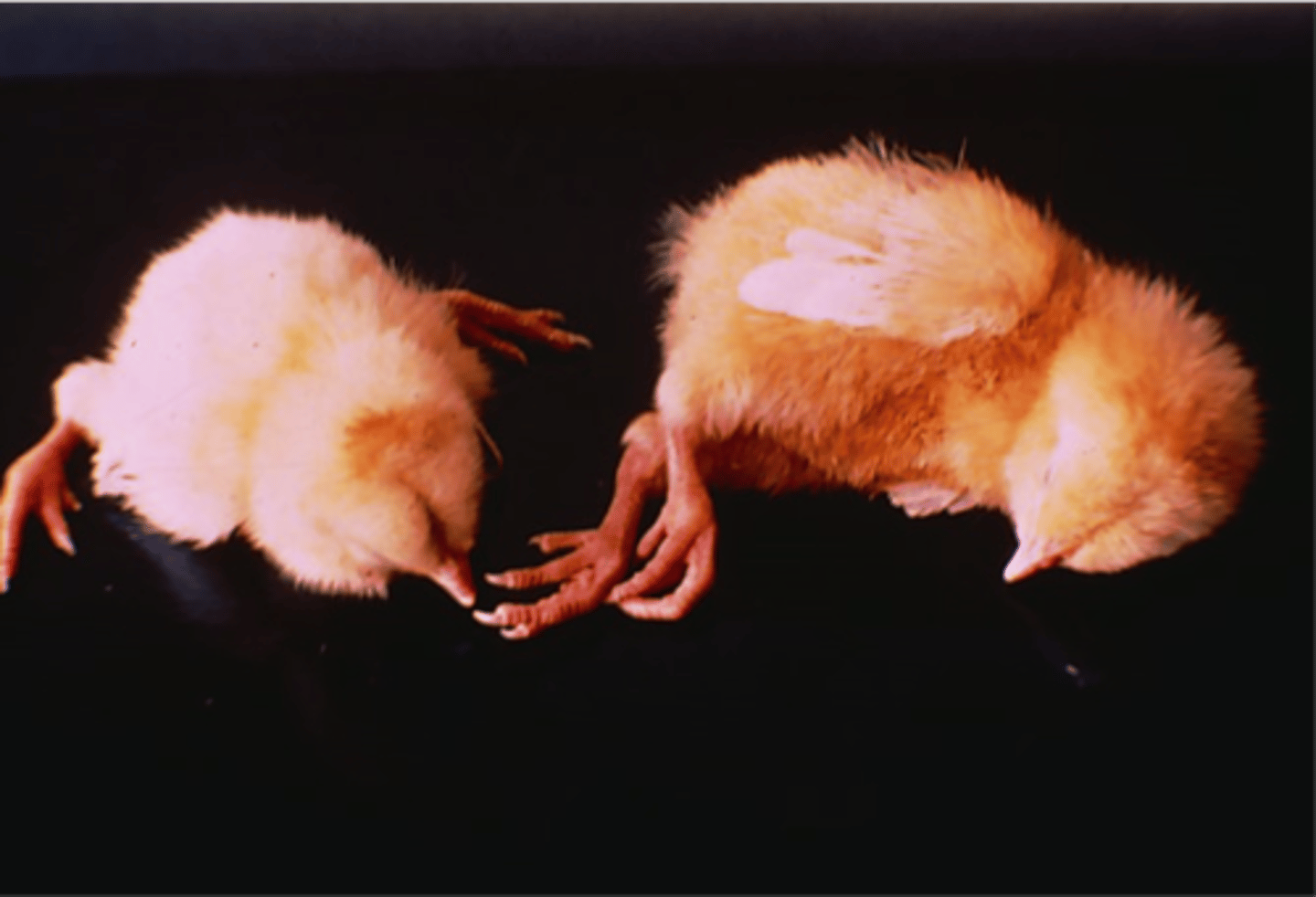
o CS: young 1-2 week old: ataxia, tremors (Head and neck), Chick morbidity 40-60%; decreased egg production, decreased hatchability and increased embryo mortality
o Shed: 5 days in adults, up to 2 weeks in young birds
o Gross: whitish areas in muscularis layer of ventriculus (infiltrating lymphocytes)
o Histo: disseminated, nonpurulent encephalomyelitis, ganglionitis of DRG, hyperplasia of lymphoid follicles in proventriculus, ventriculus, and myocardium
Avian encephalomyeltitis virus - picornaviridae
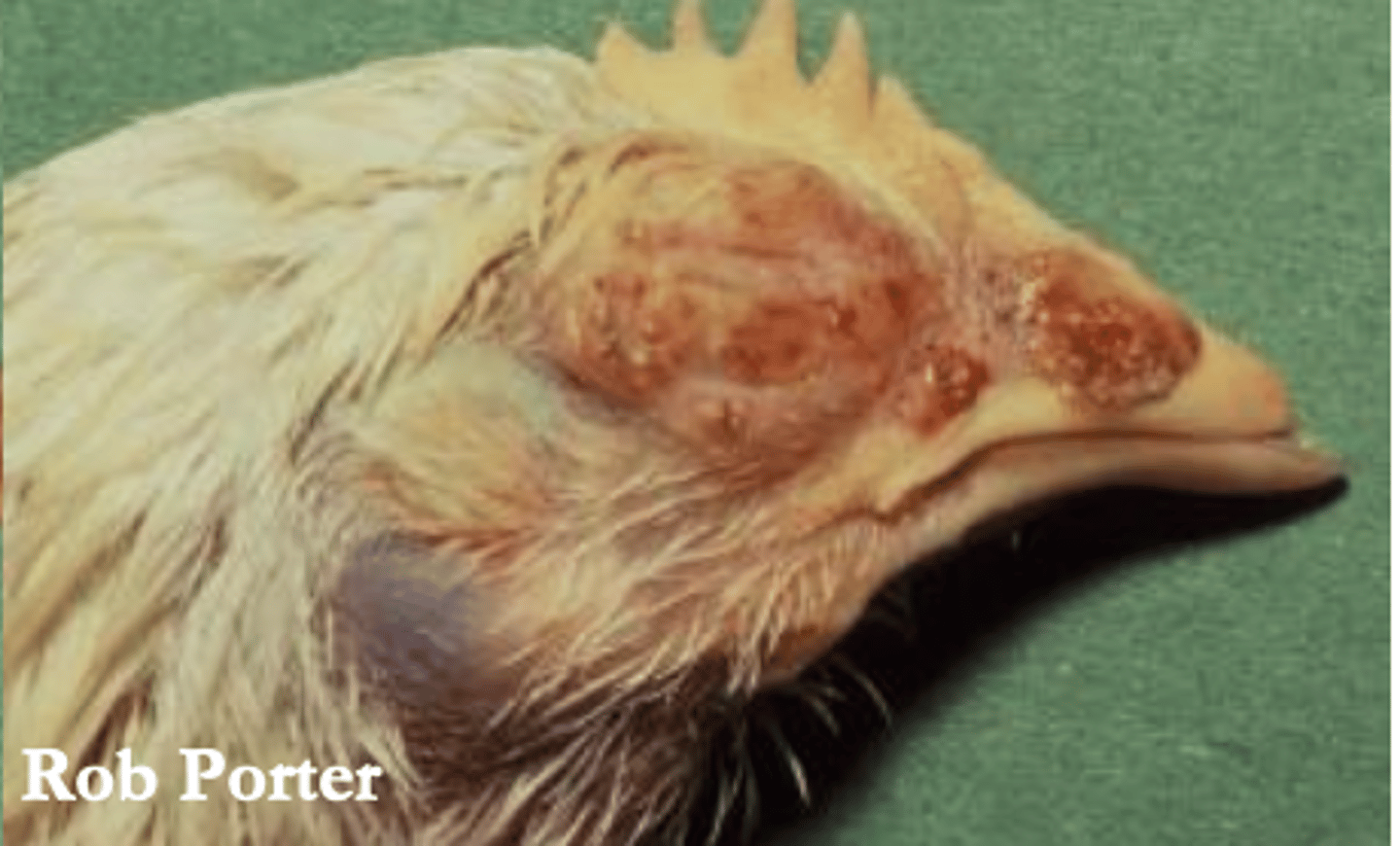
Quail: ↓ weight, blepharitis, conjunctivitis, blindness, papules at beak/nares, 60% morbidity, 20% mortality
Zebra finch: dermal/mucosal lesions, emaciation, sudden death, ICIB (Bollinger bodies)
Chickens/Turkeys: Dry (cutaneous), Wet (diphtheritic) form
Transmission: cross species and horizontally
Avipoxvirus (fowl pox)
How is Avipoxvirus transmitted?
scabs and skin debris contaminate litter, feed, and water
Vaccination with fowl pox is not protective in what species?
Qual
Quail CS: subclinical to lethargy, ruffled feathers, dyspnea, torticollis, paralysis, hemorrhagic diarrhea
Quail Gross: tracheal hemorrhage, inflamed/hemorrhagic Peyer’s patches, pulmonary edema, proventriculus hemorrhage
Zebra finch (2 types, 1 is severe and rare)
CS: 3) neurologic signs, diarrhea, and occasionally respiratory signs in psittacines & passerines, 1) Neuro, Resp C/S: lethargy, ruffled feathers, dyspnea, torticollis, paralysis, hemorrhagic diarrhea, tracheal hemorrhage
Avian Paramyxovirus (Newcastle disease)
What are the two types of paramyxovirus in birds?
PMV 1 - newcastle
PMV 3
How is avian paramyxovirus 1 (newcastle disease) spread?
horizontal - fecal oral
aerosol
Japanese Quail: more susceptible than turkeys, spread w/o CS
Zebra finch: severely affected by experimental infection with H5N1 (100% mortality), less severe H7N9 (could be intermediate host)
Zebra finch C/S: sudden death, unthriftiness, respiratory & neurologic signs
Zoonotic
Avian Influenza virus (fowl plague)
Respiratory disease (nasal discharge, sneezing, coughing, rales, lethargy)
Morbidity/mortality highest among young chicks
Growth retardation in meat birds, decreased quality and quantity of eggs (soft wrinkled eggs)
Infectious Bronchitis Virus