Rocks and minerals ID
 Call Kai
 Learn
Learn Practice Test
 Spaced Repetition
 Match
Match Flashcards
 Knowt Play
1/59

Earn XP
Description and Tags
A flashcard set with the names of rocks and minerals.
60 Terms
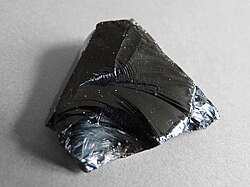
Obsidian
Obsidian is a naturally occurring volcanic glass formed from the rapid cooling of lava without crystallization. It is typically black or dark in color and has a smooth, glassy texture.
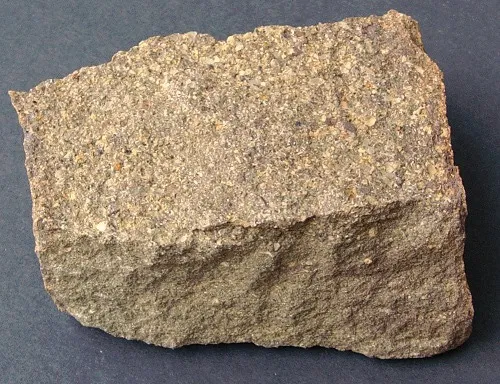
Gneiss
A metamorphic rock formed from the alteration of granite or sedimentary rocks under high temperature and pressure, characterized by its coarse-grained texture.
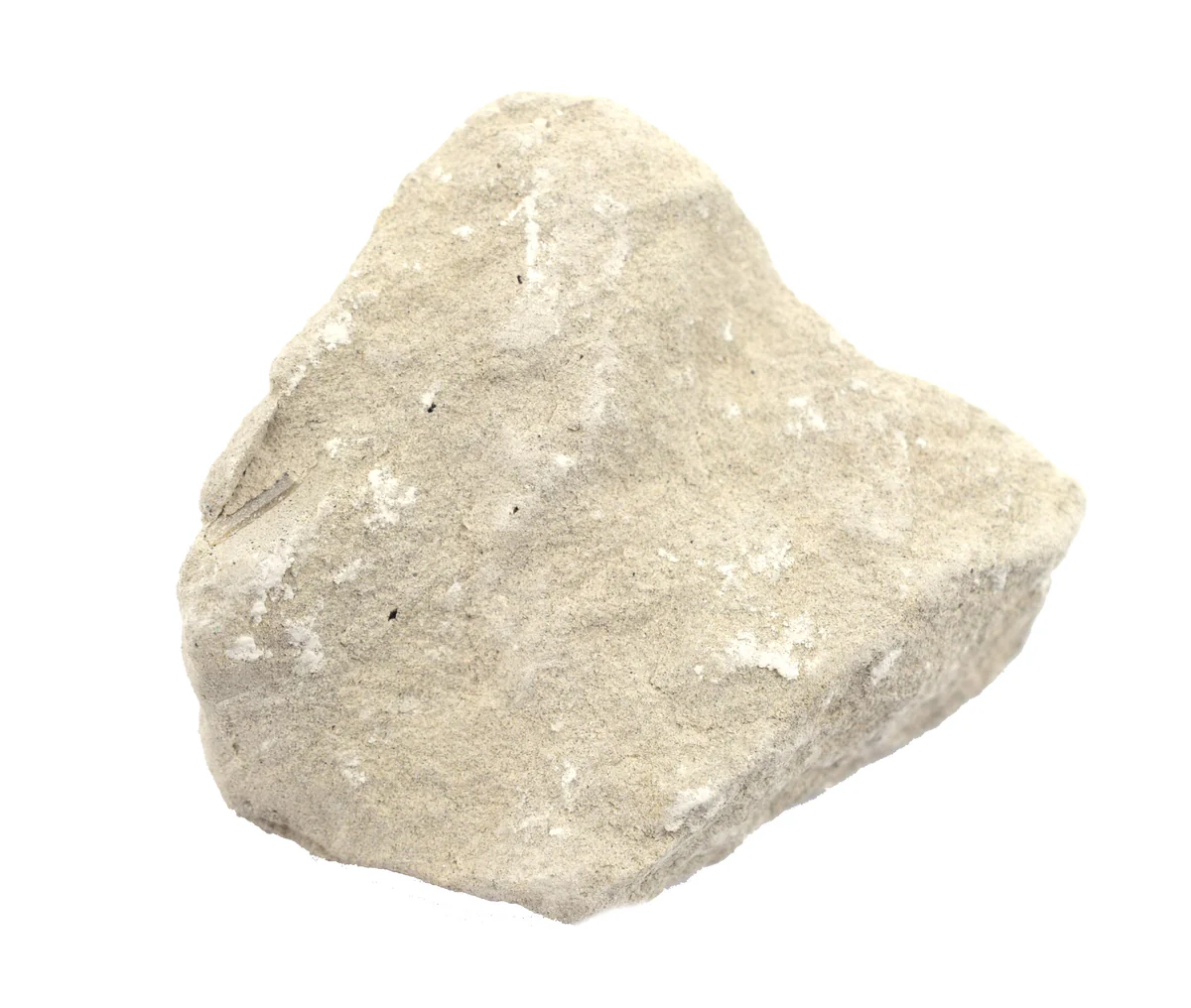
Limestone
Limestone is a very common type of stone that forms under water. It is a sedimentary rock, which means it is made from layers of tiny pieces that pressed together over millions of years. It is mostly made of a mineral called calcite, which contains calcium
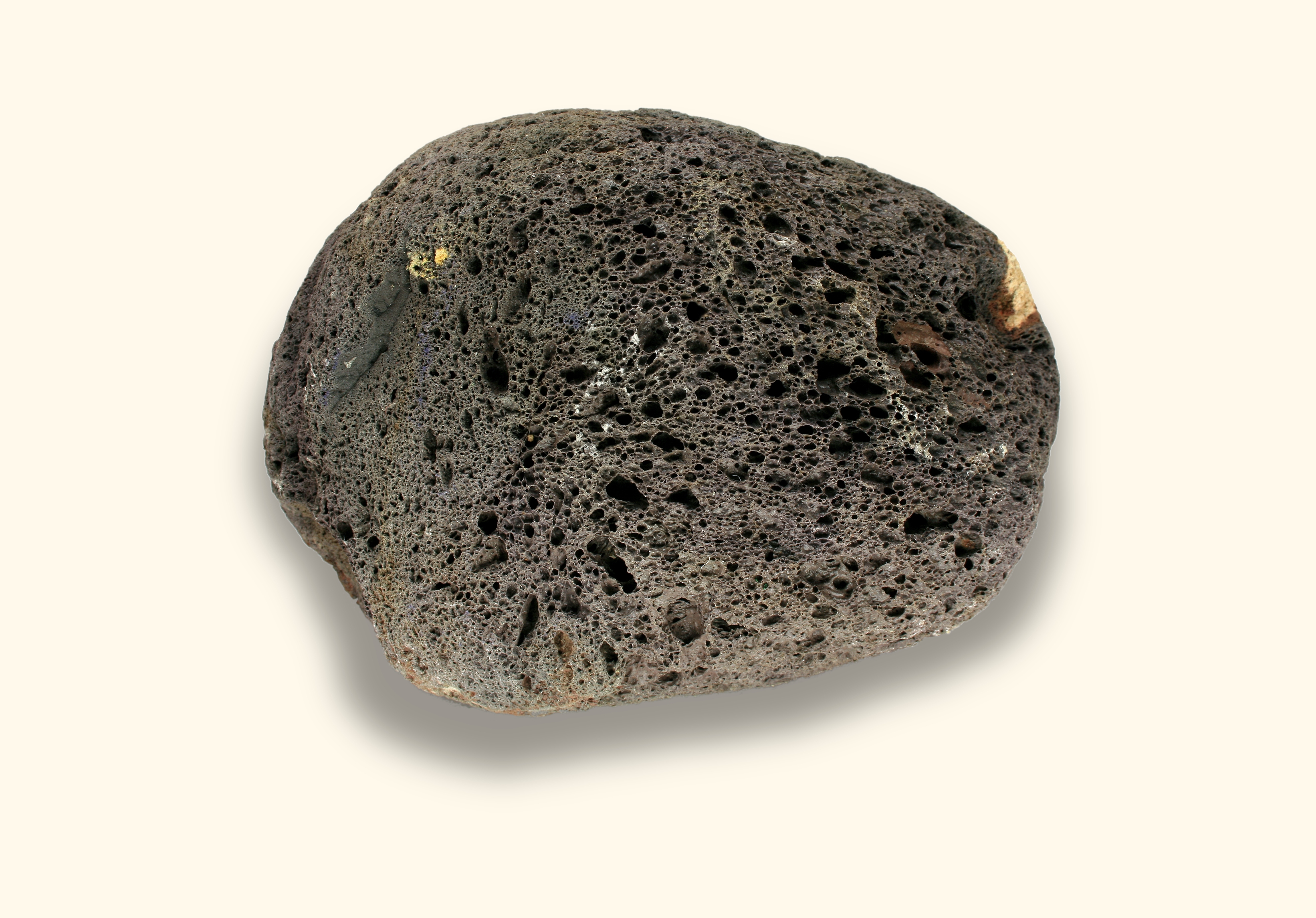
Scoria
Scoria is a dark, heavy-looking rock that is full of holes and forms during violent volcanic eruptions. It is an igneous rock, which means it comes from hot, melted liquid rock called magma.
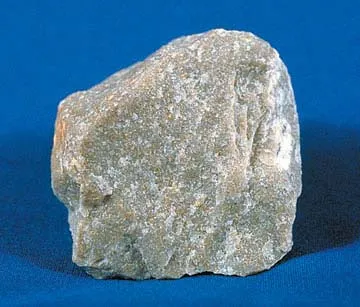
Quartzite
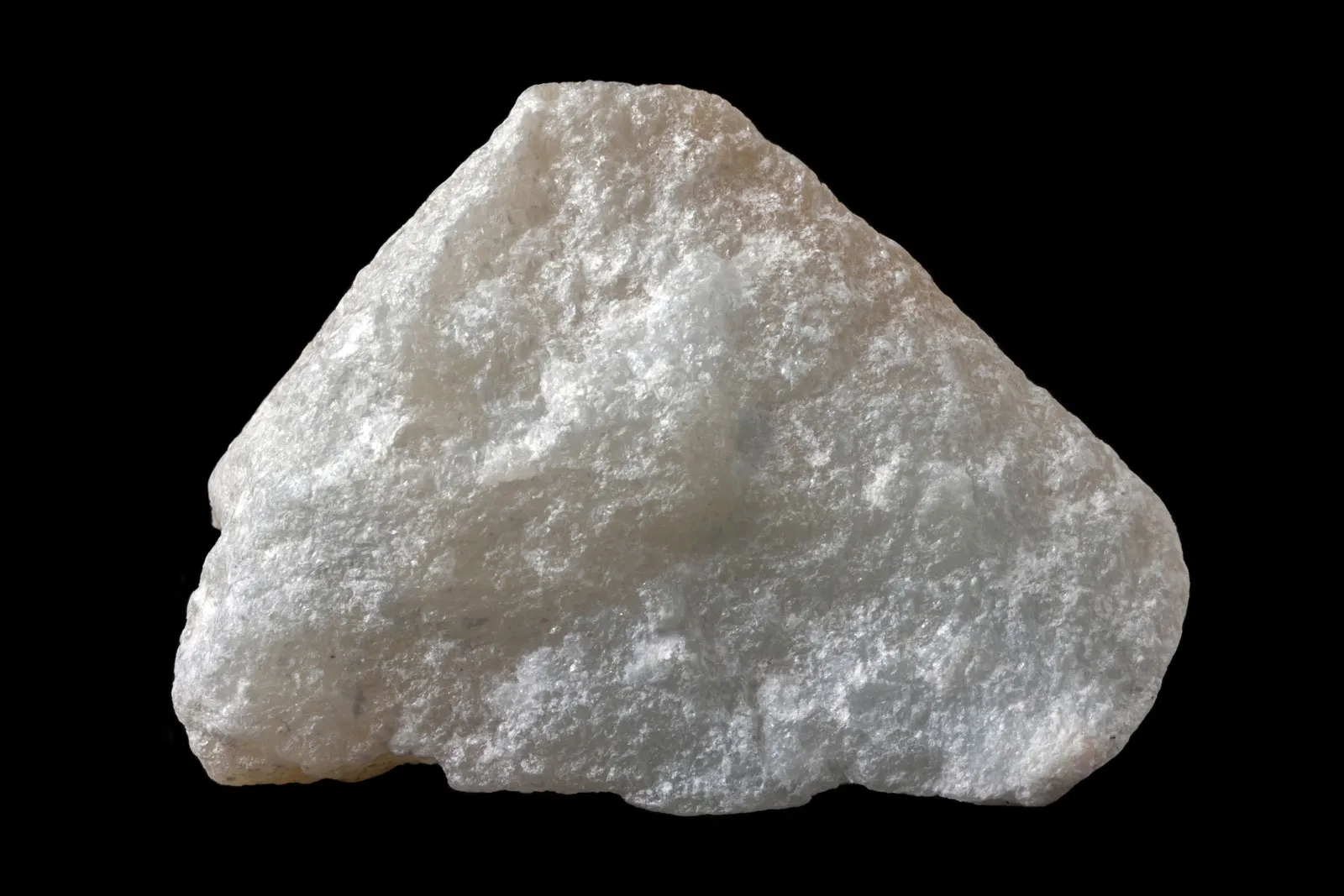
Quartzite is an extremely hard, tough rock that forms when sandstone is baked by intense heat and squeezed by heavy pressure deep inside the Earth. It is a metamorphic rock, which means it is a rock that completely changed from its original form into a new one.
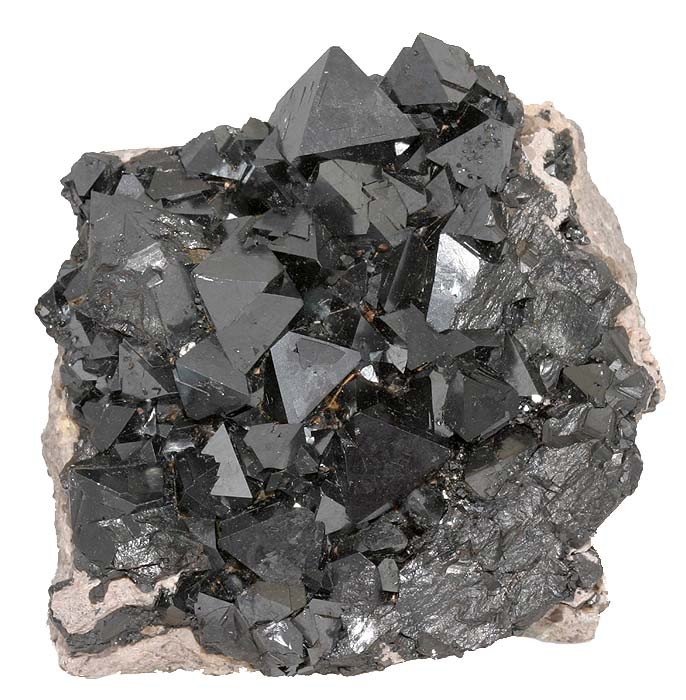
Magnetite
Magnetite (Fe₃O₄) is a highly magnetic iron oxide mineral and the primary mined ore of iron, boasting the highest iron content (72.4%) of any naturally occurring mineral. It is famous for its unique ferrimagnetic properties, meaning it is strongly attracted to magnets and can be permanently magnetized itself.
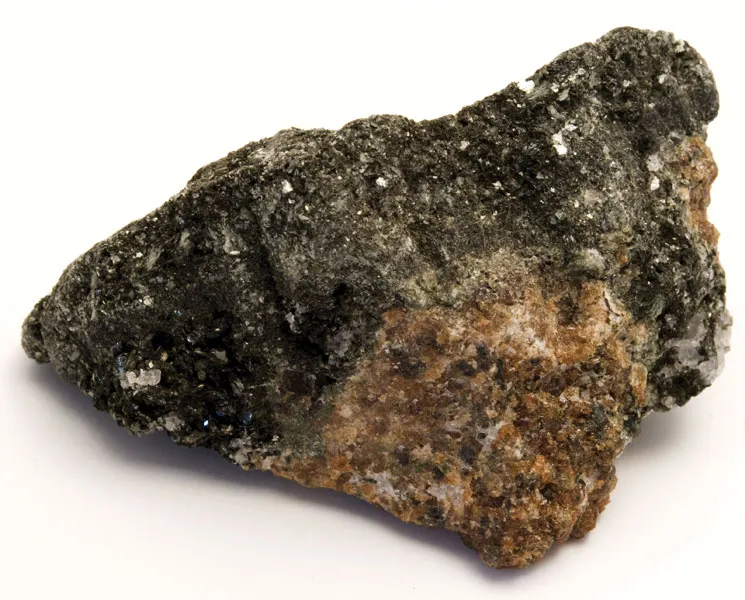
Hornblende
Hornblende is a dark-colored, complex silicate mineral that belongs to the amphibole family. It is not a single specific mineral, but rather a catch-all field term used by geologists to describe a group of dark green, dark brown, or black minerals that share very similar properties.
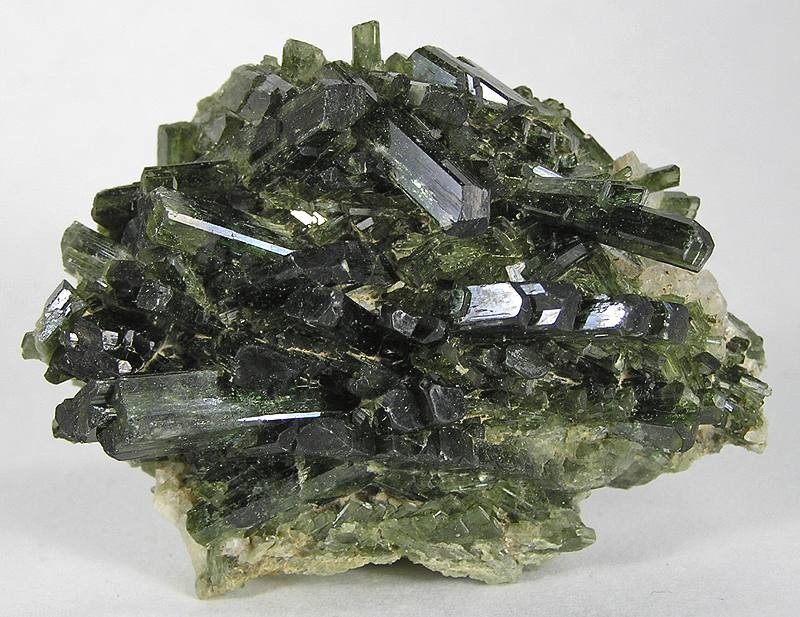
Pyroxene
Pyroxenes are a large group of dark, rock-forming minerals found all over the world. They are key parts of many igneous rocks (made from cooled magma or lava) and metamorphic rocks (changed by intense heat and pressure).
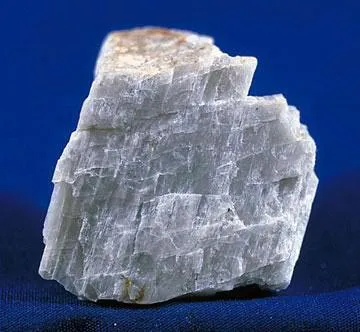
Plagioclase
Plagioclase is a group of very common minerals that make up a large part of the Earth's crust. It belongs to a larger family of minerals called feldspar. Instead of being just one single mineral, plagioclase is a mix of two different ingredients that blend together.
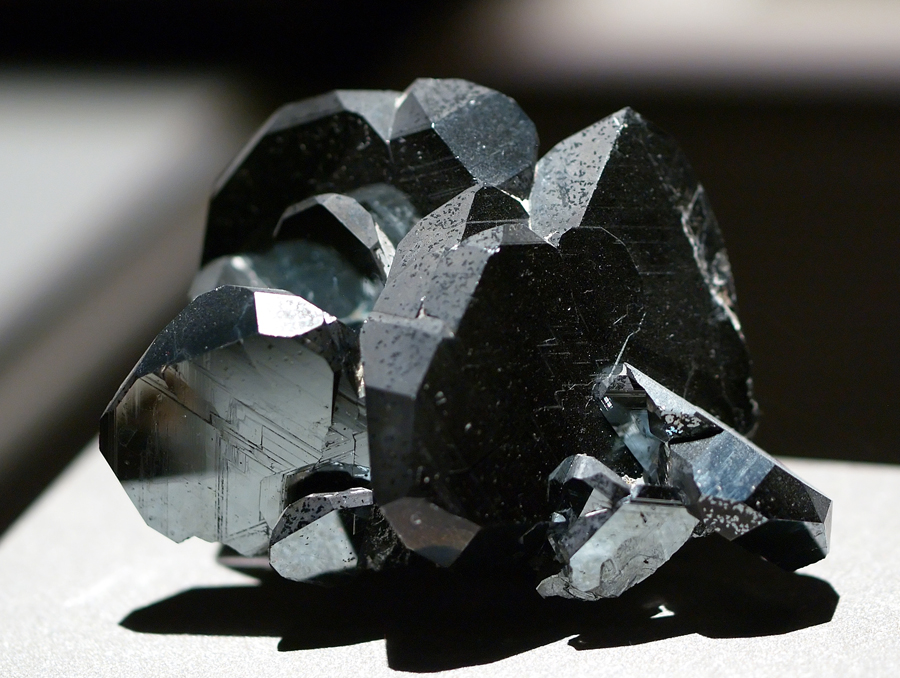
Hematite
Hematite is a common mineral made of iron oxide that serves as our planet's main source of iron. Its chemical formula is Fe₂O₃, which means it is mostly made of iron and oxygen. People love hematite for its heavy feel, shiny metallic look, and long history in art and science.
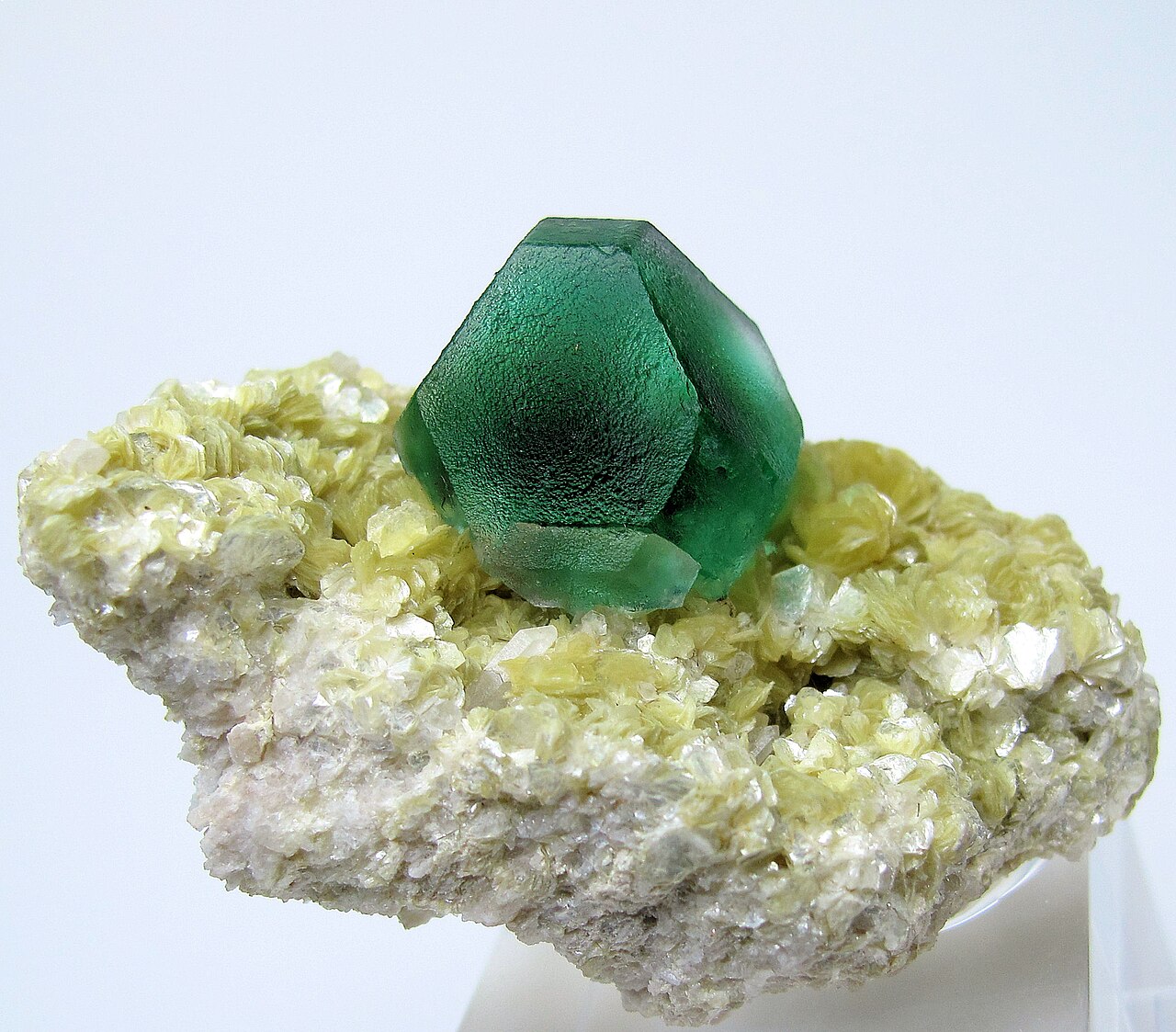
Fluorite
Fluorite is a beautiful, colorful mineral made of calcium and fluorine. It is famous for its perfect cube and double-pyramid shapes. Pure fluorite is clear, but tiny impurities make it glow in almost every color of the rainbow, with a hardness of 4 on the Mohs scale.
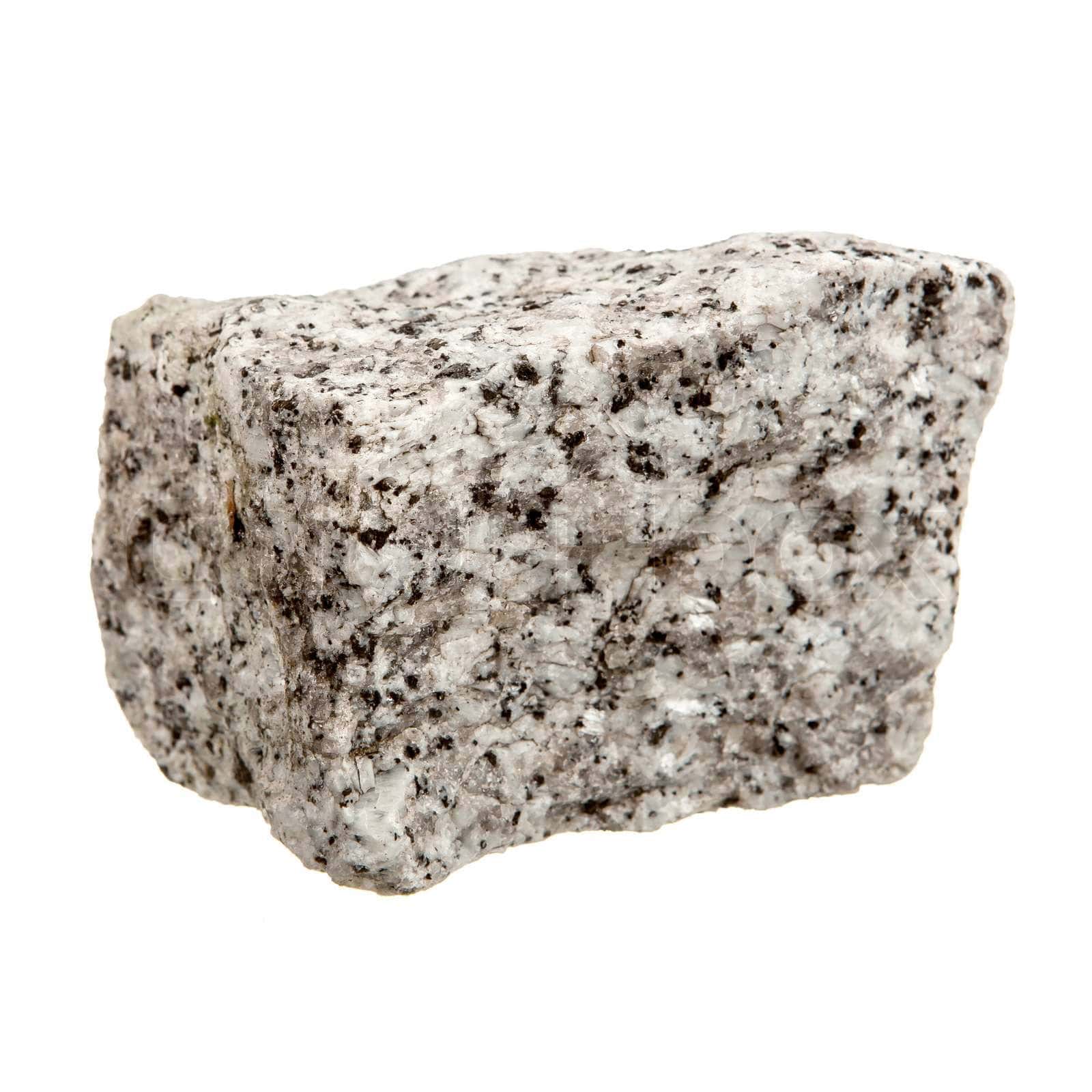
Granite
Granite is a hard, light-colored igneous rock that forms deep underground. It is one of the most common rocks on Earth and makes up a huge part of the land we walk on.
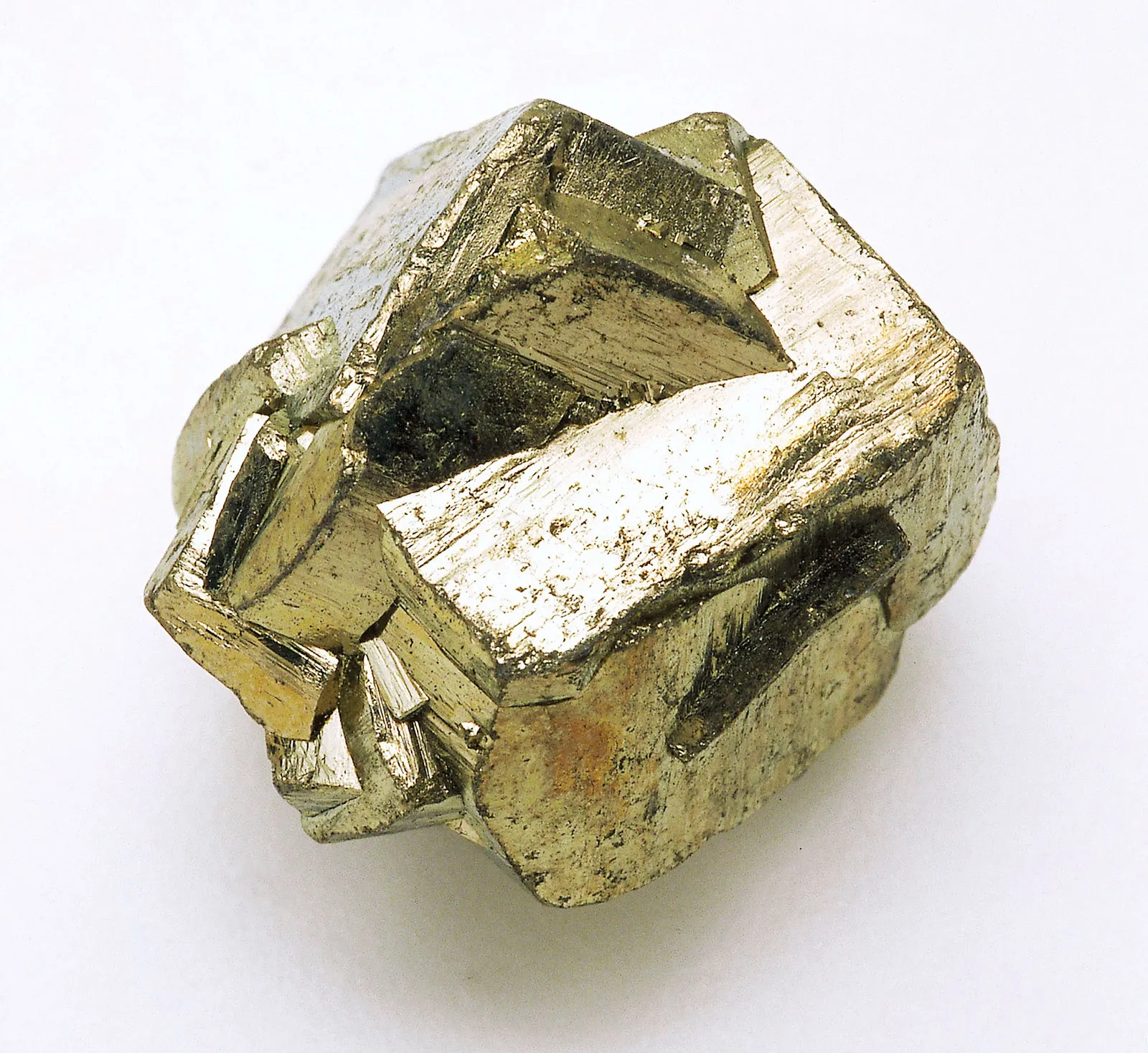
Pyrite
Pyrite is a shiny, brass-colored mineral that people often mistake for real gold. Because its metallic look has tricked so many people over the years, it is famously nicknamed "Fool's Gold".
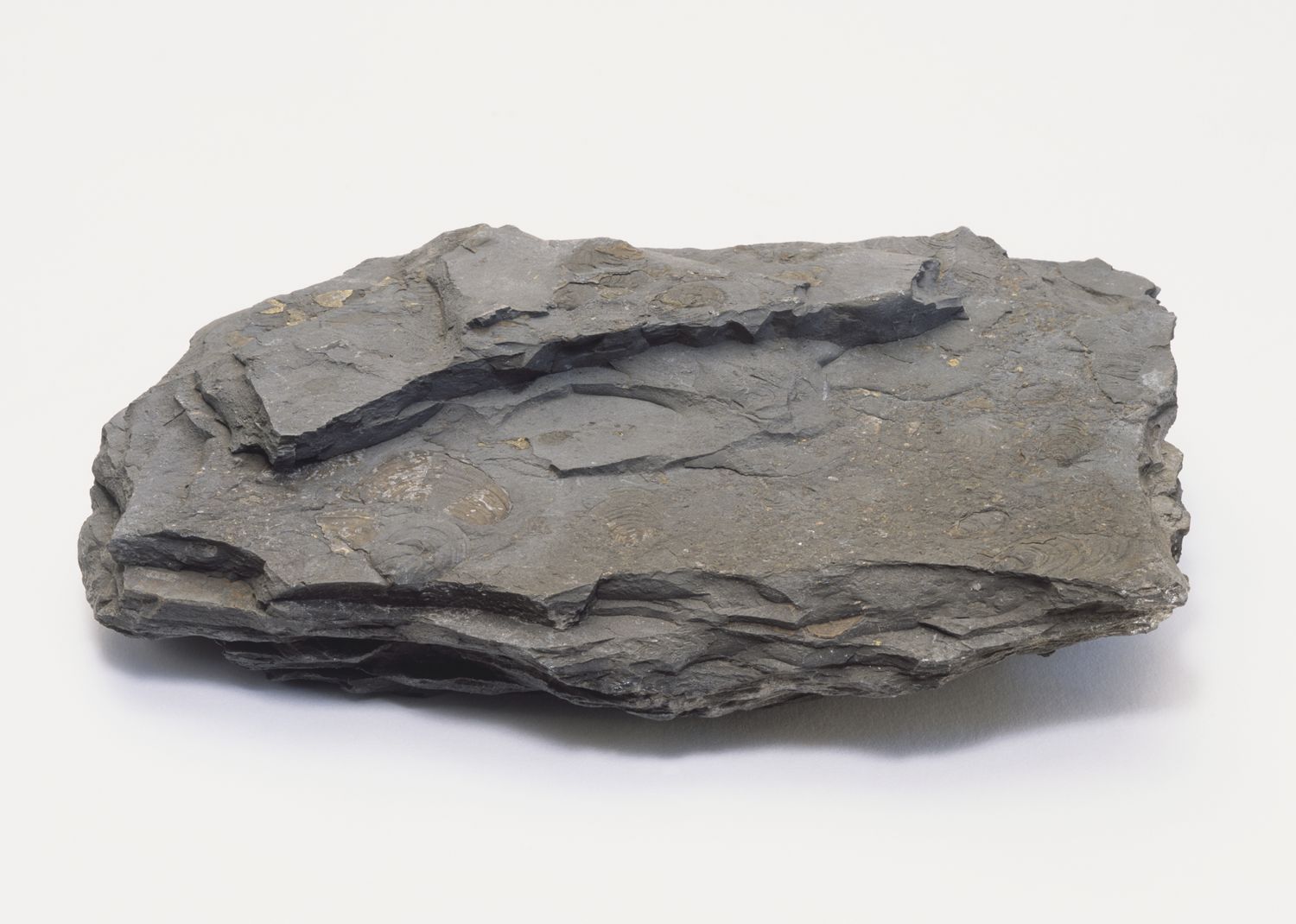
Shale
Shale is a fine-grained, clastic sedimentary rock formed from the compaction of mud, silt, and clay mineral flakes. It is the most abundant sedimentary rock on Earth, accounting for roughly 70 percent of the sedimentary crust. Its most defining feature is fissility, meaning it readily splits into thin, flat, parallel layers less than one centimeter thick.
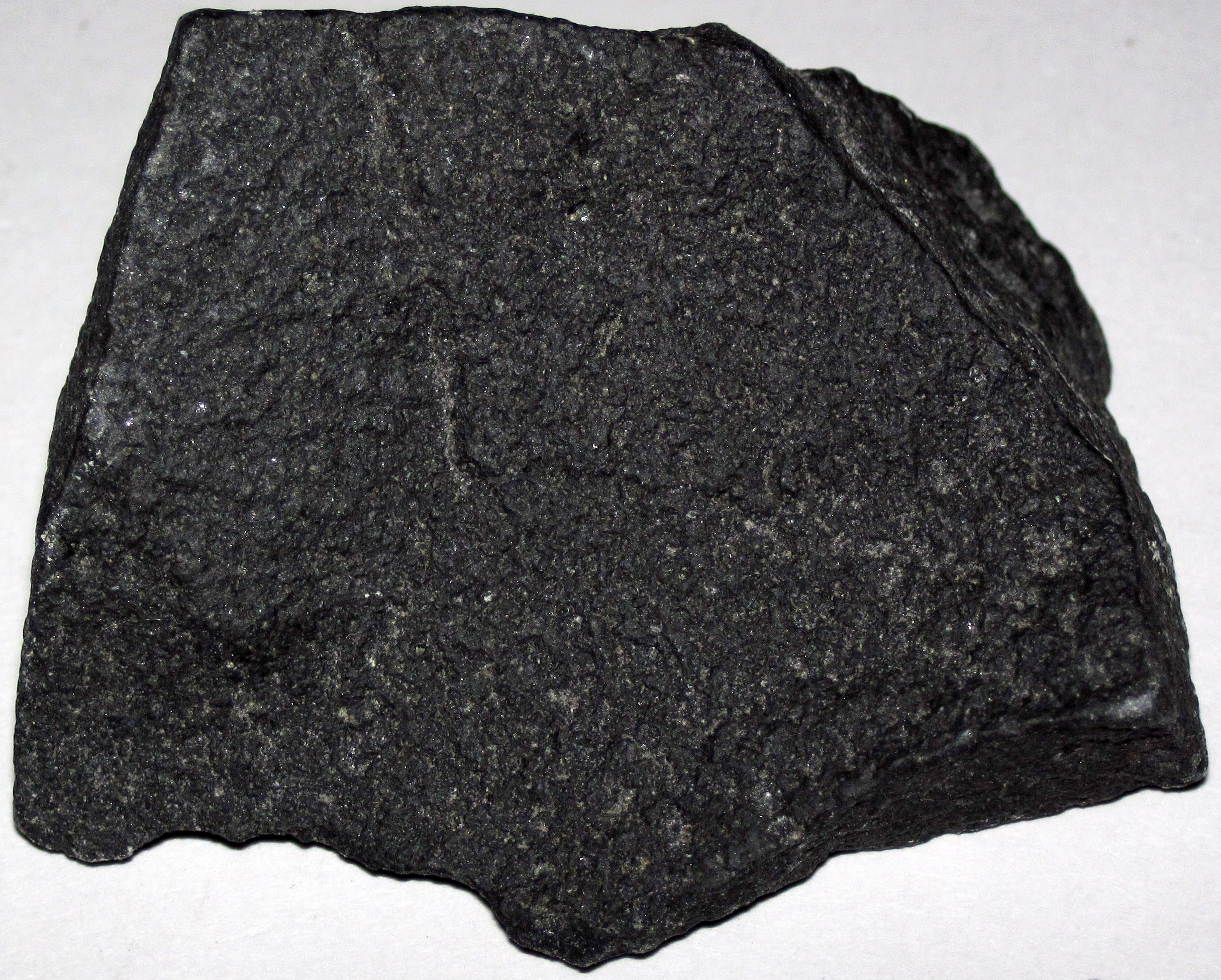
Basalt
Basalt is a dark, heavy volcanic rock that forms when lava cools quickly on the Earth's surface. It is the most common rock type on Earth. It makes up most of our ocean floor.
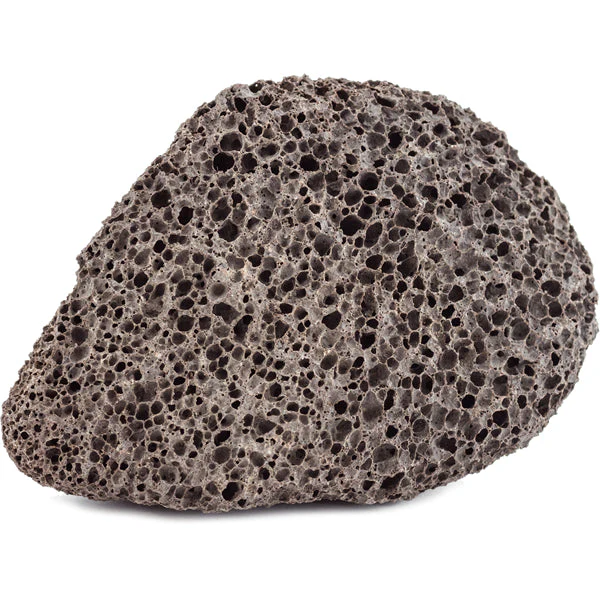
Pumice
Pumice is a very light, rough volcanic rock that is full of tiny holes. It is unique because it is so lightweight that it can actually float on water. People use pumice every day for skincare, cleaning, and gardening.
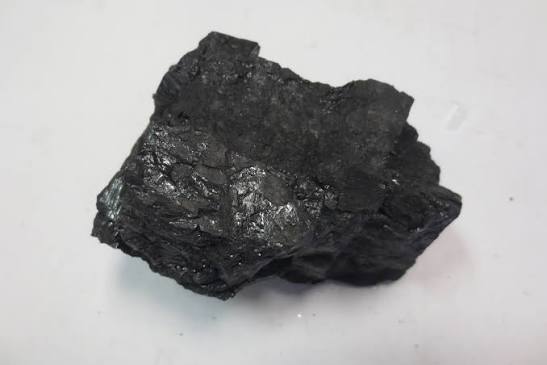
Coal
Coal is a combustible black or brownish-black sedimentary rock composed primarily of carbon and hydrocarbons, used globally as a major nonrenewable fossil fuel. It forms over millions of years through the heat and deep burial pressure of decaying plant matter in ancient, low-oxygen wetland environments. While coal historically powered the Industrial Revolution and remains a significant contributor to the global energy grid, its intensive carbon dioxide emissions and environmental footprint make it a central focus of modern climate and clean energy debates.
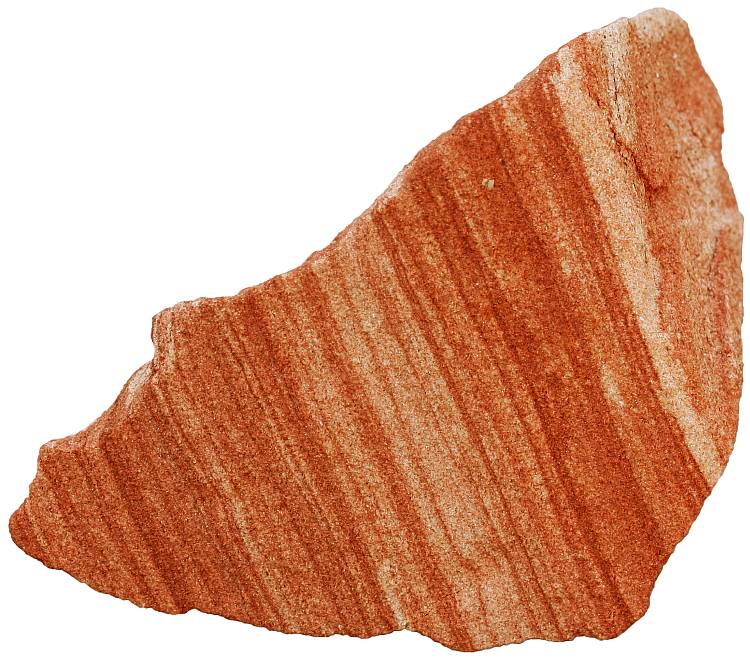
Sandstone
Sandstone is a common sedimentary rock made of tiny grains of minerals and rock, mostly quartz and feldspar. Over millions of years, water presses these grains together, and minerals glue them into solid stone. It is very popular for building houses, making beautiful art, and decorating gardens.
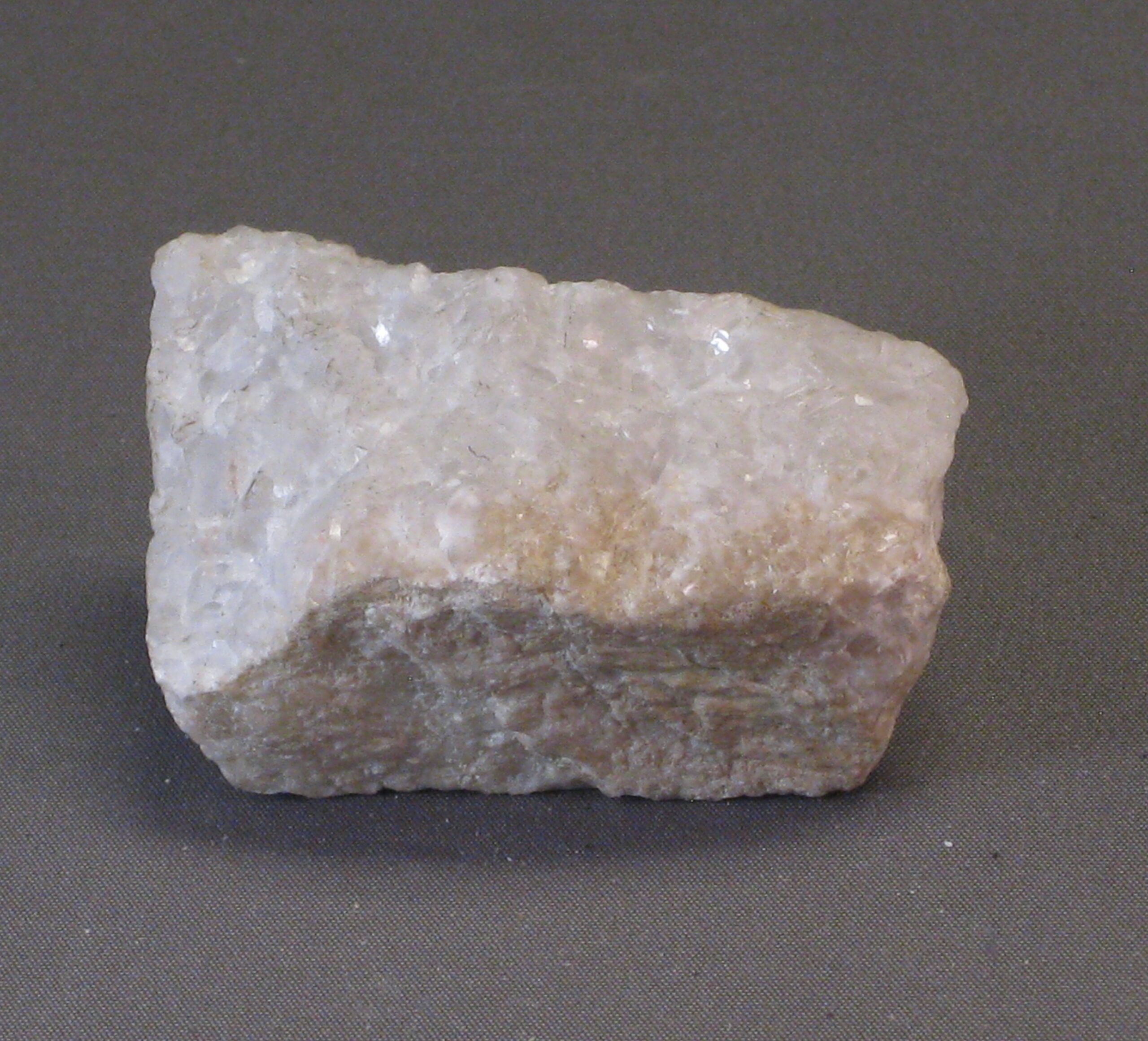
Marble
Marble is a metamorphic rock that forms deep inside the Earth. It starts out as a completely different kind of rock—usually limestone—before being baked by extreme heat and squeezed by immense pressure.
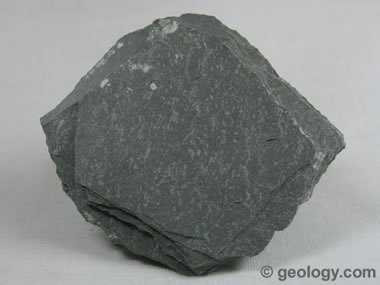
Slate
Slate is a fine-grained, foliated metamorphic rock derived from sedimentary shale or mudstone. Squeezed by intense geological forces, its minerals align into flat layers, giving slate its signature ability to be split into thin, durable sheets.
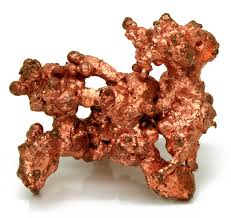
Copper
Native copper holds a unique place in geology because it is one of the only metals that nature delivers in a raw, pure form. Humans do not need to smelt or chemically separate it from other stones to use it.
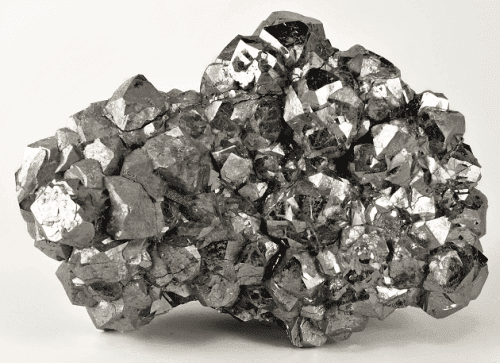
Silver
Silver is a rare, shiny precious metal that can be found in nature as a pure mineral or mixed inside other rocks. Known officially as Native Silver when found pure, it has the highest electrical and thermal conductivity of any metal. While people have mined it for thousands of years for coins and jewelry, pure silver nuggets are actually very rare. Most silver today is found combined with other elements like sulfur or hidden inside copper and lead ores.
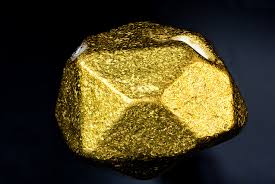
Gold
Gold is a rare, naturally occurring mineral made of just one chemical element: gold (Au). Scientists group it as a native element because it is found in nature in its pure metal form rather than being locked up inside a chemical compound with other elements.

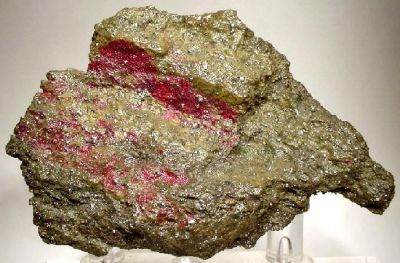
Mercury
Pure liquid mercury is technically not a mineral, because a true mineral must be a solid crystal. Instead, scientists call pure liquid mercury a mineraloid. However, mercury is found inside real, solid rocks and minerals in the Earth's crust.
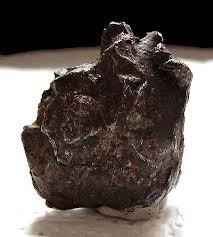
Nickel-Iron
A nickel-iron mineral is a natural mix of nickel and iron metals. Scientists call these mixes native alloys. Most of these minerals come from outer space as meteorites. They are also found deep inside the Earth.
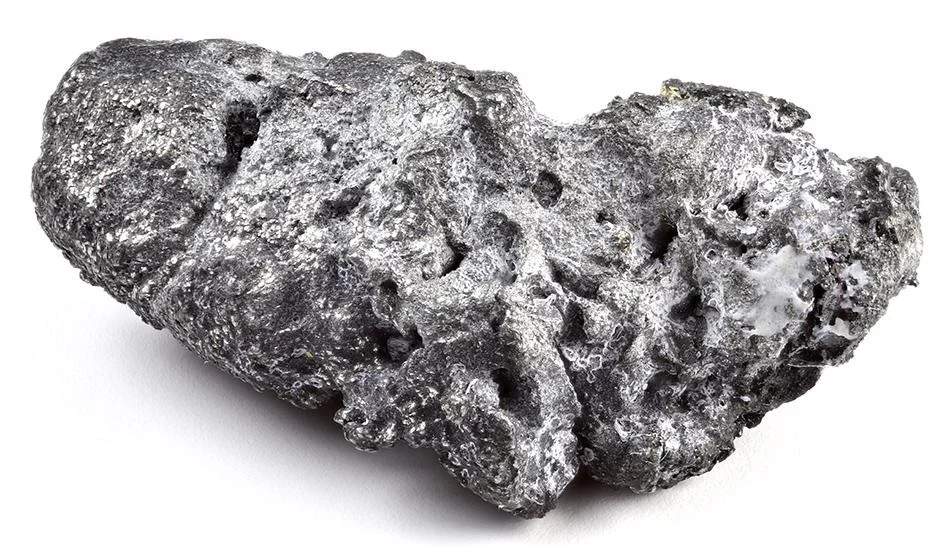
Platinum
Platinum is a very rare, heavy, and valuable mineral that looks like shiny, silver-gray metal. Scientists call it a "native element" because it can be found in nature in its pure metal form, instead of being mixed inside a stone with other elements.
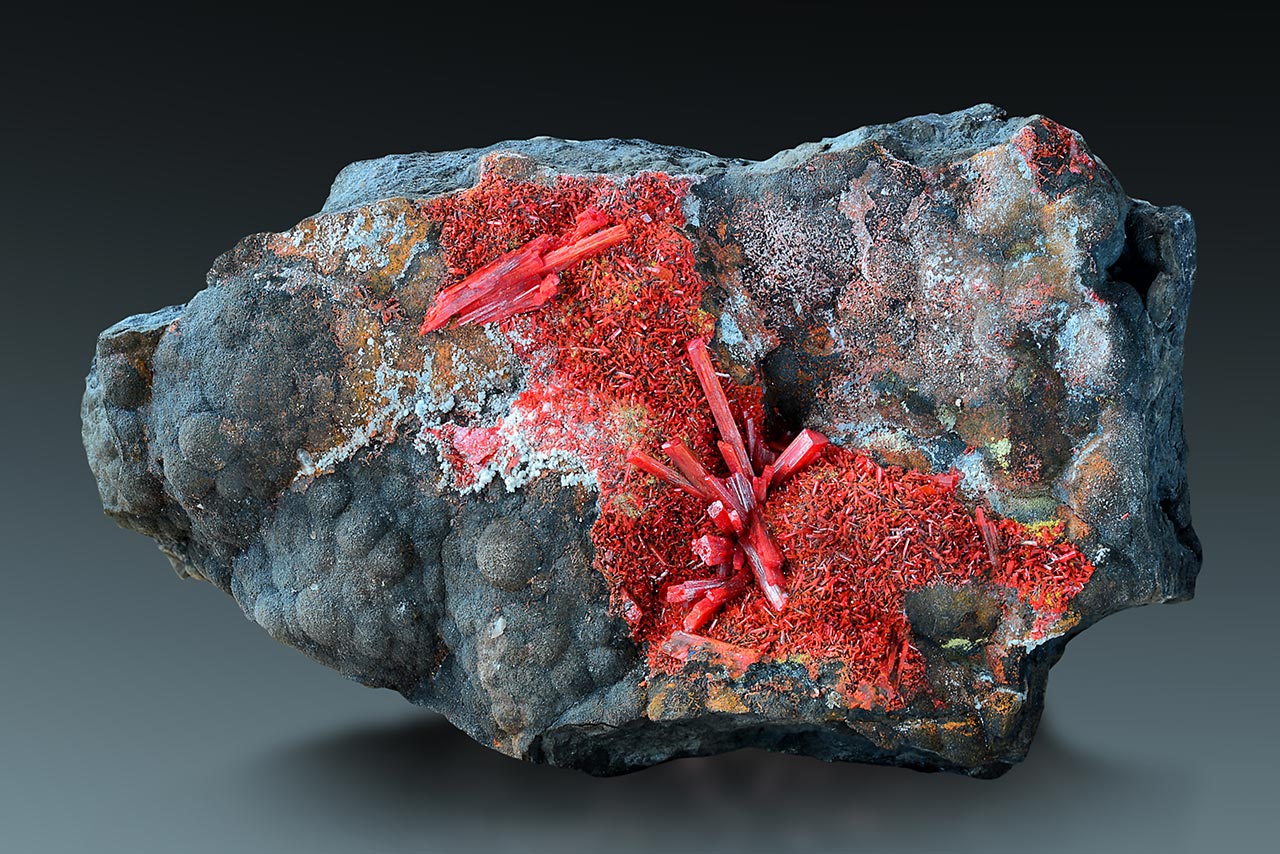
Arsenic
Arsenic is a naturally occurring element that is rarely found in its pure form. Instead, it usually combines with other elements like sulfur, iron, and oxygen to form over 150 different minerals. These minerals can look like bright, colorful crystals or dull, gray rocks.
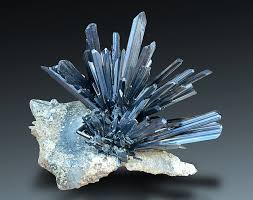
Antimony
Antimony is a unique chemical element and metalloid that is rarely found in its pure form in nature. Instead, it is almost always locked inside other rocks and minerals.
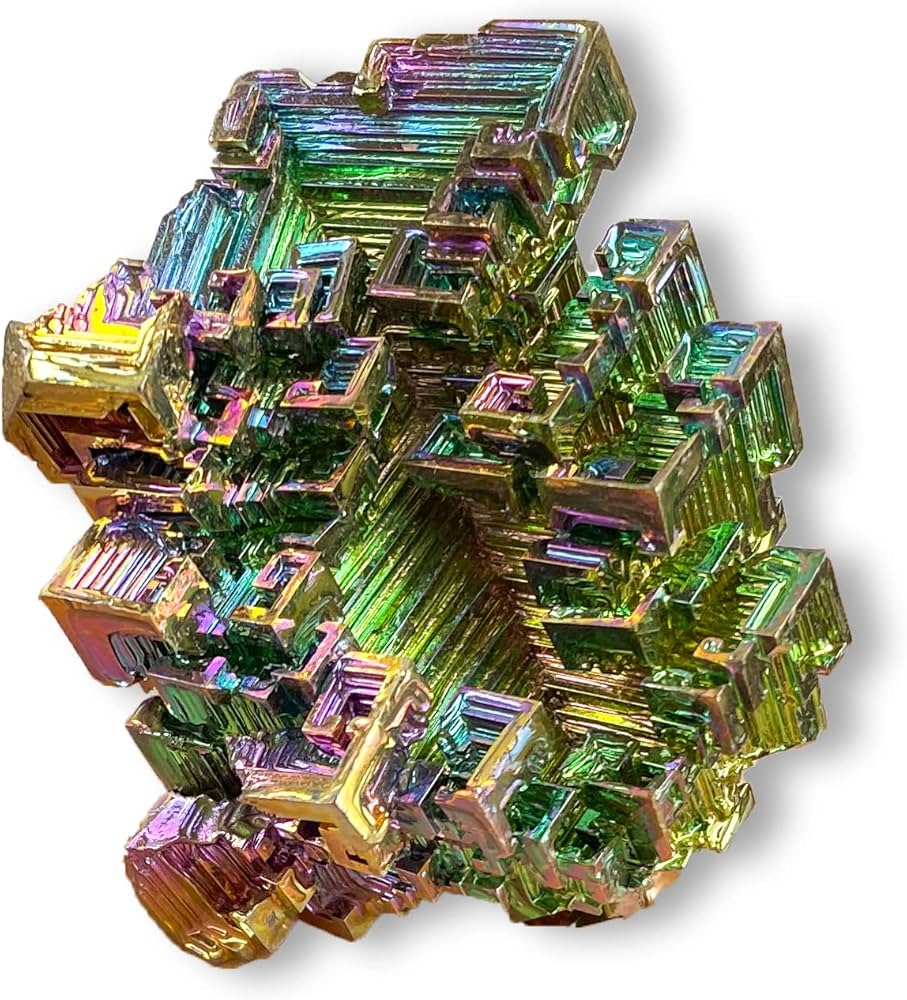
Bismuth
Bismuth is a heavy, silvery-white metal mineral known for its slight pink tint and its ability to form stunning, rainbow-colored crystals when grown in a lab. While it is a naturally occurring chemical element, pure "native bismuth" is actually very rare in nature. Instead, it is usually found combined with other elements inside ores or collected as a byproduct when mining metals like lead and copper.
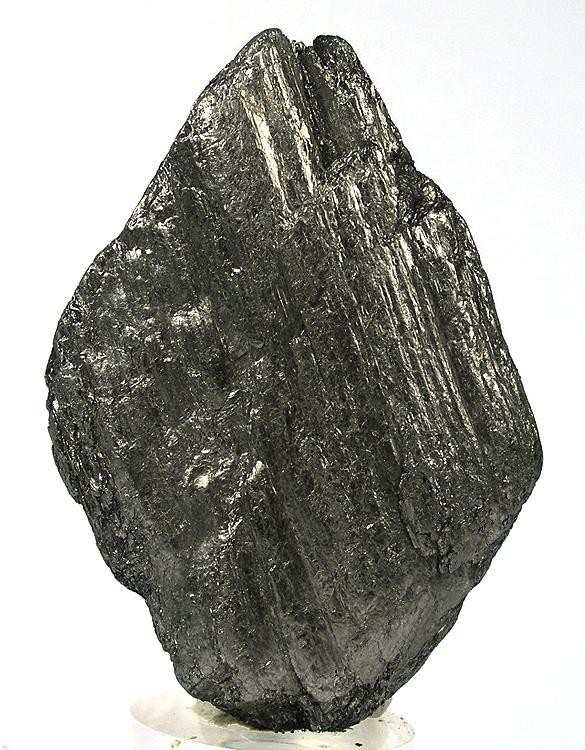
Graphite
Graphite is a naturally occurring mineral made of pure carbon. It has the exact same chemical makeup as a diamond, but its atoms are arranged differently. This unique layout makes graphite one of the softest minerals on Earth, while a diamond is the hardest.

Diamond
Diamond is a rare, naturally occurring mineral made of pure carbon. It is famous for being the hardest natural substance on Earth. Because its atoms are packed incredibly tight, it has unique traits that make it highly valuable for both beautiful jewelry and heavy-duty industrial work.
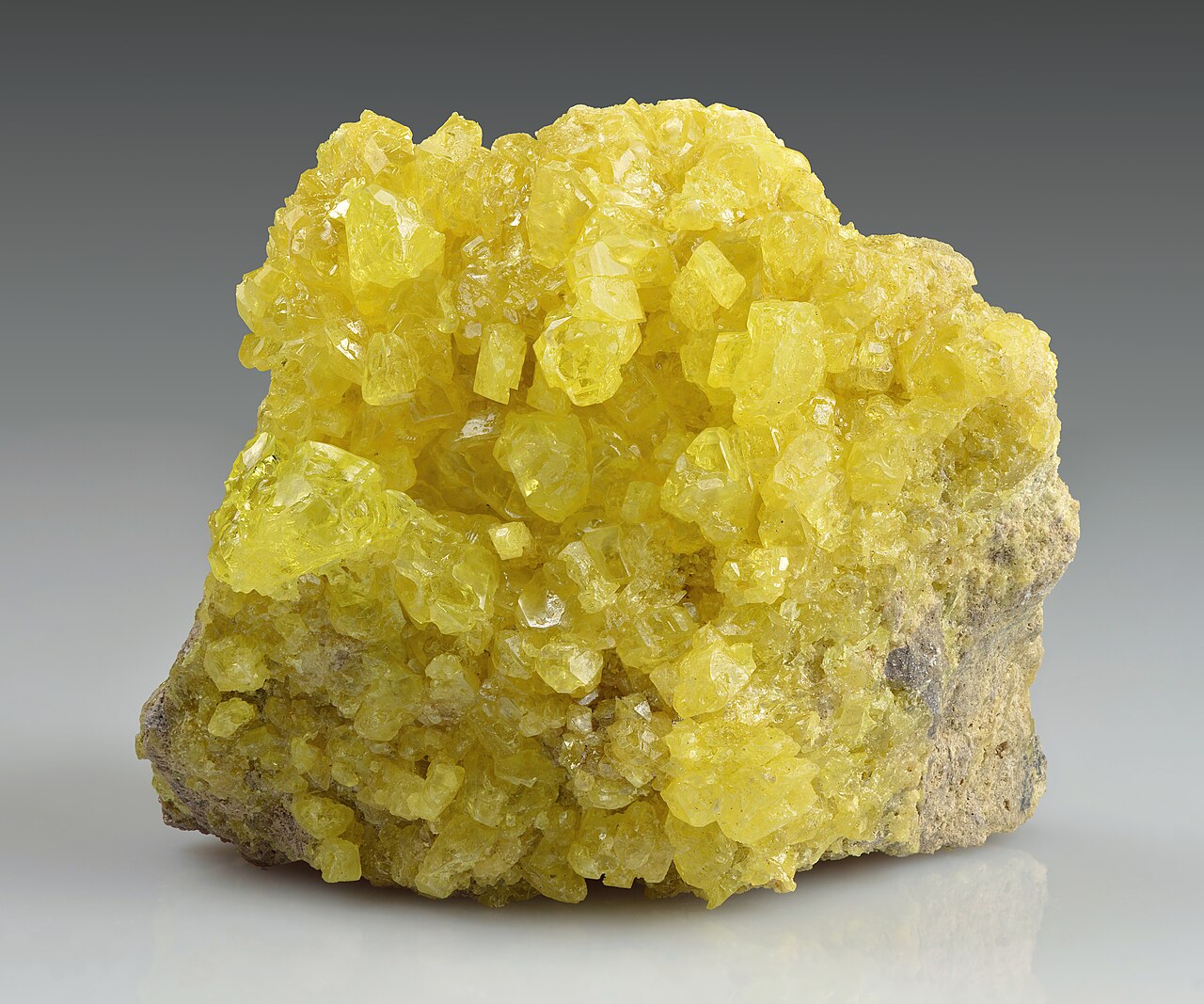
Sulfur
Sulfur is a bright yellow mineral that is famous for its distinct, rotten-egg smell when heated. It is a native element, which means it is made of only one type of atom: sulfur (S). You can learn more about it on the Sulfur Wikipedia Page.

Chalcocite
Chalcocite (Cu₂S) is an economically vital copper(I) sulfide mineral that serves as one of the most profitable and important ores of copper due to its exceptionally high copper content. The mineral boasts a chemical composition that is roughly 79.8% metallic copper by weight. Derived from the Greek word khalkos, meaning "copper," chalcocite is historically known by alternative names such as copper-glance, redruthite, and vitreous copper.
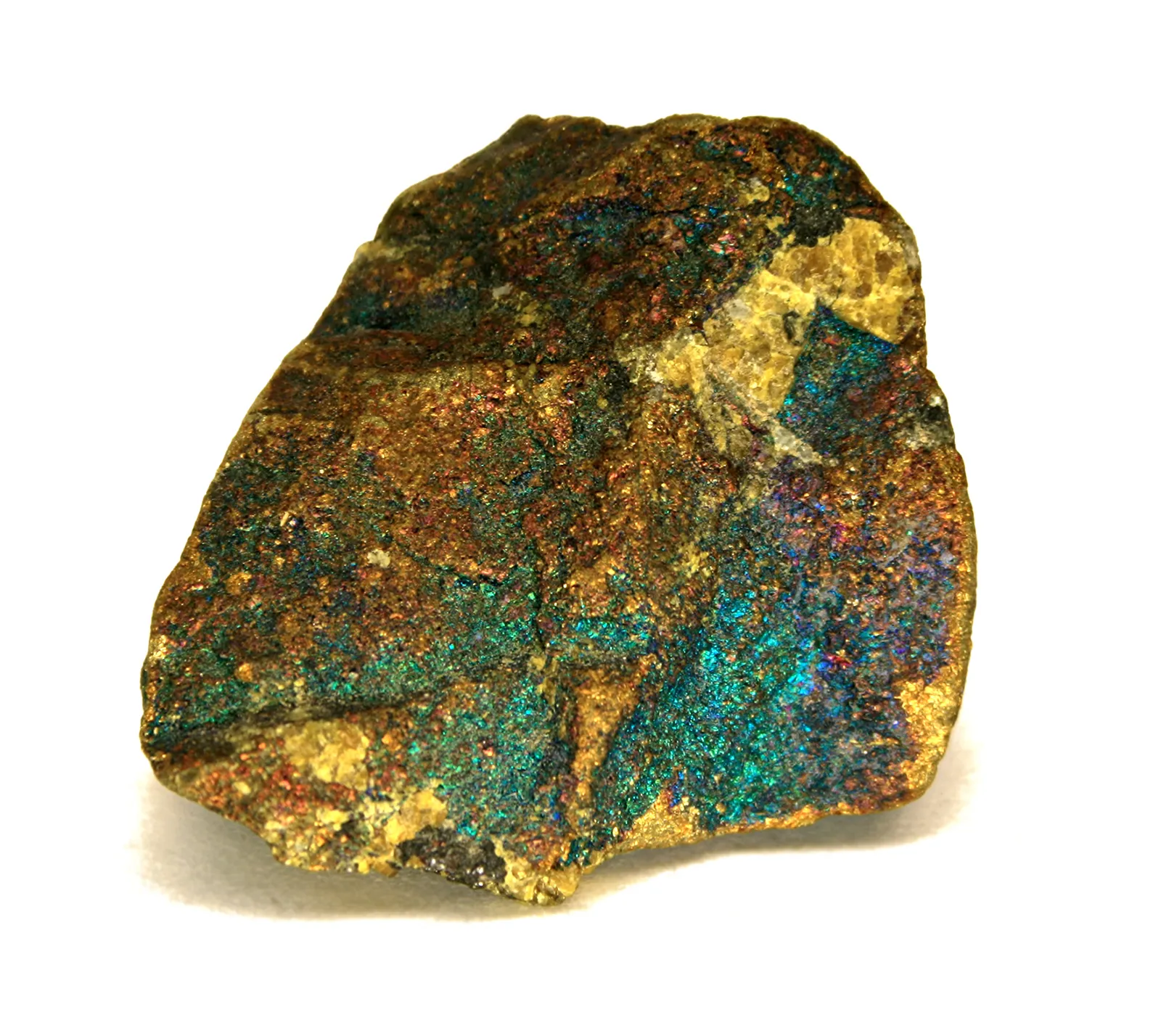
Bornite
Bornite is an important copper iron sulfide mineral with the chemical formula Cu₅FeS₄. It is widely celebrated by collectors under the nickname "peacock ore" due to the brilliant, iridescent metallic shades of purple, blue, red, and yellow that develop when its surface is exposed to air and moisture.

Pentlandite
Pentlandite is an iron-nickel sulfide mineral and serves as the principal ore of nickel on Earth. Named after the Irish naturalist Joseph Barclay Pentland—who first discovered it in Sudbury, Ontario, Canada—this mineral typically features a yellowish-bronze color and a bright metallic luster. It is widely prized in industrial metallurgy because it represents the largest source of mined nickel sulfide, a critical component used to manufacture stainless steel and modern electric vehicle batteries.

Sphalerite
Sphalerite is a zinc sulfide mineral with the chemical formula (Zn, Fe)S. It serves as the world's primary ore of zinc, accounting for roughly 95% of all global zinc production. Derived from the Greek word sphaleros, meaning "treacherous" or "deceitful," it earned its name because dark, opaque varieties look nearly identical to galena (a valuable lead ore) but yield no lead.

Amphiboles
Amphiboles are a complex supergroup of inosilicate (double-chain silicate) minerals that are essential components of many igneous and metamorphic rocks. They form prism-like or needle-like crystals and are known for their flexible chemical makeup, often containing varying ratios of iron, magnesium, calcium, and sodium.
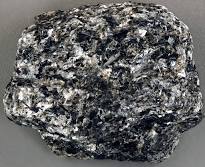
Biotite
Biotite is a common group of dark-colored phyllosilicate minerals within the broader mica group. Often referred to as "black mica" due to its dark brown, greenish-brown, or blackish-brown color, it is an abundant, rock-forming mineral found across igneous and metamorphic rock variations worldwide. The name honors the French physicist Jean-Baptiste Biot, who completed foundational research on the unique optical properties of mica.
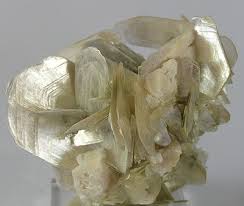
Muscovite
Muscovite is a hydrated phyllosilicate mineral of potassium and aluminum, widely known as the most common member of the mica family. It is easily identified by its highly perfect basal cleavage, allowing it to split into remarkably thin, transparent, and flexible sheets.

Corundum
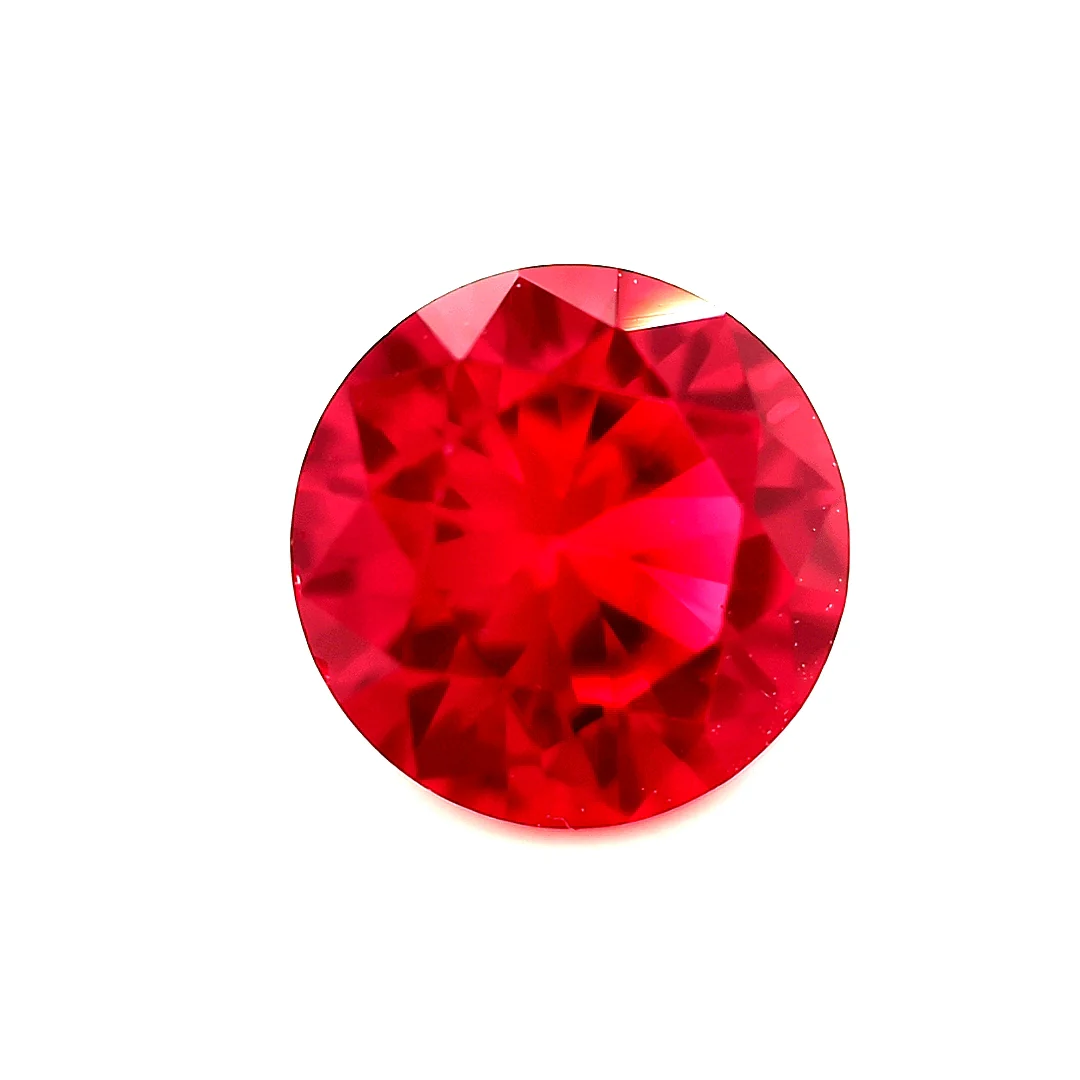
A sapphire corundum is a highly durable, precious gemstone belonging to the corundum mineral family. It is famously recognized for its vivid blue shades, but it naturally occurs in nearly every color of the rainbow except red. Ruby corundum is the red variety of the mineral corundum (aluminum oxide, Al₂O₃). Its signature vivid color is caused by trace amounts of the element chromium within the crystal structure.
Talc
Talc is a naturally occurring clay mineral composed of hydrated magnesium silicate with the chemical formula Mg₃Si₄O₁₀(OH)₂. It holds the distinction of being the softest known mineral on Earth, anchoring the very bottom of the Mohs hardness scale with a rating of 1.
Gypsum
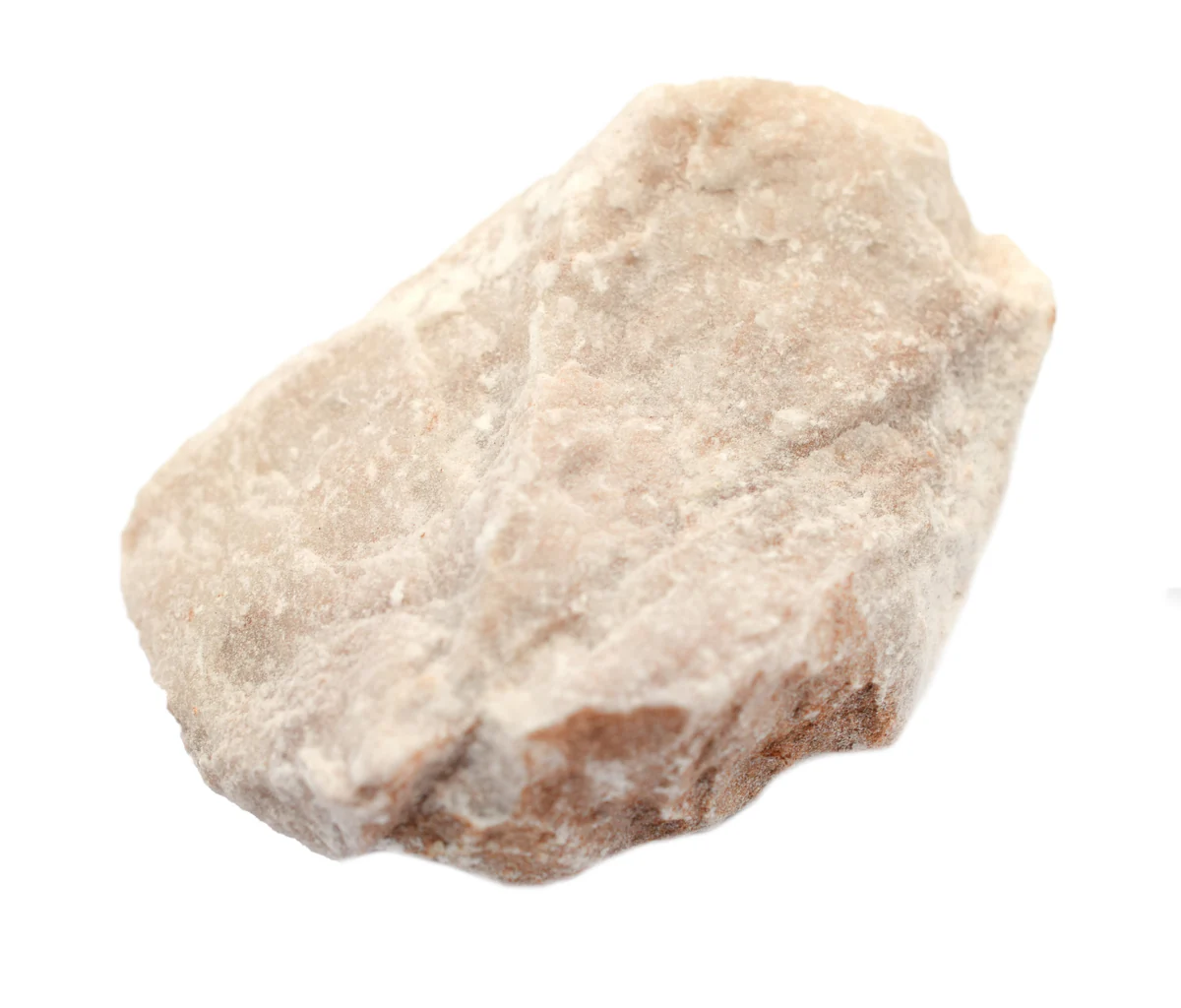
Gypsum is a soft sulfate mineral composed of calcium sulfate dihydrate, represented by the chemical formula CaSO₄ ⋅ 2H₂O. It is the most common sulfate mineral on Earth, widely mined for construction, agriculture, and industrial manufacturing. As the standard definition for a hardness value of 2 on the Mohs scale, it is soft enough to be scratched easily with a human fingernail.
Apatite
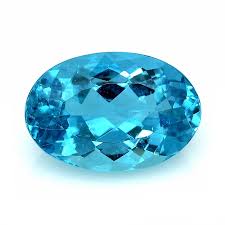
Apatite is a common group of phosphate minerals known for its vibrant range of colors, industrial importance, and unique connection to biology. Its name originates from the Greek word apatao, meaning "to deceive," because its varied colors frequently cause it to be mistaken for other gemstones like beryl, peridot, or tourmaline.
The Three Main Varieties
Apatite is not a single mineral but a group. The classification depends on the dominant elements present in the crystal lattice: [1, 2, 3, 4]
Fluorapatite: The most common variety, rich in fluorine.
Chlorapatite: A rarer variety, where chlorine takes dominance.
Hydroxylapatite: Rich in hydroxyl groups. This is the primary inorganic component found in vertebrate bones and teeth

Feldspar
Feldspar is a group of rock-forming aluminum tectosilicate minerals that collectively make up roughly 60% of the Earth's crust. This makes it the most abundant mineral group on the planet. Found in all types of rocks—igneous, metamorphic, and sedimentary—feldspars are the primary building blocks of common stones like granite and basalt.

Topaz
Topaz is a highly durable silicate mineral (scoring an 8 on the Mohs hardness scale) widely used in jewelry. Pure natural topaz is actually completely colorless, but impurities and modern heat treatments give it a diverse spectrum of colors.

Chalcopyrite
Chalcopyrite (CuFeS₂) is a copper iron sulfide mineral and serves as the most abundant and economically important copper ore on Earth. Frequently referred to as "fool's gold" due to its bright, brassy metallic luster, it can be easily distinguished from real gold and true pyrite by its physical properties and unique tendency to weather into a striking iridescent rainbow.

Tetrahedrite
Tetrahedrite is a prominent copper antimony sulfosalt mineral that serves as a highly vital ore of copper and occasionally silver. Named in 1845 by Wilhelm Karl von Haidinger, its name directly references the characteristic tetrahedral (triangular pyramid) shape of its unique crystals.

Greenockite
Greenockite is a rare metal sulfide mineral composed of cadmium sulfide (CdS). It stands as the premier and most common naturally occurring mineral containing cadmium. [1, 2, 3]
Physical & Chemical Properties
Greenockite displays several defining material traits:
Color: Vibrant honey yellow, citron yellow, orange, or intense brick red.
Crystal Structure: Part of the hexagonal crystal system. It typically develops unique, asymmetrical "hemimorphic" six-sided pyramids.
Texture: Usually discovered as fine, powdery earthy coatings or crusts. Distinct crystal forms are exceptionally rare.
Hardness: Rated 3 to 3.5 on the Mohs scale, making it relatively soft.
Luster: Adamantine to resinous.
Polymorphism: Shares an identical chemical formula with Hawleyite, which features a cubic crystal layout.

Enargite
Enargite is a relatively rare copper arsenic sulfosalt mineral with the chemical formula Cu₃AsS₄. It serves locally as an important ore of copper, though its high arsenic content poses significant challenges and environmental toxicities during metallurgical processing.
Physical Properties
Color: Steel gray, iron black, to violet-black.
Luster: Metallic to dull.
Hardness: 3 on the Mohs scale (relatively soft, scratchable by a copper penny).
Cleavage: Perfect and highly distinct, which gives the mineral its name.
Crystal Habit: Occurs as slender, striated orthorhombic prisms, tabular crystals, or massive, granular aggregates.

Pyrrhotite
Pyrrhotite is a naturally occurring, iron-deficient iron sulfide mineral with the chemical formula \(\text{Fe}_{1-x}\text{S}\) (where x ranges from 0 to 0.17). It is a close relative of pyrite (known as "fool's gold") but is distinguished by its unique crystal structure, lower sulfur content, and distinctive magnetic properties.
While it serves as a valuable resource for geologists and collectors, pyrrhotite has also become a major industrial and construction concern due to its highly destructive impact when inadvertently mixed into concrete aggregates.

Peridotite
Peridotite is a dense, coarse-grained, ultramafic igneous rock composed mostly of the green mineral olivine and pyroxene.
Composition and Characteristics:
Color: Typically light to dark green, greenish-grey, or mottled black, named after the gemstone peridot.
Mineral Makeup: Contains more than 40% olivine along with pyroxenes and accessory metallic minerals like chromite and magnetite.
Low Silica: Classified as ultramafic because it holds less than 45% silica and almost no quartz or feldspar.

Opal
Opal is a unique hydrous silica mineraloid famous for its shifting rainbow colors.
Properties and Composition:
Composition: Hydrated silica (SiO₂ ⋅ nH₂O) containing up to 20% water.
Hardness: Ranks 5.5 to 6.5 on the Mohs scale, making it relatively soft and sensitive to hard impacts.
Play-of-Color: Tiny, orderly silica spheres inside precious opals bend white light into flashing rainbow prisms.

Amethyst
Amethyst is a purple variety of quartz prized for its royal violet hues and used for centuries in jewelry and ornamental items.
Physical and Scientific Properties:
Composition: A form of silicon dioxide (SiO₂) with a rigid crystal structure.
Hardness: Measures 7 on the Mohs hardness scale, making it durable for daily wear in rings and pendants.
Color: Ranges from pale lavender to deep royal purple, caused by iron impurities and natural irradiation.
Formation: Grows inside gas cavities (vesicles) of ancient volcanic basalt rocks, often forming large geodes and crystal clusters.

Emerald
An emerald is a precious gemstone and a green variety of the mineral beryl, colored by trace amounts of chromium or vanadium.
Key Characteristics:
Color: Ranging from pure green to bluish-green, color is the most important factor in determining an emerald's value.
Inclusions: Most emeralds contain internal fractures and tiny mineral inclusions known as jardin (French for "garden").
Hardness: They rank 7.5 to 8 on the Mohs hardness scale, but their numerous inclusions make them brittle and prone to chipping.
Birthstone: Emerald is the traditional birthstone for the month of May.

Garnet
Garnet is a diverse family of silicate gemstones best known for their deep red color, though they naturally occur in almost every color except pure blue.
Colors and Varieties:
Red: Pyrope and almandine are the most common traditional red types. Rhodolite offers a vibrant purplish-red or raspberry hue.
Green: Tsavorite and demantoid are rare, highly prized green varieties.
Orange: Spessartine (or spessartite) garnets feature striking bright orange or "mandarin" colors.
Other tones: Color-change garnets shift hues depending on the lighting source, mimicking alexandrite.
Properties and Care:
Hardness: Measures 6.5 to 7.5 on the Mohs scale, making it suitable for everyday jewelry like rings and pendants.
Durability: Lacks cleavage (meaning it resists splitting along flat planes), but prolonged harsh wear can cause surface scratching.
Treatments: Most garnets are completely natural and untreated because they do not respond well to artificial enhancement.

Pearl
Pearl (gemstone) — Natural, cultured, and imitation
A pearl is a hard, lustrous object formed inside the mantle of mollusks, composed mainly of calcium carbonate (aragonite/calcite) and conchiolin
Types:
Natural pearls: Extremely rare; formed without human intervention
Cultured pearls: Produced in farms using implanted tissue or beads; most pearls sold today
Imitation pearls: Made from materials like glass or shell and coated with essence d’Orient
Properties: Mohs hardness 2.5–4.5, refractive index 1.52–1.66, iridescent nacre layers that create luster
Uses: Jewelry, clothing adornment, historically in cosmetics and paint
Identification: X‑ray imaging distinguishes natural from cultured pearls; rubbing pearls together reveals nacre’s slight grit

Turquoise
Turquoise is a blue‑to‑green copper‑aluminum phosphate gemstone prized for its vivid color, cultural history, and use in jewelry, especially in Native American craftsmanship.
What Turquoise Is
Turquoise is a hydrous phosphate mineral formed when water interacts with copper-rich rocks. Its color ranges from sky blue (often the most valuable) to greenish teal, depending on copper and iron content. It often contains matrix, the dark or web-like host rock patterns that can add character.

Coral
Coral gemstones are organic gems made from calcium carbonate, valued for their distinctive red-to-pink hues, softness, and long history of use in jewelry and cultural symbolism.
Coral gemstones come from the skeletal structures of marine coral polyps, making them one of the few widely used organic gems (alongside pearl, amber, and ivory). Because they are organic, their properties differ significantly from mineral gemstones.
Composition and Physical Properties
Material type: Organic gem formed from the hardened skeleton of marine coral colonies.
Chemical composition: Primarily calcium carbonate (CaCO₃) in the form of calcite.
Hardness: Typically 3–4 on the Mohs scale, meaning coral is relatively soft and prone to scratching.
Luster: Usually dull to vitreous when unpolished; takes on a high gloss when polished.
Density: Moderately light, around 2.6–2.7 g/cm³.
Structure: Exhibits natural growth patterns and internal striations that help distinguish it from imitations.
Color Varieties
Coral occurs in several natural colors, each associated with different species and regions:
Red coral (oxblood): The most prized variety, traditionally sourced from the Mediterranean.
Pink coral (angel skin): Soft, pale pink tones.
Salmon coral: Orange-pink hues.
White coral: Less common in jewelry but used in carvings.
Black and golden coral: Structurally different species; valued for unique coloration.

Hessonite Garnet