History 1500 Final
 Call Kai
 Learn
Learn Practice Test
 Spaced Repetition
 Match
Match Flashcards
 Knowt Play
1/109

There's no tags or description
Looks like no tags are added yet.
Name | Mastery | Learn | Test | Matching | Spaced | Call with Kai |
|---|
No analytics yet
Send a link to your students to track their progress
110 Terms
Muslims, Goths, Byzantines
Heirs of Rome
Roman Political Identity
Christian Religious Identity
unity of church and state
preserved classical greek culture
Justinian the Great
Militarism
theodosian walls
diocletian divided the empire east/west impact today
conquered by the ottomans
iconoclasm
Muslims believed idolatry too
military losses blamed on
God punishing
icons banned by Leo lll bc of
icons back to stay at 840s
Muhammad
caravan trader, acquainted with Judaism/christianity
married Khadija
revelation during ramadan-became prophet
restored religion of abraham
united much or arabia
“seal of the prophets”
Hijra
hijra
flight from Mecca to Medina, start of muslim calendar
Quran
perfect word of God, written in heaven in Arabic
Islam
submission, true religion of abraham
belief
prayer
almsgiviing
fasting
hajj
5 pillars of Islam
jihad
struggle
holy war
sunnis and Shi’ites
split over Muhammad succession
Umayyad Caliphate
Sunnis
capital to Damascus
Abbasid Caliphate
rebellions
capital to Baghdad
500-1500 AD
collapse of Rome in west to age of discovery/renaissance
goths
germans
take over Rome
rex
king/military dictators
arian Christians
peaked arches
medieval Europe architecture
Holy Roman Empire
germany and parts of Italy
early ages
spread of christianity, power of the pope, though it takes centuries for him to be supreme authority
Islamic Civilization is the most advanced
merovingian franks
adopted roman christianity with baptism of Clovis
do-nothing kings
charlemagne
crowned holy roman emperor by pope on Christmas Day, 800
model of a christian king
1000
by _____ AD all Europe is Christian
feudalism
lords/vassals/serfs
central Middle Ages
lords
own the land
vassals
get to rule over part of the land and get income in exchange for homage, military service, and loyalty
serfs
work to pay debt
bound to the land
could sometimes gain freedom by running away to a city
code of chivalry
informal, evolving 12th-century European ethical code for knights, emphasizing bravery, military prowess, loyalty, and Christian piety
monasticism
monks/nuns
central Middle Ages
castles
viking invasions ended with the building of ____
gregorian reforms
monasticism church leadership
papal supremacy
liberation theology
against simony
simony
purchase of church office
rome, Jerusalem, Santiago de Compostela
pilgrimage to ___, ______, ______.
medieval times
seen as a quick way to enter heaven, without spending much time in purgatory
crusades
firs captures jerusalem, rest are less significant
seen as a way to gain salvation
st francis
friars who lived among the people (not in monasteries)
waldo
French merchant, religious heretic, led first group of “protestants”
jews
not able to own land property, suffered violent persecution, many worked as bankers because they could charge interest on loans
late Middle Ages
vernacular literacy increased
black plague killed 1/3 of europe
pikes, crossbows, longbows developed
knights less important
africa
nomadic, animal husbandry
north
Egypt, Carthage
east
swahili coast
west
ghana, mali, Songhai
south
great Zimbabwe
northeast
Nubia, Ethiopia, ghana
Meroe
had pyramids and reformed Egyptian type writing
berbers
indigenous, north africa
trans-saharan trade
traded slaves and gold for salt and textiles
East African coast
Indian Ocean trade, Arabian influence, Swahili language
great zimbabwe
great stone structures, center of civilization in southern africa
bantu migrations
bringing iron/horses from central/west to Southern Africa, pushed Khoisan people to the margins
sundiata
famous leader east of Ghana, conquered capital of Ghana, founded Mali
mansa musa
nephew of sundial, most famous west African ruler, adopted islam, performed the hajj with elephants
eurasian steppe
homeland of the domestication of the horse, high trade, a bit of a paradox because it was so unlikely to develop yet influenced so many others
pre-empire mongols
depended on animals
mobility to survive
trading/raiding
shamanistic religion
yurts
Genghis khan
unified mongols
caimans, tatars, turks
blurred tribal lines
distributed loot
terror tactics
died on campaign in northwest china
military
written language
foreign relations and tolerance
Genghis khan’s legacy
khanates
after Khan, empire was plagued by dynastic disputes, ultimately split into 4 ____
khubilai khan
genghis’ grandson
united all of china
emperor of yuan dynasty
connections, tolerant of religions
Golden Horde
northwest khanate “great camp”
black plague led to downfall
large territory including Russia, Ukraine, Poland
largest land empire
military progress
reunify china
trade
mongolian empire’s legacy
Mesa verde
cities on high cliffs, farmed upper mesa
Mississippi River valley
copper use
maize and beans
cahokia
thousands or burial, ritual, temple mounds
olmecs
1500-400
oldest mesoamerican civilization
followed by mayans, Aztecs, and incans
cement technology
advanced neolithic societies
Mayan civilization
100-900
ball game (losers often sacrifices)
human sacrifice
teotihuacan
100-900
mass migration
urban planning
became a sacred place for aztecs
most visited archeological site today
toltecs
900-1250
dominated Mayan city Chichen Itza
Aztecs
1325-1521
Mexico, central america
capital at tenochtitlan
conquered by Spain in 1521
Incans
modern tile, peru
nazca line drawings in peru
machu pichu
conquered by Francisco Pizarro in 1532
discovery of new world
division between pre-modern/modern history
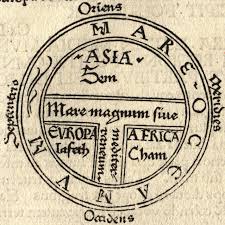
T-O map
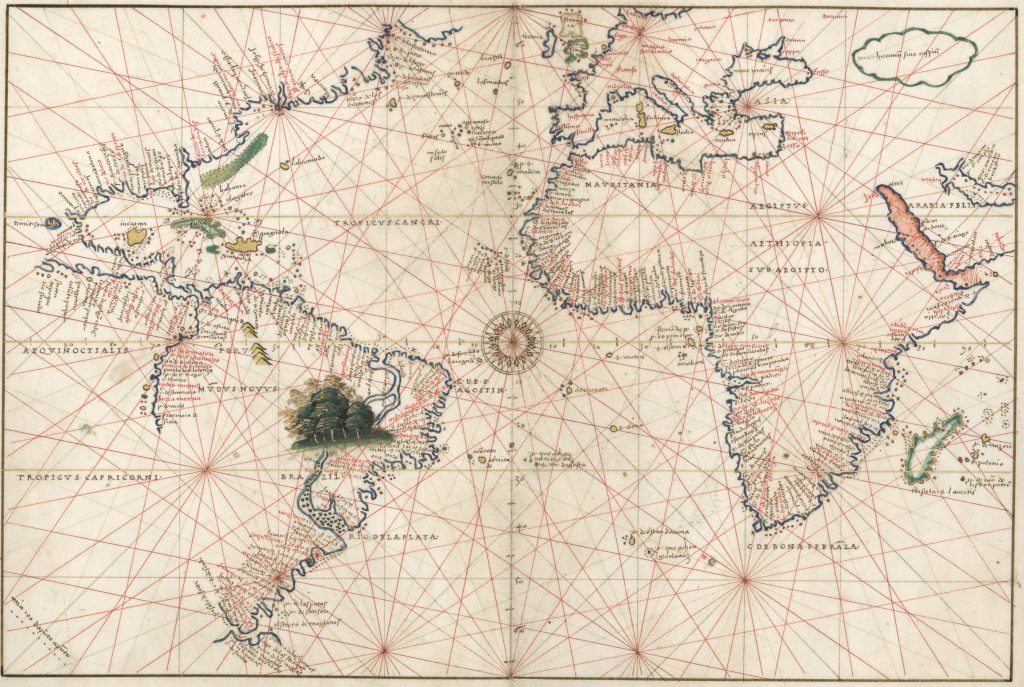
portolan charts
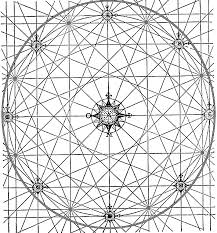
Rhumb lines
Prester john
legendary christian king in Asia who was said would usher in 2nd coming
defense
Byzantium military focused on
Justinian the Great
last emperor that spoke latin
married Theodora
extended territory and Hagia Sophia
corpus Juris Civilis
basis for modern civil laws
Caesar-papism
emperor is christ’s deputy
monophysites
christ’s divine nature
Council of Chalcedon
divine and human
orthodox
nika riots
532
blues vs greens
burn Hagia sophia
Theodora made stay
Heraclius
610-641
phocas overthrew previous, slavs and avars took balkans, persia growing
son of governor of Africa deposed phocas
holy war
rhetoric and guerrilla war to take syria, Palestine, egypt
Arabs take over-survive with unity and adaptability
iconoclast controversy
726-842
military loses
volcanic eruption
Leo lll removed
840-back to stay
Hadith
8-9c.
accounts of prophets quotes- chain of narrators
different branches and versions
belief
prayer'
almsgiving
fasting
hajj
5 pillars of Islam
jihad
struggle-sometimes seen as 6th pillar
missionary and trials
holy war
world divided into Dar al-Islam and Dar al-Harb
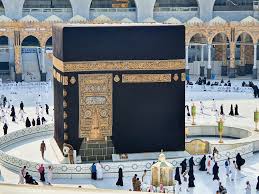
al-ka’aba
4 caliphs
sunnis and Shi’ites
after Muhammad
battle of Karbala
680
Islam split permanent
shahada
confession of faith
salat
ritual of prayer
zakat
tithing