Art Appreciation - Honors
 Call Kai
 Learn
Learn Practice Test
 Spaced Repetition
 Match
Match Flashcards
 Knowt Play
1/64

There's no tags or description
Looks like no tags are added yet.
Name | Mastery | Learn | Test | Matching | Spaced | Call with Kai |
|---|
No analytics yet
Send a link to your students to track their progress
65 Terms
Line
A continuous mark that can be actual or implied; used to define shapes, create movement, and guide the viewer’s eye through a composition.
Shape
A flat, two-dimensional enclosed area, either geometric (circles, squares) or organic (irregular, natural forms).
Form
A three-dimensional object with height, width, and depth, either actual (sculpture) or implied through shading.
Volume
The amount of space occupied by a form; often used to describe how solid or full an object appears.
Mass
The visual weight or density of an object, often conveying heaviness or solidity.
Texture
The surface quality of an object; actual texture can be physically felt, while implied texture is visually suggested.
Value
The degree of lightness or darkness in a color, used to create contrast and the illusion of depth.
Color
The visual property consisting of hue, saturation, and value; used to create mood, emphasis, and harmony.
Space
The area around, between, and within objects; includes positive space (occupied) and negative space (empty).
Implied Depth (Perspective)
Techniques such as linear perspective, overlapping, and size variation used to create the illusion of three-dimensional space on a flat surface.
Motion and Time
The suggestion of movement or the passage of time, often achieved through repetition, blurred forms, or sequential imagery.
Contrast
The use of opposing elements such as light and dark or rough and smooth to create visual interest.
Unity
The sense that all elements in a composition belong together and form a cohesive whole.
Variety
The use of diverse elements to create visual interest and avoid monotony.
Balance
The distribution of visual weight in a composition; can be symmetrical, asymmetrical, or radial.
Scale
The size of an object in relation to the viewer or its environment.
Proportion
The relationship in size between different parts of a composition.
Pattern
The repetition of visual elements in a predictable arrangement.
Rhythm
The sense of movement created by repeated elements that guide the viewer’s eye.
Emphasis
The principle of drawing attention to a specific area or element in a composition.
Focal Point
The primary area of interest where the viewer’s eye is drawn first.
Drawing
The use of dry media such as graphite or charcoal to create images primarily through line and shading.
Painting
The application of pigment to a surface; oil paint allows for slow blending, acrylic dries quickly, and watercolor is transparent.
Fresco
A painting technique in which pigment is applied to wet plaster so that it becomes part of the wall surface.
Encaustic
A painting technique using pigment mixed with hot wax, creating a durable and textured surface.
Printmaking
The process of creating multiple images from a single surface, such as a carved woodblock.
Woodcut
A printmaking technique where an image is carved into wood, inked, and pressed onto paper.
Sculpture
Three-dimensional art created through subtractive methods (carving) or additive methods (building up).
Architecture
The art and science of designing buildings that are both functional and aesthetically meaningful.
Craft
Artistic production of functional objects such as textiles or ceramics, often emphasizing skill and tradition.
Photography
The process of capturing images using light-sensitive materials or digital sensors.
Installation Art
A form of art that occupies and transforms a space, often involving viewer interaction.
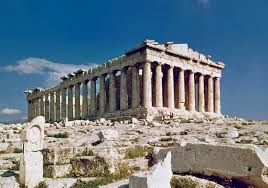
Parthenon
A Greek temple built between 447–432 BCE on the Acropolis in Athens, known for its Doric columns, symmetry, and ideal proportions representing classical Greek values.
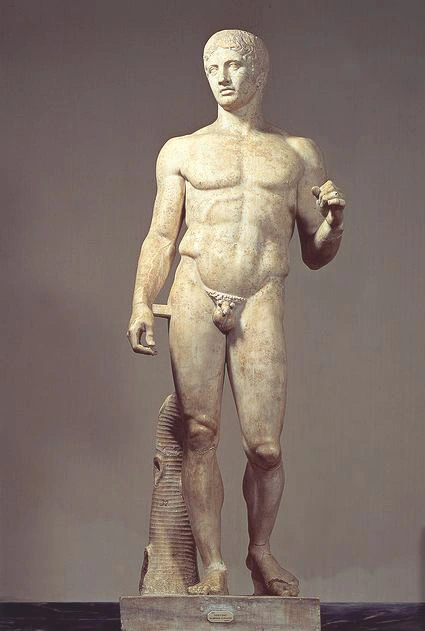
Doryphoros
A Roman marble copy of a Greek bronze sculpture by Polykleitos, demonstrating contrapposto and idealized human proportions.
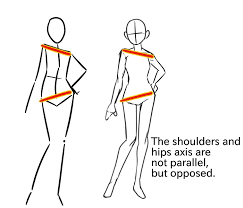
Contrapposto
A stance in which the body’s weight is shifted onto one leg, creating a more natural and dynamic posture.
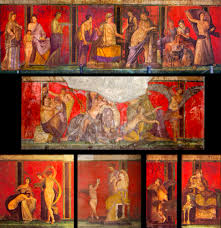
Villa of Mysteries Fresco
A Roman wall painting from Pompeii around 60 BCE created using fresco technique, depicting ritualistic or ceremonial scenes.
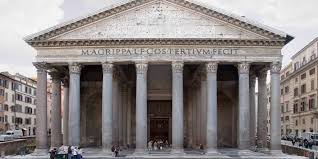
Pantheon
A Roman temple built between 118–135 CE, featuring a massive concrete dome and an oculus that allows light into the interior
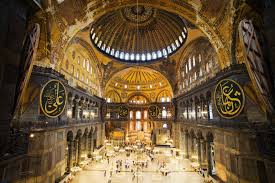
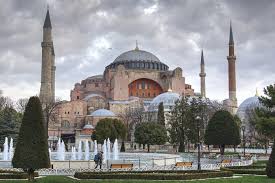
Hagia Sophia
A Byzantine architectural masterpiece built in 532 CE in Istanbul, known for its विशाल dome and luminous interior.
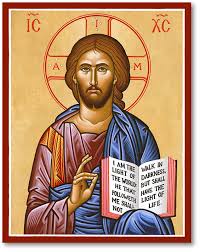
Christ Icon
A 6th-century encaustic painting used for religious devotion, characterized by stylized and symbolic representation.
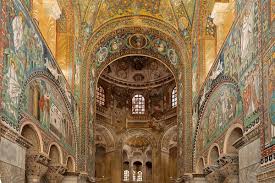
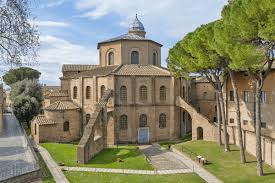
San Vitale
A Byzantine church in Ravenna built around 547 CE, famous for its intricate mosaics.
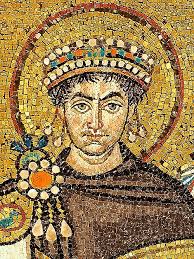
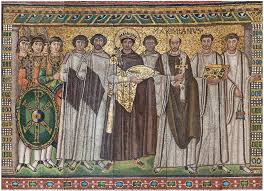
Justinian Mosaic
A mosaic in San Vitale depicting Emperor Justinian with a gold background, emphasizing religious authority and lack of realism.
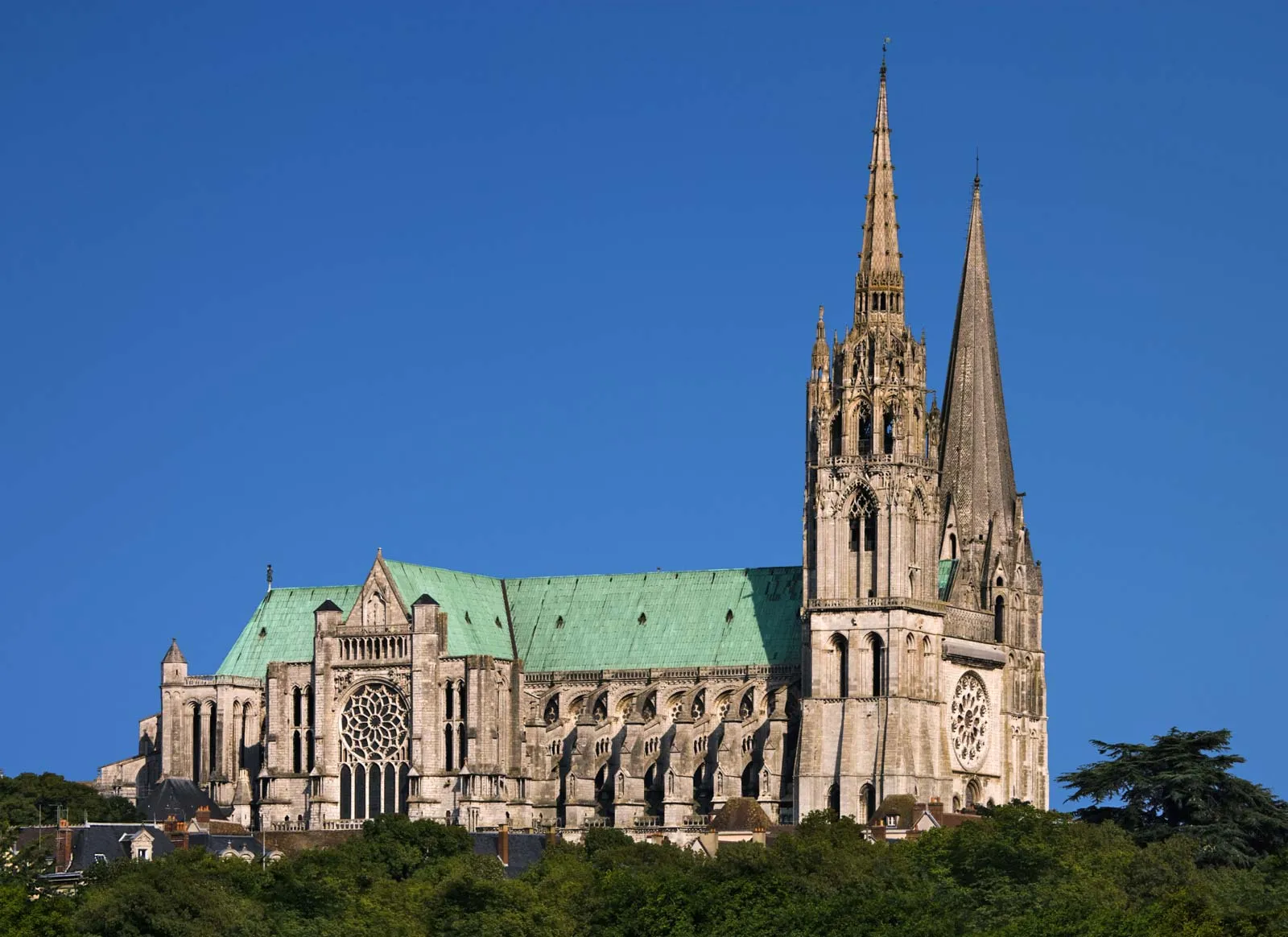
Chartres Cathedral
A Gothic cathedral completed around 1260 in France, known for its height, stained glass, and use of flying buttresses.
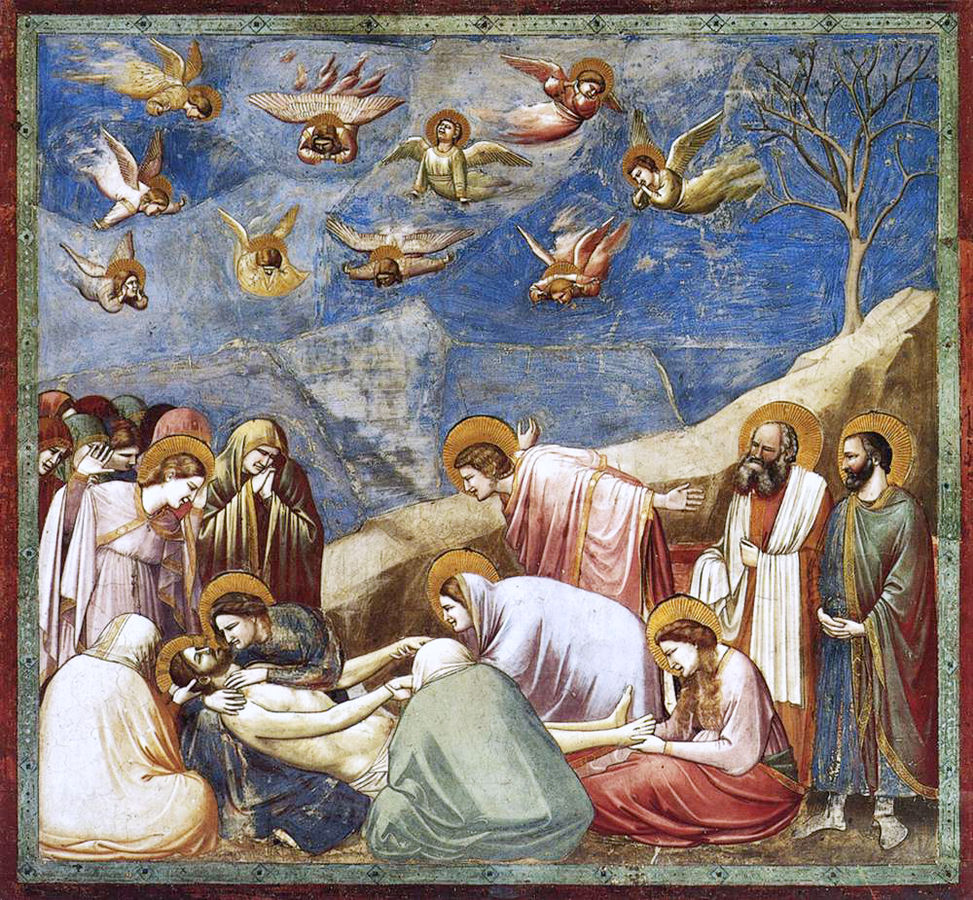
Giotto Lamentation
A fresco from around 1305 that shows emotional expression and early use of depth, marking a shift toward Renaissance realism.
Florence Cathedral Dome
Engineered by Brunelleschi beginning in 1420, this dome represents a major architectural innovation of the Renaissance.
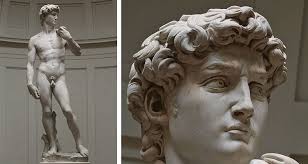
Michelangelo David
A marble sculpture created between 1501–1504 depicting an idealized human figure in a calm, pre-action state.
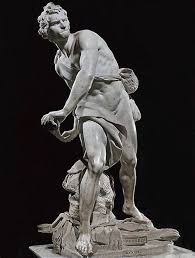
Bernini David
A Baroque marble sculpture from 1623 showing David in motion, capturing dramatic action and energy.
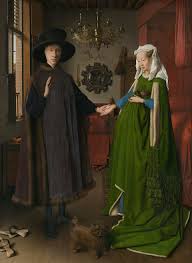
Arnolfini Portrait
A 1434 oil painting by Jan van Eyck known for its detailed realism and symbolic elements such as mirrors and objects.
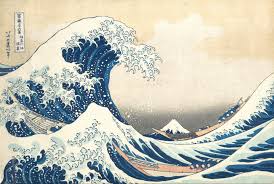
Great Wave off Kanagawa
A woodblock print by Hokusai created between 1826–1833, showing dramatic movement and the power of nature.
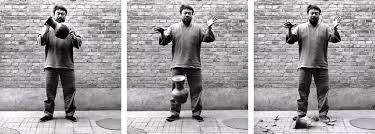
Dropping a Han Dynasty Urn
A 1995 conceptual artwork by Ai Weiwei consisting of photographs documenting the destruction of a historical artifact.
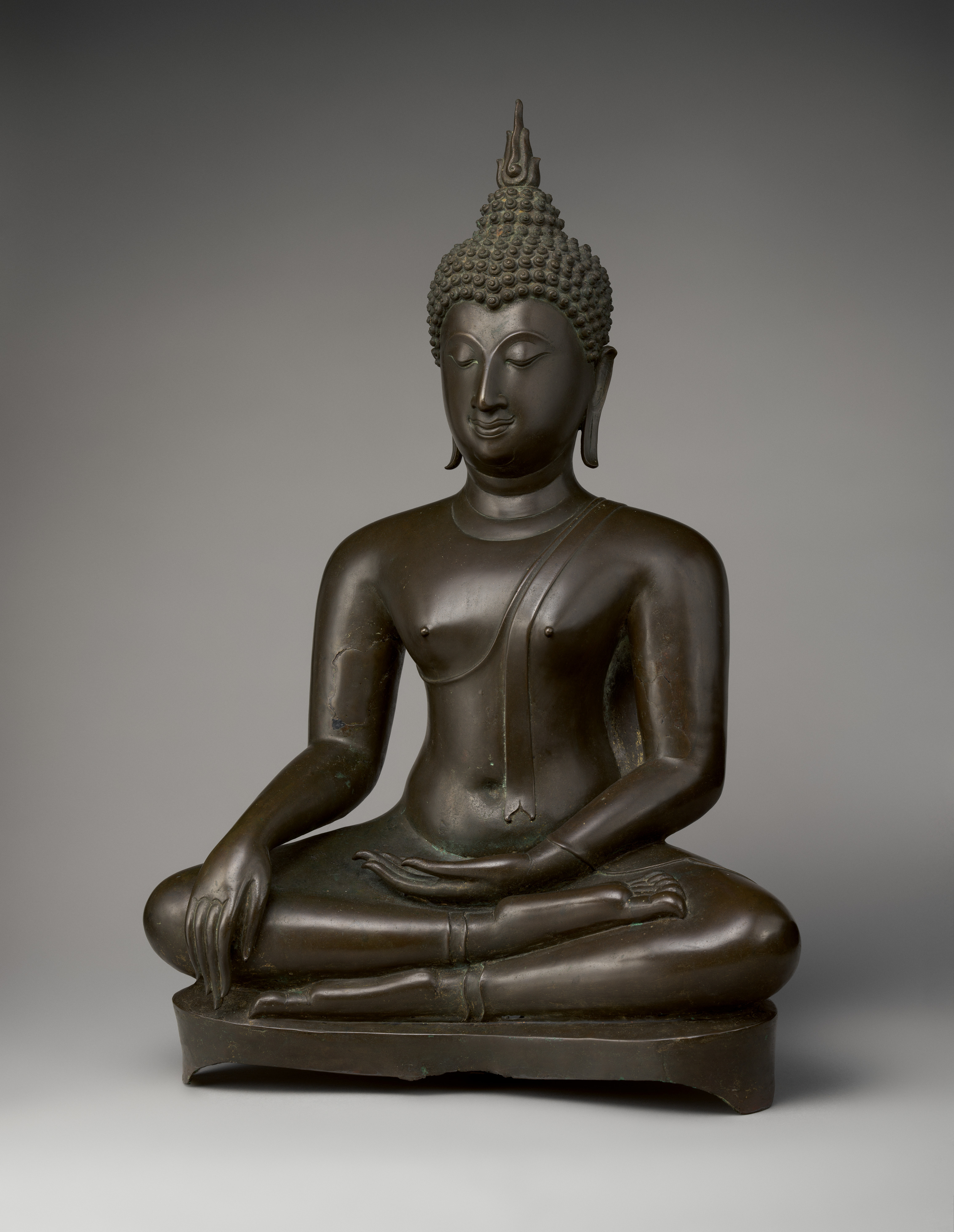
Seated Buddha
A sculpture from the Gupta period representing calmness, spirituality, and idealized human form.
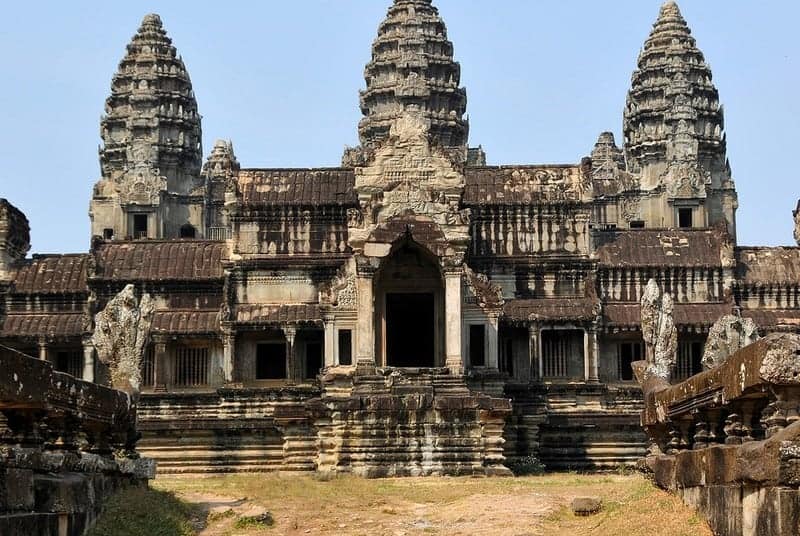
Angkor Wat
A 12th-century temple complex in Cambodia known for its scale, symmetry, and religious significance.
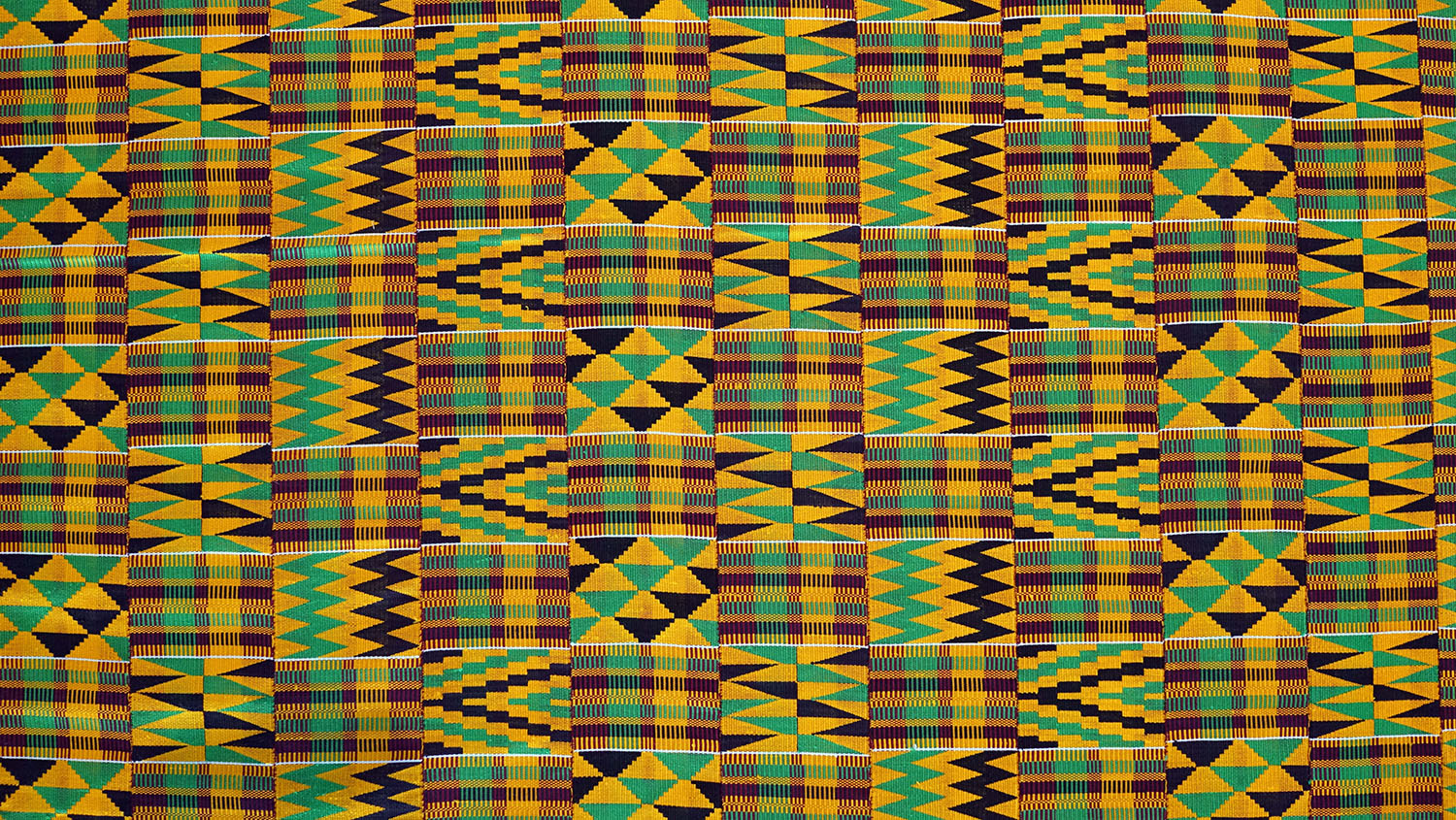
Kente Cloth
A traditional woven textile from Ghana characterized by bright colors and symbolic patterns.
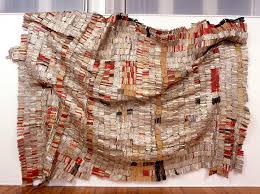
El Anatsui Man’s Cloth
A 2001 artwork made from recycled bottle caps that resembles fabric, blending tradition with contemporary practice.
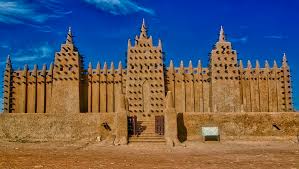
Great Mosque of Djenné
A mosque in Mali constructed from mudbrick, representing unique African architectural traditions.
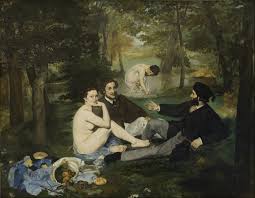
Manet Luncheon on the Grass
An 1863 painting that challenged traditional subject matter and shocked viewers.
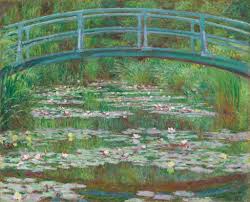
Monet Japanese Footbridge
An 1899 Impressionist painting focusing on light, color, and atmosphere rather than detail.
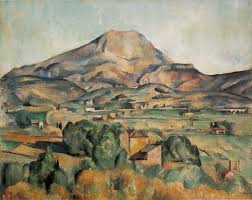
Cézanne Mont Sainte-Victoire
A painting that reduces natural forms into geometric shapes, influencing the development of Cubism.
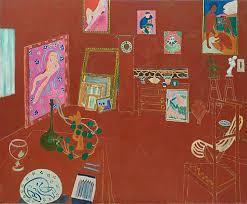
Matisse Red Studio
A 1911 painting using bold color and flattened space to emphasize artistic expression over realism
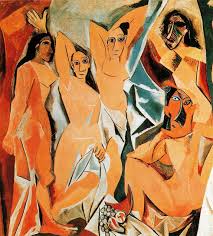
Picasso Les Demoiselles d’Avignon
A 1907 painting that introduced Cubism through fragmented forms and multiple perspectives.
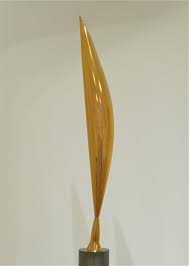
Brancusi Bird in Space
A 1928 sculpture that simplifies form to its essence, representing movement and abstraction.
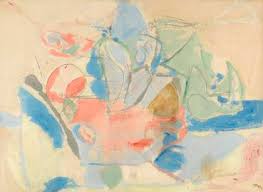
Frankenthaler Mountain and Sea
A painting using the soak-stain technique, allowing color to flow into the canvas.
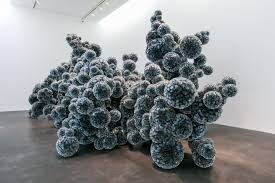
Tara Donovan Untitled
A 2003 installation using everyday materials such as Styrofoam cups to create large-scale forms.
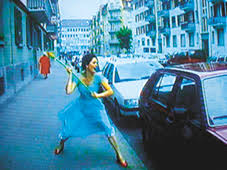
Pipilotti Rist Ever Is Over All
A 1997 video installation that immerses viewers in a visual and emotional experience.
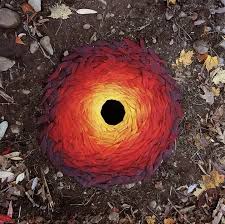
Andy Goldsworthy
An artist known for creating temporary works using natural materials such as leaves, rocks, and ice.
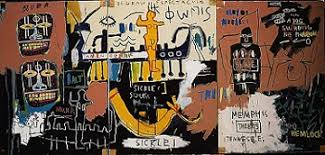
Basquiat The Nile
A 1983 painting combining text and imagery in a raw, expressive style influenced by street art.