Chess Structures
 Call Kai
 Learn
Learn Practice Test
 Spaced Repetition
 Match
Match Flashcards
 Knowt Play
1/7

Earn XP
Description and Tags
Structures from GM Mauricio Flores Rios
Name | Mastery | Learn | Test | Matching | Spaced | Call with Kai |
|---|
No analytics yet
Send a link to your students to track their progress
8 Terms
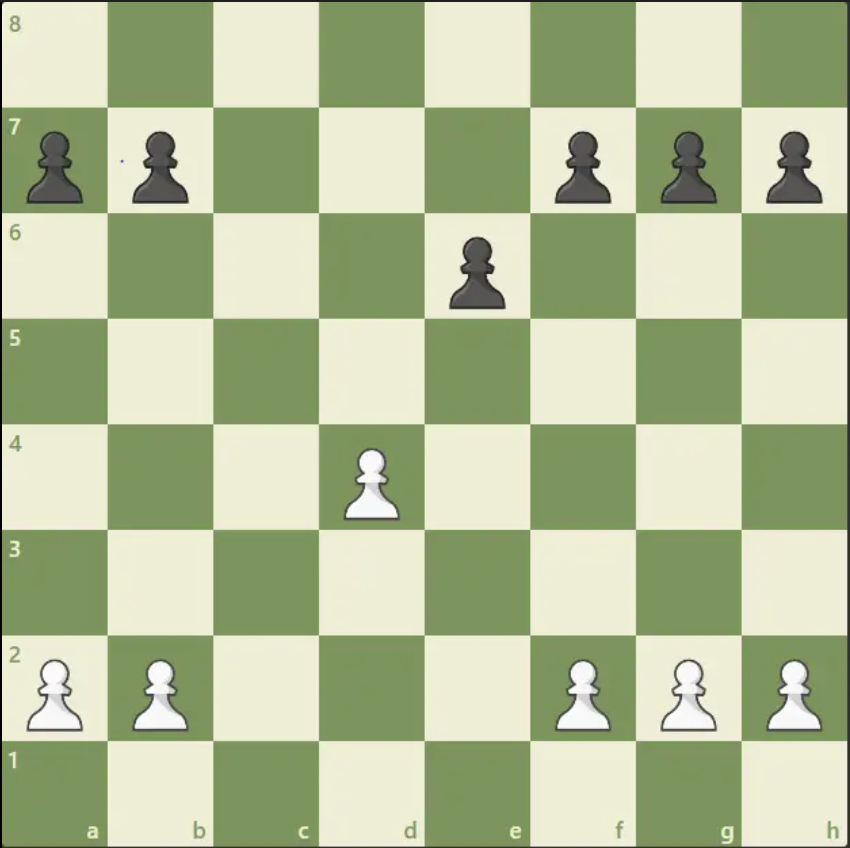
Isolani (IQP)
With IQP:
1. Create Kingside Attack
2. Break in the centre with d4-d5, looking to open lines
Against IQP:
1. Trade pieces to enter into Endgame (in particular exchange off opponent’s good Bishop)
2. Place a blockading knight in front of the IQP. Rook/Bishop/King will suffice to blockade the IQP in the Endgame.
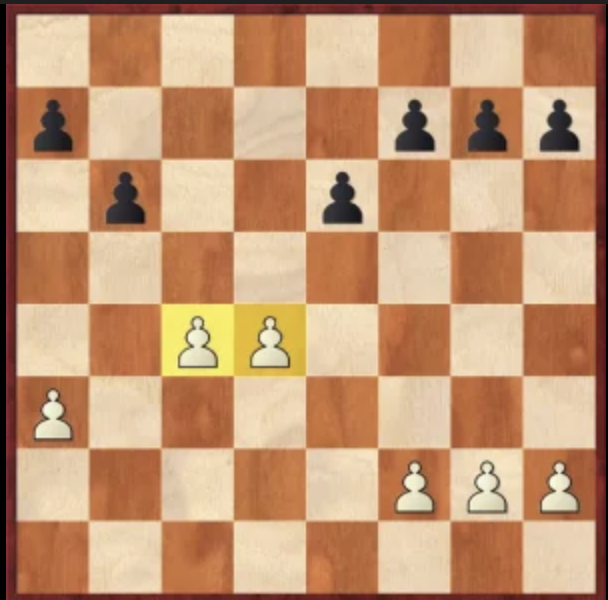
Hanging Pawns
With Hanging Pawns:
1. Create a Kingside Attack
2. Break in the centre with d4-d5, open lines, or create a powerful Passed Pawn on the d-file
Against Hanging Pawns:
1. Trade off pieces and neutralize opponent’s attack
Pressure the central enemy pawns, blocking them if possible
Break the hanging pawns with either b-pawn or e-pawn, often forcing white to accept an isolated pawn
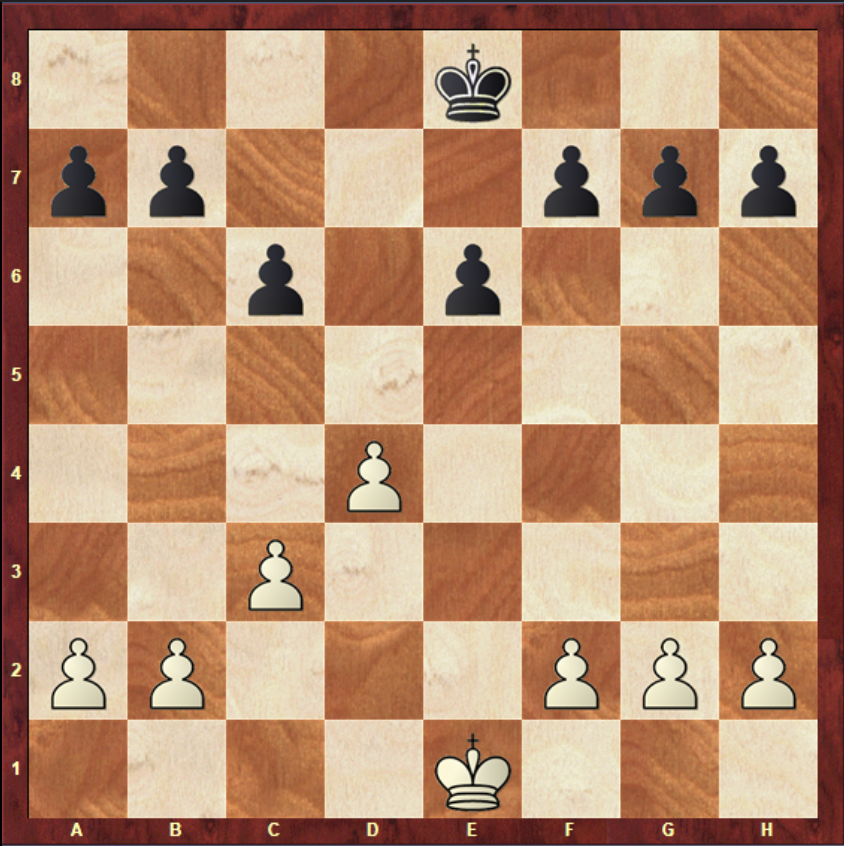
Caro-Kann Formation
White:
1. Create a kingside attack with Ne5 and Bishop/Queen battery at h7
2. Gain space with c3-c4 and h2-h4
3. Play c4-c5 to restrict Black’s c6-c5 pawn break
Black:
1. Break in the centre with c6-c5
2. Break up the centre with e6-e5
3. Put pressure on the d4 pawn after White plays c3-c4
4. Challenge White’s control of d5 square by playing b7-b5 after White has played c2-c4
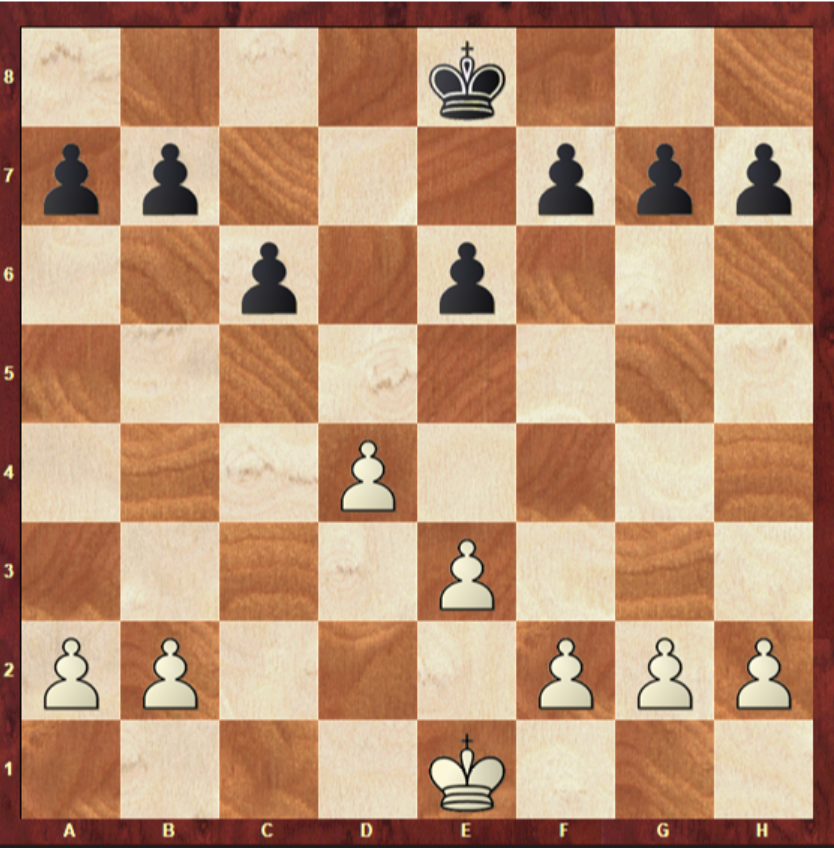
Slav Formation
White:
1. Create a Kingside attack with h-pawn push and possible e3-e4-e5.
2. Place knights on strong outposts of e5 & c5, controlling the centre.
3. Play e4-e5 to fix the centre and control the d6 square.
4. Carry out the minority attack with a2-a4 and b2-b4-b5, to create black weaknesses on the Queenside.
5. Prevent the opponent’s c6-c5 pawn break.
Black:
1. Break in the centre with c6-c5.
2. Break in the centre with e6-e5.
3. Exert pressure on the d4 pawn after white pushes e3-e4.
4. Disrupt White’s centre with f7-f5.
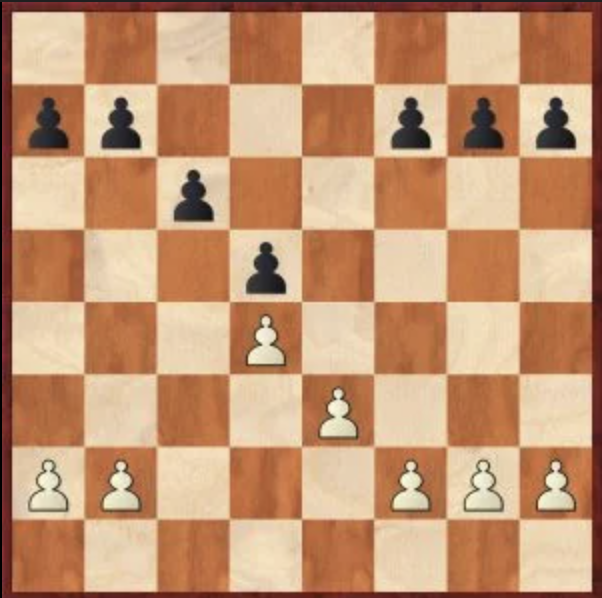
The Carlsbad Formation
White:
1. Minority attack with b2-b4-b5 to create a queenside weakness
2. Pushing f2-f3 and e3-e4 to gain central space and create tension
Black:
1. Place a Knight on e4 and launch a kingside attack.
2. Transform the pawn structure with c6-c5, forcing White into Hanging Pawns or an Isolani
3. Respond to b2-b4 with b7-b5 and make use of the Knight Outpost on c4. This plan is risky since it creates a backward c-pawn for Black
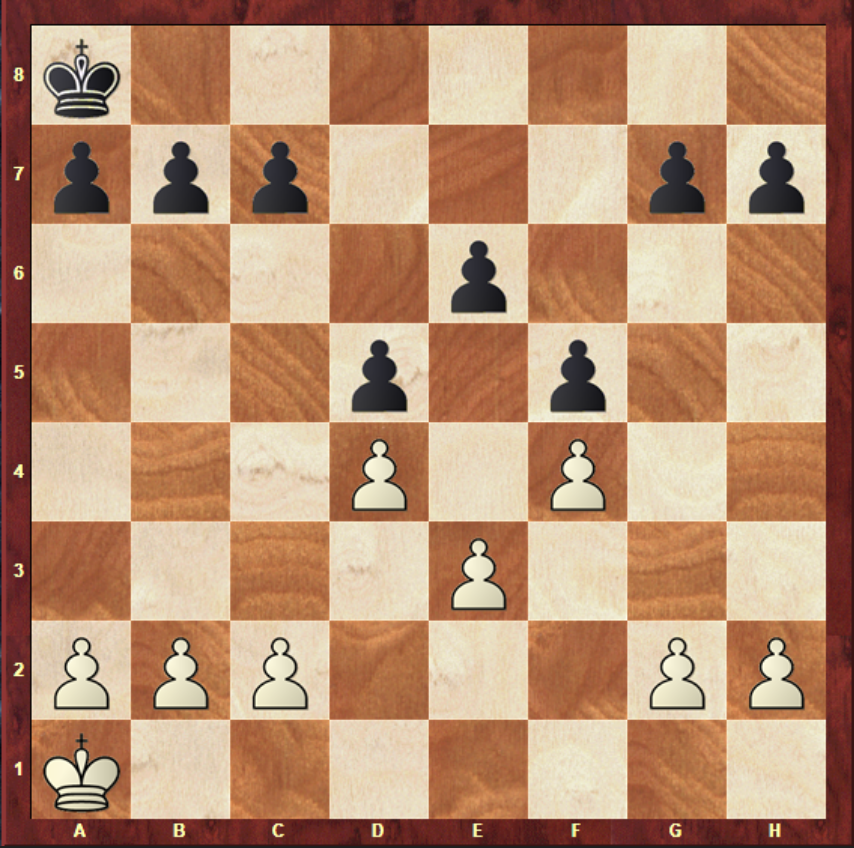
Stonewall.
White:
1. Obtain firm control of the e5 square and place a knight on the outpost
2. Trade dark-squared bishops to further weaken Black’s dark squares (including e5)
3. Expand on the queenside or open the c-file and look to invade down it
Black:
1. Create a kingside attack, but do so without losing complete control of the centre
2. Improve/Exchange the bad bishop by getting it all the way over to Bh5 or over to Ba6
3. Create central tension with b7-b6 and c6-c5
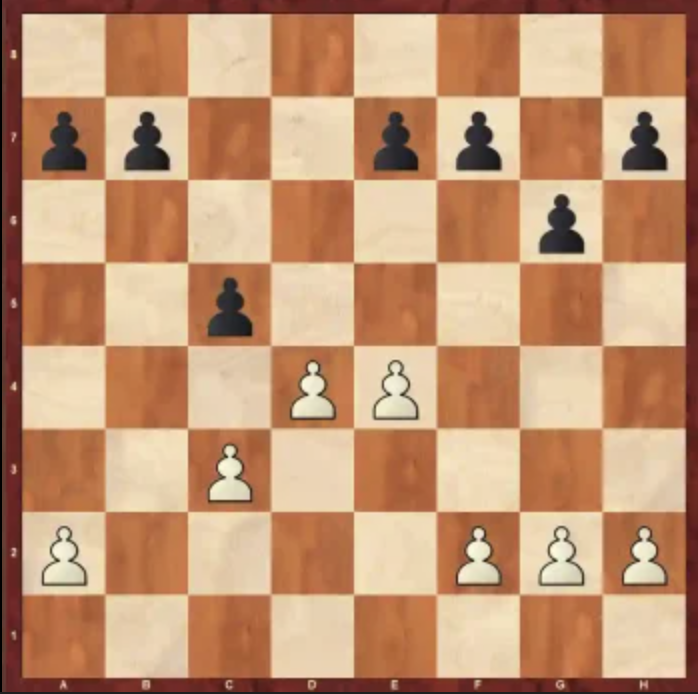
Grunfeld Centre
White:
1. Create a central passed pawn with d4-d5, dominate the centre, and gain space
2. Create with a kingside attack with h2-h4-h5 and e4-e5 to gain control of the f6 square, which is weakened if Black fianchetto’s
Black:
1. Create a queenside passed pawn
2. Pressure the centre, place a rook on the d-file and look for tactics in the open position
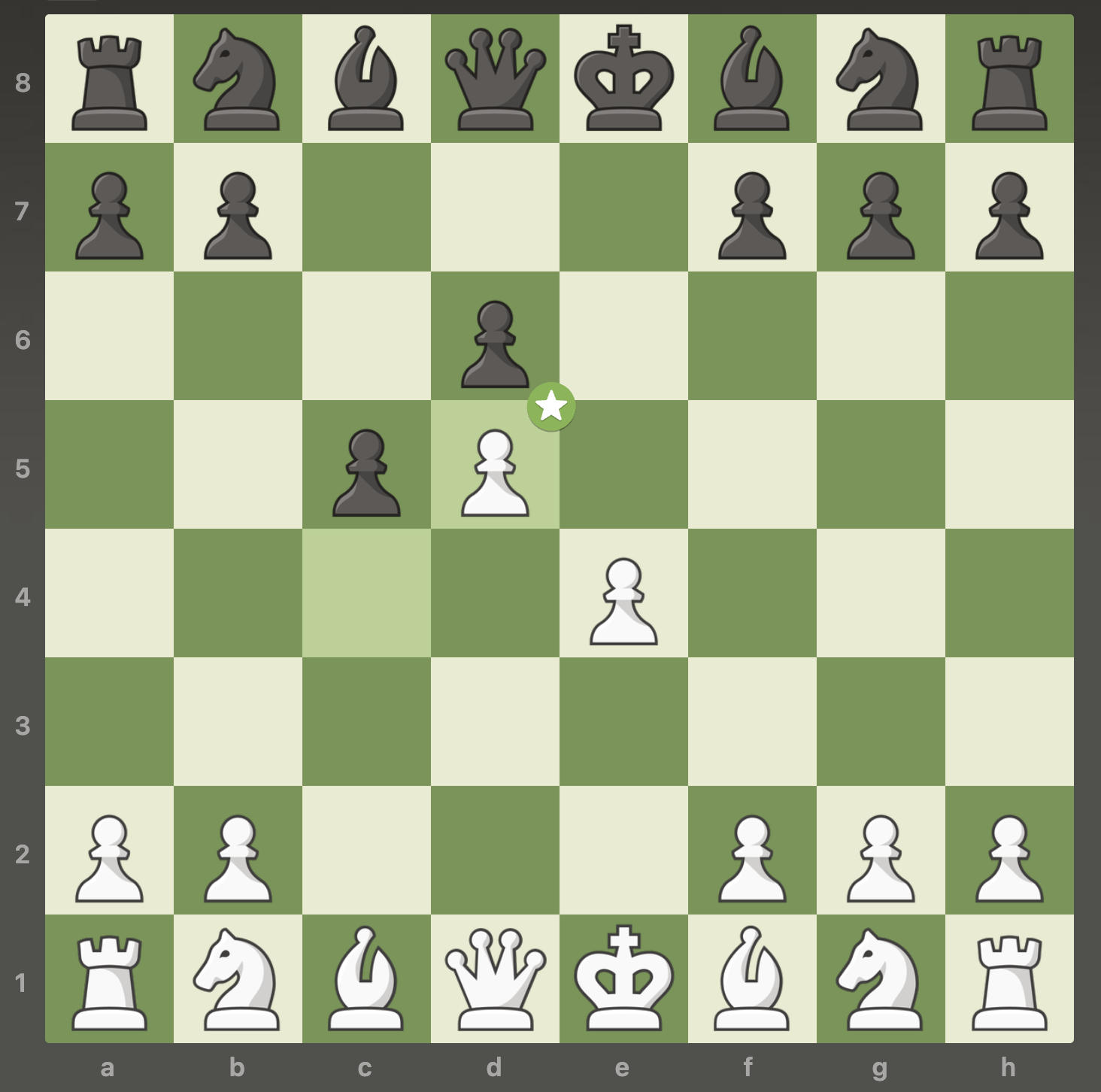
Asymmetric Benoni
White:
1. Break in the centre with e4-e5, either to obtain an attack, or to create a central passed pawn.
2. Break with e4-e5 followed by f4-f5 to obtain a Kingside attack.
3. Break with f4-f5 followed by a Kingside attack down the f-file
4. Prevent Black’s queenside expansion by playing b2-b4, blocking the advance b5-b4
Black:
1. Advance the queenside majority with b7-b5, c5-c4, b5-b4, etc.
2. Pressure down the e-file, preventing White from advancing his central majority.
3. Create kingside counterplay with h7-h5-h4, mainly when White has placed a knight on g3.
4. Break white’s centre with f7-f5. This break can work wonderfully after White has played f3-f4, since the d5-pawn loses protection.