properties of elastometers and biopolymers
 Call Kai
 Learn
Learn Practice Test
 Spaced Repetition
 Match
Match Flashcards
 Knowt Play
1/13

Earn XP
Description and Tags
Name | Mastery | Learn | Test | Matching | Spaced | Call with Kai | Chat |
|---|
No analytics yet
Send a link to your students to track their progress
14 Terms
elastomers
NN BST
able to be stretched and then return to og shape
self finishing
pignemts can be added during manufacturing process
improves grip
non toxic

Natural Rubber
Elastomer - used for tyres, rubber bands, footwear
Advantages
Good elasticity and flexibility
Excellent tensile strength
Resistant to abrasion and wear
Biodegradable
Disadvantages
Can degrade with prolonged exposure to UV light and ozone
Not resistant to oil and solvents
Relatively poor at high temperatures
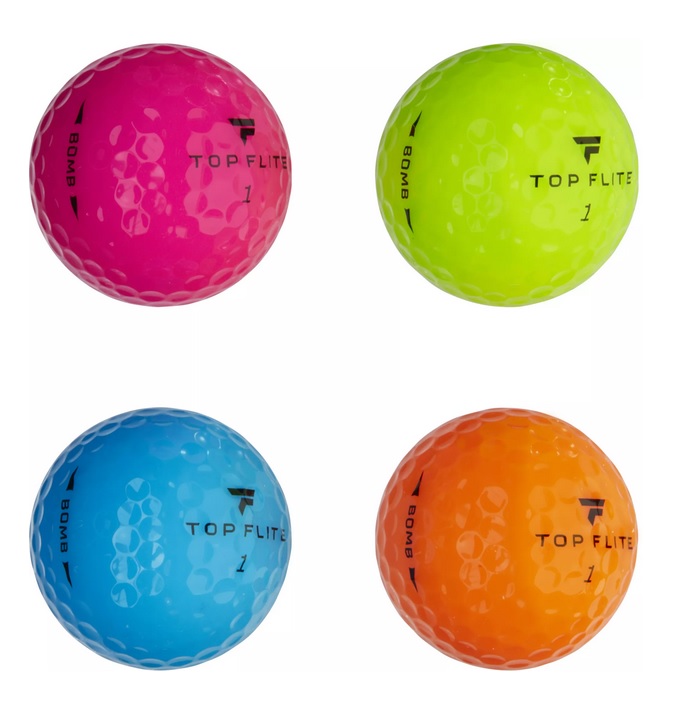
Polybutadiene
Elastomer - used for tyres, sports equipment, impact-resistant parts
Advantages
Excellent wear resistance
Good elasticity at low temperatures
Low glass transition temperature (good flexibility in cold weather)
Highly resistant to abrasion
Disadvantages
Can be sensitive to oxidation and UV light
Not as resistant to heat as other elastomers
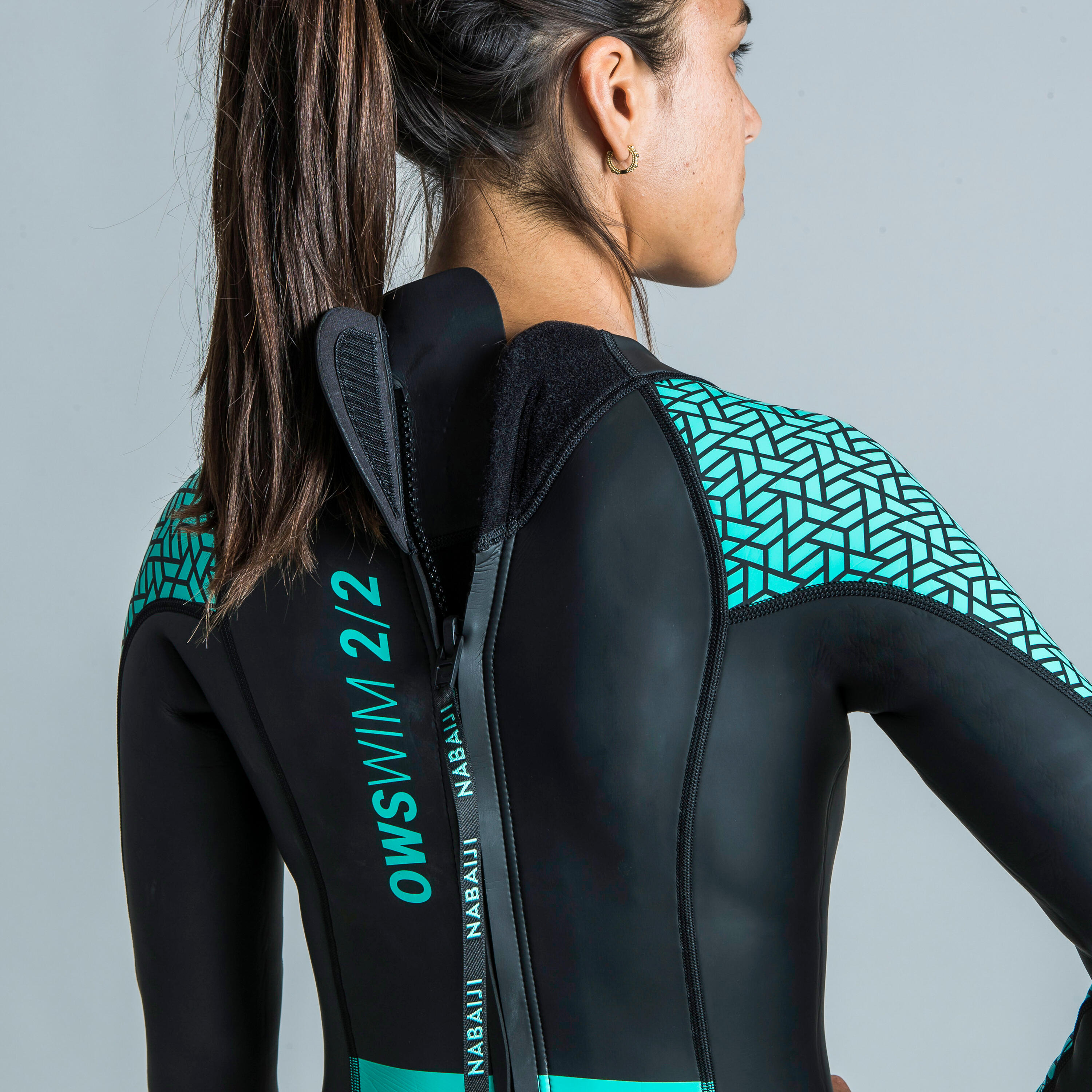
Neoprene
Elastomer - used for wetsuits, gaskets, hoses, seals
Advantages
Resistant to oil, chemicals, and weathering
Good flexibility across a wide range of temperatures
Good aging resistance
Non-toxic and stable
Easily pigmented
Disadvantages
Relatively expensive compared to natural rubber
Can degrade under prolonged exposure to sunlight
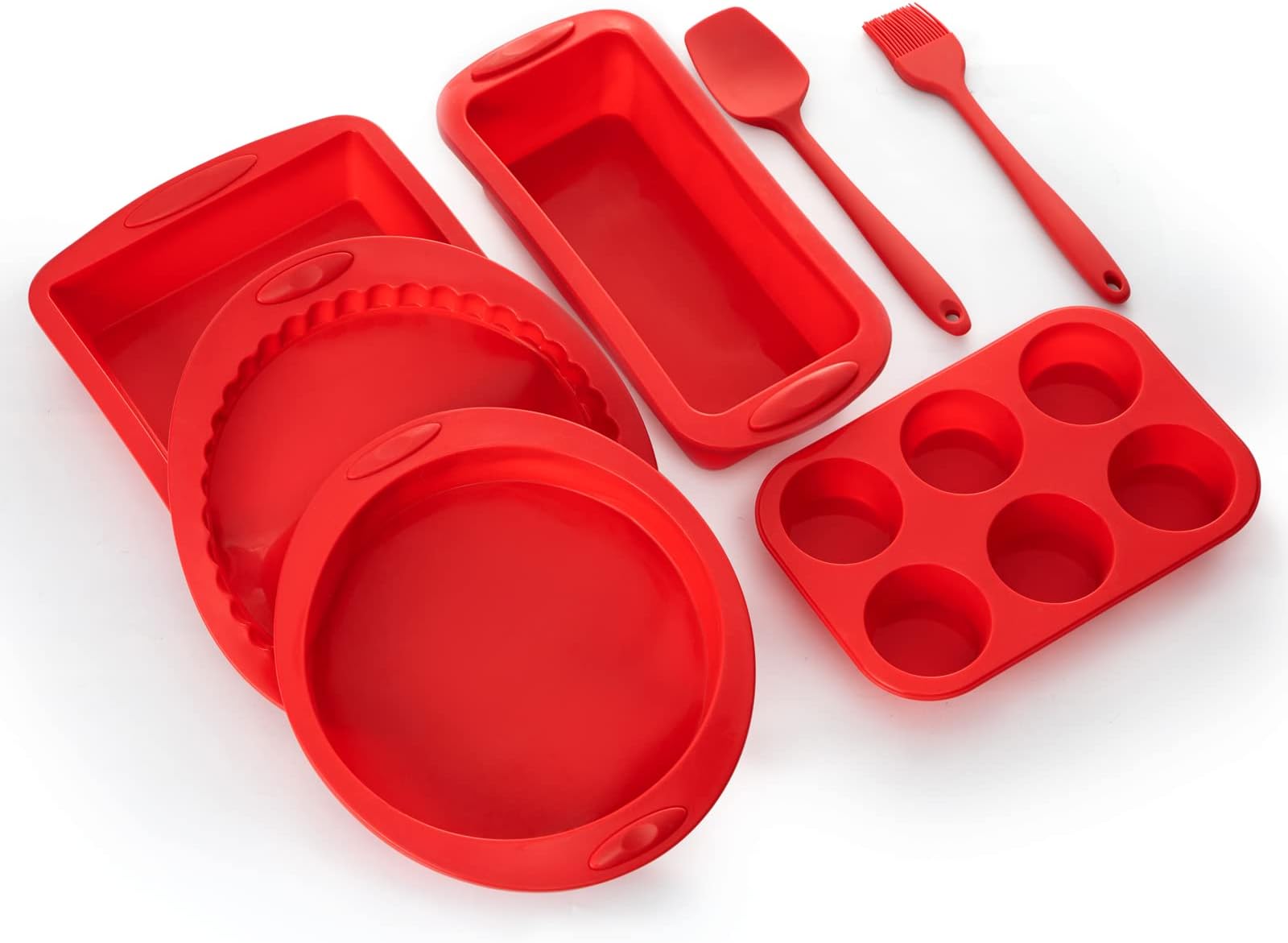
Silicone
Elastomer - used for cookware, medical devices, seals, electrical insulation
Advantages
Excellent heat resistance
Non-toxic and biocompatible
Good electrical insulating properties
Resistant to UV light, ozone, and weathering
Disadvantages
Expensive compared to other elastomers
Can be sensitive to solvents and oils
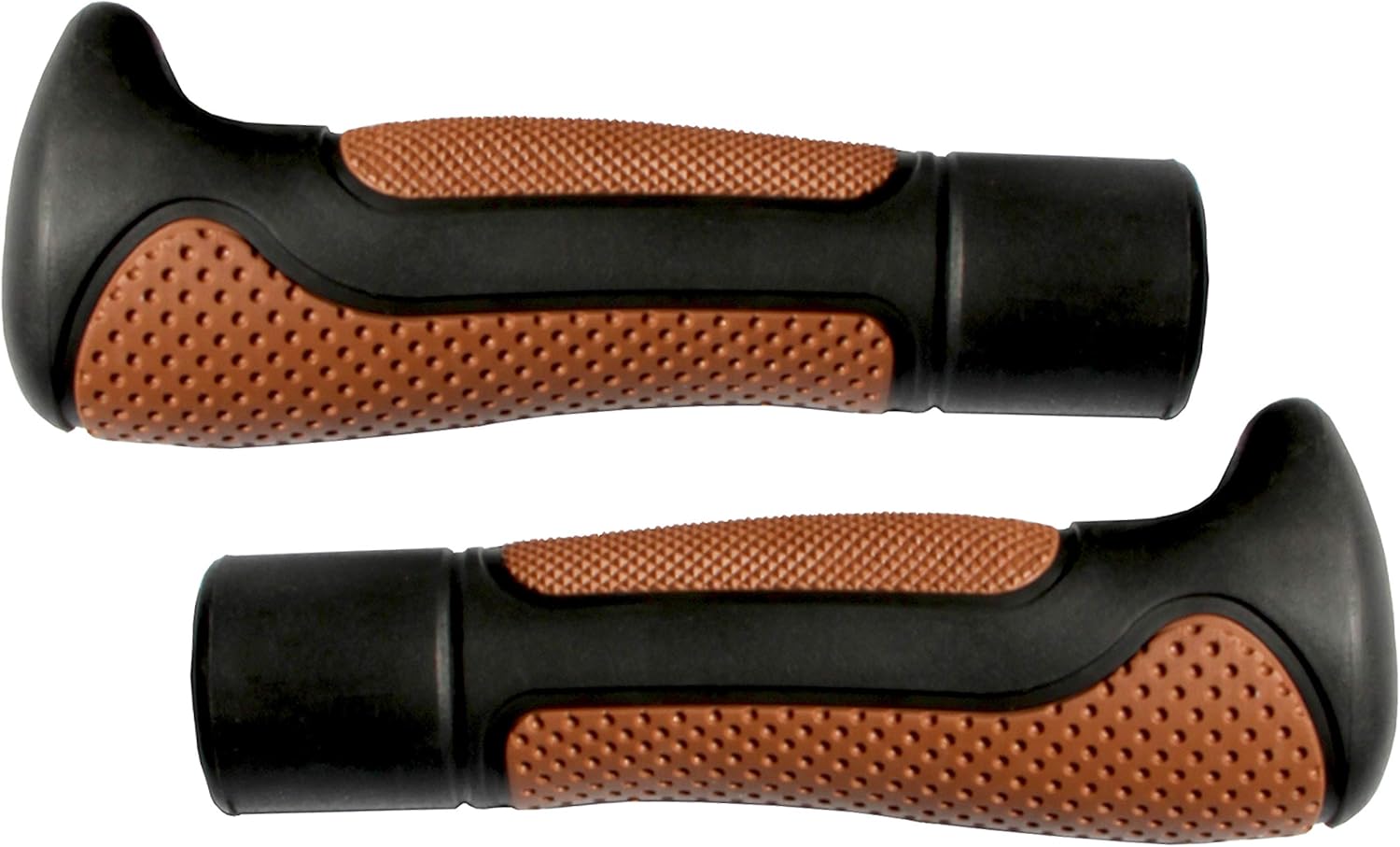
Thermoplastic Elastomer (TPE)
Elastomer - used for grips, seals, flexible tubing, consumer goods
Advantages
Can be reprocessed by melting
Good flexibility and impact resistance
Lightweight
Non-toxic and safe for a wide range of applications
Disadvantages
Lower heat resistance compared to thermoset elastomers
Can be less durable in harsh conditions
biodegradable polymers
PPP CBG
Can be moulded into various 3D products or films
Degrade naturally with exposure to UV rays (sunlight), water, or enzymes in soil
Helps reduce long-term environmental pollution from plastic waste
Exhibit similar mechanical properties to conventional plastics (e.g., flexibility, strength)
Degradation may be slower in certain environments or conditions
Can be more expensive to produce than traditional plastics
May not always meet performance requirements for long-term durability
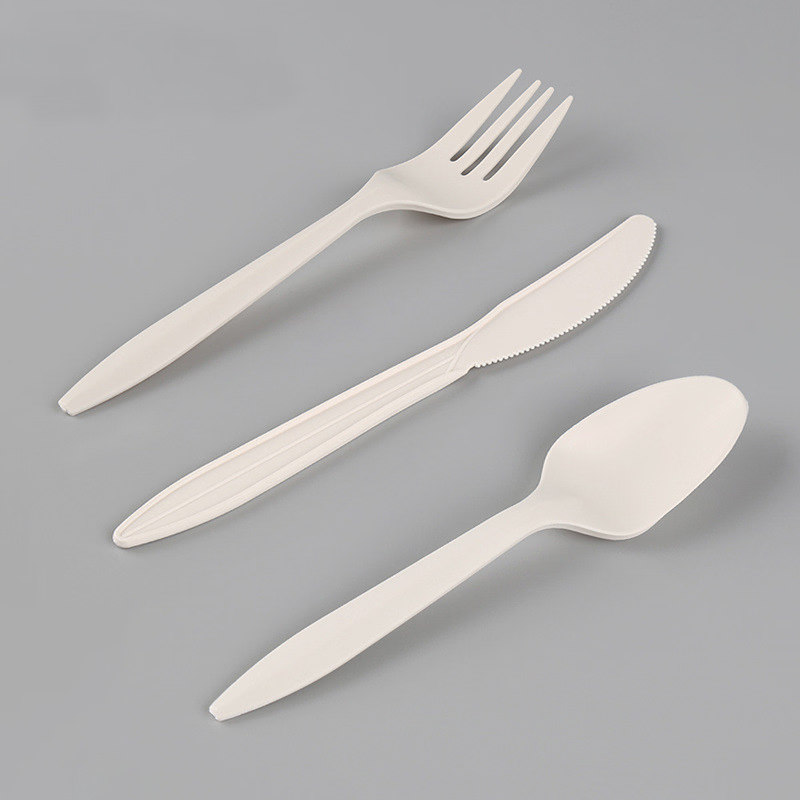
Corn Starch Polymers
biodegradable polymers - used for food packaging, disposable cutlery, agricultural films
Advantages
Biodegradable and compostable
Renewable and made from a natural resource
Good moisture resistance
Disadvantages
May be less durable than traditional plastics
Can absorb moisture, affecting stability
May have limited applications due to mechanical properties
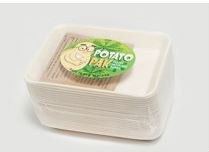
Potatopak
biodegradable polymers - used for packaging, disposable food containers, protective wrapping
Advantages
Made from potato starch, biodegradable and compostable
Good alternative to traditional plastic packaging
Renewable and sustainable material source
Disadvantages
May not be as durable as traditional plastic
Susceptible to moisture and water damage
Higher production costs compared to conventional plastics
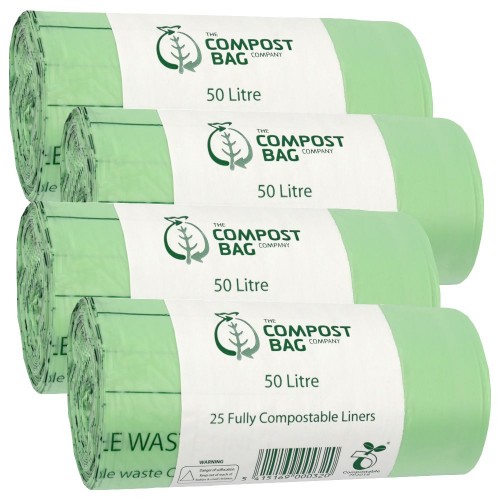
Biopol (Bio-Batch Additive)
biodegradable polymers - used for film, carrier cags, agricultural products
Advantages
Enhances biodegradability of plastic materials
Made from bacteria grown in cultures
Can be added to existing plastic production to promote degradation
Environmentally friendly and compostable
Disadvantages
May affect the strength and durability of plastics
Requires specific conditions for full degradation
Can increase production costs for plastic items
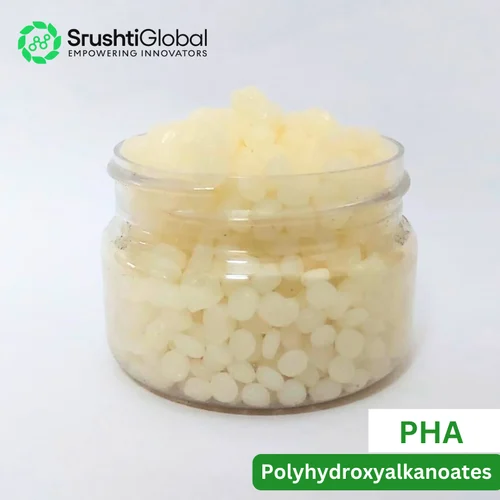
Polyhydroxyalkanoate (PHA)
biodegradable polymers - used for packaging, agricultural products, medical devices
Advantages
Fully biodegradable and compostable
Made from bacteria grown in cultures
Can be produced from renewable resources like plant sugars
Has similar properties to conventional plastics
Disadvantages
Higher production costs compared to petroleum-based plastics
Requires specialised equipment for production
May have limited commercial scale production at present
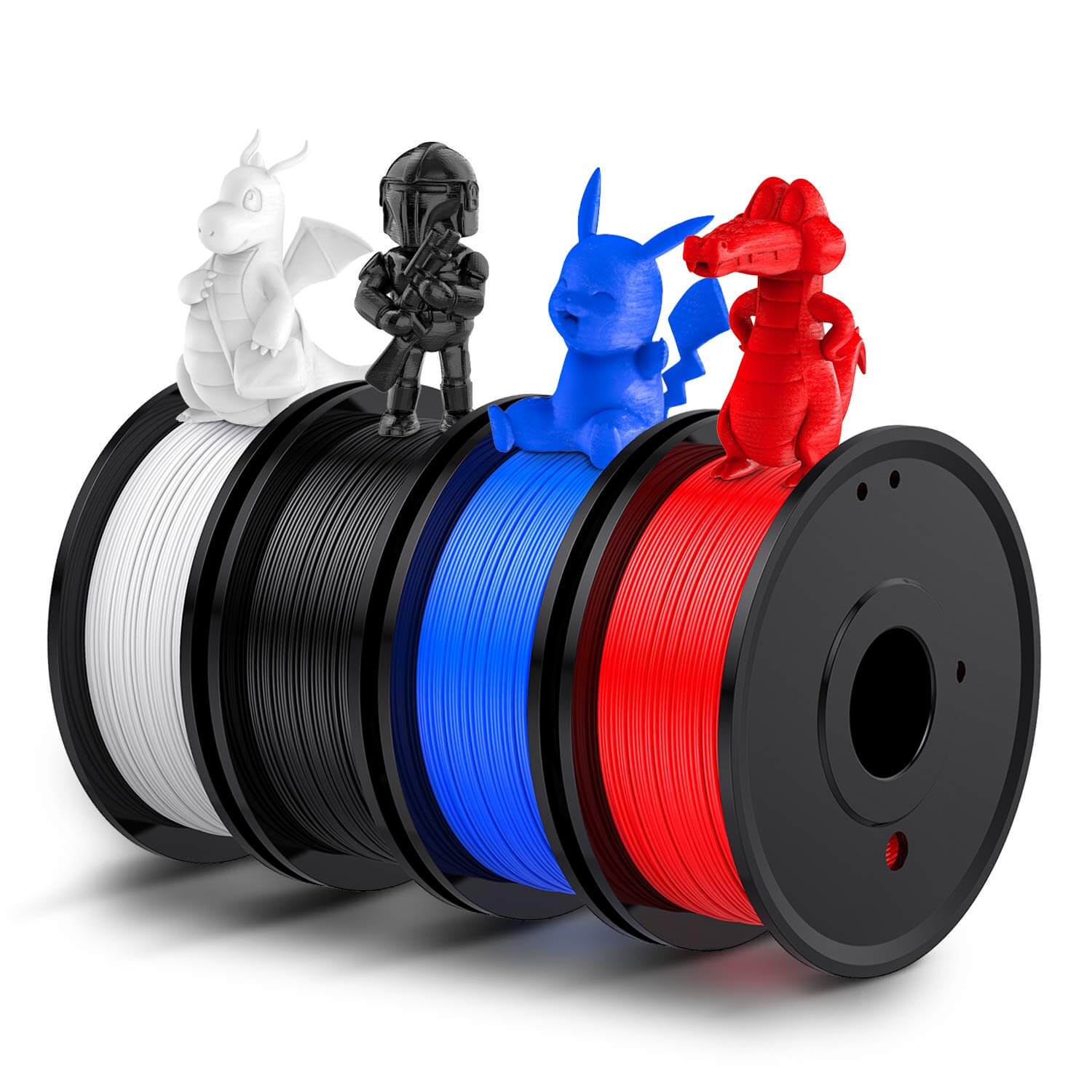
Polylactic Acid (PLA)
biodegradable polymers - used for food packaging, disposable cutlery, medical applications
Advantages
Made from renewable resources (corn, sugarcane)
Biodegradable and compostable under specific conditions
Non-toxic and safe for food contact applications
Disadvantages
Requires industrial composting conditions to degrade fully
Less heat-resistant compared to conventional plastics
Can be more expensive than petroleum-based plastics
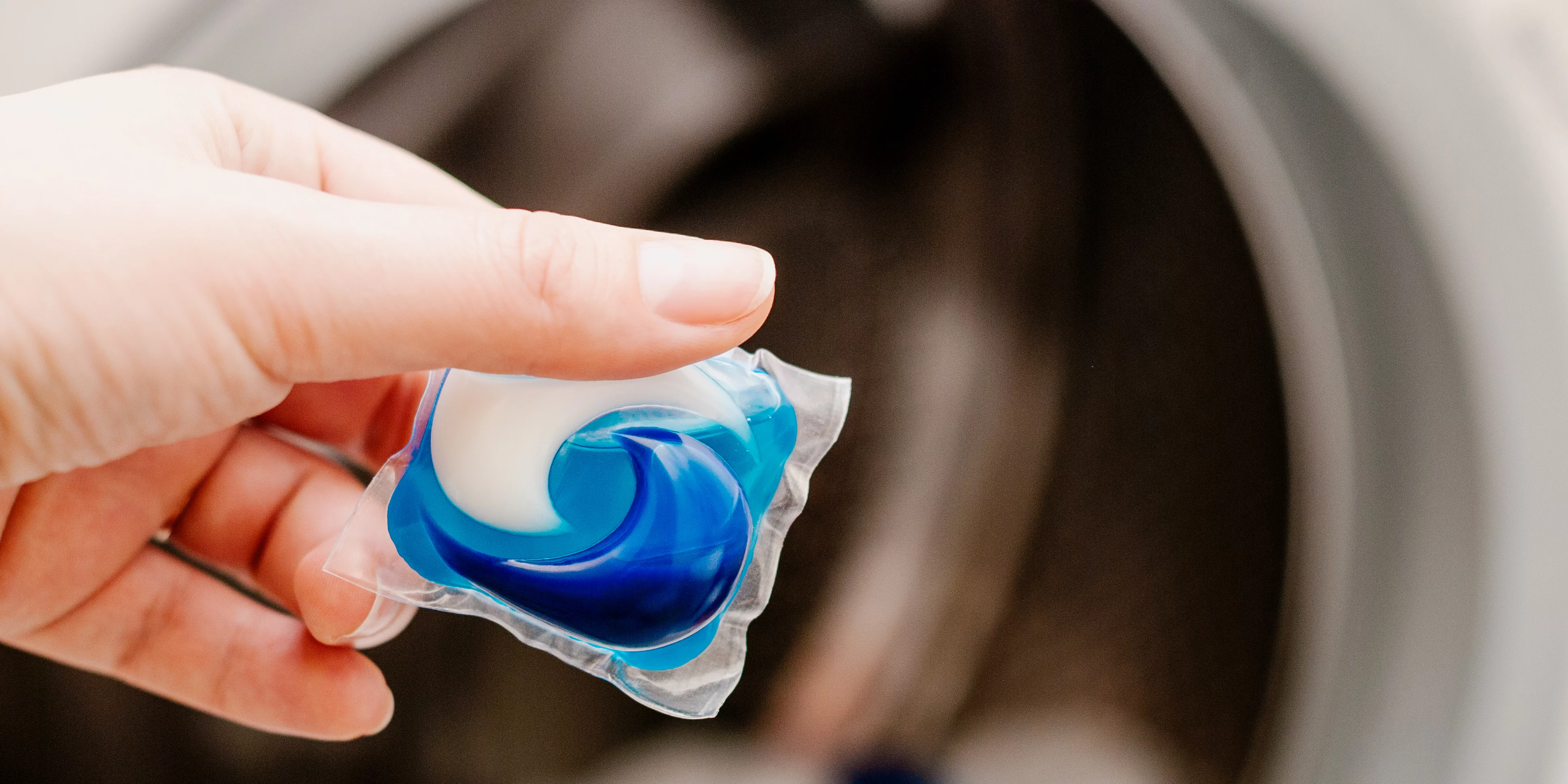
Glycolide
biodegradable polymers - used for laundry pods, food films, agriculture ground sheet
Advantages
Soluble in water, making them easy to dispose of in water systems
Biodegradable and non-toxic
Ideal for single-use applications and controlled release systems
Has superior strength and faster degradation rate compared to PLA
Disadvantages
May degrade too quickly in humid or wet environments
Limited durability for products that need to withstand moisture
Can be more expensive to produce compared to conventional plastics
Lactide
biodegradable polymers - used for slow release medication, laundry pods, bone repair fixings
Advantages
Soluble in water, making them easy to dispose of in water systems
Biodegradable and non-toxic
Ideal for single-use applications and controlled release systems
Has superior strength and faster degradation rate compared to PLA
Disadvantages
May degrade too quickly in humid or wet environments
Limited durability for products that need to withstand moisture
Can be more expensive to produce compared to conventional plastics