Bio104 Test 3 Dr.Hayes
 Call Kai
 Learn
Learn Practice Test
 Spaced Repetition
 Match
Match Flashcards
 Knowt Play
1/132

There's no tags or description
Looks like no tags are added yet.
Name | Mastery | Learn | Test | Matching | Spaced | Call with Kai |
|---|
No analytics yet
Send a link to your students to track their progress
133 Terms
Symbiotic relationship
a close, long-term interaction between two or more different species where at least one benefits
endosymbiotic
a symbiotic association where one organism (the endosymbiont) lives inside the cells of another (the host), often leading to a mutual benefit such as nutrient exchange or the development of new functions for the host
parasitic relationship
The Host is effected negatively and the Organism benefits
Mutualistic Relationship
both the Organism and the Host benefit
commenslism
the Organism benefits and nothing happens to the Host Organism
Fruticose Lichen
bushy or hair-like structures. occurs on trees most often
Foliose Lichen
has leaf-like characteristics typically found on trees
Cructose Lichen
Typically found on Rocks and has a Crusty appeareance
Mycorrhizae
a Mutualistic relationship between spore and root. enhances a plants ability to intake water and nutrients
Arbuscular Mycorrhizae
a type of symbiotic relationship between fungi and plants where the fungus colonizes the plant's root cells, forming branched structures called arbuscules
Etomycorrhizae
a mutualistic relationship where the fungus forms a sheath (mantle) around the root and a network (Hartig net) between root cells, rather than penetrating them
Pathogenic relationship
an interaction between a pathogen (disease-causing microorganism) and a host (organism being infected)) that results in the development of an infectious disease. (this can affect humans)
Mycelium
make up the body of the fungus
Filaments
Grow from the tips of previous hypae. can be septate, allowing organelles to flow between cells
hypha
a singular filament
hyphae
a plural filament
Chitin
a vital structural polysaccharide that forms a strong, flexible cell wall in most fungi
Heterotrophic saprotrophs
a type of fungus that has the ability to digest dead and decaying matter and absorb the nutrients(can sometimes be carnivorous
Fungus reproduction
can happen sexually or Asexually.
Sexual Fungi Reprodutcion
happens with Dikaryotic nuclei(heterokaryotic,homokaryotic)
Basidiomycota
fungi with club-shaped fruiting bodies called basidia
Conidia spores
used by fungi in the phylum Ascomycota to reproduce Asexually. formed by conidiaphores and are dispersed in either the air or the water
Budding
form of asexual reporduction where a new organism develops from an outgrowth on the parent
Phylum Golmeromycota
has a symbiotic relationship with plants (can’t survive without a plant host) and is only known to reporudce asexually
Phylum Zygomycota
fast growing fungi. reproduce sexually and asexually. Mold is apart of this phylum
Zygosporangium
forms in gametangia
Zygospore
develop inside the zygosporangia
Phylum Chytridiomycota
Primarily aquatic, paraphyletic
zoospores
formed by fungi in Chytridiomycota. flagellated asexual spores
Phylum Microsporidia
uncertain classification, small, obligate, intracellular parasites. Severe infection in immunocompromised individual indiviuals.
muscular foot
what structure is used for locomotion in Gastropods?
with the radula
how do snails feed?
arms and tentacles and a siphon
what is the foot of the cephlapod modified into
moving and grabbing prey
what are the functions of the modified foots of cephlapods
their musuclar foot
what do clams and other bivalve mollusks use to bury themselves
Polychaeta
Marine worms are in what class
Gizzard
what anatomical structure grinds food into small pieces
nephridium
what structure removes metabolic waste from the organism
hermaphrodite
what terms means possessing both male and female reproductive structures
Cereberal ganglion
Annelids have a primitve brain. what is the term for this structure?
Phylum Annelida
includes all segments worms
Class Oligochaeta
includes earthworms and those close adjacent
Class Hirudinea
includes things like leeches
Clitellum
the reproductive structure of organisms in Phylum Annelida
Class Polychaeta
a sea worm with many bristles in its swimming form
Polychaetes
the sessile form of Polychaeta
Septa
the divider between segments in worms
The head region contains
Sensory Organs. and in some cases eyes, lenses, and retinas
Tail region
pygidium
Segments are seperate but not
impermeable
Cephalization
the concentration of sense organs, nervous control, etc., at the anterior end of the body, forming a head and brain, both during evolution and in the course of an embryo's development.
Chaetae
the small hooks on the outside of an earthworms body
Earthworms are
hermaphroditic and can cross fertilize
breeding season
Worms always have their clitellum but leeches only develop it during
Coelomate body
tube inside of a tube
hephridim
in Phylum Annelida Excretion is done through the
Phylum Bryozoa & Brachiopoda
mostly marine animals, have a characteristic lophophore.
lophophore
specialized feeding structure used for feeding found in certain aquatic invertebraes
colonial animals
Bryozoans are exclusively
Zoecium
what helps Bryozoans attach to rocks
Not a Clam
Brachiopods are
Phylum Mollusca
includes all protosomic invertebrate animals
an organism that is formed with the mouth first
What is a Protosome?
an organism that is formed anus first
what is a deuterosome
Class Polyplacophora
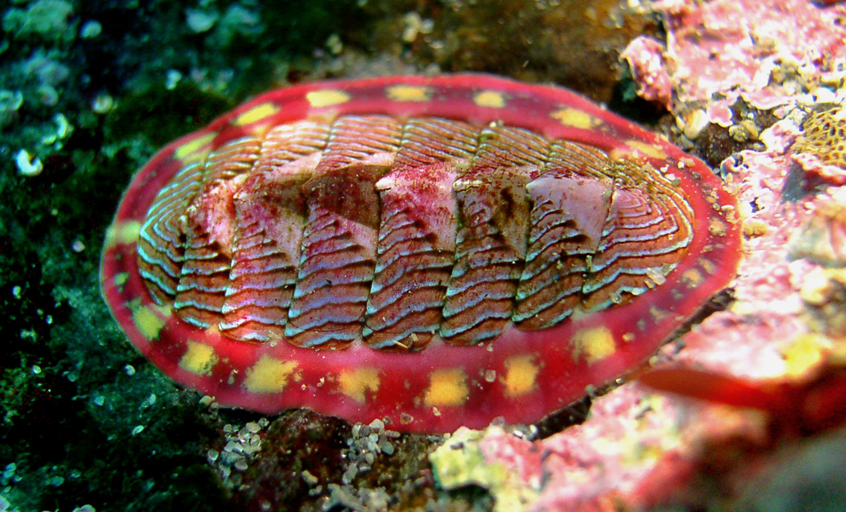
what clas is this?
Mollusca
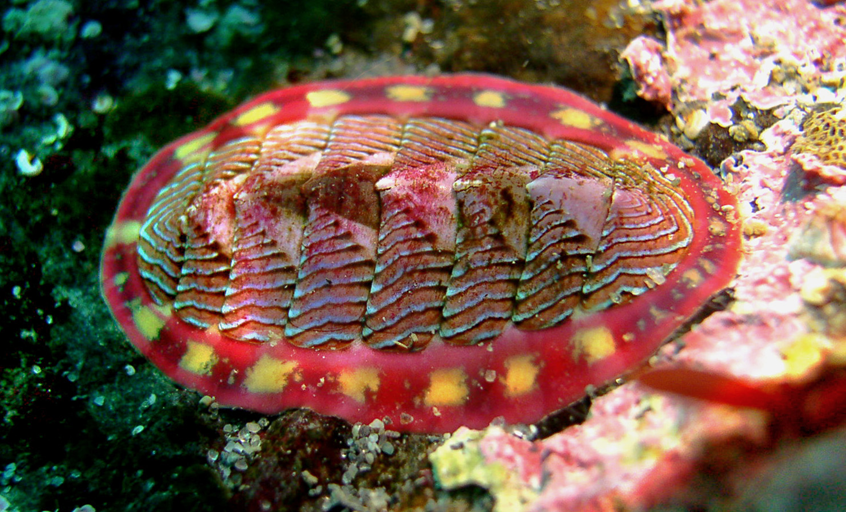
what phylum is this animal?
Gastropoda
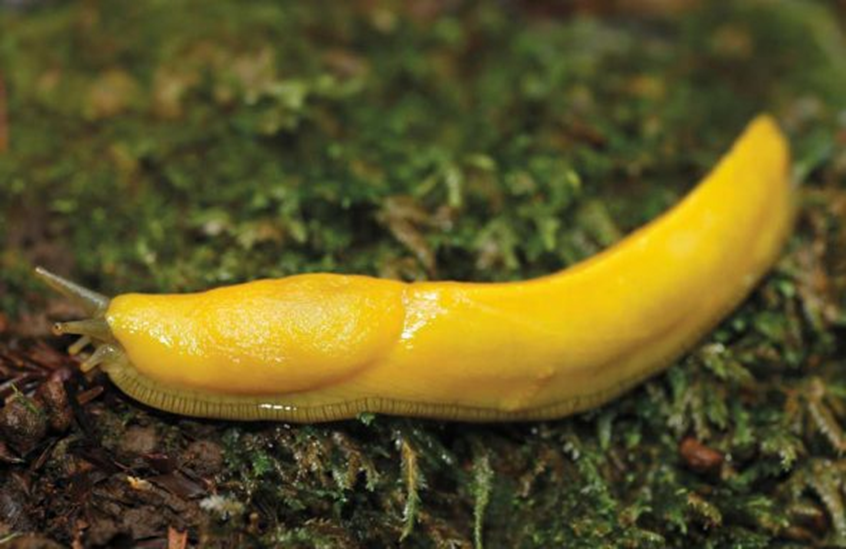
what class is this animal?
Gastropoda
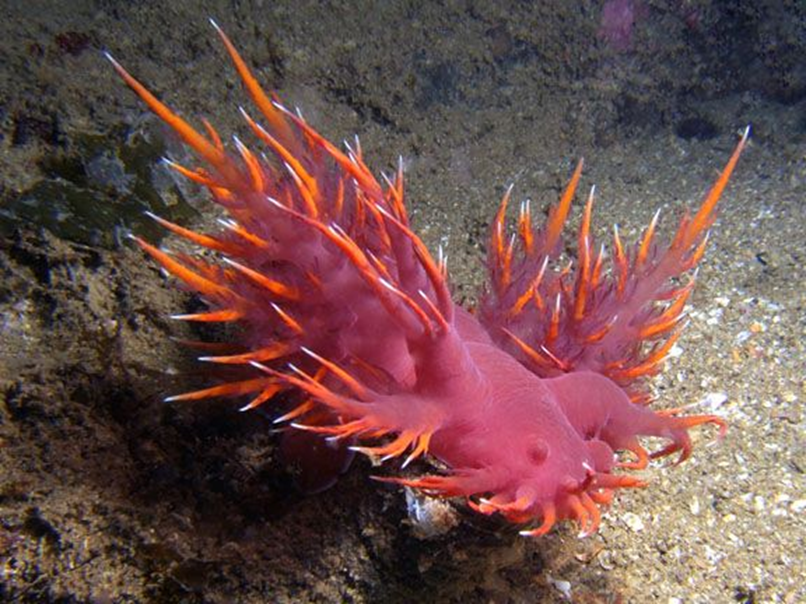
what class is this animal?
Gastropoda
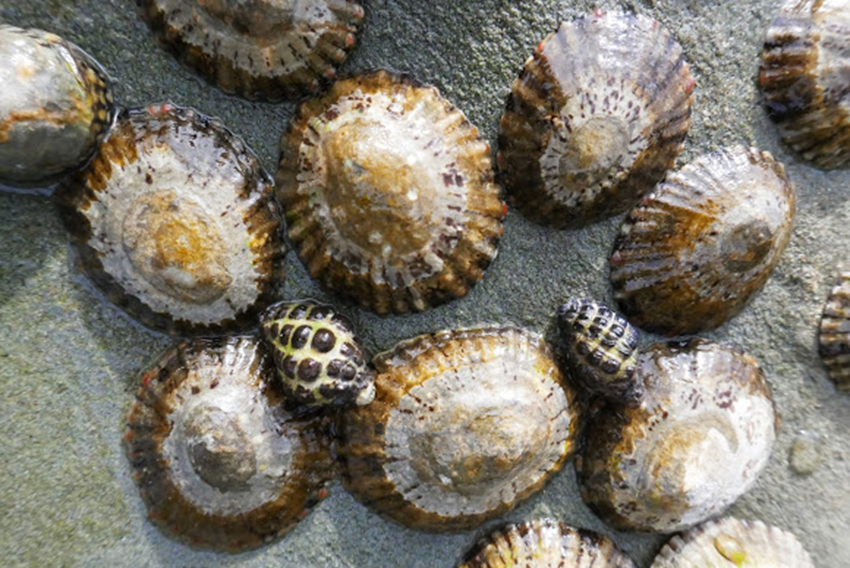
what class is this animal?
Bivalvia
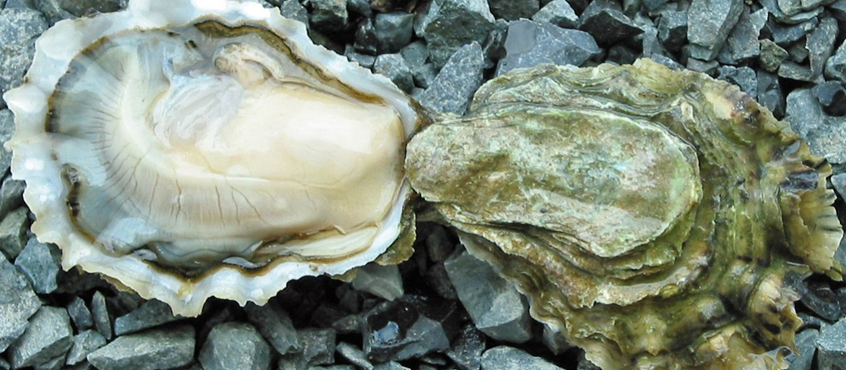
what class is this animal?
Bivalvia
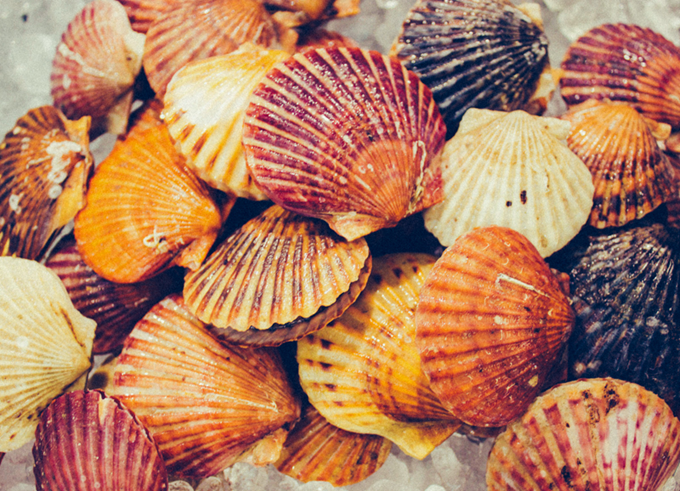
what class is this animal
Cephalopoda
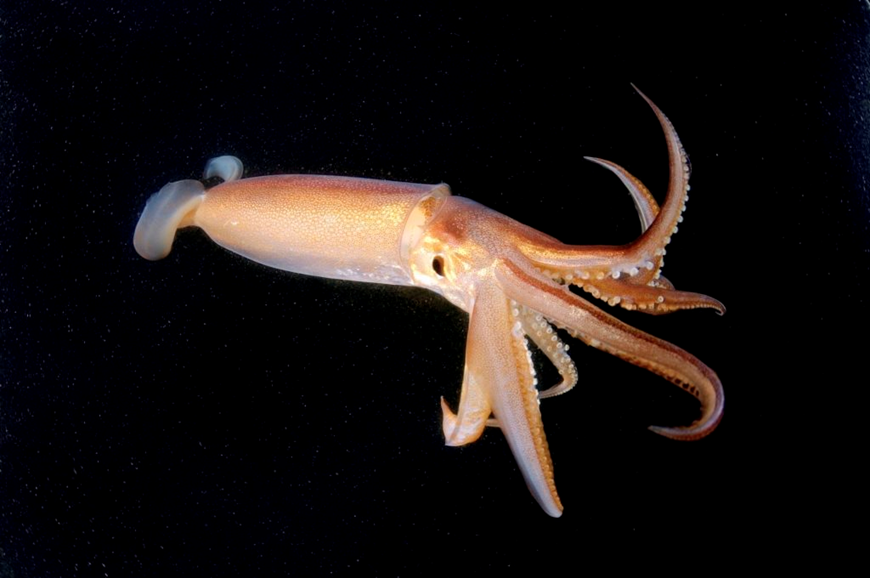
what class is this animal?
cephalopoda
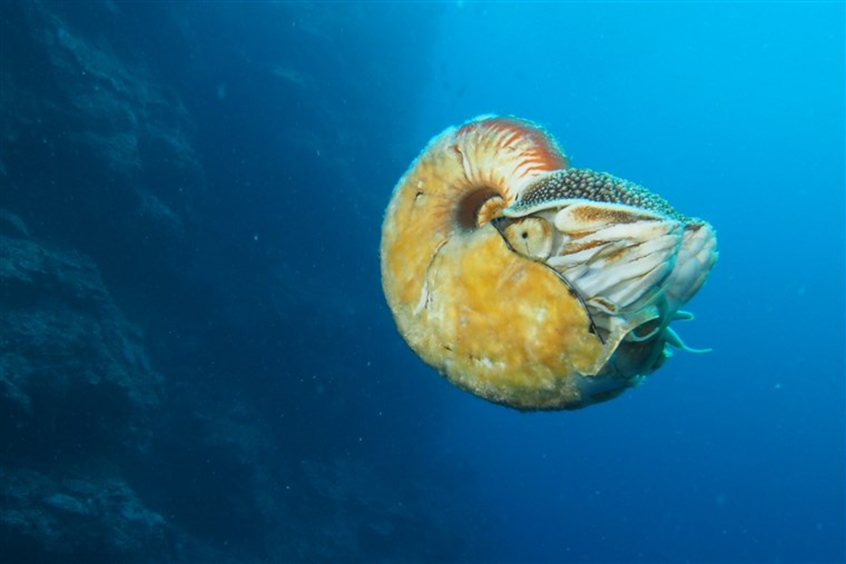
what class is this animal
Mantle
thick sheet of epidermis surrounding the body cavity of a mollusk
take in oxygen and filter food from water
what do the ctenidia in a mollusk do
Paraphyli
classification term for a group that includes a common ancestor and some, but not all of its descendents
Monophyli
a group that consists of a single ancestor and all its descendents. also known as a clade
amniotes
an animal whose embryo develops in amnion and chorion
Eukarya
what domain are we in
Opistocanta
what supergroup are we in
Animalia
what kingdom are we in
Phylum Porifera
includes all sponges
Phylum Porifera Larva
free swiming
Phylum Porifera Adult
Stop moving, are called sessile
Choanocytes
collar cells that face toward the internal cavity
Epithelial cells
flattened cells that form pores allowing water and food thorough
Amoeboid cells
present in the mesohyl matrix, spicules and spongin
mesohyl matrix
the connective tissue layer in sponges thats between the inner and outer cell layers
sponge spicules
small microscopic needle like structures
spongin
a soft flexible fiber that gives sponges their sponginess
Colloblast cells
used to trap prey, cells are stikcy
Diploblast tissue layers
includes Epidermis and the gastrodermis
Gastrodermis
the inner layer of Ctenophora. holds the mouth and digestive enzymes
Ctenophora
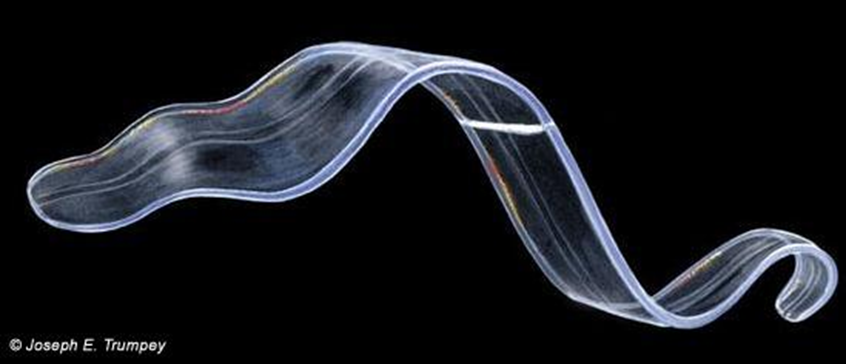
what phylum is this in
Phylum Cnidaria
includes organisms that are Carnivorous, have cnidocytes, are Diploblastic, and radially symmetrical
Anthozoa
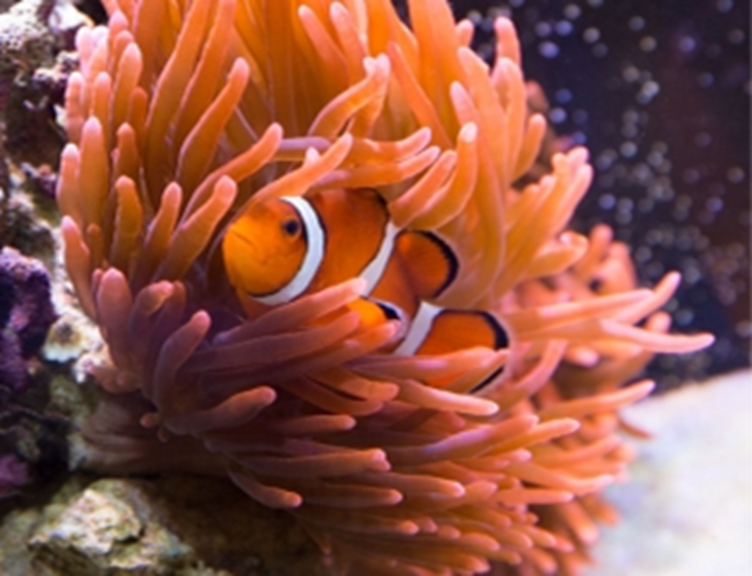
what class is this(not the fish)
Anthozoa
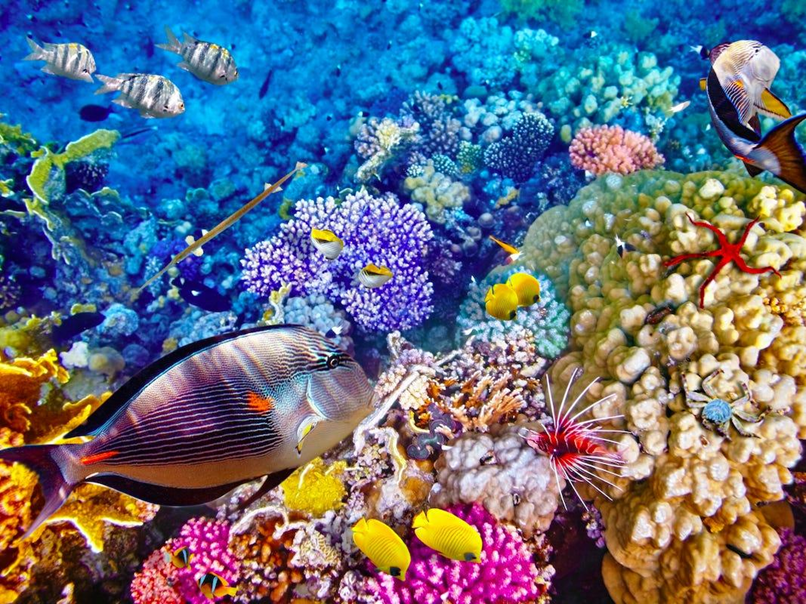
what class are these corals
Cubozoa
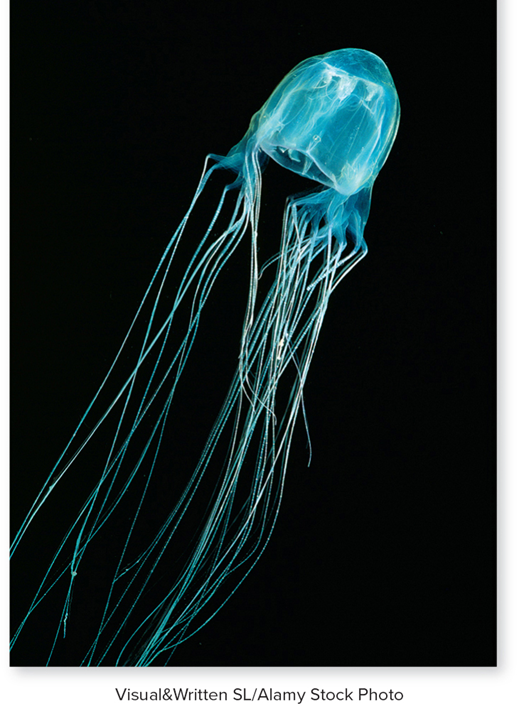
what class is this
Hydrozoa
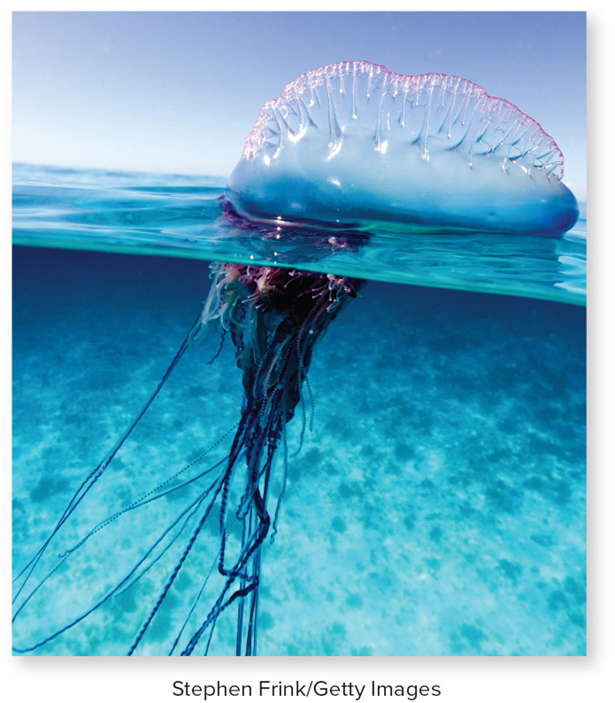
what class is this
Scyphozoa
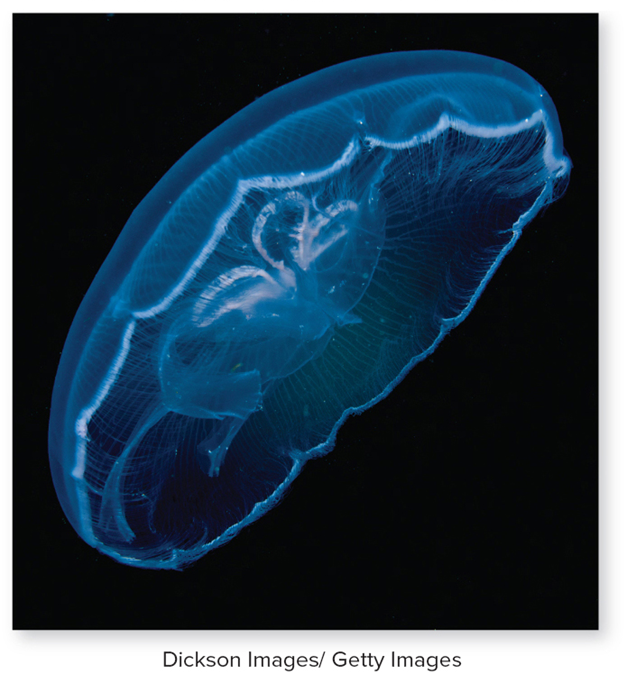
what class is this