FINANCIAL
 Call Kai
 Learn
Learn Practice Test
 Spaced Repetition
 Match
Match Flashcards
 Knowt Play
1/32

Earn XP
Description and Tags
Name | Mastery | Learn | Test | Matching | Spaced | Call with Kai |
|---|
No analytics yet
Send a link to your students to track their progress
33 Terms
accelerated depreciation
(n) a method by which a company reduces an asset's value in its accounts by more in the early years of its life than in later years
accommodating monetary policy
A policy in which the central bank holds interest rates constant in response to a fiscal (tài chính) stimulus (kích thích)
asset
(n) Anything of value that is owned

active balance
(n) money likely to be spent in the near future, relatively interest-inelastic
aggregate output
(n) the economy's total production of goods and services for a given time period
amortize
(V) Gradually pay off a debt, or gradually write off an asset

autarky
(n) economic independence or self-sufficiency

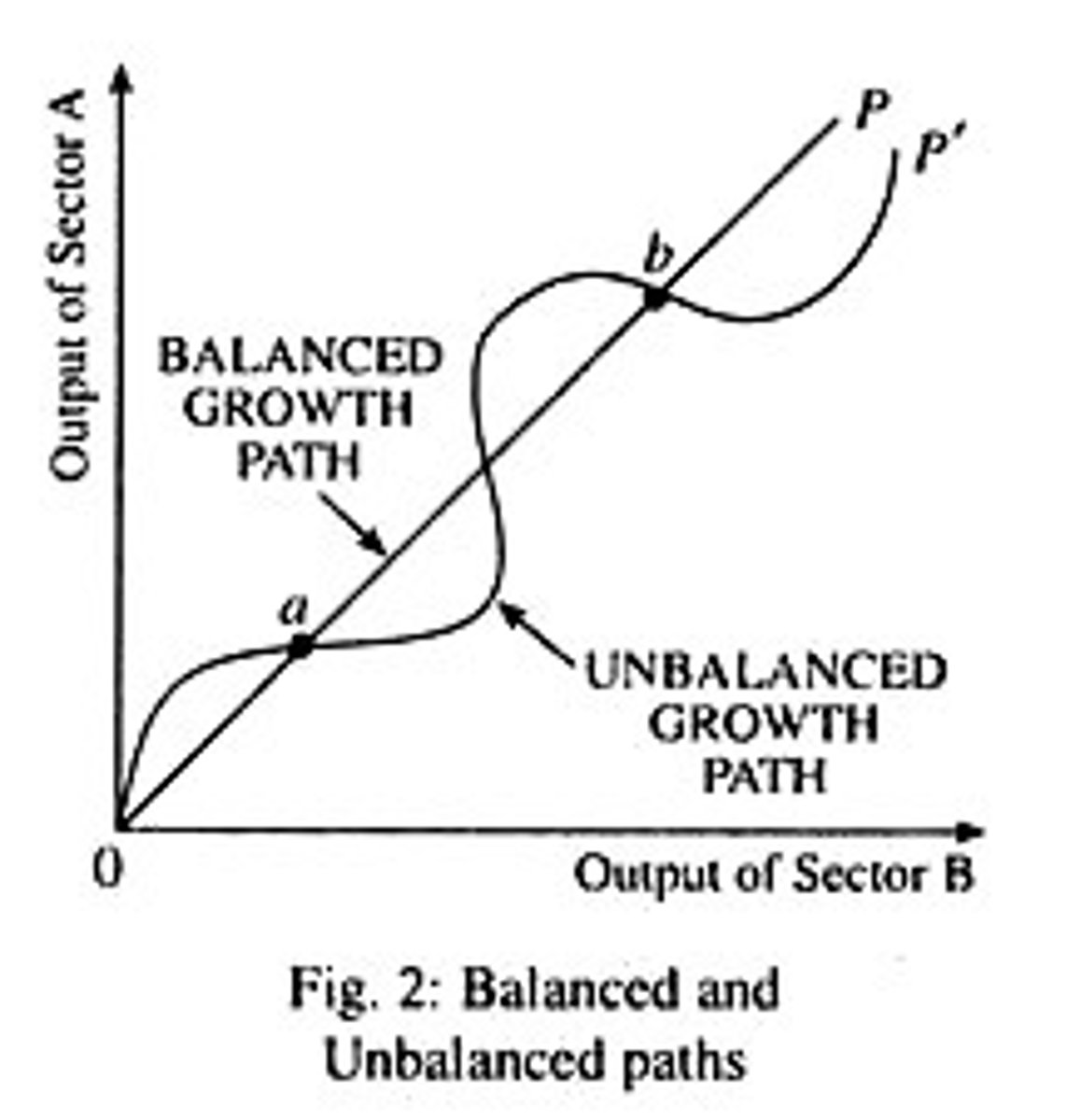
balanced growth
(n) a specific type of economic growth that is sustainable in the long term
bilateral assistance
one country provides aides directly to another
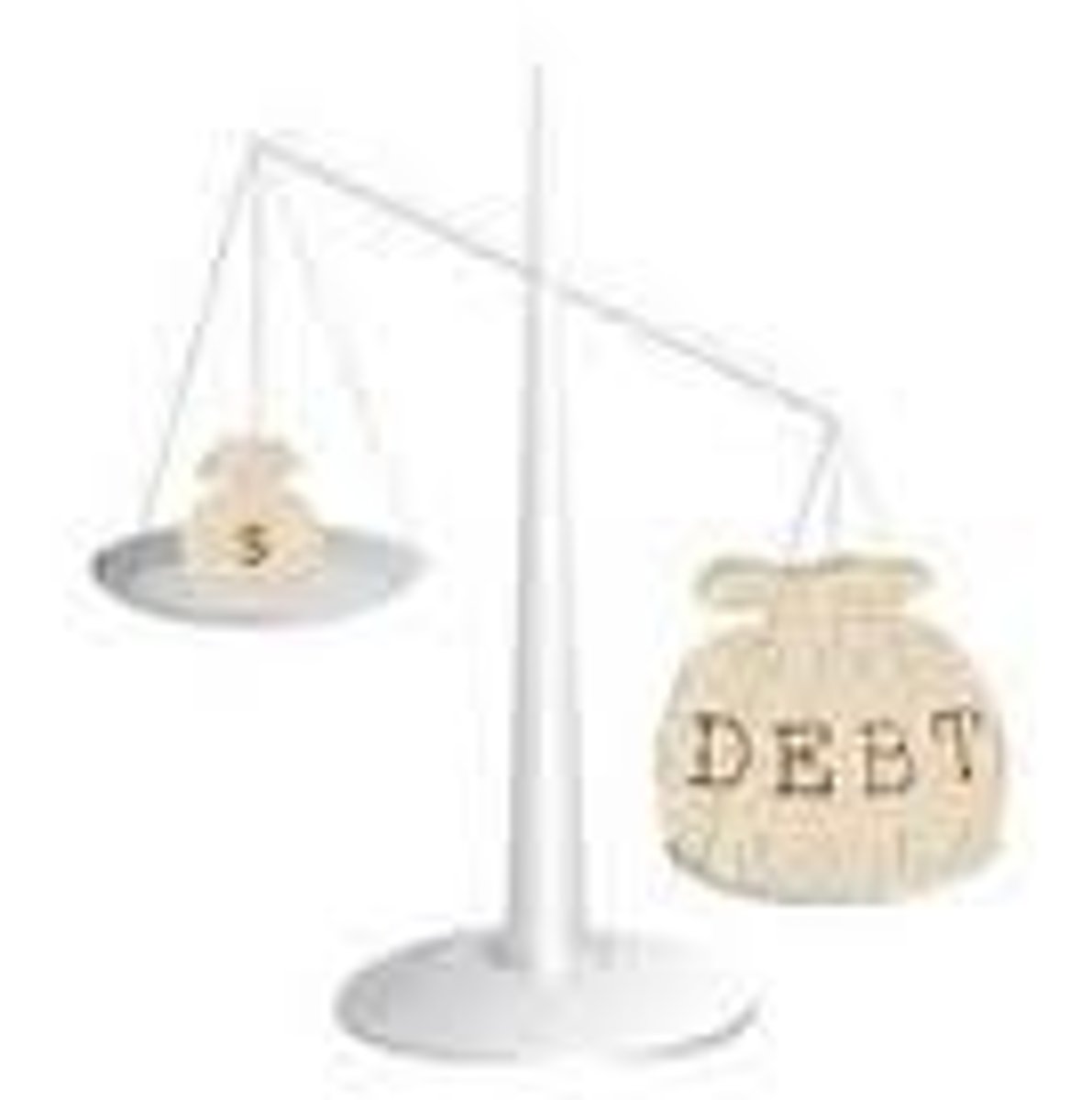
budget deficit
(n) a situation in which the government spends more than it takes in
buffer stocks
(n) Stocks (hàng hóa) are held as a precaution to cope with unforeseen demand
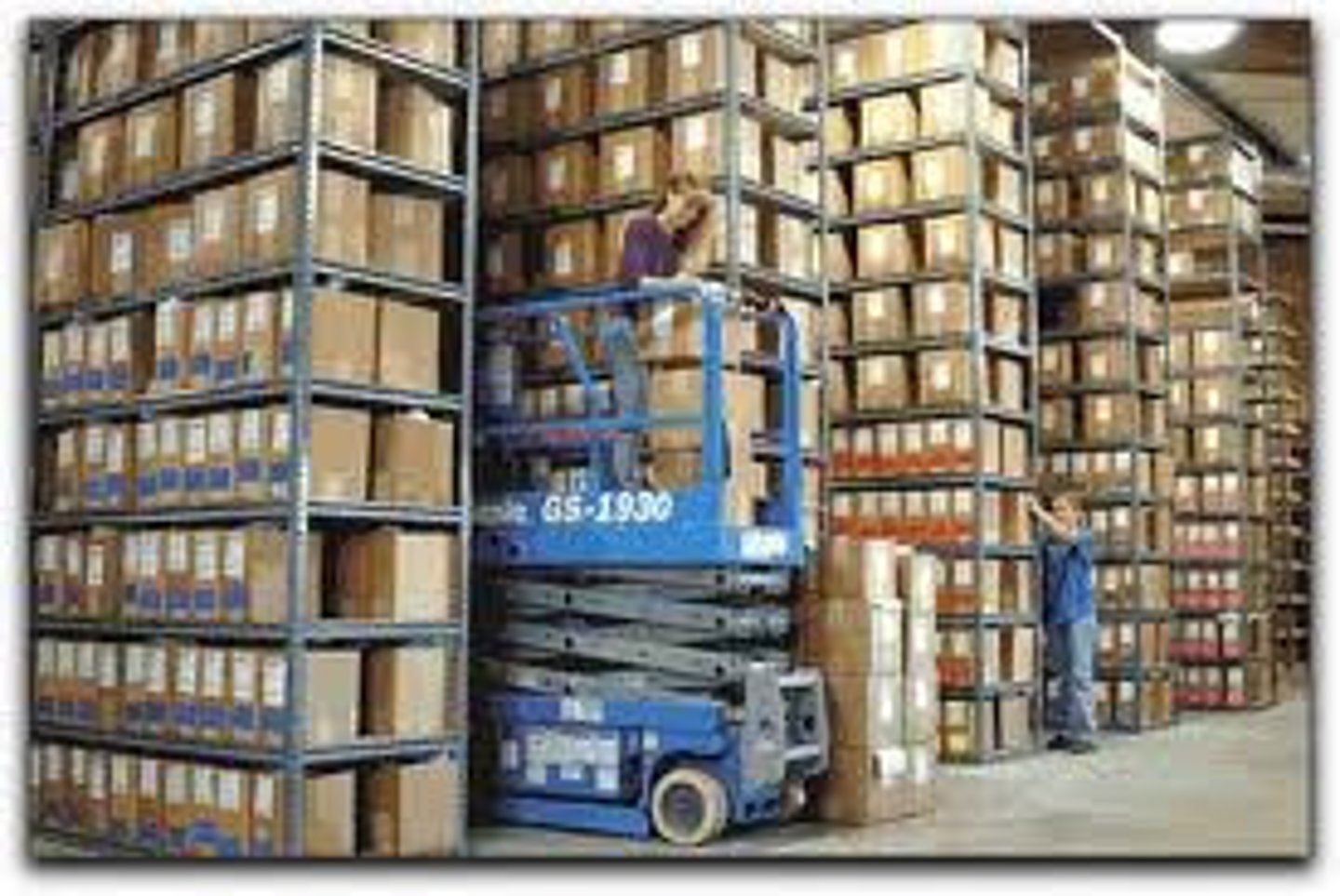
capital expenditure
(n) money spent by a business or organization on acquiring or maintaining fixed assets
credit crunch
(n) a state in which there is a short supply of cash to lend to businesses and consumers and interest rates are high
earning per share (EPS)
(n) a company's profits over a particular period divided by the number of its shares
economic recession
(n) A period of economic decline when demand for work is low or even stops.
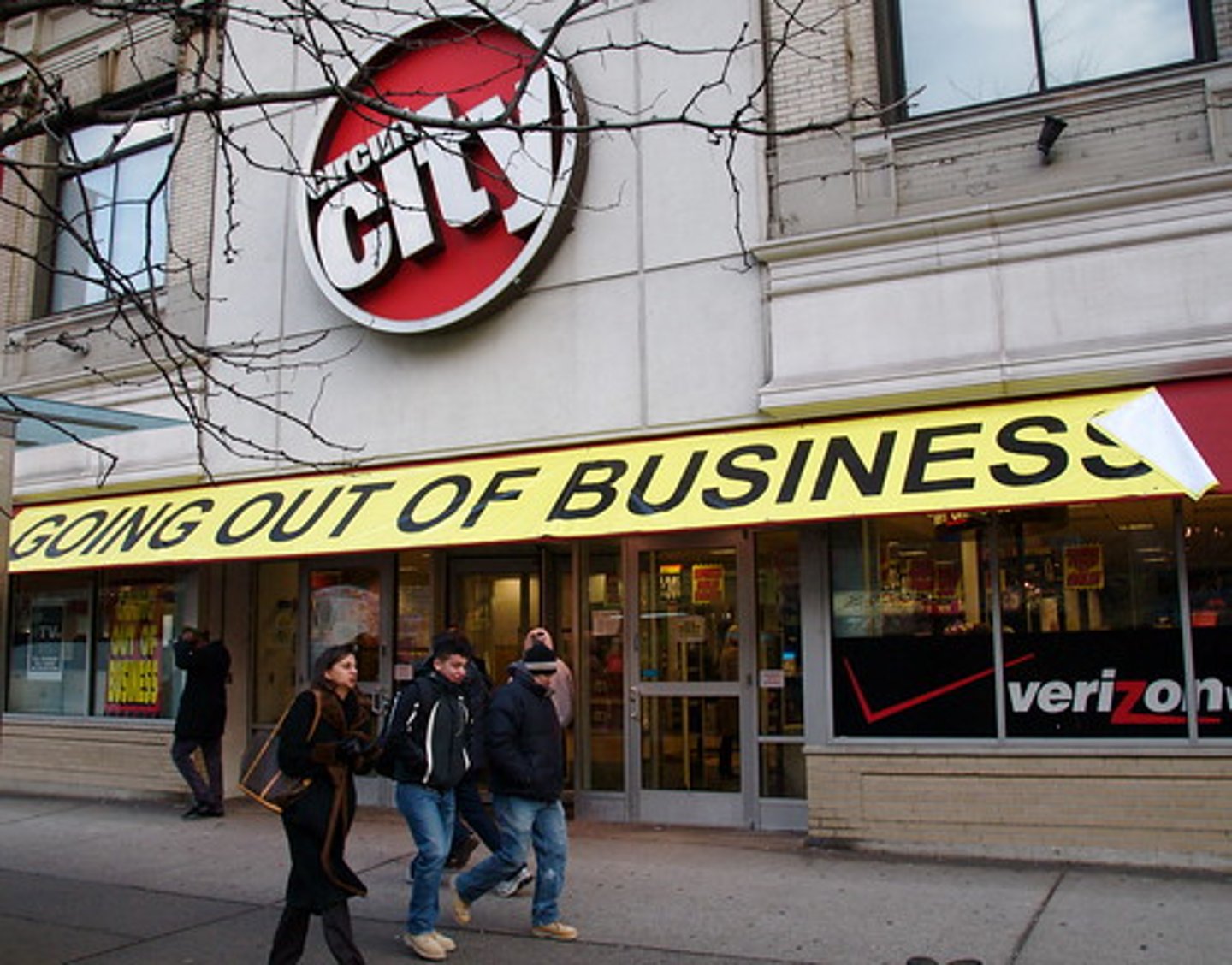
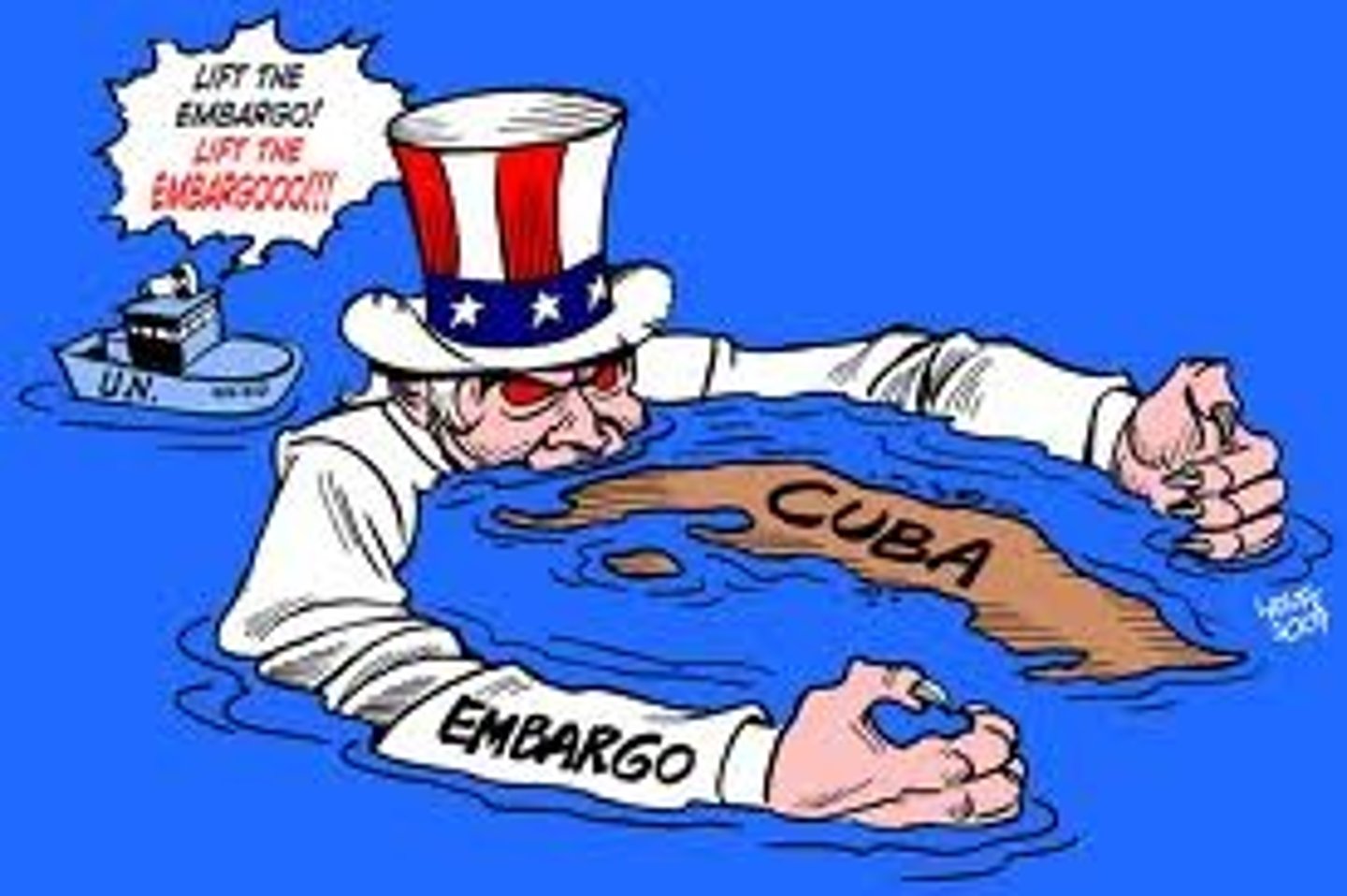
embargo
(n) an official ban on trade or other commercial activity with a particular country.
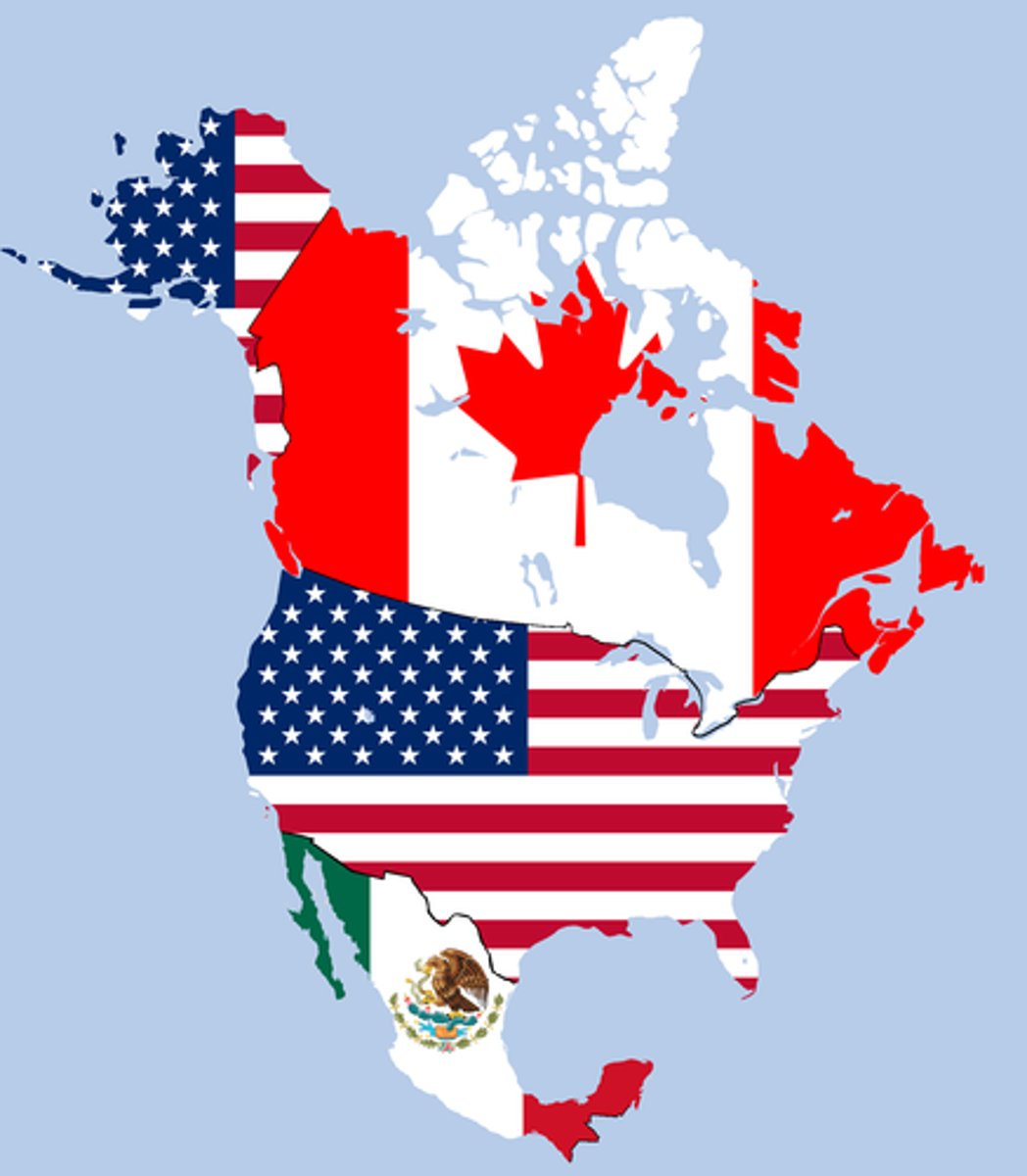
free trade agreement
(n) an agreement between member countries to remove duties and trade barriers on products traded among them.
freelancer
(n) a person who is in business for themselves works on their own time with their own tools and equipment, and performs services for a number of different clients

foreign direct investment
(n) vốn đầu tư trực tiếp nước ngoài

gig economy
(n) an economy made up of freelancers and contingent workers who piece together projects and jobs to earn the revenue they need to live the life they desire

golden rule (n) (The Golden rule of Government spending)
(n) nguyên tắc vàng trong chi tiêu chính phủ (trong một chu kỳ kinh tế, chính phủ nên vay để chi trả cho các khoản đầu tư giúp mang lại lợi ích cho các thế hệ tương lai, không phải để tài trợ cho chi tiêu hiện tại)
hyperinflation
(n) A very rapid rise in the price level; an extremely high rate of inflation.

macroeconomics
(n) the study of the economy as a whole, including topics such as inflation, unemployment, and economic growth (kinh tế vĩ mô)
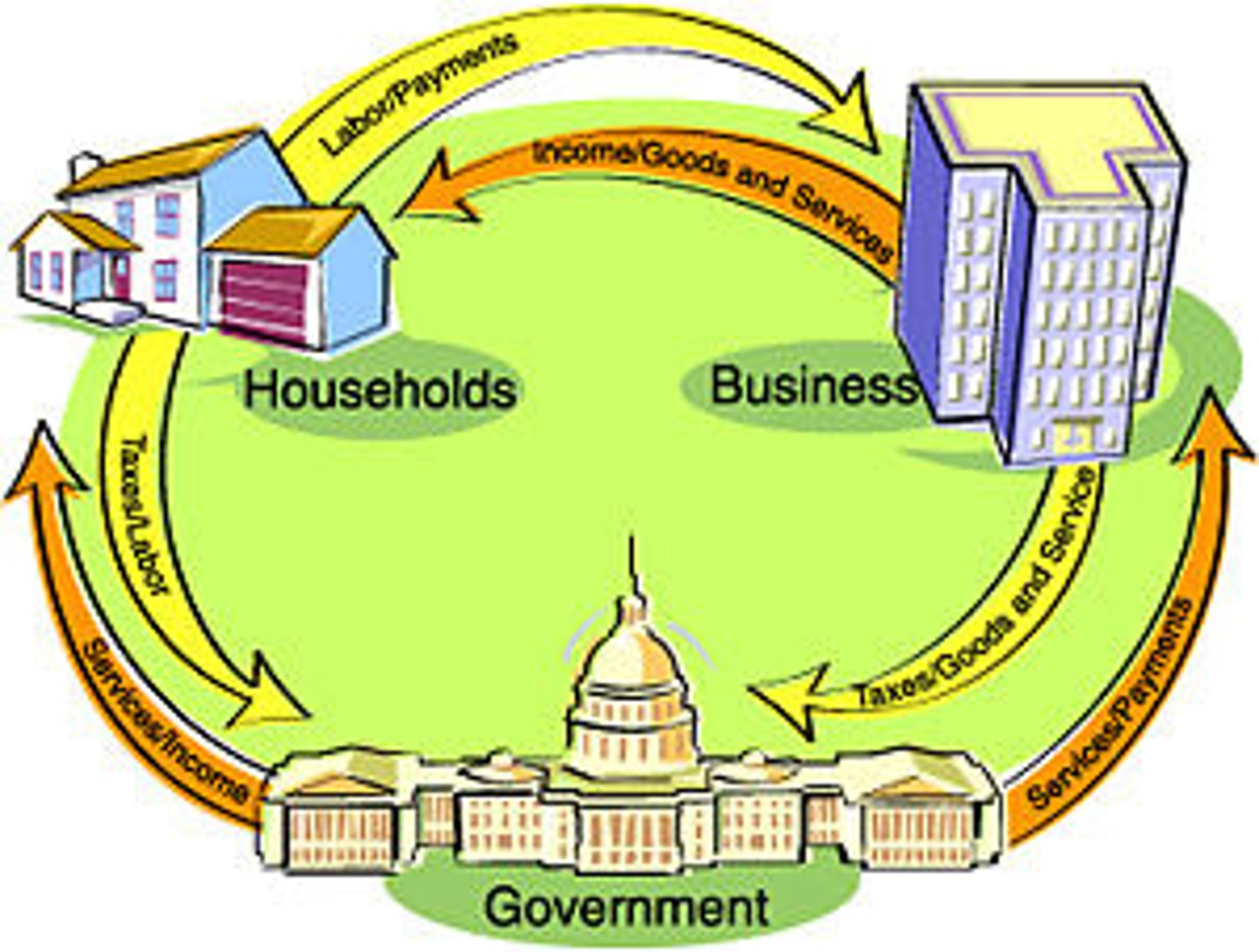
microeconomics
(n) the study of how households and firms make decisions and how they interact in markets (kinh tế vi mô)

negative equity
(n) when the value of an asset falls below what is owed on it

indicator of economic welfare
(n) chỉ số phúc lợi kinh tế
oligopoly
(n) a state of limited competition, in which a market is shared by a small number of producers or sellers.
recession /depression
(n) A phase in the economy where production is low and unemployment is high

supplementary taxation
(n) thuế phụ thu
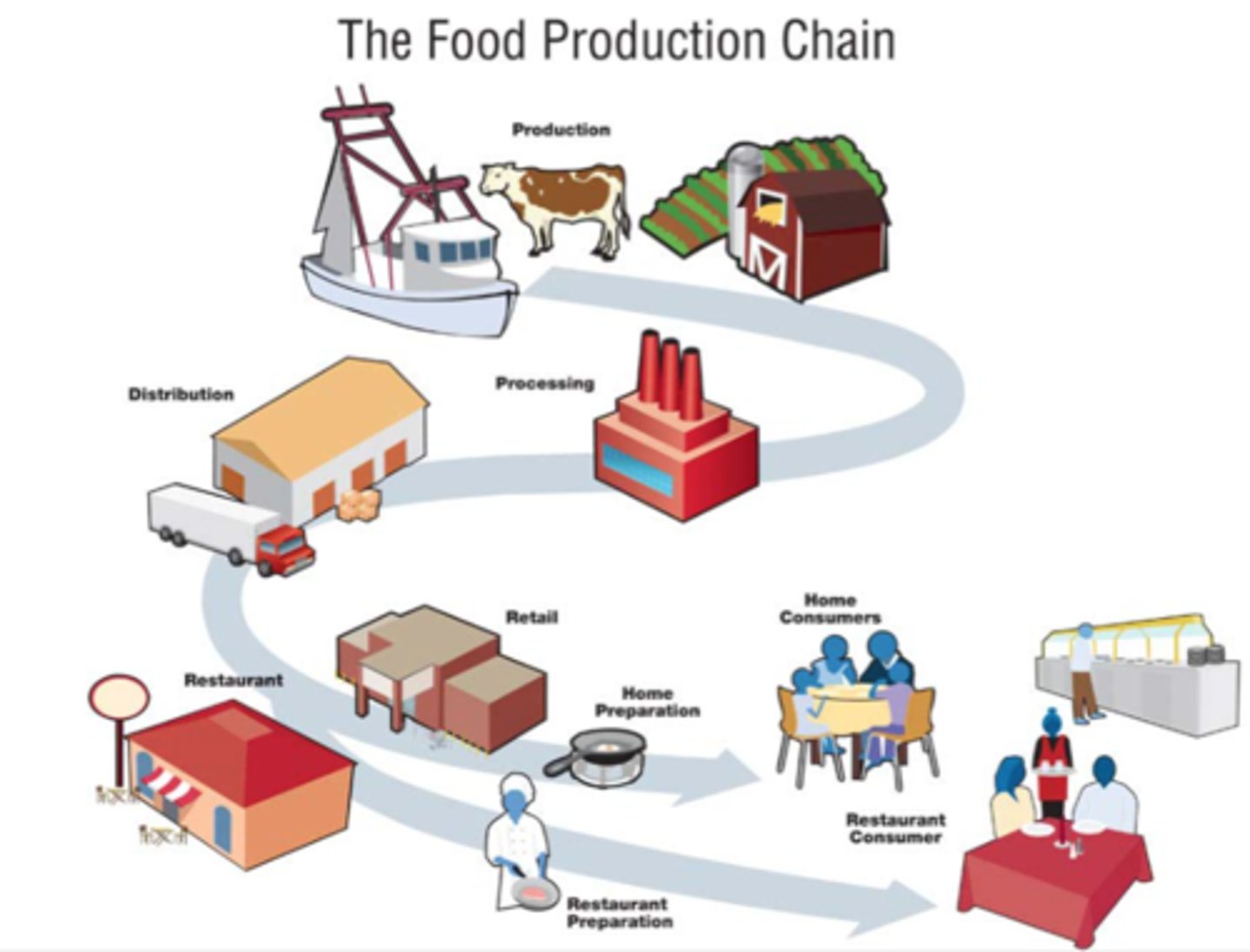
supply chain
(n) the connected chain of all of the business entities, both internal and external to the company, that perform or support the logistics function (chuỗi cung ứng)
transnational corporation
(n) A company that conducts research, operates factories, and sells products in many countries, not just where its headquarters or shareholders are located.

tax haven
(n) A country that offers low or no tax rates

indicator
(n) a device that shows a value or a change in level, speed, etc
(n) a sign or signal that shows something exists or is true, or that makes something clear