Bio 11 - Diversity from fungi to viruses excluding Animalia
 Call Kai
 Learn
Learn Practice Test
 Spaced Repetition
 Match
Match Flashcards
 Knowt Play
1/79

There's no tags or description
Looks like no tags are added yet.
Name | Mastery | Learn | Test | Matching | Spaced | Call with Kai |
|---|
No analytics yet
Send a link to your students to track their progress
80 Terms
Plant-like Protists alternate name
Algae
What is the link between kingdoms Protista and Plantae
Green Algae
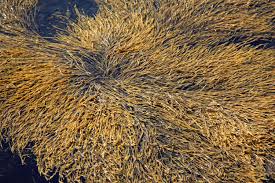
Classify this phylum of multicellular algae:
Phaeophyta (brown algae)
largest, most complex protists
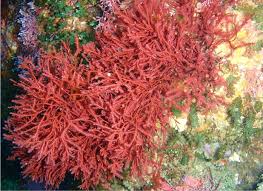
Classify this phylum of multicellular algae:
Rhodophyta (red algae)
thought to be the first multicellular organism on earth
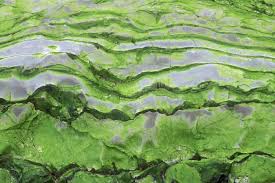
Classify this phylum of multicellular algae:
Chlorophyta (green algae)
link between aquatic protists and land protists
structurally very diverse
contains chlorophyll like land plants
Largest, most complex protists
Phaeophyta
First multicellular organism on earth
Rhodophyta
What must plants have to live on land?
Protection from drying out
A water transport system
Structural support to lift towards the light
Describe the first land plants
non vascular (no xylem or phloem)
What did vascular plants evolve to have?
Xylem: transport water and nutrients
Phloem: transport sugars
Roots: anchor to land
Leaves: to capture sunlight
Reproduction on land
Function of the xylem
to transport water and nutrients
Function of the phloem
to transport sugars
Function of roots
to anchor to the land
Function of leaves
to capture sunlight
Asexual methods of fungus reproduction:
Budding
Fragmentation
Spores
Describe budding and is used by which phylum?
Asexual method of fungus reproduction. A smaller cell develops while attached to the parent cell; eventually gets pinched off by the parent cell and produces a new individual
phylum deuteromycota
Describe Fragmentation
Asexual method of fungus reproduction. A piece of the mycelium breaks off and forms a new individual.
Describe spores
Asexual method of fungus reproduction. Spores released by fruiting body, spores do mitosis
Types of fungi nutrition
parasitic
predatory
mutualistic
Saprobial
Which fungi phylum is exclusively asexual?
phylum deuteromycota
Which fungi phylum is exclusively unicellular?
phylum Chytridiomycota
Which fungi phyla can be unicellular?
phylum Chytridiomycota and Ascomycota
Describe parasitic nutrition of fungi
Absorb nutrition from the living cells of a host organism, and when that dies, the fruiting body emerges to produce new spores.
cordyceps
Describe predatory nutrition of fungi
Soil fungi whose mycelia have specialized structures for trapping prey (literally trap living organisms).
Arthrobotrys
Describe mutualistic nutrition of fungi
Have partnerships with other animals (in most cases, the mycelia cover the roots of a plant, allowing the plants to absorb more nutrients while the fungus receives sugars from the plant).
mycorrhiza
Describe saprobial nutrition of fungi
feeds on dead organisms or organic waste → mycelia absorb nutrients from dead/decaying matter.
Phylum Deuteromycota: Reproduction, cellularity, fruiting body structure, relevant details
asexual
multicellular molds
penicillin, blue cheese
Phylum Chytridiomycota: Reproduction, cellularity, fruiting body structure, relevant details
asexual
unicellular
spores have a flagella
parasites on live or decaying plants, insects
aquatic
Phylum Zygospore: Reproduction, cellularity, fruiting body structure, relevant details
asexual usually, but sometimes sexual under certain conditions (zygospores)
multicellular
food mold
mostly terrestrial
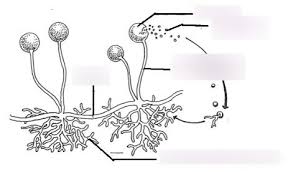
Zygospores
diploid structure that develops after two haploid hyphae of opposite types combine and fuse their nuclei
characteristic of phylum Zygomycota
sexual reproduction under unfavorable conditions
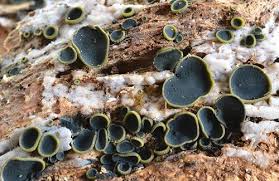
Phylum Ascomycota: Reproduction, cellularity, fruiting body structure, relevant details
sexual → develop asci, involves fusion of two mating types to form a spore bearing asci
unicellular
powdery mildews, truffles
largest group of fungi
saprobial and parasitic
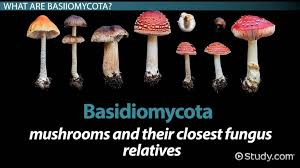
Phylum Basidiomycota: Reproduction, cellularity, fruiting body structure, relevant details
sexual reproduction →fruiting body releases basidiospores from hyphae called basidia
multicellular
club fungi
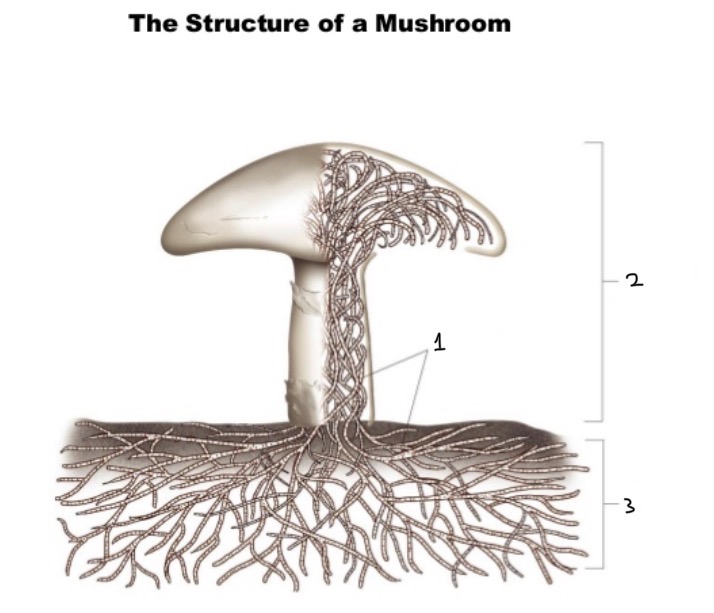
Label
hyphae
fruiting body
mycelia
mycorrhizae
specialized fungi that forms symbiotic relationships with plants
allow plants to better absorb nitrogen
symbiosis
beneficial partnership between organisms to improve nutrition
Lichens
an organism that results from a mutualistic relationship between a fungus and a photosynthetic plant or alga
gametophyte
haploid version of alternation of generations
results from spores that have undergone mitosis
produces gametes
sporophyte
diploid version of alternation of generations
results from fertilized gametes
produces haploid spores via meiosis
Alternation of Generations
multicellular diploid organism Sporophyte → undergoes meiosis→ produces haploid spores → spores undergo meiosis→ forming a haploid multicellular gametophyte → undergoes mitosis → releases haploid gametes → fertilize to become diploid zygotes → mitosis to become a sporophyte
Who uses alternation of generations?
mosses and ferns (many privative land plants)
Plantae characteristics
eukaryotes
multicellular
usually photosynthetic (have chloroplasts with chlorophyll)
Are non-motile but use tropisms (reactions to stimuli) and rapid plant movements to move leaves, roots, and stems.
list the three methods of plant reproduction
asexual/vegetative propagation
sexual
Alternation of generation
Describe the asexual reproduction method used by plants.
vegetative propagation → cutting a branch off of a plant and repotting it to grow a new plant
new plant is genetically identical to the parent
beneficial to produce many plants in a short time
Describe the sexual reproduction method used by plants.
requires two parent organisms (pollen and egg)
Increases genetic variability
Which plant phylum is non-vascular?
phylum Bryophyta
Which plant phyla produce seeds?
Phylum Angiosperm and Gymnosperm
Which plant phyla produces flowers or fruit?
Angiosperm
Describe phylum Bryophyta
moss
non-vascular; depend on diffusion and osmosis to carry water and nutrients
no roots
haploid gametophyte is the larger part of it’s lifecycle
Which phylum lives in wet environments and why?
phylum bryophyta
mosses that grow low to the ground, the sperm has to literally swim between individuals to the egg
Describe Phylum Pteridophyta
ferns
vascular tissue allows them to grow tall
seedless, produce spores for reproduction
sporophyte is dominant in in’s lifecycle.
For which plantae phylum is the sporophyte dominant in it’s lifecycle?
Pteridophyta
For which plantae phylum is the gametophyte dominant in it’s lifecycle?
Bryophyta
Describe Phylum Gymnosperm
Coniferous trees, Cycadophytes, Ginkgo biloba
vascular with naked seeds (allow for plants to reproduce sexually without water)
How does phylum gymnosperm reproduce?
Wind distributes the pollen grains which land on the female cones, releasing sperm.
Describe Phylum Angiosperm
flowering plants (make up 90% of all plants)
Vascular with protected seeds (contained in fruit)
How can angiosperms be further classified?
monocots and dicots
What feature of angiosperms allows for increased chances of successful reproduction?
diverse flowers and fruits
What is the female part of a plant and what does it include?
Pistil; stigma, style, ovary, ovules
What is the male part of a plant and what does it include?
Stamen; anther, pollen, filament stalk

Label the flower
What 6 characteristics do all animals share?
no cell wall
multicellular
eukaryotic (cells have membrane bound organelles)
heterotrophic
motile
sexual reproduction
What kind of animal makes up 95% of all animals on earth?
invertebrates
Where do invertebrates typically live?
aquatic or moist environments
List the three body layers
ectoderm (outer)
mesoderm (middle)
endoderm (inner)
Body cavity that many animals have their organs suspended in:
coelom
Describe animal reproduction
zygotes can be produced by either internal or external fertilization
What do viruses consist of?
a short piece of DNA or RNA surrounded by a capsid
capsid
protein coat of viruses
List 3 general characteristics of viruses
smaller than cells
no organelles, cytoplasm, or cell membrane
non-living
How do viruses survive?
They invade host cells and use their organelles to survive. Otherwise, they are dormant outside of a host cell.
How can viruses by used by humans?
biotechnology → to clone copies of genes
How are viruses classified?
size and shape of the capsid
type of disease they cause
method of replication
How do viruses reproduce?
Lytic cycle → infects and kill cells
Lysogenic cycle → viral DNA adds itself to host DNA and copies when cell copies
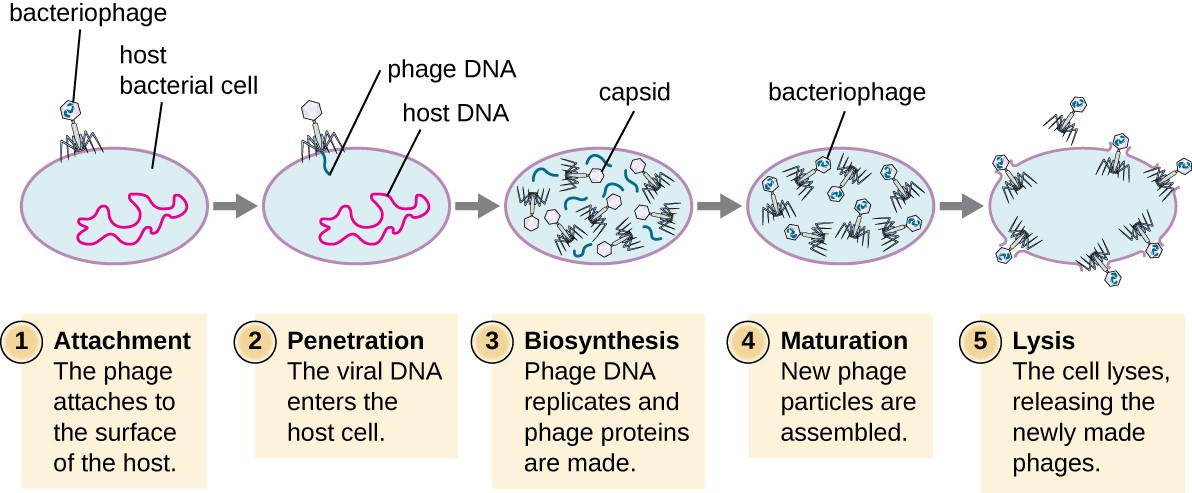
Describe what happens during the lytic cycle. Draw it out.
virus attaches to the host cell and injects DNA
Cell makes copies of the viral DNA, proteins, and other viral parts
Viral parts assemble into new viruses in the host cell
Host cell bursts open, releasing many new viruses that infect other host cells
Approximately how many viruses are produced in 30 mins?
200 - fast replication
Describe what happens during the lysogenic cycle. Draw it out.
virus is engulfed by the host cell, and releases DNA into the host cell
Viral DNA combines with the host cell’s DNA (provirus)
Viral DNA reproduces every time the host cell reproduces
Virus remains dormant (host has no symptoms)
Viral DNA can separate from the host’s DNA and start the lytic cycle at any time
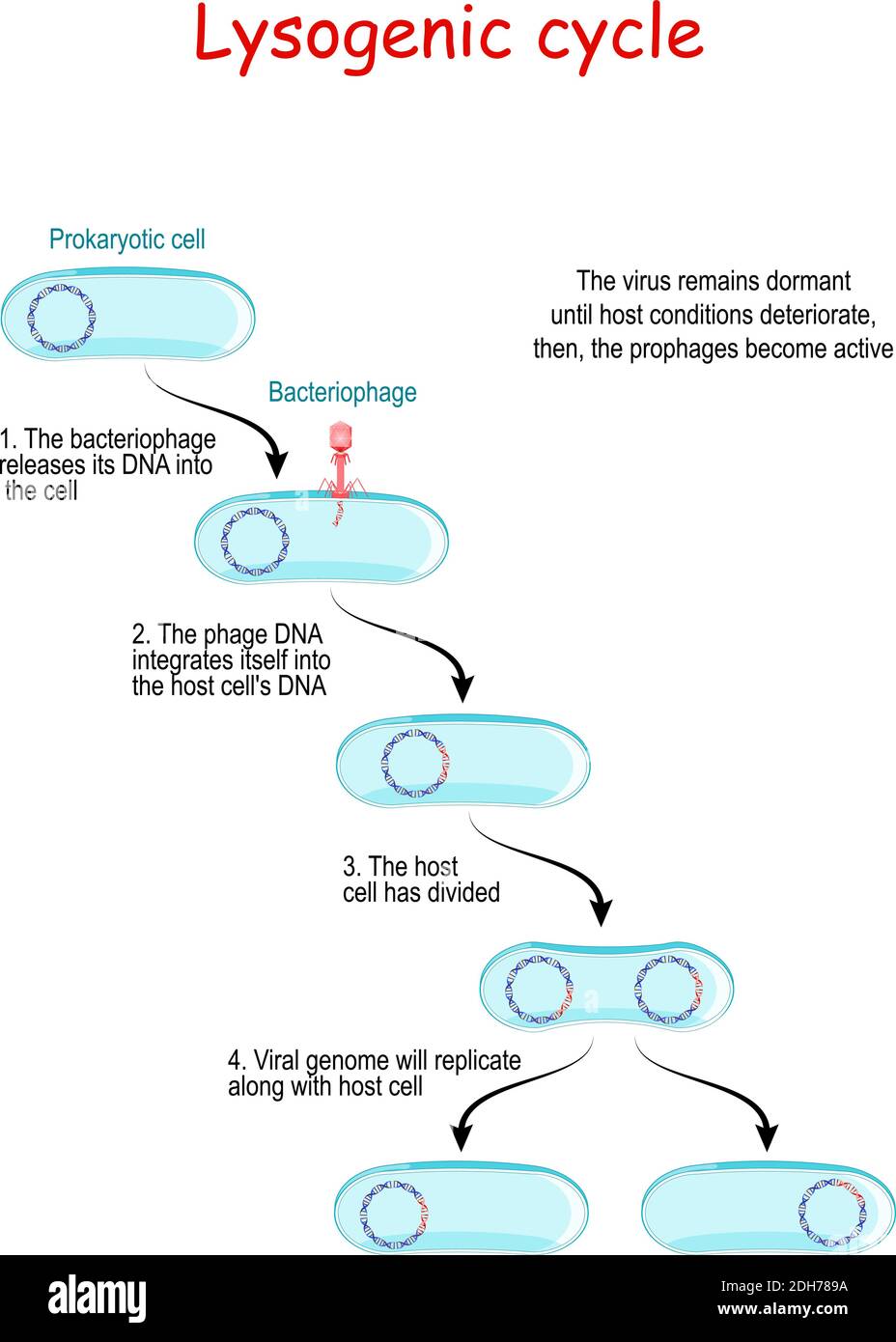
Provirus
viral DNA combined with host’s DNA
Why don’t antibiotics work against viruses?
Antibiotics target living things like bacteria, but since viruses are not living things, they can’t be killed with antibiotics.
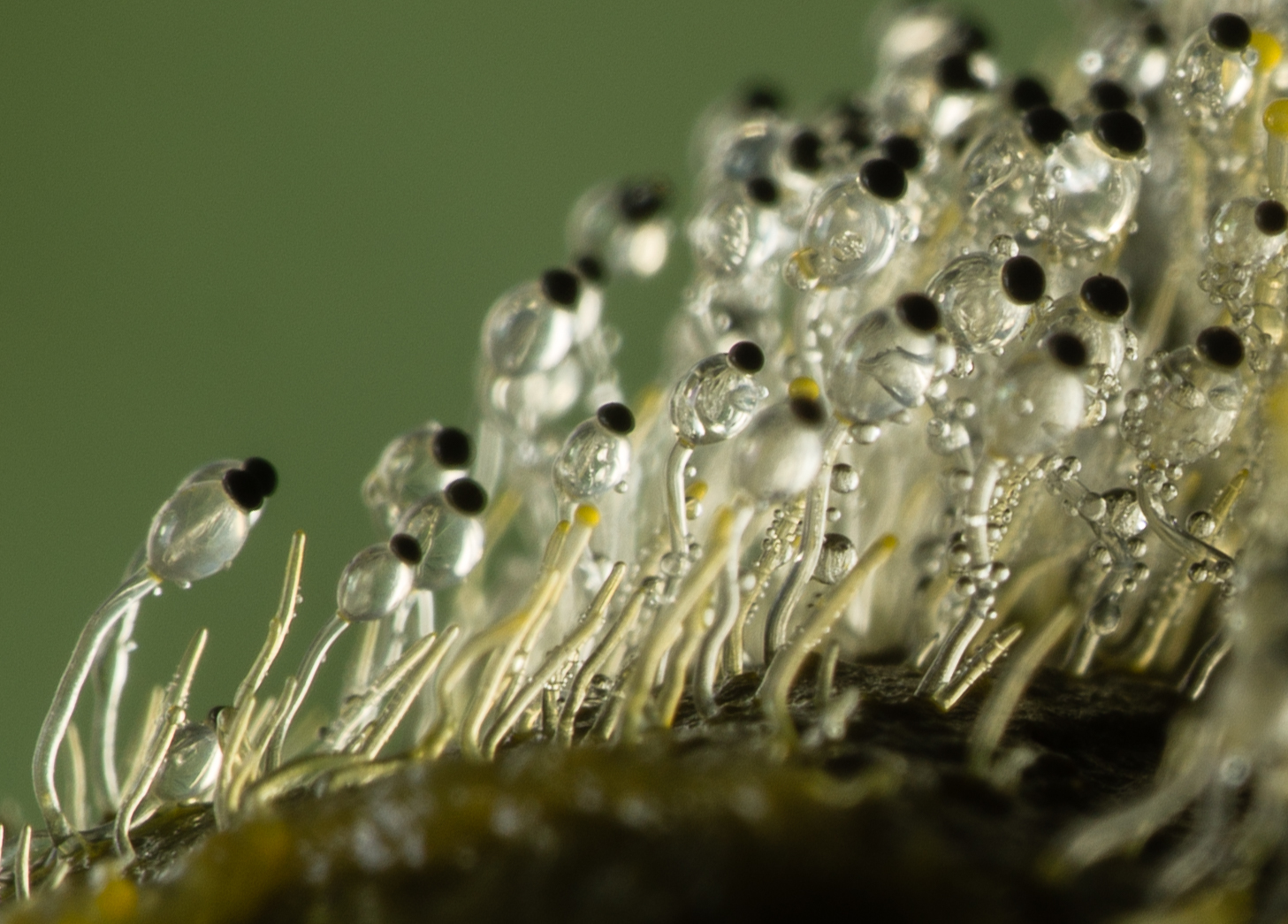
Classify the phylum of this fungi
Zygomycota