England: Notable Musicians and Musical Developments
 Call Kai
 Learn
Learn Practice Test
 Spaced Repetition
 Match
Match Flashcards
 Knowt Play
1/12

There's no tags or description
Looks like no tags are added yet.
Name | Mastery | Learn | Test | Matching | Spaced | Call with Kai |
|---|
No analytics yet
Send a link to your students to track their progress
13 Terms
1240 - “Sumer is icumen in” (All Facts)
English song of astonishing form, it was the first recorded canon
It is a four-part round over a two-part repeated pattern in the bass parts
1440 - Main Events
The use of the interval of a third, long established in England up to this point, standardized harmony in polyphony but the increasing preoccupation with harmony itself led to dull and static rhythms
1490 - 1545 - John Taverner (All Facts)
English Composer and Organist
He is regarded as one of the most important English composers of his era
His music has a festal quality to it
He worked at the new Cardinal College (Christ Church) in Oxford
1505 - 1573 - Christopher Tye (All Facts)
English Composer and Organist
He was organist to the Royal Chapel
He composed church music
His music was newer at the time compared to some of his more old-fashioned contemporaries
1538 - 1574 - Robert White (All Facts)
English Composer
He composed High Renaissance Music
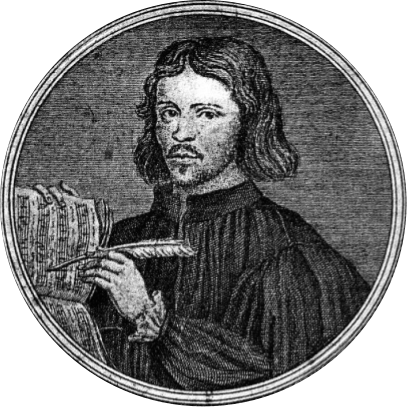
1505 - 1585 - Thomas Tallis (All Facts)
English Composer
He mentored William
He sought out a royal license from Queen Elizabeth to published music
He was the most influential English composer in his day
He was a Gentleman of London’s Royal Chapel
His early work was more old-fashioned than that of some of his contemporaries
His work was mature and he was a master of most forms and styles, from masses and other church music in Latin and English to small-scale instrumental works
He was a member of Queen Elizabeth’s royal household
He was one of the first composers to write music for the (new) Anglican liturgy of 1547-1553
He composed for the Catholic Queen Mary of England as well
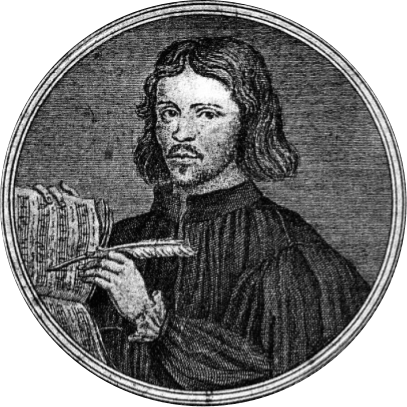
1570 - Thomas Tallis: Spem in Alium (All Facts)
40-part Renaissance motet composed for eight choirs of five voices each
It is considered the namesake’s greatest work and the greatest work of early English music
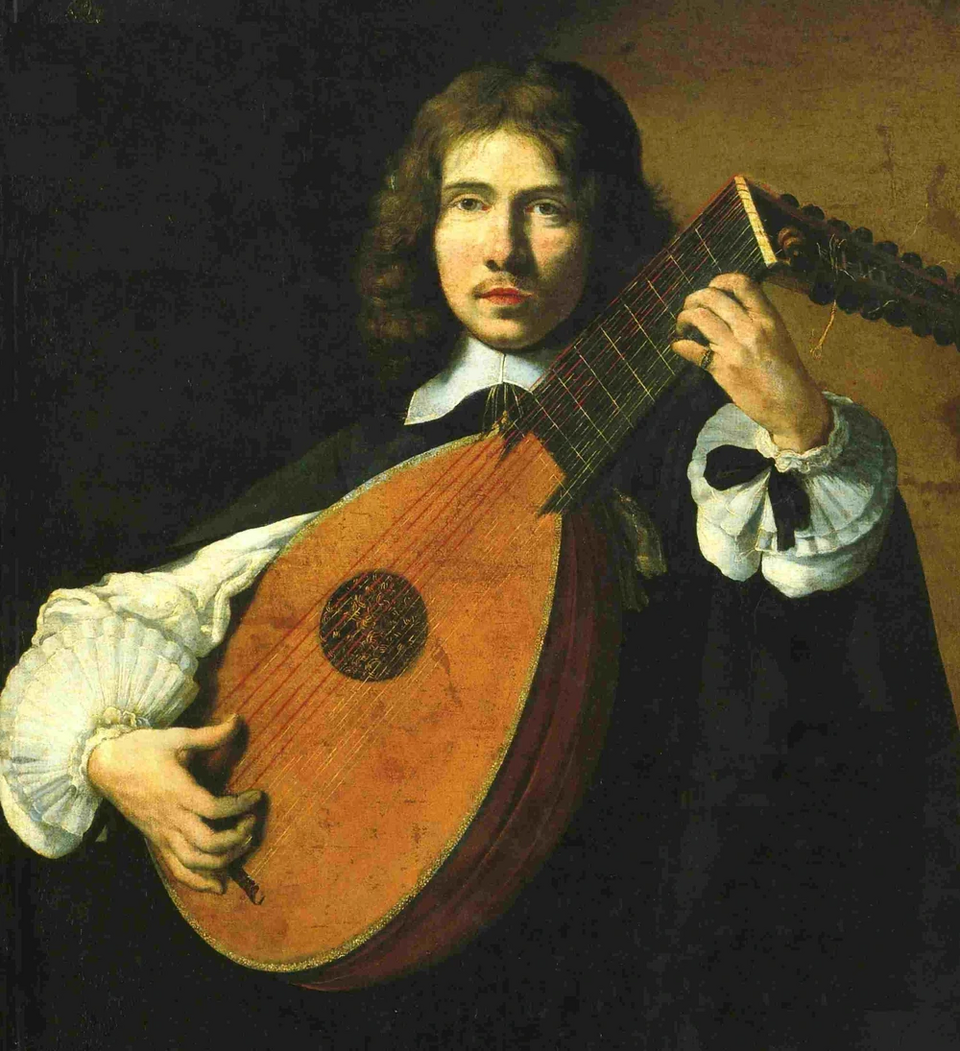
1567 - 1620 - Thomas Campion (All Facts)
English Composer and Musician
He set Latin and English poems to music
He created several books of “Ayres” for the voice, with lute accompaniment
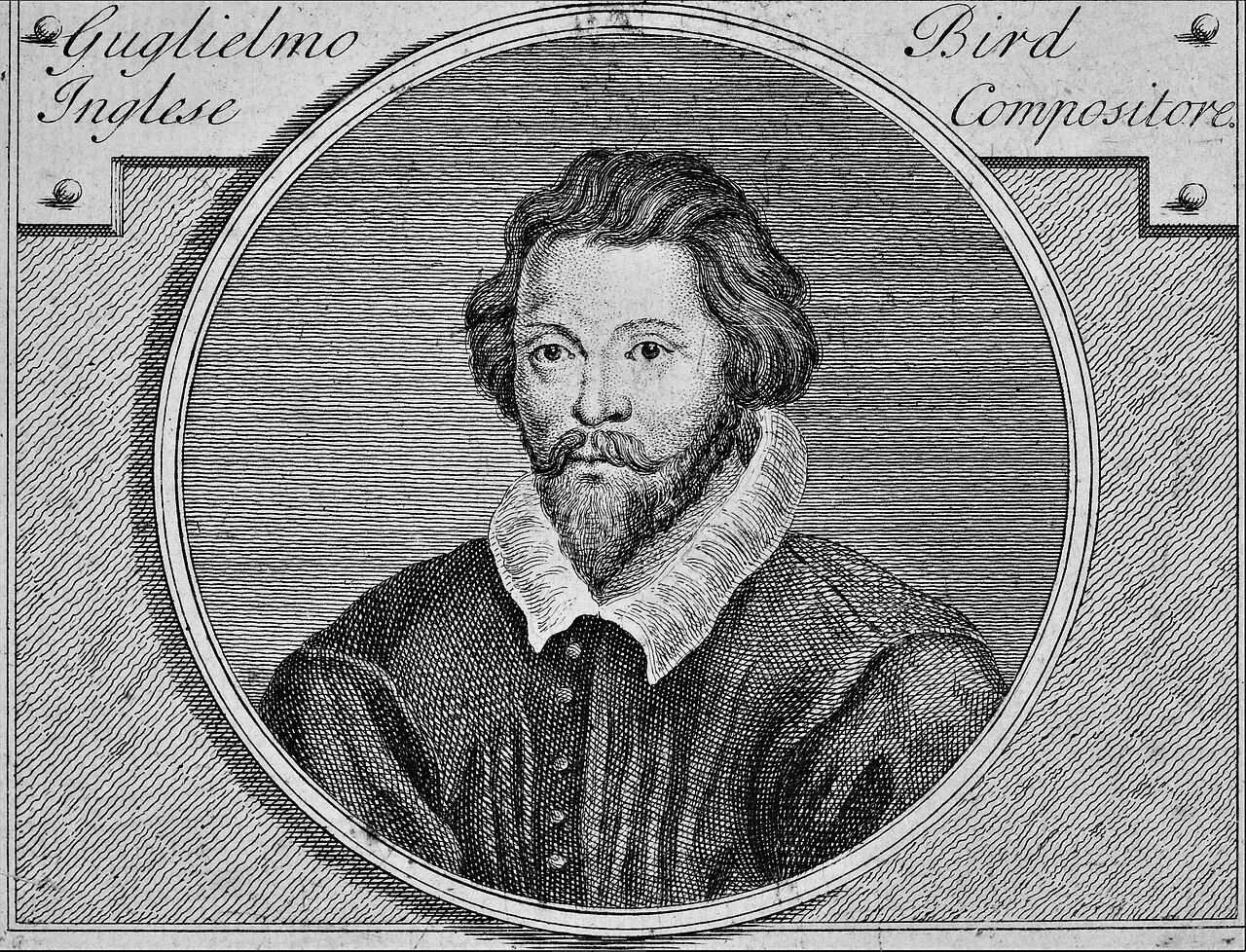
1540 - 1623 - William Byrd (All Facts)
English Composer
He was mentored by Thomas Tallis
He was a Gentleman of London’s Royal Chapel, where he served as its organist alongside his mentor
He composed many works including madrigals, pieces for keyboard, songs, and three masses
His output ranged from music for both the Anglican and Catholic churches to songs and instrumental music
His masses, written for three, four, or five voices; demonstrated the vitality of the art of counterpoint
He was particularly renown for his masses and madrigals, which demonstrated a mastery of polyphony which gave him an unsurpassed reputation at home and abroad
Some called him the “Father of English Music”
He died at his Essex home
1576 - 1623 - Thomas Weelkes (All Facts)
English Composer and Organist
He was famous for his madrigals
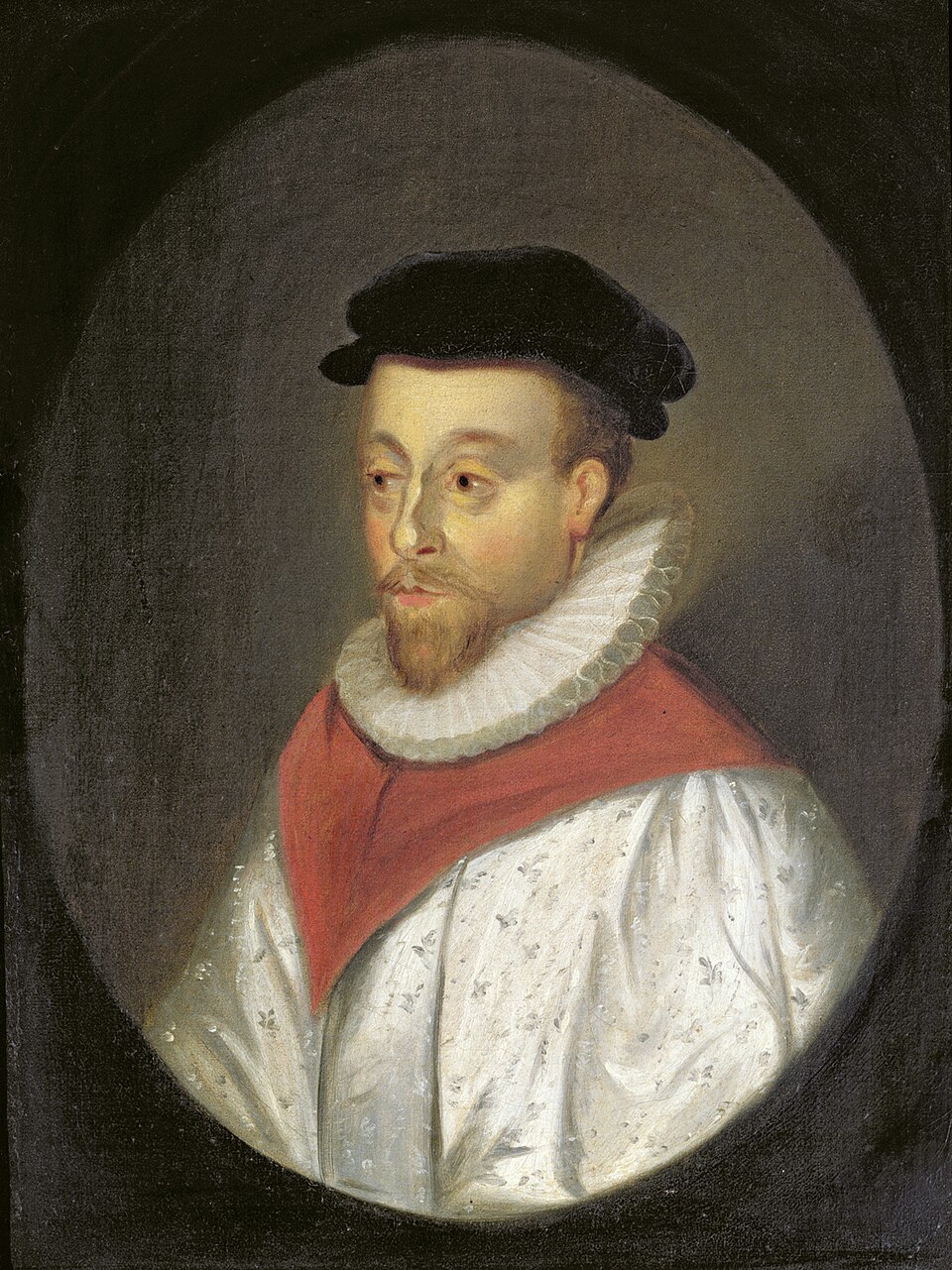
1583 - 1625 - Orlando Gibbons (All Facts)
English Composer and Keyboardist
He was famous for his madrigals and anthems
1563 - 1626 - John Dowland (All Facts)
English Composter and Lutenist
His early career was overshadowed by his failure to obtain a position in Queen Elizabeth’s “Musick”
He was appointed court lutenist to King Christian IV of Denmark
He eventually gained a position in the English court during the reign of King James