Biology lab 4
 Call Kai
 Learn
Learn Practice Test
 Spaced Repetition
 Match
Match Flashcards
 Knowt Play
1/48

There's no tags or description
Looks like no tags are added yet.
Name | Mastery | Learn | Test | Matching | Spaced | Call with Kai |
|---|
No analytics yet
Send a link to your students to track their progress
49 Terms
Prokaryotic cell desc.
Unicellular
Small
More simple
Eukaryotic cell desc.
Unicellular or multicellular
Larger
More complex
DNA in prokaryotic cells
Circular
DNA in eukaryotic cells
Linear
Storage of genetic material in porkaryotes
Nucleoid region
DNA is in the cytoplasm
Storage of genetic material in eukaryotes
Membrane bound nucleus
DNA is stored in linear chromosomes
DNA is separate from the cytoplasm
Autotroph
Make their own food (often using energy from the sun)
Heterotroph
Consume autotrophs for food
Example of autotrophs
Plants
Algae
Some bacteria
Phytoplankton
Example of heterotrophs
Animals
Fungi
Most protozoa
Most bacteria
Cocci
Round/ spherical shape
Bacilli
Rod or pill shaped
Spirilli
Spiral shaped
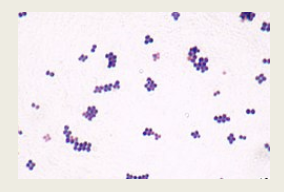
Cocci bacteria
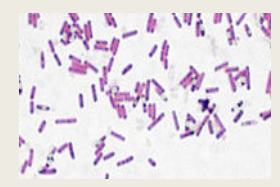
Bacilli bacteria
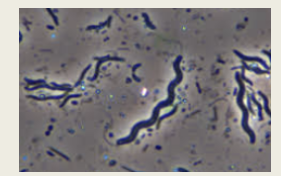
Spirilli shape
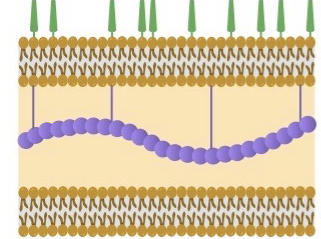
Gram negative shape
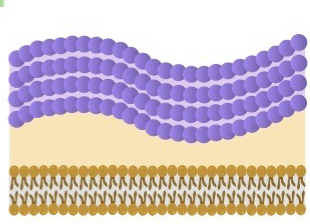
Gram positive bacteria
Gram negative bacteria desc.
Has a lipopolysaccharide layer
Has outer membrane
Has rhin peptidoglycan layer
Gram positive bacteria desc.
Has thick peptidoglycan layer
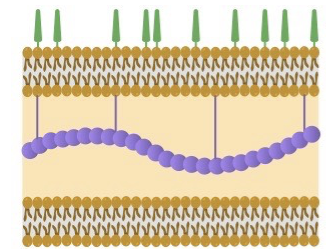
The green structure
Lipopolysaccharide
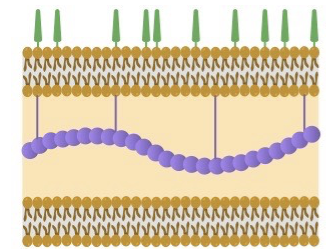
Top orange structure
Outer membrane
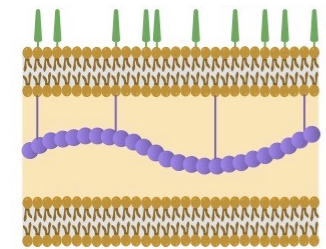
Purple structure
Peptidoglycan
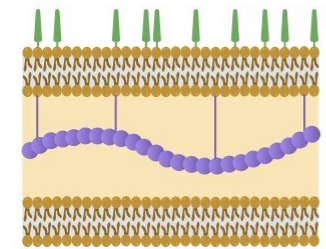
Bottom orange structure
Cytoplasmic membrane
Gram negative bacteria color
Pink (Safranin)
Gram positive bacteria color
Purple (Crystal violet)
Similarities between gram negative and psoitive bacteria
Have cytoplasmic membrane
Have a peptidoglycan layer
Gram’s iodine
Mordant
Mordant
Reacts with crystal violet to form the crystal violet to form the crystal violet-iodine complex
Ethanol
Decolorizing agent
Grams iodine and ethanol are stains
False
Ethanol
Dehydrates the thick peptidoglycan of gram-positive bacteria
Dissolves the lipopolysaccharide layer of gram-negative bacteria
Controls of a gram stain
Gram positive and negative bacteria
Cyanobacteria
Photosynthetic prokaryote
Does chlorophyll a have bacteriophyll?
Yes
How is cyanobacteria arranged?
Linear filaments
Why is cyanobacteria called blue-green algae?
Phycobillins give it a blue hue

Thylakoid membrane

Thylakoid lumen

Cytoplasm

Cytoplasma membrane

Peptidoglycan layer

Outer membrane
Purpose of isolation streak plate
Decreasing bacterial concentrations enough to proliferate into discrete colonies after incubation period
Purpose of spread plate
Creates uniform surface of bacterial growth
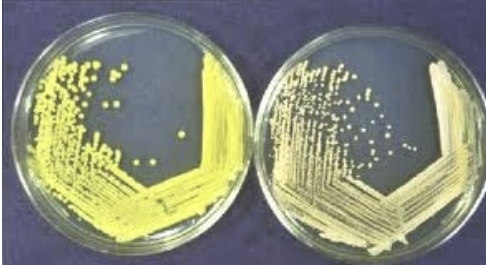
Isolation streak plate
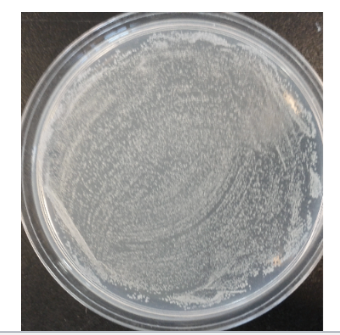
Spread plate
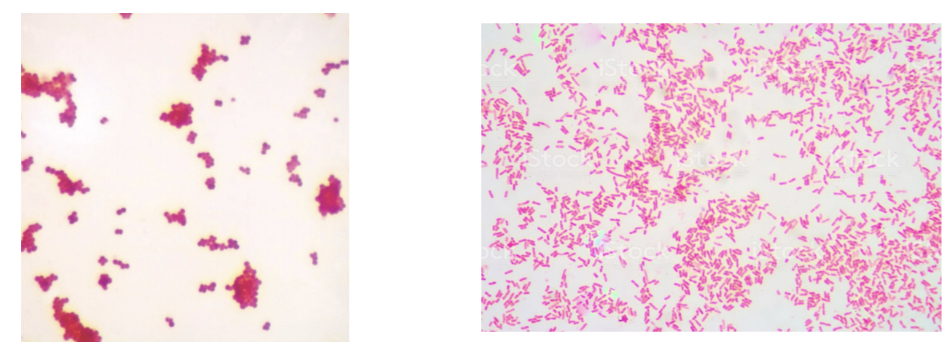
Gram negative bacteria
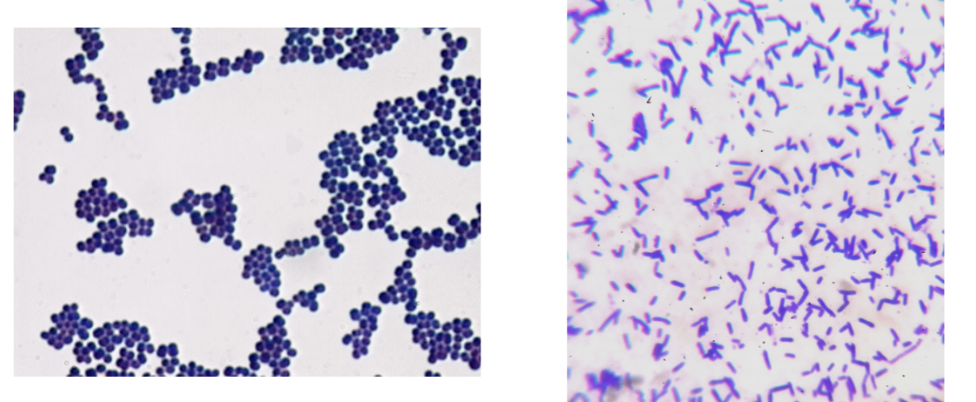
Gram positive bacteria