Post Fordism/Flexible Production

0.0(0)
Studied by 0 people
call kaiCall Kai
learnLearn
examPractice Test
spaced repetitionSpaced Repetition
heart puzzleMatch
flashcardsFlashcards
GameKnowt Play
Card Sorting

1/3

encourage image

There's no tags or description

Looks like no tags are added yet.

Last updated 4:00 AM on 4/29/26
Name
Mastery
Learn
Test
Matching
Spaced
Call with Kai

No analytics yet

Send a link to your students to track their progress

4 Terms
1
New cards
<p>When/Where</p>

When/Where

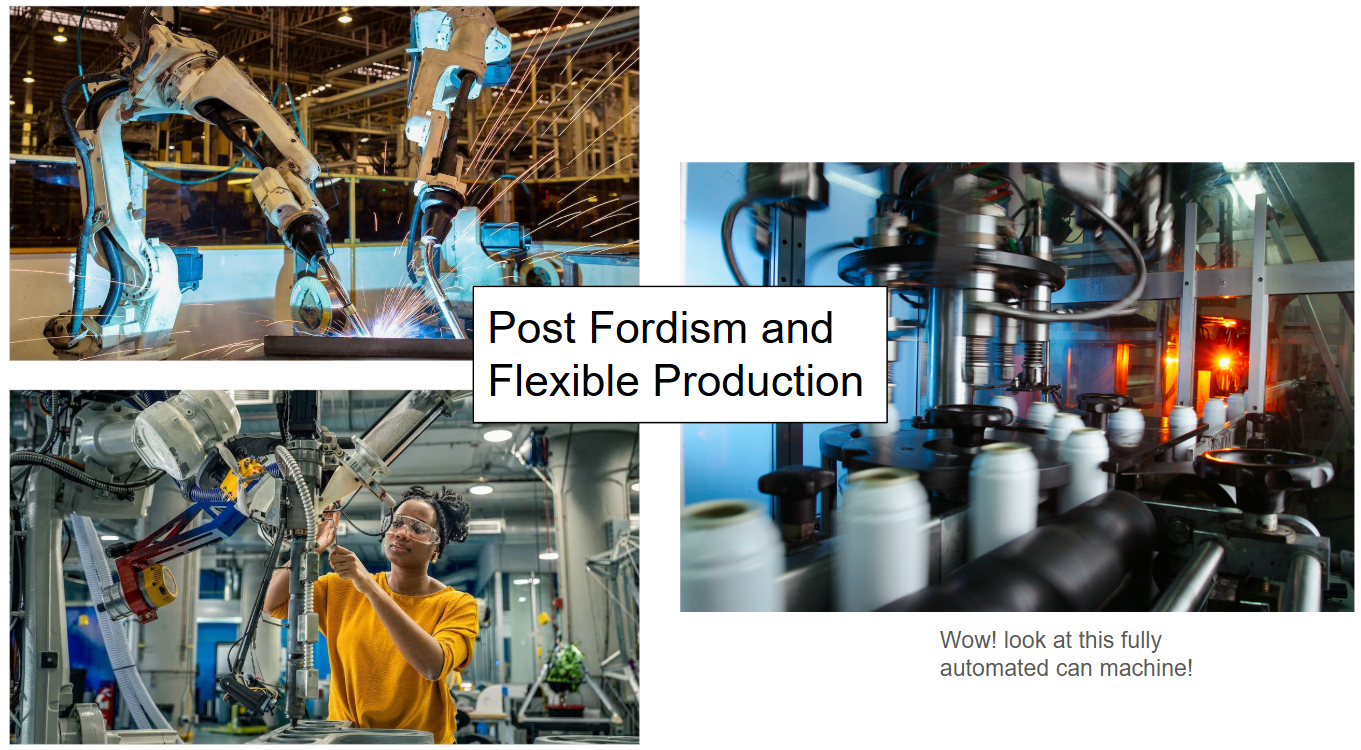
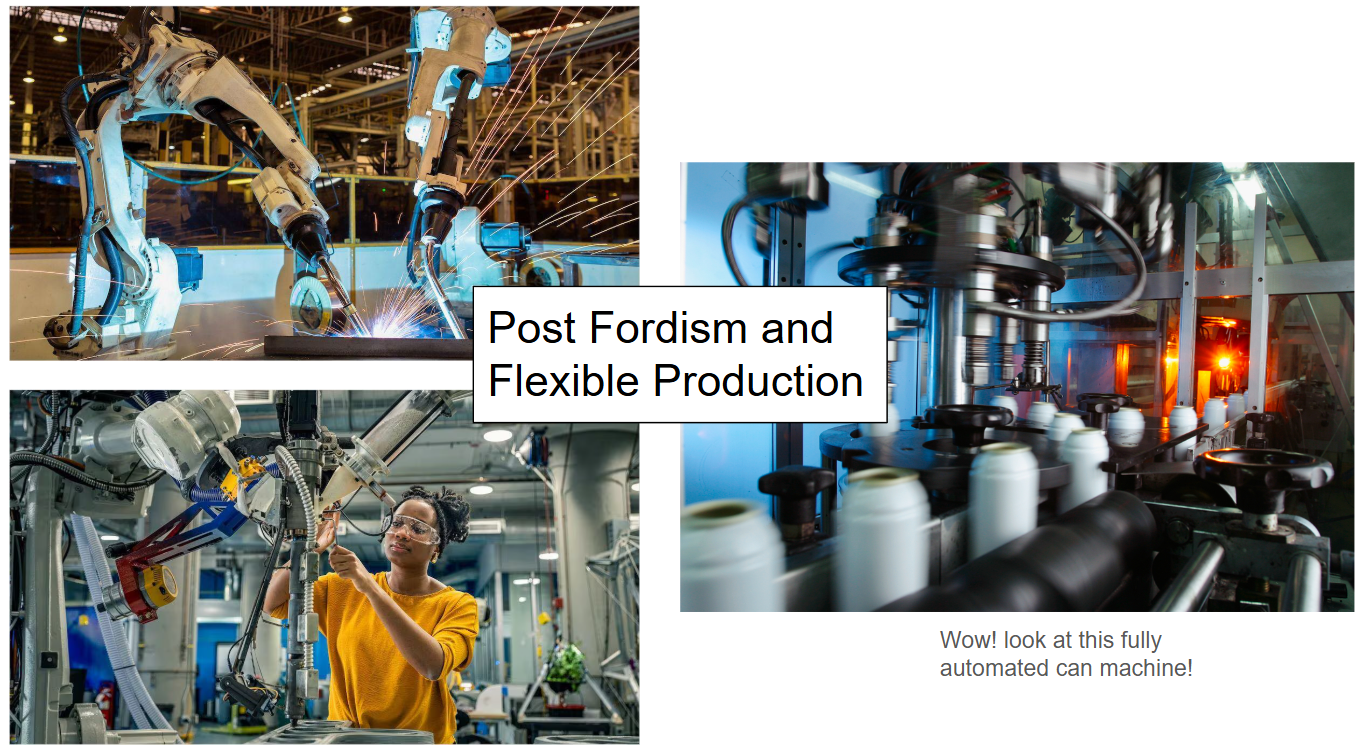
The transition from fordism to flexible production or post fordism began in the mid 1970s as a result of the 1973 oil crisis and the 1970s economic instability. This took place in advanced industrial economies, most notably, Japan, the US, and Western Europe.
<p><span style="background-color: transparent;">The transition from fordism to flexible production or post fordism began in the mid 1970s as a result of the 1973 oil crisis and the 1970s economic instability. This took place in advanced industrial economies, most notably, Japan, the US, and Western Europe.</span></p>
2
New cards
<p>What</p>

What

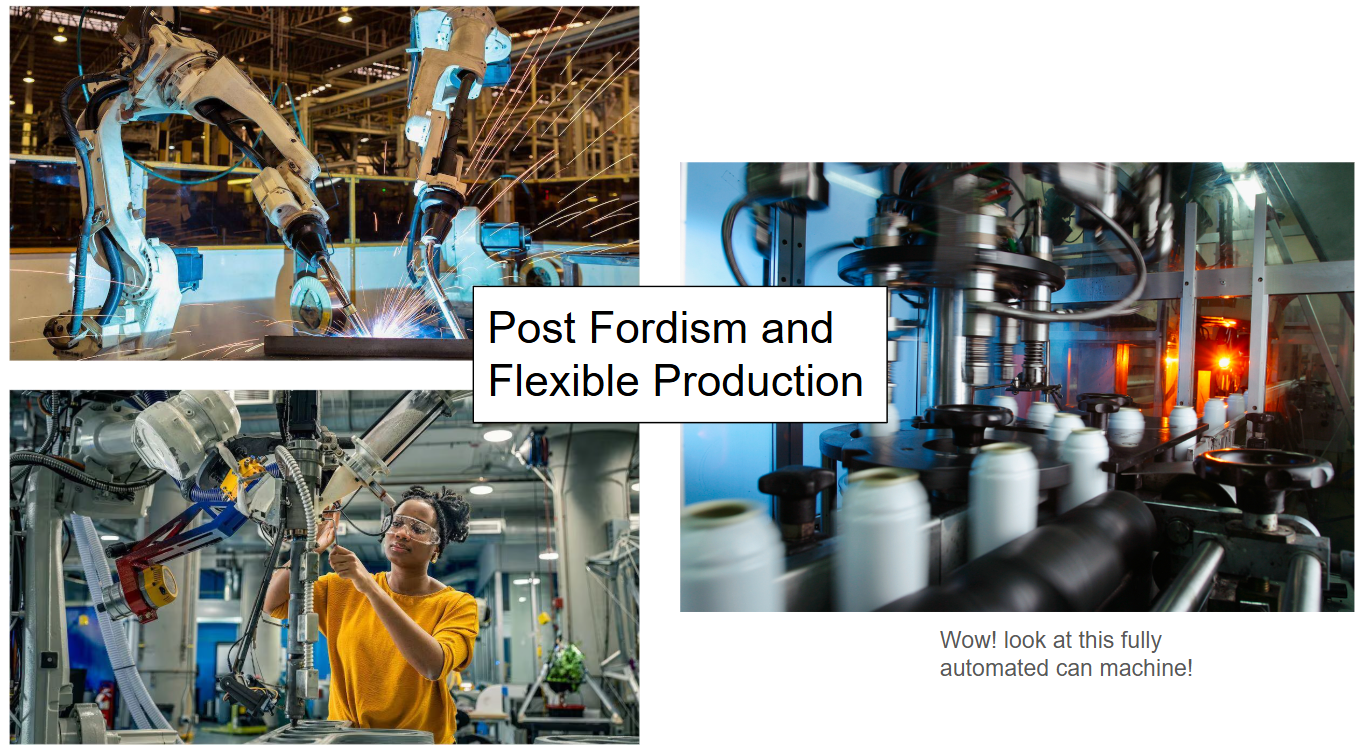
Post Fordism is a modern economic model that focuses on being flexible instead of mass producing the same thing. Instead of using long assembly lines to make millions of identical products, companies used flexible production, using machines and smaller teams of workers that can quickly change what they are making to keep up with new demands.
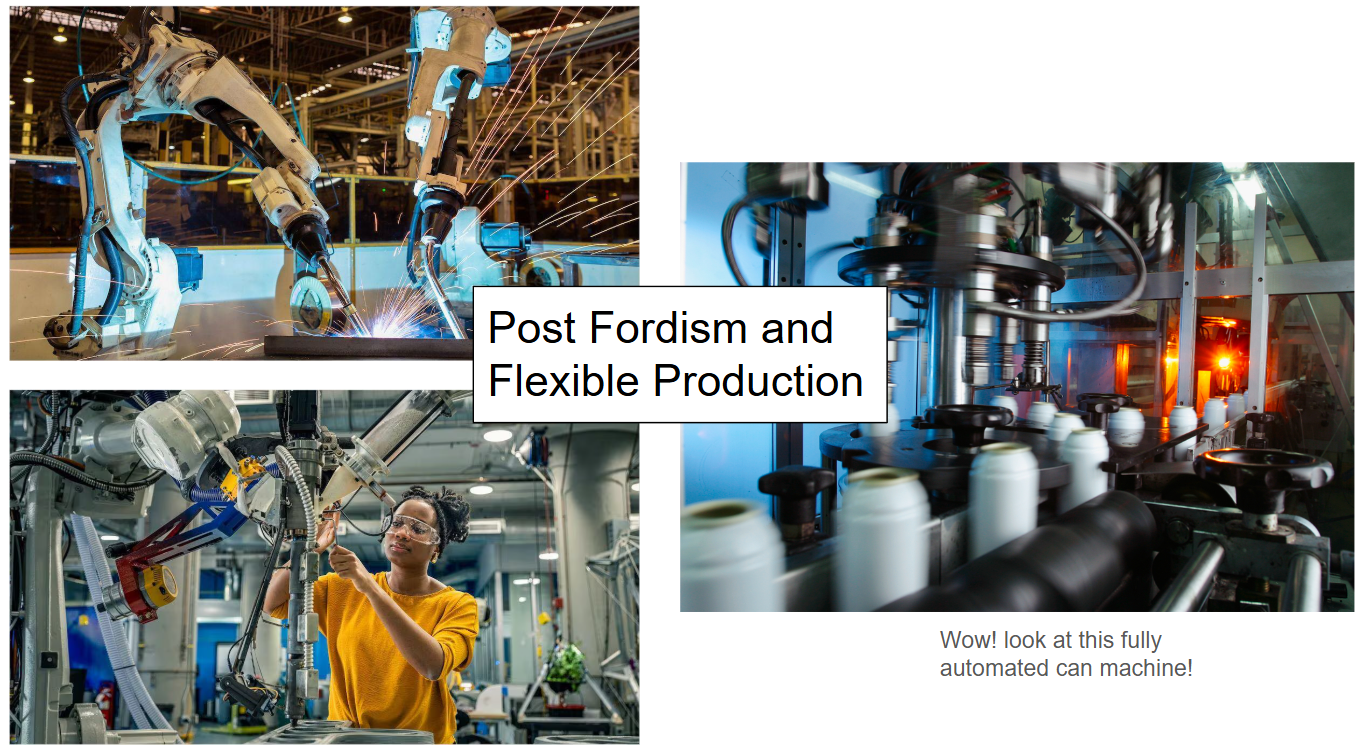
<p><span style="background-color: transparent;">Post Fordism is a modern economic model that focuses on being flexible instead of mass producing the same thing. Instead of using long assembly lines to make millions of identical products, companies used flexible production, using machines and smaller teams of workers that can quickly change what they are making to keep up with new demands.</span></p>
3
New cards
<p>Why/how</p>

Why/how

This happened due to the shift of consumer demand away from identical mass produced goods and towards variety. Inefficiency and global competition also played a major role as holding large inventories was very expensive during times of inflation and costs tended to decrease with flexible factories. Additionally, strong unions and higher wages made workers more expensive, which led to a demand for more flexible production because machines have a fixed cost.
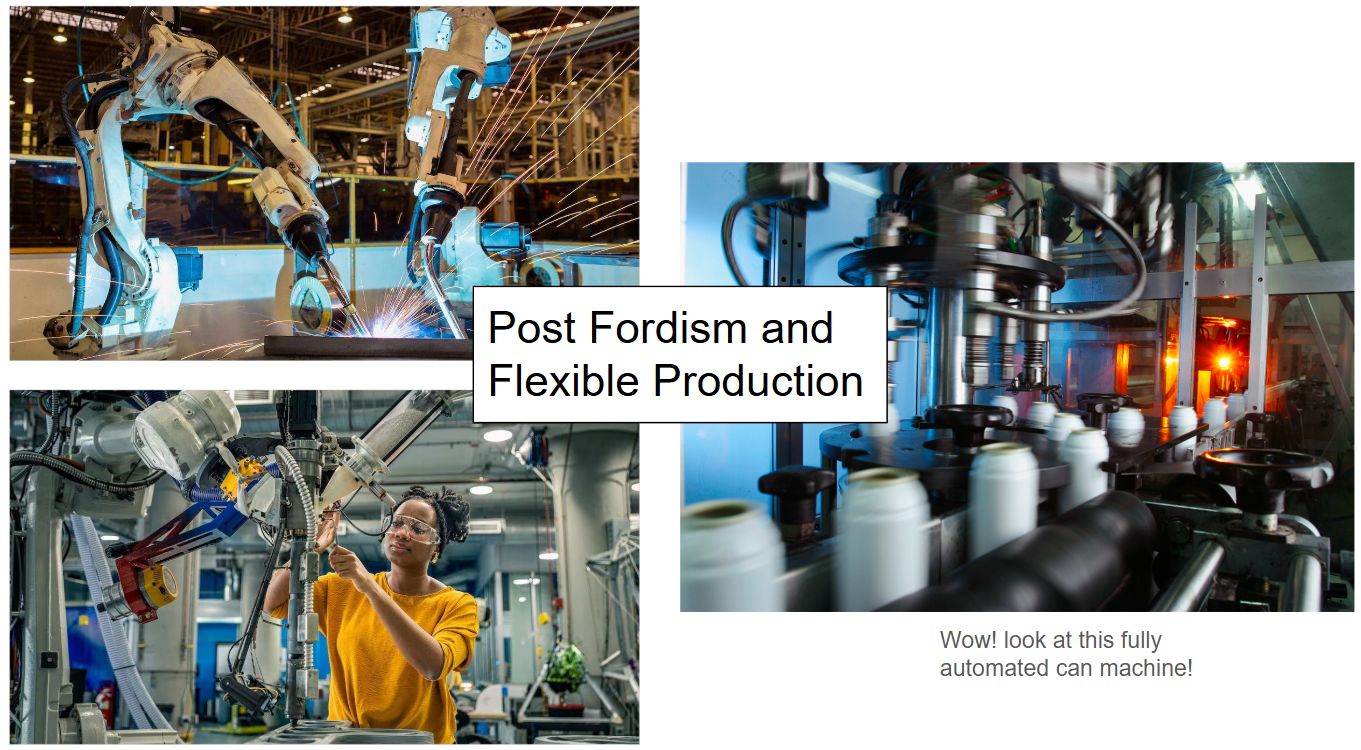
<p><span style="background-color: transparent;">This happened due to the shift of consumer demand away from identical mass produced goods and towards variety. Inefficiency and global competition also played a major role as holding large inventories was very expensive during times of inflation and costs tended to decrease with flexible factories. Additionally, strong unions and higher wages made workers more expensive, which led to a demand for more flexible production because machines have a fixed cost.</span></p>
4
New cards
term image

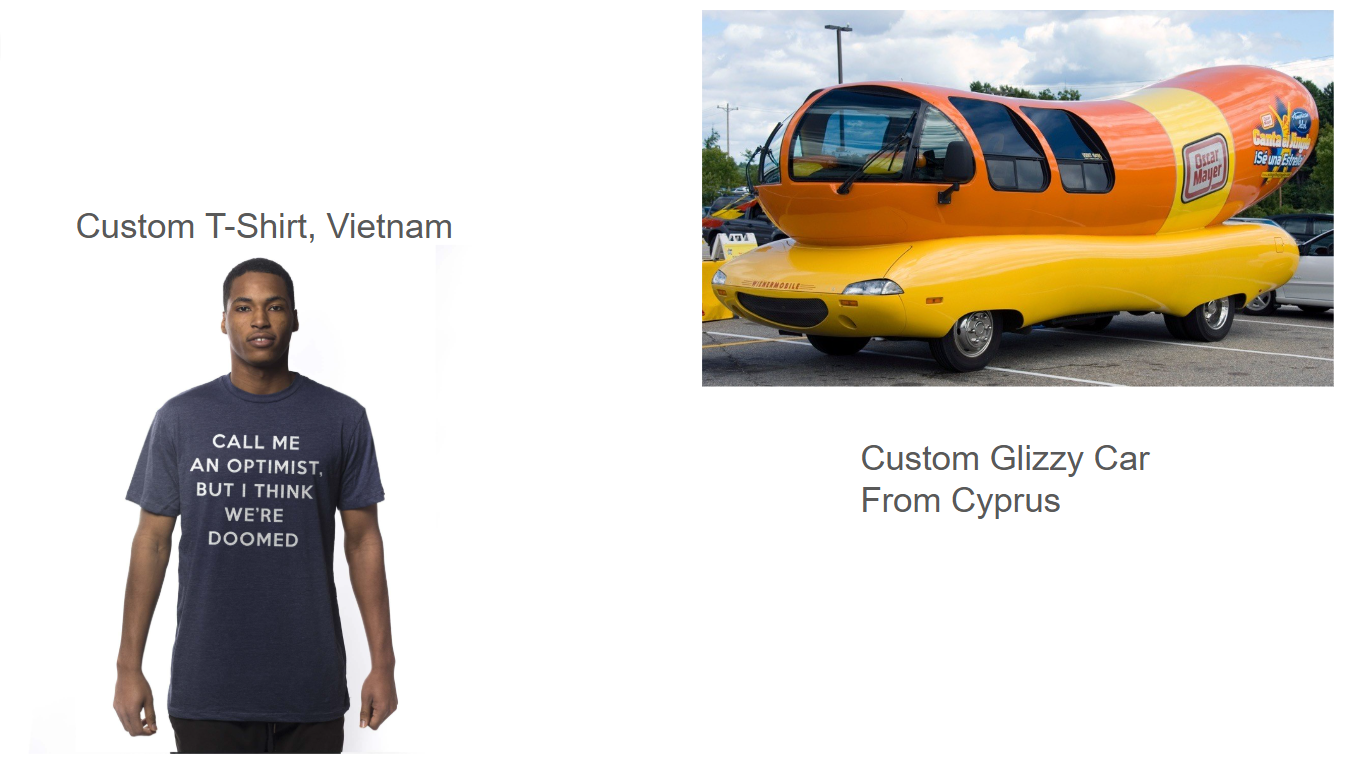
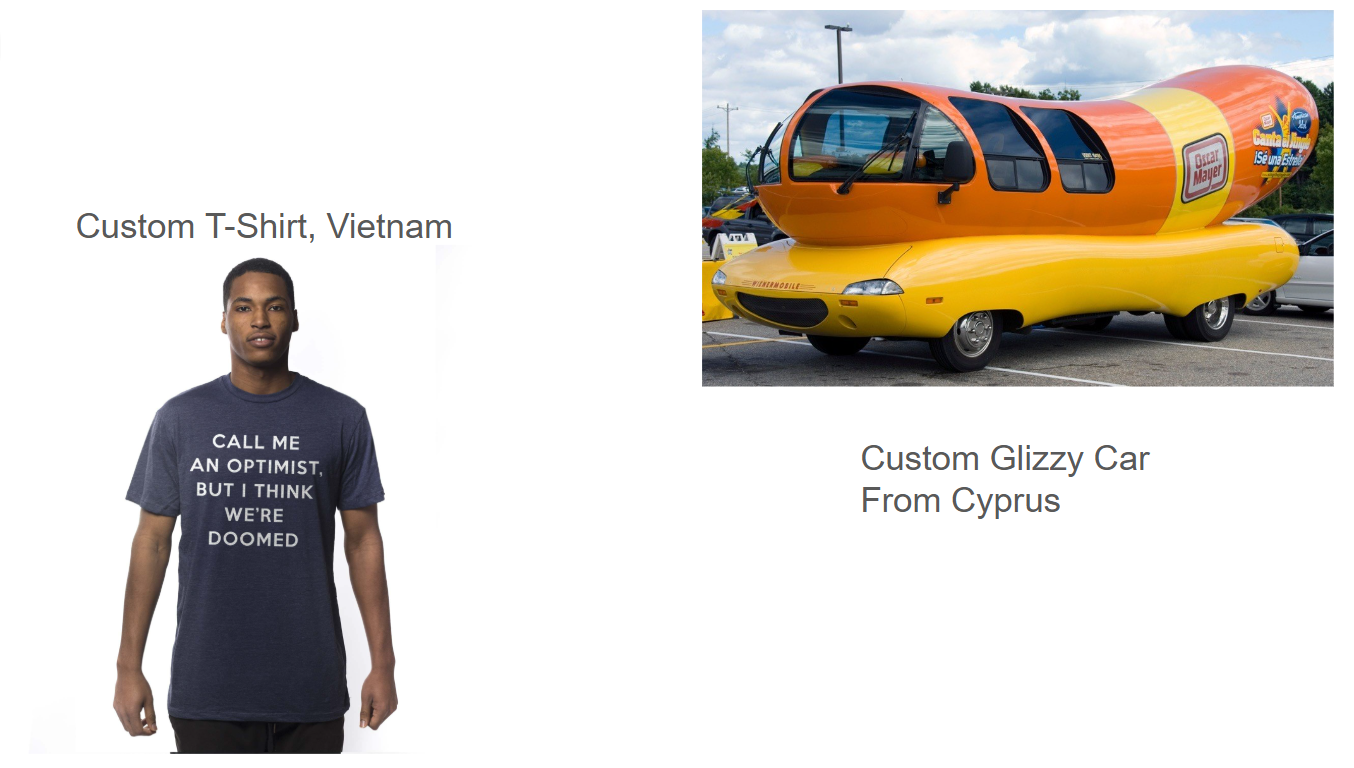
Post Fordism is important because it changed industrialization from “one big factory” into a globalized network of production. Instead of everything being made in a single city, flexible production lets companies split work across different countries to save money and create varied products quickly.

This is why you can buy custom products from all over the world, and why the economy is so interconnected. This means that a delay in one part of the world can stop production everywhere else too.
<p><span style="background-color: transparent;">Post Fordism is important because it changed industrialization from “one big factory” into a globalized network of production. Instead of everything being made in a single city, flexible production lets companies split work across different countries to save money and create varied products quickly.</span><br></p><p><span style="background-color: transparent;">This is why you can buy custom products from all over the world, and why the economy is so interconnected. This means that a delay in one part of the world can stop production everywhere else too.</span></p>



