Introduction to Ruminant Parasites and their Pathology
 Call Kai
 Learn
Learn Practice Test
 Spaced Repetition
 Match
Match Flashcards
 Knowt Play
1/22

There's no tags or description
Looks like no tags are added yet.
Name | Mastery | Learn | Test | Matching | Spaced | Call with Kai |
|---|
No analytics yet
Send a link to your students to track their progress
23 Terms
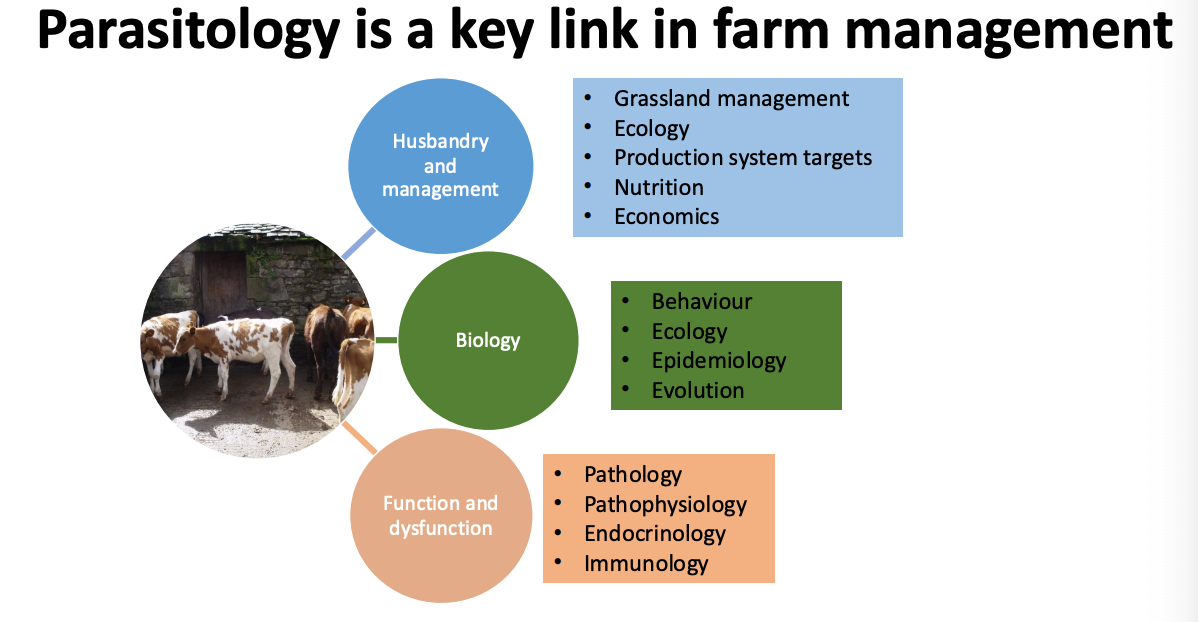
How does farm management link to parasitology?
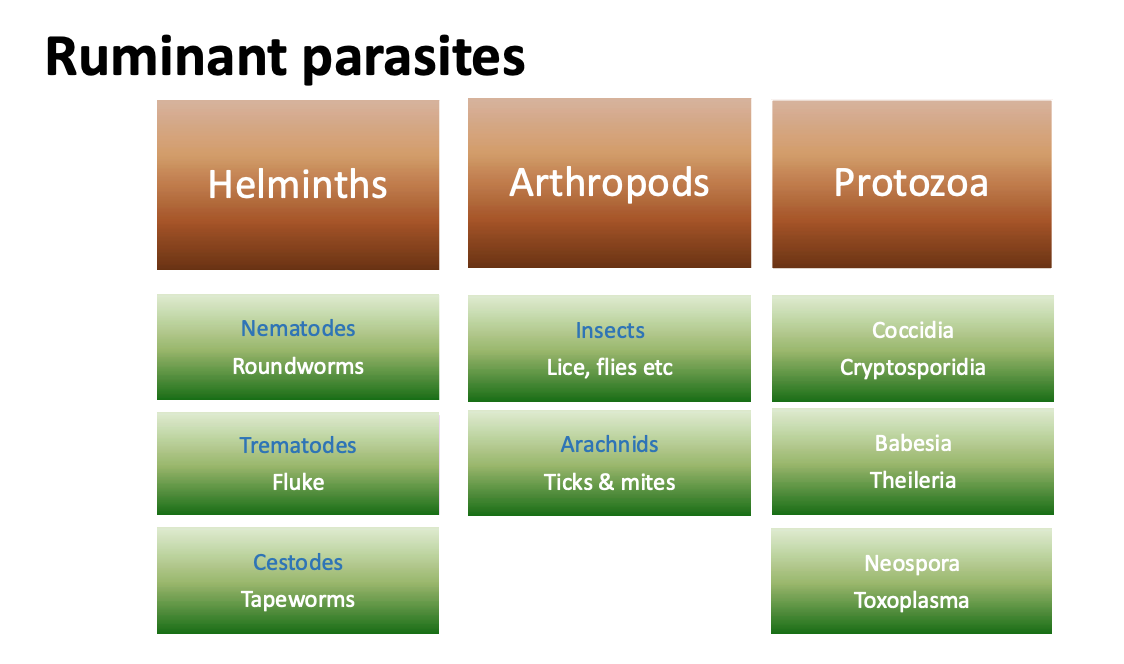
Summarize the main ruminant parasites.
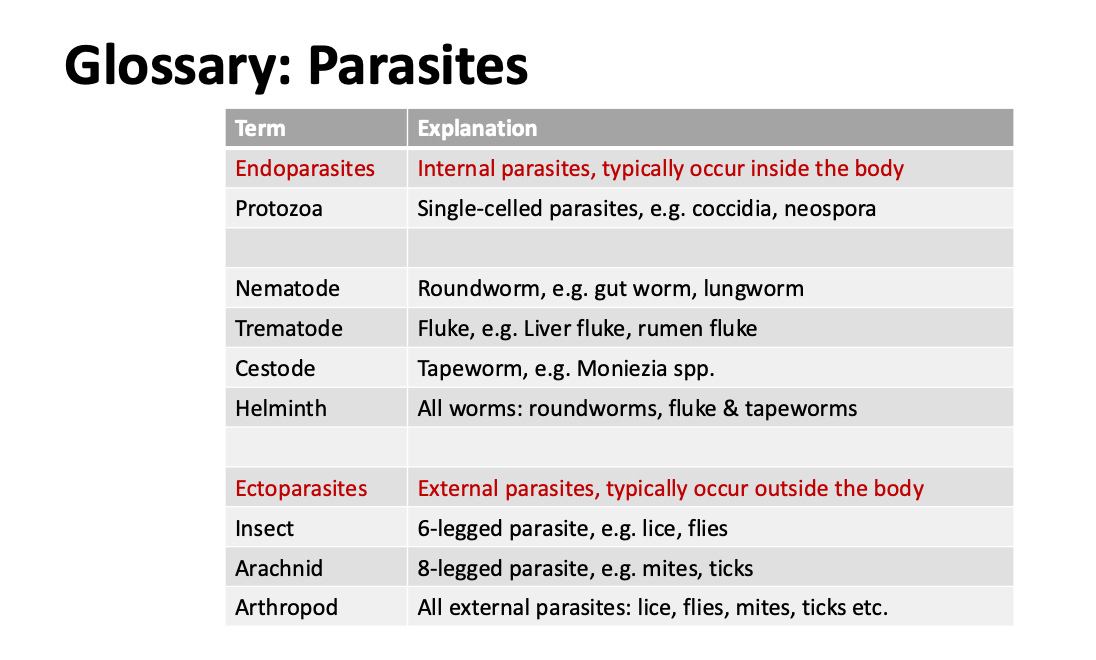
Glossary terms**
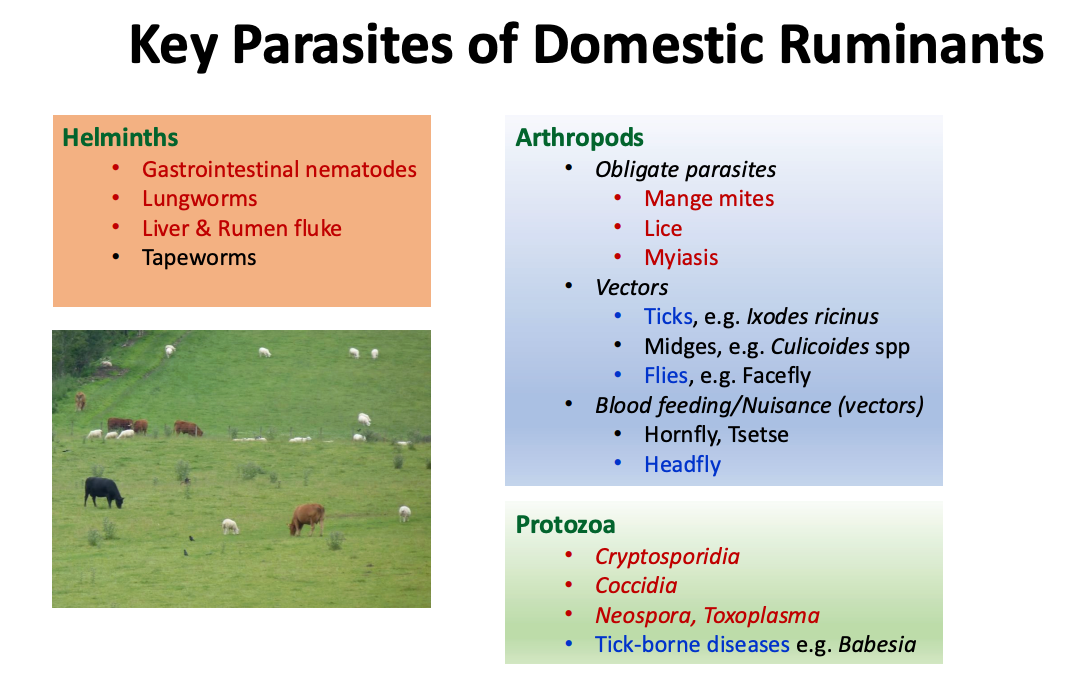
What are the key parasites of domestic ruminants.
Tapeworm - bigger issue for meat quality and fitness for human consumption, risk for human health but minimal signs in ruminants
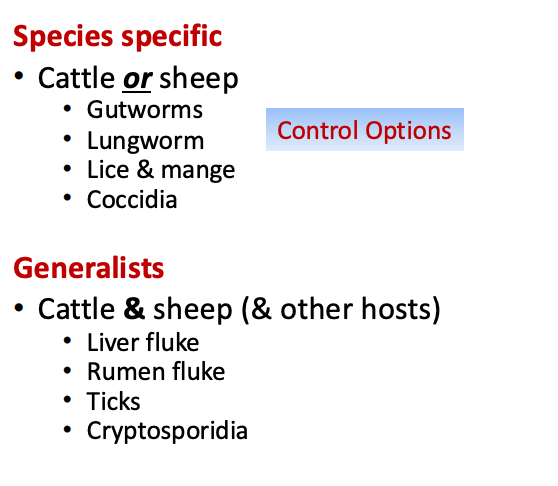
Describe the host specificity for livestock parasites affecting cattle and sheep.
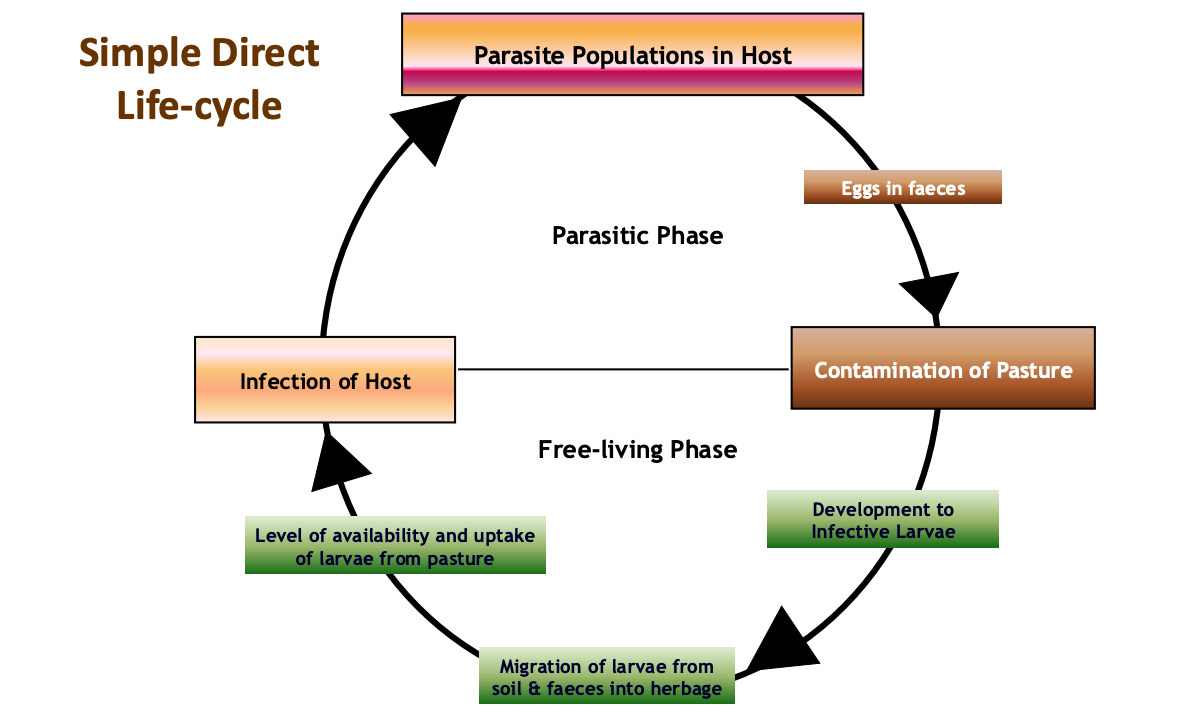
Summarize a simple direct lifecycle.
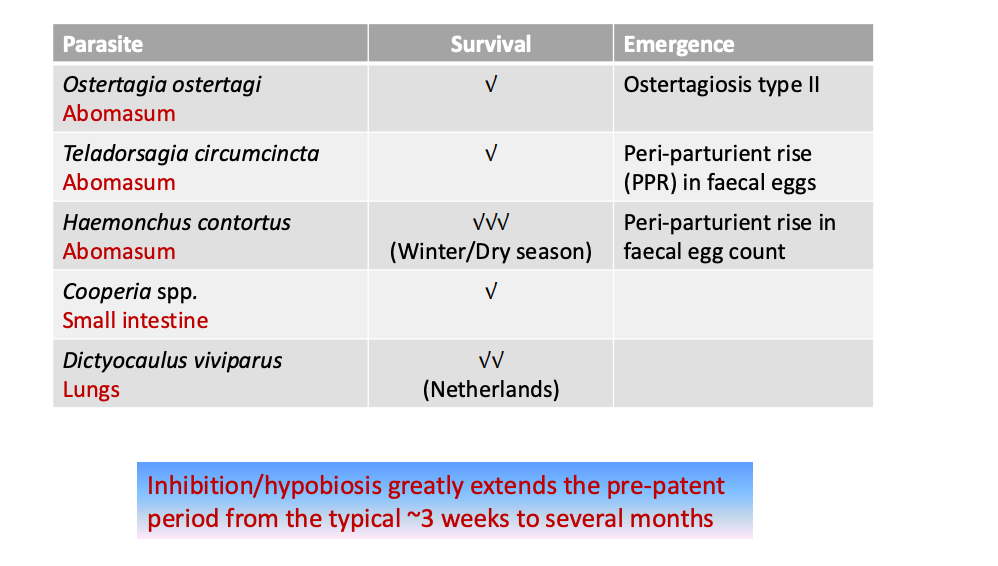
What parasites undergo larval inhibition in the host during cold temperatures?
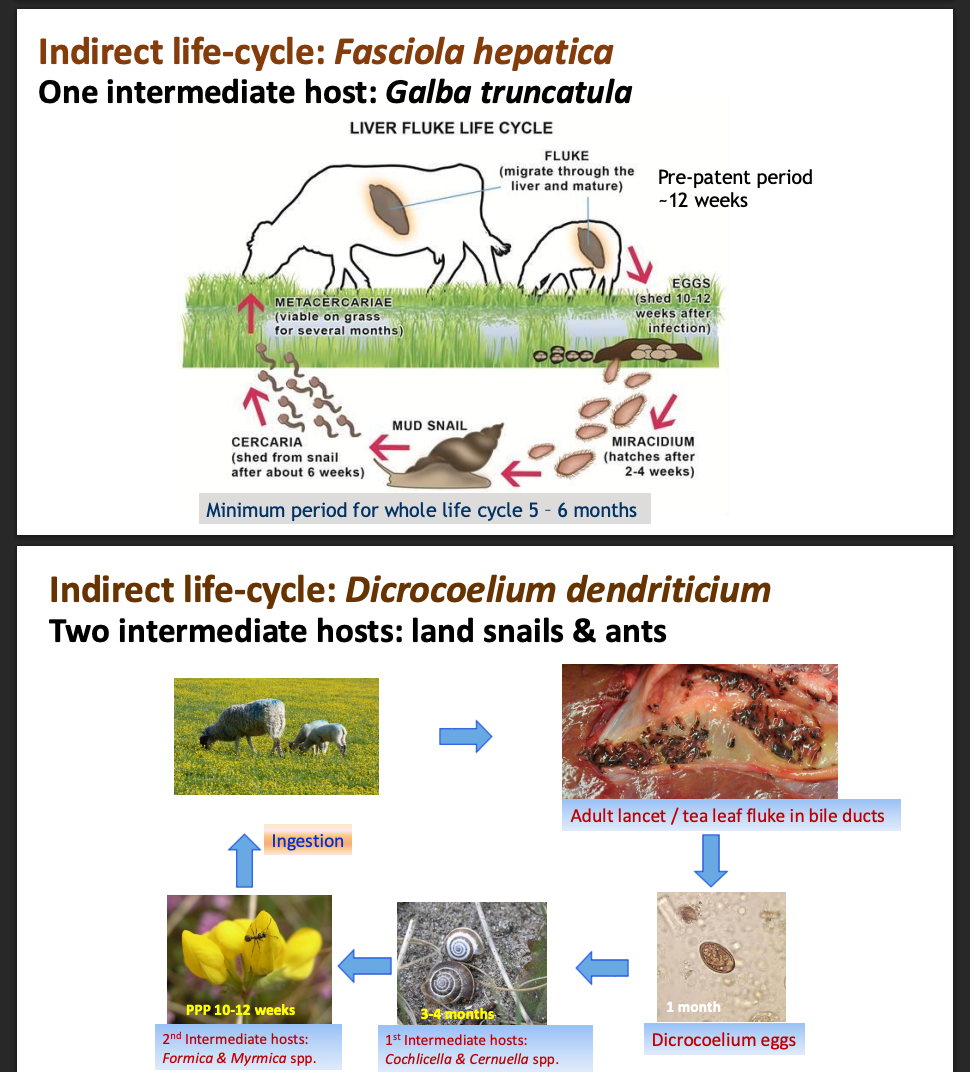
Summarize a couple parasitic indirect life cycles.
An indirect life cycle (heteroxenous) is a parasitic transmission method requiring two or more host species to complete development, distinguishing it from direct lifecycles.
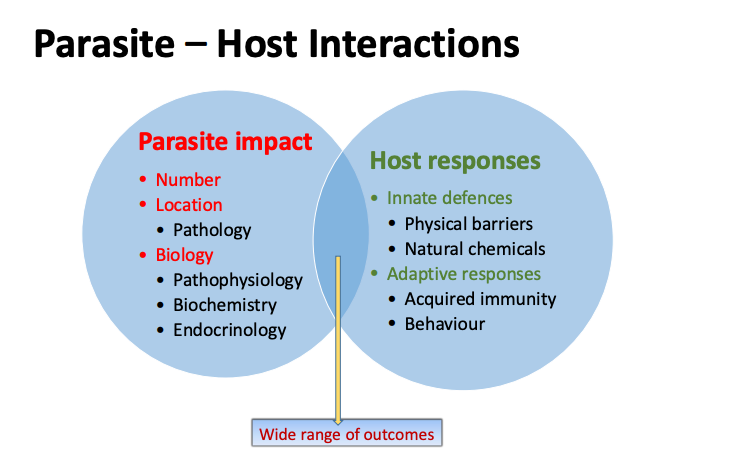
What is the impact of ruminant parasites?
____ _____ is key to pathogenesis of PGE.
food intake
60 - 70% of the reduction in growth rate in sub-clinically infected lambs and calves can be attributed to anorexia and reduced feed intake
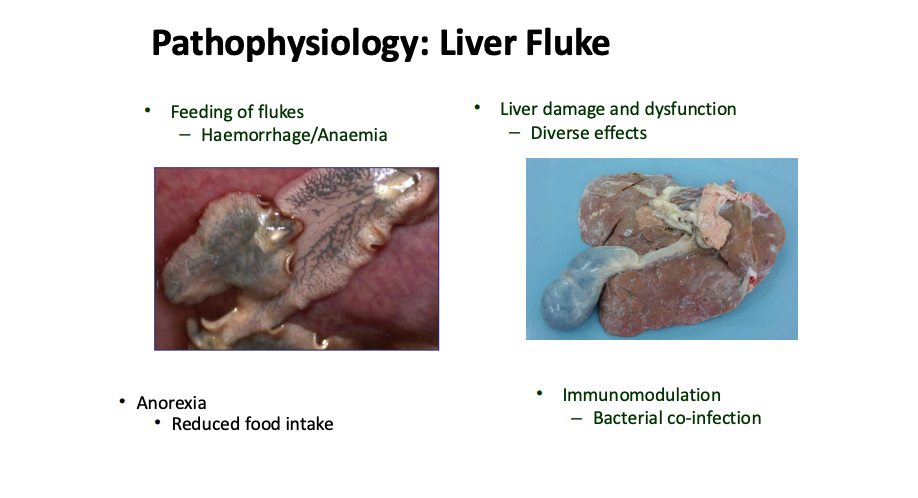
What is the pathophysiology of liver fluke?
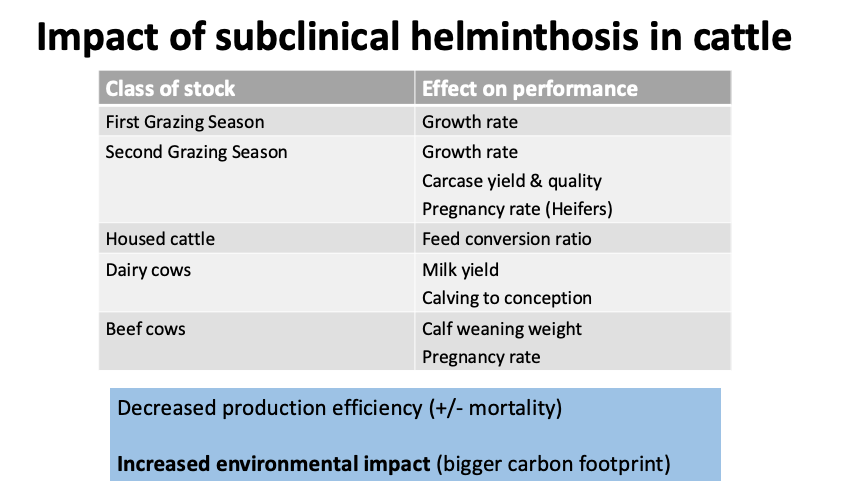
What is the impacts of subclinical helminthosis in cattle?
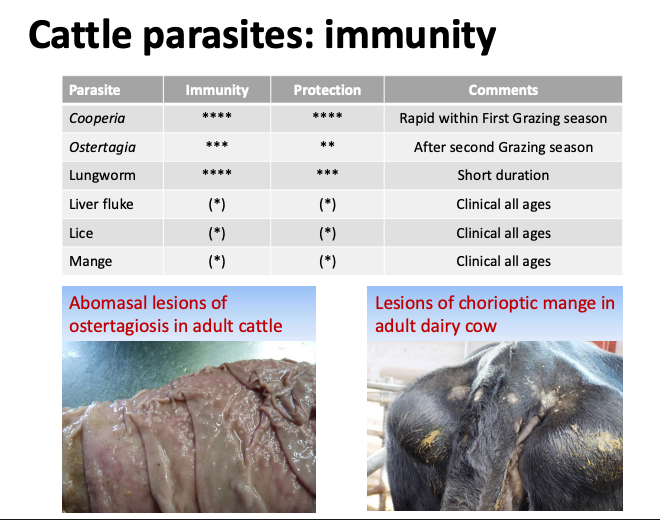
Summarize immunity to parasites in cattle.
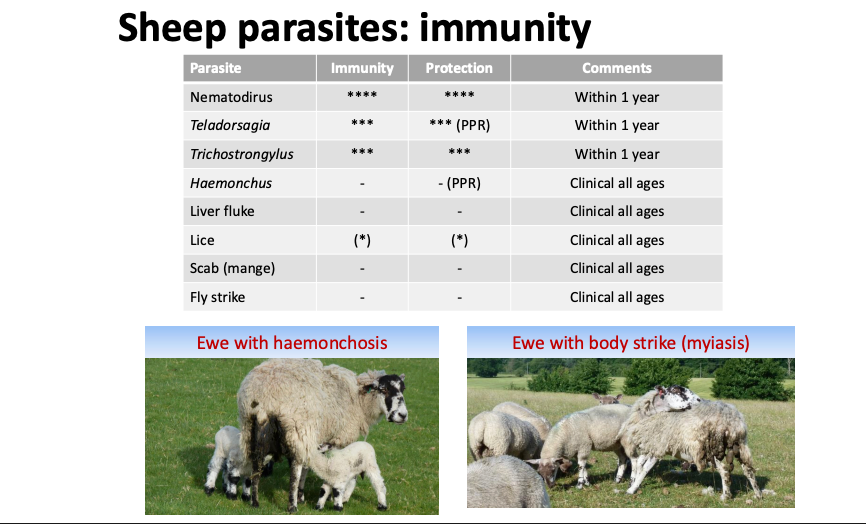
Summarize immunity to parasites in sheep.
What are the current diagnostic and monitoring used for helminths?
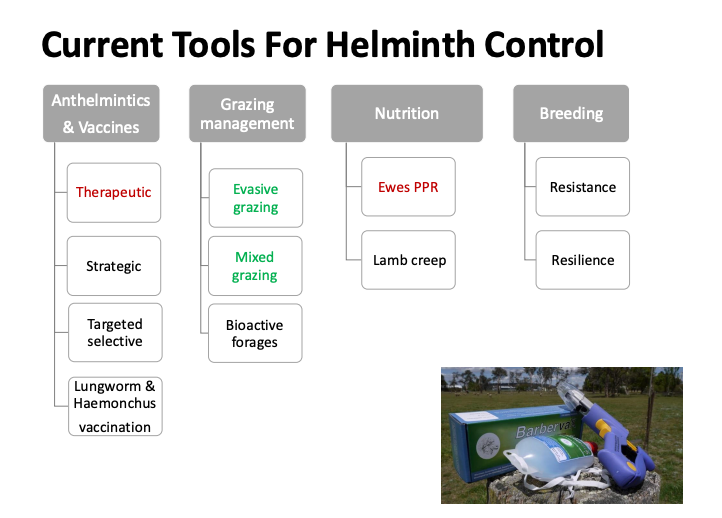
What are the current control mechanisms used for helminths?
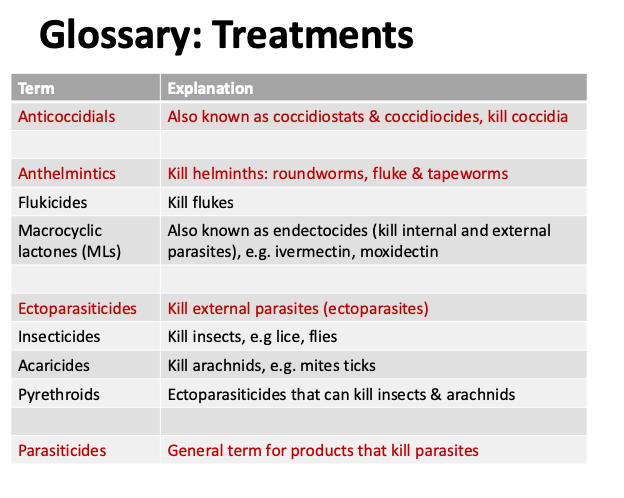
Glossary for treatments**
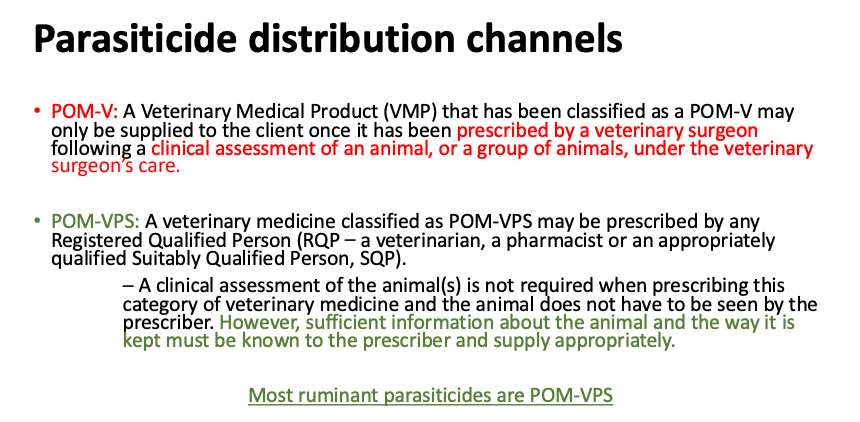
Describe the main parasiticide distribution channels.
Main ectoparasite groups include?
• Insects
• Lice
• Flies
• Arachnids
• Mange mites
• Ticks
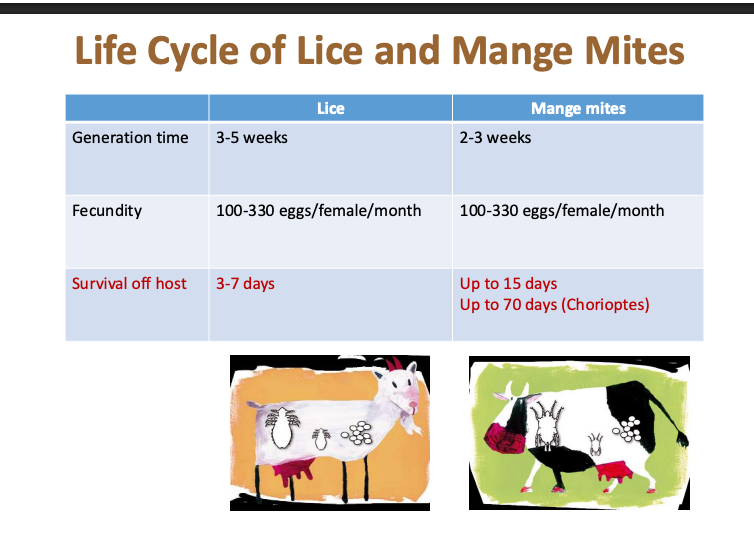
Summarize the life cycles of lice and mange mites.
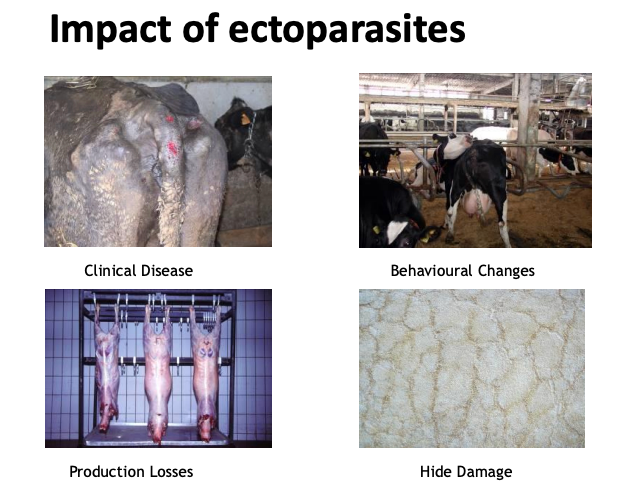
What is the impact of ectoparasites?
How are they diagnosed?
Visual or skin scraping
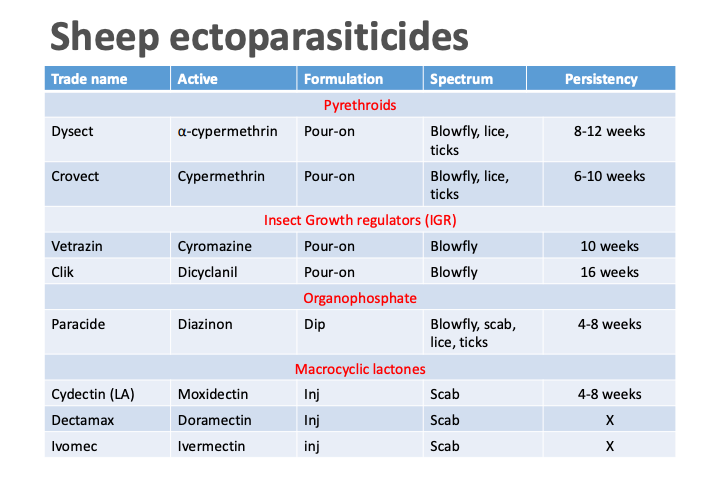
Summarize the main ectoparasiticides.
How can medicines or treatments be used at pasture?