Massage Therapy and Clinical Pathology Lecture Notes
 Call Kai
 Learn
Learn Practice Test
 Spaced Repetition
 Match
Match Flashcards
 Knowt Play
1/93

Earn XP
Description and Tags
Comprehensive vocabulary flashcards covering massage therapy basics, anatomy, physiology, hydrotherapy, and clinical pathologies based on lecture transcript.
Name | Mastery | Learn | Test | Matching | Spaced | Call with Kai |
|---|
No analytics yet
Send a link to your students to track their progress
94 Terms
Asthma client accommodations
Includes an air purifier, scent free environment, proper ventilation, hypoallergenic lotions, boasting ventilation, and maintaining a moderate temperature.
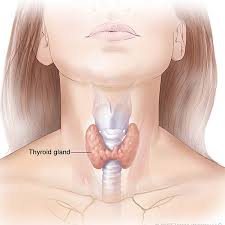
Thyroid
Located in the neck and responsible for making hormones.
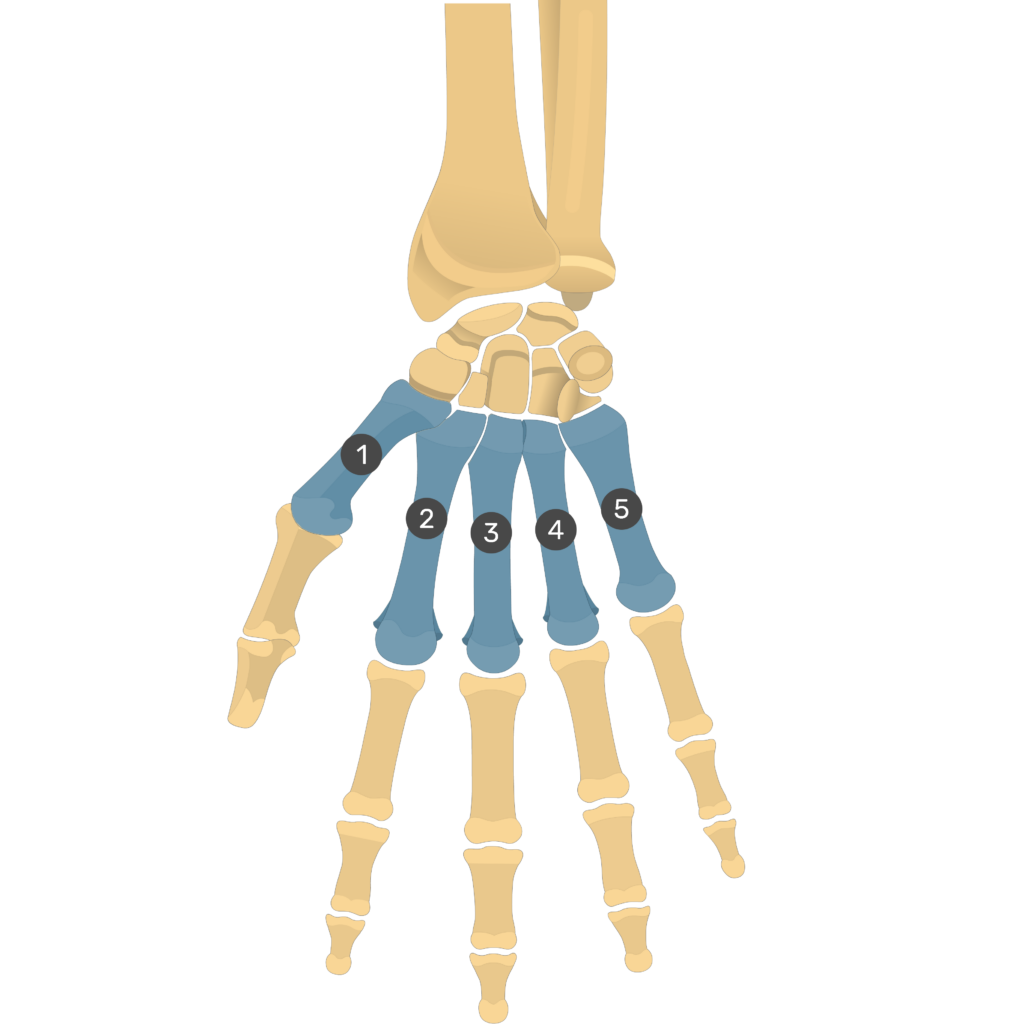
Metacarpals
Bones located in the hand.
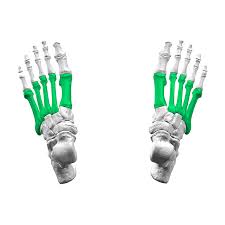
Metatarsals
Bones located in the foot.
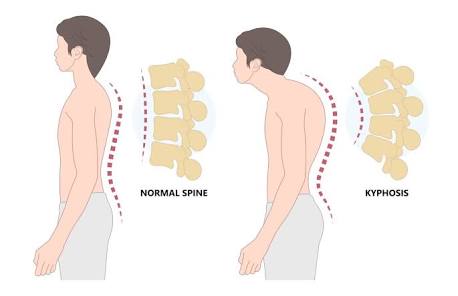
Kyphosis
An exaggerated thoracic curve, often resulting in a rounded upper back.
HIPPA
Stands for Health Insurance Portability and Accountability Act.
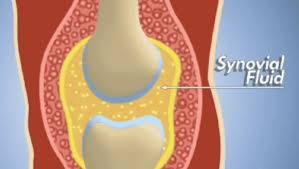
Synovial fluid
Lubricates the joint, reduces friction on cartilage, and acts as a shock absorber.
Diarrhoric joint
A freely movable synovial joint.
Articulation
The place where two bones meet to form a joint.
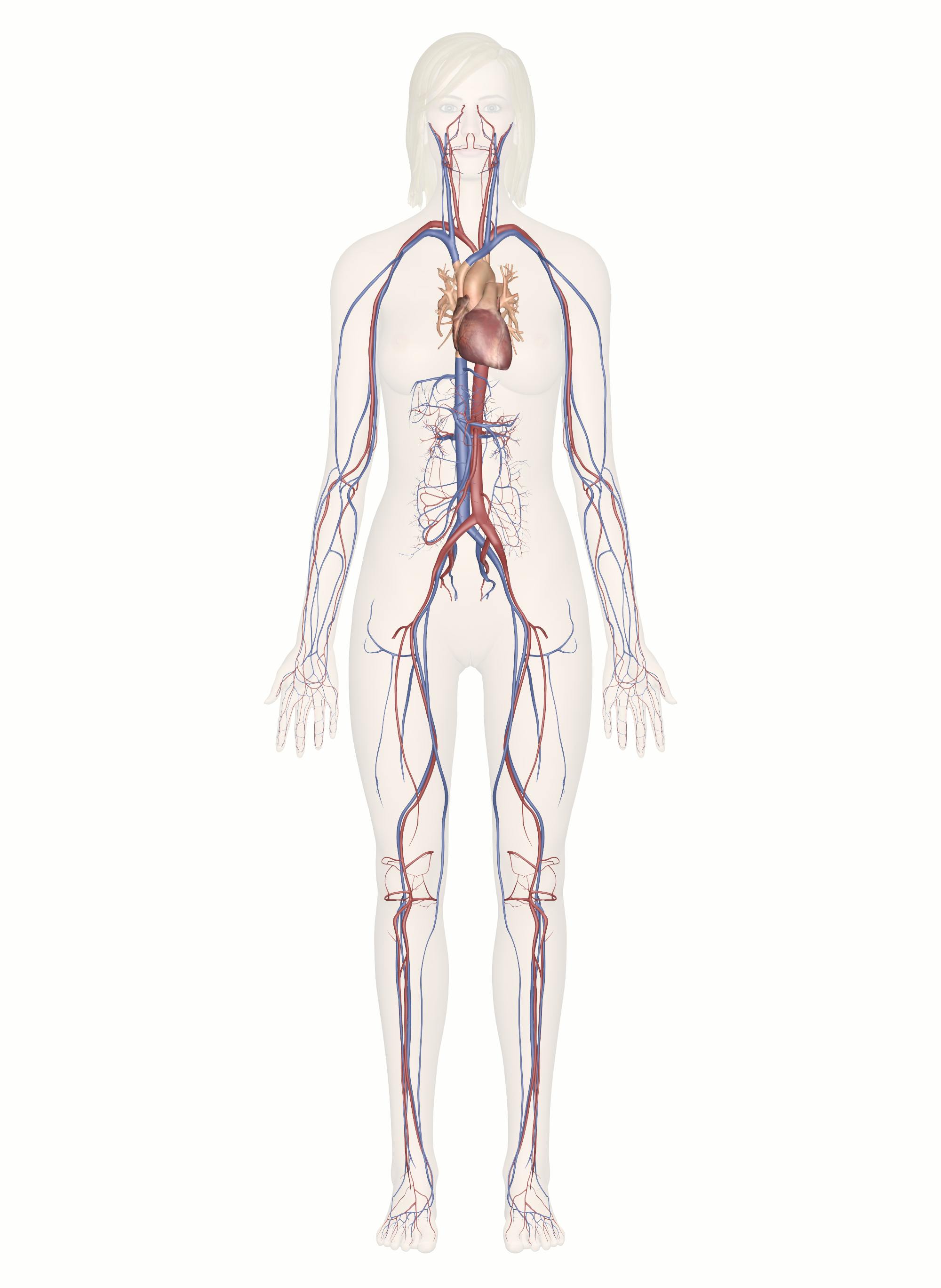
Cardiovascular system
Also known as the circulatory system; it transports gases, specifically oxygen from the lungs to body tissues and carbon dioxide in the opposite direction.
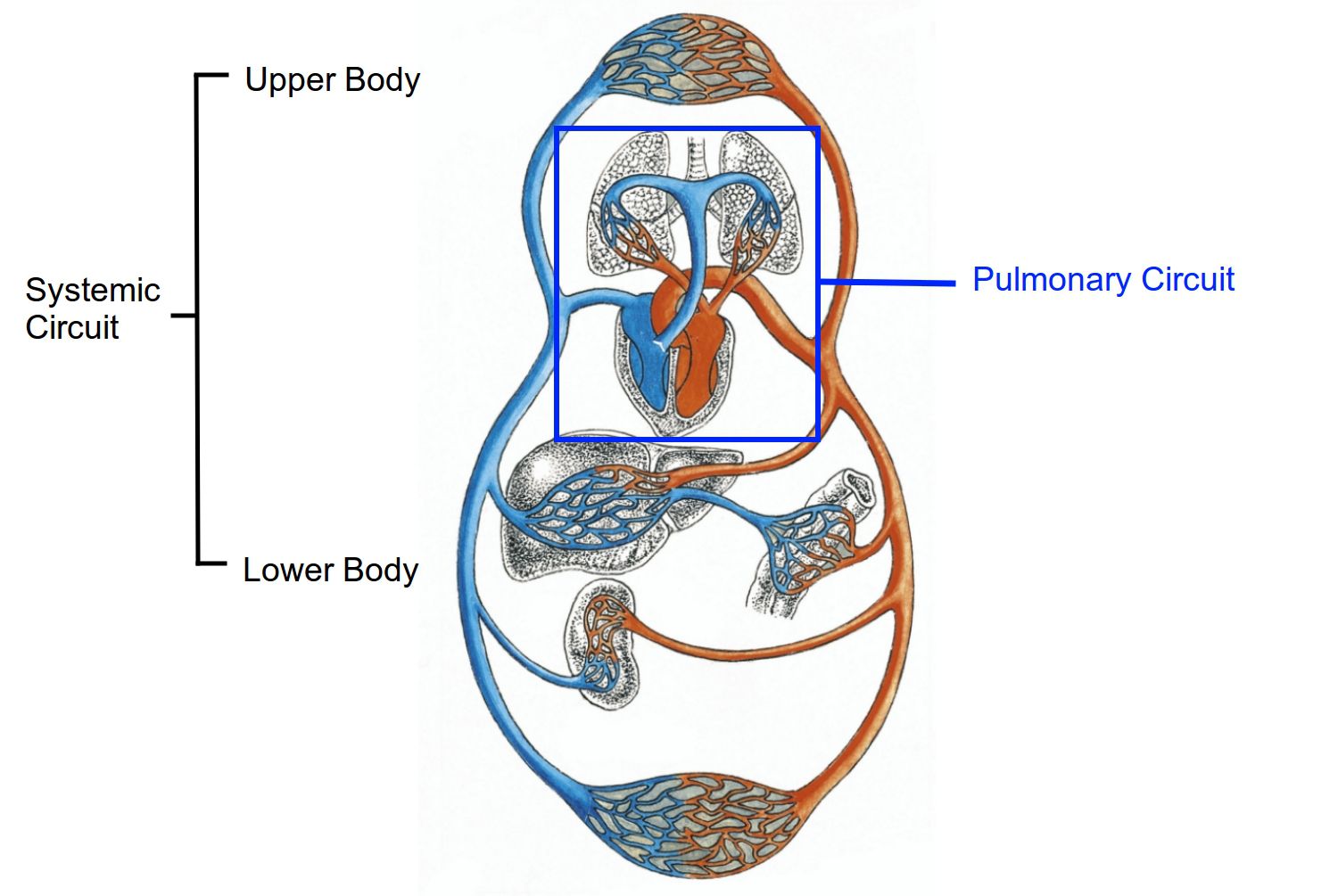
Pulmonary circuit
The part of the system where oxygen poor blood returns to the right side of the heart, is pumped to the lungs to pick up oxygen and release carbon dioxide, and returns oxygen rich to the left side of the heart.
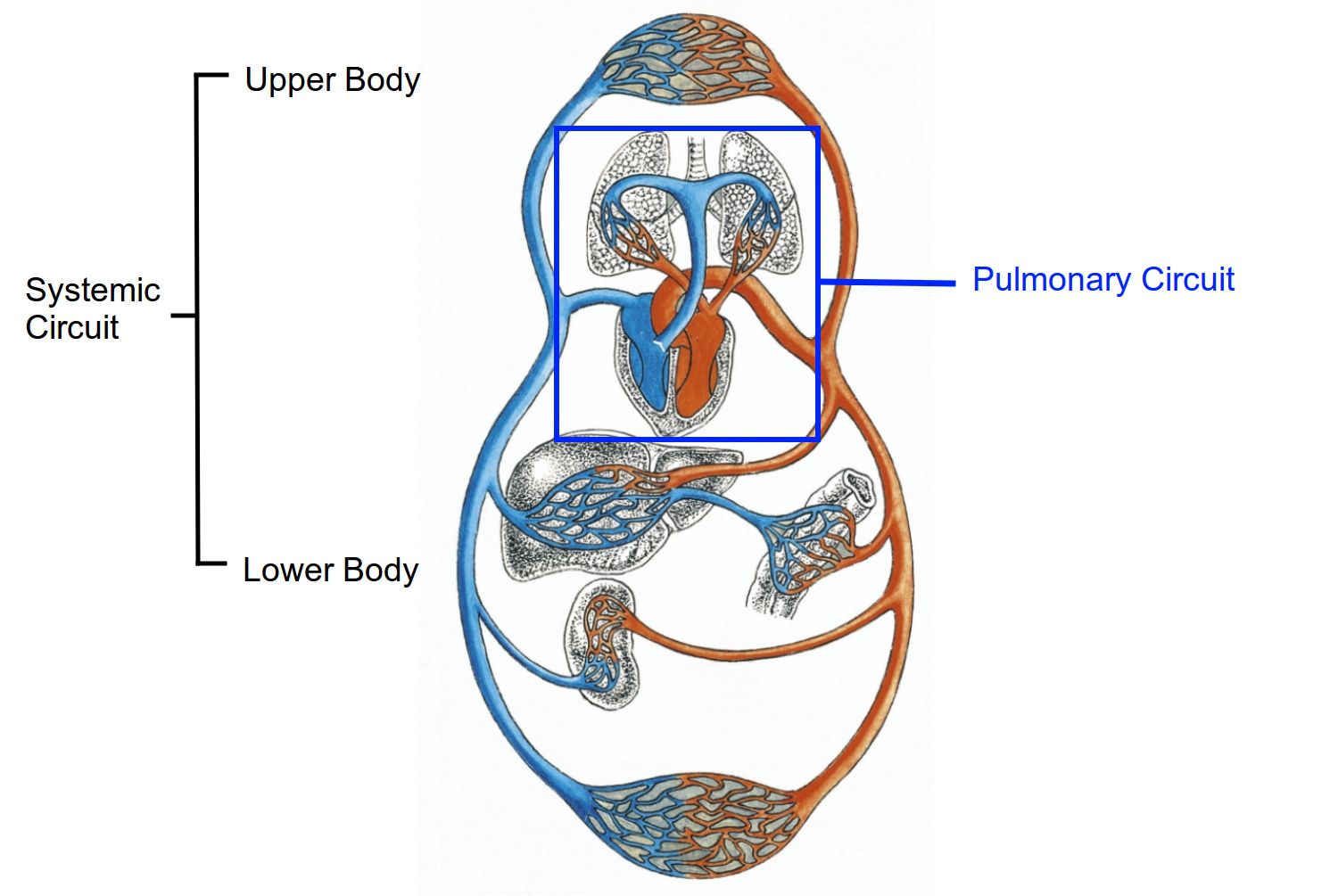
Systemic circuit
The part of the system where the left side of the heart pumps oxygen rich blood to the body's tissues and deoxygenated blood returns to the right side of the heart.
Veins
Vessels that carry blood towards the heart.
Arteries
Vessels that carry blood away from the heart.
Blood path through the heart
Right atrium to right ventricle to left atrium to left ventricle.
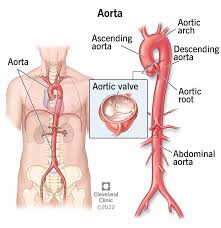
Aorta
The main artery of the body that supplies oxygenated blood to the circulatory system.
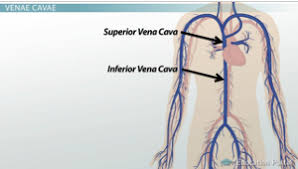
Inferior/Superior vena cava
Vessels that return deoxygenated blood from the upper and lower body to the right atrium of the heart.
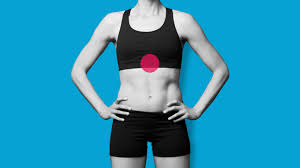
Solar plexus
A complex network of nerves in the upper abdomen behind the stomach and in front of the aorta; acts as a central hub for the autonomic nervous system.
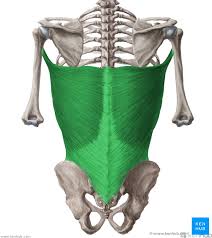
Latissimus dorsi
A muscle that medially rotates and adducts the humerus.
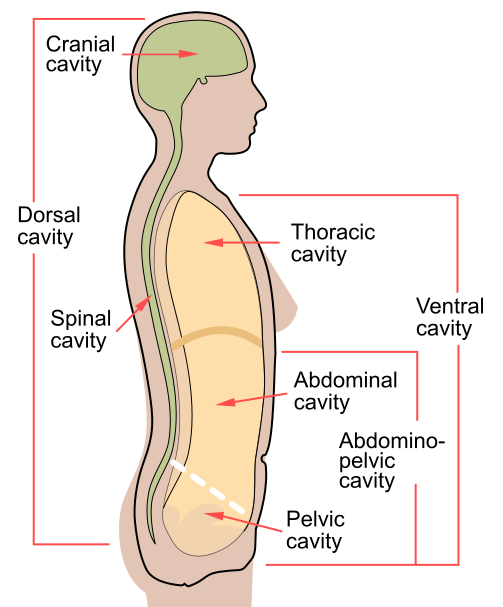
Dorsal cavity
The cavity containing the brain and spinal cord.
Respiratory membrane
Its main function is to separate air into the alveoli or the blood capillaries.
Prolactin
Hormone responsible for the production of milk.
A1c
Diagnostic for people with diabetes; monitors blood presure.
Recumbent position
Laying on the side.
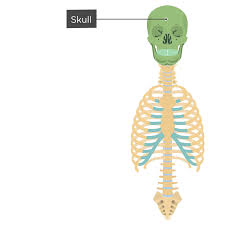
Axial skeleton
The central axis of the body including the skull, neck, and trunk.
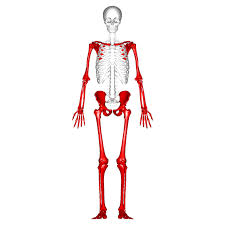
Appendicular skeleton
Includes the upper and lower limbs as well as the pectoral (shoulder) and pelvic (hip) girdles.
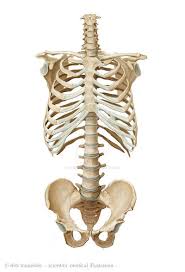
Trunk
The central part of the body connecting the head, arms, and legs together.
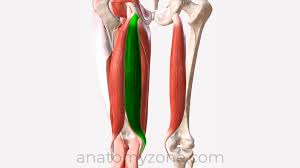
Semitendinosus
A superficial muscle lying on top of the semimembranosus; it flexes the knee, extends the hip, and inserts into the medial surface of the tibia as part of the pes anserius.
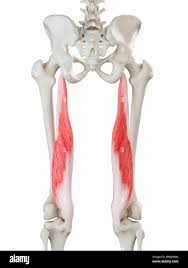
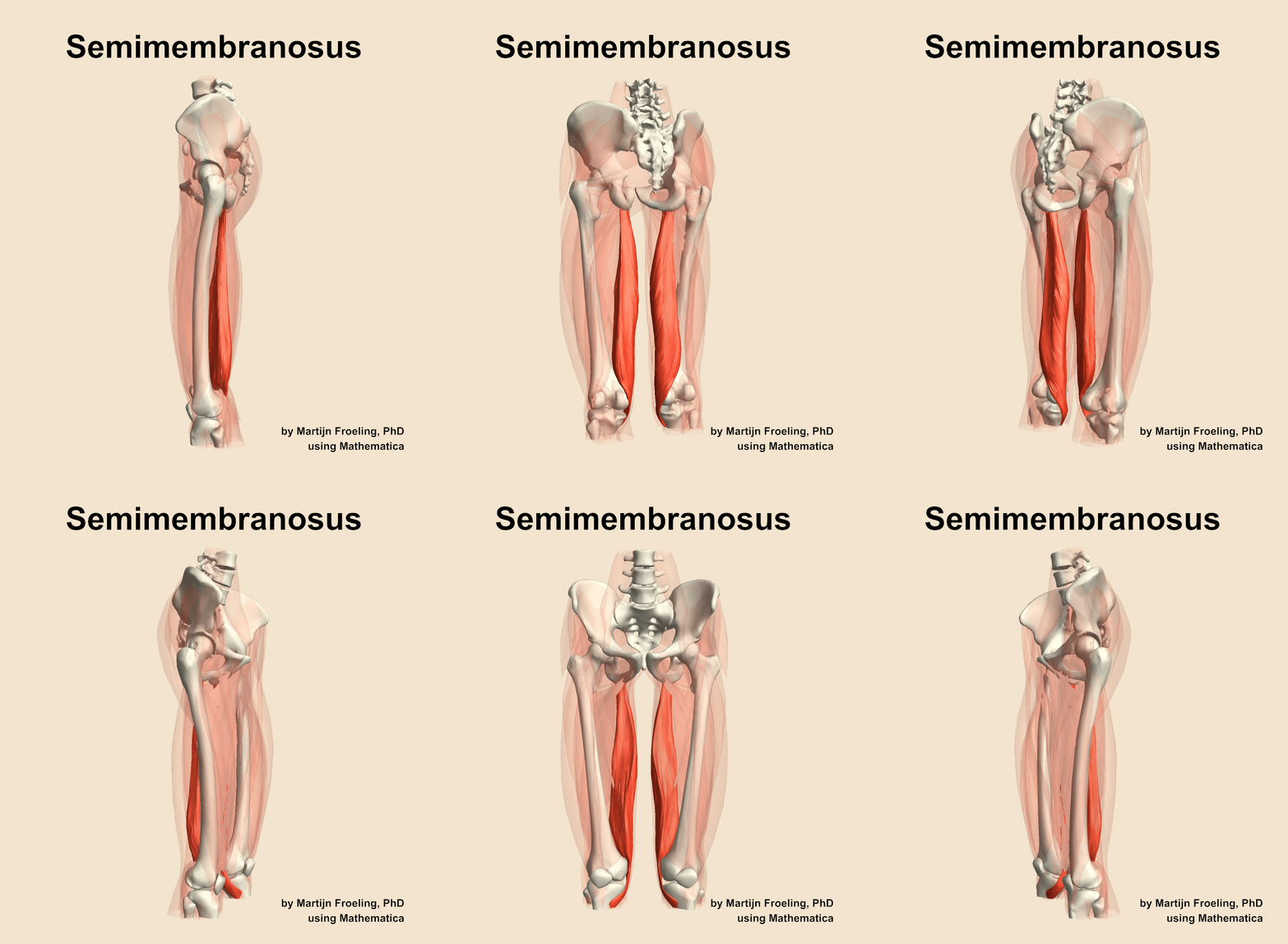
Semimembranosus
A wide, flat muscle deeper than the semitendinosus; it flexes the knee and extends the hip, inserting on the posterior aspect of the medial tibia condyle.
Human Rib Count
Humans have 24 ribs.
Vertebral column segments
Cervical (7), Thoracic (12), Lumbar (5), Sacral, and Coccygeal.
Abdominal massage path
From lower right abdomen up to ribs (Ascending), across to the left (transverse), and down to the left hip (descending).
Vasoconstriction
The narrowing of blood vessels to increase blood pressure and conserve heat; caused by cold water which lowers swelling and numbs pain.
Vasodilation
The widening of blood vessels to reduce blood pressure and release heat; caused by hot water which increases blood flow and joint flexibility.
Massage Oil selection
Best oils are jojoba and grapeseed; worst oils are olive and nut oils.
Mechanoreceptors
Sensory nerves that respond to touch, pressure, and movement.
Proprioceptors
Sensory nerves that respond to changes in position and movement.
Chemoreceptors
Sensory nerves that respond to chemical changes such as oxygen levels and acid-base balance.
Nociceptors
Sensory nerves that respond to irritation and pain.
Muscle spindles
Located in the muscle; they sense muscle length/stretch and cause a contraction (stretch reflex) to resist overstretching.
Golgi tendon organ (GTO)
Located in the tendon; it senses muscle tension/force and causes muscle relaxation (inhibition) to prevent injury.
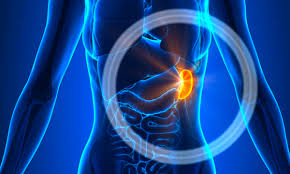
Spleen
Acts as a blood filter.
itis
A suffix meaning inflammation or fire.
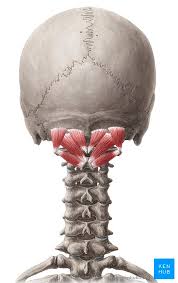
Subopsipitals
The area where ghost headaches happen.
Afferent nerves
Sensory nerves that carry impulses toward the CNS from sensory receptors.
Efferent nerves
Motor nerves that transmit impulses away from the CNS to effector organs like muscles and glands.
Fibromyalgia etymology
'Fibro' meaning fiber, 'mya' meaning muscle, and 'alga' meaning pain.
Human Water and Blood Composition
Humans are 50% water; 55% of blood is plasma.
Pathology stages
Acute: sudden sharp pain for short duration; sub-acute: healing stage best for massage; chronic: dull pain that lasts a long time.
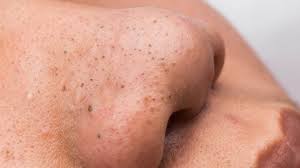
Blackheads
Primary lesions; dark bumps clogged with sebum (oil); fine to massage with caution.
Impetigo
A yellow crust around the mouth, mostly in kids; a systemic contraindication.
Furuncle vs. Carbuncle
Furuncle is a bacterial infection of hair follicles (boil); Carbuncle is a mass of connected boils.
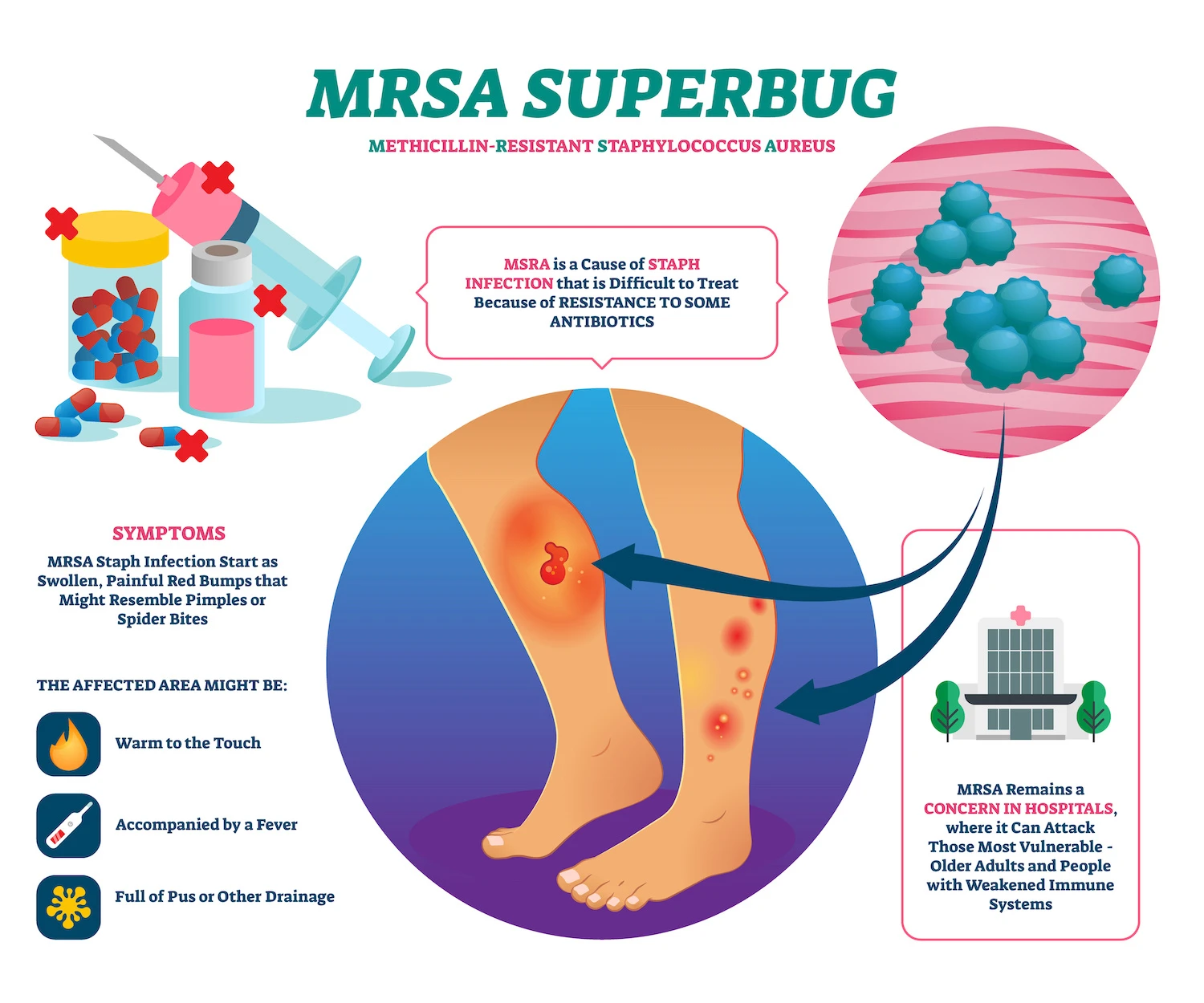
MRSA
Methicillin Resistant Staphylococcus Aureus; a staph infection resistant to typical antibiotics; systemic contraindication.
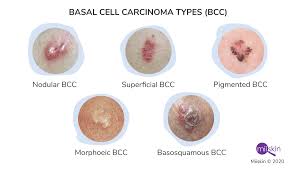
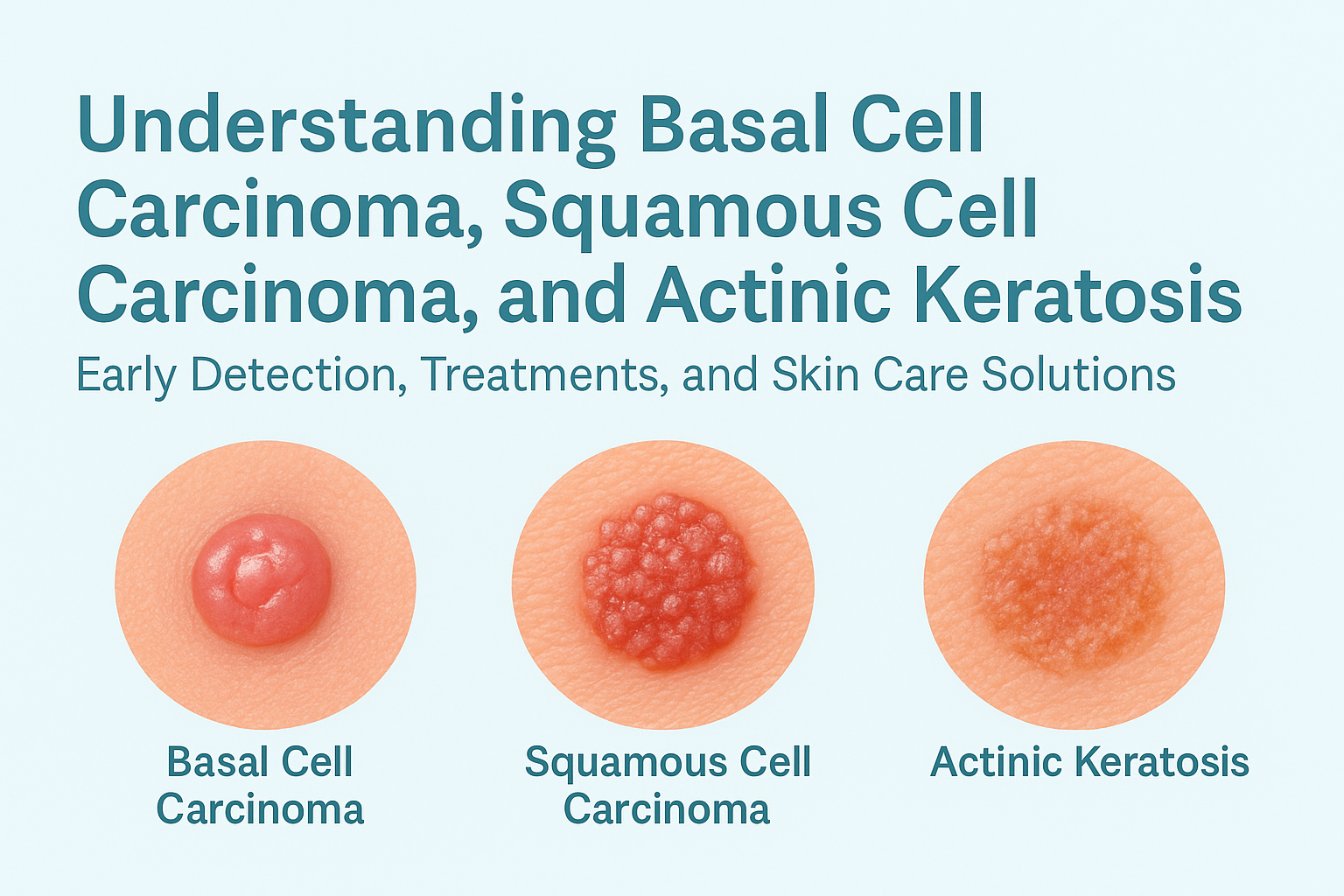
Basal cell carcinoma (BCC)
The least malignant and most common skin cancer; presents as a small red nodule or sore that does not heal.
Squamous cell carcinoma
Less common skin cancer that can become metastatic; presents as scaly red papules.
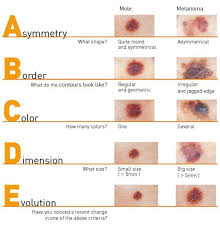
Malignant melanoma ABCDE
A (asymmetry), B (borders), C (color varies), D (diameter > pencil eraser), E (evolution).
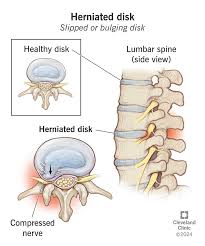
Herniated disk
Weakening of the intervertebral disk resulting in protrusion of the nucleus or annulus; may press on the spinal cord.
Sprains
Injury to a joint resulting in stretching or tearing of ligaments; Class I (stretch), Class II (torn with some loss of function), Class III (ruptured with internal bleeding).
Rheumatoid arthritis
A chronic, systemic, autoimmune inflammatory disease affecting the synovial membrane; locally contraindicated in acute stage.
Osteoarthritis
Result of long-term wear and tear where articular cartilage erodes, leading to bone thickening and joint immobility.
Osteoporosis
Porous bones; symptoms are silent until spontaneous fracture; calcium is a priority for nerve conduction and muscle contraction over bone density.
Torticollis
A condition specific to the neck muscles (SCM).
Strains
Injury to muscles from overuse; Grade I (overstretching), Grade II (partial tear of 10−50% fibers), Grade III (50−100% tearing).
Crohn's disease
A chronic inflammatory bowel disease (IBD) causing inflammation anywhere in the digestive tract.
Tendonitis vs. Tendinosis
Tendonitis is inflammation of the tendon; Tendinosis is a degenerative condition of a tendon typically without inflammation.
Cerebrovascular accident (CVA)
A stroke caused by loss of blood flow to the brain; can be ischemic (clot) or hemorrhagic (rupture).
FAST acronym
Used for stroke symptoms: Face drooping, Arm weakness, Speech difficulty, Time to call 911.
Myocardial infarction
A heart attack caused by reduced or blocked blood flow through coronary arteries.
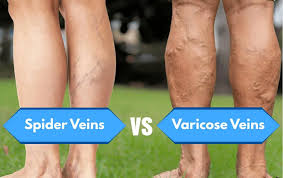
Varicose veins
Protruding, bulbous, distended superficial veins; light massage is indicated for severe cases.
Edema
Excess fluid in interstitial spaces; locally contraindicated for classic massage but indicated for specialized lymphatic drainage.
Raynaud disease
A condition characterized by a reduced tolerance to cold temperatures.
Multiple sclerosis (MS)
A condition associated with a reduced tolerance to high temperatures.
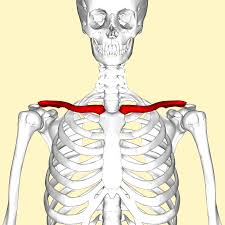
Clavicle
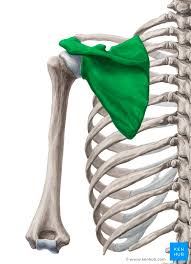
scapula
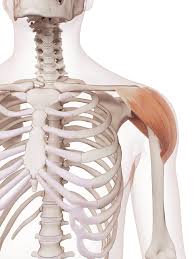
deltoid
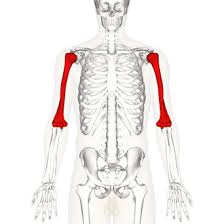
Humerus
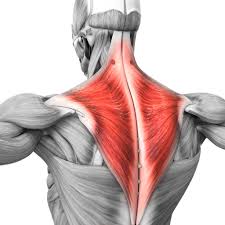
trapezius
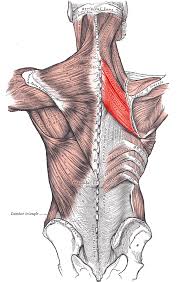
Rhomboids
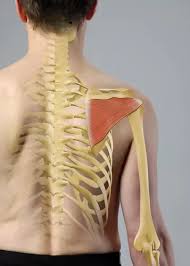
infraspinatus
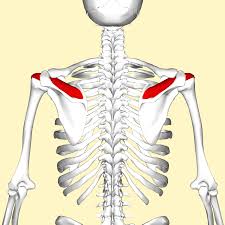
Supraspinatus
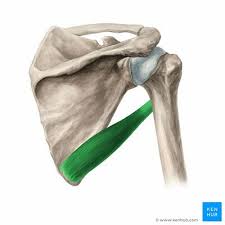
Teres major
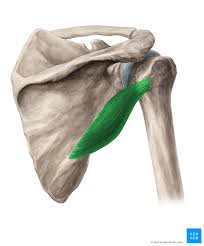
teres minor
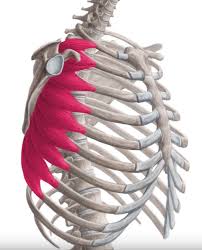
serratus anterior
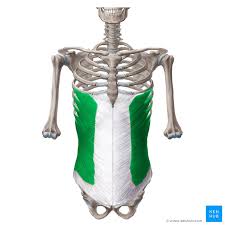
external oblique
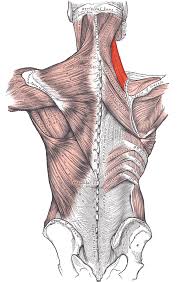
levator scapula
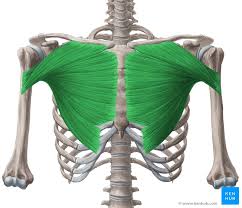
pectoralis major
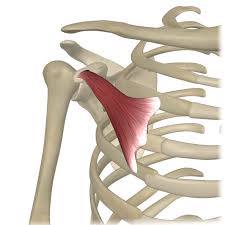
pectoralis minor
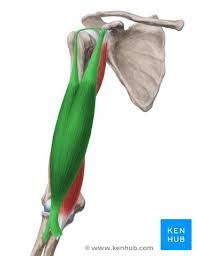
biceps brachii
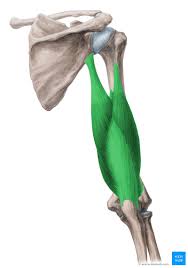
triceps brachii
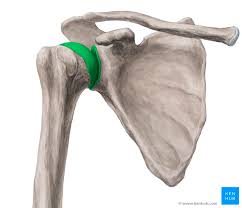
Glenohumerl joint
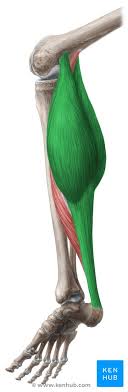
gastrocnemius
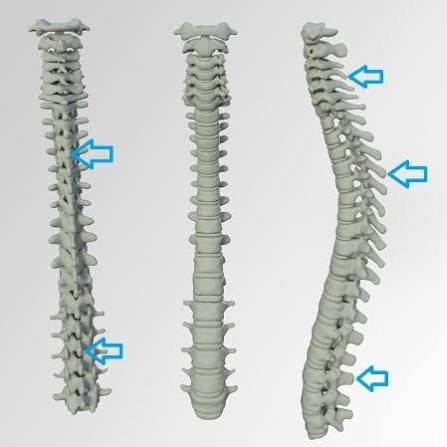
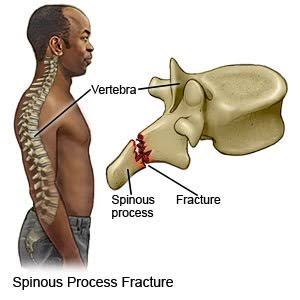
the bony, ridge-like projection that extends backwards from the back of each vertebra
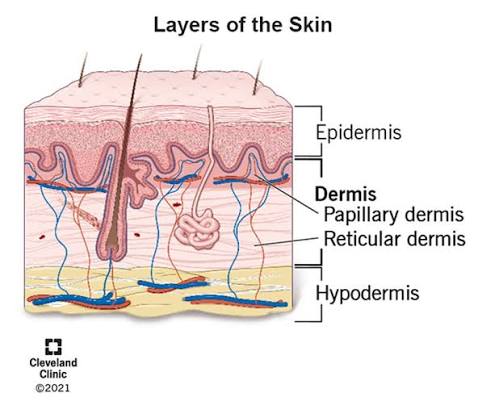
Dermis
the thick, dense inner layer of the skin located directly beneath the epidermis and above the subcutaneous layer (hypodermis)
plliative care
specialized medical care for anyone living with a serious illness