5. large animal med- equine colitis (general considerations)
 Call Kai
 Learn
Learn Practice Test
 Spaced Repetition
 Match
Match Flashcards
 Knowt Play
1/49

There's no tags or description
Looks like no tags are added yet.
Name | Mastery | Learn | Test | Matching | Spaced | Call with Kai |
|---|
No analytics yet
Send a link to your students to track their progress
50 Terms
what is colitis?
inflammation of the large intestine, usually leading to diarrhea
diarrhea has variable severity
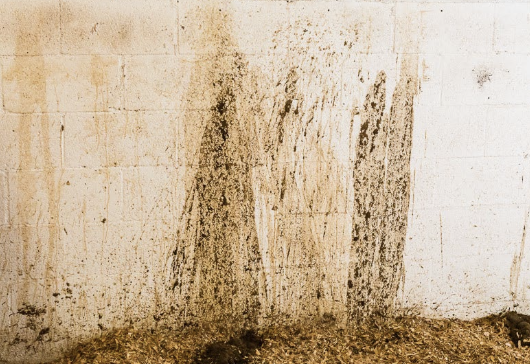
what history should you obtain with horses presenting with colitis?
-diet (including any recent changes)
-deworming
-housing (access to pasture, sand, toxic plants)
-acute or chronic
-appetite/drinking
-herd mates health, travel history, vaccination history
what are 5 clinical findings of colitis?
1. diarrhea
2. inappetence
3. dehydration
4. edema
5. signs of shock
DIEDS
what is the pathophys of diarrhea with colitis?
capillary dilation, increased membrane permeability
what is the pathophys of inappetence with colitis?
circulating endotoxins, go off feed because febrile
what is the pathophys of dehydration with colitis?
loss of water and electrolytes, acid-base imbalance due to diarrhea
what is the pathophys of edema seen with colitis?
loss of protein/albumin due to capillary dilation/increased membrane permeability
what causes signs of shock with colitis?
circulating endotoxins, hypovolemia (from diarrhea)
what are infectious bacterial etiologies of colitis?
salmonella
c. perfringens/difficile
neorickettsia
rhodococcus (foals)
lawsonia intracellularis (yearlings)
what are viral etiologies of colitis?
coronavirus
rotavirus (foals)
what are parasitic causes of colitis?
small strongyles
strongyloides (foals)
what are non-infectious etiologies of colitis?
-toxins
-side effect of medications
-dysbiosis
-neoplasia
-peritonitis
-IBD
-anaphylaxis
-sand
-increased intestinal hydrostatic pressure
what diagnostics are used to diagnose colitis?
1. physical exam
2. lab work
3. abdominal ultrasound
4. rectal exam
5. abdominocentesis
6. intestinal biopsy
7. specific tests for infectious etiologies
what physical exam abnormalities might be seen with colitis?
-look for signs of systemic inflammation (increased HR, temp, RR)
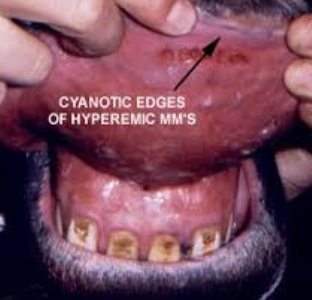
-hyperemic mucus membranes
-dehydration
-edema
-complications of colitis
what CBC changes are seen with colitis?
1. acute inflammation/endotoxemia: leukopenia (neutropenia), left shift, toxic changes
2. dehydration: hemoconcentration
what chemistry panel changes are seen with colitis?
1. hypoalbuminemia: due to GI loss, leads to hypovolemia/edema
2. electrolyte imbalances (hypoNa, hypoCl, hypoK, hypoCa, hypoMg)
what blood gas abnormalities are seen with colitis?
metabolic acidosis
hyperlactatemia
electrolyte losses
what changes are seen on abdominal ultrasound in horses with colitis?
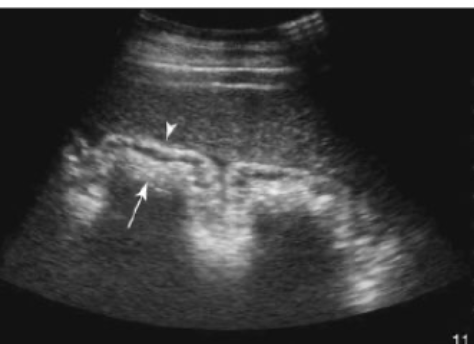
-intestinal thickening
-liquid GI contents
-abdominal masses
-peritoneal effusion
what may be noted on rectal exam in horses with colitis?
-masses
-impaction
-displacement (secondary to colitis)
-diarrhea (most commonly)
MIDD
when is an abdominocentesis indicated for cases of colitis?
for evidence of peritonitis, or to look for neoplastic cells
peritonitis can be a cause or consequence of diarrhea/colitis
what fluid analysis abnormalities may indicate peritonitis?
-elevated WBC count
-elevated protein
±sepsis (bacteria)
±degenerate neutrophils
±elevated lactate
±low glucose
what are indications to perform an intestinal biopsy?
-chronic diarrhea
-weight loss
-hypoproteinemia (chronic low protein)
not for acute colitis cases
what can intestinal biopsies be used to diagnose?
GI neoplasia (lymphoma) and IBD
what are the 3 types of intestinal biopsies you can obtain?
1. rectal biopsy
2. duodenal biopsy via endoscope
3. surgical full thickness (better sensitivity, more invasive)
what is fecal flotation used for detection of?
parasites/parasitic eggs
what pathogen causing colitis is a fecal culture used to detect?
salmonella
what pathogens causing colitis can a fecal PCR detect?
for infectious causes of colitis:
-salmonella
-c. perfringens/difficile
-coronavirus
-neorickettsia
-lawsonia
-rhodococcus
-rotavirus
what pathogen causing colitis are ELISA tests used to detect?
clostridial toxins
what are complications of colitis?
1. laminitis due to endotoxins
2. coagulopathy
3. thrombophlebitis
4. edema
5. renal failure
what are the 7 treatment goals of colitis?
1. correction of fluid/lyte imbalances
2. preserve oncotic pressure
3. control inflammation/promote mucosal repair
4. neutralize endotoxin
5. target specific etiologies (abx)
6. prevent complications
7. re-establish microbiome
what is the goal of correcting fluid and electrolyte imbalances due to colitis?
increase vascular volume, promote organ perfusion, and prevent multiple organ dysfunction syndrome (MODS)
correct acid-base and electrolyte imbalances via frequent blood gas monitoring
what treatment is provided to preserve colloid oncotic pressure?
colloid therapy:
1. hetastarch
2. plasma (contains albumins, globulins, coag factors)
what is a side effect of using hetastarch in horses?
coagulopathy
what is used to control inflammation/promote mucosal repair in horses with colitis?
1. NSAIDs (banamine)
2. IV lidocaine
what are pros/cons of using banamine (flunixin) to control inflammation/promote mucosal repair in colitis cases?
pros: blocks effects of COX1 and COX2
cons: decreases pro-inflammatory PGEs (PGEs needed for mucosal repair of injured bowel)
how is IV lidocaine used to control inflammation/promote mucosal repair in colitis cases?
in combo with banamine, promotes mucosal repair and decreases inflammation
also helps with pain
what therapeutics are used to neutralize endotoxins in colitis cases?
1. biosponge (enterally)
2. polymixin B
3. pentoxifylline
how does biosponge neutralize endotoxins?
binds to toxins in the intestine and prevents absorption
how does polymixin B neutralize endotoxins?
neutralizes endotoxin in the bloodstream before interacting with inflammatory cells
it is an abx, so risk for resistance
how does pentoxifylline neutralize endotoxins?
improves capillary blood flow and inhibits pro-inflammatory cytokines produced from endotoxins
what are the benefits of using antimicrobials for colitis cases?
-targets specific organisms
-treats documented peritonitis
what are concerns of using antimicrobials to treat colitis?
-GI effects (abx associated diarrhea)
-prolonged shedding of salmonella
how is laminitis prevented in horses with colitis?
-ice
-rest
-foot support
how are coagulopathies prevented in horses with colitis?
use anti-platelet meds (clopidogrel)
how is thrombophlebitis prevented in horses with colitis?
-assess catheter site twice daily
-flush q4-6hours with heparinized saline
-use less thrombogenic materials
how is lower limb edema prevented in horses with colitis?
wrapping lower limbs
how is the intestinal microbiome re-established in horses with/recovering from colitis?
-feed hay (fiber)
-probiotic/prebiotic
-fecal microbial transplant
what are the 'red flag' signs of colitis (ie- what clinical signs should make you very concerned)?
-depression
-high heart rate (over 60bpm)
-signs of endotoxemia
-profuse diarrhea
-bloodwork: neutropenia, hypoprotein, hemoconcentration, hyperlactate, electrolyte imbalances
what are signs of a good prognosis in horses with colitis?
prognosis is good if:
-respond to treatment in first 2-3 days
-absence of secondary complications
what are signs of a guarded/poor prognosis in horses with colitis?
-lack of early response to aggressive treatment
-if developed complications (laminitis, coagulopathy, renal dysfunction)