AP Biology Unit 2: Cells
 Call Kai
 Learn
Learn Practice Test
 Spaced Repetition
 Match
Match Flashcards
 Knowt Play
1/117

Name | Mastery | Learn | Test | Matching | Spaced | Call with Kai | Chat |
|---|
No analytics yet
Send a link to your students to track their progress
118 Terms
Cells
the basic structural and functional units of every organism
What 4 things do all cells have?
They are bound by a plasma membrane
They contain cytosol
They contain ribosomes
They contain chromosomes
What is a plasma membrane?
any membrane in a cell
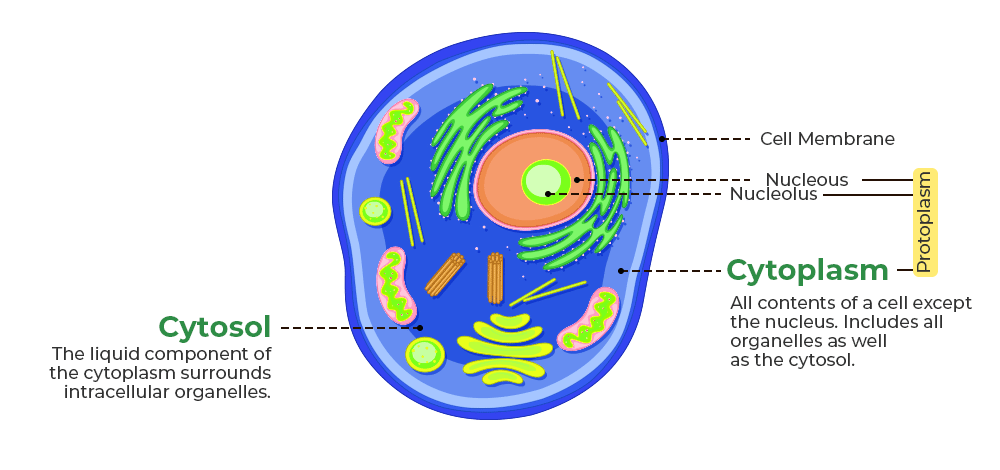
What is a cell membrane?
membrane surrounding the cell
What is the difference between a plasma membrane and a cell membrane?
plasma membrane is a wider term
What is the difference between cytosol and cytoplasm?
cytosol is just the liquid, cytoplasm is the liquid with the organelles
What are the two types of cells?
prokaryotes and eukaryotes
What are characteristics of prokaryotes? (hint: there are 6)
Domains Bacteria and Archaea
DNA is in the nucleoid region
Generally smaller in size than eukaryotes (there are a few exceptions)
Lack internal membrane bound organelles
Circular chromosomes
Multicellular

What is Archaea?
form of bacteria that prefers extreme environments
What are membrane bound organelles?
organelle with its own plasma membrane
What are characteristics of eukaryotes? (hint: there are 5)
Protists, Fungi, Animals, Plants
DNA is in the nucleus
Contain membrane bound organelles that compartmentalize cellular functions (keeps reactions separate into different cytosols of organelles)
Linear chromosomes
Unicellular

Organelles
membrane bound structures in eukaryotes
What are the two classifications of organelles?
endomembrane system, energy organelles
Endomembrane System
organelles and subcellular components that interact (directly or via vesicles) to modify, package, and transport polysaccharides, proteins, and lipids in the cell
What organelles are part of the endomembrane system? (hint: there are 6)
Nuclear envelop
Endoplasmic reticulum (ER)
Golgi complex
Lysosomes
Vesicles/vacuoles
Plasma membrane
Energy Organelles
convert energy to forms that cells can use for work
What are the two types of energy organelles?
Mitochondria
Chloroplasts
What are the two functions of compartmentalization?
Increases surface area for reactions to occur
Prevents interfering reactions from occurring in the same location
Where does compartmentalization occur?
eukaryotes and membrane-bound organelles
Do prokaryotes have compartmentalization?
No
Compartmentalization
different metabolic processes and enzymatic reactions occur in different locations
What cell components are unique to plants? (hint: there are 4)
Chloroplasts
Central vacuole
Cell wall
Plasmodesmata

What cell components are unique to animals? (hint: there are 3)
Lysosomes
Centrosomes
Flagella

Do animal cells have a central vacuole?
No. Although animal cells have a vacuole, they do not have a central vacuole.
Plasmodesmata
holes in the cell wall, uses for cell communication and transport

The nucleus contains ________ material
genetic
What does the nuclear envelope do?
transports things around the cell
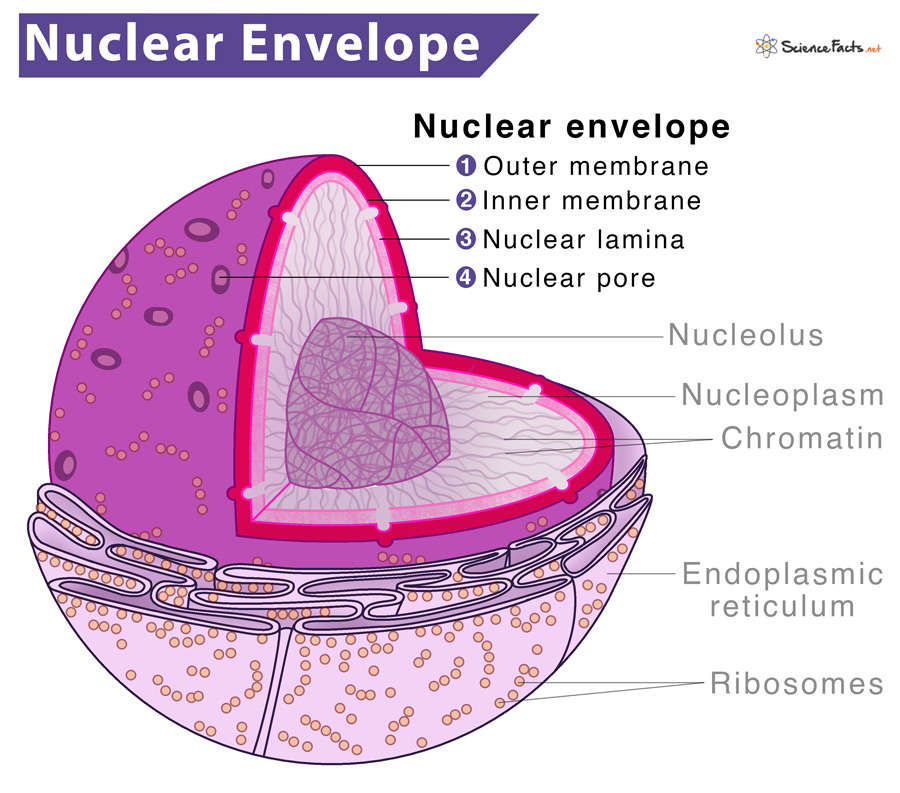
What are characteristics of the nuclear envelop? (hint: there are 3)
double membrane
has pores
continuous with the ER membrane (membrane connects to ER)
What do pores do?
regulate entry and exit of materials from the cell
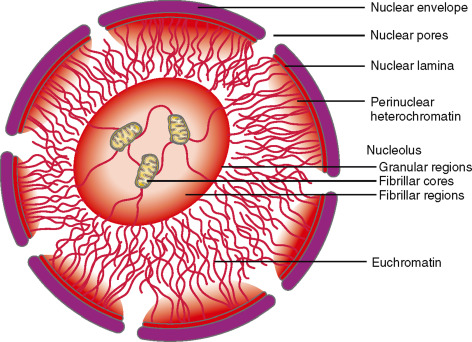
Nucleolus
dense region of the nucleus where ribosomal RNA (rRNA) is synthesized

What is the function of the nucleolus?
makes ribosomes
rRNA
ribosomal RNA
rRNA is combined with ________ to form large and small subunits of ________
proteins, ribosomes
subunits of ribosomes exit via ________ ______ and then assemble into ________
nuclear pores, ribosomes
Can RNA be double stranded?
yes, but it is not common
DNA → RNA → protein
transcription and translation
What are ribosomes comprised of?
ribosomal RNA (rRNA) and protein
What is the function of ribosomes?
synthesize proteins
Where can ribosomes be found? (hint: there are two)
Cytosol
Bound to the ER or nuclear envelope
What are ribosomes in the cytosol called?
“free ribosomes” because they just float around the cytosol
If ribosomes are produced in the __________ ____________ or __________ _____________ they can be secreted from the cell via transport vesicles.
endoplasmic reticulum (ER), nuclear envelope
Endoplasmic Reticulum (ER)
a network of membranous sacs and tubules
What are the membranous sacs in the ER caled?
cisternae
What are the functions of the ER? (hint: there are 2)
Provides mechanical support by helping cells maintain shape
Intracellular transport (transport within the cell)
What are the two types of ER?
rough ER, smooth ER
What is the main difference between the rough ER and smooth ER?
rough ER contains ribosomes bound to the ER membrane and smooth ER contains no ribosomes
What is the function of the rough ER?
compartmentalizes protein synthesis

What are the functions of the smooth ER? (hint: there are 2)
synthesizes lipids
detoxifies the cell

What does the golgi complex contain?
flattened membranous sacs called cisternae

What are the two faces of the golgi complex called that gives it directionality?
cis face
trans face
What is the function of the cis face of the golgi complex?
receives vesicles from the ER

What is the function of the trans face of the golgi complex?
sends vesicles back out into the cytosol to other locations or to the plasma membrane for secretion
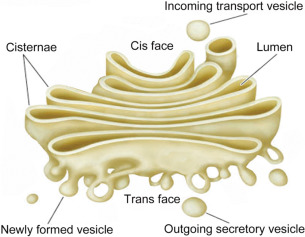
What are the functions of the golgi complex? (hint: there are 5)
receives transport vesicles with materials it receives from the ER
modifies the materials
sorts the materials
adds molecular tags
packages materials into the new transport vesicles that exit the membrane via exocytosis
What is an analogy for the golgi complex?
The golgi is like UPS. It does not make materials. It only modifies, sorts, packages, and ships.
Lysosomes
membranous sac with hydrolytic (relating to or caused by hydrolysis) enzymes
Where are lysosomes?
animal cells
What are the functions of lysosomes? (hint: there are 3)
Hydrolyzes (digests/breaks down) macromolecules
Autophagy
Plays a role in apoptosis
Autophagy
lysosomes can recycle their own cell’s organic materials and organelles that are not functioning properly
it allows a cell to renew itself

Apoptosis
programmed cell death, not just anytime a cell dies
How do lysosomes play a role in apoptosis?
the membrane becomes permeable → releases enzymes into the cytoplasm → breaks down cellular components

What are the steps in autophagy?
A membrane forms around the cellular component targeted for degradation (forms a bubble around it so the lysosome knows where to go)
Membrane engulfs cellular components
Forms a structure called an autophagosome
Fuses with lysosome
Hydrolytic enzymes in lysosomes digest the organelles and their components are recycled
Amino acids and other small molecules are released back into the cytoplasm
Peroxisomes
membrane bound metabolic compartment, NOT apart of the endomembrane system

What are the functions of peroxisomes? (hint: there are 4)
Catalyze reactions that produce hydrogen peroxide (H2O2)
Break down fatty acid molecules
Synthesize certain phospholipids
Detoxify compounds
What is the function of hydrogen peroxide (H2O2)?
to detoxify certain compounds, can damage the cell if any escapes
How do peroxisomes differ from the smooth ER or lysosomes?
peroxisomes detoxify using only hydrogen peroxide (H2O2)
Catalase
enzyme in peroxisomes
What does catalase do?
breaks down hydrogen peroxide (H2O2) into water and oxygen
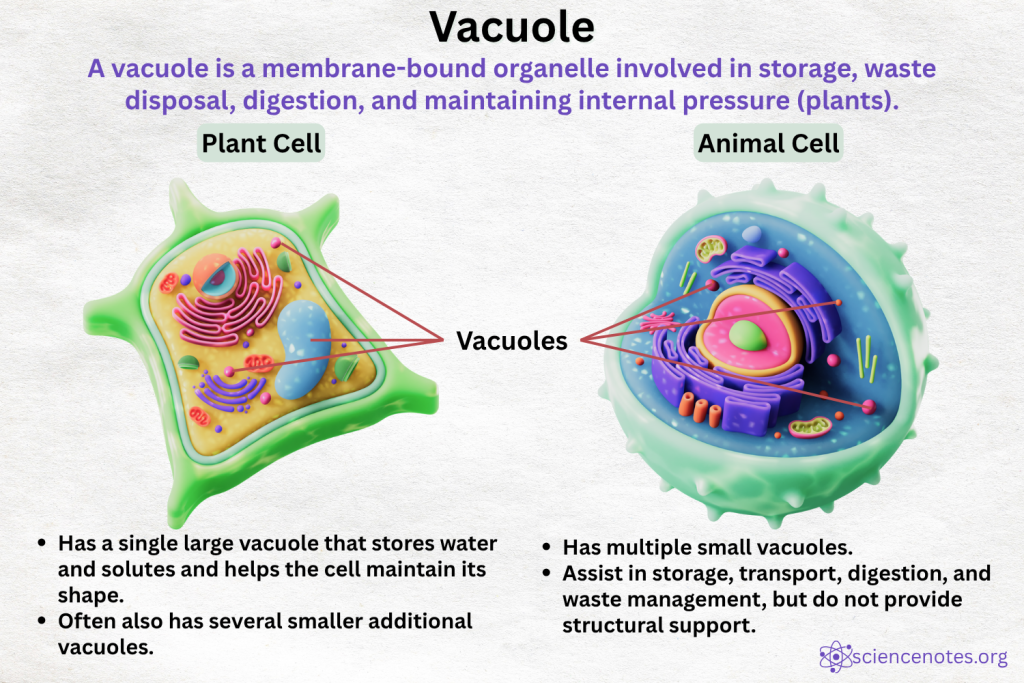
Vacuoles
vesicles that stem from the ER and Golgi
Vesicles
membrane bound sacs that help in transport
usually temporary
selective in transport
What are the characteristics of vacuoles in animal cells? (hint: there are 3)
small in size = more per cell
assist in endocytosis/exocytosis processes
store cellular materials

What are the characteristics of vacuoles in plant cells? (hint: there are 3)
central vacuole; large in size
stores nutrition and water (important for turgor pressure)
can function like lysosomes

Turgor Pressure
more water = firm upright plant
What is the main difference between a vacuole in plant cells vs. animal cells?
plant cells have a large central vacuole, while animal cells have smaller vacuoles
What is the first step of protein synthesis and what occurs in it?
Step 1: Transcription and RNA Processing
Transcription
mRNA undergoes processing to prepare for translation
Processed mRNA exits the nucleus through nuclear pores
Transcription
DNA sequence of a gene is copied into messenger RNA (mRNA)
What does mRNA serve as?
a template that will be used to assemble a protein
What is the second step of protein synthesis and what occurs in it?
Step 2: Translation
mRNA leaves the nucleus and is translated by ribosomes
mRNA that codes for proteins destined for secretion, insertion into the cell membrane, or lysosomes, is translated by ribosomes bound to the rough ER and sent to the Golgi
mRNA that codes for proteins that will function in the cytosol is translated by free ribosomes in the cytoplasm and then discharged in the cytoplasm
After translation, the polypeptide chain begins to fold into a specific 3D shape
rough ER packages the protein into vesicles
Translation
the process where ribosomes reads the mRNA sequence and translate it into a polypeptide chain
Polypeptide Chain
sequence of amino acids

What is the third step of protein synthesis and what occurs in it?
Step 3: Folding and Modification
vesicles from the RER travel to the cis face of the Golgi
In the Golgi, the protein undergoes the addition of sugar groups or cleavage of the peptide chain
Modified protein is packaged into vesicles
Vesicles bud off from the trans face
What is the foruth step of protein synthesis and what occurs in it?
Step 4: Secretion or Use in the Cell
Vesicles containing the modified proteins can either:
Fuse with the plasma membrane to create the proteins outside the cell via exocytosis
Deliver them to specific locations within the cell where they are needed
Mitochondria
site of cellular respiration
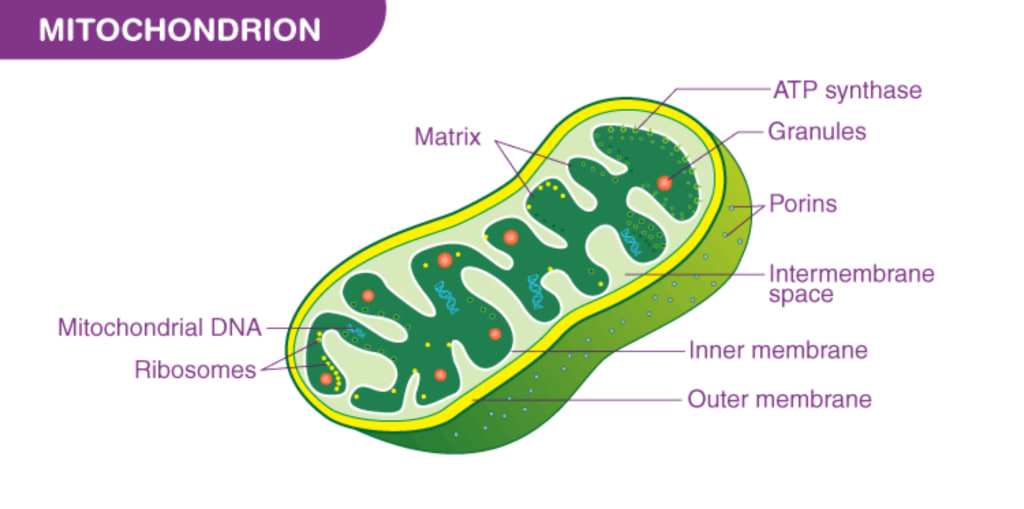
Cristae
folds in the inner membrane of mitochondria

What is the difference between the inner membrane and outer membrane of the mitochondria?
outer membrane is smooth, inner membrane is highly convoluted (it has many folds)

What are the two functions of the cristae?
divides the mitochondria into two internal compartments
increases the surface area
Intermembrane of the Mitochondria
space between the inner and outer membrane
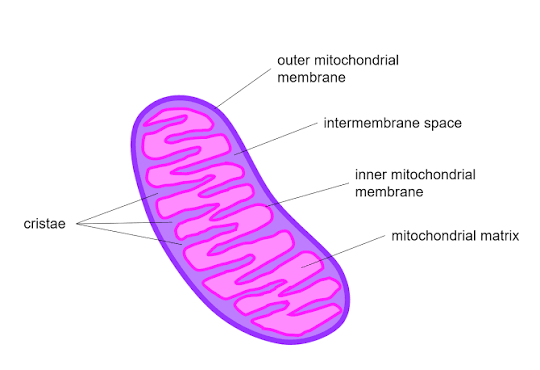
Mitochondrial Matrix
enclosed by inner membrane
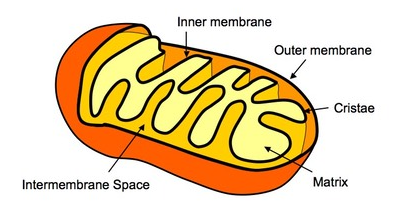
What is the site of the Krebs cycle?
mitochondrial matrix
What does the mitochondrial matrix contain? (hint: there are 3)
enzymes that catalyze cellular respiration and produce ATP
mitochondrial DNA
ribosomes
What does the number of mitochondria in a cell correlate with?
metabolic activity
How does the number of mitochondria in a cell correlate with metabolic activity?
cells with high metabolic activity have more mitochondria (cells that move/contract)
Chloroplast
specialized organelles in plants and photosynthetic algae

What is the site of photosynthesis?
chloroplast
What contains the green pigment chlorophyll?
chloroplast
What two things are inside the double membrane of chloroplasts?
Thylakoids
Stroma
Thylakoids
membranous sacs that can organize into stacks called grana

Where do light dependent reactions occur?
grana
Stroma
fluid around thylakoids

What is the location for the Calvin cycle?
stroma
What does the stroma contain? (hint: there are 3)
Chloroplast DNA
Ribosomes
Enzymes