INL Common Plants and Anatomy
 Call Kai
 Learn
Learn Practice Test
 Spaced Repetition
 Match
Match Flashcards
 Knowt Play
1/187

Earn XP
Description and Tags
All plant parts and common plants of Idaho sagebrush
Name | Mastery | Learn | Test | Matching | Spaced | Call with Kai |
|---|
No analytics yet
Send a link to your students to track their progress
188 Terms
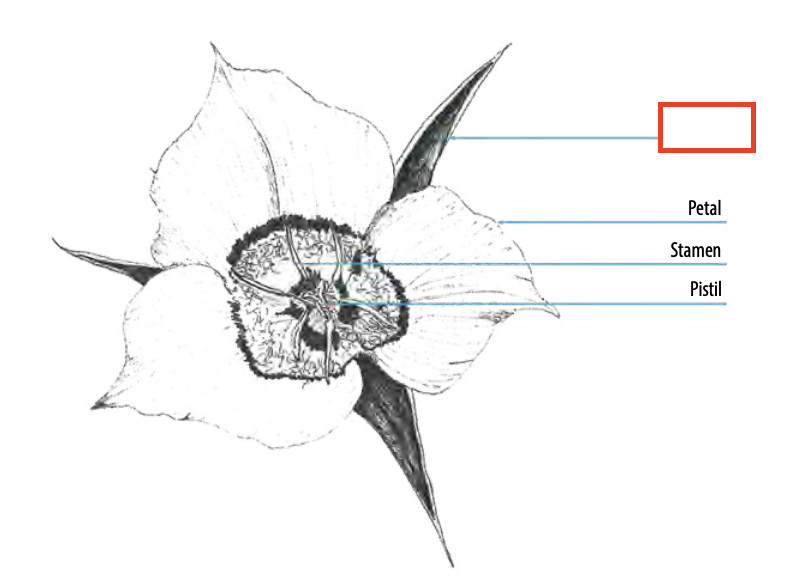
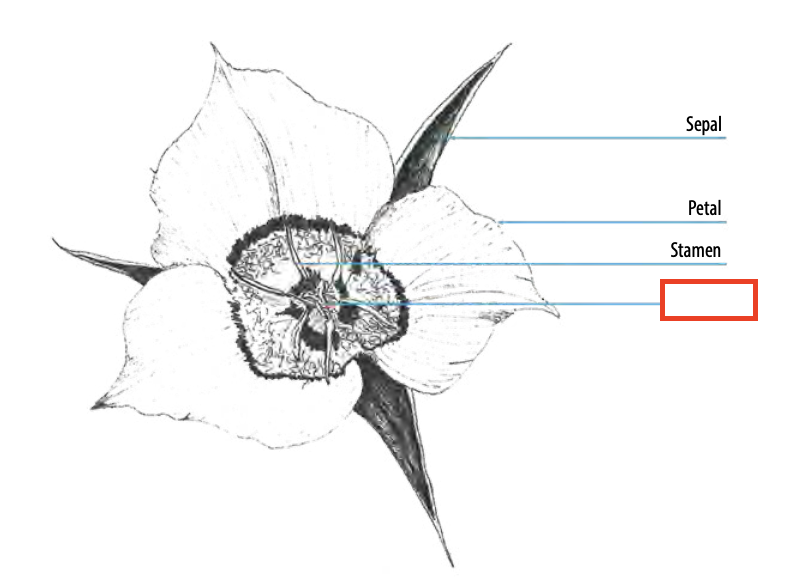
Sepal
typically function as protection for the flower in bud, and support for petals when they bloom
collectively known as the calyx
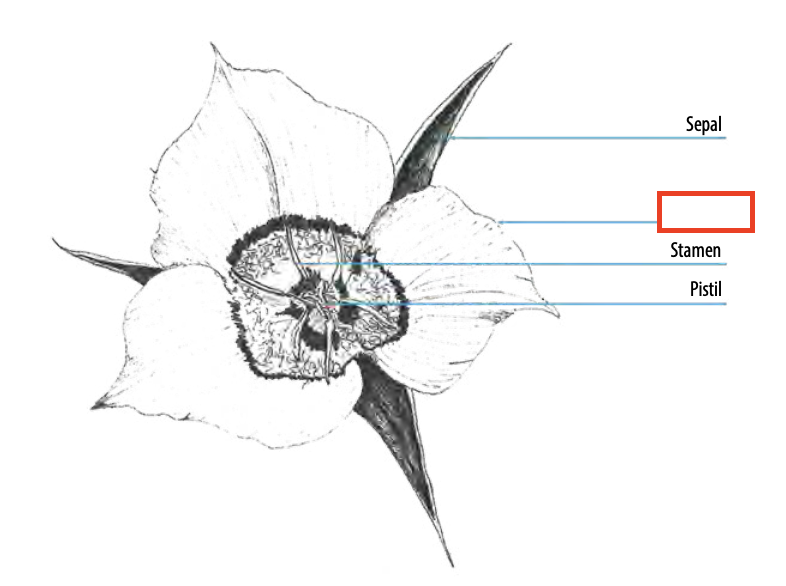
Petal
modified leaves that form an inner whorl surrounding the reproductive parts of flowers
often brightly coloured or unusually shaped to attract pollinators
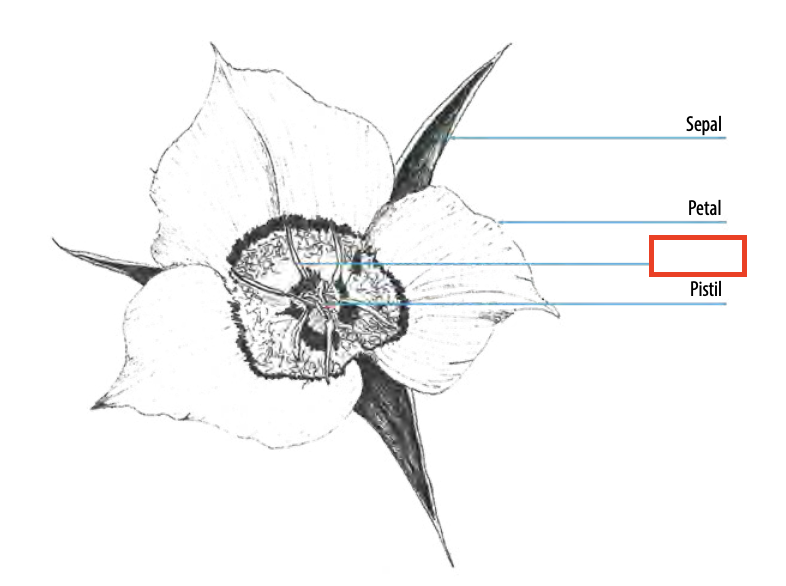
Stamen
flower part consisting of the male reproductive organs of a flower
Pistil
the female organs of a flower, comprising the stigma, style, and ovary
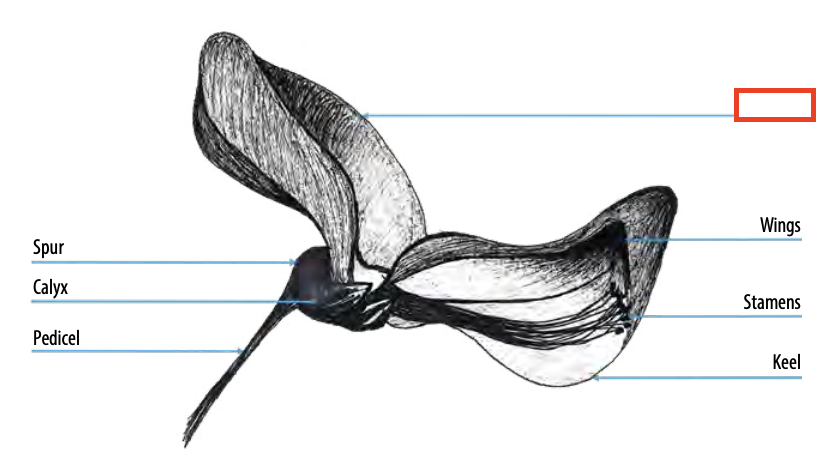
Banner
the topmost, relatively large, upright flower petal
pea family
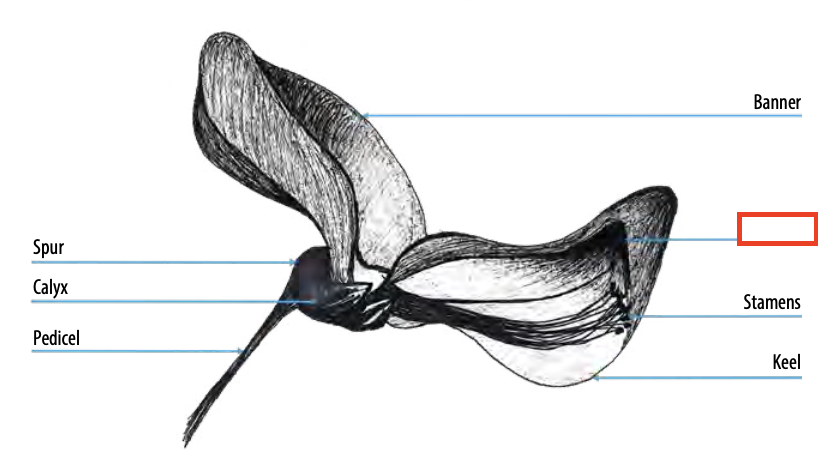
Wings
Either of the two lateral petals of a flower of Fabaceae (Pea Family)
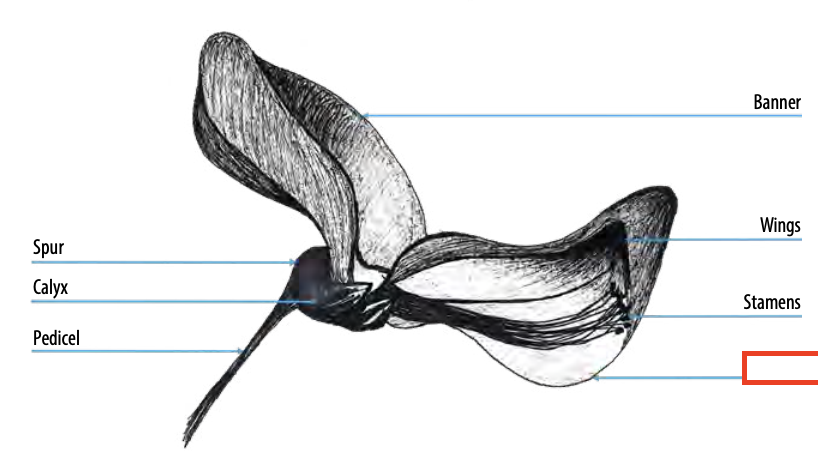
Keel
the lower part of a papilionaceous flower (as of a pea or bean plant) that consists of two fused petals
lies between the wings
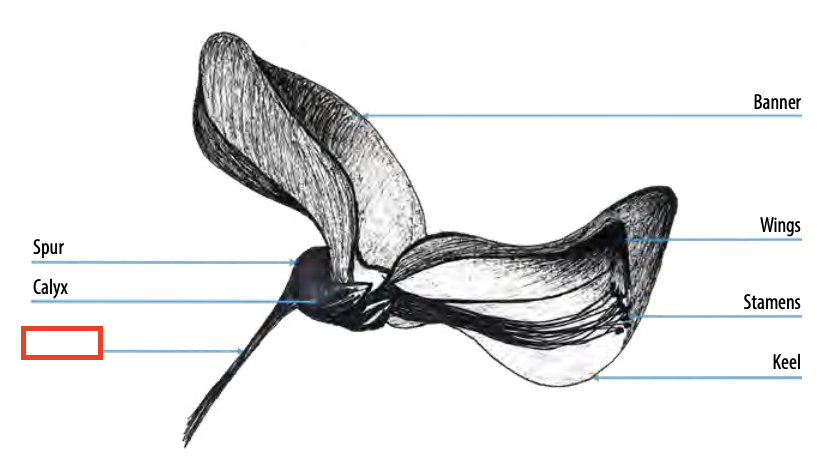
Spur
hollow extension of a part of a flower
may arise from various parts of the flower (sepals, petals, or hypanthium)
often contain tissues that secrete nectar
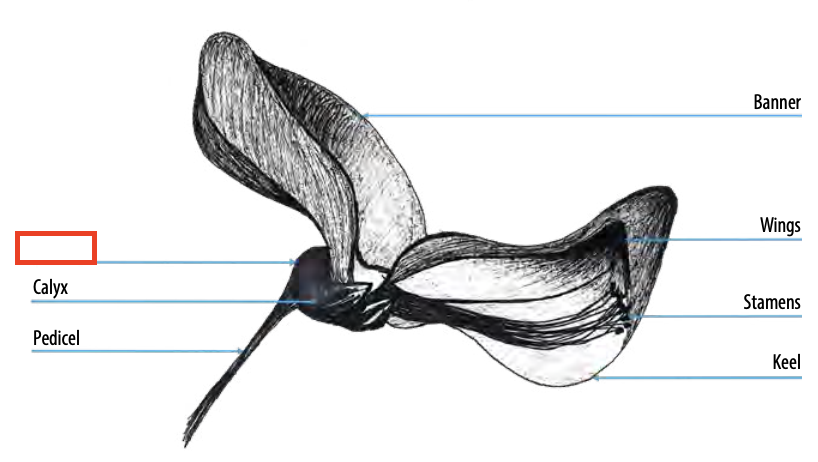
Calyx
outer segment of the perianth that encloses and protects the petals and other floral parts when the flower is in bud
opens and clasps, spreads, and/or droops as the flower develops
individual parts = sepals
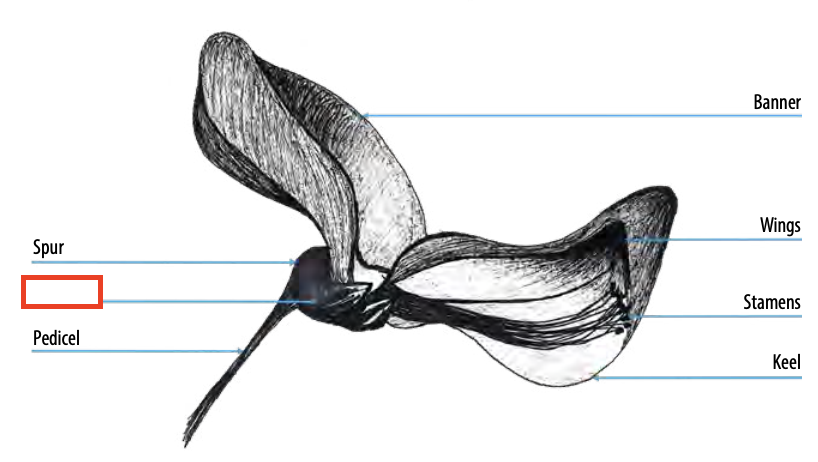
Pedicel
the stem of a single flower
If a flower has no stem it is said to be "sessile"
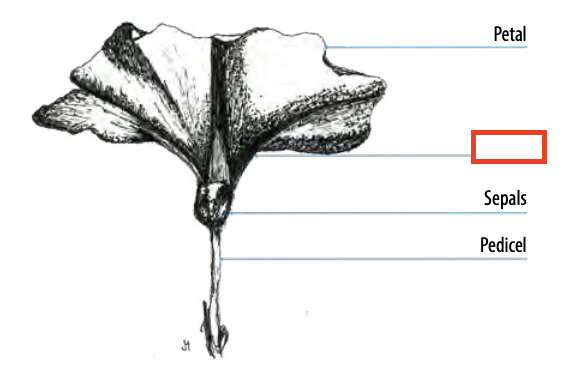
Throat
A tubular corolla's slightly/significantly bulged or widened section
found between the evenly elongated tube and the limb
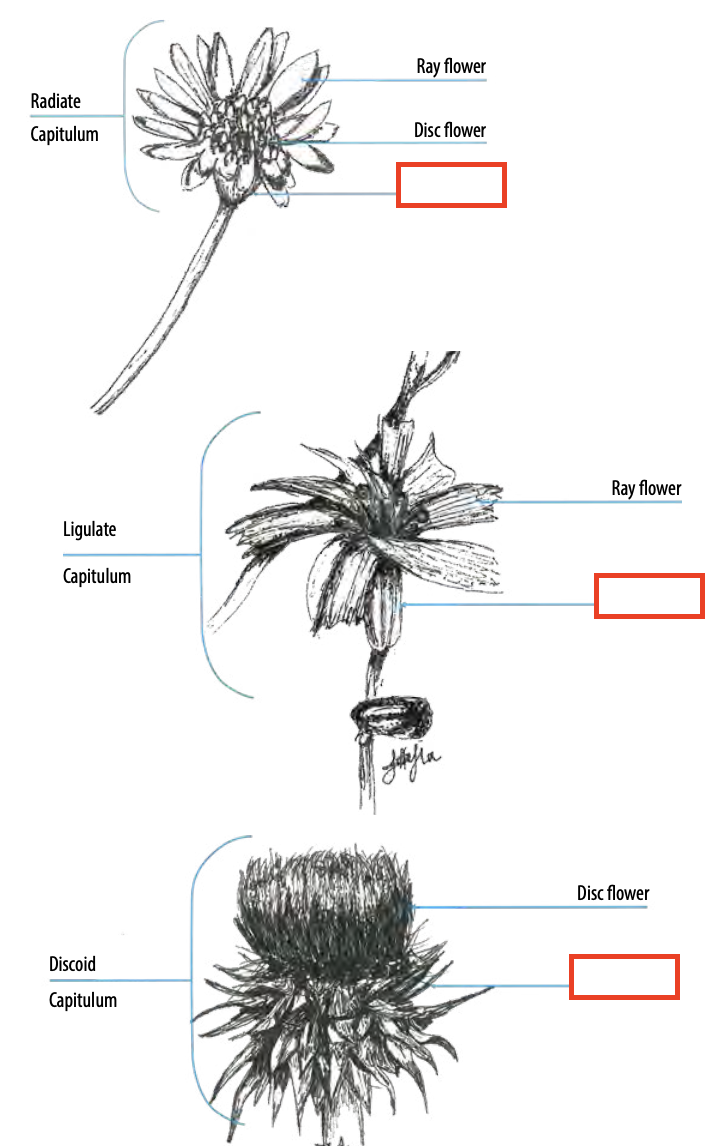
Capitulum
a compact influorescence that flowers in Asteraceae (Daisy Family) are borne into
superficially resembles a single flower
individual flowers sometimes referred to as florets
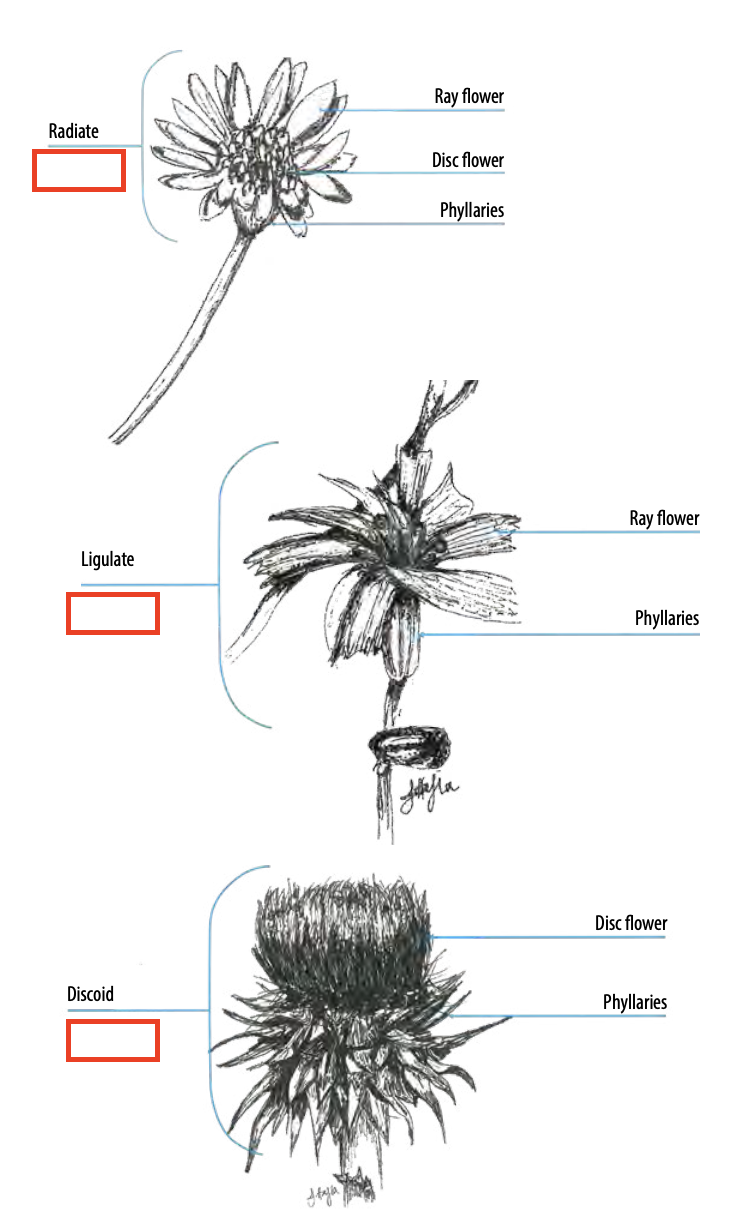
radiate
type of capitulum
central disk flowers and peripheral ray flowers
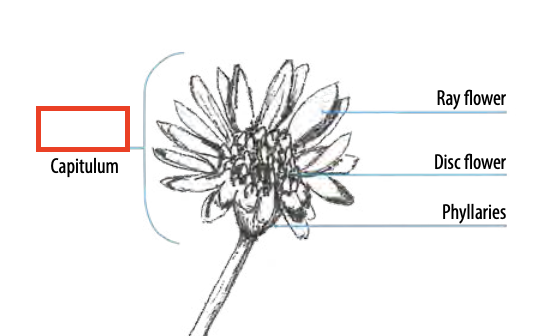
discoid
type of capitulum
disk flowers only
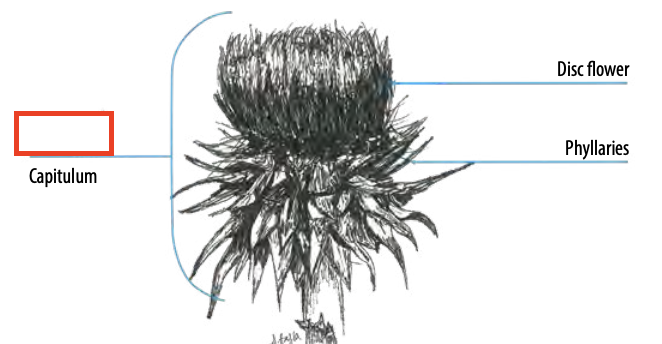
ligulate
type of capitulum
ray flowers only
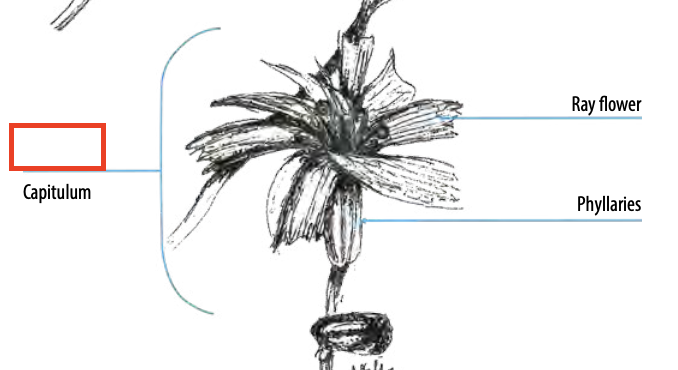
Phyllaries
In Asteraceae, the involucral flower head bracts (modified leaves that encase/subtend flower)
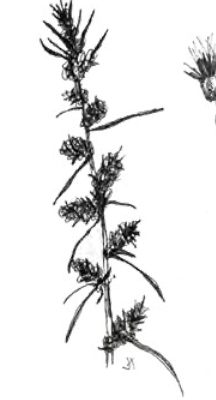
Spike
elongated type of inflorescence in which each flower is sessile (attached to stem directly w/o pedicel)
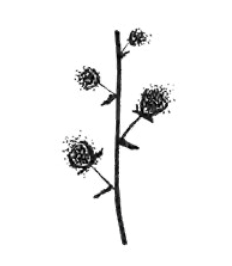
Raceme
elongated type of inflorescence with individual flowers attached to a central stalk by a flower stem (pedicel)
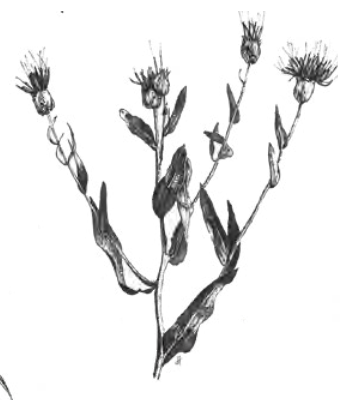
Corymb
type of spreading, racemose inflorescence (often flat-topped, sometimes rounded)
each flower stem (pedicel) originates from a different point on the main flower stem
lower pedicels are longer than upper ones
Panicle
type of inflorescence in which branched flower stalks are attached to the main flower stem
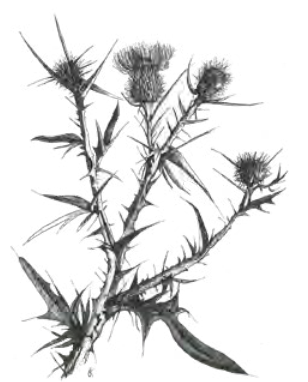
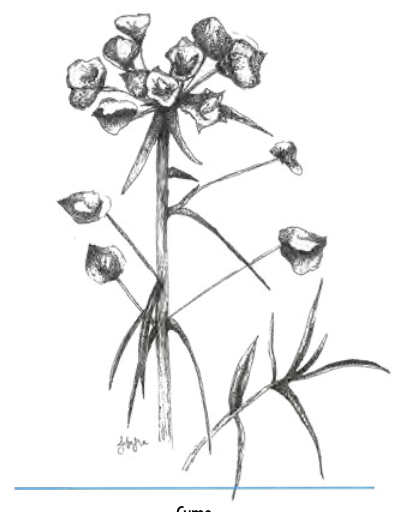
Cyme
inflorescence in which flower stalks emerge from a single point
Pedicels of a single flower alternate with peduncles of several flowers
Terminal flowers bloom first
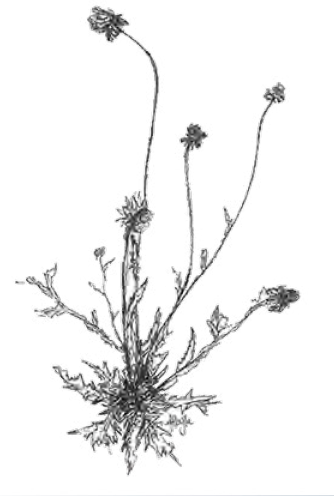
Solitary
a type of inflorescence made up of only a single flower
no clustering at all
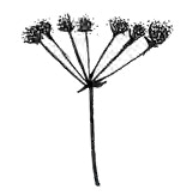
Umbel
type of inflorescence in which each pedicel/peduncle grows upward and outward from one point
the same manner the spokes of an umbrella spread upward and outward from the umbrella main stem
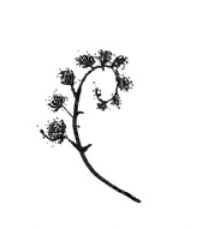
Helicoid Cyme
an inflorescence, or cyme, in which each flowering branch gives rise to one lateral branch that is coiled snail-like and then expanded
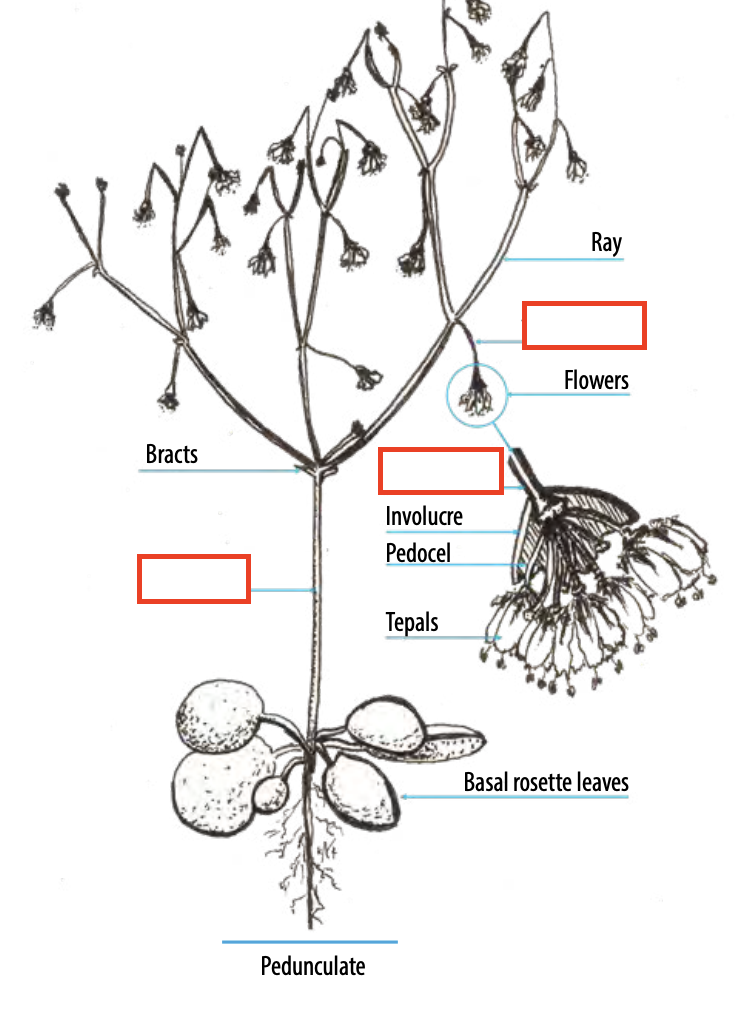
Peduncle
The common stalk of a cluster of flowers
1st: very first, newly formed, or inaugural, blooming stalk a plant produces
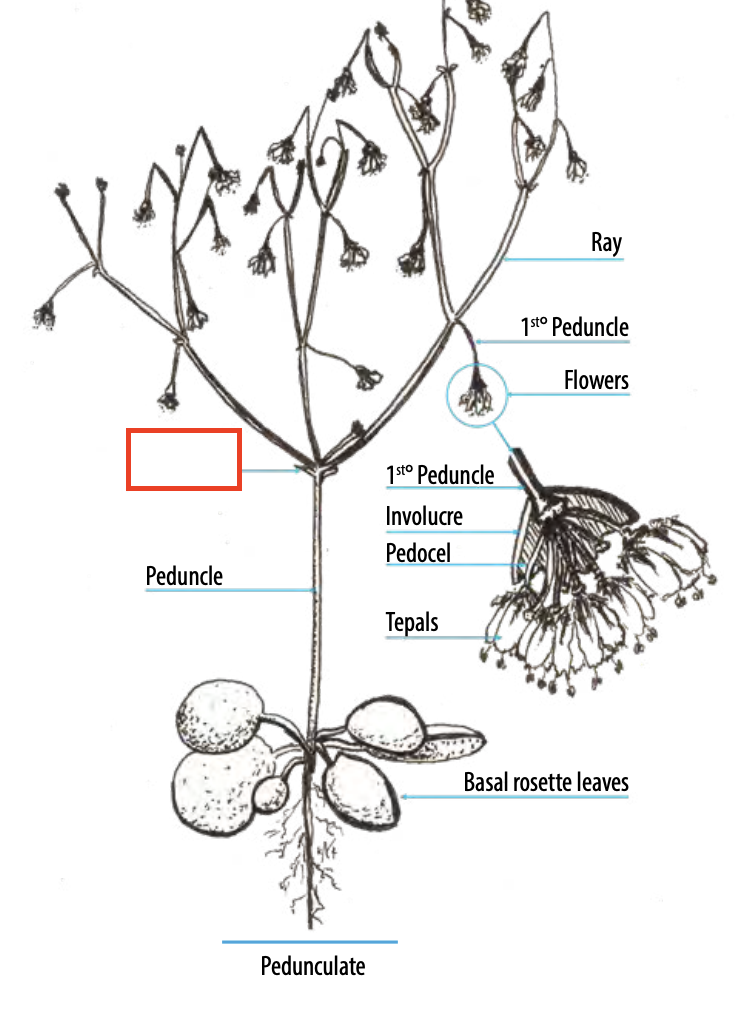
Bracts
Modified leaves/very small leaf-like growths
Some encase the flower and then subtend the flower after the flower opens
all of the ones that subtend the flower = involucre
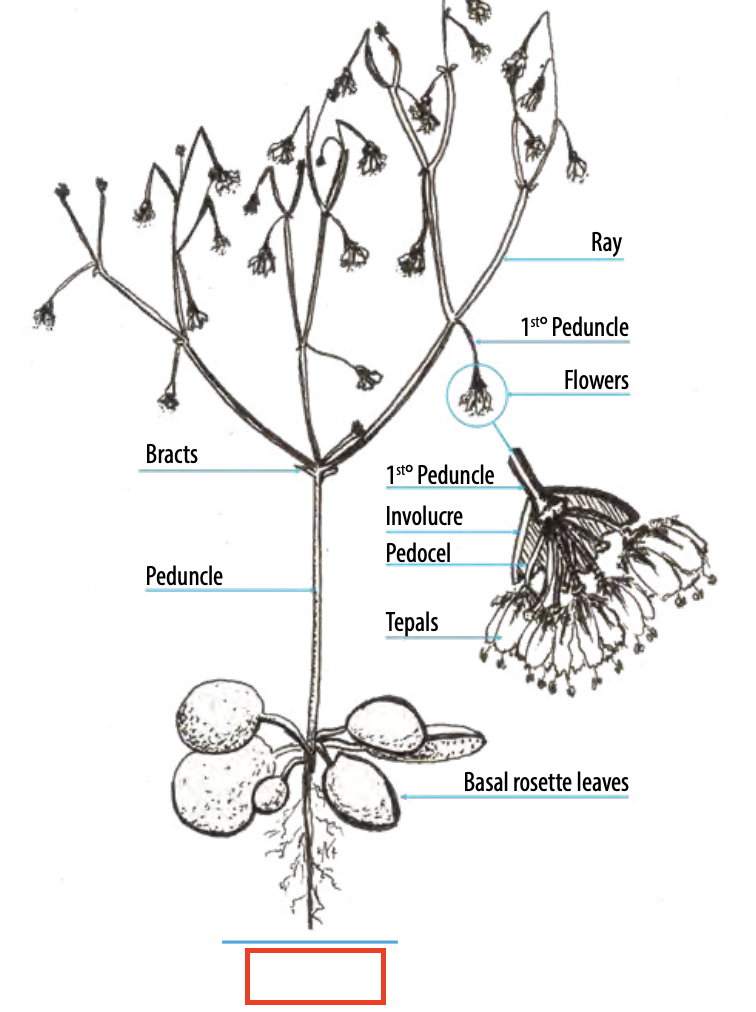
Pedunculate
a structure that has a peduncle (a stalk or stem) or is attached to another structure by a peduncle
Basal rosette leaves
dense cluster of leaves at the base of a plant
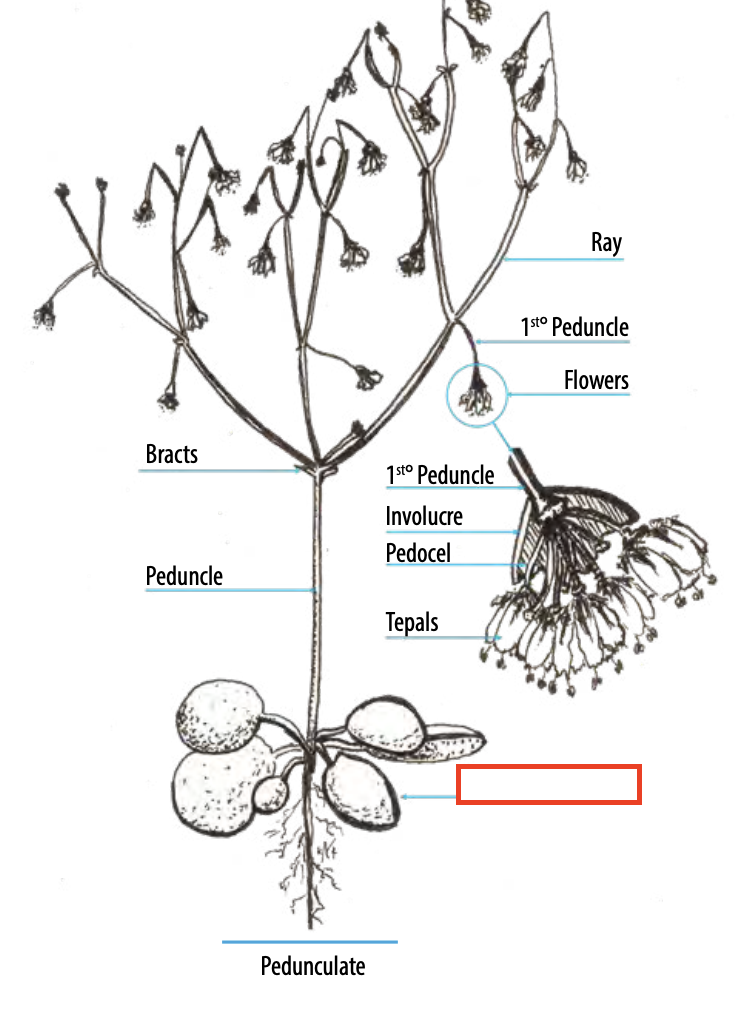
Tepals
a segment of the outer whorl in a flower that has no differentiation between petals and sepals
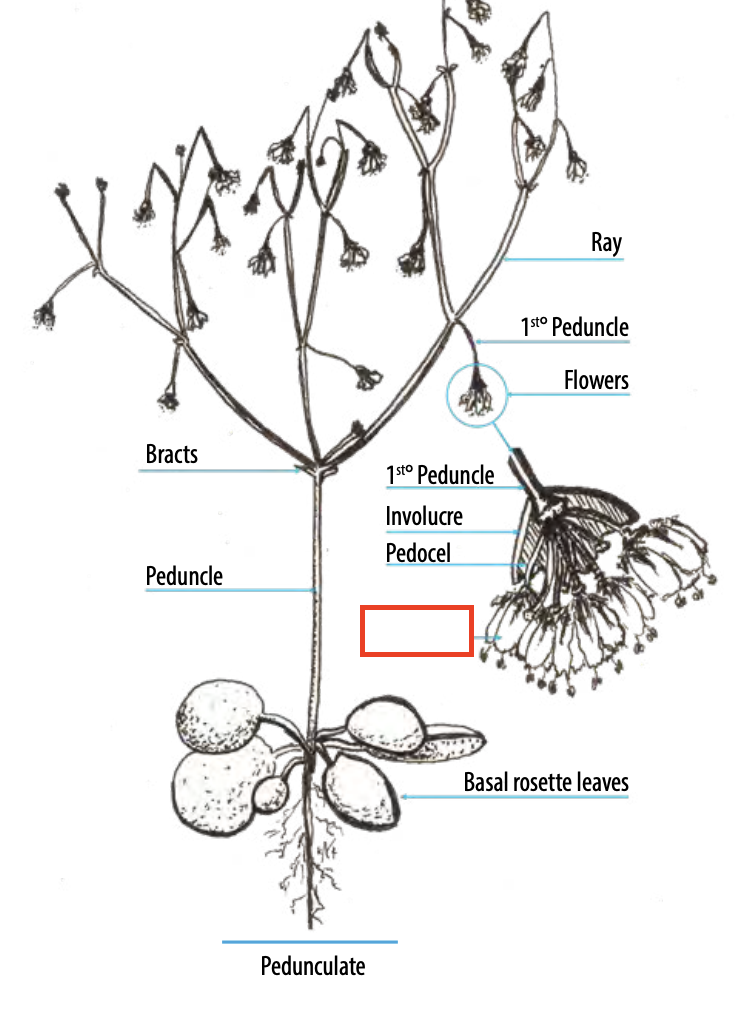
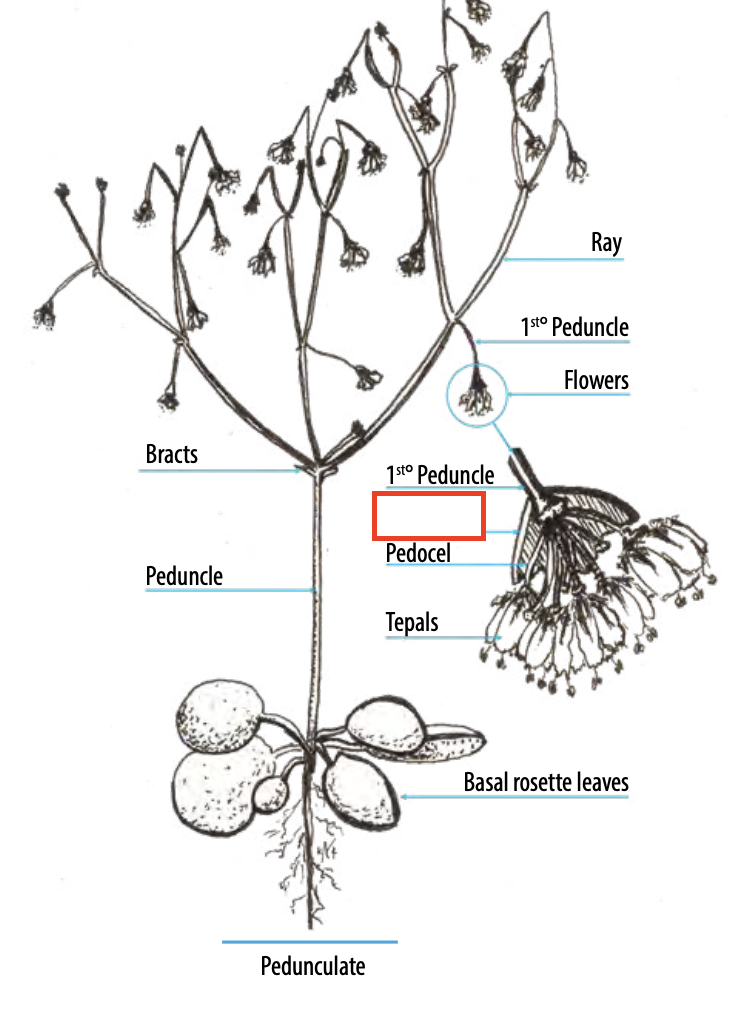
Involucre
The cluster of bracts that subtends a flower
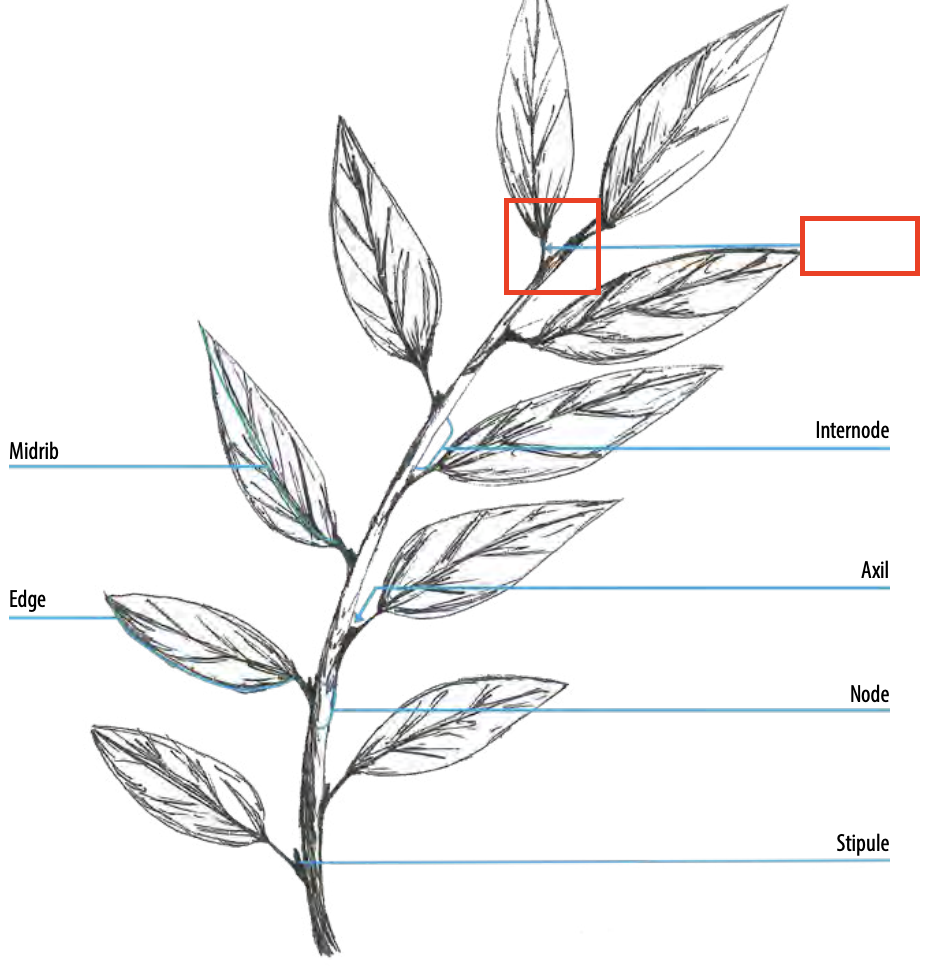
Petiole
The stem of a leaf
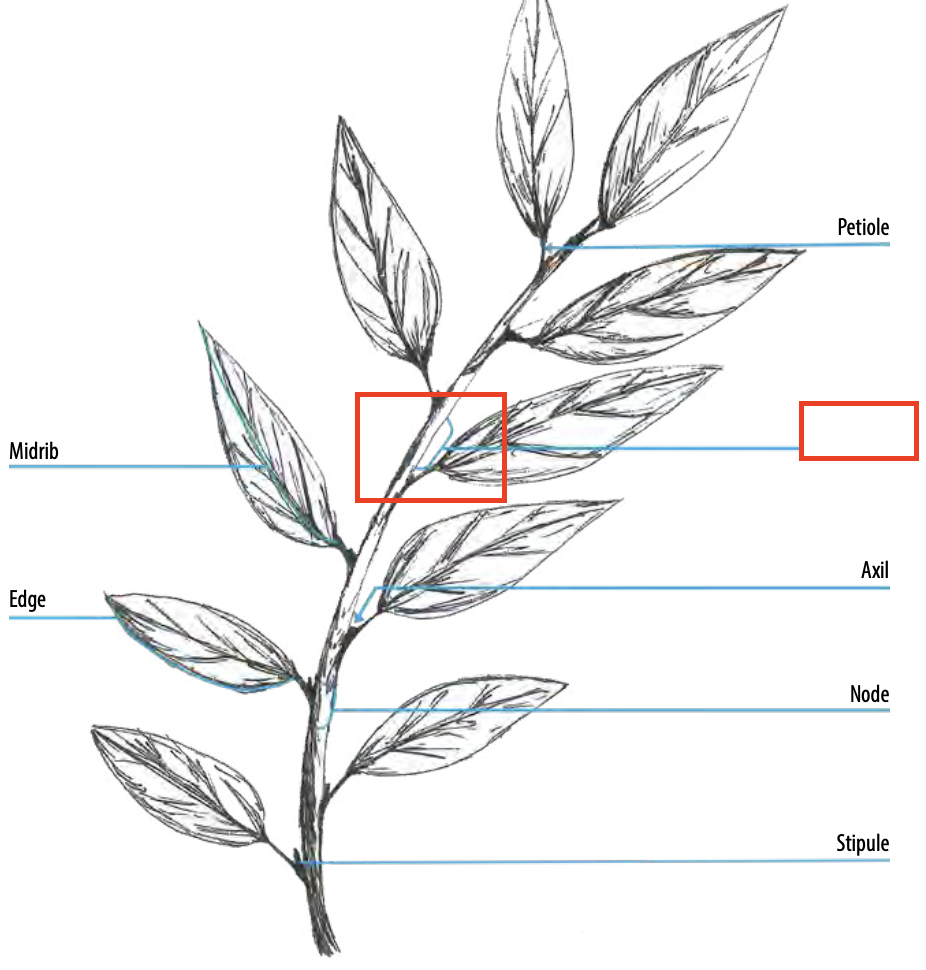
Internode
the interval on the stem between the nodes
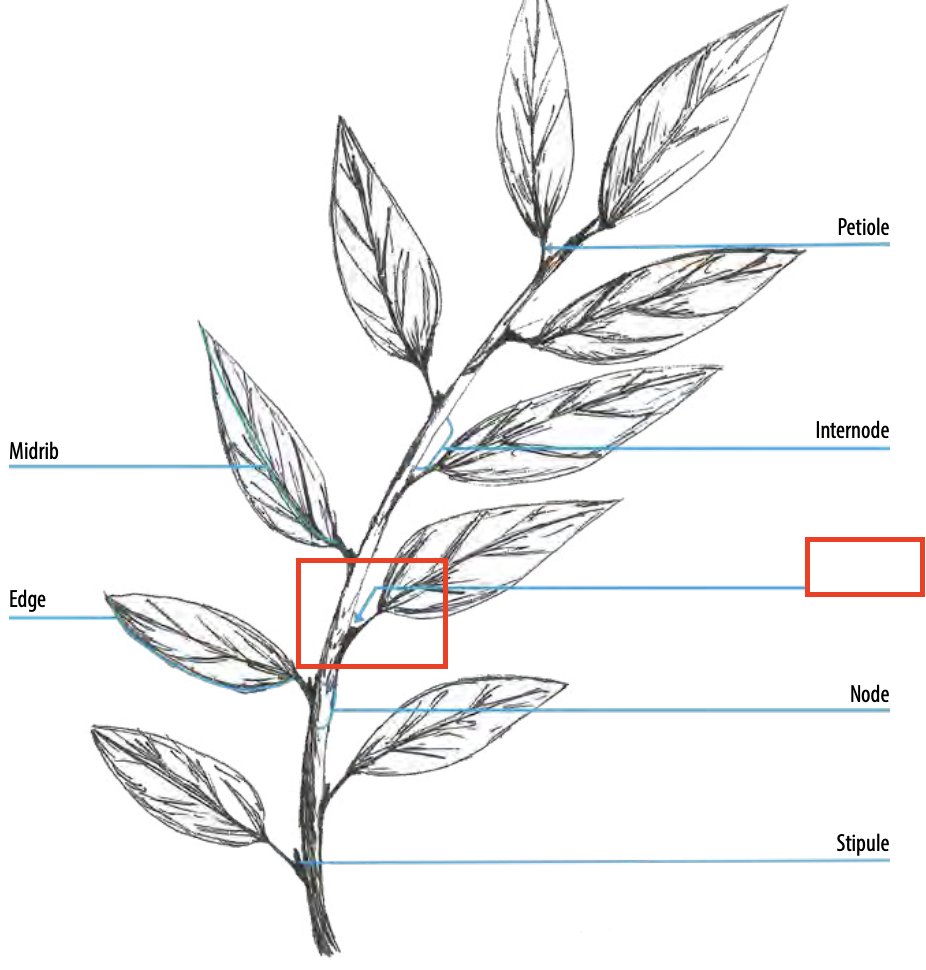
Axil
the angle between the stem and the leaf, or another organ which arises from the stem, such as a bract
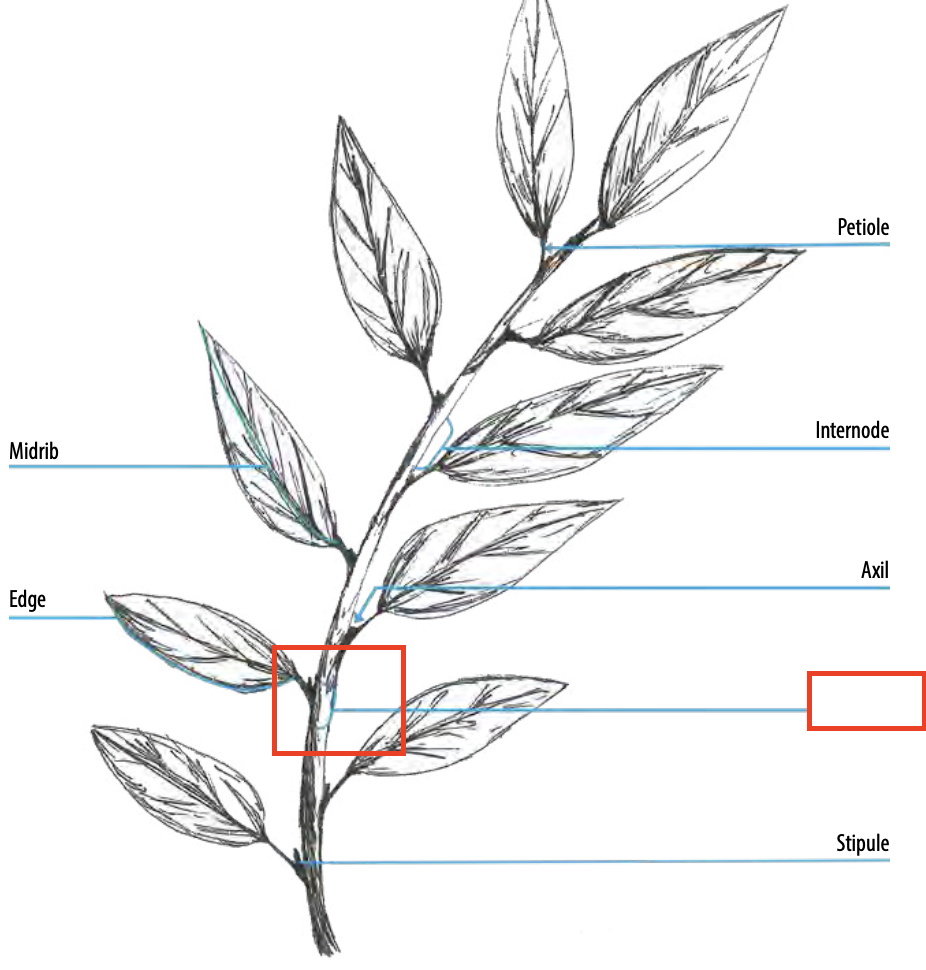
Node
The point at which there is an attached growth, as in the place where each leaf is attached
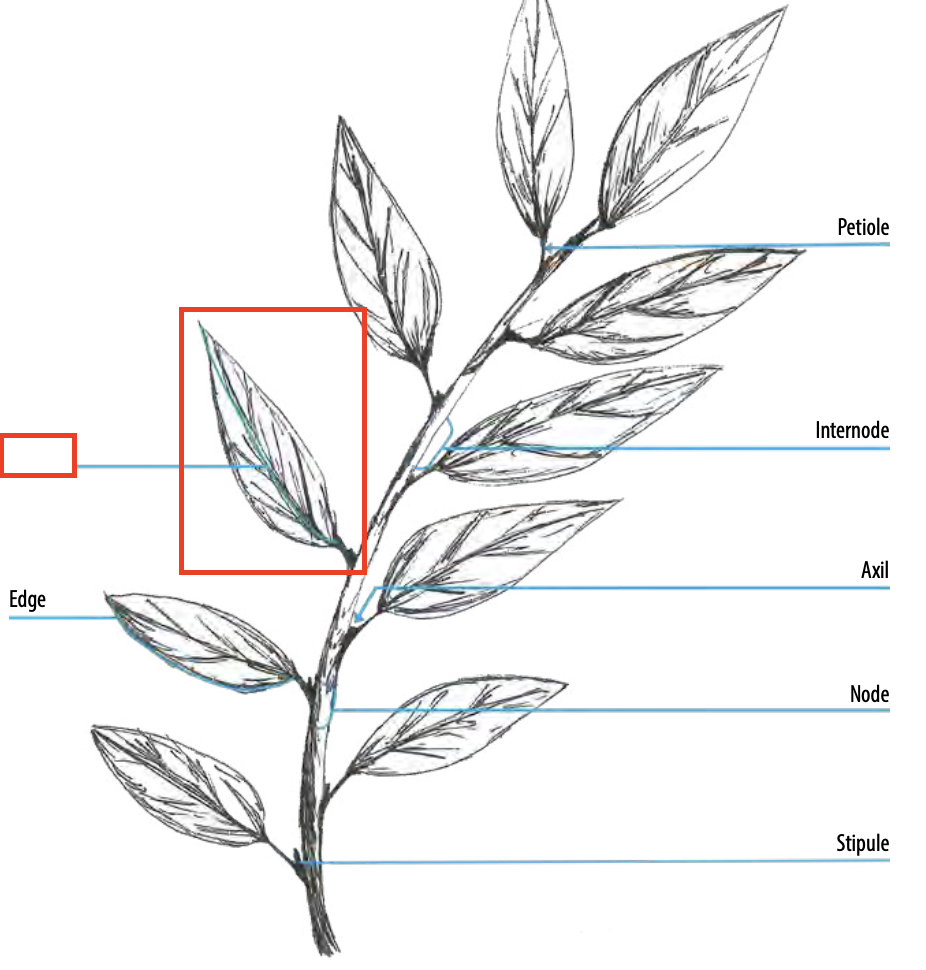
Midrib
main vascular structure running through the center of a leaf (primary vein)
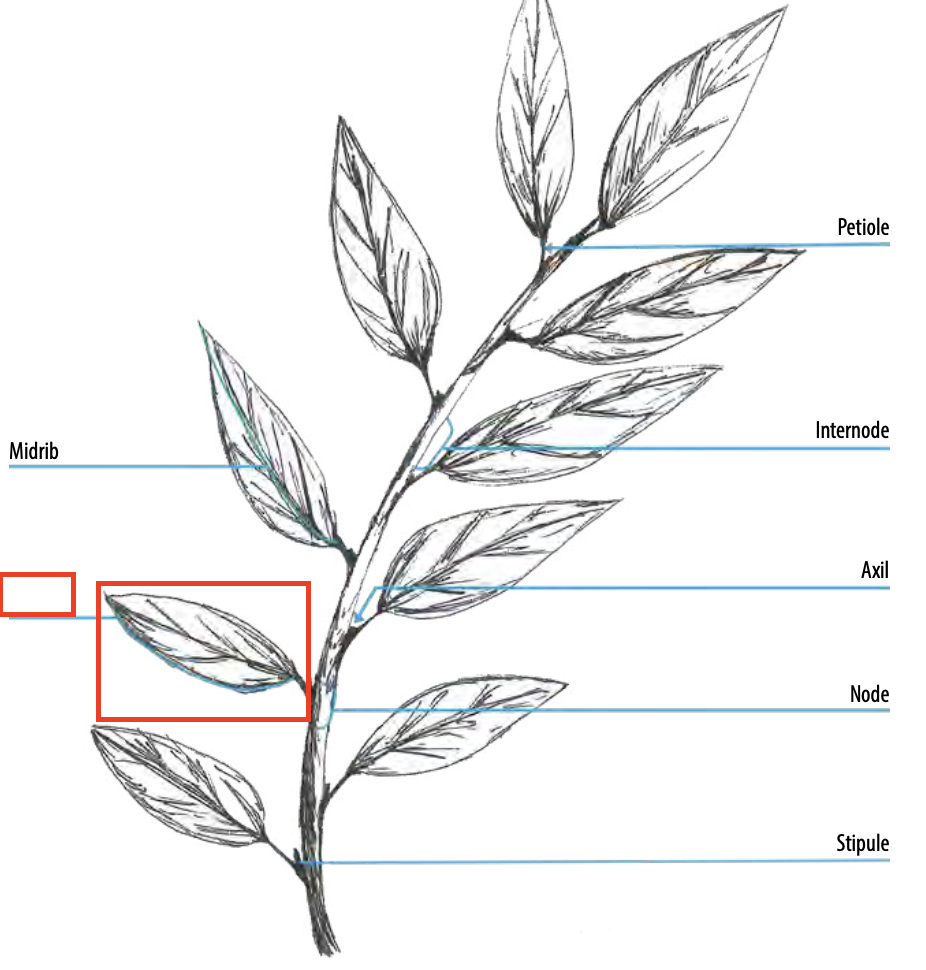
Edge
outer margin of the leaf
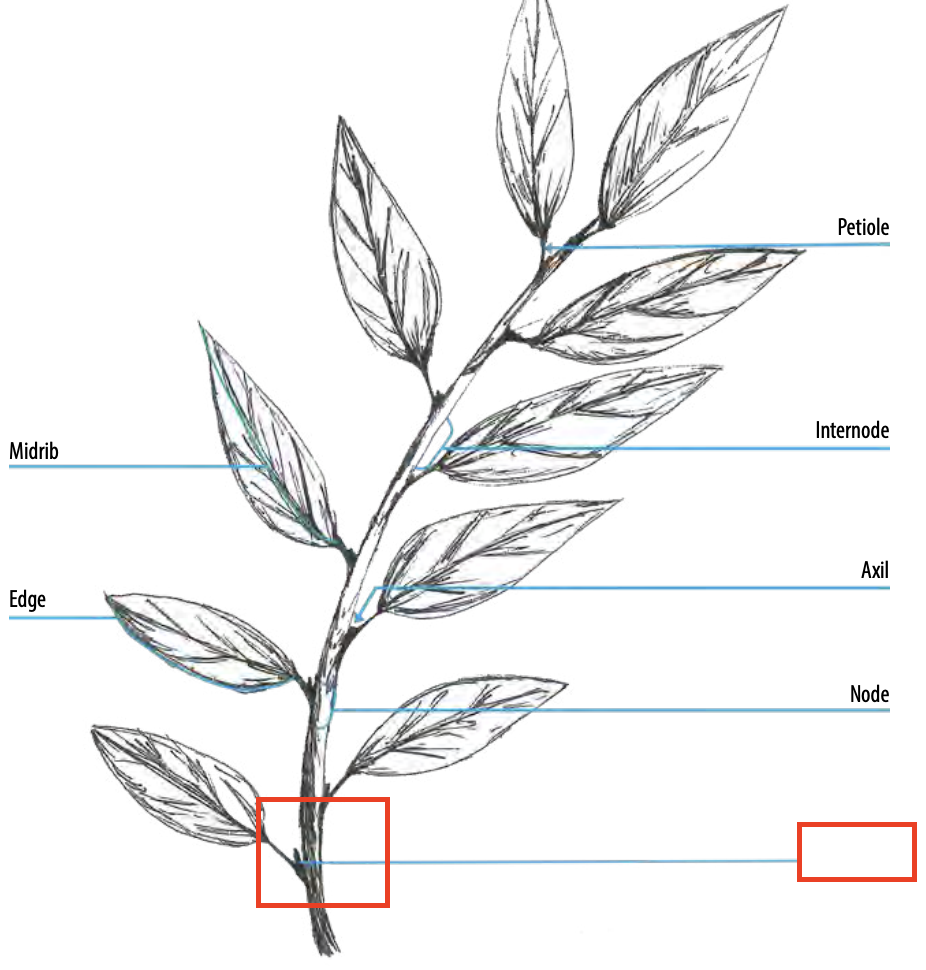
Stipule
Appendage at the base of the leaf, which may be leaf-like, spines, or reduced/absent
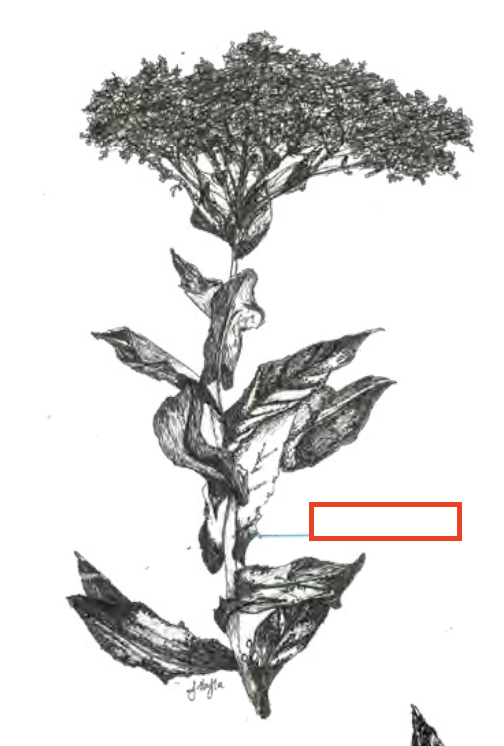
Clasping leaves
structural attachment type
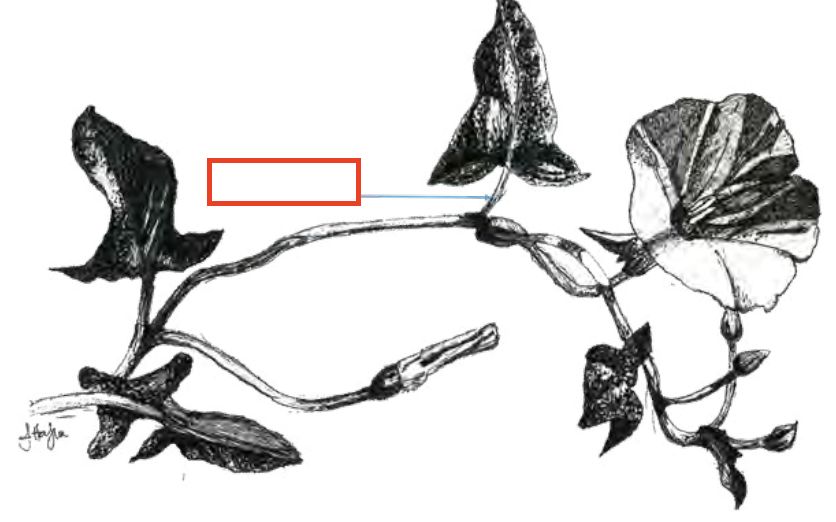
Petiolate leaves
structural attachment type
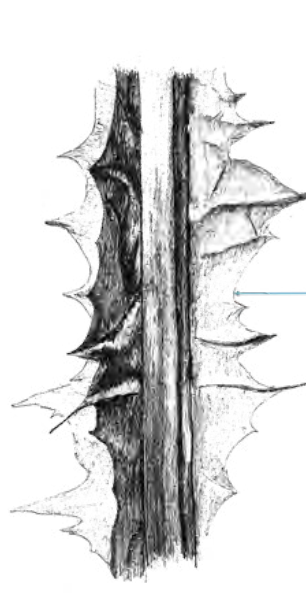
Spiny-winged stem
structural attachment type
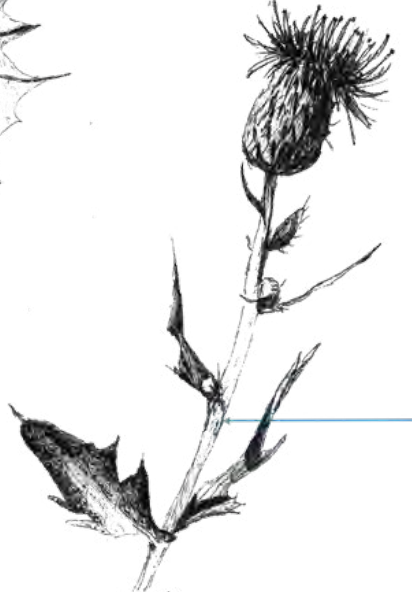
Sessile leaves
structural attachment type
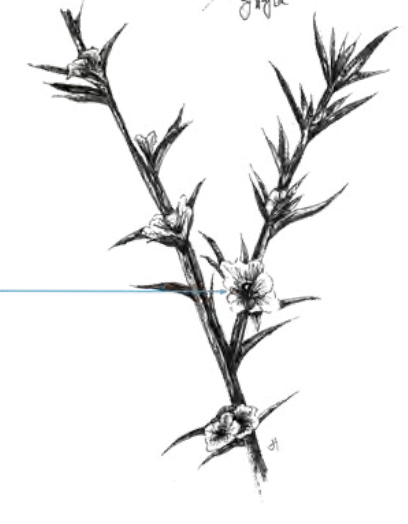
axillary flowers
structural attachment type
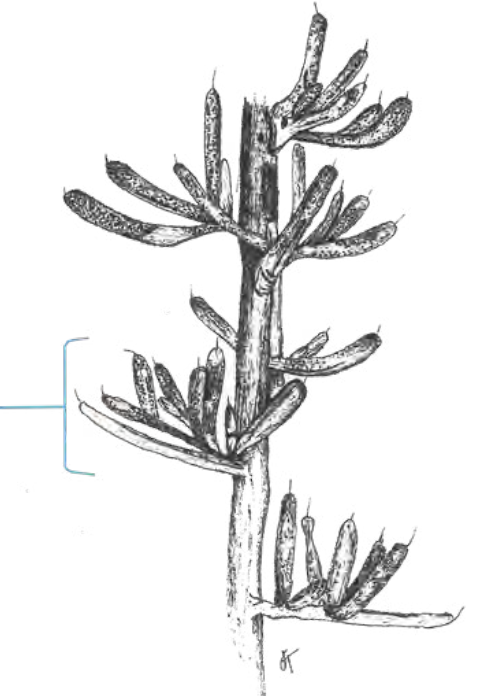
fascicle leaves
structural attachment type
Lance shaped
entire edge OR pinnately divided edge
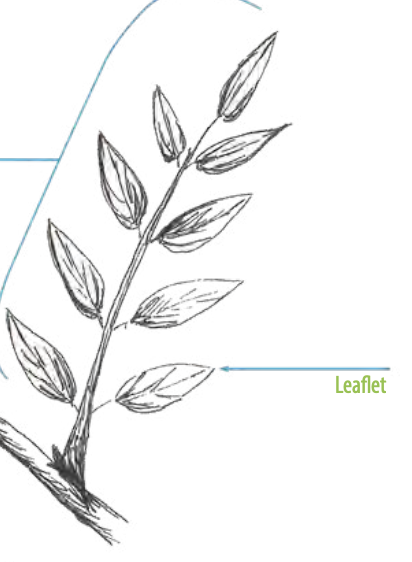
Linear shaped
entire edge
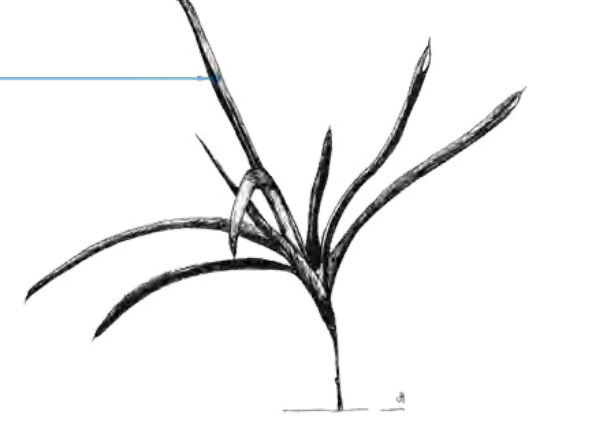
Elliptic shaped
Pinnatifid edge or bipinnately divided edge
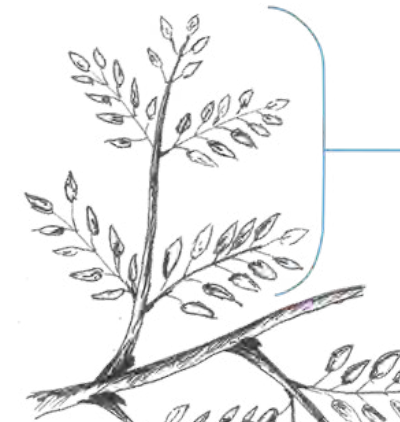
Ovate shaped
Pedate edge
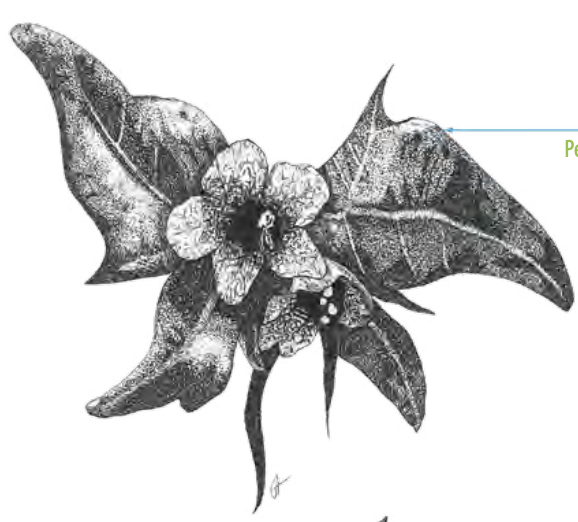
Palmately shaped
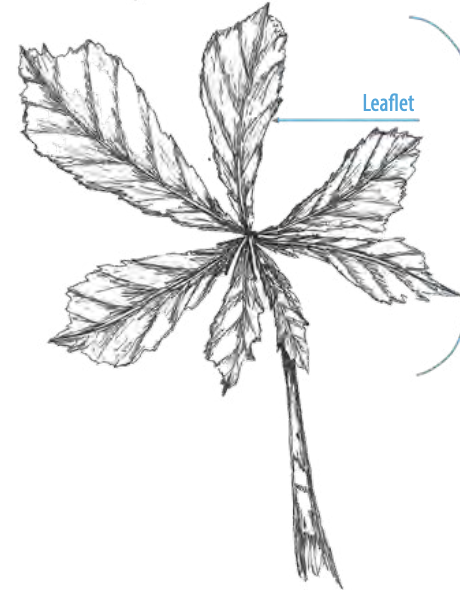
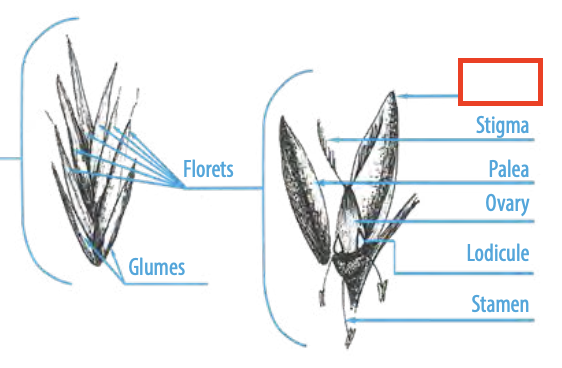
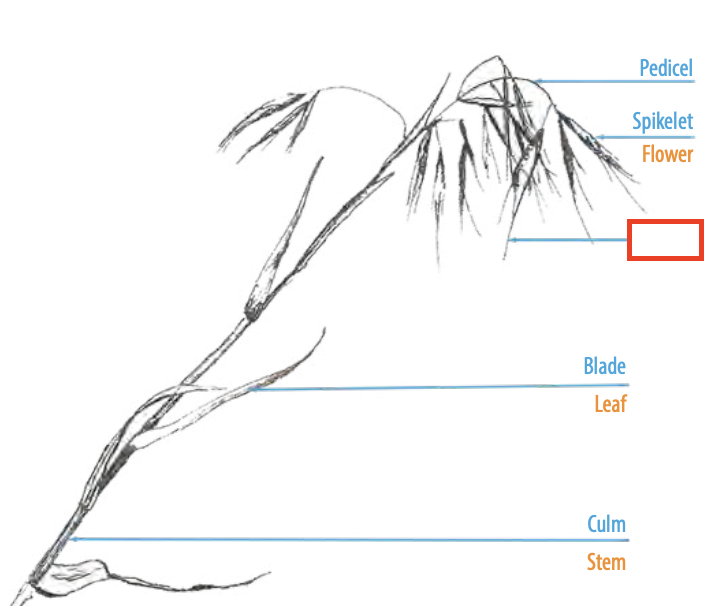
spikelet
the basic unit of a grass flower, consisting of two glumes or outer bracts at the base and one or more florets above
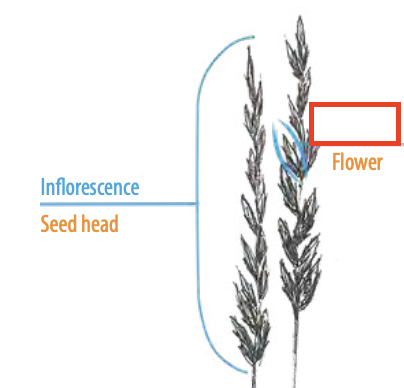
glume
the bract below a spikelet in the inflorescence of grasses
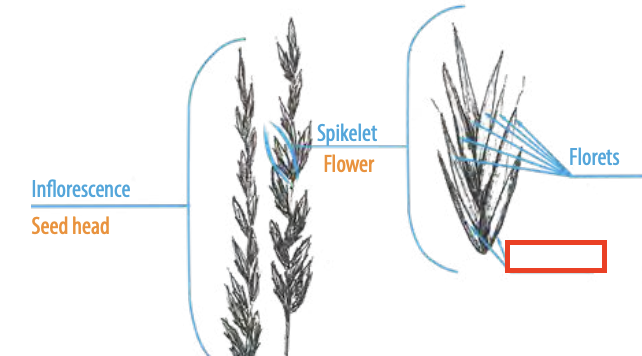
floret
one of the small flowers forming the head of a composite plant
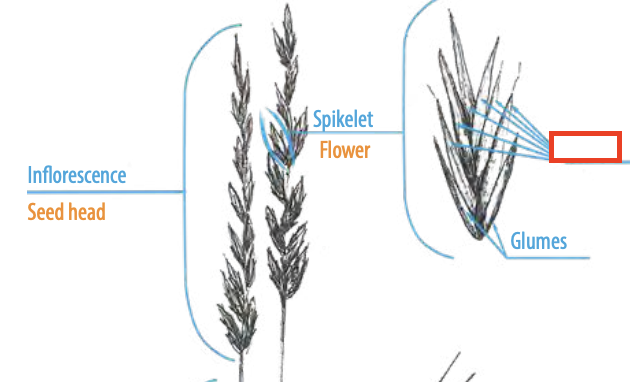
lemma
One of the specialized larger, outer bracts around the floret in grasses
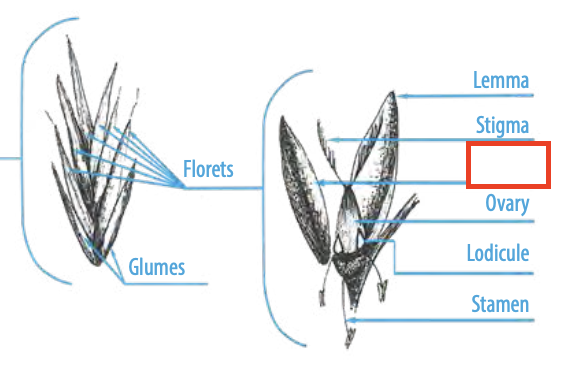
palea
the smaller, inner upper bract of the floret of a grass
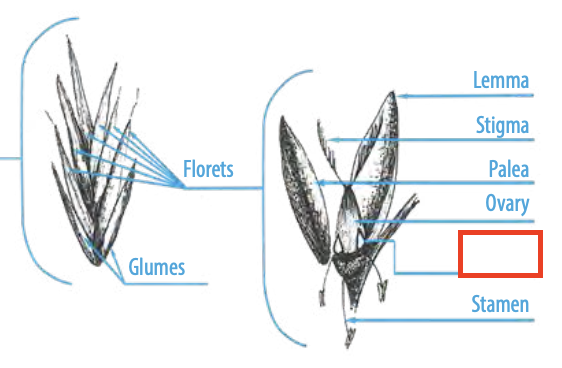
lodicule
a small green or white scale below the ovary of a grass flower
culm
the hollow stem of a grass or cereal plant, especially that bearing the flower
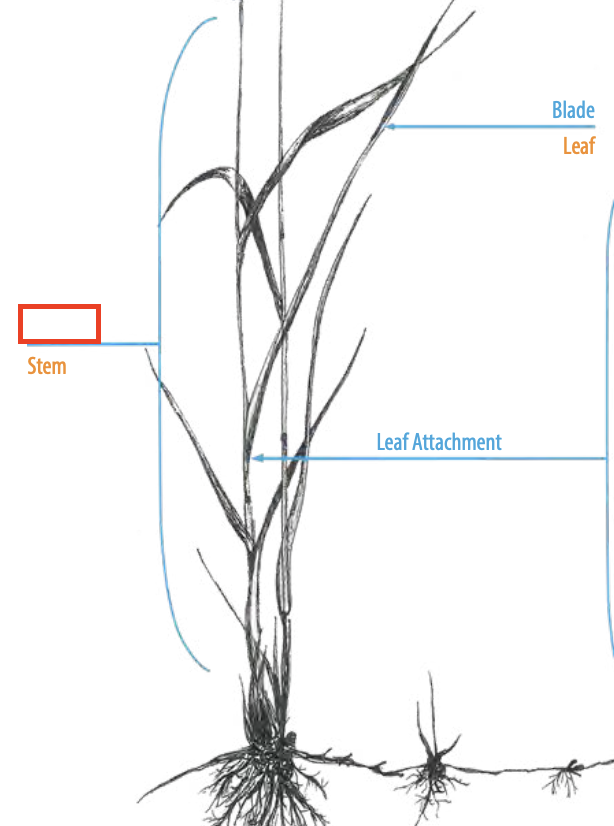
blade
the flat, expanded part of a leaf that is primarily responsible for photosynthesis
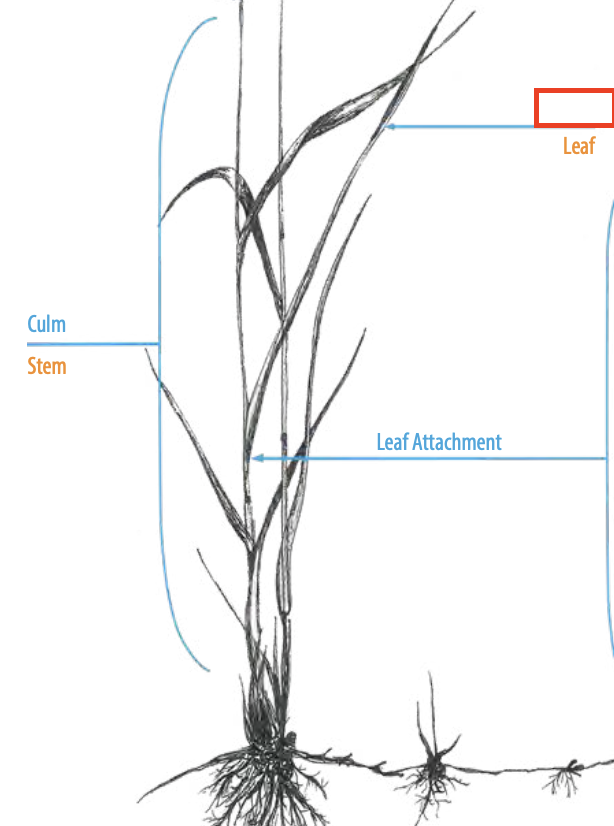
ligule
a membranous scale on the inner side of the leaf sheath at its junction with the blade in most grasses and sedges
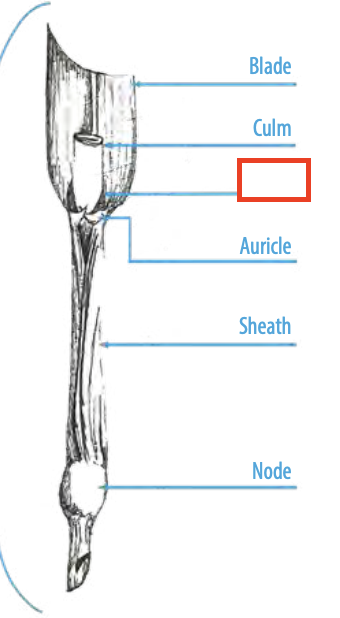
auricle
a small ear-like projection from the base of a leaf or petal
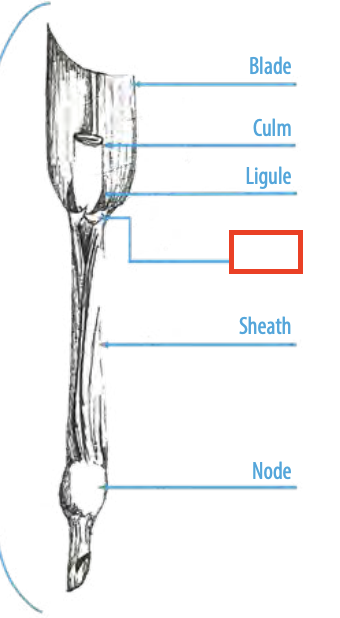
sheath
the basal part of a grass leaf that encircles the stem
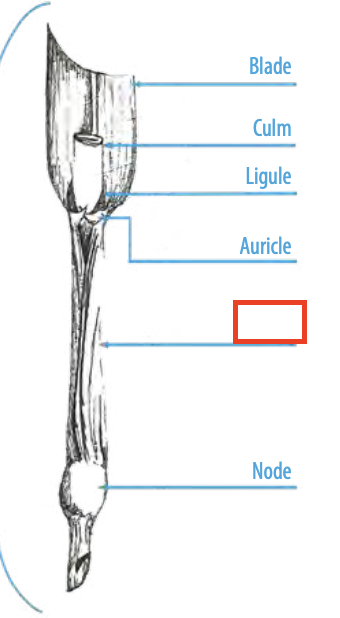
awn
a hairy or bristle-like growth on a plant
on seeds of grasses → form foxtails which assist seed dispersal by being barbed and sticking to passing animals
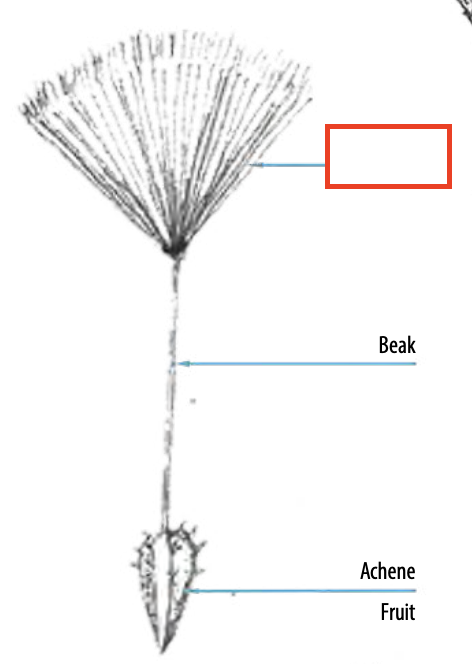
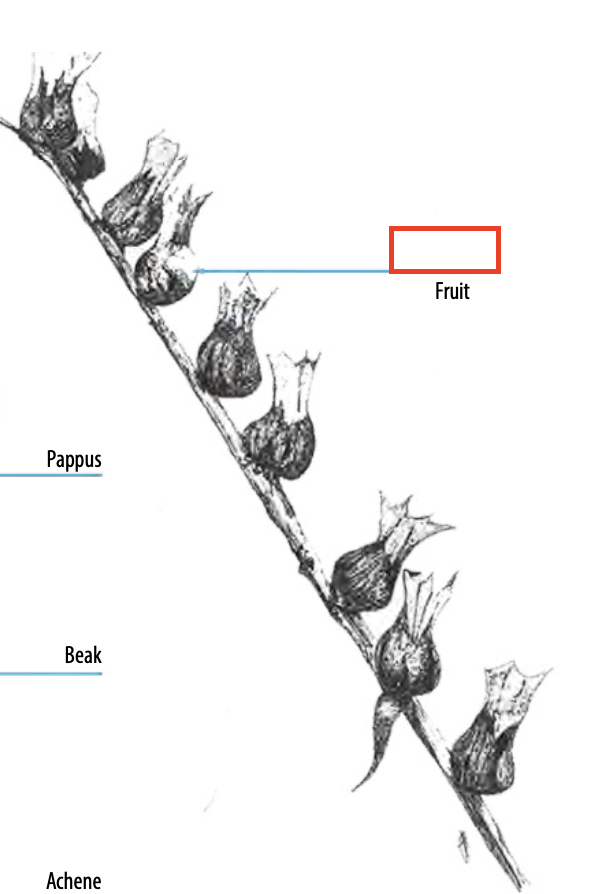
pappus
the tuft of hairs on each seed of thistles, dandelions, and similar plants, which assists dispersal by the wind
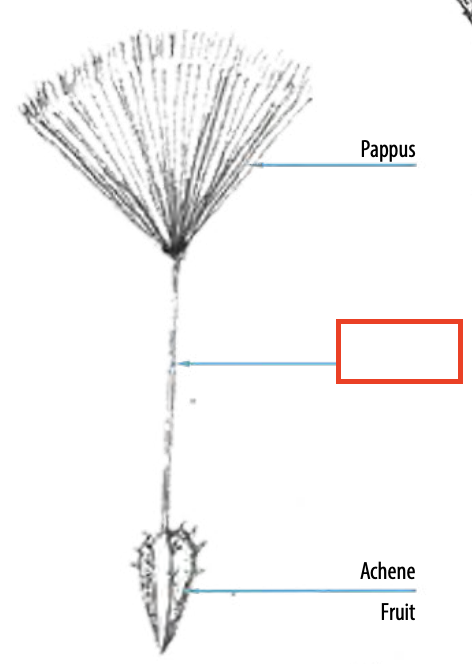
beak
a rigid, usually firm, and tapering projection or tip found on certain plant structures, particularly seeds and fruits
often a prolongation of the ovary or style that remains after fertilization
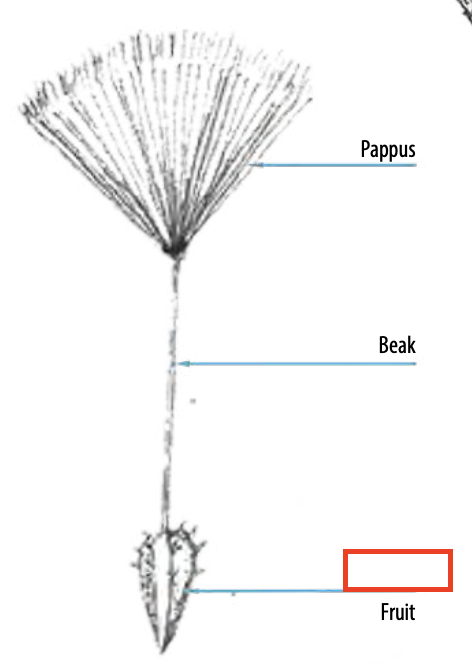
achene
type of simple dry fruit produced by many species of flowering plants
contain a single seed that nearly fills the pericarp, but does not adhere to it
capsule
a type of simple, dry or (rarely) fleshy fruit which splits open on maturity
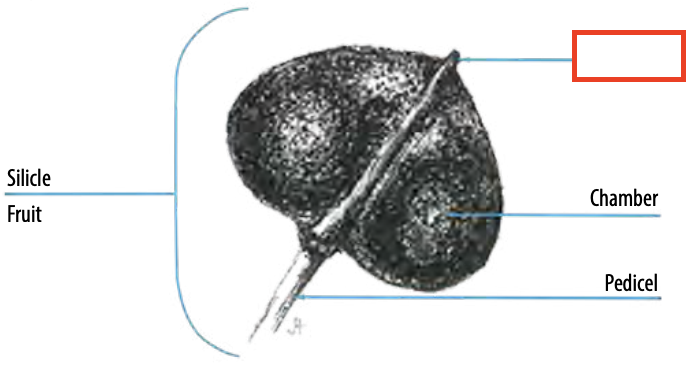
septum
A wall-like partition of a locule of an ovary that divides the ovary into chambers called locules
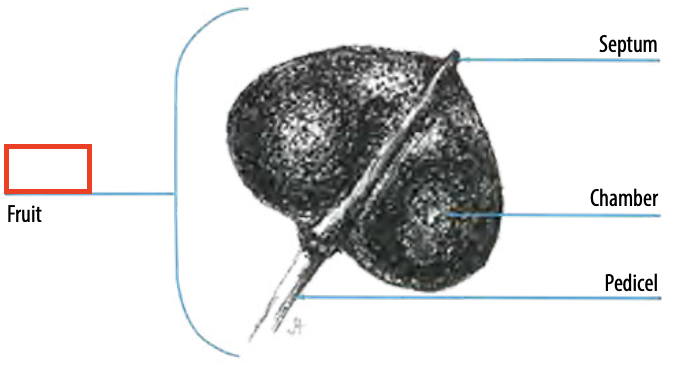
silicle
a type of fruit having two fused carpels with the length being more than three times the width
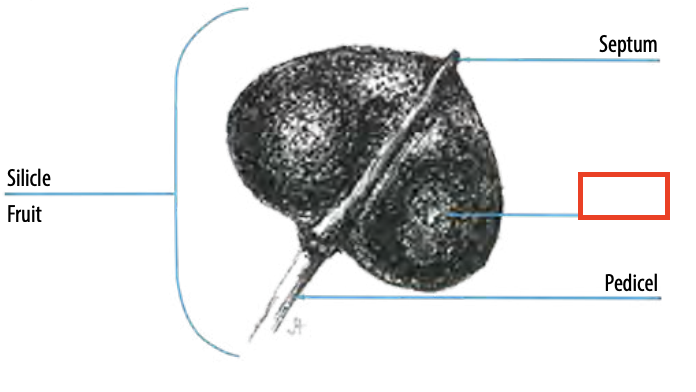
chamber
the locule, such as that of an ovary or fruit, that contains the ovule(s) or seed(s), respectively
Forbs
Plants that lack woody stems and are not grasses, sedges, or rushes
plants with soft, flexible, aboveground structures
include all herbaceous species that do not exhibit a grass-like growth form and are often referred to as wildflowers or herbs
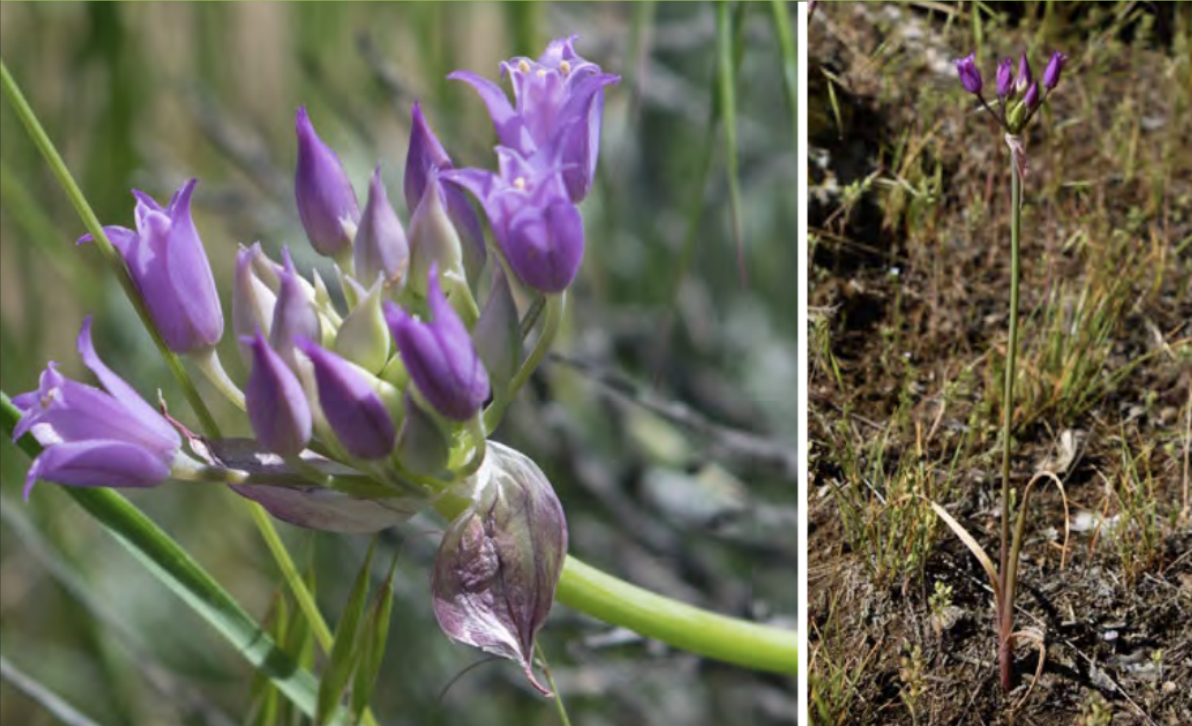
ALAC
Hooker’s Onion
Lily family
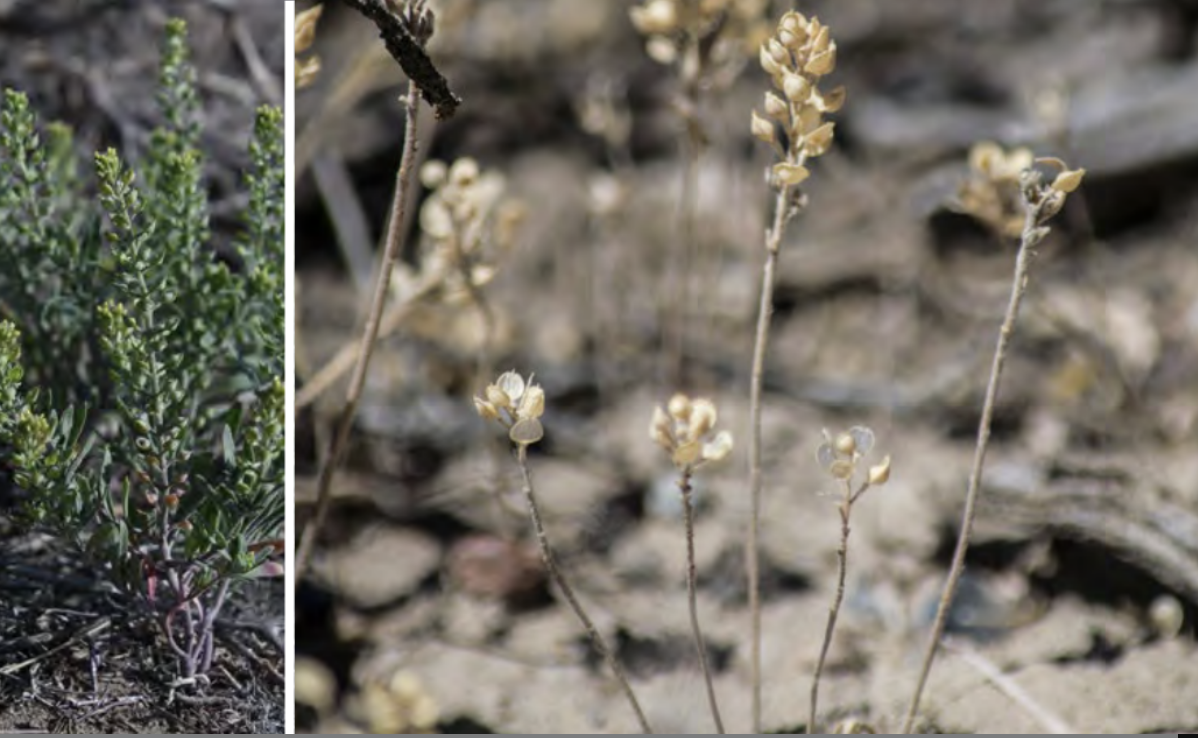
ALDE
Desert alyssum
Mustard family
INTRODUCED
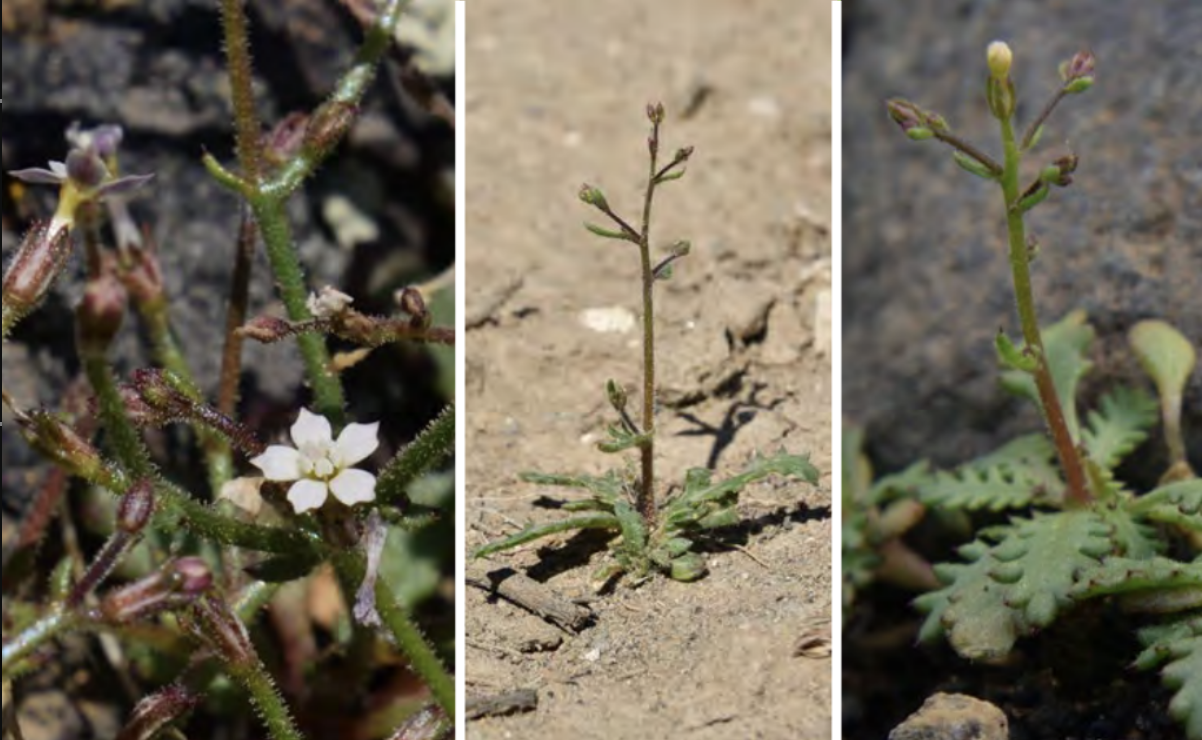
ALLE
Sand gilia
Phlox family
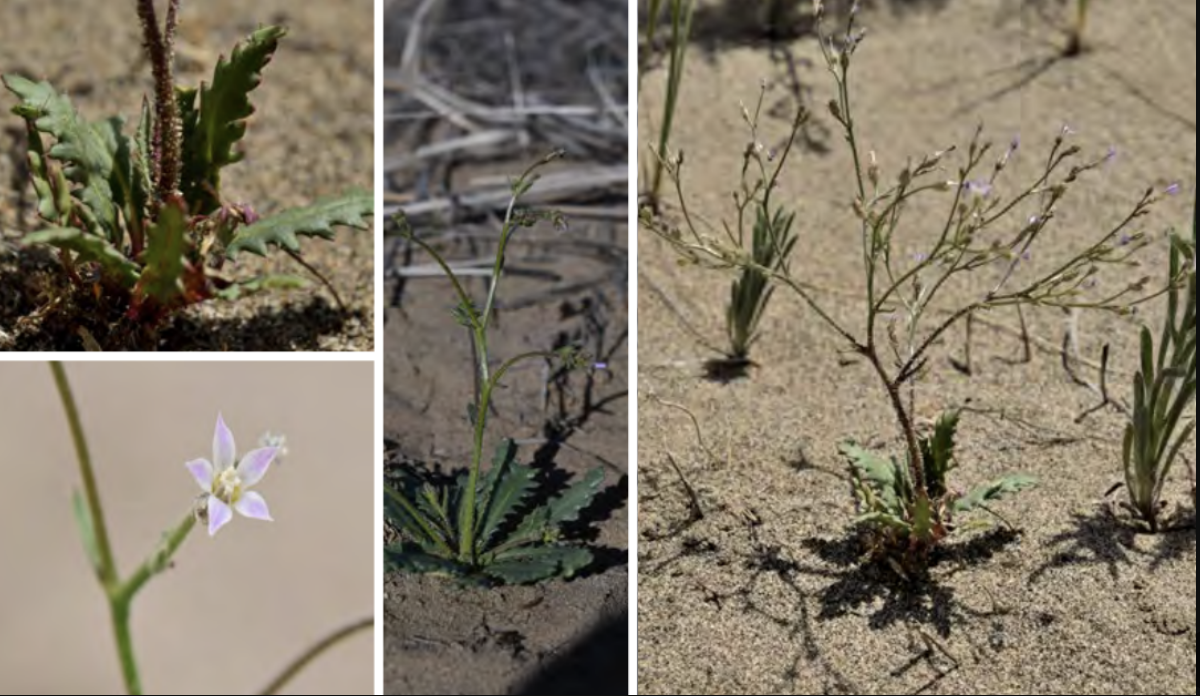
ALLO
Lott’s gilia
Phlox family
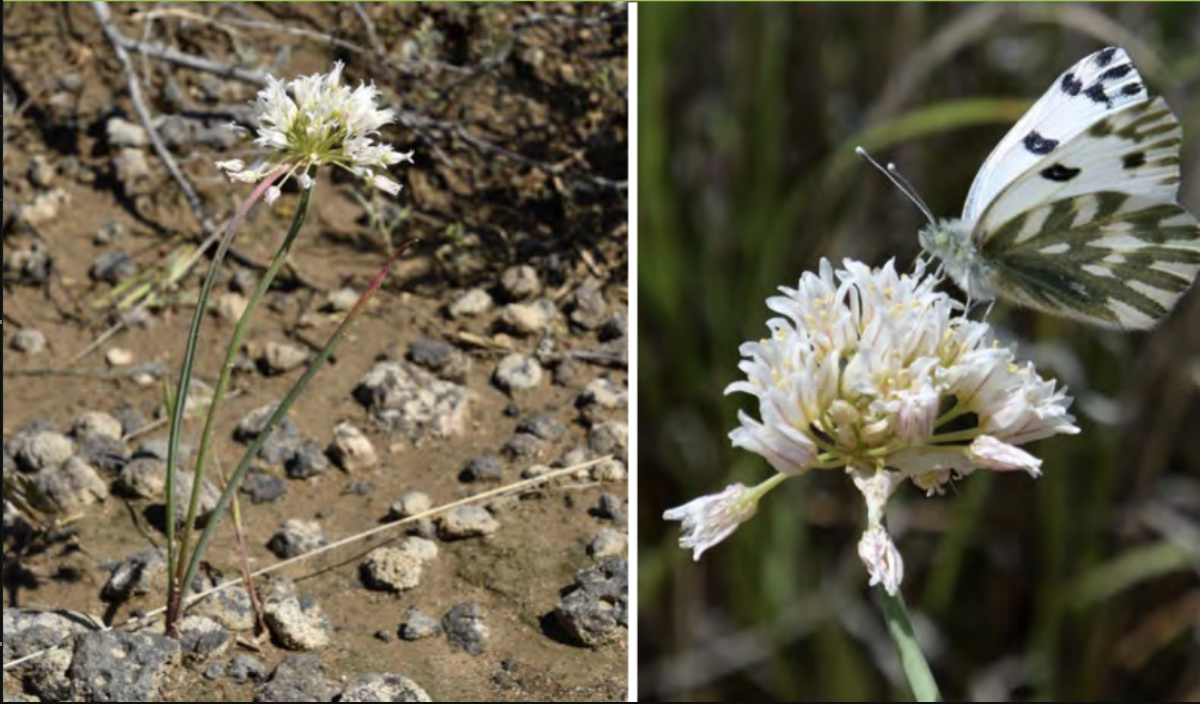
ALTE
Textile onion
Lily family
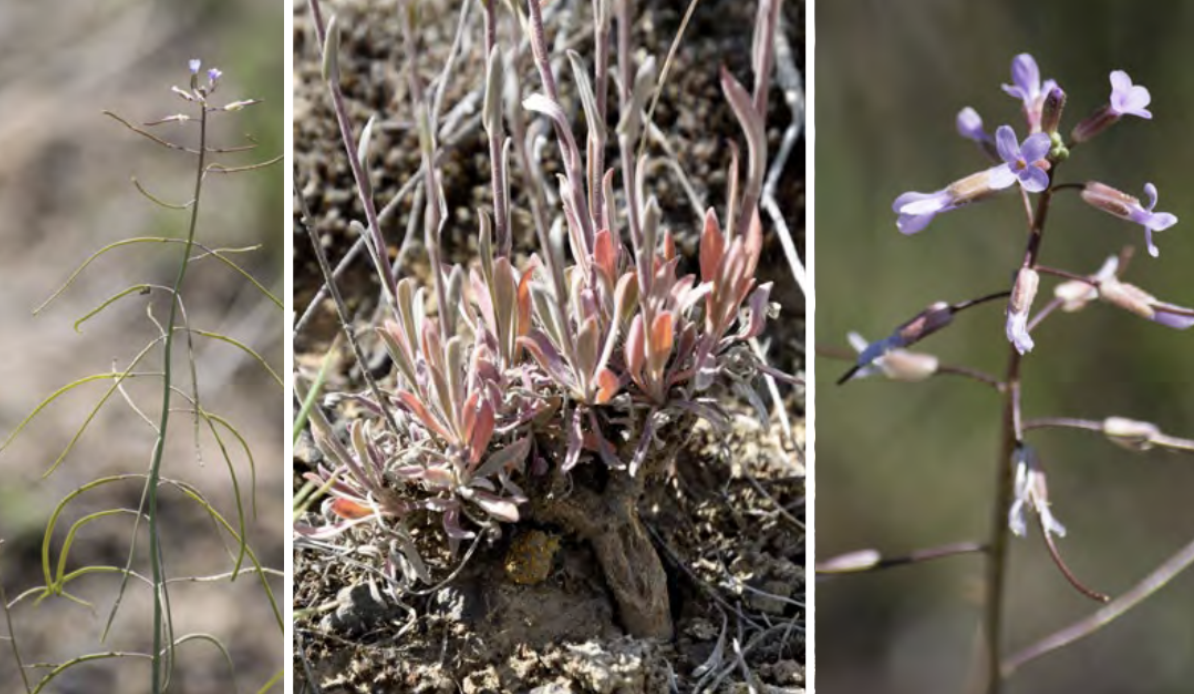
ARCO
Sagebrush rockcress
Mustard family
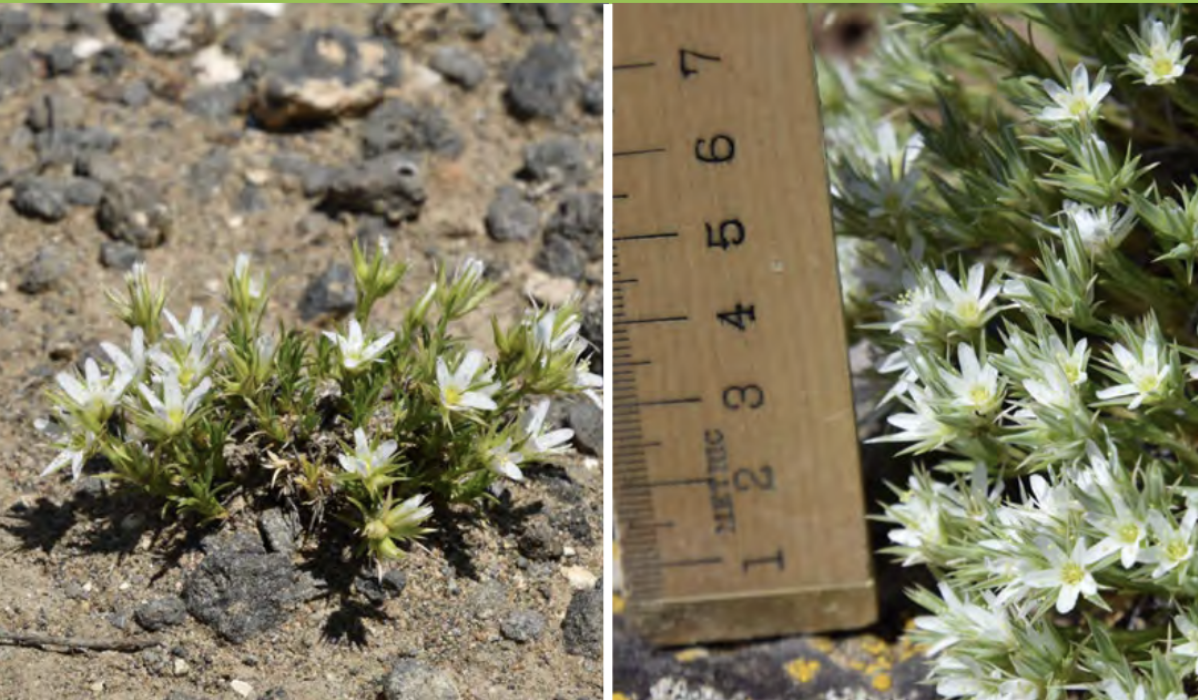
ARFR
Franklin’s sandwort
Pink family
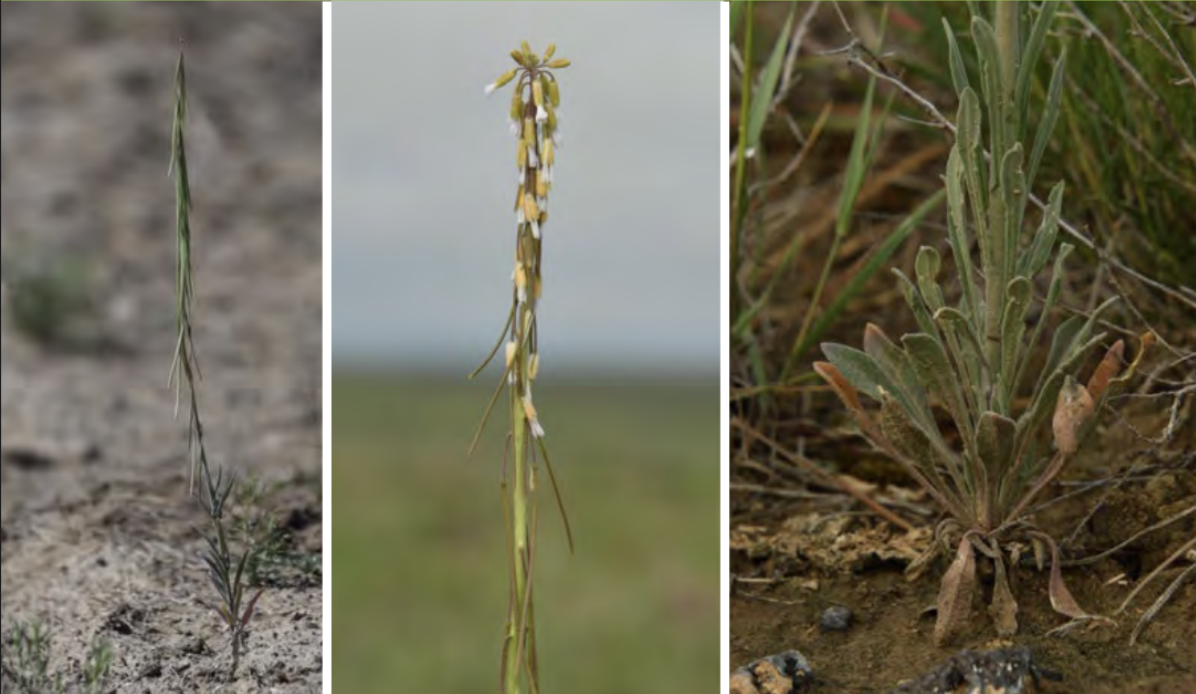
ARHO
Holboell’s rockcress
Mustard family
ARLI
Woody-branched rockcress
Mustard family
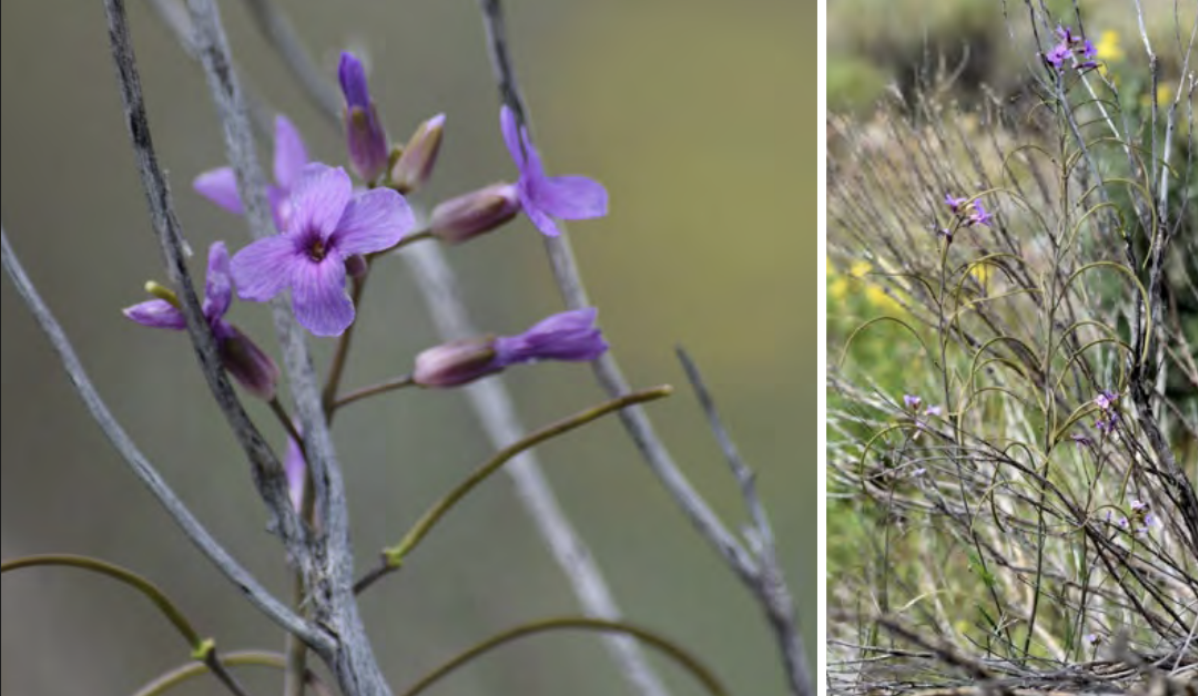
ASCA
Torrey’s milkvetch
Pea family
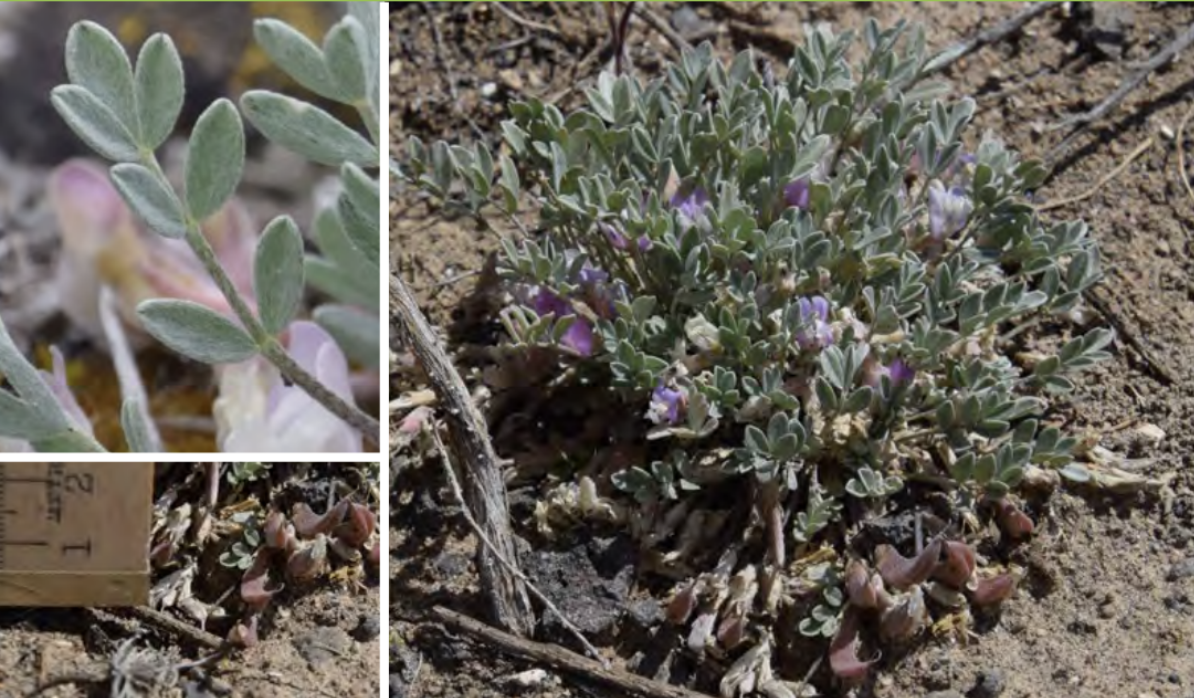
ASCE
Painted milkvetch
Pea family
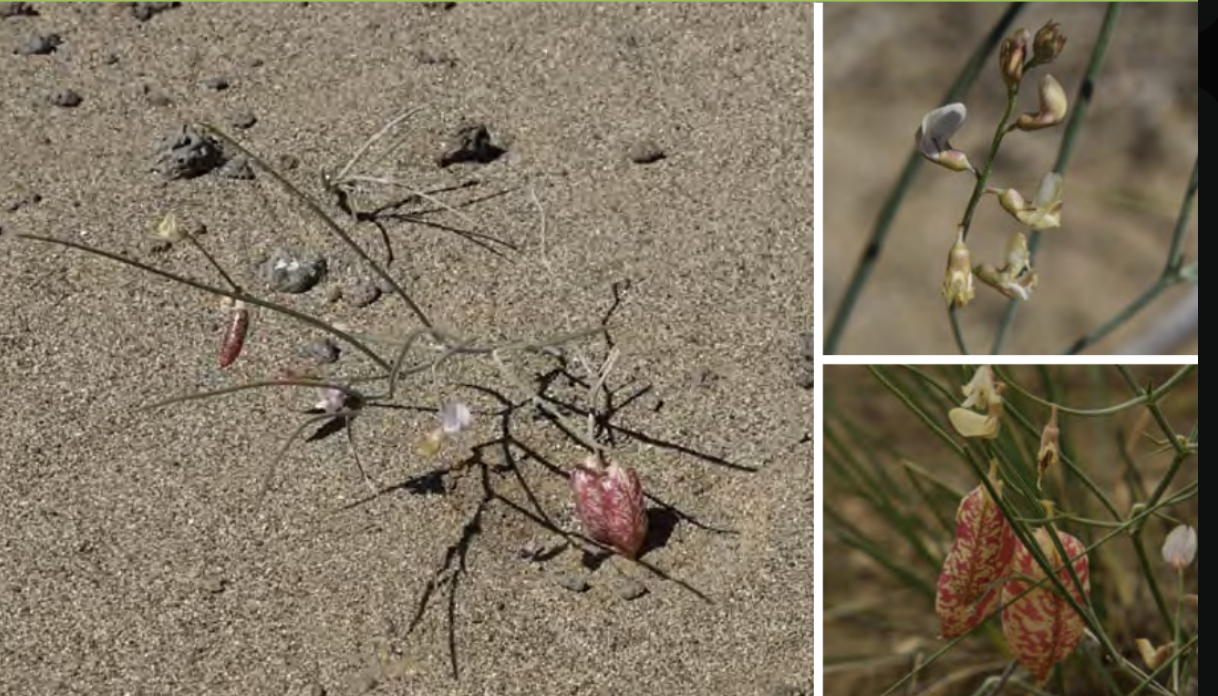
ASCU
Curvepod milkvetch
Pea family
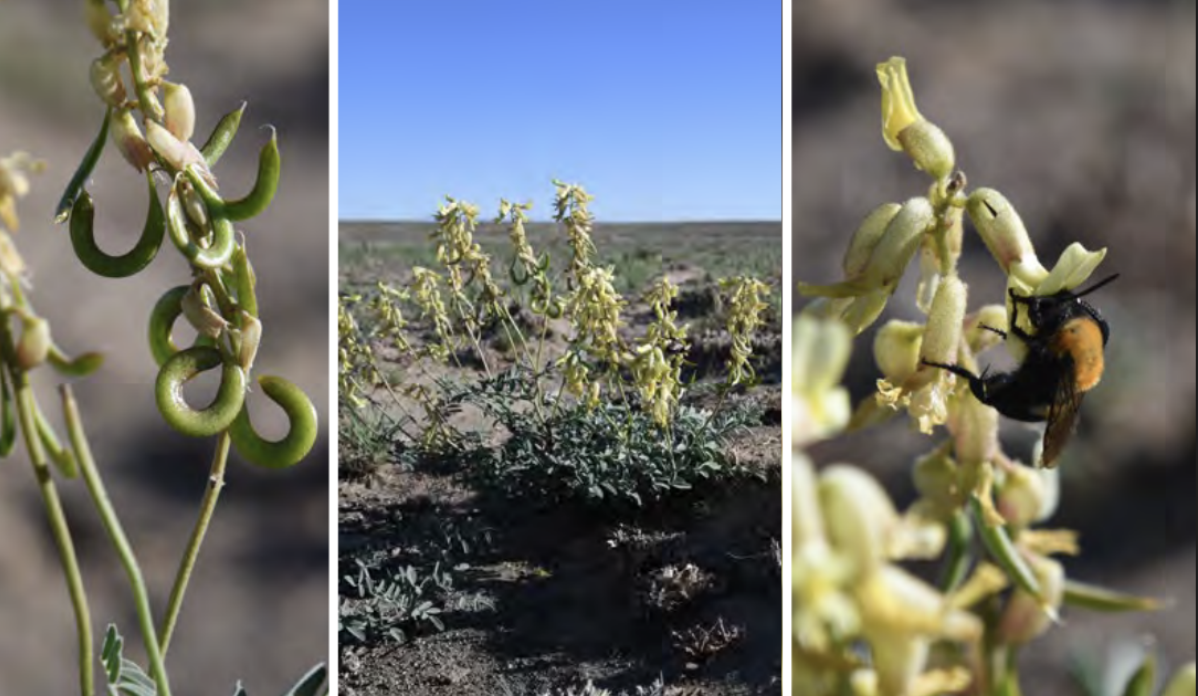
ASFI
Basalt milkvetch
Pea family
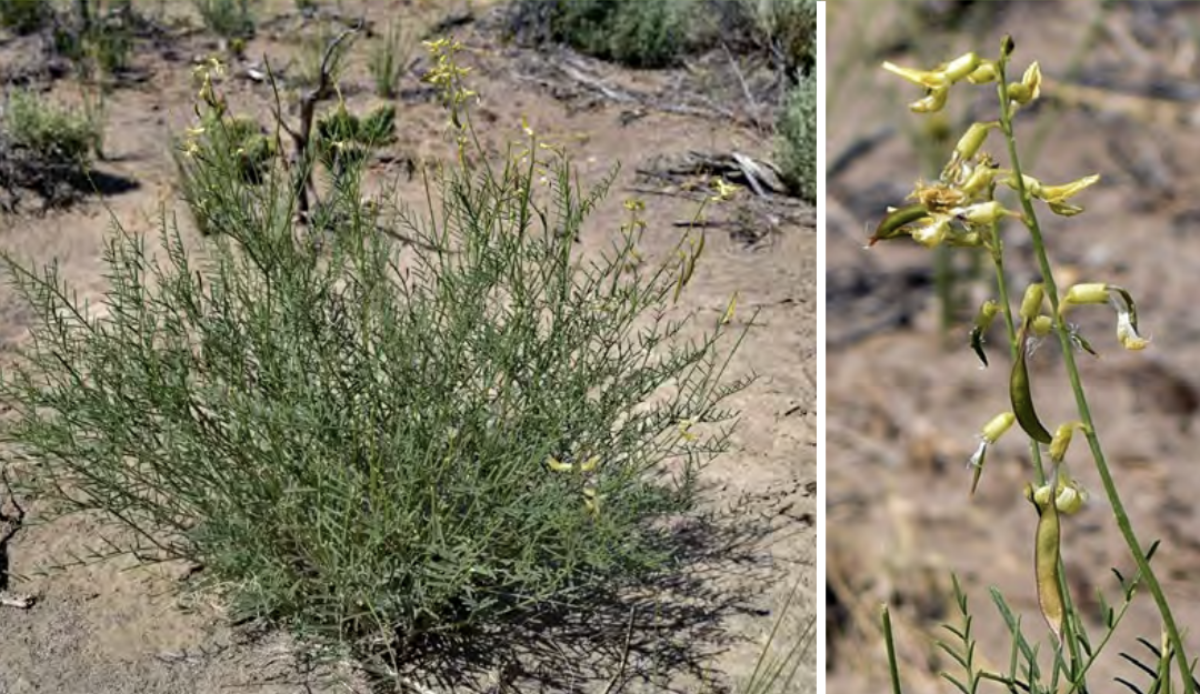
ASLE
Freckled milkvetch
Pea family
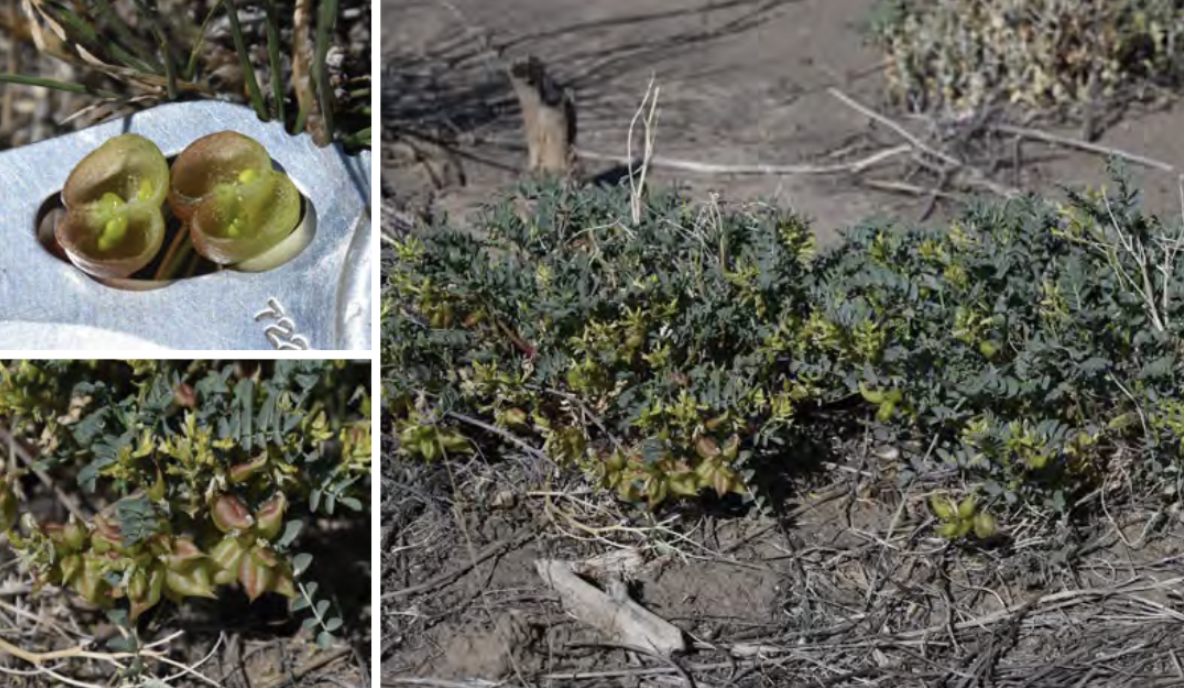
ASPU
Woollypod milkvetch
Pea family
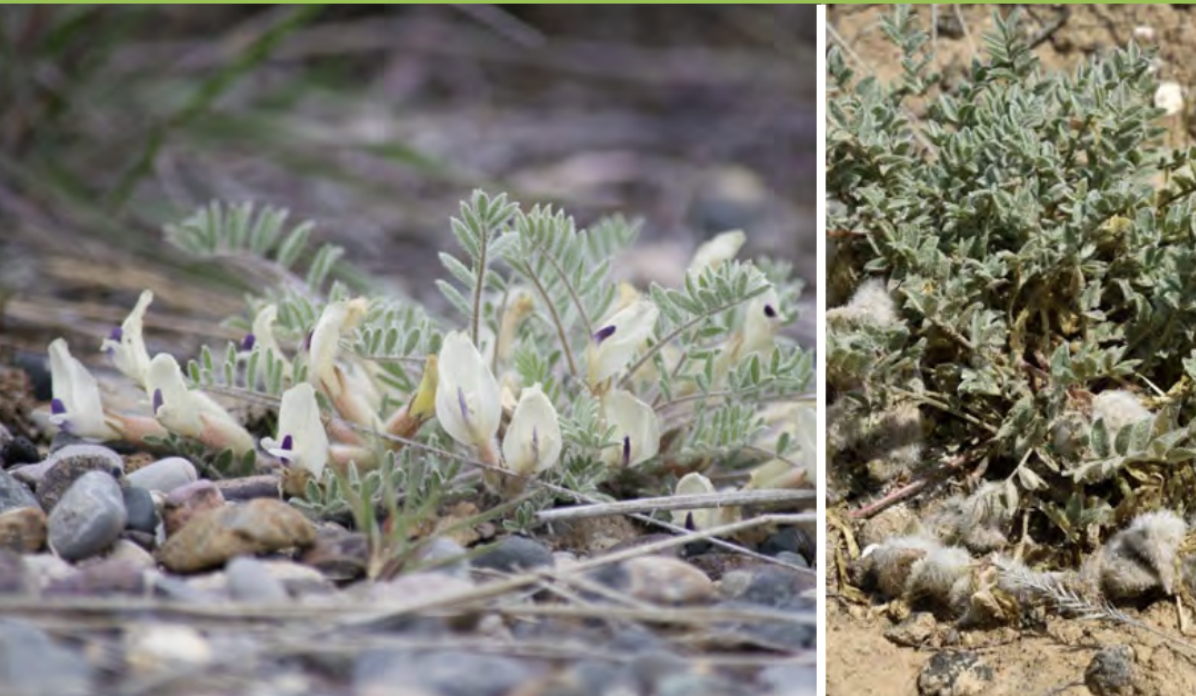
BASA
Arrowleaf balsamroot
Sunflower family
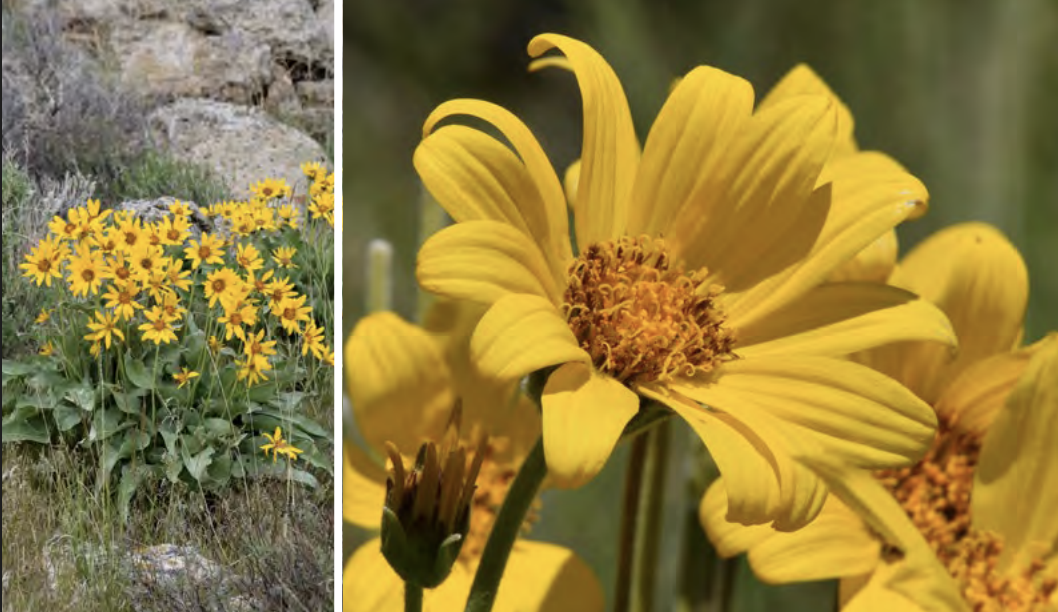
BASC
Kochia
Goosefoot family
INTRODUCED
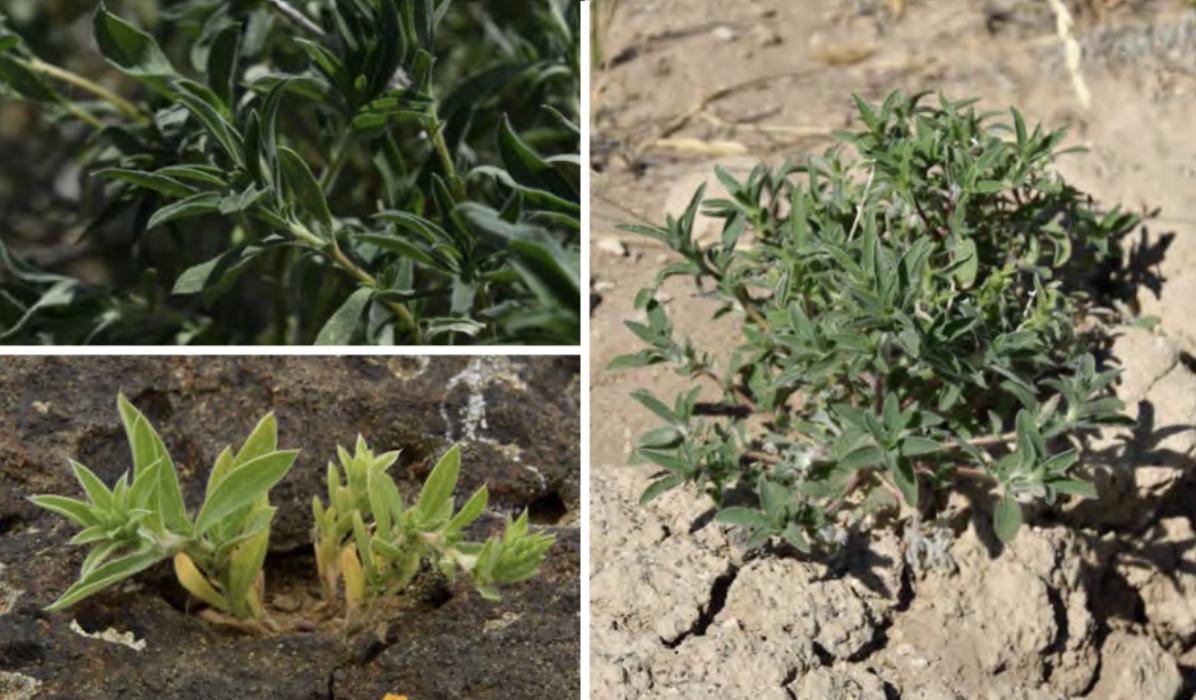
CAAN
Northwest Indian paintbrush
Figwort family
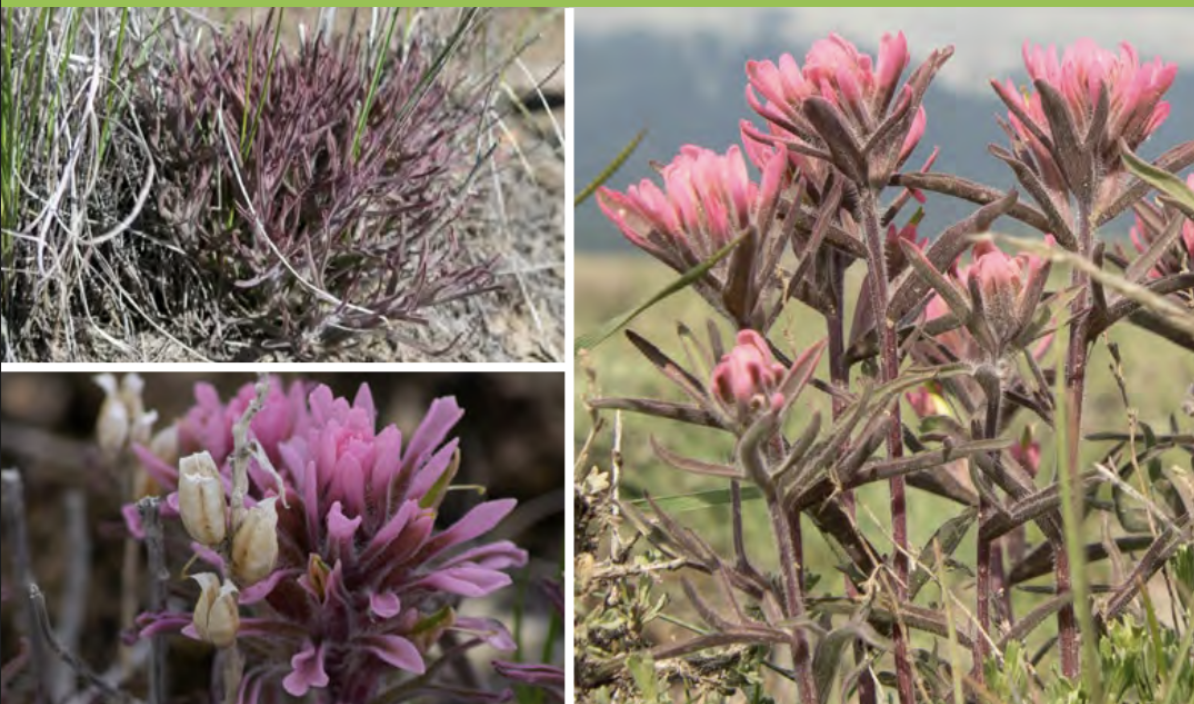
CABR
Bruneau mariposa lily
Lily family
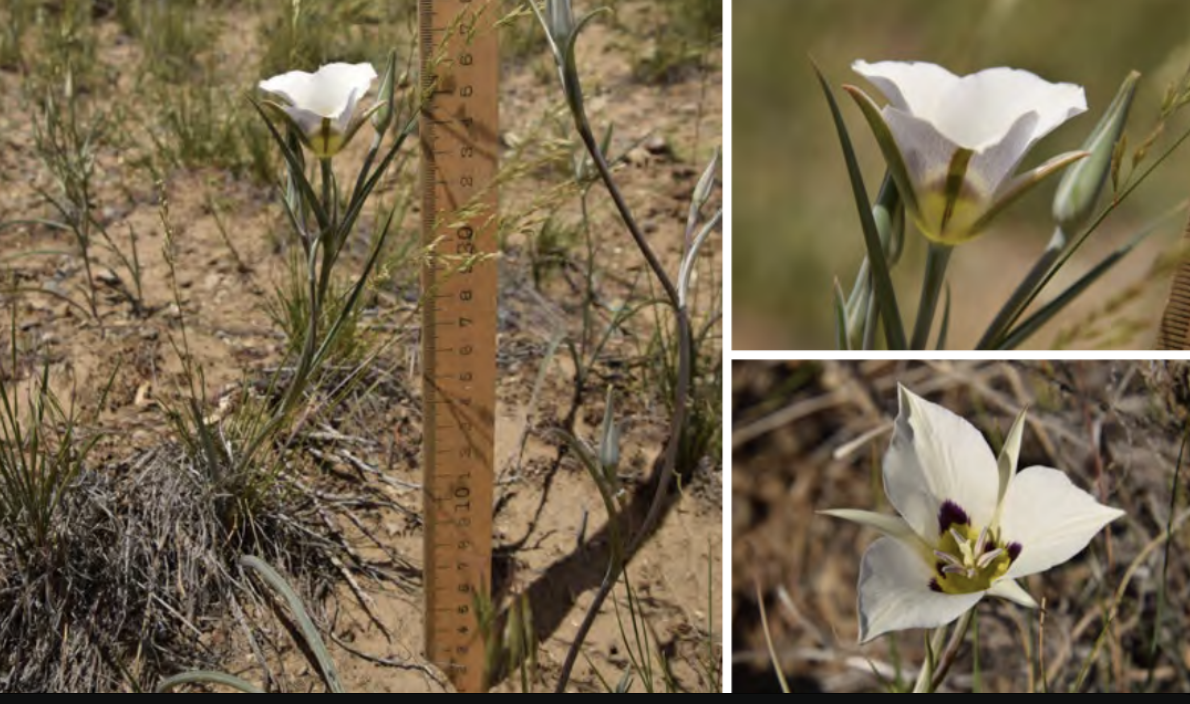
CAMI
Small evening primrose
Evening-primrose family
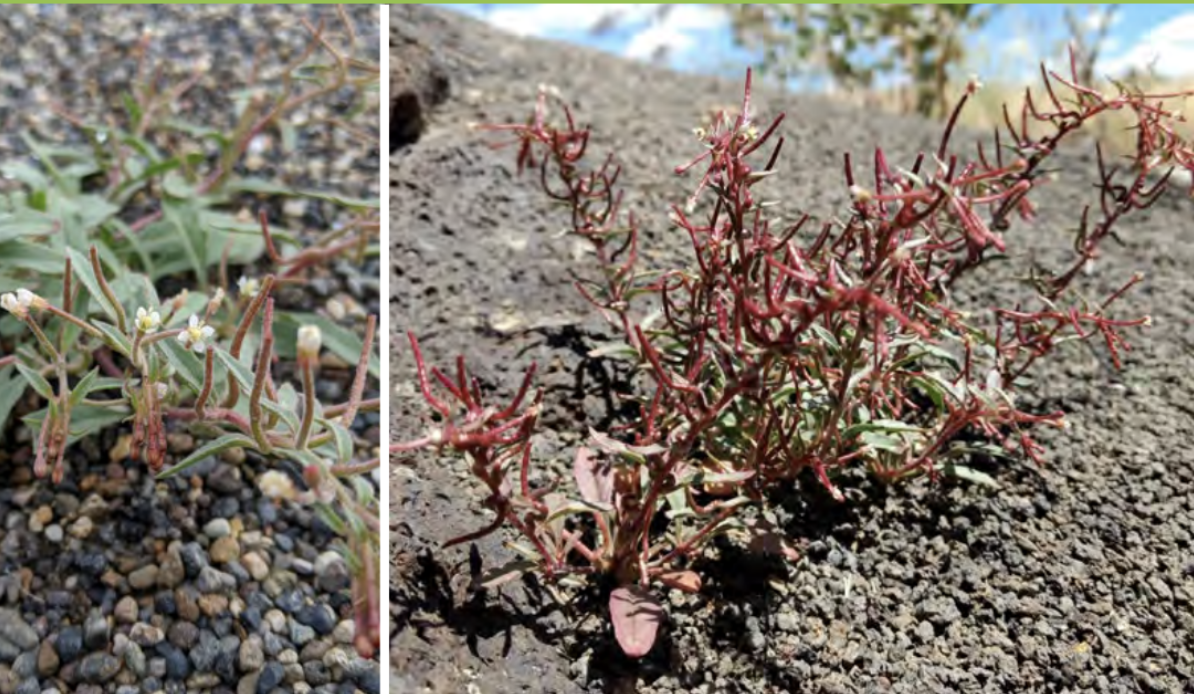
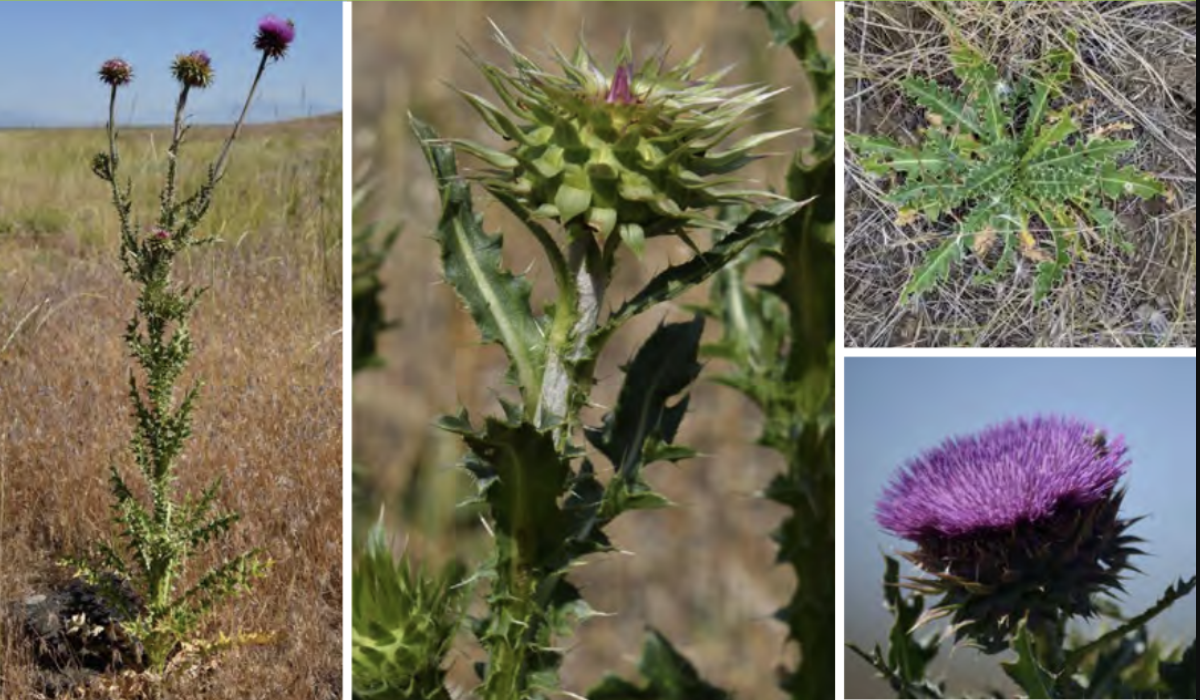
CANU
Musk thistle
Sunflower family
NOXIOUS
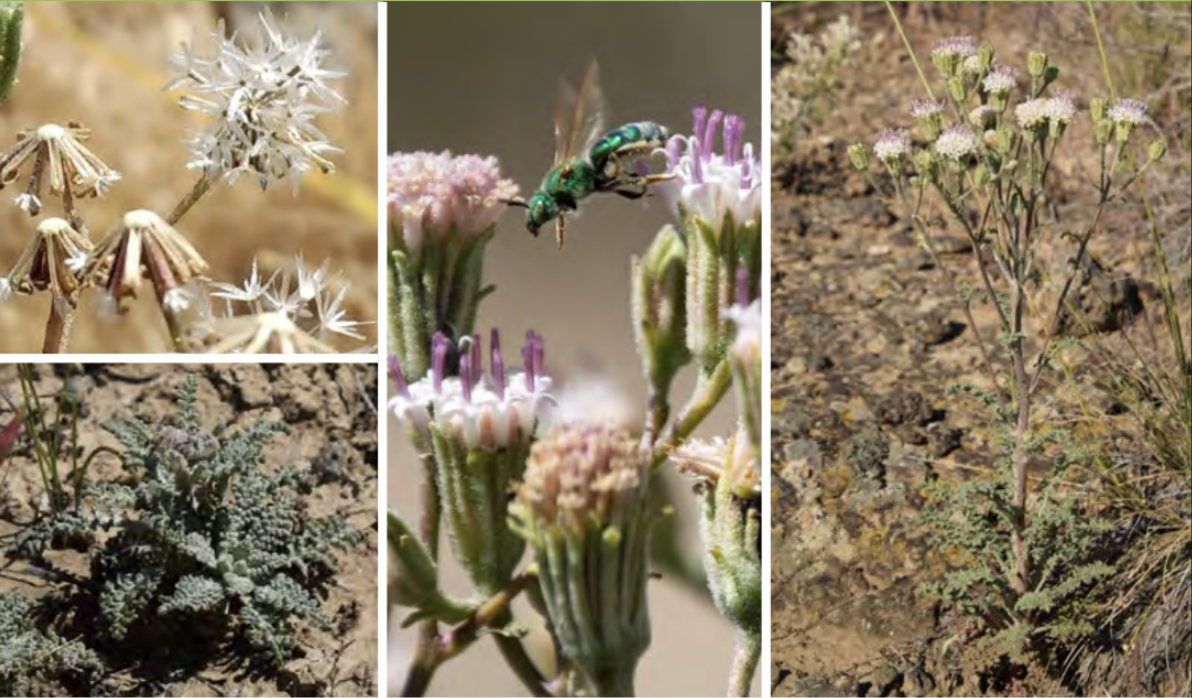
CHDO
Douglas’ dustymaiden
Sunflower family
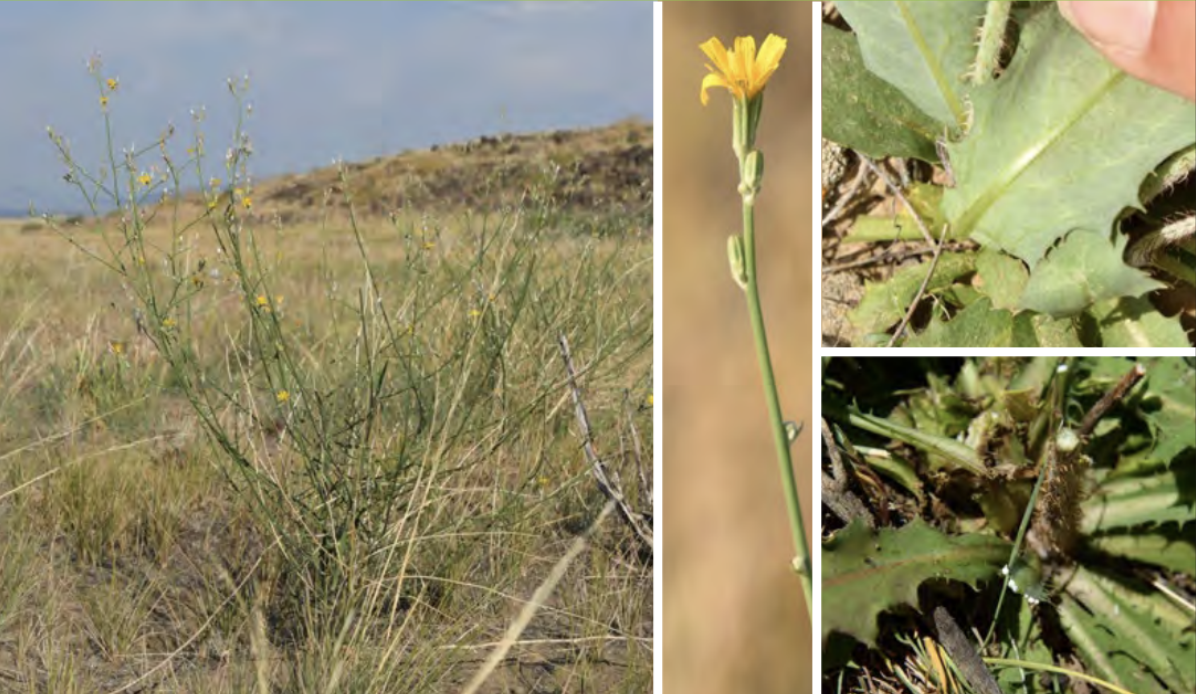
CHJU
Rush skeletonweed
Sunflower family
NOXIOUS
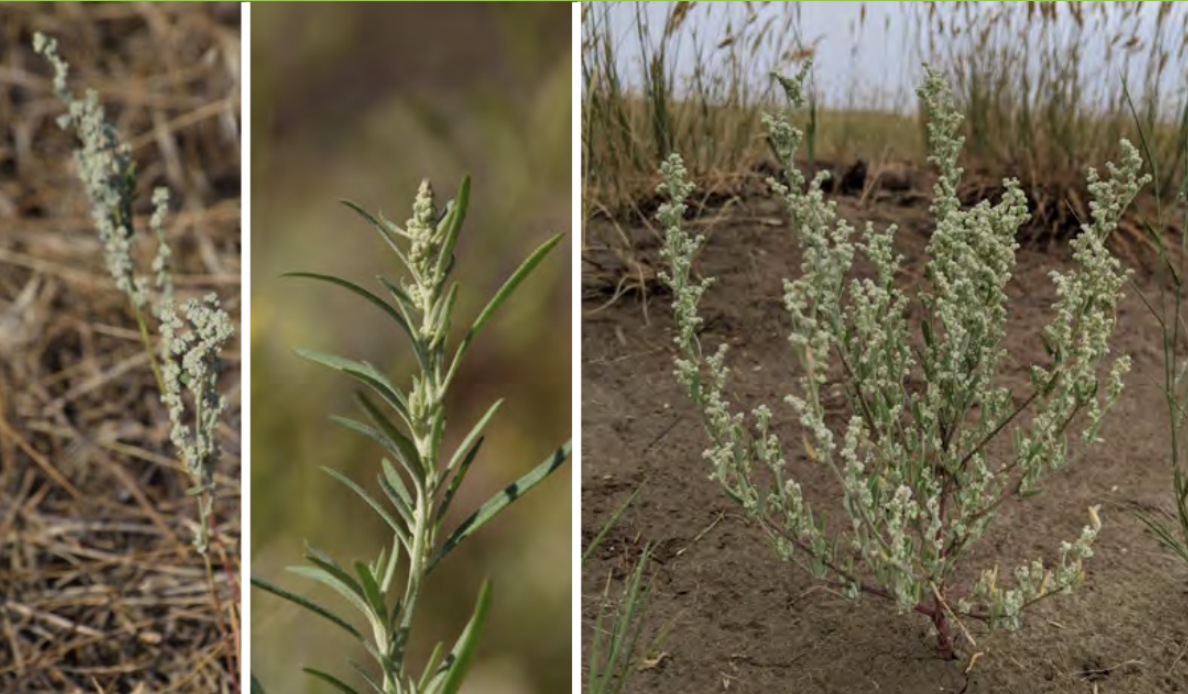
CHLE
Narrowleaf goosefoot
Goosefoot family
CIAR
Canada thistle
Sunflower family
NOXIOUS
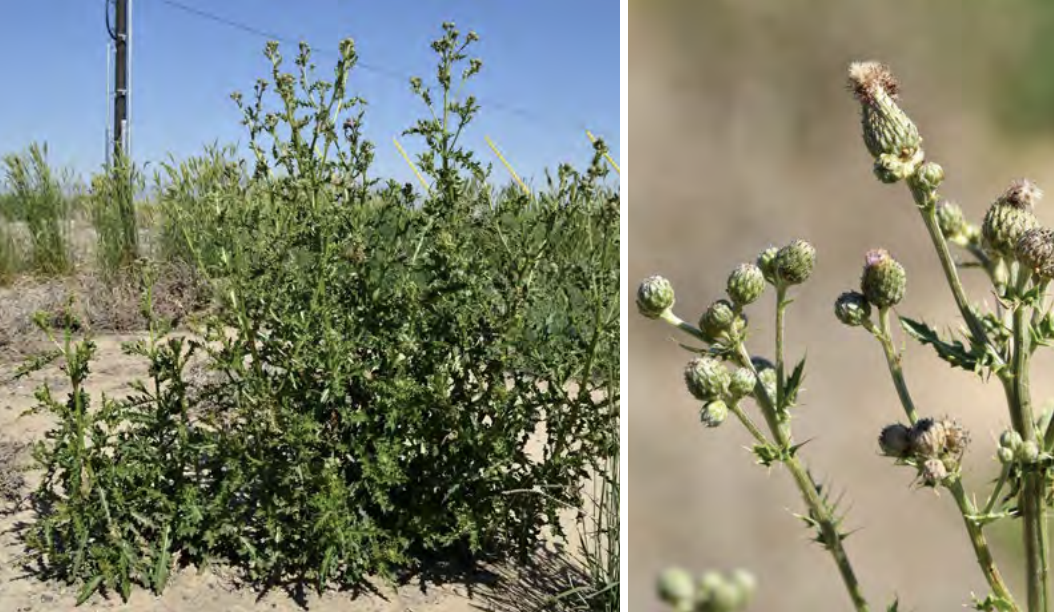
CISU
Jackson hole thistle
Sunflower family
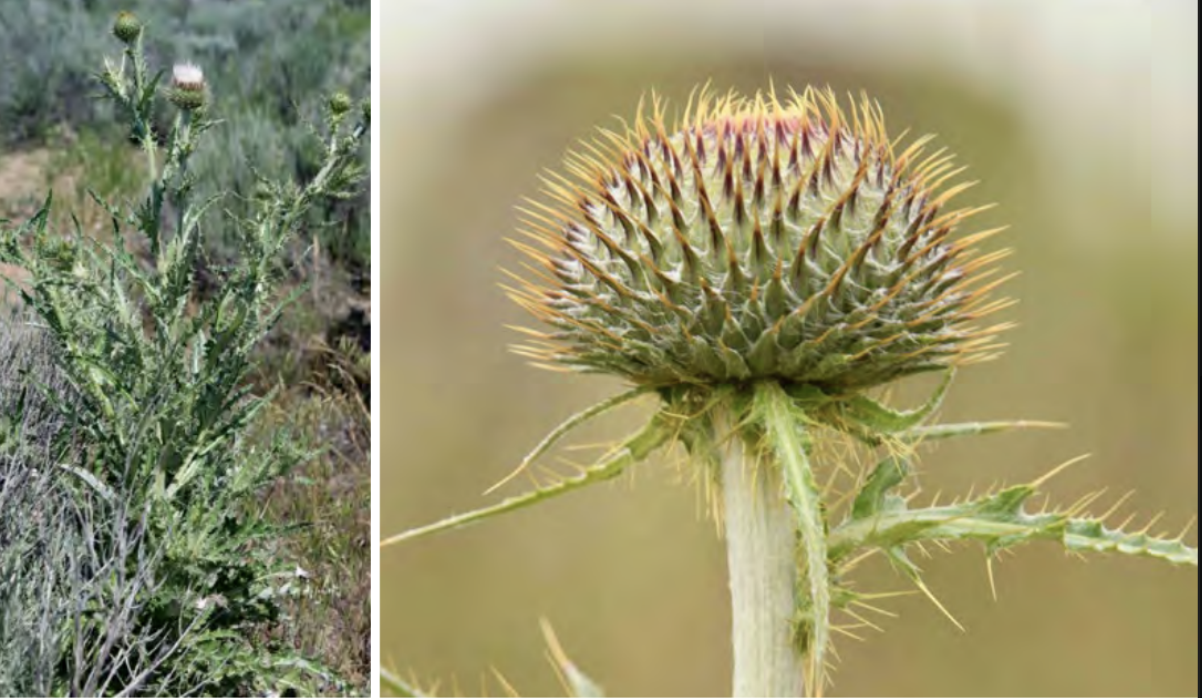
CORA
Bushy bird’s beak
Figwort family
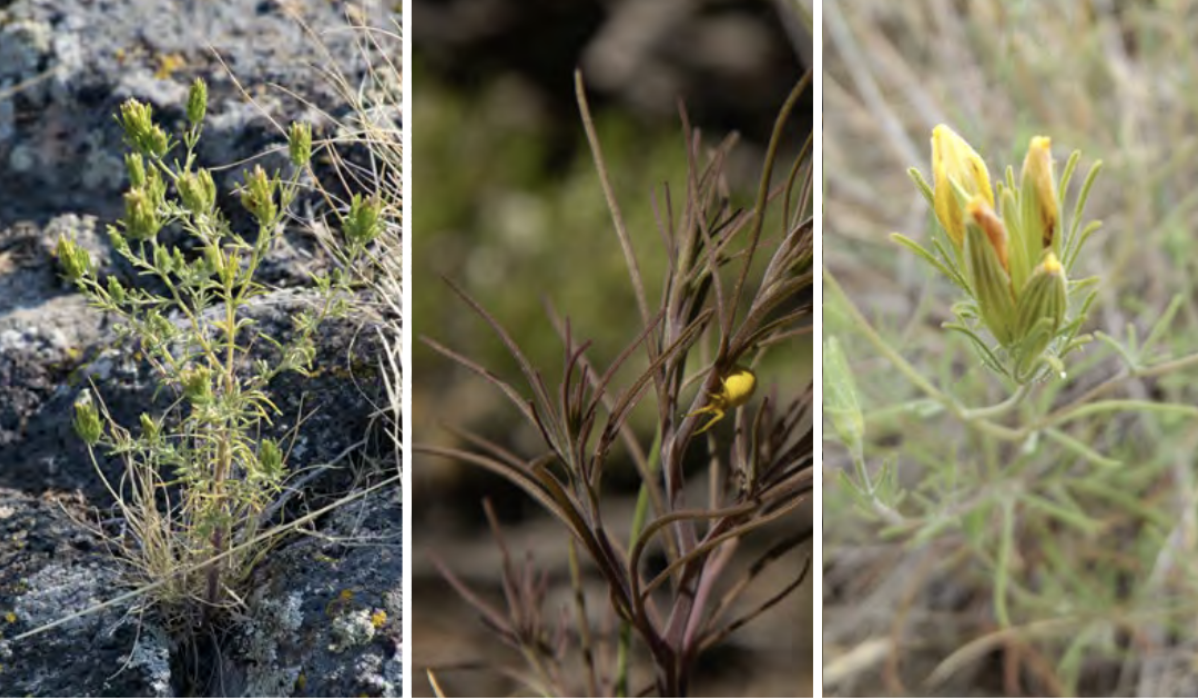
COUM
Bastard toadflax
Sandalwood family
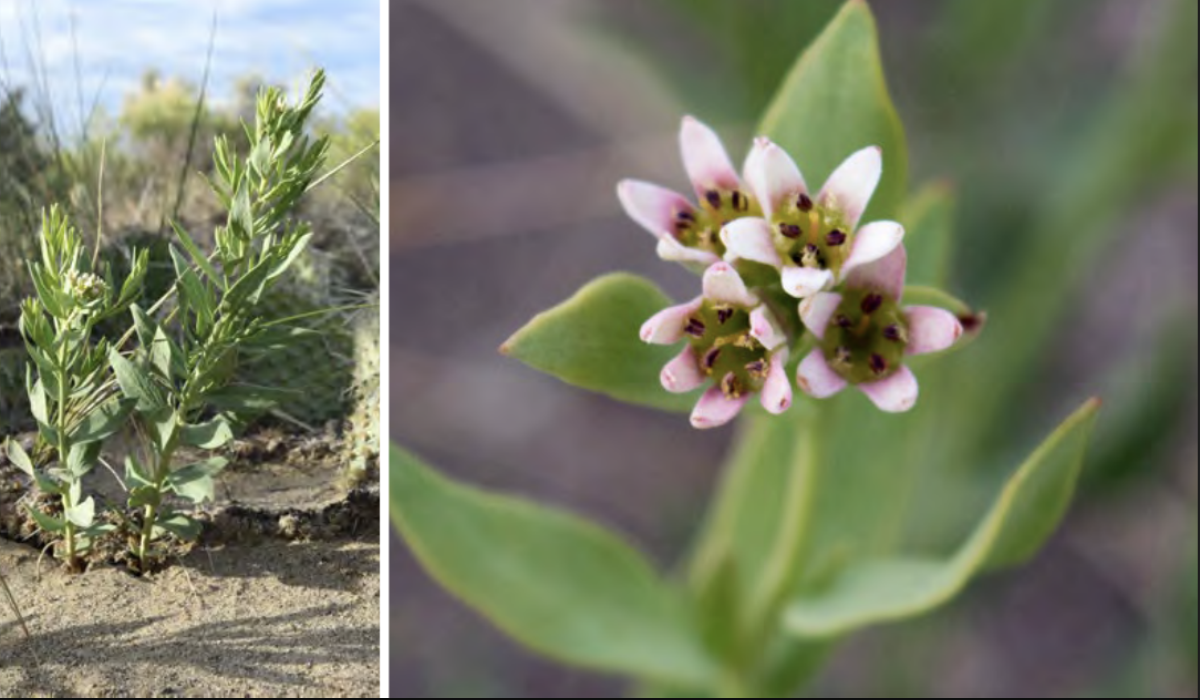
CRAC
Tapertip hawksbeard
Sunflower family
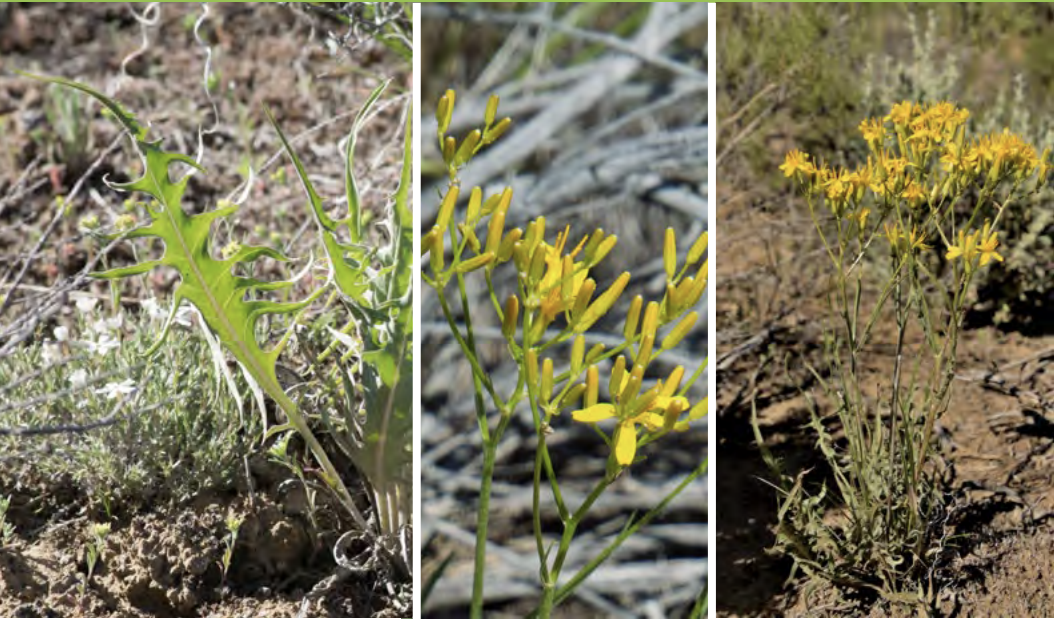
CRCI
Cushion cryptantha
Forget-me-not family
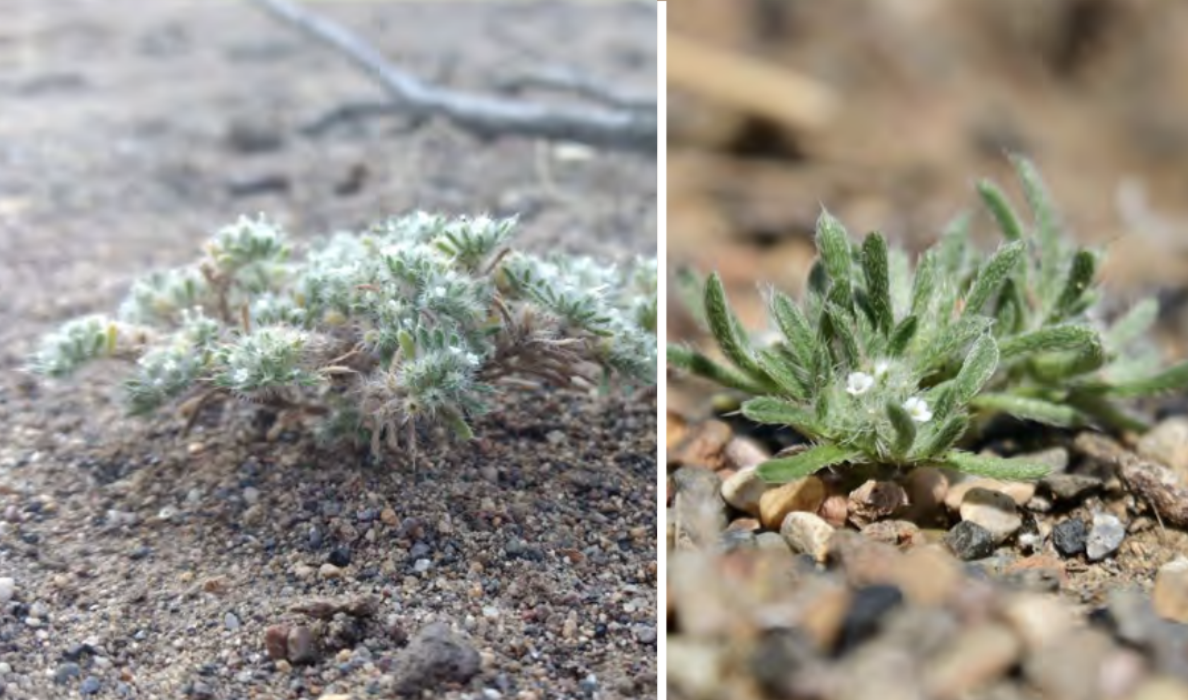
CRIN
Elko cryptantha
Forget-me-not family
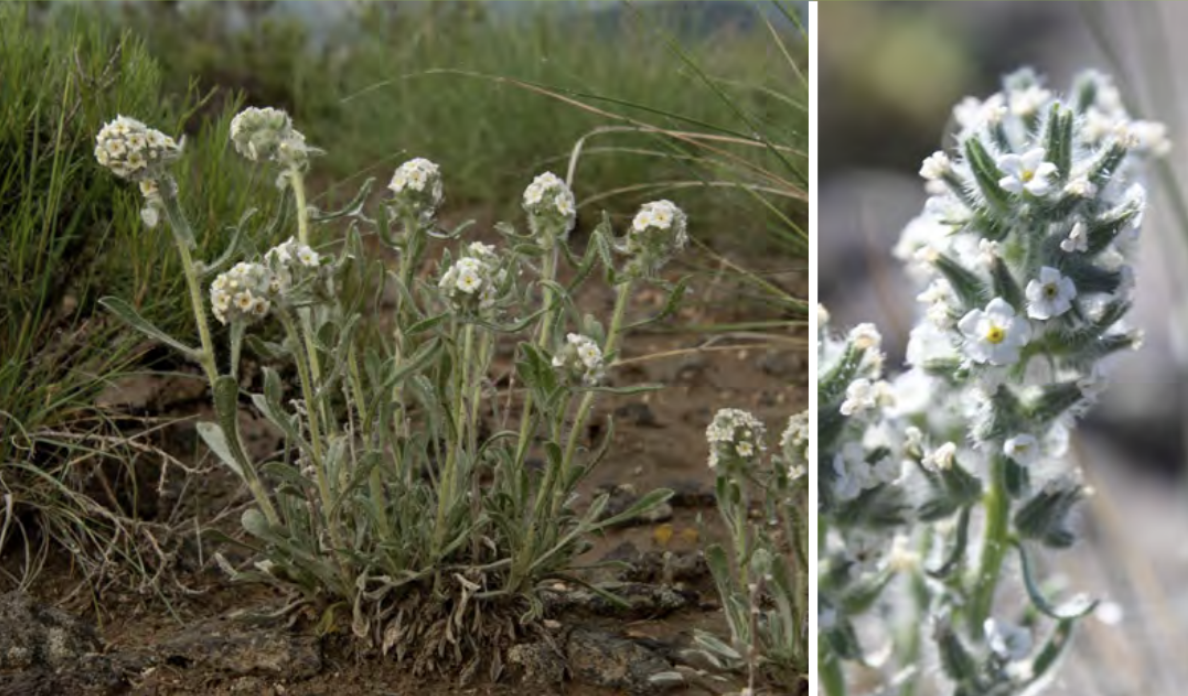
CRSC
Desert cryptantha
Forget-me-not family