Clavicle+Scapula; Directional Terms; AP &PA Projection;Exposure
 Call Kai
 Learn
Learn Practice Test
 Spaced Repetition
 Match
Match Flashcards
 Knowt Play
1/6

Earn XP
Description and Tags
Prep for Radiography
Name | Mastery | Learn | Test | Matching | Spaced | Call with Kai |
|---|
No analytics yet
Send a link to your students to track their progress
7 Terms
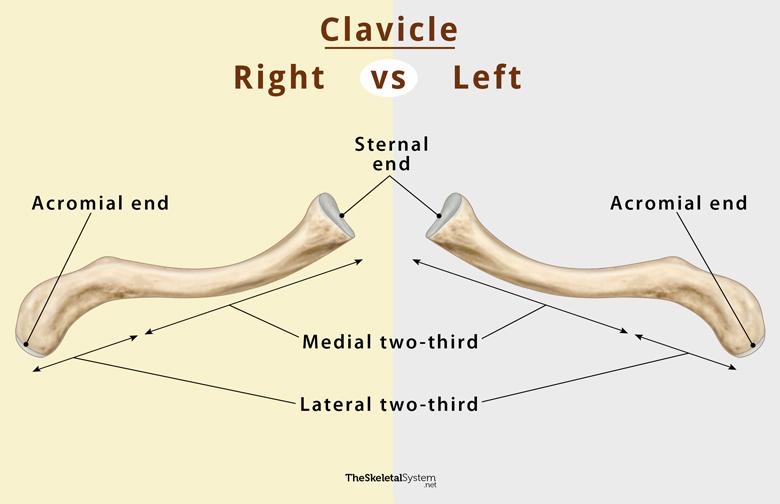
Clavicle
-Connects Sternum → Shoulder
-Shaped like an “S”
-Has TWO ends:
Sternal/Medial End - Toward chest
Acromial/Lateral End - Toward shoulder
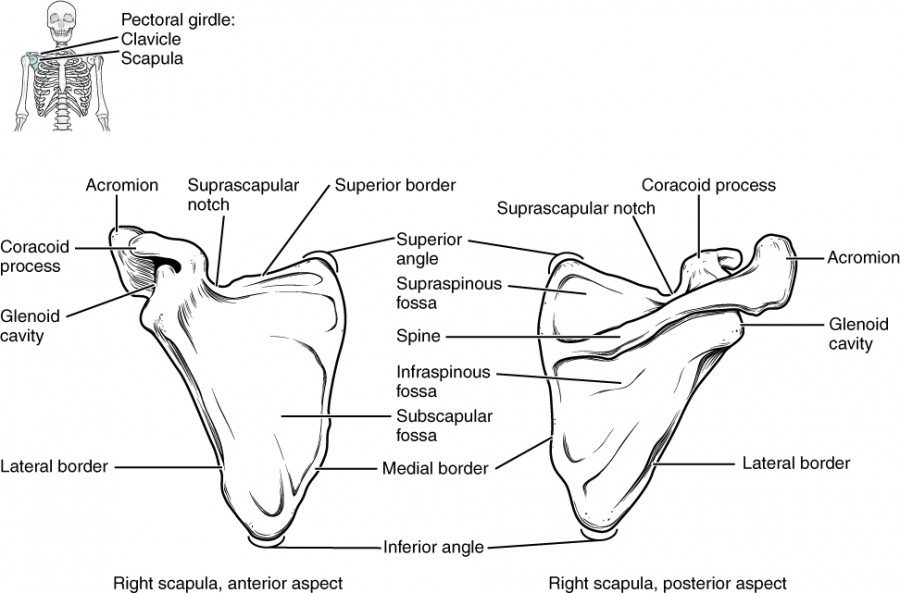
Scapula (Shoulder Blade)
-Flat triangular bone on back
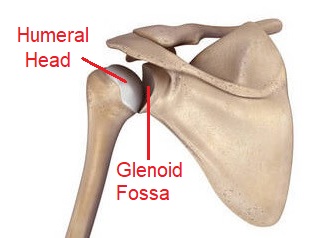
-Key landmark: Glenoid Fossa (Forms the shoulder socket; Where humerus fits)
-Other landmarks (just recognize): Spine of scapula; Acromion; Coracoid Process
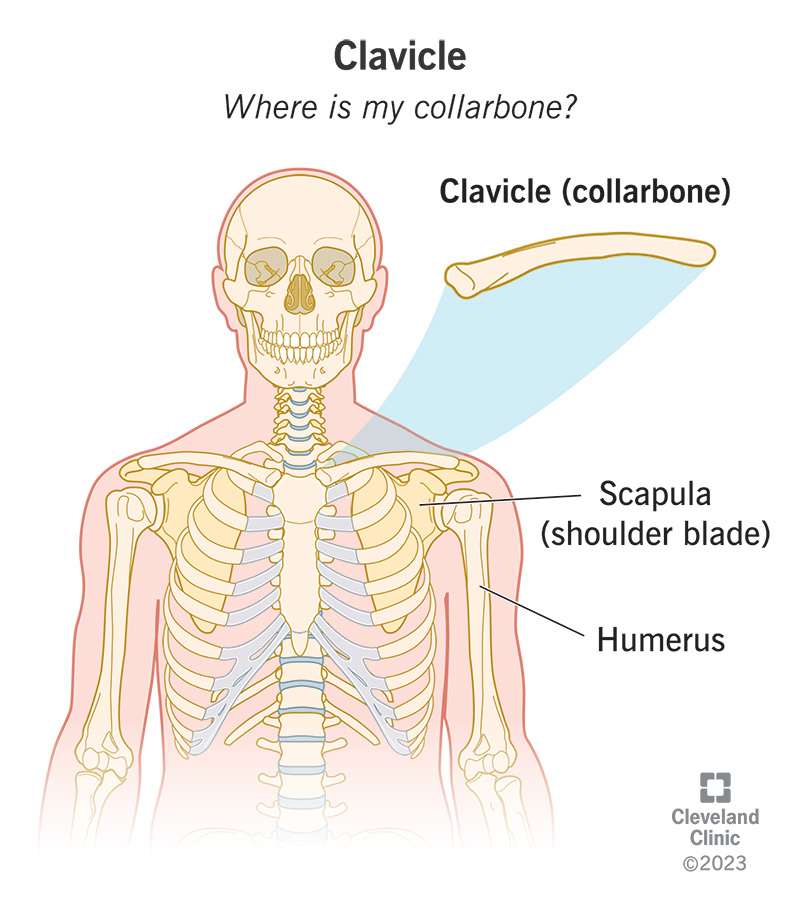
How Shoulder Connects to the Rest of the Arm
-The scapula has a small socket called the glenoid fossa, and the humerus bone (the ball) fits into that socket
THEN
-The scapula connects to the clavicle, in which the clavicle connects to the sternum
BASICALLY
Chest → Clavicle → Scapula → Humerus → Rest of arm
Directional Terms
Superior/Inferior (Toward head VS Toward feet)
Medial/Lateral (Closest to middle VS To the side)
Anterior/Posterior (Front VS Back)
Proximal/Distal (Closest to point of attachment VS Farthest to point of attachment)
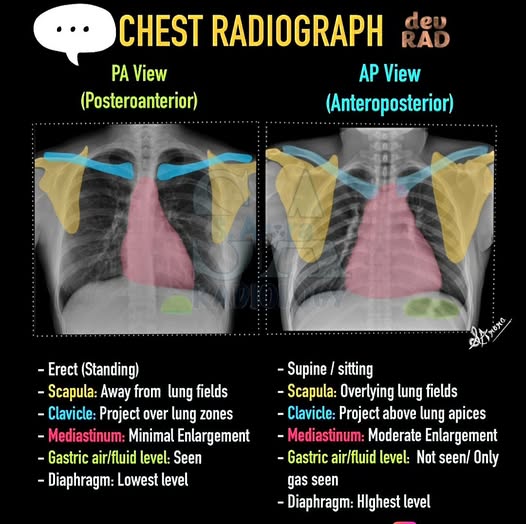
AP & PA Projection
AP Definition - X-ray beam enters the anterior (front) and exits posterior (back)
PA Definition - X-ray beam enters the posterior (back) and exits anterior (front)
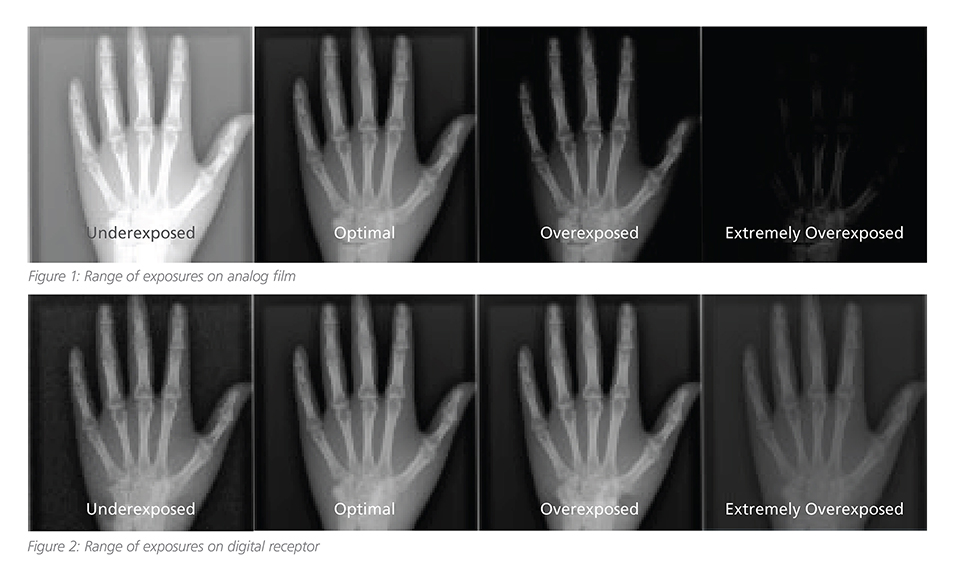
Light Exposure pt 1
kVp (kilovoltage peak) - Beam energy + Penetration (affects contrast slightly; black VS white separation)
mAs (milliampere-seconds) - Total number of x-ray photons produced (image density; brightness)
Exposure Time - How long the beam is on (part of mAs)
TOGETHER, they control image brightness (radiographic density) and quality
Too Much = Image too dark
Too Little = Image too light
Light Exposure pt 2