The Cardiovascular System (Ch. 6 - A+P)
 Call Kai
 Learn
Learn Practice Test
 Spaced Repetition
 Match
Match Flashcards
 Knowt Play
1/47

There's no tags or description
Looks like no tags are added yet.
Name | Mastery | Learn | Test | Matching | Spaced | Call with Kai |
|---|
No analytics yet
Send a link to your students to track their progress
48 Terms
Components of the cardiovascular system
-Heart
-Blood
-Blood vessels
Another name for the cardiovascular system
Circulatory system
How many chambers in the heart?
4 (2 atria and 2 ventricles)
Atria
The two upper chambers of the heart
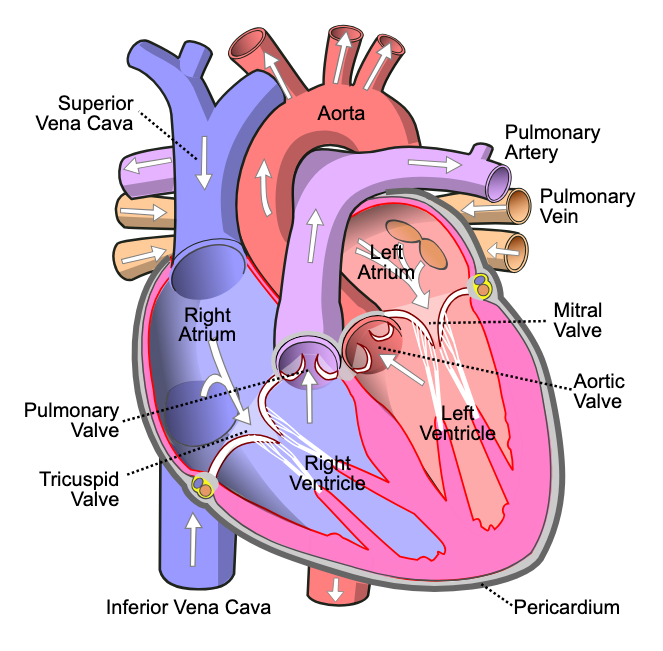
Right vs. left atrium
Right atrium receives unoxygenated blood returning from the body. Left atrium receives oxygenated blood returning from the lungs.
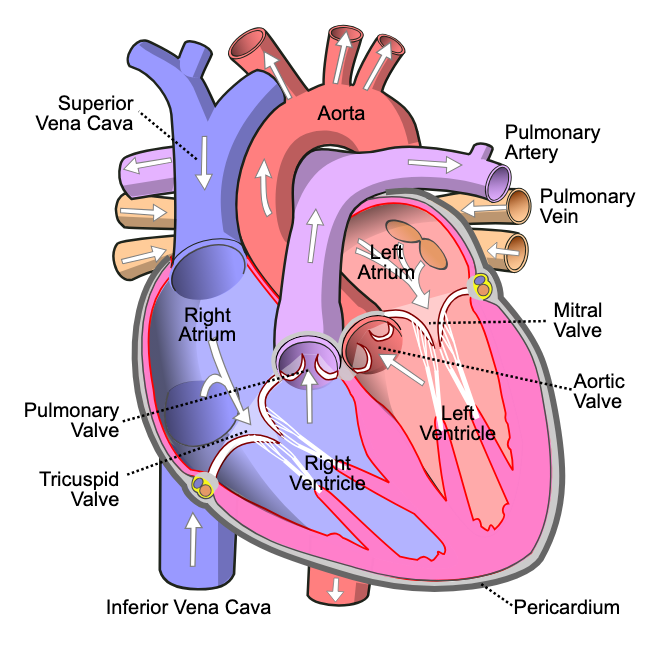
Ventricles
The two lower chambers of the heart
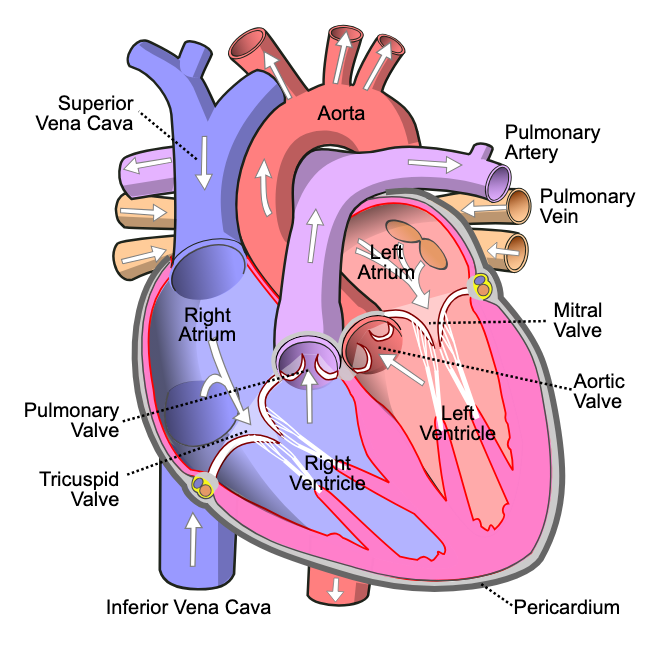
Right vs. left ventricle
Right ventricle sends oxygen-poor blood to the lungs. Left ventricle sends oxygen-rich blood to the body.
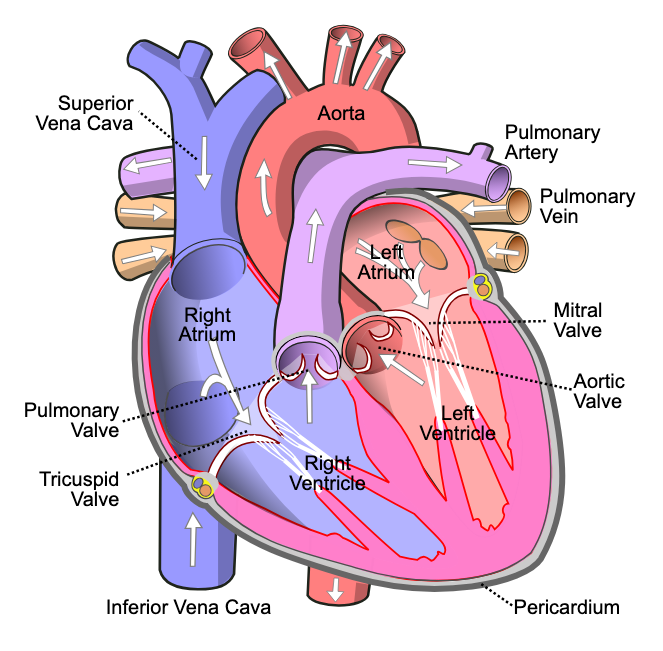
Pathway of blood through the heart
Venae cavae → right atrium → right ventricle → lungs → left atrium → left ventricle → aorta → body
What is the strongest part of the heart?
Left ventricle (The blood must reach all parts of the body.)
Valve
A structure that opens and closes to permit the flow of a fluid in only one direction
How many valves in the heart?
4
Name the valves in the heart
Pulmonary, tricuspid, mitral (bicuspid), aortic
Cardiac conduction system
Specialized muscle tissues that conduct electrical impulses that stimulate the heart to beat
T/F: The heart generates its own heartbeat automatically, but the brain and hormones can modify the speed and strength of that heartbeat to meet the body’s needs.
True!
Artery
Any blood vessel carrying blood away from the heart
Name some important arteries
-Coronary arteries
-Aorta
-Pulmonary artery
-Carotid arteries
-Femoral artery
-Brachial artery
-Radial artery
-Posterior tibial artery
-Dorsalis pedis artery
The smallest branch of an artery
Arteriole
What do arterioles lead to?
Capillaries
Capillaries
Thin-walled, microscopic blood vessels where oxygen/carbon dioxide and nutrient/waste exchange with cells takes place
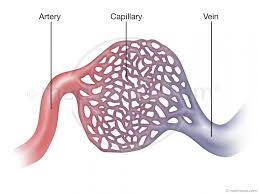
Smallest kind of vein
Venule
What do the venae cavae do?
Collect blood from the body and return it to the right atrium
Pulmonary vein
Vessel that carries oxygenated blood from the lungs to the left atrium of the heart
How is the pulmonary vein an exception?
It is a vein that carries oxygen-rich blood.
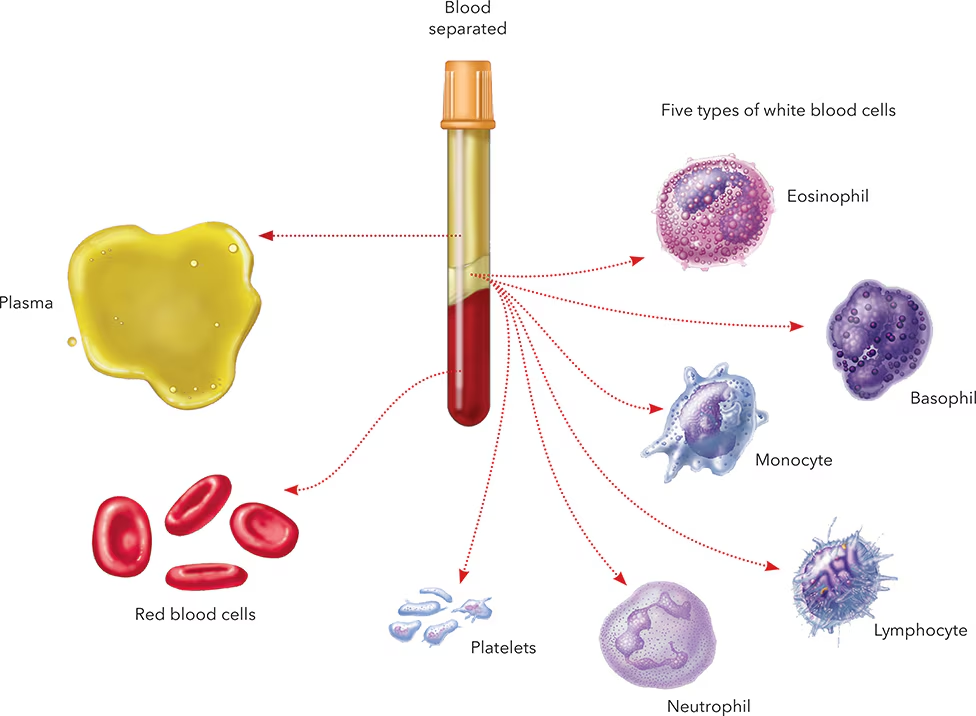
Components of the blood
Plasma, red and white blood cells, and platelets
Plasma
The fluid portion of the blood; makes up more than half the blood
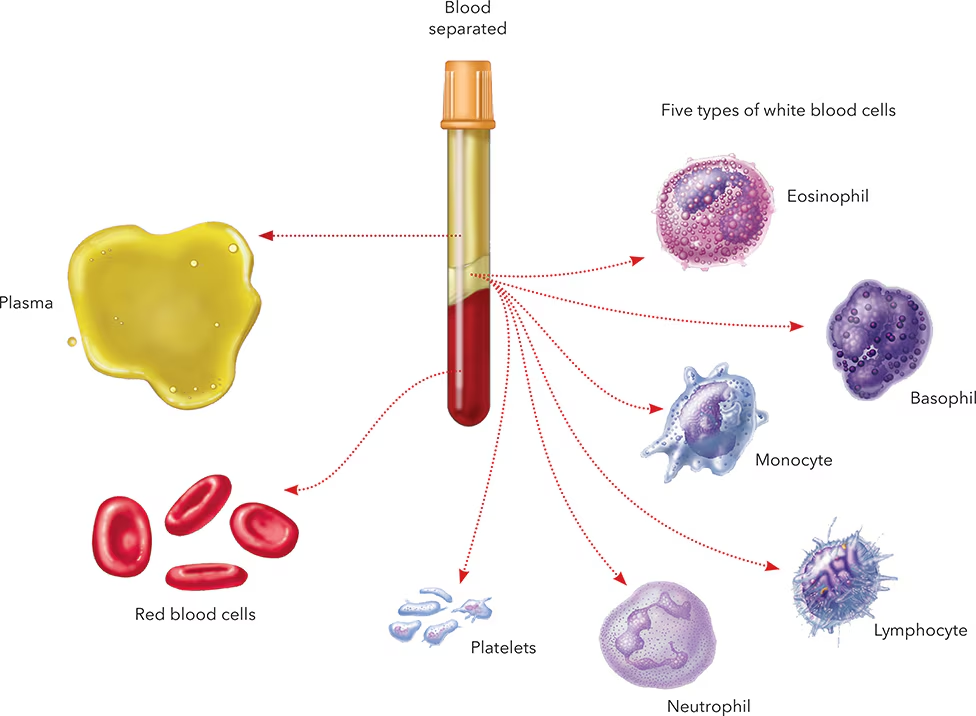
What component of the blood makes up more than half its volume?
Plasma
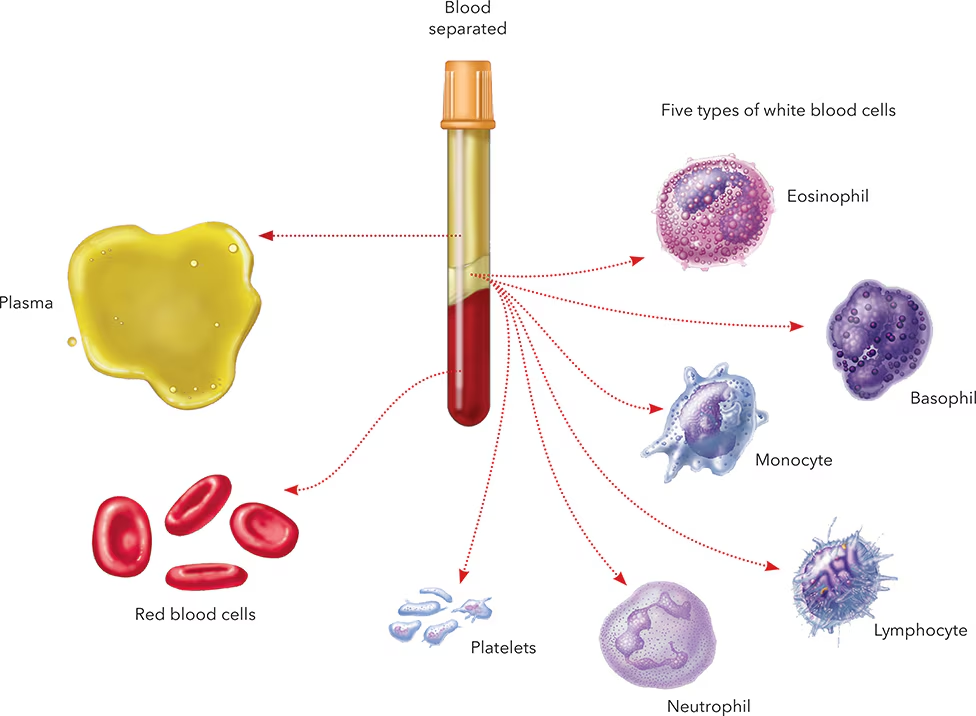
Red blood cells
Primary function is to carry oxygen to tissues
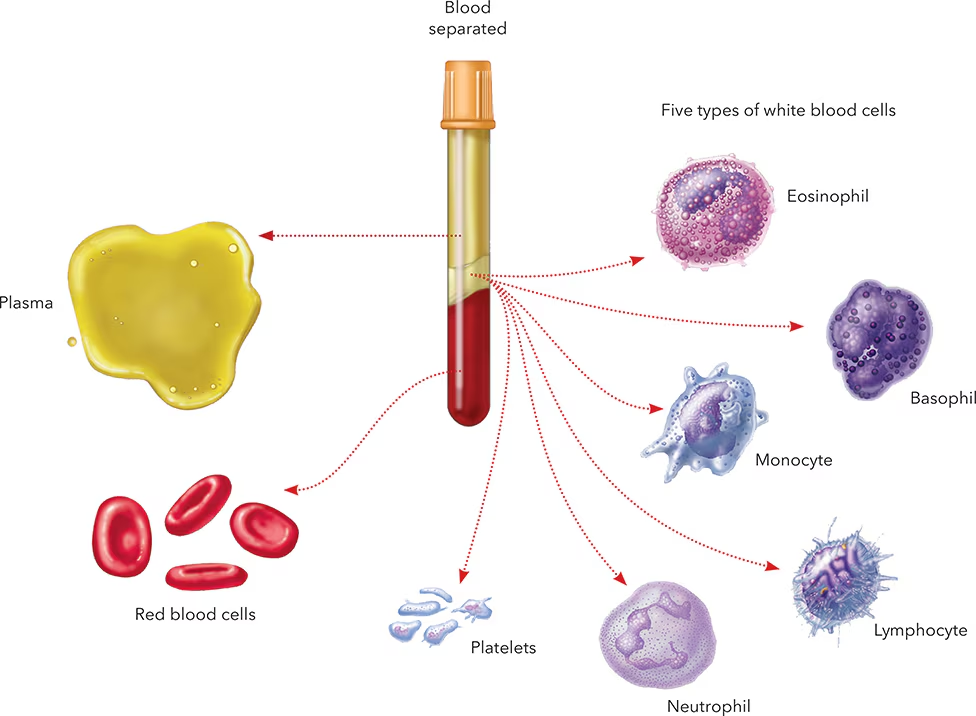
Other names for red blood cells
RBCs, erythrocytes, red corpuscles
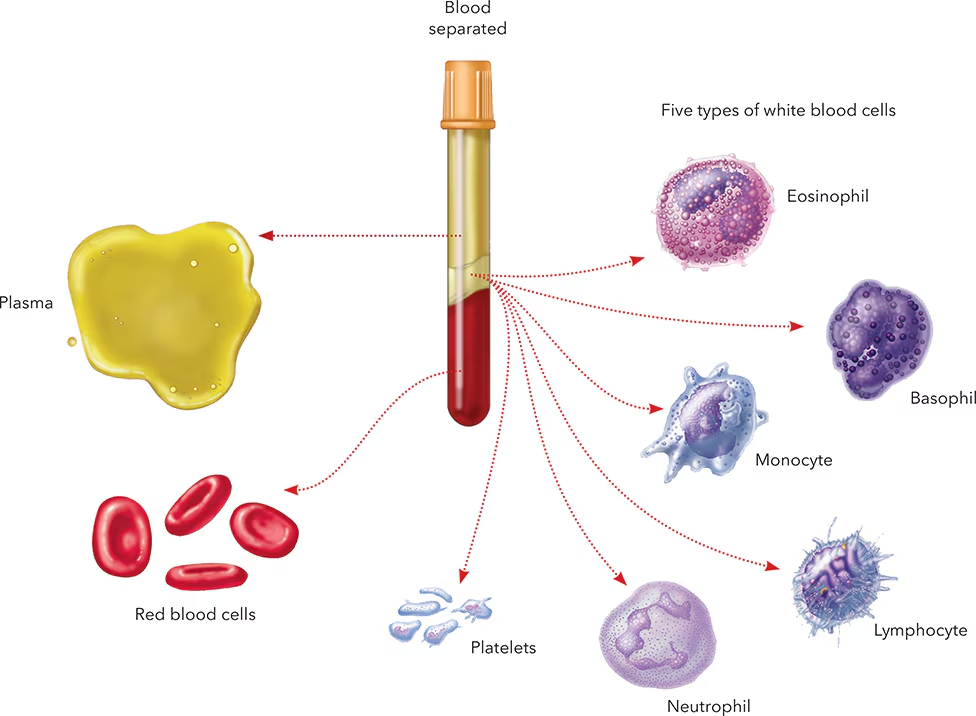
White blood cells
Involved in destroying germs and producing antibodies
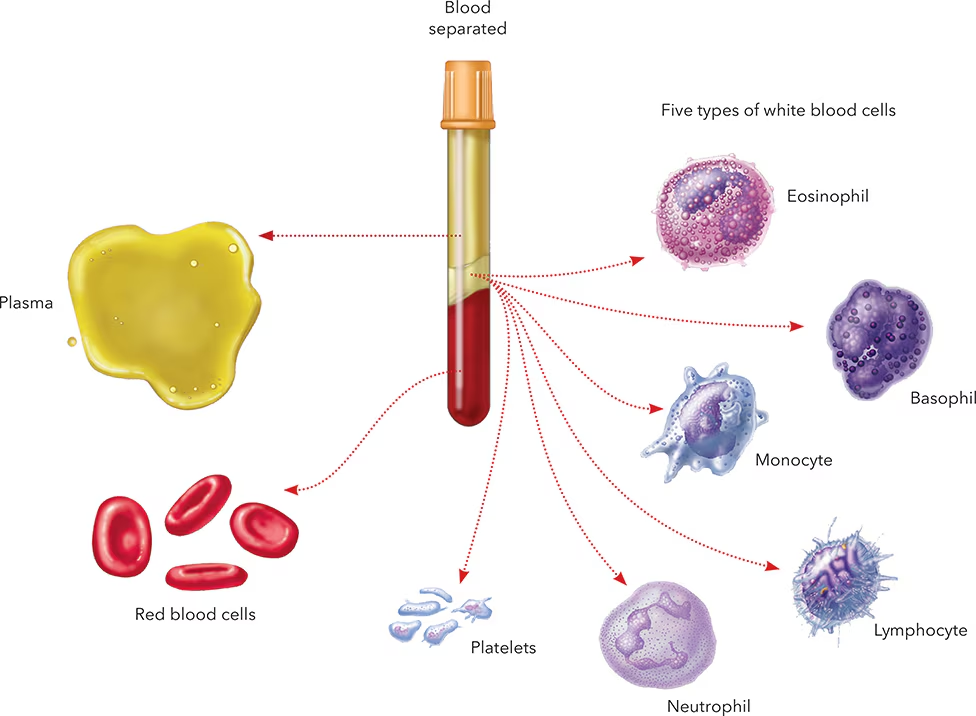
Other names for white blood cells
WBCs, leukocytes, white corpuscles
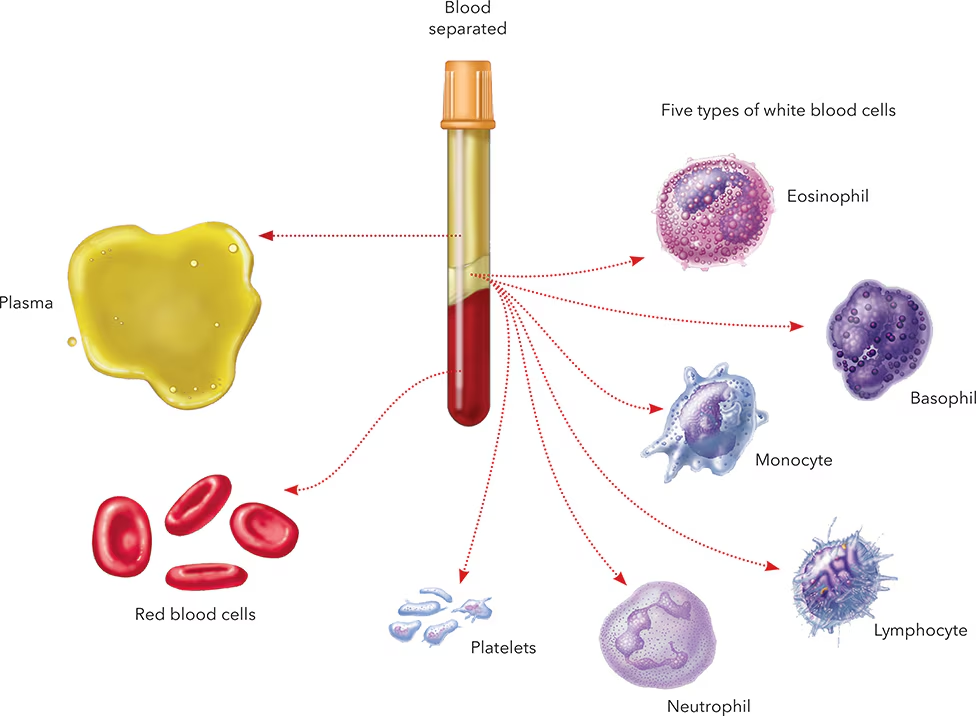
Platelets
Membrane-enclosed fragments of specialized cells; can release clotting factors
What is a reason for checking the posterior tibial and dorsalis pedis pulses?
Checking for adequate circulation to the lower extremities
The peripheral pulses
-Radial
-Brachial
-Posterior tibial
-Dorsalis pedis
The central pulses
-Carotid
-Femoral
Blood pressure
The pressure caused by blood exerting force against the walls of blood vessels (the pressure in an artery)
What kind of blood pressure is usually measured?
Arterial
__ over _?
Systolic over diastolic
Systolic blood pressure
The pressure in the arteries when the left ventricle contracts
Diastolic blood pressure
The pressure in the arteries when the left ventricle is relaxed and refilling
Perfusion
The supply of oxygen to and removal of wastes from cells and tissues as a result of blood flow
Hypoperfusion = ___
Shock
Shock
The body’s inability to circulate blood adequately; a life-threatening condition
What is V/Q match?
Ventilation perfusion match; the coupling of a sufficient amount of air with a sufficient amount of blood
What are threats to quality perfusion?
Anything that threatens the normal function of the cardiopulmonary system
What happens during aerobic metabolism?
When oxygen is present, glucose is converted to ATP, producing efficient energy and minimal waste products
What happens when there is not enough oxygen for aerobic metabolism?
Anaerobic metabolism, which produces less energy and more waste products, like lactic acid
How does lactic acid affect the body?
Contributes to acidosis, which damages cells and reduces the blood’s ability to carry oxygen
Why are oxygen and glucose important to cells?
Glucose is converted into ATP for energy, and oxygen is required for aerobic metabolism.