BIO 190- Chapter 2 *Chemical Basis of Life* :)
 Call Kai
 Learn
Learn Practice Test
 Spaced Repetition
 Match
Match Flashcards
 Knowt Play
1/84

There's no tags or description
Looks like no tags are added yet.
Name | Mastery | Learn | Test | Matching | Spaced | Call with Kai |
|---|
No analytics yet
Send a link to your students to track their progress
85 Terms
what is matter
all material in the universe that has mass and occupies space
solid, liquids, and gasses
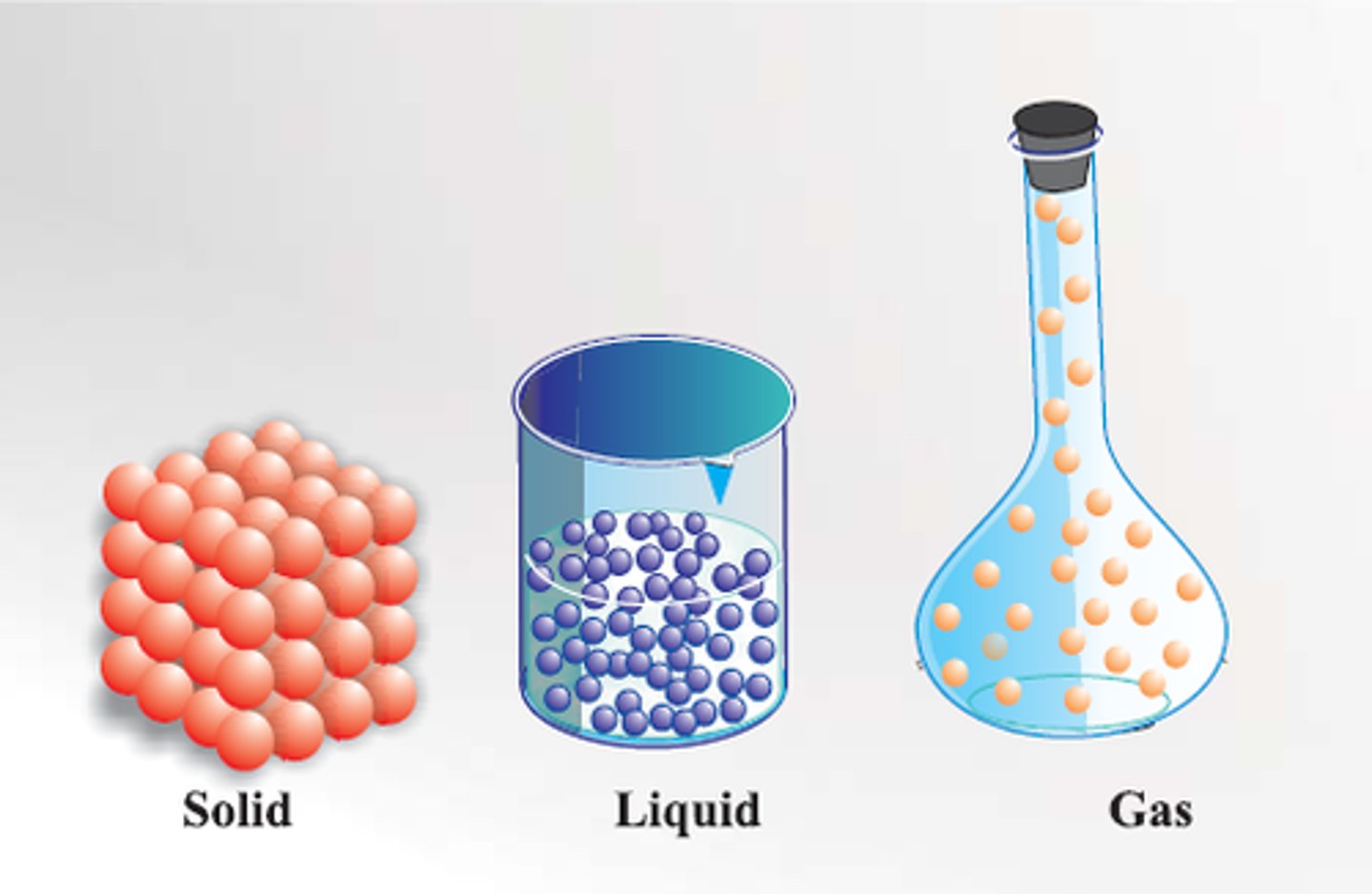
what are atoms
the smallest functional units of matter that form chemical substances
what is a molecule
2 or more atoms bonded together
what is an element
a pure substance made up of only 1 kind of atom
what are the 3 subatomic particles
protons, neutrons, electrons
where are the 3 subatomic particles found and what are their charges
protons= positive and found in nucleus
neutrons= no charge and found in nucleus
electrons= negative and found in orbitals around nucleus
describe the amounts of protons, neutrons and electrons
# of electrons = # of protons
what is a orbital
the region surrounding a nucleus where the probability is high to find an electron
what is the atomic number
number of protons
describe the mass of protons, electrons and neutrons
protons and neutrons are nearly equal in mass whereas electrons mass are generally ignored
one mole of an element contains how many atoms
6.022 x 10 ^23
Name the 4 elements that are abundant for most living organisms (about 95% of total mass)
carbon, hydrogen, oxygen and nitrogen
Remember: CHON
what is atomic mass
protons + neutrons
compound
molecule composed of two or more different elements
ex: H20
atoms in molecules are held together by _______________
chemical bonds
what are covalent bonds
atoms share a pair of electrons
" a strong handshake, each is now 1 electrons richer*

describe the strength of covalent bonds
strong because the shared electrons behave as if they belong to each other
octet rule
many atoms are most stable when they have 8 electrons in their outermost shell
double bonds
the sharing of two pairs of electrons between two atoms
what is electronegativity
a measure of its ability to attract electrons in a bond with another atom
what are non polar covalent bonds
equal sharing between atoms with equal electronegativity
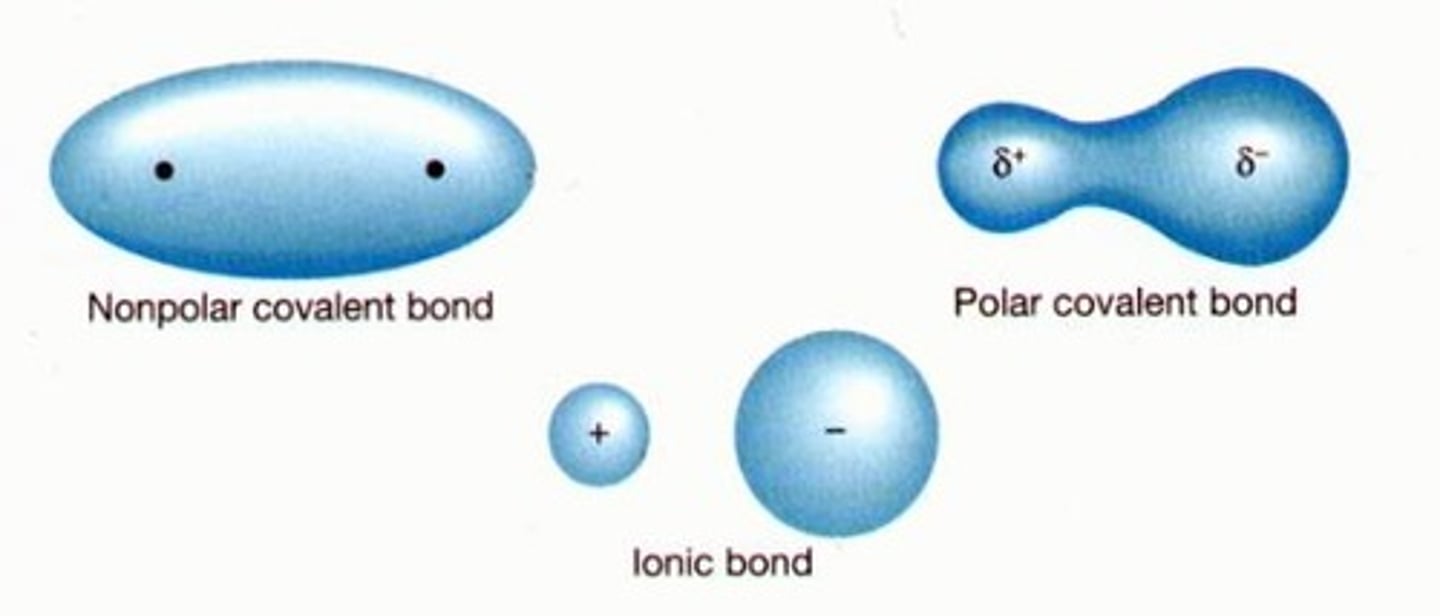
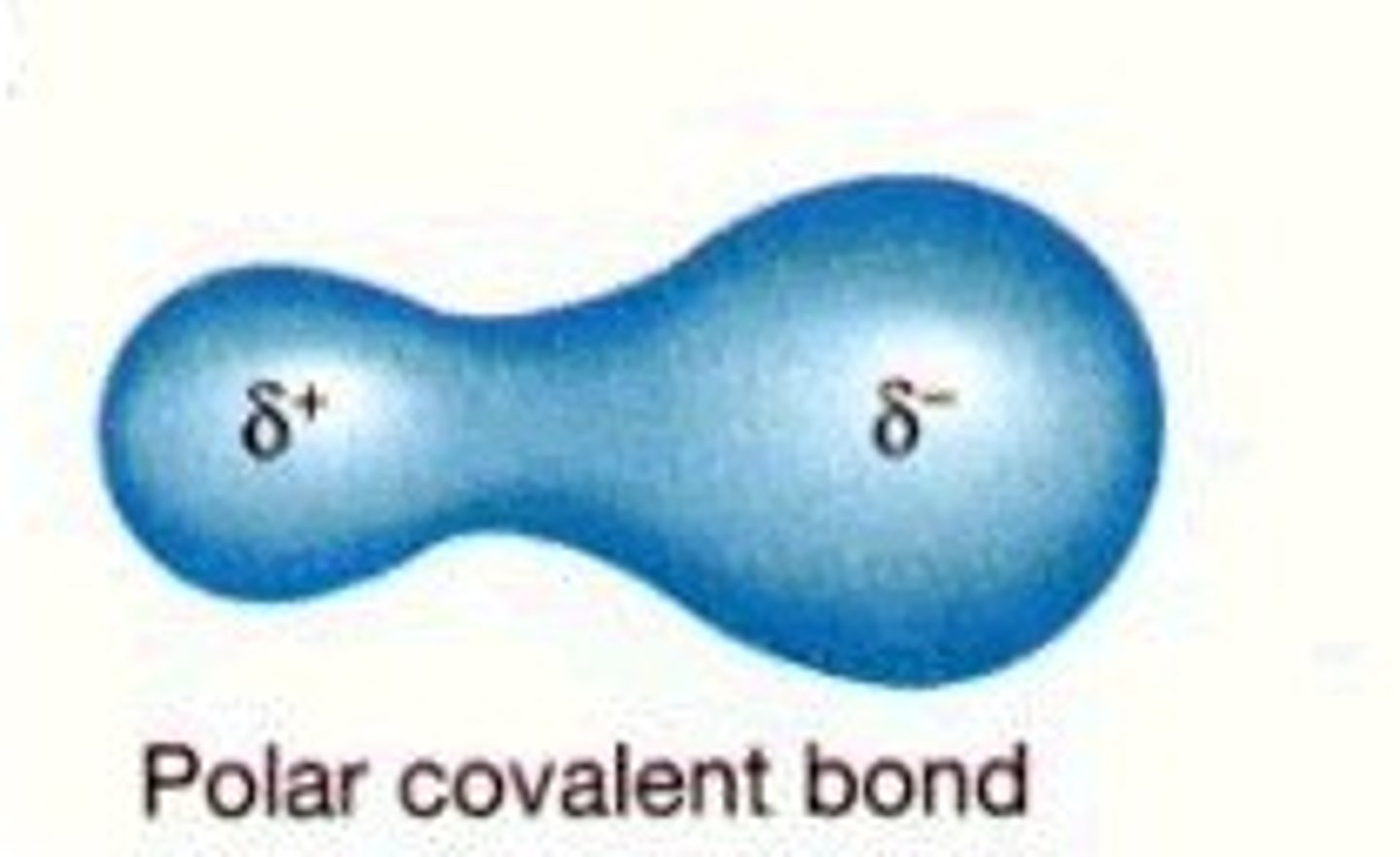
What are polar covalent bonds?
unequal sharing of electrons because one electron is more electronegative
the more electronegative electrons is "richer" in the handshake, one side pulls more electrons toward it
why is water a very polar molecule
due to the difference in electronegativity between oxygen and hydrogen, and the bent shape of the molecule
what is a hydrogen bond
interactions between a hydrogen with a partial positive charge and another electronegative atom
partial positive and partial negative charge
what is the strength of a hydrogen bond
very weak unless there are many H bonds
what are enzymes
protein that acts as a catalyst to speed up chemical reactions in a cell
what is an ion
an atom or molecule with a net electric charge due to the loss or gain of one or more electrons.
what are cations
an ion with a net positive charge
what is a anion
an ion that has a net negative charge
describe an ionic bond in terms of electrons
give away and donate elctrons
describe the shapes of molecules
3-D flexible shapes allow them to interact and contribute to their biological properties
what chemical bonds dissolve in water
ionic and polar covalent bonds
when does a chemical reaction occur
when one or more substances are changes into other substances by making or breaking of chemical bonds/ and or addition of electrons
what are the similar properties of chemical reactions
- require a source of energy
- must be catalyzed
- tend to proceed in a particular direction but eventually reach equilibrium
- usually occur in watery environments
reactants vs products
Reactants are substances that start a chemical reaction. Products are substances that are produced in the reaction.
chemical equilibrium
a state in a chemical reaction in which the rate of formation of products equals the rate of formation of reactants
what are solutes
a substance that dissolves in a liquid
what is a solvent
the liquid in which a solute is dissolved
in all living organisms the solvent for a chemical reaction in _____
water
what is a solution
a liquid that contains one or more dissolved solutes
what is a aqueous solution
solution made with water
describe the charges in H20
covalent bonds link the two hydrogen atoms to the oxygen atom in a molecule of H20 are polar
oxygen has a slight negative charge and hydrogen has a slight positive charge
generally what type of molecules dissolve in water
ionic and/or polar covalent bonds
what type of molecules are hydrophilic
will dissolve in water "water loving", have a partial charge
ex: ions and polar molecules
what does hydrophobic mean and what type of molecules are hydrophobic
molecules that do not have a partial charge and are not attracted to water molecules,
ex: non polar covalent bonds
what does amphipathic mean
having both hydrophilic and hydrophobic regions
what is solute concentration
the amount of solute dissovled in a unit volume of solution
what is unique about water
in exists in all 3 states (liquid is most common)
describe waters specific heat
amount of energy to raise the temp of 1 gram of a substance by 1 degree celcius
water has a high specific heat meaning it takes a lot of heat to raise the temo
heat capacity
the amount of heat needed to increase the temperature of an object exactly 1°C
why is water relatively stable in large bodies of water
specific heat and heat capacity
colligative properties
properties that depend on the concentration of solute particles but not on their identity
cohesion
Attraction between molecules of the same substance
(water exhibits strong cohesion due to hydrogen bonding)
adhesion
An attraction between molecules of different substances
(ability of different molecules to be attracted to each other, water tends to adhere to surface in which it can hydrogen bond)
surface tension
measure of the attraction between molecules at the surface of a liquid
high specific heat, surface tension, and cohesion are several properties of water involving ________ bonds
hydrogen
in pure water concentrations of H+ and OH - are what
10 ^-7
what are acids
molecules that release hydrogen ions in a solution
strong acid
acid that completely ionizes in a solution
weak acid
acid that only partially ionizes
base
molecule that when dissolved in water lowers the H + conentration
pH
mathematical expression of a solutions hydrogen ion concentration defined as the negative logarithm base 10 of the H+
acidic solutions
pH below 7
alkaline solutions
pH above 7
buffer
minimizes pH fluctuations
a buffer is composed of .....
weak acid and its related base
sum of the atomic masses of all the atoms of a molecule
molecular mass
when more H+ is added , the pH .....
decreases
what properties of water result from hydrogen bond formation
high specific heat, cohesion, adhesion, surface tension, high heat of evaporation
name the 3 types of chemical bonds
ionic, covalent, hydrogen
when do atoms become ions
when they give away or take ONE electrons to achieve a complete valence shell
describe ions in water vs out of water
ions are free and fully charged in water but when water evaporates positive and negative ions attract and ions become solid
name 3 examples of non polar covalent bonds
C-H, O-O, C-C
name 4 examples of polar covalent bonds
O-C, O-H, C-N, N-H
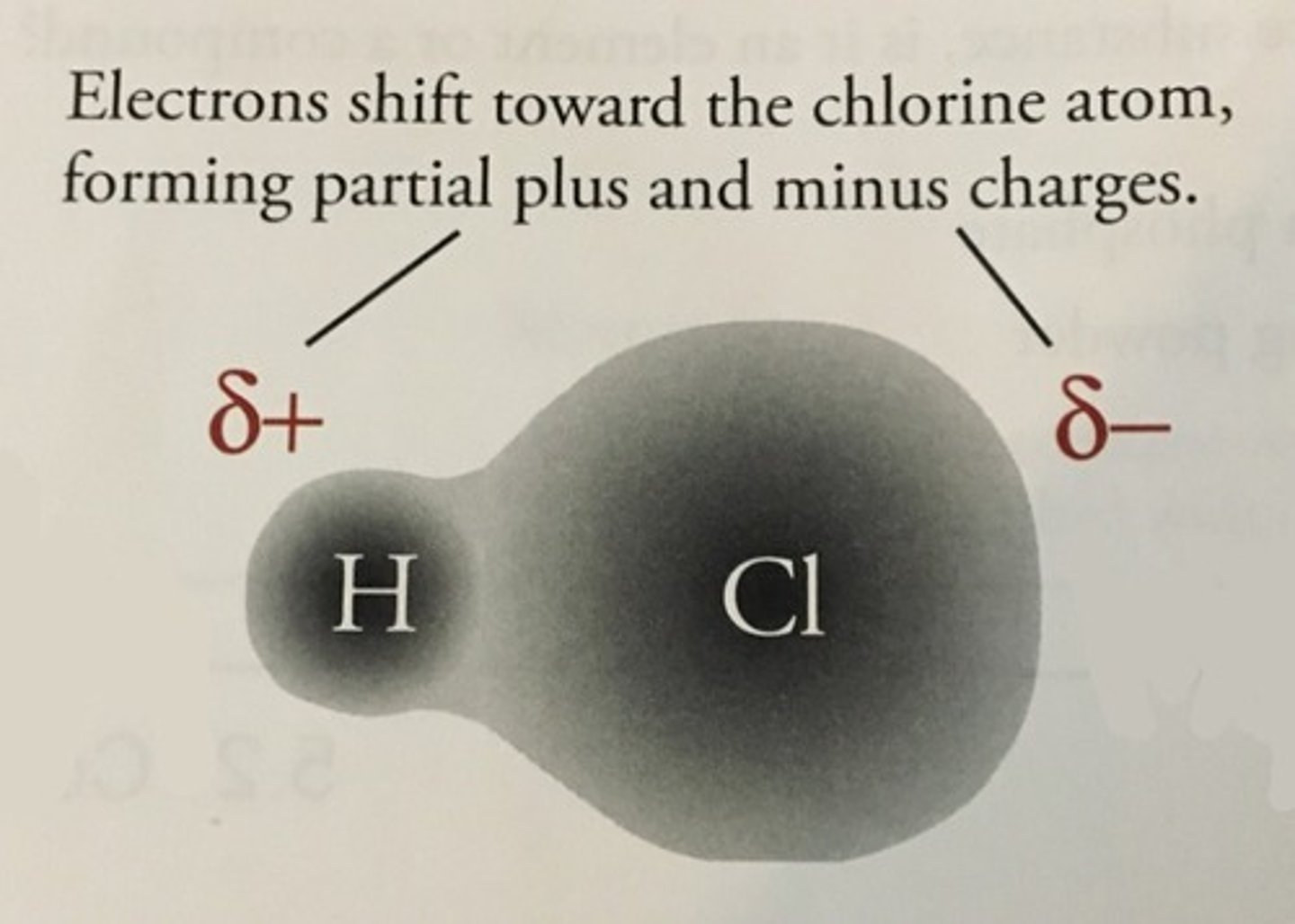
describe the electron cloud in a polar covalent bond
the atom with higher electronegativity will pull its partners electrons closer to its nucleus
one atom will always be more positive and one will be more negative
compare non polar and polar covalent bonds relationship with water and give examples
non polar molecules repel water (hydrophobic) such as oils, fats, waxes
polar molecules attract water (hydrophilic) such as sugars, proteins, salts etc.
if an atom becomes an ion what will happen
it will loose or gain an electron
if an atom becomes a isotope what would happen
it would loose or gain a neutrons
why does table salt dissolve in water
the water breaks the bonds of Na and Cl
why does oil (lipids) not dissolve in water
because water is polar and the oil/lipids are non polar. they are opposite so they molecules do not attract
would a low pH be acidic or basic
acidic (lots of hydrogen ions)
would a high pH be acidic or basic
basic (not a lot of hydrogen ions)
describe the importance of stomach pH
trypsin a protein made by your stomach breaks down food and binds to h+ ions to achieve an active shape when food moves to intestine the pH increases which changes the shape making trypsin inactive
what increases H+ and what decreases H+
acids increase, bases decrease
your blood and stomach are heavily ....
buffered to prevent pH changes