IB Business Management HL
 Call Kai
 Learn
Learn Practice Test
 Spaced Repetition
 Match
Match Flashcards
 Knowt Play
1/102

Earn XP
Description and Tags
Unit 1, 2 (HRM), and 4 (Marketing)
Name | Mastery | Learn | Test | Matching | Spaced | Call with Kai |
|---|
No analytics yet
Send a link to your students to track their progress
103 Terms
Business
An organiztion that produces goods or services to satisfy customer needs and wants
Entrepreneur
A person who starts and runs a business while taking financial risks
Intrapreneur
An employee who develops innovative ideas within an existing business
Stakeholder
Any individual or group affected by a business
Example: Employees, customers, suppliers, and shareholders
Limited Liability
Owners can only lose the amount invested din the business
Example: shareholders in a limited company
Unlimited Liability
Owners are personally responsible for all business debts
Example: Sole traders
Economies of scale
Cost advantages gained from increasign production
Diseconomies of scale
Rising average costs caused by a business becoming too large
Example: Communication problems in huge organizations
Corporate Social Respnsibility (CSR)
Business acting ethically and considering social / environmental impacts
Example: Using recyclable packaging
Sustainability
Meeting present needs without harming future generations
Example: A company reducing carbon emissions
SMART Objectives
Objectives that are specific, measureable, achieveable, relevant, and time
Example: “Increase sales by 10% within 12 months”
Merger
Two businesses combine to form one company
Example: Two banks joining together
Acquisition
One business purchases another business
Example: Disney buying Pixar
Franchise
A business model where a franchisee buys rights to operate under another firm’s brand
Human Resource Management (HRM)
Managing employees within a business
Example: Recruitment, training, and motivation
Delegation
Passing authority and responsibility to subordinates
Example: A manager assigning tasks to team leaders
Centralization
Decision-making concentrated at top
Example: Headquarters making all important decisions
Decentralization
Decision making shared throughout the business
Example: Branch managers making local decisions
Span of control
The number of employees directly supervised by a manager
Labour turnover
The rate at which employees leave a business
Motivation
The willingness of employees to work effectively
Job rotation
Employees switching betweenjobs regularly
Job Enlargement
Increasing the number of tasks in a job
Job Enrichment
Increasing respnsibility and challenge in a job
Empowerment
Giving employees authority and responsibility
Organizational Culture
Shared value and beliefs within a business
Market research
Collecting informaiton about customers and markets
Primary Research
research collected directly for a specific purpose
Secondary research
Using existing data collected by others
Market Segmentation
Dividing a market into groups with similar characteristics
Unique Sellign Proposition (USP)
A feature that makes a product different from competitors
Branding
Creating a unique image and identity for a product
Product life cycle (PLC)
The stages a product passes through from launch to decline
introduction
growth
maturity
decline
Market share
The percentage of industry sales earned by a business
Elasticity
The respiknsivenes sof demain to price changes
Sales Forecasting
Predicting furture sales
Taylors Scientific Management
Woerkers are mainly motivated by money, efficiency increase through specilization and standardization
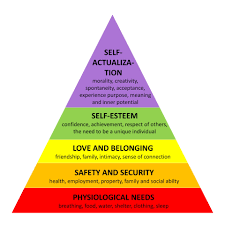
Maslow’s Hierarchy of Needs
Employees are motivated by fulfilling needs in stages:
Physiological
Safety
Social
Esteem
Self-actualization
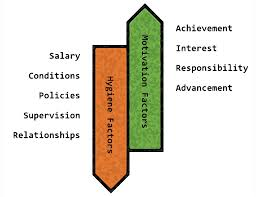
Herzberg’s Two Factor Theory
Motivation depends on hygiene factors and motivators
Prevent dissatisfaction:
Pay
Working conditions
Job security
Create satisfaction:
Achievement
Recognition
Responsibility
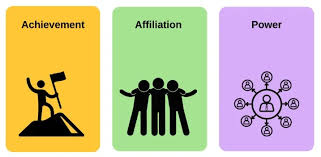
McClelland’s Theory of Needs
People are motivated by different needs
Achievement
Power
Affiliation
Triple Bottom Line
Business should focus on people, planet, and profit
Adams’ Equity Theory
Employees compare rewards and fairness with others
Behavioral Theory
Leadership deends on learned behavior and actions
Situational Leadership Theory
Leadership style should change depending on the situation
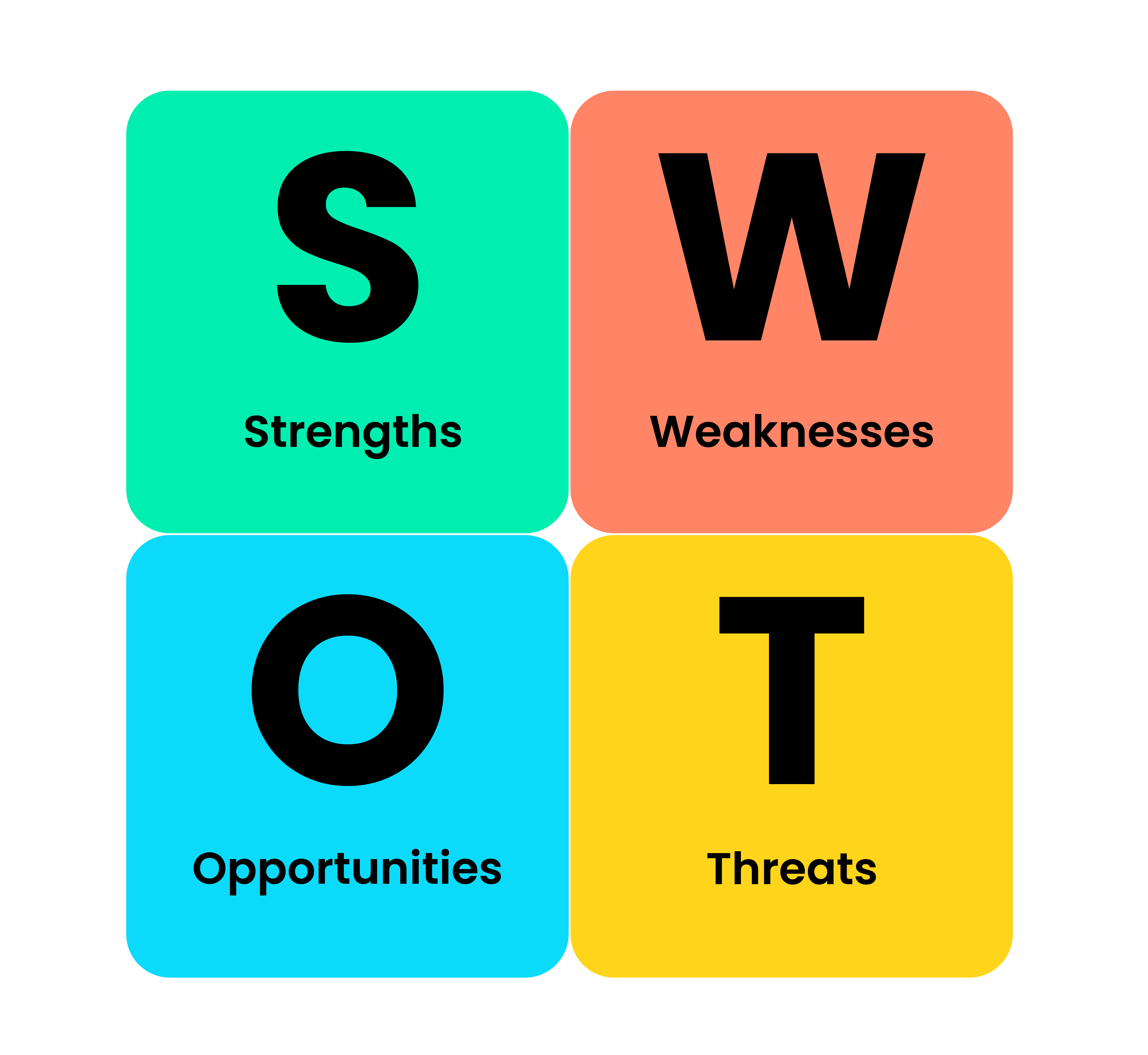
SWOT Analysis
Analyzes internal strengths and weaknesses
External opportunities and threats
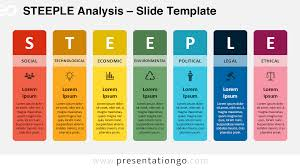
STEEPLE Analysis
Analyzes external business environment
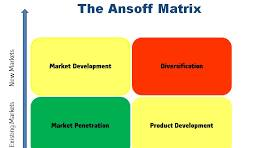
Ansoff Matrix
Identifies business growth strategies
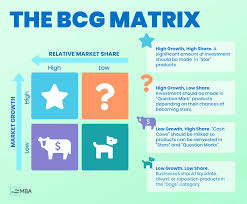
Boston Matrix (BCG Matrix)
Analyzes product portfolio
Positioning Map
Shows customer perceptions of products
Product life cycle diagram
Shows prodct stages over time
Division of labour
Breaking produciton into specialized tasks
Opportunity Cost
The next best alternative given up
Vission statement
A statement describing a business’ long-term aspirations
Mission statement
A statement explaining a business’ purpose
Outsourcing
Hiring external firms for business activities
Offshoring
Relocating business operations abroad
Reshoring
Bringing production back to the home country
Product orientation
Focusing mainly on producing high-quality products
Market orientation
Docusing on customer needs and wants
Behavioral Segmentation
Segmenting customers by buying behavior
Product portfolio
The collection of products sold by a business
Product mix
The range of product lines sold by a business
Product line
A group of related products
Extension strategy
Methods used to extend the maturity stage of product
new pakaging
promotions
price reductions
product improvements
Penetration pricing
Setting low prices to gain market share quickly
Price Skimming
Setting high intitial price before lowering them
Cost-plus pricing
Adding a profit margin onto production cost
Dynamic pricing
Prices changing according to demand
Predatory Pricing
Setting very low prices to drive competitors out
AIDA Model
A model explaining how promotion influences customers
Attention
Interest
Desire
Action
Above the Line Promotion
Mass media advertising
Below the Line Promotion
Direct and targeted promotion
Omni-channed distribution
Selling through intergrated online and offline channels
Supply Chain
The network involved in producing and delivering products