15. Neuro stroke and TBI
 Call Kai
 Learn
Learn Practice Test
 Spaced Repetition
 Match
Match Flashcards
 Knowt Play
1/28

There's no tags or description
Looks like no tags are added yet.
Name | Mastery | Learn | Test | Matching | Spaced | Call with Kai |
|---|
No analytics yet
Send a link to your students to track their progress
29 Terms
middle cerebral artery location
largest
supplies lateral side of the brain
anterior cerebral artery location
inner/medial
posterior cerebral artery location
posterior
Anterior cerebral artery syndrome S/S
ACA = ABCDE (kid/child)
Contralateral hemiparesis LE
Contralateral hemisensory loss LE
Urinary incontinence
Problems with imitation, bimanual tasks, apraxia (inability to do known tasks)
Slowness, delay, motor inaction
Contralateral grasp reflex, sucking reflex
middle cerebral artery syndrome S/S
MCA = MPH (Miles Per Hour)
Contralateral hemiparesis (UE and face)
Contralateral hemisensory loss (UE and face)
L MCA = Language speech impairments - brocas wernicke global aphasia
R MCA = Perceptual disorders - unilateral neglect
L/R MCA = Contralateral homonymous hemianopsia
MCA lesion to different branches
superior = brocca
inferior = wernike
stem = both
posterior cerebral artery syndrome
MOST VISION PROBLEMS
S/S peripheral territory:
Contralateral homonymous hemianopsia
Visual agnosia - PROSOPagnosia (difficulty remembering familiar face)
Dyslexia WITHOUT agraphia (difficulty writing)
Color discrimination
Memory deficits
Topographical disorientation - gets lost easily
S/S central territory
Thalamus: central post stroke thalamic pain syndrome
All sensations become painful because the thalamus is the center for sensation everything passes through here.
Right vs left stroke: Right
Presents like a baby
left hemiparesis/hemisensory loss
visual - perceptual impairments:
- neglect
- difficulty with visual cues
quick and impulsive
rigidity of thought
difficulty with negative emotions
homonymous hemianopsia
Right vs left stroke: left
presents like an old person
right hemiparesis/hemisensory loss
language:
- aphasia
- difficulty with verbal cues
slow cautious
highly distractible
difficulty with positive emotions
homonymous hemianopsia
spasticity vs synergy
spasticity - at rest; increase in tone, passive ROM, velocity dependent
synergy: combined movement pattern, AROM
^^ think about how synergy rhymes with energy and need energy for AROM
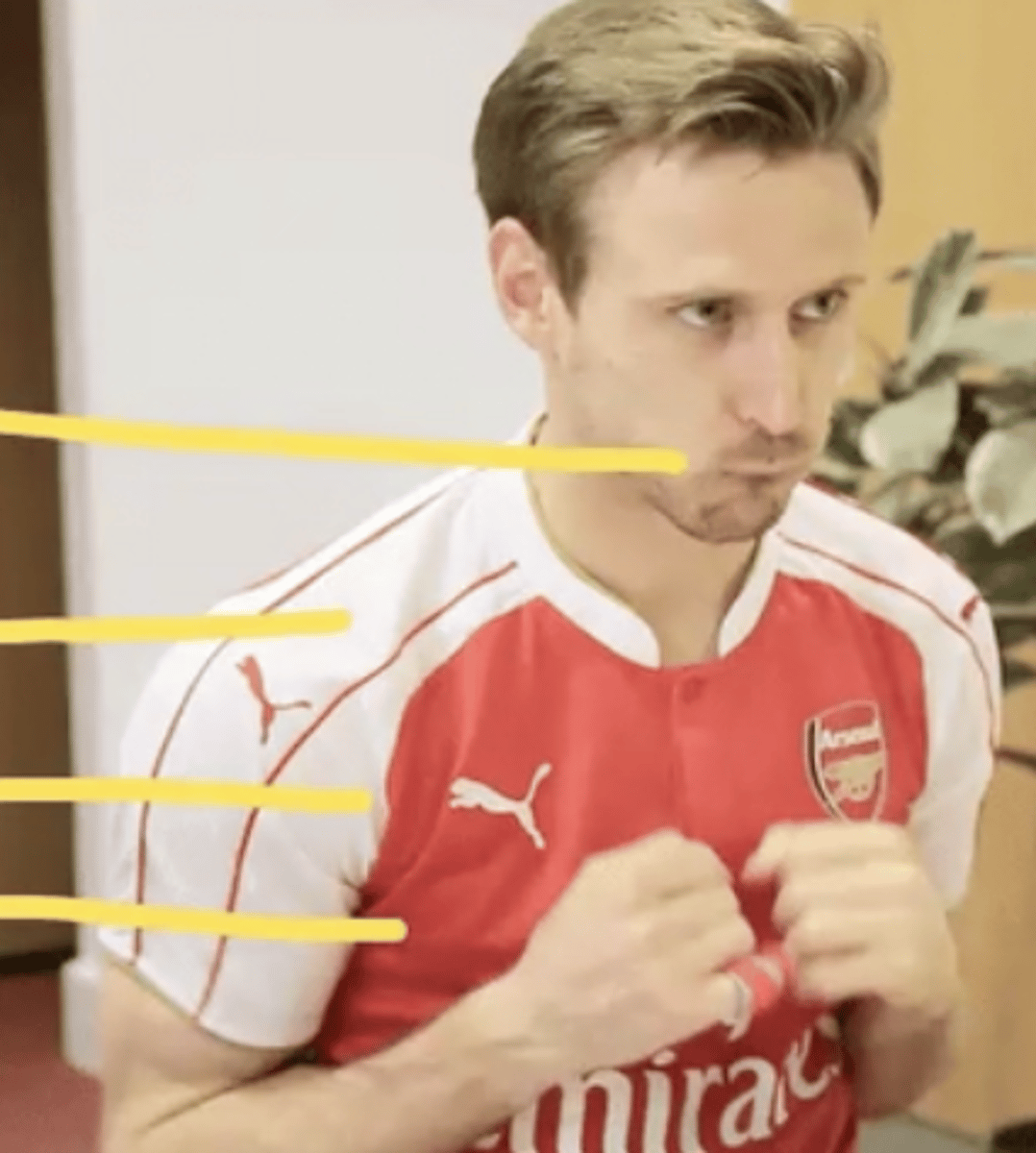
upper limb spasticity
scapula: retraction, doward rot
shoulder: adduction, IR, depression
elbow: flexion
forearm: pronation
wrist: flexion, adduction
hand: finger flexion, clenched fist thumb, adduction in palm
THINK OF THE CHICKEN DANCE
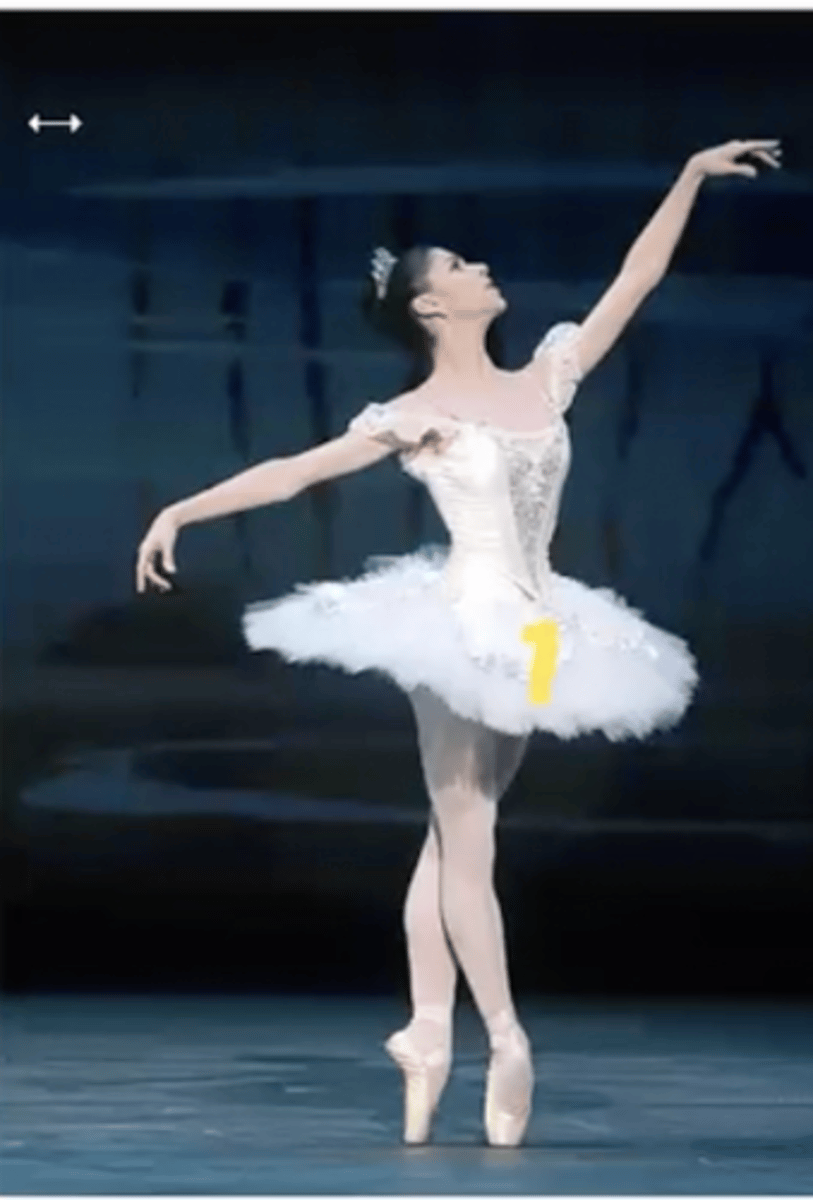
Lower limb spasticity
pelvis: retraction (hip hike)
hip: adduction (scissoring), IR, extension
knee: extension
foot and ankle: PF, inversion, equinovarus, toes claw, toes curl
THINK OF A BALLERINA
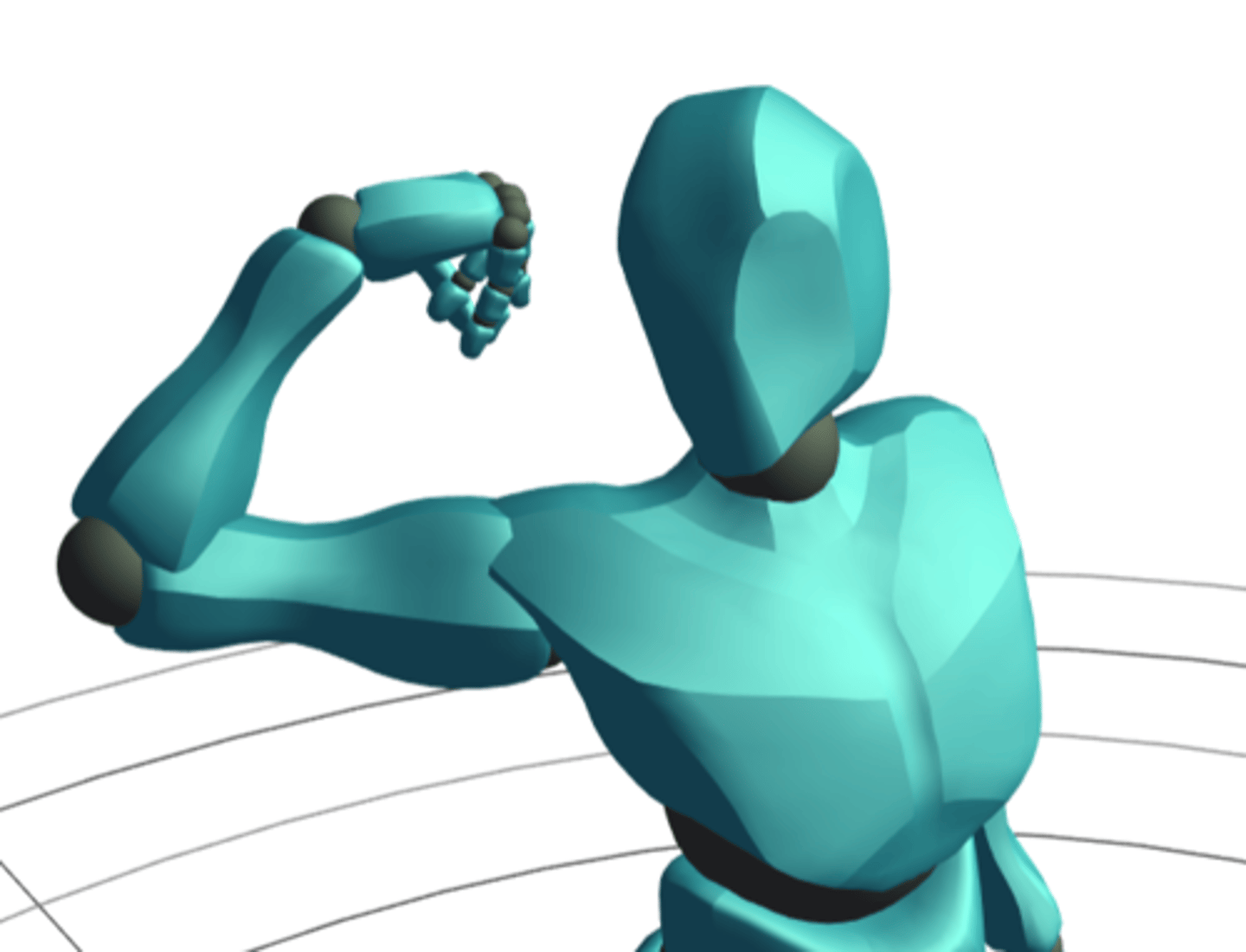
flexion synergy UE
scapula retraction/elevation or hyperextension
shoulder ABD, ER
elbow flexion
wrist and finger flexion
THINK OF JOHNNY BRAVO
Flexion synergy LE
hip flexion, abduction, ER
knee flexion
ankle DF, inversion
toe DF

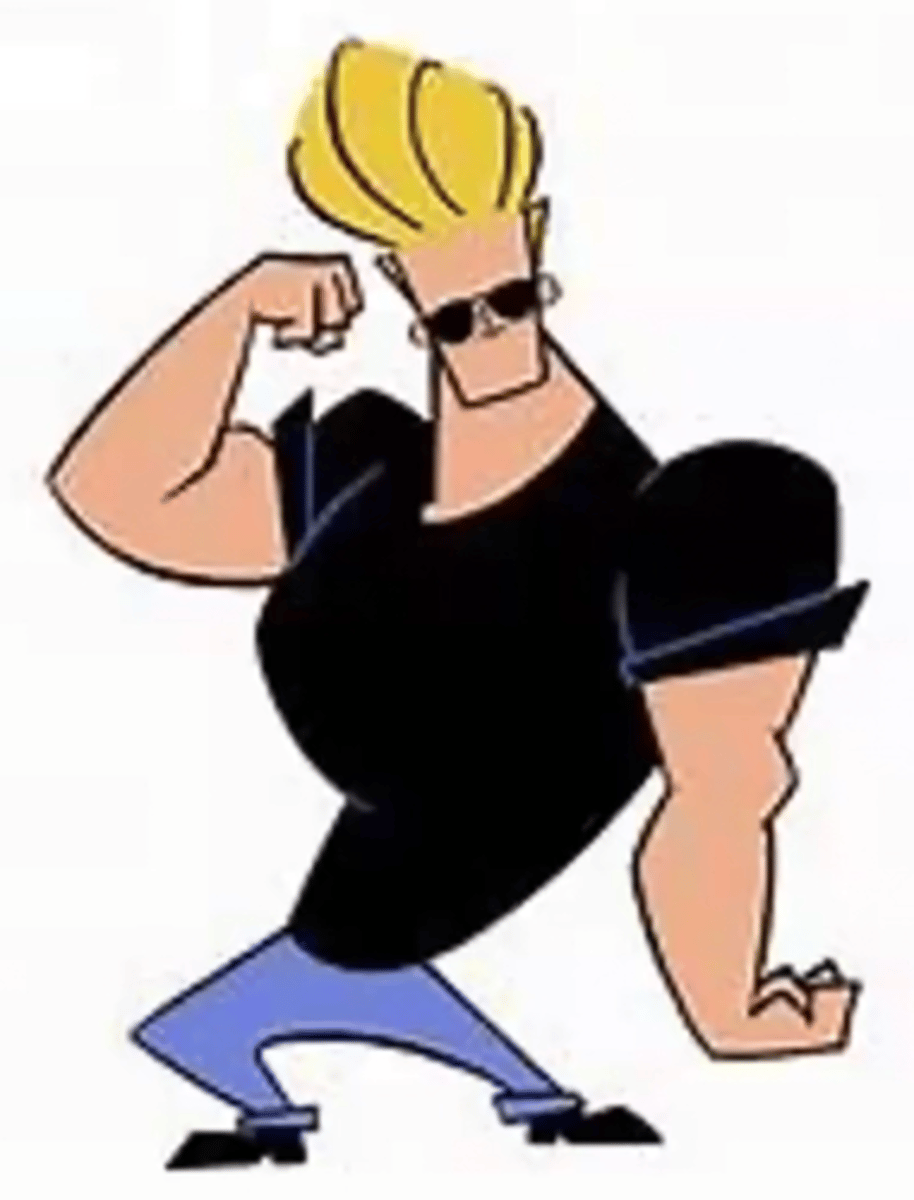
extension synergy of UE
scapular protraction
shoulder ADD, IR
elbow extension
forearm pronation
wrist and finger flexion
THINK OF JOHNNY BRAVO
extension synergy LE
hip extension, adduction, IR
knee extension
ankle PF, inversion
toe PF
(similar to spasticity) ballerina position
brunnstrum stages of recovery
1 = flaccid
2 = start of spasticity; minimal synnergy; involuntary/associated reactions
3 = max spasticity/synnergy; voluntary reactions
4 = less spasticity/synnergy; start to move outside of limb synnergies
5 = less spasticity/synnergy; move outside of all limb synnergies, but uncoordinated
6 = no spasticity/synnergy; coordinated outside of limb synnergy
7 = normal
brunnstrom stage 1
flaccidity
no active limb movement
brunnstrom stage 2
beginning of minimal voluntary movement
in synergy with associated reactions
increase tone
brunnstrom stage 3
voluntary control of movement synergy (spasticity is peak)
further increase tone to peak level
brunnstrom stage 4
movement outside of synergy
decrease tone
brunnstrom stage 5
increase complex movement, greater independence from limb synergies
brunnstrom stage 6
individual joint movement
coordinated
brunnstrom stage 7
normal function
positioning strategies for patients
opposite of spasticity presented (since this is PROM/presented at rest)
ER/abd/extension extremities; protract shoulder, neutral wrist/ankle; extend fingers; abd thumb
TBI ranchos levels 1-3
1 = no responsive - coma
2 = generalized response
non-purposeful whole body
vocal
inconsistent
3 = localized response
purposeful, local, specific
inconsistently respond to simple commands (close eyes, squeeze hand)
txt = PROM, positioning, caregiver education, respiratory care
TBI ranchos level 4
4 = confused agitated
heightened activity
does not cooperate, verbalization is incoherent, confabulations (make up stories)
no selective attention
no memory
txt =
consistent
orient the patient
calm behavior and do not confront if pt is agitated; just redirect pt
closed environment
NO yes/no or open ended questions
TBI ranchos level 5-6
5 = confused inappropriate
100% respond to simple commands
inconsistently to complex commands
socialize for short periods
still has memory issues
innappropriate use of objects so cant learn new task
6 = confused appropriate
goal directed behavior with external input
memory better
group sessions
txt = goal directed; option A or B exercise
avoid complex commands and open complex environments
same as level 4
TBI ranchos level 7-8
7 = automatic appropriate
oriented in home/hospital
daily routine robot like
judgement impaired
able to initiate socialization
8 = purposeful appropriate
impaired judgement in emergency situations only
txt =
focus on skills for work
problem solving skills
trial living on own
adaptation to work