chemistry test summer
 Call Kai
 Learn
Learn Practice Test
 Spaced Repetition
 Match
Match Flashcards
 Knowt Play
1/65

Earn XP
Description and Tags
Chapter 9 - Crude oil and Fuels Chapter 11.1 - Addition polymerisation only Chapter 13.1 and 13.2 - History of our atmosphere and our evolving atmosphere only Chapter 2.6 - The transition elements only
Name | Mastery | Learn | Test | Matching | Spaced | Call with Kai |
|---|
No analytics yet
Send a link to your students to track their progress
66 Terms
what is crude oil
a mixture of hydrocarbons. hydrocarbons are made up of hydrogen and carbon atoms only.
what are alkanes
a type of hydrocarbon which come from crude oil.
what type of bonding do hydrocarbons undergo
covalent bonding
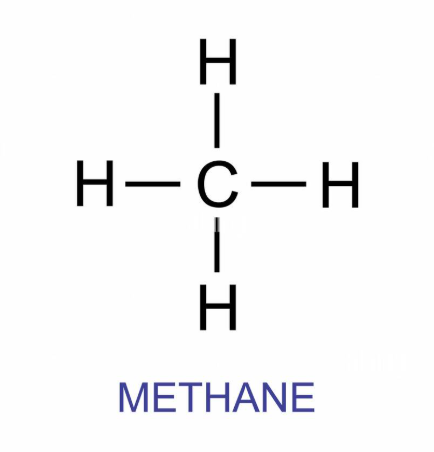
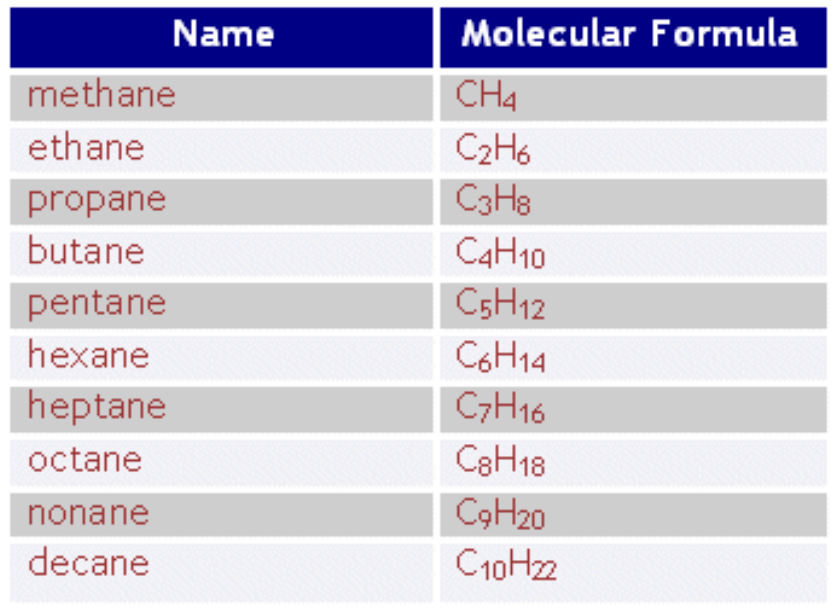
displayed formula of methane and molecular formula
CH4
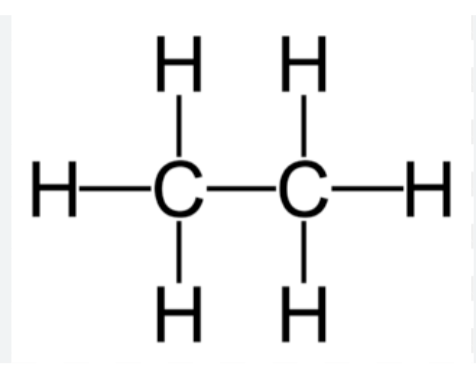
displayed formula of ethane and molecular formula
C2H6
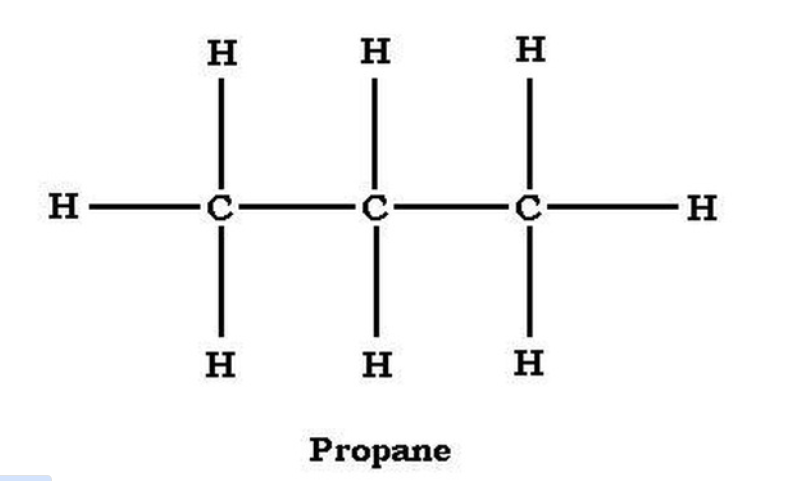
displayed formula of PROPANE and molecular formula
C3H8
displayed formula of butane and molecular formula
C4H10

example of covalent structure of ethane
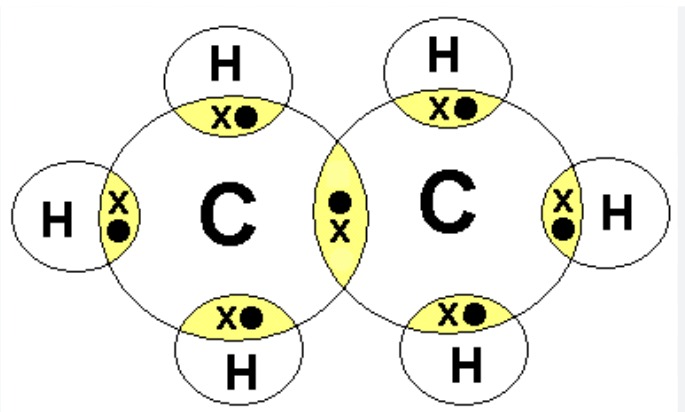
formula for finding out how many carbon/hydrogen atoms in an alkane
n=number of atoms
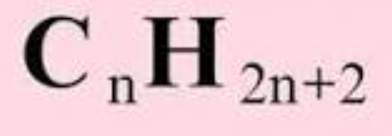
pattern in molecular formulas of alkanes
saturated hydrocarbons
have a single bond between the carbon atoms. alkanes are saturated hydrocarbons.
whats a homologous series
series of compounds increasing in size, which exhibit similar chemical properties and trends in physical properties
alkanes are a homologous series as you just add CH2 each time.
IMPORTANT: crude oil is a fossil fuel. describe how crude oil is separated into fractions. (4 marks)
crude oil is heated to evaporate the substances
the fractionating column is hotter at the bottom and cooler at the top
the vapours condense at their different boiling points/ fractions.
whats combustion
another word for burning. reacting with oxygen.
two types of combustion
complete and incomplete combustion
general formula of complete combustion

general formula for incomplete combustion
hydrocarbon+ (limited) oxygen ➔ carbon monoxide+ water
OR
hydrocarbon ➔ carbon+ water
chemical formula for carbon monoxide
CO
why is carbon monoxide dangerous
colourless and odorless
your red blood cells pick it up and carry it around your body instead of o2.
difference between alkenes and alkanes
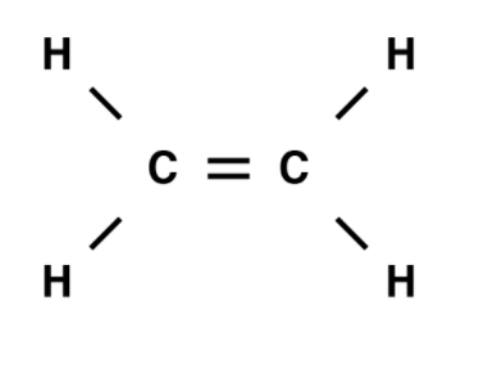
alkanes have only single bonds between carbon atoms, making them "saturated". Alkenes contain at least one carbon-carbon double bond, making them "unsaturated".
example of alkene ethene
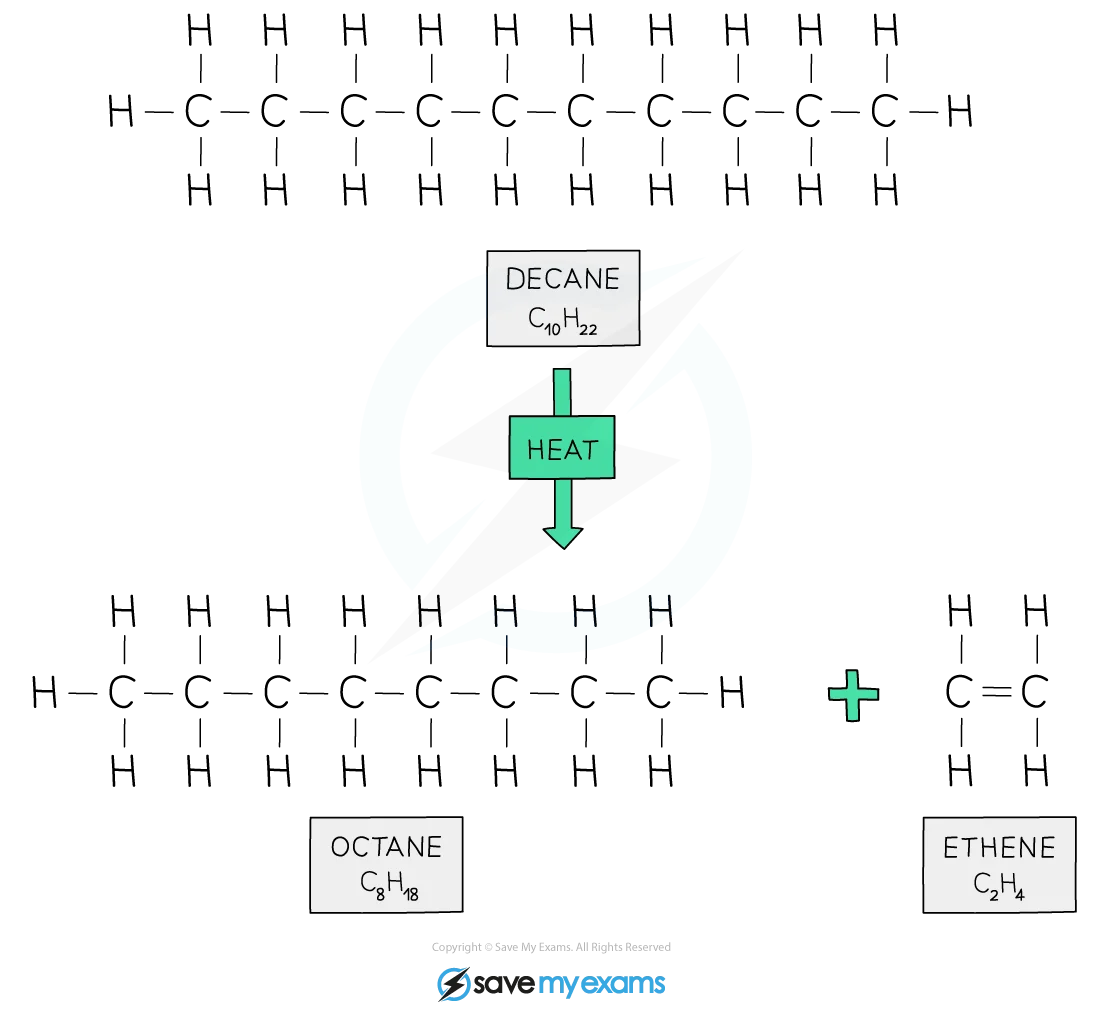
whats cracking
thermal decomposition
large hydrocarbons are not as useful as theyre not as flammable
therefore we need a method of turning large hydrocarbons into smaller ones
this is called cracking
example diagram of cracking hydrocarbons
why do alkenes even exist?
after cracking, some of the molecules dont have 4 bonds, so it cant make 2 alkanes. instead it makes one alkene and one alkane.
when drawing a diagram of an alkene/ alkane, how many bonds does each carbon atom always need to have
4 as carbon is in group 4.
how many molecules can cracking produce
cracking can produce 3 molecules. one is always an alkane and the rest are alkenes.
what are the two ways to crack large alkanes?
catalytic cracking
steam cracking
catalytic cracking
uses a catalyst
moderate temp (arnd 500 c) and pressure
more energy efficient
steam cracking
uses high temp (arnd 750 c) and high pressure
uses steam and very high heat without catalyst which produces more alkenes.
test for alkenes
orange bromine water turns colourless when addwhatsed to alkenes. it stays orange when added to alkanes
monomers and polymers
monomers- small molecules
polymers- large molecule made of a chain of monomers
e.g. plastics are made up of lots of small molecules joined together.
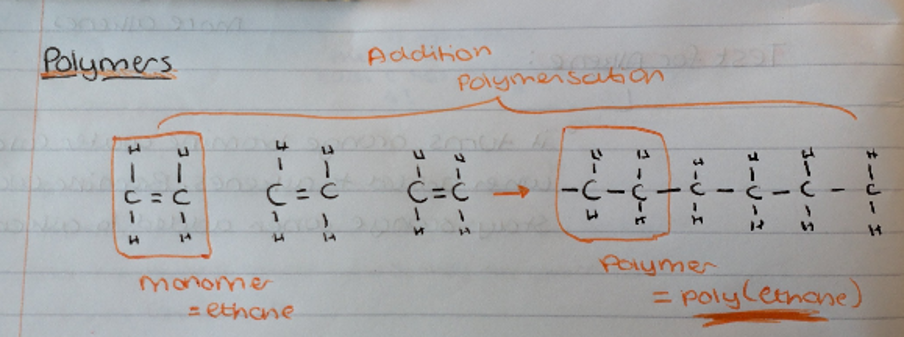
whats addition polymerisation
when long chain molecules are formed from lots of small molecules joining togethe with no other products.
all covalent bonds.
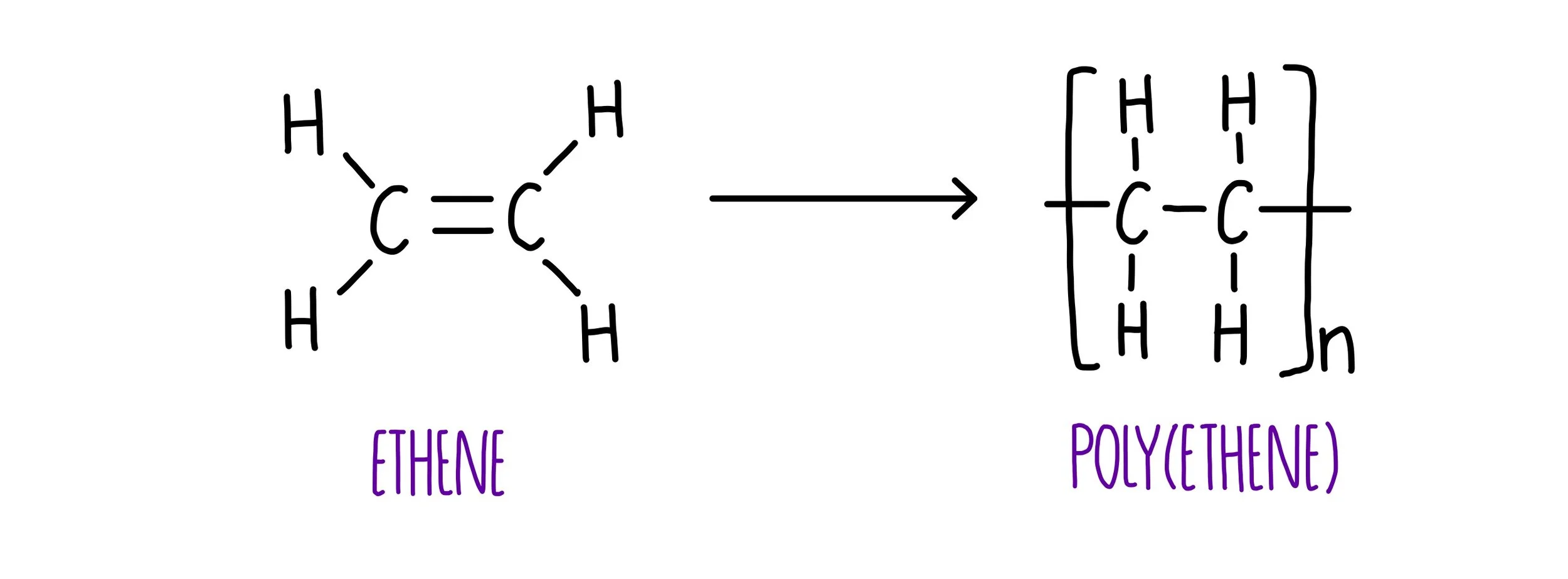
example of a monomer and a polymer
monomer= ethene
polymer= poly(ethene)
properties and uses of polymers
properties- strong, easy to shape, transparent
uses- plastic bags, bottles, cling film
example diagram of addition polymerisation
example of displayed formula of monomer vs polymer
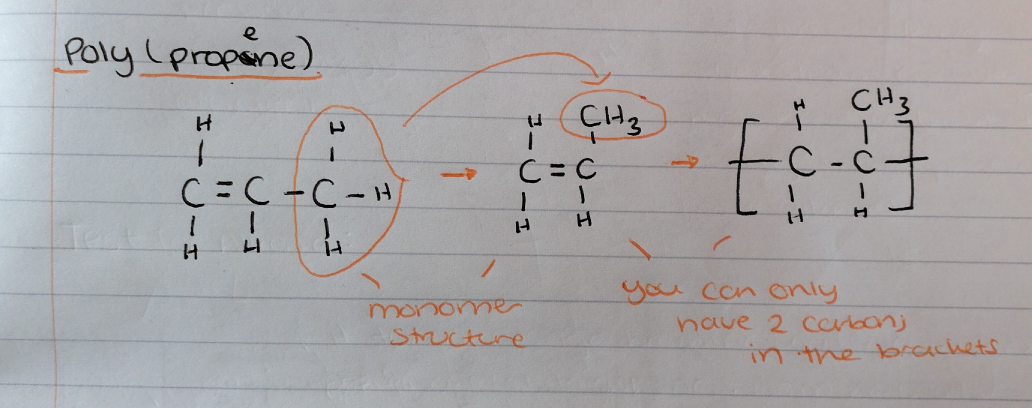
how to do displayed formulas of polymers with more than 2 carbons
are alkanes and alkenes both monomers
no only alkenes.
condensation polymers
monomers join together to make polymers and another small molecule is given off, often water,
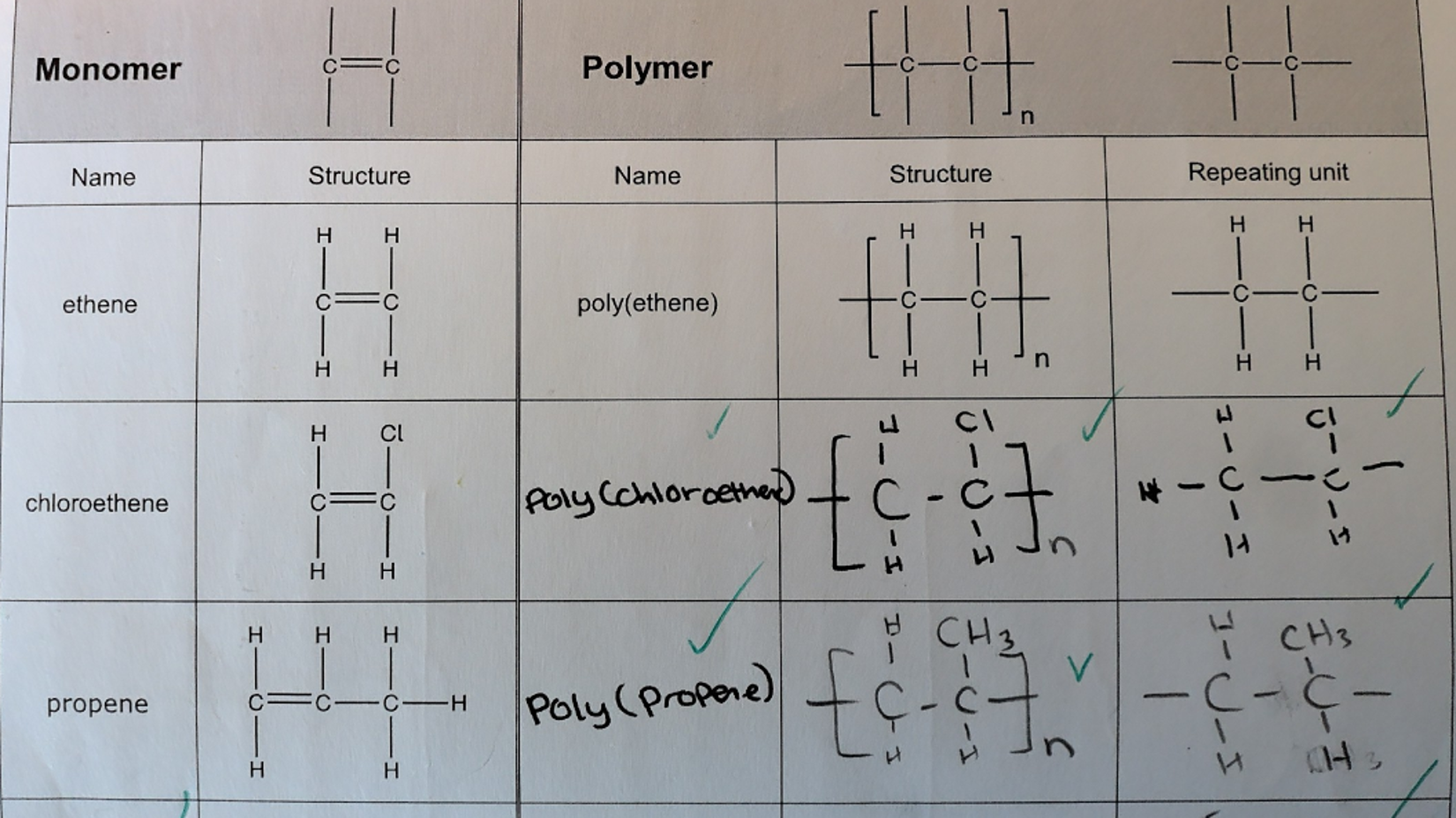
examples of structures of monomers, polymers and names and repeating units
whats earths atmosphere made up of today?
78% nitrogen
21% oxygen
0.9% argon
0.04% carbon dioxide
earths early atmosphere
volcanoes released:
co2
water vapour
nitrogen gas (N2)
traces of methane (CH4)
traces of ammonia (NH3)
THERE WAS NO OXYGEN
evidence for early atmosphere
gas bubbles trapped in ancient rocks (more reliable)
data from atmospheres of other planets and their moons in the solar system
why did the co2 from the early atmosphere decrease to only 0.04% today
water vapour from volcanoes condensed to rain
convected in the earths crust + produced large bodies of water
co2 dissolved into these bodies of water out of the atmosphere
also went down due to photosynthesis and forming carbonate rocks
why did methane/ ammonia level of early atmosphere go down?
o2 reacted with methane+ ammonia
o2 also would have reacted with metals to form metal oxides
whats the ozone layer
ozone (O3) forms a layer in upper atmosphere
absorbs harmful UV radiation from sun + protects organisms on earth
issues with burning alkanes
release CO2 which s greenhouse gas + contributes to global warming
might release carbon monoxide which is a toxic gas
might release carbon which can cause respiratory problems
greenhouse gases
carbon dioxide, CO2
methane, CH4
water vapour, H2O
nitrous oxide, N2O
the greenhouse effect (memorise)
sun emits radiation to earth
greenhouse gases let short-wavelength radiation pass through atmosphere to earths surface
this is absorbed by earth+ causes earth to be heated
surface of the earth cools down by emitting longer wavelength radiation
greenhouse gases absorb infrared radiation (long wavelength radiation)
higher the proportion of greenhouse gases in air, more energy is absorbed
so some of the energy radiated from surface of earth gets trapped in atmosphere+ temp rises
climate change
based on peer reviewed info, many scientists believe that human activities will cause temp of earths atmosphere at the surface to rise and this will result in a global climate change.
why has the levels of CO2 released into the atmosphere increased in past 60 yrs?
mainly fossil fuels+ deforestation
some of CO2 does still dissolve into oceans but as temp rises, co2 becomes less soluble so this happens less.
why are there now increased levels of methane?
more animal farming leading to more emissions and decomposing waste
also, increased waste, so more decomposition of rubbish in landfill sites.
nitrogen oxide formula-
NOx
theres an x because it can have any number of O and will still be nitrogen oxide. e.g. NO, NO2, NO3 ect.
problems of acid rain
damage to trees
damage to buildings/ statues
damage to aquatic animals
particulates
tiny particles containing carbon
diesel engines burn hydrocarbons
they react with o2 but dont burn completely (incomplete combustion)
tiny solid particles and unburnt hydrocarbons are produced. these are particulates.
they get carried into the air and casue global dimming
they damage our lungs and cause cancer.
how is CO2 formed, potential problems, + ways to reduce problems
formed- complete combustion
problems- global warming
solutions- burn less fossil fuels
how is carbon monoxide formed, potential problems, + ways to reduce problems
formed- incomplete combustion
problems- toxic, colourless and odourless (hard to detect)
solutions- ensure good O2 supply when burned
how is carbon formed, potential problems, + ways to reduce problems
formed- incomplete combustion
problems- global dimming+ respiratory issues
solutions- ensure good O2 supply when burned
how is sulfur dioxide formed, potential problems, + ways to reduce problems
formed- combustion of sulfur in fuel
problems- acid rain ( damages 🌳, 🐟, 🏠)
solutions- remove sulfur from fuel before burning
how are nitrogen oxides formed, potential problems, + ways to reduce problems
formed- combustion at high temps (often in engines)
problems- acid rain/ respiratory issues
solutions- for engines use a catalytic converter
how is unburnt fuel formed, potential problems, + ways to reduce problems
formed- not all fuel burnt
problems- harmful and a greenhouse gas
solutions- ensure correct fuel-to-air ratio when fuel is burned
transition metals
located in the middle of the periodic table
properties are generally same as normal metals- e.g. shiny, malleable
they form many ions
less reactive than group 1 metals. they react slowly, if at all.
use of transition metals
can be used as catalytic converters in vehicles- they help to convert harmful gases in vehicle exhaust fumes into less harmful ones
the reaction that produces rust
iron+ water+oxygen➔ iron oxide
inert
inert= very unreactive/ dont react
gold, silver and platinum are all very inert which is why they are used in jewellery
products of transition metals
when they react, alkali metals tend to produce white compounds, but when transition elements react, they produce coloured ionic compounds.
e.g. copper sulphate is bright blue. copper is a transition metal.