CPPS325 Cell Signaling L17/18/19 FC
 Call Kai
 Learn
Learn Practice Test
 Spaced Repetition
 Match
Match Flashcards
 Knowt Play
1/103

There's no tags or description
Looks like no tags are added yet.
Name | Mastery | Learn | Test | Matching | Spaced | Call with Kai |
|---|
No analytics yet
Send a link to your students to track their progress
104 Terms
What is the Unfolded Protein Response (UPR)?
A cellular stress response related to the endoplasmic reticulum (ER) that aims to restore proteostasis by managing misfolded proteins.
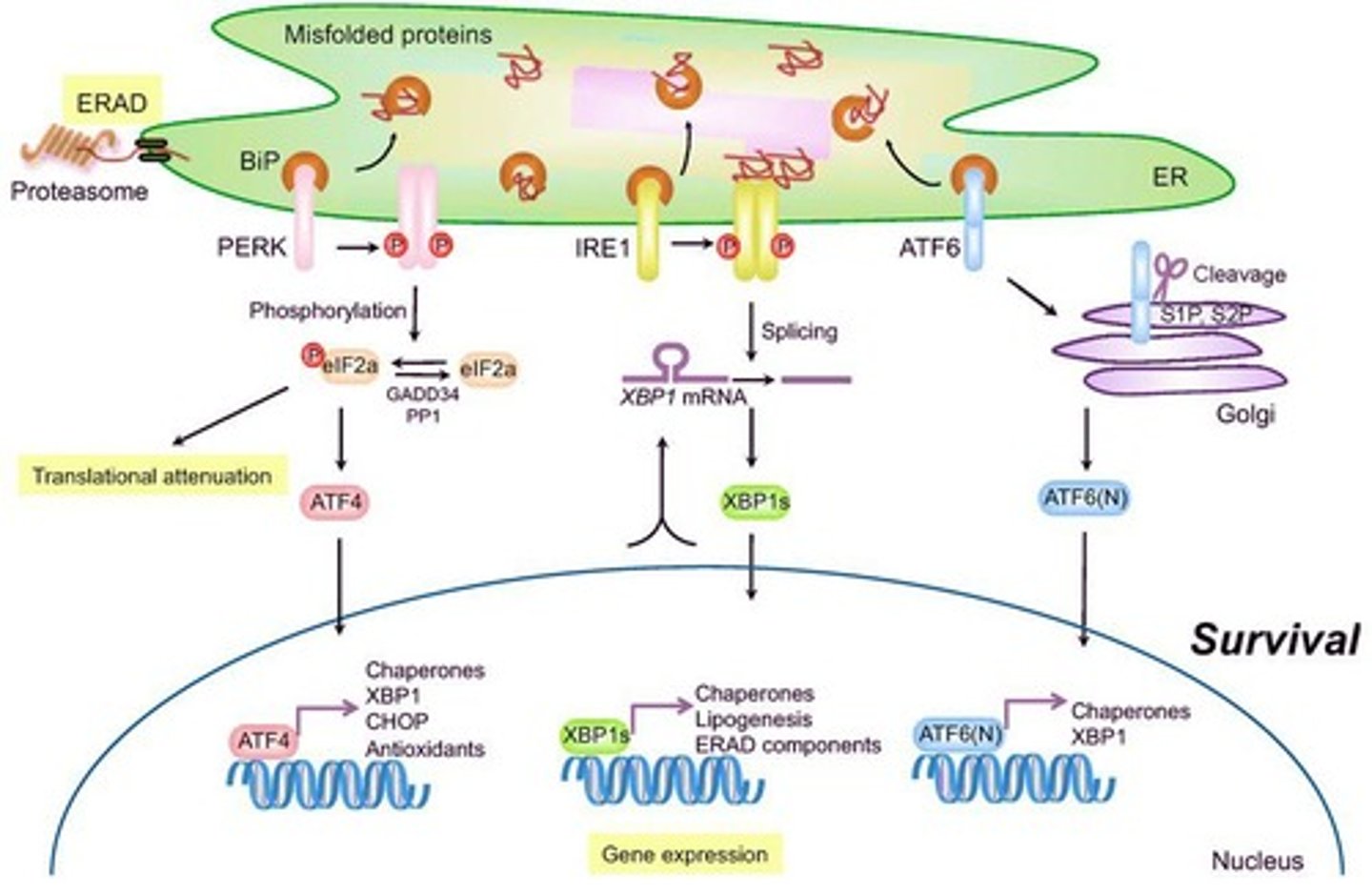
What triggers the UPR?
The accumulation of abnormally folded or misfolded proteins in the ER.
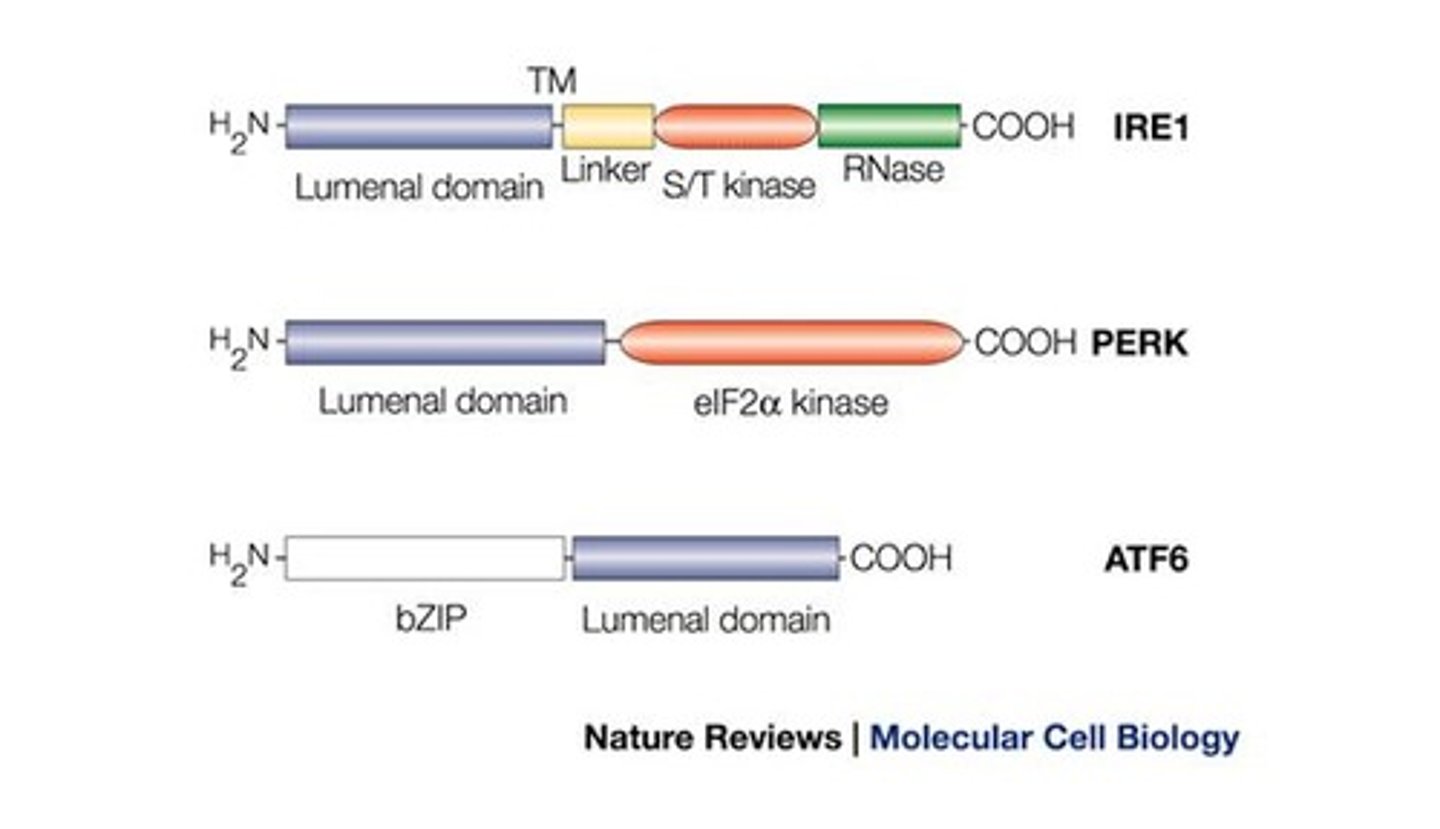
Name the three major transducers of the UPR.
PERK, IRE1α, and ATF6.
What is the role of PERK in the UPR?
It decreases general protein synthesis and increases the translation of ATF4, which regulates genes involved in stress responses.
How does IRE1α function in the UPR?
It splices the mRNA encoding XBP1, leading to the production of a transcription factor that upregulates UPR genes.
What happens to ATF6 during ER stress?
ATF6 is processed in the Golgi apparatus, releasing its cytosolic domain, which then translocates to the nucleus to activate UPR gene expression.
What is the function of GRP78 (BiP) in the UPR?
It acts as a chaperone that binds to unfolded proteins and maintains the inactive state of UPR transducers under normal conditions.
What occurs when ER stress is present regarding BiP?
BiP binds to unfolded proteins, reducing its availability to bind UPR sensors, leading to their activation.
What is the consequence of sustained ER stress?
It can lead to cell death due to the failure to restore proteostasis.
What is the role of proteasomes in the context of UPR?
Proteasomes degrade unneeded or damaged proteins, including misfolded proteins tagged with ubiquitin.
What is the significance of transcriptional induction of ER chaperones during UPR?
It increases the folding capacity of the ER and prevents protein aggregation.
How does the UPR relate to pathologies?
Dysfunction in the UPR is linked to various diseases, as it is crucial for maintaining cellular homeostasis.
What is the effect of acidosis on trkA receptor activation?
Acidosis increases trkA receptor protein levels and receptor activation in sensory neurons.
What is the adaptive response of sensory neurons to acidosis?
The rapid mobilization of trkA receptors to the membrane, contributing to sensitization under inflammatory conditions.
What is the role of eIF2α in the UPR?
Phosphorylation of eIF2α by PERK reduces general protein translation while allowing selective translation of ATF4.
What is the relationship between UPR and oxidative stress?
UPR activation can lead to the expression of antioxidant proteins that protect against oxidative damage.
What is the function of CHOP in the UPR?
CHOP is a transcription factor that promotes pro-apoptotic programs during sustained ER stress.
How does UPR contribute to autophagy?
UPR regulates genes involved in autophagy to help manage protein overload and maintain cellular homeostasis.
What is the role of XBP1 in the UPR?
XBP1 is a transcription factor that upregulates genes essential for protein folding and quality control in the ER.
What happens to protein synthesis during UPR activation?
There is a transient attenuation of general protein synthesis to prevent overload of the ER.
What is the impact of ER stress on cellular homeostasis?
ER stress disrupts cellular homeostasis, leading to potential diseases and developmental abnormalities.
What is the significance of the UPR in nerve repair?
Harnessing the adaptive potential of the UPR may facilitate nerve repair processes.
What is retrograde transport in the context of UPR?
It refers to the removal of misfolded proteins from the ER for degradation by the proteasome.
What is the effect of increased protein production during ER stress?
It leads to competition for BiP, resulting in the activation of UPR transducers.
What is the role of IRE1 in the UPR?
IRE1 catalyzes the splicing of XBP1 mRNA, resulting in the production of the active transcription factor XBP1s.
What does XBP1s regulate?
XBP1s is necessary for the expression of genes involved in protein folding, secretion, phospholipid biosynthesis, and ER-associated protein degradation.
What is the structure of IRE1?
IRE1 is a type I transmembrane receptor kinase/endoribonuclease with an ER-lumenal domain, a transmembrane domain, and a cytoplasmic serine/threonine kinase domain.
How does IRE1 become activated?
Under ER stress, BiP/GRP78 dissociates from IRE1, allowing IRE1 to oligomerize and activate its RNase function.
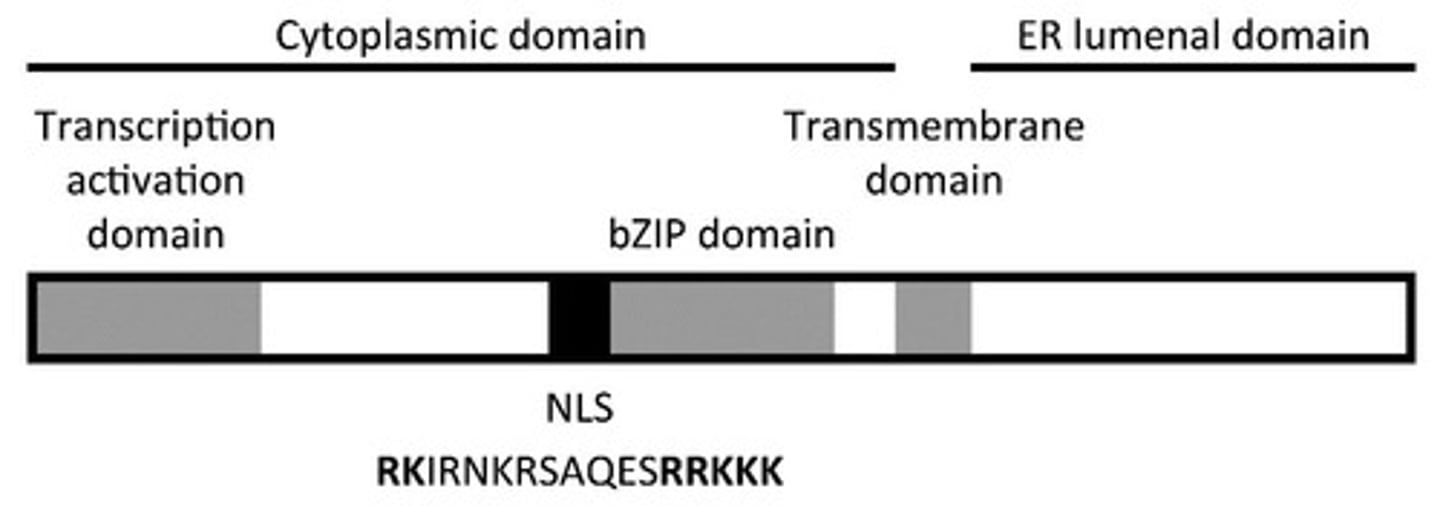
What is the function of ATF6 in the UPR?
ATF6 is an ER transmembrane protein that, upon ER stress, translocates to the Golgi to be cleaved, releasing a transcription factor that promotes the expression of chaperones and other UPR-related genes.
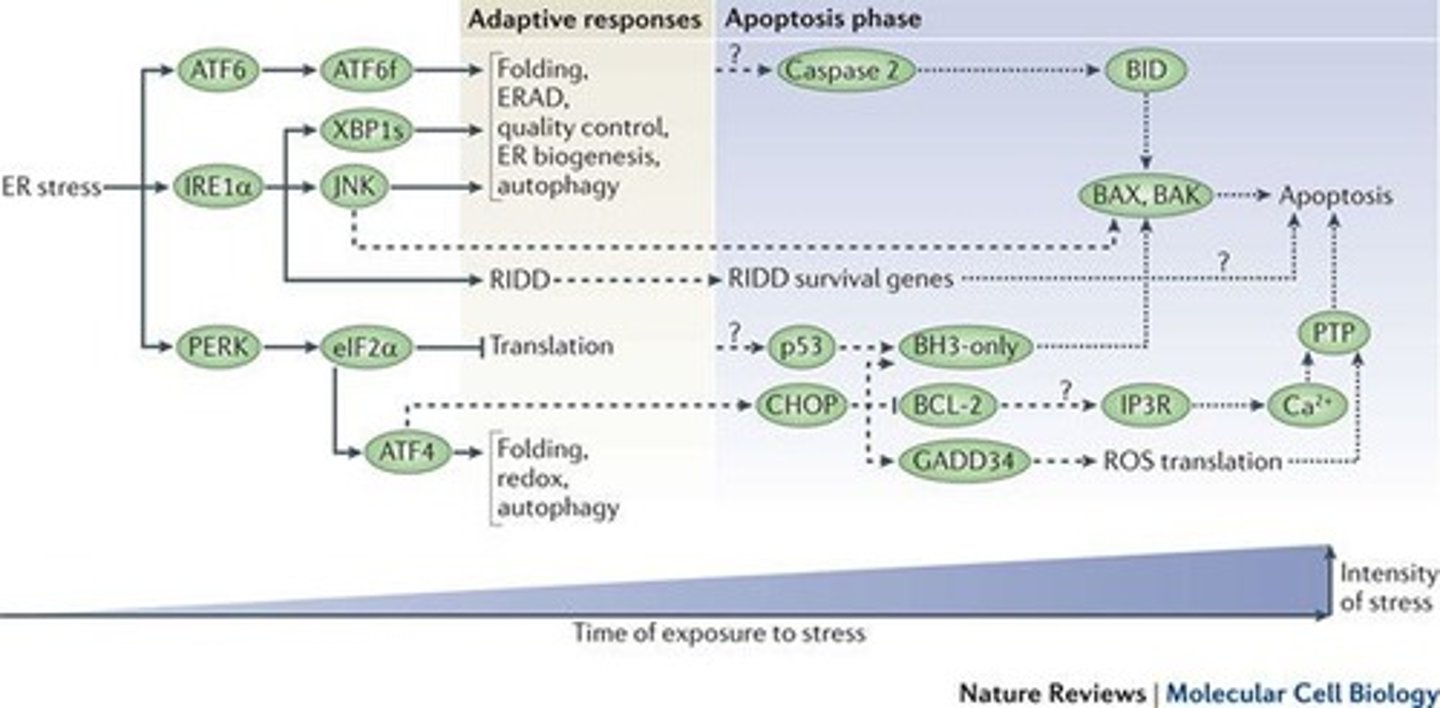
What are the two phases of UPR response?
Phase 1 is the Adaptive UPR, which aims to restore homeostasis; Phase 2 is Apoptosis, which occurs if the stress is prolonged and adaptation fails.
What occurs during the Adaptive UPR?
The Adaptive UPR attenuates protein synthesis, activates mRNA decay, and promotes autophagy to restore ER function.
What triggers apoptosis in the context of UPR?
Prolonged ER stress leads to apoptosis, regulated by the pro-apoptotic transcription factor CHOP and the BCL-2 protein family.
What role does CHOP play in ER stress-induced apoptosis?
CHOP upregulates pro-apoptotic proteins and downregulates anti-apoptotic proteins, contributing to cell death.
What is the role of BiP/GRP78 in UPR?
BiP/GRP78 binds to misfolded proteins and UPR sensors, preventing their activation under normal conditions.
What happens when BiP/GRP78 is depleted?
Depletion of BiP/GRP78 allows UPR sensors like IRE1, PERK, and ATF6 to become activated in response to ER stress.
What is the function of PERK in the UPR?
PERK inhibits protein synthesis to reduce the load of new proteins entering the ER during stress.
What is the significance of the bZIP domain in ATF6?
The bZIP domain allows ATF6 to bind to UPR elements in the promoter regions of target genes, promoting their transcription.
How does IRE1 affect XBP1 mRNA?
IRE1 cleaves XBP1 mRNA to remove a 26-nucleotide intron, producing the spliced form XBP1s.
What is the relationship between ER stress and protein folding?
ER stress results from the accumulation of misfolded proteins, which triggers the UPR to restore proper protein folding.
What is the role of the COPII complex in ATF6 activation?
The COPII complex facilitates the transport of ATF6 to the Golgi apparatus for processing during ER stress.
What is the outcome of sustained PERK signaling?
Sustained PERK signaling leads to upregulation of CHOP, promoting apoptosis in response to prolonged ER stress.
What is the role of reactive oxygen species (ROS) in apoptosis?
ROS generation may contribute to apoptosis by enhancing protein synthesis and overwhelming the cell with misfolded proteins.
What is the function of GADD34 in ER stress?
GADD34 may induce ROS generation and contribute to apoptosis by enhancing protein synthesis through eIF2α dephosphorylation.
How does altered calcium homeostasis affect apoptosis?
Altered calcium homeostasis can trigger the opening of the mitochondrial permeability transition pore (PTP), promoting apoptosis.
What is the significance of the UPR in cellular homeostasis?
The UPR is crucial for maintaining cellular homeostasis by managing protein folding and degradation in the ER.
What happens to cells that cannot adapt to ER stress?
Cells that cannot adapt undergo apoptosis to eliminate irreversibly damaged cells.
What is the main function of the UPR sensors?
UPR sensors detect misfolded proteins in the ER and initiate signaling pathways to restore normal function.
What is the role of JNK in the UPR?
JNK is activated by IRE1 and can sensitize cells to apoptosis during ER stress.
How does the UPR affect gene expression?
The UPR activates transcription factors that promote the expression of genes involved in protein folding and stress response.
What is the significance of the UPR in disease?
Dysregulation of the UPR is implicated in various diseases, including neurodegenerative disorders and cancer.
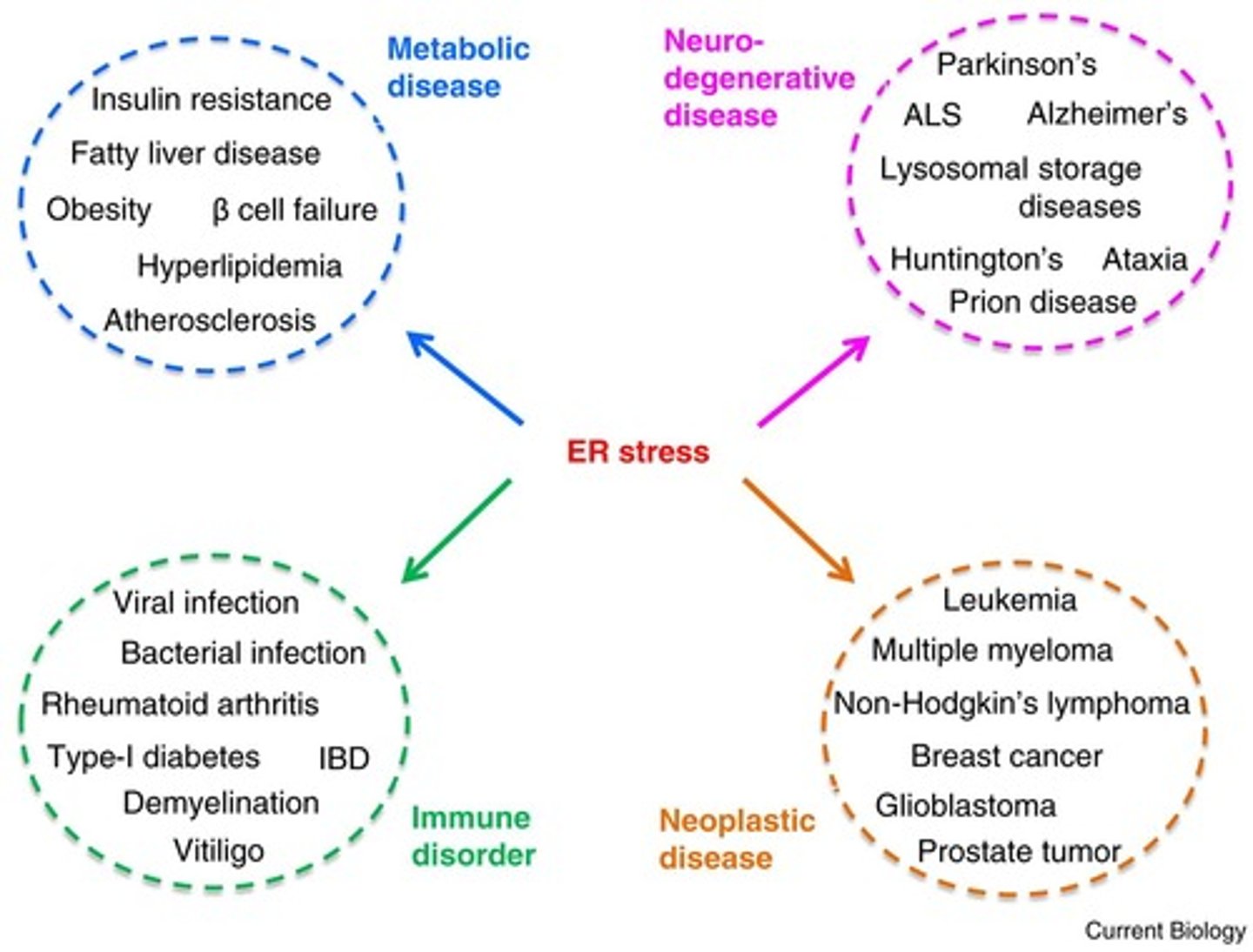
What happens when misfolded proteins increase in the endoplasmic reticulum (ER)?
BiP/GRP78 is recruited for protein folding and releases Unfolded Protein Response (UPR) sensors.
What is the role of ATF6 in the UPR?
ATF6 is transported to the Golgi, activated, and behaves as a transcription factor inducing the expression of ER chaperones and XBP1.
How does IRE1 contribute to the UPR?
IRE1 induces the splicing of XBP1 mRNA, resulting in the spliced XBP1 protein (XBP1s) that regulates transcription of genes involved in ER-associated degradation (ERAD).
What effect does PERK activation have on protein synthesis?
PERK hampers general protein synthesis via phosphorylation of eIF2α and enables translation of ATF4.
What is the function of ERAD?
ERAD eliminates damaged or incorrectly folded proteins under physiological conditions.
What additional roles does the UPR have beyond protein folding regulation?
The UPR regulates lipid and cholesterol synthesis, metabolism, energy homeostasis, inflammation, cell differentiation, and axon regeneration.
What are the short-term events following axonal injury?
Drop in pH, calcium wave, and injury discharge.
What is Luman/CREB3's role in axon regeneration?
Luman/CREB3 is a retrograde axonal signal that regulates axon regeneration through the UPR.
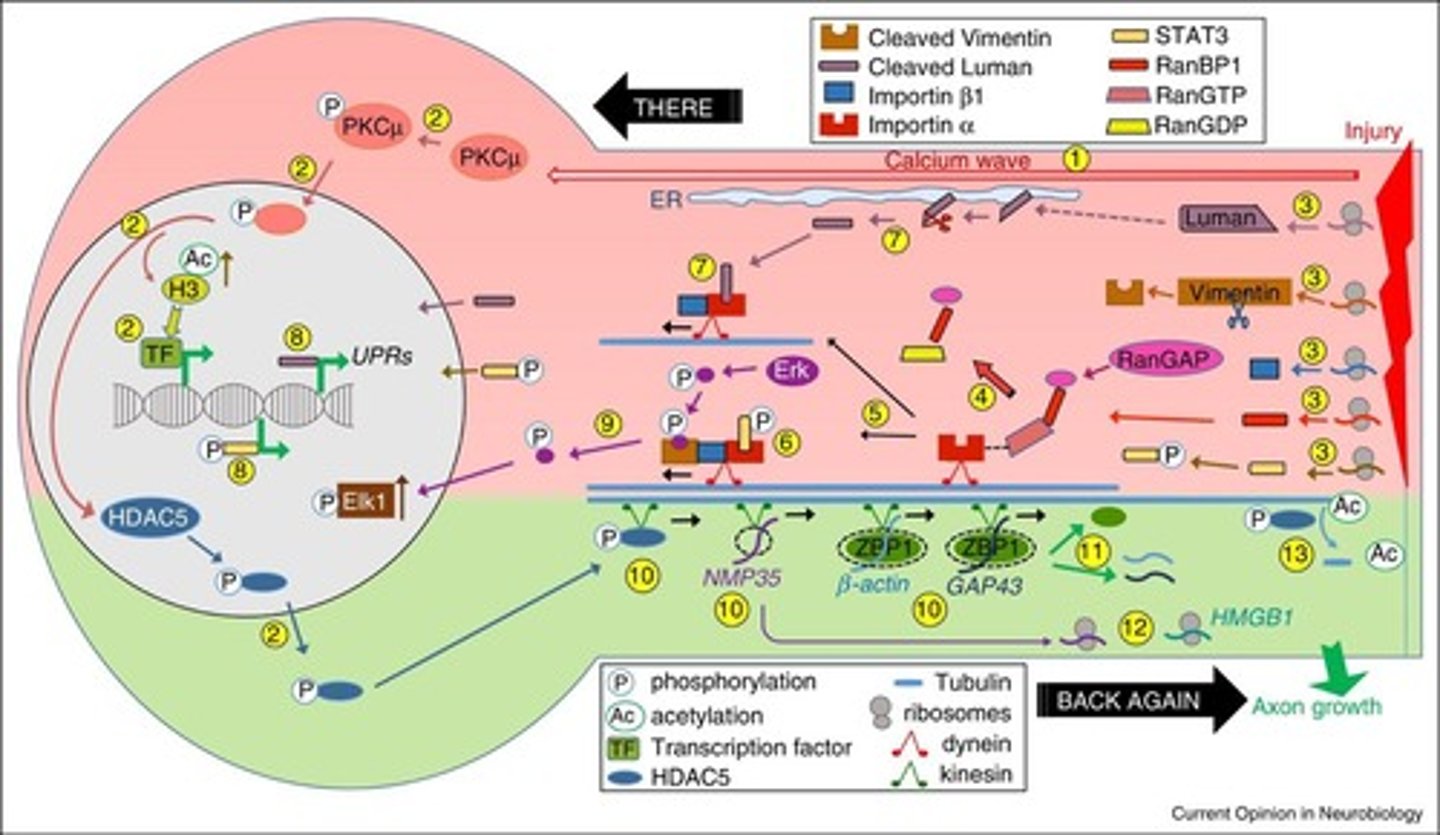
What happens to Luman/CREB3 upon axon injury?
Luman/CREB3 is cleaved and activated, linking injury site events to gene expression changes in the cell body.
How was Luman expression manipulated in the study?
Luman expression was downregulated using Luman/CREB3 specific siRNA or overexpressed using an adenoviral vector.
What is the significance of GRP78/BiP in the context of the UPR?
GRP78/BiP plays a vital role in sensing and responding to cellular perturbations by altering protein and cholesterol biosynthesis.

What was observed regarding the transport of cleaved Luman in vitro?
Only the GFP-tagged amino terminal portion of Luman traveled back to the nucleus after axon injury.
What is the relationship between Luman/CREB3 and axonal ER?
Luman/CREB3 localizes to the axonal ER membrane and is activated in response to nerve injury.
What was the outcome of knocking down Luman expression in injury-conditioned neurons?
Neurons did not regenerate an axon as well.
How does Luman/CREB3 differ from other CREB proteins?
Luman/CREB3 localizes to the ER membrane and is activated by cleavage, unlike PKA phosphorylated and activated CREB.
What experimental method was used to visualize Luman and GRP78 localization?
Dual immunofluorescence was used to detect Luman and GRP78 in axonal structures.
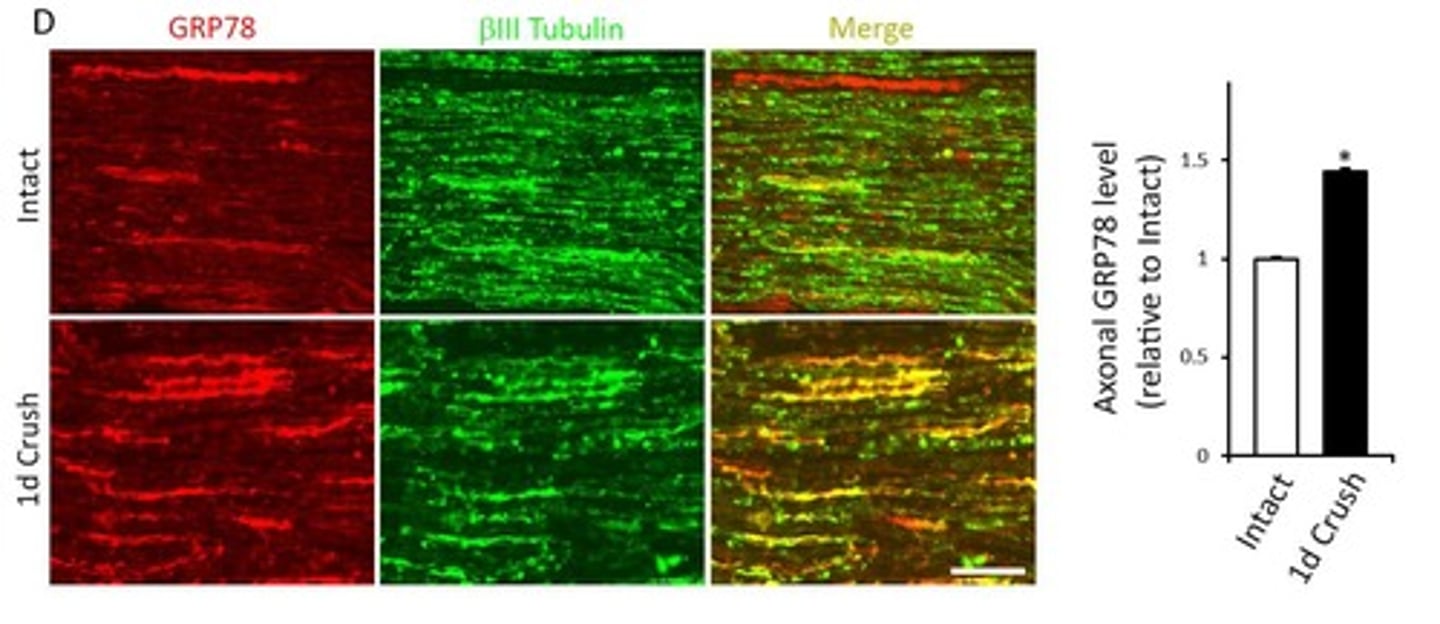
What does the retrograde transport of cleaved Luman indicate?
It indicates a regulatory mechanism linking axon injury to gene expression changes in the neuron.
What does the term 'retrograde axonal signals' refer to?
Signals that travel from the site of injury back to the cell body.
What is the role of axonally synthesized proteins after injury?
They initiate the repair process at the injury site while waiting for additional proteins from the cell body.
What does the term 'adaptive UPR' refer to?
The UPR's ability to regulate cellular responses to stress for nerve repair.
What is the significance of the study by Ying et al. (2014)?
It demonstrated Luman's role in regulating the intrinsic ability of sensory neurons to regenerate axons.
What happens to Luman/CREB3 after it is cleaved?
It is transported back to the nucleus where it regulates gene expression.
What are the implications of Luman's localization to GRP78+ve ER?
It suggests Luman's involvement in the UPR and its potential role in nerve repair mechanisms.
What experimental approach was used to study the effects of Luman on axon regeneration?
Injured DRG neurons were isolated and manipulated to examine Luman expression effects.
What is the role of the chaperone protein GRP78/BiP outside of the UPR?
Its localization to the plasma membrane suggests additional regulatory functions beyond the UPR.
What is the third main transducer of the UPR/ER stress response?
ATF-6
What happens to the transcription factor Luman/CREB3 after axon injury?
It is cleaved and retrogradely transported to the nucleus to regulate gene expression.
What effect does knocking down Luman with siRNA have on injury-conditioned neurons?
It significantly reduces their ability to regenerate an axon.
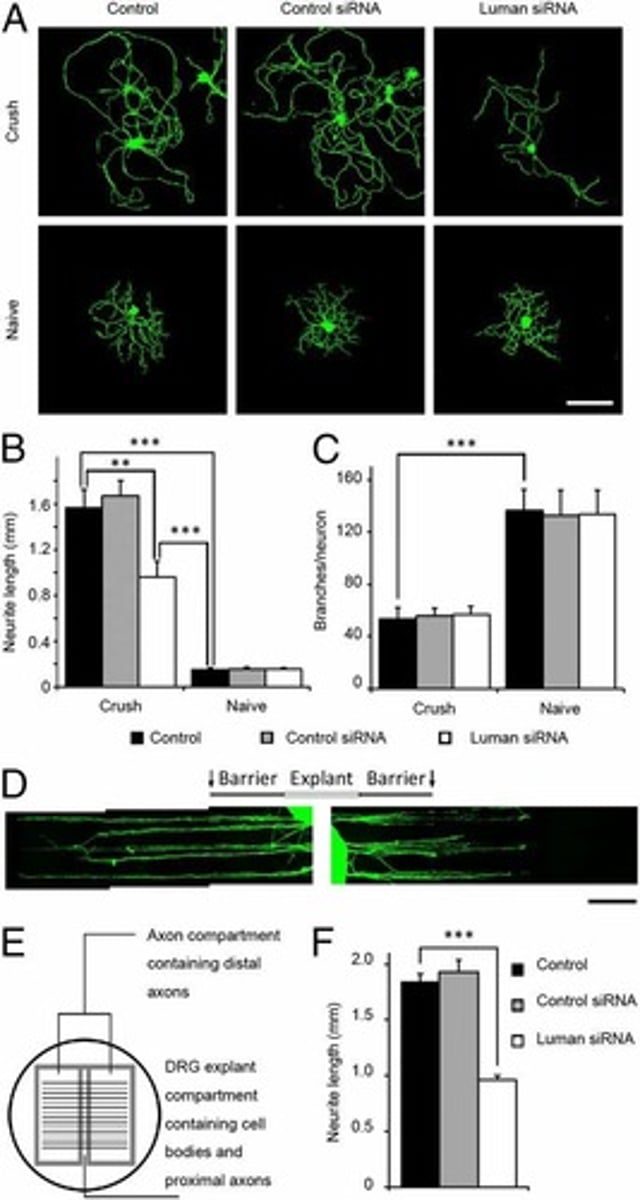
Does knocking down Luman in uninjured neurons affect their axon growth?
No, it does not affect their ability to grow axons/neurites.
What role does Luman play in nerve repair?
It regulates and harnesses the potential of the Adaptive UPR for nerve repair.
What is the primary function of the endoplasmic reticulum (ER) in cellular responses?
To sense and respond to cellular perturbations by altering protein and cholesterol biosynthesis.
What does the UPR ensure in the context of the endoplasmic reticulum?
Quality control of protein folding and synthesis.
What does sciatic nerve crush injury trigger in DRG and axons?
The UPR.
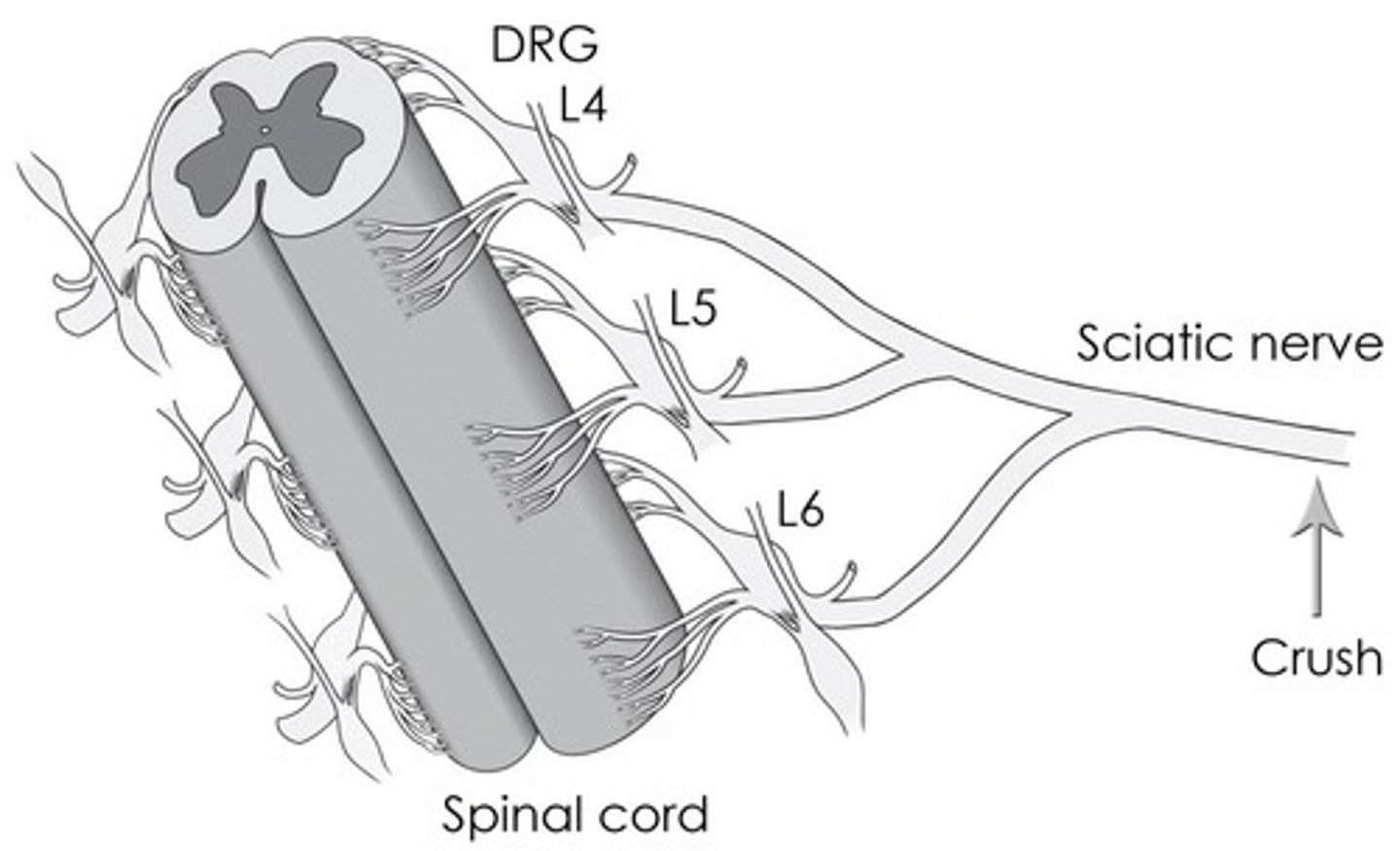
What does Luman regulate in relation to cholesterol biosynthesis?
It regulates genes involved in cholesterol biosynthesis necessary for regenerating axons.
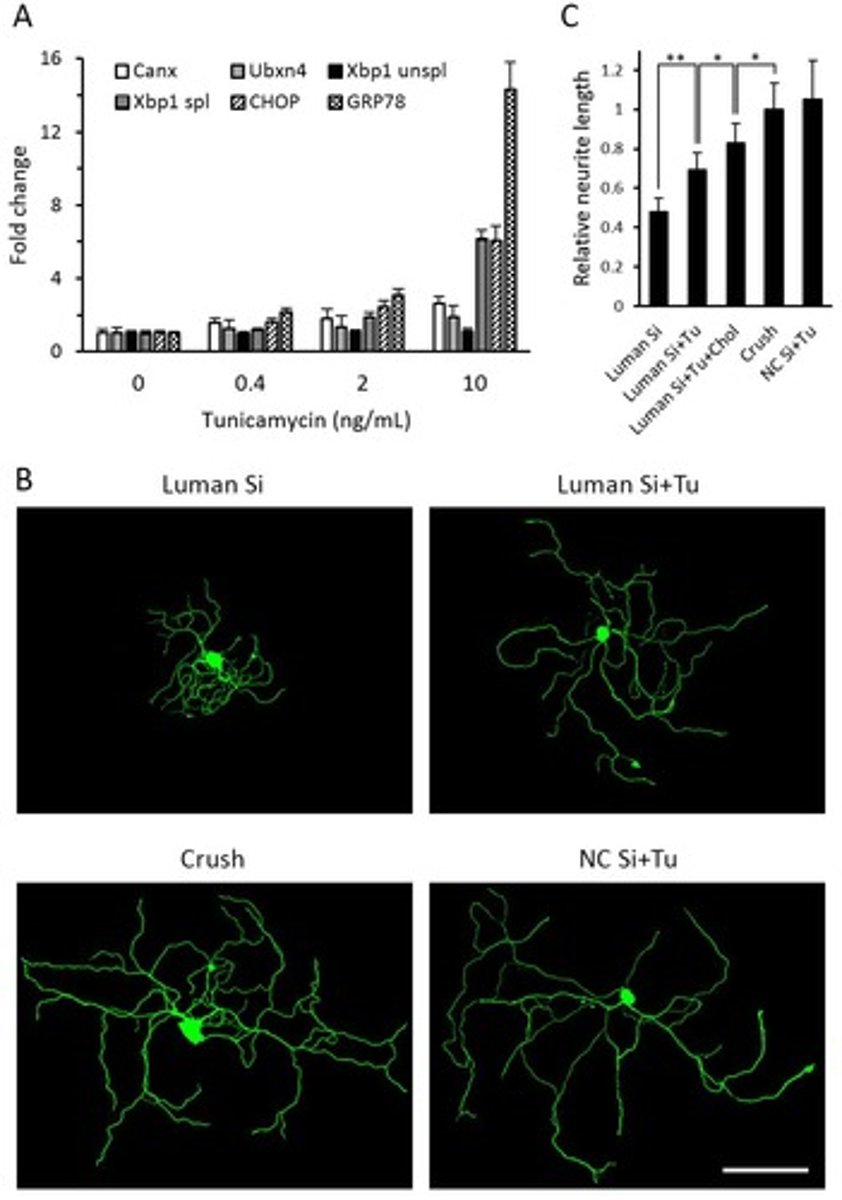
What is the effect of low dose tunicamycin on axon outgrowth?
It triggers the UPR and rescues impaired axon outgrowth associated with Luman knockdown.
What is the role of csGRP78 in cancer cells?
It migrates from the ER to the cell surface and promotes tumor growth and progression.
What is the functional domain structure of GRP78?
It includes an ER signal sequence, ATPase domain, substrate-binding domain, and a C-terminal KDEL sequence.
What mediates the cell surface localization of GRP78 under ER stress?
Interactions with several proteins that facilitate its translocation from the ER.
In which types of cancer has csGRP78 been reported?
Leukemia, pancreatic cancer, colorectal cancer, breast cancer, and prostate cancer.
What pathways does csGRP78 stimulate to promote tumor cell growth?
The PI3K/AKT and MAPK cell proliferation pathways.
What is the effect of blocking csGRP78 with an anti-GRP78 antibody?
It can protect against cell invasion of a human colon adenocarcinoma cell line.
What is the significance of the injury conditioning of neurons?
It allows Luman injury signals to travel back to the nucleus to start regulating the UPR.
What is the role of the UPR in axon regeneration?
It is essential for ensuring the correct folding of proteins necessary for axon regeneration.
What is the outcome of Luman knockdown on the expression of UPR-associated genes?
It is associated with reduced expression of genes in the cholesterol biosynthetic pathway and UPR.
What is the primary research focus of Dr. Zhengxin Ying's lab?
Figuring out how Luman/CREB3 regulates regenerative axon growth.
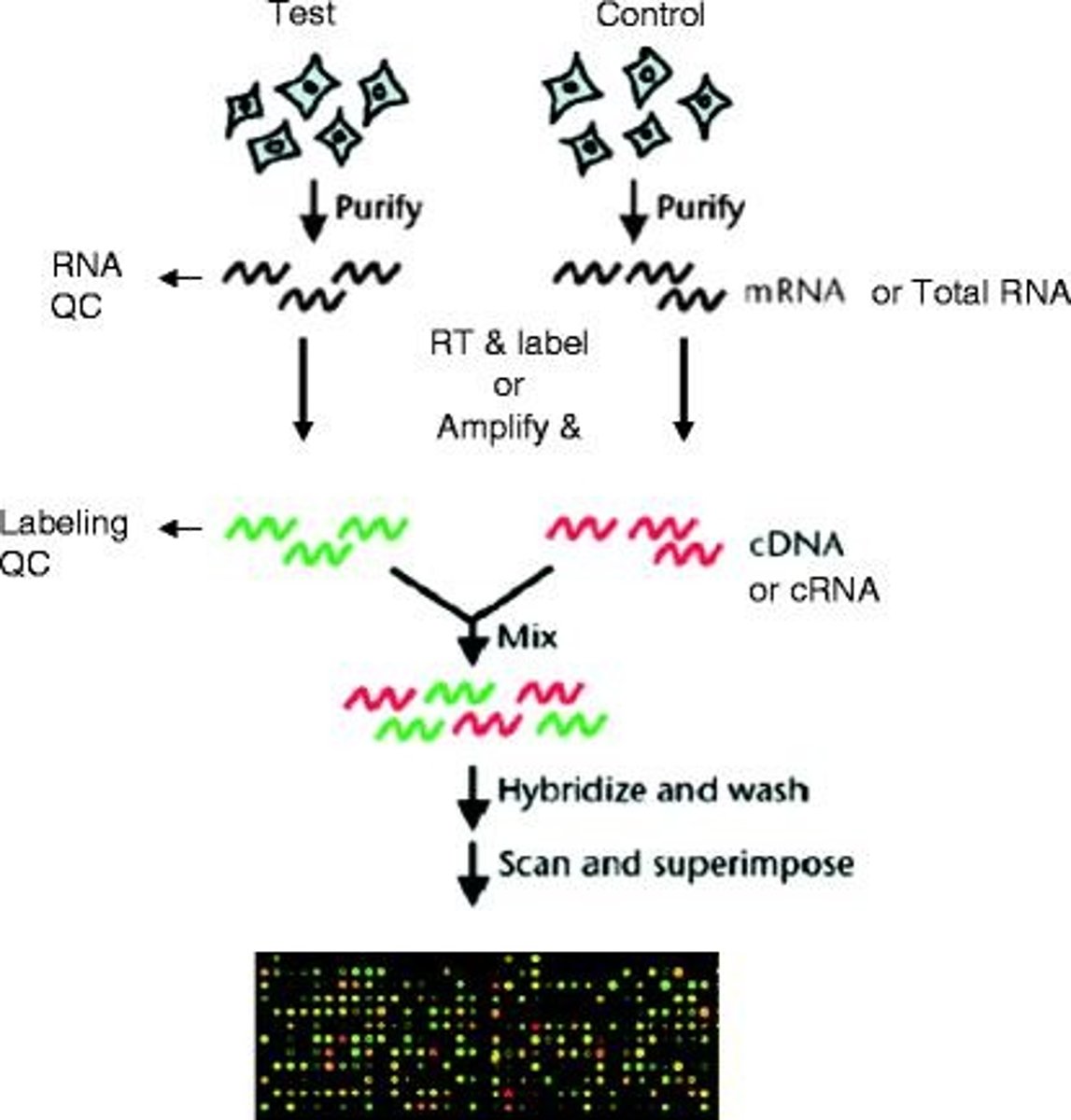
What experimental method was used to assess Luman's regulation of UPR?
A microarray with 84 UPR-associated genes.
What is the relationship between Luman and cholesterol synthesis?
Luman regulates genes involved in cholesterol synthesis necessary for regenerating axons.
What happens to GRP78 under normal physiological conditions?
It is retained in the ER through interactions with the KDEL sequence.
What does the term 'cs' in csGRP78 stand for?
Cell surface.
What is the significance of the KDEL sequence in GRP78?
It prevents its release from the ER and reroutes it back to the ER if released.