pig production system
 Call Kai
 Learn
Learn Practice Test
 Spaced Repetition
 Match
Match Flashcards
 Knowt Play
1/23

There's no tags or description
Looks like no tags are added yet.
Name | Mastery | Learn | Test | Matching | Spaced | Call with Kai |
|---|
No analytics yet
Send a link to your students to track their progress
24 Terms
scavenging
pig herd maintained in the general environment
allow to forage for its feed
fattened opportunitstically eg when grain prices are low
fattened for specific purpouse
economicallyh important breeding features
litter size
growth rate
feed efficiency
carcase length
leannes
muscle
intensive system
specialised feeds
breeding is controlled and breeds are developed to suit individual markets
close monitoring of sow performance and piglet to finished animal growth rates
building and infrastructure investments high
types of pig farms
farrow to finish- deal with whole process
farrow to weaning- pigs bred on farm and reared to weaning at around 7kg
farrow to grower- pigs bred and reared on farm to around 30kg
wean to finish- pigs bought from breeder unit and weaning and reared at 7-100kg
grower to finish- pigs bought in from farrow to grower unit and reared 30-100kg
indoor
temp, health status, cleaning
slatted and straw based
legislation
what is banned/ restricted
tether stall banned in eu
sow stall is banned in sweden, switzerland, uk and florida
sow stall use is restrcted in phillipines
sow stall is banned in eu except for first 4 weeks of pregnancy, new zealand except first 4 weeks, aust4ralia, escept first 6 weeks
types of weaned pig housing
straw kennel
part slatted solid feed
full slatted solid feed
solid floor and heated kennels
liquid feeding
weaner tent
types of feeding systems in indoor sows
electric sow feeder
feeding stalls
trickle feeding
dump feeding
what does combining feed ingredients need to consider
cost
proviion of energy, protein, minerals, vitamins
amino acid profile and protein quality
palatability
ensuring gut flora is appropriately developed and mainitained
feed is clean
stages of feeding- baby piglets
need to get piglets to eat
offer creep feed from a week of age
feed should be replaced with fresh feed each days
feed when sow and litter are active
hihgly digestible speciality diet
clean and fresh water
make sure they are eating some solid feed before weaned
stages of feeding- weaner
what should the conditions be the first 48 hours after weaning
what is the risk for the first 2 weeks of weaning
what shoudl gain be after weaning and 28 days after
first meal is important
feed should be offered constantly at early stages
must be fresh
level feed a number of times per day, look for nose marks
cube drinkers
first 48hrs after weaning lighting should be continuous
in firt 2 weeks of weaning pigs can lose weight, feed to avoid this
will be aorund 0.1kg per day just after weaning and rise to 0.8 after 28 days after weaning
breeding for nleannes has led to some pigs with reduced appetite
stages of feeding- breeding stock- gilts, sows, boaars
how much do lactating sows and glts need
how muc kg per pig nursed
what crude protein percentage
why is it important to ensure they do not get too fat
lactating sows and gilts will eat 1.1-1.4kg per day per 45kg of bodyweight
0.45kg per pig nursed plus 1.4kg per sow per day of a 15 percent crude protein ratio
high temps reduce feed intake as do diets with high energy
diets with higher protein increase feed intake
water supply
important to avoid boar being too fat as they become poor breeders
should be given hiher rations when emps drop below 20 degrees
boars reuqire diff levels of feeding and wuality depending on if young, mature breeding season or maintenance
liquid feeding
how much percent of dry matter
what does it reduce
what can it come from
20-30 percent dry matter
reduction of dust
standard dry mix meal
by products of dairy industry
by products of starch industry
by products of brewing industry
by product of human food industry
dry feeding
how much percent dry matter
80-90 percent dry matter
can be mroe dusty
feed stuffs:
mainly cereals and soya
by products of
rapemeal
wheatfeed
biscuit meal
cake b
bread
cereal prodcuts
causes of poor growth rates
genetics- fcr
over stocking
too cold or hot- vfi
illness
causes of improved growth rates
adquate water
increased food intake as long as fcr does not deteriotate
low stress
ad lib feed- vfi
pelleted food -fcr
increased amino acid intake
housing- temp
lower critical temp- feed energy is used to keep warms rather to maintain body or grow
upper critical temp- feed eneegy is uded to keep cool and drop in appetite
ventilation
in temperate condiitons
in summer conditions
in temperate conditions proviude variable air througout to control house temp
in summer conditions provide adequate air to limut building temp to 3-4 degrees above outside temo
in very hot provide airspeeds over stck to increase uct of animals
in cold provide defined and contollable minimum ventialation rats wgile maintaining desirable airflow patterns withoiyt draught on animas
kpi
pigs weaned per sow per year
performance kpi is pigs weaned per litter, average weaned weigfht per piglet
why is kpi a good breeding metirc
includes pigs born per litter
litter per year
mortality
types of pig produced
pork pigs (60-75kg) for small joints on bone
cutter pig (76-85kg) trimmed of fat and skin, supermarket
bacon (86-104kg)
heavy hog (100-125) sausages pies and processed
killed breeding stock- exported to eu
issues
mobility of livestock
market froces
mithdrawal of zinc oxide products used at medicinal level in poig feed by 2022
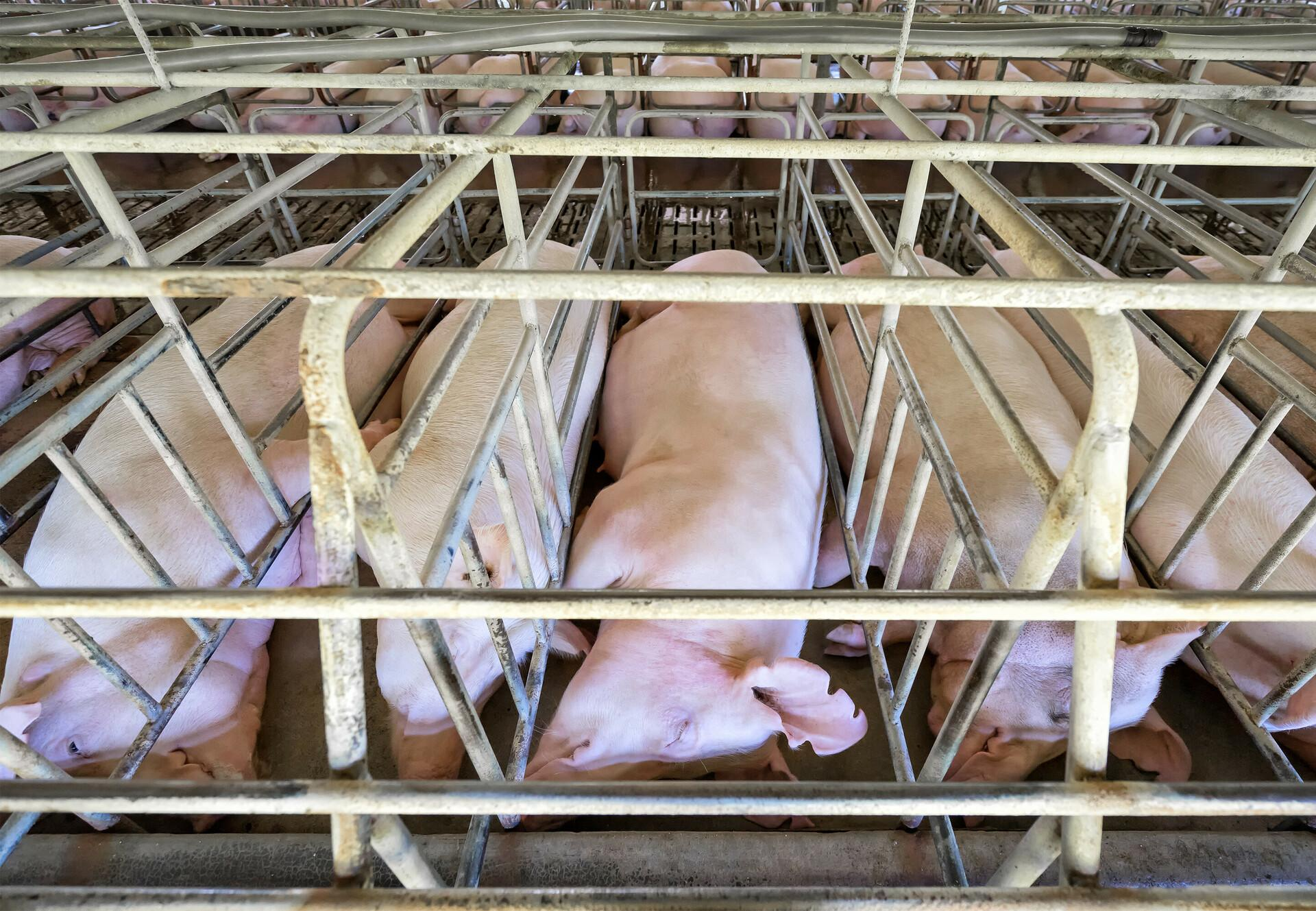
sow stall