HITT EXAM 7 (C.11-12)
 Call Kai
 Learn
Learn Practice Test
 Spaced Repetition
 Match
Match Flashcards
 Knowt Play
1/309

There's no tags or description
Looks like no tags are added yet.
Name | Mastery | Learn | Test | Matching | Spaced | Call with Kai |
|---|
No analytics yet
Send a link to your students to track their progress
310 Terms
Brain/cerebr/o, encephal/o
Coordinates all body activities by receiving and transmitting messages throughout the body.
Spinal Cord/ myel/o
Transmits nerve impulses between the brain, arms and legs, and lower part of the body.
Eyes/opt/i, opt/o, optic/o, ophthalm/o
Receptor organs for the sense of sight.
Iris/ir/i, ir/o, irid/o, irit/o
Controls the amount of light entering the eye.
Lens/phac/o, phak/o
Focuses rays of light on the retina.
Retina/ retin/o
Converts light images into electrical impulses and transmits them to the brain.
Lacrimal Apparatus
dacryocyst/o
lacrim/o
Accessory structures of the eyes that produce, store, and remove tears.
Ears/acous/o, acoust/o, audi/o, audit/o, ot/o
Receptor organs for the sense of hearing; also help maintain balance.
Outer Ear/pinn/i
Transmits sound waves to the middle ear.
Middle Ear/myring/o, tympan/o
Transmits sound waves to the inner ear.
Inner Ear/labyrinth/o
Receives sound vibrations and transmits them to the brain.
caus/o
burning, burn
cephal/o
head
contus/o
bruise
encephal/o
brain
-esthesia, esthet/o
sensation, feeling
-phasia
speak, speech
radicul/o
root, nerve root
-tropic
having an affinity for, influence
blephar/o
eyelid
-cusis
hearing
irid/o
iris, colored part of eye
kerat/o
horny, hard, cornea
myring/o
tympanic membrane, eardrum
ophthalm/o
eye, vision
-opia
vision condition
ot/o
ear, hearing
phak/o
lens of eye
presby/o
old age
scler/o
sclera, white of eye, hard
trop/o
turn, change
Central Nervous System (CNS)
Brain and spinal cord. Functions to receive and process information and regulate bodily activity.
Peripheral Nervous System (PNS)
Includes 12 pairs of cranial nerves and 31 pairs of spinal nerves. Transmits nerve signals to and from the CNS.
Ganglion (GANG-glee-on)
A nerve center made up of a cluster of nerve cell bodies outside the CNS. Plural: ganglia or ganglions. Also describes a benign tumor-like cyst.
Innervation (in-err-VAY-shun)
Means the supply of nerves to a specific body part.
Plexus (PLECK-sus)
A network of intersecting spinal nerves. Also describes a network of intersecting blood or lymphatic vessels.
Receptors
Sites in sensory organs (eyes, ears, skin, nose, taste buds) that receive external stimulation. Send stimuli through sensory neurons to the brain for interpretation.
Afferent Neurons (AF-er-ent)
Also known as sensory neurons. Carry impulses from sensory organs toward the brain and spinal cord.
Connecting Neurons
Also known as associative neurons. Link afferent and efferent neurons.
Efferent Neurons (EF-er-ent)
Also known as motor neurons. Carry impulses away from the brain and spinal cord toward muscles and glands.
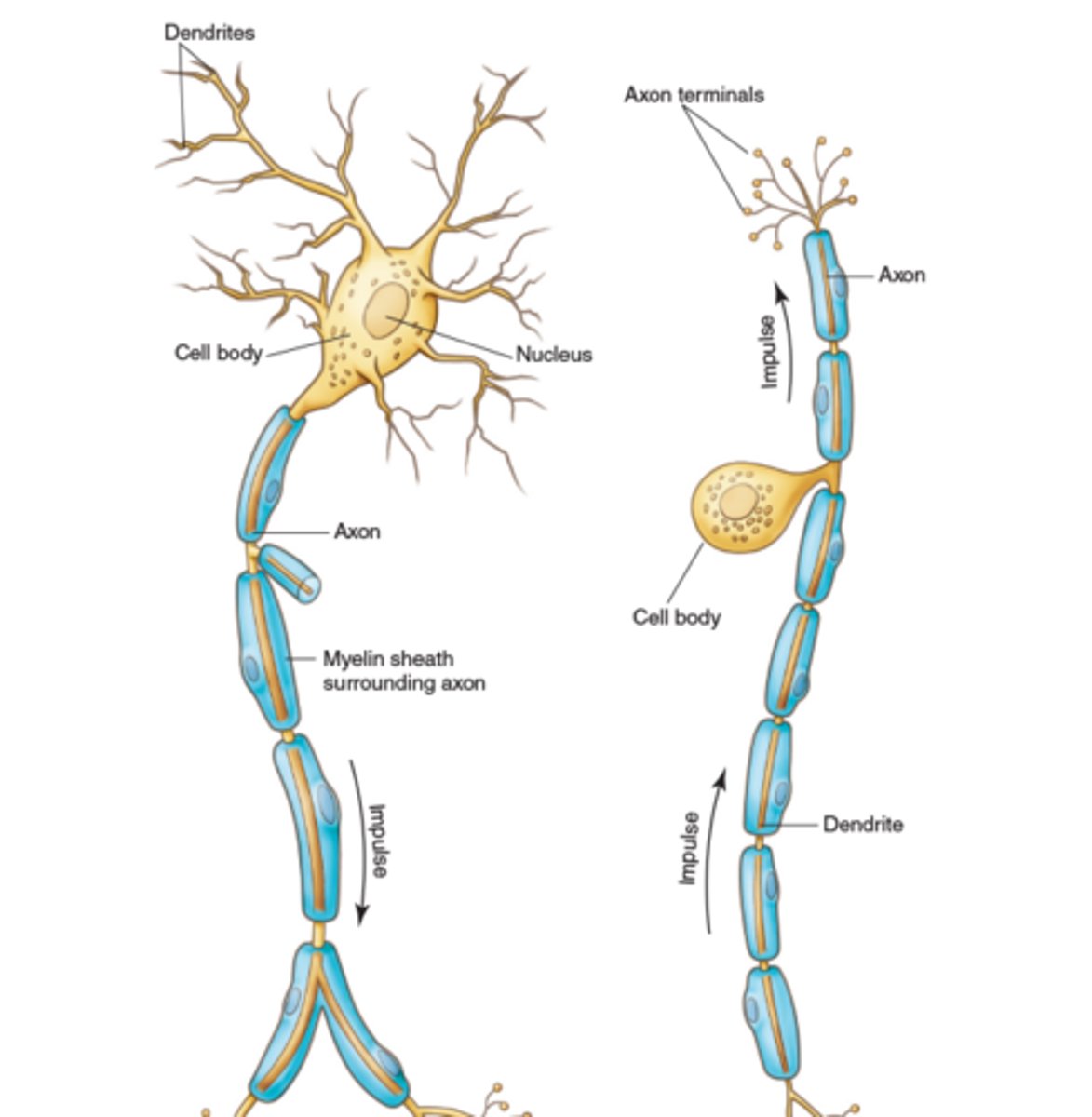
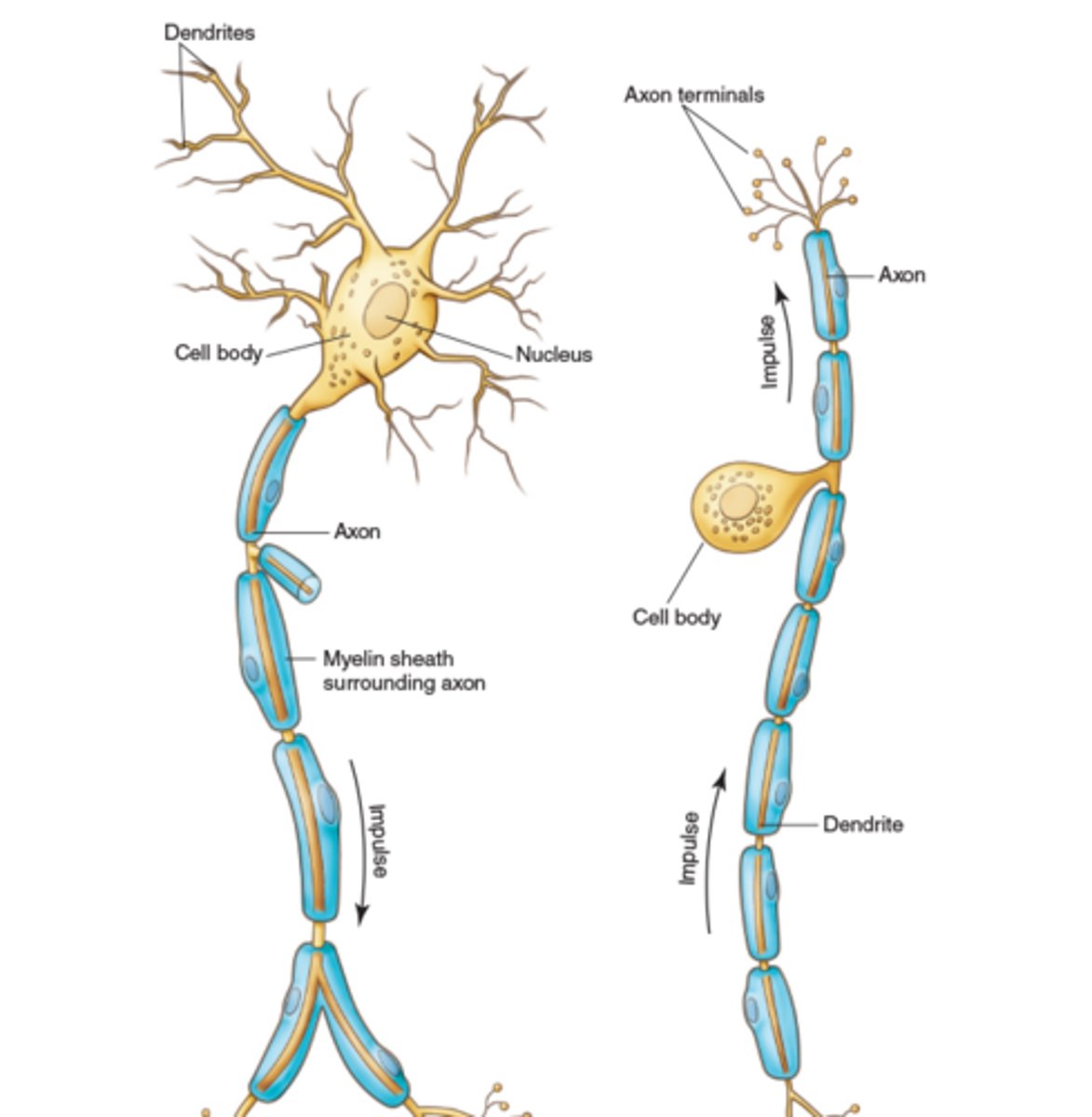
Dendrites (DEN-drytes)
Root-like processes that receive impulses and conduct them to the cell body.
Axon (ACK-son)
A process that conducts impulses away from the nerve cell. Can be more than 3 feet long. Many are protected by a myelin sheath.
Myelin Sheath
A white fatty tissue covering that protects many axons.
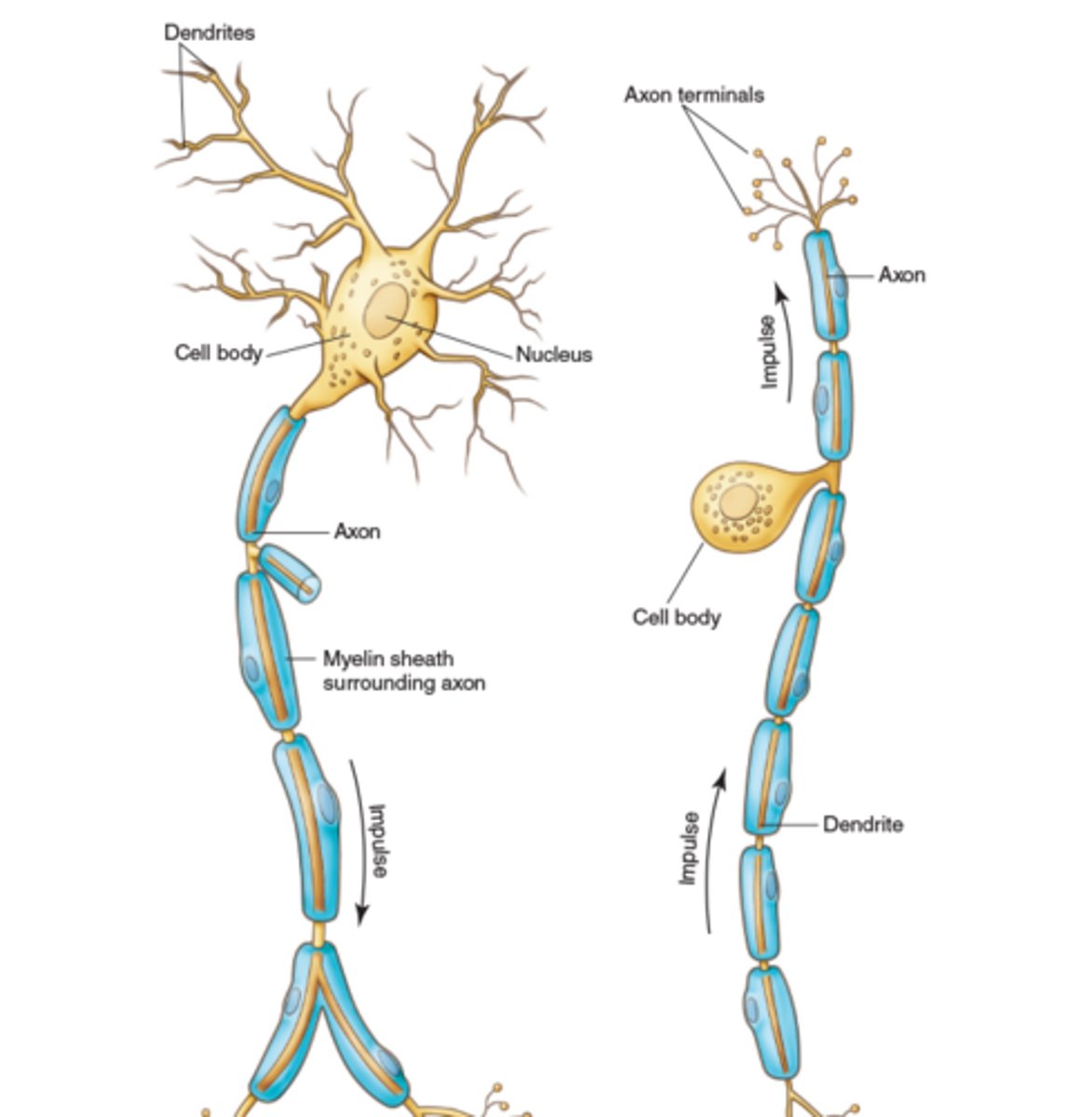
Terminal End Fibers
Branching fibers at the end of the axon that lead the nerve impulse to the synapse.
Synapse (SIN-apps)
The space between two neurons or between a neuron and a receptor organ. A single neuron can have a few or several hundred synapses.
(1) Surround neurons and hold them in place,
(2) Supply nutrients and oxygen to neurons,
(3) Insulate one neuron from another
(4) Destroy and remove dead neurons.
Glial cells (GLEE-ul) provide support and protection for neurons, and their four main functions are
The portions of the nerve fibers that are myelinated are known as white matter.
Unmyelinated are known as gray matter . The term unmyelinated means lacking a myelin sheath.
The meninges (meh-NIN-jeez) are the system of membranes that enclose the brain and spinal cord (singular, meninx).
Outermost to innermost --> Dura mater, Arachnoid, Pia mater (DAP)
Dura Mater - Hard
Arachnoid - Thin airy for fluid (subarachnoid Space)
Pia Mater - Near Brain/Spinal supplies blood
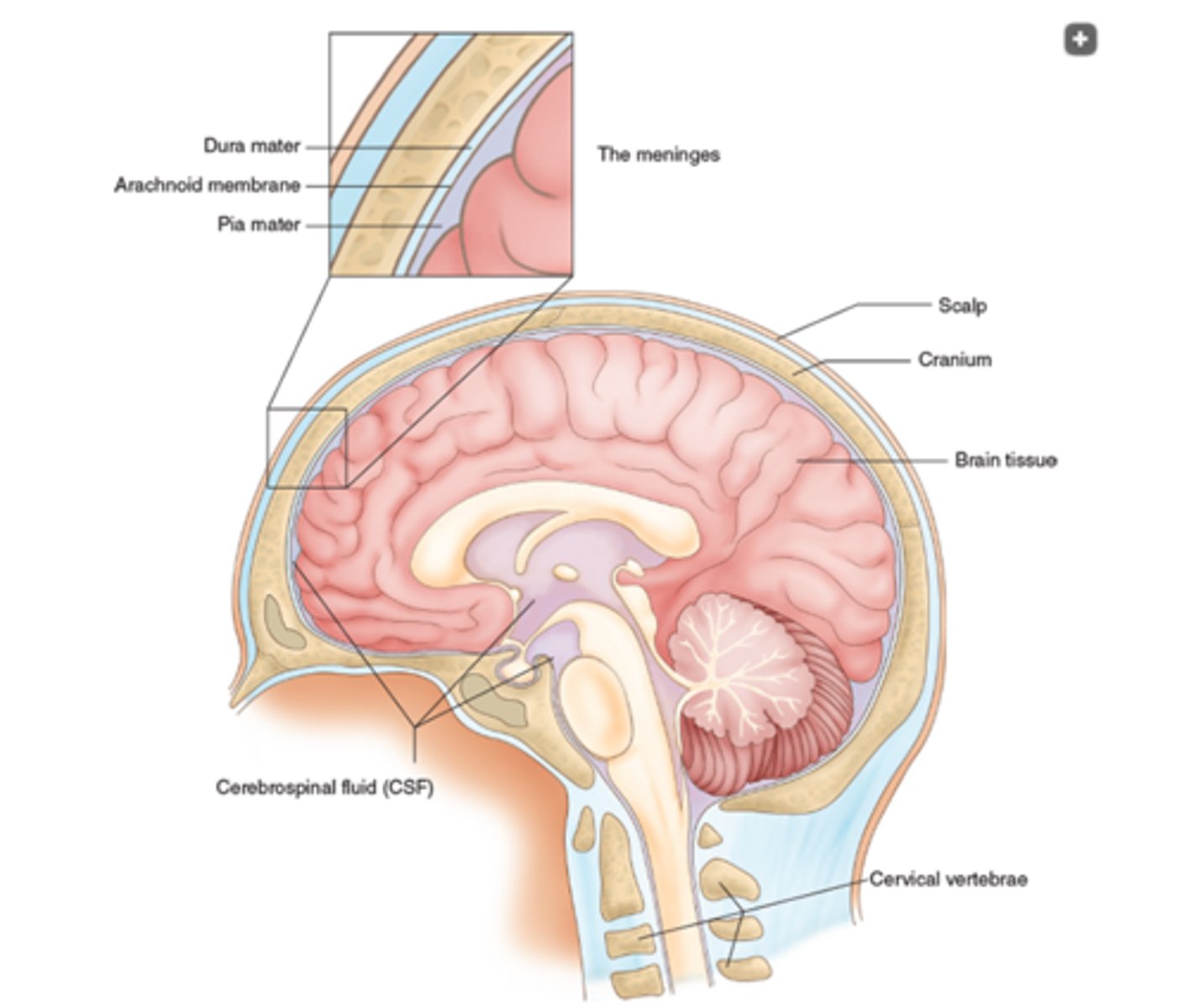
Cerebrospinal fluid (CSF), also known as spinal fluid , is produced by special capillaries within the four ventricles located in the middle region of the cerebrum.
Cool and cushion these organs from shock or injury. Nourish the brain and spinal cord by transporting nutrients/chemical messengers to these tissues
Neurotransmitters. There are between 200 and 300 known neurotransmitters.
Chemical substances that enable messages to cross from the synapse of a neuron to the target receptor.
Acetylcholine (a-seh-til-KOH-leen)
Released at some synapses in the spinal cord and at neuromuscular junctions; influences muscle action.
Glutamate (GLOO-tah-mate)
Important for learning; too little can cause psychosis.
Endorphins (en-DOR-fins)
Naturally occurring substances produced by the brain to relieve pain.
Norepinephrine (nor-ep-ih-NEF-rin)
Affects alertness and arousal; increases blood pressure and heart rate; releases glucose in response to stress. A hormone released by the adrenal gland.
Serotonin (ser-uh-TOH-nin)
Released in the brain; roles in sleep, hunger, and pleasure recognition. Linked to mood disorders.
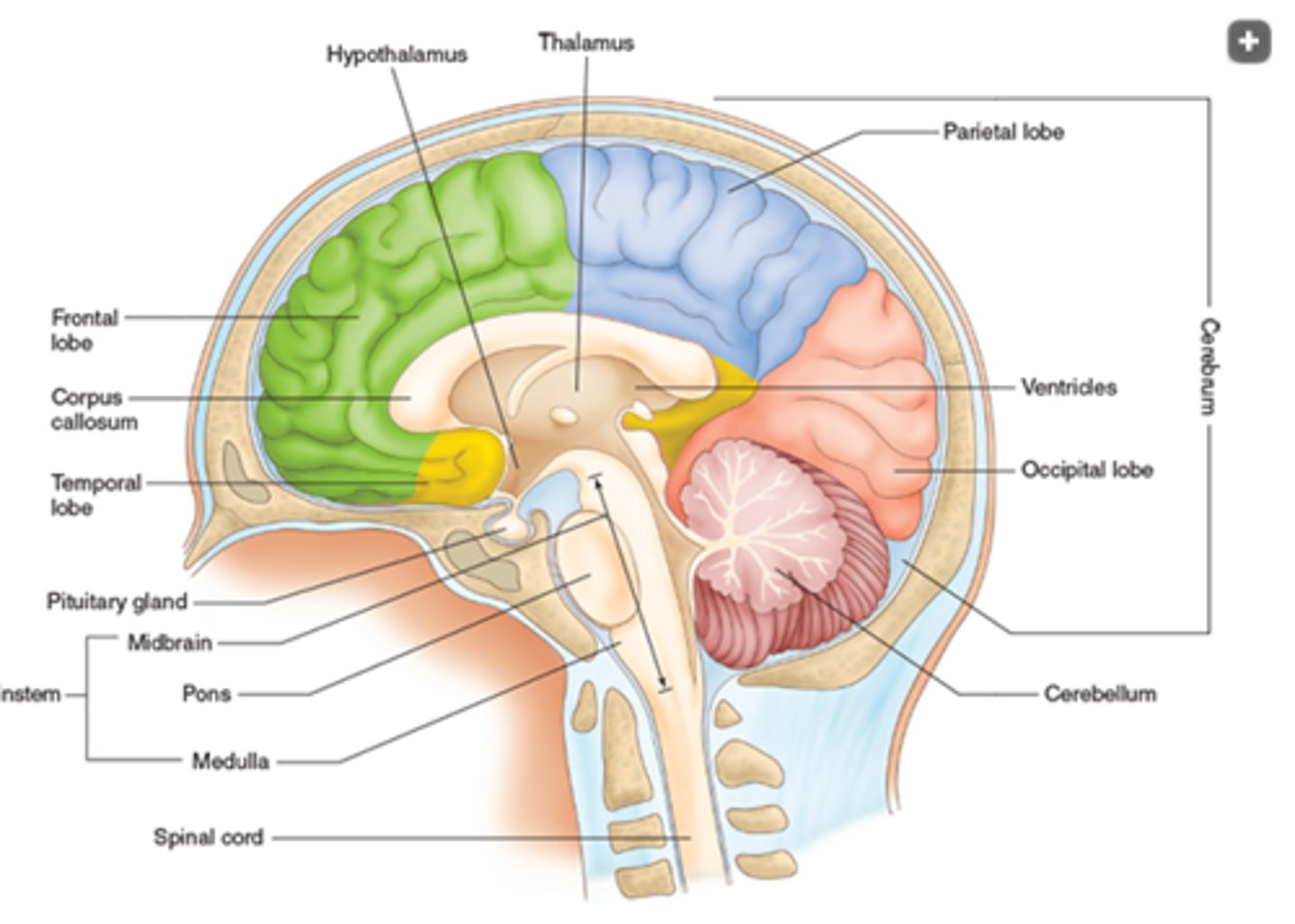
Oculus (OK-yoo-lus)
Means eye; plural is oculi.
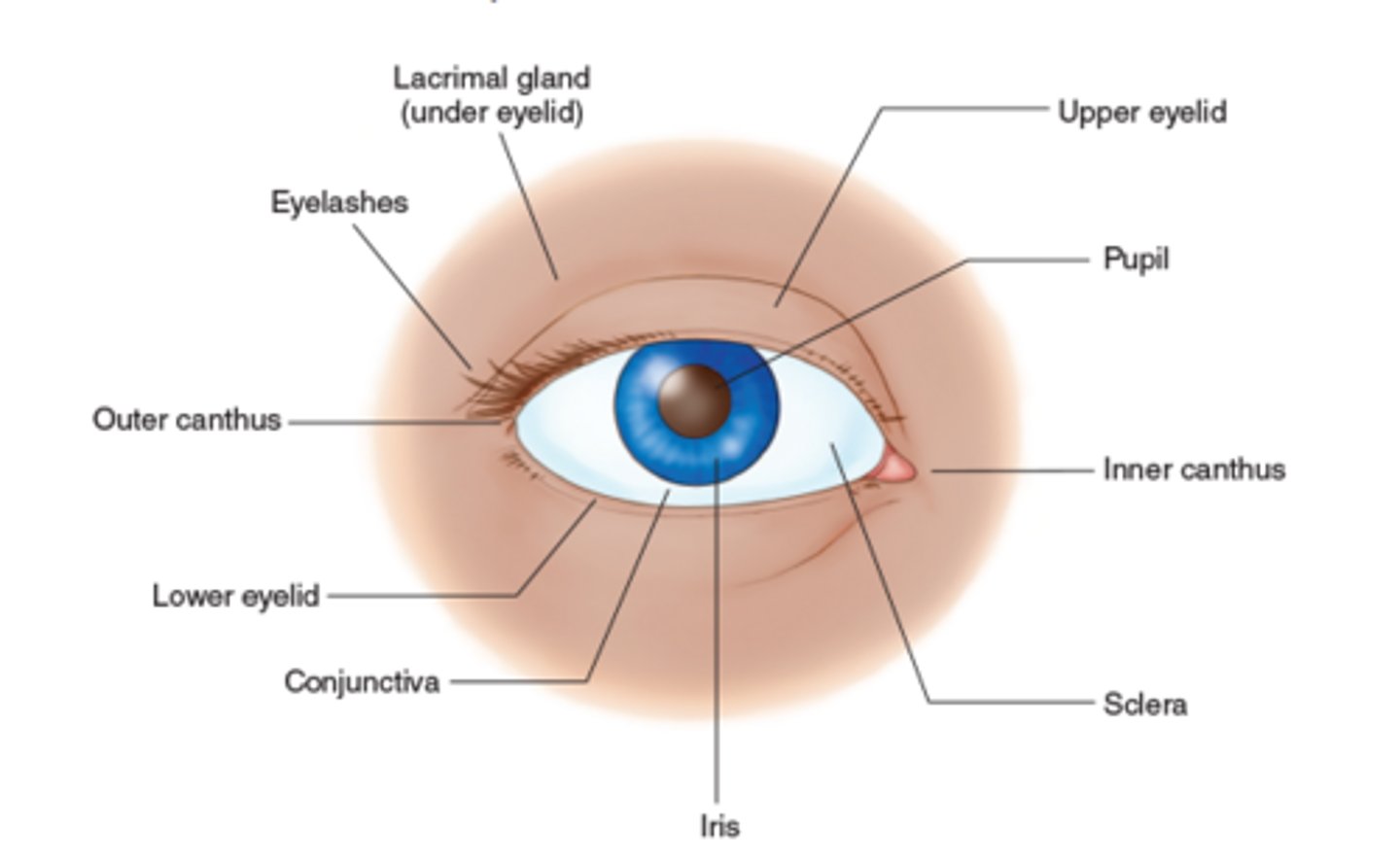
Cerebrum (suh-REE-brum)
Controls the highest level of thought, including judgment, memory, association, and critical thinking. Processes sensations and controls all voluntary muscle activity.
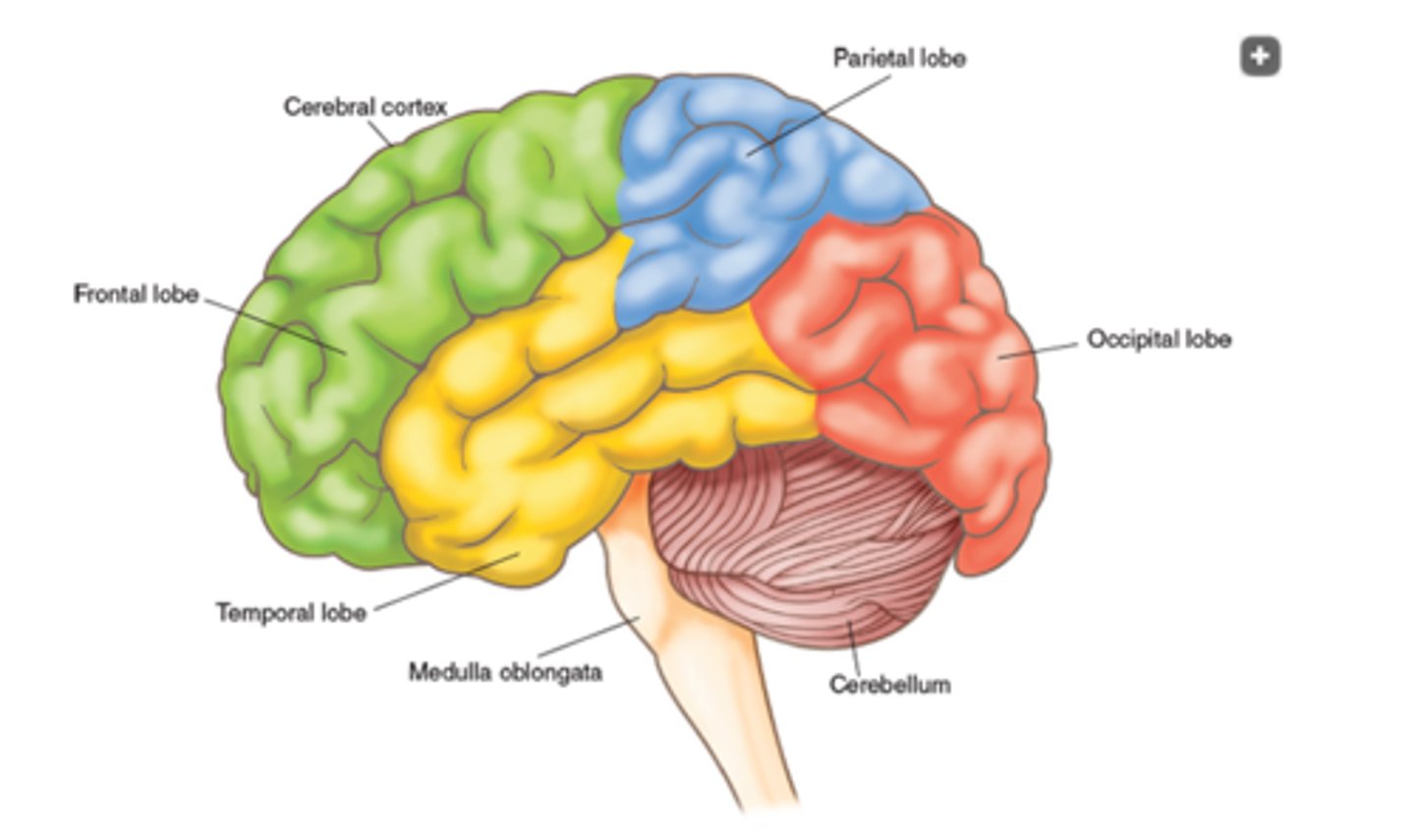
Thalamus (THAL-uh-muhs) - Located below the cerebrum.
Relays sensory stimuli from the spinal cord and midbrain to the cerebral cortex. Suppresses some stimuli and magnifies others.
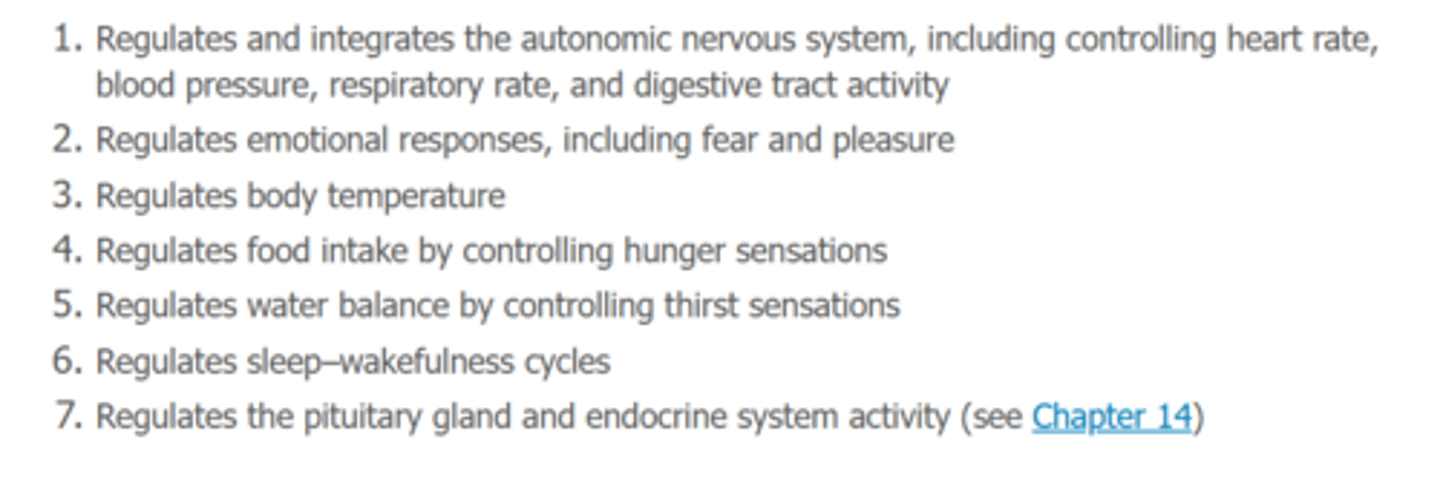
Hypothalamus (high-poh-THAL-uh-muhs) - Located below the thalamus.
Controls vital bodily functions.
Cerebellum (ser-uh-BEL-um)
Located in the lower back of the cranium below the cerebrum. Coordinates muscular activity and balance for smooth and steady movements.
Brainstem - Located at the base of the brain. Connects the brain and spinal cord.
Midbrain, pons, and medulla oblongata
Controls functions necessary for survival, such as breathing, digestion, heart rate, and blood pressure. Also responsible for arousal (being awake and alert).
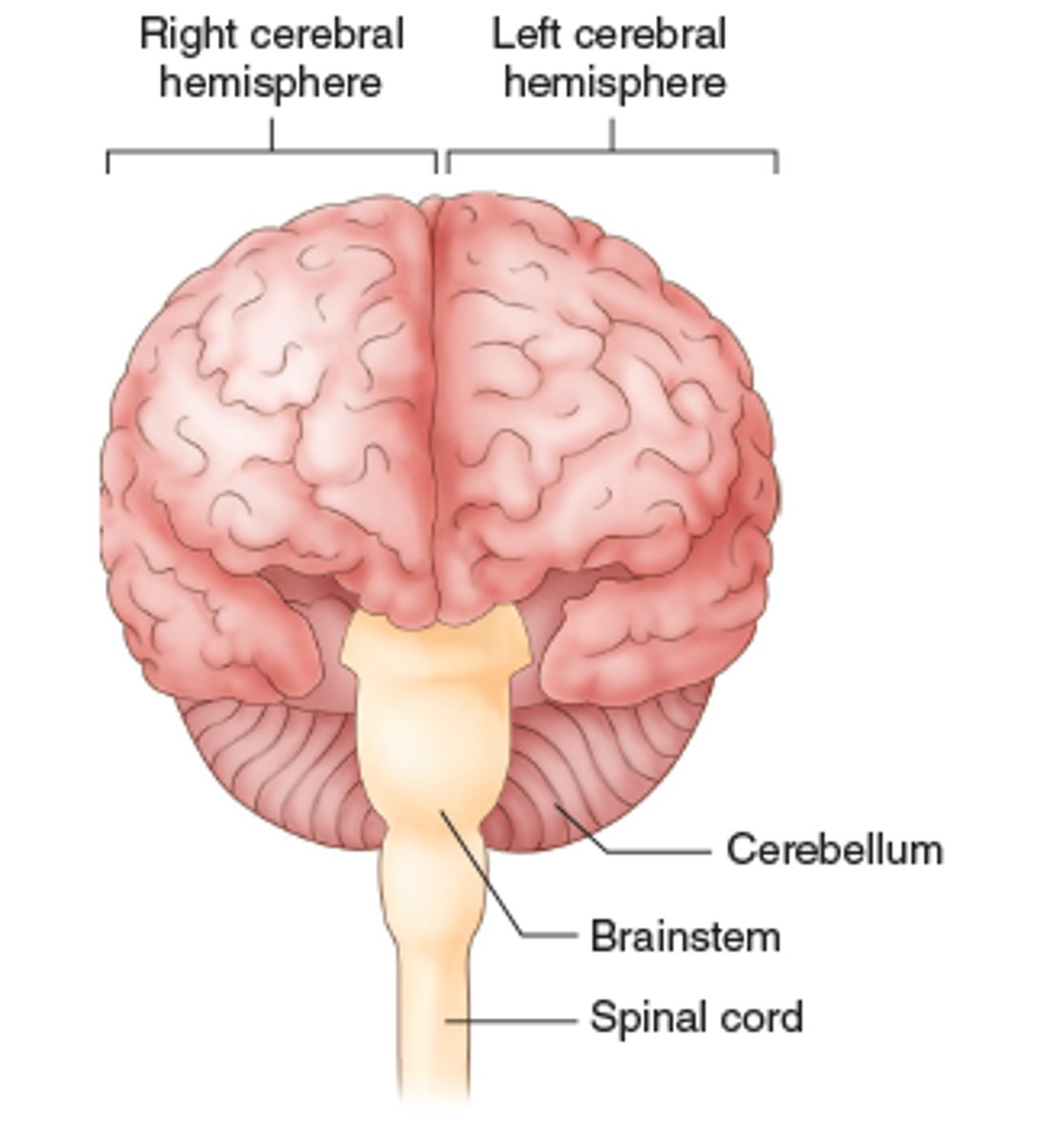
Midbrain (MID-brain)
Part of the brainstem involved in vision, hearing, and motor control.
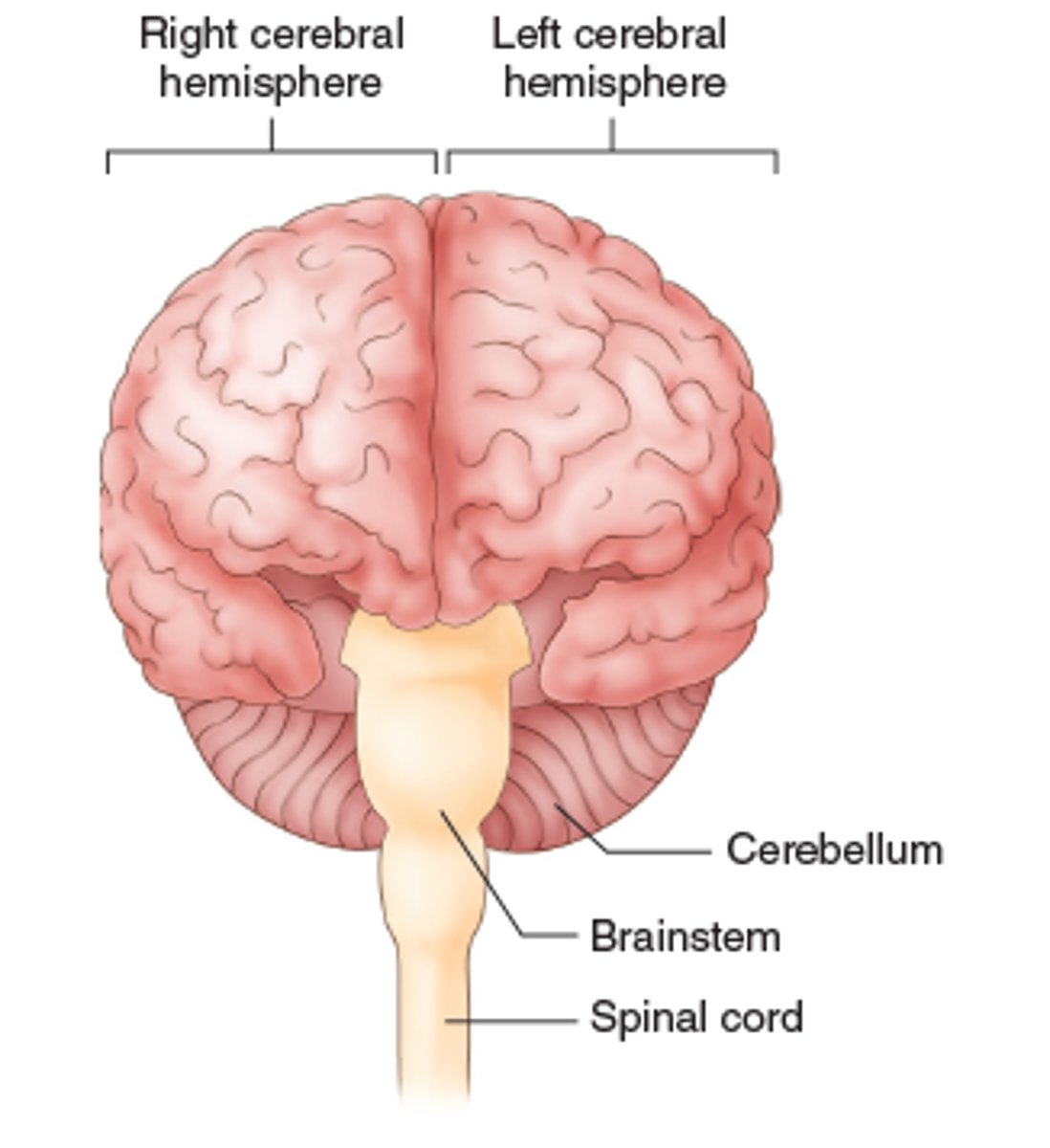
Pons (pawns)
Part of the brainstem that links the medulla oblongata and the thalamus. Involved in regulating sleep and arousal.
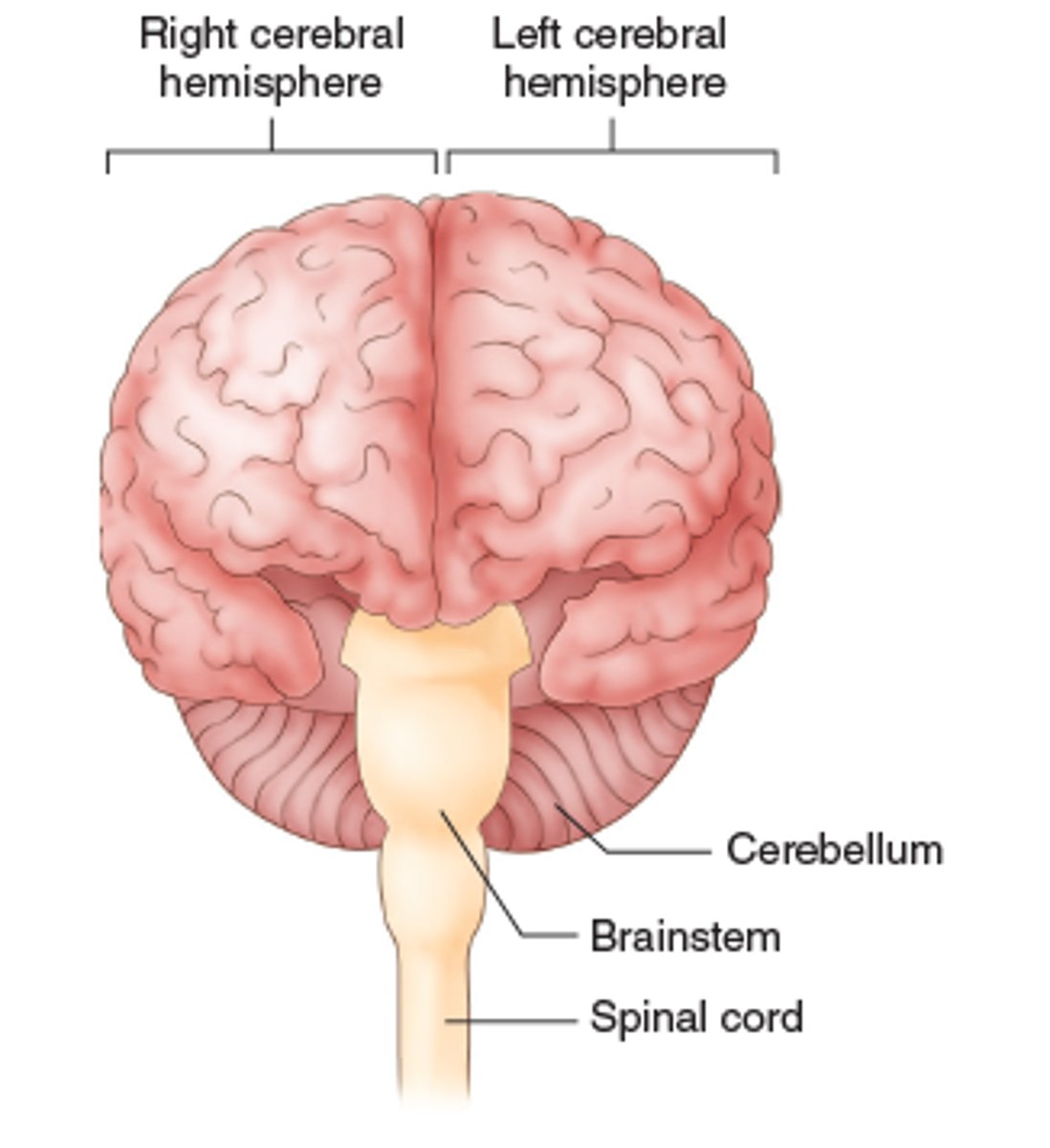
Medulla Oblongata (meh-DUL-uh ob-lon-GAH-tuh)
Part of the brainstem that controls autonomic functions such as breathing and heart rate.
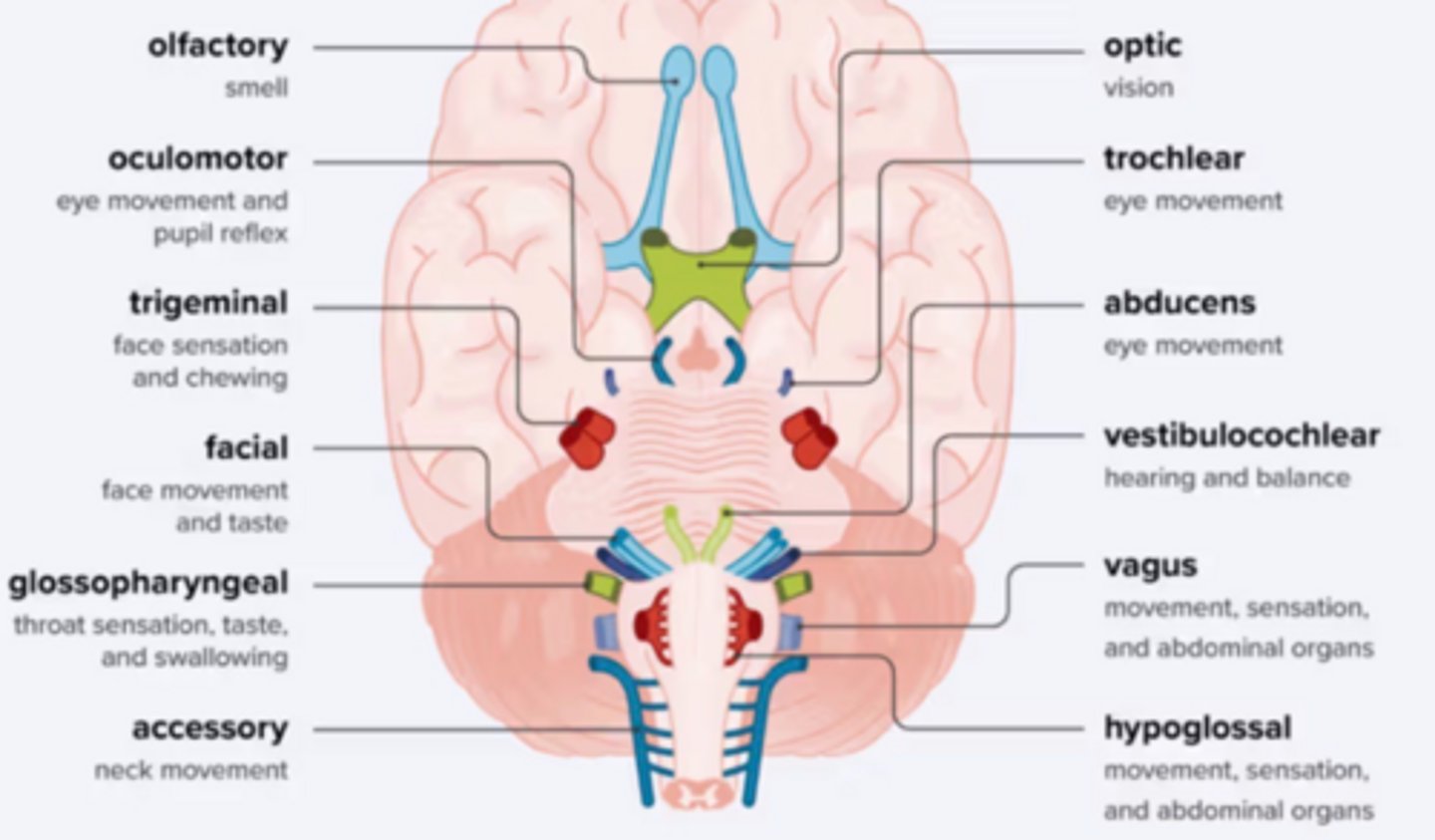
Mnemonic to remember: Oh Oh Oh, To Touch A Flexible Girl's Virgin Vagina, Ah Heaven
There are 12 cranial nerves
Cerebral Cortex
The outer layer of the cerebrum, made up of gray matter, with elevated folds and deep fissures.
Frontal Lobe
Controls skilled motor functions, memory, and behavior.
Parietal Lobe
Receives and interprets nerve impulses from sensory receptors in the tongue, skin, and muscles.
Occipital Lobe
Controls eyesight.
Temporal Lobe
Controls hearing, smell, and the ability to create, store, and access new information.
Midbrain and Pons
Provide conduction pathways to and from higher and lower brain centers; control reflexes for eye and head movements.
Medulla Oblongata
Located at the lowest part of the brainstem; controls basic survival functions like respiration and heart rate.
Peripheral Spinal Nerves
31 pairs grouped by body region: cervical (C1-C8), thoracic (T1-T12), lumbar (L1-L5), sacral (S1-S5).
Lumbar Plexus
Composed of the first four lumbar nerves (L1-L4); serves the lower back.
Autonomic Nervous System
Divided into sympathetic and parasympathetic nerves.
Cephalalgia
Also known as a headache; pain in the head.
Cluster Headaches
Intensely painful headaches affecting one side of the head, often with tearing and nasal congestion.
Encephalocele (en-SEF-uh-luh-seel)
cele - hernia, swelling
A congenital herniation of brain tissue through a skull gap.
Meningocele
Congenital herniation of the meninges through a defect in the skull or spinal column.
Hydrocephalus
Condition of excess cerebrospinal fluid in the brain's ventricles; can be congenital or acquired.
Meningioma
A common, slow-growing, usually benign tumor of the meninges.
Chiari Malformation
Congenital condition where part of the cerebellum extends into the spinal canal.
Reye's Syndrome
A serious disorder in children characterized by vomiting and confusion, often following a viral illness.
Tetanus
An acute infection of the central nervous system caused by a toxin; can be prevented by immunization.
Neurodegenerative Disease
Disorders with progressive loss of neuron structure or function.
Alzheimer's Disease
A group of disorders affecting thought, memory, and language; the leading form of dementia.
Parkinson's disease (PD)
A chronic, degenerative central nervous disorder characterized by fine muscle tremors, rigidity, and a slow or shuffling gait due to inadequate dopamine levels.
Parkinsonian tremor
Characterized by a 'pill-rolling' movement of the hands while at rest.
Essential tremor
Causes shakiness of the arms, hands, or head, worsening during voluntary movements.
Lewy body dementia
The second most common type of dementia, caused by abnormal proteins interfering with brain cell function.
Amyotrophic lateral sclerosis (ALS)
A rapidly progressive neurological disease that attacks nerve cells controlling voluntary muscles, leading to paralysis.
Cerebral contusion
Bruising of brain tissue due to a head injury that causes the brain to bounce against the skull.
Cranial hematoma
A collection of blood trapped in brain tissues, named for its location (epidural or subdural).
Syncope
Brief loss of consciousness caused by decreased blood flow to the brain.
Coma
A profound state of unconsciousness with no spontaneous eye movements or response to stimuli.
Delirium
An acute condition of confusion, disorientation, and hallucinations, classified as a neurocognitive disorder.
Glioblastoma
Glio-: Glial cells
-blast: Germ/formative cell
A fast-growing, malignant brain tumor that forms from glial cells.
Intracranial pressure (ICP)
The pressure inside the skull, which can be elevated due to tumors or injuries.
Brain damage occurring when blood flow to the brain is disrupted, known as cerebrovascular accident (CVA).
Stroke
Occurs when blood flow to the brain is blocked by artery narrowing or blockage.
Ischemic stroke