BME - Marketing
 Call Kai
 Learn
Learn Practice Test
 Spaced Repetition
 Match
Match Flashcards
 Knowt Play
1/25

There's no tags or description
Looks like no tags are added yet.
Name | Mastery | Learn | Test | Matching | Spaced | Call with Kai |
|---|
No analytics yet
Send a link to your students to track their progress
26 Terms
Market
the point of interaction between buyers and sellers
Marketing
the process by which needs are identified and eventually satisfied. It involves the promotion of a business or its products/services with the goal to increase sales and hopefully increase profit
Market size
the number of potential customers or total revenue in a certain market. It measure the total demand for a certain product or service.
Market share
the percentage of the market that is obtained by a particular company over a specified time period.
Market position
how a business wants its customers to think about the products or services.
helps a business focus its marketing efforts by showing what the business does and why it is different from its competitors.
Competitor analysis
requires businesses to gather information about competitors producing similar goods or services
Target market
a group of potential customers that the business has identified to sell products or services to.
Demographic (Market Segmentation)
The specific characteristics of a population, the structure of populations and the different groups within them.
· Income
· Sex
· Age
· Education
· Occupation
· Nationality
Geographic (Market segmentation)
Used to target products or services at people who live in, or shop at, a particular location
· Country
· State
· Rural/urban
· Climate
Population size
Psychographic (Market Segmentaion)
A method to understand people based on their attitudes, beliefs, interests, and lifestyle choices
§ Opinions
§ Personality
§ Attitude
§ Interest
§ Leisure activities
§ Beliefs
Primary data
original data that has been collected specifically for a purpose in mind. Eg survey, questionnaire
Secondary data
data that have been already collected by and readily available from other sources.
Marketing goals
Measurable goals the business wants to achieve as a result of a marketing campaign. Eg increase sales or revenue, attract customers in a new market segment
Marketing strategy key features (3)
Brand: how customers should feel about the business
Segment: which market or group of customers the business will sell to
Positioning: how the business wants to be perceived in the mind of the customer.
Elements of the marketing mix
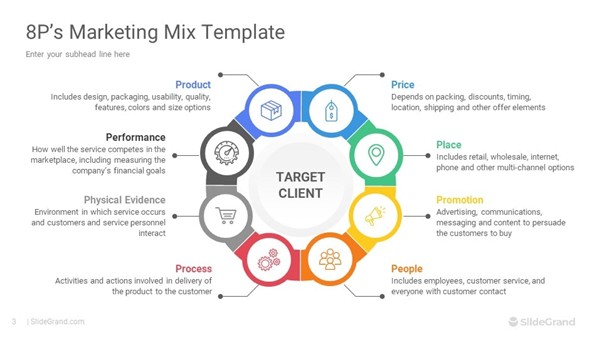
Product
Positioning
features
branding
packaging
Price
Skim -
Charge an initial high price, then gradually reduce to appeal to more markets
penetration -
garner lots of customers with low prices and then use various marketing strategies to retain them.
psychological - eg $9.99
premium/prestige - keeping the price of a product or service artificially high in order to encourage favorable perceptions among buyers, based solely on the price and image/social status
Place
direct distribution
indirect distribution
location (where the customer can find the product)
Promotion
advertising
publicity
sales promotion
personal selling
viral marketing (online)
People (employees)
Training and customer service as part of customer relationship management (CRM)
Processes
Procedures to deliver a service or product
Physical Presence
signage
webpage
staff uniform
Performance
Evaluation of business marketing objectives using KPI, including revenue, returns and customer satisfaction
Customer satisfaction strategies
customer loyalty
early adopter incentive
customer loyalty
a person's willingness to buy from a brand repeatedly. achieved by the effective implementation of the eight P’s
early adopter incentive
the first to use the product as soon as it becomes available. May be an incentive for customers who have passion for what’s in trend. A company will create hype around the launch of the product A pre-order program is useful to give the company a lot of data on their potential customer base.