Demand, Market Structure, and Non-Price Determinants - Vocabulary flashcards
 View linked note
 Call Kai
 Learn
Learn Practice Test
 Spaced Repetition
 Match
Match Flashcards
 Knowt Play
1/19

Earn XP
Description and Tags
A set of vocabulary flashcards covering the core concepts from the notes: market structures, demand, quantity demanded, demand curves, non-price determinants, normal vs inferior goods, substitutes vs complements, and related ideas.
Name | Mastery | Learn | Test | Matching | Spaced | Call with Kai | Chat |
|---|
No analytics yet
Send a link to your students to track their progress
20 Terms
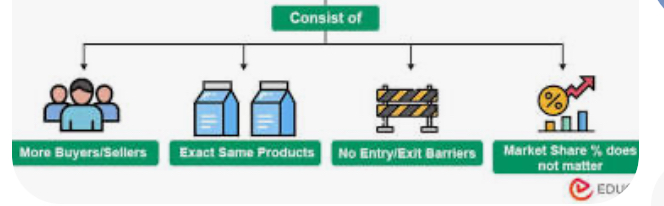
Perfect competition
A market structure with many buyers and sellers, price-taking behavior, and no single agent has market power to influence price.
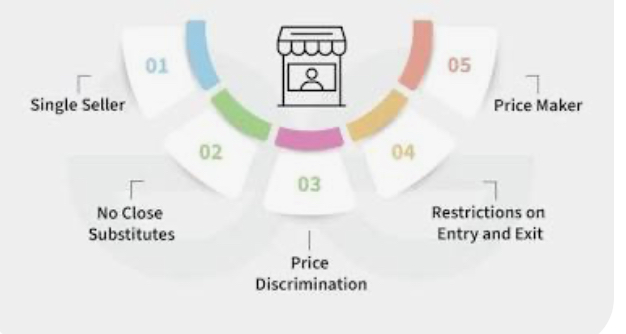
Monopoly
A market structure with a single seller that can set prices, facing little to no competition.

Oligopoly
A market structure with a few sellers who may interdependently set prices and strategies.
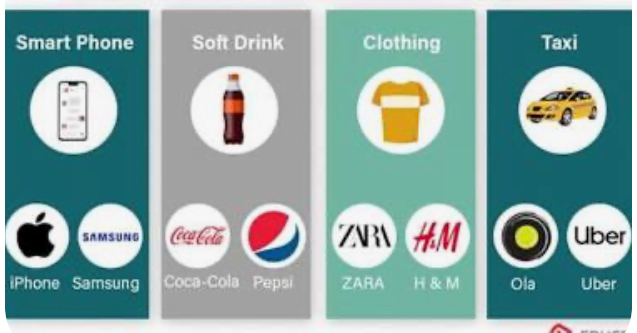
Monopolistic competition
A market structure with many sellers offering differentiated products, giving each some market power.
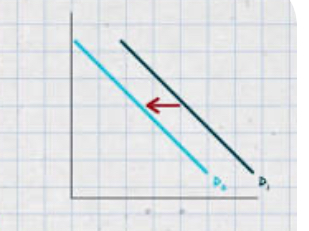
Demand
The relationship showing the quantities consumers are willing and able to purchase at all possible prices, ceteris paribus.
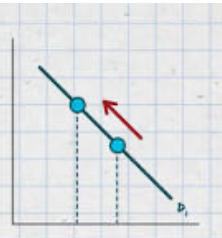
Quantity demanded
A specific amount consumers are willing and able to buy at a particular price; a point on the demand curve.
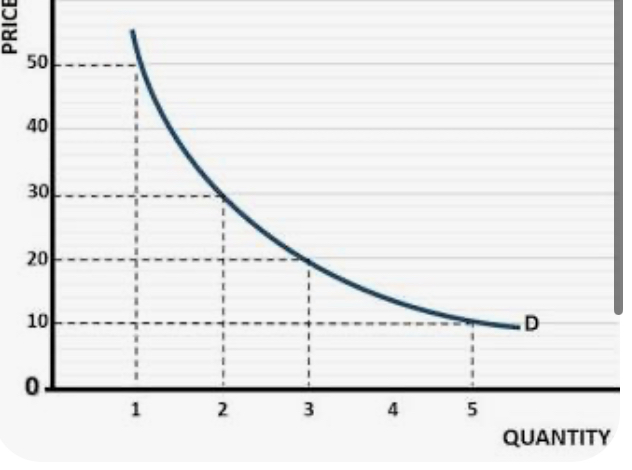
Demand curve
A graphical representation of the relationship between price and quantity demanded, typically downward-sloping.
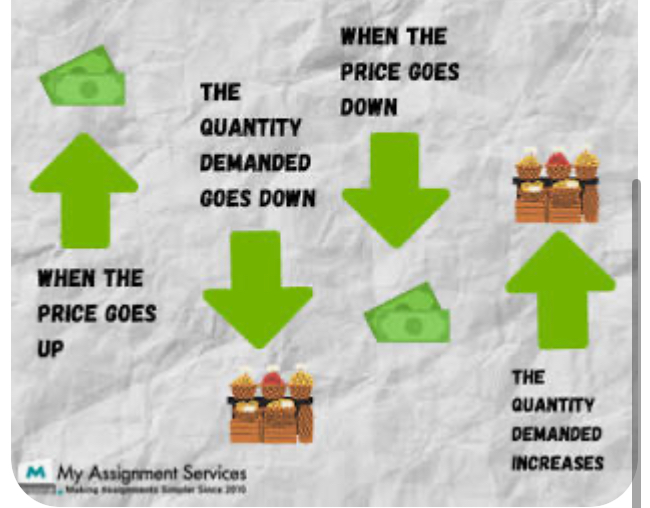
Law of demand
All else equal, as price falls, quantity demanded rises; as price rises, quantity demanded falls.
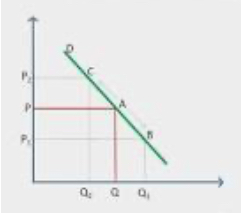
Movement along the demand curve
A change in quantity demanded caused by a change in the good’s own price, occurring along the same demand curve.
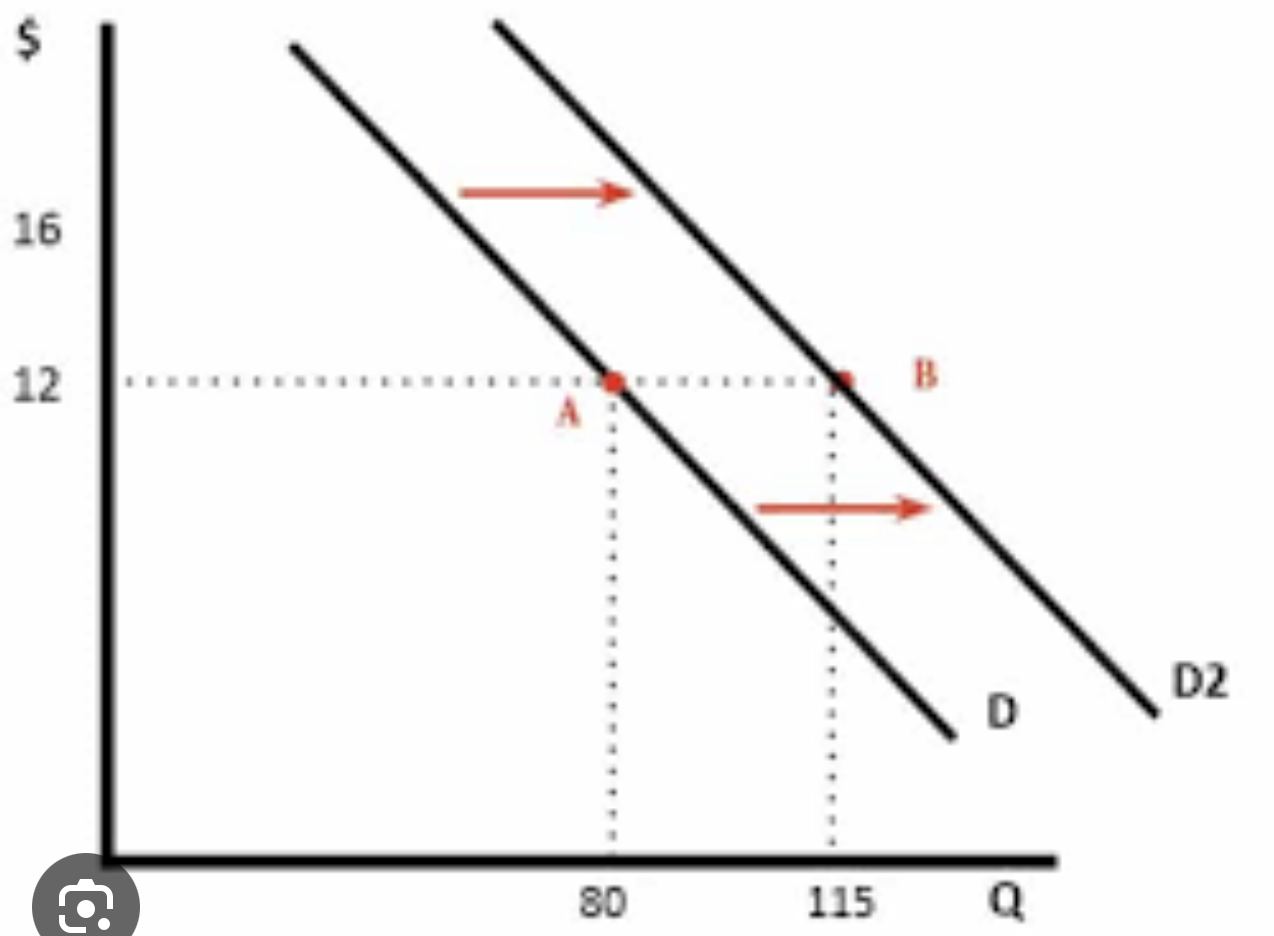
Shift of the demand curve
A change in demand caused by non-price determinants, resulting in a new demand curve.
Non-price determinants of demand (shifters)
Factors that can shift the entire demand curve: number of buyers, income, prices of related goods, tastes, and expectations.
Number of buyers
A determinant; more buyers increase overall demand at every price, shifting the curve right.
Income (normal vs inferior goods)
Normal goods: demand increases with higher income. Inferior goods: demand decreases as income rises.
Prices of related goods (substitutes and complements)
Substitutes: price rise of one increases demand for the other. Complements: price rise of one decreases demand for the other.
Tastes and preferences
Changes in consumer preferences that shift demand regardless of price.
Expectations
Expected future prices or income can shift current demand (e.g., buy now if prices are expected to rise).
Normal good
A good for which demand increases as income increases.
Inferior good
A good for which demand decreases as income increases.
Substitutes
Goods that can replace each other; a price increase in one typically raises demand for the other.
Complements
Goods that are often consumed together; a price increase in one typically lowers demand for the other.