China's power structure
 Call Kai
 Learn
Learn Practice Test
 Spaced Repetition
 Match
Match Flashcards
 Knowt Play
1/19

There's no tags or description
Looks like no tags are added yet.
Name | Mastery | Learn | Test | Matching | Spaced | Call with Kai |
|---|
No analytics yet
Send a link to your students to track their progress
20 Terms
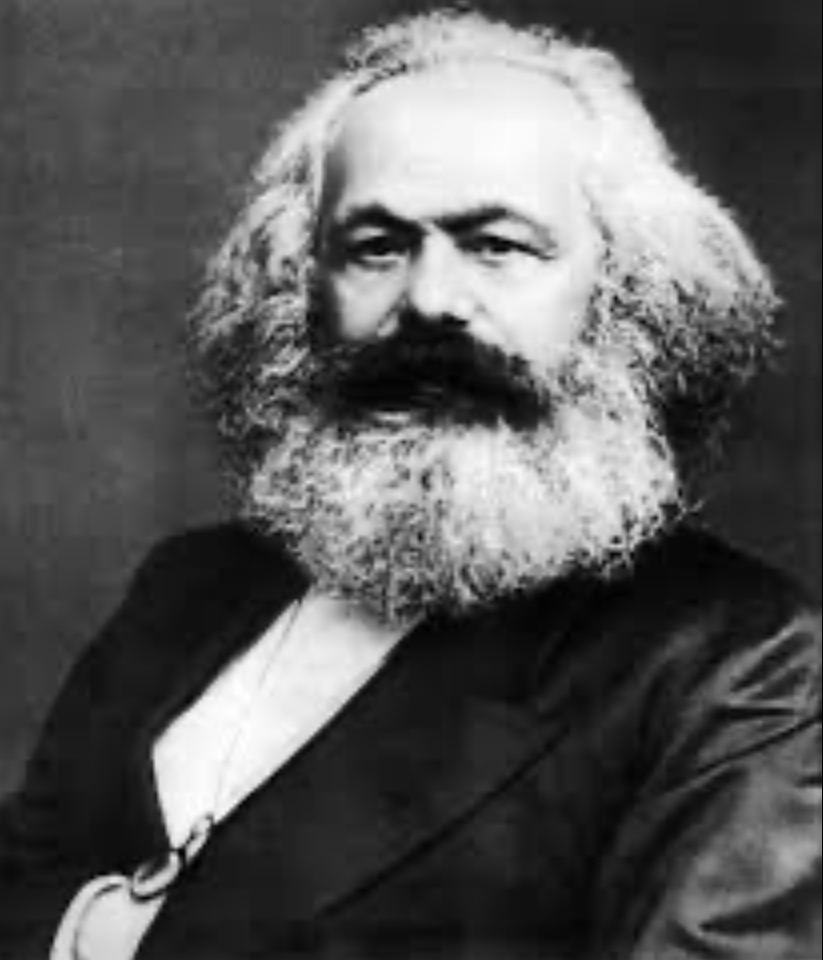
What is Marxism?
Two main classes are the working class and capitalist class. The working class is exploited by the ruling class.
When workers realise their exploitation they will revolt and take ownership of factories and materials.
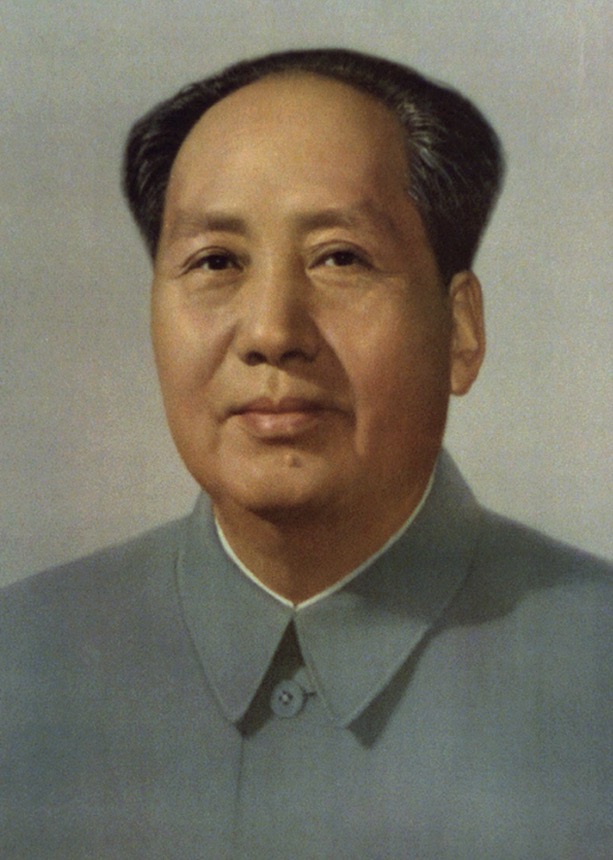
What is Maoism?
Unlike Marxism where the revolutionary class are the workers under Maoism the revolutionary class are the peasants and they instead will lead the communist revolution
What happened at the September 1949 meeting of the CPPCC (Chinese People's Political Consultative Conference)?
A new political system was discussed to replace that of Chiang and the Nationalists
They appointed the Central People's Government as the supreme state body
They approved the common program (temporary constitution to guide China through the next 5 years)
Decided various state symbols
What was the Common Program?
Alliance between the workers and the peasants whose interests would be represented by the Communist Party.
Guaranteed personal freedoms such as gender equality BUT the army and the police were given the right to suppress all counter-revolutionary activity
What was Mao's 'New Democracy' approach?
As China was not ready for full on socialism Mao conceded that there would have to be a transitional period of co-operation between the working class and the existing capitalist elements of society
As time went on the PLA enforced Communist government control across China, the Politburo began to dictate policies to the Central People's Government (the legislature) who simply rubber stamped their ideas
Why was China divided into 6 regions (bureaux)?
So that decisions taken at a national level could be imposed throughout the country
The creation of regional congresses gave each region the impression that Beijing was listening to them
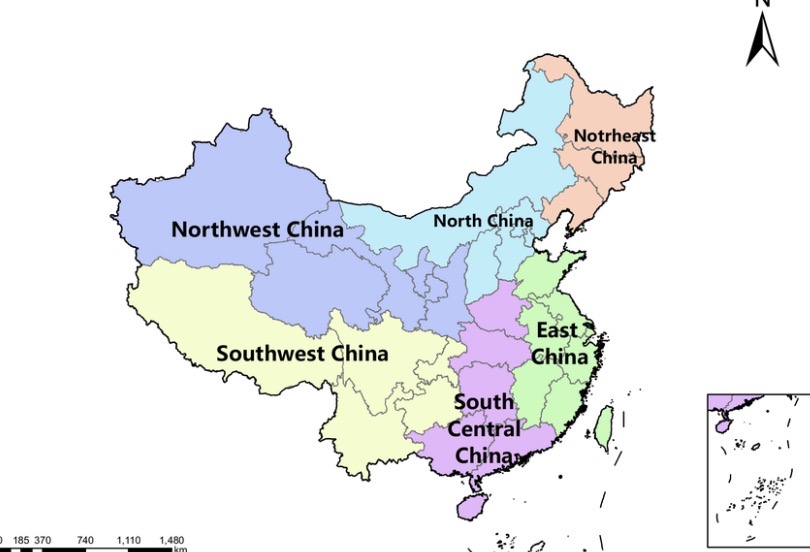
How many senior communists were placed in charge of each region? Why was this?
4 senior communists were placed in charge of each region.
Such a level of central control was intended to prevent China from reverting to the warlord years of the 1920s
What happened in 1954?
A new constitution was established
China was officially confirmed as a communist country. The communist party retained control of the entire electoral process. Real power lay in the highest Party bodies where decisions were taken before being endorsed by the state bodies.
What happened as the communist system grew?
The number of staff needed increased as the communist system grew from 720,000 state officials employed in 1949 to nearly 8 million ten years later
Why did the growth of the party worry Mao?
This increased the power of the central government but also worried Mao who was aware that such a growth of administrators could slow down the pace of the revolution
The 'bureaucratisation of the revolution' worried Mao
What is a cadre?
Individual who is loyal to the communist party and reports on the loyalty of their fellow party colleagues and of the gerneral public
What was the Politburo?
The key decision making body of the CCP with 14 members that met for plenary meetings and a five man committee who made decisions between these meetings
What was the national people's congress?
New legislature who rubber stamped and implemented the decisions made by the Politburo
Where was the party headquarters located?
Beijing, Zhongnanhai, the former municipal government buildings in Tiananmen Square
What was a danwei?
A work unit that every employed citizen belonged to which was led by a party cadre - issued permits to travel marry and change jobs.
How was mass participation in the party encouraged?
Youth league= 9 million members by 1953
Women's Federation= 76 million members
How large was the PLA (peoples liberation army)?
Why did it have to be reduced?
Worlds largest army made up of 5 million men in 1950 and consuming over 40% of the state budget
Because of this it was reduced to 3.5 million by 1953
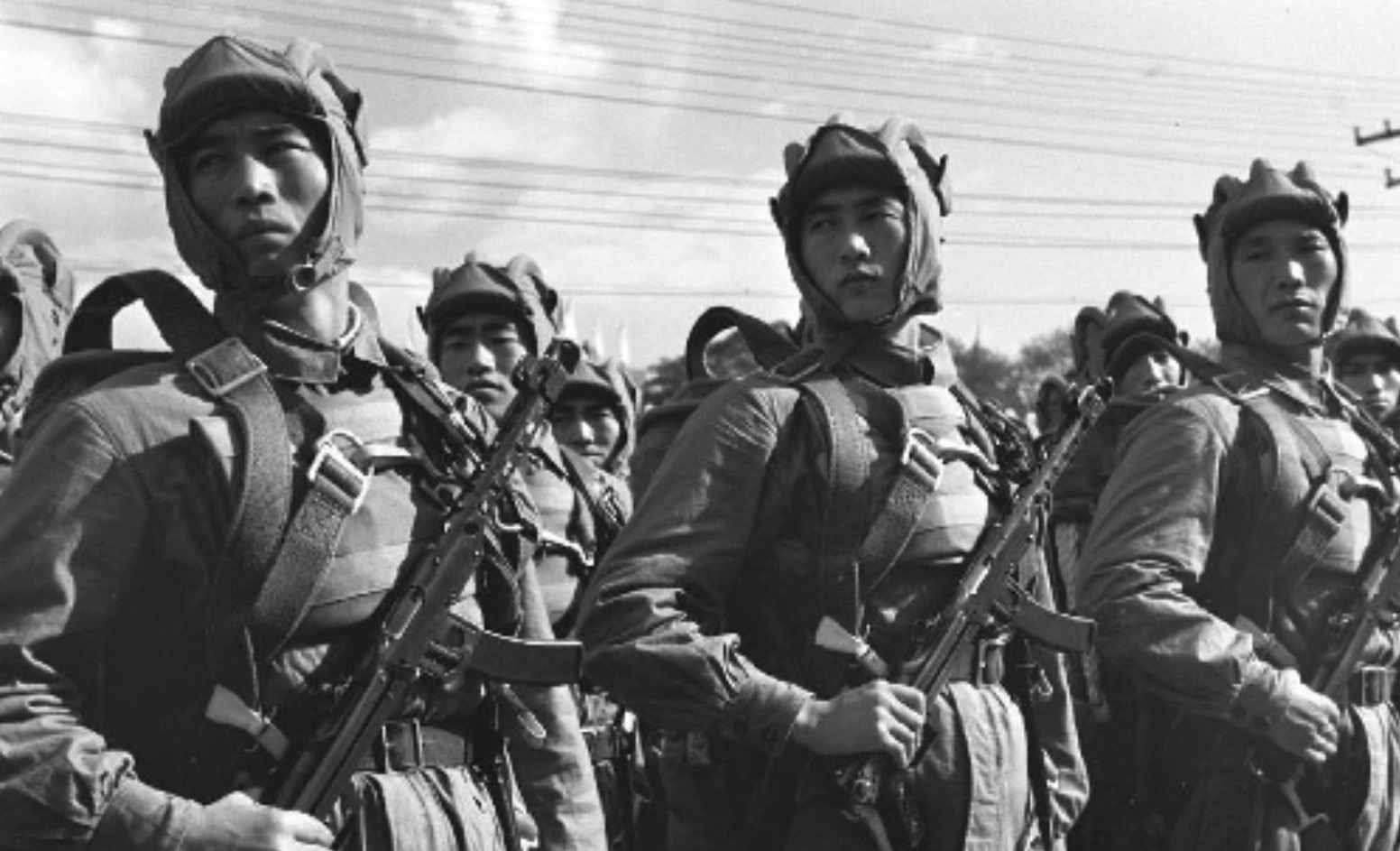
Role of the PLA after 1949
Acted as a means of indoctrination by supervising the 800,000 young conscripts who were recruited each year for a 3 year term
Acted as a work force in many public works projects needed to rebuild transport infrastructure after the civil war
Enforcing central government control in the regions
What was the CPPCC?
The CPPCC was a Parliament consisting of 600 delegates most of whom were communist sympathisers (communists were leading assembly with 16 delegates)
How was China subdivided?
The 6 regions of China were subdivided into 21 provinces, 5 autonomous border regions and two urban centres