bio final, chapters 1-4 accumulation :)
 Call Kai
 Learn
Learn Practice Test
 Spaced Repetition
 Match
Match Flashcards
 Knowt Play
1/184

There's no tags or description
Looks like no tags are added yet.
Name | Mastery | Learn | Test | Matching | Spaced | Call with Kai | Chat |
|---|
No analytics yet
Send a link to your students to track their progress
185 Terms
Photosynthesis
production of energy for autotrophs
6CO2+6H2O+light energy = C6h12O6+6O2
photosynthesis equation
xylem
transport water and mineral (H2O)
phloem
sugar, hormones (C6H12O6)
stomata
gases, water
roots
water minerals
transcription
water pulled up through plant
osmosis
movement of water across semi-permeable membranes from high to low concentrations
passive- requires no energy
Tugar pressure
pressure put on cell wall caused by water in cells
Active transport
energy and ATP required
passive transport
no energy required
Adhesion
due to polarity of water molecules
cohesion
tension theory of transcription
water molecules stick to each other (cohesion) because of
polarity- +/- H2O
cavitation
air bubble can break the tensile strength of a water column and block xylem
what controls transcription rate?
stomata
stomata open and closes with:
guard cells
solutes move in and out of cells to control:
water
guard cells pump solutes into cells:
AM
Guard cells actively pump solutes out of cells:
PM
what is the phloem comprised of?
sieve-tube elements , neighboring cells carry out metabolic functions for them and provide them with energy
pressure-flow theory
carbs move through phloem from sources to sinks
sources
photosynthetic tissues
sinks
includes growing roots and stem tips as well as developing fruits
photoreceptors
molecules that respond to light
phytochrome
changes shaoe when exposed to different forms of light
phototropism
growth towards light, directional growth responses to blue light involving auxin
gravitropism
response of all light to gravity
shoots exhibit what form of gravitropism?
negative
roots exhibit what form of gravitropism?
positive
Auxin
enhances cell elongation
cytokinin
promotes cell division
fruit ripening, flower wilting, leaves falling
Ethylene
Absicission
caused by high levels of ethylene
CHON
macronutrients
through stomata
CO2, O2
through roots
H2O
active uptake of roots as NO3 or NH4
N
how do plants obtain water and nutrients
soil and roots
Legume symbiosis with Rhizobium
Carnivory
symbiosis with mycorrhizal fungi
plant strategies for obtaining N
Abiotic threats
weather, frost, fire, etc,
biotic threats
viruses, bacteria, fungi, Animals, Plants, Invasive species, etc
plants first line of defense
Dermal tissue
waxy secretions
roots= suberin , shoots= cuetin
thick cell wall and thorns+trichomes
rigid cellulose
receive sensory input
nervous system function
processes into body
nervous system function
generate response (e.g. motor, glands)
nervous system reponse
simplest nervous system
cnidarians
no centralization
nerve net
ladder like nervous system
Planarias
nerve tissue concentrated in head
cephalization
brain and spinal cord
central nervous system
connects the central nervous system (brain and spinal cord) to the rest of the body, acting as a communication network to transmit sensory information to the brain and motor commands back out
peripheral nervous system
carry impulses to CNS
sensory
motor
carry impulses from CNS to effectors (Muscles, glands)
connect nerves to other neurons
intern neurons
what do interneurons provide?
complex reflexes and associative functions
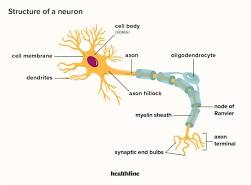
no answer
anatomy of a neuron
the breakdown of myelin sheaths
mutiple sclerosis
stimulate muscles to contract
Acetylcholine
fight or flight response
Epinephrin and norepinephrine
controls body movements, pleasure pathways, memory
Dopamine
serotonin
regulation of sleep
activity of sensory receptors
reception
mechanoreceptors
recieve mechanical forces such as pressure
touch, fine detail
Meissner corpuscles
Pacinian corpuscles
pressure and high frequencies
free nerve endings in skin
sense pain, pressure, etc.
wavelengths correspond to:
pitch
Amp. wave corresponds to:
volume
Light and heat information received through wavelengths
Electromagnetic receptors
simple light sensory organs
light spots
taste and smell
Chromoreceptors
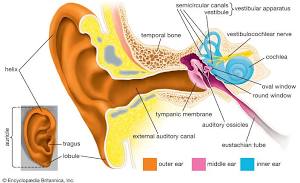
ear anatomy
fluid filled cavity surrounded by muscle
Hydrostatic skeleton
Epidermis and hardened cuticle
exoskeleton
exoskeleton limitation
must molt to grow, energy cost used to molt, increased vulnerability to prey
composed of rigid cartilage and bones (vertebrates)
endo skeleton
living tissue =
bones + cartilage- can respond to injury, light, stress, etc.
living bones
osteocytes
muscle types
skeletal, smooth, cardiac
skeletal muscles surrounded by plasma membrane called:
sarcolemma
sarcomere
region from one 2-line, to the next 2-line
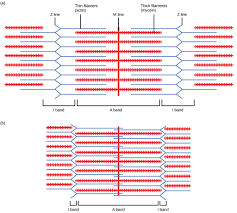
sliding filament model of contraction
large muscles create
more force
motor units can alter
strength and precision of contraction
process of consuming, breaking down, and absorbing molecules for energy
digestion
proteins to
amino acids
fats to
lipid molecules
complex carbs to
simple sugars
receives and manipulates food
mouth
secretes from glands and moisturizes food
saliva
irritates carb digestion
salivary amylase
mixes and manipulates food
tongue
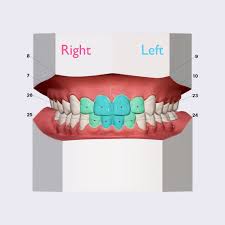
sharp and narrow, used for biting, cutting, and stripping
incisors
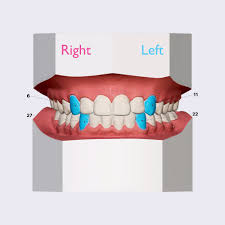
long crowns, used for seizing, pinching, tearing
canines
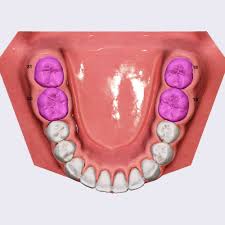
large surface, used for grinding and crushing
molars
food transferred to stomach through rhythmic muscle contractions
Esophagus
mechanical and enzymatic breakdown
stomach