king but
 Call Kai
 Learn
Learn Practice Test
 Spaced Repetition
 Match
Match Flashcards
 Knowt Play
1/33

Earn XP
Description and Tags
egypt final
Name | Mastery | Learn | Test | Matching | Spaced | Call with Kai |
|---|
No analytics yet
Send a link to your students to track their progress
34 Terms
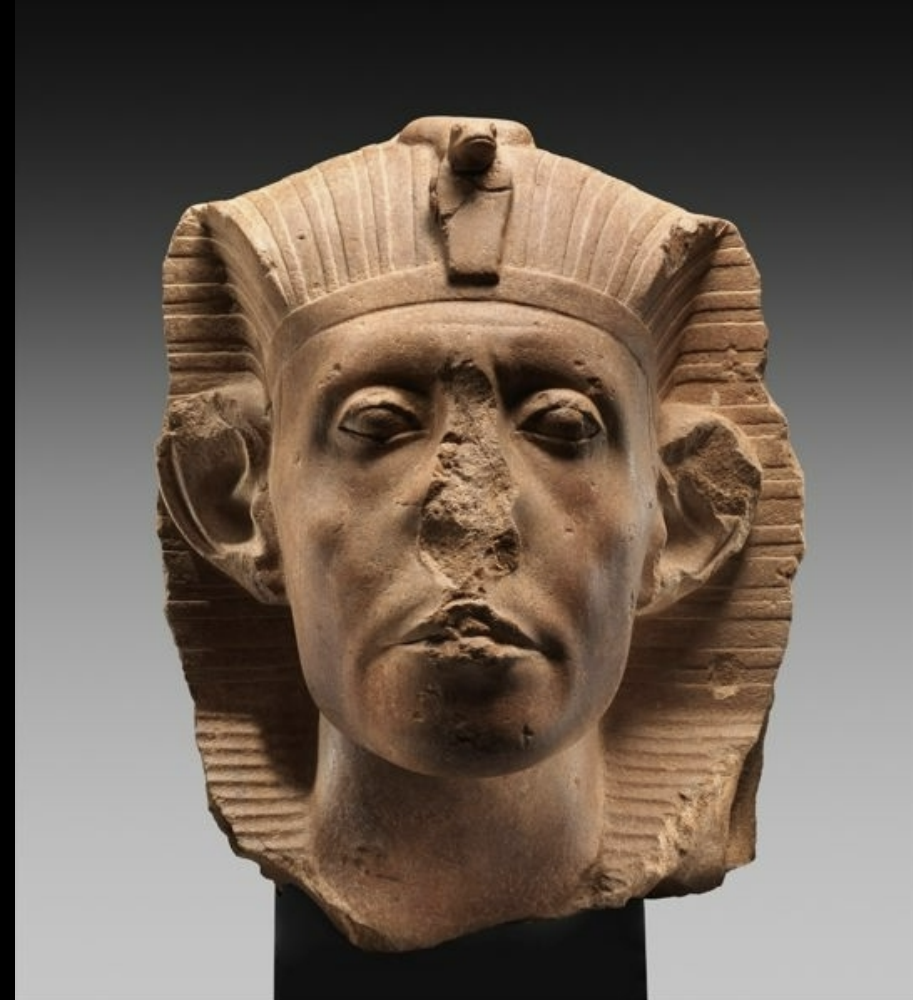
Object/ID: Statue of Senwosret III; Material: stone/quartzite; Period: Twelfth Dynasty, Middle Kingdom; Significance: Middle Kingdom kingship still uses royal symbols but shows a more serious, aged, burdened face than Old Kingdom idealization. Useful for discussing changes in royal ideology: king as powerful but also responsible/protective.
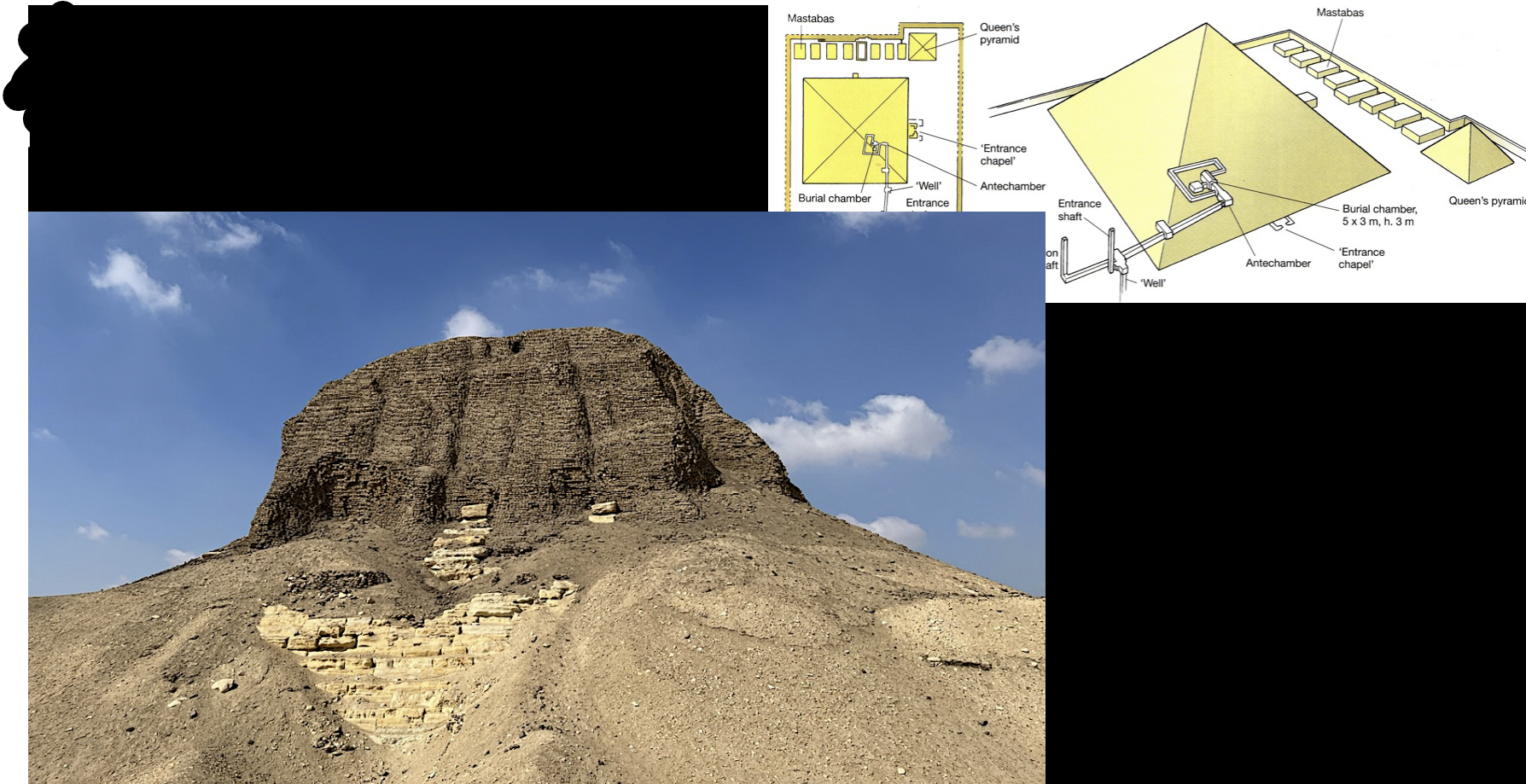
Object/ID: Senwosret II pyramid; Site: Lahun; Material: mudbrick and stone; Period: Twelfth Dynasty, Middle Kingdom; Significance: Shows Middle Kingdom continuation of royal pyramid tradition, but smaller/different from Old Kingdom stone pyramids. Connected to the pyramid town of Lahun, showing royal building, administration, and organized labor.
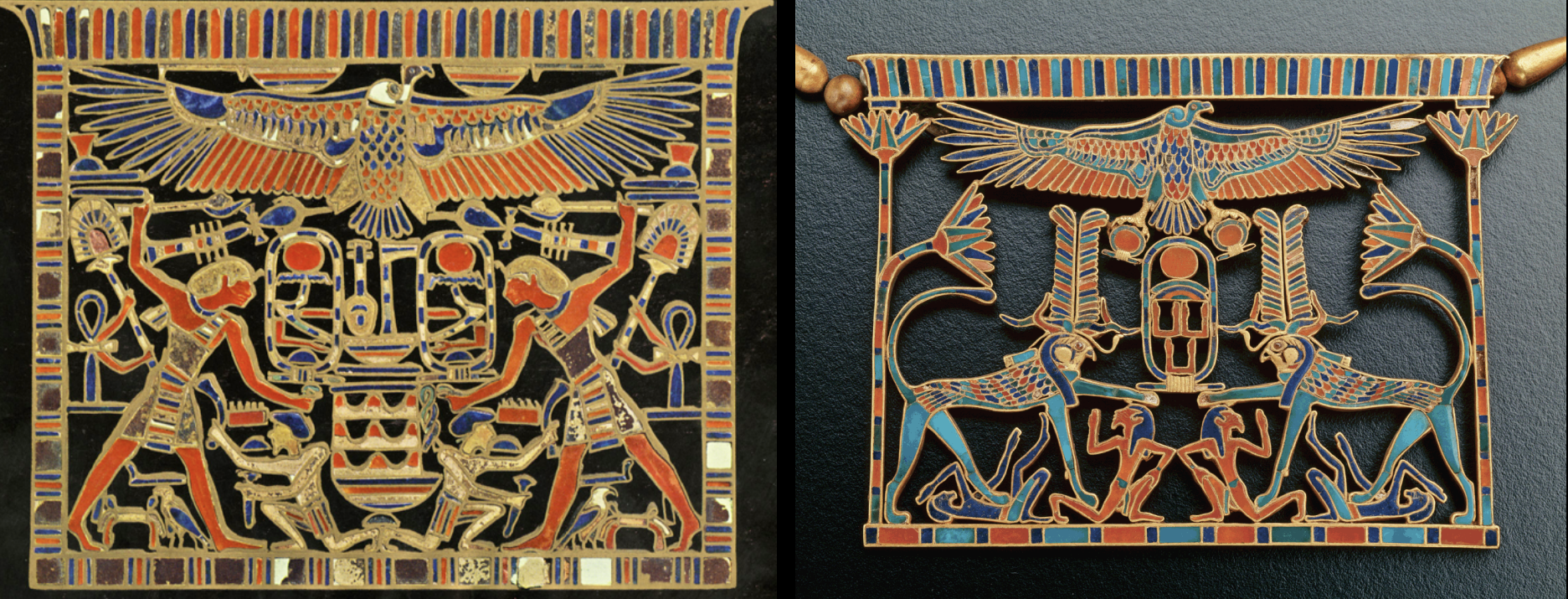
Object/ID: Pectorals from the burial of Mereret, royal woman from reign of Senwosret III; Material: gold and precious stones; Site: Dahshur; Period: Twelfth Dynasty, Middle Kingdom; Significance: Elite/royal funerary jewelry with protective and royal symbols. Shows wealth, craft skill, afterlife protection, and the importance of royal women in Middle Kingdom burial culture.
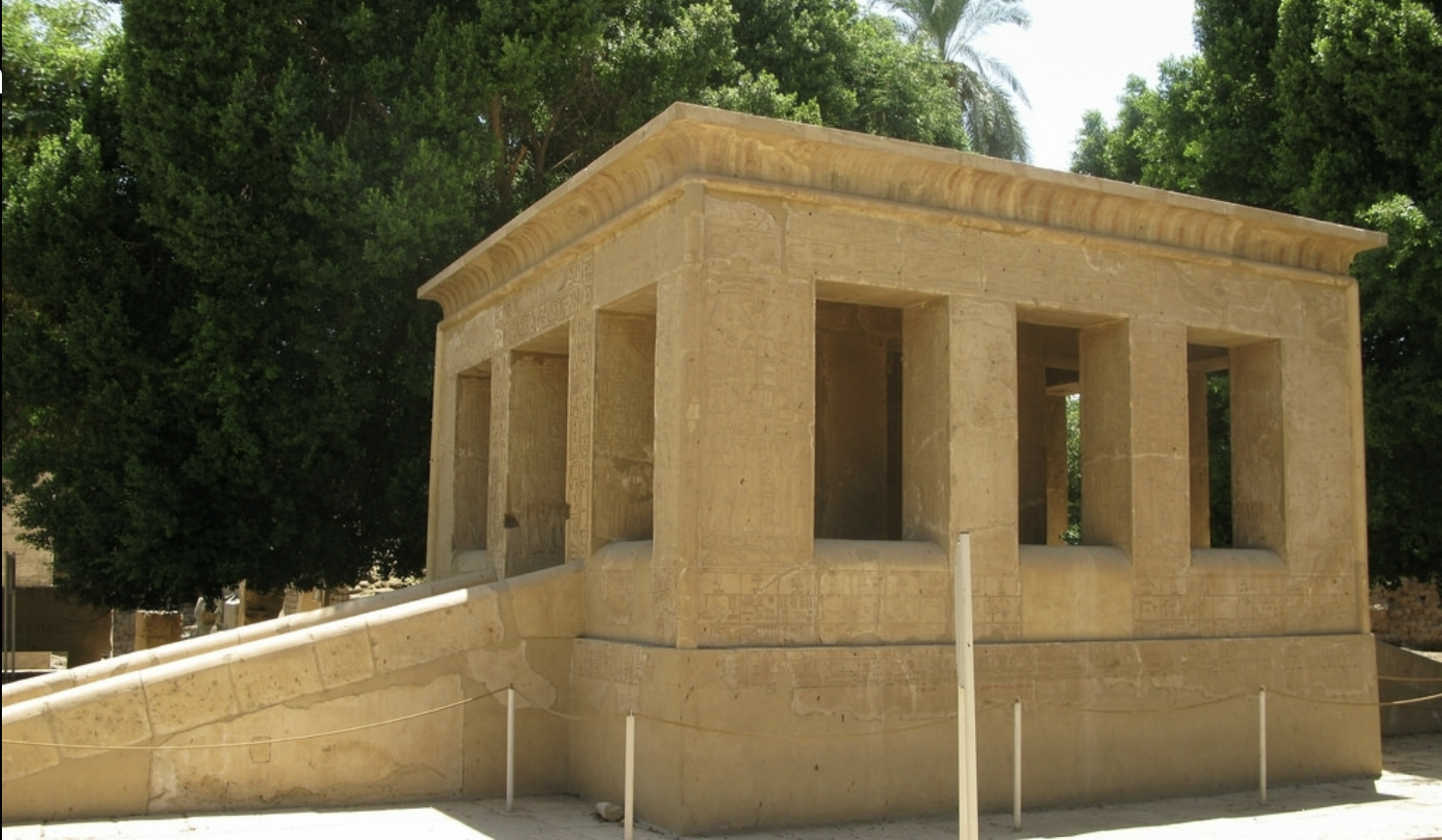
Object/ID: White Chapel of Senwosret I; Site: Karnak; Material: limestone; Period: Twelfth Dynasty, Middle Kingdom; Significance: Royal building at Karnak connected to the king’s relationship with the gods, especially Amun. Shows Middle Kingdom kings investing in temple landscapes before Karnak expands heavily in the New Kingdom.
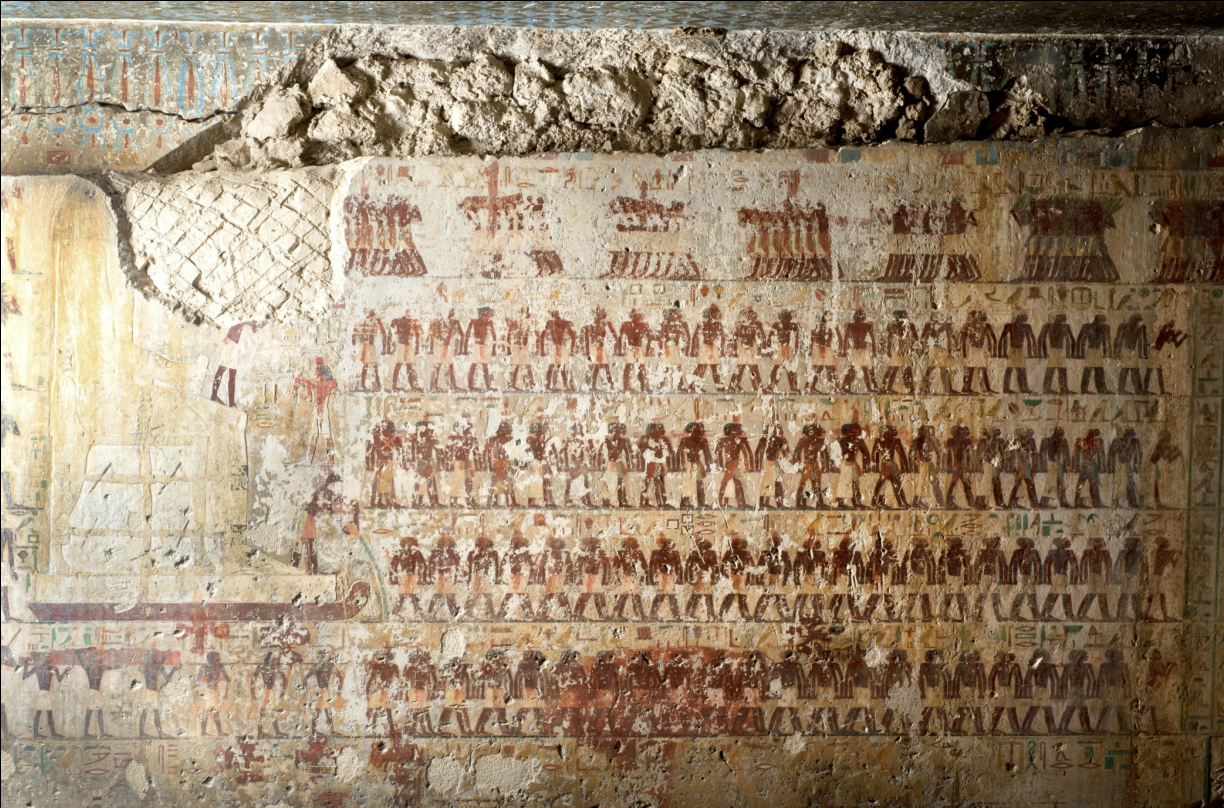
Object/ID: Painting from tomb of Djehutihotep; Site: Deir el-Bersha; Period: Twelfth Dynasty, Middle Kingdom; Significance: Elite tomb painting showing non-royal status, labor organization, and commemoration. Useful for private elite tombs and how powerful officials represented themselves.
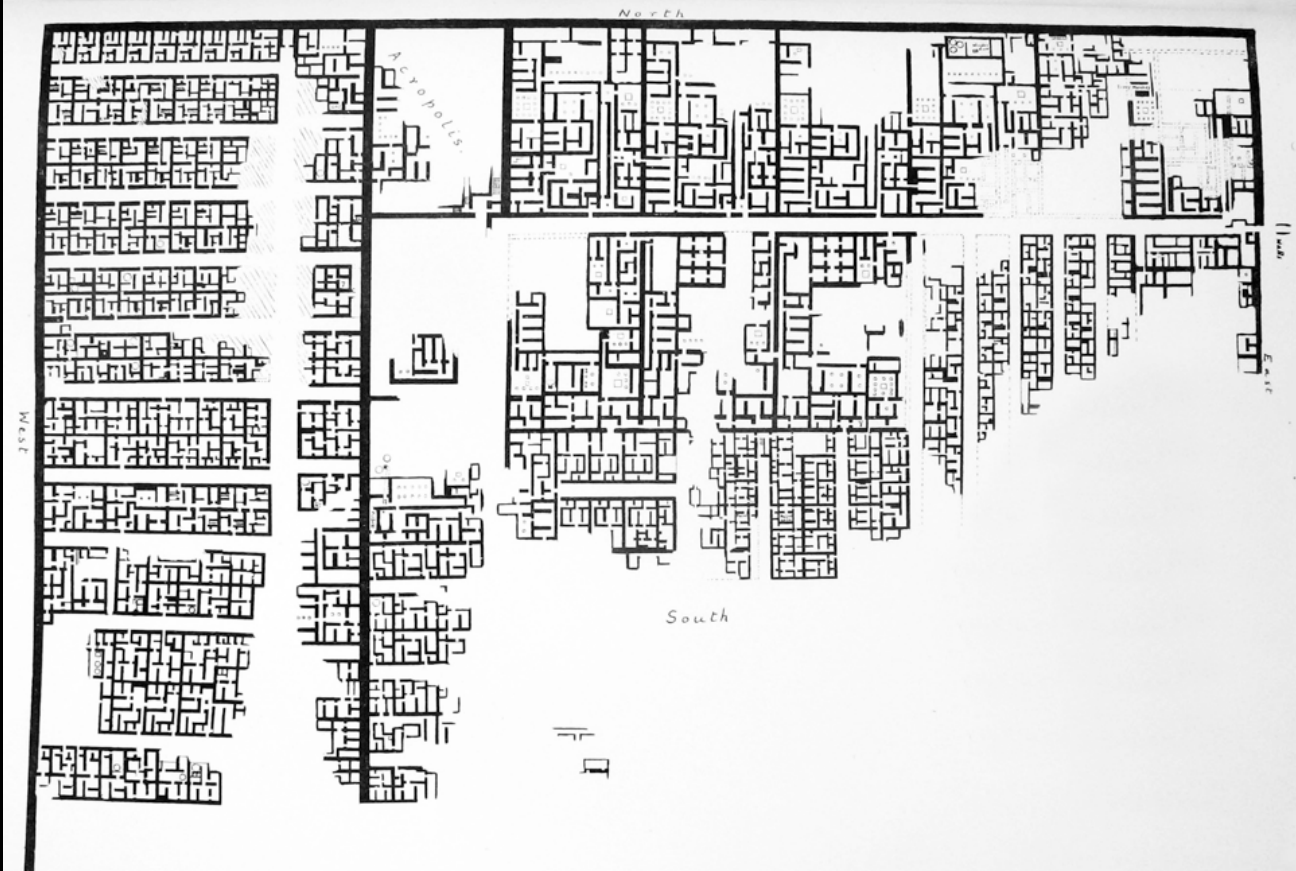
Object/ID: Town of Lahun/Kahun; Site: Lahun; Context: pyramid town of Senwosret II; Founded: Twelfth Dynasty, Middle Kingdom; Significance: Planned settlement connected to pyramid construction/maintenance. Shows non-royal life, state control, labor organization, social hierarchy, and administration in the Middle Kingdom.
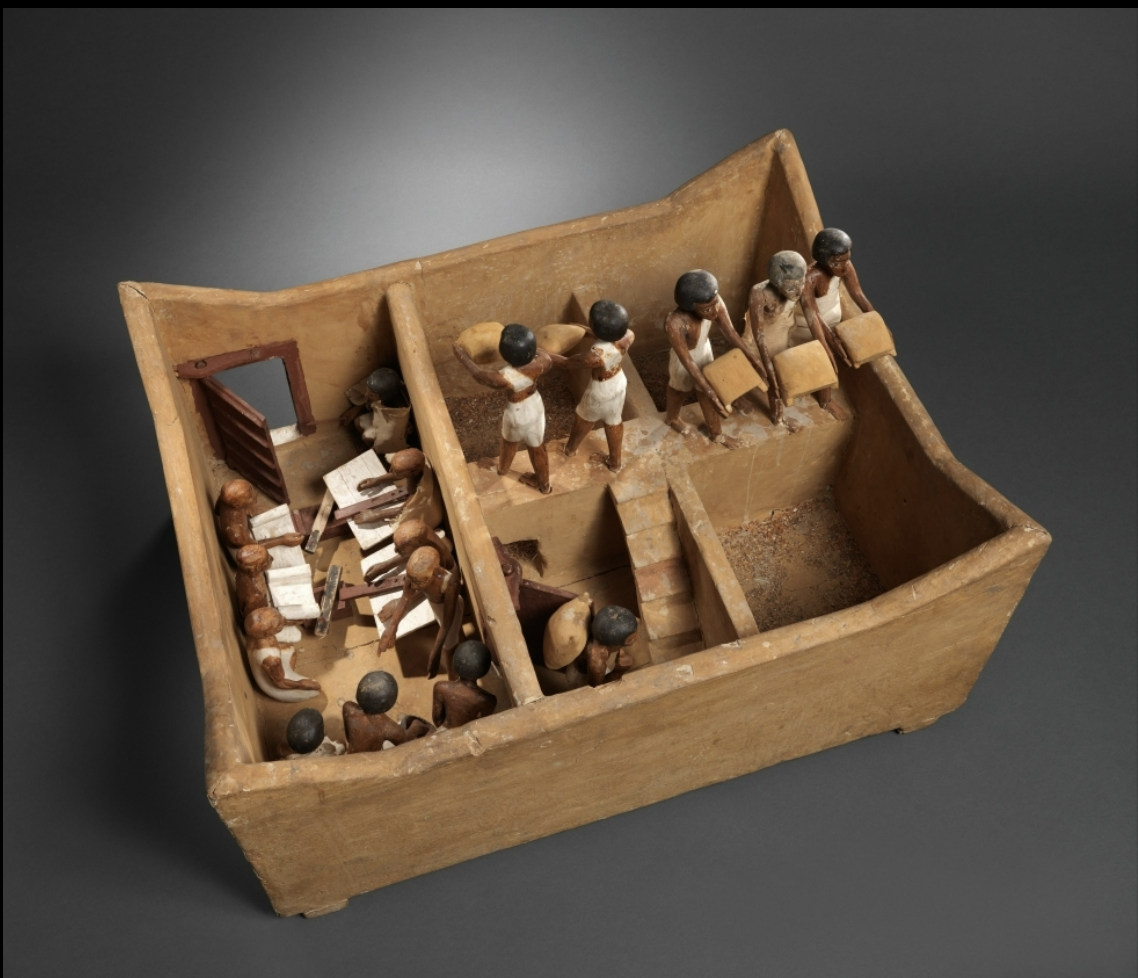
Object/ID: Model of granary with scribes; Site/context: Tomb of Meketre; Material: painted and carved wood; Period: Twelfth Dynasty, Middle Kingdom; Significance: Funerary model meant to provide food, labor, and administration for the deceased in the afterlife. Shows Middle Kingdom tomb goods and the importance of provisioning the ka.
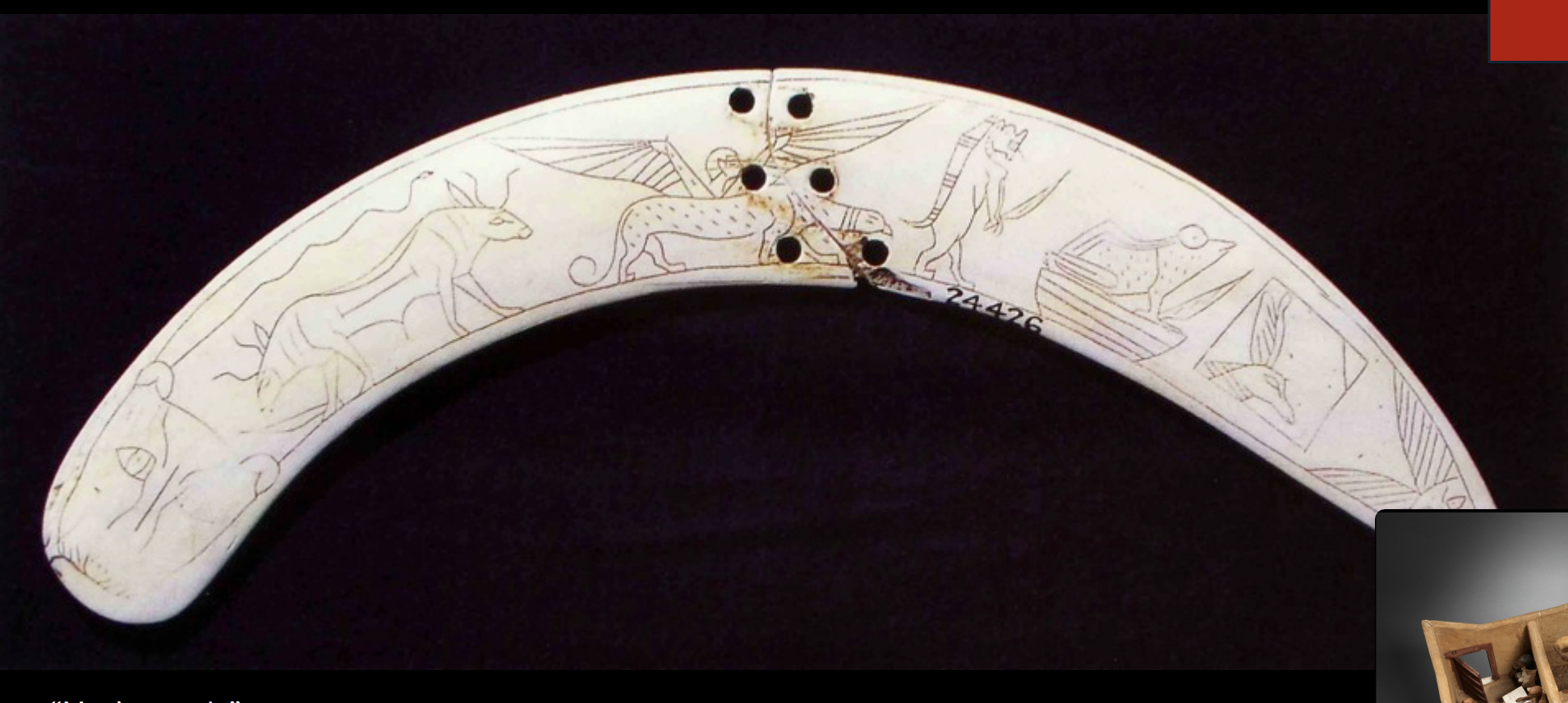
Object/ID: “Magic wands”; Material: ivory; Period: Twelfth Dynasty, Middle Kingdom; Site/context: found in tombs; Significance: Protective/apotropaic objects with dangerous animals or supernatural figures. Helped protect the deceased and supported rebirth/successful afterlife.
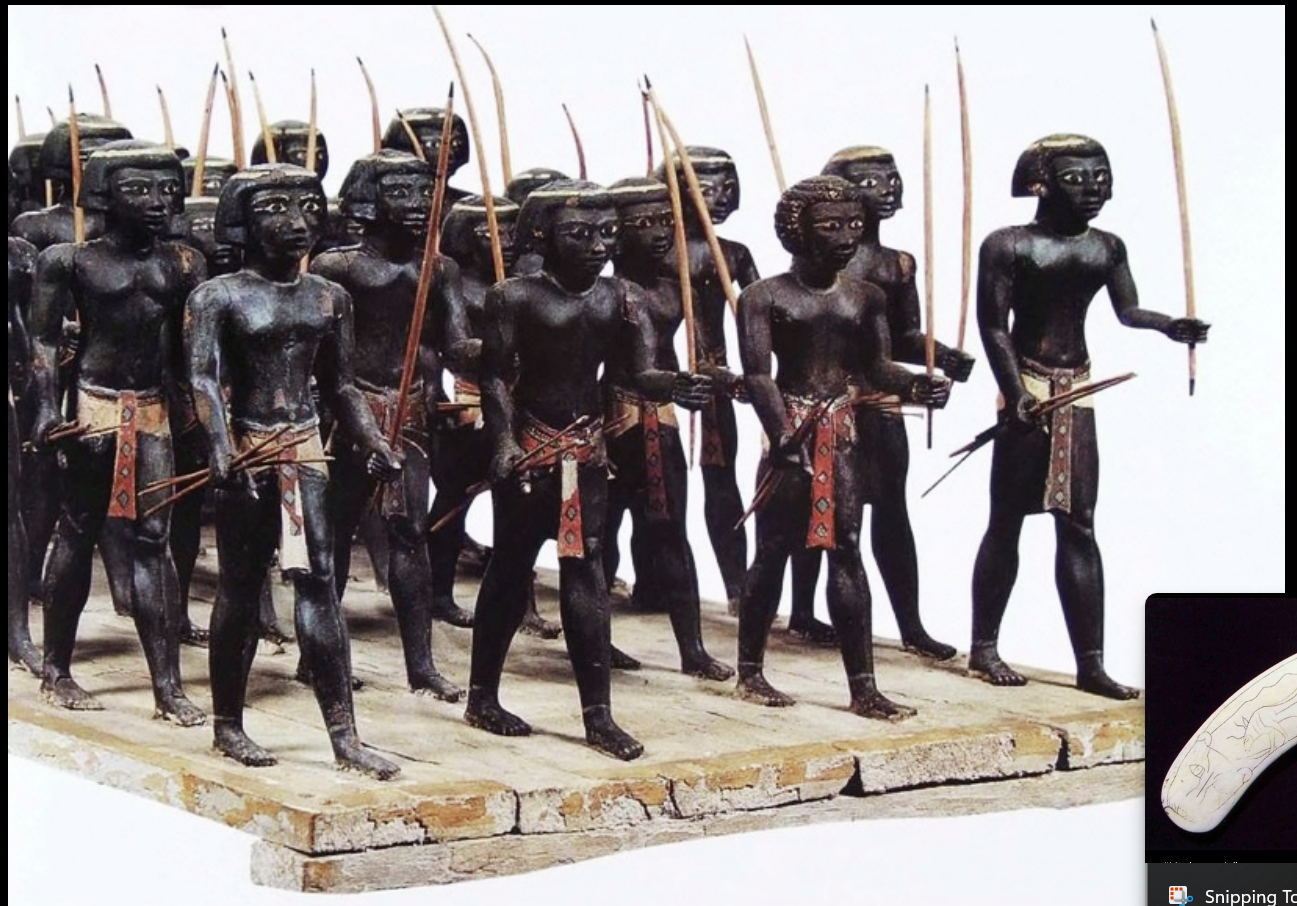
Object/ID: Nubian archers; Material: carved and painted wood; Context: model from a Middle Kingdom tomb; Significance: Shows Nubians represented in Egyptian contexts, often as soldiers/archers. Useful for discussing Egyptian-Nubian relations: military service, contact, and Egyptian views of Nubia.
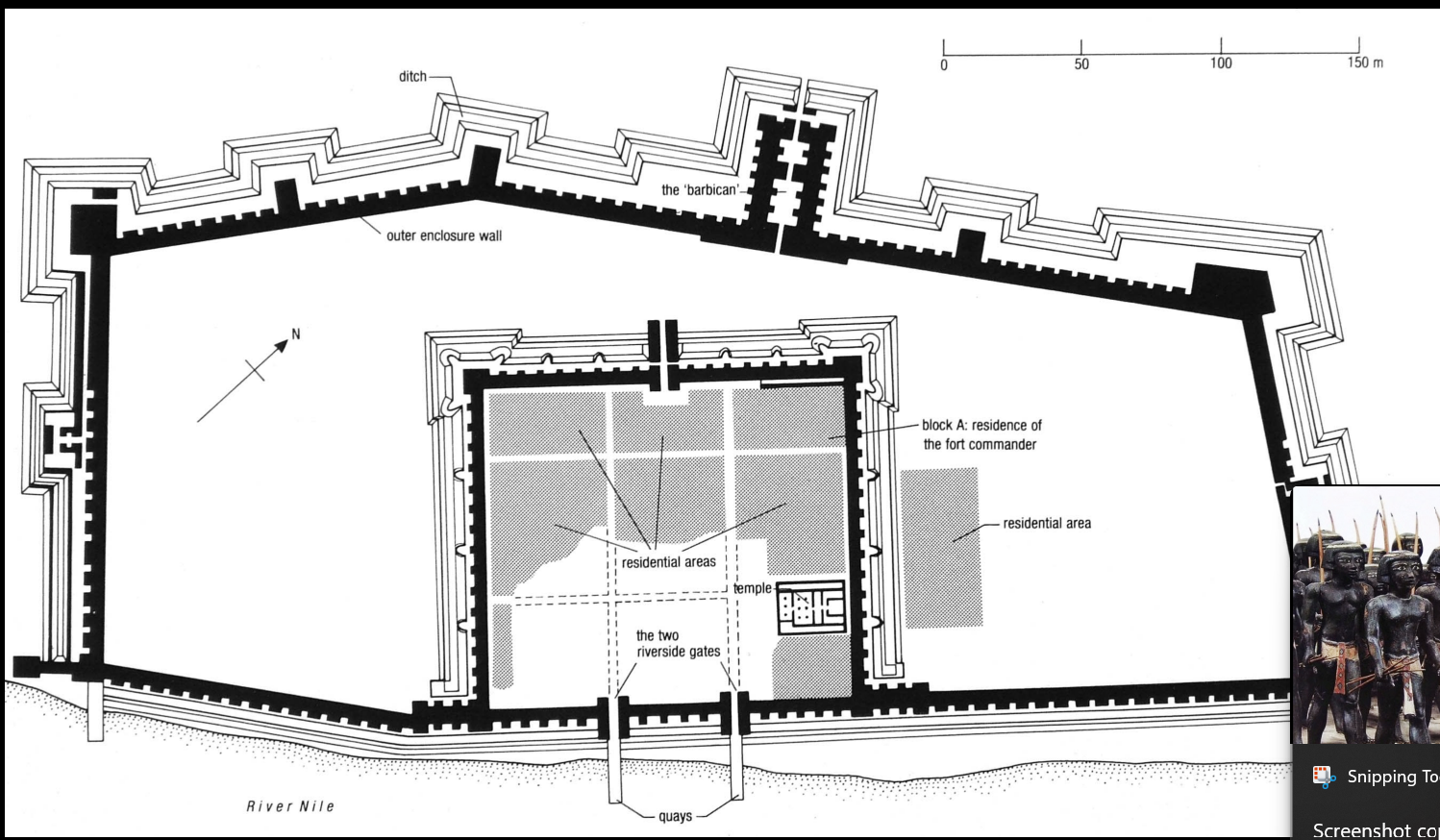
Object/ID: Buhen Fortress; Builder: Senwosret I; Material: mudbrick; Site: Nubia; Period: Twelfth Dynasty, Middle Kingdom; Significance: Egyptian fortress in Nubia used for military control, trade control, administration, and monitoring movement along the Nile. More regular/large fortress plan than landscape-adapted forts like Uronarti.
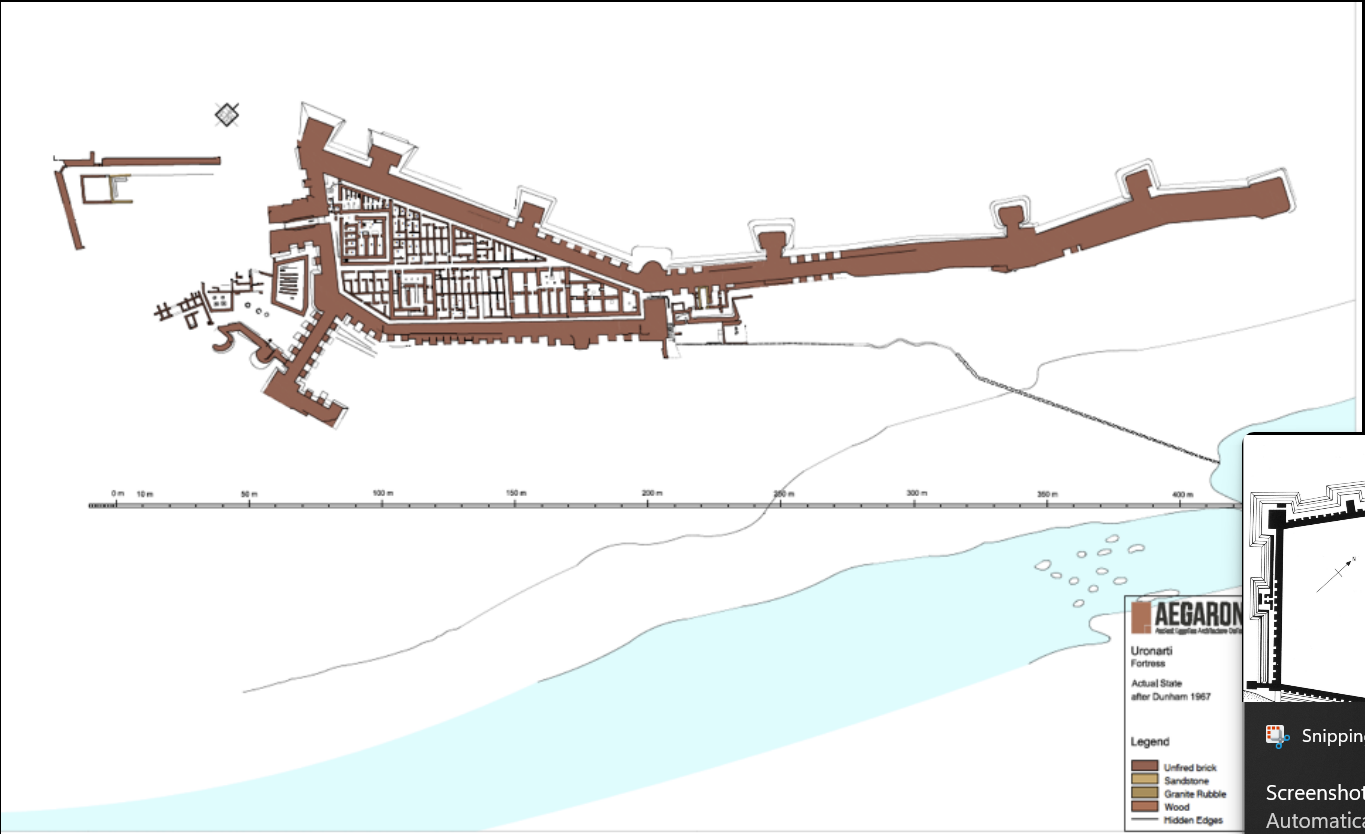
Object/ID: Uronarti Fortress; Builder: Senwosret III; Material: mudbrick; Site: Nubia; Period: Twelfth Dynasty, Middle Kingdom; Significance: Egyptian fortress in Nubia built to control movement, trade, and military access. Its plan adapts to the island/landscape, useful for comparing fortress architecture and function.
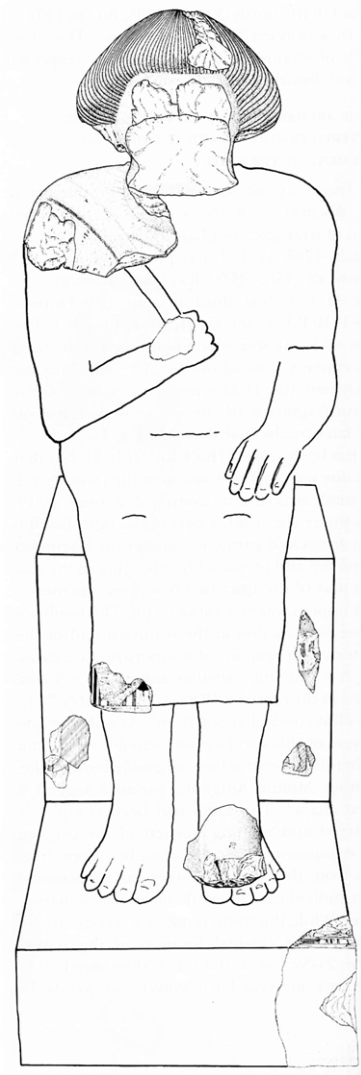
Object/ID: Statue of high-ranking Hyksos; Material: limestone; Site/context: cemetery at Tell el-Dab’a; Period: Late Middle Kingdom; Significance: Evidence for Asiatic/Levantine presence in the Delta before or during the Second Intermediate Period. Shows cultural mixture and the rise of Hyksos elites in Egypt.
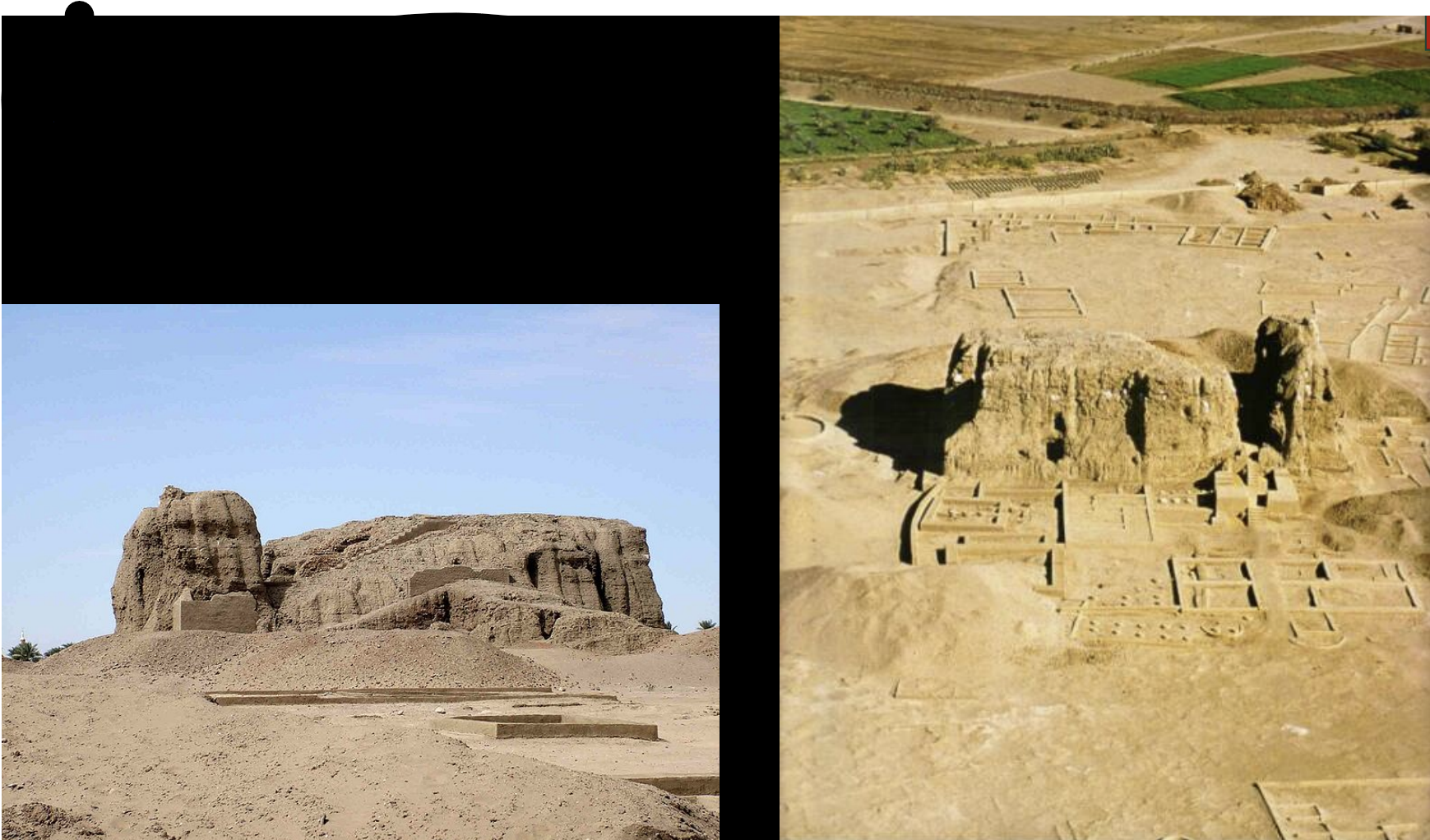
Object/ID: Western Deffufa; Site: Kerma; Material: mudbrick; Period: Second Intermediate Period; Significance: Major Nubian/Kerma temple site. Shows that Nubia had its own powerful political and religious traditions during the Second Intermediate Period, not just Egyptian influence.
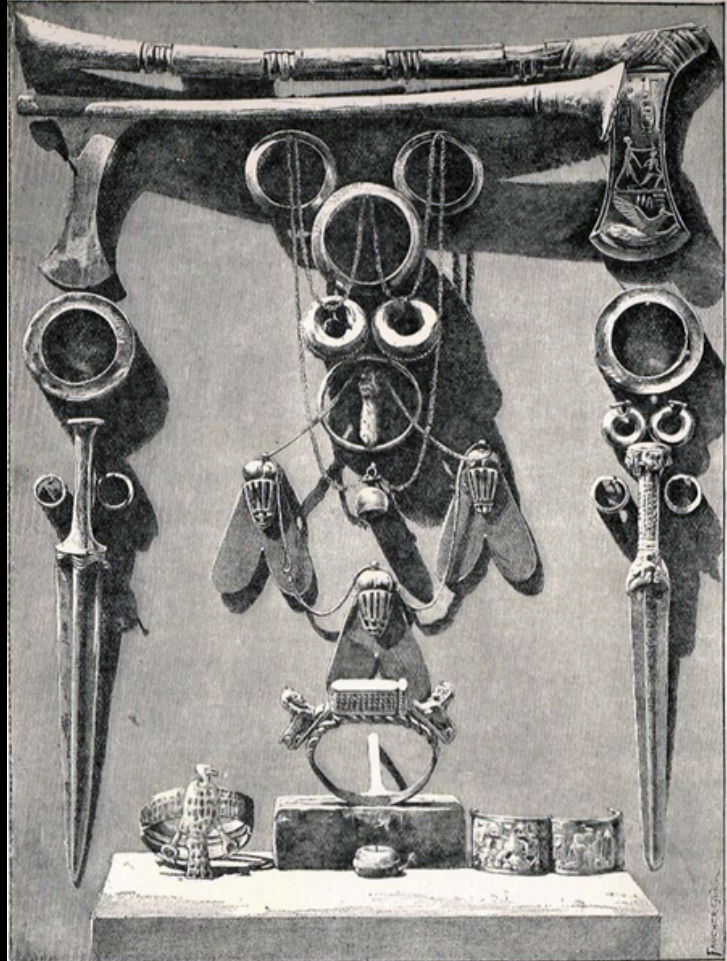
Object/ID: Funerary assemblage of Ahhotep; Identity: Ahmose’s mother; Contents: weapons and jewelry; Site/context: found in her tomb; Period: Seventeenth Dynasty, end of Second Intermediate Period/reunification; Significance: Connects royal women, warfare, and Theban reunification. Weapons suggest military victory and the struggle against the Hyksos.
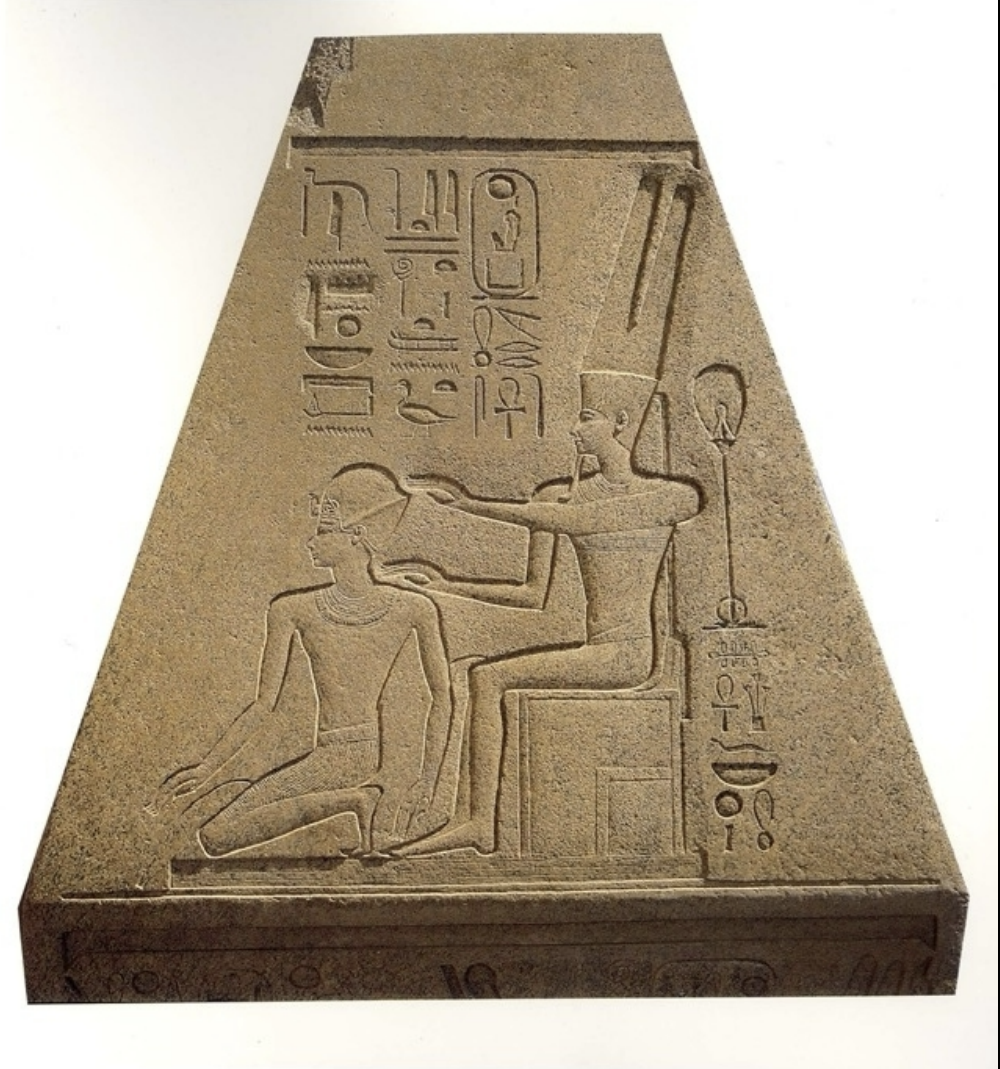
Object/ID: Hatshepsut and Amun, top of obelisk; Site: Karnak; Material: carved limestone; Period: Eighteenth Dynasty, New Kingdom; Significance: Shows Hatshepsut legitimizing kingship through Amun. Important for royal-divine relationship, female kingship, and Theban building programs.
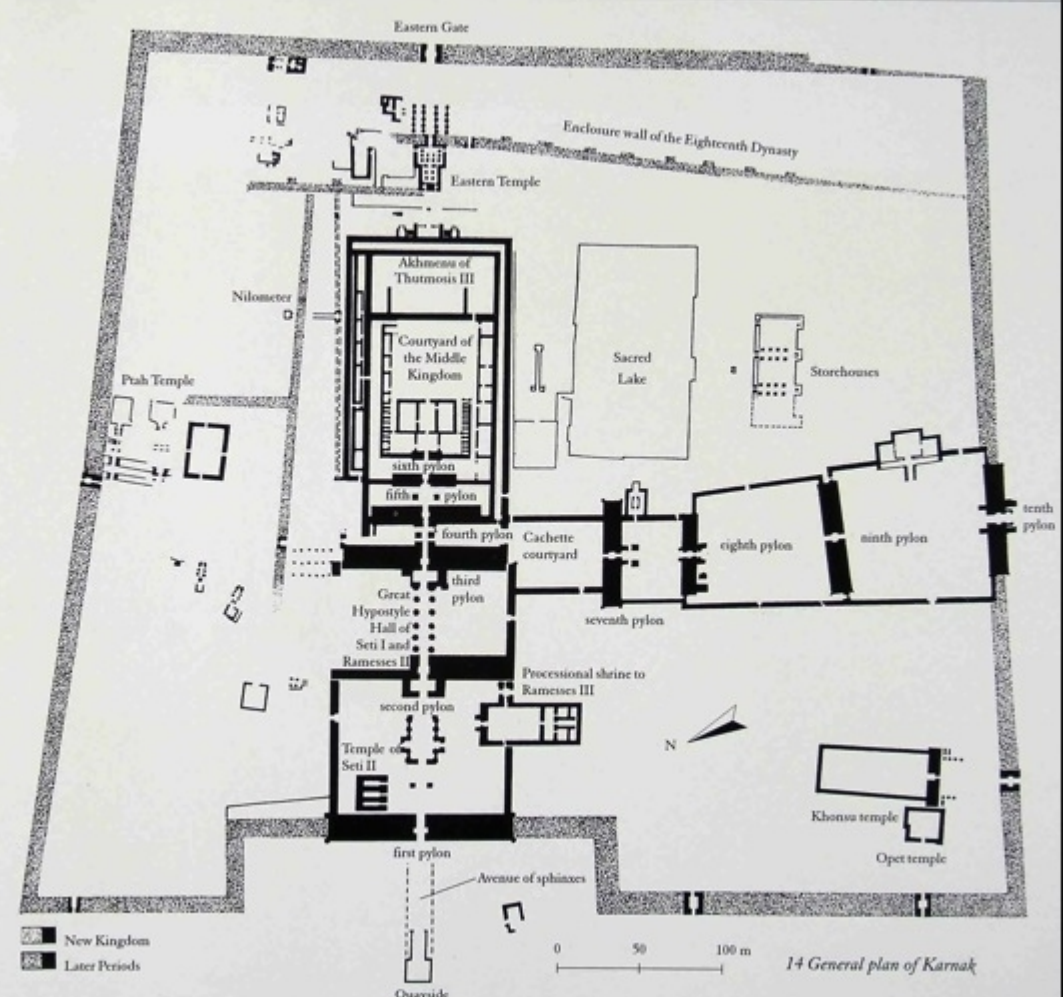
Object/ID: Karnak temple; Site: Thebes; Material: stone; Period: started in Middle Kingdom, grows in New Kingdom; Significance: Major temple of Amun and central part of Thebes’ sacred landscape. Shows connection between kings and gods through building, offerings, festivals, and processions.
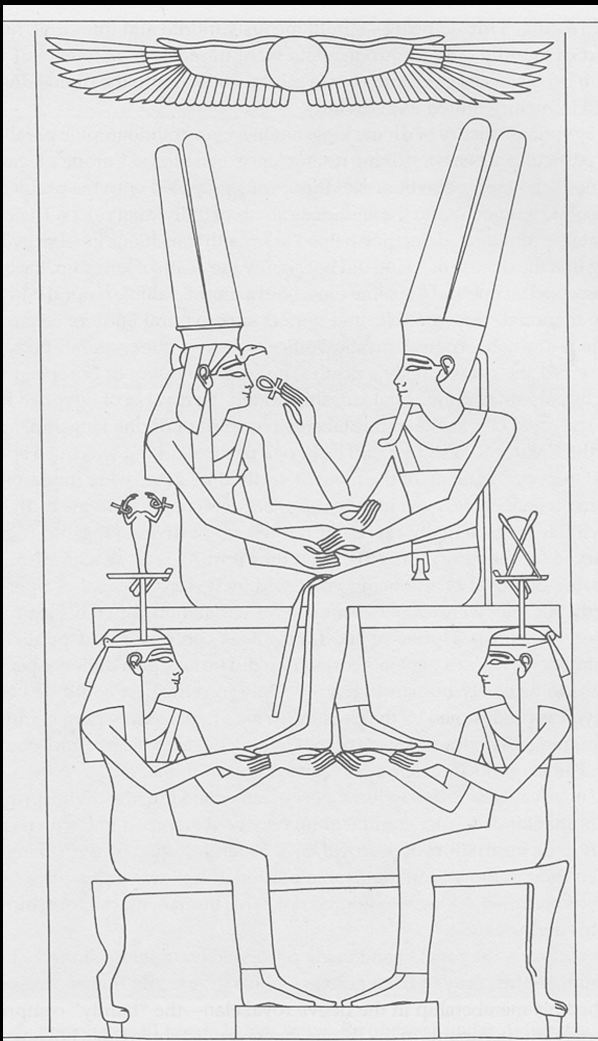
Object/ID: Divine birth of Hatshepsut; Site: Deir el-Bahri; Period: Eighteenth Dynasty, New Kingdom; Significance: Scene claiming Hatshepsut was fathered/approved by Amun. Used to legitimize her rule as king and connect royal power directly to divine will.
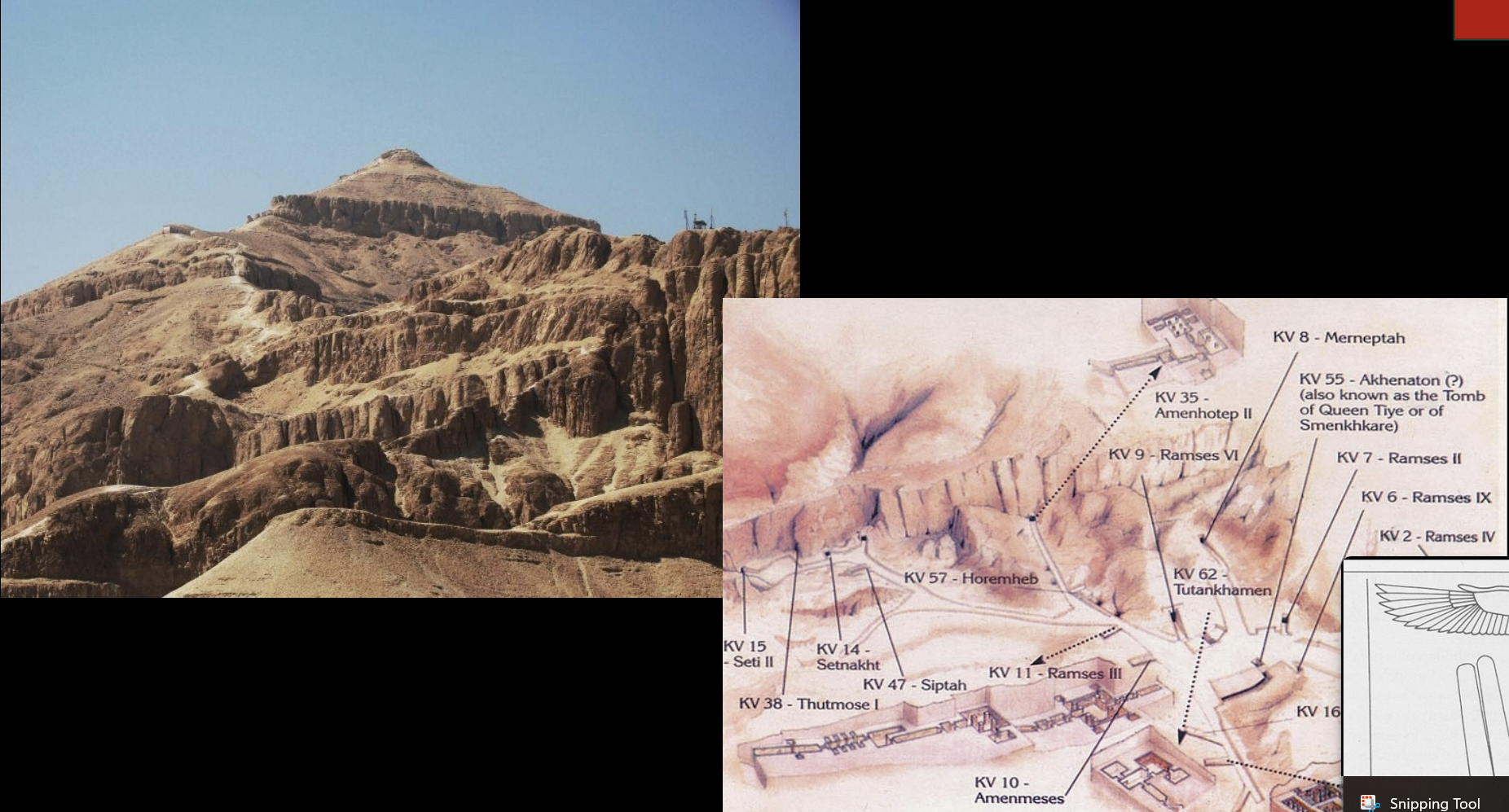
Object/ID: Valley of the Kings / El-Qurn Peak; Site: Thebes; Period: New Kingdom royal cemetery; Significance: New Kingdom royal burial landscape where tombs are separated from mortuary temples. The natural pyramid-like peak connects the site to older pyramid symbolism while hiding royal burials.
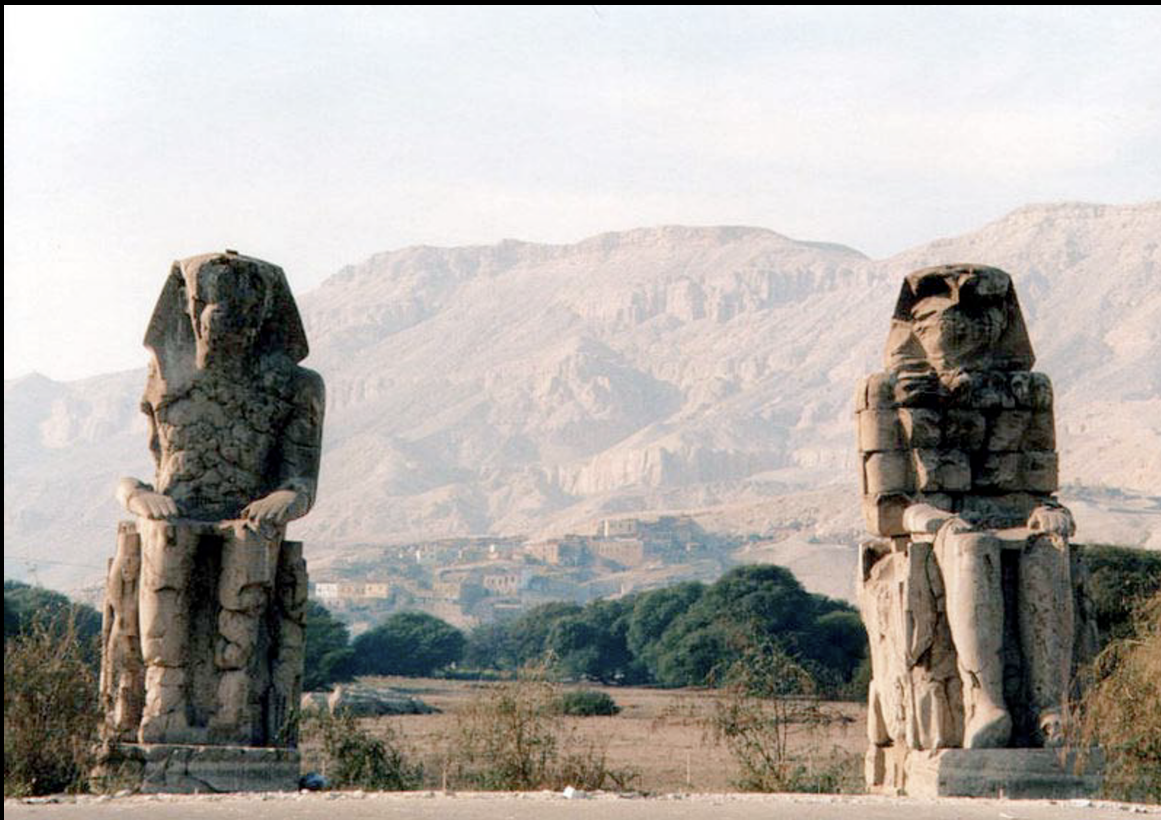
Object/ID: Colossi of Memnon; Site: Kom el-Hetan, mortuary temple of Amenhotep III; Material: quartzite; Period: Eighteenth Dynasty, New Kingdom; Significance: Monumental royal statues marking Amenhotep III’s mortuary temple. Shows king’s power, scale, divine status, and the West Bank mortuary landscape of Thebes.
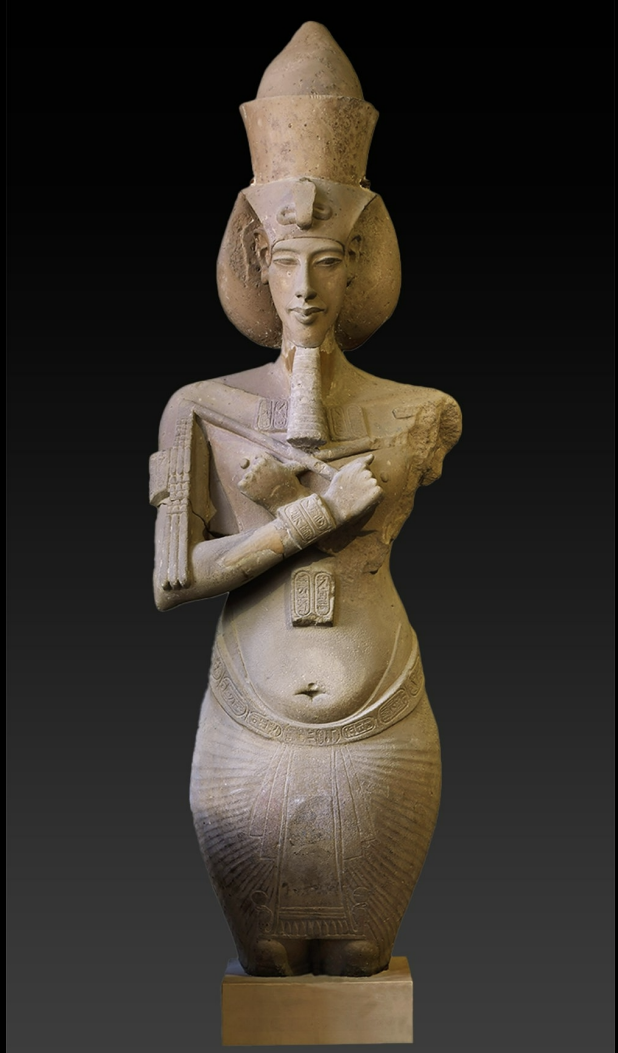
Object/ID: Colossus of Akhenaten; Site: Karnak; Material: sandstone; Period: Eighteenth Dynasty, New Kingdom; Significance: Early Amarna-style royal image with unusual body and facial features. Shows Akhenaten’s religious and artistic changes while still using royal monumental sculpture.
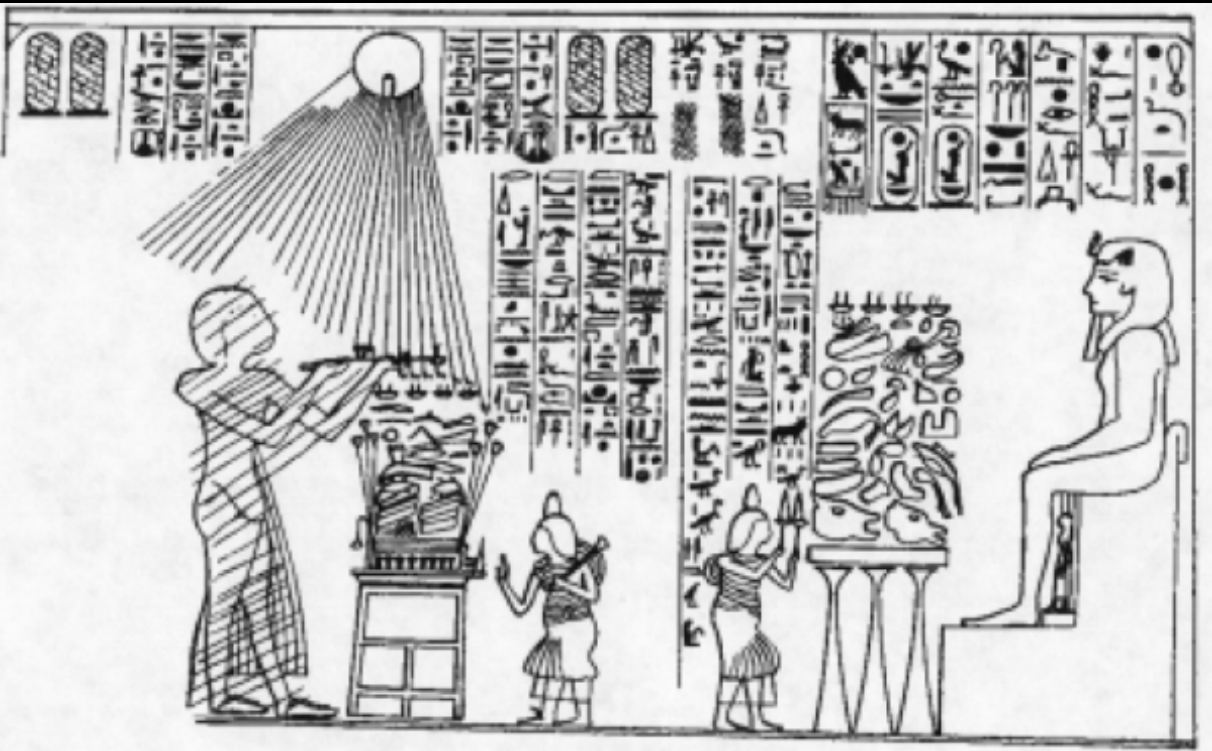
Object/ID: Sculptors Bek and Men offering to Akhenaten and Amenhotep III; Site: Aswan; Medium: rock carving; Period: Eighteenth Dynasty, New Kingdom; Significance: Shows artists/workmen participating in royal cult and Amarna-era ideology. Useful for Akhenaten’s relationship to earlier kings and the role of royal images.
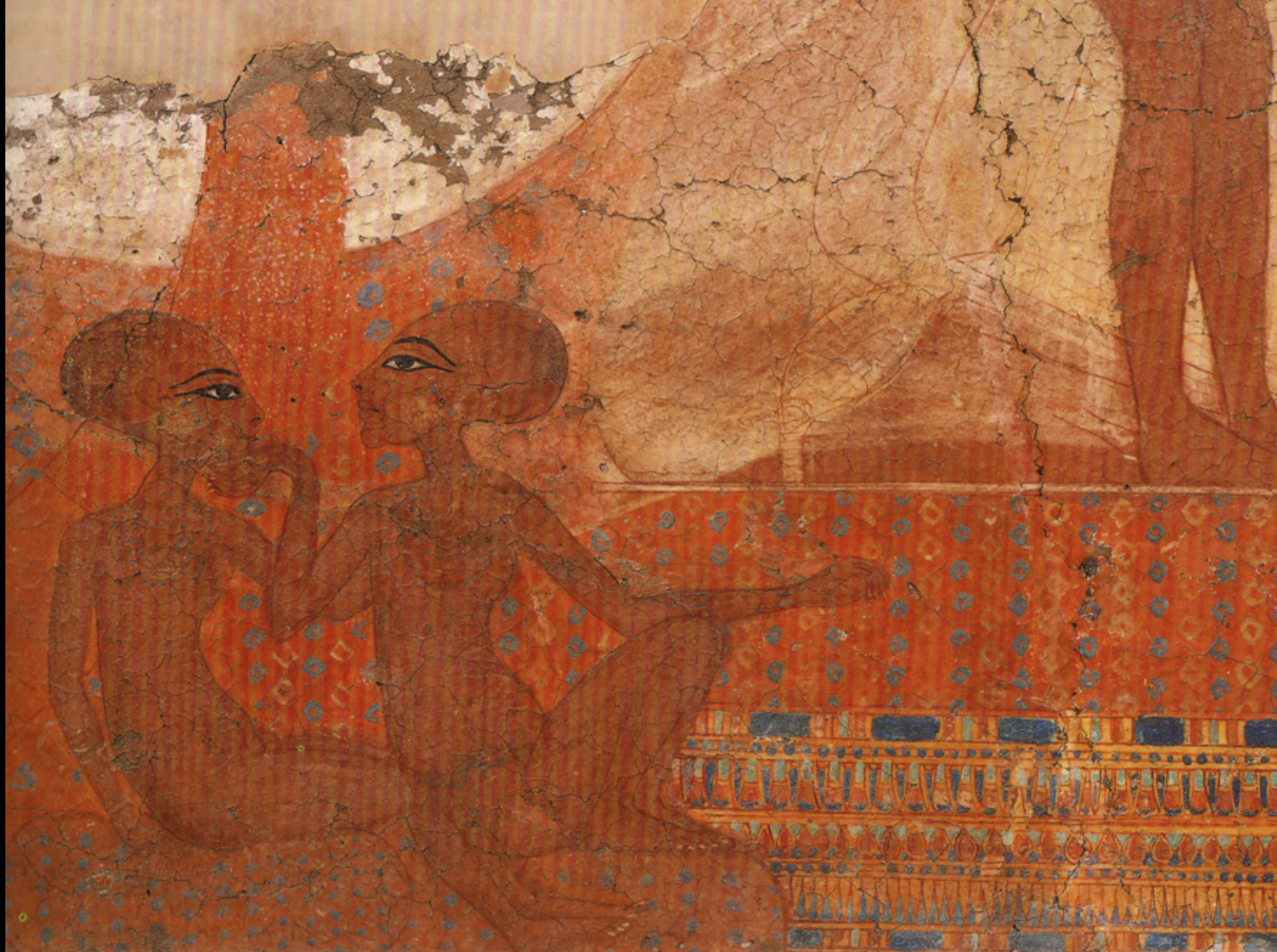
Object/ID: Amarna princesses; Site/context: King’s House, Amarna; Medium: paint on plaster; Period: Eighteenth Dynasty, New Kingdom; Significance: Shows Amarna style and intimate royal family imagery. Important for Akhenaten’s changed royal ideology, domestic scenes, and new artistic proportions.
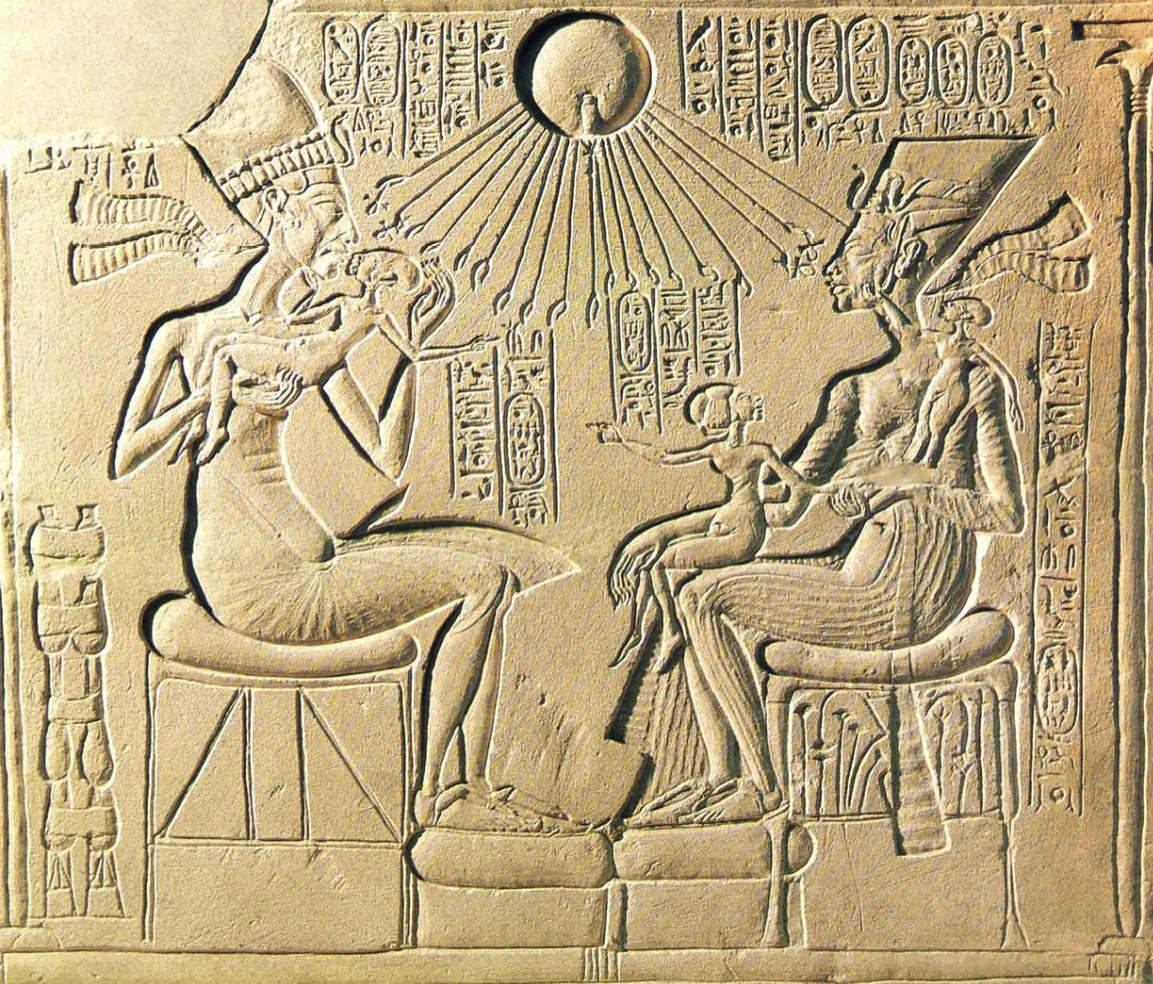
Object/ID: Stela from garden shrine; Site/context: Amarna elite house; Material: carved stone; Period: Eighteenth Dynasty, New Kingdom; Significance: Domestic/elite religious object showing the royal family and Aten. Shows that non-royal access to the divine at Amarna was mediated through Akhenaten and the royal family.
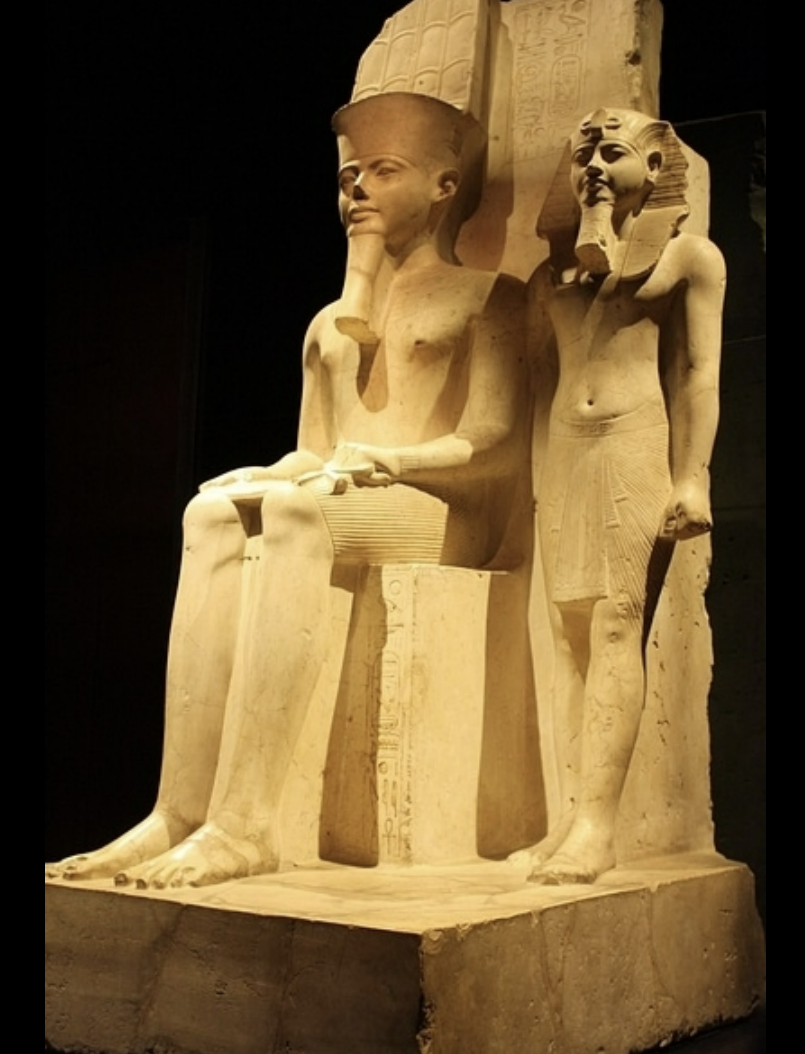
Object/ID: Amun and king, Tutankhamun or Horemheb; Site: Thebes; Material: limestone; Period: Eighteenth Dynasty, New Kingdom; Significance: Shows restoration of traditional Amun worship after Amarna. The god protects/supports the king, emphasizing continuity of divine kingship.
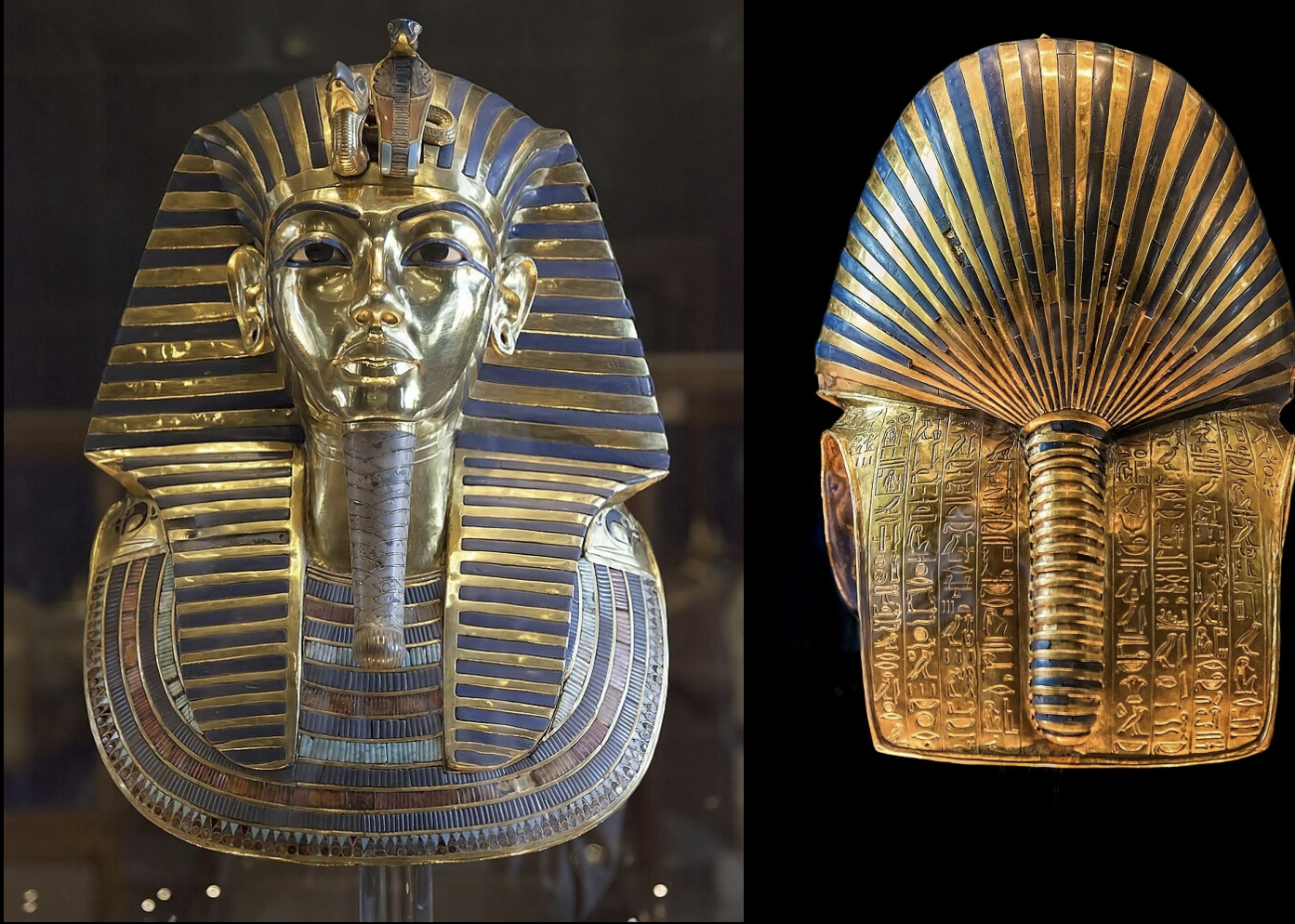
Object/ID: Funerary Mask of Tutankhamun; Site: Valley of the Kings; Material: gold and precious stones; Period: Eighteenth Dynasty, New Kingdom; Significance: Royal funerary equipment meant to protect and identify the king in the afterlife. Shows wealth, traditional royal burial practice, and continuity after Amarna.
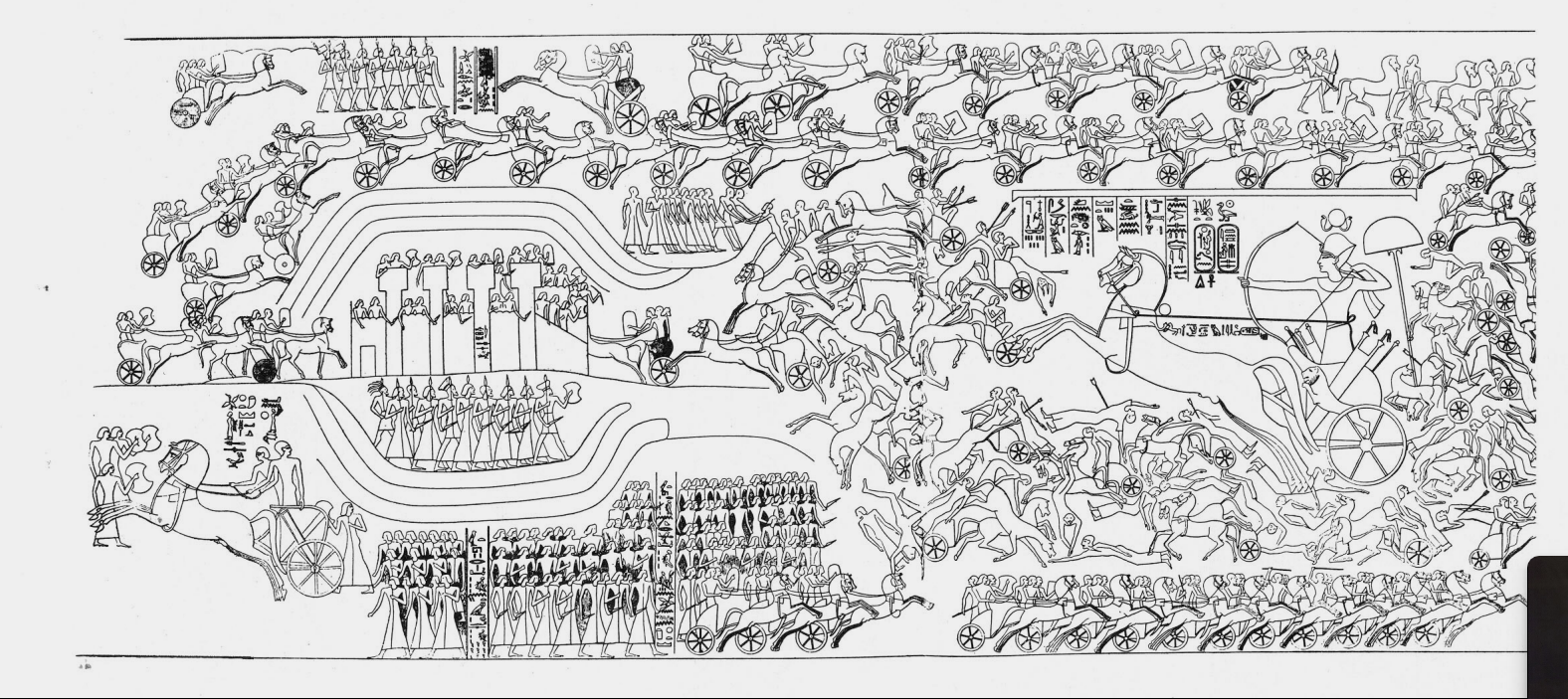
Object/ID: Battle of Kadesh temple relief; Site: Ramesseum, mortuary temple of Ramses II, Thebes; Material: carved stone; Period: Nineteenth Dynasty, New Kingdom; Significance: Royal military propaganda showing Ramses II as victorious and powerful. Temple battle scenes connect kingship, warfare, and cosmic order.
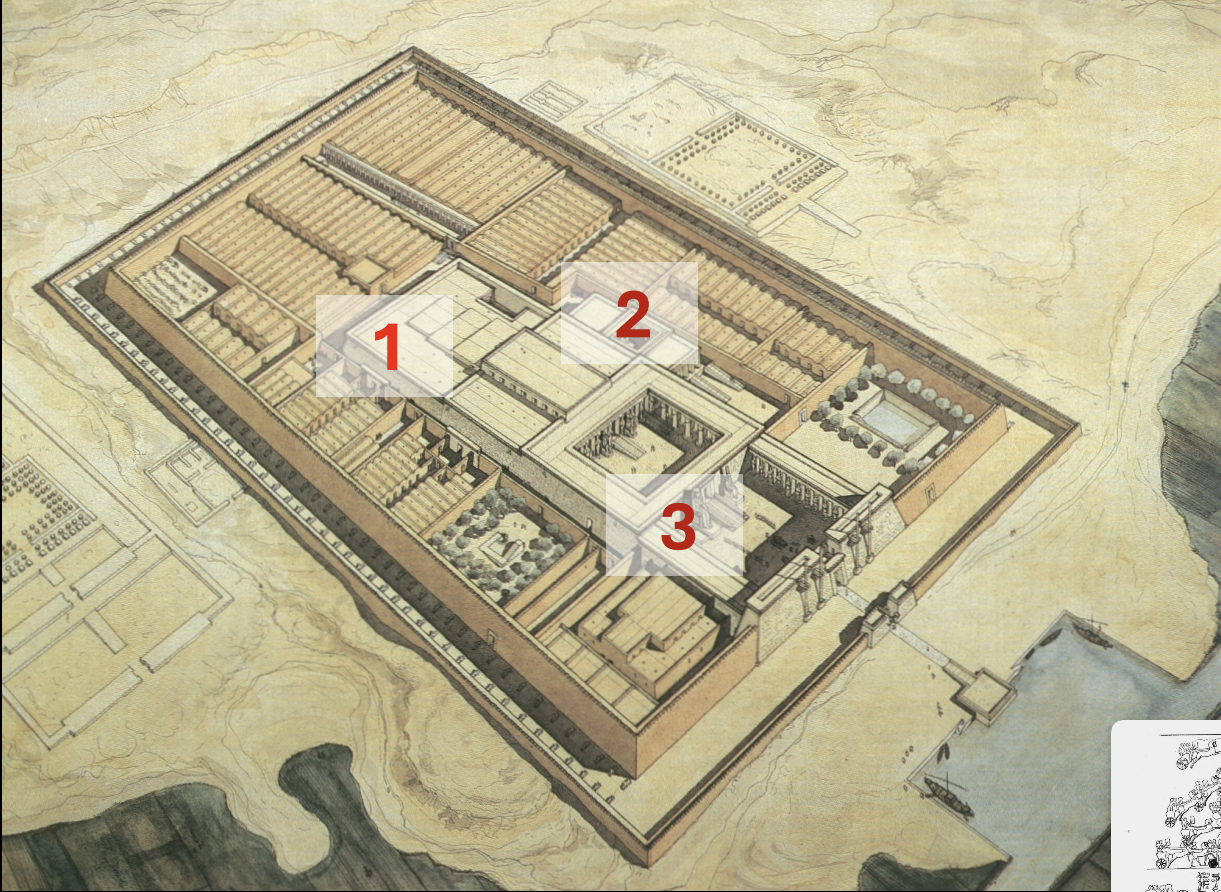
Object/ID: Ramesseum, mortuary temple of Ramses II; Site: Thebes; Period: Nineteenth Dynasty, New Kingdom; Key parts: sanctuary, hypostyle hall, open courtyard(s); Significance: Royal mortuary temple for rituals to maintain the dead king’s cult. Shows New Kingdom temple layout and king-god relationship.
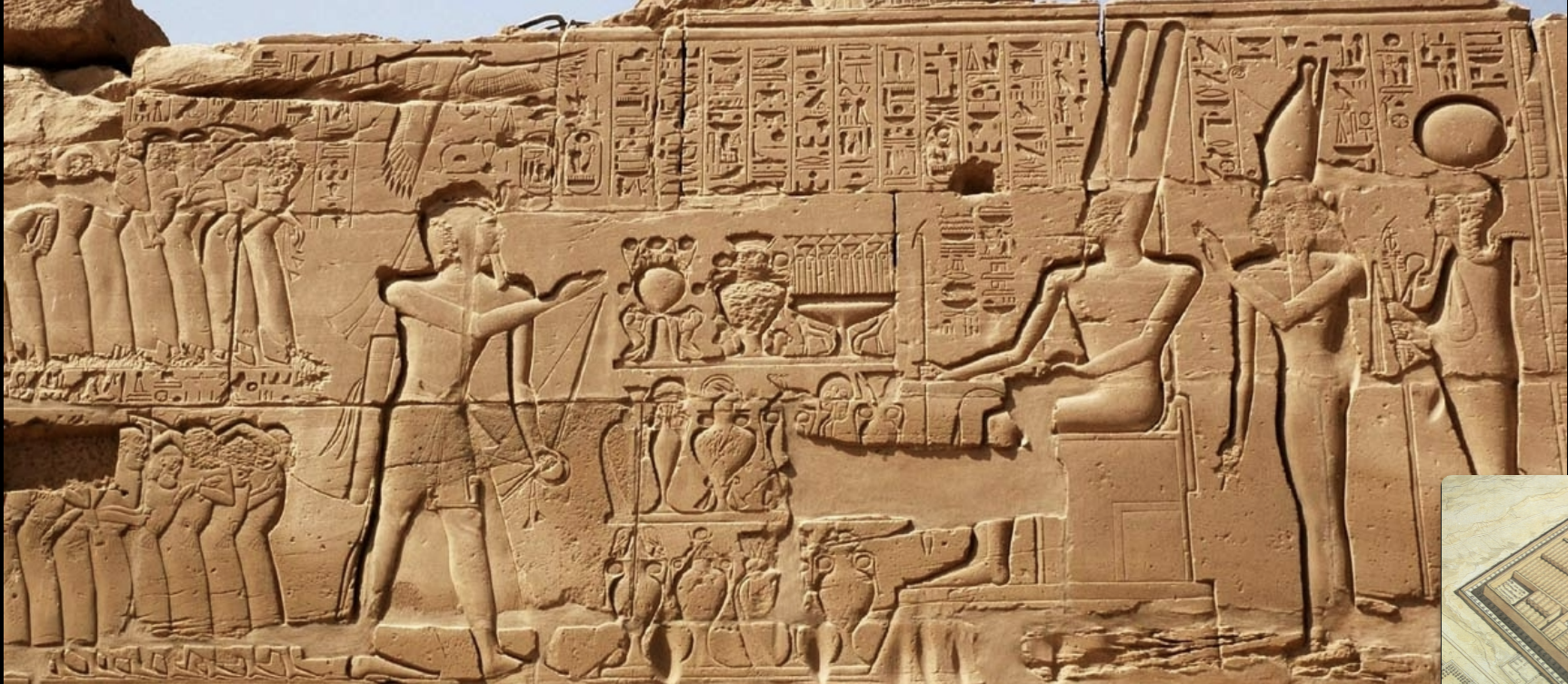
Object/ID: Sety I presenting prisoners and booty from the Levant to Amun, Mut, and Khonsu; Site: Karnak; Material: carved stone; Period: Nineteenth Dynasty, New Kingdom; Significance: Shows king offering foreign victory/wealth to the Theban gods. Connects military success, empire, divine support, and temple ritual.
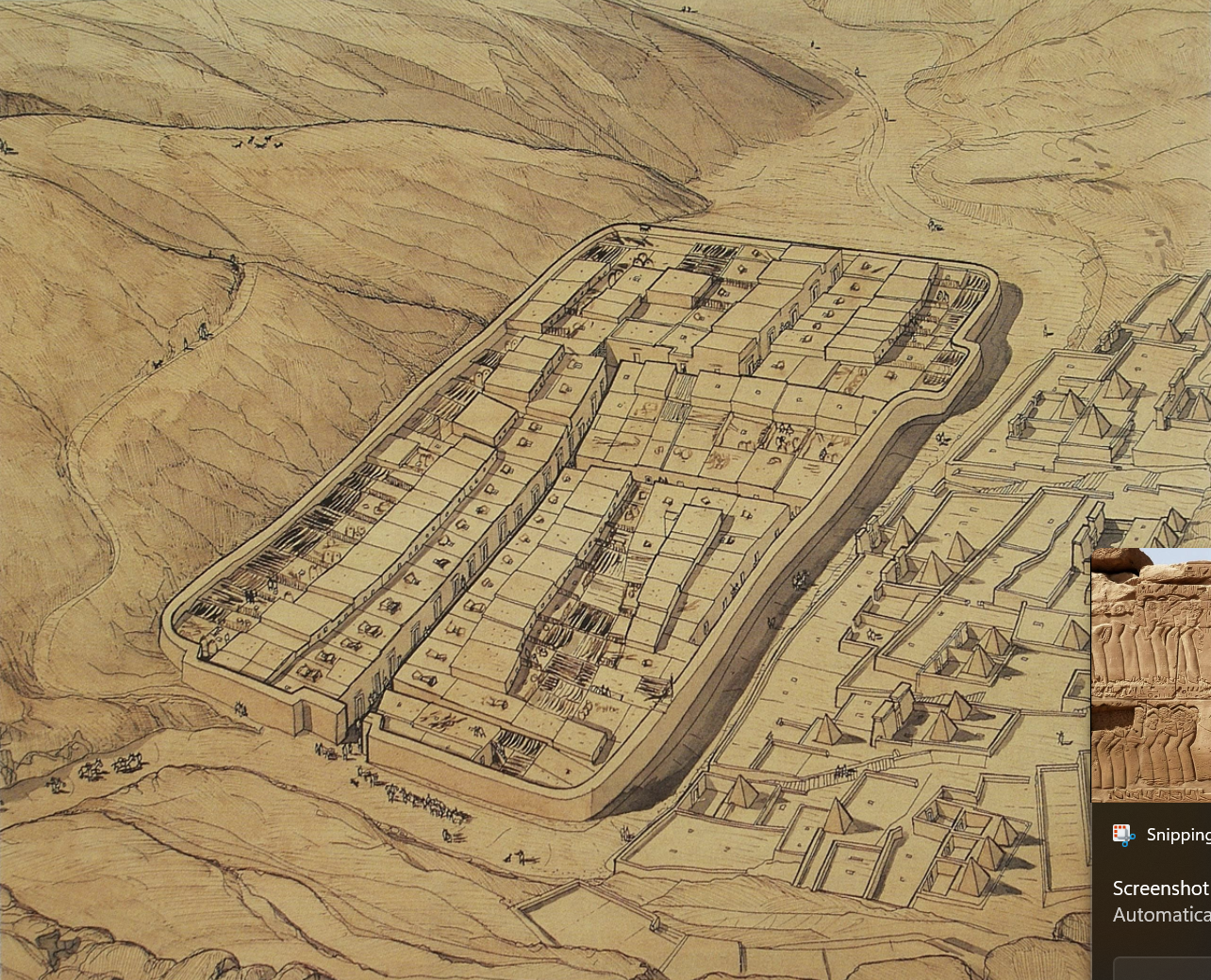
Object/ID: Deir el-Medina; Site: Thebes; Period: founded in Eighteenth Dynasty, peaked in Nineteenth Dynasty, New Kingdom; Significance: Planned village for workers who built royal tombs. Major evidence for non-royal life, literacy, labor, family, religion, and community organization in the New Kingdom.
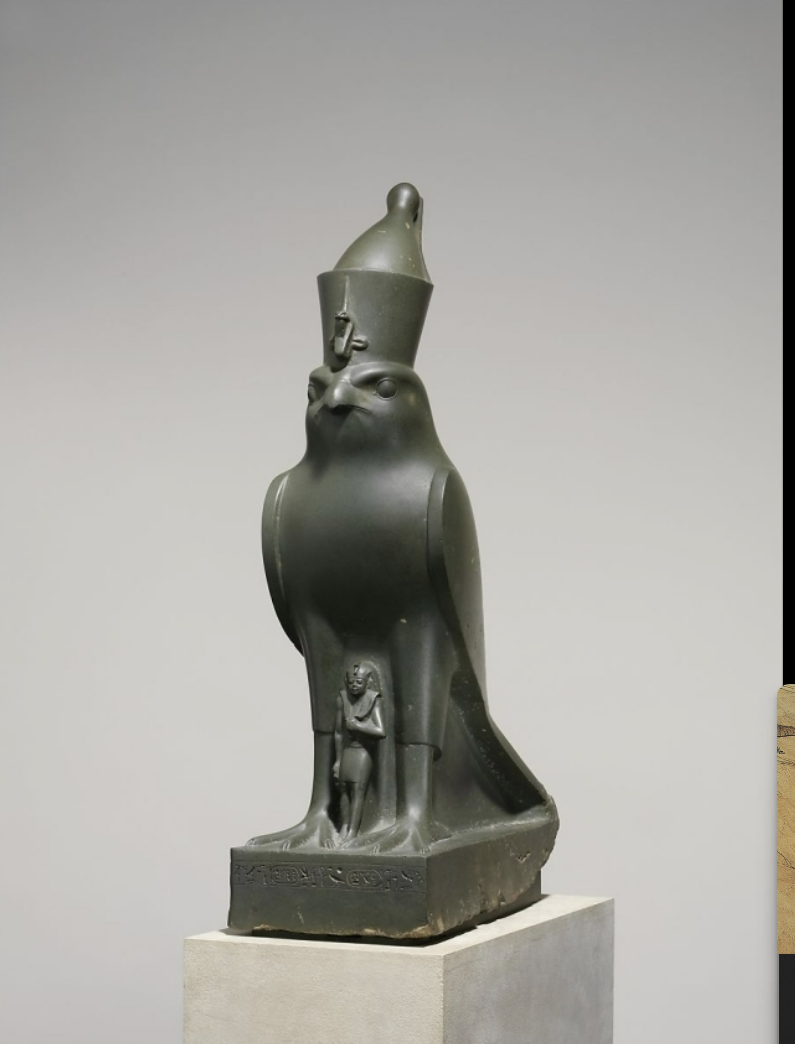
Object/ID: Nectanebo and Horus; Material: dark green stone/metagreywacke; Period: Dynasty 30, Late Period; Significance: Late Period king uses traditional Horus protection imagery. Shows continuity of Egyptian kingship symbols even after earlier periods of foreign rule and political change.
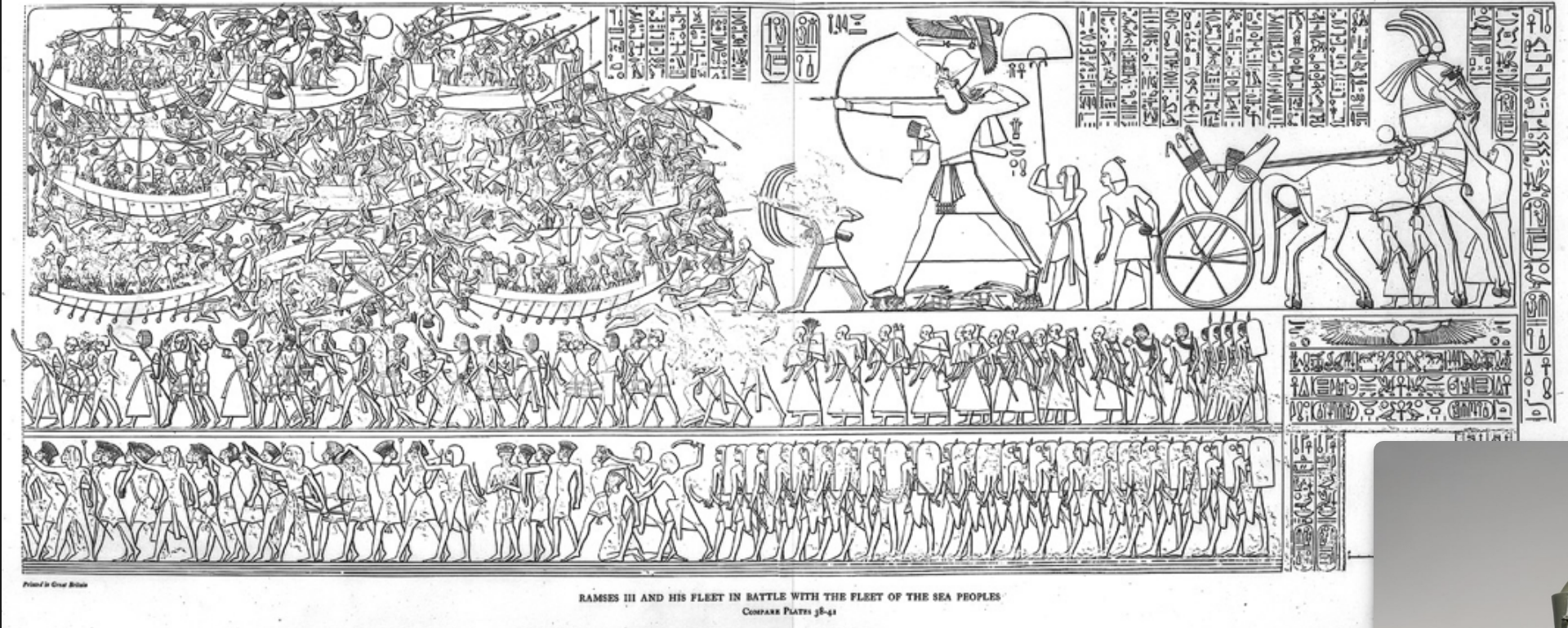
Object/ID: Ramses III battling the “Sea Peoples”; Site: Medinet Habu, Thebes; Material: carved stone; Period: Twentieth Dynasty, New Kingdom; Significance: Battle relief showing king defending Egypt from foreign threats. Useful for late New Kingdom military ideology and external pressure.
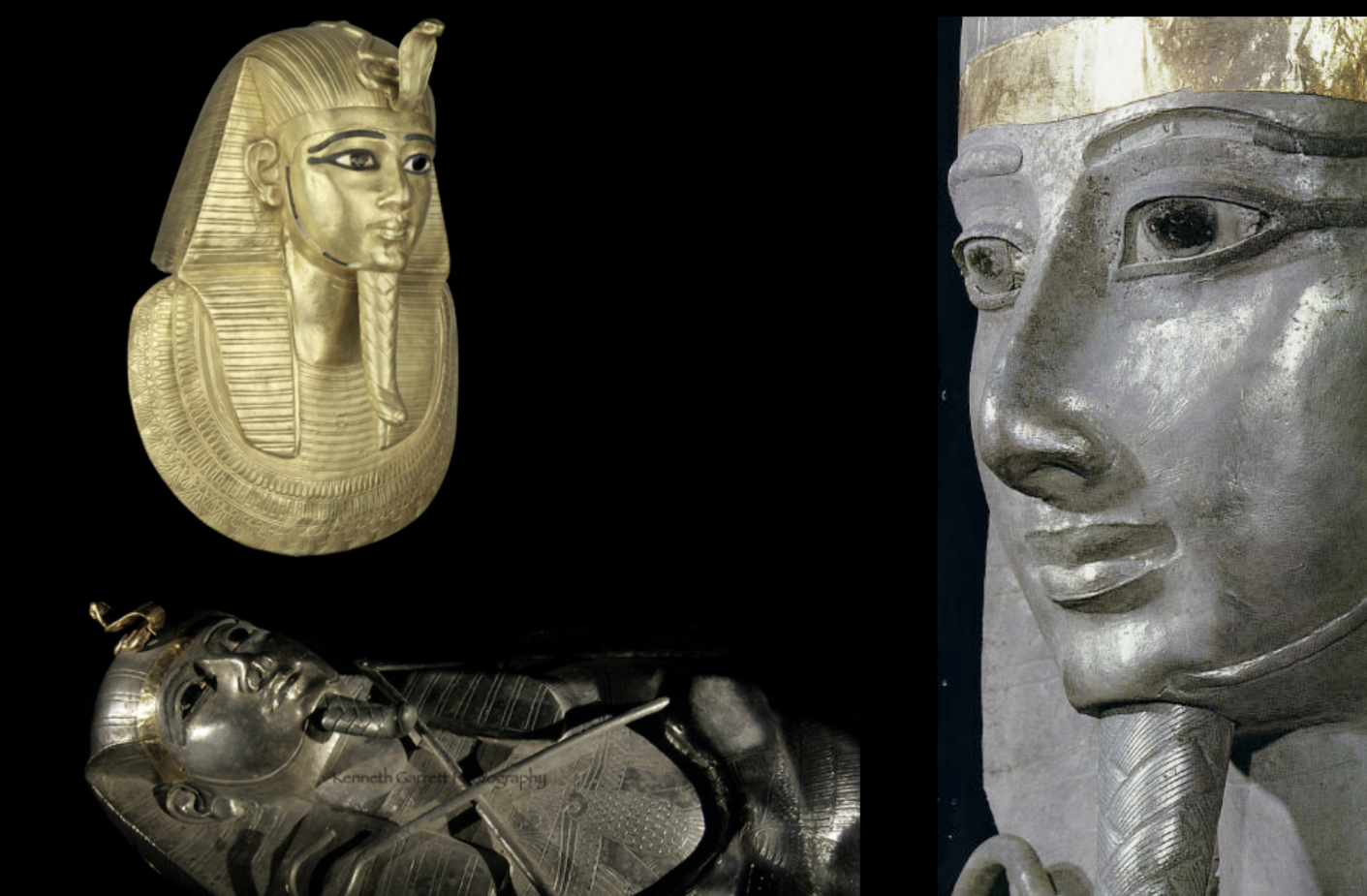
Object/ID: Coffin and facemask of Psusennes I; Site: Tanis; Material: gold and silver; Period: Twenty-first Dynasty, Third Intermediate Period; Significance: Royal burial equipment showing continued elite funerary wealth despite political decentralization. Useful for Third Intermediate Period continuity and northern royal power.
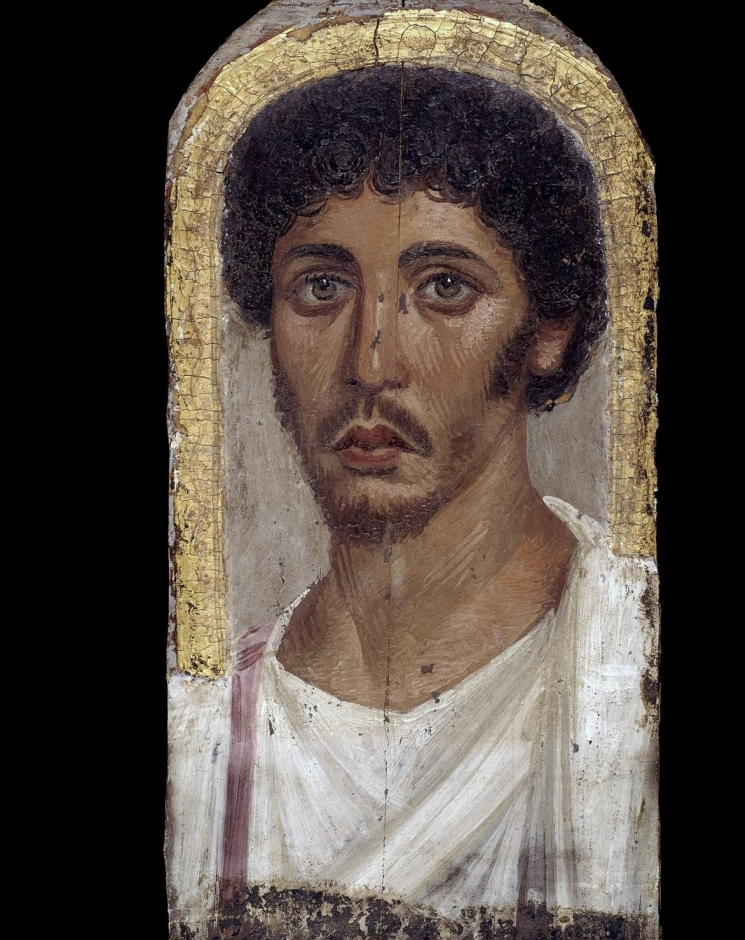
Object/ID: Mummy portrait; Site: Hawara, Fayum Oasis; Material: lime wood, stucco, wax, gold, lac; Date/period: 150–170 CE, Roman Period; Significance: Hybrid funerary object combining Roman-style portraiture with Egyptian mummification. Shows cultural blending in Roman Egypt.
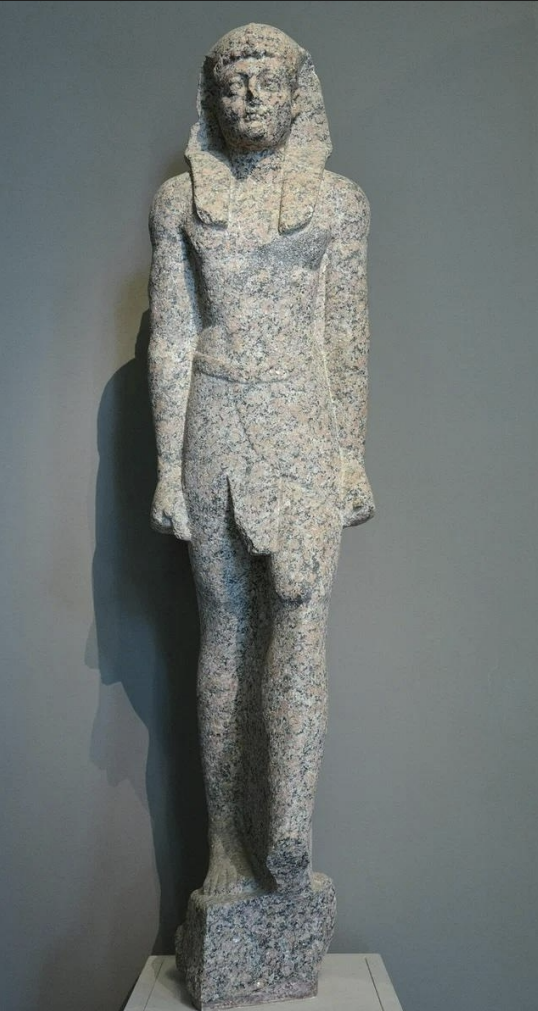
Object/ID: Statue of Alexander the Great as Pharaoh; Material: pink granite; Date/period: c. 300 BCE, Ptolemaic Period; Significance: Foreign ruler shown in traditional Egyptian pharaonic form. Shows how Graeco-Roman rulers adopted Egyptian kingship imagery for legitimacy while changing the political context.