heart rhythms
 Call Kai
 Learn
Learn Practice Test
 Spaced Repetition
 Match
Match Flashcards
 Knowt Play
1/16

There's no tags or description
Looks like no tags are added yet.
Name | Mastery | Learn | Test | Matching | Spaced | Call with Kai |
|---|
No analytics yet
Send a link to your students to track their progress
17 Terms
sinus arrhythmia
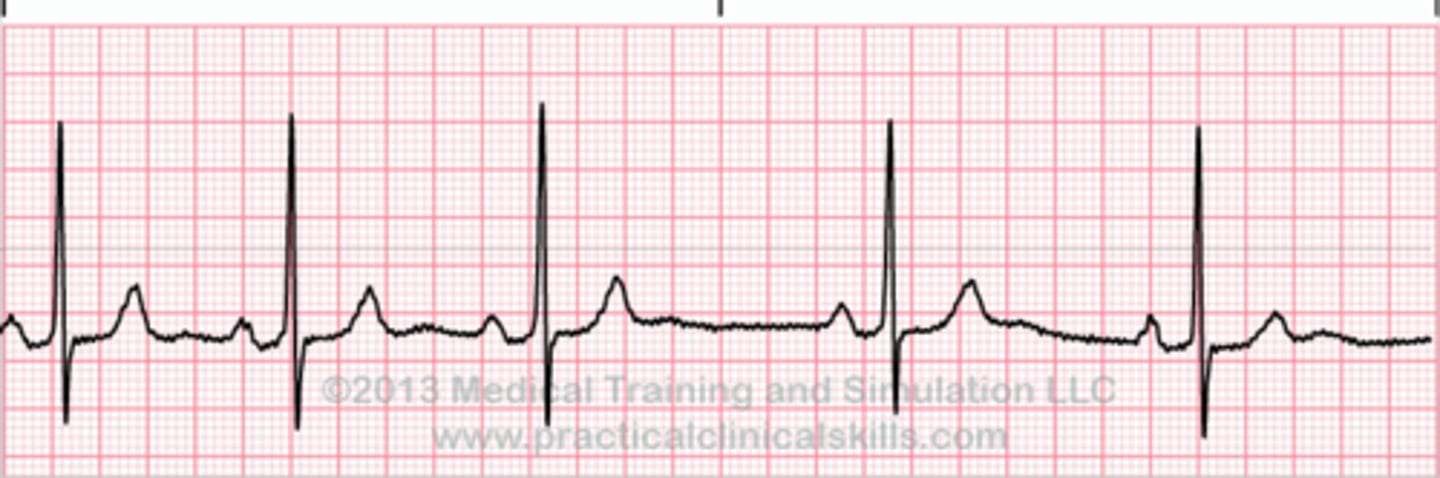
sinus arrhythmia in dogs
Very common and normal, speeding up with inhale and slowing with exhale.
sinus arrhythmia in cats
Uncommon; usually indicates stress or underlying disease in a clinical setting.
bradycardia
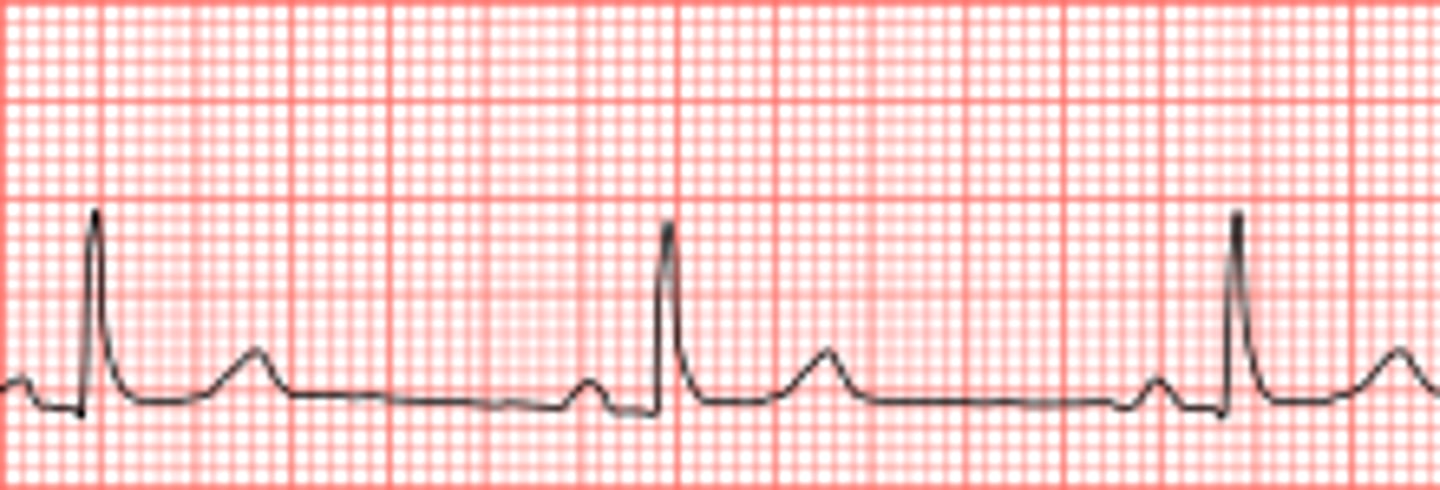
bradycardia in dogs
Can be normal in athletic dogs (e.g., sick sinus syndrome in small breeds) or due to drugs/disease.
bradycardia in cats
Less common; often linked to increased vagal tone or drugs like xylazine.
tachycardia
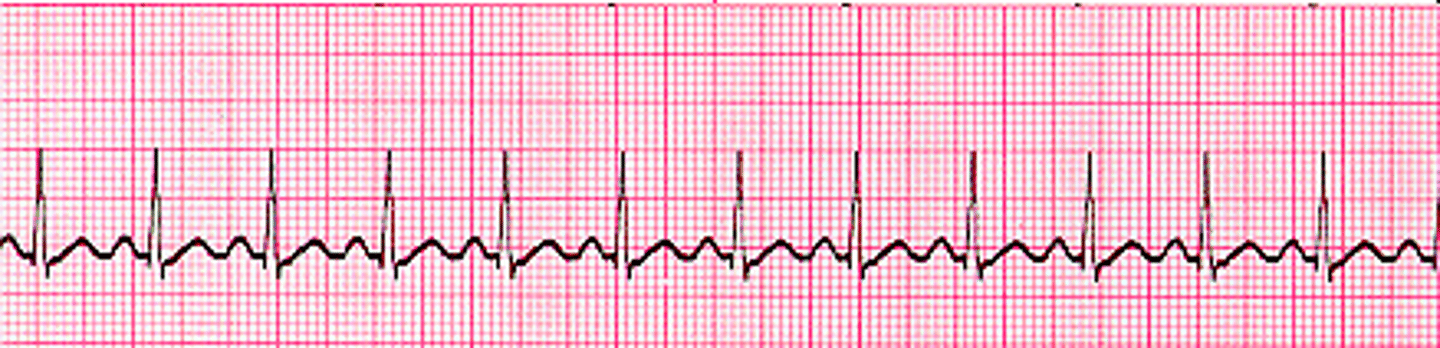
tachycardia in dogs
Can range from normal (exercise) to pathological (e.g., Boxer cardiomyopathy).
tachycardia in cats
Normal resting rates are high (200+ bpm) and easily elevated by stress, but pathological fast rhythms also occur.
atrial fibrilation (Afib)
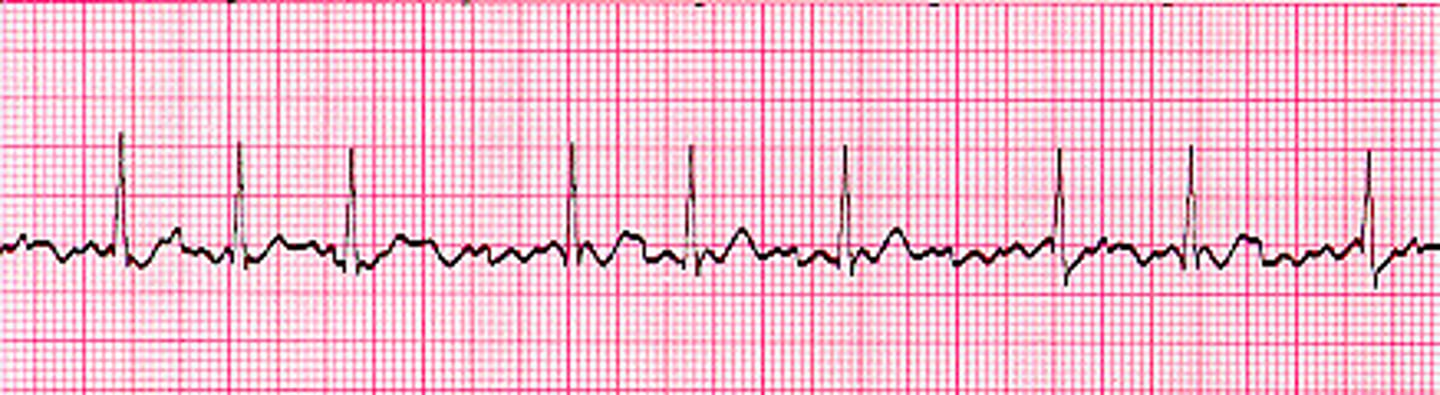
atrial fibrilation (Afib) in dogs
More common, usually with severe heart enlargement.
atrial fibrilation (Afib) in cats
rare
ventricular premature contraction
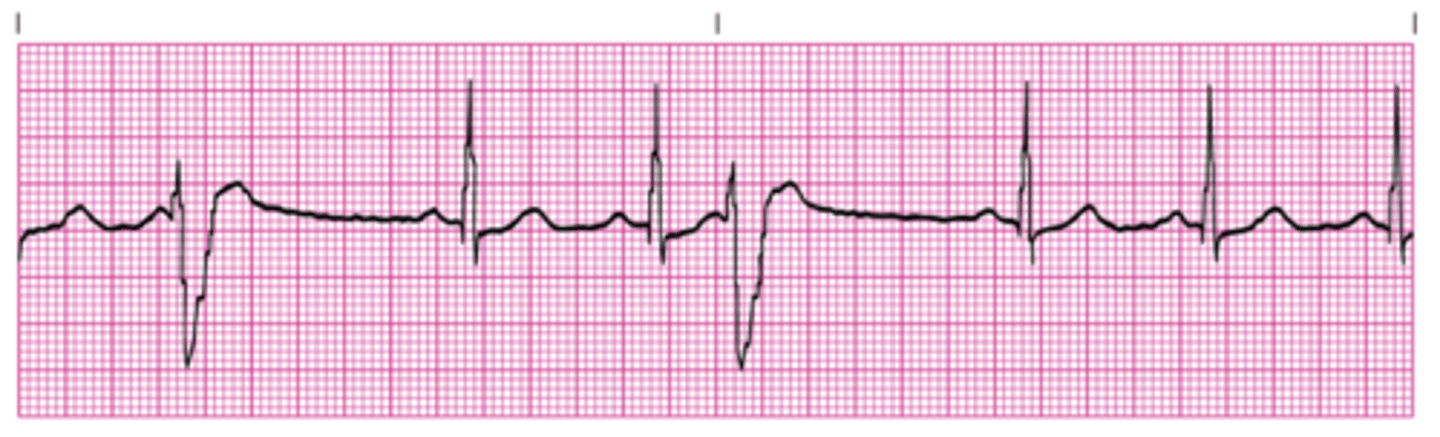
supraventricular premature complexes
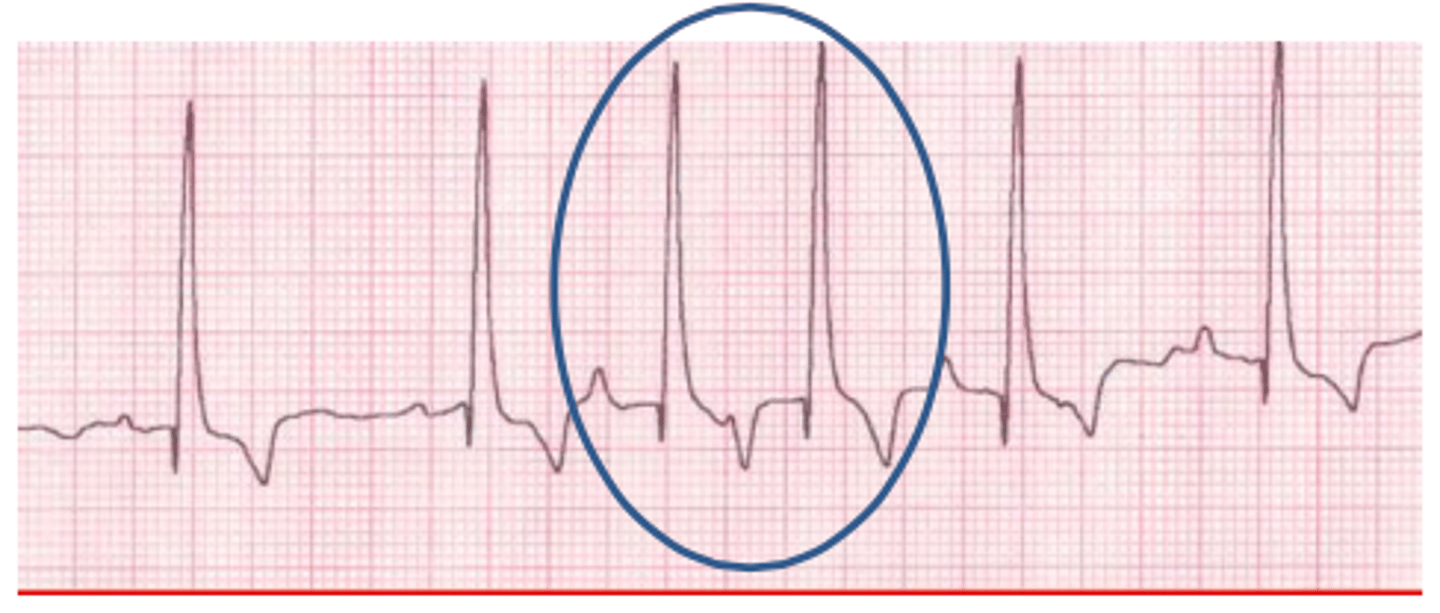
premature beats (VPCs/SVPCs) in dogs and ats
Signals originate from ventricles (VPCs) or atria (SVPCs) instead of the SA node; severity varies.
AV blocks
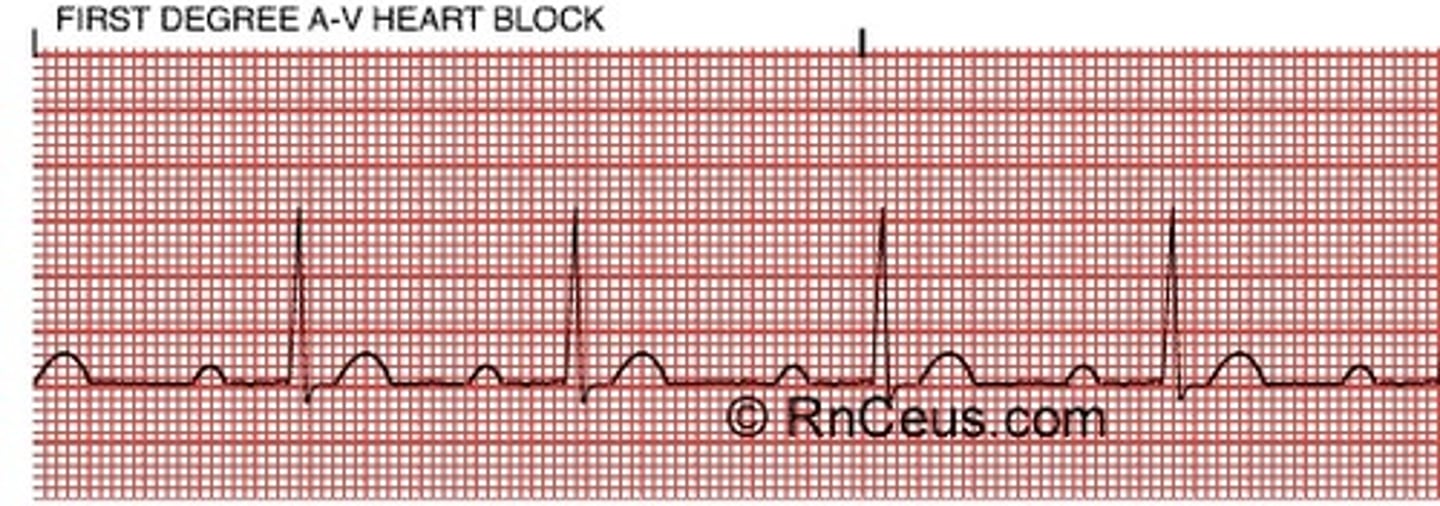
AV blocks in dogs and cats
Signal blockage between atria and ventricles; can range from mild delay (1st degree) to life-threatening complete block (3rd degree)