B51 FINAL lec 17-24
 Call Kai
 Learn
Learn Practice Test
 Spaced Repetition
 Match
Match Flashcards
 Knowt Play
1/130

Earn XP
Description and Tags
from the topic question guide
Name | Mastery | Learn | Test | Matching | Spaced | Call with Kai |
|---|
No analytics yet
Send a link to your students to track their progress
131 Terms
Why sexual reproduction?
it’s more costly cause females must find a male(who also cannot reproduce), BUT, offspring will have higher fitness as they are not accumulating deleterious alleles (genetic load) over time as asexual organisms are. Mullers ratchet.
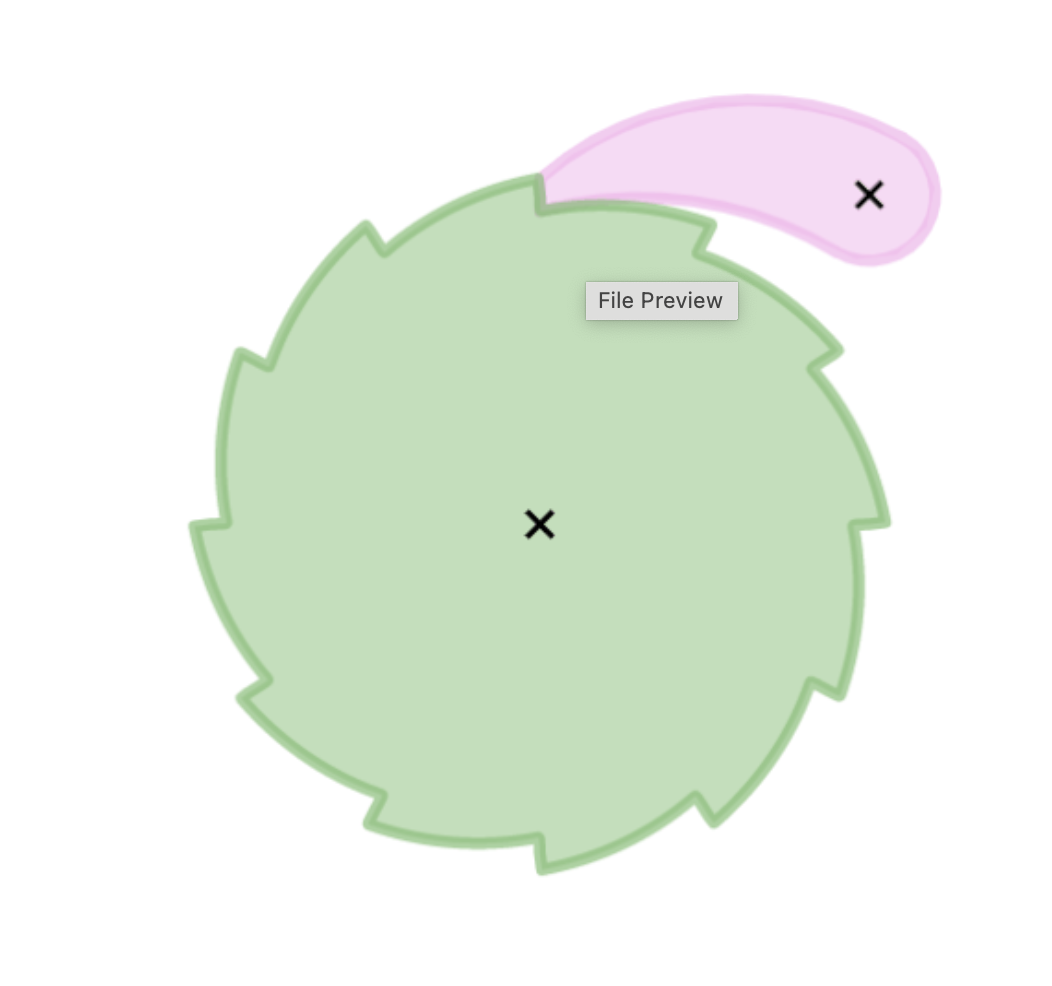
Describe how Mike McDonald’s data on fungi demonstrates the differences in how
asexual and sexual populations deal with deleterious alleles
because of genetic recombination in sexual species, deleterious alleles will NOT hitchhike to fixation. they purge(go to 0) instead
What is the Red Queen effect? How does it apply to predator-prey relationships?
back and forth predator prey alternations. coEVOLUTION?
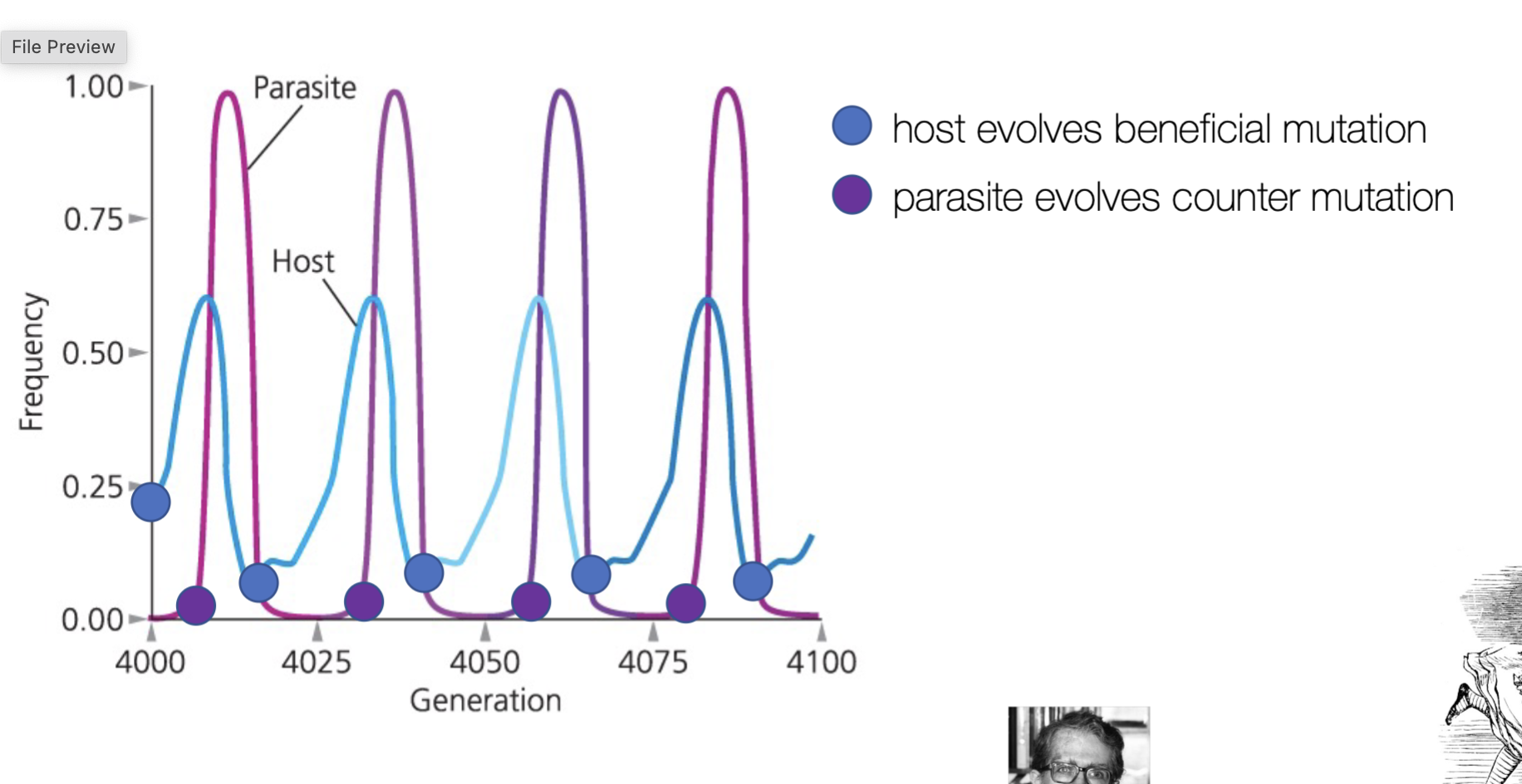
• How did Curt Lively’s work on snails in New Zealand demonstrate a Red Queen effect?
Populations with a higher incidence of parasitism by trematodes tend to be sexual, more effort on producing a variation of offspring to adapt to the presence of the parasite.
If natural selection underlies adaptation, why are there exaggerated traits that seemingly
decrease survival?
because mate-choice selection. =shorter lifespan but can have more offspring?
What are the 2 types of sexual selection? What is the relationship between sexual selection and natural
selection?
intraspecidic (competition)
and interspecific (make choice)
What were the five main topics gleaned from Darwin’s “Descent of Man” book from
1871 (i.e. Darwin’s dilemma)?
1. Differential parental investment
2. Puzzling Patterns (sexual dimorphism)
3. Types of sexual selection
4. Why be choosy?
5. Roles reversed when factors reversed?
What is anisogamy?
Anisogamy is a form of sexual reproduction involving the fusion of two gametes (sex cells) that differ in size and form, typically a small, motile sperm and a large, non-motile egg.
Explain how the limitations on reproductive success generally differ between the sexes?
M: amount of mates
F; fecundity
What is the operational sex ratio (OSR)? How is it different from the sex-ratio? Why is
looking at the OSR important for studies of sexual selection?
ratio of males to females capable of reproducing at a given time (does not include pregnant females.)
slower rate of reproduction by females leads to male-biased OSR (choosier female)
in a male based OSR, should males or females be influenced more by sexual selection?
males
What is the differences between ornaments and armaments and how do they relate to
intrasexual and intersexual selection?
ornaments: for looks (intra)
armaments: for fighting (inter)
How does the variance in reproductive success influences the strength of sexual
selection on males and females?
higer variance result sin stronger selection
What can we learn from elephant seals?
intense variability in males, some super successful, others not at all'
mild variability in females
What can we learn from red deer?
competing is costly.
What are the two kinds of benefits of being choosy?
Direct benefits: benefit the female directly: for example, food, nest sites, protection
• Indirect benefits: benefits that affect the genetic quality of the female’s offspring
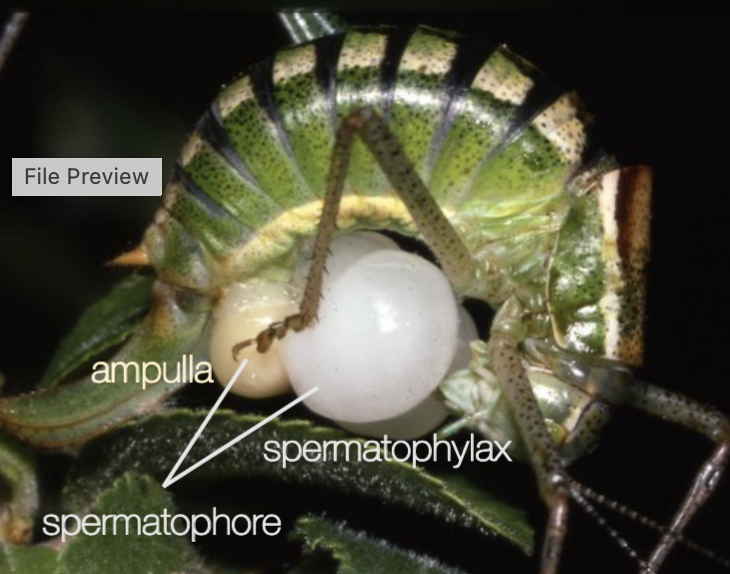
direct benefits? Give examples
nuptial gifts (spermatophore), and redbakc spider male lets female eat him for nutrients after mating (sexual cannibalism).
indirect benefits? Give examples
females choose males with longer eyestalks, and offspring will have longer eyestalks (more attractive), or be more choosy females.
What is a sensory bias? What is the role of sensory bias in sexual selection? Give
examples
guppies fav food is orange fruit, so they like orange males
swordtails like fish with longer tails, even if diff species, bc longer tail taps ground the same way their prey taps ground. and they love that sound.
Why do blue-footed boobies look similar and perform a mutual courtship display?
because their investment between sexes is similar!
How and why are dance flies and example of sex-role reversal?
Male dance flies are choosy, females are ‘showy’(bigger the better!)
because, the males provide a very costly nuptial gift, higher investment, to the females.
Sex that _______
into reproduction is often
the choosy sex
invests more
What is Fisherian Runaway Selection (aka Arbitrary Choice)?
a sexual selection mechanism proposed by Ronald Fisher where female preference for a male trait creates a positive feedback loop, leading to extreme, often disadvantageous, exaggerated traits
What is the Good Genes theory of sexual selection?
females choose mates based on traits that signify high genetic quality, which improves the survival or reproductive success of their offspring. ex: bright feathers are honest signals of a males superior genetic makeup.
How did work on red-collared widowbirds help inform us about sexual selection?
longer tails are more favourable. harder to maintain, so it is an honest signal about health.
What is resource allocation? How does resource allocation influence horn growth in
male dung beetles?
it takes resources to be attractive/grow weapons. longer horned beetles had smaller eyes.
Sexual monogamy
real
Social monogamy:
pair, but can cheat
Polygyny:
one male multiple females
Polyandry:
1 female multiple male
How has polyandry and sperm competition led to adaptations in male Callosobrucus
maculatus beetles?
male beetles have adaptations to maximizing paternity when mating with already-mated females, primarily through sperm displacement, large ejaculate investment, and coercive mating tactics, often at a cost to female fitness
beetles penis scrapes out other males sperm
What is the similarity of baculi from red squirrels and the aedeagus of brucid beetles?
lock and key technology
What is cryptic female choice? How does cryptic female choice apply to red junglefowl?
can choose to store more unrelated males’ sperm
some females can forcibly eject ejaculates following insemination
What is the relationship between genital morphology, forced copulations, and sexual
conflict in ducks?
Traits conferring a fitness benefit to one sex come at
a cost to the other
genital morphology will try to counteract each other in ducks, when forced copulation is present,
What did Holland & Rice find about the relationship between sexual conflict and seminal
proteins in Drosophila?
monogamous flies survival dropped! meaning: sexual conflict adaptations are costly. monogamous flies lost their ability to fight toxic seminal proteins. (I think)
What is the nature of sexual conflict in Rheumatobates water striders? What role does
Distal-less (Dll) play?
males grasp female while mating on top of them, females intros position are very susceptible to underwater predators.
DII (silenced by RNAi) removes their claspers, rendering them unable to mate.
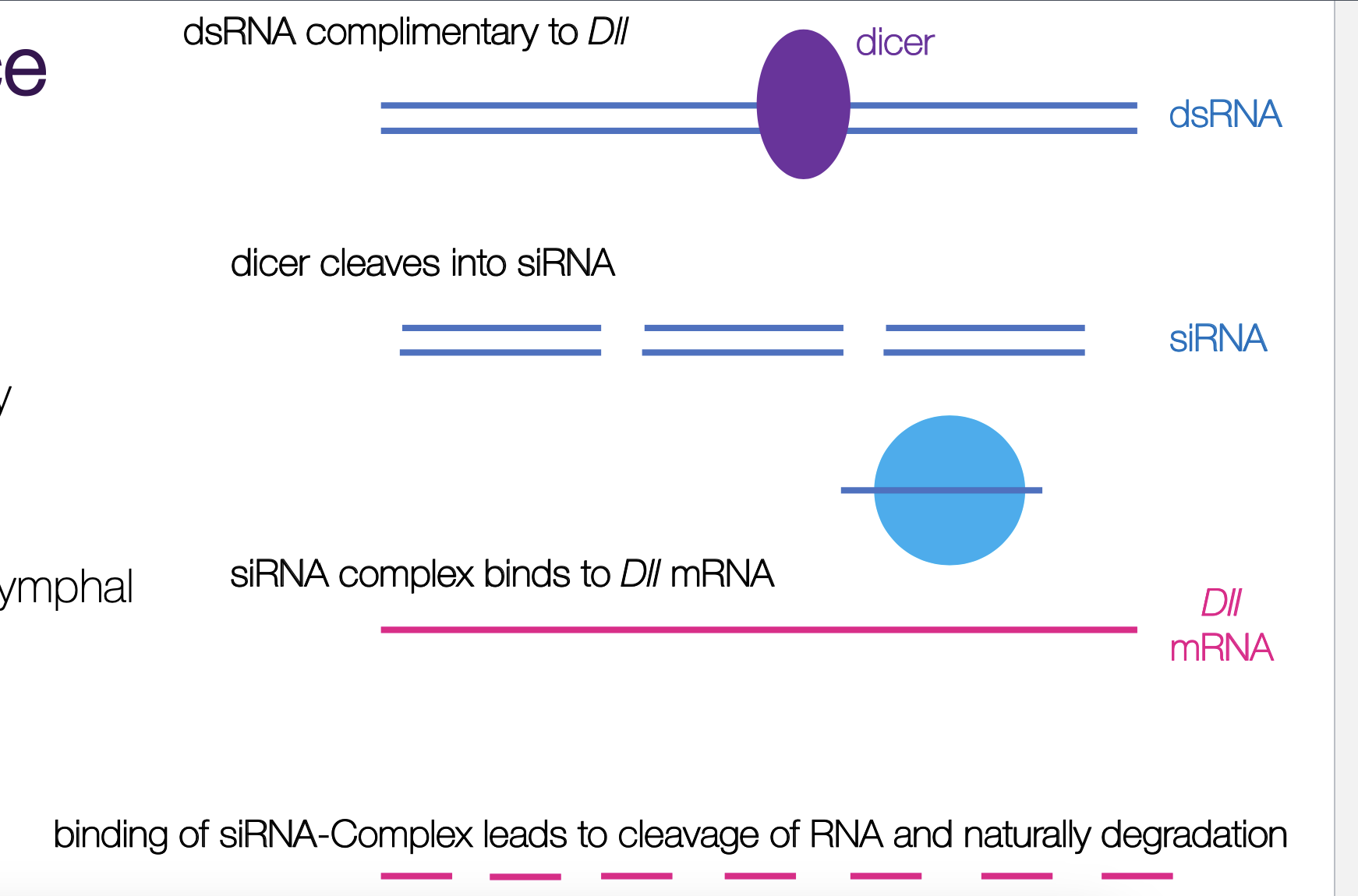
Why was Dll a candidate gene in this system?
Distal-less is a key candidate gene in evolutionary developmental biology (evo-devo) because it is a highly conserved transcription factor that acts as a "master regulator" for the development of distal (outer) appendages, such as legs, wings, and antennae in arthropods.
What is the candidate gene approach?
The candidate gene approach is a study design where researchers choose to investigate specific genes based on pre-existing knowledge of their function, rather than performing an unbiased, genome-wide search
what is life history?
Pattern of investment an organism makes in growth and reproduction
Traits:
• age at first reproduction
• duration & schedule of reproduction
• number & size of offspring
• reproductive effort
• life span
Life history strategies are subject to evolutionary forces
What can we learn about life history and trade-offs in opossums in Georgia?
very young population because most get killed by predators. as a result, they have many offspring. BUT on Sapelo islands, no predators, age increases and offspring number decreases.
What is the importance of David Reznick’s work on guppies in Trinidad & Tobago?
low predation: only babies killed: less but larger babies
high predation: everyone killed: many tiny babies
prediction is a driving factor for life history evolution
How did Reznick’s transplant experiments help to elucidate the nature of the trade-offs
and the relative speed of adaptation?
they isolated high predated fih in pred free ponds, and THEY DID CHANGE, just as expected= life history constantly evolving
significant different in 11 years only!
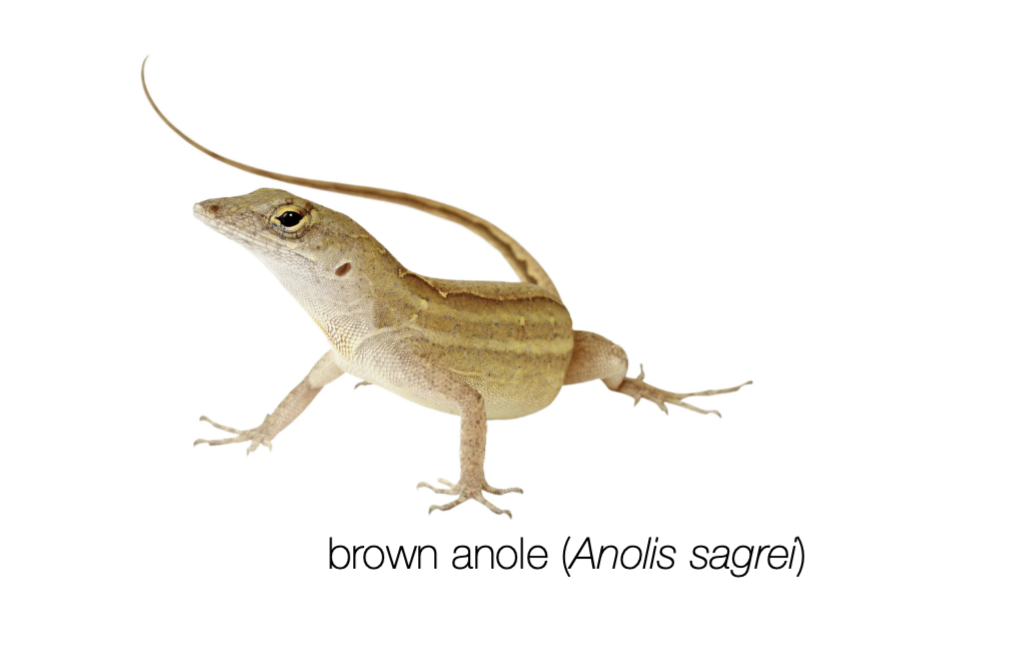
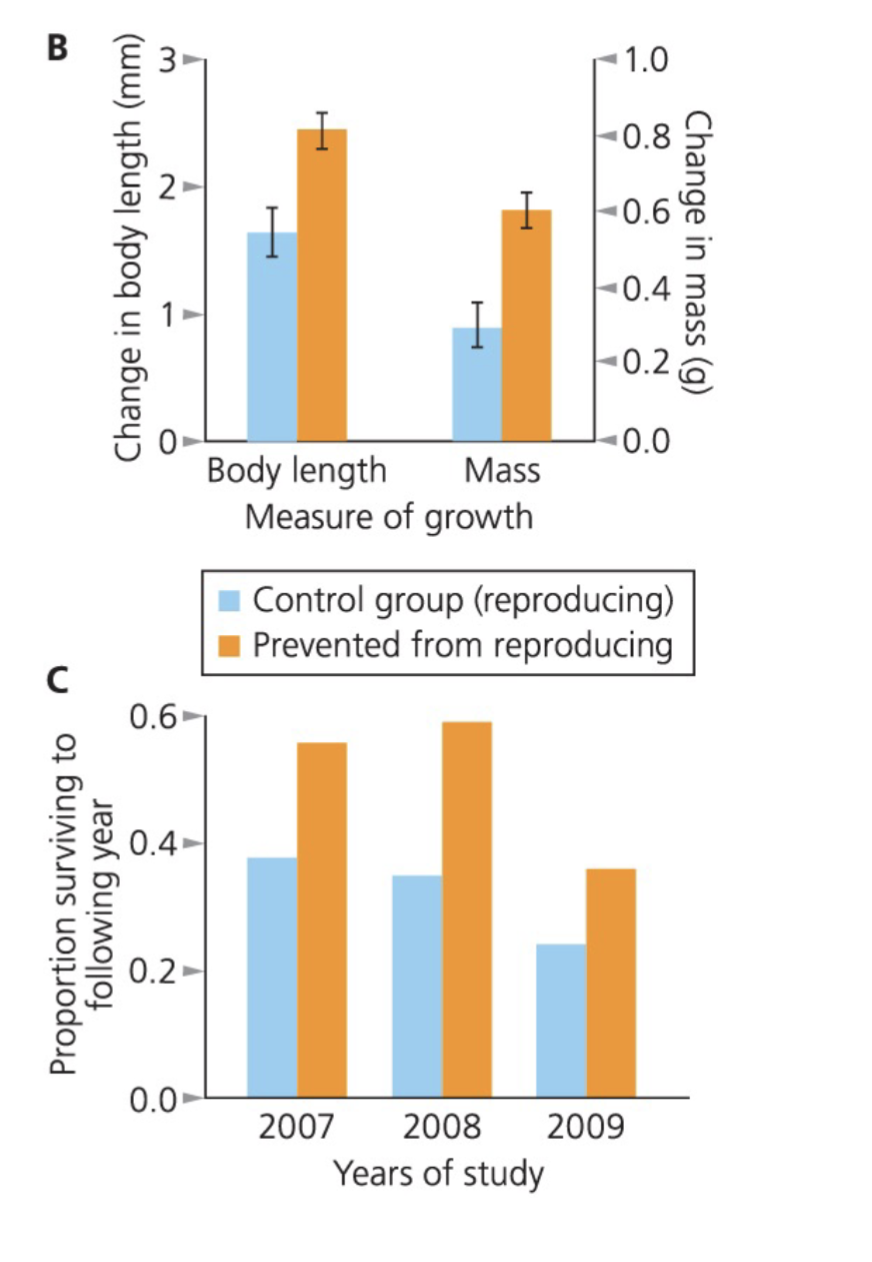
What is the trade-off between growth and survival in brown anoles?
non reproducing anoles lived longer than reproducing ones.
Why is parental investment a life history strategy?
females are more likely to provide more parental care as paternity is certain and they invest more
a higher OSR indicates:
more choosy females and more competitive males.
how does parental investment lead to sex role-reversals? (e.g. in pipefish)
males brood offspring, and so they are more choosy while females are more showy. males prefer bigger females!
Why do male sand gobies often cannibalize eggs?
when O2 is low, all eggs will die, so if you kill some, at least SOME will survive.
What is the Trivers-Willard hypothesis? How does this apply to male and female
offspring?
Mothers will produce females when she’s in poor condition because female can reproduce regardless.
mother produces males when in good conditions because more offspring possibilities.
What is the nature of sex ratio adjustment and Seychelles warblers?
resources high: females favoured as they stay and help
resources low: males favoured as they can disperse to better areas.
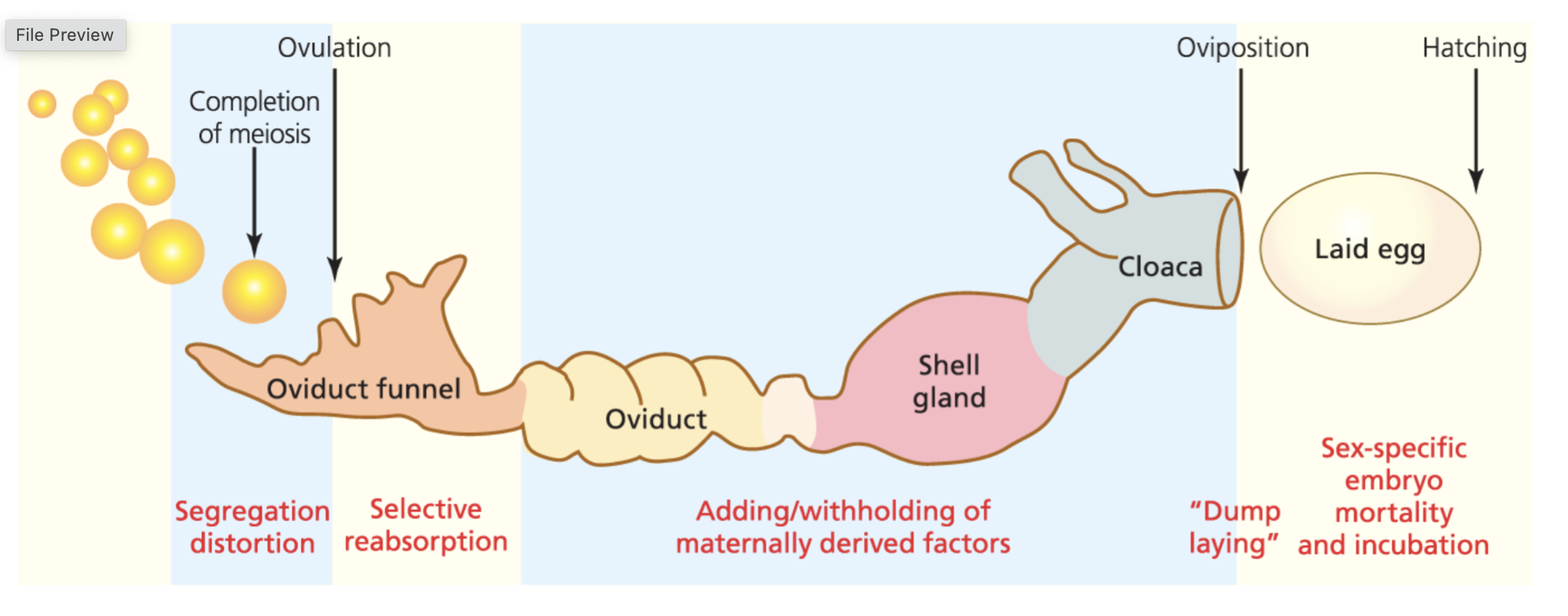
How do female chickens have multiple opportunities to alter the sex ratio?
ex: selective reabsorption by meiotic drive, or dump laying/purging
What is parent-offspring conflict? How does “optimal allocation” differ when comparing
parents to offspring?
it is optimal for parents to divide care=success of more offspring
but offspring are selfish and want all investment in themselves (not siblings)
ALSO: they want everything from parents.. intense begging can lead to parents dying of exhaustion.
Why are there often conflicts over parental care? How do penduline tits deal with this?
Mom and dad have different interests..
unmated male makes nice nest. if he mates but leaves to early, female will not lay his eggs/abandon eggs? and switch to different nest.
but the longer he stays, the less opportunity he’s getting to mate with other Fs.
SO, male will check that all eggs are laid before leaving.
BUT female will hide eggs under nest fluff to make male stay longer.
How do siblings compete for parental care?what’s the barn swallow experiment? what about orange American coots?
intense begging.
in the Barn swallow experiment, the babies with a redder mouth got the most food.
Orange American coots, more oranger babies grow faster when mixed with black babies.
Optimal allocation of parental investment differs depending
on perspective T or F
True
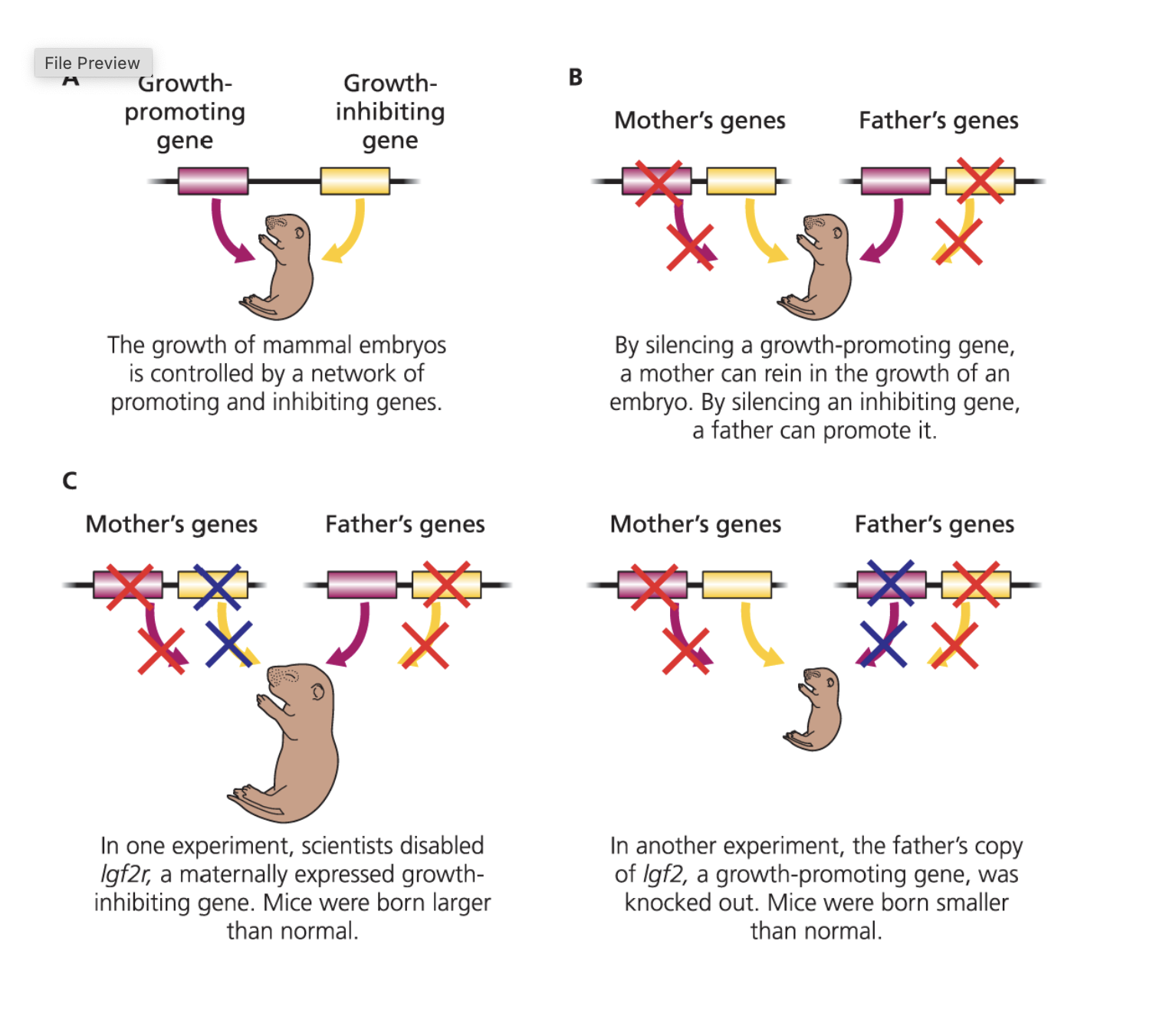
What was Haig’s contribution to understanding genomic imprinting and parental conflict?
mothers: inhibit offspring growth genetically by silencing the growth gene
fathers counteract this by silencing the inhibition gene, to promote growth.
Senescence
age deterioration
Caloric restriction can slow aging process
• genes involved in repair switched on under stress [don’t rlly understand??]
What is the mother hypothesis?
reproduction late in life is risky
• invest in current offspring
What is the grandmother hypothesis?
loss of fertility associated
→ shift investment towards grandchildren
• maintain strength (by not reproducing) to assist with
grandchildren
studies have shown life expectancy increase with grandmothering!
what is a species?
smallest independently evolving unit
but, there are many different species concept (>22) so not a universal agreement.
what is a species questions to ask it they are _____
• more than morphology (behaviour, geography, dispersal
tendencies)
• luxury & curse
• lines less distinct, abundant overlaps
Extant
what is a species questions to ask it they are _____
• did they hybridize?
• based on changes in morphological features
Extinct
What is the phylogenetic species concept?
smallest possible group descending from a common
ancestor; recognizable by unique, derived traits
• useful for systematics
• focuses on phylogenetic history
Biological species concept (BSC):
species are groups of potentially interbreeding populations
that are reproductively isolated from other such groups
• works well for sexually reproducing animals
• most common
General lineage species concept (GLSC):
species are metapopulations of organisms that
evolve independently from other metapopulations
metapopulation:
group of spatially separated populations of the same species that interact at some level
• significant gene flow between metapopulations = same gene pool
What is allopatry?
Geographic: extrinsic properties of landscape that prevent gene flow
What is sympatry?
non geographical, ex: Reproductive: features of organisms that prevent interbreeding
What is allochrony? Why are Montastraea corals a good example of allochrony?
they have different spwaning times of day,
Allochrony = different times
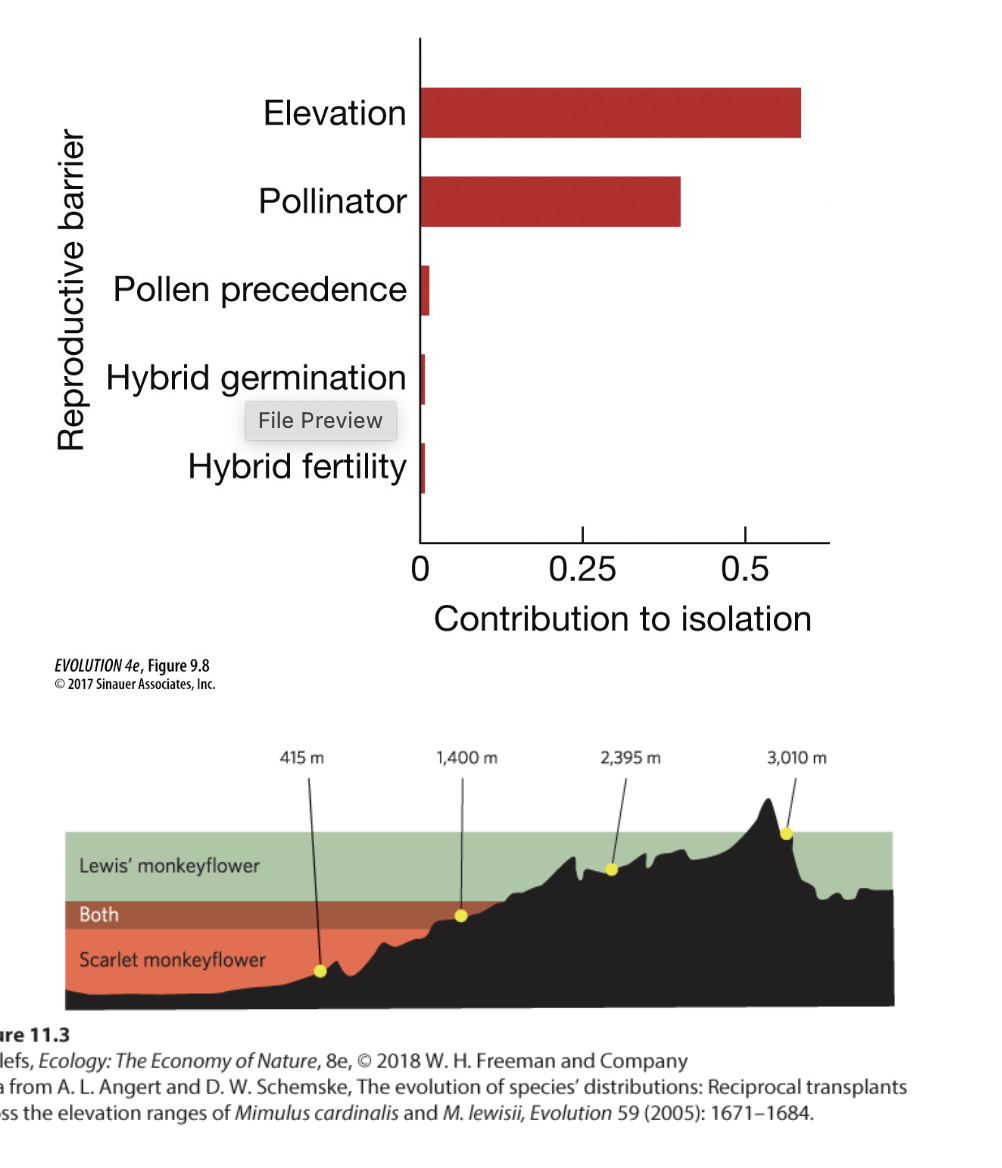
How can pollinators serve as premating barriers?
different flower shapes facilitate pollination by different animals.
lewisii: bee pollinated
cardinalis: hummingbird pollinated
( these flowers are also separaeted by altitude on a mountain!)
Postmating, prezygotic barriers examples
beetles: Physical damage: hybridization results in damage to female reproductive tract
Gametic incompatibility: sperm or pollen fails to penetrate & fertilize other species
Postzygotic barriers
Hybrids are produced but have low fitness
• Hybrid inviability
• Hybrid sterility
• Ecological inviability
• Behavioral sterility
Bateson-Dobzhansky-Muller incompatibility (B-D-M)
genetic incompatibility of hybrids
arises from epistatic interactions at two or more loci
How do California monkeyflowers represent an example of BDM incompatibility?
negative epistatic interactions. Divergent species evolved incompatible allele combinations at loci (e.g., hms1 and hms2) that work fine separately, but cause reduced hybrid fitness, such as sterile pollen, when combined
Describe the example of BDM incompatibility in swordfish.
hybrid weaker cause it has much bigger black spot, cause they don’t have the cancer shutoff gene!
What are the similarities and differences between allopatric speciation by vicariance and
by dispersal and subsequent colonization?
vicariance: physical split, then speciation.
Dispersal: population moves to new habitat, colonizes, & founds new population
all due to genetic drift and selection.
What has Kerry Shaw’s group discovered about male songs and female preferences in
Laupala crickets and the diversity of these crickets across the Hawaiian islands?
Populations on same island often differ in male song & female preference for songs
( they also move across islands..?)
Reinforcement:
selection favours prezygotic isolation mechanisms preventing formation of
hybrids with reduced fitness
,üst evolve in allopatry
How does reproductive character displacement (the shift in calling songs) of Gryllus
rubens and texensis serve as a reinforcement mechanism?
females prefer male songs of crickets in their area ,
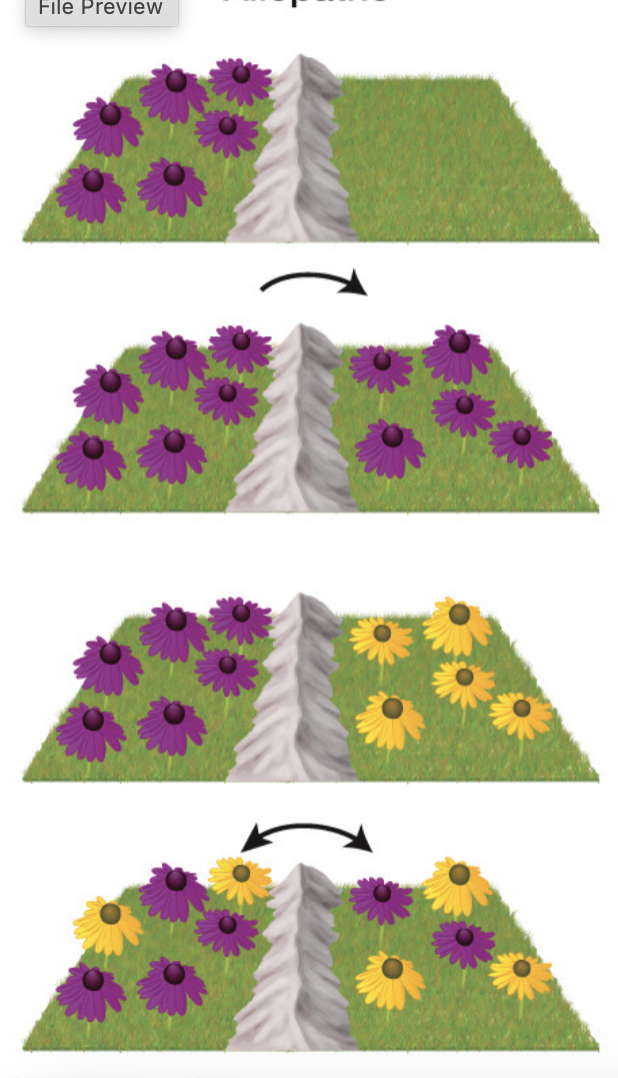
what speciation?
allopatric (vicariance)
allopatric can also be by dispersal btw
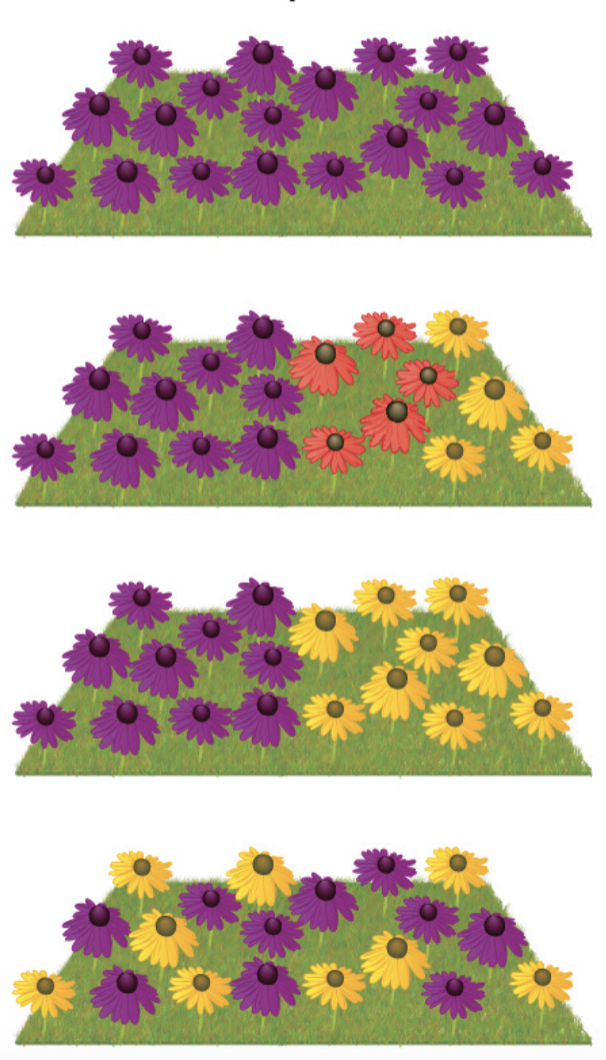
what speciation?
parapatric
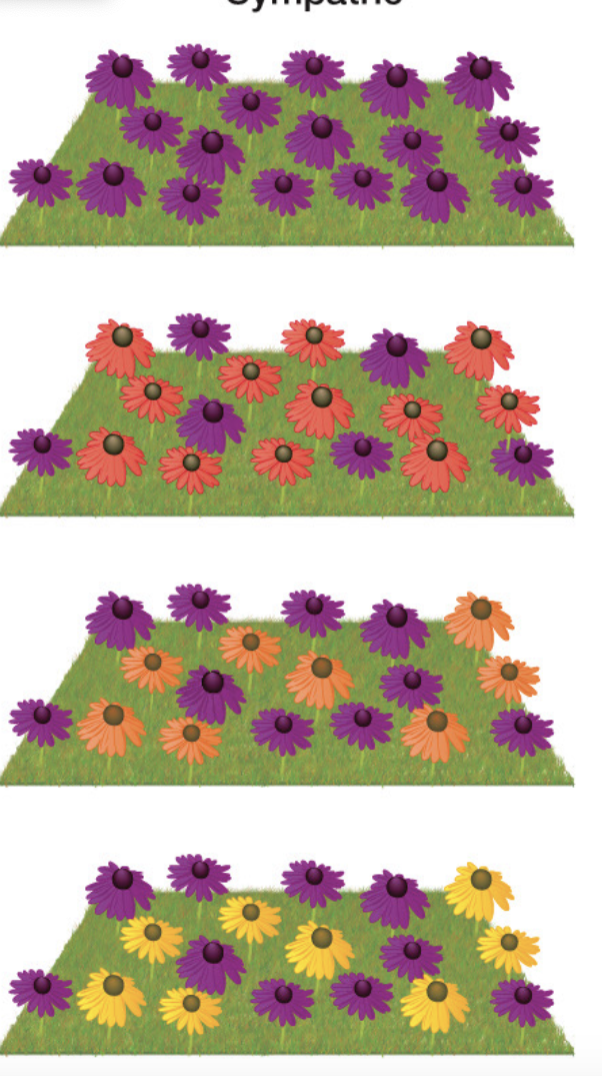
what speciation?
sympartic
How can pollinator preferences influence sympatric speciation?
downwards facinf flowers only allow for hummngburds to hover and drik, while upright and super long flowers allow for only hawkmoths to drink nectar with probosis
Ivan would use light microscopy or transmission electron microscopy to study animals using a ________ sepcies concept
Morphological
Ivan would use rbcL gene tree to study animals using a ________ sepcies concept
phylogenetic
Ivan would use mating trials to study animals using a ________ sepcies concept
Biologival
How did Howea belmoreana and H. forsteriana palm trees undergo sympatric speciation
on Lord Howe Island?
Forseriana (kentia palm) grew in volcanic basalt soil
while Howea belmoreana (curly palm) grow in calcareous soil.
DIFFERENT CLINES: belmoranea typically lower cause calcerous soil is exposed when the sea level decreases.
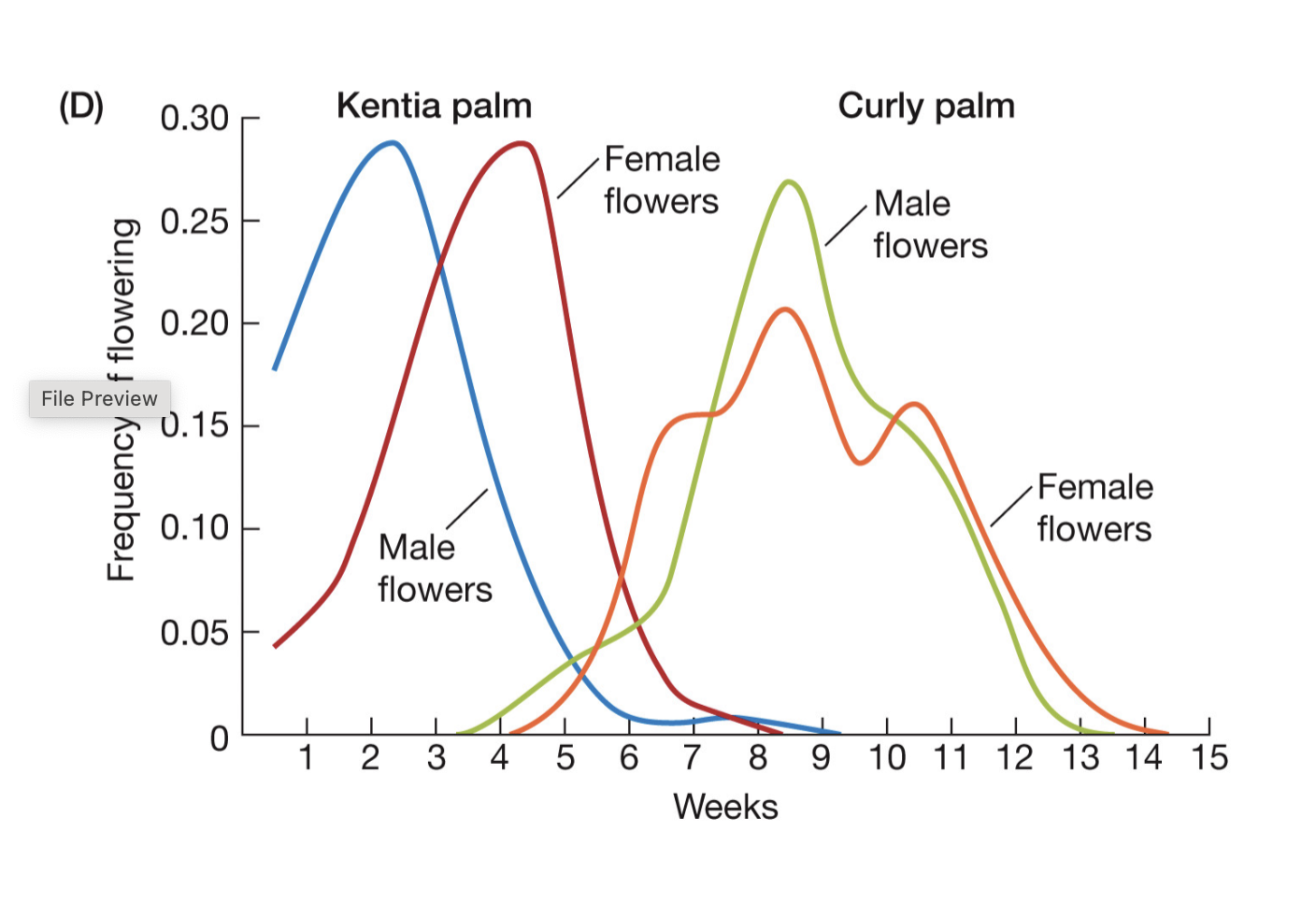
ALSO different flowering times
another name for parapatrick speciaton
incipienet
Describe the example of two species of lizards showing differential degrees of gene flow
via parapatric speciation (aka incipient speciation)
white lizards in white sand and brown liards in soil. anything in between is a mix. slightly darekr in darker areas and vv.
explain ecological speciation
Reproductive barriers form because of selection for different ecological traits in different
niches
• can lead to pre- and postzygotic isolation
Ecological niche:
role species plays in its environment
• habitat requirements
• nutritional needs
• water needs
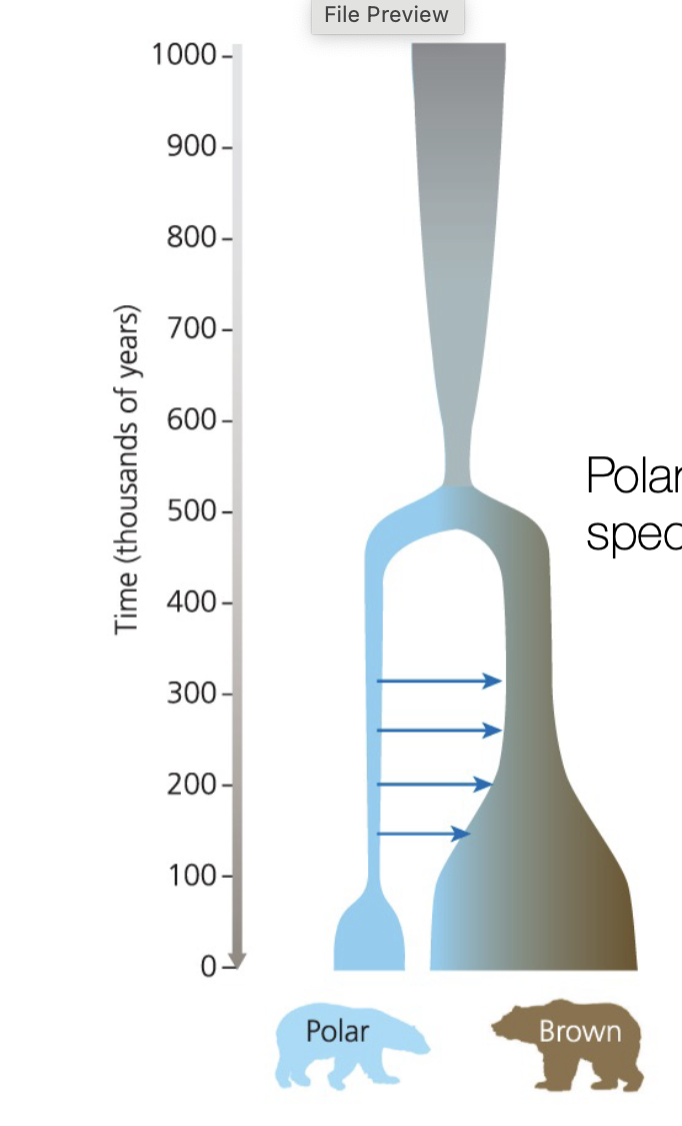
explain brown bear and polar bear speciation.
(Polar bears distinct species ~ 500K ya)
polar bears isolated in greenland, had to adapt.
Ecological speciation & interspecies gene flow
What physiological adaptations have polar bears acquired?
hair pigment
stronger heart functions for demanding swims
bind cholesterol: APOB Ps , primarily meat diet.
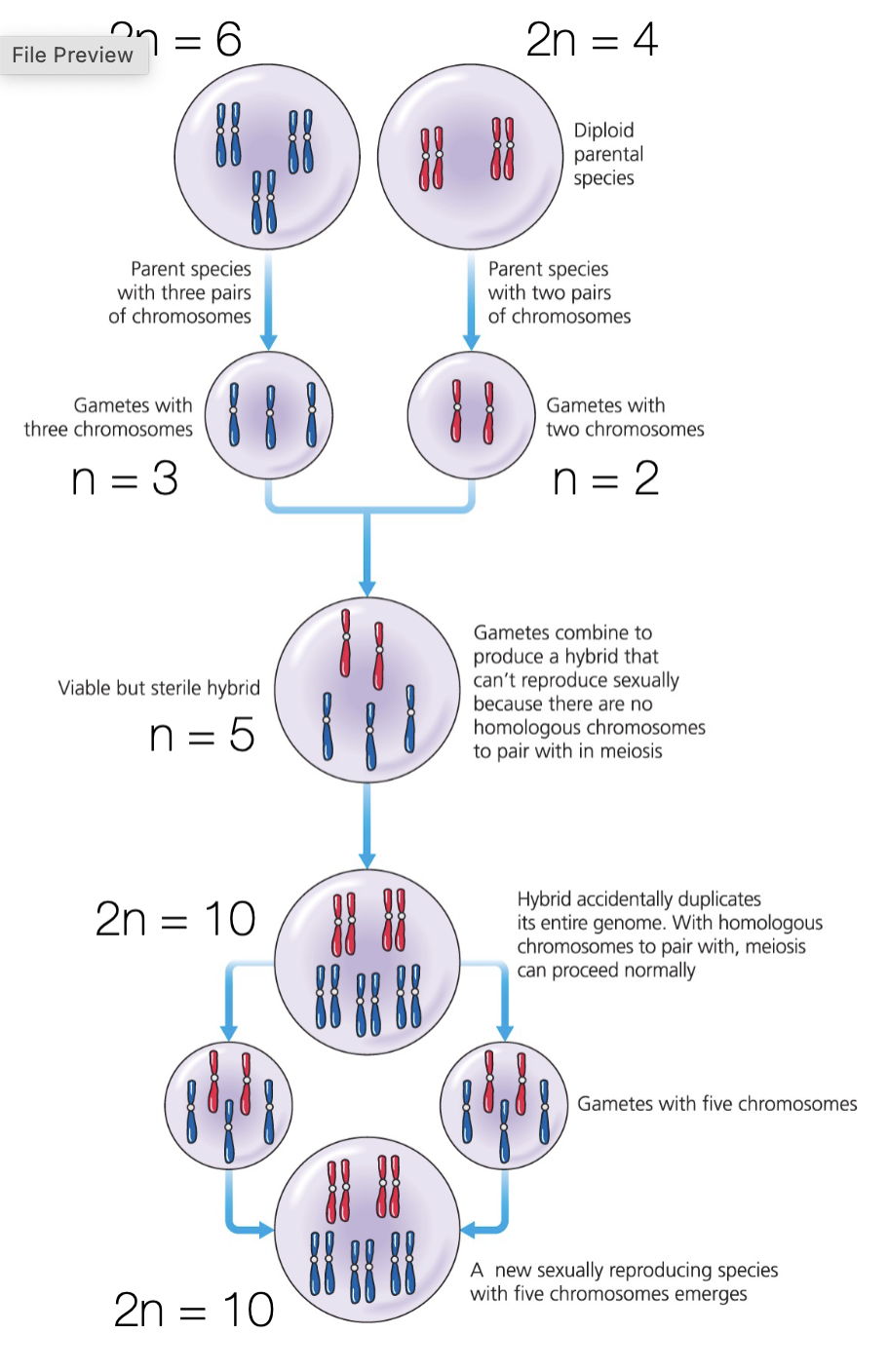
How does allopolyploidy lead to essentially instantaneous speciation?
a new 2n=10 species created, that can only created offspring with another 2n=10 species cuz otherwise theres no homochromos to pair properly in meiosis.
What is cryptic speciation? How are skipper butterflies an example of this?
adult buttterflies look the same, but caterpillars look different and eat diff foods! actually diff species!
What constitutes a microbial “species?”
Asexual!
to be an e.coli, yo must have the core genome of e.coli amongst your pan genome.
What is horizontal gene transfer? How does this influence genetic exchange in
prokaryotes and why does it pose challenges to defining prokaryotic species?
genomes of microbes all mixed tgt at diff levels. common and asexual. not parent to offsprng (vertical) but horizontally betwee micromses.
whast introgression
1 part of A in whole differnt B. ex. snowshe hare with a little bit of jackrabbit.
What is the difference between microevolution and macroevolution?
Microevolution: evolution occurring within populations
• adaptive & neutral changes in allele frequencies
Macroevolution: evolution above the species level
• origination, diversification, & extinction of species over time
Why are there so many beetles?
new species evolve faster than old species go extinct
3 “explosions” of new species
• lineages shifted to feeding on angiosperms and non herbivore, from conifers
What is an adaptive radiation? When do they often occur? How can we identify adaptive
radiations on a phylogenetic tree? What are some examples of adaptive radiations (we
discussed several)?
explosions of new species. when origination rate is bigger than extinction rate.