Protista
 Call Kai
 Learn
Learn Practice Test
 Spaced Repetition
 Match
Match Flashcards
 Knowt Play
1/28

There's no tags or description
Looks like no tags are added yet.
Name | Mastery | Learn | Test | Matching | Spaced | Call with Kai |
|---|
No analytics yet
Send a link to your students to track their progress
29 Terms
Eukaryotic vs prokaryotic
Eukaryotic cells more complex than prokaryotic cells:
Membrane-bound nucleus and organelles
Many chromosomes that occur in pairs.
Protists, fungi, plants & animals are composed of eukaryotic cells.
Origin of Eukaryotes
First eukaryotic organism thought to have evolved about 1.5 billion years ago. Prokaryotes are as old as 4 billion years
Protozoans (protists) possibly evolved from the 1st eukaryotes by Endosymbiosis
This Endosymbiotic Theory was first postulated by Lynn Margulis in 1967
Endosymbiosis
theory that explains how eukaryotic cells evolved from the symbiotic relationship between two or more prokaryotic cells.
One prokarytic cell engulfs another prokarytic cell but does not digest it.
Cells live together in a mutually benefiting relationship (symbiosis) becoming dependent upon each other.
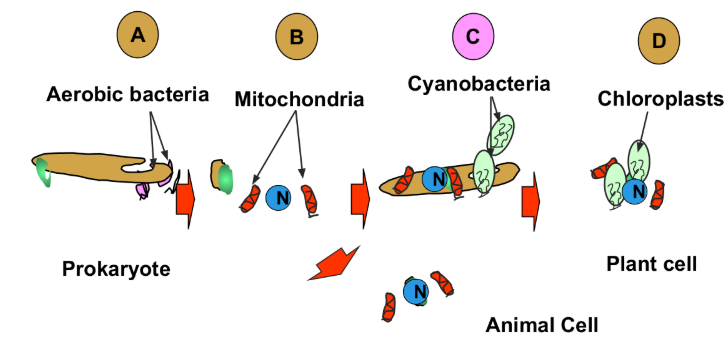
Steps of Endosymbiosis
A prokaryote ingested some aerobic bacteria. The aerobes were protected and produced energy for the prokaryote
Over a long period of time the aerobes became mitochondria, no longer able to live on their own
Some primitive prokaryotes also ingested cyanobacteria, which contain photosynthetic pigments
Cyanobacteria became chloroplasts, unable to live on their own
Scientific Evidences for Theory of Endosymbiosis
Present day mitochondria and chloroplasts each have two membranes.
Their inner membranes are similar to those of ancestral prokaryote, while their outer membranes match the cell membrane of the eukaryote.
The ribosomes found in these organelles are more similar to prokaryotic ribosomes than to ribosomes found in eukaryotes
These organelles reproduce by binary fission within the cell
Each organelle contains a circular chromosome and gene sequences that match those of living prokaryotes
Kingdom: Protista
Domain Eukarya (eukaryotic cells)
Mainly unicellular organisms
"Misfits"
3 groupings
Animal-like protists- amoebas, ciliates, flagellates, sporozoans
Fungus-like protists- slime moulds, water moulds
Plant-like protists - euglenoids, diatoms, dinoflagellates, algae (green, red, brown)
Animal Like Protists (Protozoans)
Heterotrophs – consume other prokaryotes, organic wastes, other protozoans
Some species are parasites, some are free-living
Include 4 phylums:
Phylum Cercozoa
Phylum Ciliophora
Phylum Zoomastigina
Phylum Sporozoa
Phylum Cercozoa (Cerozoans)
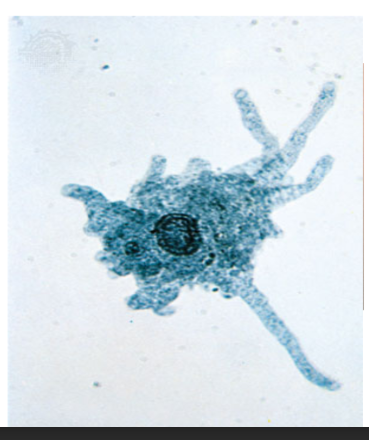
Cell membrane surface, no cell wall = change shape
Psuedopods (cytoplasm extensions for feeding and movement)
Habitat: Salt water, fresh water, mud, intestines
Ex. Amoeba
Single celled
No body shape
Contain pseudopods (to move and eat)
Eat by endocytosis
Ex. Trypanosoma
flagellated protozoa
cause tropical diseases in humans and animals
Trypanosomes are found in the bloodstream of various mammalian hosts where they proliferate as extracellular parasites
Phylum Cilio phora (Ciliates)
Short hair-like projections on cell surface (cilia) used for movement and food sweeping
Large and complex
Free living or parasitic
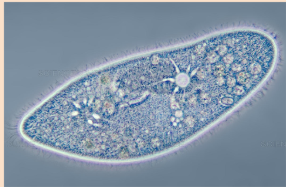
Ex. Paramecium
2 nuclei- a large macronucleus and a smaller micronucleus
Reproduction occurs by binary fission
Reproduce sexually through conjugation- they line up along their oral grooves
Ciliates
Many protozoans are covered with hairlike projections, or cilia, and are called ciliates.
The cilia move back and forth like oars to move the organism through the water.
Unlike amoebas, ciliates have a rigid outer covering called a pellicle that maintains their shape.
The beating of the cilia also sweeps food into its oral groove
Food reaches the oral groove, the membrane pinches off, surrounds the food, and a food vacuole is formed
The food vacuole finds a lysosome within the cell, breaking down the food with digestive enzymes
Undigested food is discharged through the anal pore
Phylum Zoomastigi na (Flagellates)
Contain a flagella for movement
Hard protective outer coating
Free living, parasitic, or mutualistic
Ex. Trichonympha
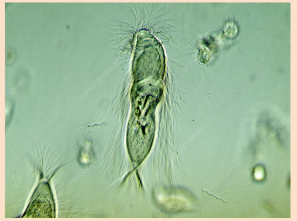
Phylum Sporozoa (Sporozoans)
Parasitic protists
Capable of asexual and sexual reproduction
Ex. Plasmodium
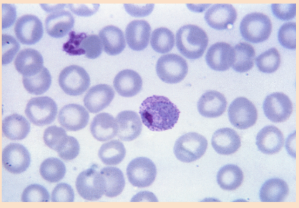
Fungus-Like Protists
Heterotrophic- living organisms, dead organisms and wastes
Produce spores
Divided into three main groups:
Plasmodial (acellular) slime moulds
Cellular slime moulds
Water moulds
Plasmodial slime moulds (phylum myxomycota)
Not microscopic, slug like appearance
Engulf food particles
Feed on bottom of forests and dead material
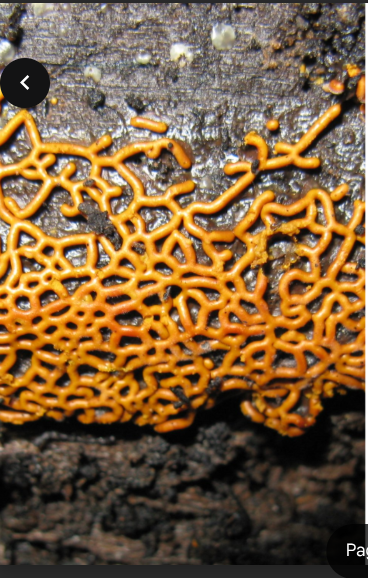
Acellular Slime Mould
Single celled protists that have many nuclei.
During most of its life, an acellular slime mould is a plasmodium, a wall-less mass of cytoplasm with many nuclei that have divided over and over by mitosis.
This huge mass of cytoplasm streams very slowly over an object using an extended network of strands called pseudopodia.
If food runs out, the slime mould forms reproductive structures called fruiting bodies, which produce spores by meiosis.
The spores scatter and germinate into flagellated cells.
These cells fuse to produce diploid amoeboid cells
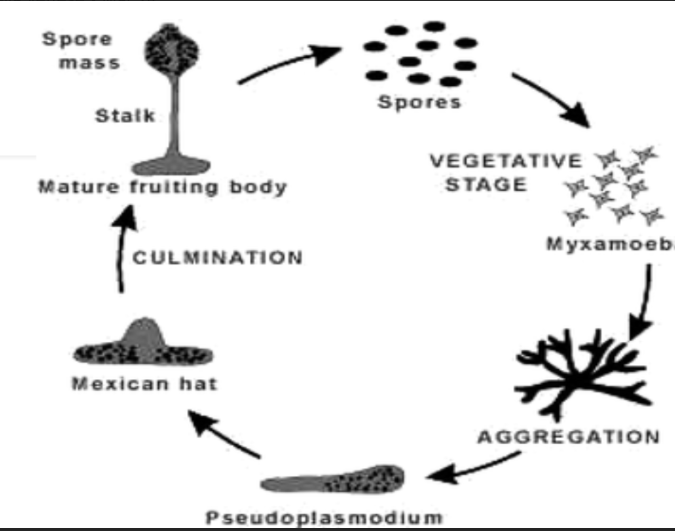
Cellular slime moulds (phylum acrasiomycota)
Feed by ingesting tiny bacteria or yeast cells
Release chemical to gather food using
pseudoplasmodium
No relation to other slime mould
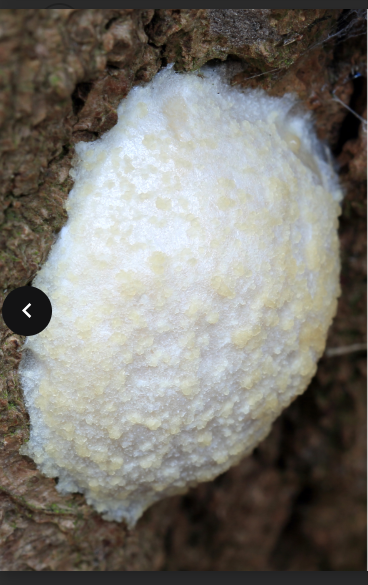
Cellular Slime Moulds
Cellular slime moulds live in fresh water, in damp soil, or in decaying matter such as rotting logs.
In the feeding stage of their life cycle, they move about as amoebalike cells.
When food is scarce, they come together to form a large multicellular mass
Eventually, a fruiting body forms and releases spores.
Water Moulds (Phylum Oomycota)
Live on dead organic matter
Can be parasitic to fish, insects and plants
Extend fungus like threads into host tissues for feeding
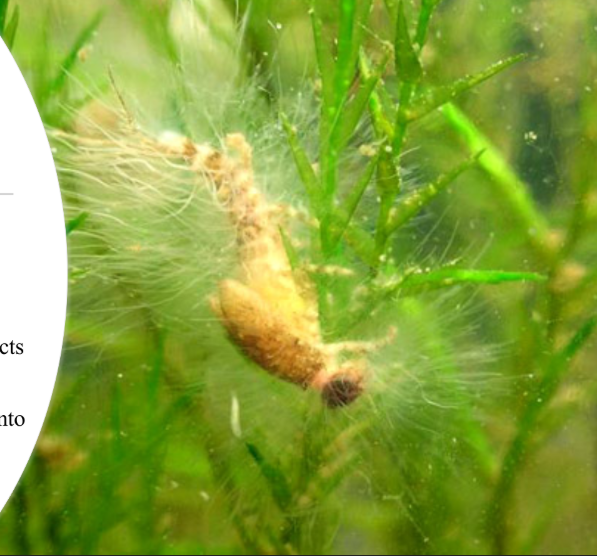
Water Moulds
Water moulds live in water, though there are a few species in this group that live on land. If you have seen a whitish, cottony mould growing on dead fish, it was probably a water mould.
Most water moulds are aquatic and feed on the remains of dead plants and animals. Although most of the land species are helpful decomposers of dead matter, a few are serious plant parasites that attack crops such as avocados, grapes, and potatoes.
Plant-like Protists (Algae)
Make their own food by photosynthesis
Some can consume other organisms when light is unavailable
6 phylums
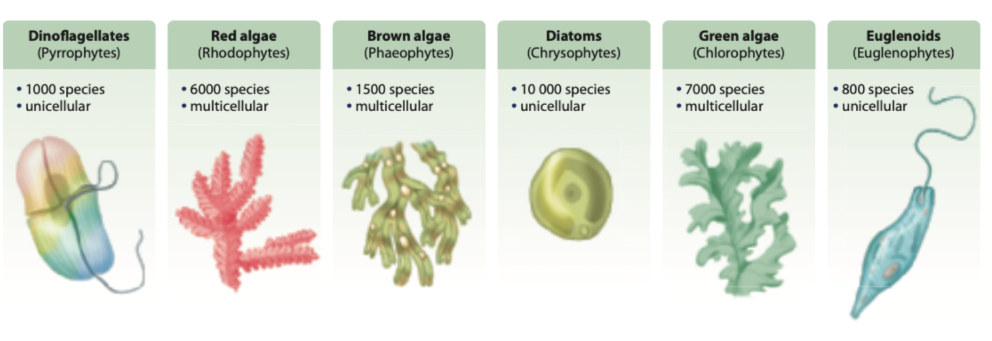
Phytoplankton
unicellular, free floating, aquatic microorganisms
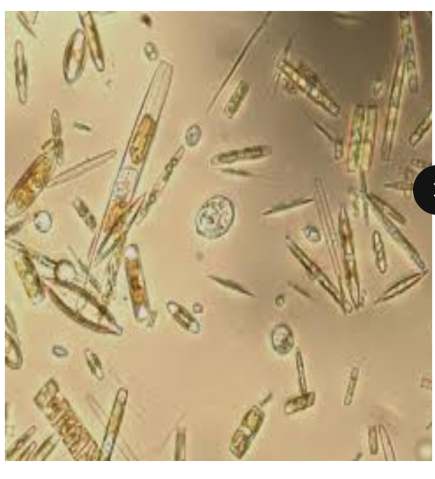
Diatoms (Phylum Chrysophyta)
Most diverse and abundant group of phytoplankton
Rigid cell walls with silicia on surface
Reproduce asexually by mitosis
Sexual reproduction when conditions are unfavorable
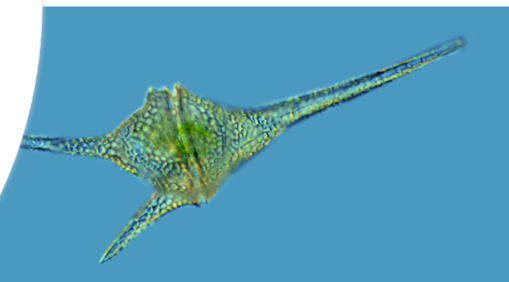
Dinoflagellates (Phylum Pyrrophyta)
Phytoplankton
Have two flagella that spin the organism
Reproduce quicky = blooms
Can live inside other organisms
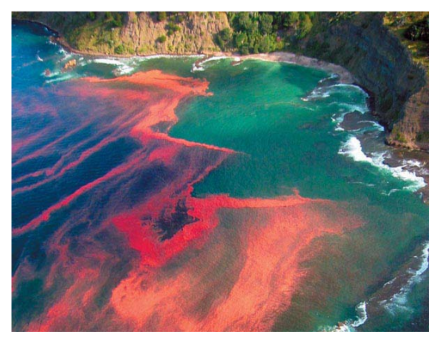
The Red Tide
an event that occurs on the coastline when algae—a plant-like organism—grows out of control.
Caused by Gonyaulax, a dinoflagellate protist that spreads on the surface of the water
The name “red tide” comes from the fact that overgrown algae can cause the water to change color.
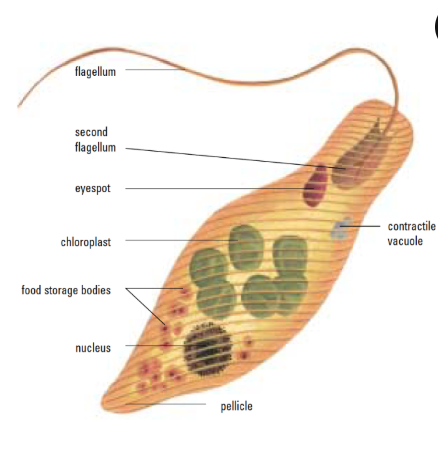
Euglenoids (Phylum Euglenozoa)
Phytoplankton
Shallow fresh water
Can be autotrophs and heterotrophs if in dark
Have light detecting structure = eyespot
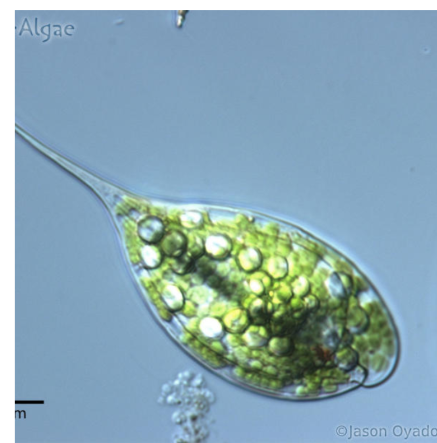
Euglena
Propels itself through the water by means of its flagellum.
Euglena obtains its nourishment in more than one way. In sunlight it is fully autotrophic, using its chloroplasts to produce sugars through photosynthesis.
In the dark, the organism begins to lose its chlorophyll and feeds as a heterotroph on dead organic material in the water.
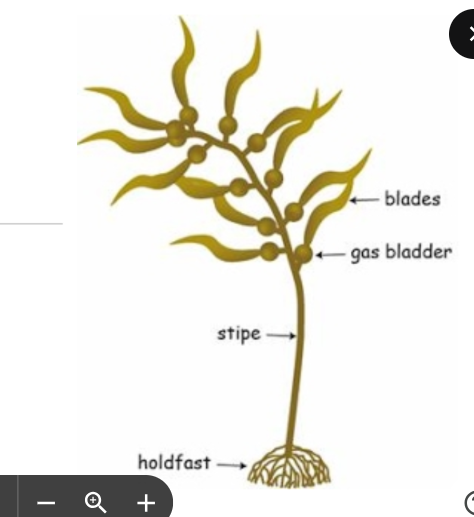
Brown Algae (Phylum Phaeophyta)
Largest, most complex protists
Provide species a biodiverse ecosystem to inhabit
Present in marine and tidal environments
Ex. Rockweed, Kelp
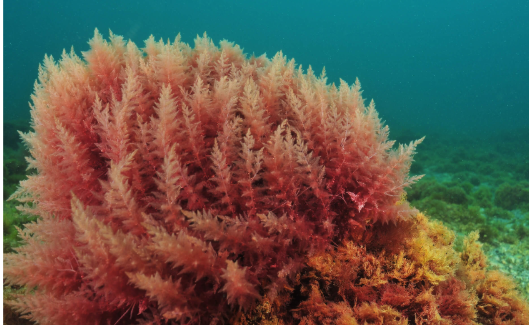
Red Algae (Phylum Rhodophyta)
First multicellular organisms on earth 1.5 to 1.2 billion years ago
Most abundant large algae in warm coastal waters
Have green and red photopigments
Common in food
ex. Sushi, dairy products
Green Algae (Phylum Chlorophyta)
Most are aquatic- mainly fresh water, some salt water
Diverse habitats
Most plant-like of the 3 types of algae
Can cause harmful algal blooms