Chapter 3: Bacterial cell structure
 Call Kai
 Learn
Learn Practice Test
 Spaced Repetition
 Match
Match Flashcards
 Knowt Play
1/59

There's no tags or description
Looks like no tags are added yet.
Name | Mastery | Learn | Test | Matching | Spaced | Call with Kai |
|---|
No analytics yet
Send a link to your students to track their progress
60 Terms
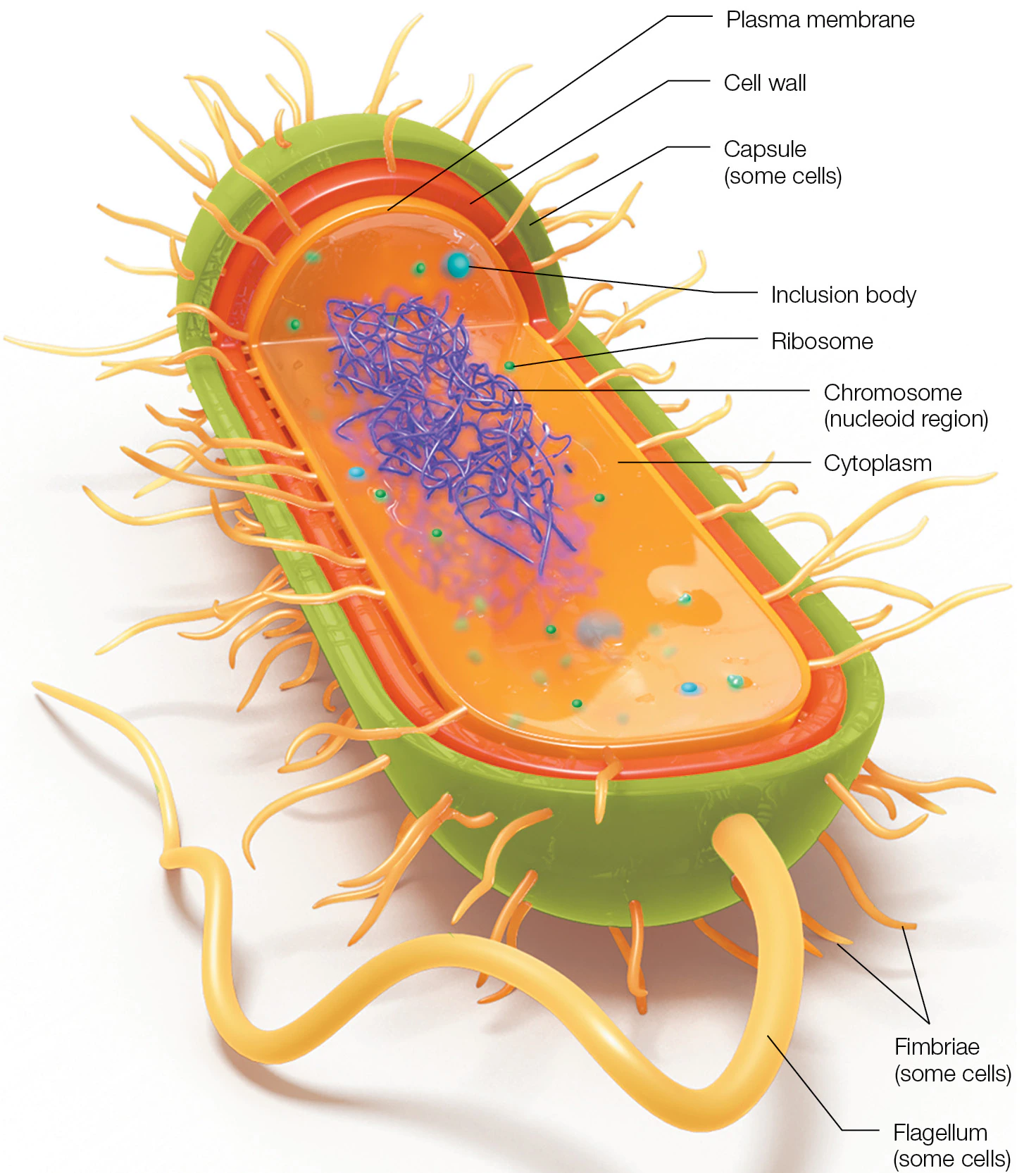
Features of prokaryotic cells
Unicellular organisms
Lacks a membrane-bound nucleus (DNA is located in nucleoid region)
Lack of membrane-bound organelles
Intracellular structures
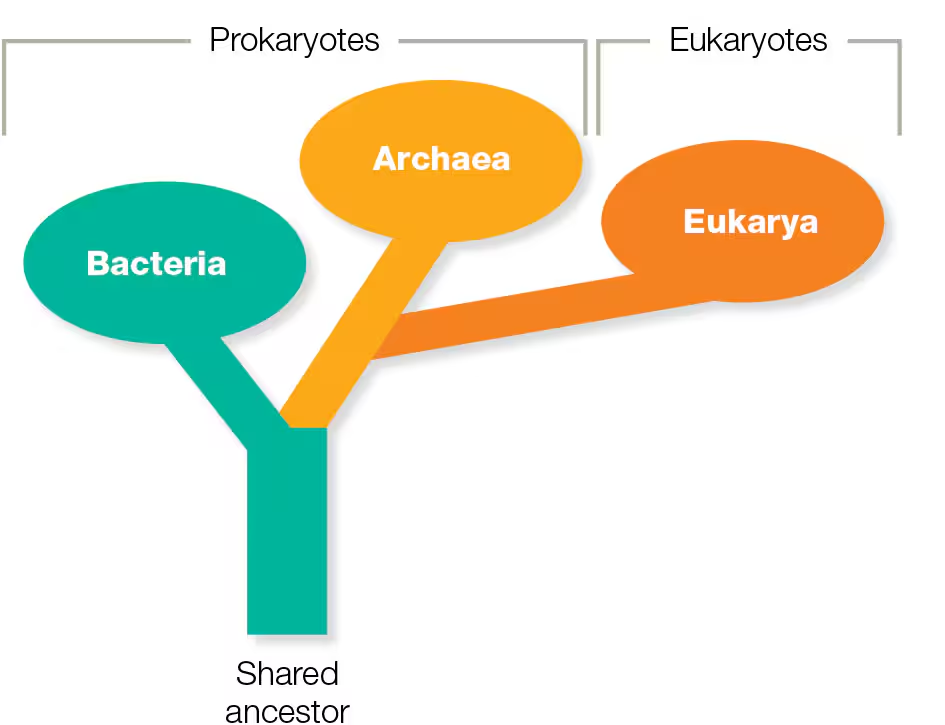
3 domains of life
Bacteria, Archaea, and Eukarya
What affects morphology of the bacteria
Change in environment
Life stage
Nutrients available
Antimicrobial drugs
List the MAIN differences between a Eukaryotic cell and a Prokaryotic cell
Eukaryotes have a more complex genetic makeup than prokaryotes
Possess membrane-bound organelles
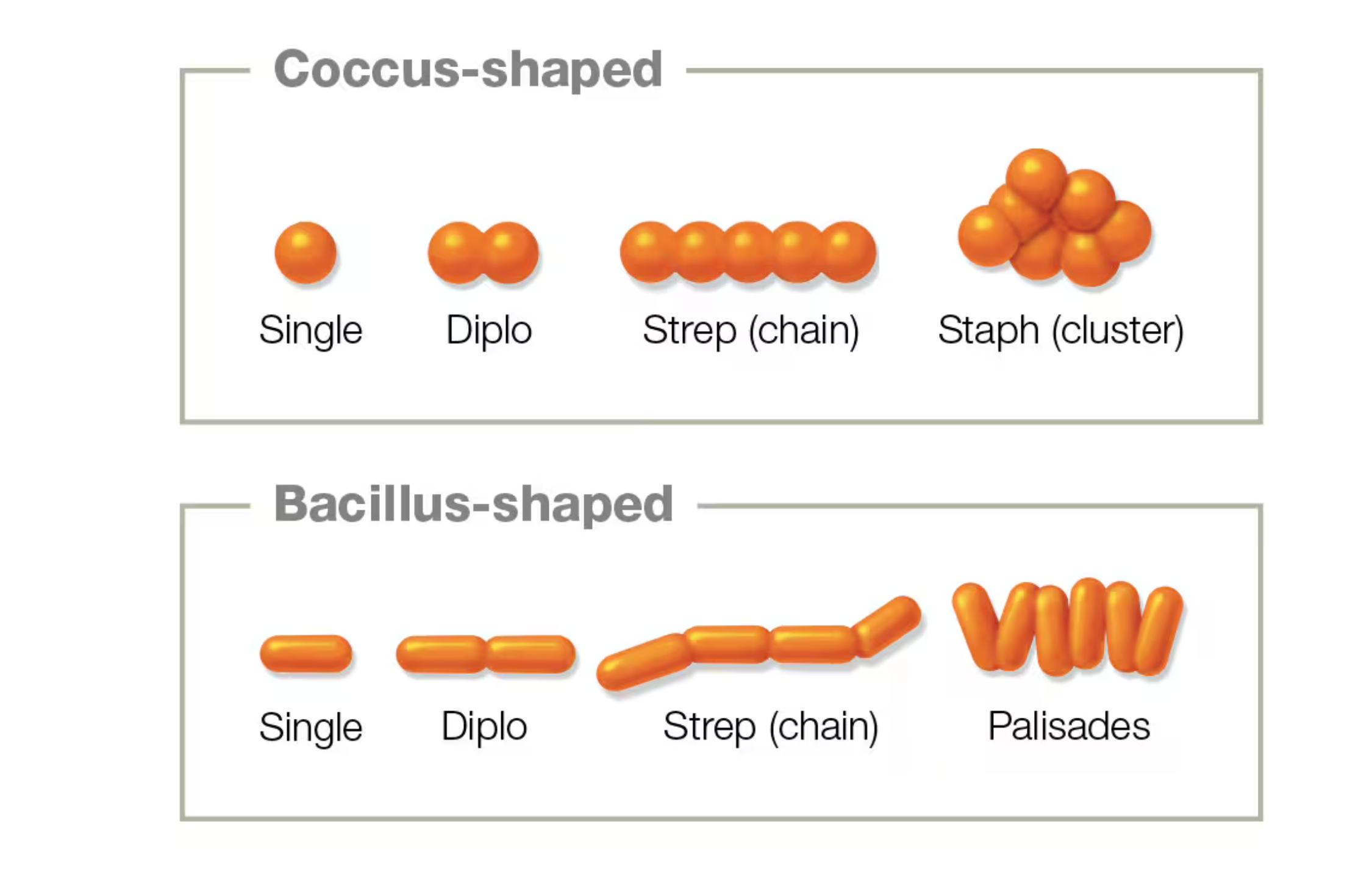
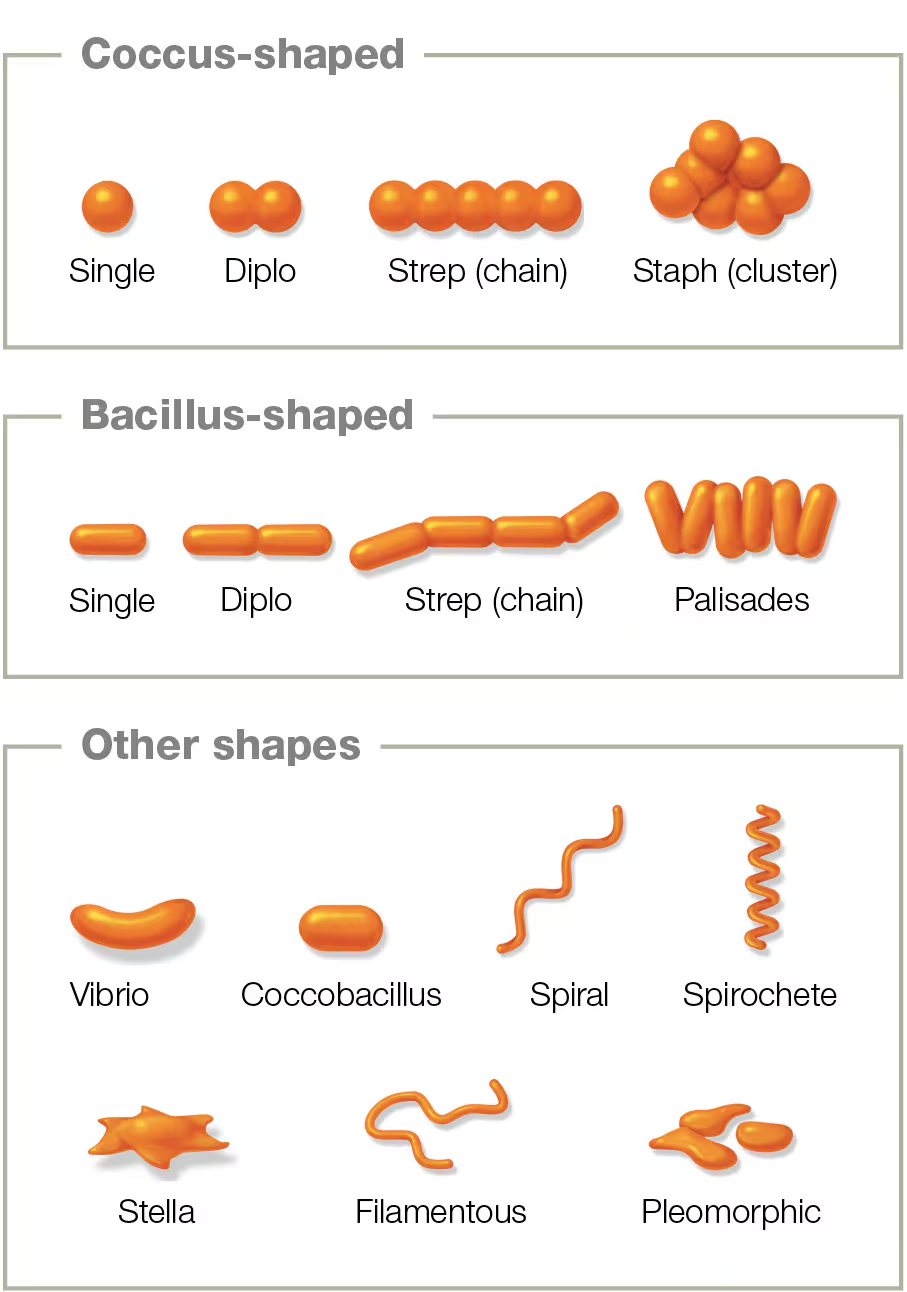
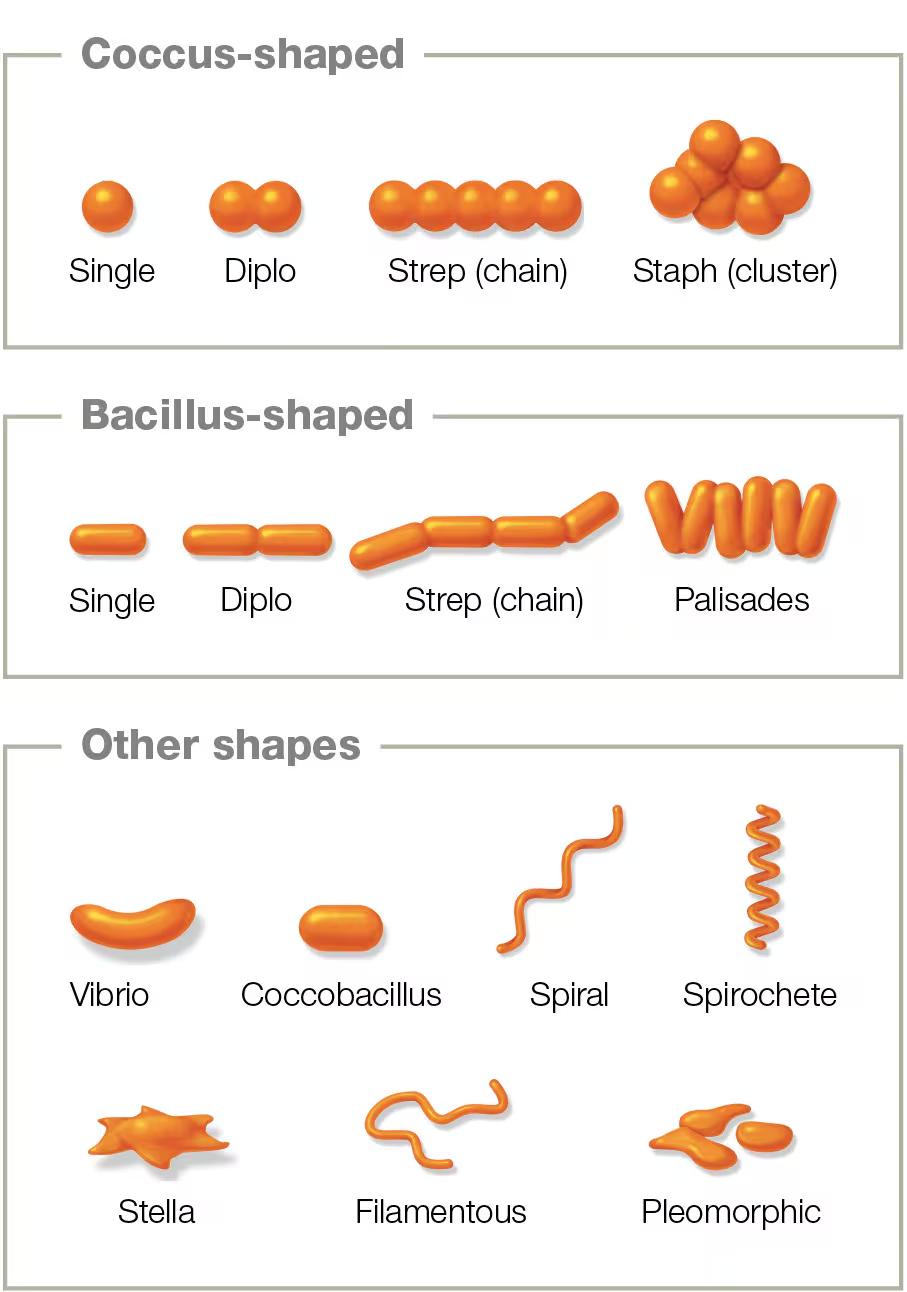
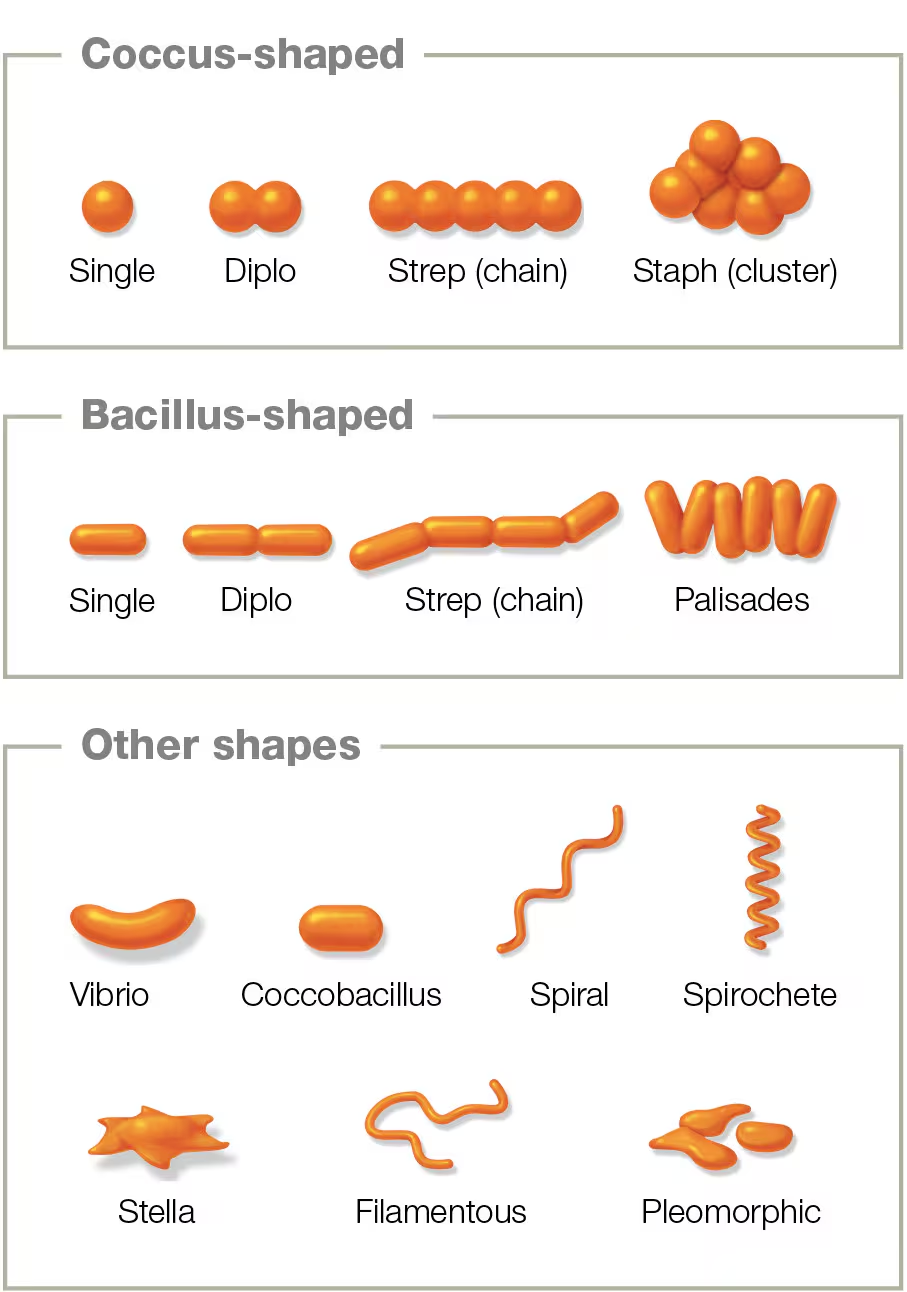
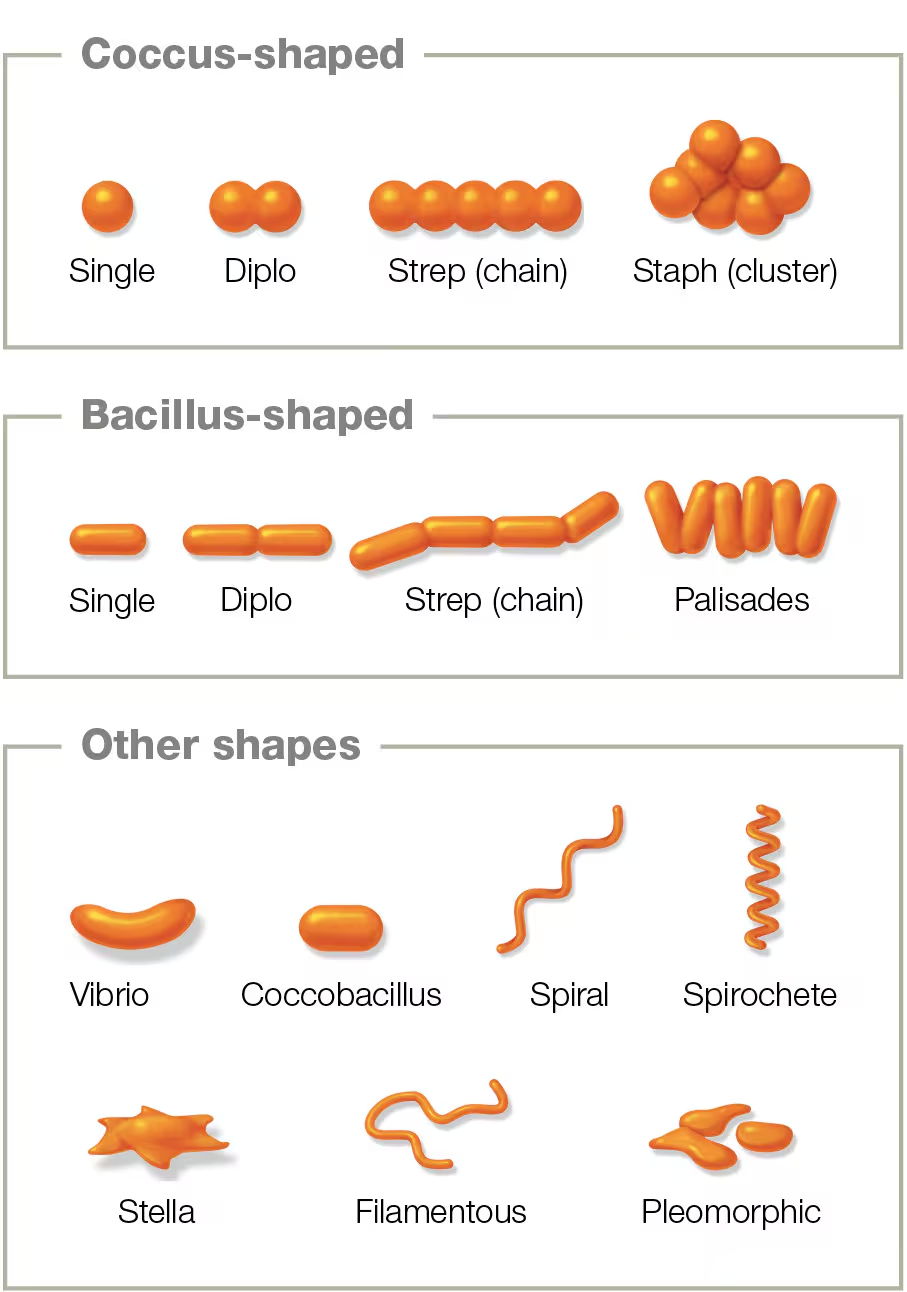
Bacterial arrangement
Diplo → Paired
Strep→ Chain
Staph → Cluster
Palisade→ Clusters of cells (e.g., found in bacilli)
E.g. Diplococci → Two cocci-shaped bacteria together
E.g. Staphcocci → Cluster of cocci
E.g., Streptococci → Chain of cocci
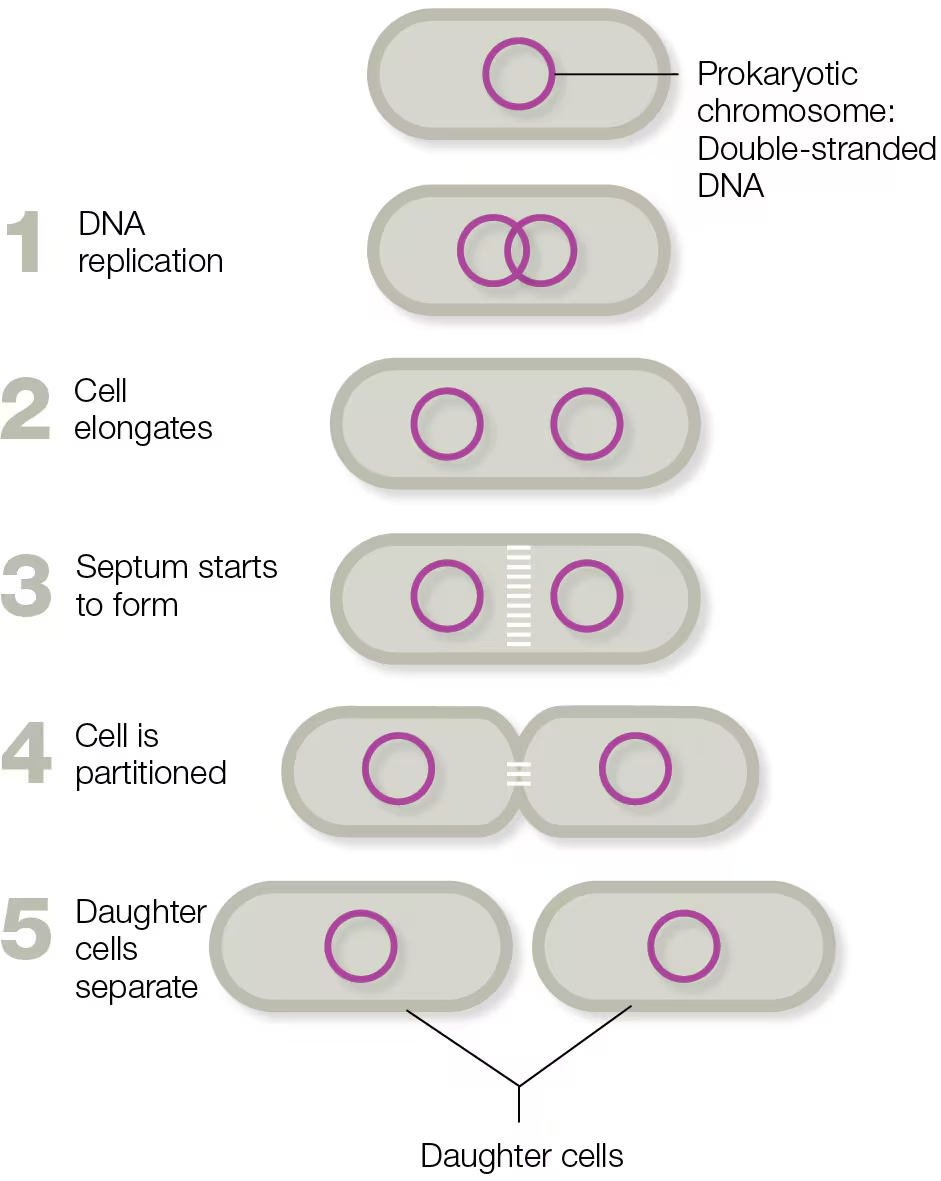
Binary fission
DNA is copied
Cell grows
Chromosomes are drawn to opposite ends of the cell (critical size)
The septum (partition) begins at the midpoint
Septum walls off, two daughter cells form
Largest bacteria
T. Namibiensis
Bacillus (singular)
Rod-shaped cell
Coccus (singular)
Spherical shaped cell
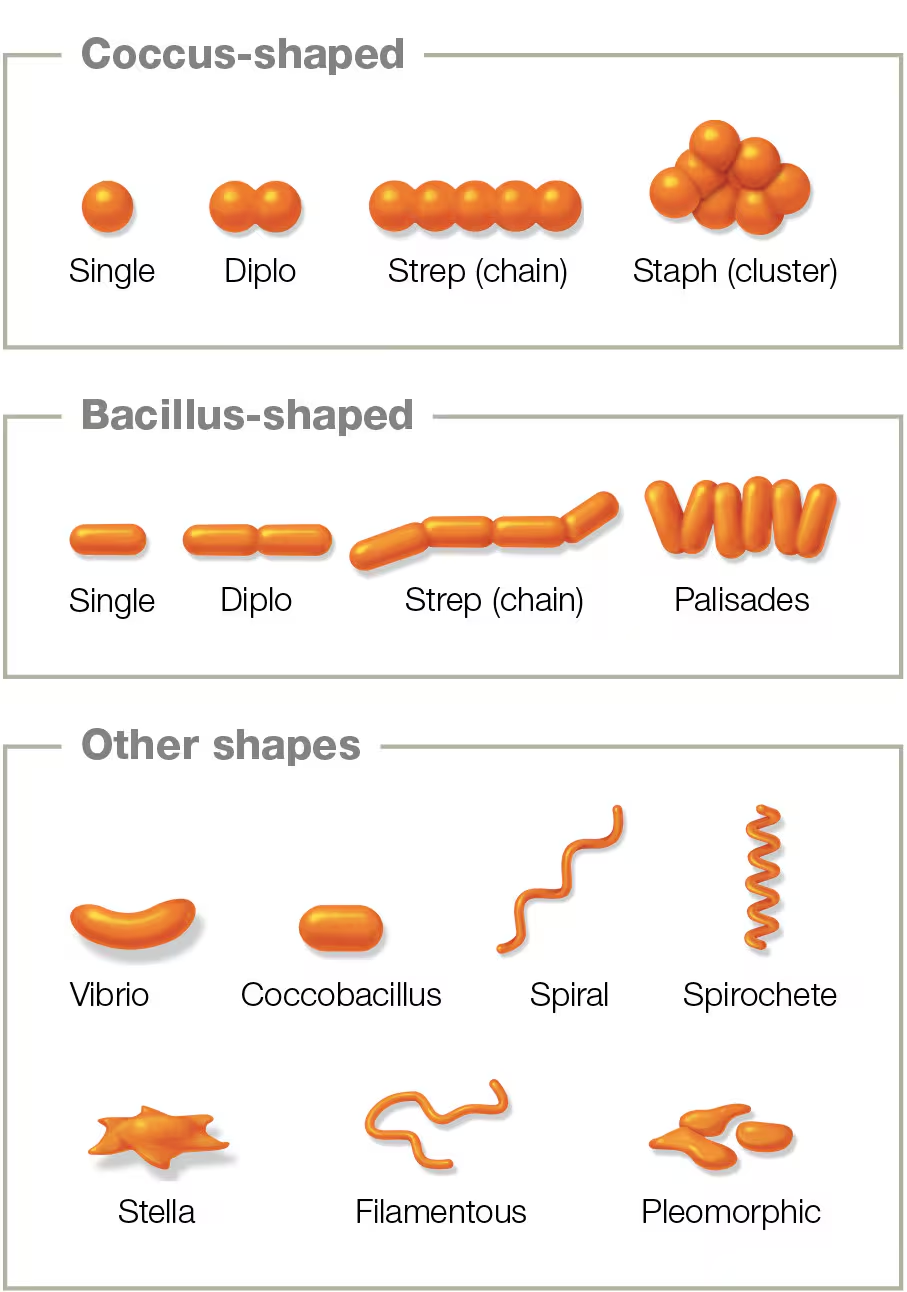
Spiral
Spiral-shaped cell
Vibrio
Comma-shaped
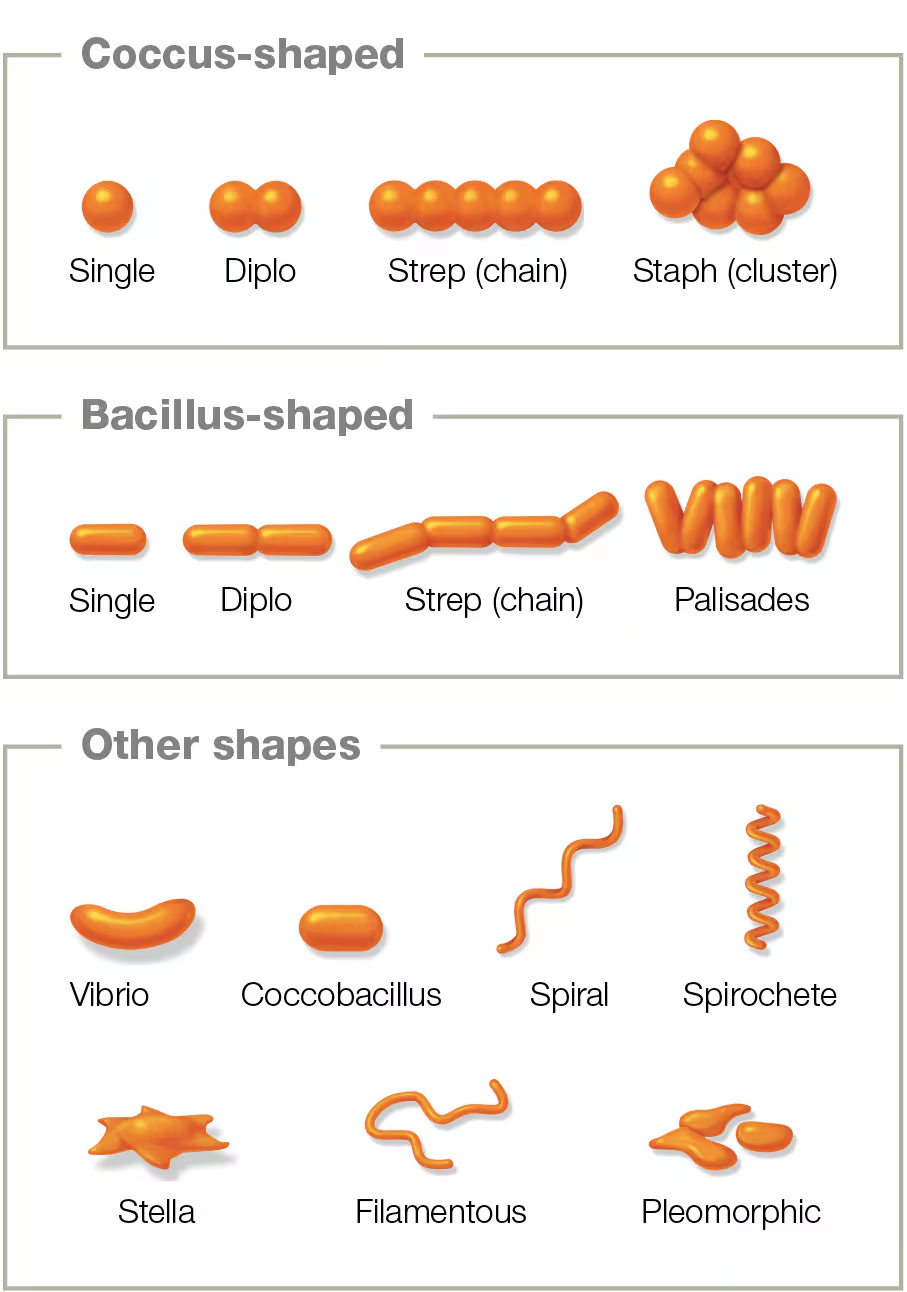
Stella
Star shaped cell
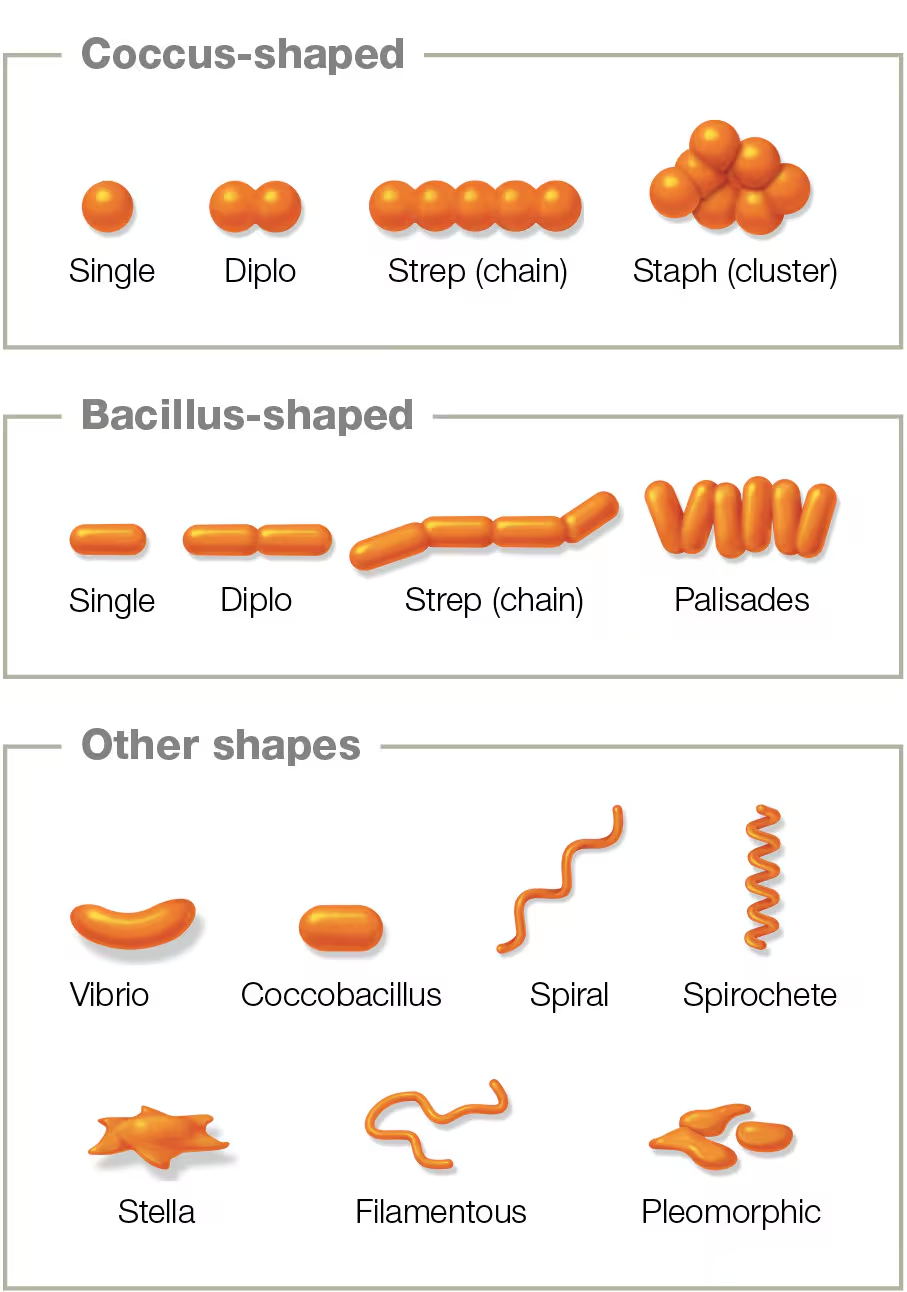
Coccobacilli (shape)
Oval-shaped bacteria or cell
Spirochete (shape)
Spiral-shaped bacteria that move in a corkscrew motion due to a periplasmic flagellum
Plasma Membrane
Thin, selective barrier with flexible phospholipid bilayer and site for metabolic reactions (e.g. ATP)
Half of the membrane consists of proteins like
Transporters
Anchors
Receptors
Enzymes
What passes plasma membrane’s selective permeability
Gases, water, small, noncharged particles
What DOESNT pass plasma membrane’s selective permeability
Ions, large, and polar particles that need protein transporters to enter/exit the cell
How can proteins coordinate assistance to parts of the plasma membrane that need to certain particles
Lipid bilayer is a fluid-mosaic, so lipids and proteins can move and relocate
KEEP IN MIND: At warm temperatures, saturated fats are best to prevent too much fluidity and vice versa
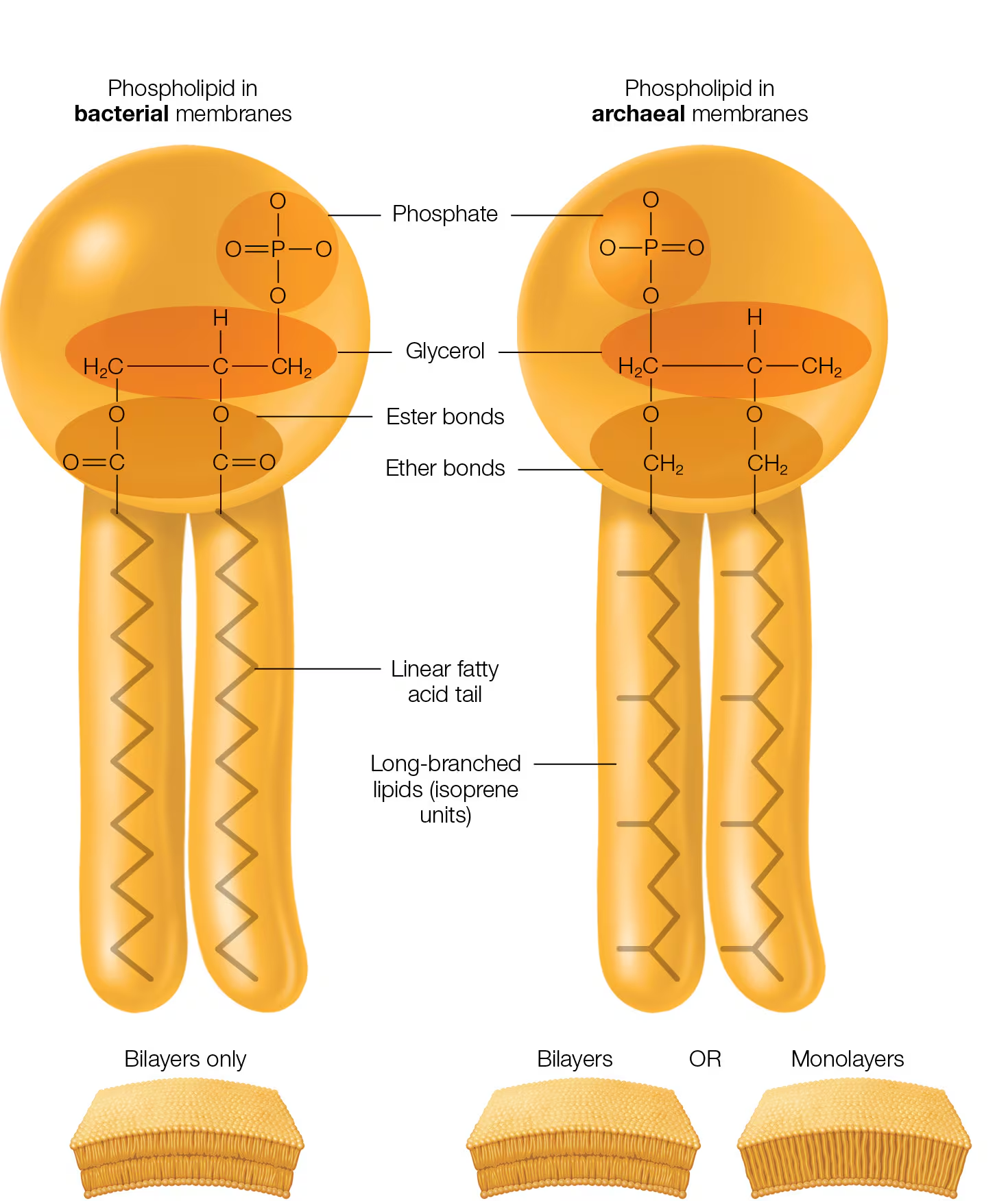
What are Isoprenoids?
They are the long-branched fatty acids or lipids in archaea that are linked to glycerol by ester bonds. Its isoprene units are saturated hydrocarbon
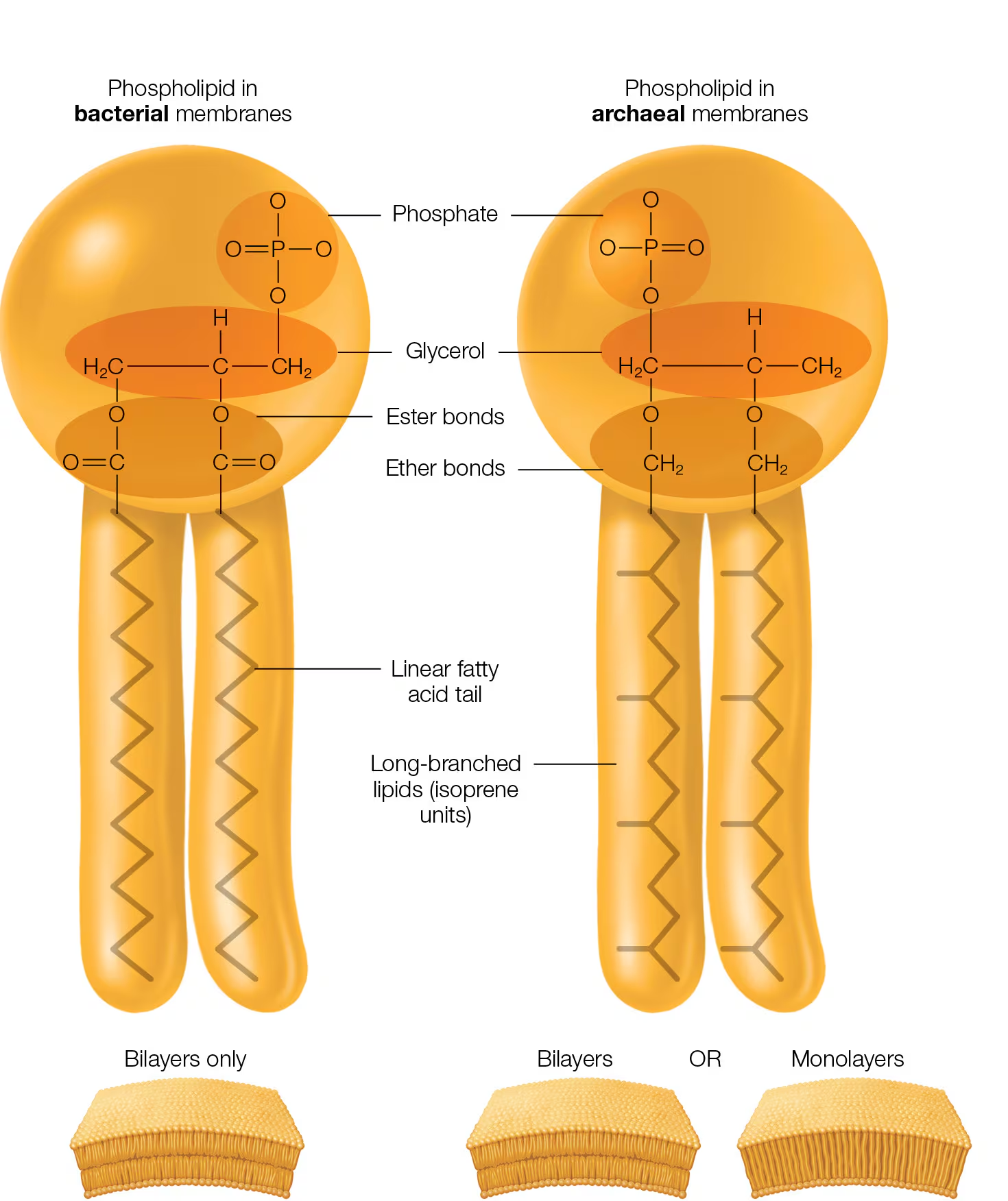
Prokaryotic VS Archaic bacterial membranes
Prokaryote:
Ester bond → links linear fatty acids to glycerol
Lipid bilayer
Archaic:
Ester bond→ links LONG- BRANCHED fatty acids to glycerol
Lipid MONOLAYER (has unique lipids called tetraether)
What bacteria is more likely to survive? Small or big?
Small bacteria.
Rationale: Their low surface area-to-volume ratio allows nutrients to reach the core of the bacteria faster, and thus fittest to survive
What is the difference between monomorphic and pleomorphic
Monomorphic → Only one shape
Pleomorphic → Can take on multiple shapes (e.g. Helicobacter Pylori)
Ester VS Ether bonds
Ester → O-C=O
Ether → O-C-O (lacks a double bond)
List 5 roles of a bacterial cell wall
Extra layer of protection
Gives shape to prokaryotes
Prevents osmotic lysis (burst)
Important in classification
Serves for attachment
What bond binds NAM and NAG together in a mesh-like structure
Short peptide cross-link bridges connect NAM and NAG, glucose-resembling residues
What drugs interfere with the peptidoglycan (cell wall) of bacteria
Penicillin (They do NO HARM to archaea)
Describe the composition of peptidoglycan
Peptidoglycan: Component of bacterial cell wall (archaea uses pseudopeptidoglycan)
Made w/ protein (peptid) + sugar (glycan)
Glycan chains are built on alternating NAG and NAM
What does gram staining technique allow
To classify cells based on cell wall structure (gram positive or gram negative)
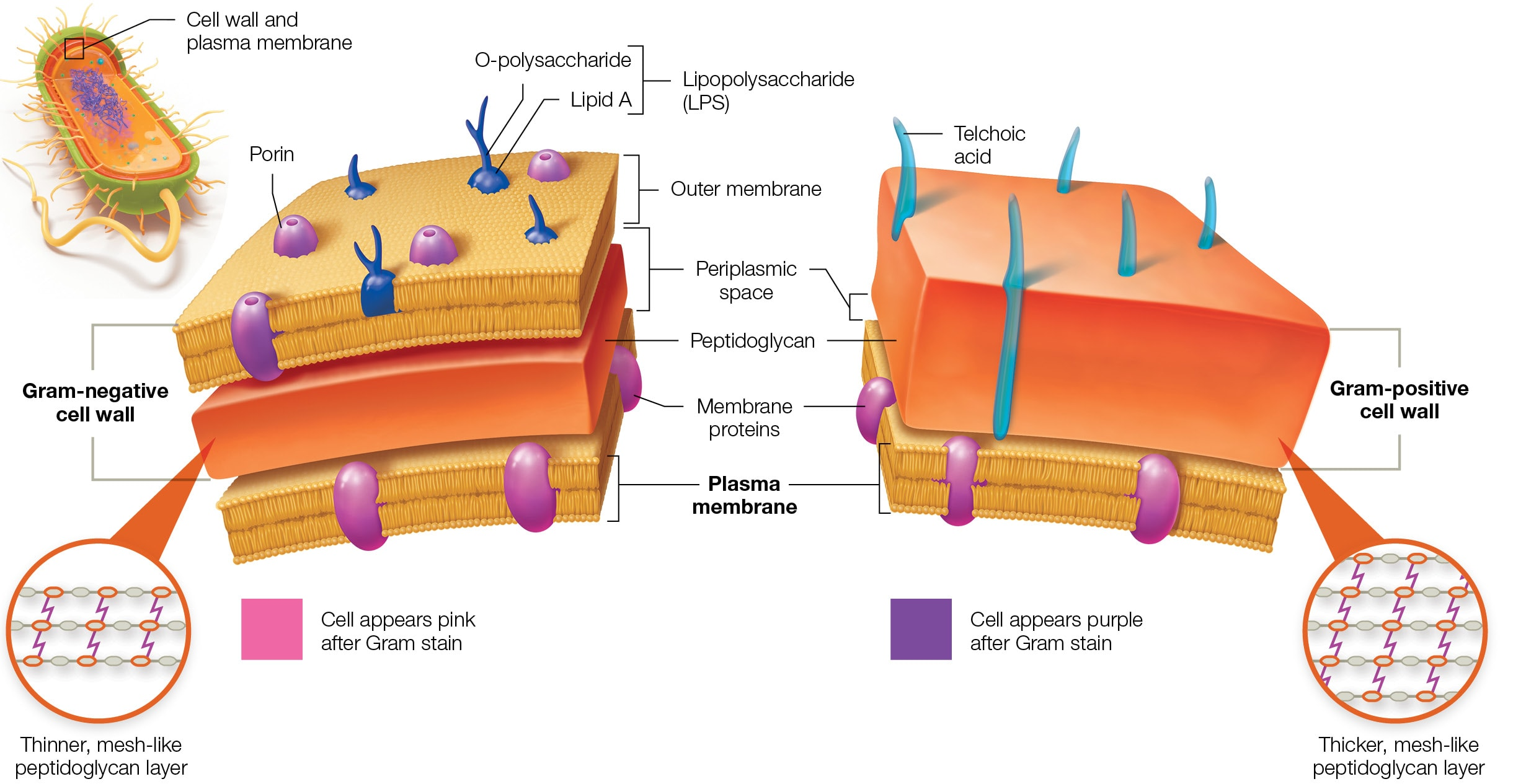
Gram-negative bacteria cell wall
Thin peptidoglycan layer (high resistance to penicillin)
Outer membrane → Carries a glycolipid called LPS
LPS contains a lipid A that is toxic to animals
Periplasmatic space → between the plasma membrane and the OUTER plasma membrane where nutrients are obtained, and toxins are neutralized
What family makes up most of the Gram-negative bacteria?
Enterobacteriaceae or enteric bacteria
Salmonella, E. coli, Proteus, Shigella, etc.
Gram-positive bacteria cell wall
Thicker peptidoglycan layer (high susceptibility to penicillin)
NO OUTER MEMBRANE
Periplasmatic space → region between plasma membrane and peptidoglycan cell wall
Stains purple in gram staining procedures
Pros of gram positive cell walls
Best for dry environments (retain moisture longer)
Provide mechanical stress protection
Teichoic acid → Stabilizes the cell wall, maintaining its shape, transport of cations, and aids in regulating cell division
E.g. Staphylococcus aureus uses teichoic acid to promote adhesion and pathogenicity
What is the significance of the Lipid A endotoxins component of lipopolysaccharides (LPS) in Gram-negative bacteria?
It triggers strong immune responses in humans and can lead to septic shock if released in large amounts during infection.
Outer membrane of a gram-negative cell
Makes the gram-negative cell harder to kill due to a selective barrier guarding for:
Lysozyme (agent damage)
Variety of drugs
Detergents + disinfectants
REMEMBER: It’s NOT as selective as the plasma membrane because it carries porins
What are porins
Nonspecific protein channels that form a pore in the outer membrane, allowing substances like amino acids and vitamins to pass, excluding large and harmful molecules
What does acid-fast technique do? Examples of organisms?
Detects a waxy lipid called mycolic acid in cell walls, causing the cell walls to appear red/pink following the procedure.
Helps identify agents for leprosy, tuberculosis, and skin infections
E.g. Nocardia and Mycobacterium
Why are acid-fast bacteria troublesome
They have a waxy layer that makes it difficult for crystal violet to stain, but most importantly, for nutrients, gases, and drugs like antimicrobials to enter, making them grow slow but hard to remove
What are examples of bacteria that lack a cell wall other than Mycoplasma?
Ureaplasma species
Acholeplasma bacteria
Both have unique vulnerabilities and treatment options.
Mycoplasma VS L-form bacteria
Mycoplasma bacteria:
Lacks a cell wall
Has sterol
Pleomorphic
L-form bacteria:
Had a cell wall but lost it (prob due to antibiotics targeting the cell wall)
Resistant to stress (boiling and autoclaving)
What is glycocalyx?
A sugar coat
A sticky carbohydrate-enriched layer associated with the cell wall
Helps bacteria stick to host + surfaces
Protects from desiccation and antibiotics
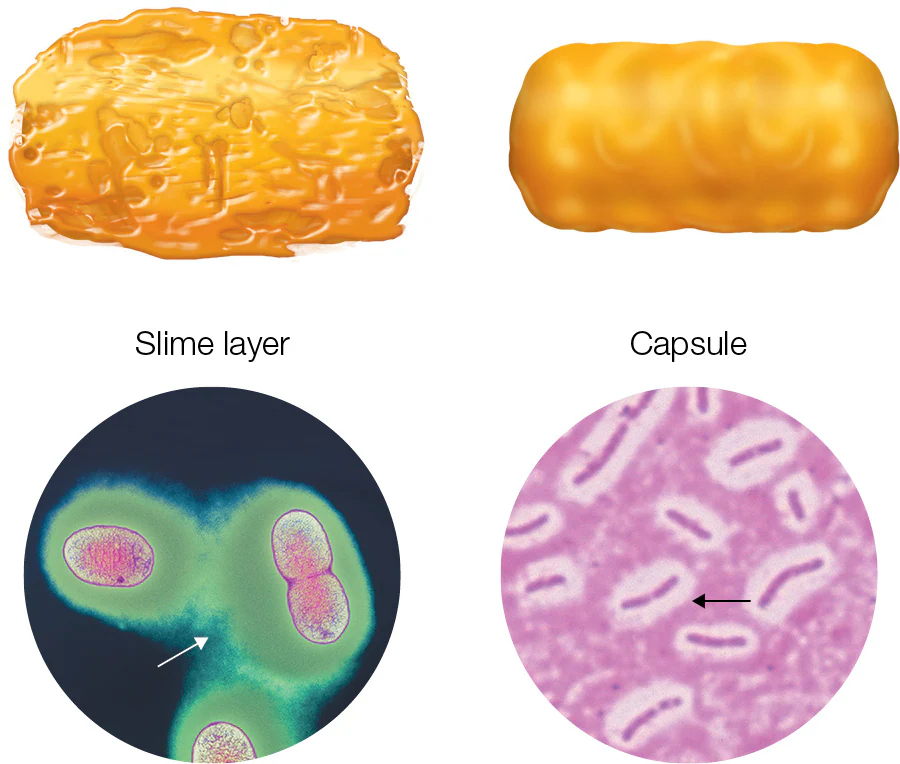
Glycocalyx capsule VS slime layer?
Capsule:
Well-defined, organized, and tightly adhered to the cell wall
Increased pathogenicity
Slime layer:
Loosely associated, unorganized, often allowing easier movement and dispersal.
Give two examples of encapsulated bacteria.
Streptococcus pneumoniae
Klebsiella pneumoniae
What is the flagella used for
Motility
How can prokaryotes sense where they swim to
The run-and-tumble system allows the cell to move toward/away from a stimulus, stop, tumble to sense surroundings, and redirect accordingly.
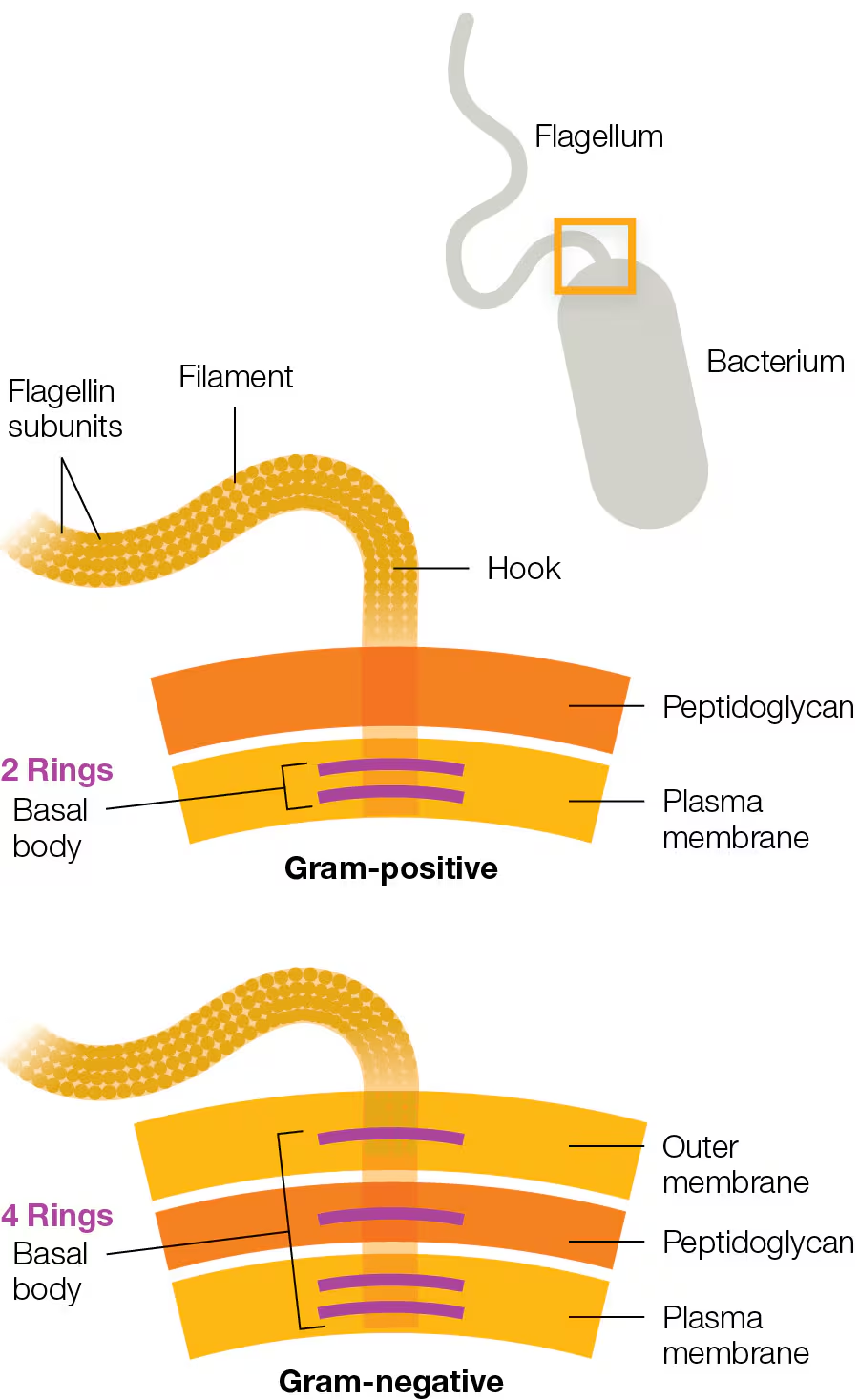
Describe the structure of a bacterial flagellum
Almost half of bacteria have a flagellum consisting of:
Filament
Hook
Basal body
Rotating like a propeller from a rod-and-ring structure within the basal body
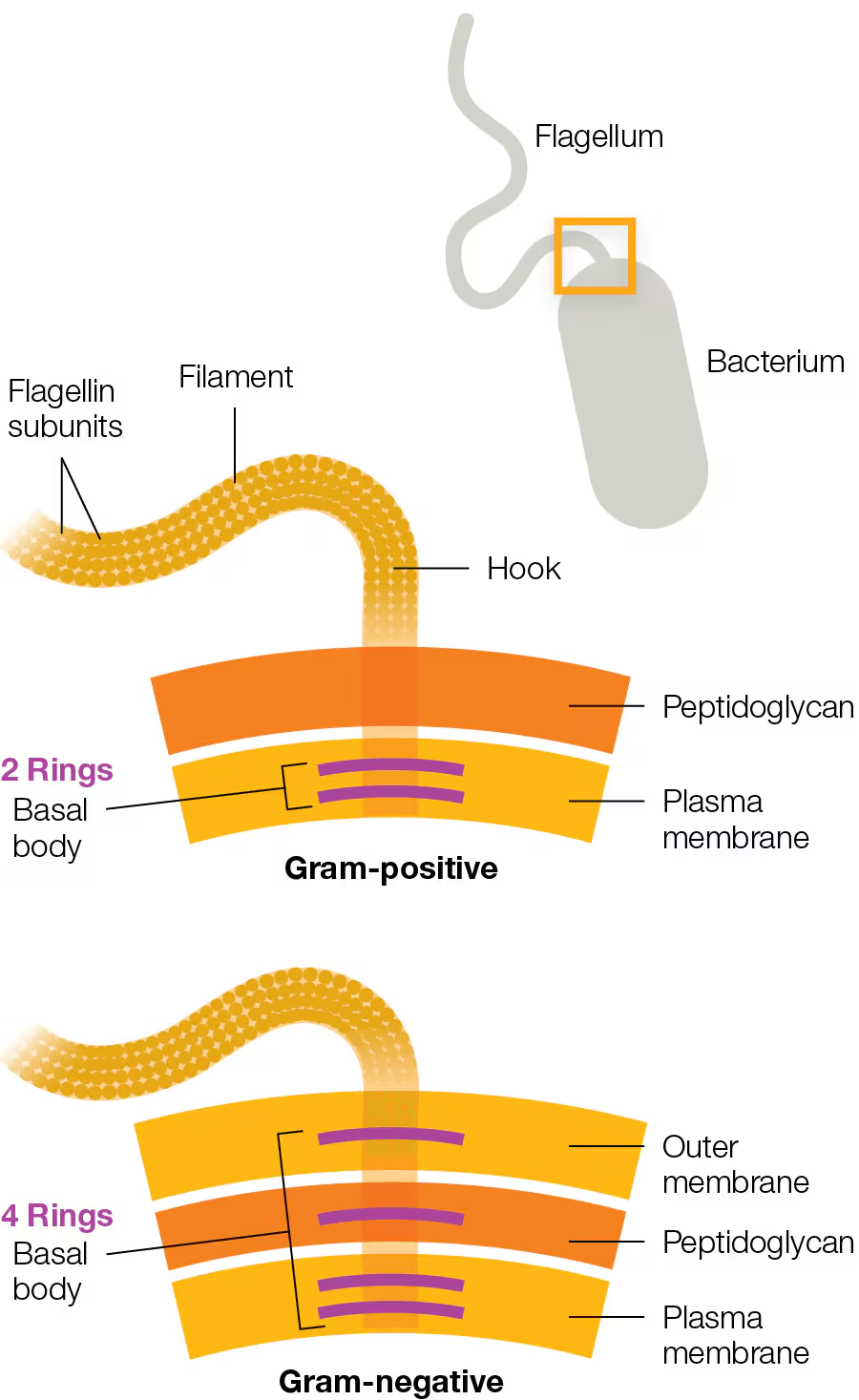
How is the flagellum of gram-positive and gram-negative bacteria different?
Gram-positive→ 2 rings secure flagellum
Gram-negative→4 rings secure and anchor flagellum to body
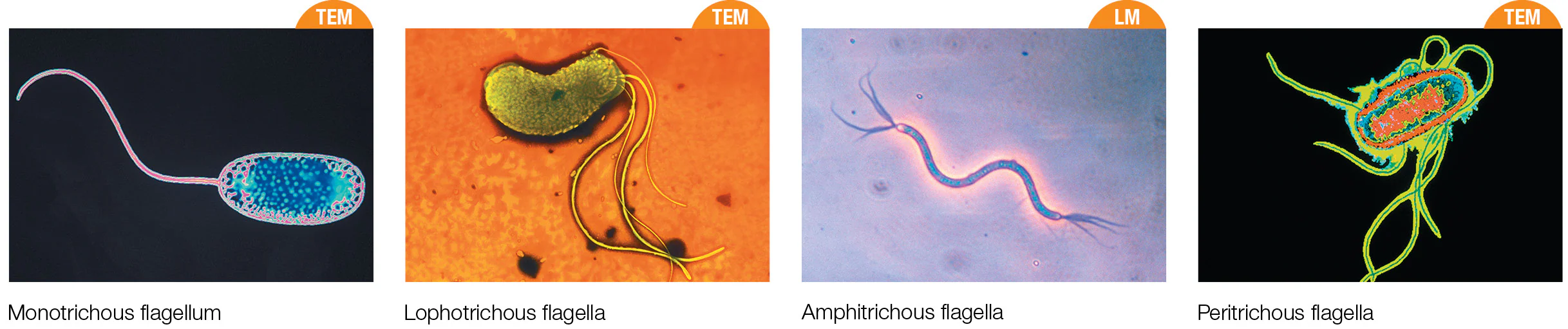
Flagella arrangements
Peritrichous: Flagella all over the cell
Monotrichous: Single flagellum
Lophotrichous: A tuft or clusters of flagella at one pole
Amphitrichous: Flagella at both poles
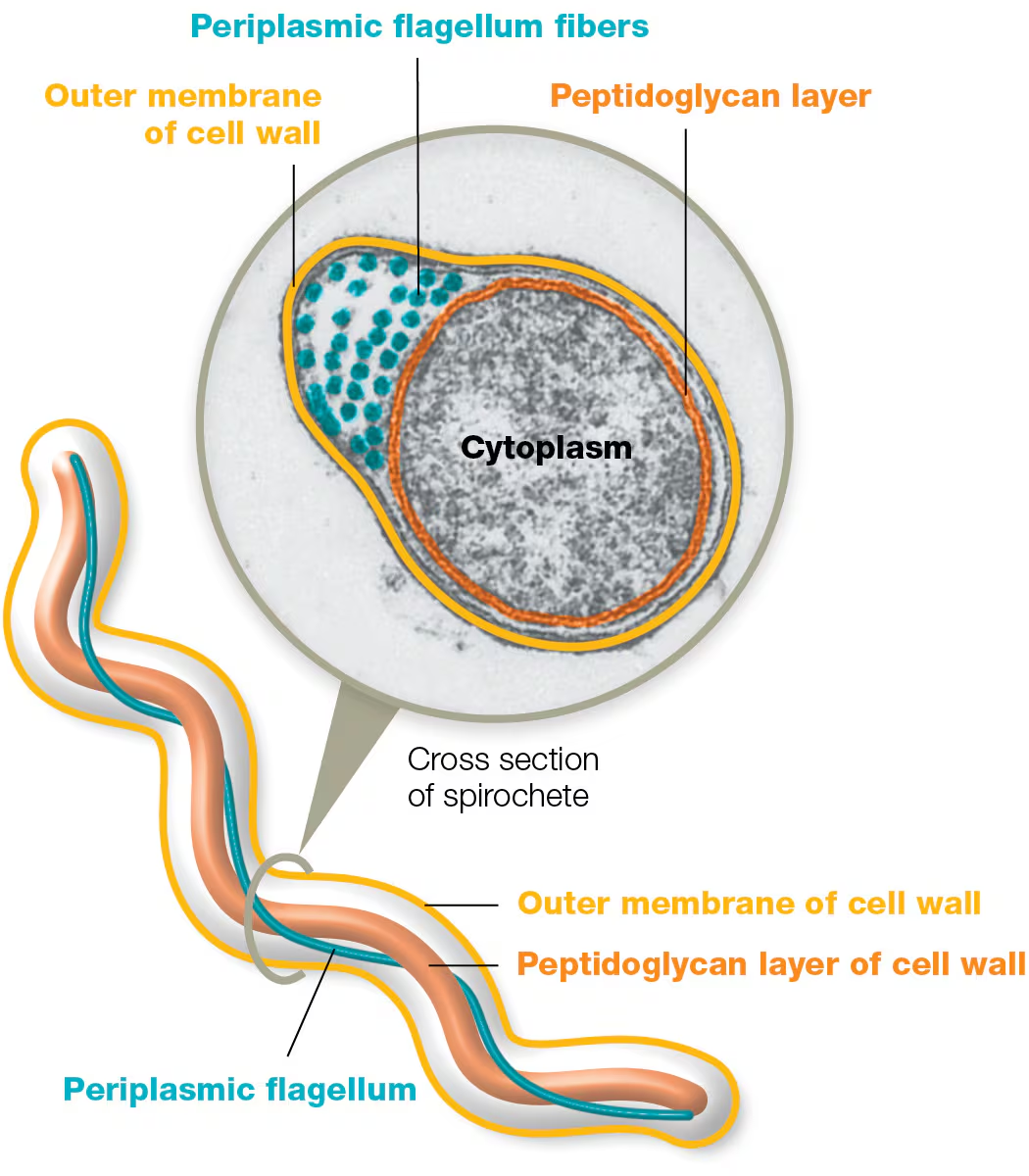
Periplasmatic flagella (axial filaments)
A type of flagella that is found within the periplasmic space of some gram-negative bacteria, allowing spirochetes to move in their corkscrew motion
How are bacterial flagella different from a Eukaryotic one
Bacterial flagella are made of flagellin (a protein), but Eukaryotic flagella consist of microtubules
What are axial filaments
Periplasmatic flagella that wrap around the cell body, causing movement by rotation found in spirochetes.
What microbes have axial filaments
Treponema and Borrelia
Fimbriae VS Pili.
Fimbriae:
Short, hair-like structure
Adhesive properties help bacteria stick to surfaces
In gram-negative bacteria
Pili:
Longer, more rigid, and less numerous than fimbriae
Motility (gliding or “twitching”)
Adherence to surfaces
Transfer of DNA between bacterial cells (conjugation).
How does a bacterial ribosome differ from a eukaryotic one?
Bacterial ribosomes: 70S in size (50S + 30S subunits)
Eukaryotic ribosomes: 80S in size (60S and 40S subunits)
REMEMBER: Prokaryotic ribosomes have less mass and diameter than Eukaryotic ribosomes
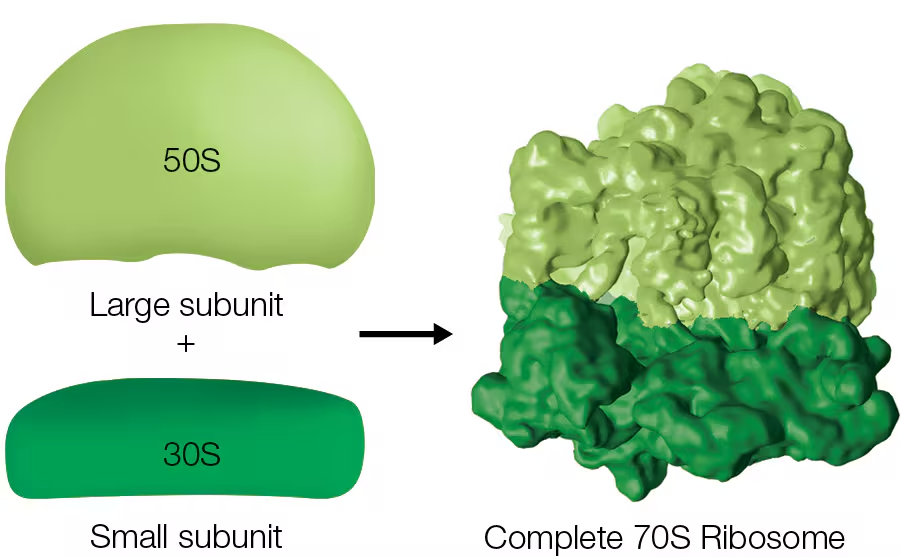
What eukaryotic organelles contain ribosomes like that of a bacterium?
Mitochondria and chloroplasts contain ribosomes similar to those of bacteria (70S) and are believed to have evolved from prokaryotic ancestors.
What inclusions are present in the bacterial cell, and their functions
They are storage bodies within a cell that reduce active intracellular volume to levels like those of normal-sized prokaryotes
Can be: Insoluble granule or membrane-bound inclusions
Store various substances
Nutrients (glycogen and lipid)
Gas (gas vesicles)
Metabolic byproducts
Example of inclusion bodies
Carboxysomes → Carbon-fixing enzymes
Magnetosomes → Accumulate magnetic iron
Metachromatic granules (volutin) → phosphate reserves
Lipid inclusions → Energy reserves
Sulfur granules → Energy reserves
Gas vacuoles → Protein-covered cylinders
What is an endospore?
Metabolically inactive structure that allows cells to enter a dormant state
Resistant to extreme conditions (starvation, heat, drying, freezing, and radiation)
Vegetative cells→ Term when spores germinate back during favorable conditions
2 genera of bacteria that form endospores
Bacillus and Clostridium (gram-positive) as well as Clostridioides.
Describe sporulation.
Process by which a bacterial cell forms an endospore:
Duplication of DNA
Package DNA w/ribosome + enzyme for vegetative restoration into Spore Core
Surround the spore core w/heat and chemical-resistant layers
Release
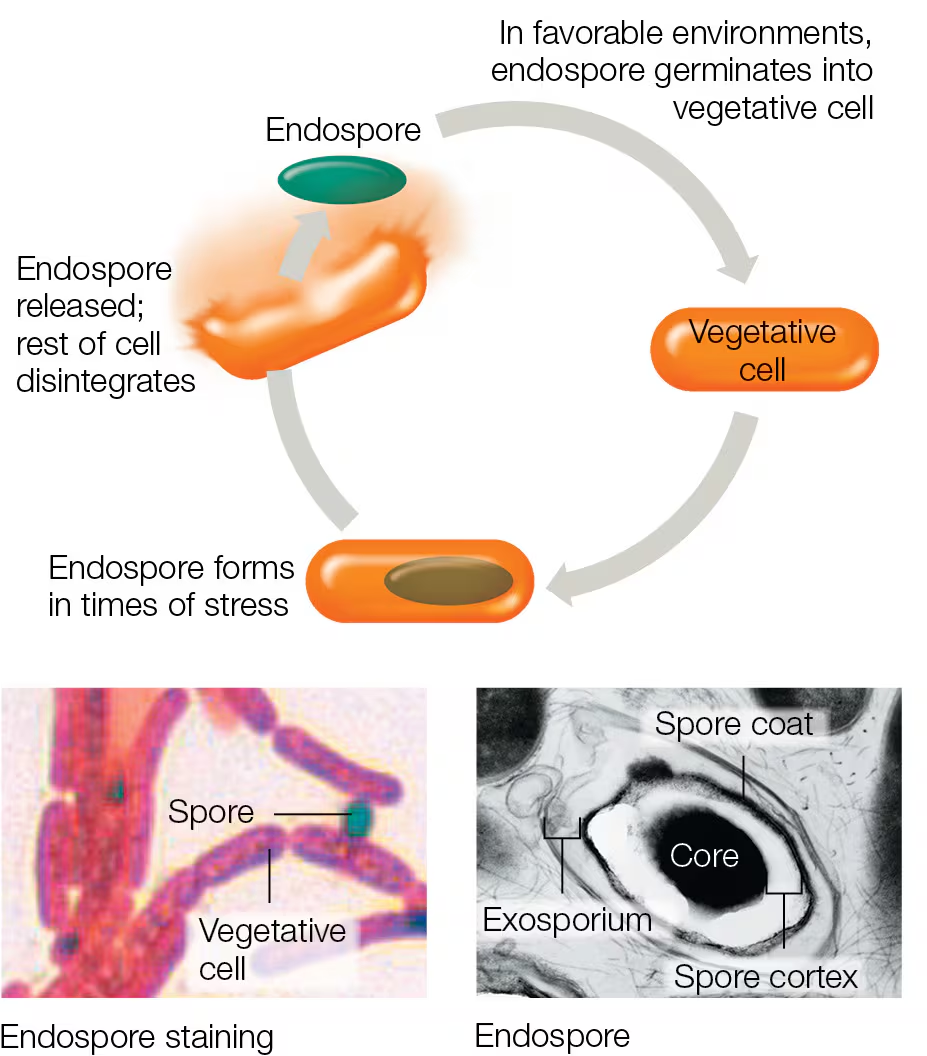
What characteristics of endospores allow them to resist high temperatures, radiation, etc.?
A thick, protective coat with low water content provides resistance to heat
Dipicolinic acid stabilizes DNA in the spore core, providing heat resistance, desiccation, radiation, and chemical damage.