Chapter 25 The Beginning of the Twentieth-Century Crisis: War and Revolution
 Call Kai
 Learn
Learn Practice Test
 Spaced Repetition
 Match
Match Flashcards
 Knowt Play
1/19

There's no tags or description
Looks like no tags are added yet.
Name | Mastery | Learn | Test | Matching | Spaced | Call with Kai |
|---|
No analytics yet
Send a link to your students to track their progress
20 Terms
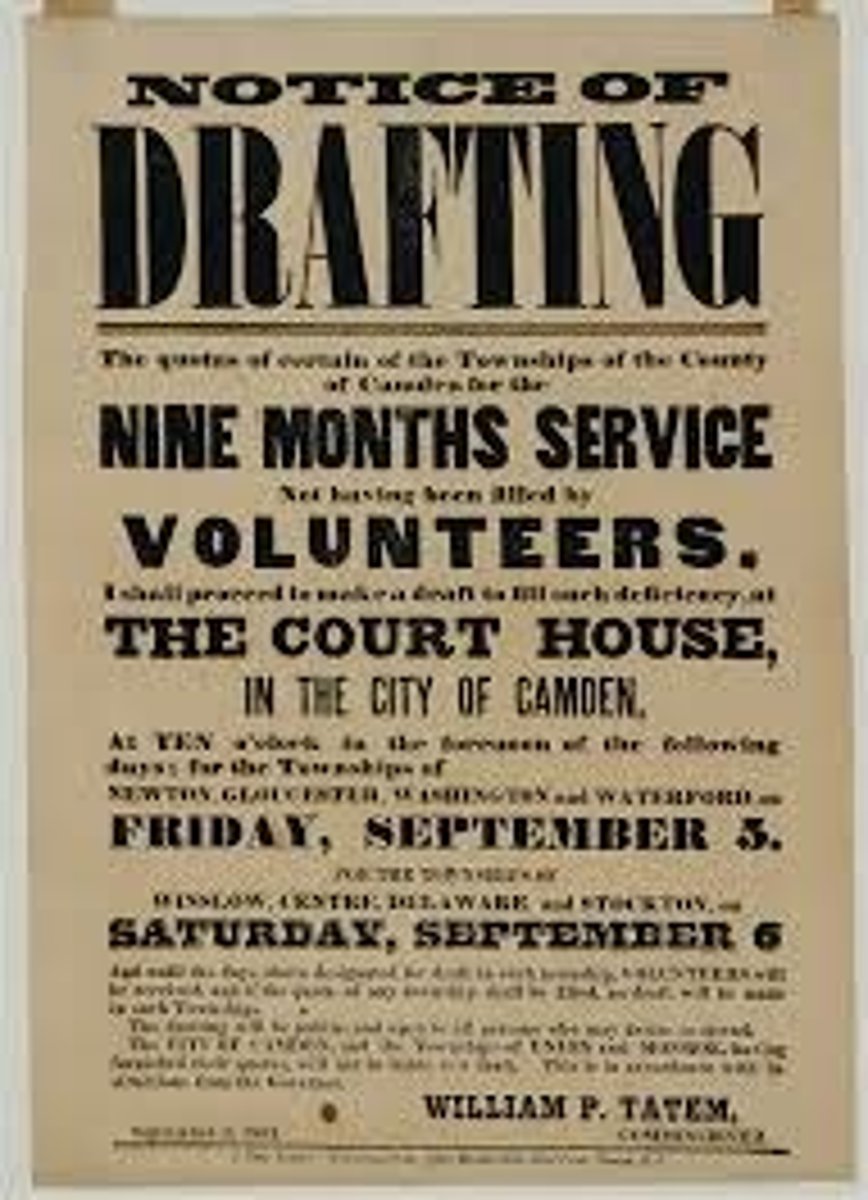
Conscription
Government program that forced men of fighting age to join the army.
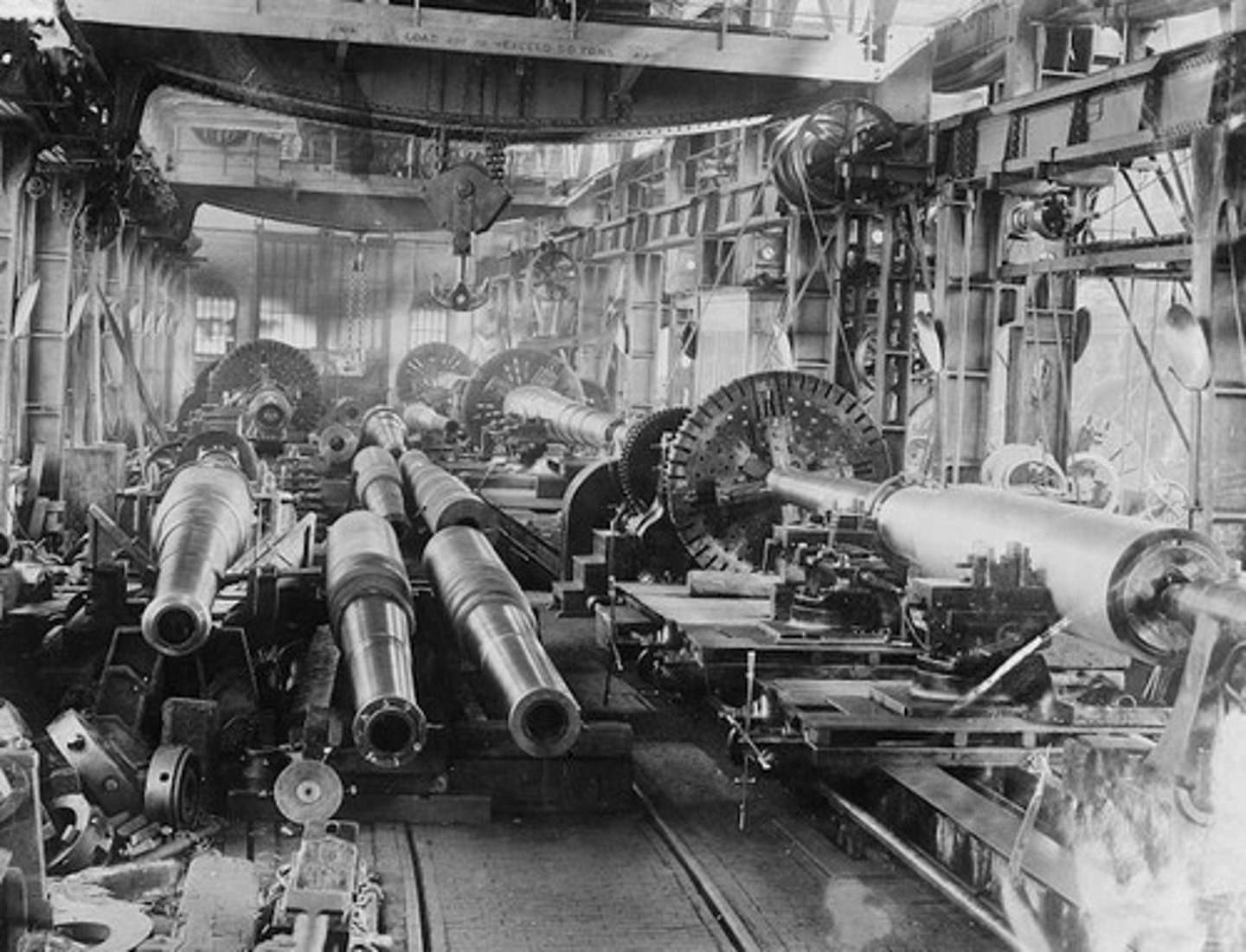
Militarism
A policy pursued by many European nations that greatly increased the size of their nations armies that would increase the size and scope of any future wars.
Mobilization
The calling up and deployment of a nations armed forces.
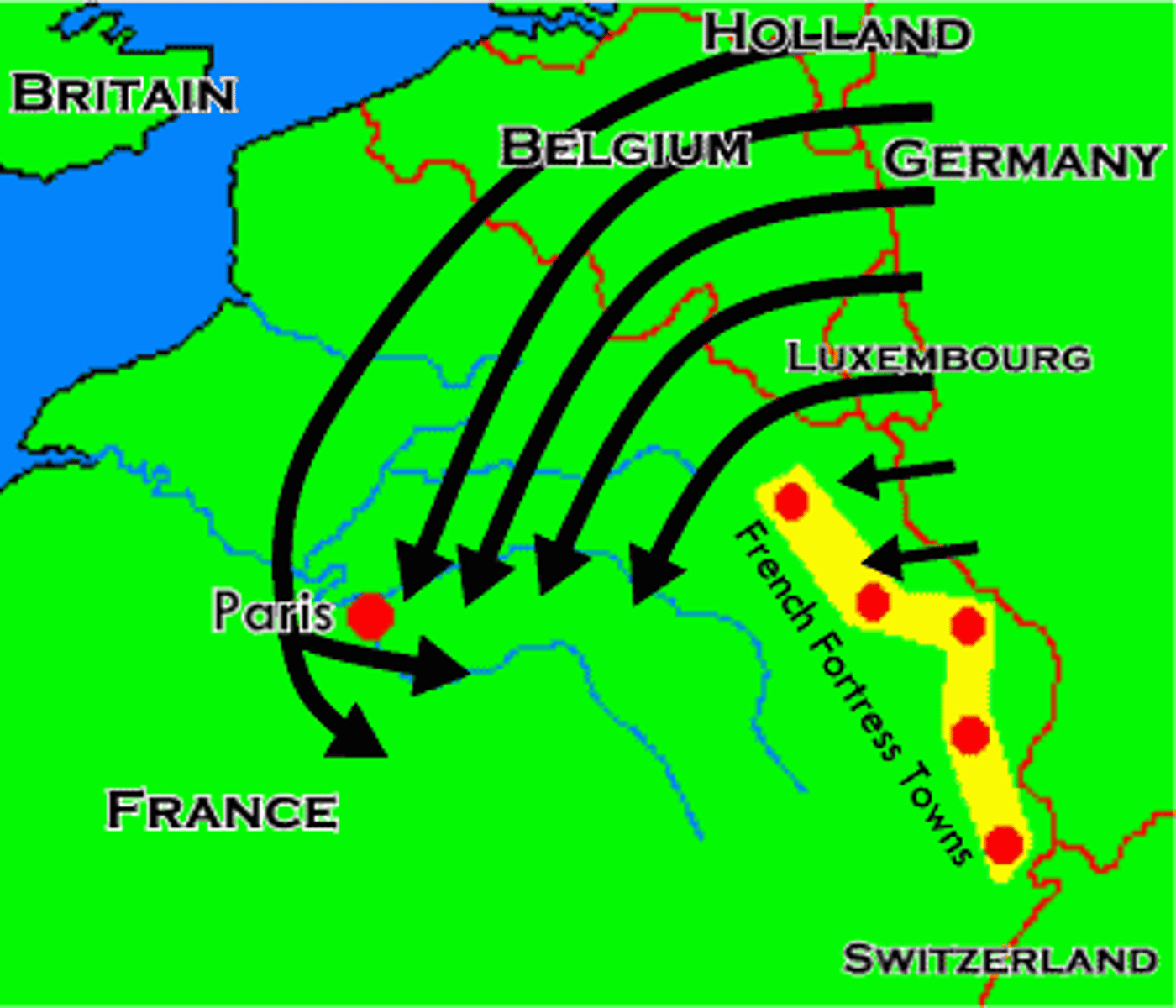
The Schlieffen Plan
A plan named after the German chief of staff from 1891 to 1905 that assumed a two front war for Germany. It had most of the troops fight France first, then turn on the next enemy, Russia.
"Blank Check"
A German policy and promise to back Austria-Hungary in whatever actions they decided to take in retaliation against Serbia.
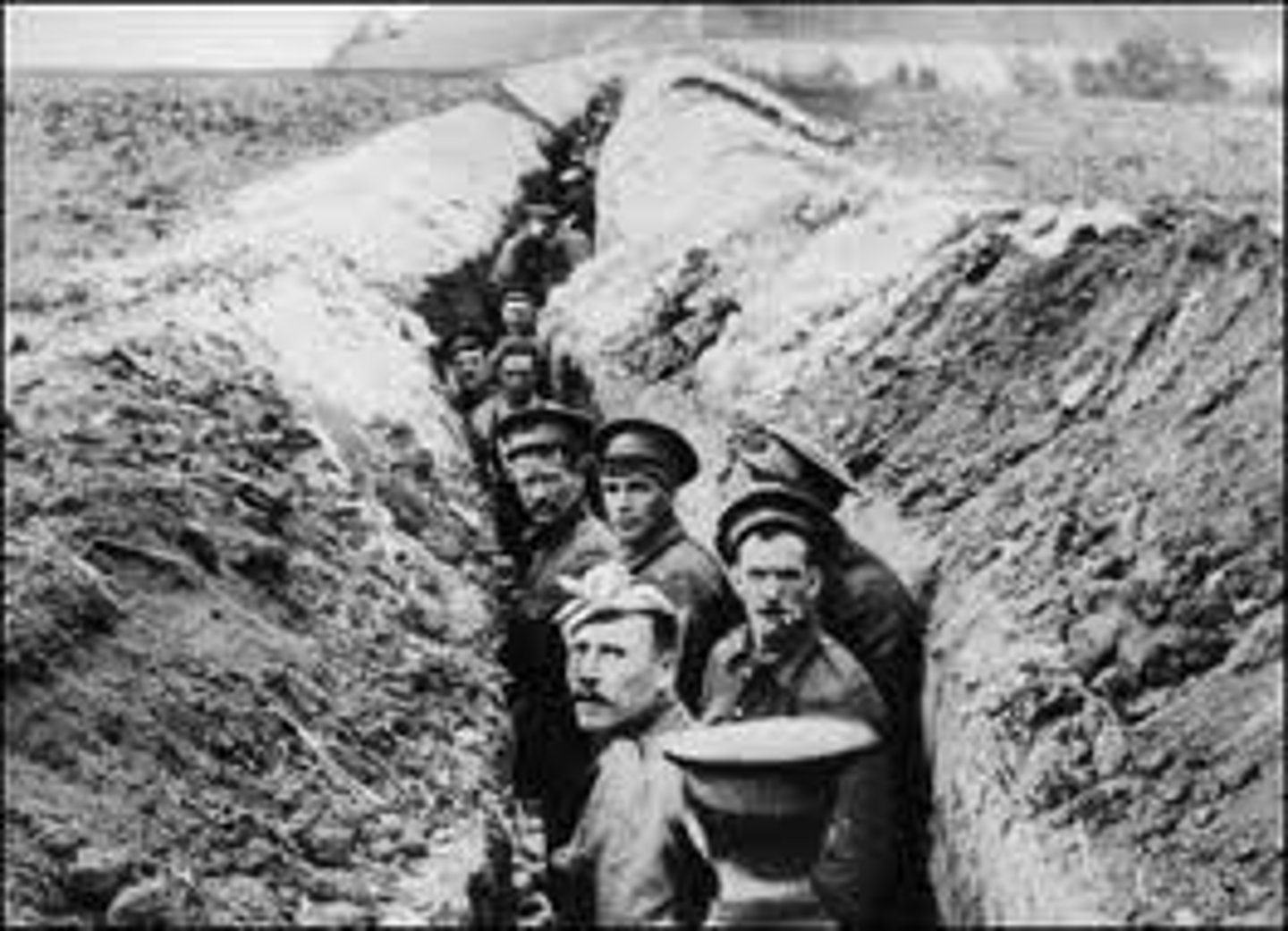
Trench Warfare
The style of fighting that developed in WWI because of the new and deadly weapons, especially the machine gun.
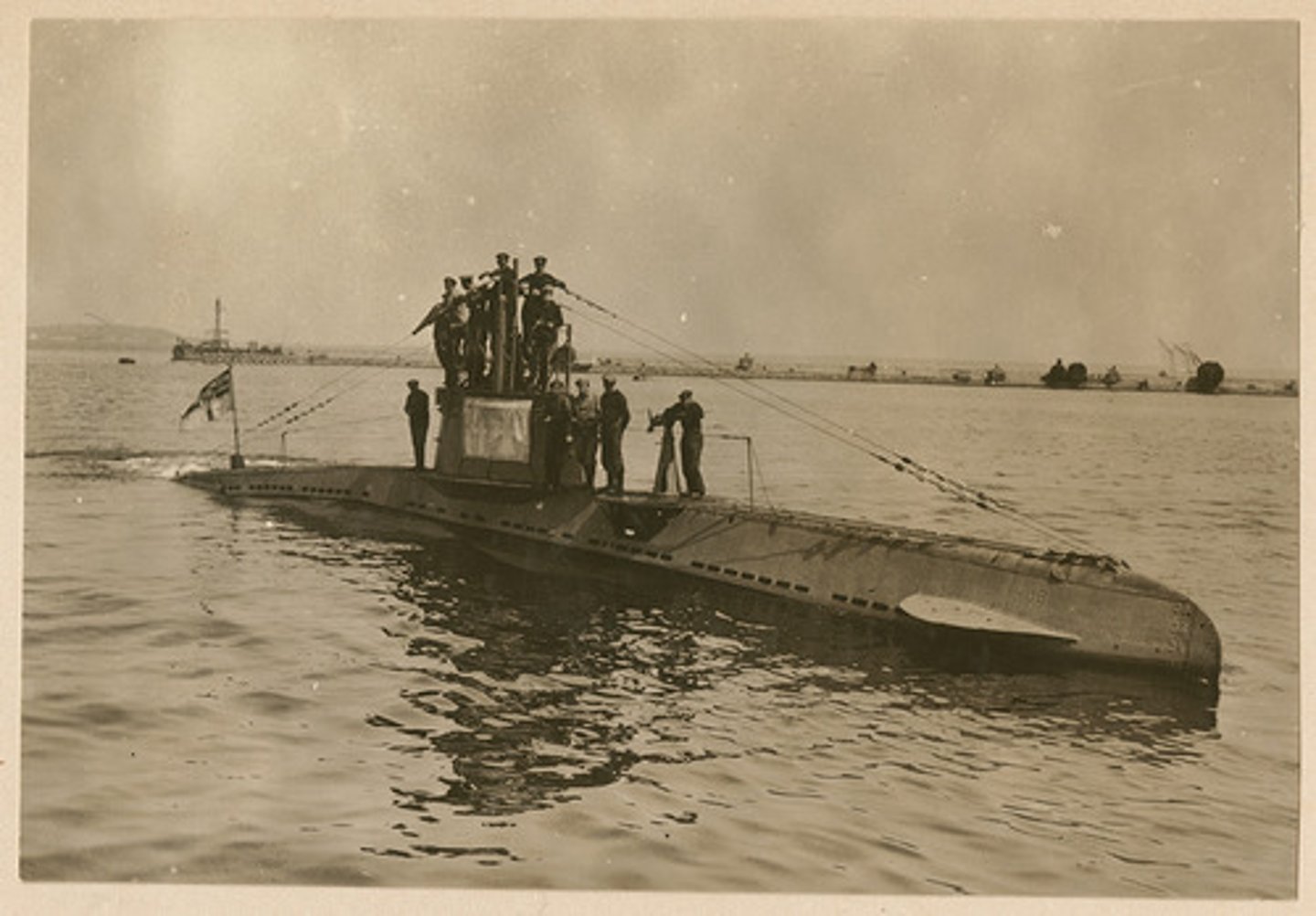
Unrestricted Submarine Warfare
A policy by Germany that tried to use submarines to sink ships heading to Great Britain in an attempt to starve them into surrender.
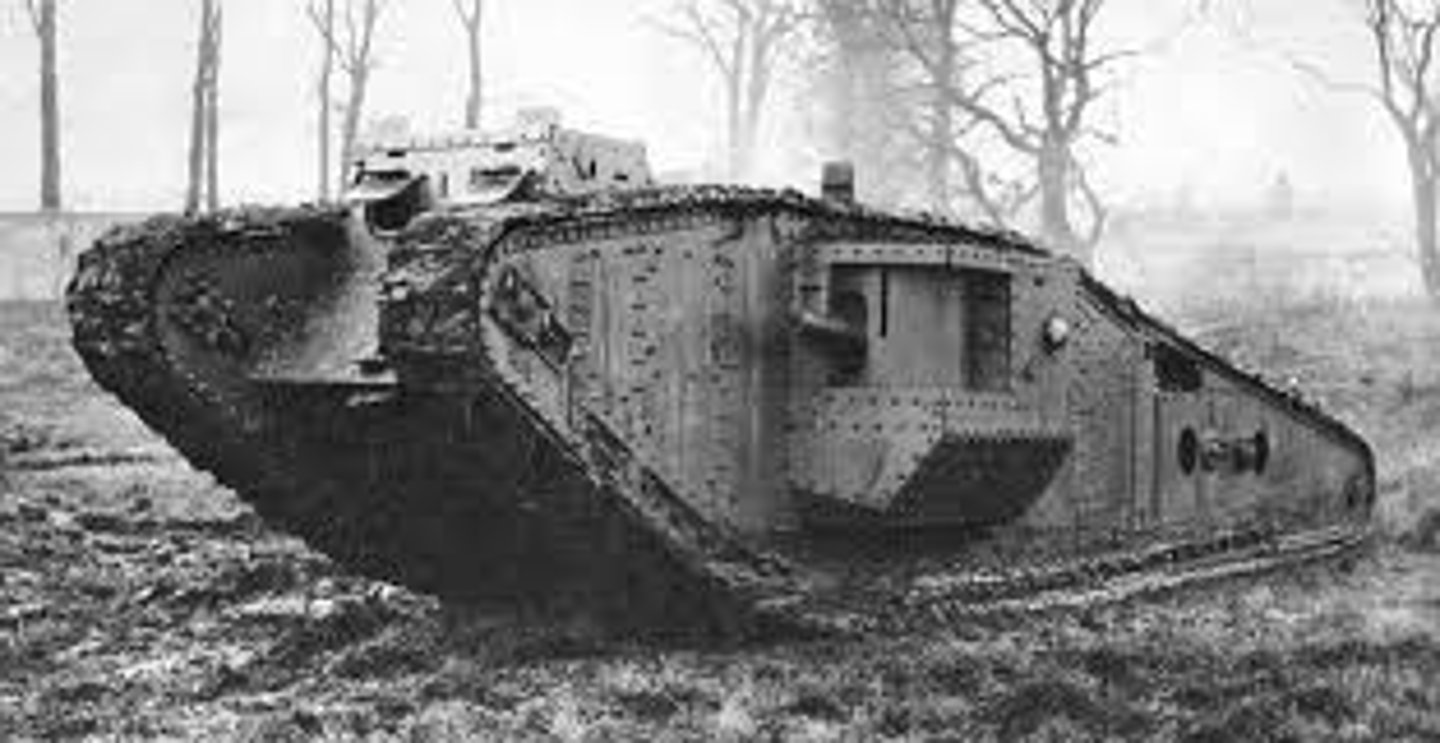
Tanks
A new weapon used during WWI. It was a metal vehicle with heavy armament that helped break the stalemate of Trench Warfare.
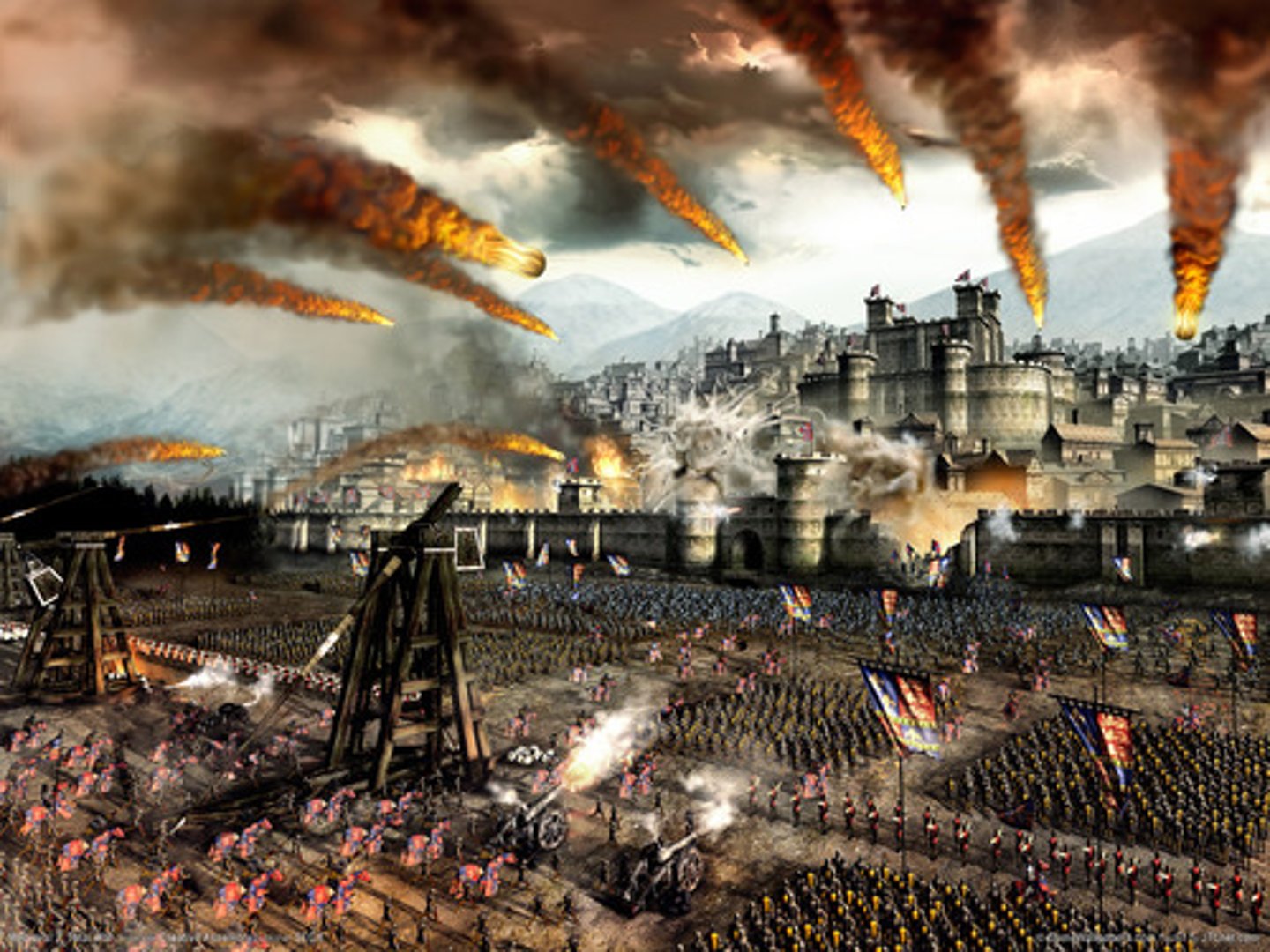
Total War
War that impacts civilians as well as military personnel in a multitude of factors; economics, food, societal just to name a few examples.
Nationalization
The policy of a government that takes ownership and control of an industry that used to be privately held and makes it a government run institution.
The March Revolution
A revolution that began with a series of strikes made up of mostly working class women that would lead to the end of rule of the Tsar's rule in Russia.
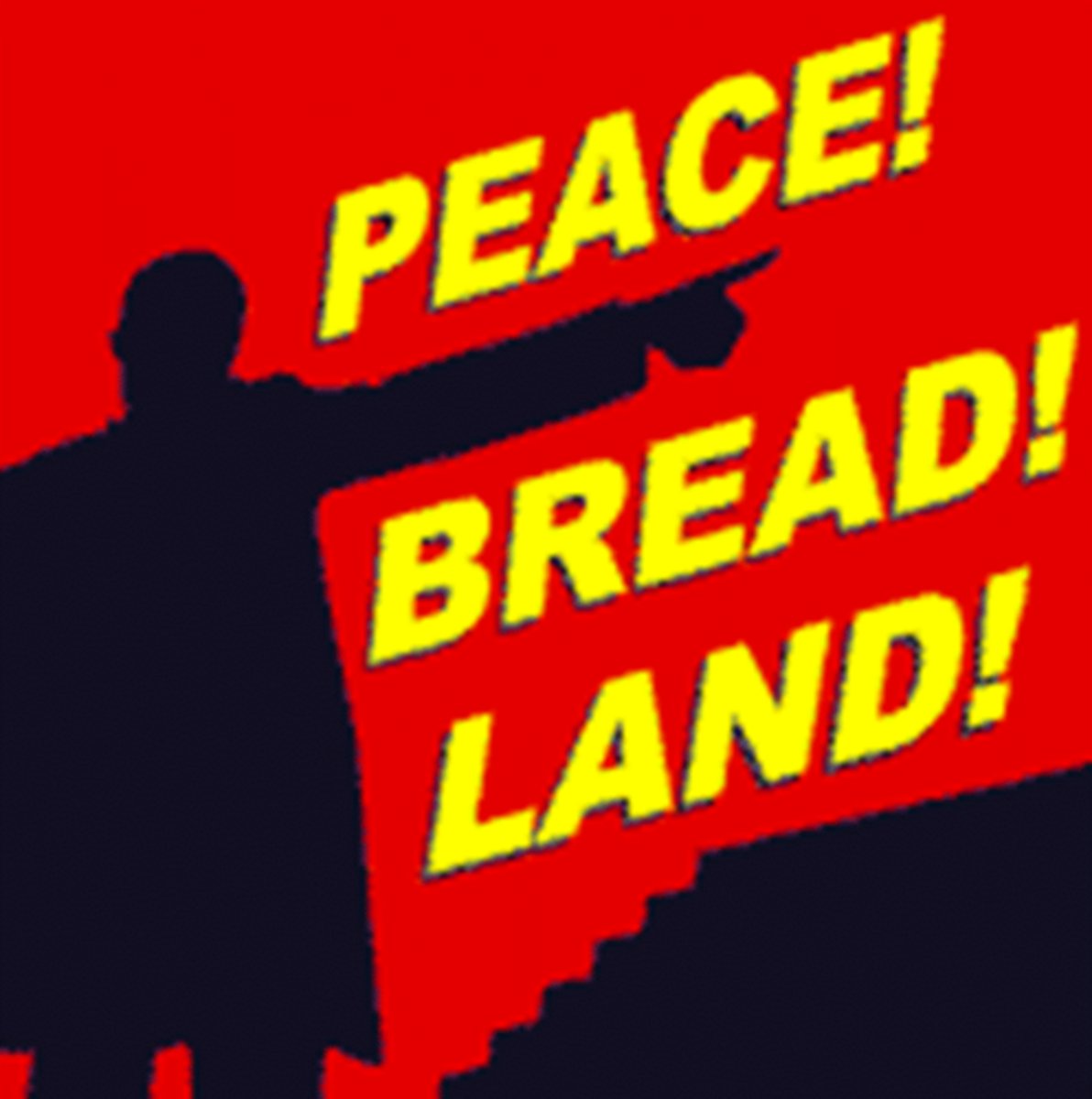
Soviets
Council of workers and soldiers deputies formed throughout Russia in 1917 that played an important role in the Bolshevik Revolution
Bolsheviks
A small faction of the Russian Social Democratic Party who were led by Lenin and dedicated to violent revolution. they seized power in Russia in 1917 and were subsequently renamed the Communists.
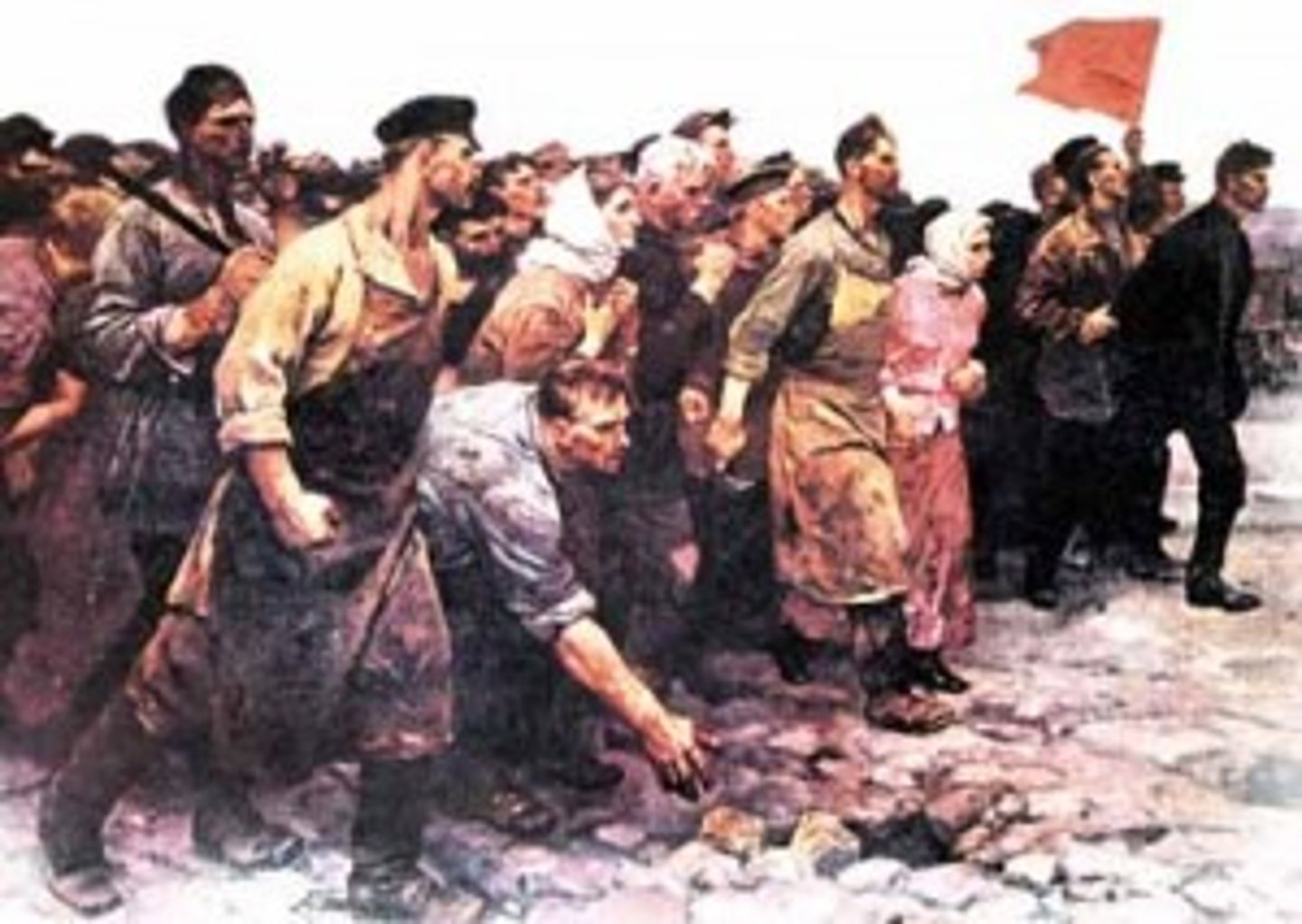
Communists
The new name of the Bolsheviks. They worked to transform Russia from a capitalist system to one of national collectivism. The old land owning class lost their power and their land and power were to be redistributed to the peasants.
White Russians
The name of the forces that fought in the Russian Civil War on the side of bringing back the Tsar or at least to fight against the Communists.
Red Army
Military forces on the side of the Bolsheviks during the Russian Civil War.
Self-Determination
The doctrine that the people of a given territory or a particular nationality should have the right to determine their own government and political future.
The Treaty of Versailles
The most significant treaty that ended WWI. It was looked at as a very harsh set of conditions from the German point of view and would be used in the future as an excuse to exact revenge for Germany.
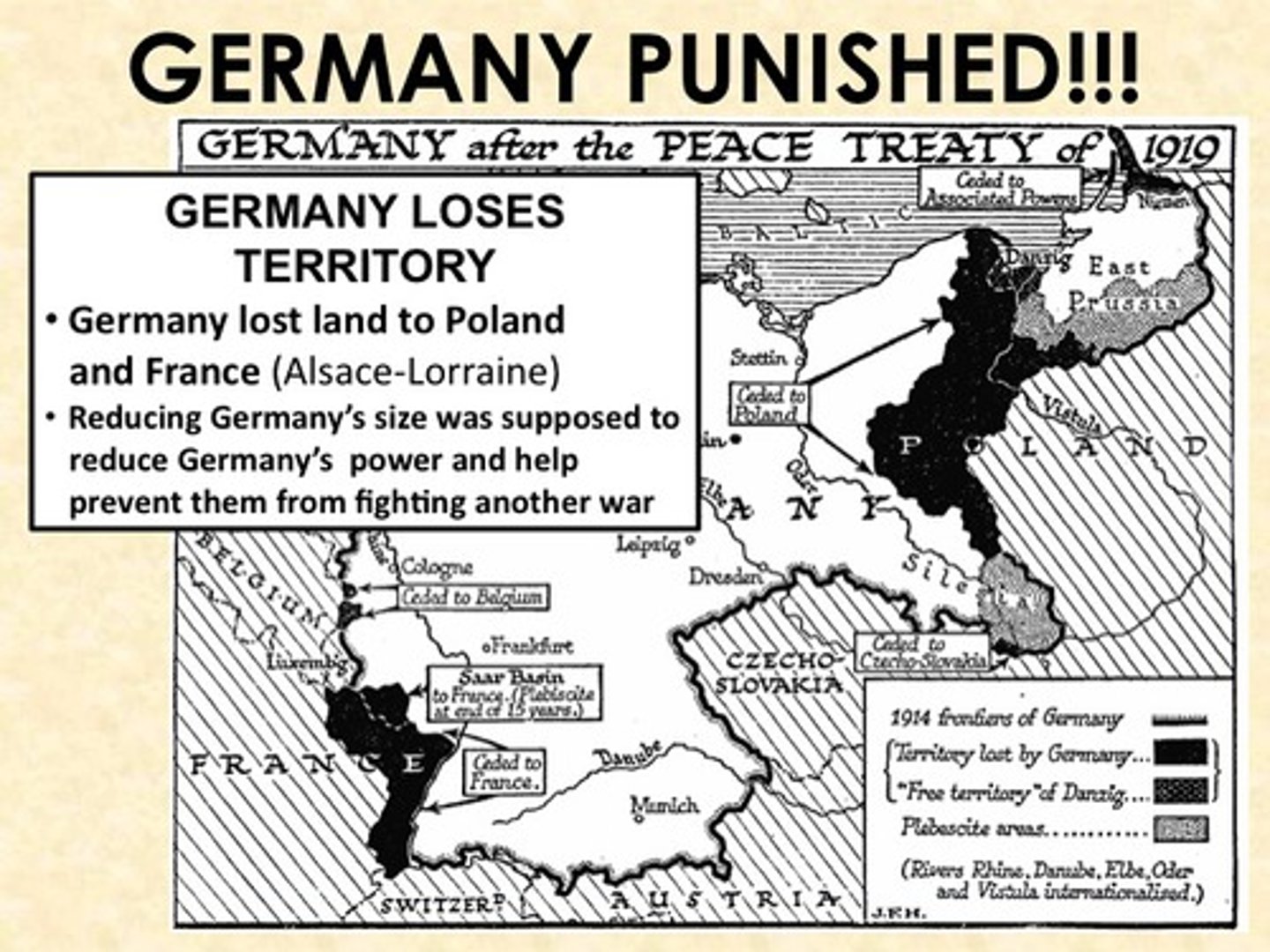
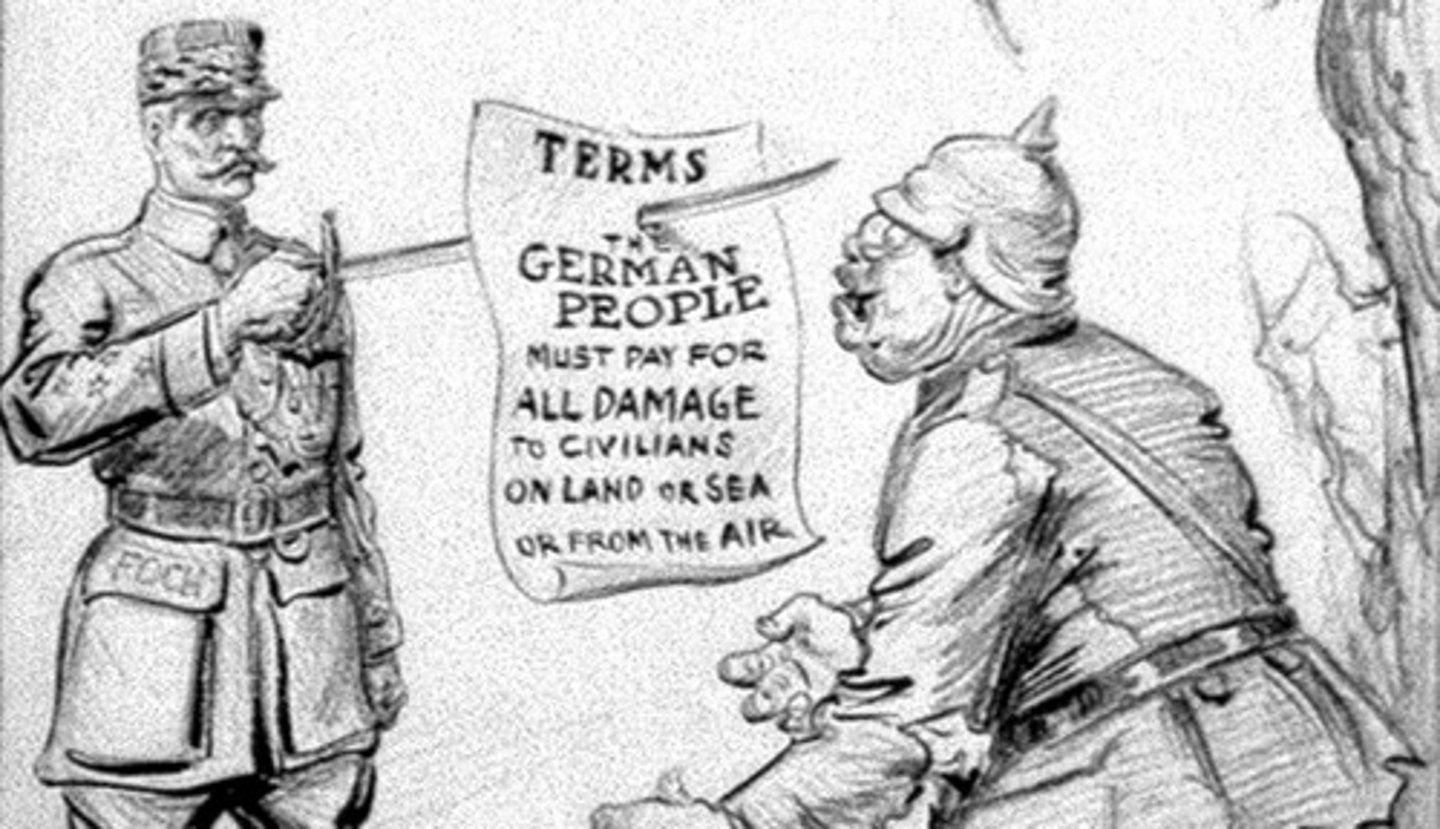
War Guilt Clause
Declared that Germany and Austria were responsible for starting the war and placed the burden on Germany of repaying the allied powers damages caused by the conflict.

Reparations
Payments made by a defeated nation after a war to compensate another nation for damage sustained as a result of the war. A prime example would be Germany after WWI.